Article by Dimosthenis Seitaridis Cover photo by George Tzimagiorgis Edited by Harrys Pourouzidis
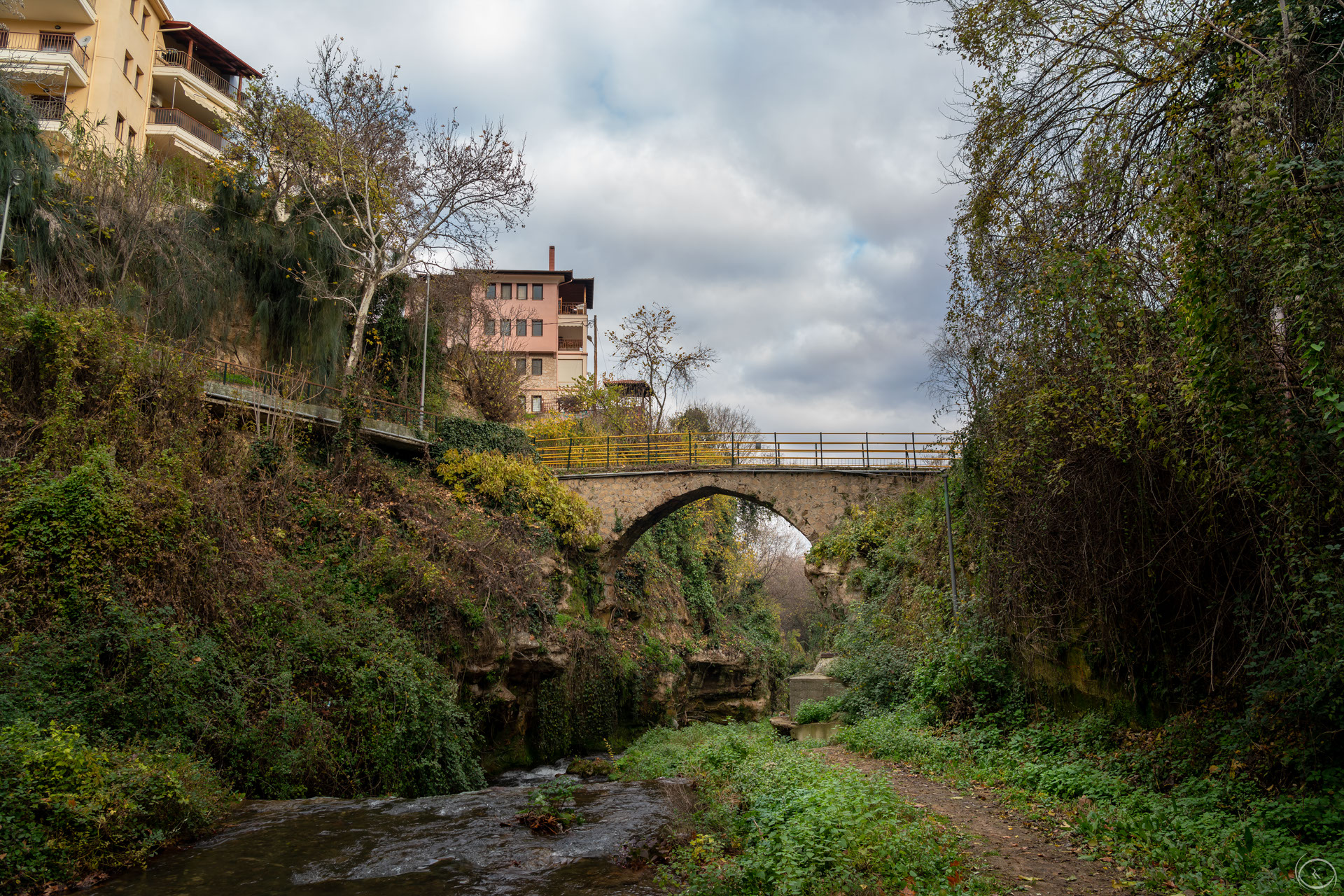
Built on the southeastern slopes of Vermio, with the Tripotamos River running through it, Veria was an extremely important city of the Macedonian Kingdom. During the Roman period, its development not only continued but flourished, and the city became the capital of the Third Macedonia, Macedonia Tertia.
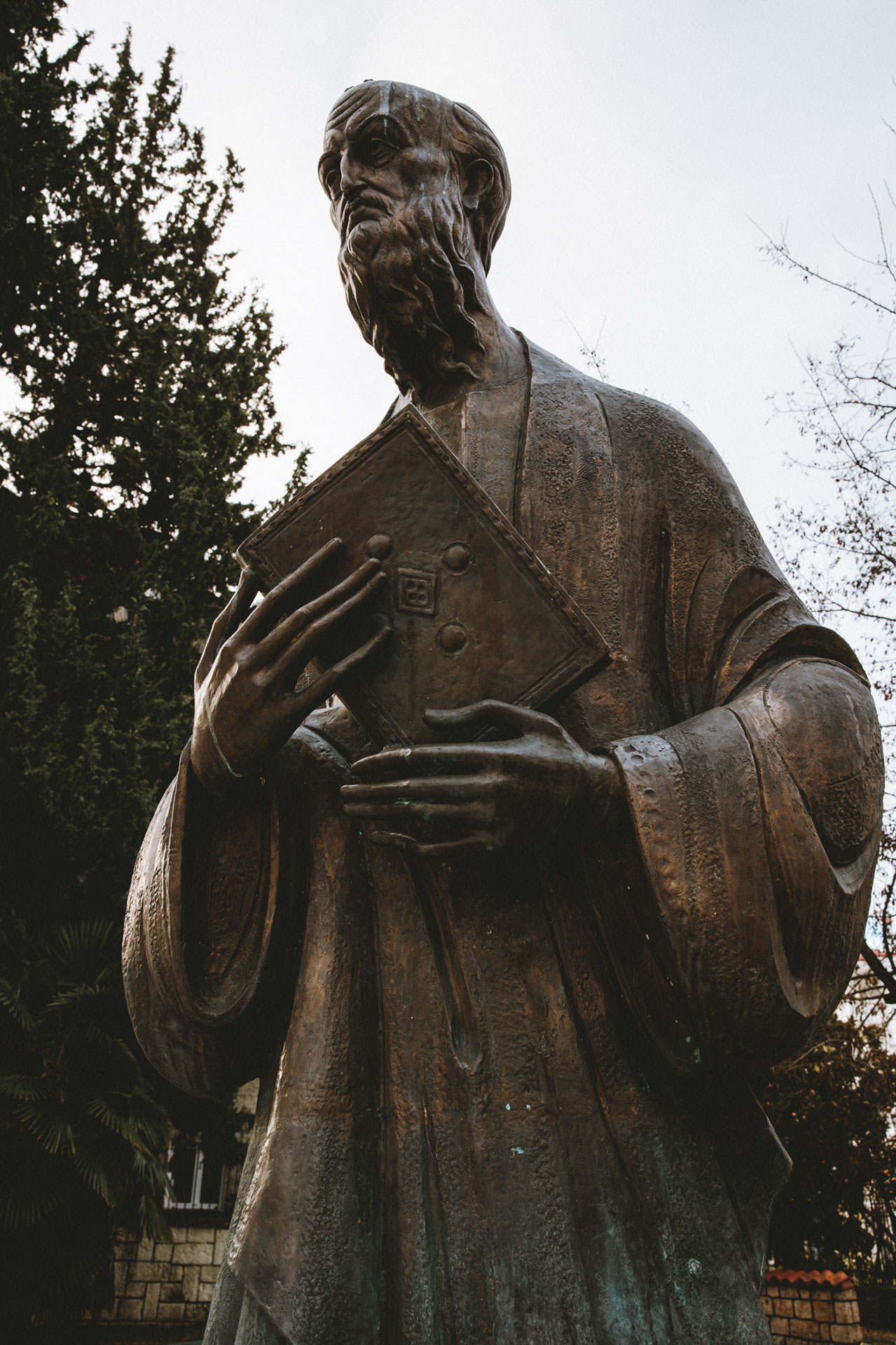
The Apostle Paul and Silas preached the word of the Gospel in Veria in 56 AD and in early 57 AD, during their second missionary journey, staying in the city for a short time.
Near Clock Square, also known as Raktivan Square, the Step of the Apostle Paul is preserved to this day. It has been designated a world monument of religious heritage. There, the Roman slabs of the 1st century survive, on which, according to tradition, the Apostle to the Nations stood while preaching. This gives the monument particular historical, religious, and emotional value.
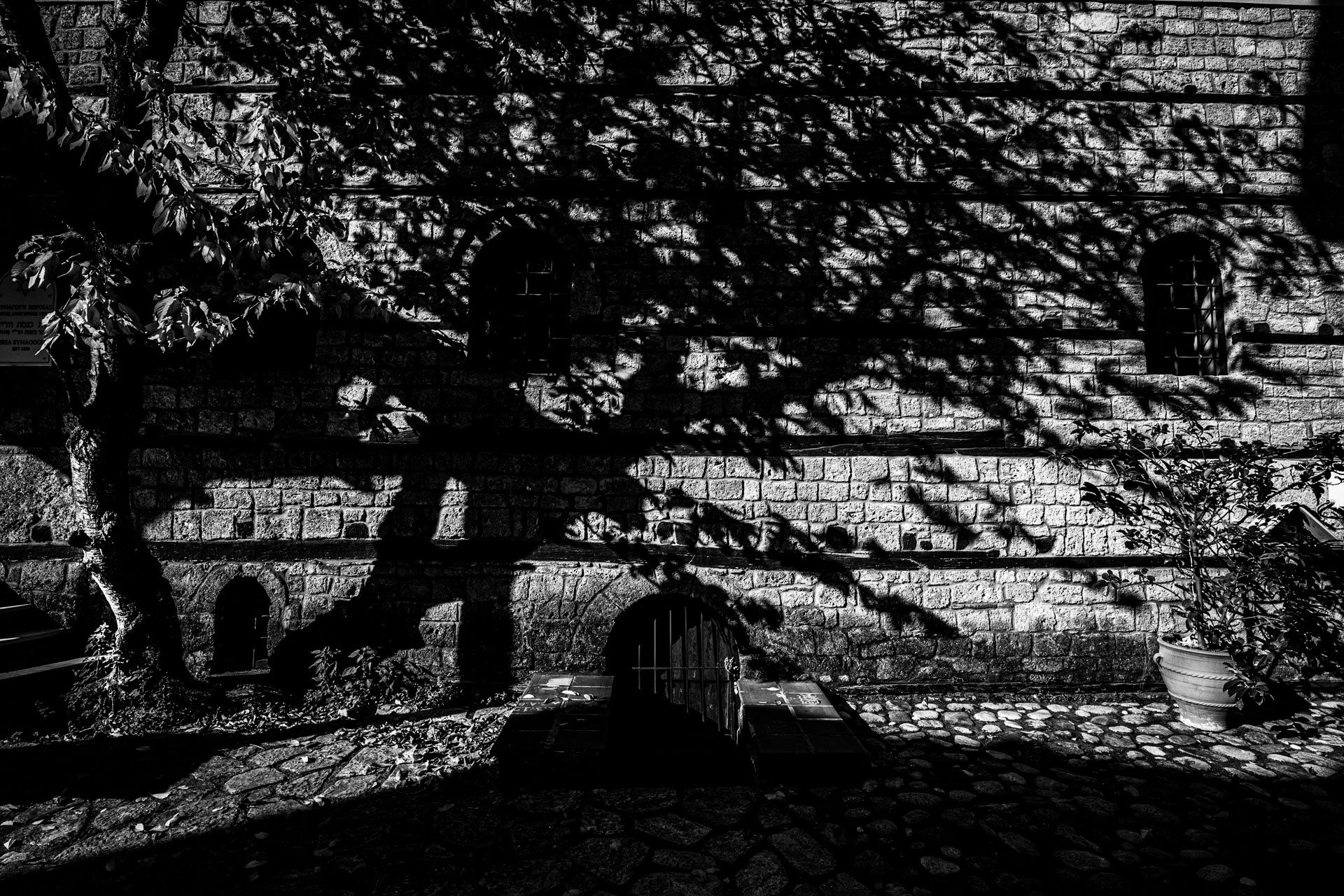
Another place where the Apostle Paul taught was the site of the ancient Jewish synagogue, which is believed to have stood in the same location as the present-day synagogue.
Harrys Pourouzidis
Dimosthenis Seitaridis
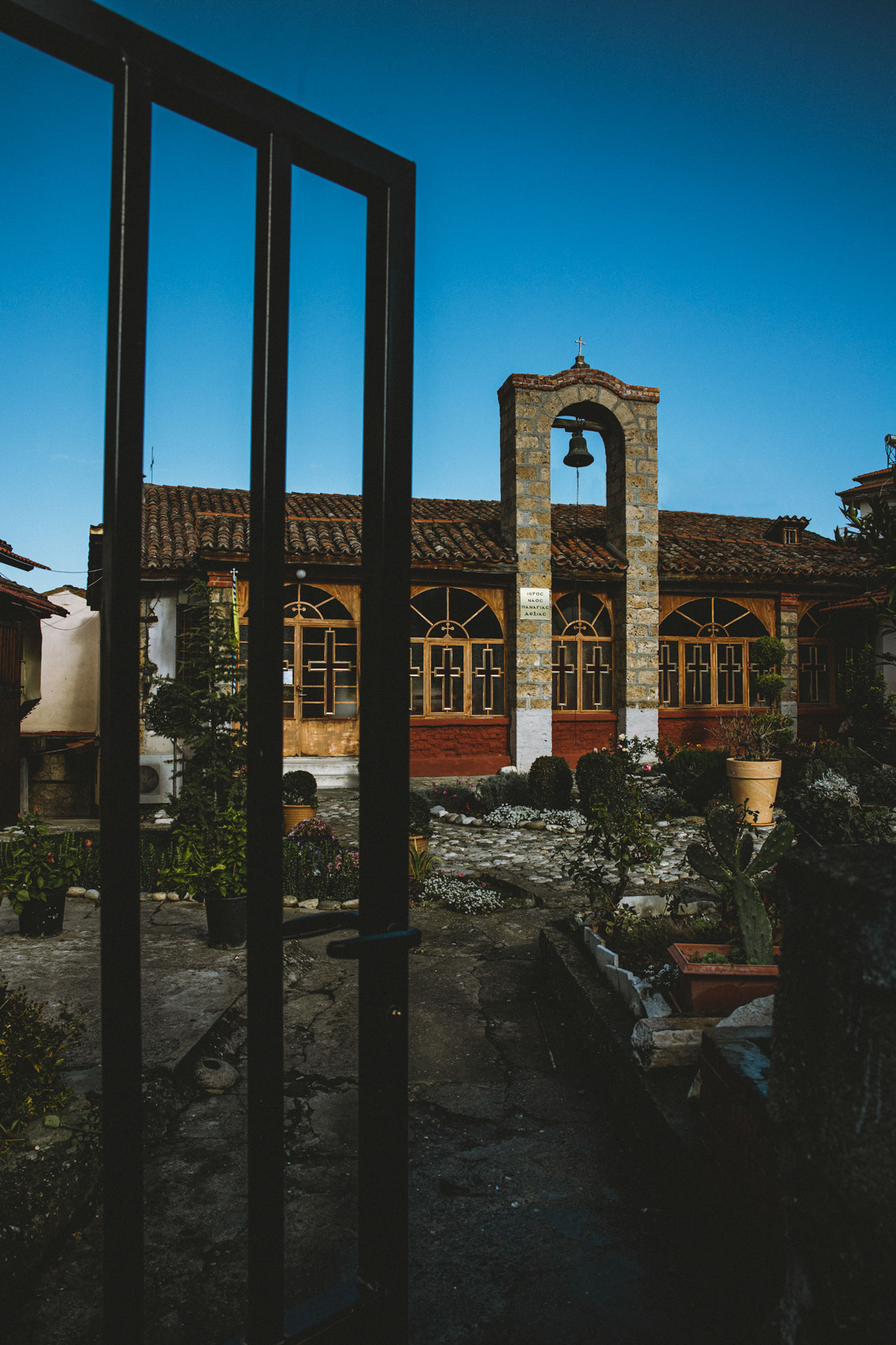
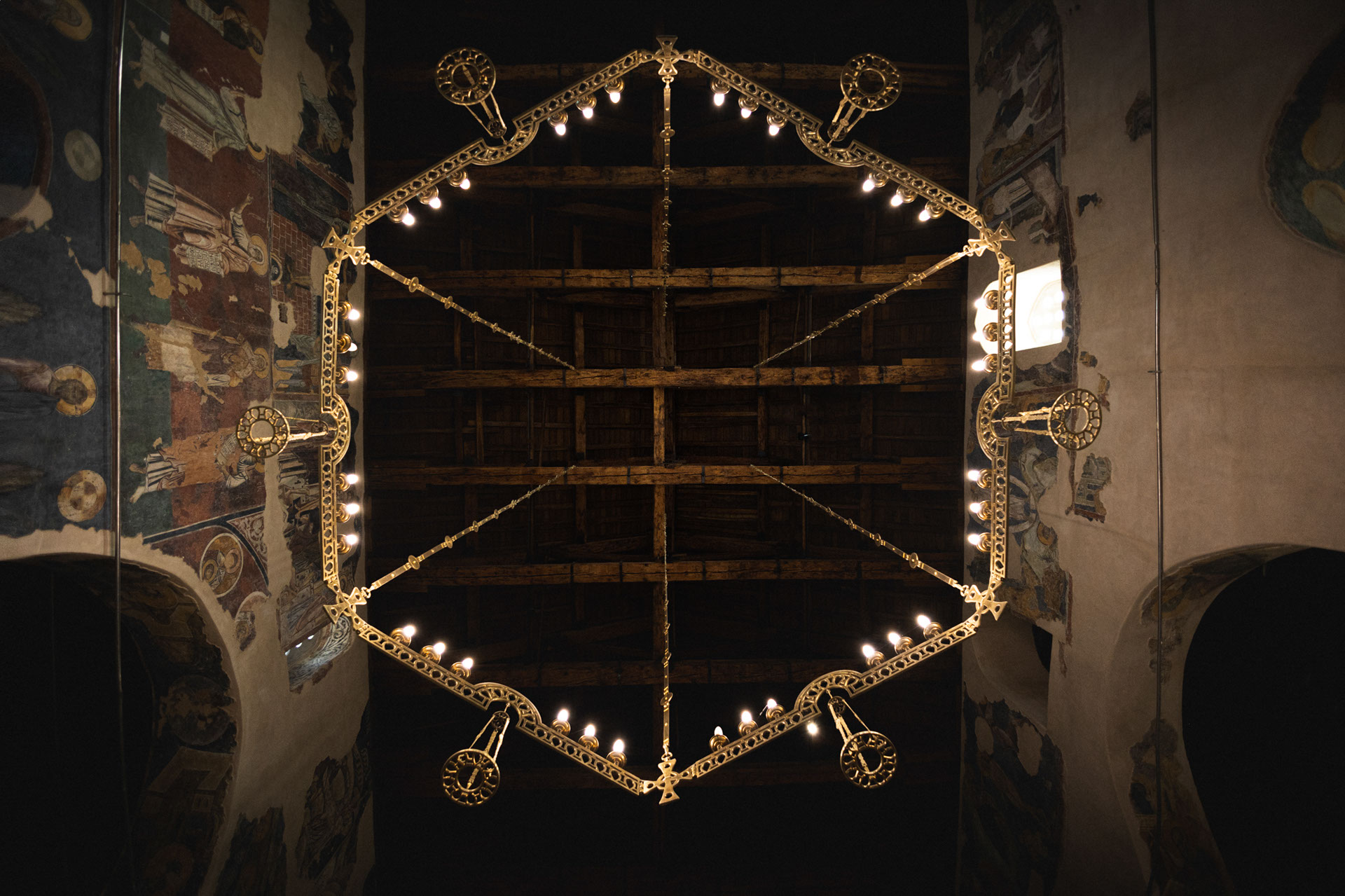
From the 11th to the 14th century, Veria was one of the most important cities of the Byzantine Empire. The undeniable witness to its prosperity is the impressively large number of Byzantine and post-Byzantine churches, with their beautiful frescoes. In the 14th and 15th centuries, the city was coveted by the Serbs, who managed to capture it from the Byzantines several times. Most likely, in 1430 it came permanently under Ottoman control.
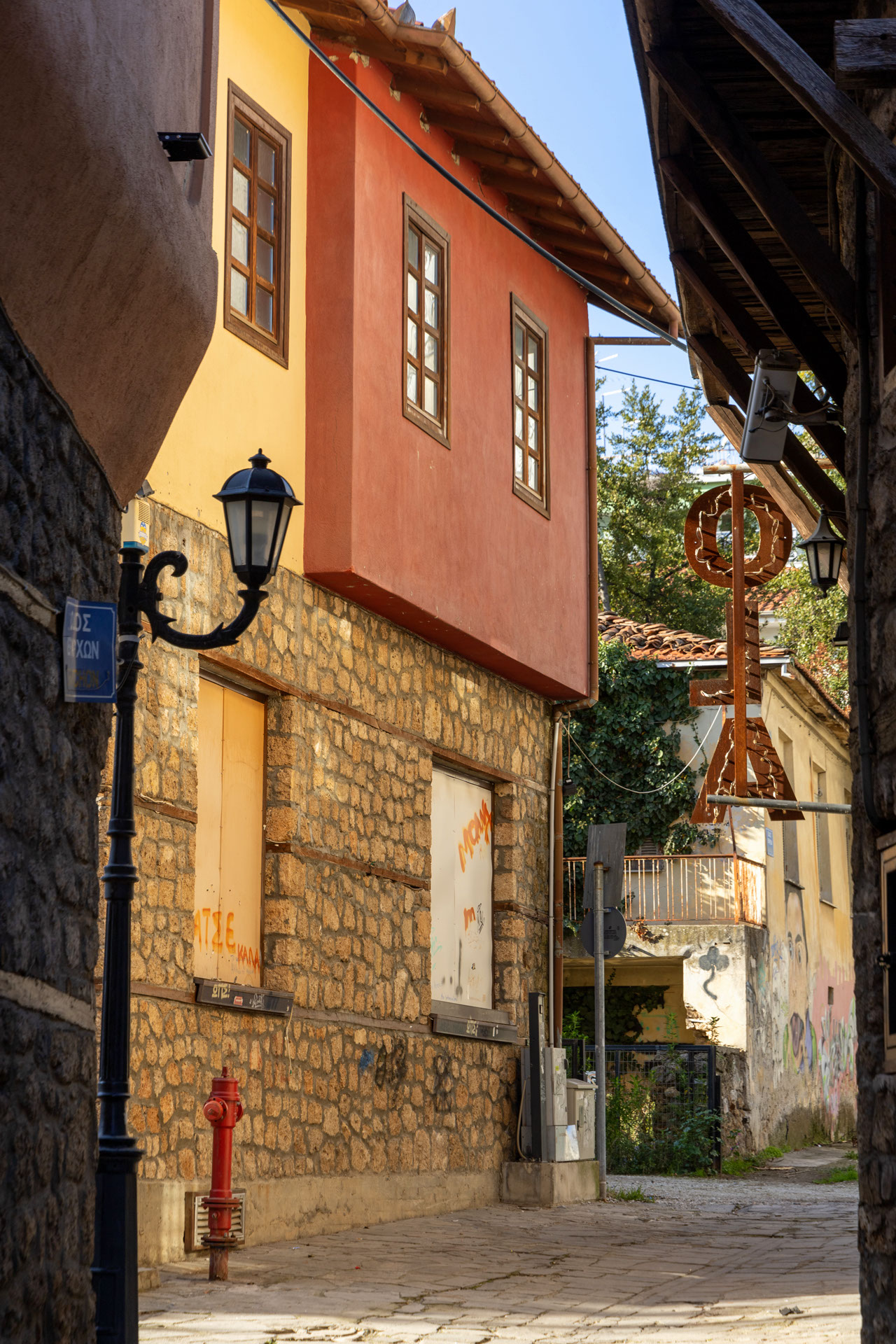
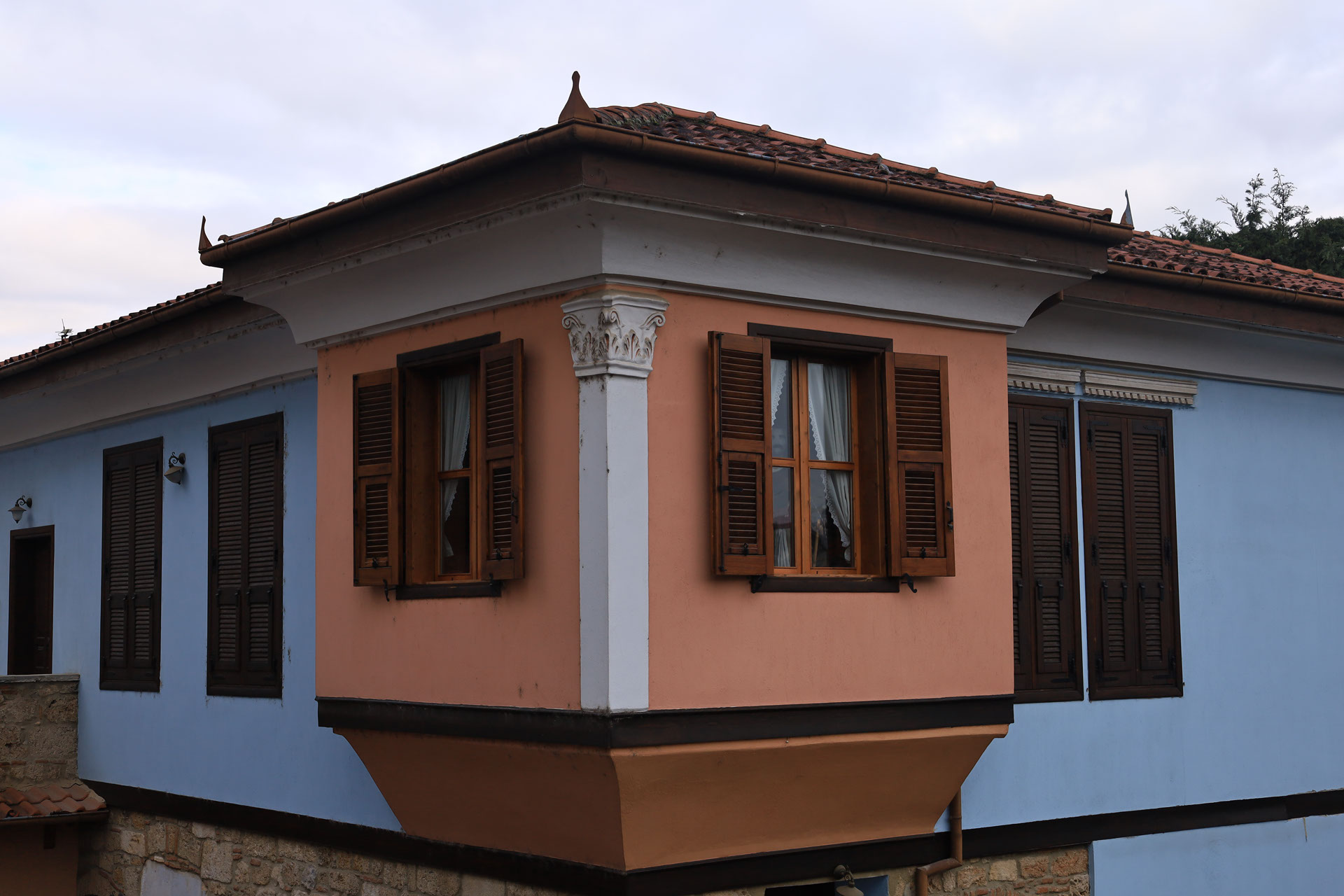
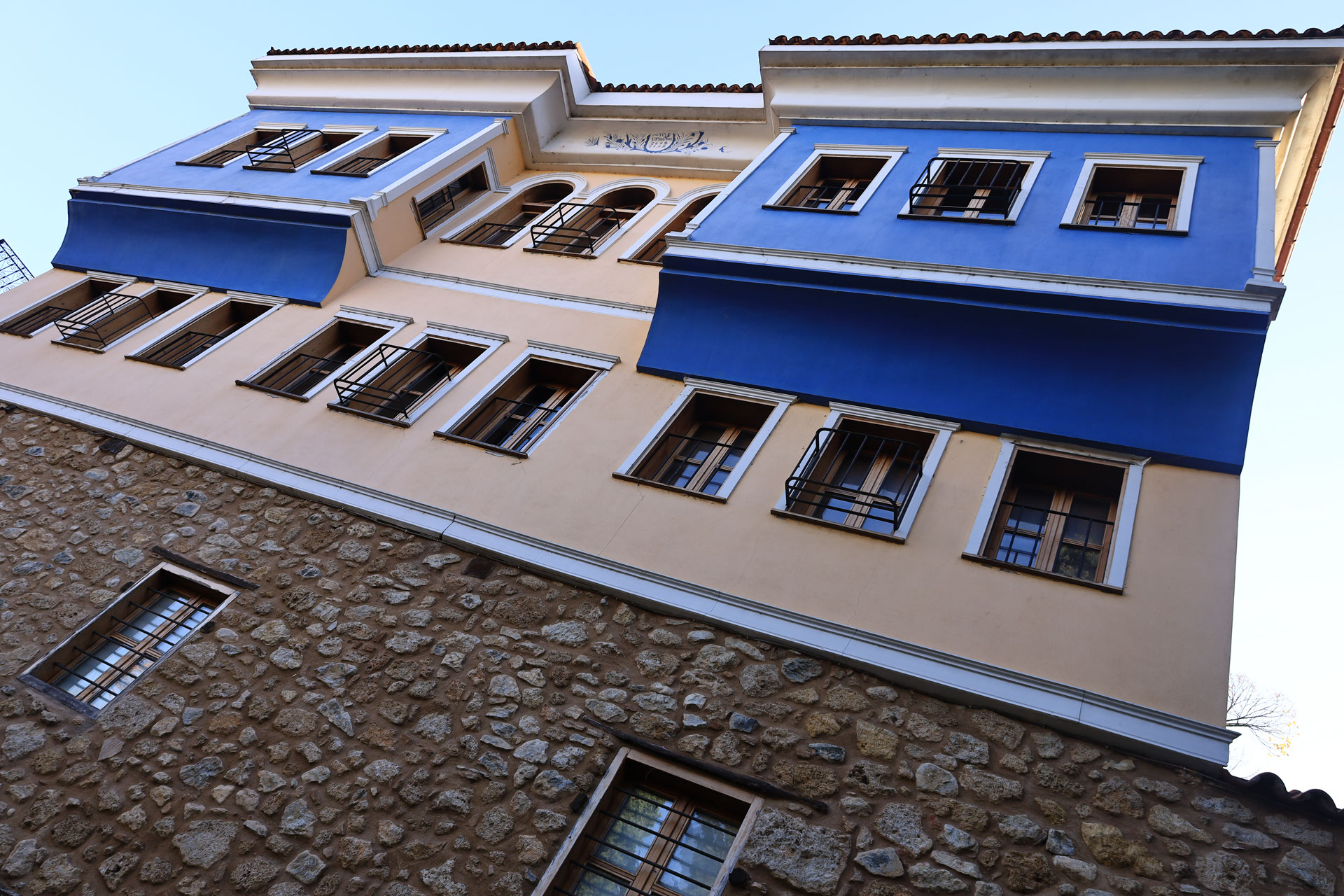
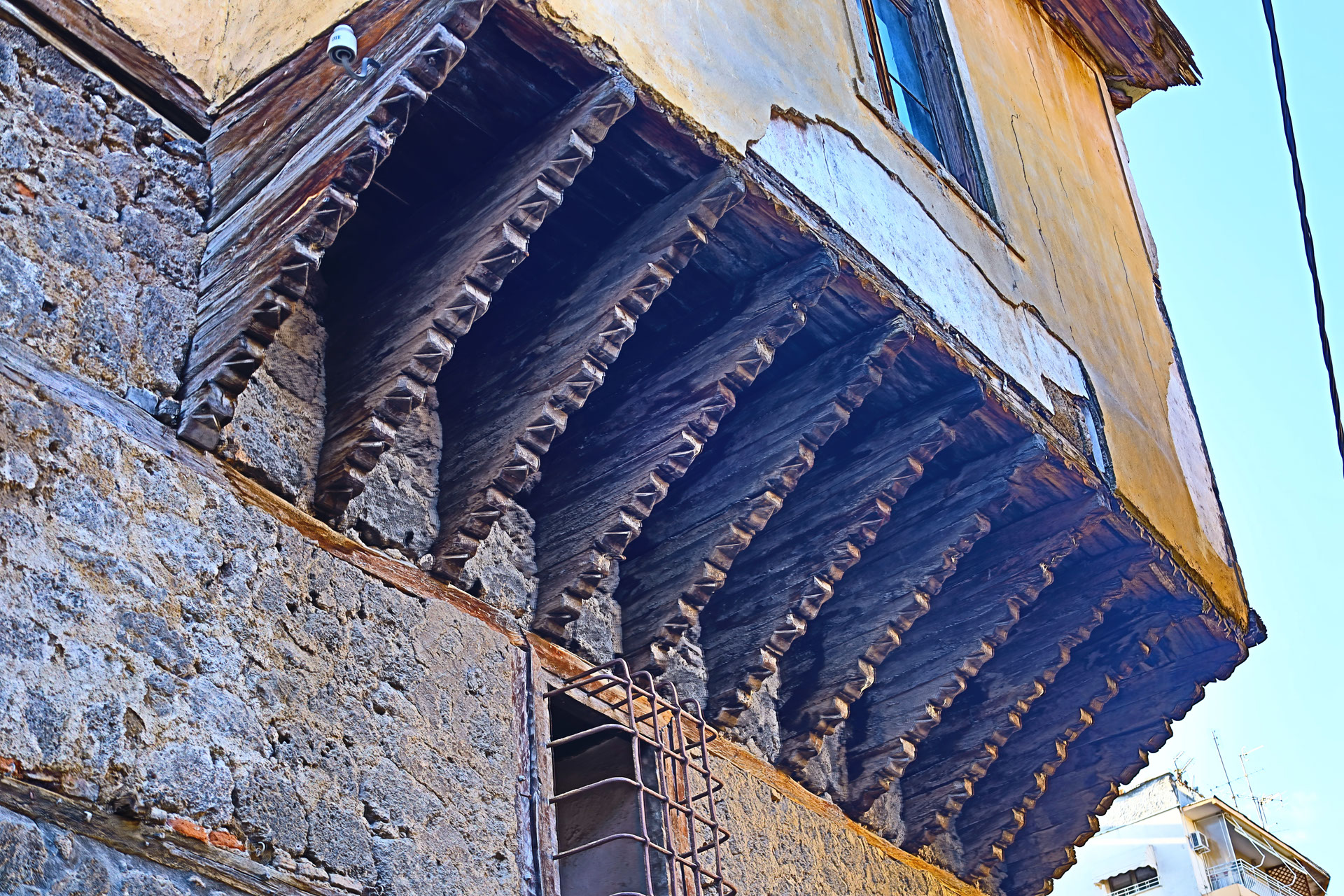
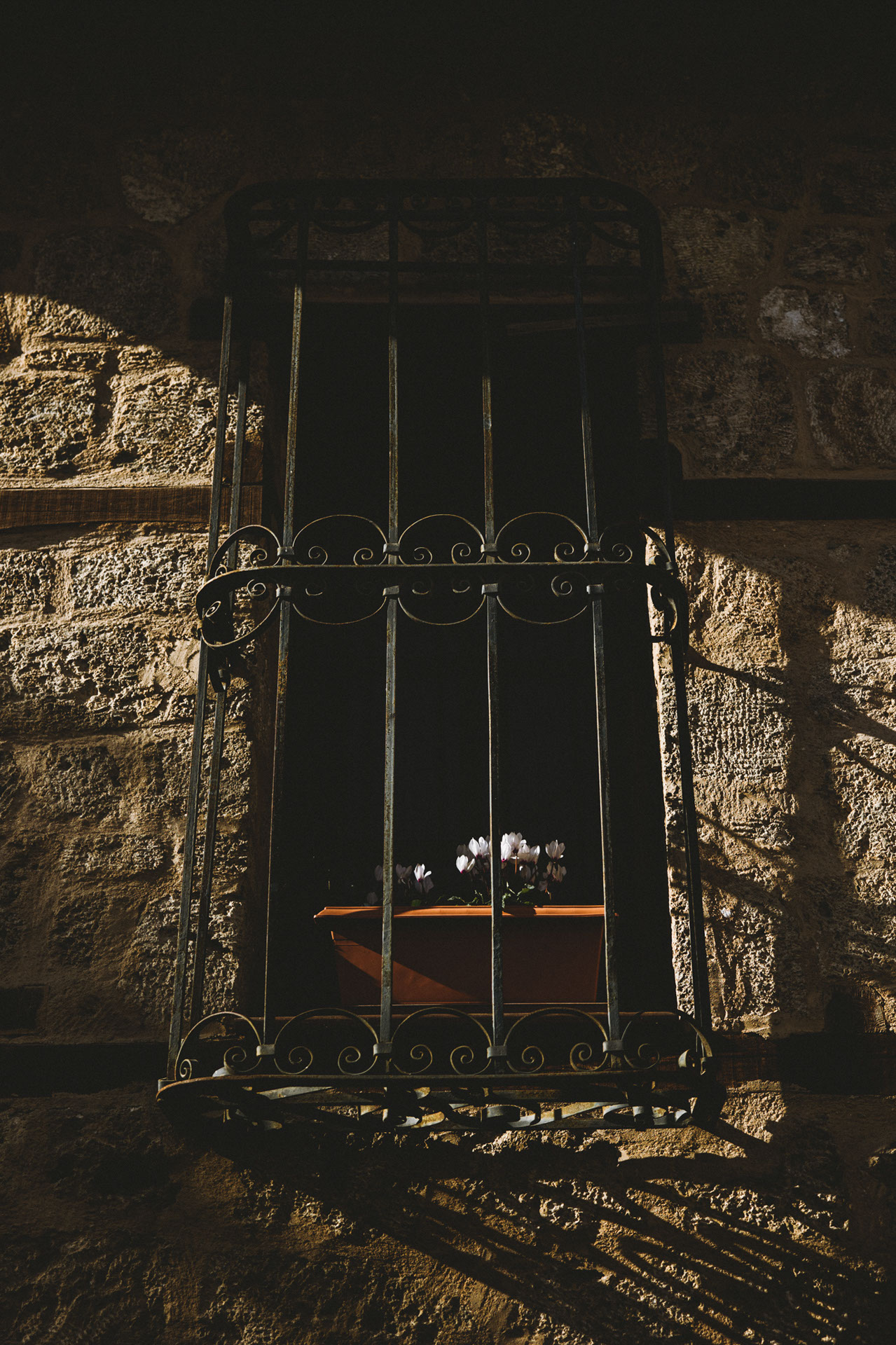
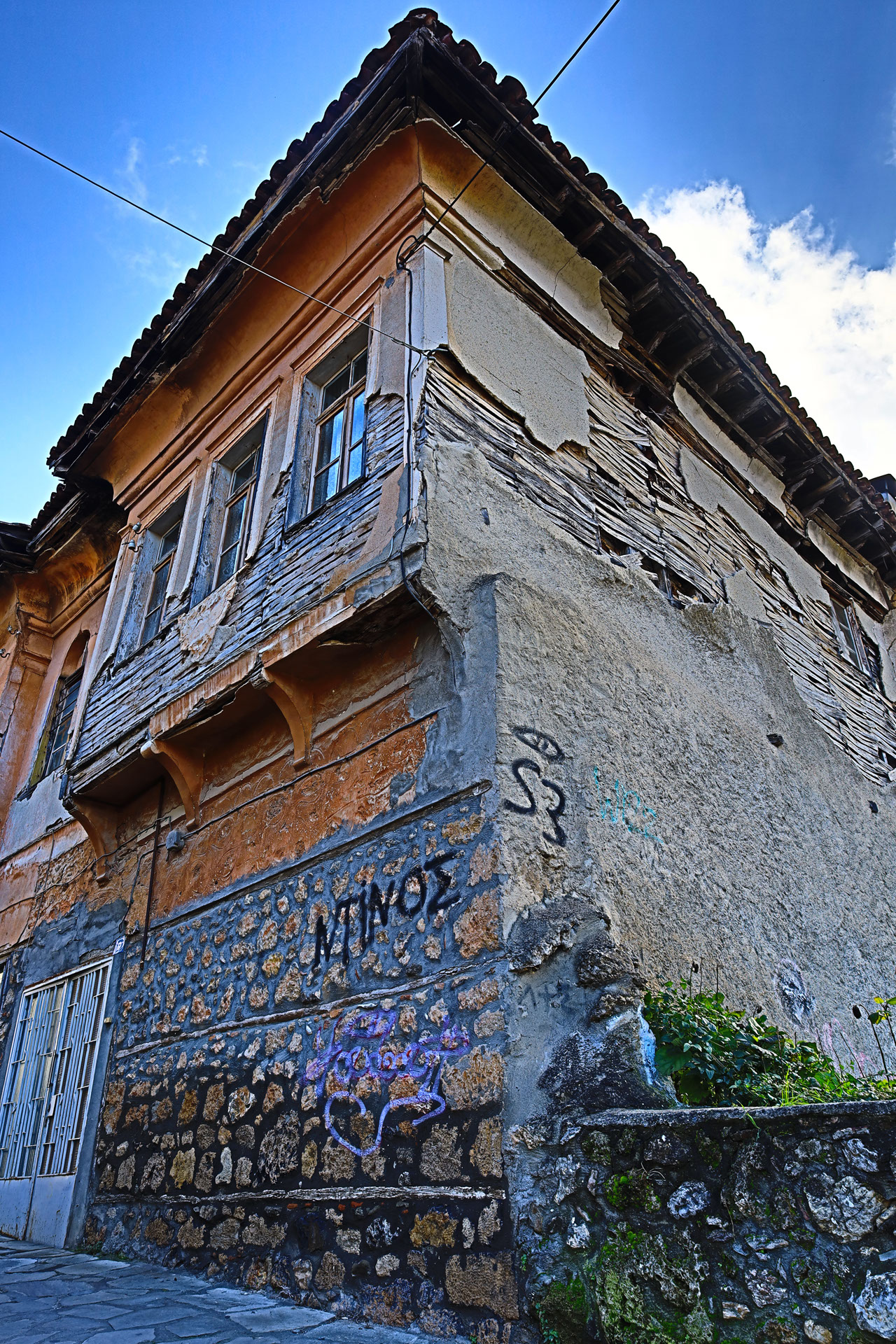
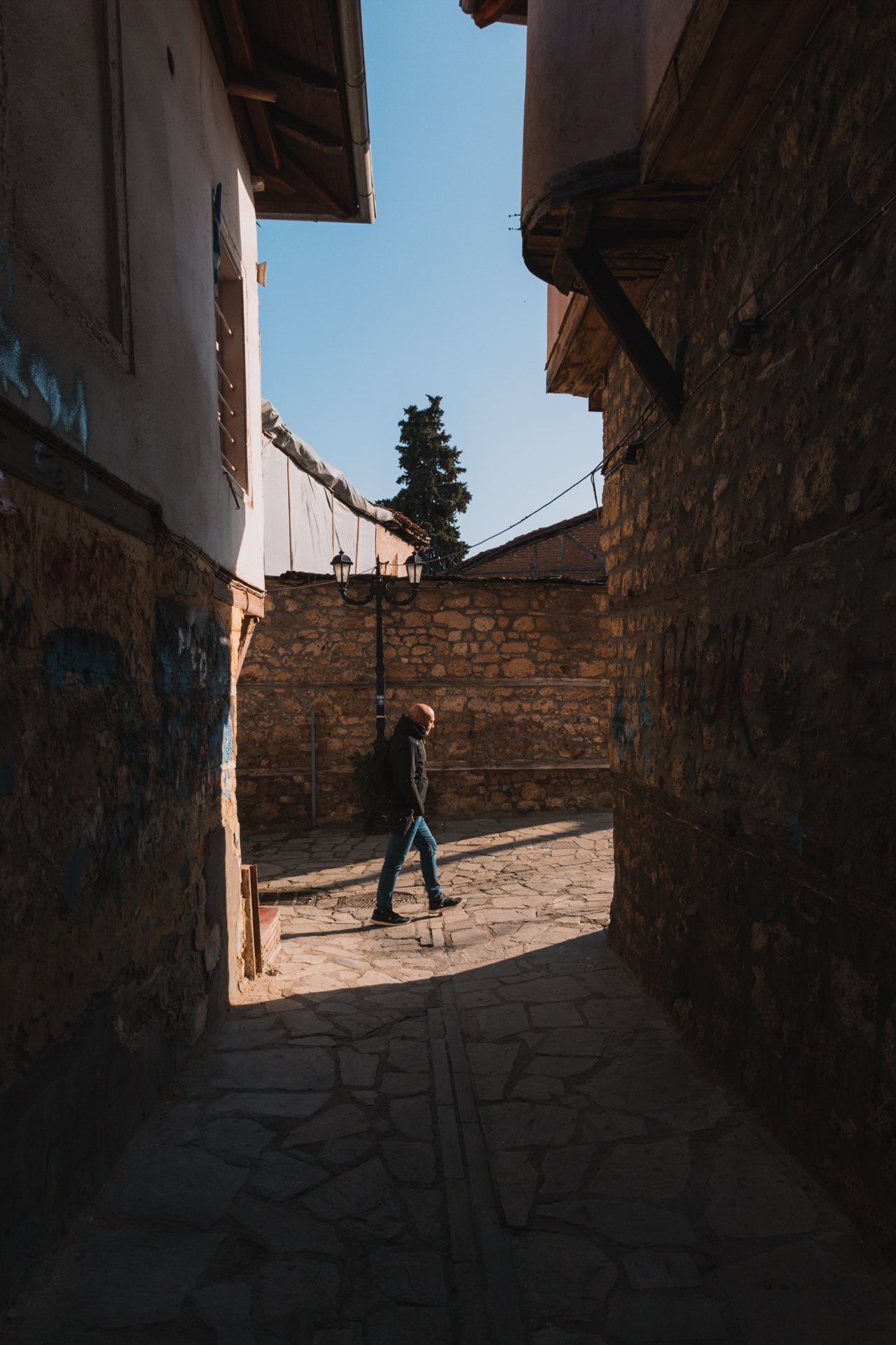
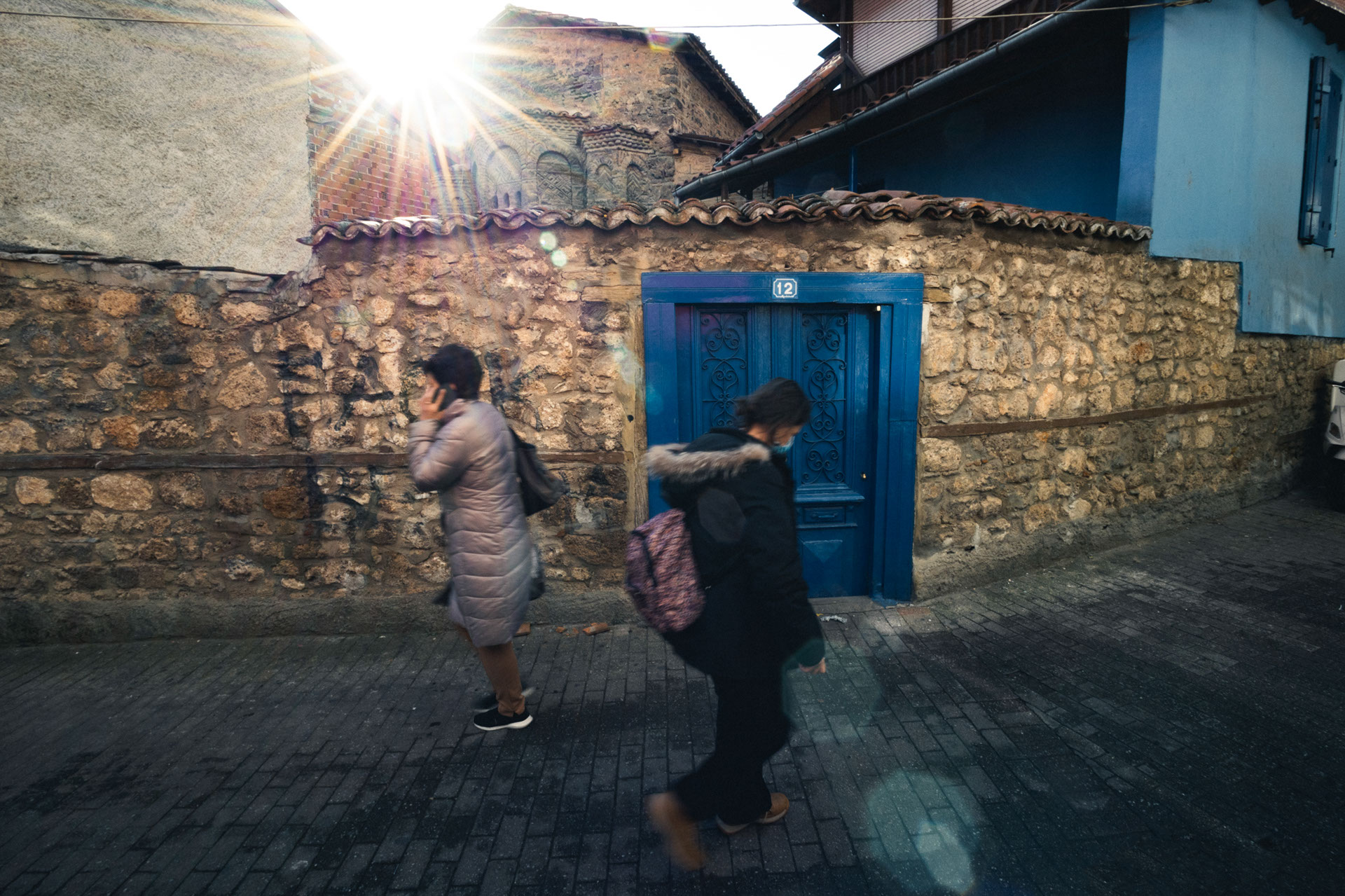
During Ottoman rule, Muslims and Jews settled in the city. At the same time, especially in the 17th and 18th centuries, a flourishing Greek urban class emerged, due to the presence of merchants. In the 19th century, economic activity was concentrated in the hands of Greeks and Jews. Both communities grew wealthy and built wonderful mansions, many of which are still preserved today in the neighbourhoods of Barbouta, the Jewish quarter, and Kyriotissa, the Greek quarter.
The many religious monuments still preserved today — 48 Byzantine and post-Byzantine churches, numerous Muslim mosques, and the Jewish synagogue — gave Veria the nickname Little Jerusalem.
Dimosthenis Seitaridis
Harrys Pourouzidis
Dimosthenis Seitaridis
Sotiris Tzoumerkas
Harrys Pourouzidis
George Tzimagiorgis
George Tzimagiorgis
George Tzimagiorgis
George Tzimagiorgis
Harrys Pourouzidis
George Tzimagiorgis
Dimosthenis Seitaridis
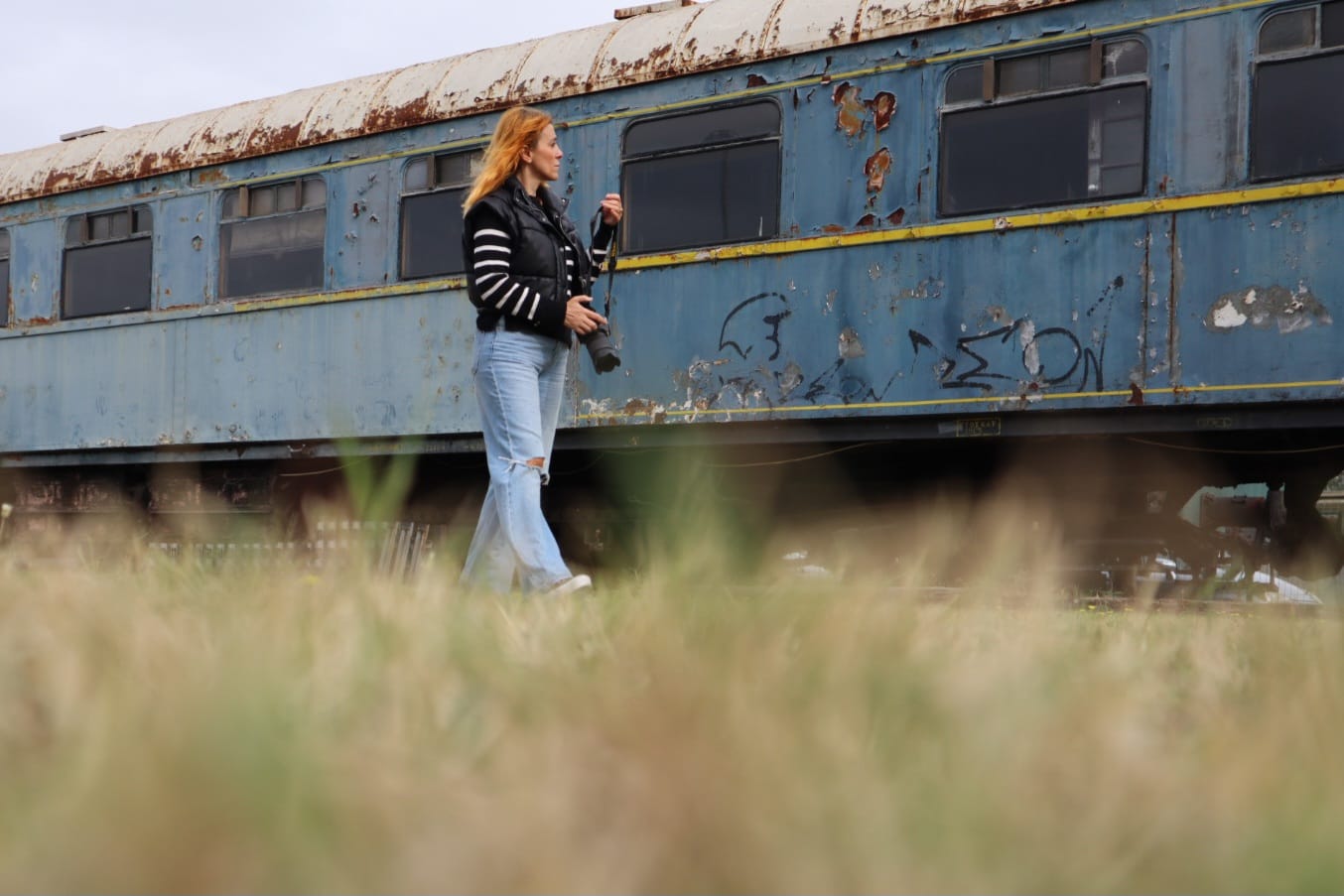
The people of Veria were warm and friendly. Seeing a crowd of photographers with tripods, bags, and cameras hanging from their necks, they did not hesitate to speak to us and guide us towards the historic points of their city.
They welcomed us, and we felt their warmth throughout the day, making our visit comfortable and pleasant.
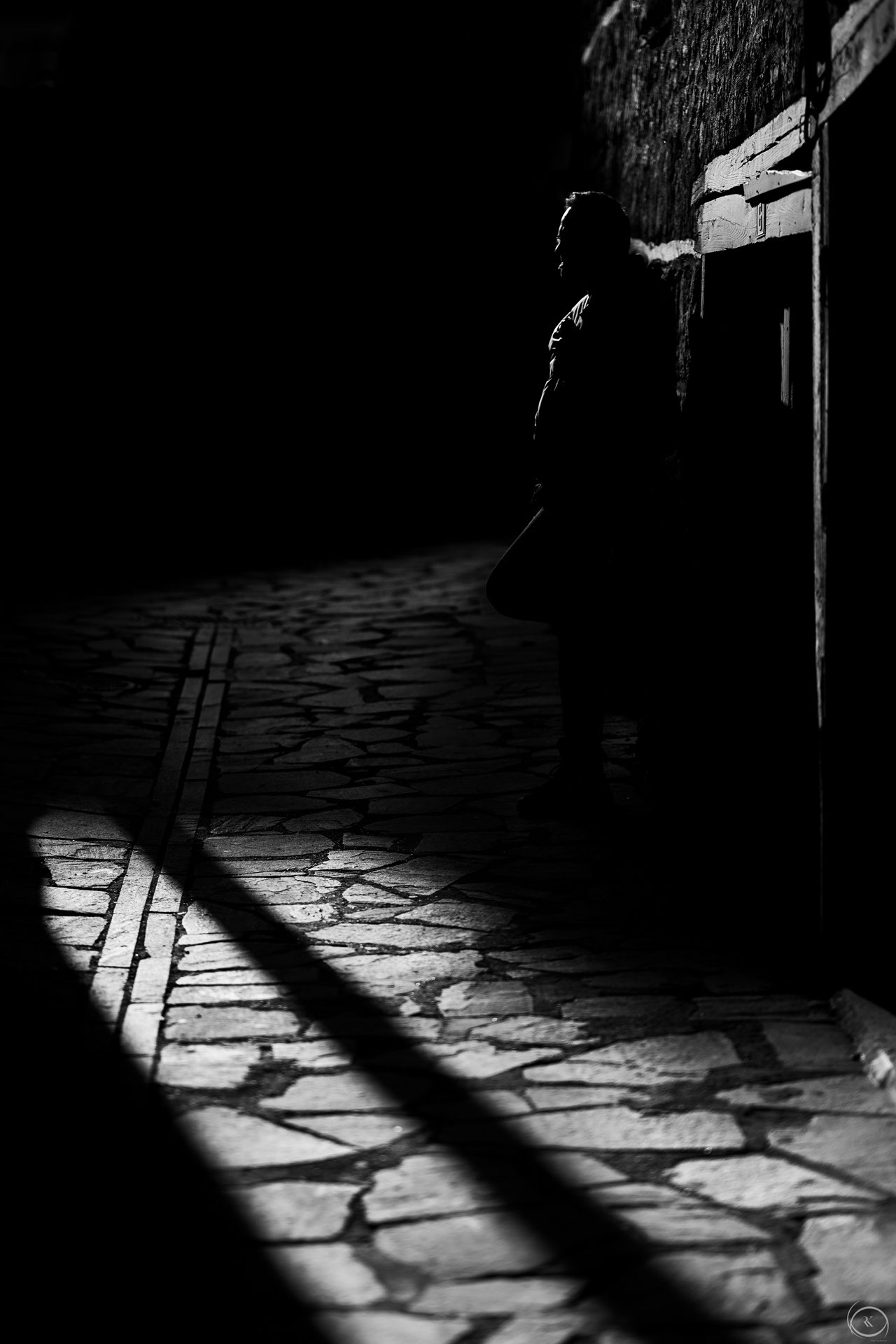
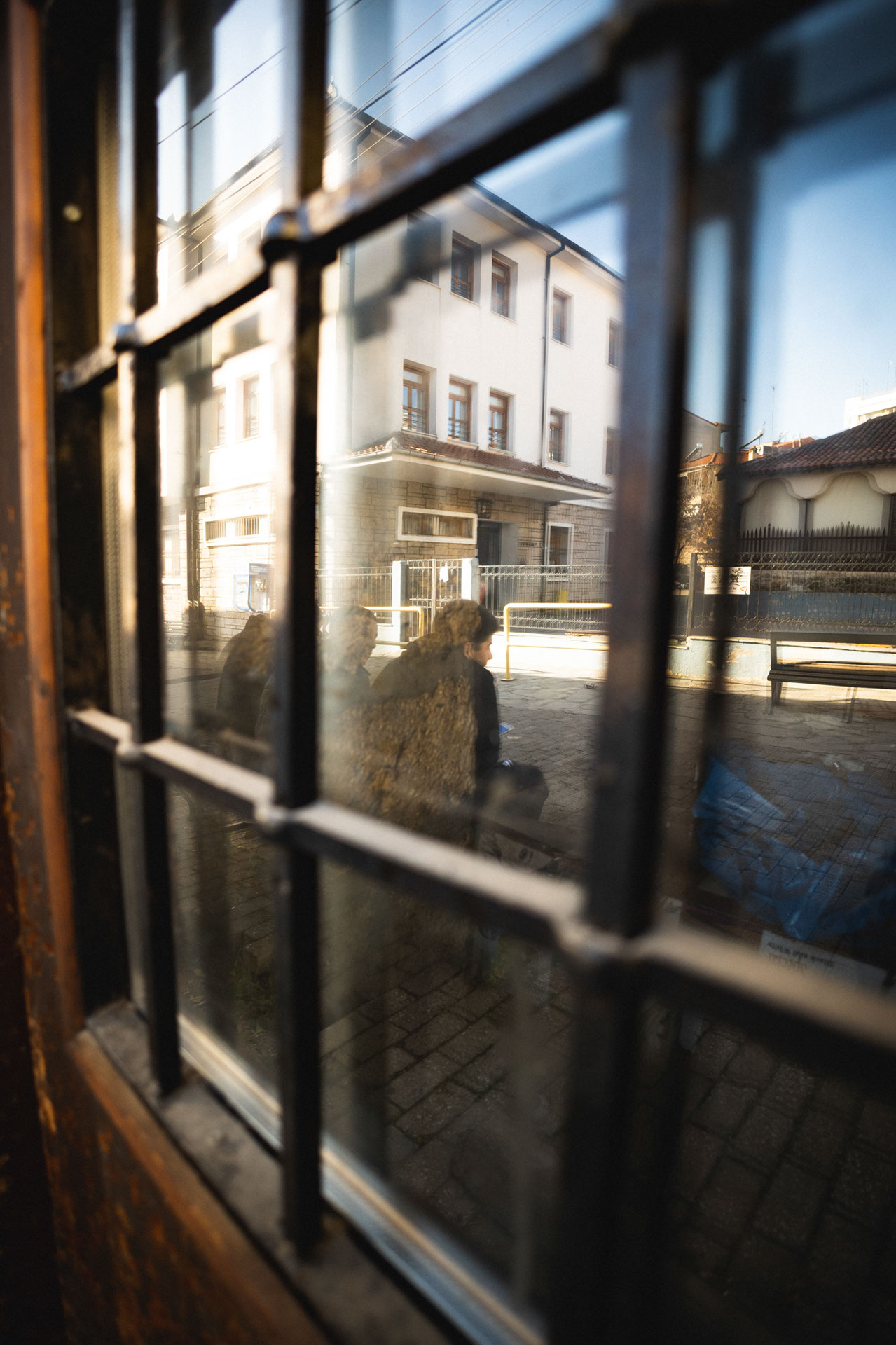
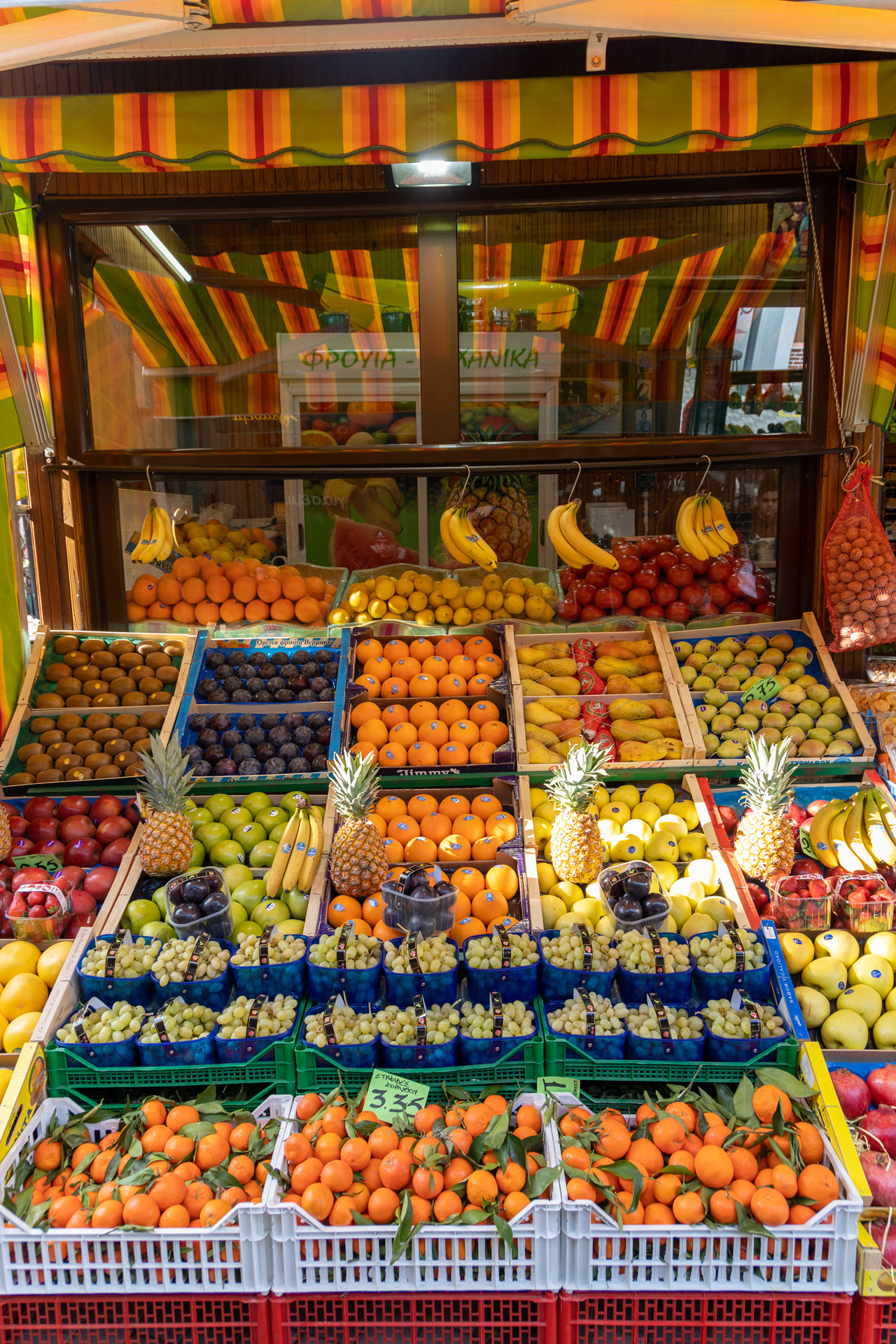
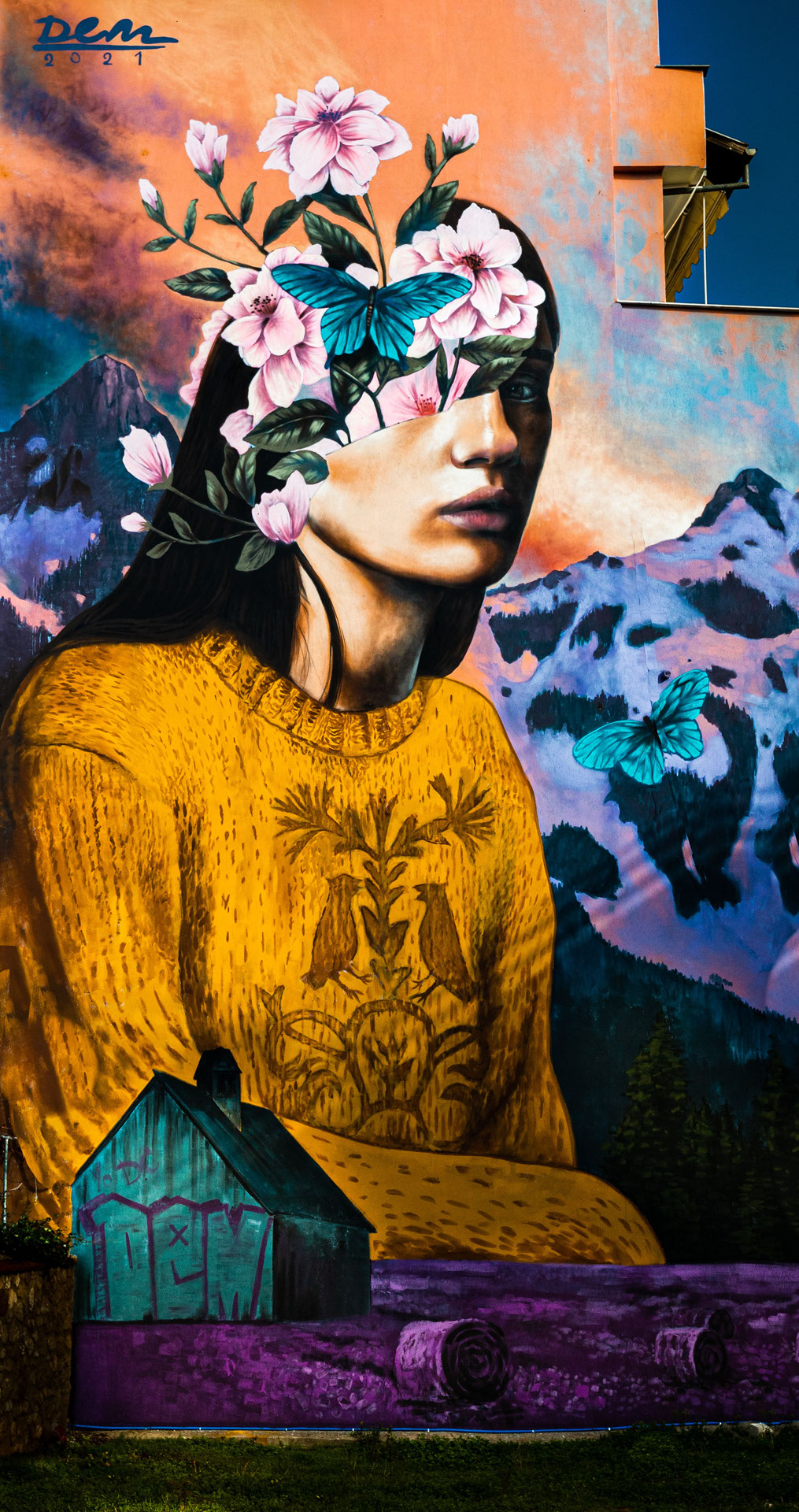
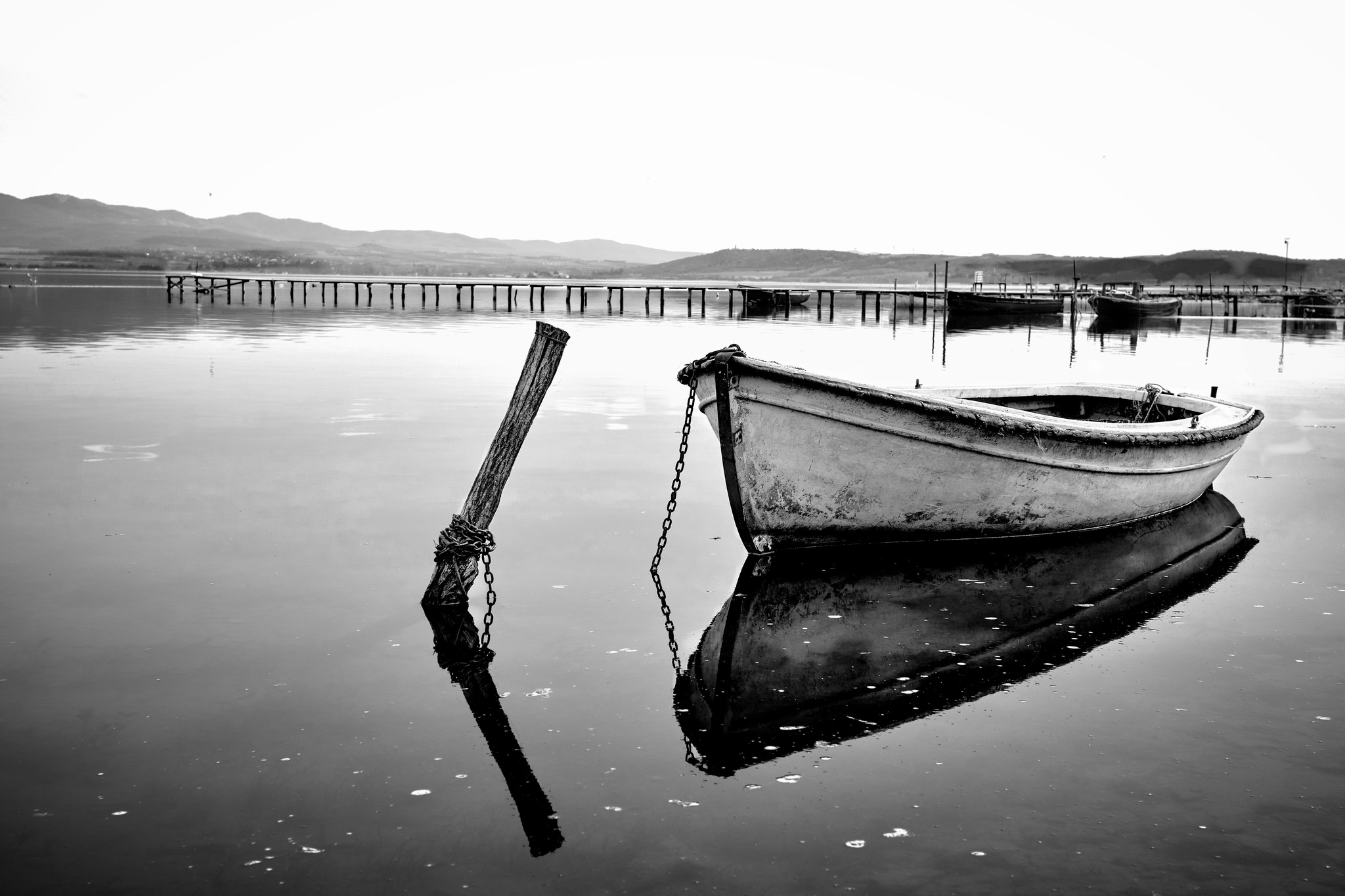
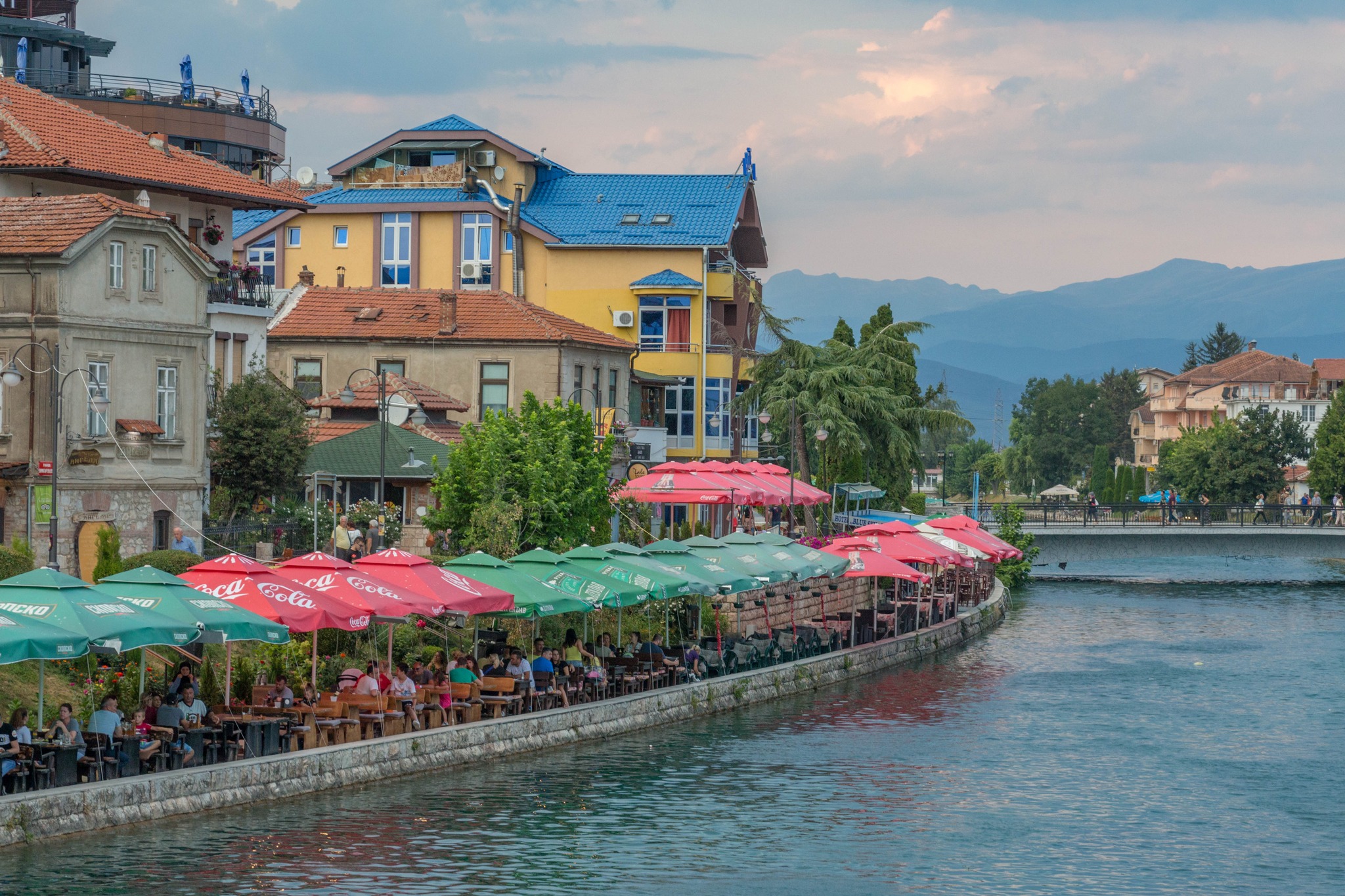
For our part, we tried to capture what Veria is today: a modern city which still preserves its historic neighbourhoods and monuments, revealing its multicultural past.
Pixelscape.gr uses cookies to ensure that provides you with the best possible navigation experience. By using the website you accept the usage of cookies. Press “Accept”, if you condone the usage of cookies.
This website uses cookies to improve your experience while you navigate through the website. Out of these, the cookies that are categorized as necessary are stored on your browser as they are essential for the working of basic functionalities of the website. We also use third-party cookies that help us analyze and understand how you use this website. These cookies will be stored in your browser only with your consent. You also have the option to opt-out of these cookies. But opting out of some of these cookies may affect your browsing experience.