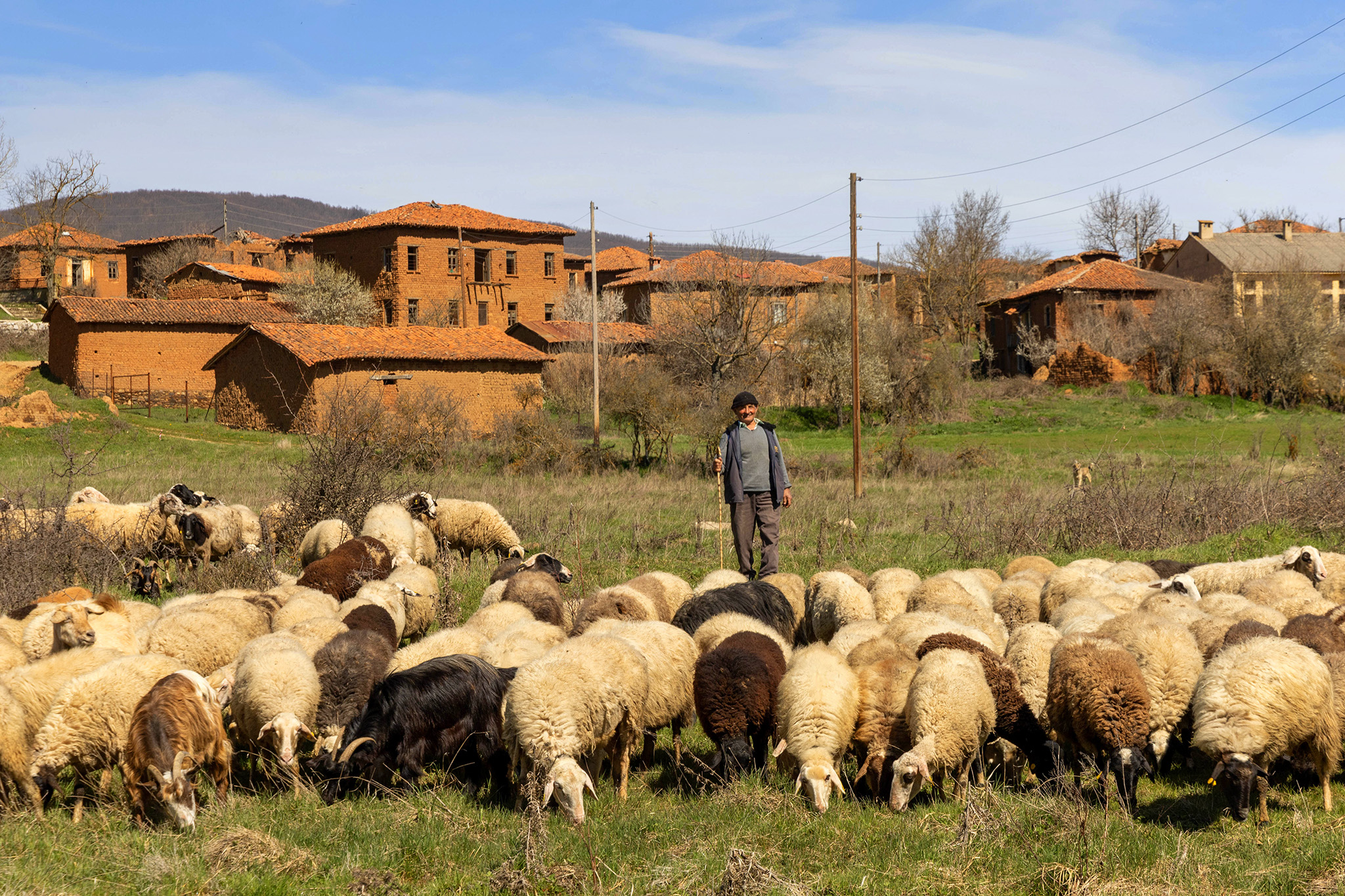
Article by Nikos Kakagias
Cover photo by Danis Papagiannoulis
Edited by Harrys Pourouzidis
A certain awkwardness, mixed with curiosity, quickly evaporated when I saw the bored and indifferent eyes of the customs officer at the Niki crossing, on the northern edge of Greek territory.
The landscape reinforced the same feeling even further, and before long, I had to convince myself that I was in the former unnamed republic which had, at last, acquired a name.
It had always had substance, of course, with the same poverty and abandonment as its southern neighbours. But its nature rewarded us once we began, breathlessly, to climb the slopes of the forested northern branch of Mount Varnous. The Macedonian pine, an endemic species of the area, and the view towards the plains to the east, filled both mind and cameras with images.
A certain awkwardness, mixed with curiosity, quickly evaporated when I saw the bored and indifferent eyes of the customs officer at the Niki crossing, on the northern edge of Greek territory.
The landscape reinforced the same feeling even further, and before long I had to convince myself that I was in the former unnamed republic which had, at last, acquired a name.
It had always had substance, of course, with the same poverty and abandonment as its southern neighbours. But its nature rewarded us once we began, breathlessly, to climb the slopes of the forested northern branch of Mount Varnous. The Macedonian pine, an endemic species of the area, and the view towards the plains to the east, filled both mind and cameras with images.
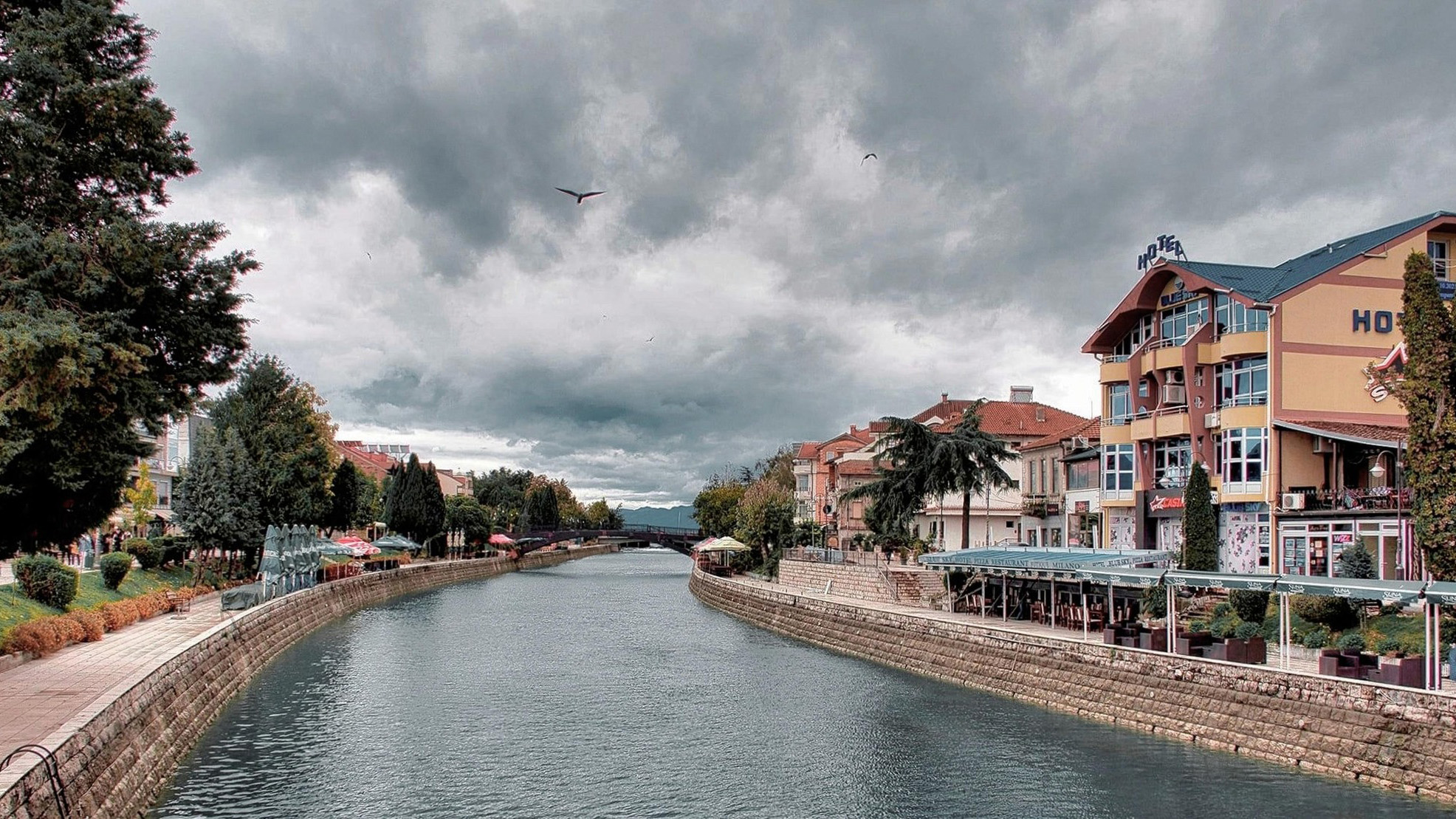
The following days, however, first with heavy cloud and then with torrential rain, deprived us of the chance to cross Galicica National Park, which lies between Great Prespa Lake to the south and Lake Ohrid to the north.
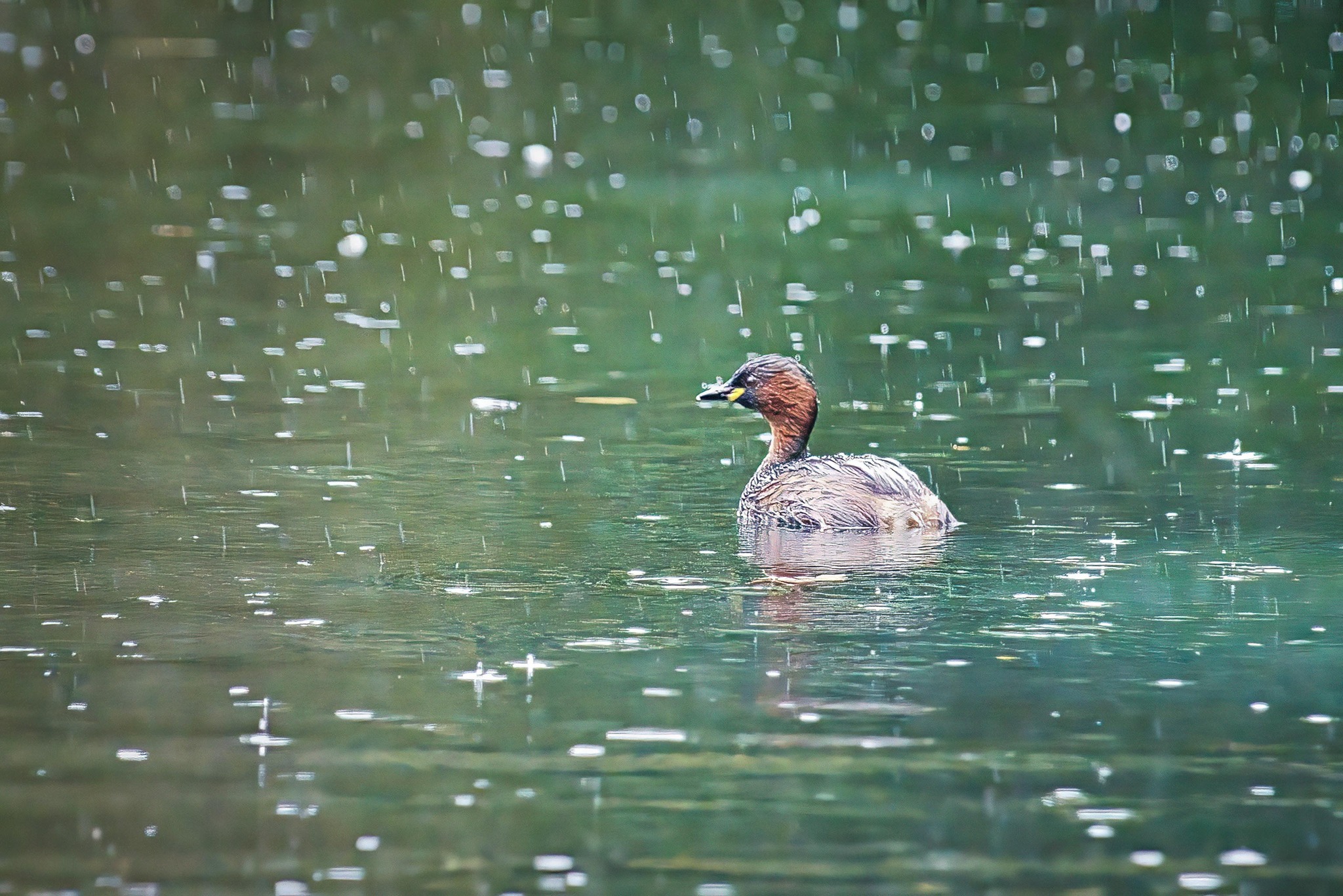
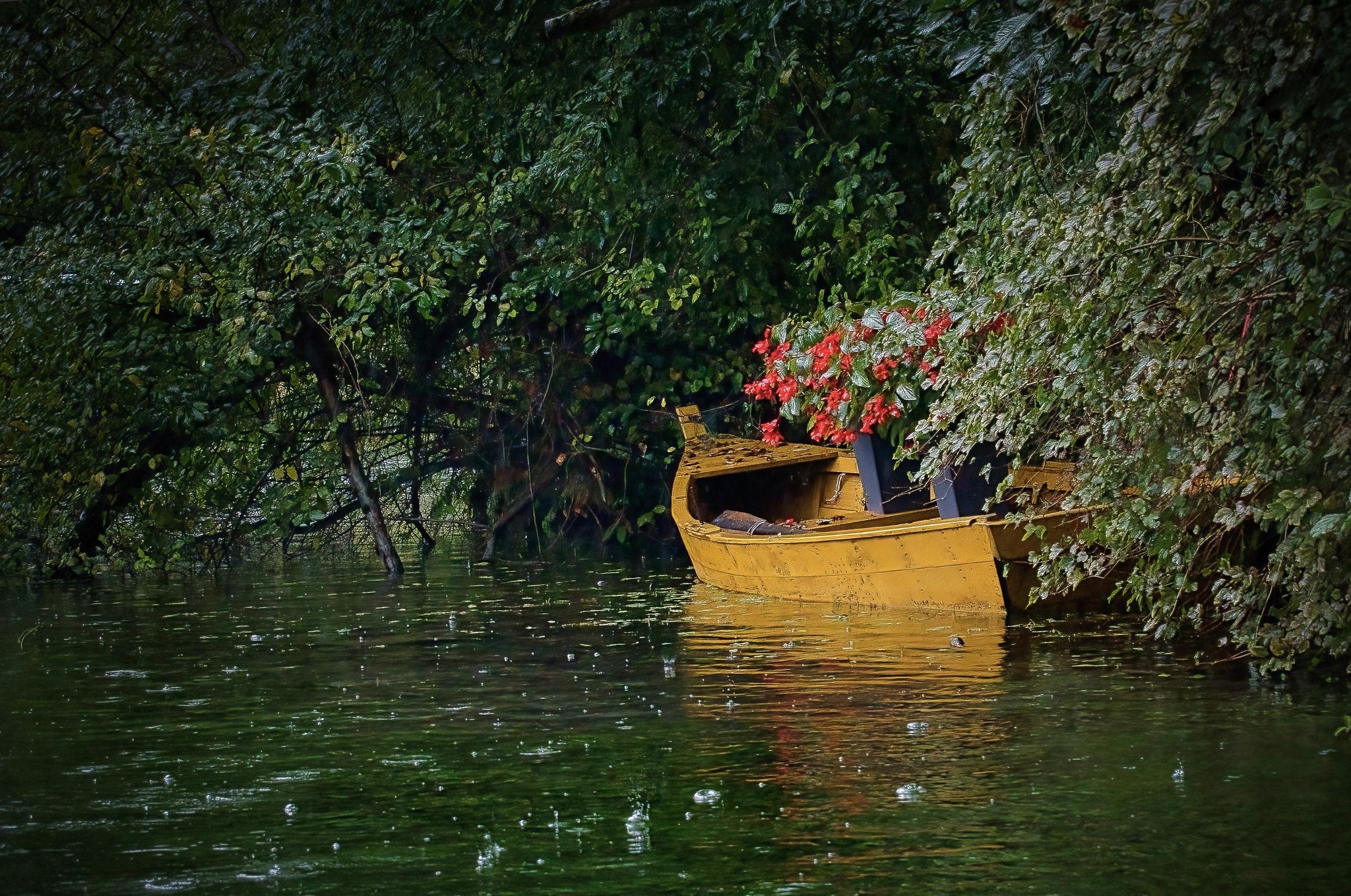
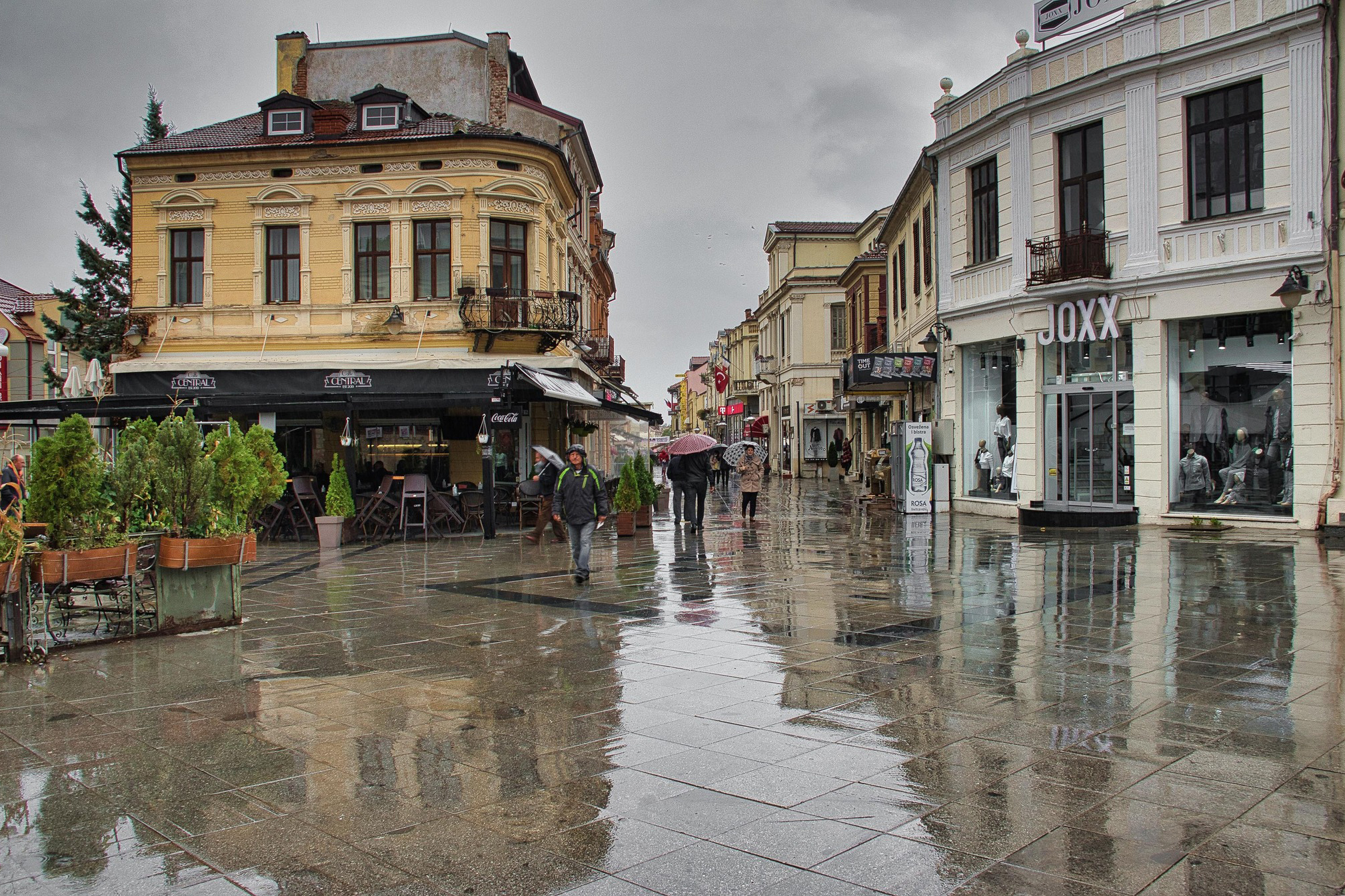
It was the rain, of course, that together with the soaking gave us astonishing images of beauty, with saturated colours and impressive skies.
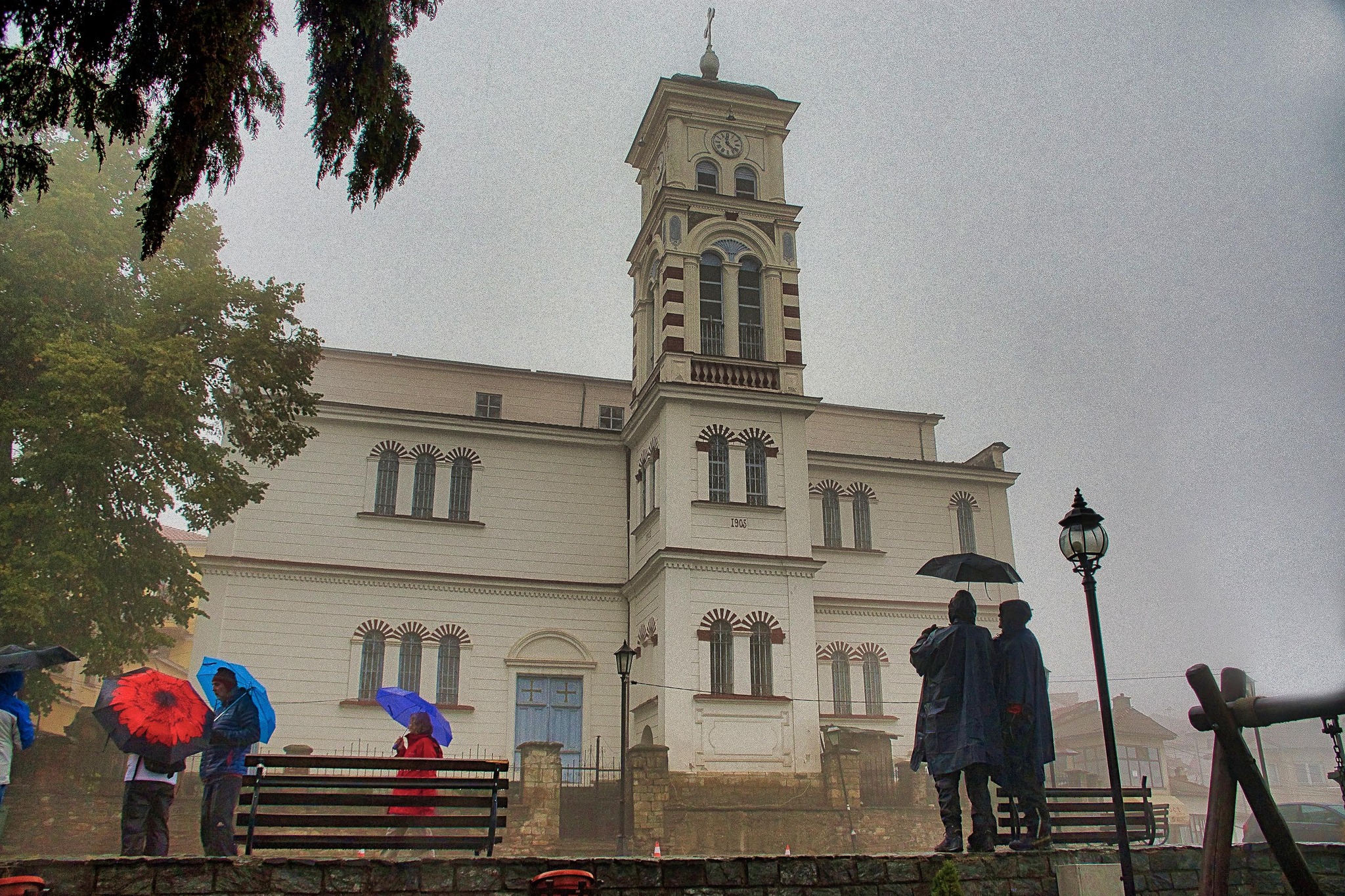
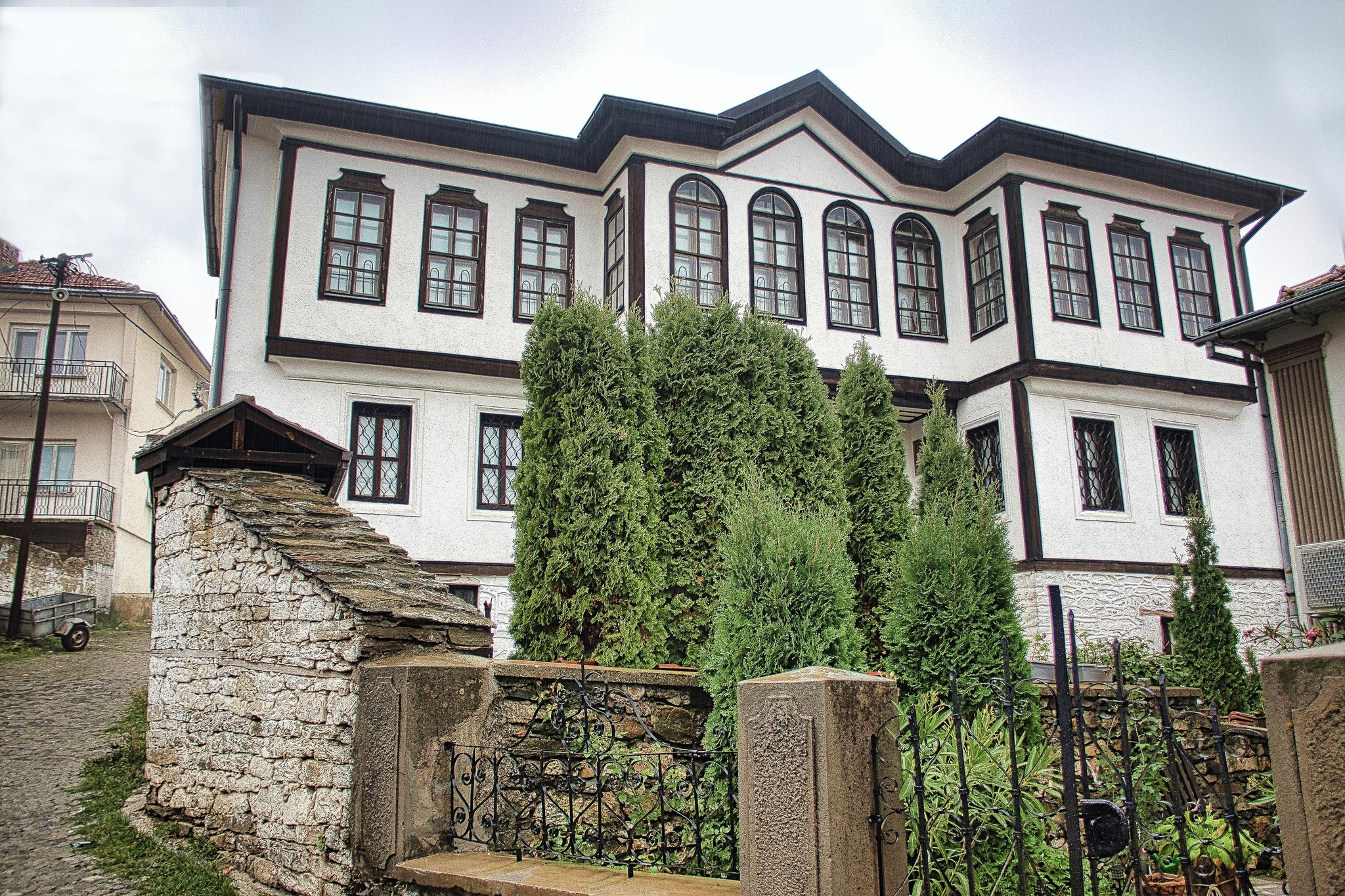
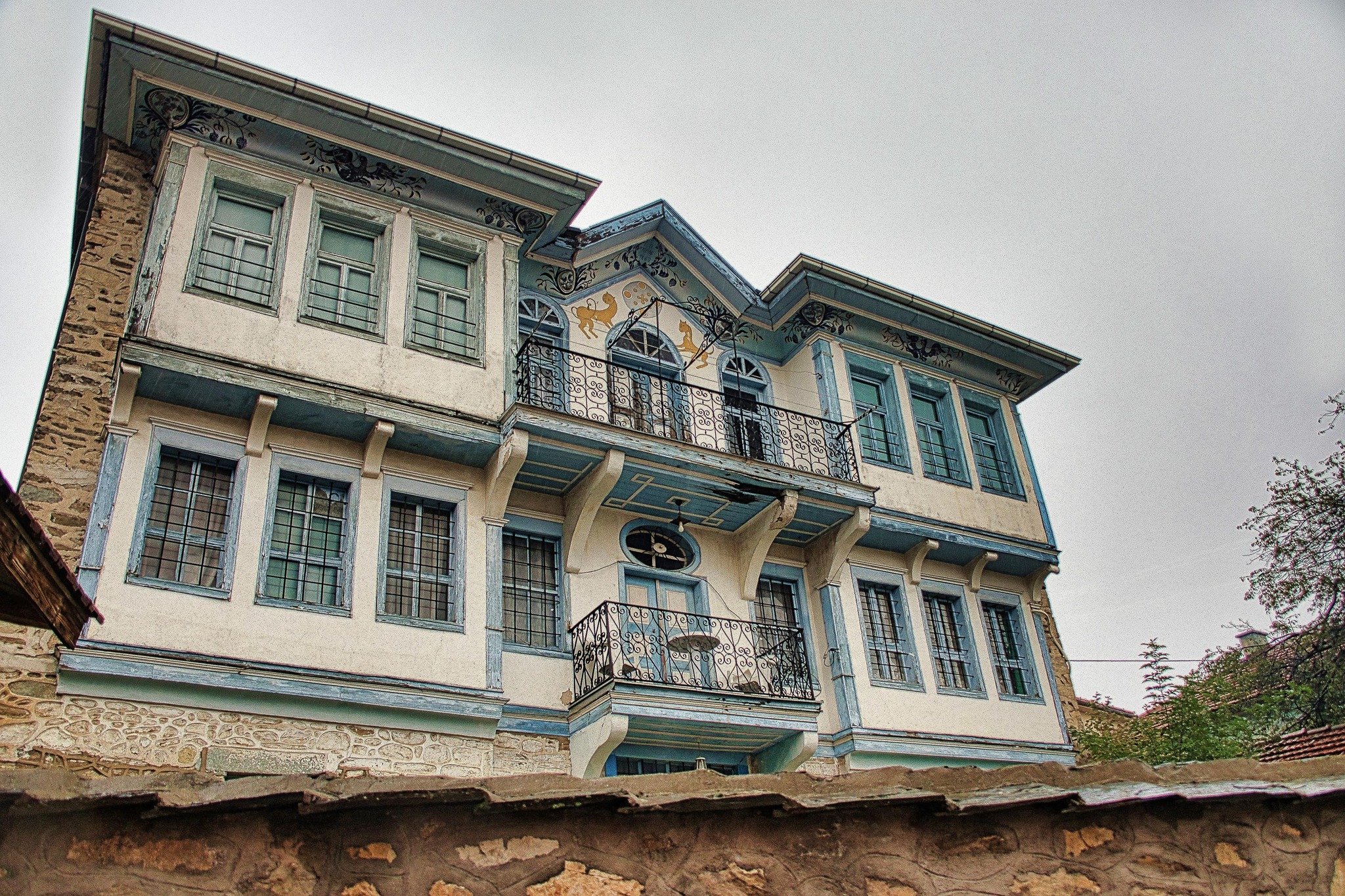
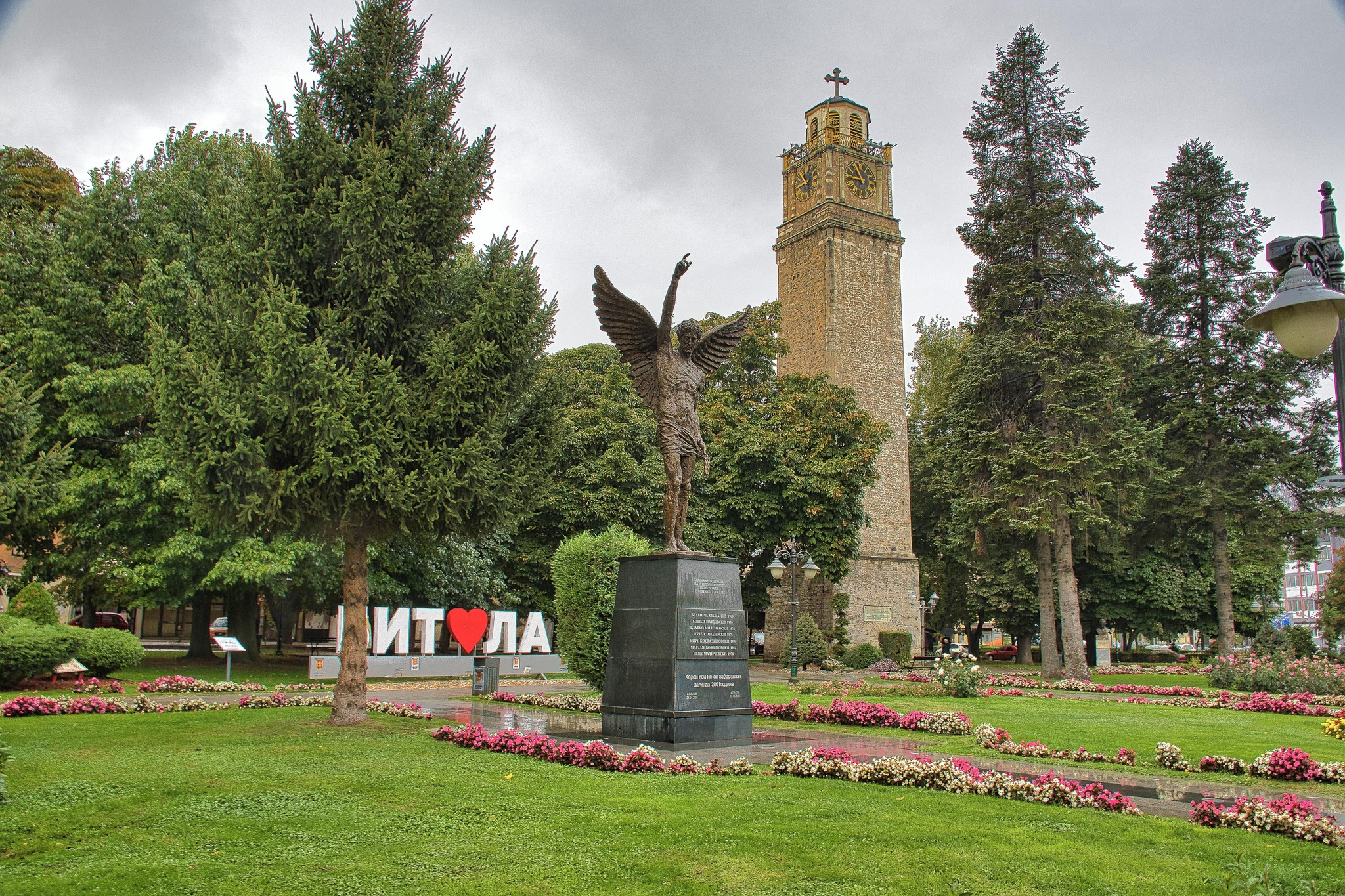
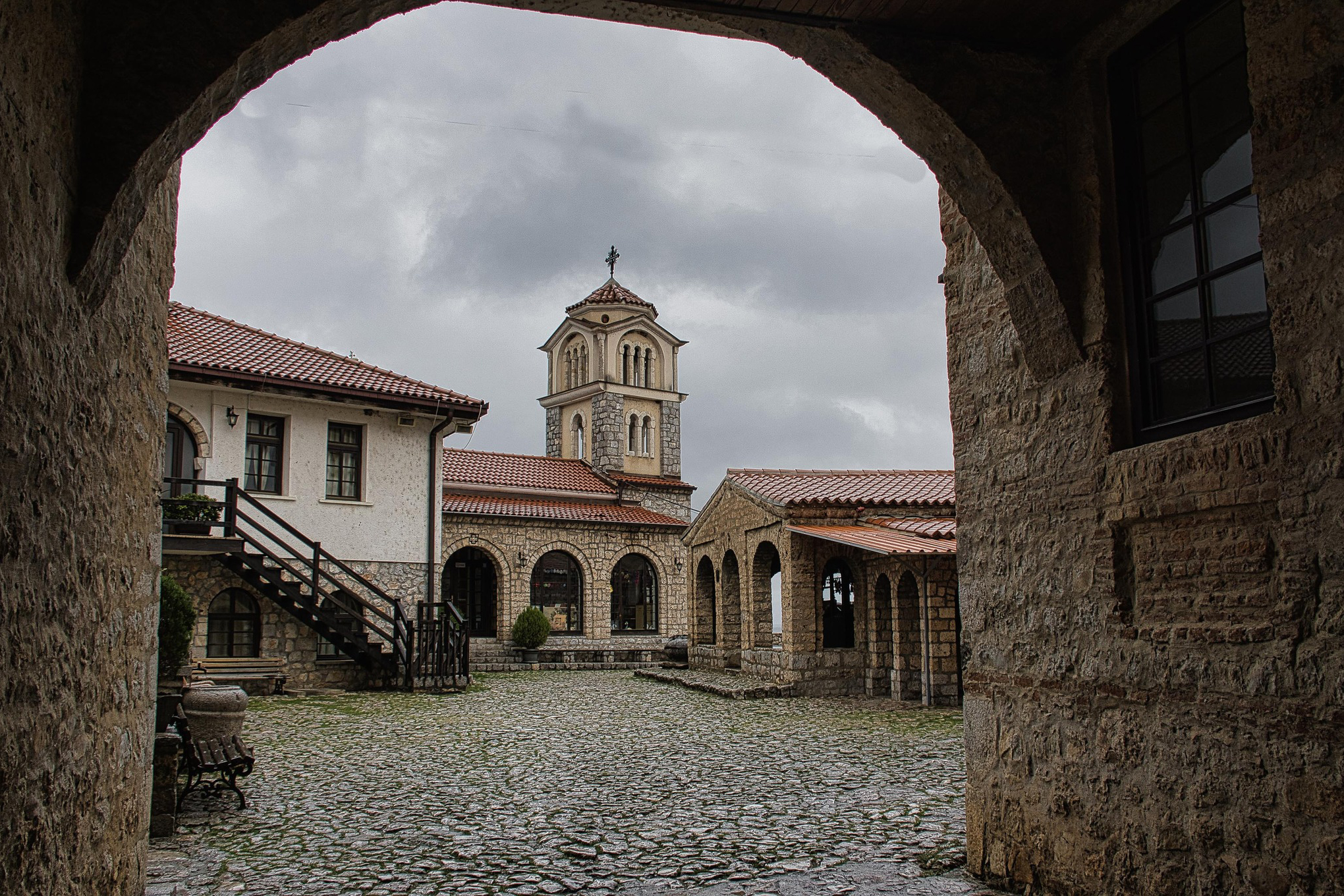
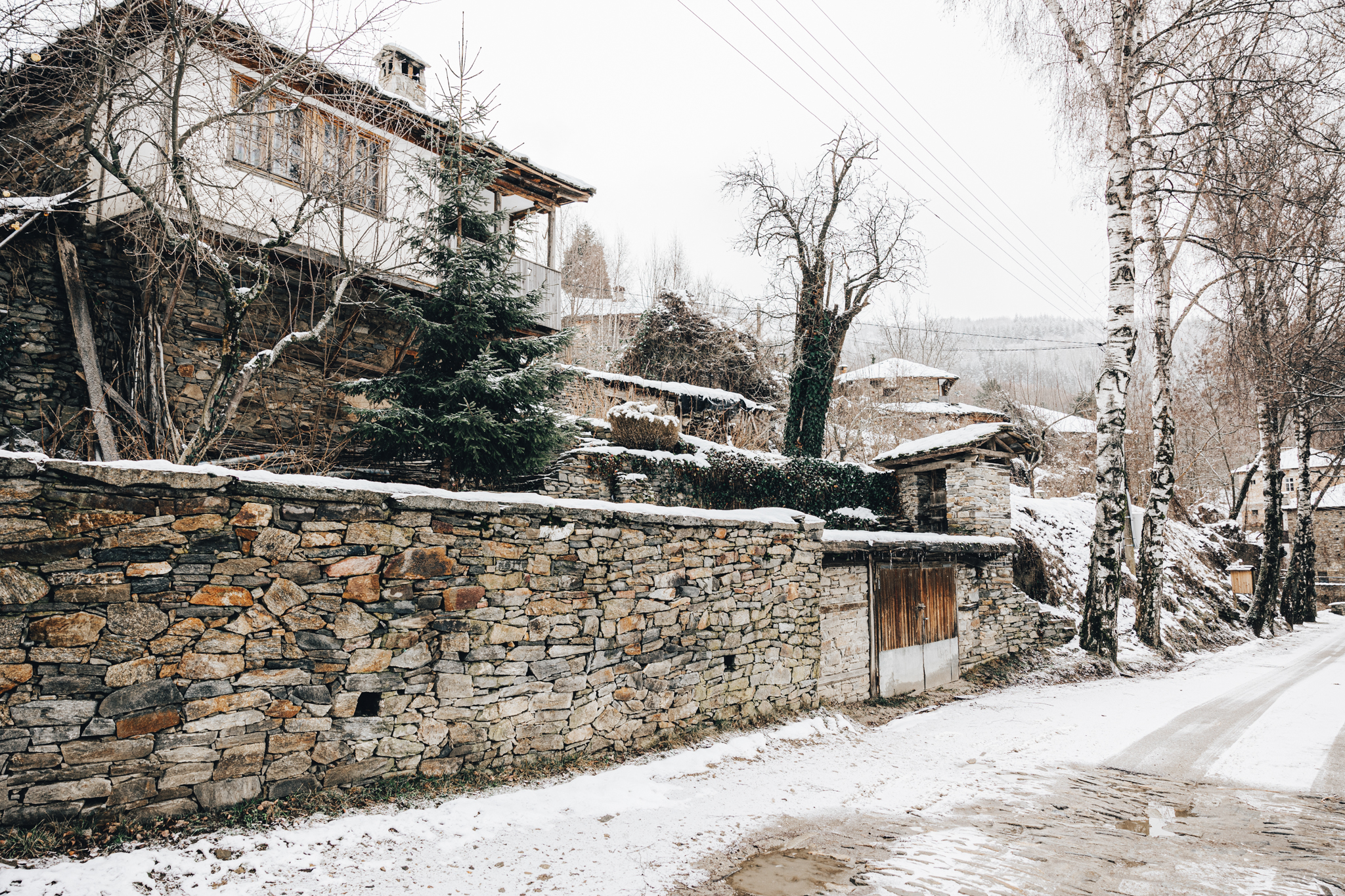
Besides the centre of Bitola, Monastiri of old, where the ancient traces of civilisations that had passed through were reflected in the wet paving stones, we also visited other towns farther northeast. Among them was the old Vlach village of Kruševo, with its wonderful mansions, still keeping their splendour, cared for and restored to a degree that raised questions about our own policies back home. We walked its cobbled streets, where the hoofbeats of herds still seem to echo.
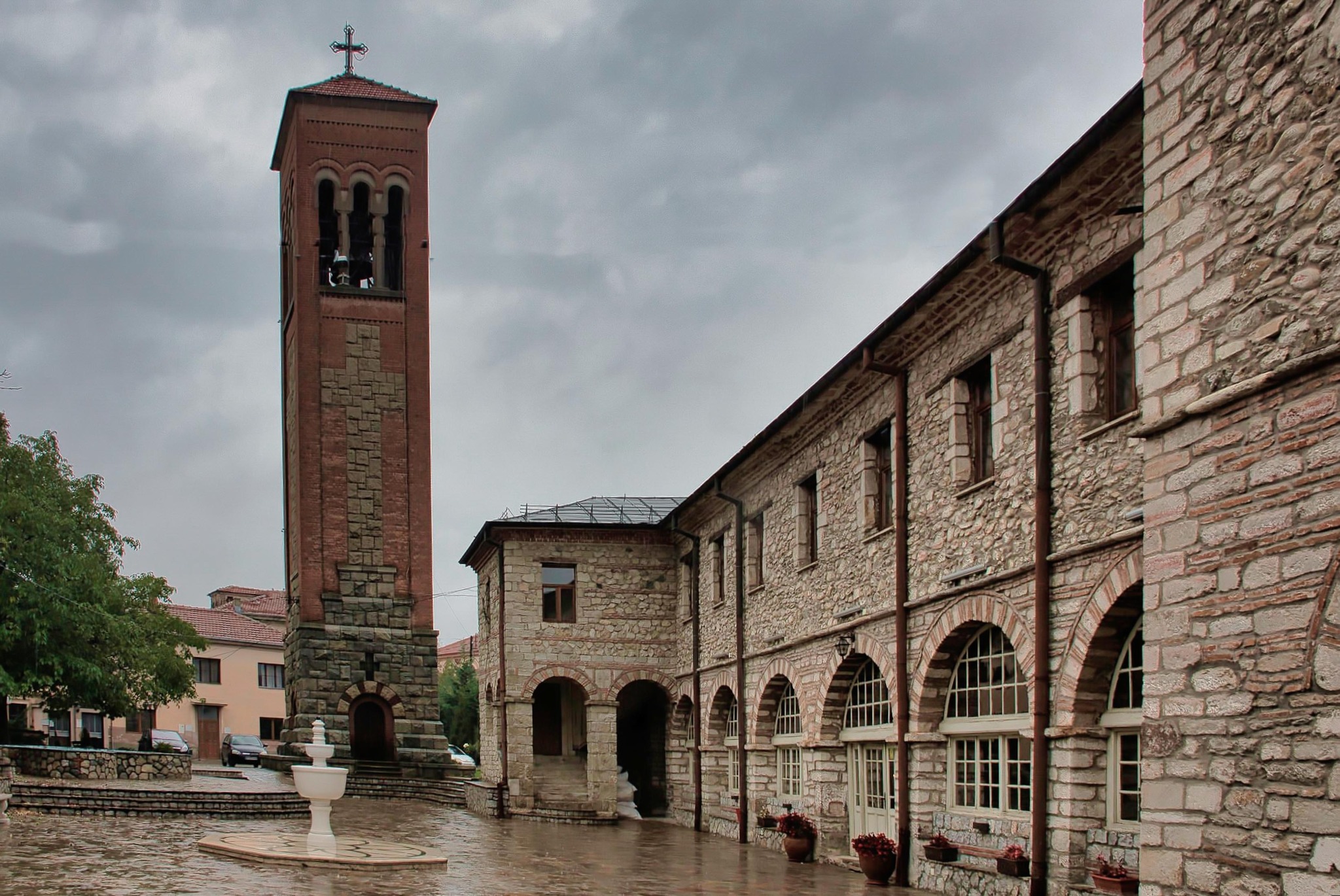
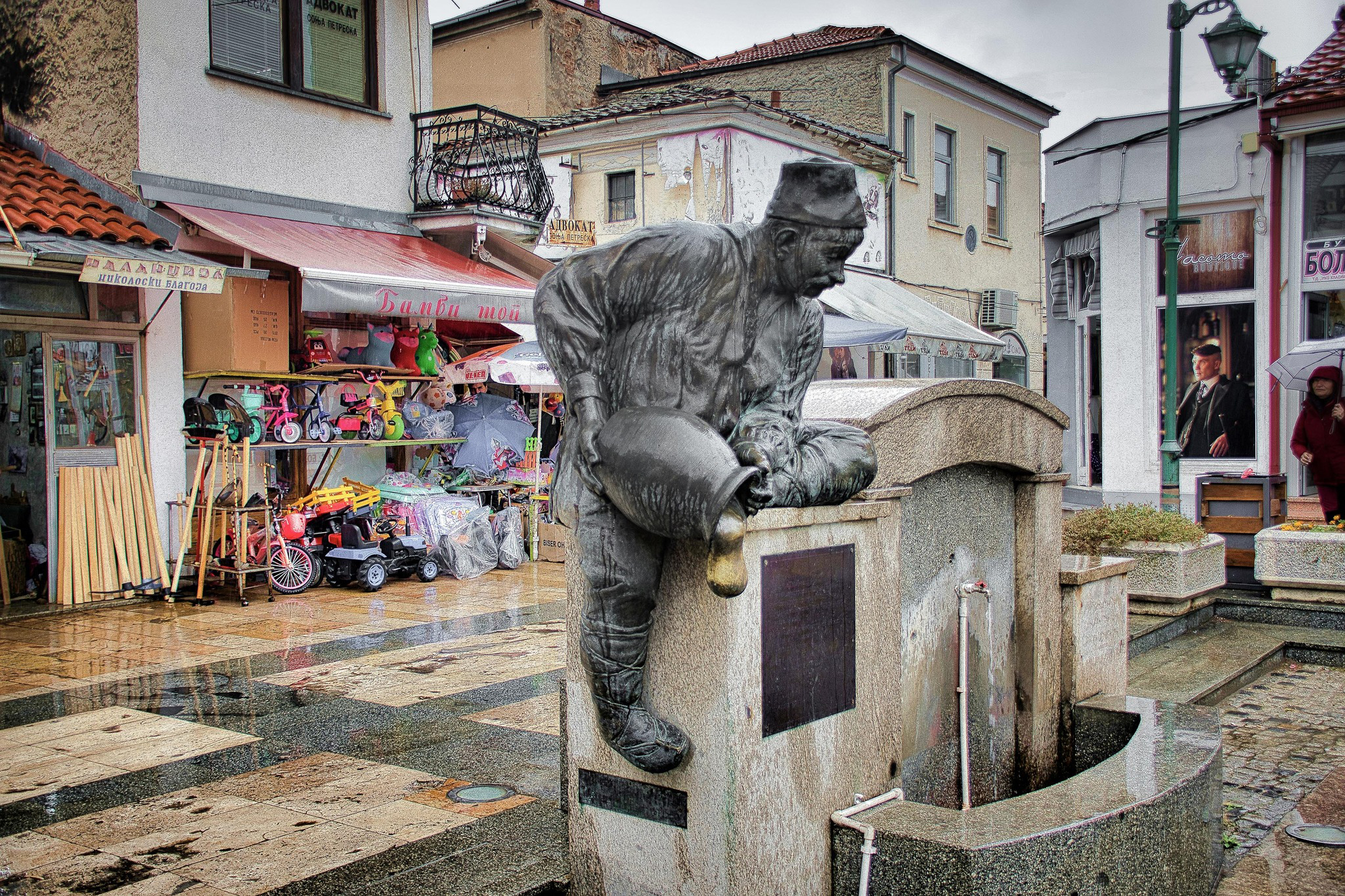
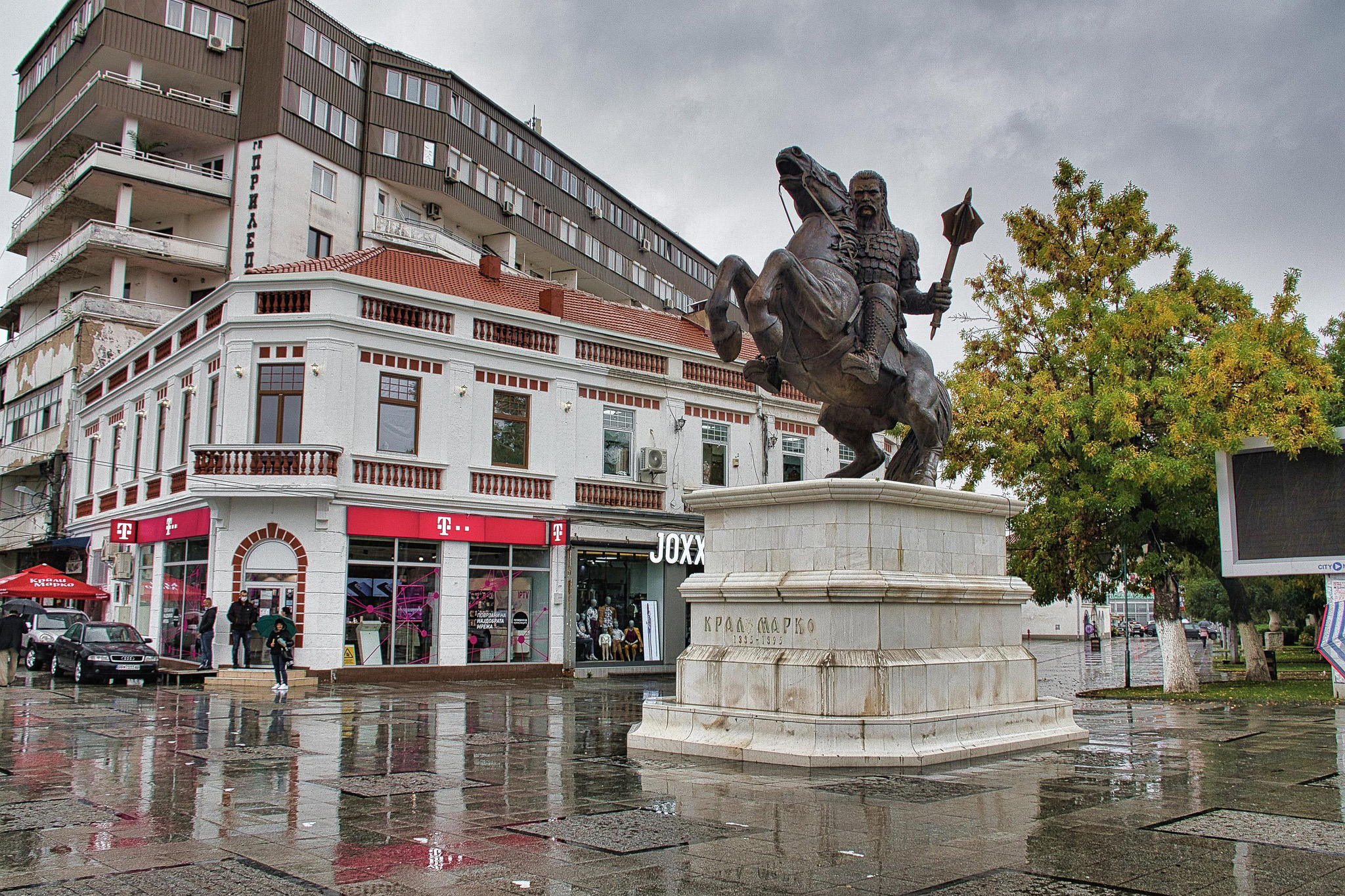
Prilep, a little farther west, gave us unique images at its acropolis with the old monastery, while its squares offered us a clear sense of socialist aesthetics and of the historically careless attempt to appropriate other people’s histories.
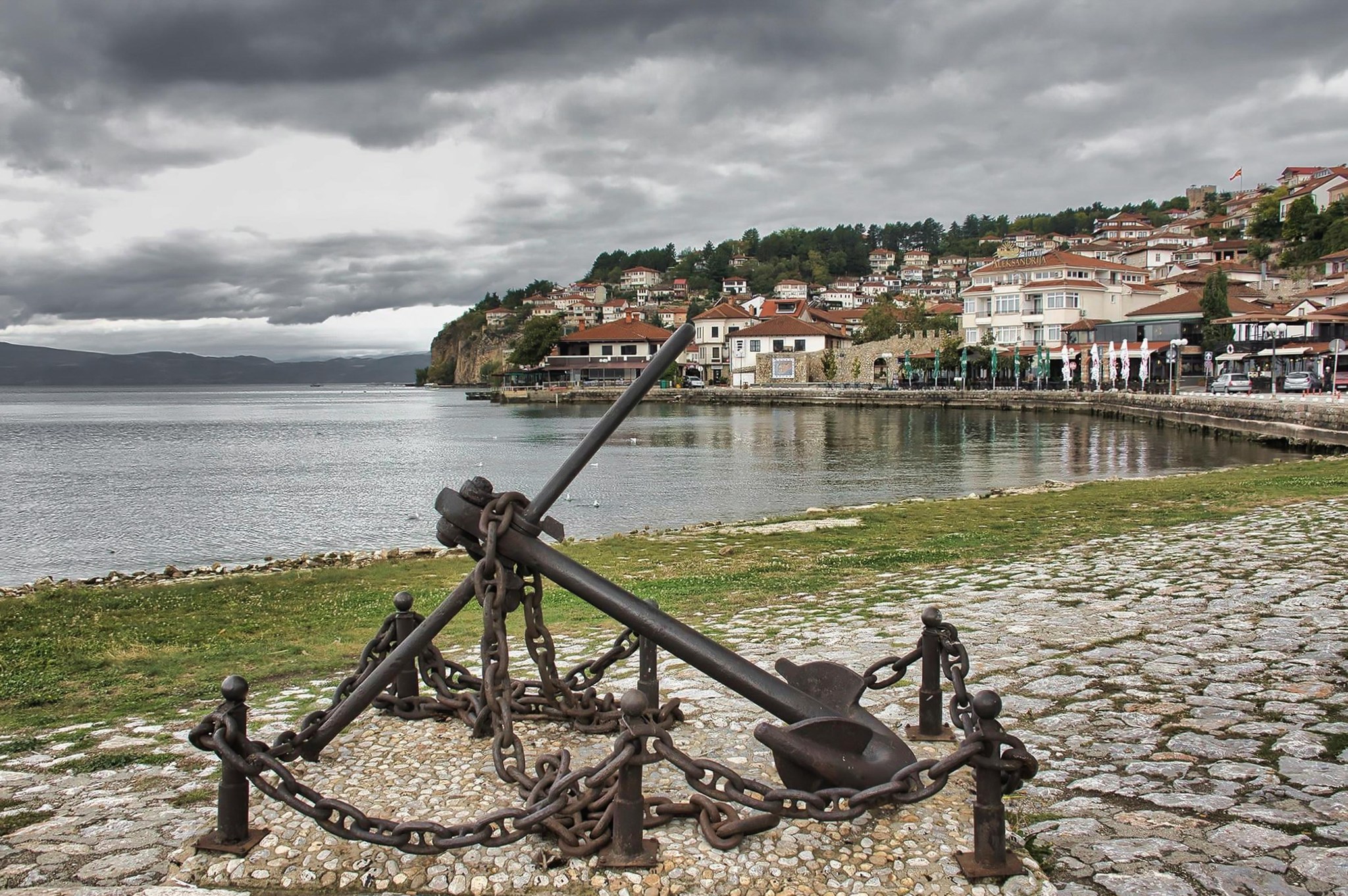
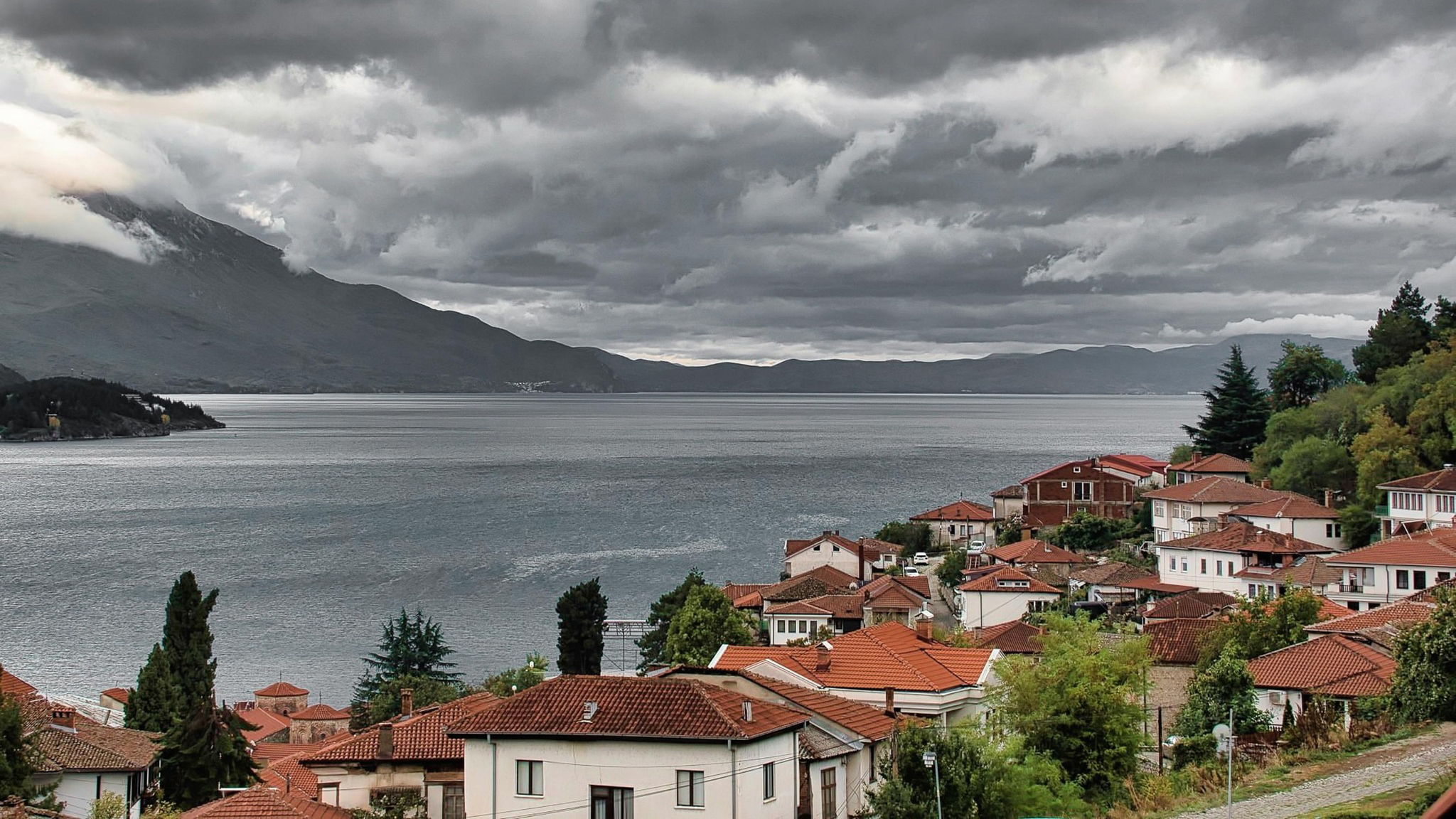
The three-day journey closed with a visit to the astonishing city of Ohrid, which dips its feet in the lake of the same name.
The lake, of course, is an entire story in itself: geologically, because it is the deepest lake in Europe, reaching a depth of 180 metres; and morphologically, because it forms a landscape of exceptional natural beauty and remarkable water clarity.
The city rises amphitheatrically and reveals all its cultural wealth through narrow cobbled lanes and streets, above which hang projecting upper floors and lattice windows with lace curtains.
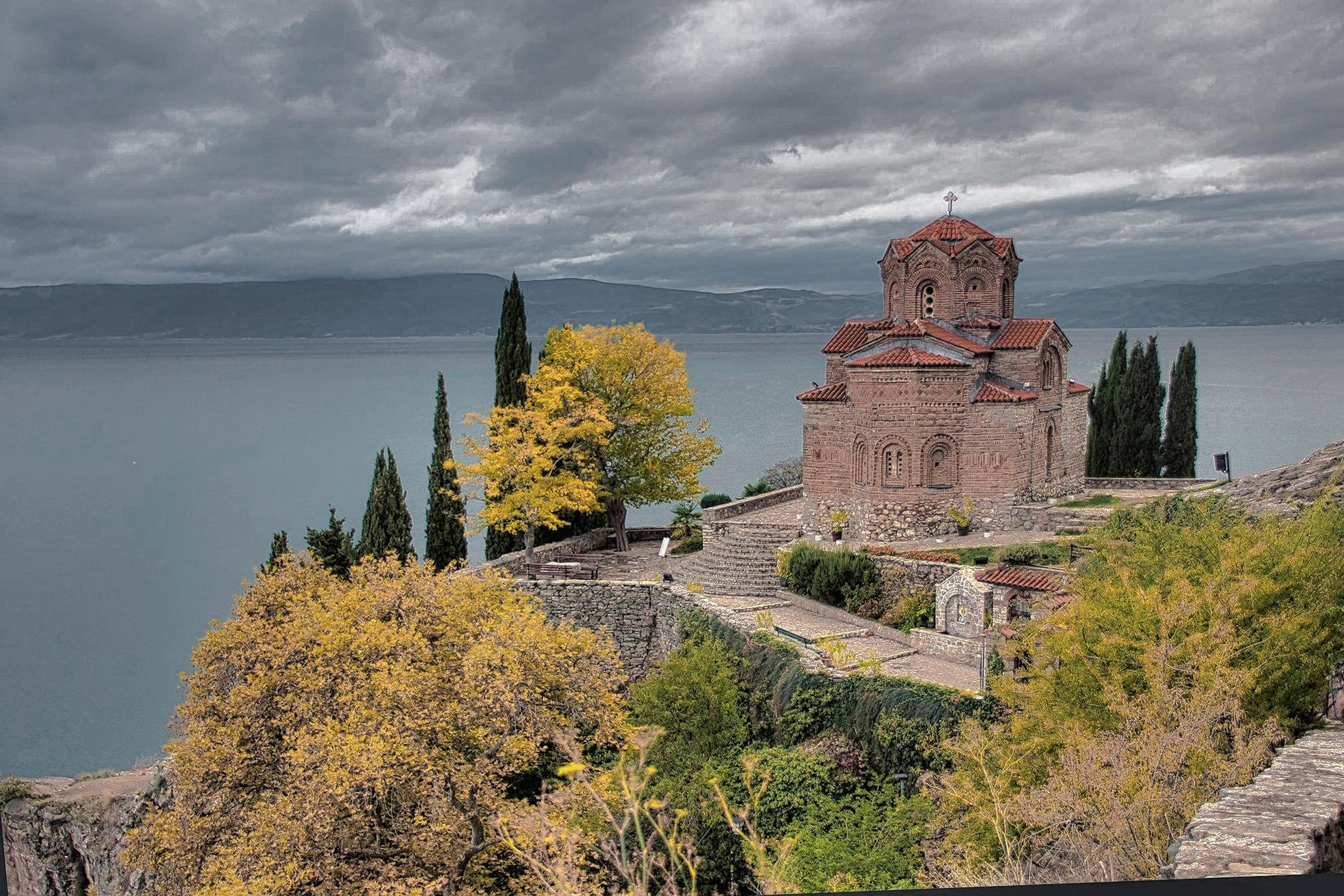
Its shoreline ends impressively at the southern edge, on the rocky outcrop where the Byzantine church of Saint John at Kaneo stands — perhaps the most photographed landscape of all. Naturally, we gave it our full attention.
The following days, however, first with heavy cloud and then with torrential rain, deprived us of the chance to cross Galicica National Park, which lies between Great Prespa Lake to the south and Lake Ohrid to the north.
It was the rain, of course, that together with the soaking gave us astonishing images of beauty, with saturated colours and impressive skies.
Besides the centre of Bitola, Monastiri of old, where the ancient traces of civilisations that had passed through were reflected in the wet paving stones, we also visited other towns farther northeast. Among them was the old Vlach village of Kruševo, with its wonderful mansions, still keeping their splendour, cared for and restored to a degree that raised questions about our own policies back home. We walked its cobbled streets, where the hoofbeats of herds still seem to echo.
Prilep, a little farther west, gave us unique images at its acropolis with the old monastery, while its squares offered us a clear sense of socialist aesthetics and of the historically careless attempt to appropriate other people’s histories.
The three-day journey closed with a visit to the astonishing city of Ohrid, which dips its feet in the lake of the same name.
The lake, of course, is an entire story in itself: geologically, because it is the deepest lake in Europe, reaching a depth of 180 metres; and morphologically, because it forms a landscape of exceptional natural beauty and remarkable water clarity.
The city rises amphitheatrically and reveals all its cultural wealth through narrow cobbled lanes and streets, above which hang projecting upper floors and lattice windows with lace curtains.
Its shoreline ends impressively at the southern edge, on the rocky outcrop where the Byzantine church of Saint John at Kaneo stands — perhaps the most photographed landscape of all. Naturally, we gave it our full attention.
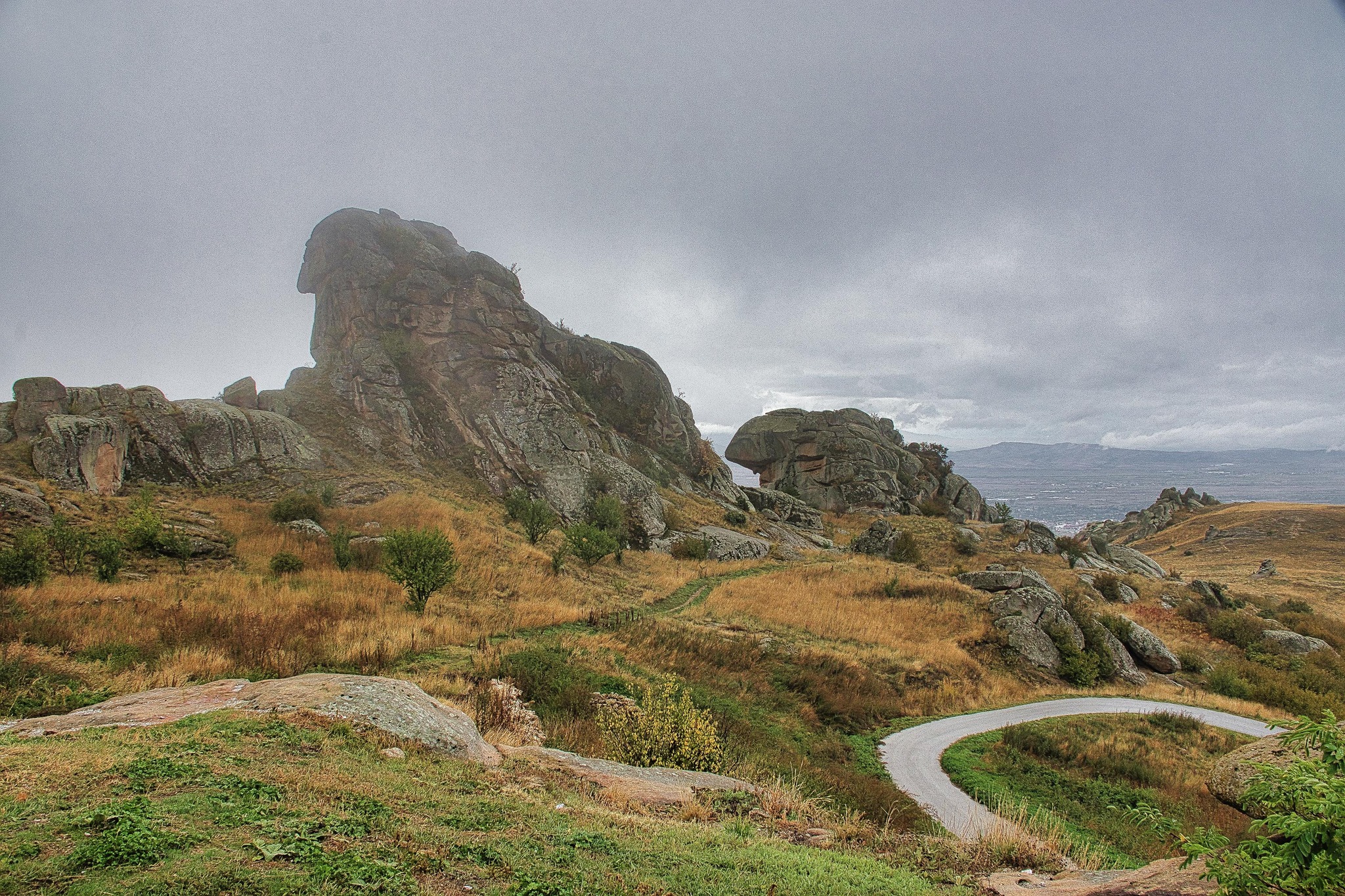
The next acts of the work were written at a later time, farther east, where the Kroussia range comes to an end at the beginnings of dark Beles.
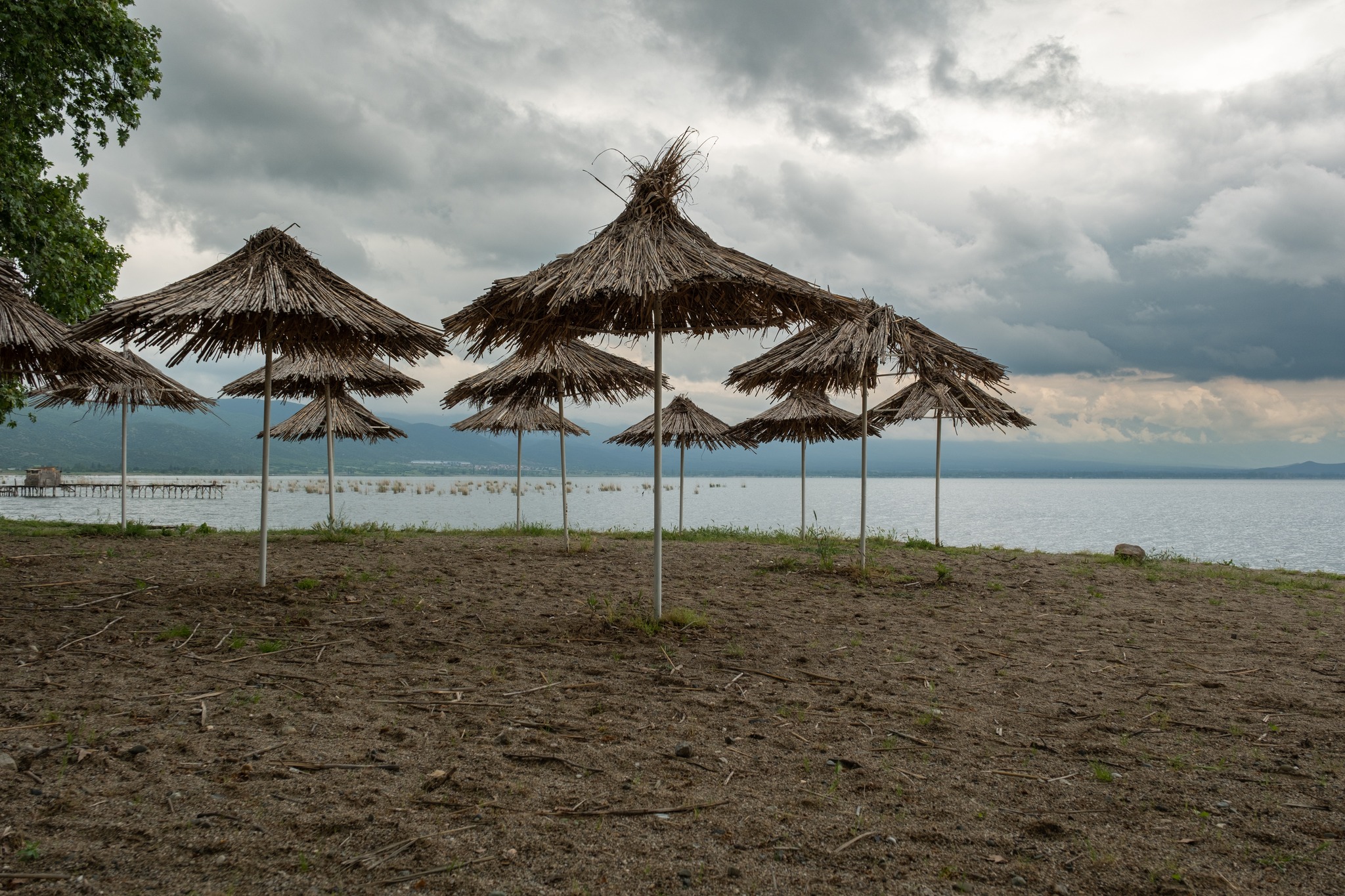
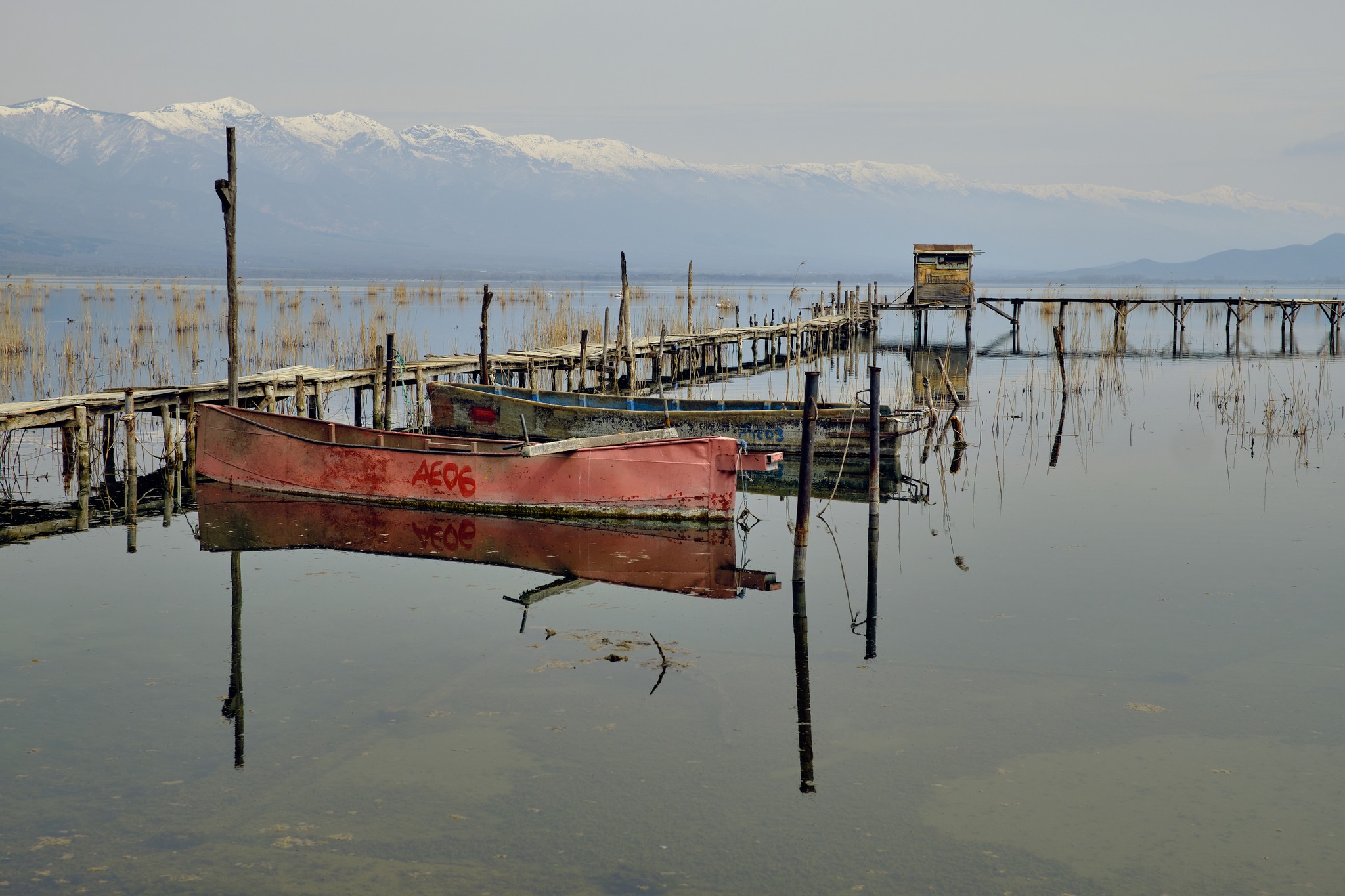
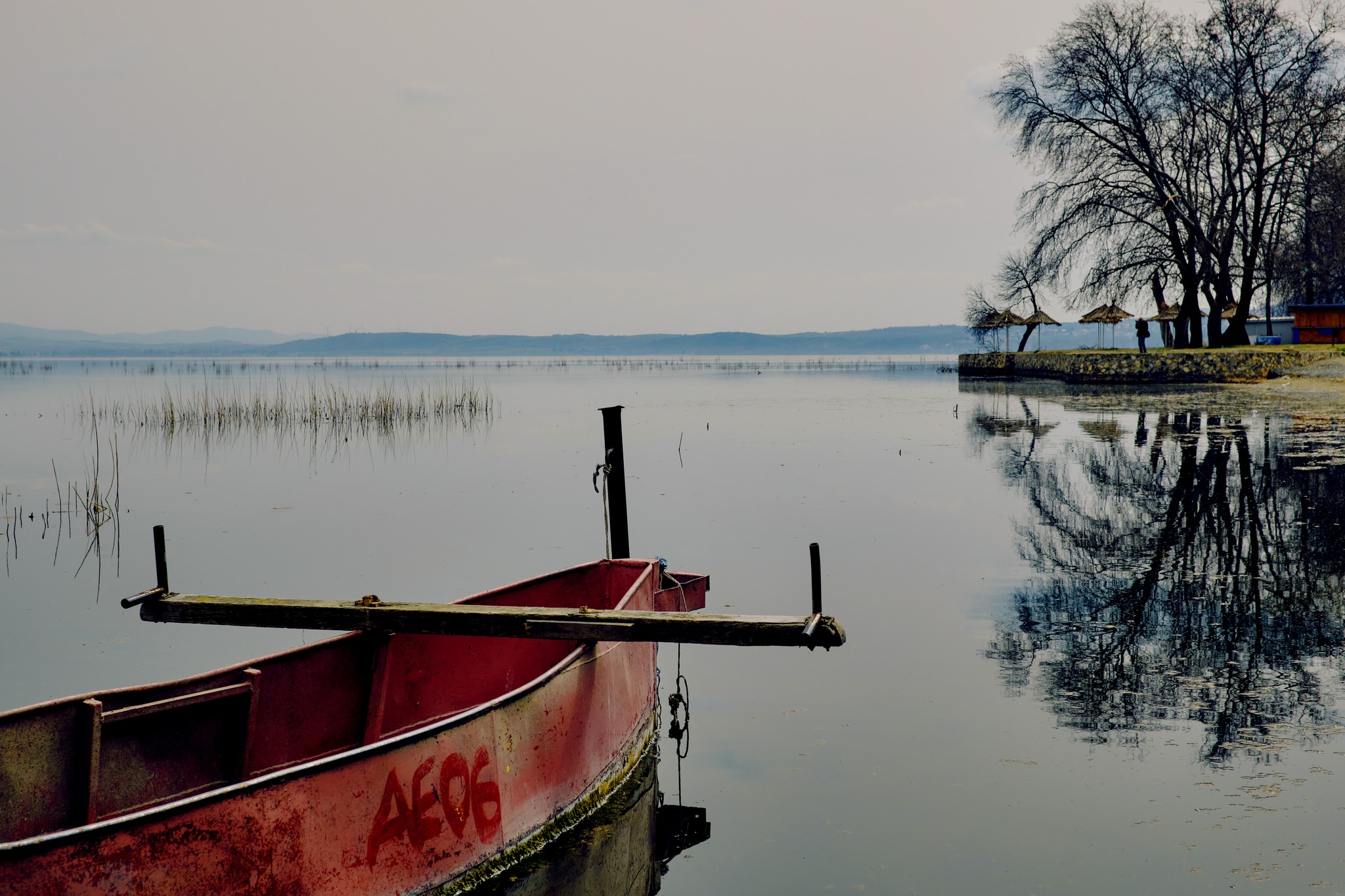
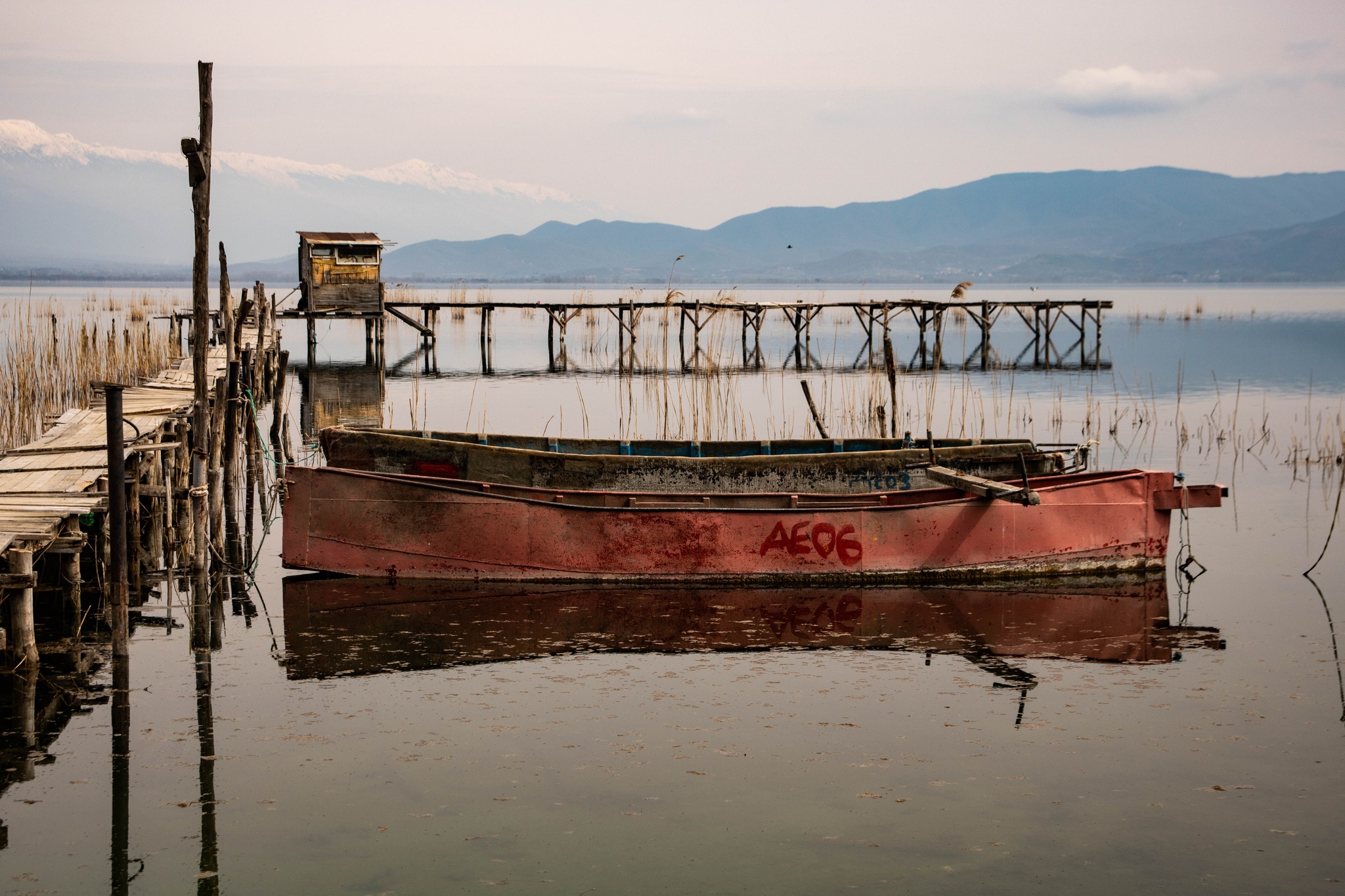
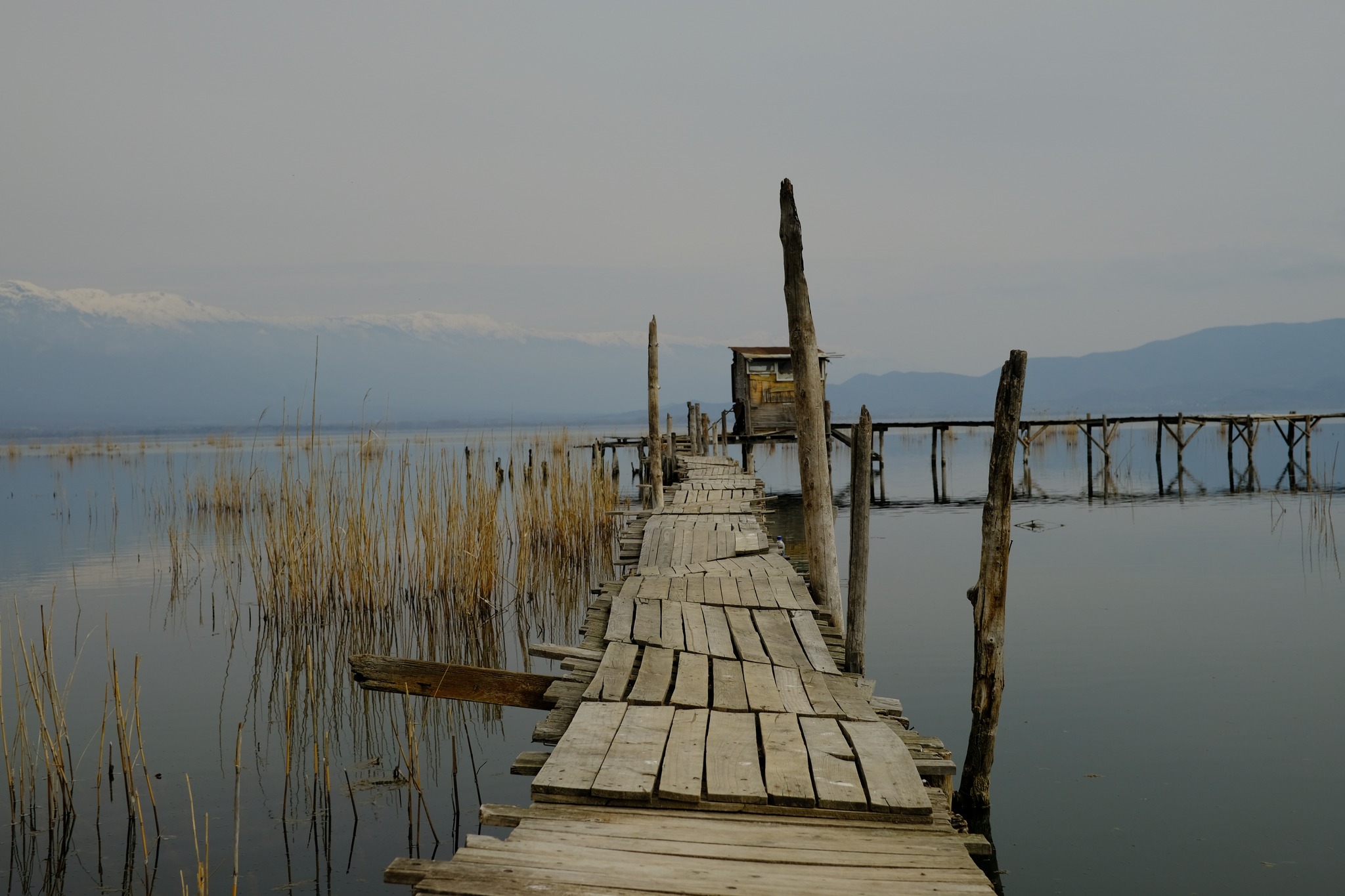
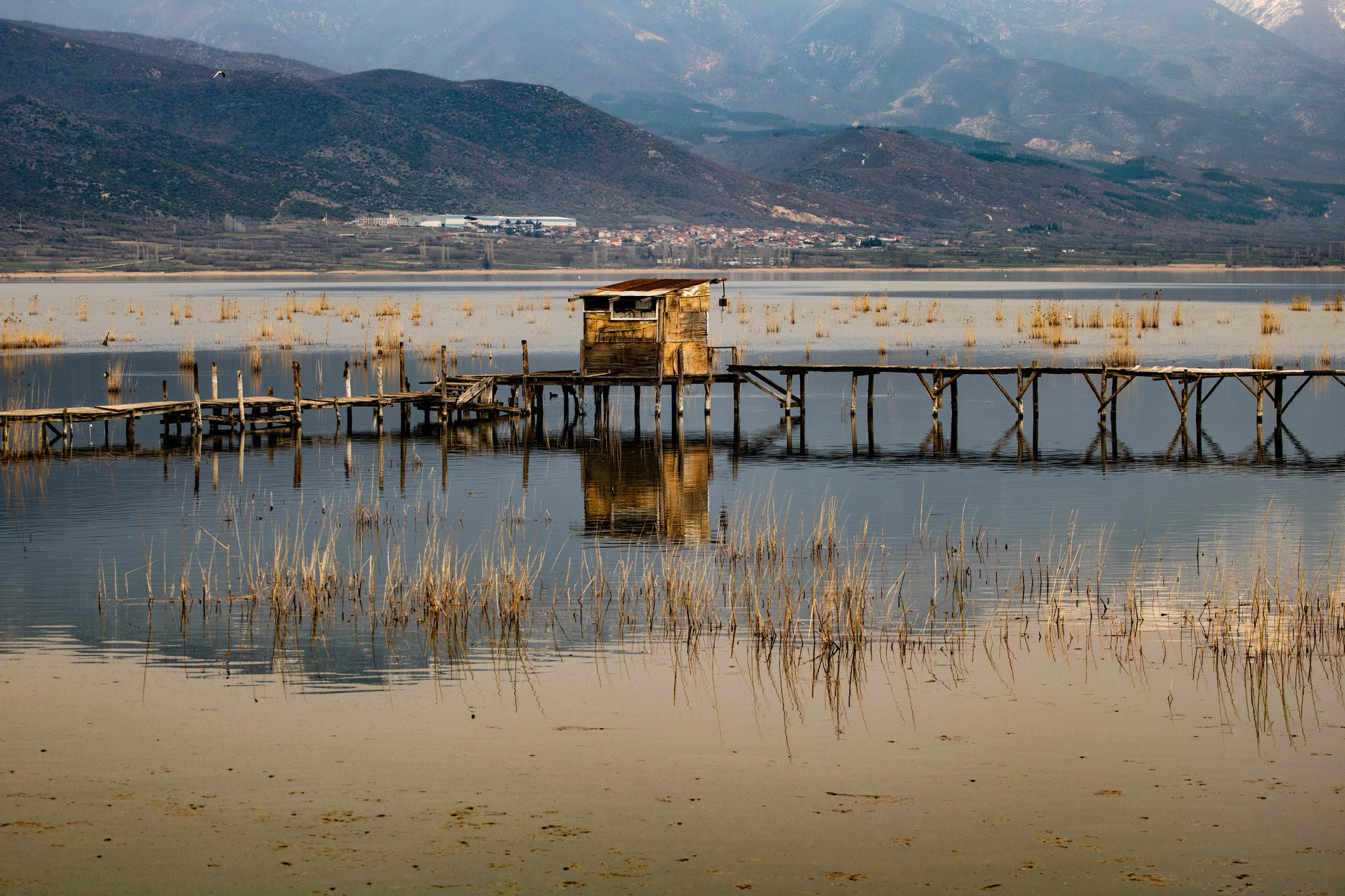
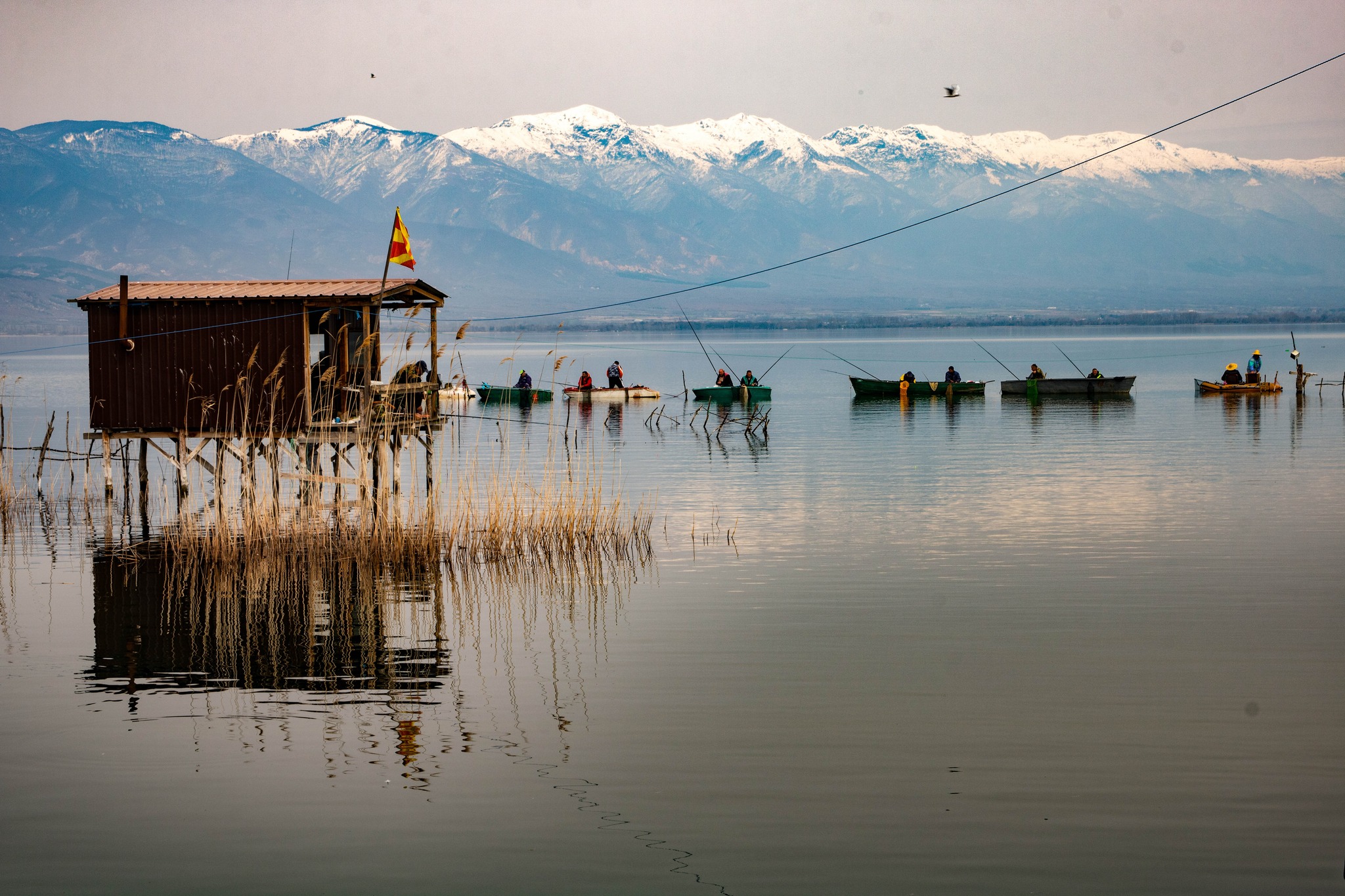
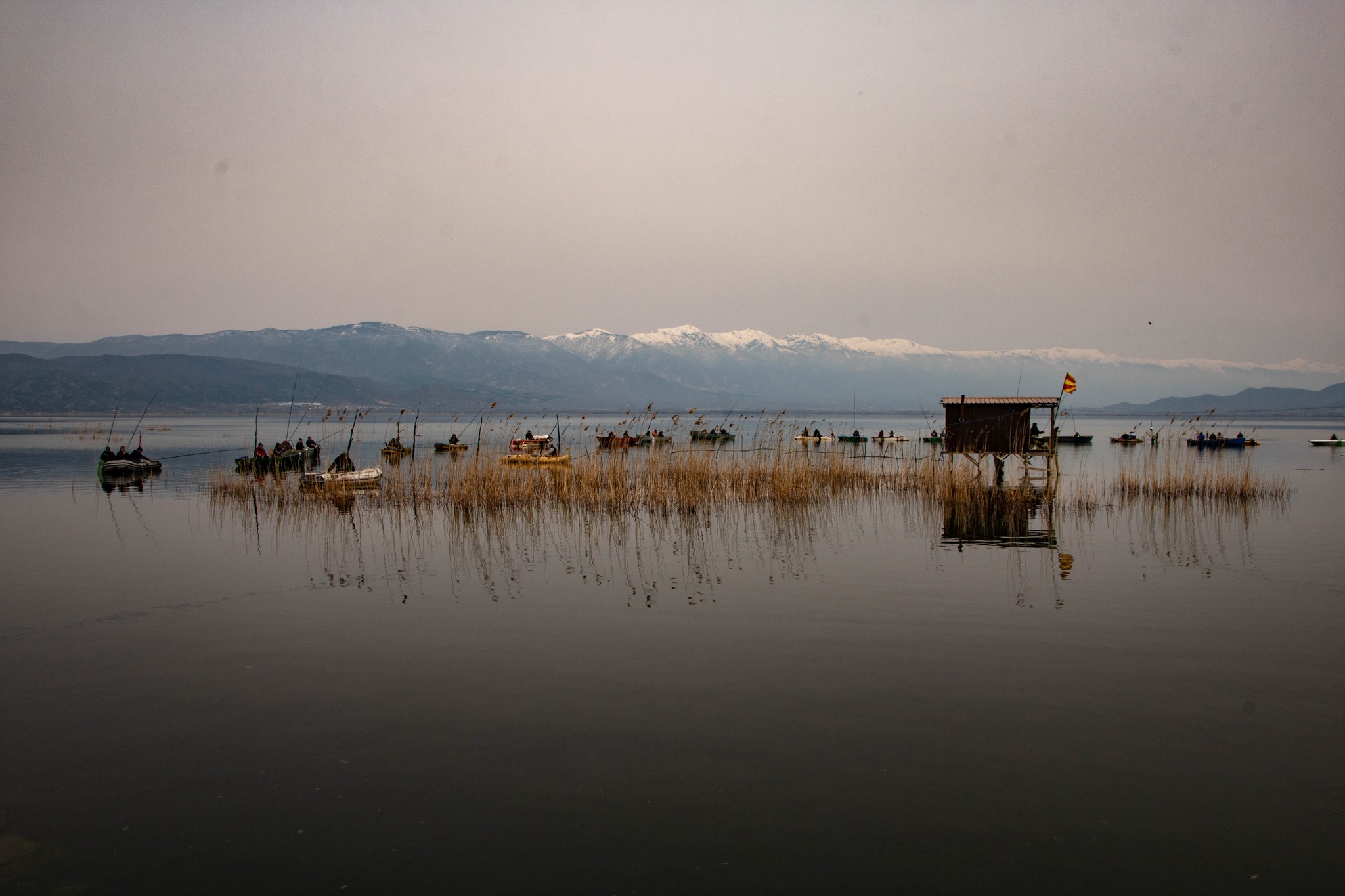
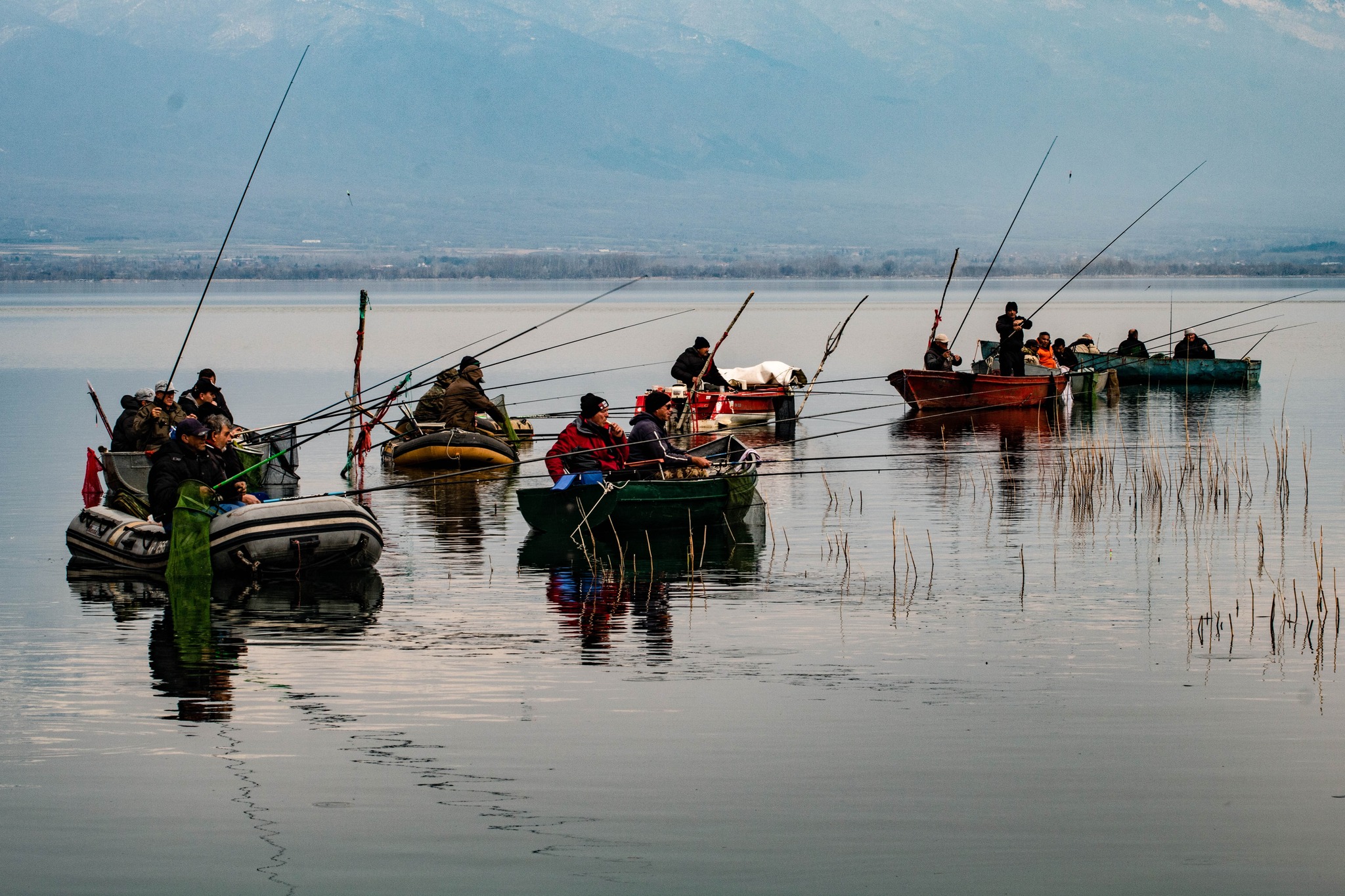
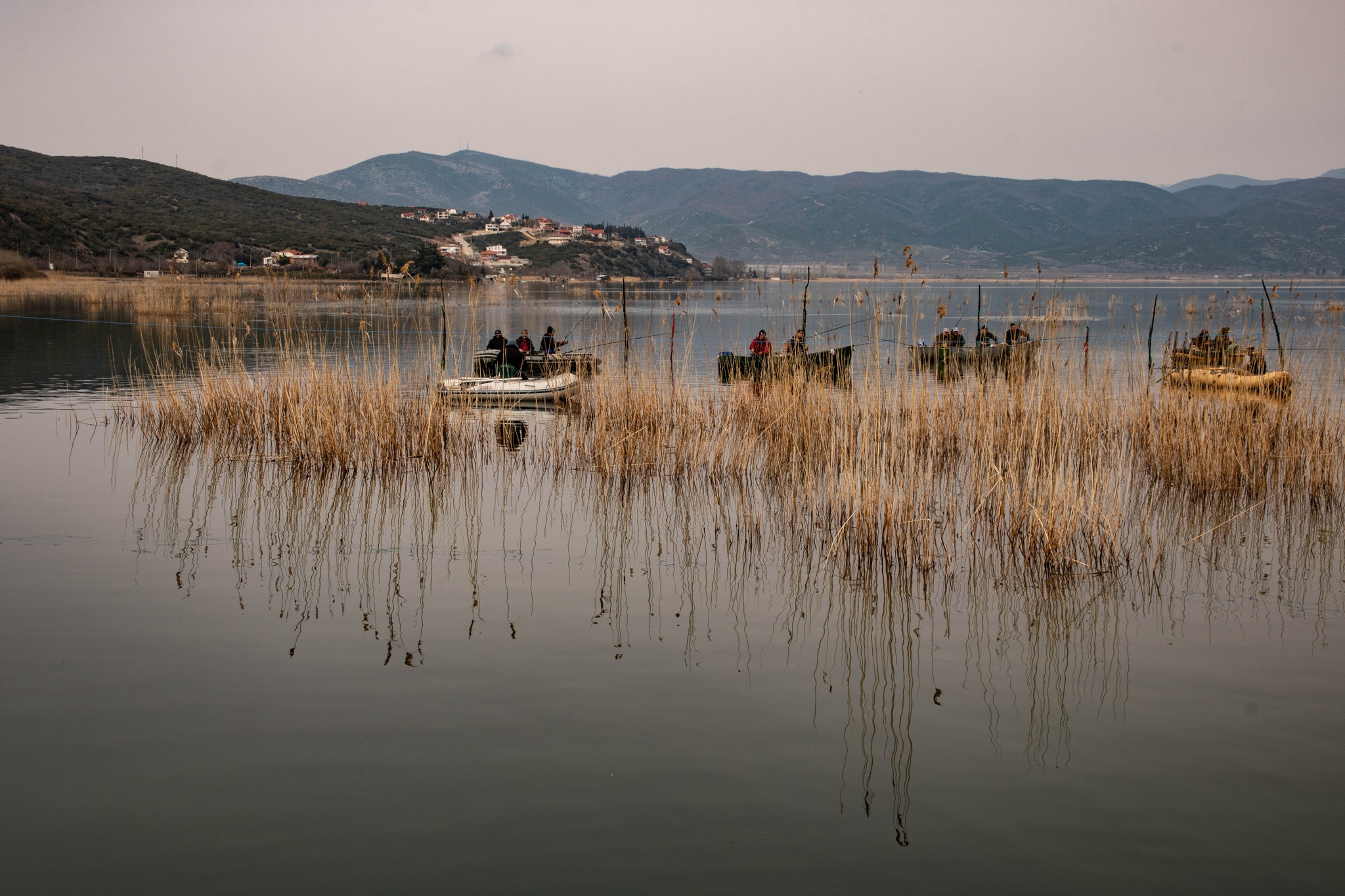
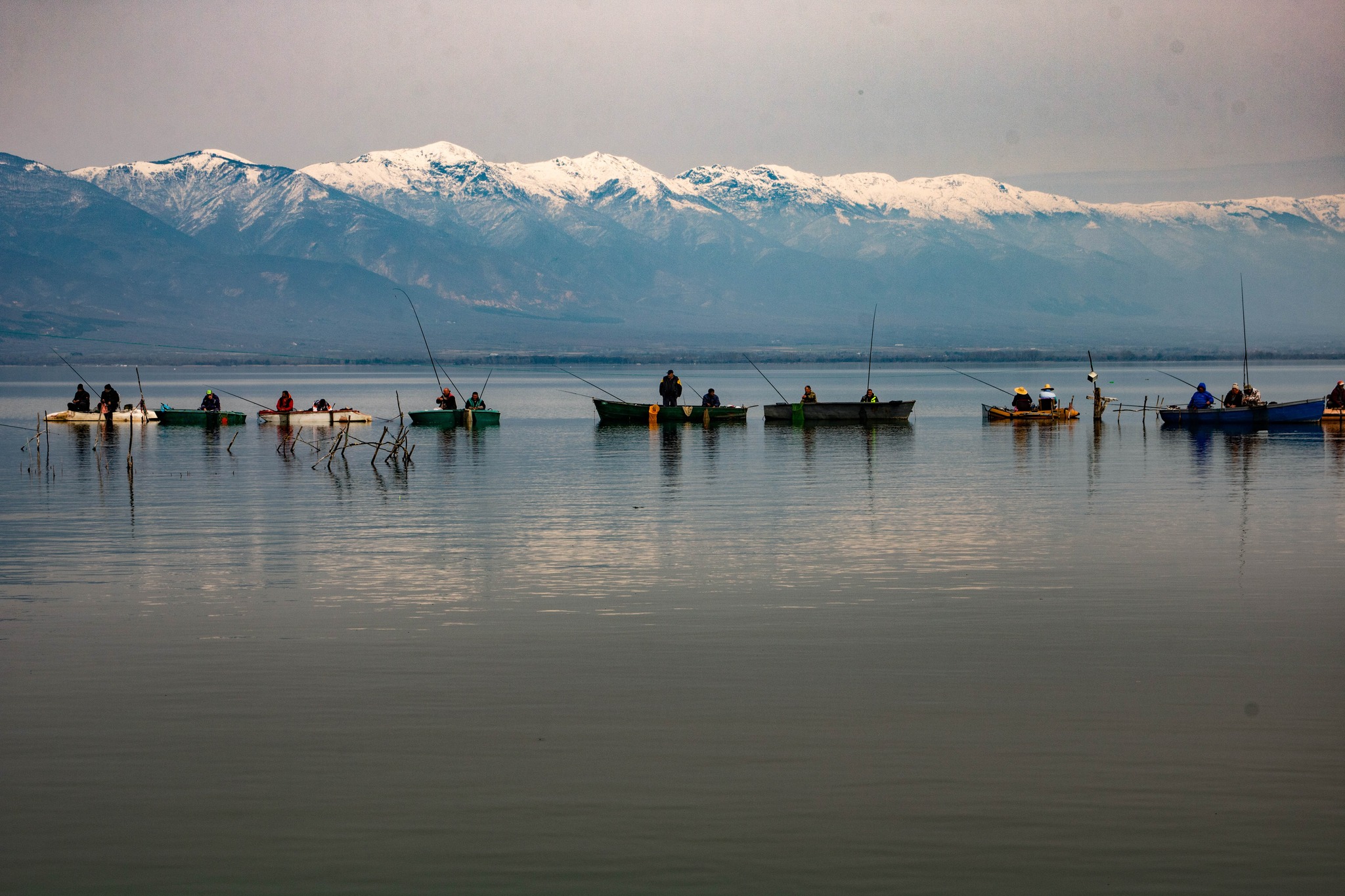
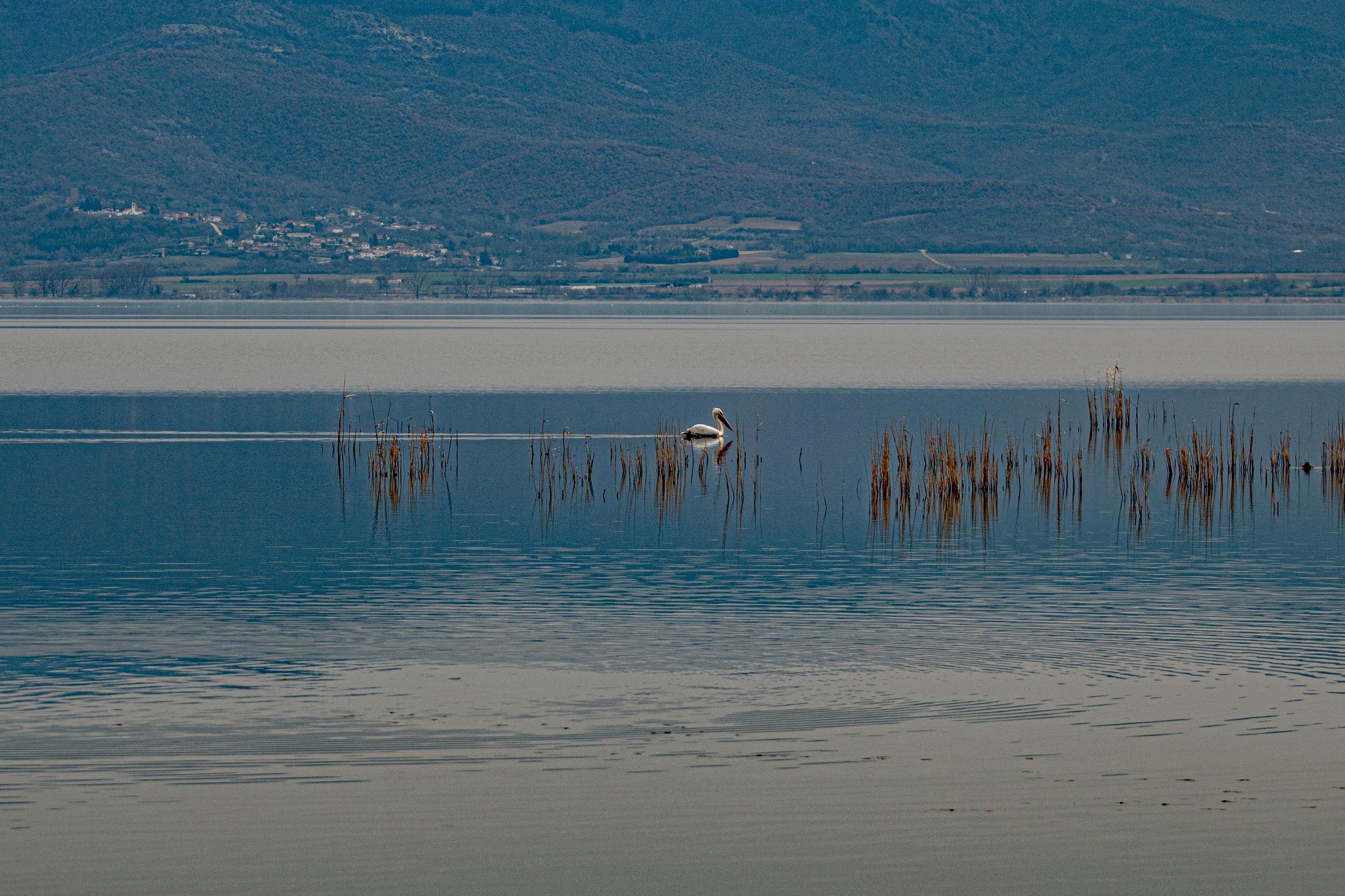
The almost oval drainage basin forms Lake Doiran, which, thanks to efforts on both sides, has begun to recover. The Greek eastern shore speaks eloquently of an effort to remain abandoned, as though someone had told them this would provide picturesque images for photographers.
We too filled ourselves with the reflections on the motionless water and recorded, not always successfully, the wading birds as they fled in alarm.
The western side of the lake, however, the North Macedonian view of things, surprised us both with its well-kept lakeside promenade and with the hospitality of its lovely establishments, where Greek is the second language. We honoured it in return for the kindness it offered us, and devoted a large part of our frames to capturing a beautiful place.
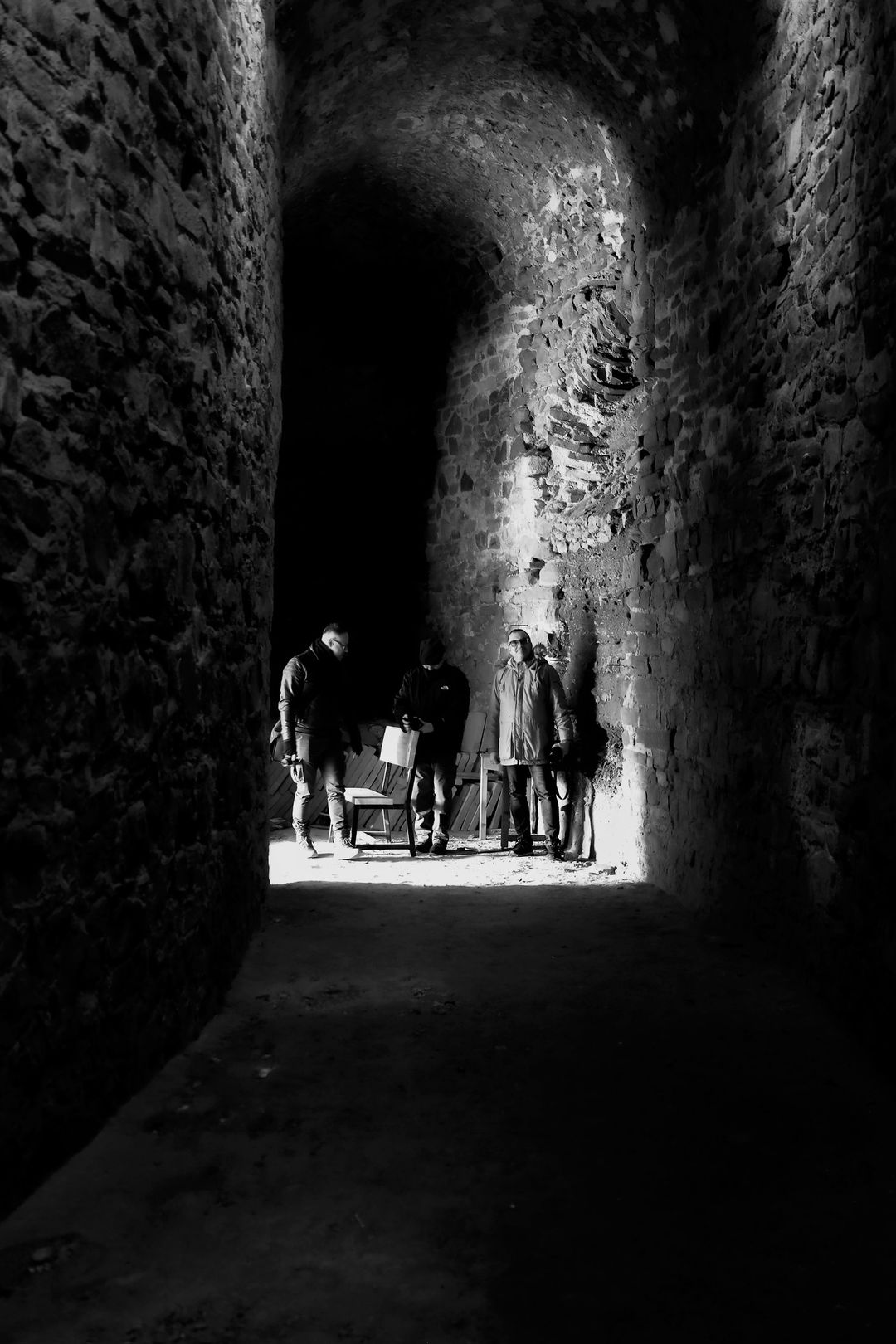
Our next stop, a little farther north, was the archaeological site of Stovoi. “Stobi,” in the local language, and the policeman was rather stern when he corrected Demosthenes.
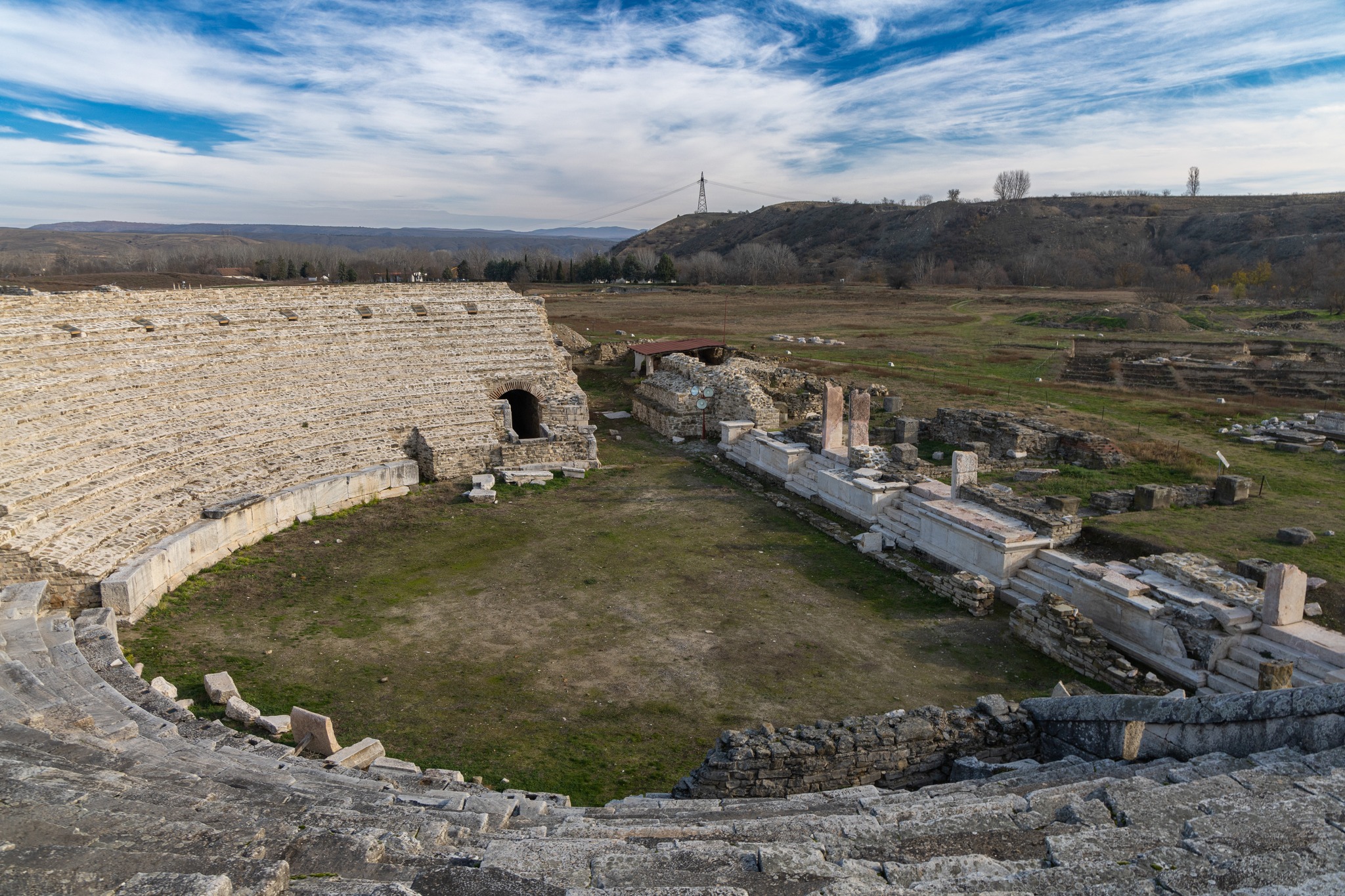
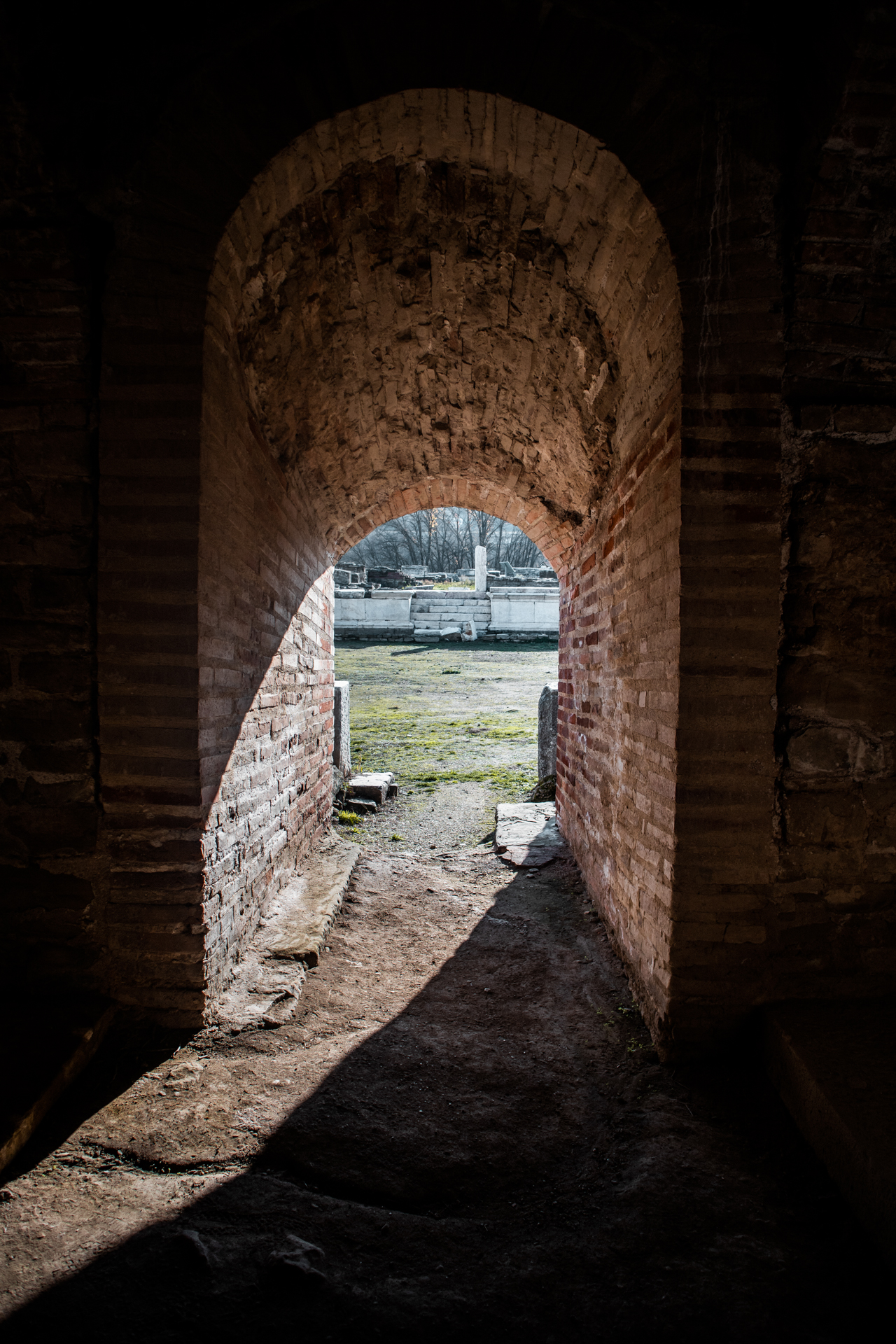
The sight before us revealed a city of great size and wealth, first inhabited in the sixth century BC, which later served as an advanced Macedonian outpost in the Paeonia they ruled at the time.
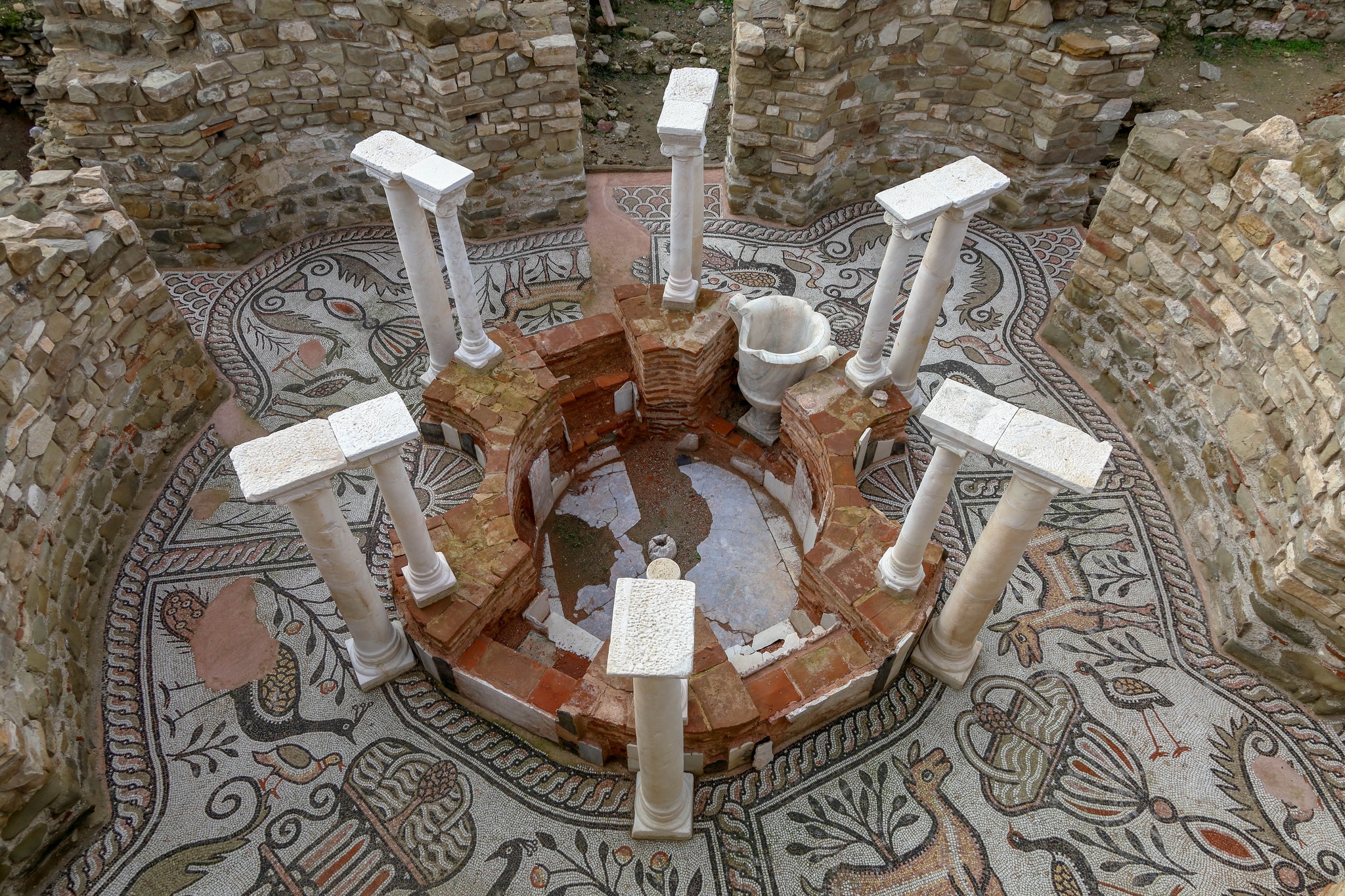
The city flourished greatly during the Roman period and left behind a well-preserved marble theatre with two tiers, baths, a cemetery, and marble-paved streets. Its prosperity continued until the fifth or sixth century AD, leaving traces of early Christian churches and a freestanding baptistery.
It is believed that the city was violently abandoned after raids by barbarian tribes.
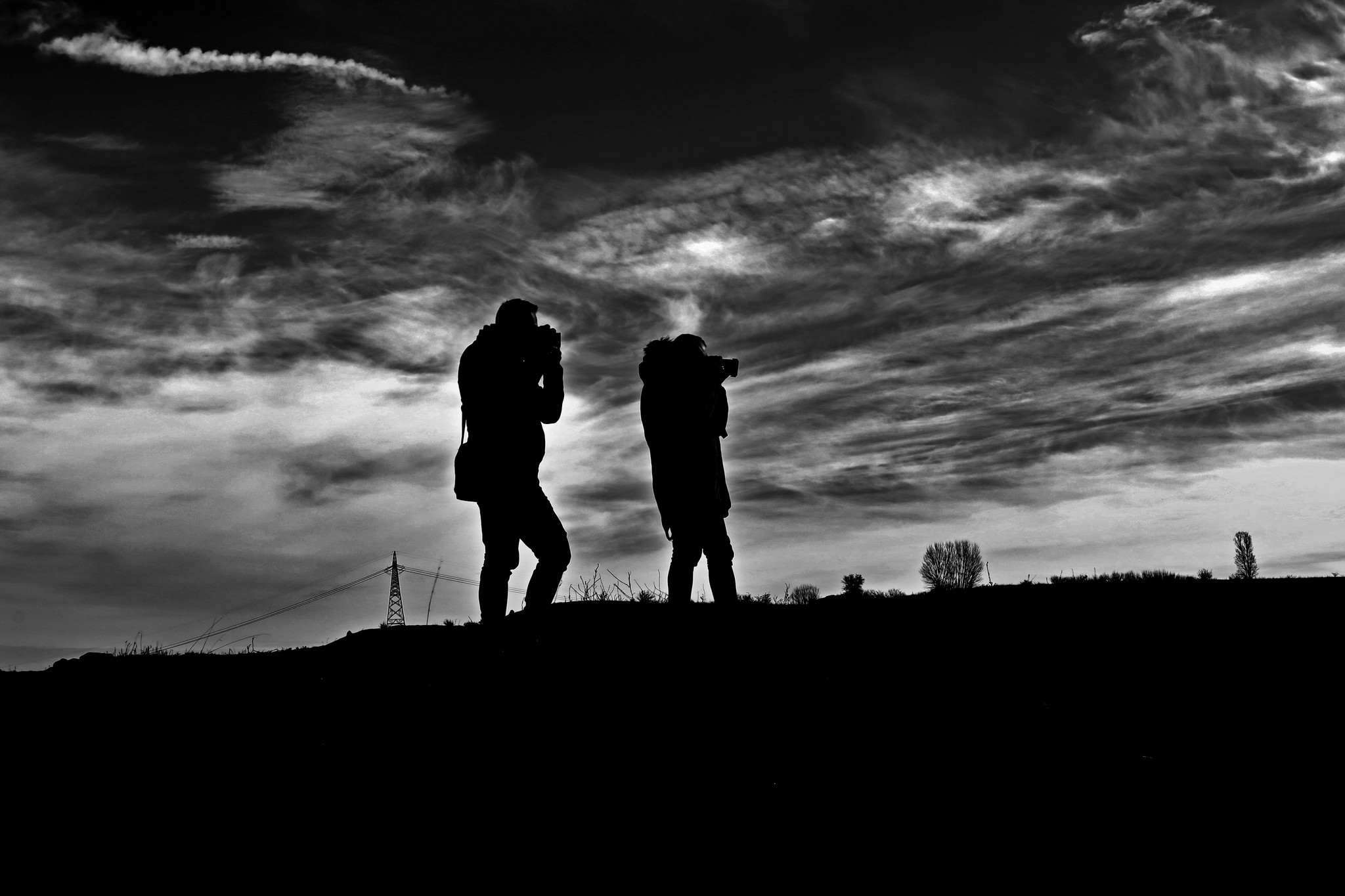
We, however, applied ourselves with suitable thoroughness to photographing the entire archaeological site, despite the poisonous objection raised by the Vardar wind, and left full of images and positive impressions.