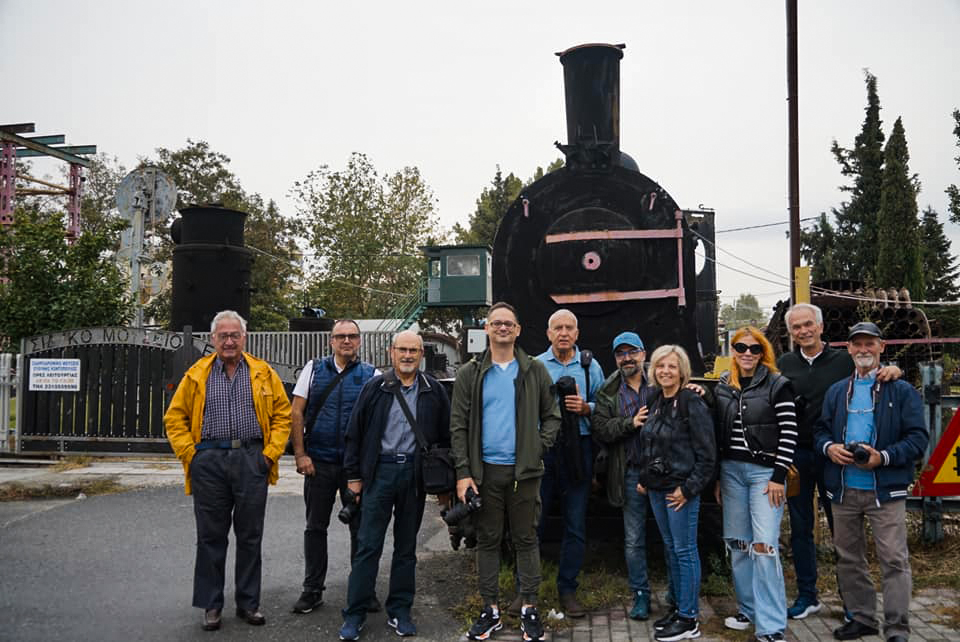
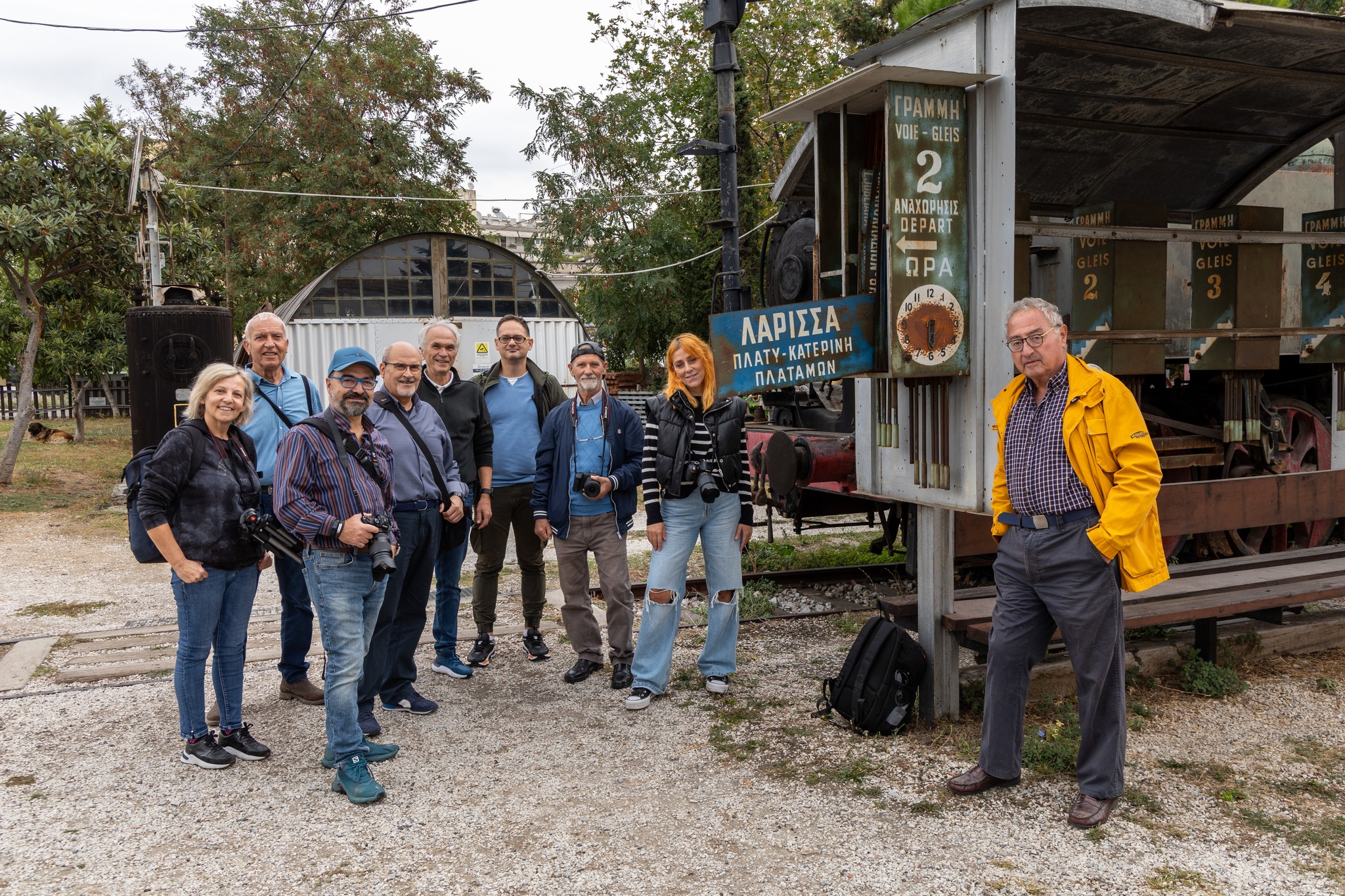
Article by Nikos Kakagias Cover photo by Maria Spyridopoulou Edited by Harrys Pourouzidis
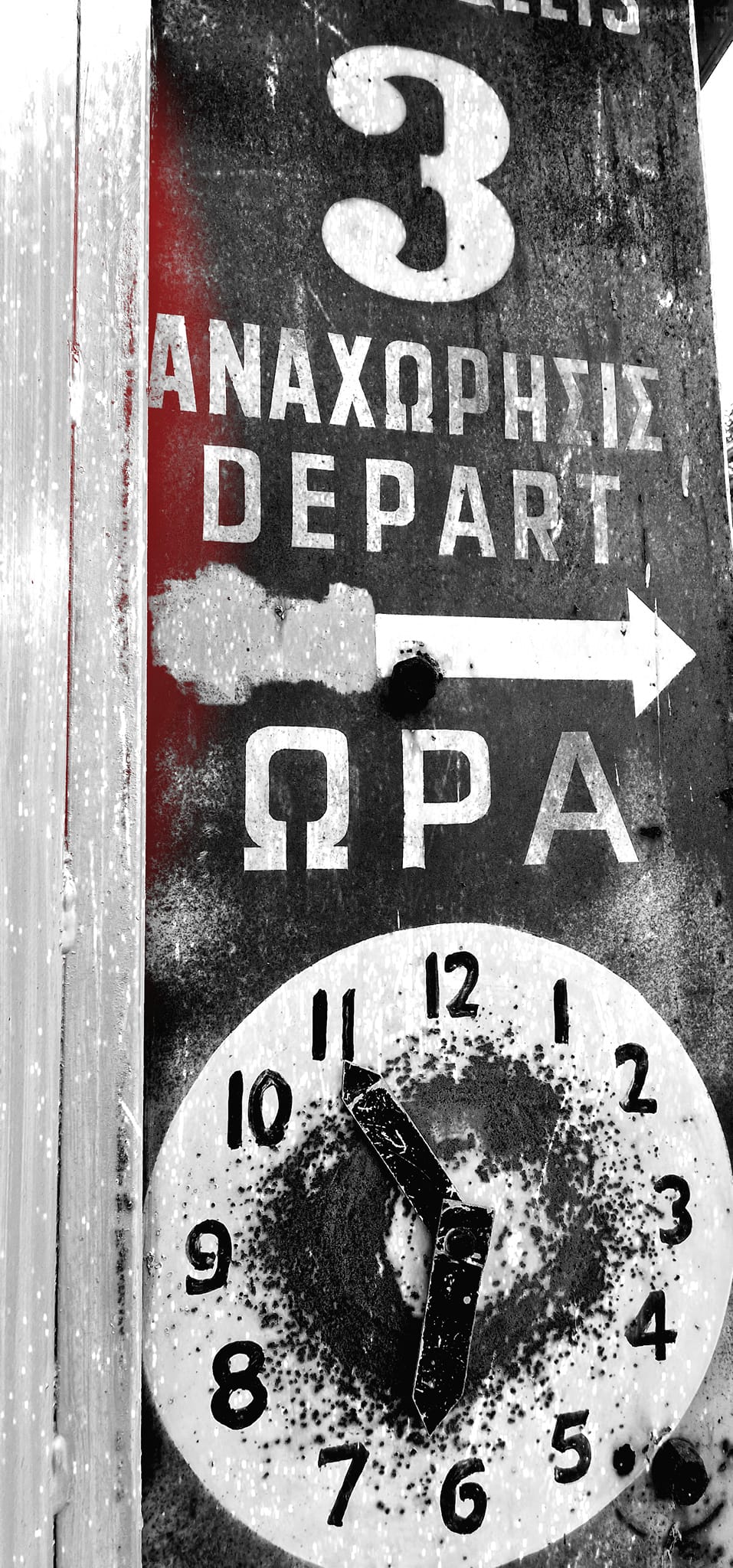
“Ne pas se pencher au dehors…” “Don’t lean out of the window! But it hasn’t even started yet, Dad. Besides, I want to see the man with the red hat, holding the signpost with the round circle at its end…” “Train 563, bound for Athens, with intermediate stops at Katerini, Larissa, Palaiofarsalos, Lianokladi, and Thebes, will depart from platform three in five minutes. Passengers are kindly requested to take their seats.” Those five minutes rarely kept their promise, but anticipation made us forget the delays. A light jolt forward, then back, marked the beginning of the journey, and the slow rolling along the rails felt like a triumphant entrance into magic.
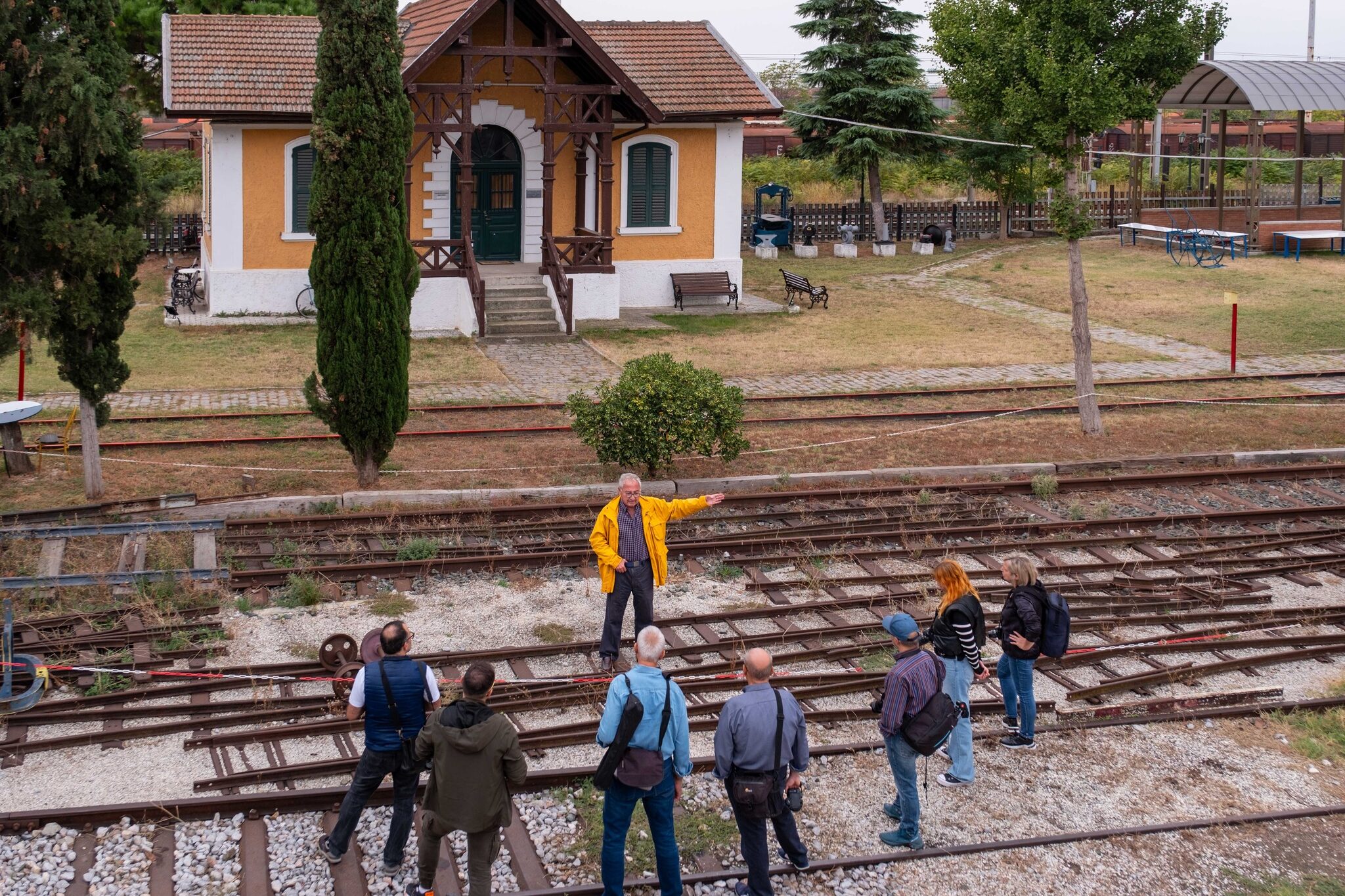
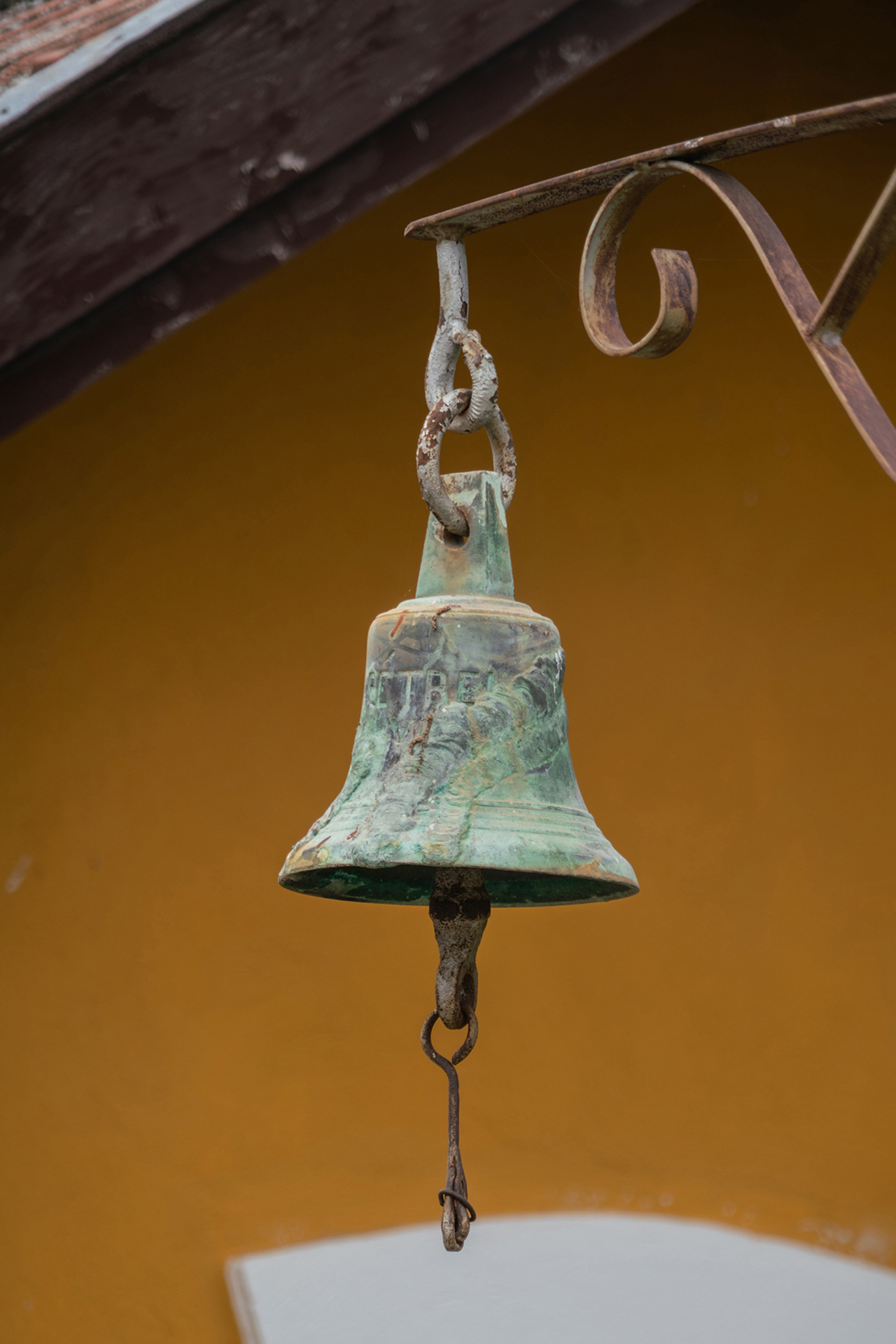
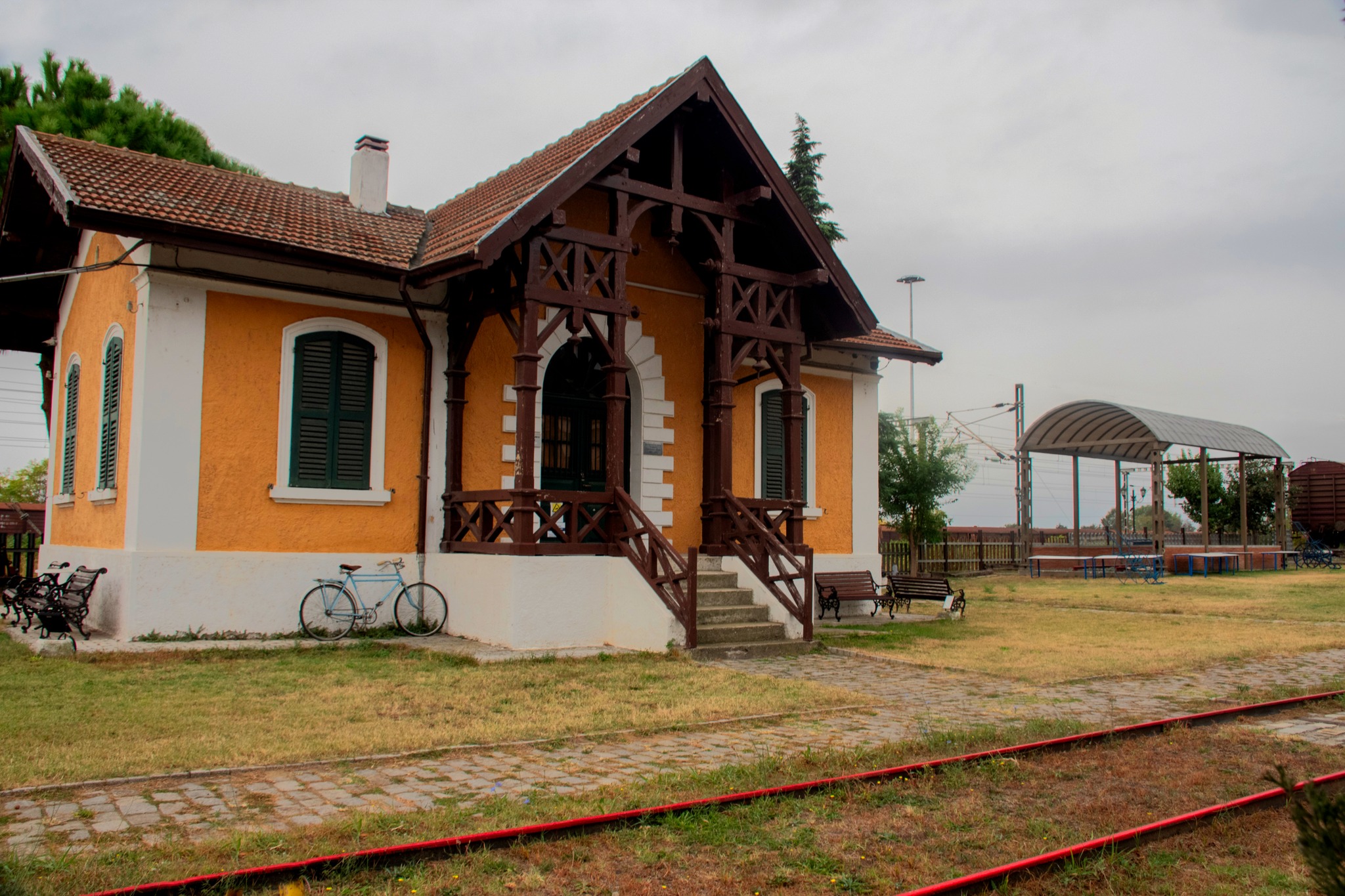
Our own train set off just as gently. Its driver was the sweetest of retired engineers, Andreas Mylonakis, whose novel-like narration began with the earliest days of the “iron horse,” carrying the same lullaby effect as the constant clack-clack of wheels on rails. Our departure station was the old military stop from the time of the Ottoman presence, now revived thanks to the obsessive devotion of former railway men to the medium itself. It presents fragments from the life and work of an entire world that left a clear imprint on the shaping of the modern face of our poor little Greece.
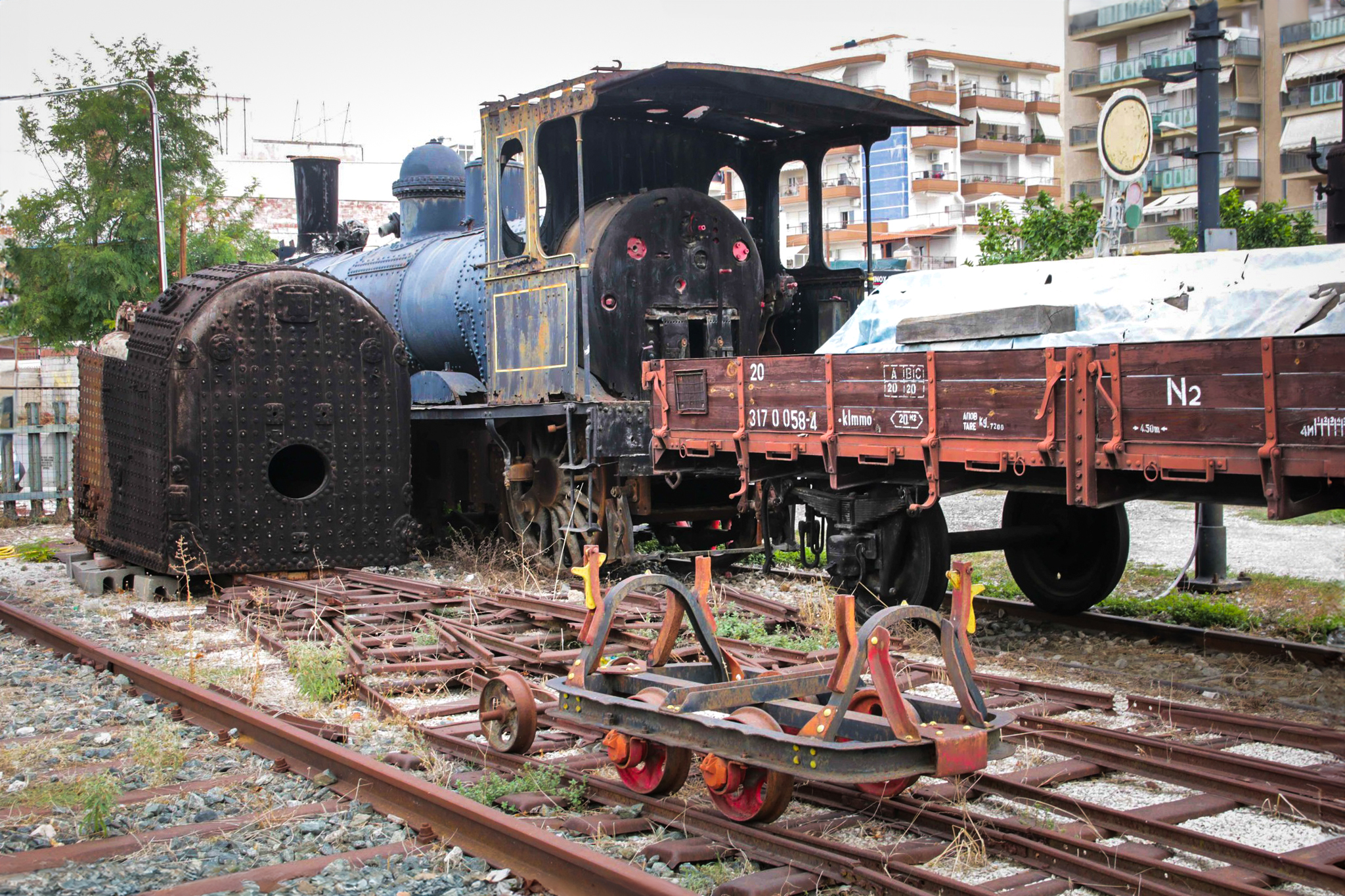
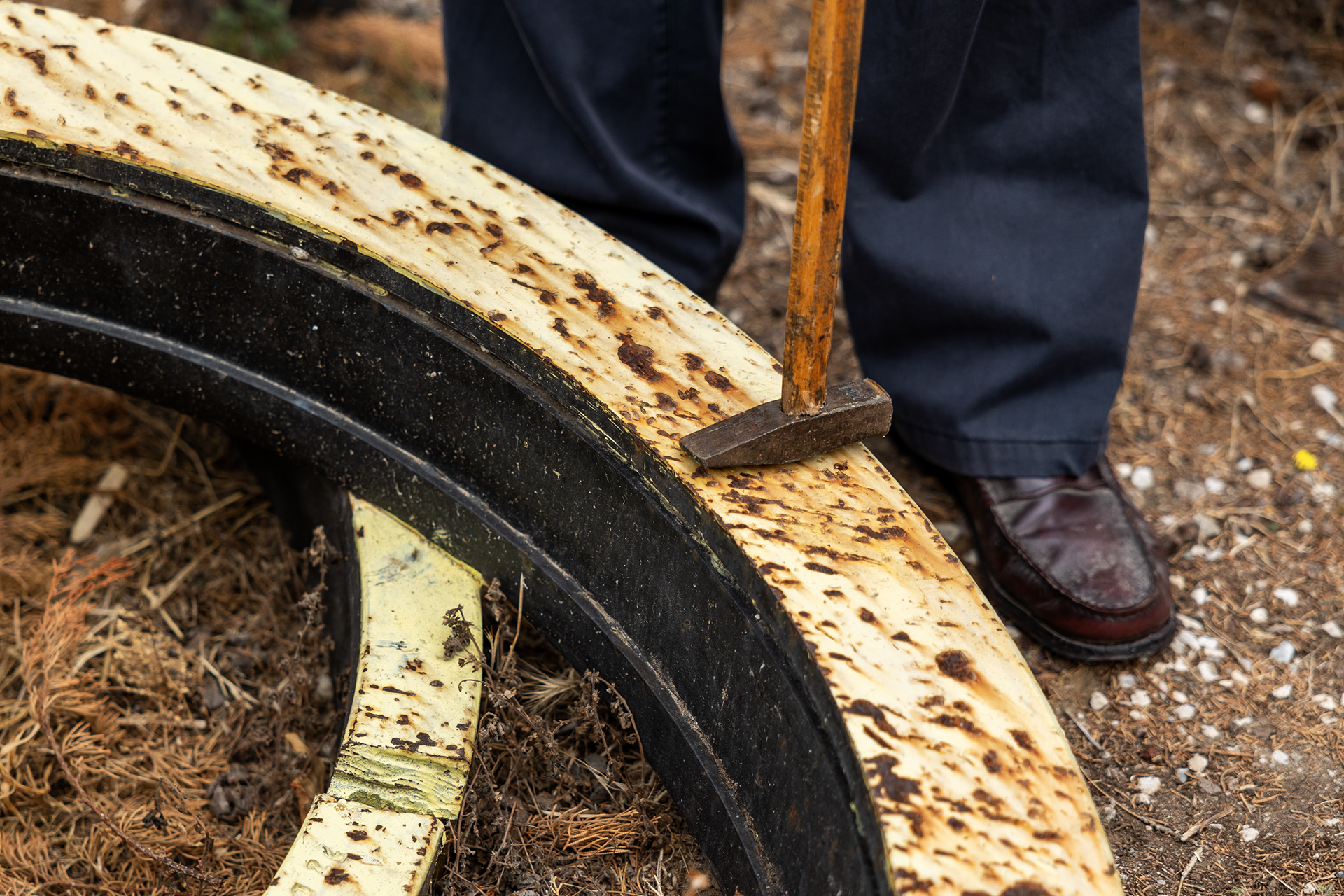
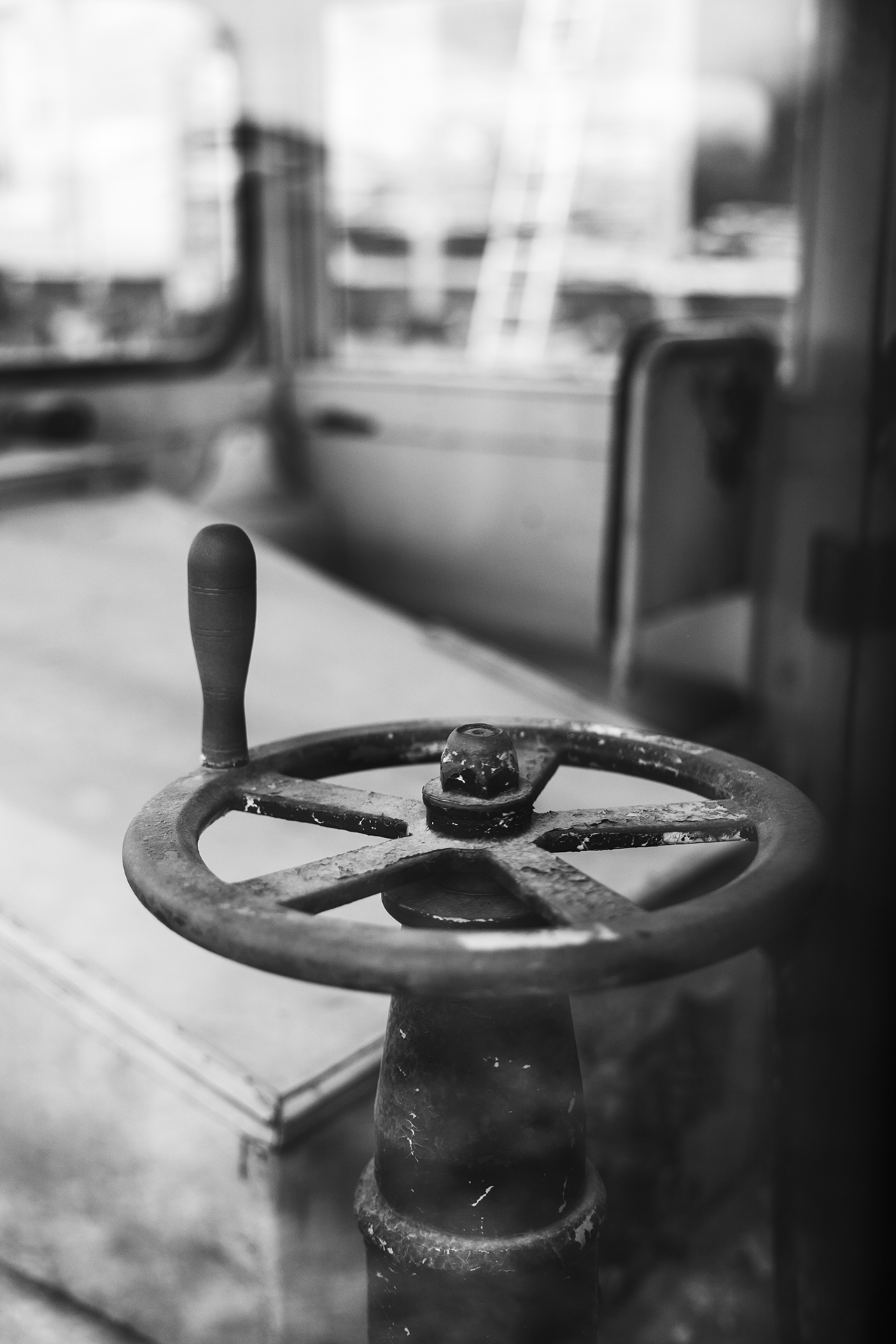
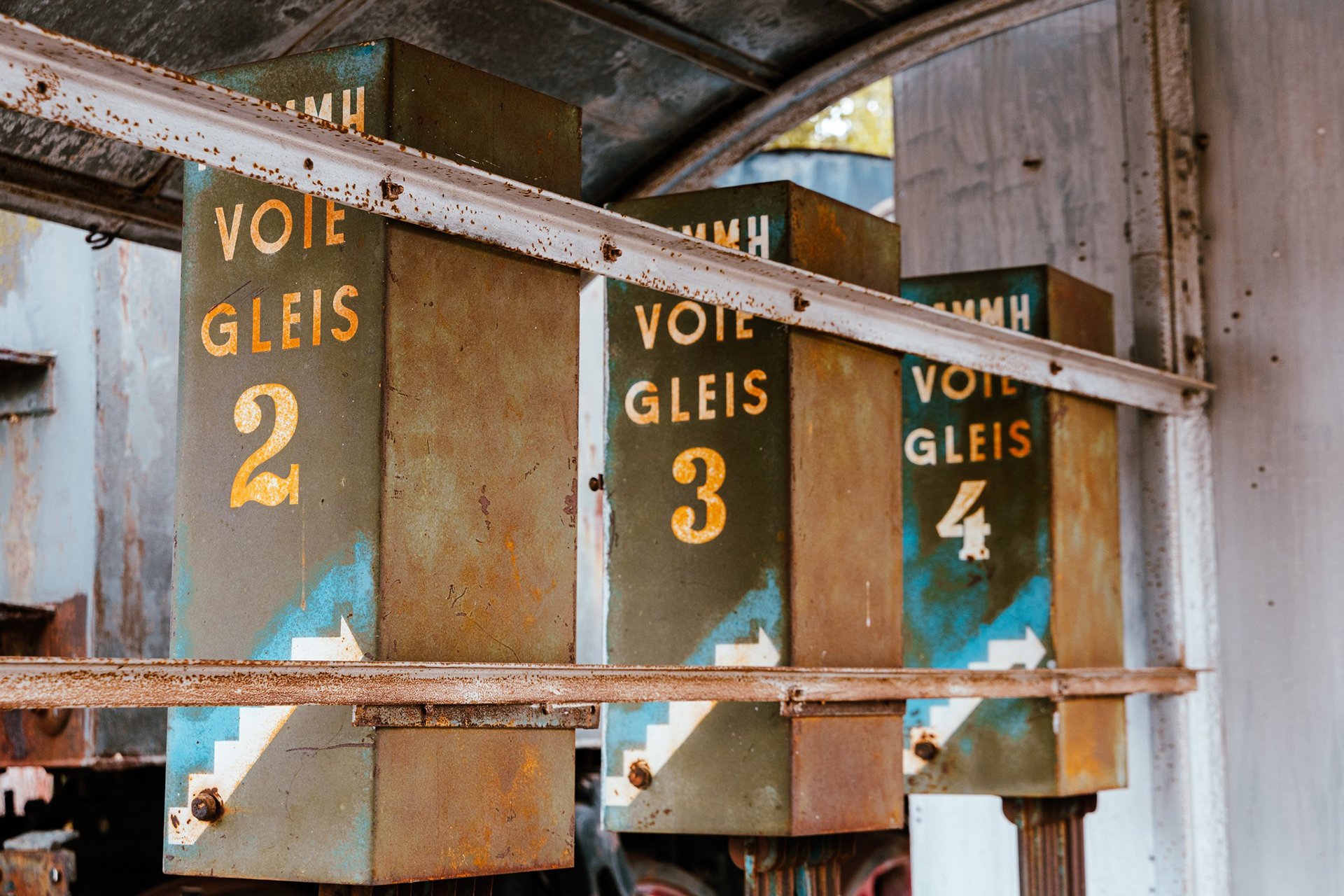
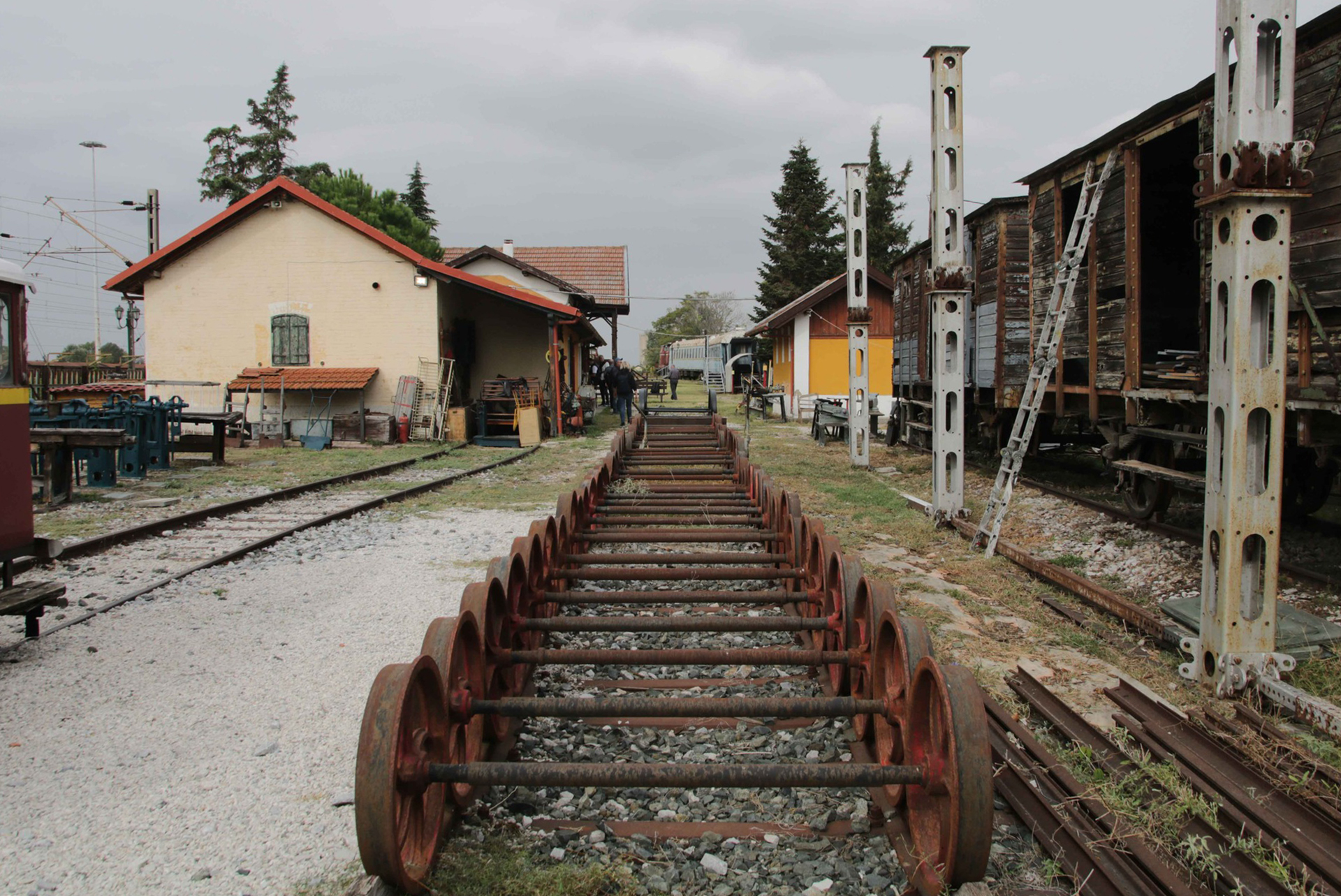
“Here, look… these are the switch keys from the days when the line was single-track. What matters is the flange on the wheel, which ensures stability along the route…” And with that line a small guilt that had been eating at me since childhood was shattered at last, as I finally understood that the stones we used to place on the tracks as children — “so the train will fall over and we’ll get money to buy bagels” — had never stood a chance. That belated absolution brought faint smiles, as the mind, without brakes, let itself follow the route opened by the signalman.
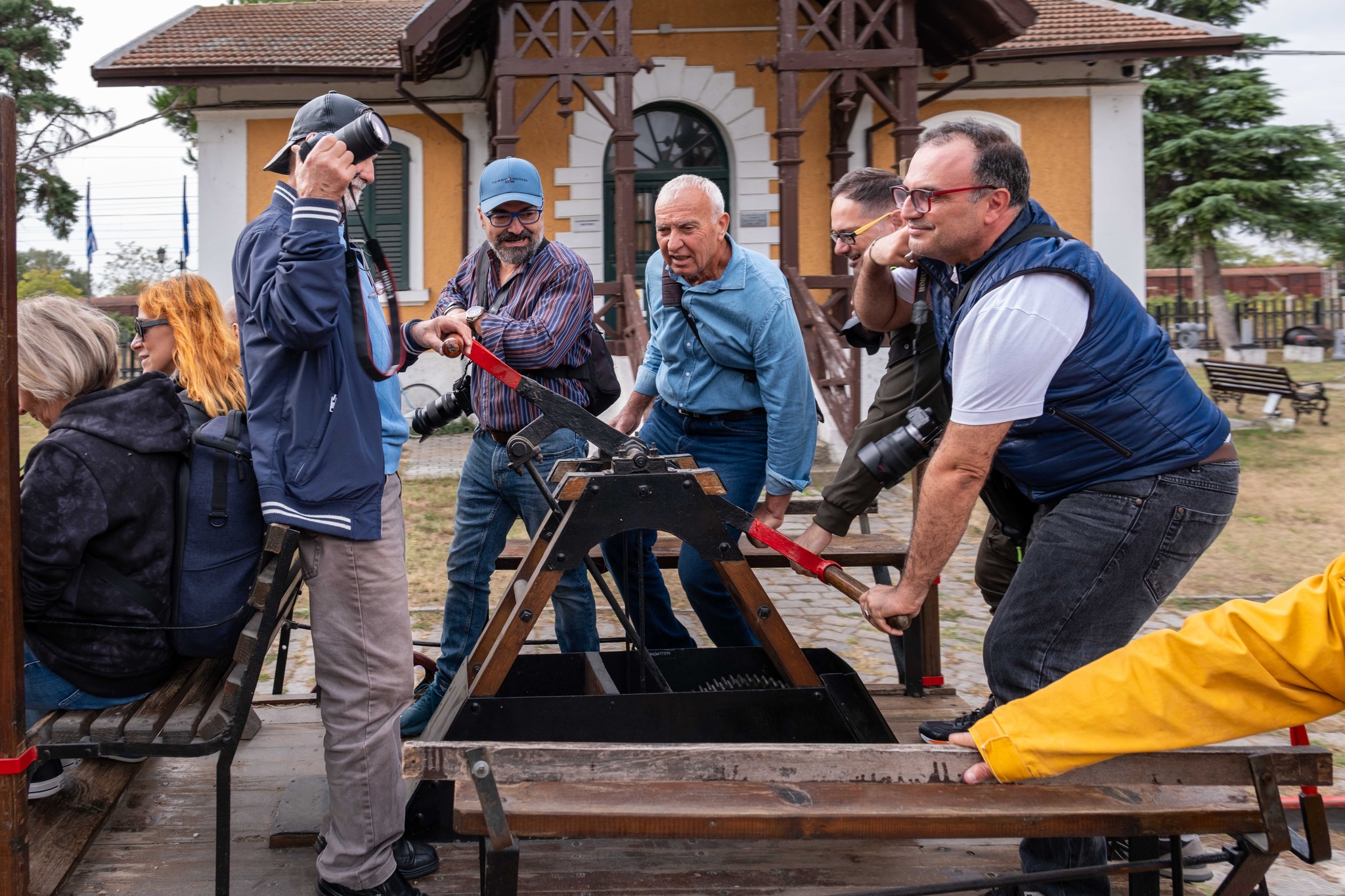
“This is a hand-powered draisine. Who here has the arms to take the levers?”
The arms appeared at once, and the rest of us, sitting on the wooden bench for a brief little ride, surrendered to the nostalgic experience of déjà vu.
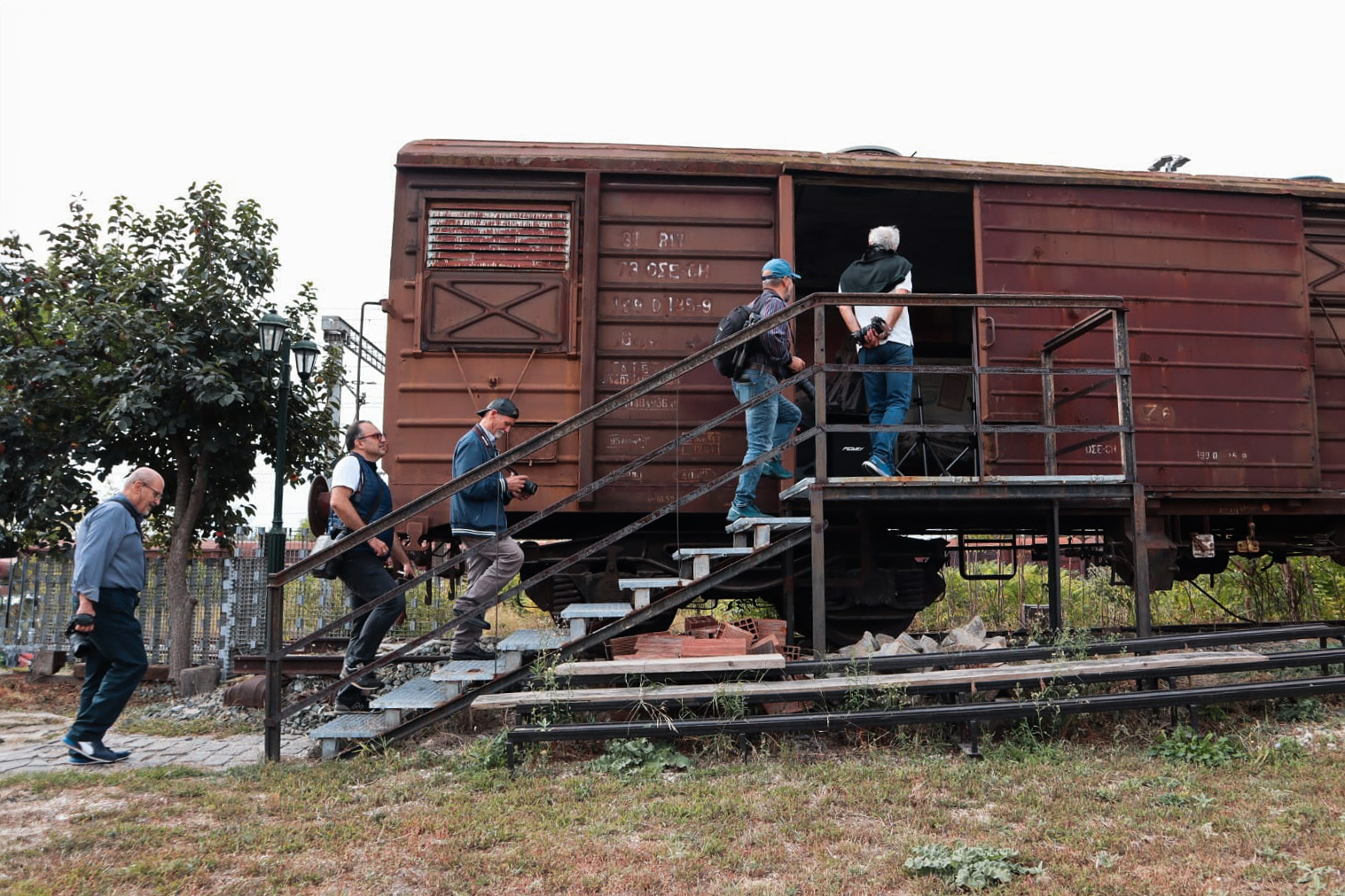
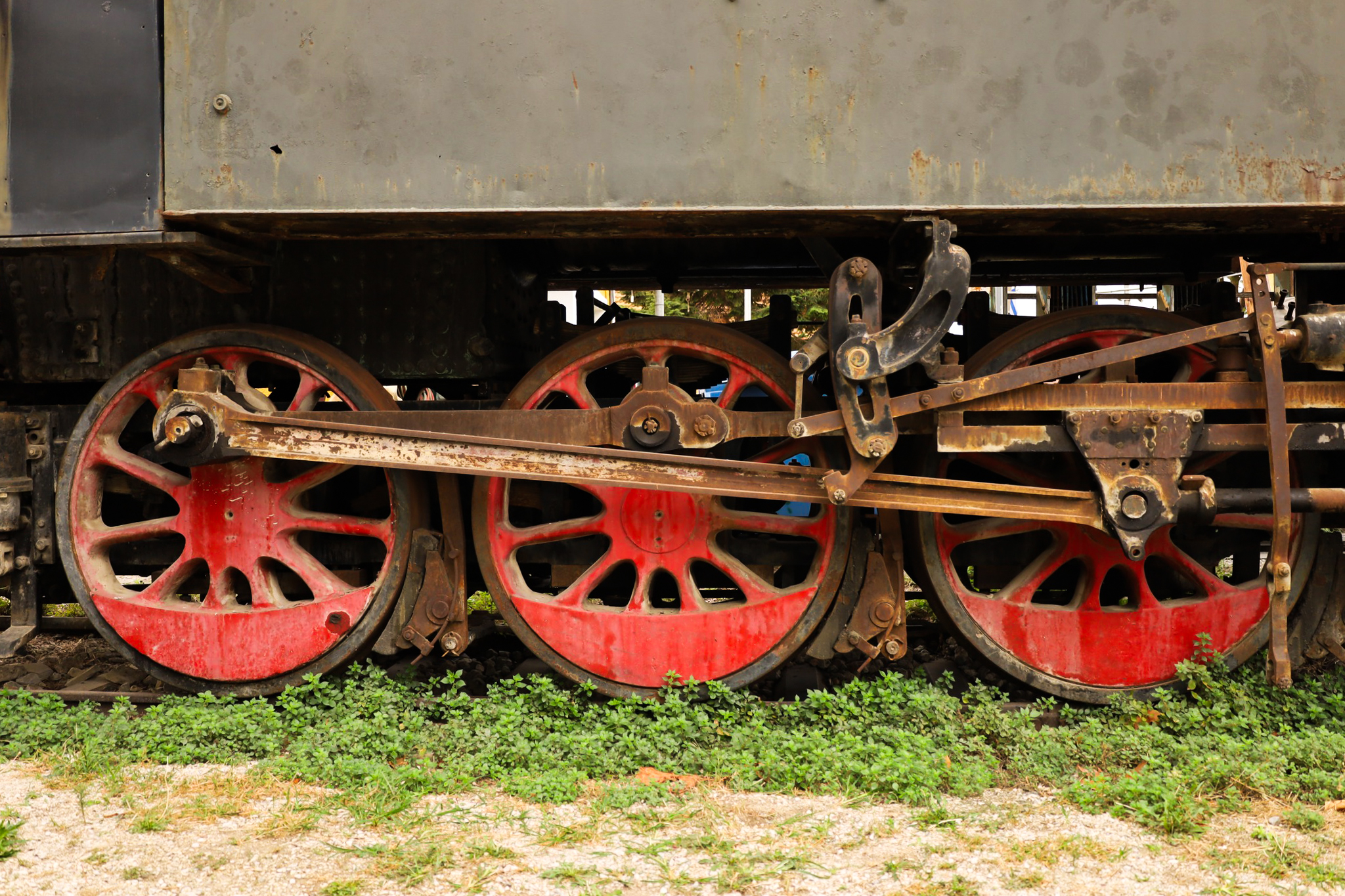
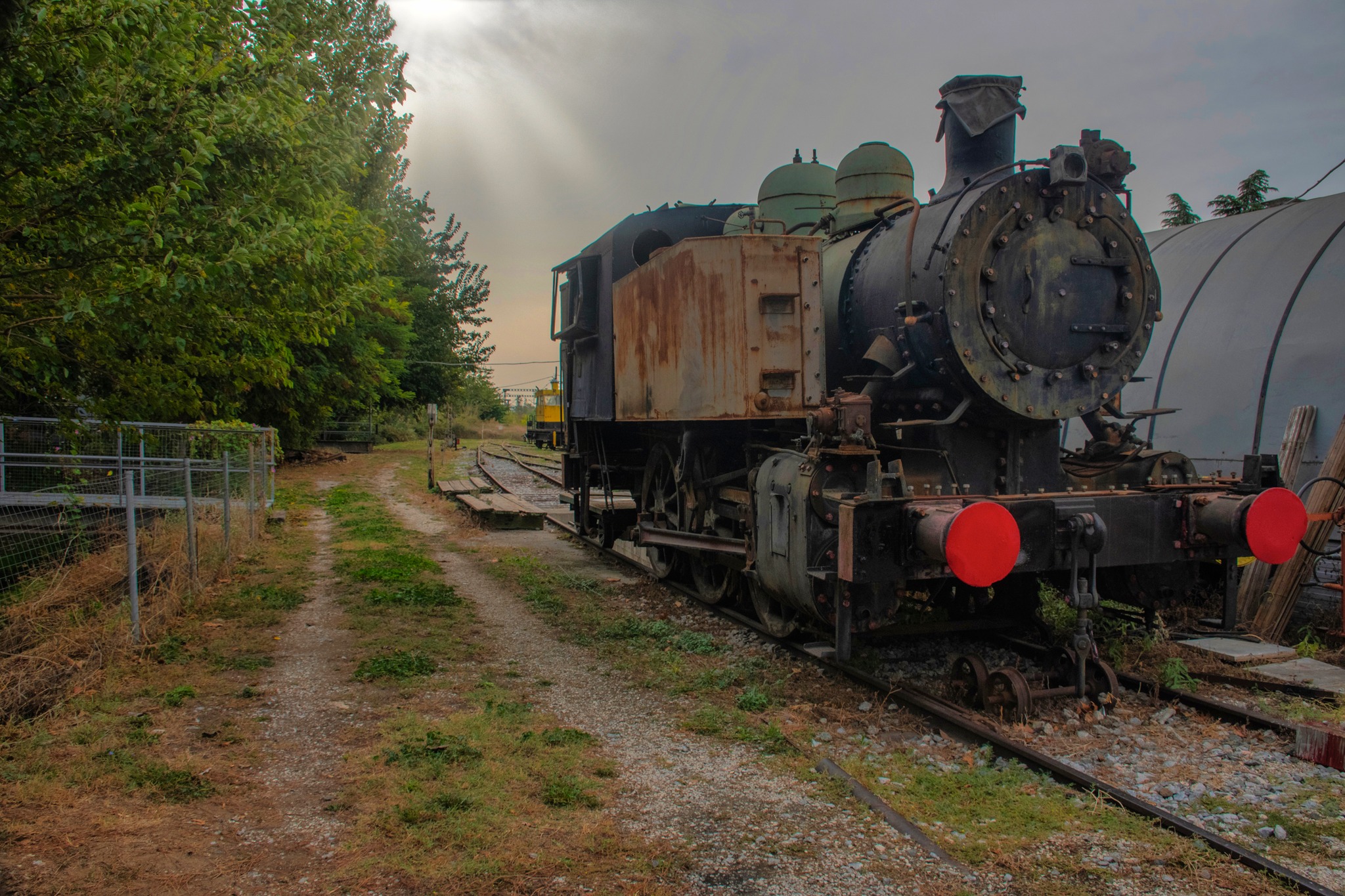
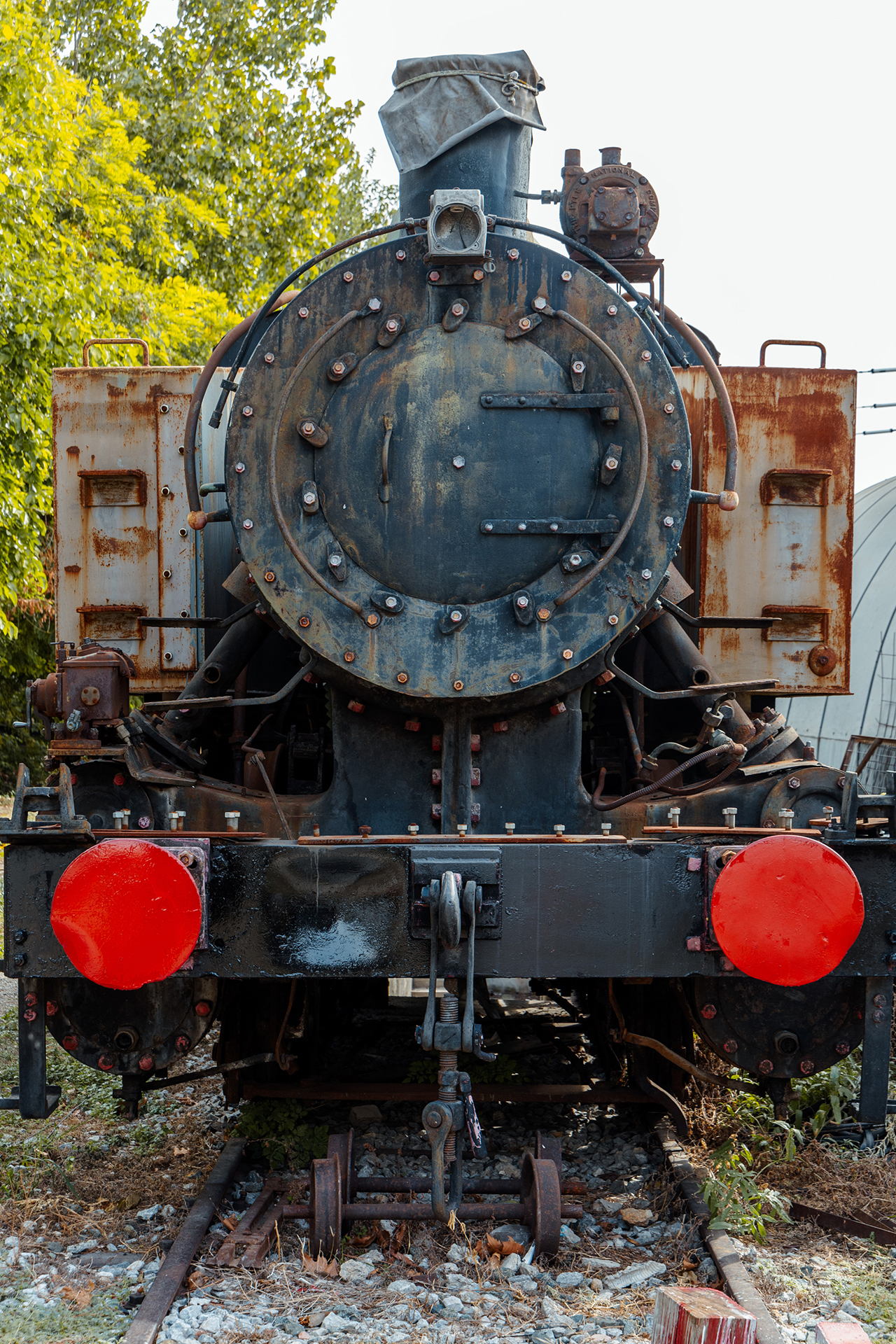
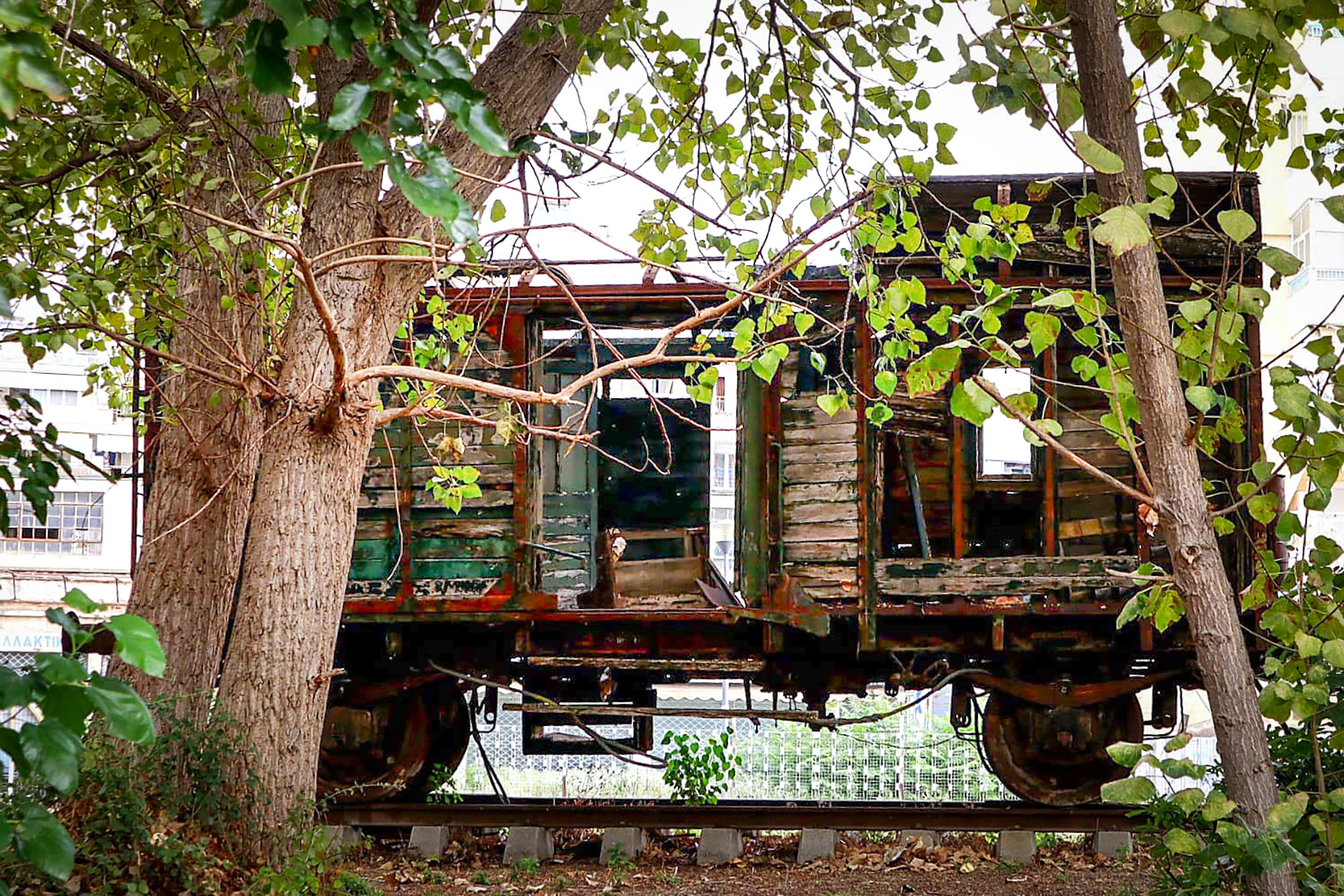
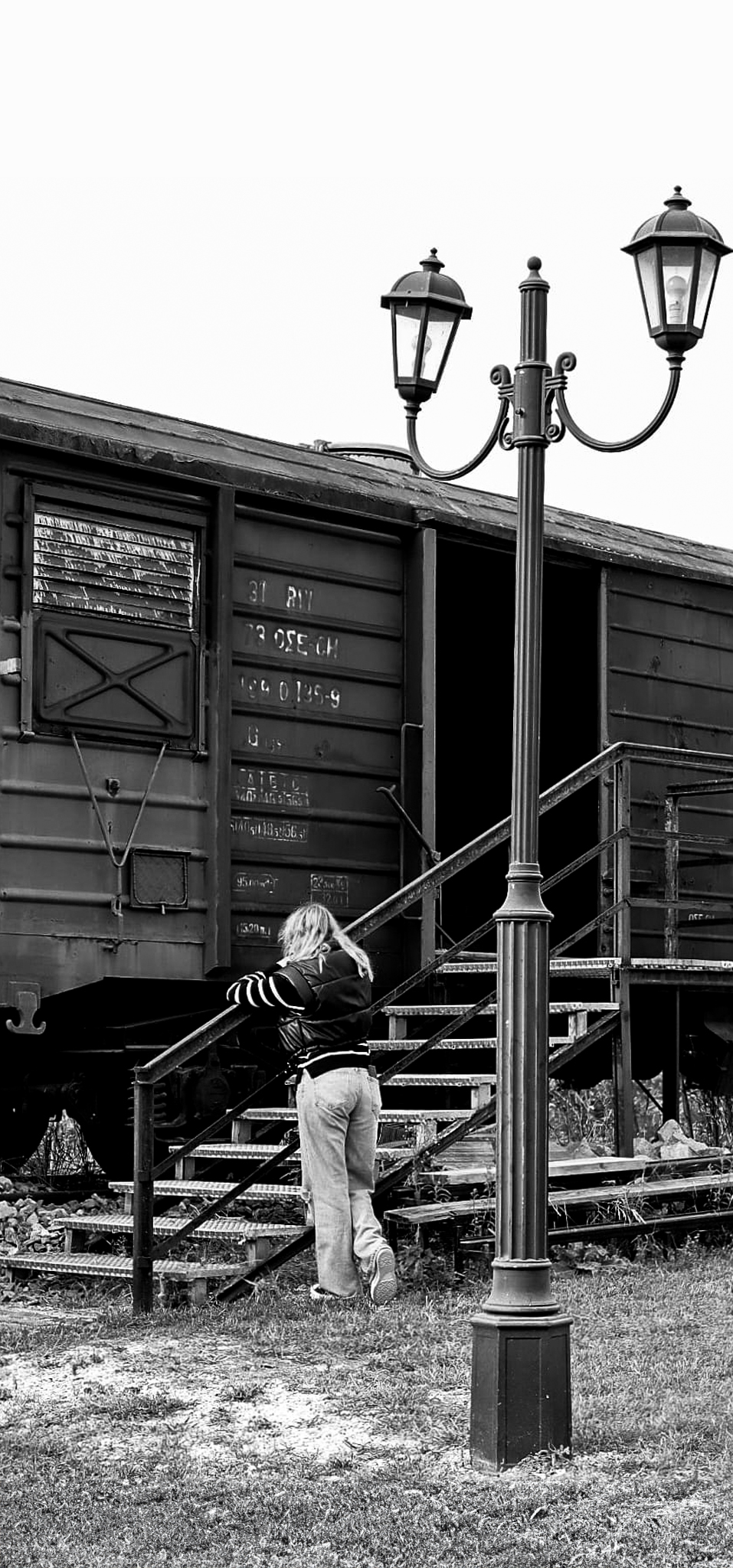
A little farther on, with only the paint of their bright red buffers being refreshed, the old steam locomotives were rotting proudly among the old wooden carriages. Inside them, you could almost still hear the moans of the outcasts once crammed together on their journey to the crematoria.
George Tzimagiorgis
Eftichios Tsaousidis
Nikos Kakagias
Soula Ioannidou
Dimosthenis Seitaridis
Pantelis Ainalis
Harrys Pourouzidis
Maria Spyridopoulou
Danis Papagiannoulis
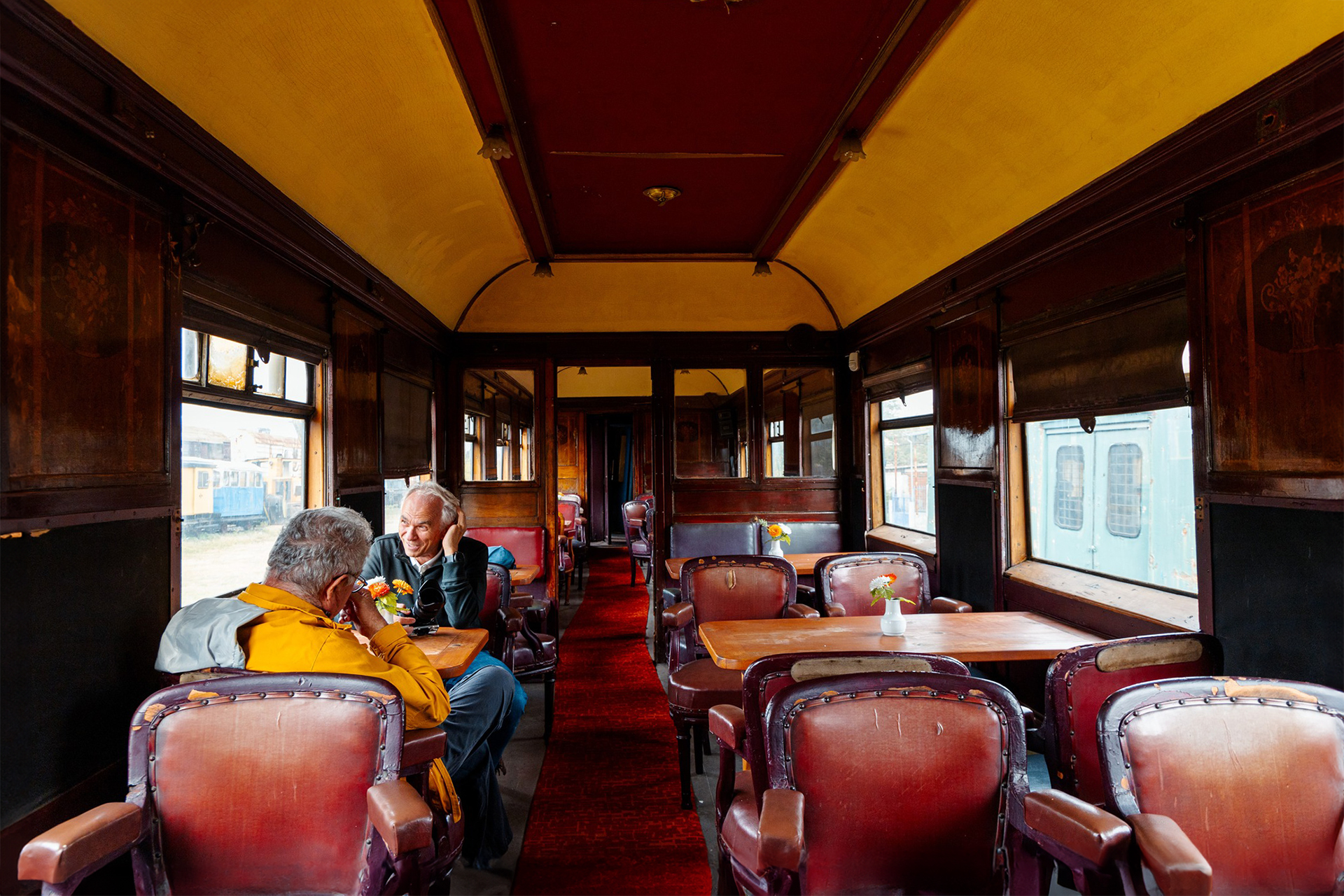
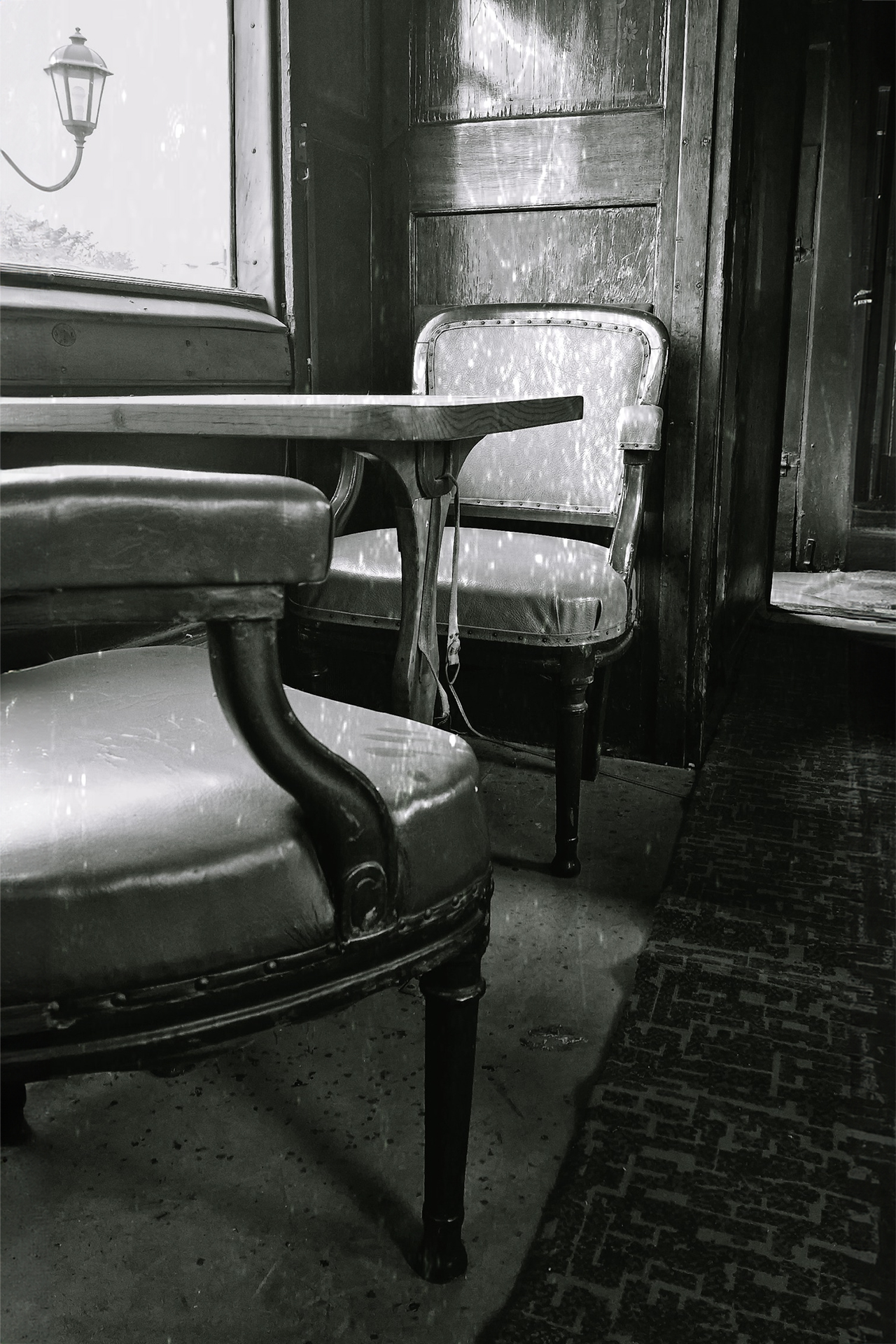
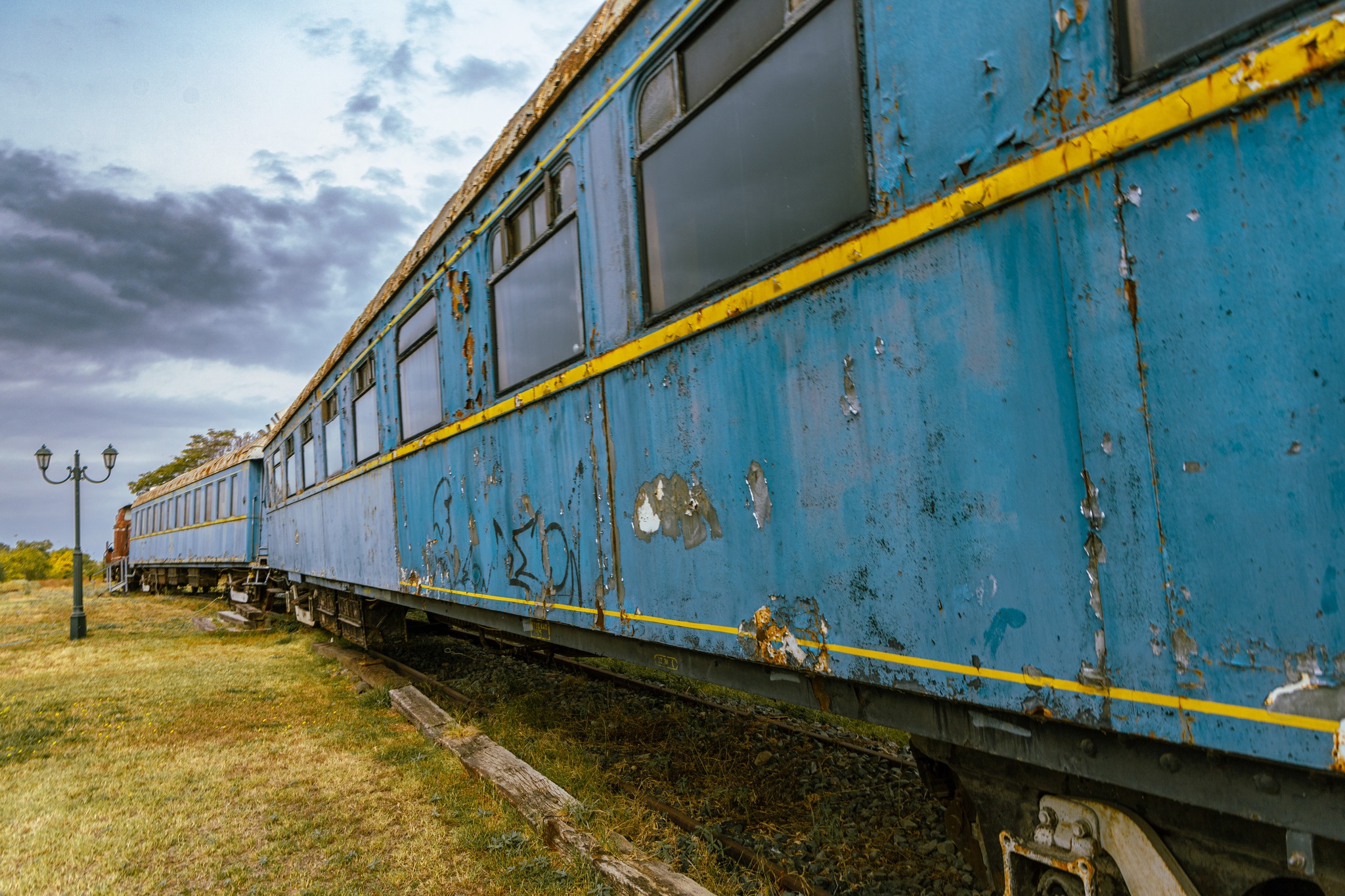
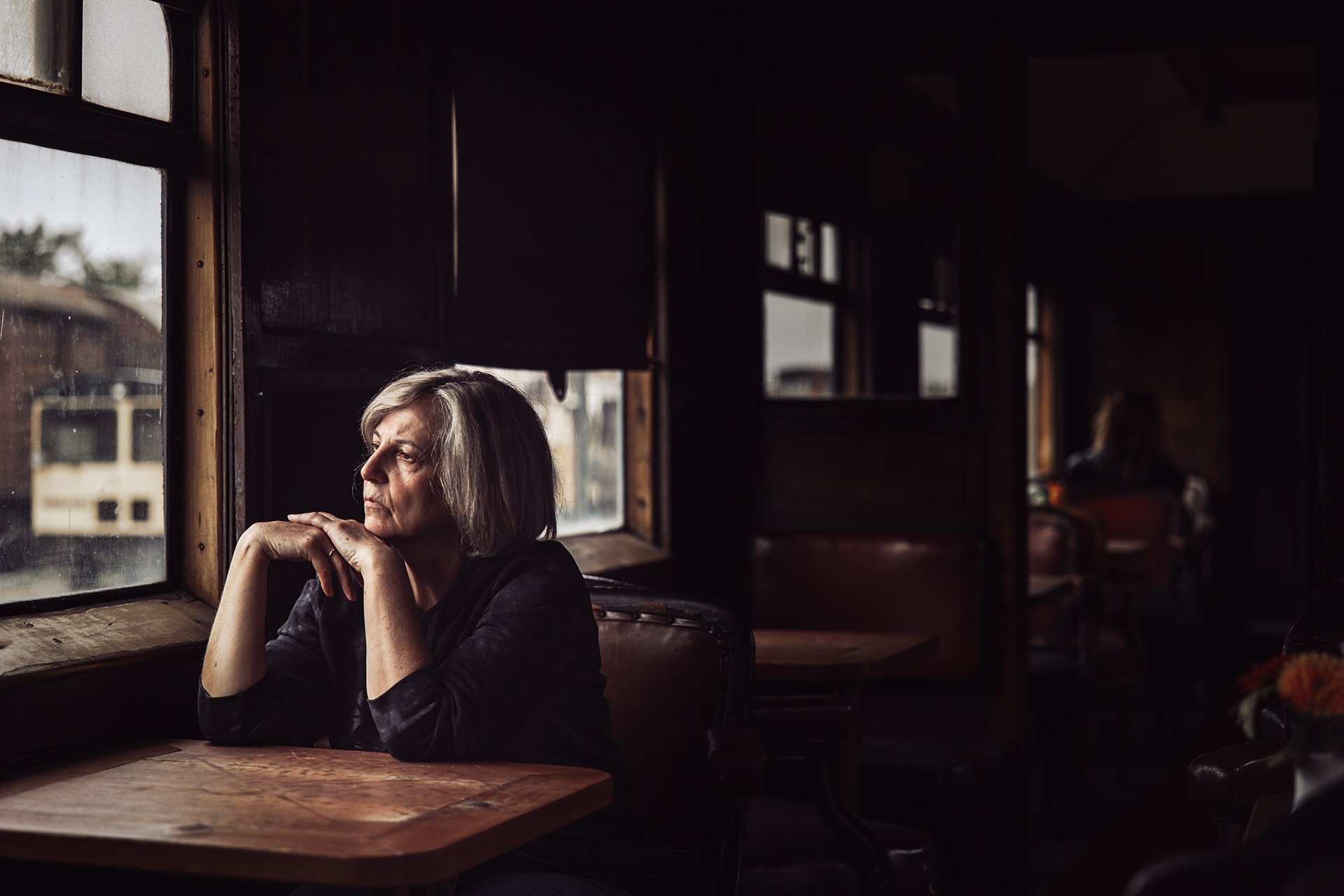
The lens continued to record, indifferent that every click placed a small drop of sadness inside us. Soon the drops were too many forming a river that overtook us when we saw the dust on the leather seats in the two Orient Express carriages.
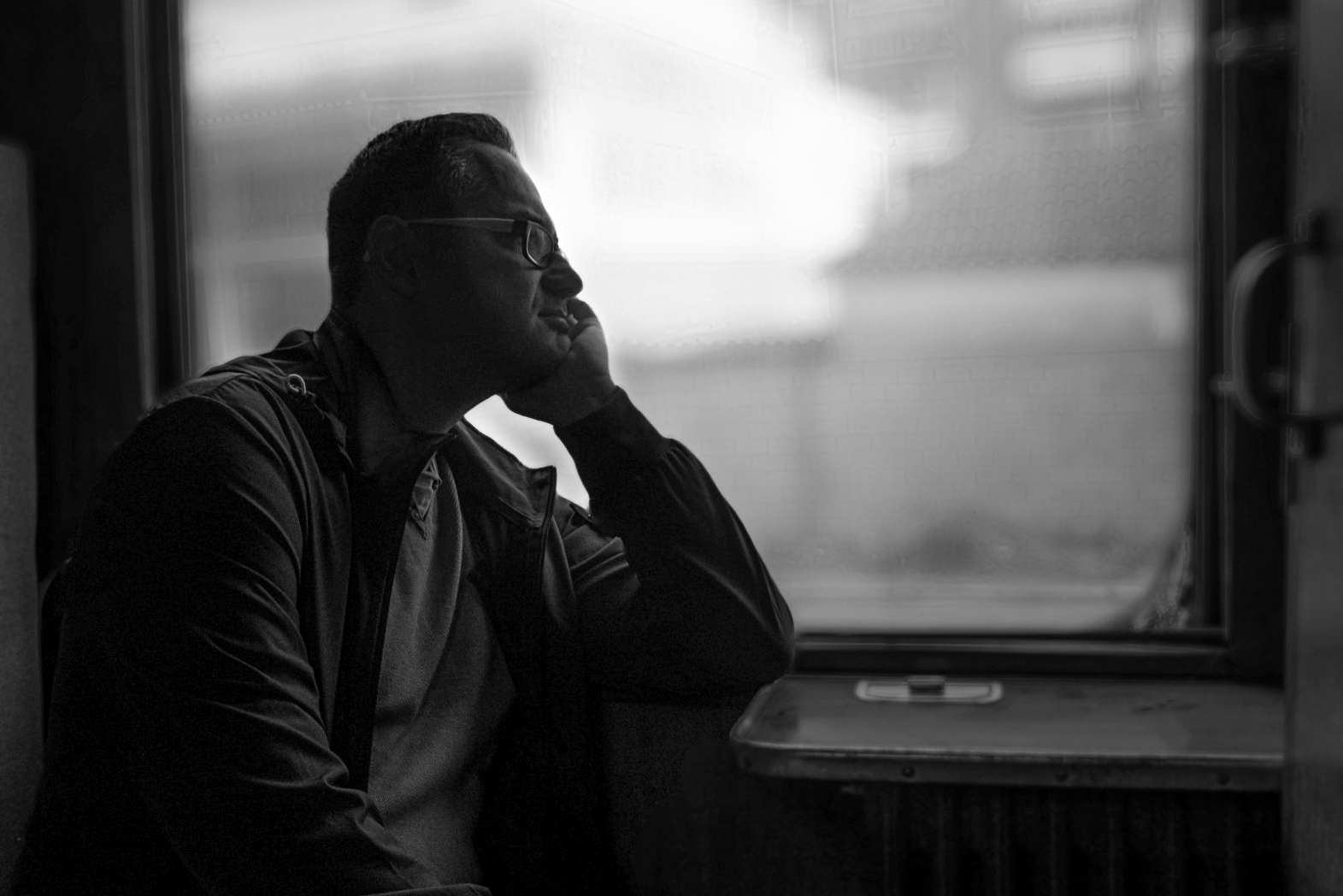
Our momentary travel to he past was breathing into us the musty air of an old storeroom, the kind where memories rot together with the ruins of the grandeur of an age that has vanished forever from the daily life of our sad homeland.
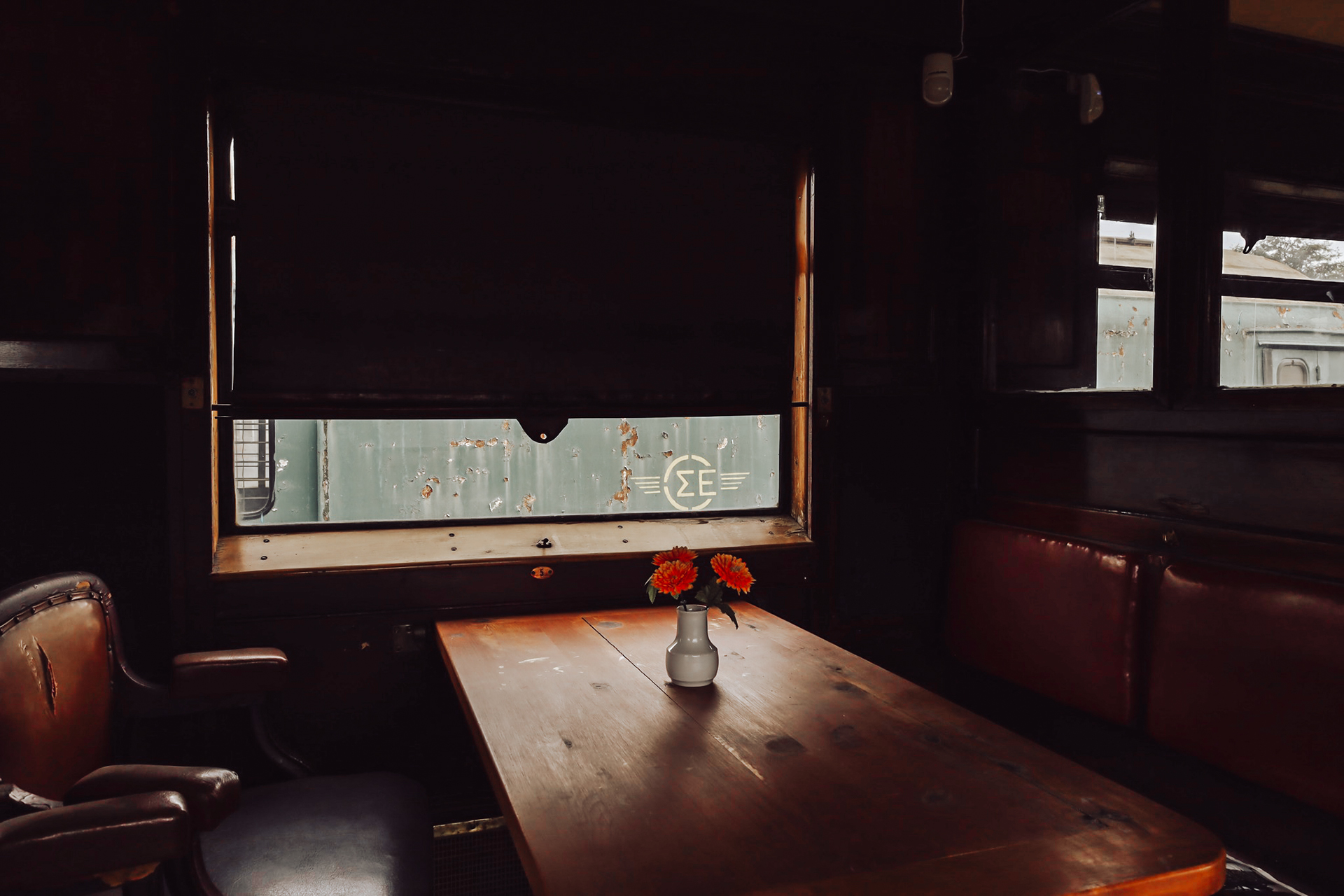
“The sleeping car and the dining car of the Orient Express were bought from Belgium and joined the Greek network for some years, until they were gradually withdrawn.”
The little flowers on the dining tables were plastic, and the shadow that fell through the atmosphere from the dust of the past drew ghosts out of the darkness. A silent scream scattered our smiles.
Even the photographs were blurred to a degree we could not explain. Perhaps that was why the group lost its usual creative frenzy.
But Mr Andreas, with an inexplicable, natural strength and lit eyes, powered by the ancient knowledge and love that burned inside him, felt the weight of the moment. And so he masterfully led us towards what truly mattered leaving behind the clashing rocks of neglect and decay.
In the end, things gain their worth from the emotions they awaken in us and the way they carry us away, even when those emotions bear a negative sign.
Are they not what make us resist decay? Are they not what gives meaning to our own personal rebellion?
Eftichios Tsaousidis
Maria Spyridopoulou
Dimosthenis Seitaridis
Nikos Kakagias
Harrys Pourouzidis
Pantelis Ainalis
George Tzimagiorgis
Soula Ioannidou
Danis Papagiannoulis
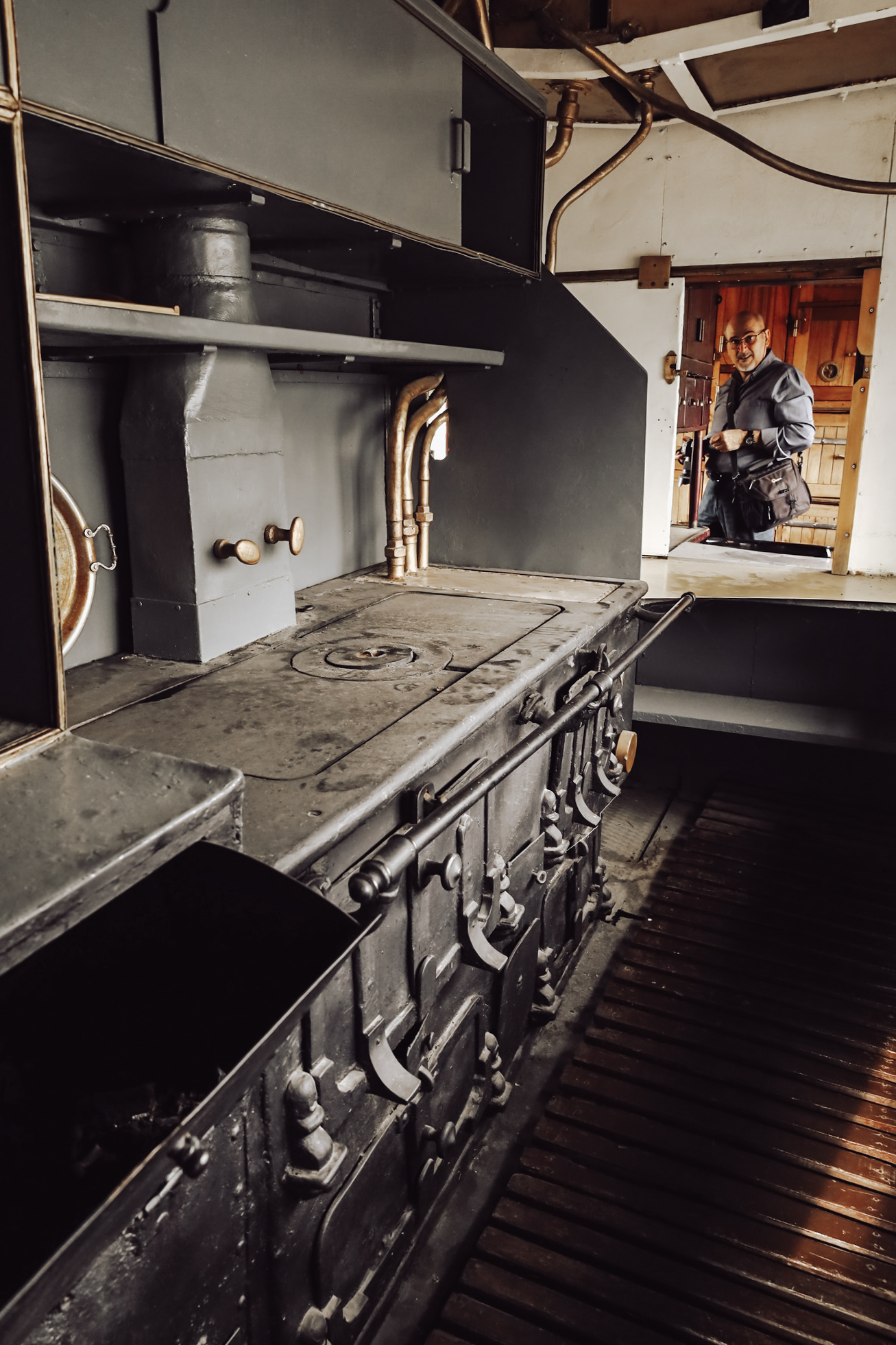
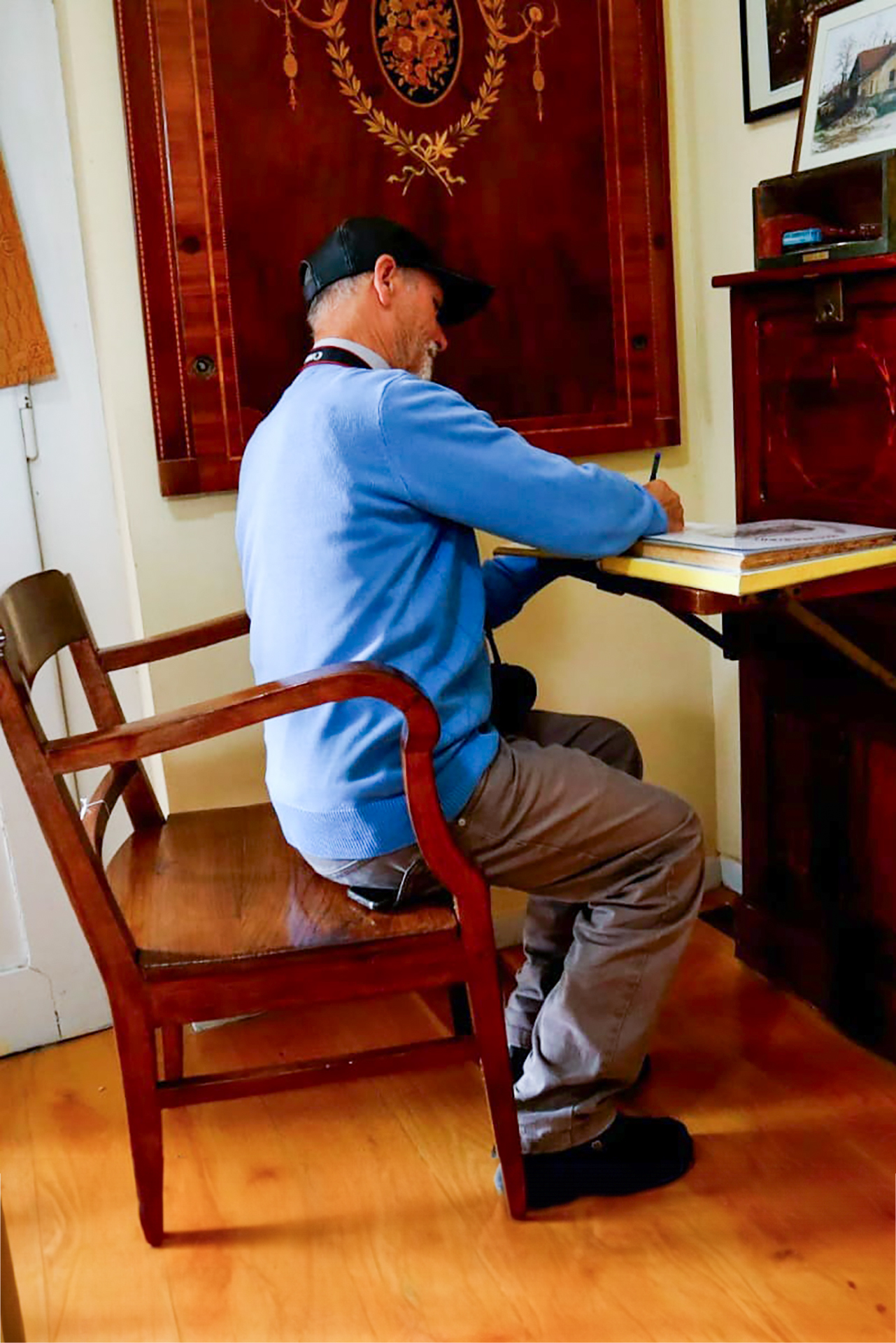
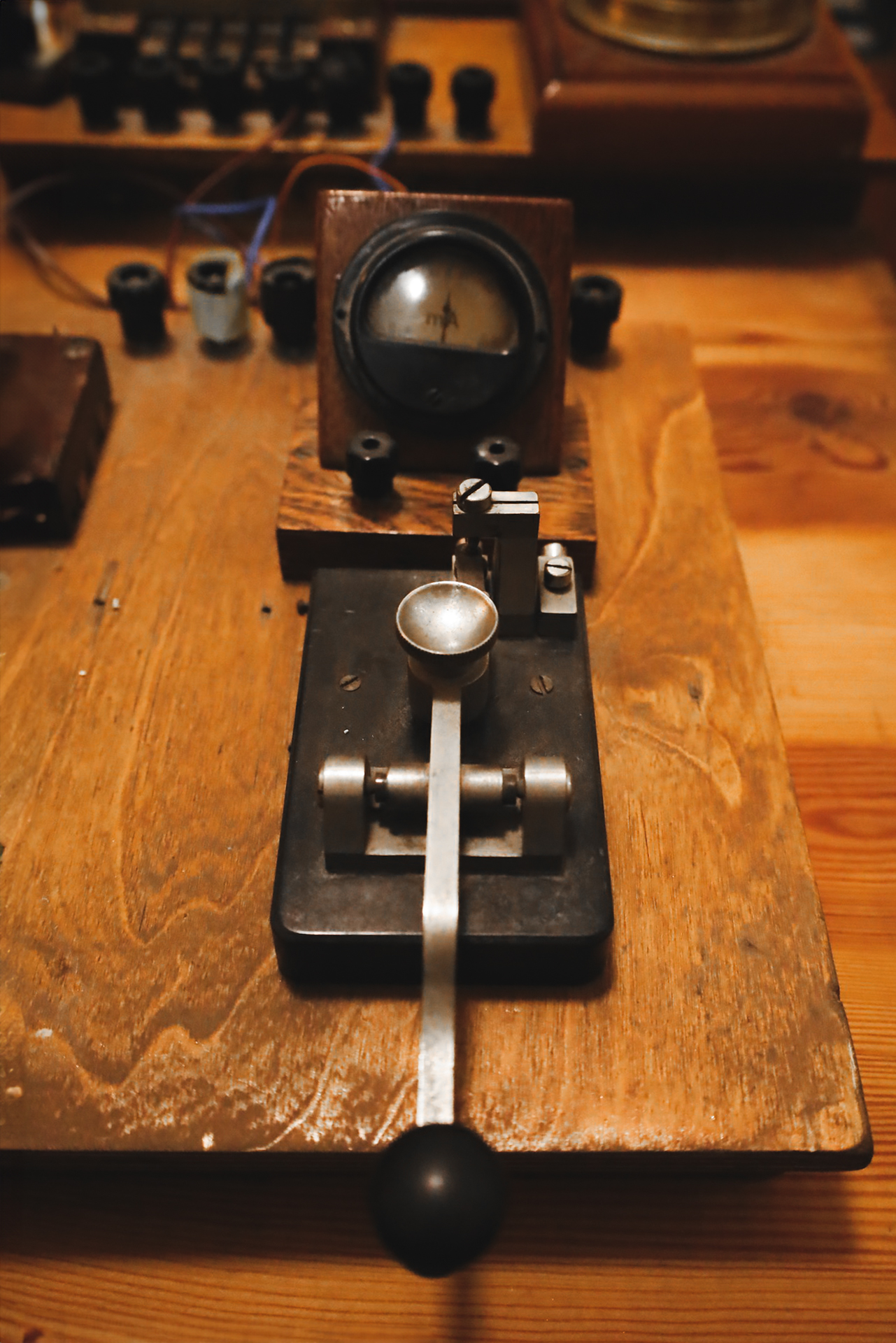
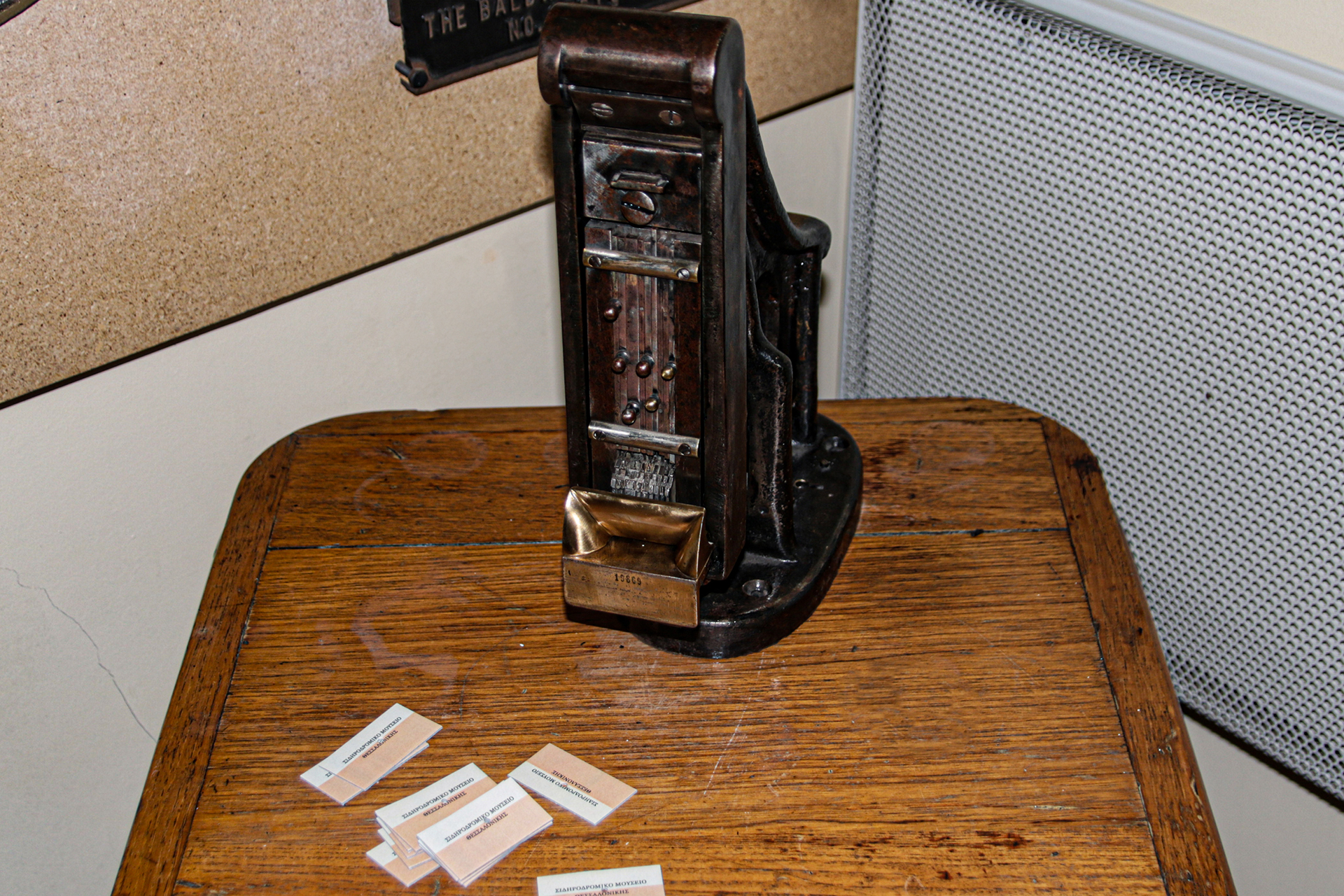
“This is the chair that Prime Minister Venizelos’s sat, as shown in the engraving on the wall — the very one on which he signed the treaty for Bulgaria’s capitulation in 1913, at the station of Vironia. And these are the ticket offices, with the inspectors’ punching pliers, and the Morse machines through which stations once communicated, back when trains did not depart unless there was explicit confirmation that the line was clear.”
The mind ran back and forth, constantly comparing then with now, and the bitter taste left in the air the unpleasant smell of a festering carcass.
The old prestige of the senior employees’ dusty uniforms remained, as the light reflected from their golden buttons, emmiting an exciting feeling to the ladies of the group and thus proving, according always to those who know, the timeless attraction uniforms exert upon them.
The final metres of our journey into the past were covered in an instant, as though through a time-lapse, and the two and a half hours that had passed in real time were hardly noticed at all. Our arrival in the present was signalled by the whistle of the train, as ordered by the engineer.
Maria Spyridopoulou
Danis Papagiannoulis
Pantelis Ainalis
Soula Ioannidou
George Tzimagiorgis
Harrys Pourouzidis
Nikos Kakagias
Dimosthenis Seitaridis
Eftichios Tsaousidis
The epilogue was written at the narrow table, in the company of the old railway men, who seemed to recover their former smiles when they saw our devotion and urged us to come again.
We left with a promise to step once more onto the grass between the rusted sleepers and to smell again the scent of coal in the old engines.
But alas, I forgot to ask Mr Kostas, the president of the Railway Museum, whether at Platy station the food vendor still show up with the slice of bread skewered onto the souvlaki, loudly advertising his goods below the heads of the passengers who hungrily lean out of the windows.
Pixelscape.gr uses cookies to ensure that provides you with the best possible navigation experience. By using the website you accept the usage of cookies. Press “Accept”, if you condone the usage of cookies.
This website uses cookies to improve your experience while you navigate through the website. Out of these, the cookies that are categorized as necessary are stored on your browser as they are essential for the working of basic functionalities of the website. We also use third-party cookies that help us analyze and understand how you use this website. These cookies will be stored in your browser only with your consent. You also have the option to opt-out of these cookies. But opting out of some of these cookies may affect your browsing experience.