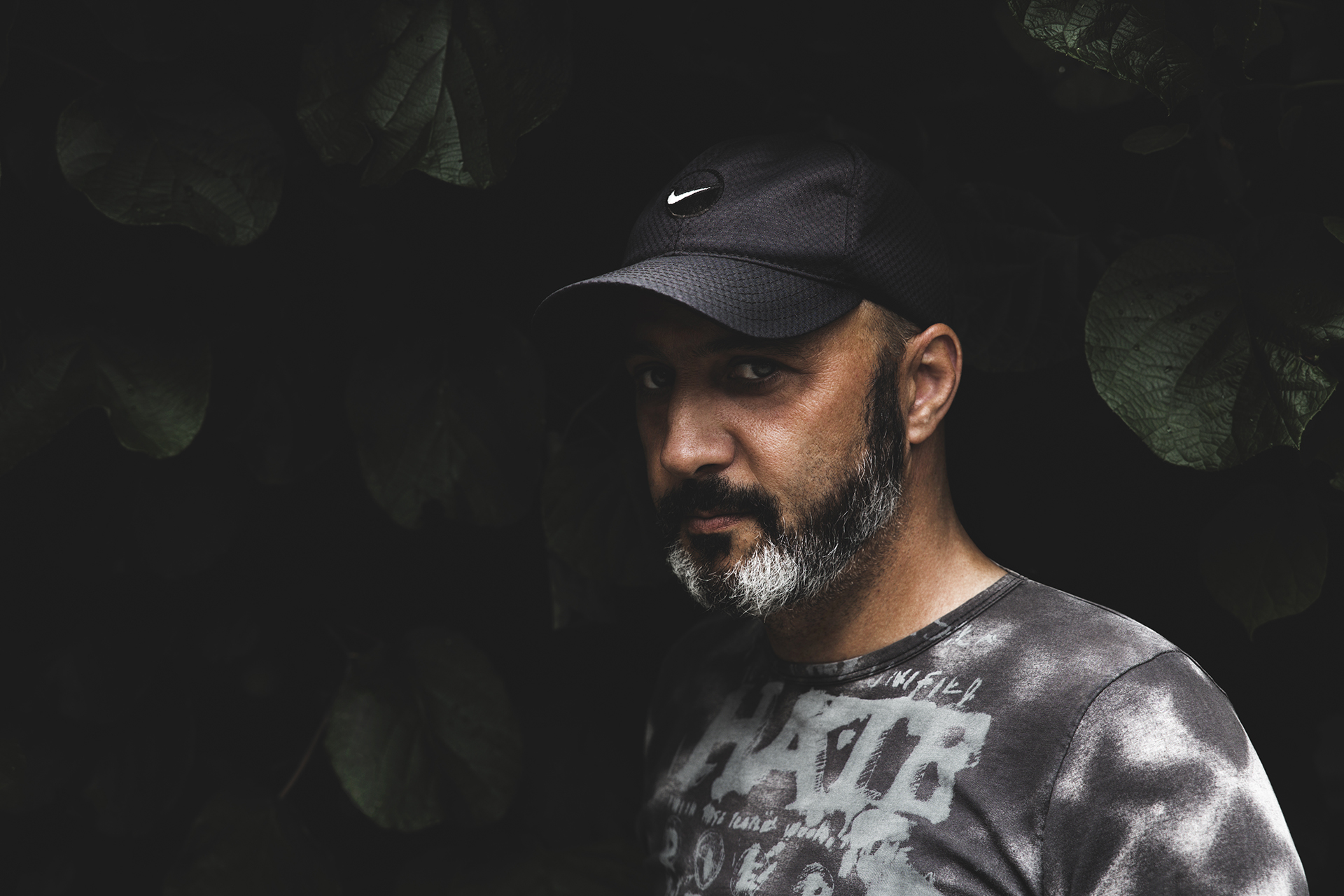
Article by Nikos Kakagias Cover photo by Ευτύχης Τσαουσίδης Edited by Harrys Pourouzidis
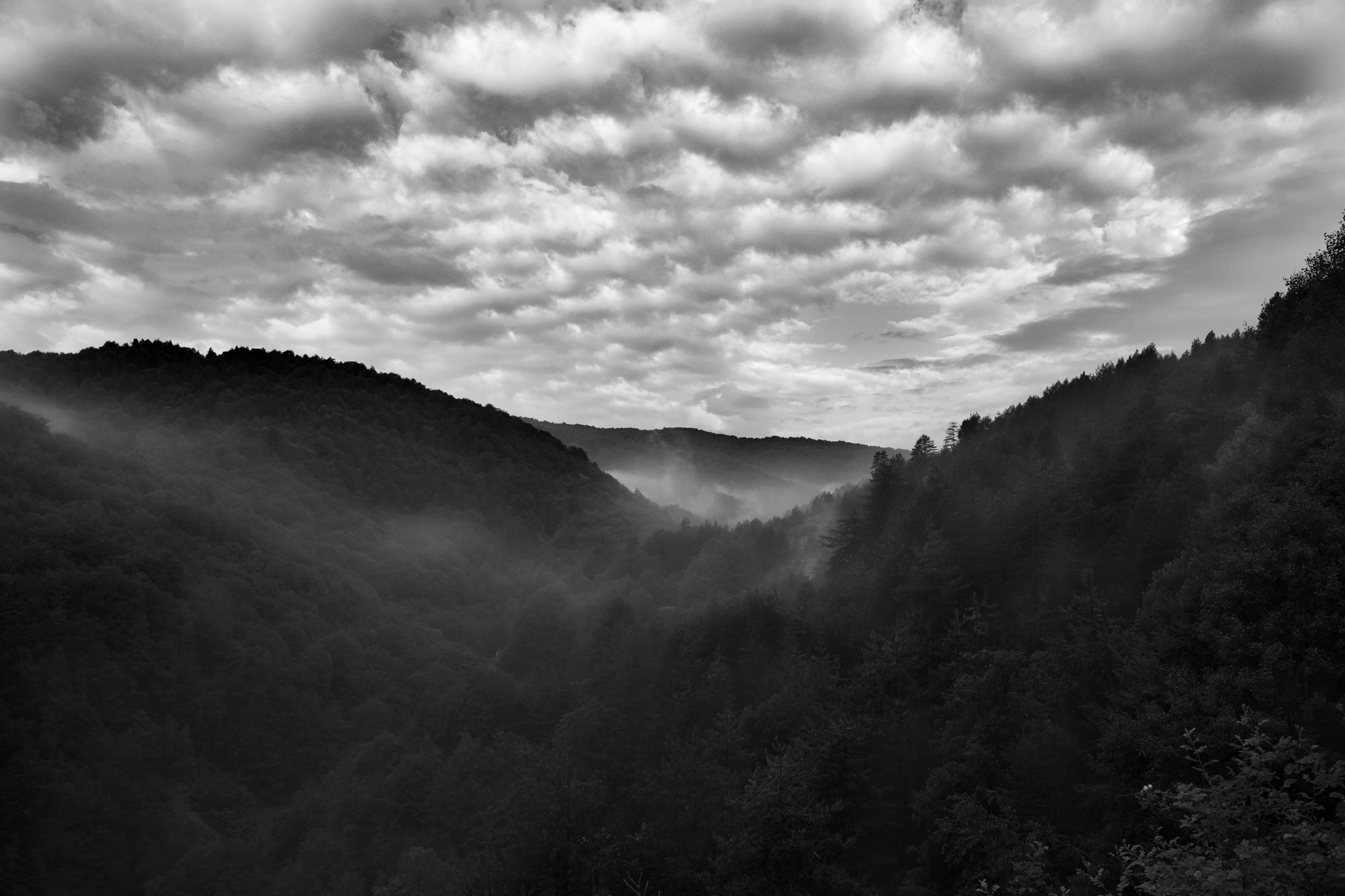
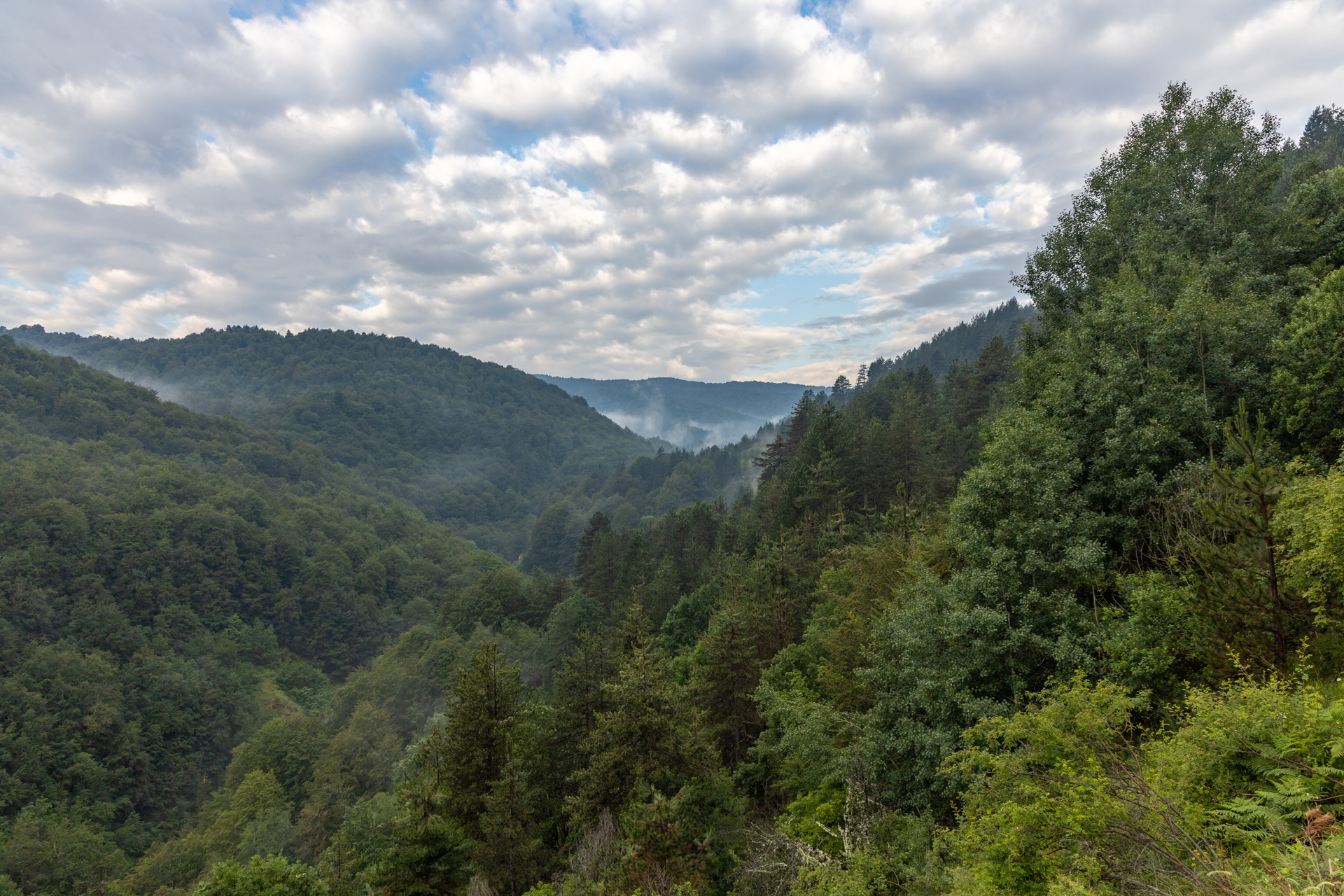
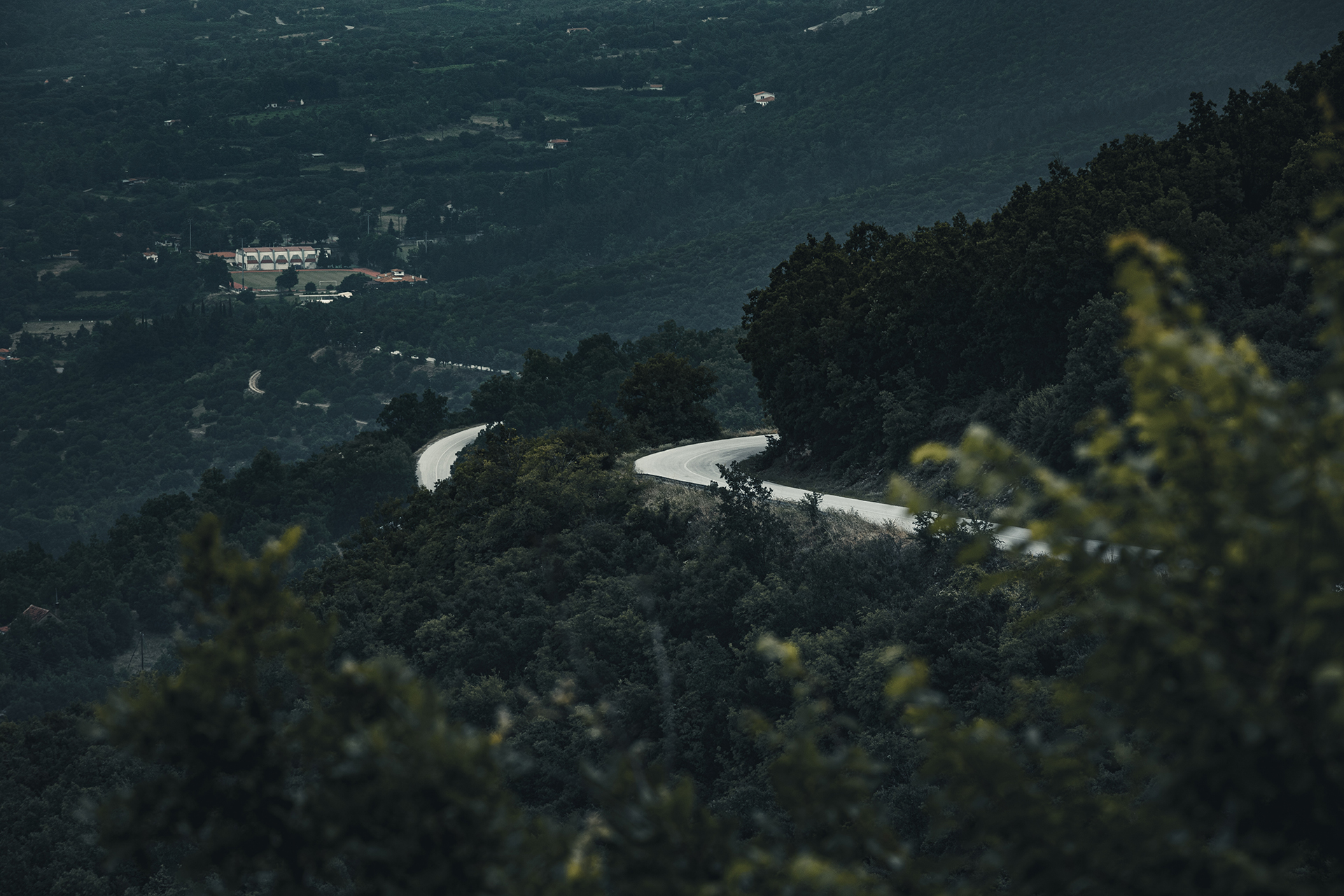
There are old roads, forgotten paths, far from the noisy routine of human life. Mountain roads, winding and mysterious, which sometimes wait for a few people, usually the slightly haunted kind, to discover their secrets, and sometimes lead nowhere at all. It was one such road we took that morning, early in the summer. Southwest of Katerini, from the village of Fotina, we headed west, winding along the foothills of the Pieria Mountains.
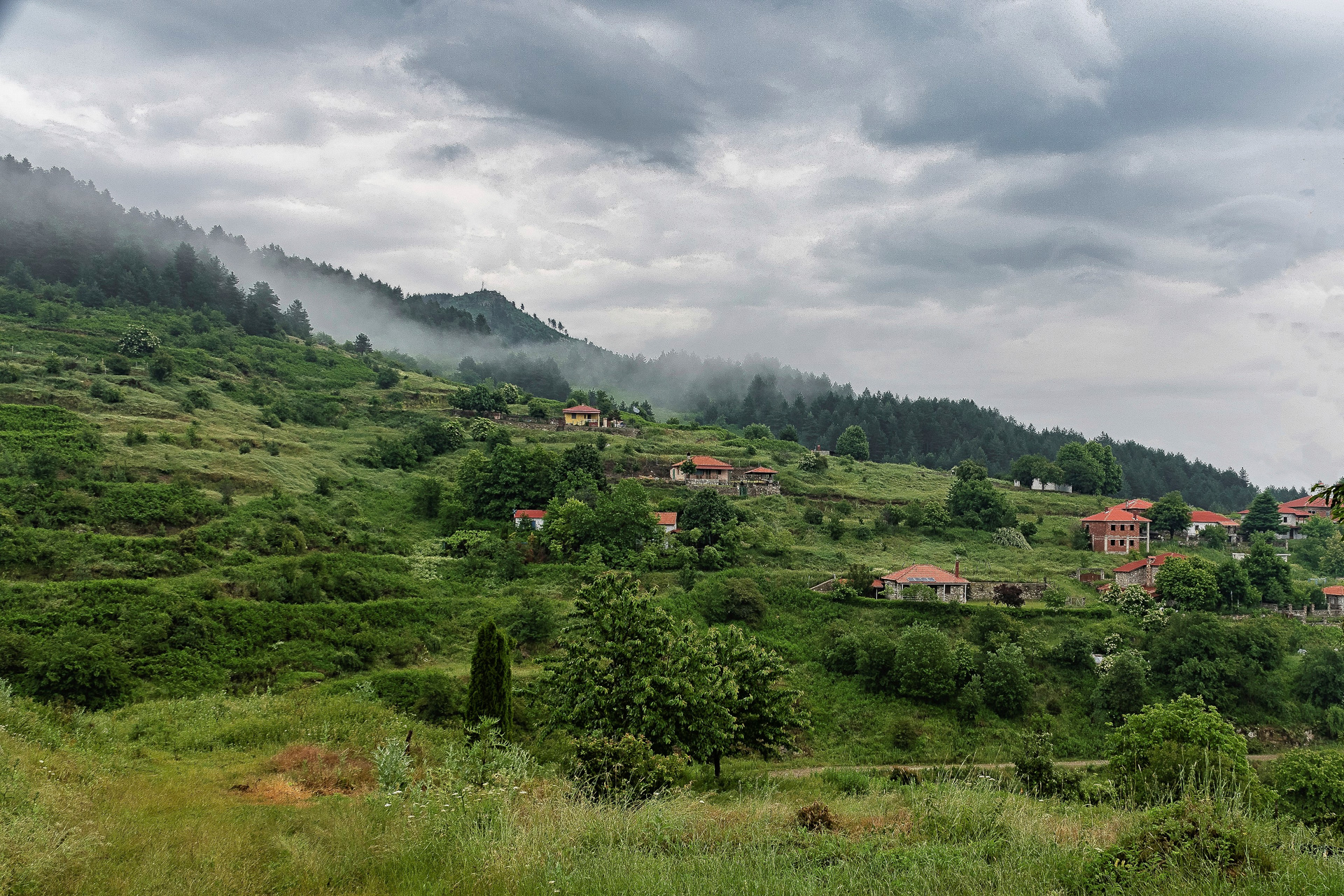
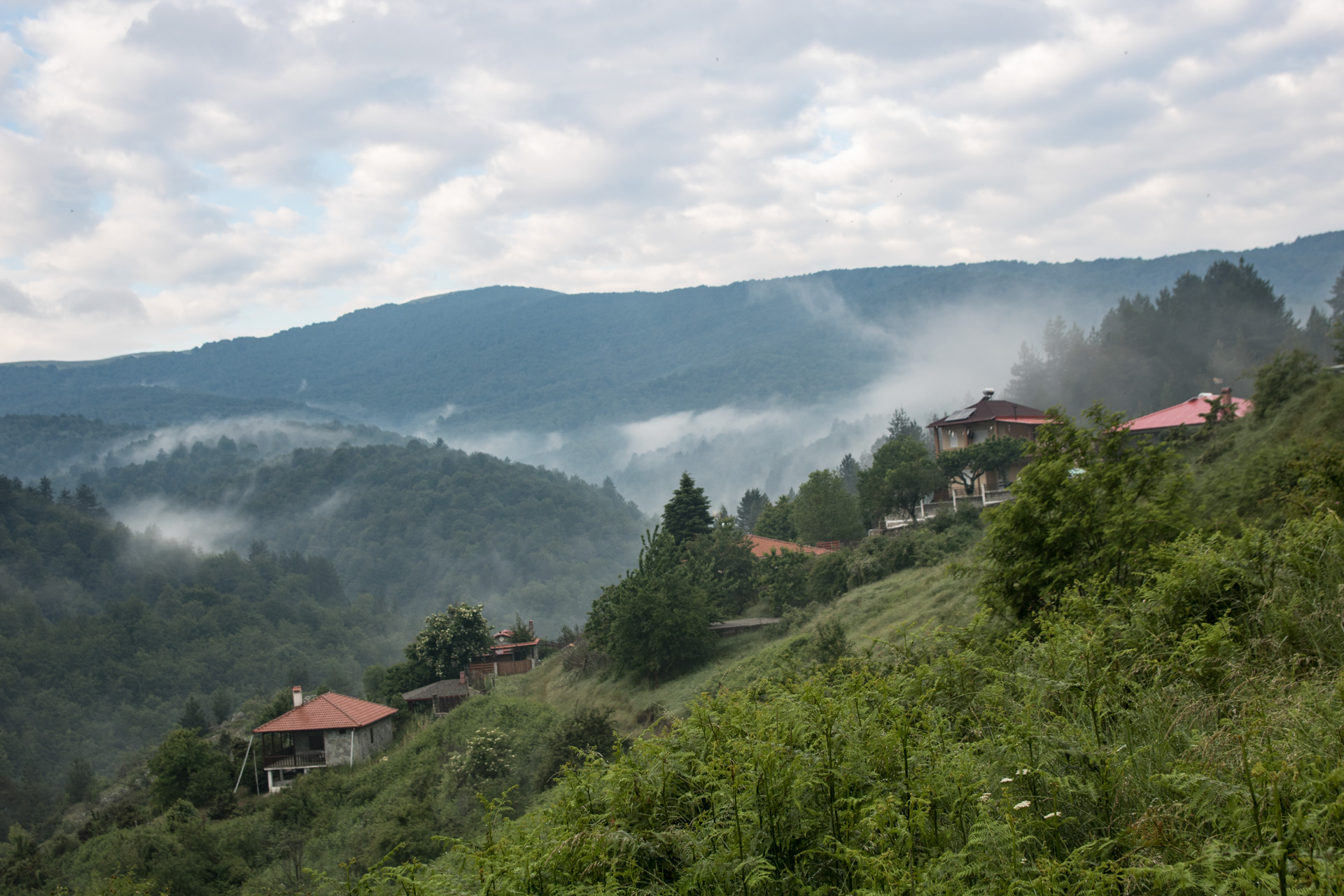
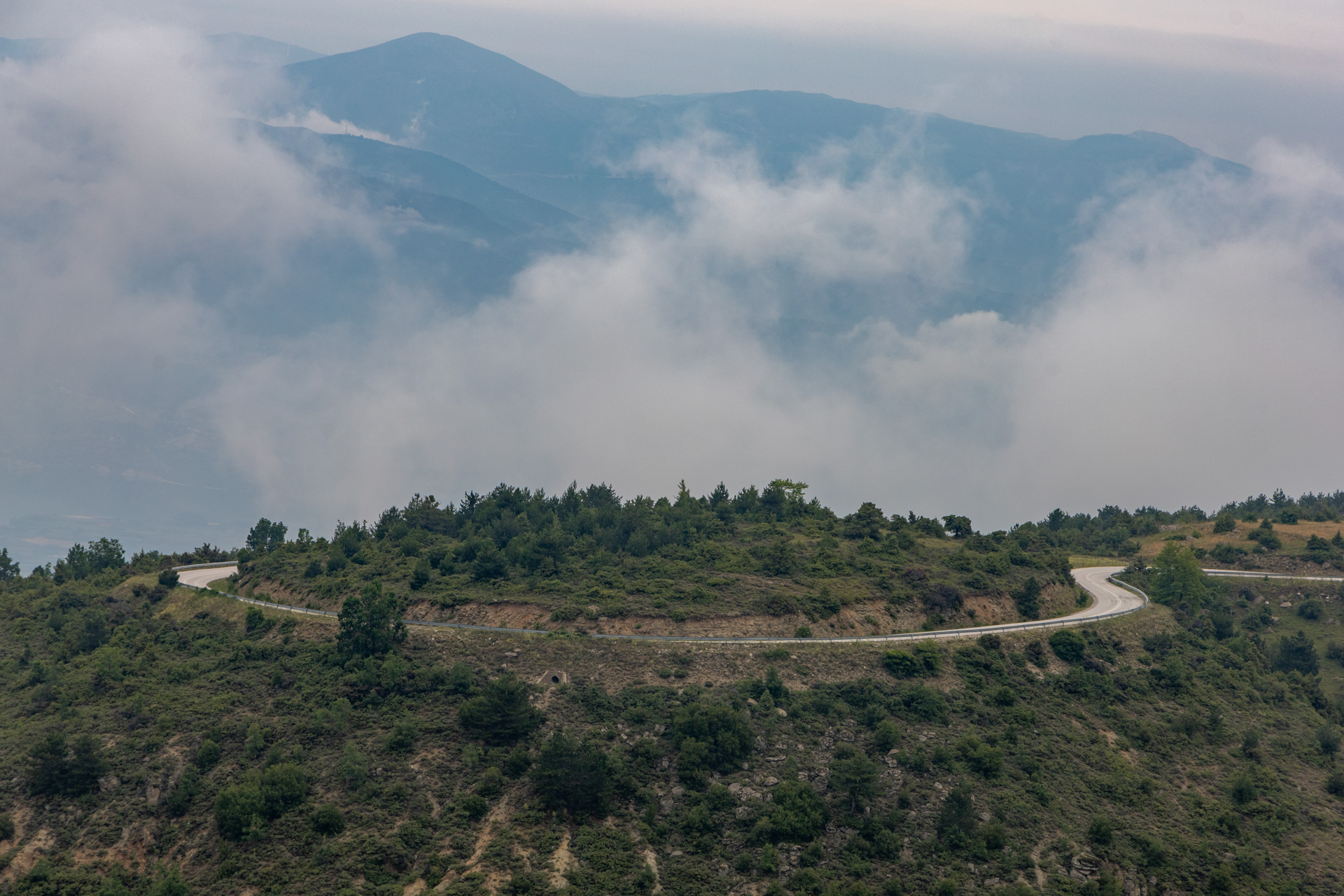
The weather was leaden, its “face” grumpy, and the clouds touched the tops of the trees, composing a gothic scene. With just a tiny bit of imagination, and of course we have plenty of that, one could see images passing by that had once haunted our childhood dreams, full of ogres and elves.
We passed Skotina village (“Darkness”), where the sunlight barely reaches, which is why, apparently, its inhabitants gave up and moved away, building Fotina (Light), with obvious sarcastic intent.
And so we too took the road that climbs through the dark green. Rocked like a boat by a road taking its revenge, we set course for the final village of the Pieria Mountains, at 1,300 metres.
Harrys Pourouzidis
Sotiris Tzoumerkas
Harrys Pourouzidis
Dimosthenis Seitaridis
Danis Papagiannoulis
Harrys Pourouzidis
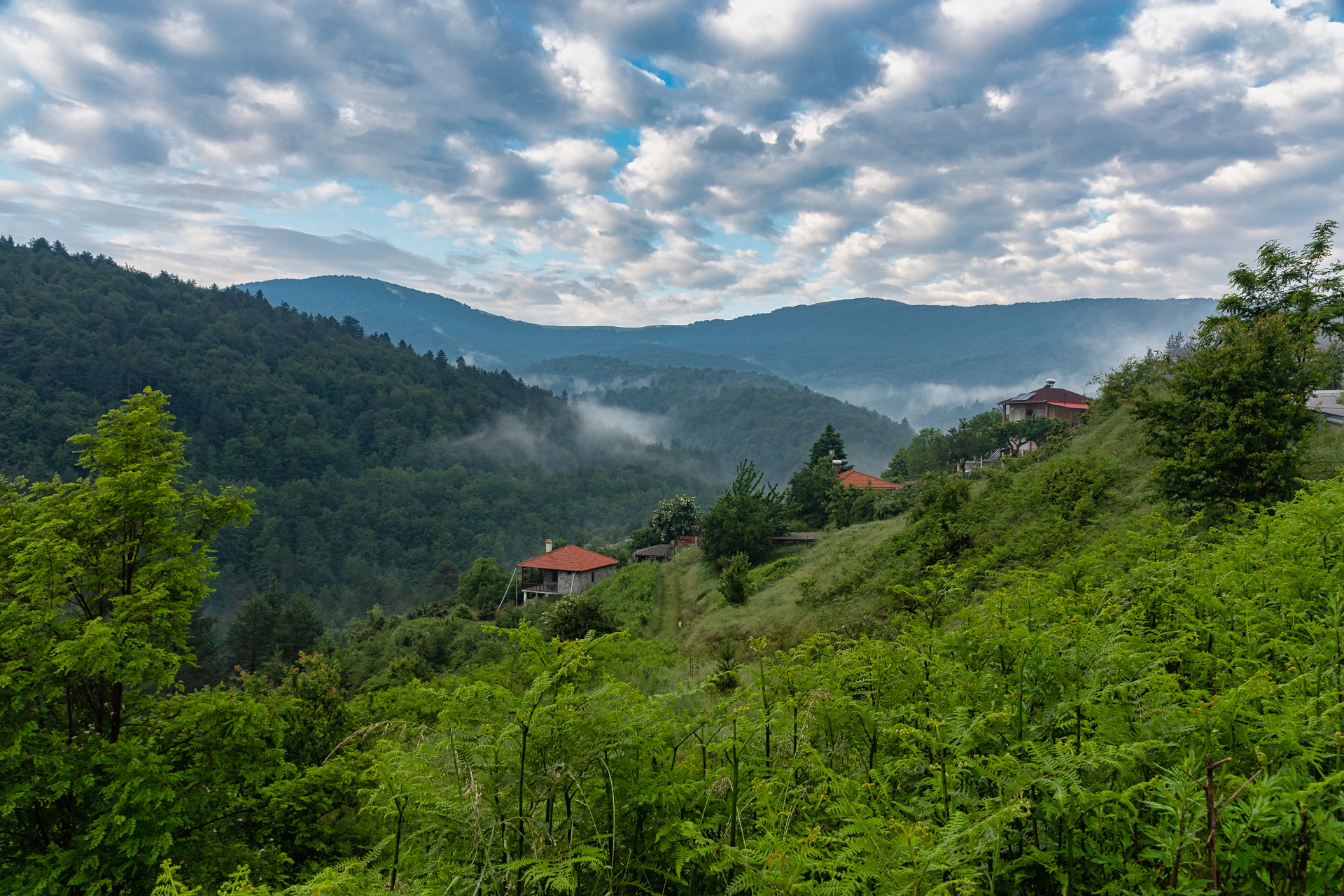
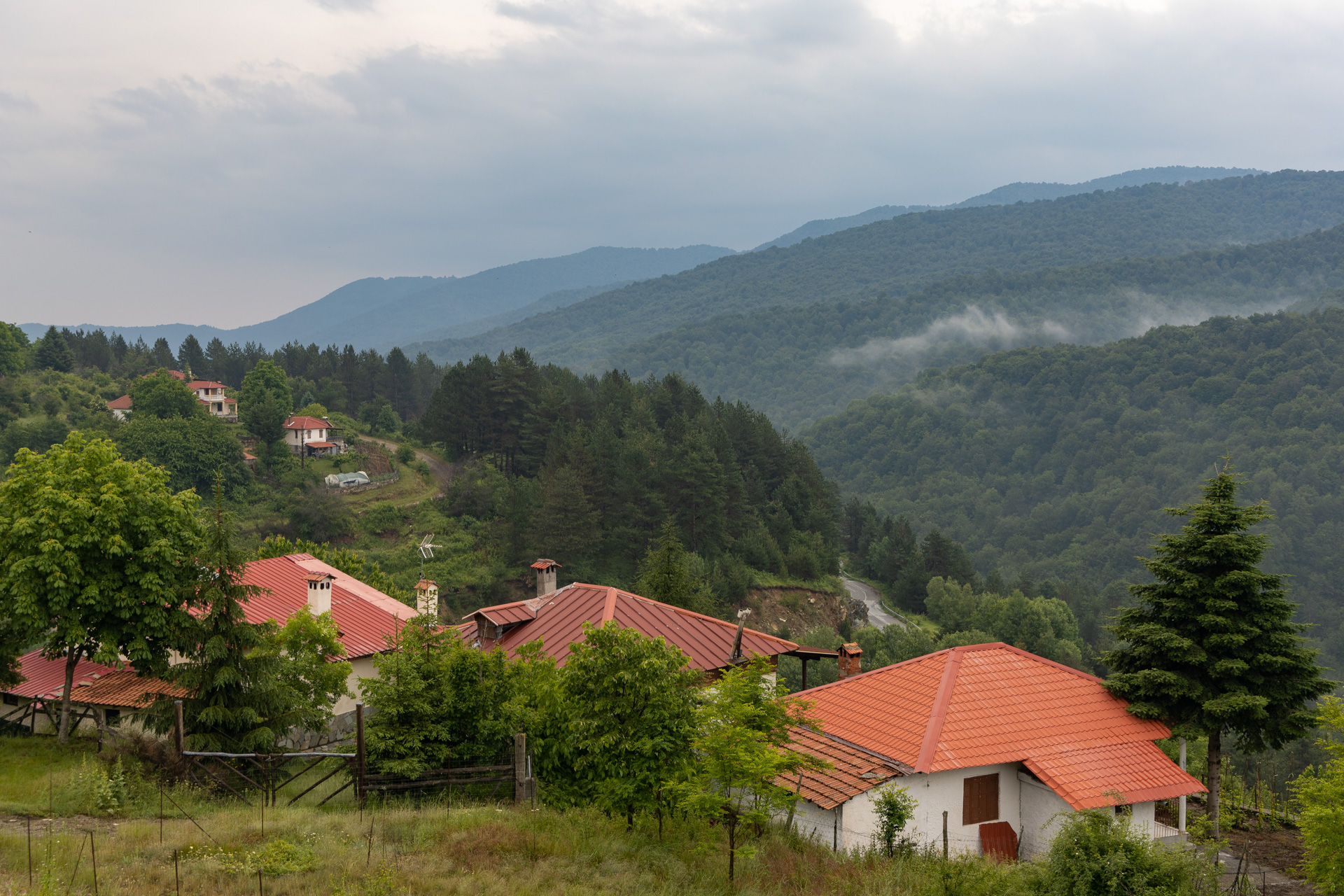
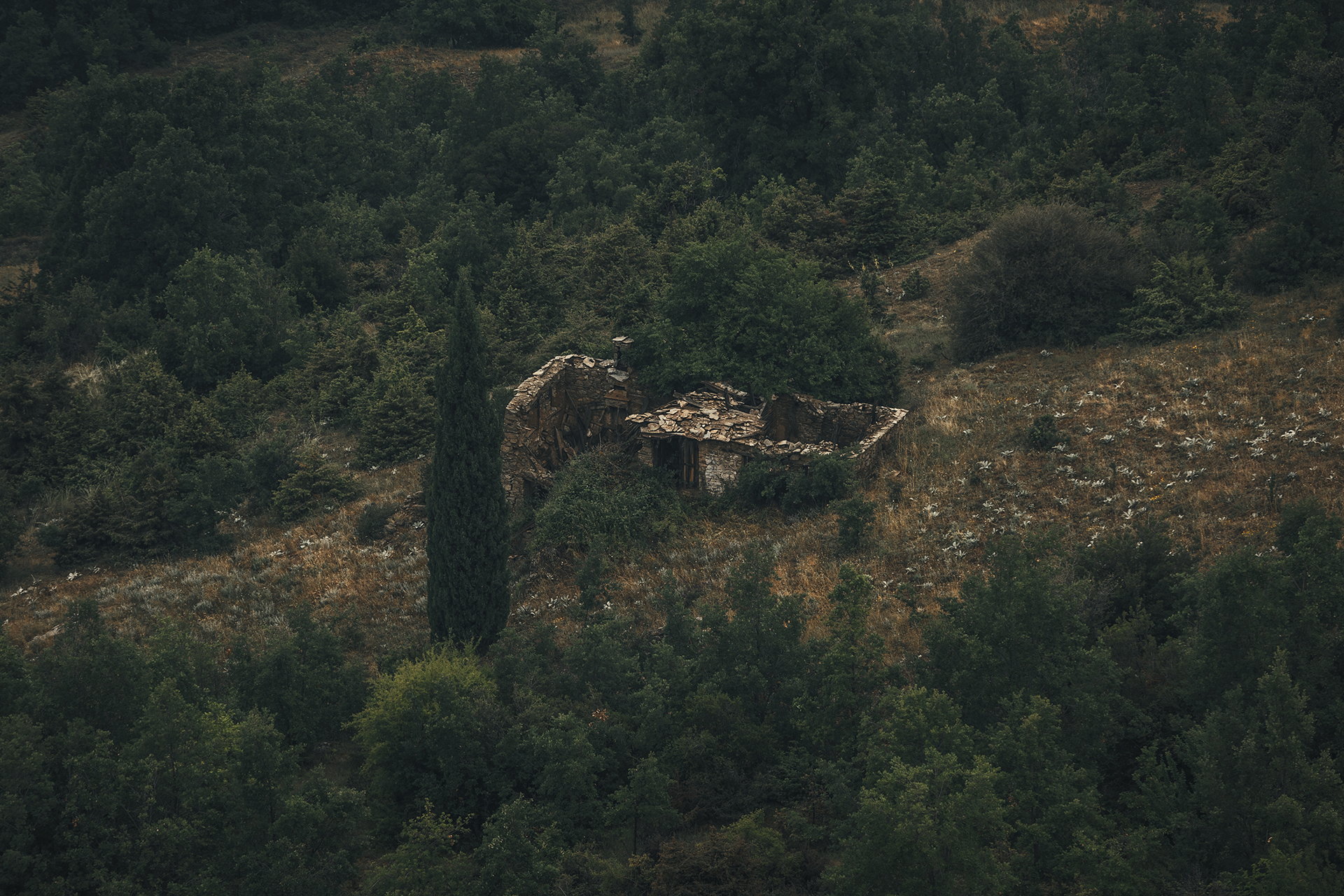
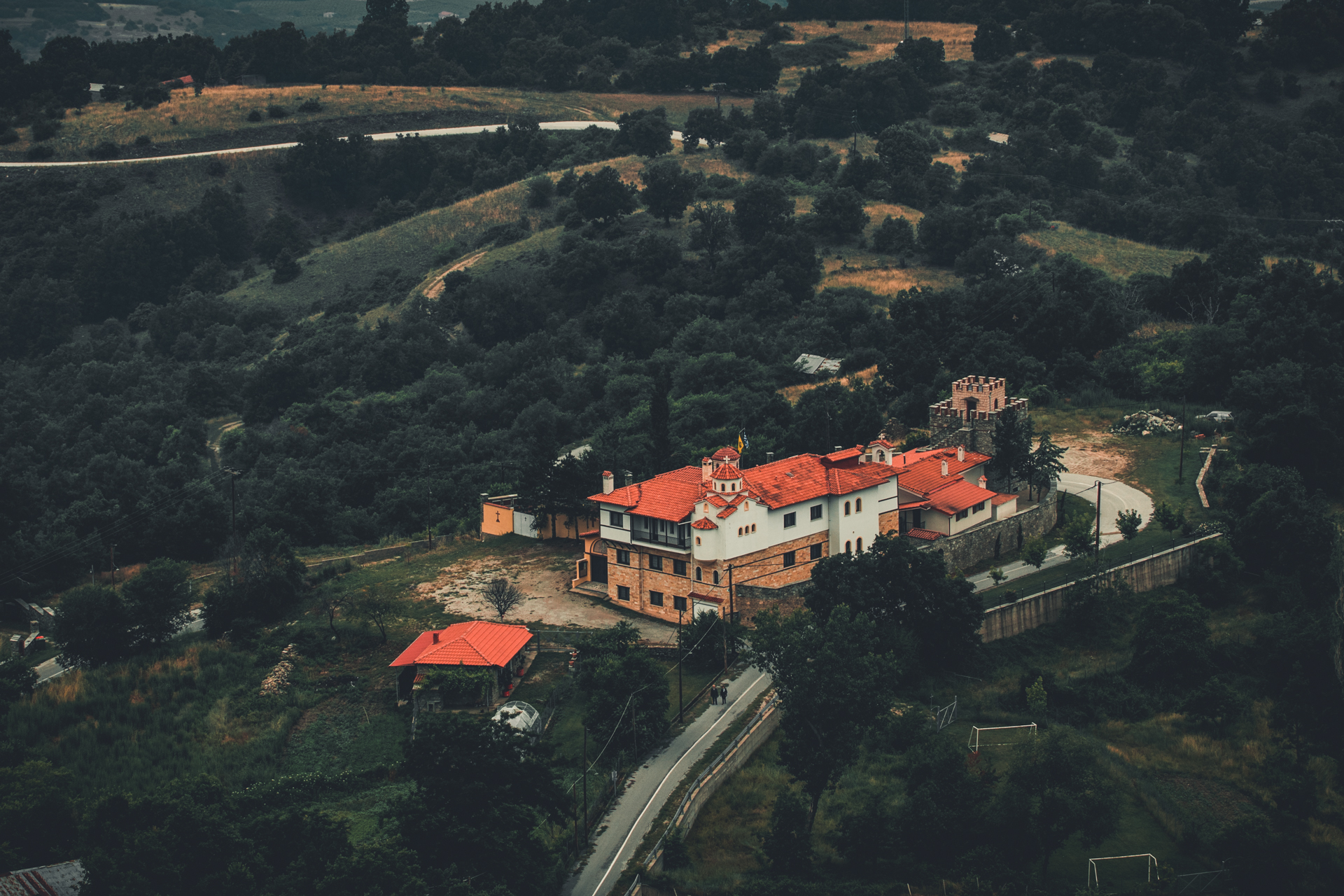
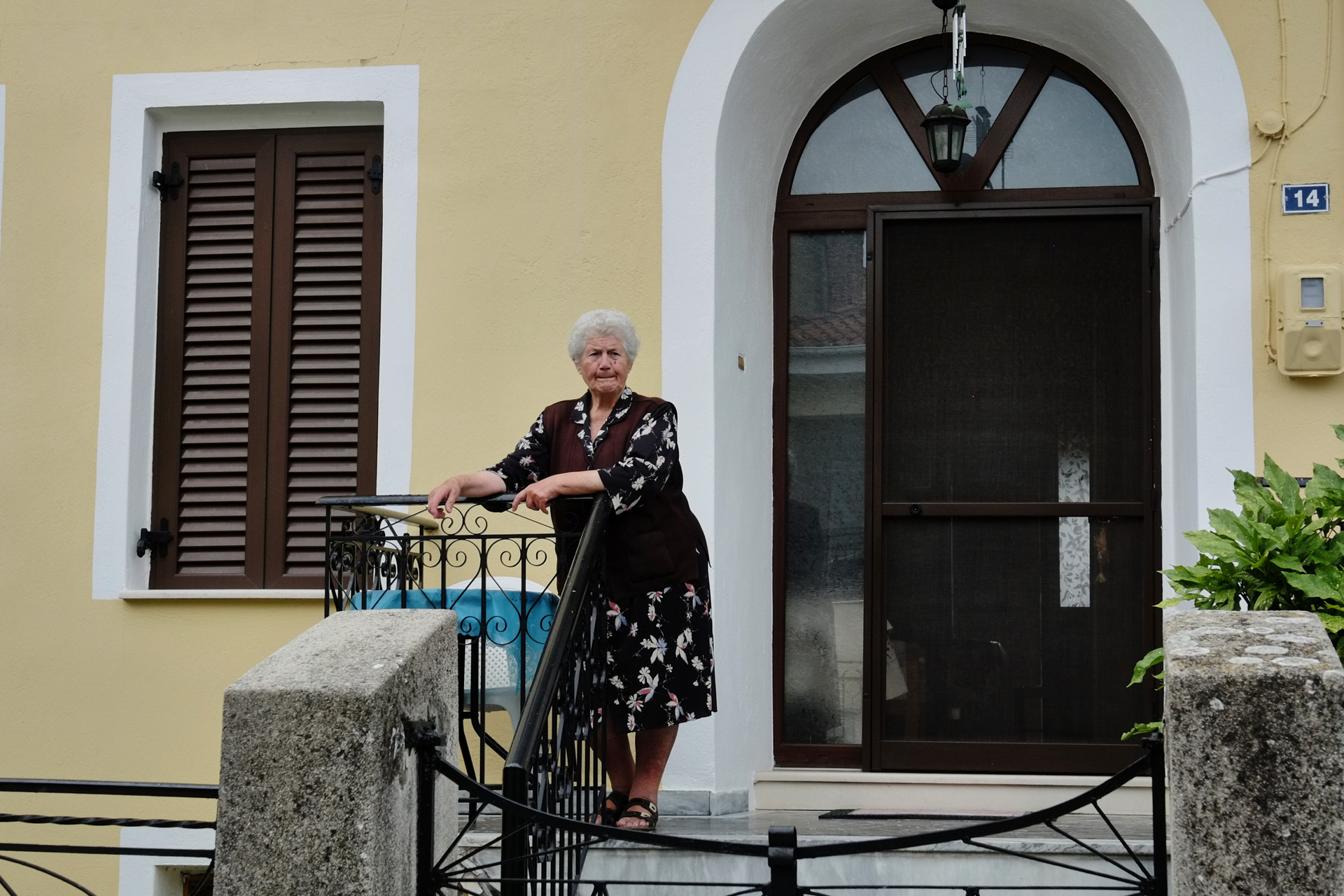
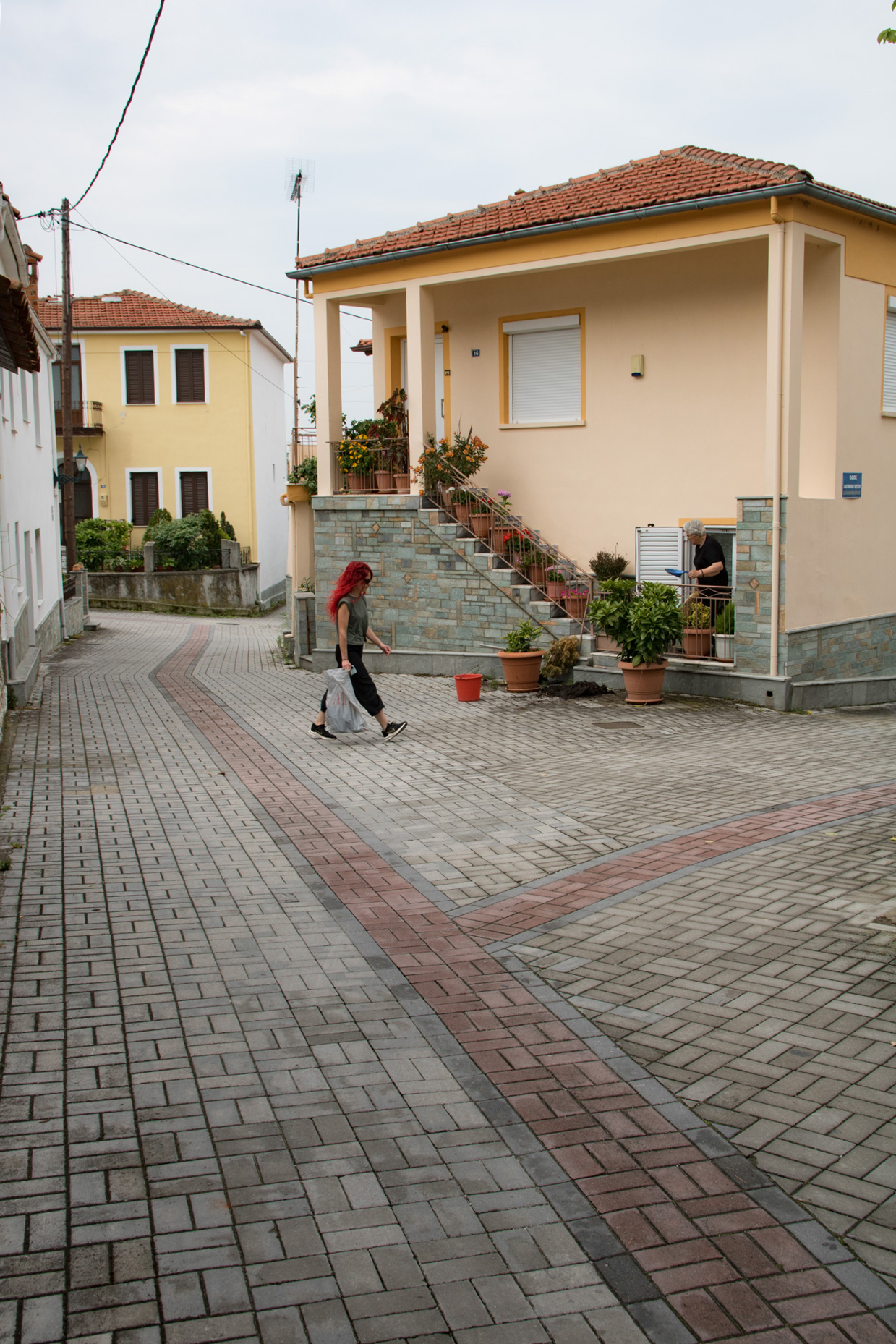
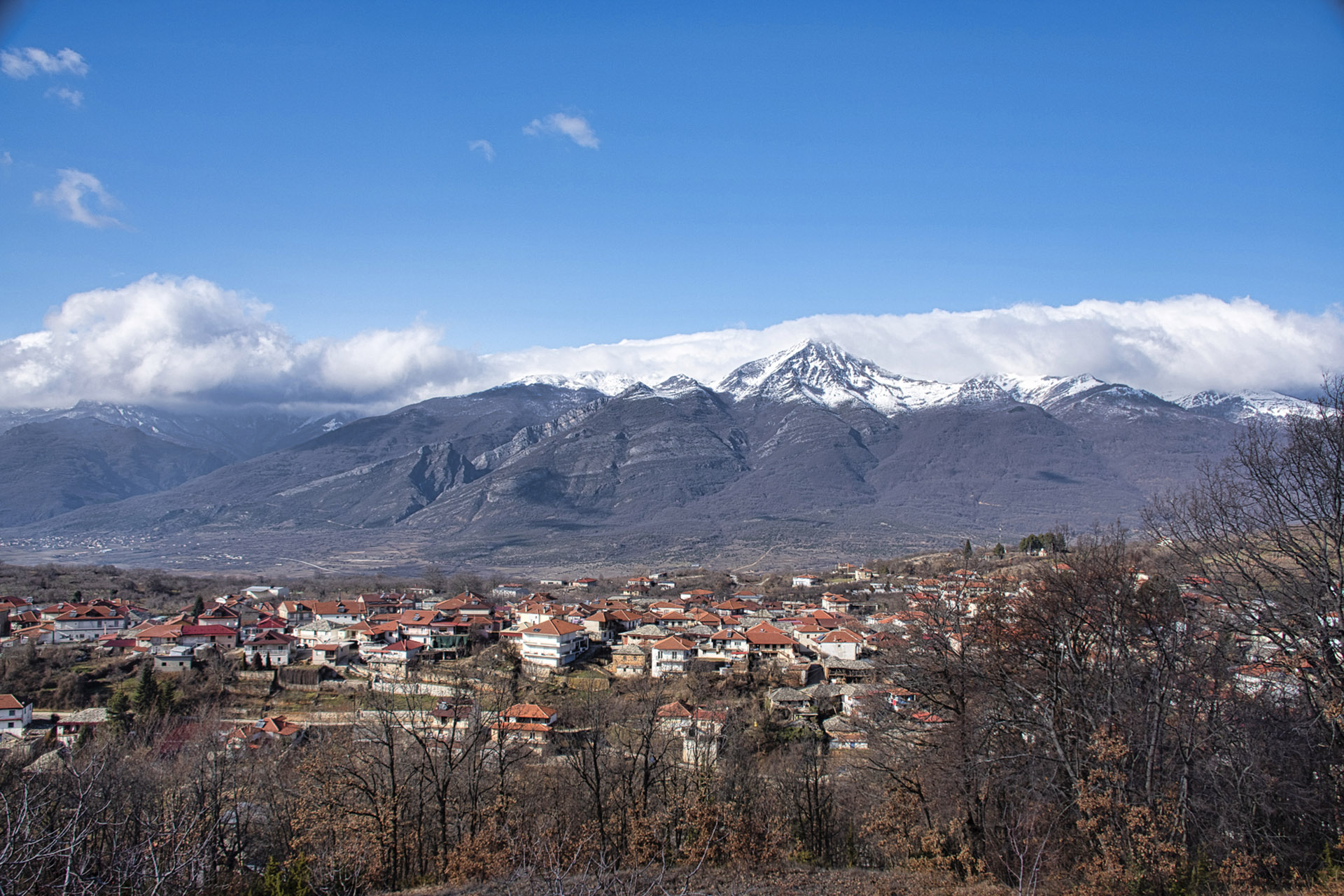
The sign at the bend read Fteri, and the red-tiled roofs appeared scattered across the slope, surrounded by the deepest green our eyes had ever seen. The village hosts about fifty souls from May to October, most of them engaged in livestock farming. Our almost certain expectation of finding an abandoned village, like the ones we photograph with such obsession, collapsed when we saw well-kept mountain homes and fragrant courtyards bearing witness to human care and affection.
This is an old Vlach village, birthplace of heroic fighters such as Georgakis Olympios and the Lazaioi family that in the passage of time was burned, by non other than the Nazis, who as they said, it had offered shelter to partisans. Its inhabitants descended to the plain and founded another village, Karitsa. But their lots remained, and when they returned, they restored their village as memory instructed them. We too scattered through its lanes and paths, and the shutters caught fire.
Nature was sighing, and its breath filled the woods and ravines, creating scenes of unbelievable beauty. Carried away, we set up a dance with maenads and satyrs, following the sound of Pan’s pipe. Then Dimos’s voice, like another Jiminy Cricket, interrupted our pastoral dreams and reminded us that the road ahead had still much to bring.
Nikos Kakagias
Ευτυχής Τσαουσίδης
Dimosthenis Seitaridis
Danis Papagiannoulis
Nikos Kakagias
Dimosthenis Seitaridis
And the road brought us to an uphill climb up to the neck of the Pierian Mountains, and from there it was downhill.
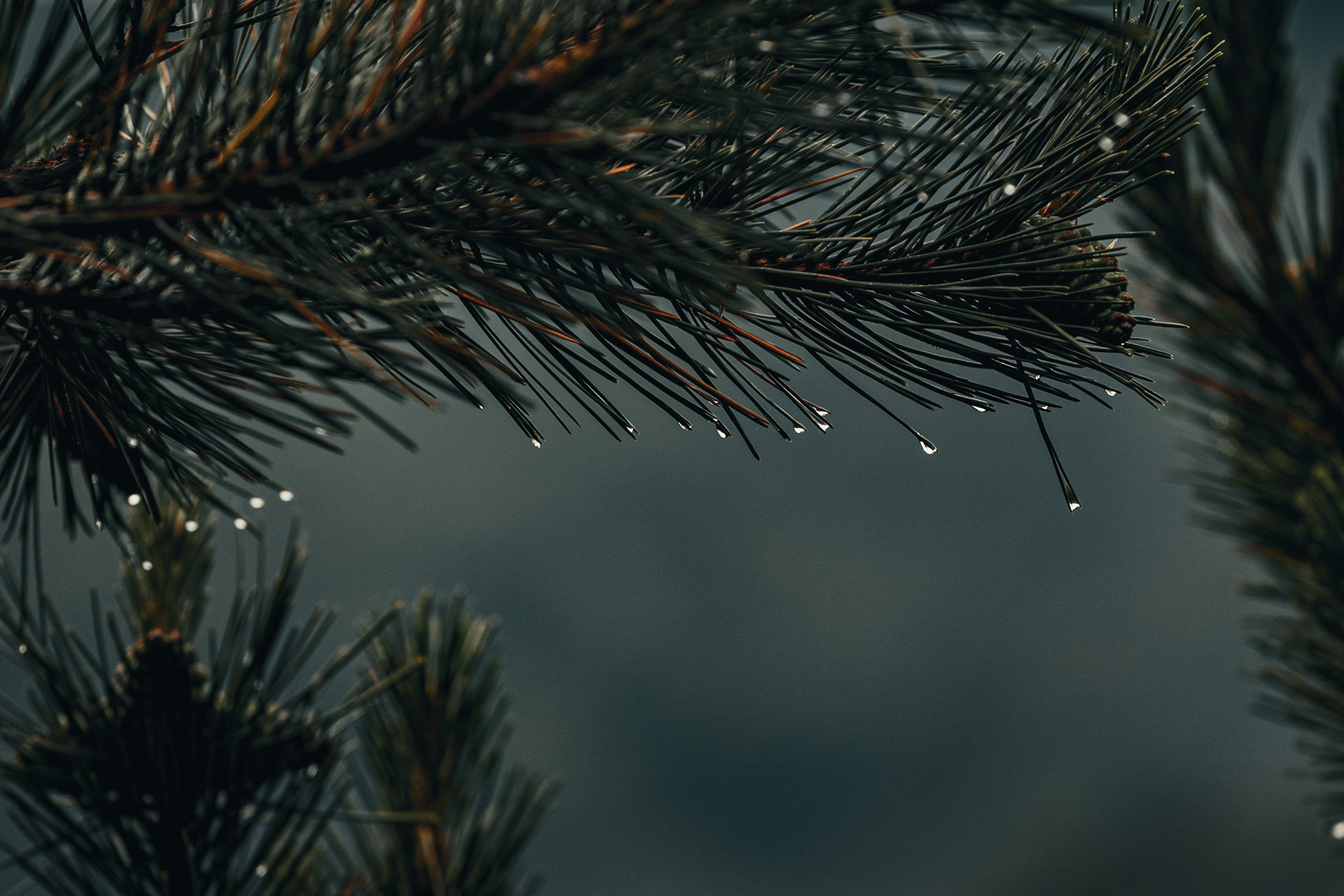
“Halt!” cried Harrys in the middle of the forest, and we obediently stopped to admire and photograph the tall, slender, moisture-heavy pines. But he rummaged through his bag, pulled out a flash, appointed Dimos and Vasilis as models and Sotiris as lighting assistant, and revealed to us one or two secrets about portraiture and artificial light.
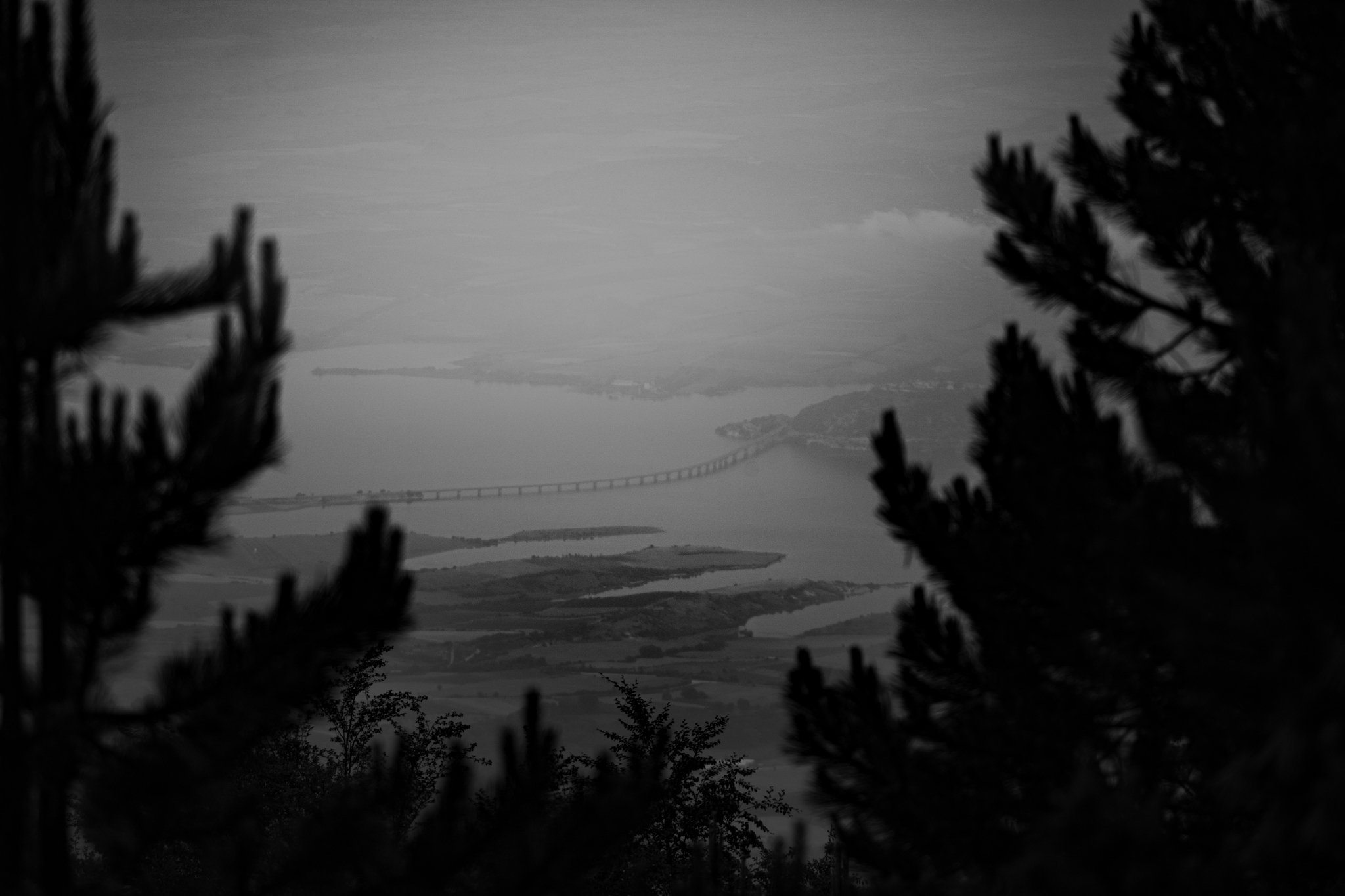
The road continued just as twisty as before, until we uttered the first “Ah!” at the astonishing view of the Aliakmonas and its fertile valley. The second exclamation followed when the sun did us the favour of peeking out between the clouds, its rays piercing the hazy scene and offering an uncertain yet thrilling spectacle. We scattered too, capturing whatever was generously offered to us.
Our goal showed itself at the place where the curve of the Polyfytos Bridge appeared from afar. An hour later, we parked at the roadside and gazed at Paleogratsano and the Monastery of Saint Nektarios. A little later, the first houses of historic Velventos appeared before us, the place we had been trying to reach since morning.
Nikos Kakagias
Sotiris Tzoumerkas
Harrys Pourouzidis
Dimosthenis Seitaridis
Harrys Pourouzidis
Ευτύχης Τσαουσίδης
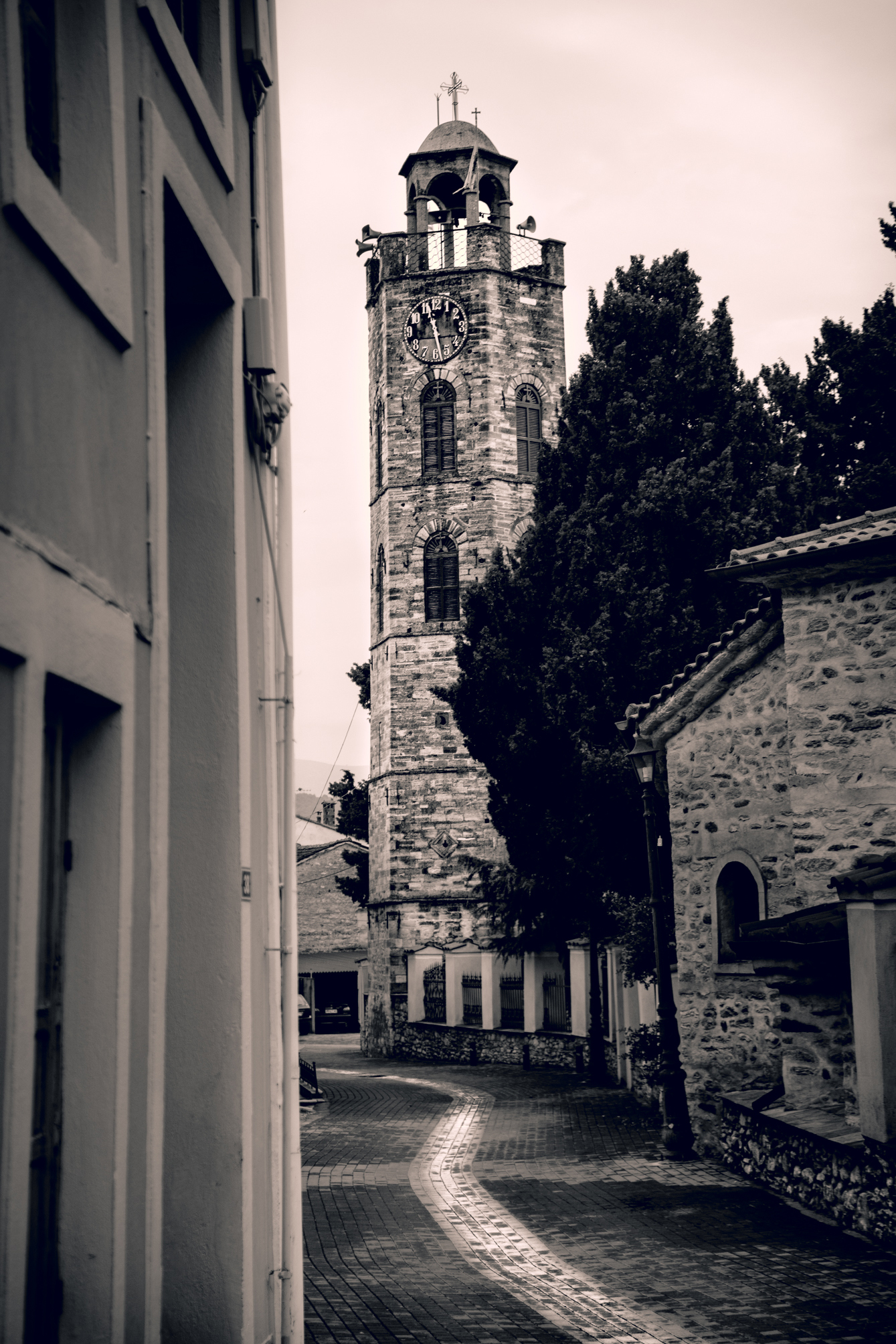
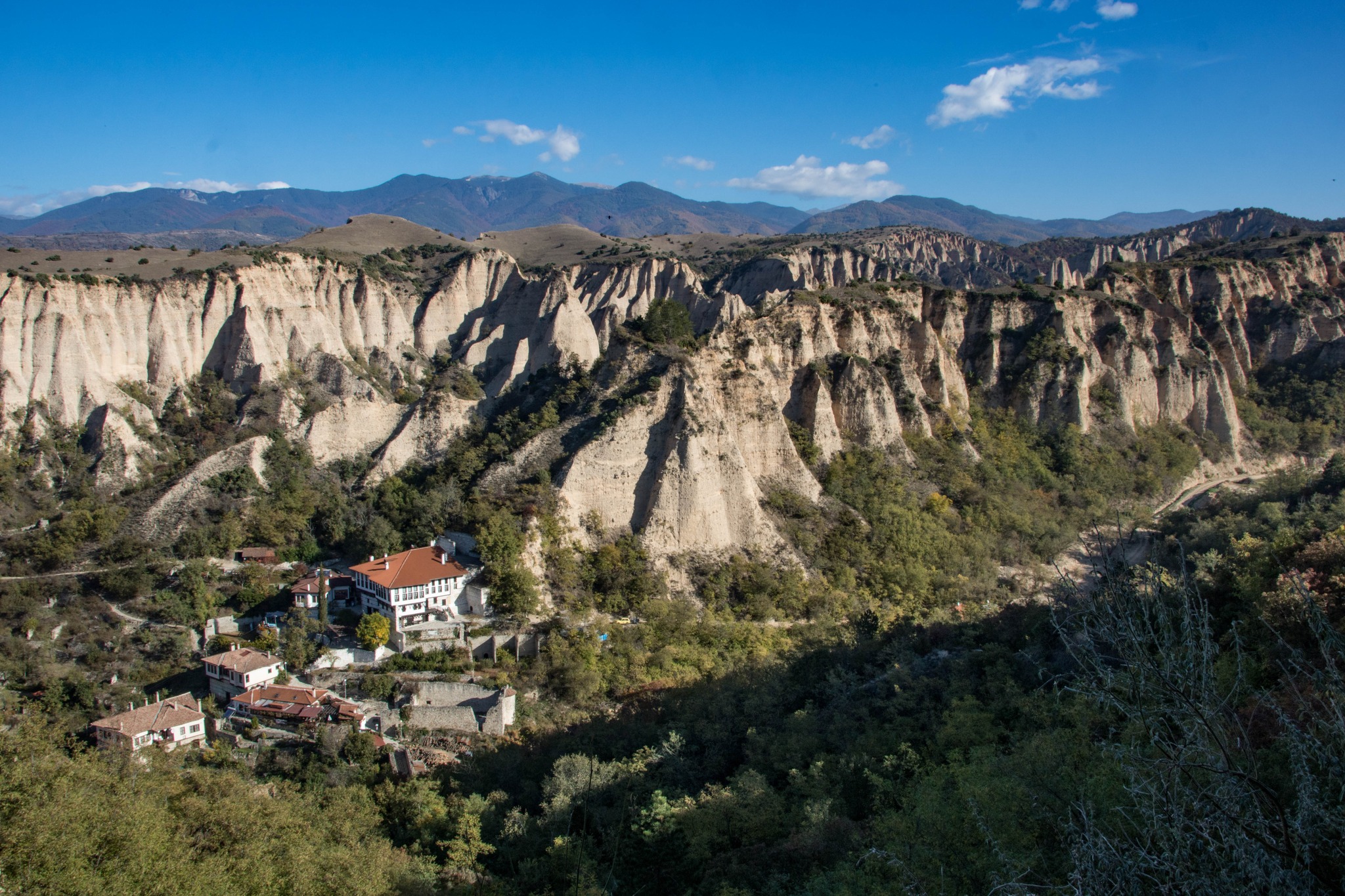
Velventos is an old small town from Roman times, its name lost among legends and conjectures, yet it has kept its population intact since the first census in 1928. Three and a half thousand souls have lived there since then, creating a town so beautiful that in the end we exclaimed:
“This cannot possibly be happening in Greece.”
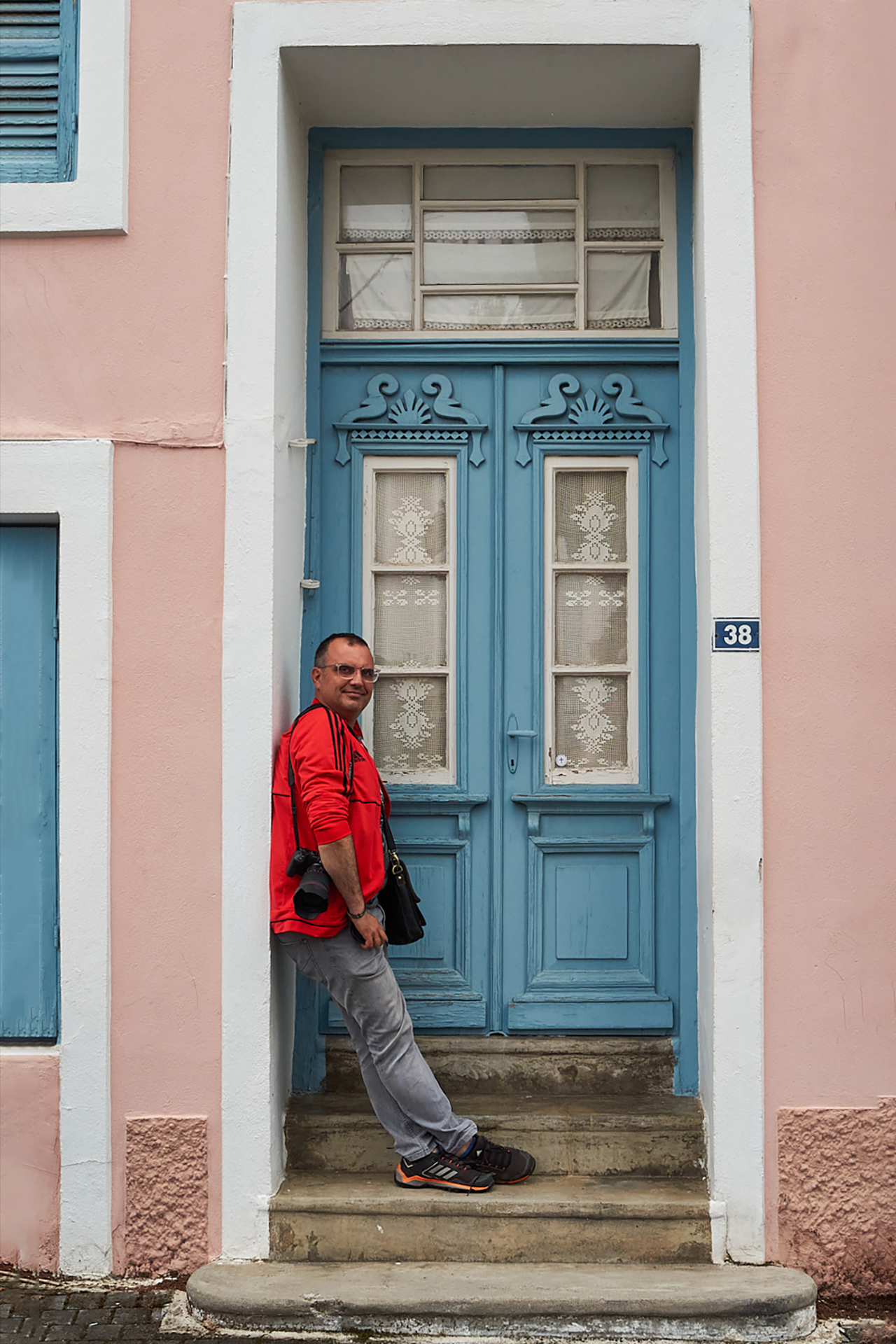
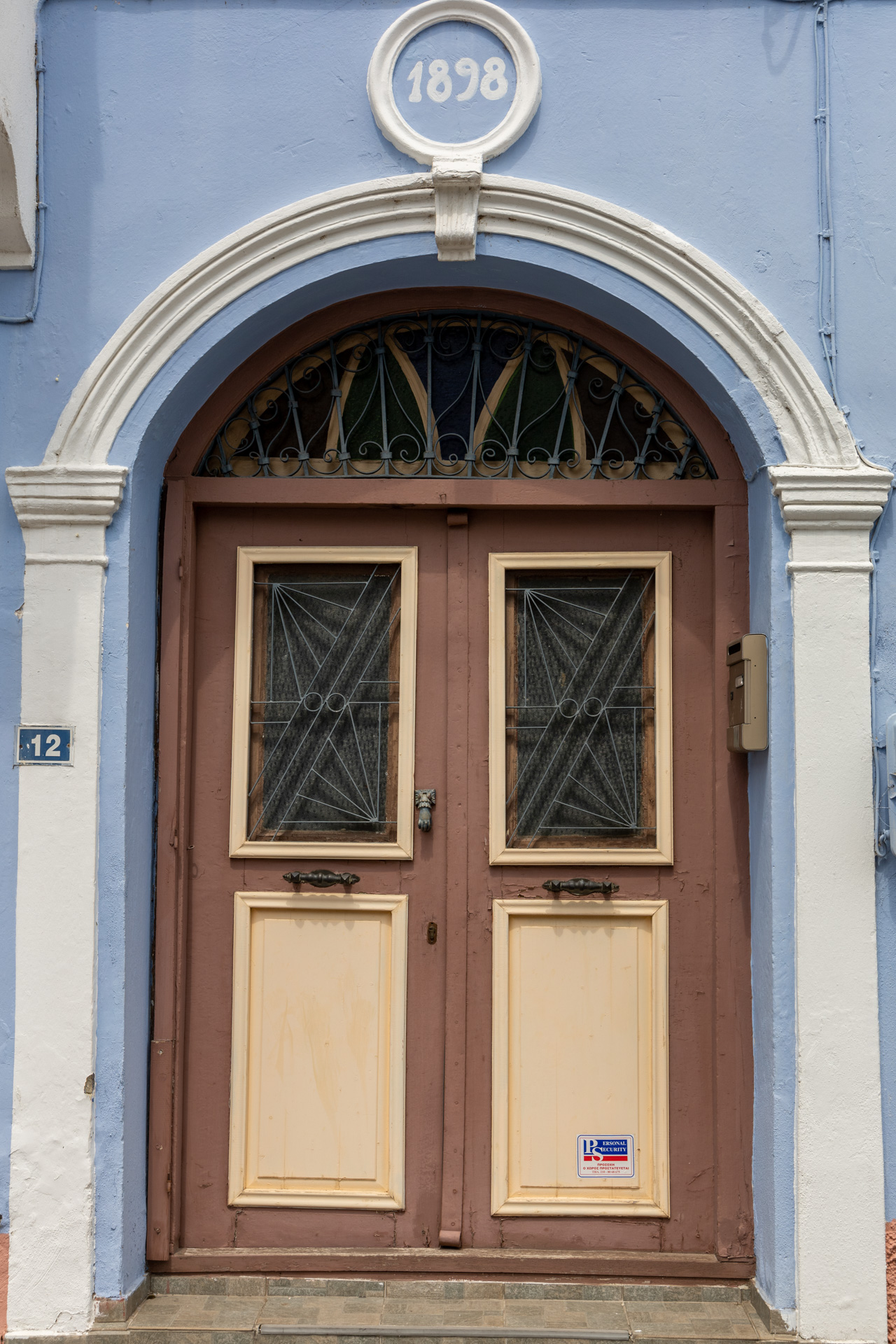
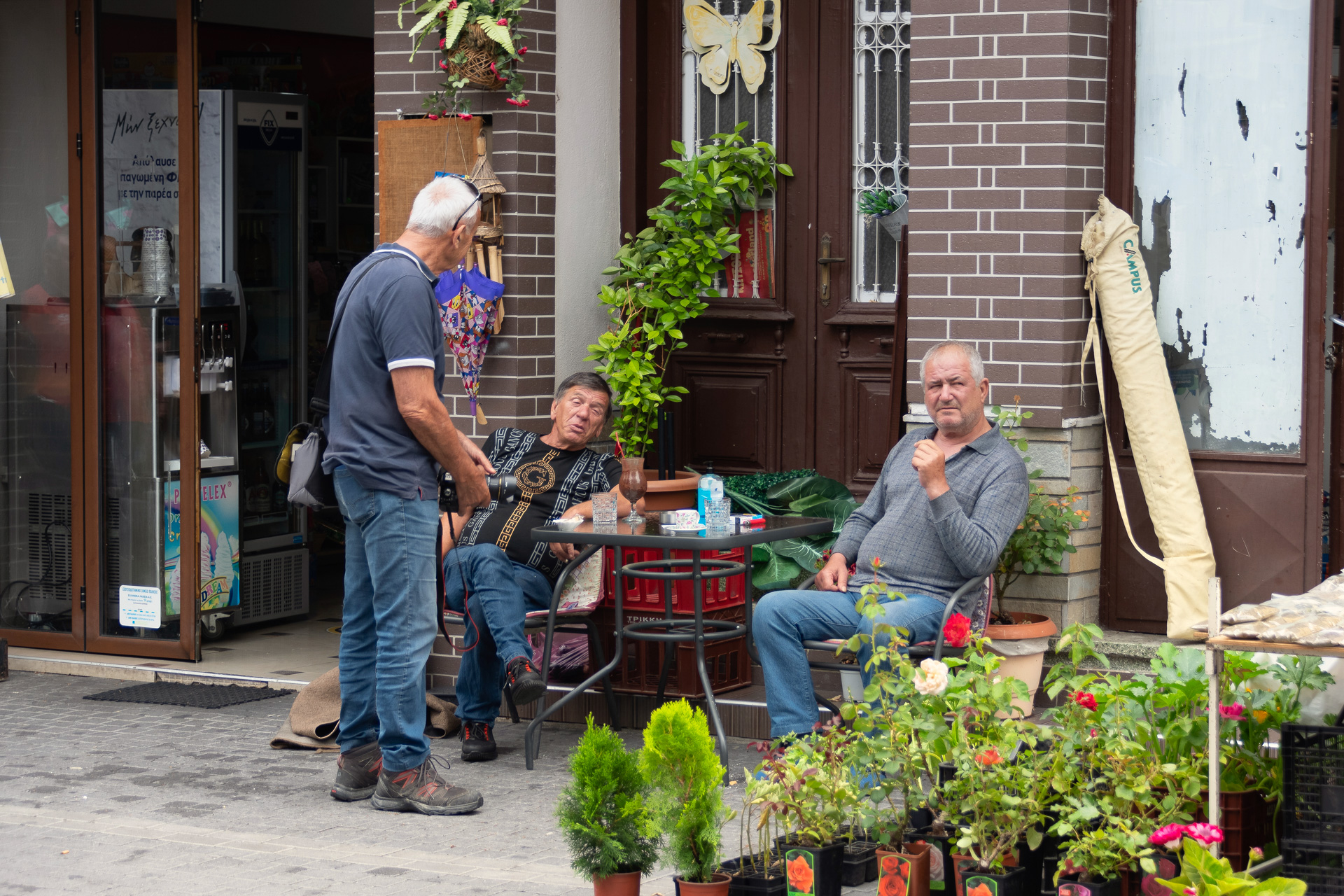
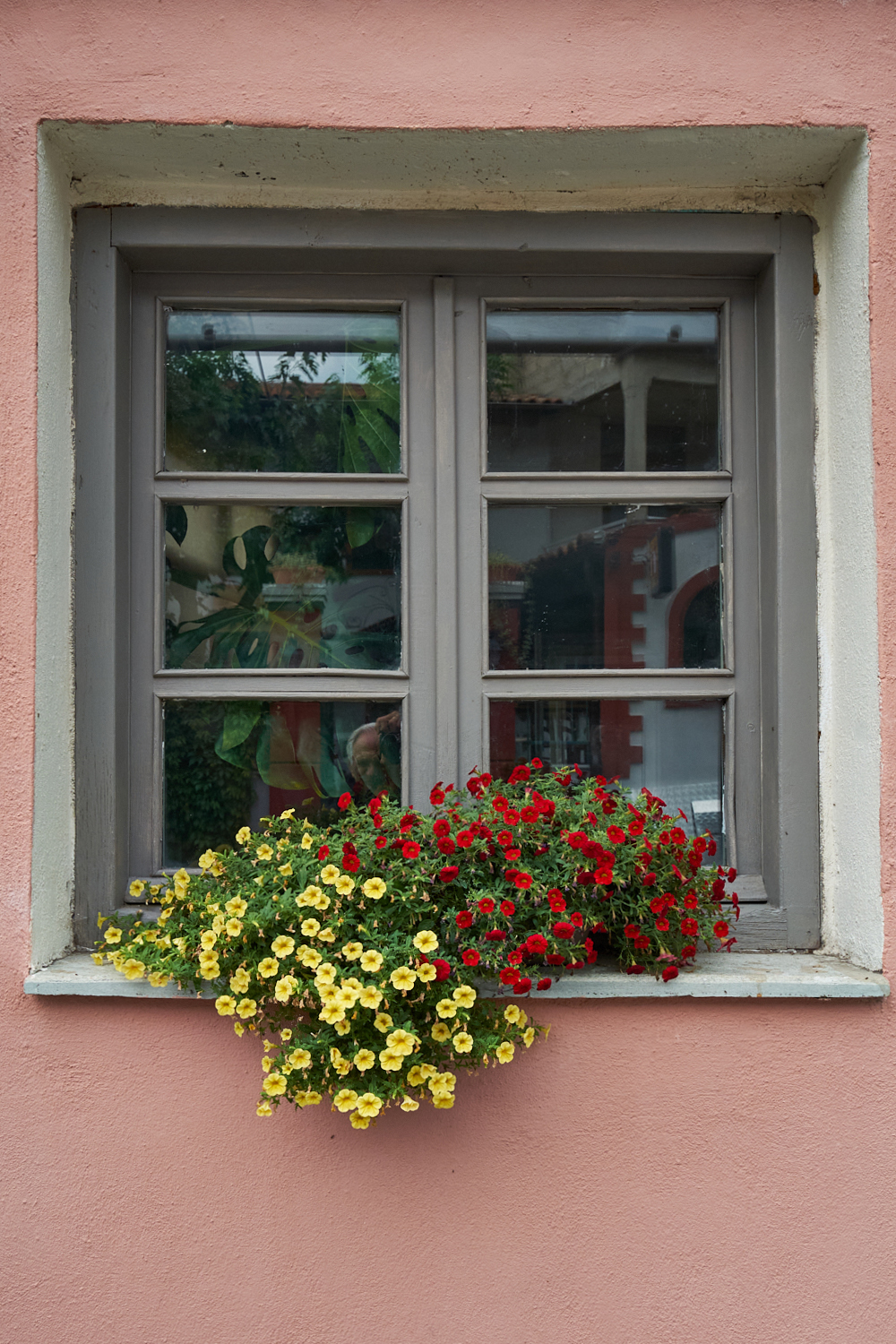
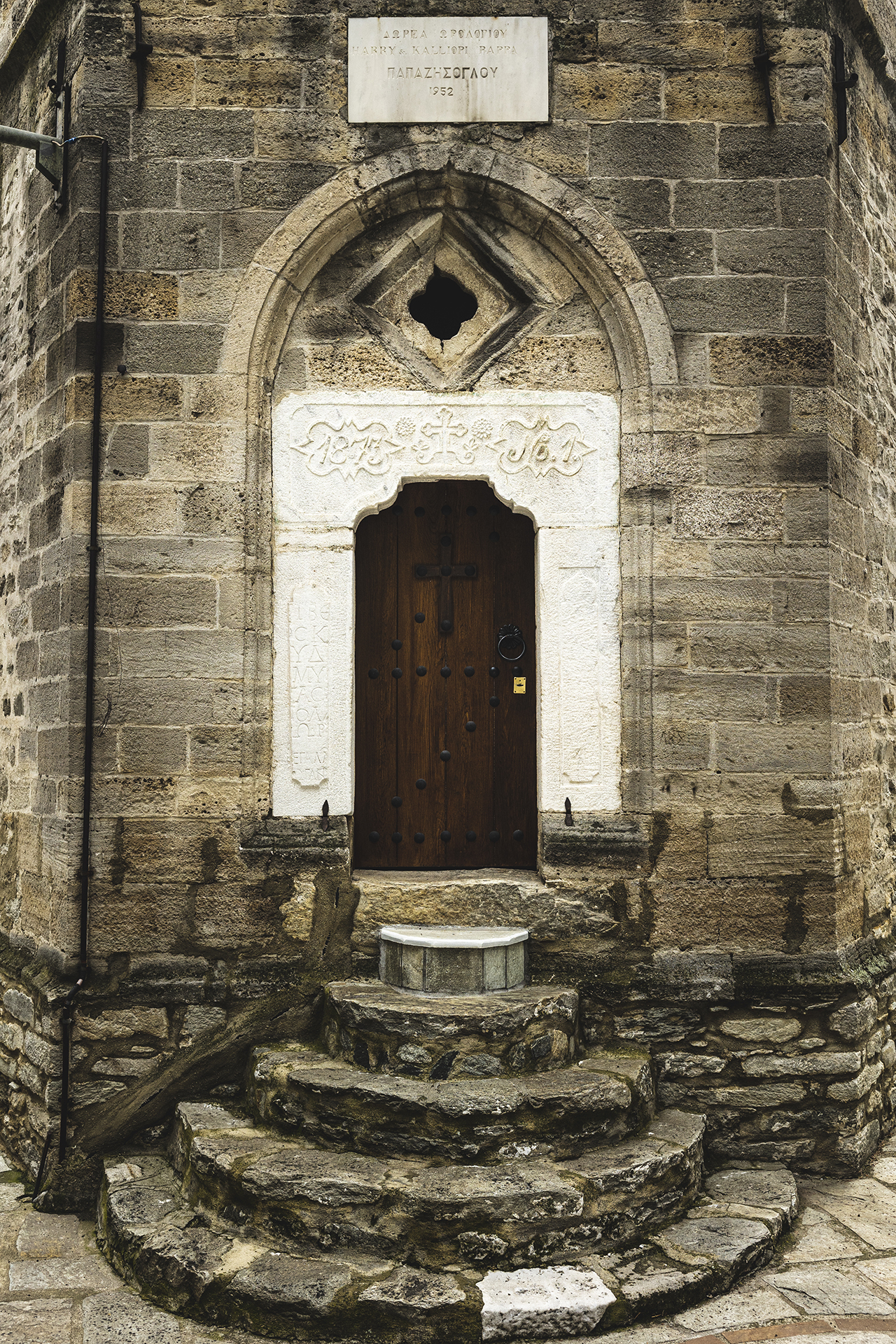
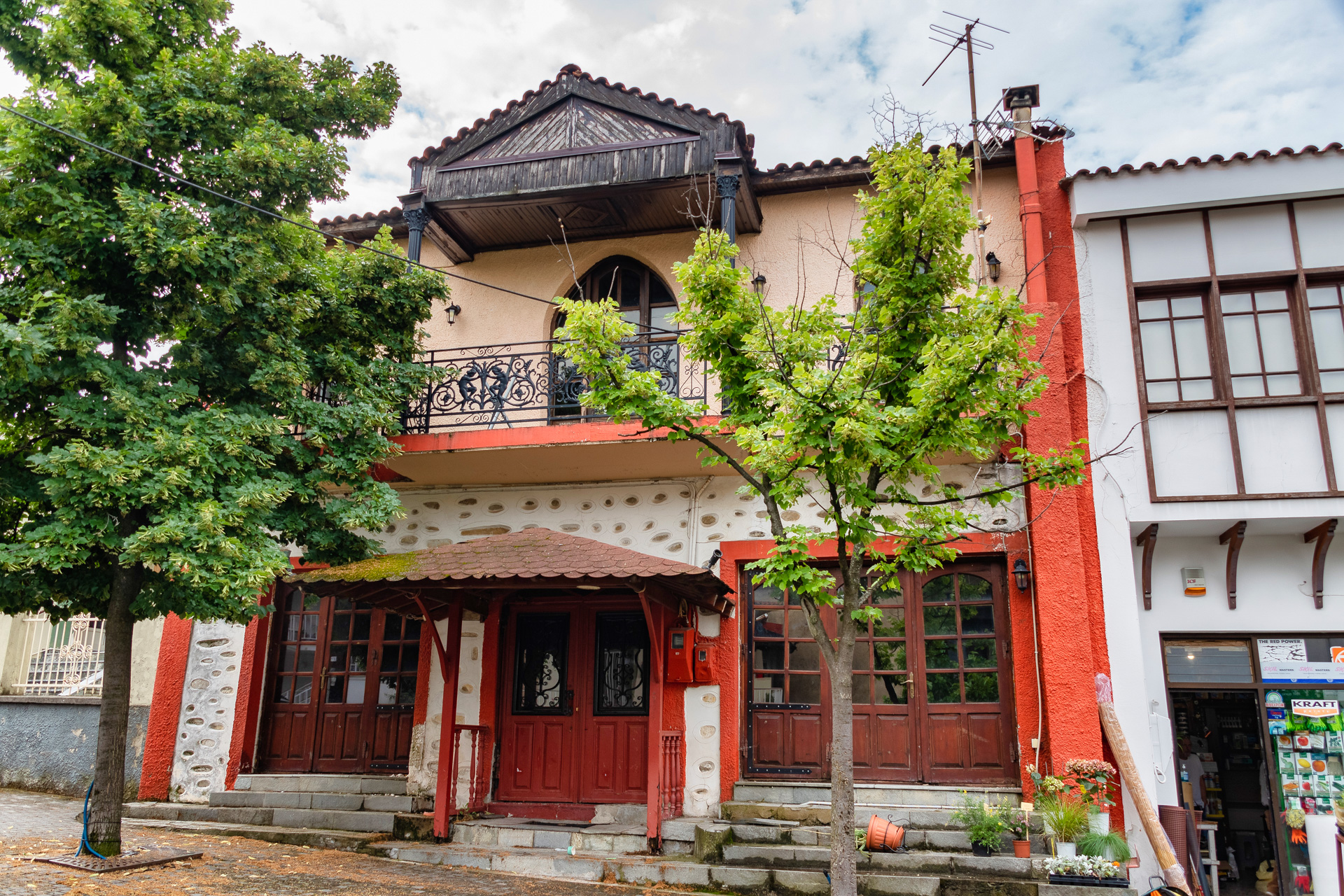
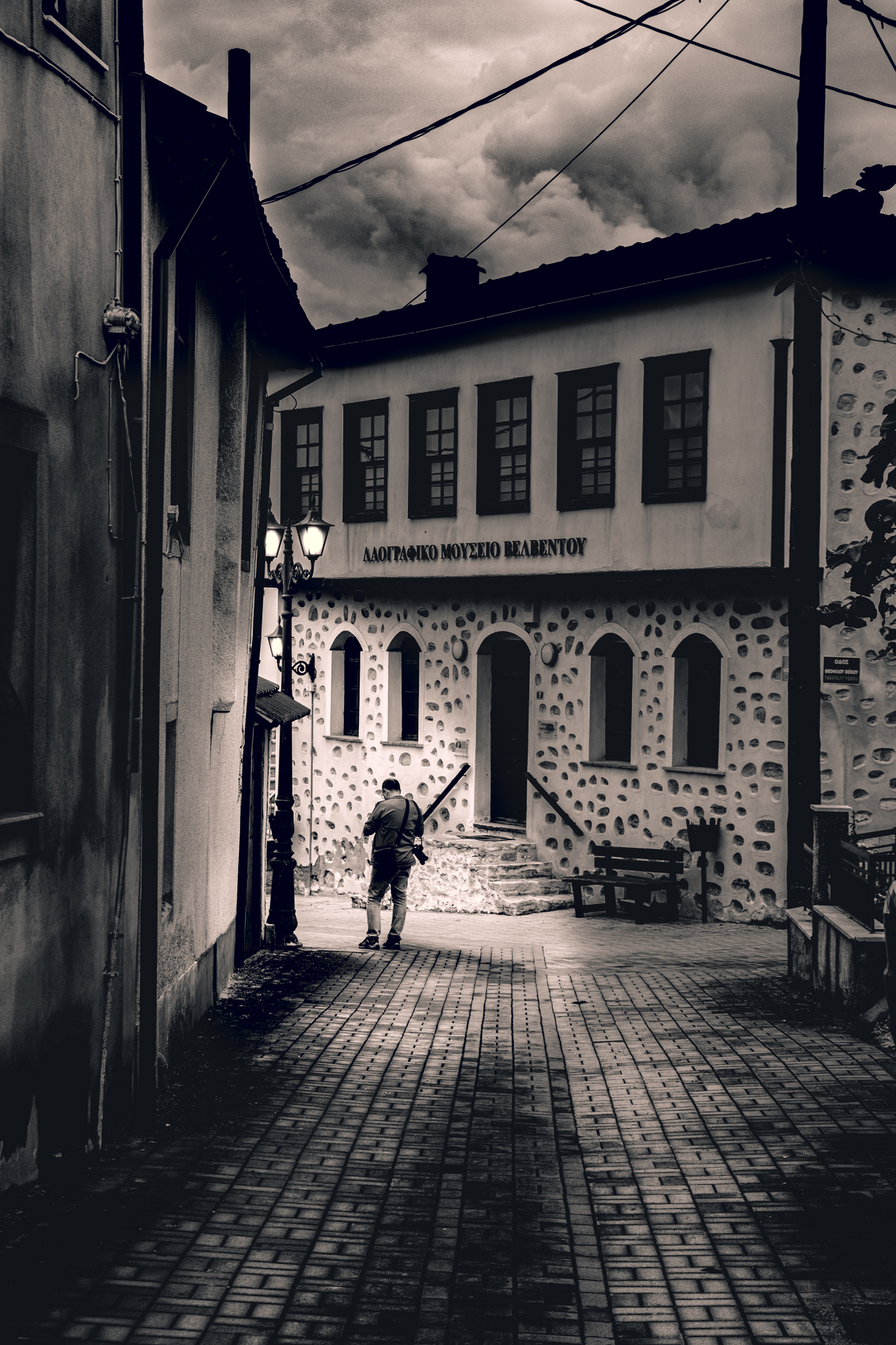
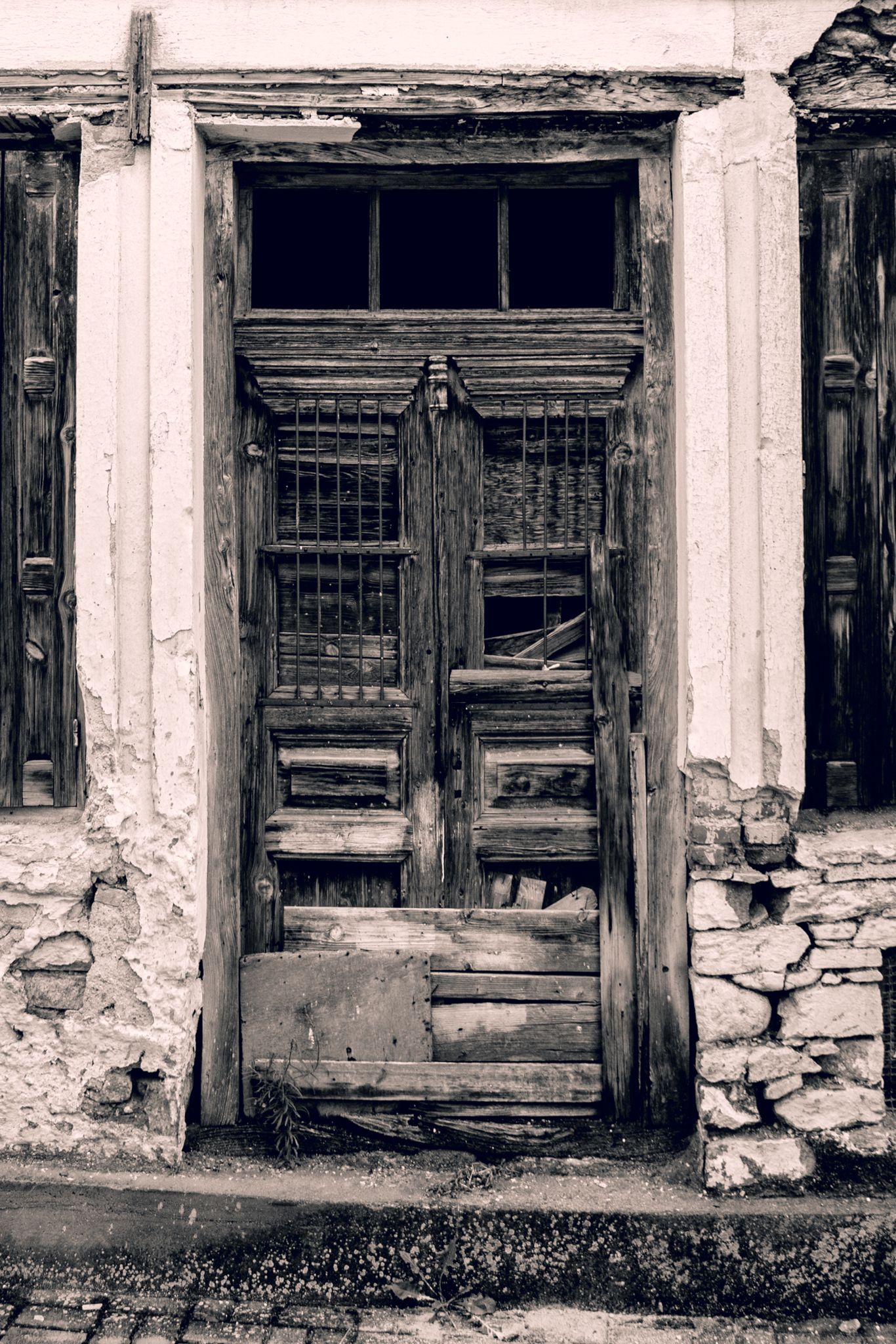
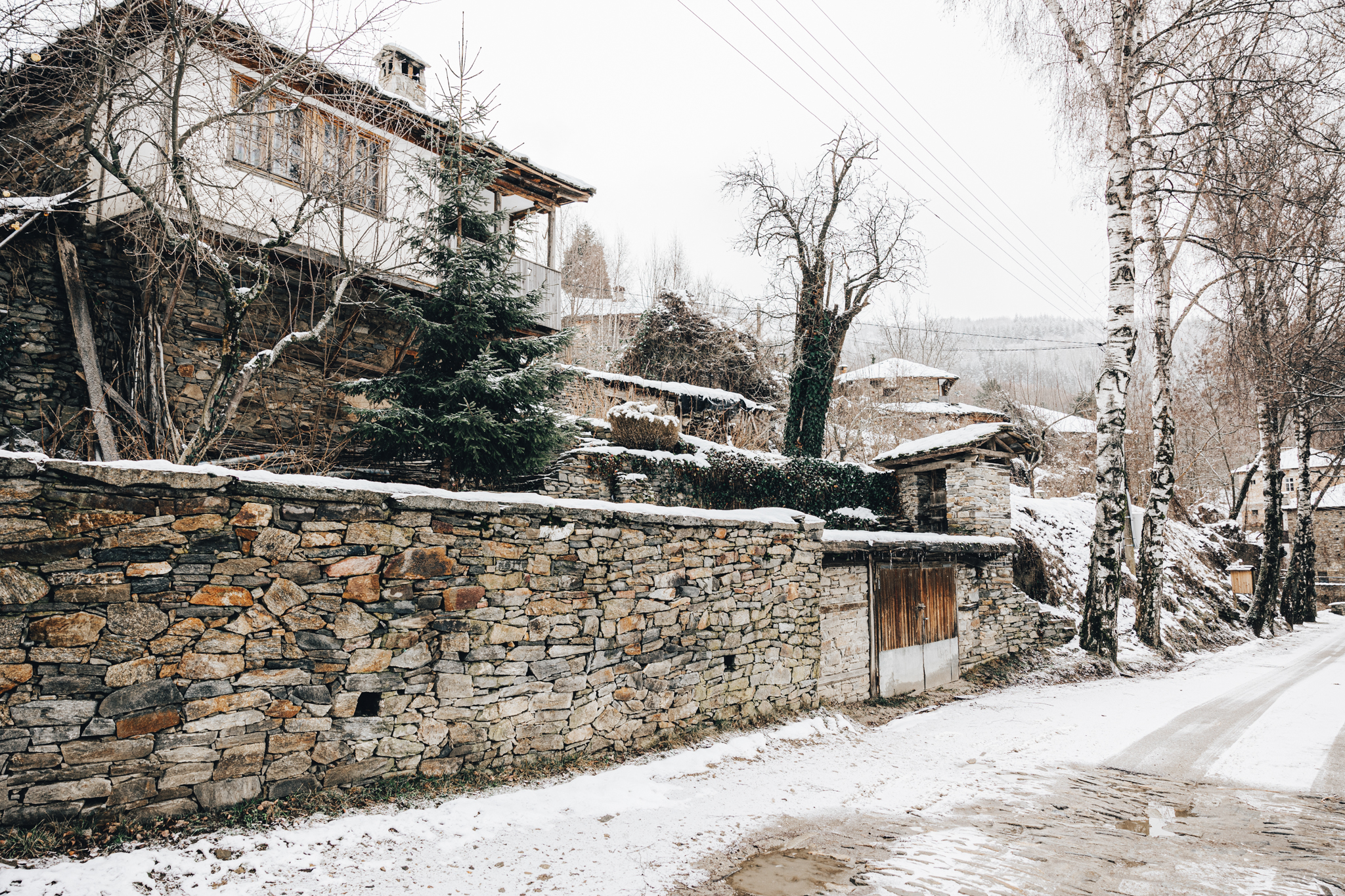
Cleanliness and order everywhere. Courtyards well tended, every road paved with cobblestones, old stone mansions mixed with neoclassical houses, forming what the experts would call a photographer’s joy. And we set out to prove them right. We mingled with the hospitable and friendly locals at their open-air market and let the colours and aromas guide our artistic impulse. We wandered through narrow streets and admired well-kept mansions, bearing witness to a glory that has not yet faded.
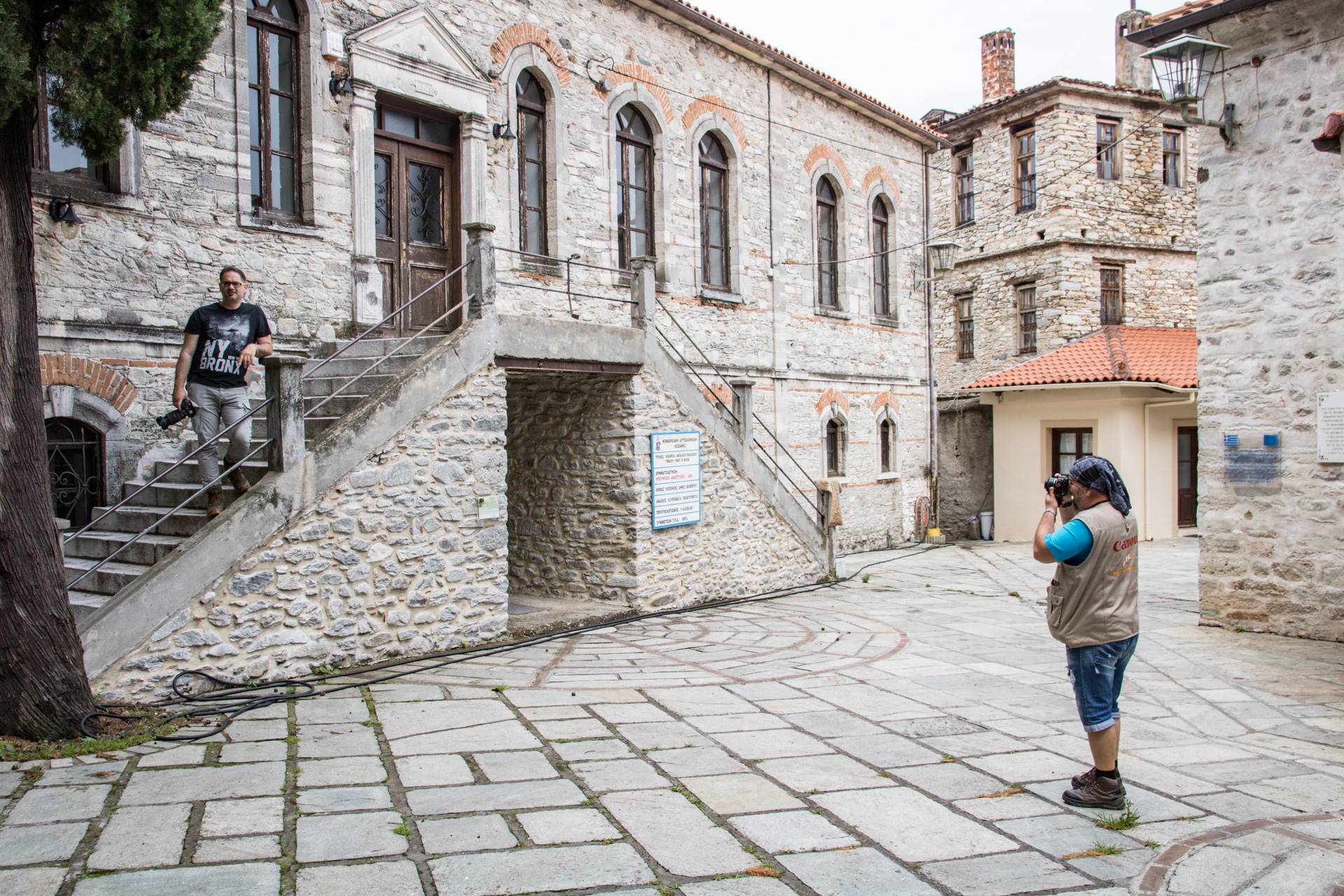
It is strange how vividly the history of this place has remained alive. And honouring it, we posed for our commemorative snapshot in the courtyard of the stone-built high school.
Danis Papagiannoulis
Dimosthenis Seitaridis
Harrys Pourouzidis
Ευτύχης Τσαουσίδης
Nikos Kakagias
Danis Papagiannoulis
Danis Papagiannoulis
Ευτύχης Τσαουσίδης
Harrys Pourouzidis
Nikos Kakagias
Harrys Pourouzidis
Ευτύχης Τσαουσίδης
Sotiris Tzoumerkas
Sotiris Tzoumerkas
Sotiris Tzoumerkas
In the end, time passed, and we decided on what, in conclusion, always happens.
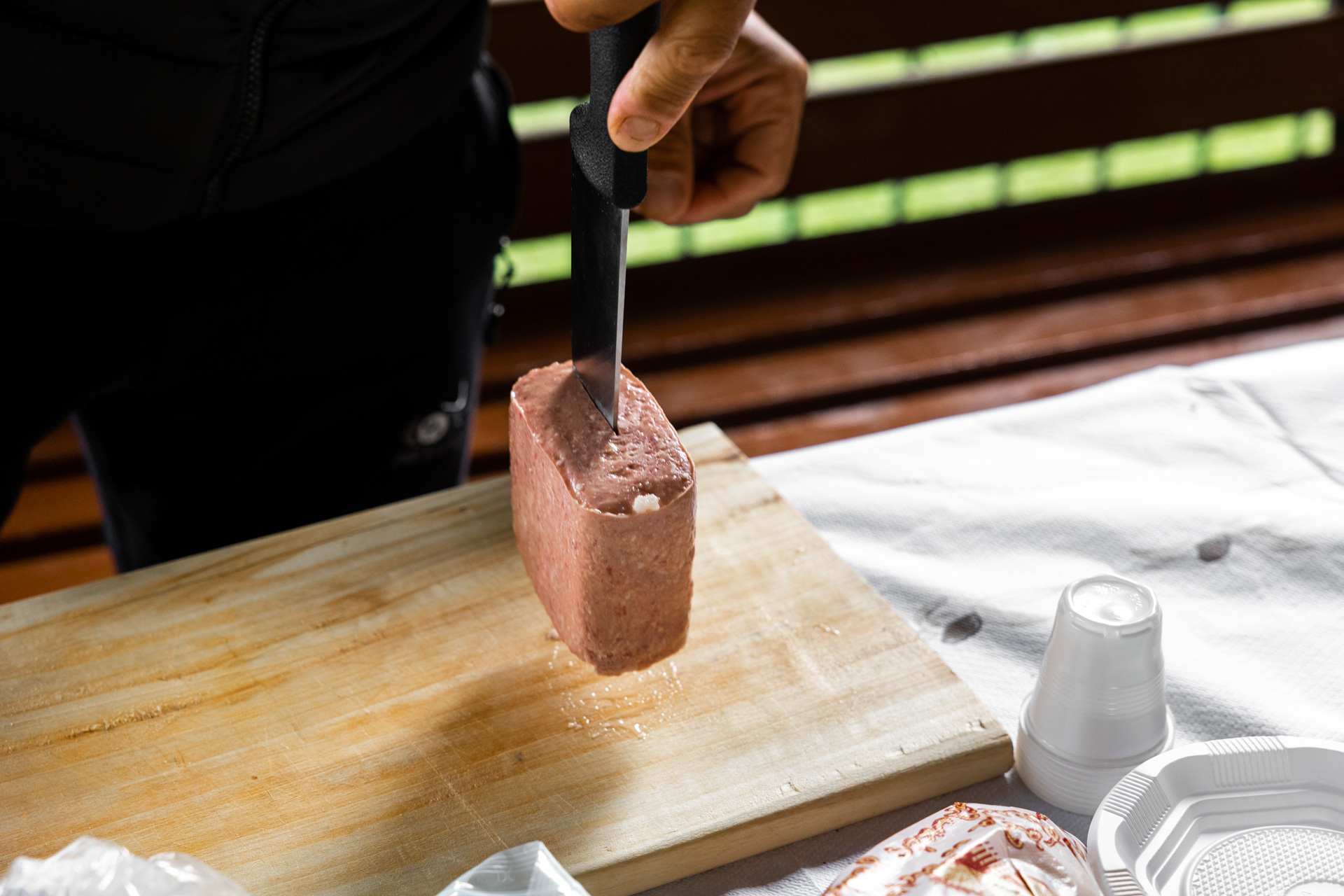
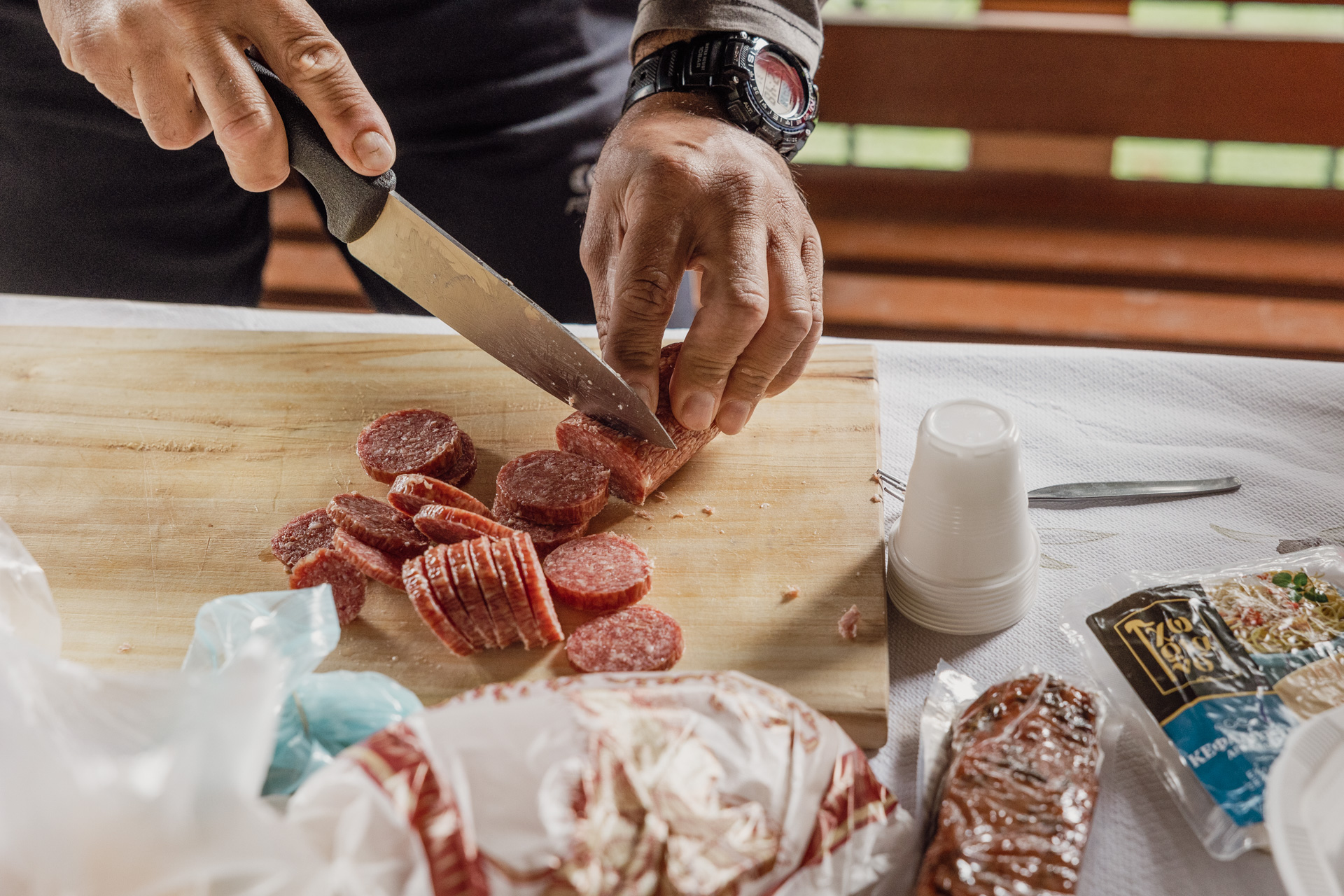
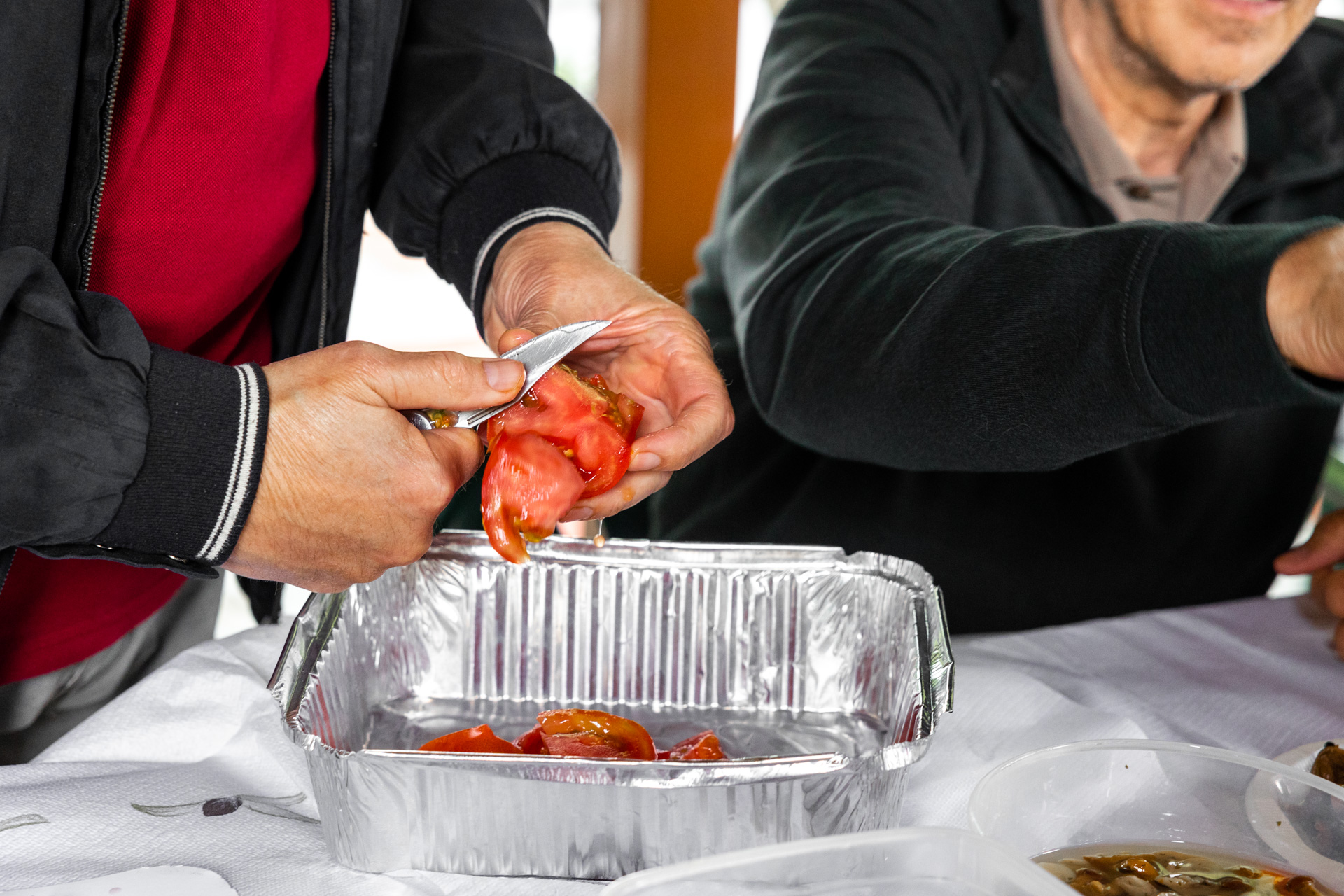
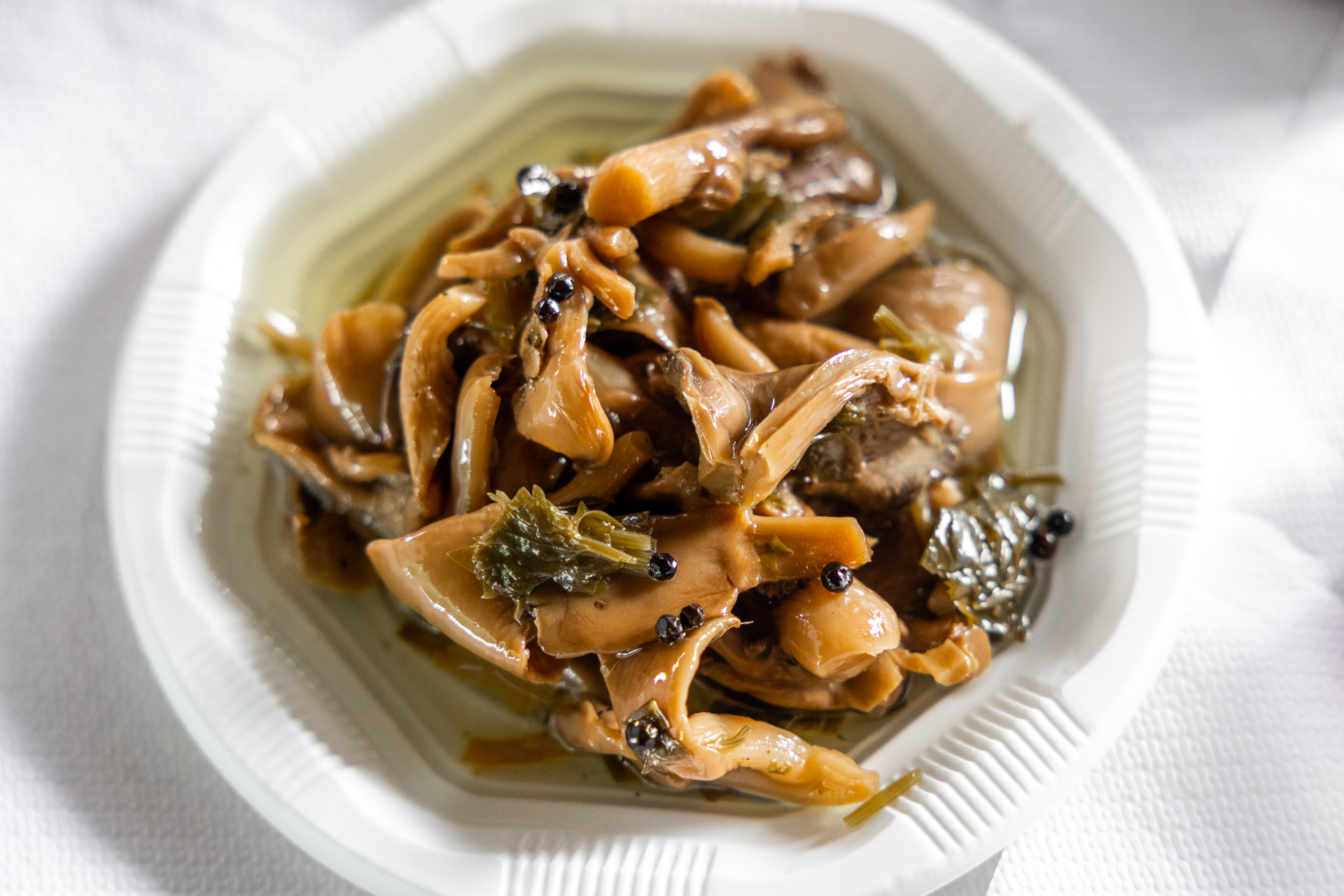
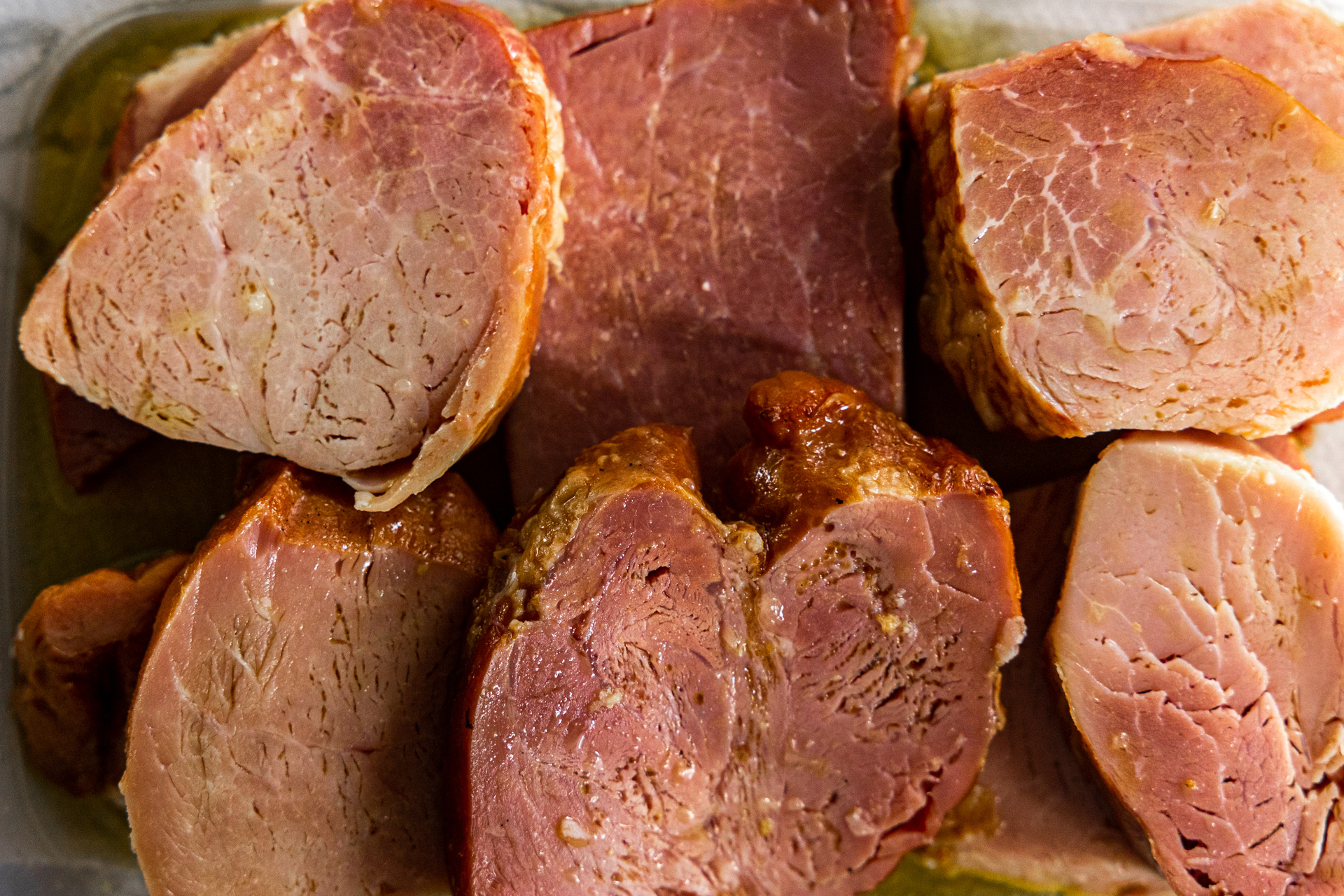
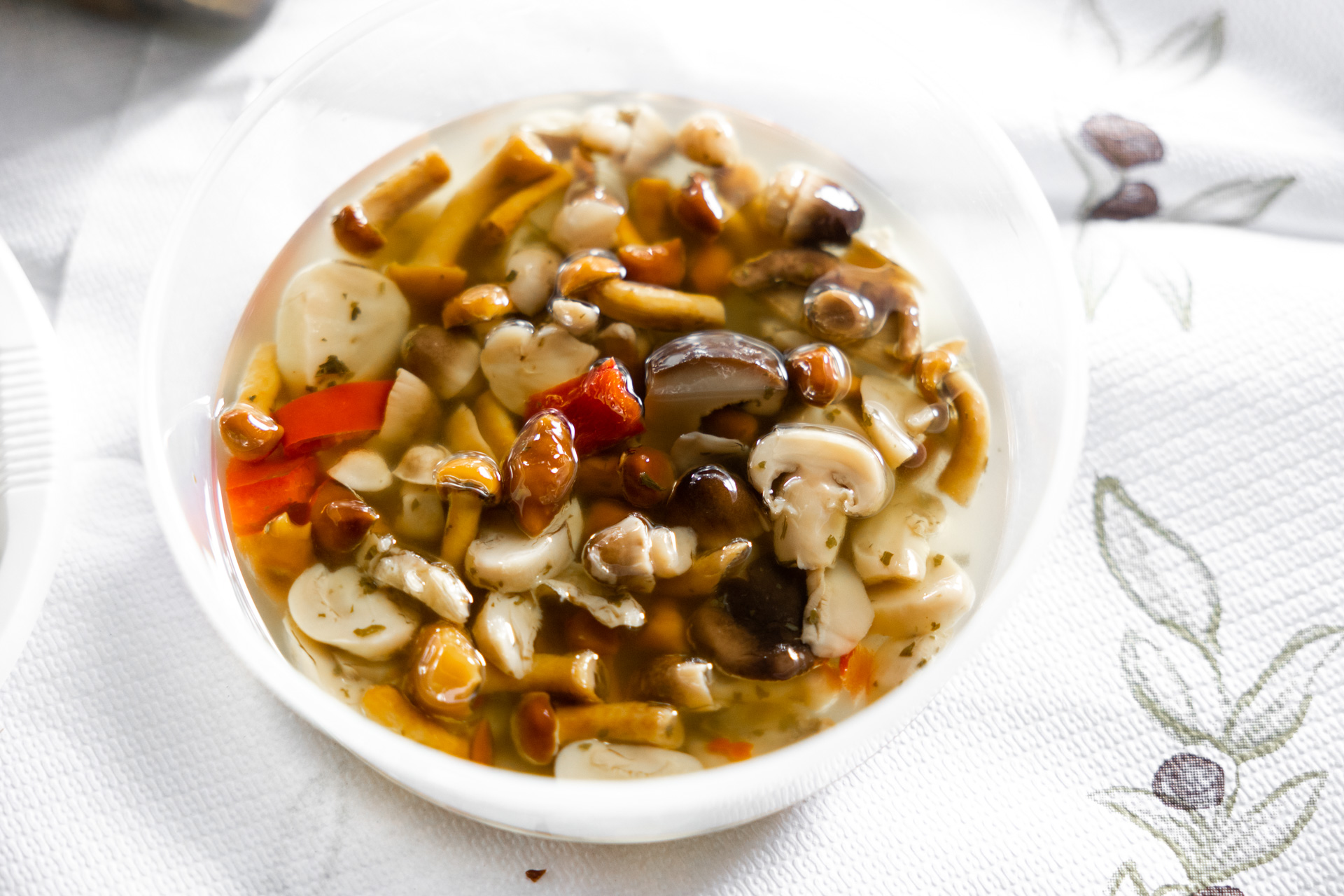
This time, we reached the entrance to the Gorge of the Nine Pierian Muses, 2.5 kilometres north of the village, and unfolded a checked tablecloth, so to speak. It was actually paper. We had no meatballs, but we had Sotiris and Dimos, whose handmade meze and tsipouro filled the gaps in all our expectations and redefined the purpose of the group.
Pixelscape.gr uses cookies to ensure that provides you with the best possible navigation experience. By using the website you accept the usage of cookies. Press “Accept”, if you condone the usage of cookies.
This website uses cookies to improve your experience while you navigate through the website. Out of these, the cookies that are categorized as necessary are stored on your browser as they are essential for the working of basic functionalities of the website. We also use third-party cookies that help us analyze and understand how you use this website. These cookies will be stored in your browser only with your consent. You also have the option to opt-out of these cookies. But opting out of some of these cookies may affect your browsing experience.