Article by Nikos Kakagias Cover photo by Harrys Pourouzidis Edited by Harrys Pourouzidis
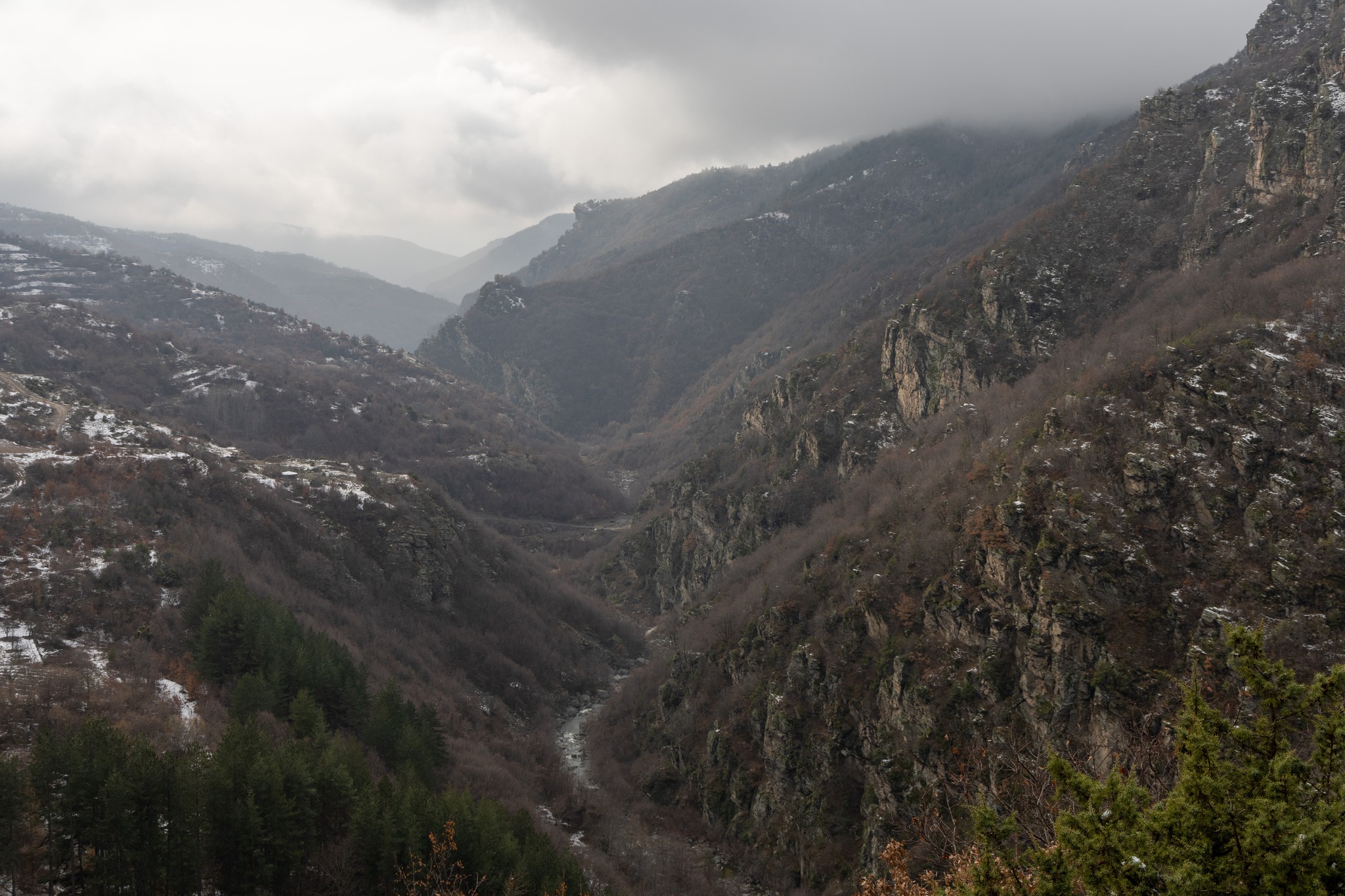
Captive within the spirals of our introspective gaze, we took the highway north. We were searching for the lost thread that secretly connects people beneath the surface, in a hidden network of shared intentions and hopes. Borders were invented later. Now, in the late hours of human history, reason has begun to stand upright and demand its share, in favour of the need of the many to defend the small and important details of their personal trace in the astonishing adventure of life. Following our own personal madness, and ignoring the cold brought by the Vardar wind, we reached the Bulgarian border almost with the first pale light of a gloomy day. To the east, proud Rhodope revealed her snow-covered face to us, as far as the feathered clouds allowed.
Dimosthenis Seitaridis
Gotse Delchev (Гоце Делчев)
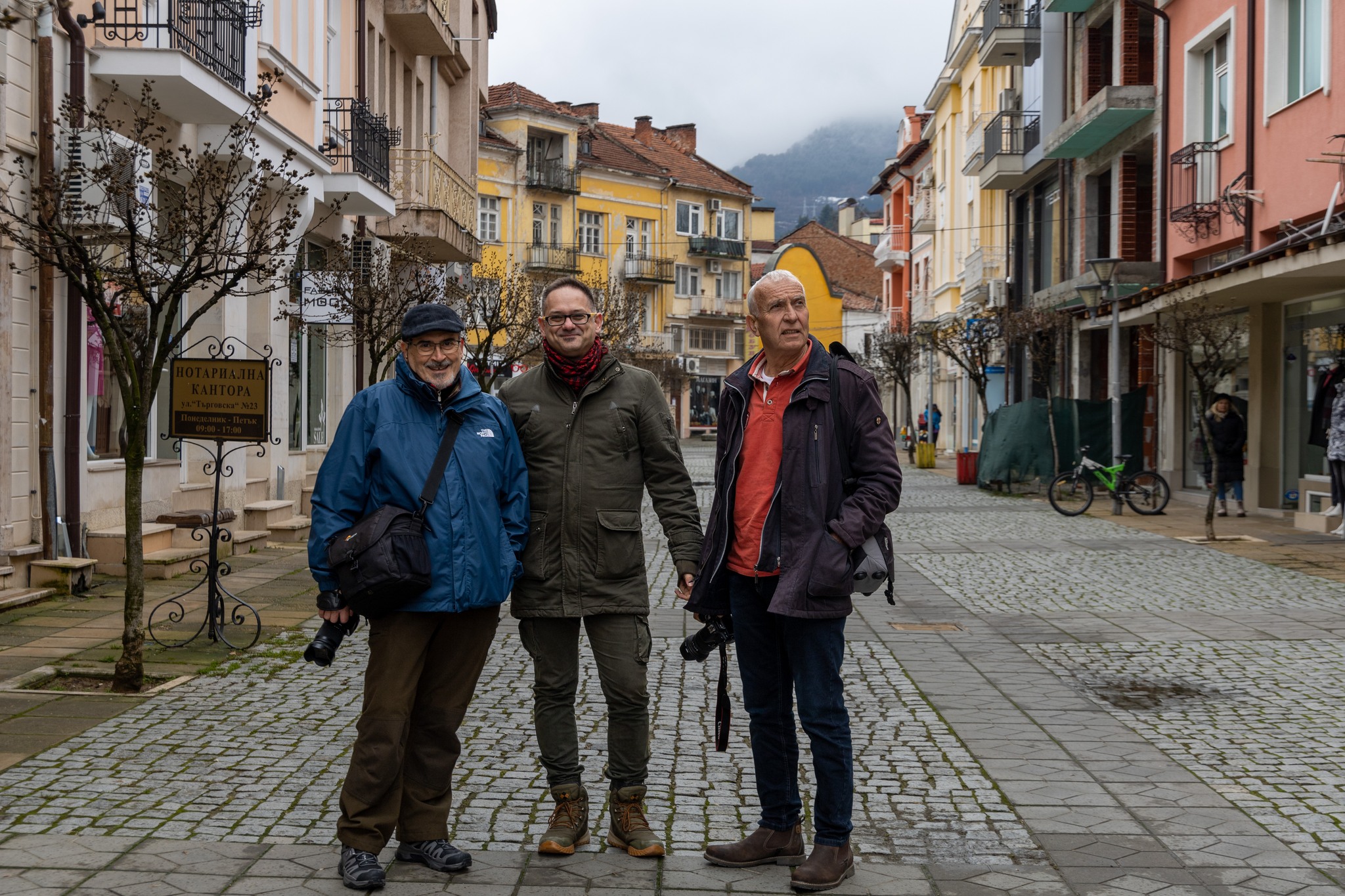
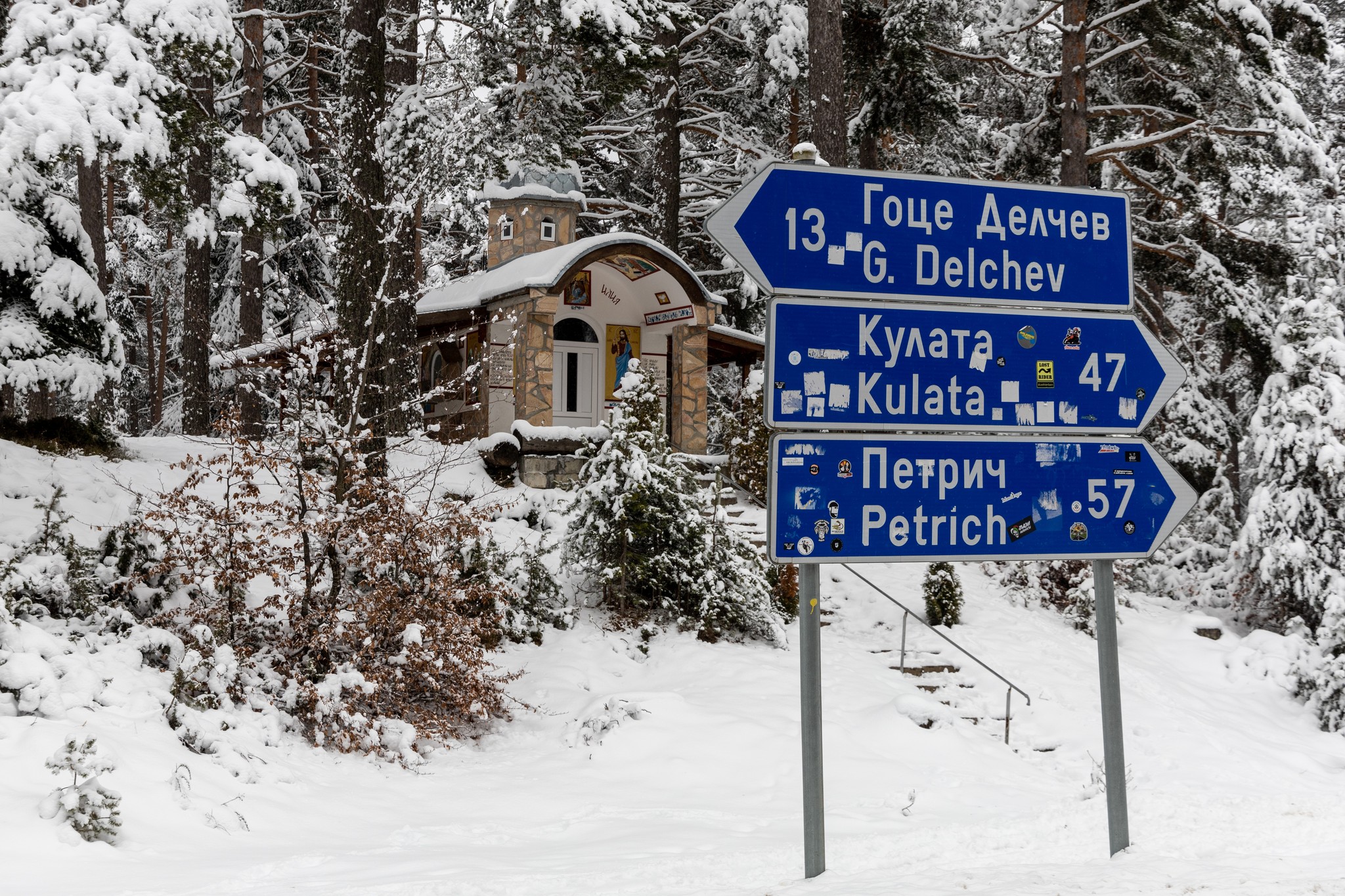
Our first stop was Gotse Delchev, laying there in the valley that opened before us once we turned around on the foothills of the western slopes of Rhodope and our view widened at the top of the pass. The valley of what was once Upper Nevrokopi has the northern side of Rhodope to the east, and is bordered to the north and west by the snow-covered Pirin and Orvilos mountain ranges.
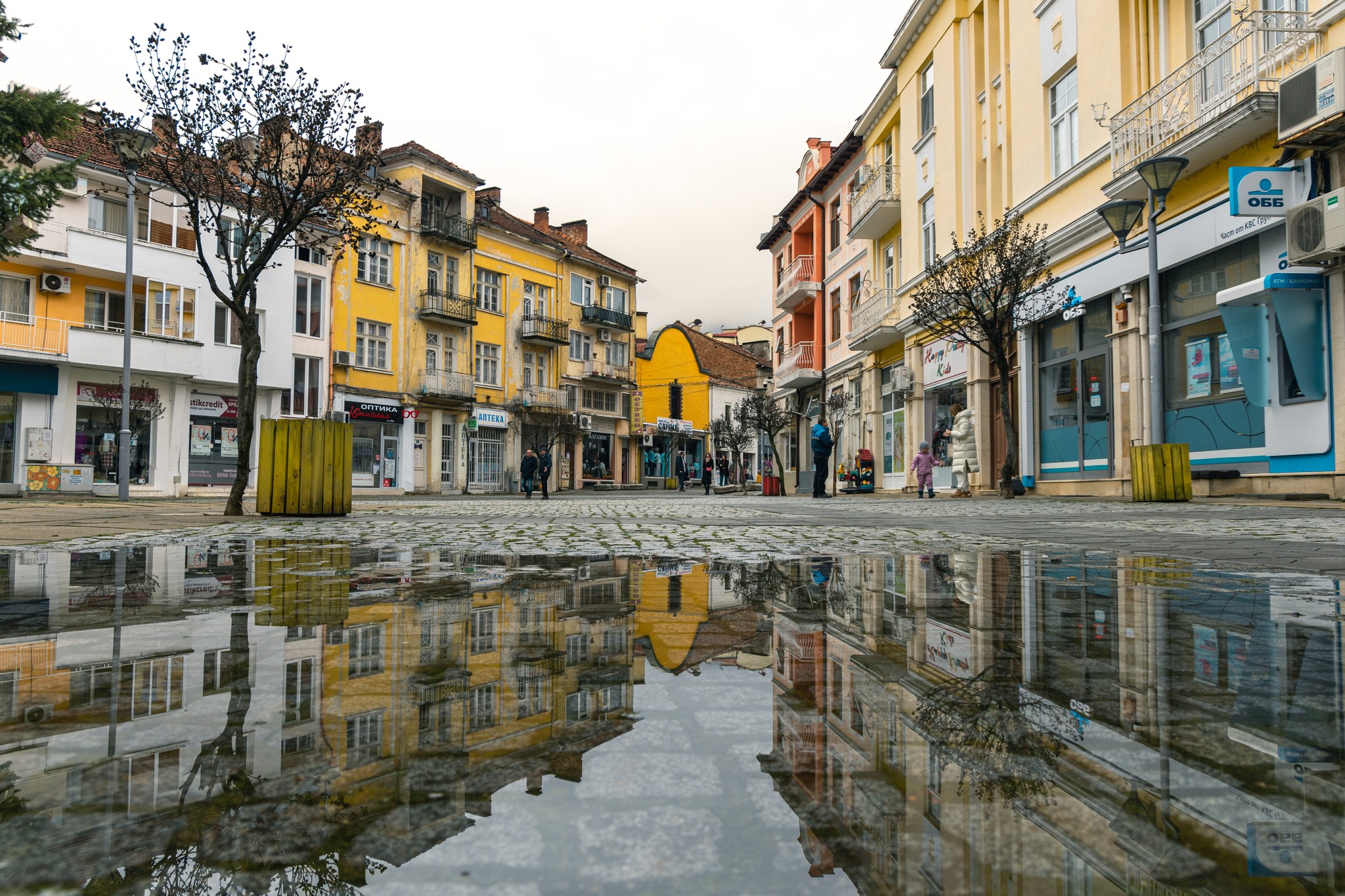
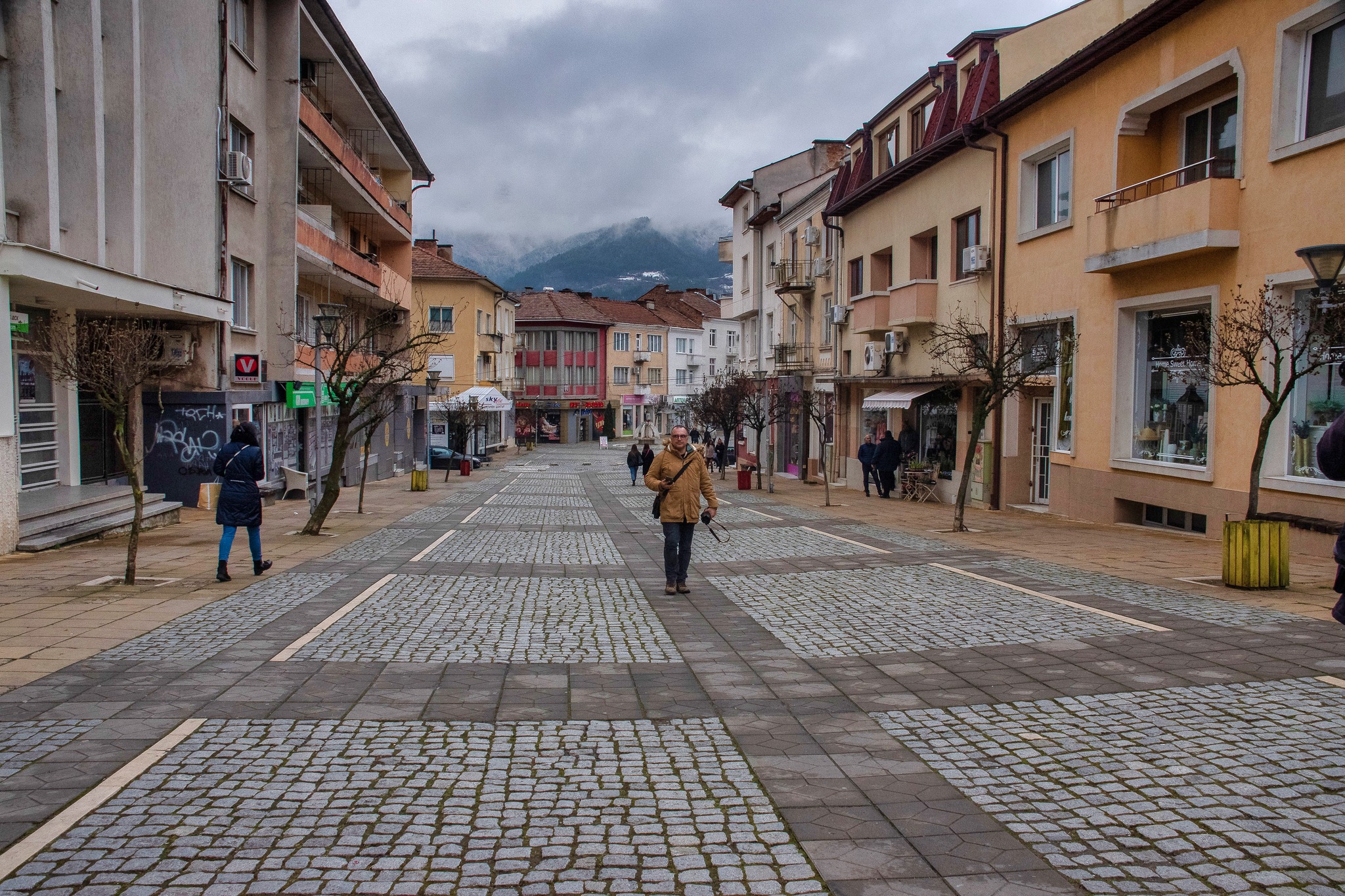
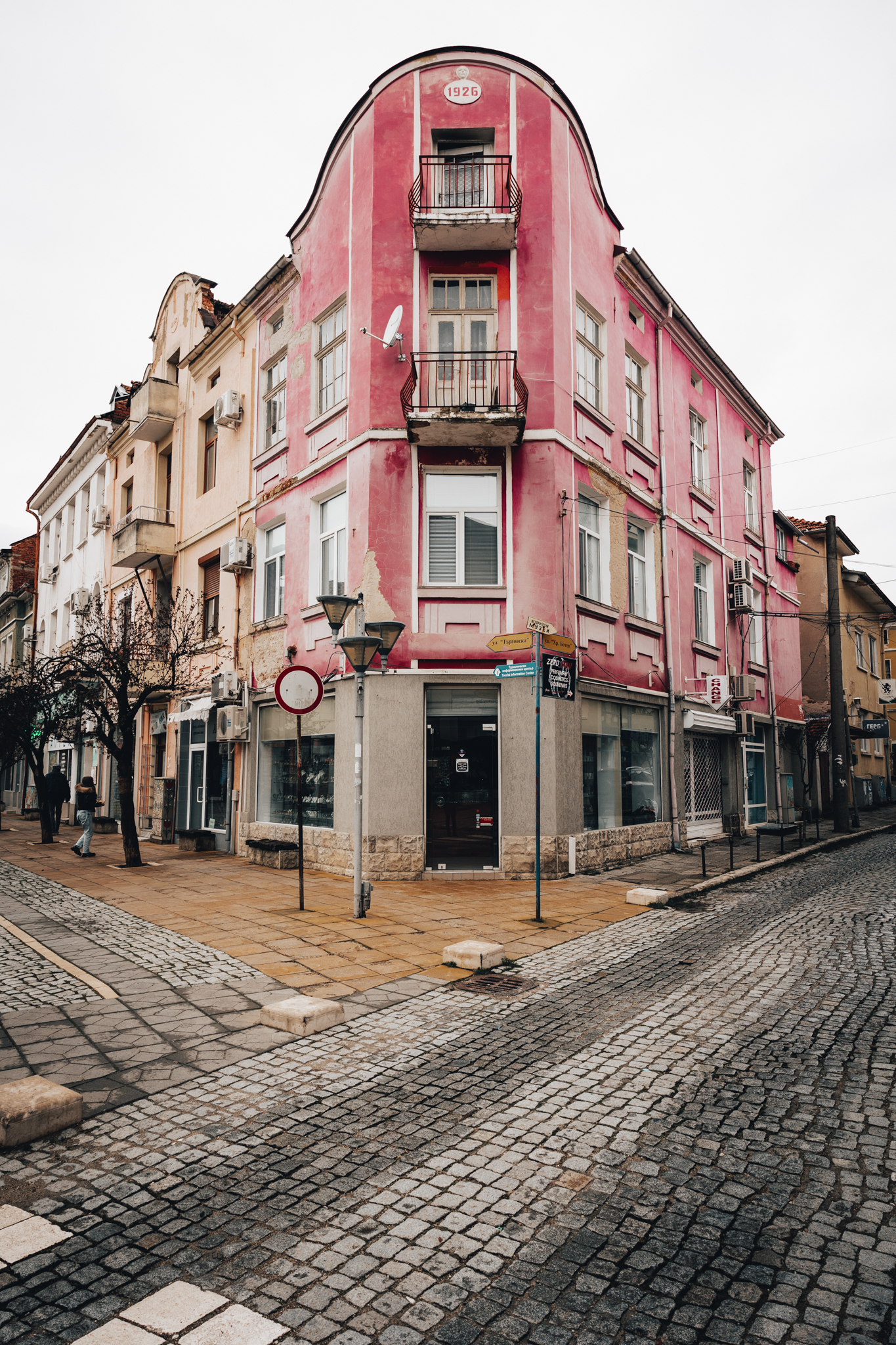
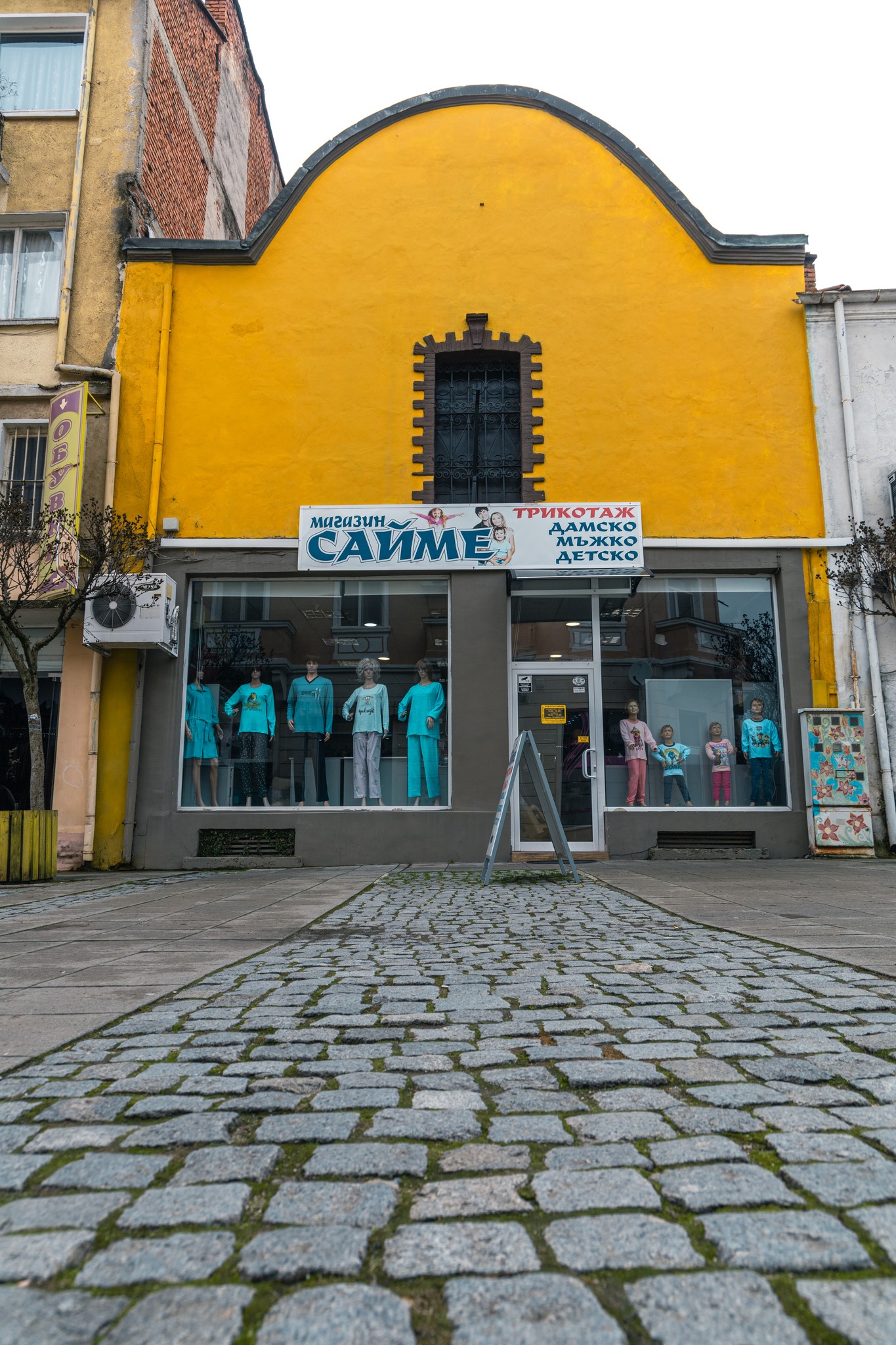
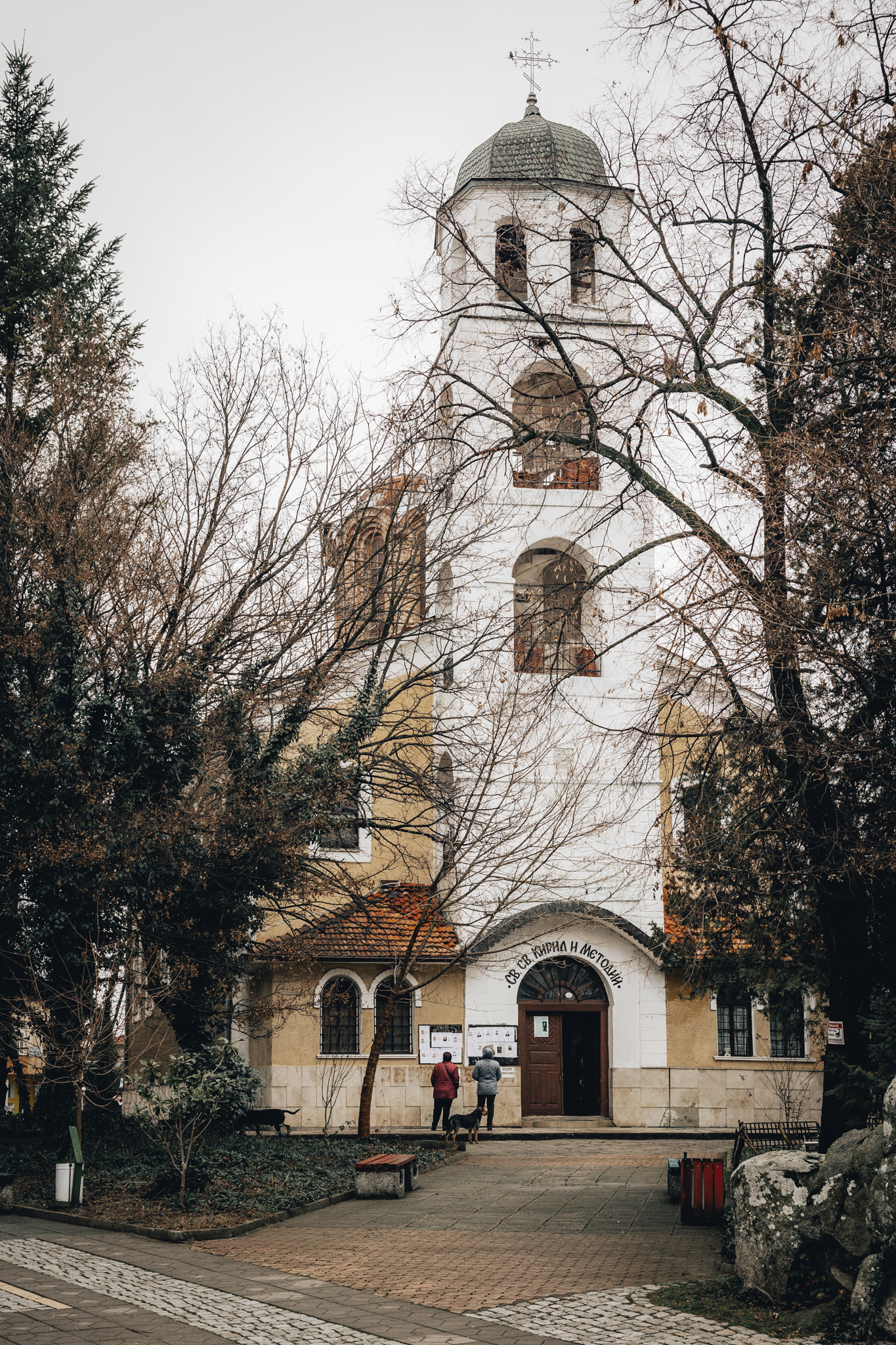
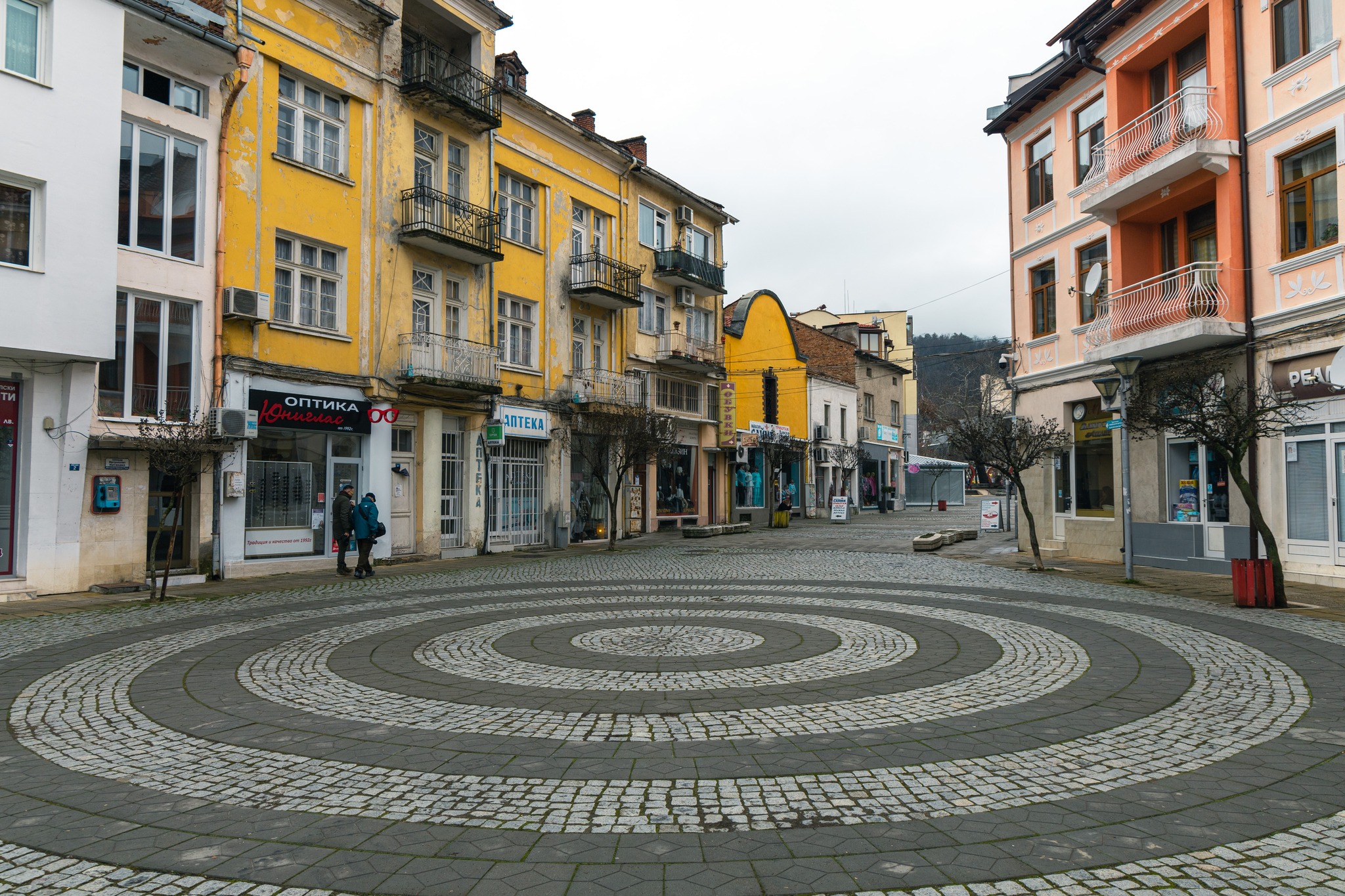
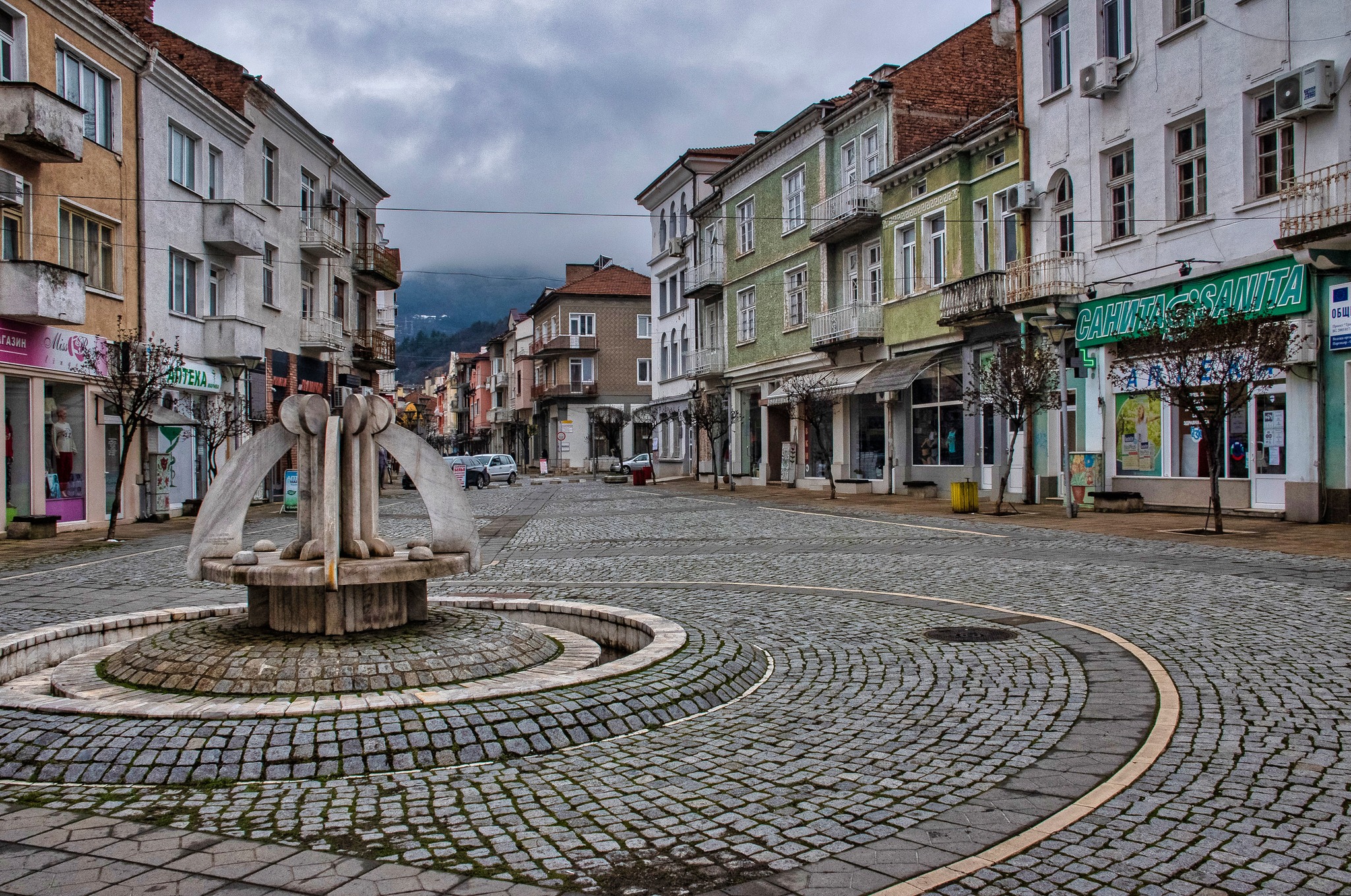
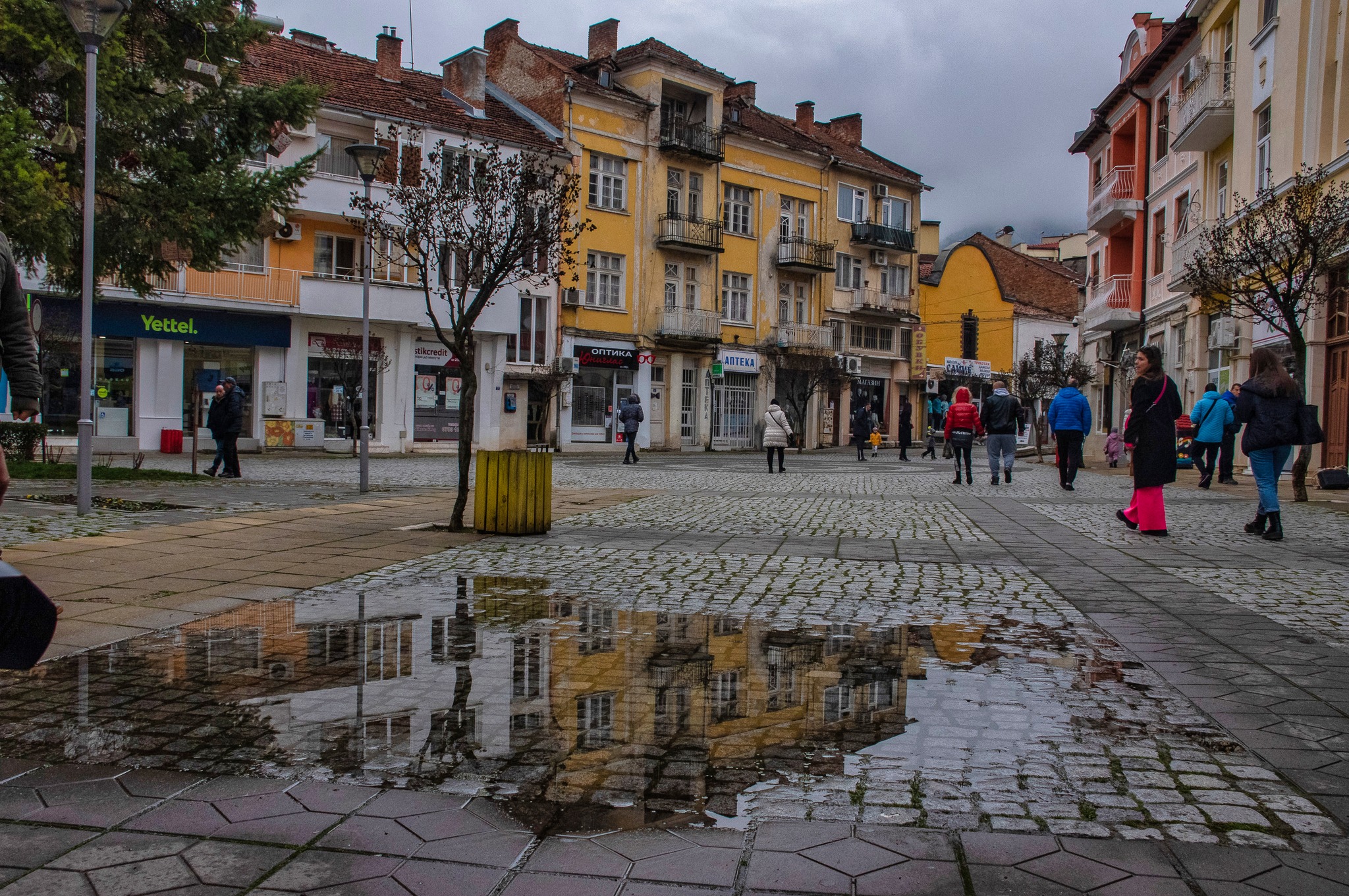
The town itself, numbering around twenty thousand souls, is a classic example of socialist aesthetics, with a few remaining neoclassical buildings and even fewer with the traditional Balkan style. Its air was clean and its people few, despite it being a Saturday morning.
The market, with a few scattered shops, insists that it belongs to the West. Photographically, the margins for the “artists” were narrow. Apart from the central cobbled street and the square with the local hero who gave the town its name, there was little to launch us into photographic flight. Perhaps it was the pale facade of the town, perhaps the piercing cold, but we soon gathered ourselves and set off for different mountain paths.
Harrys Pourouzidis
Dimosthenis Seitaridis
Nikos Kakagias
Harrys Pourouzidis
Dimosthenis Seitaridis
Harrys Pourouzidis
Dimosthenis Seitaridis
Nikos Kakagias
Dimosthenis Seitaridis
Ευτύχης Τσαουσίδης
Nikos Kakagias
Ευτύχης Τσαουσίδης
Ognyanovo
(Огняново)
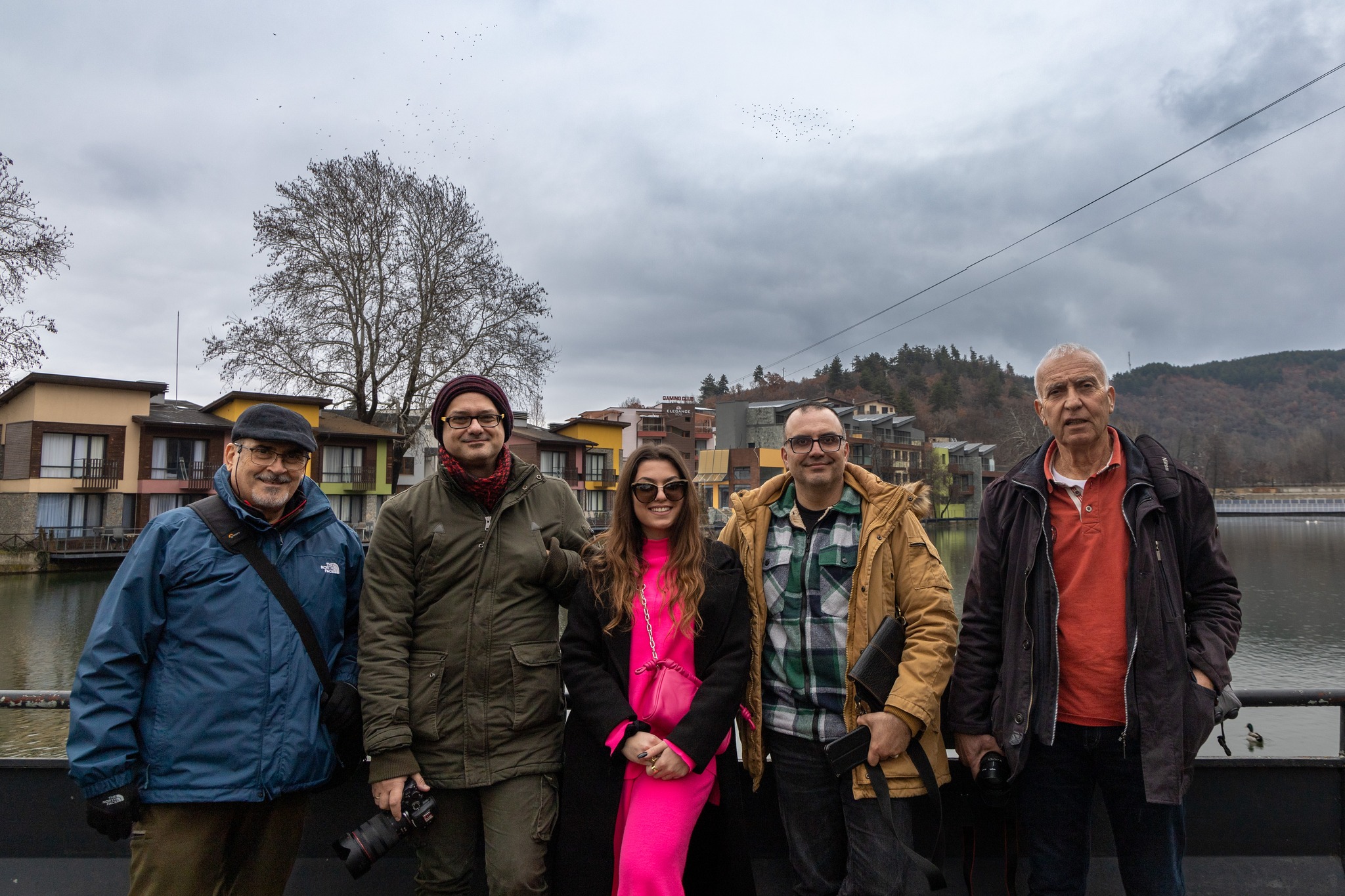
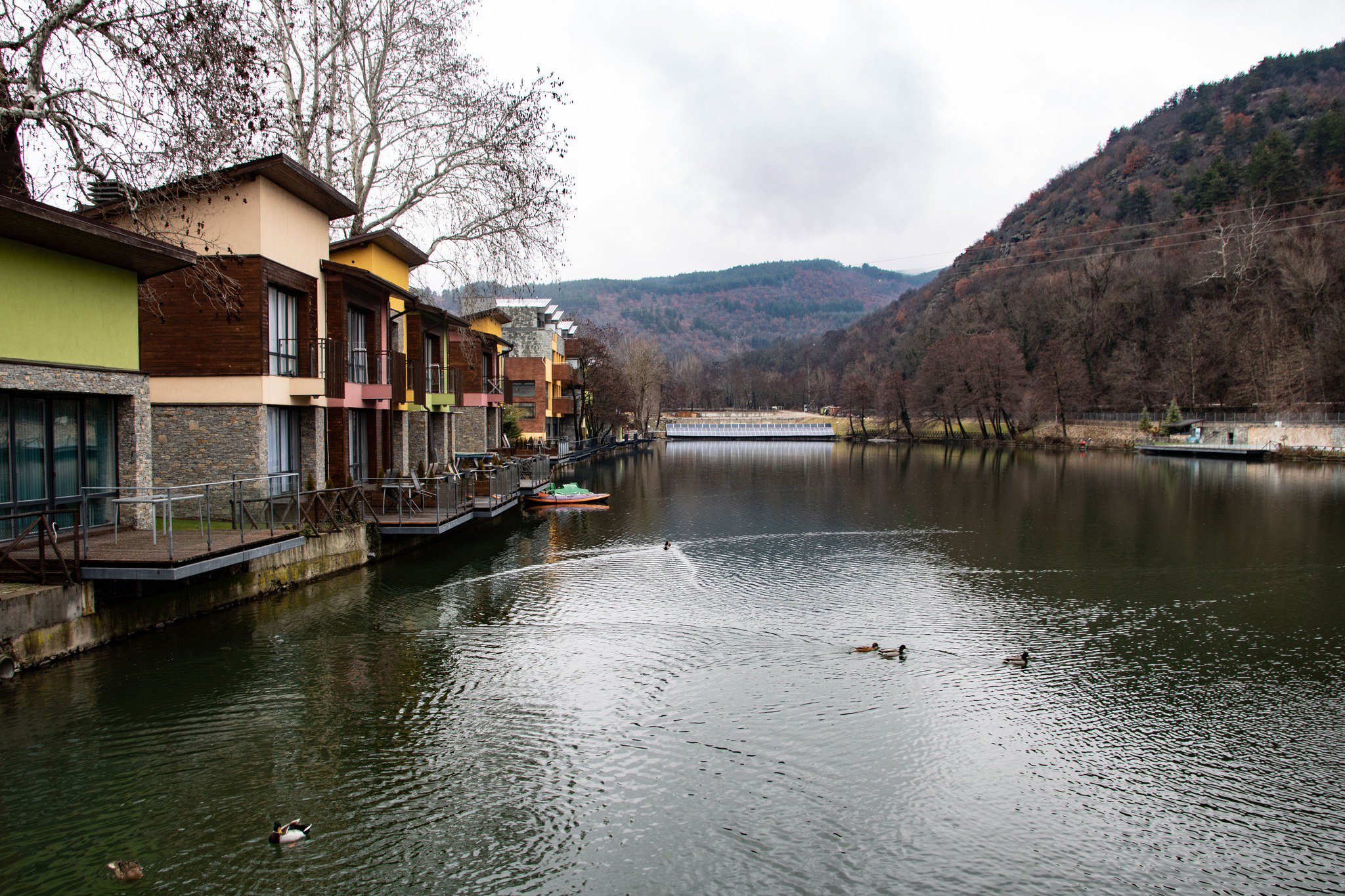
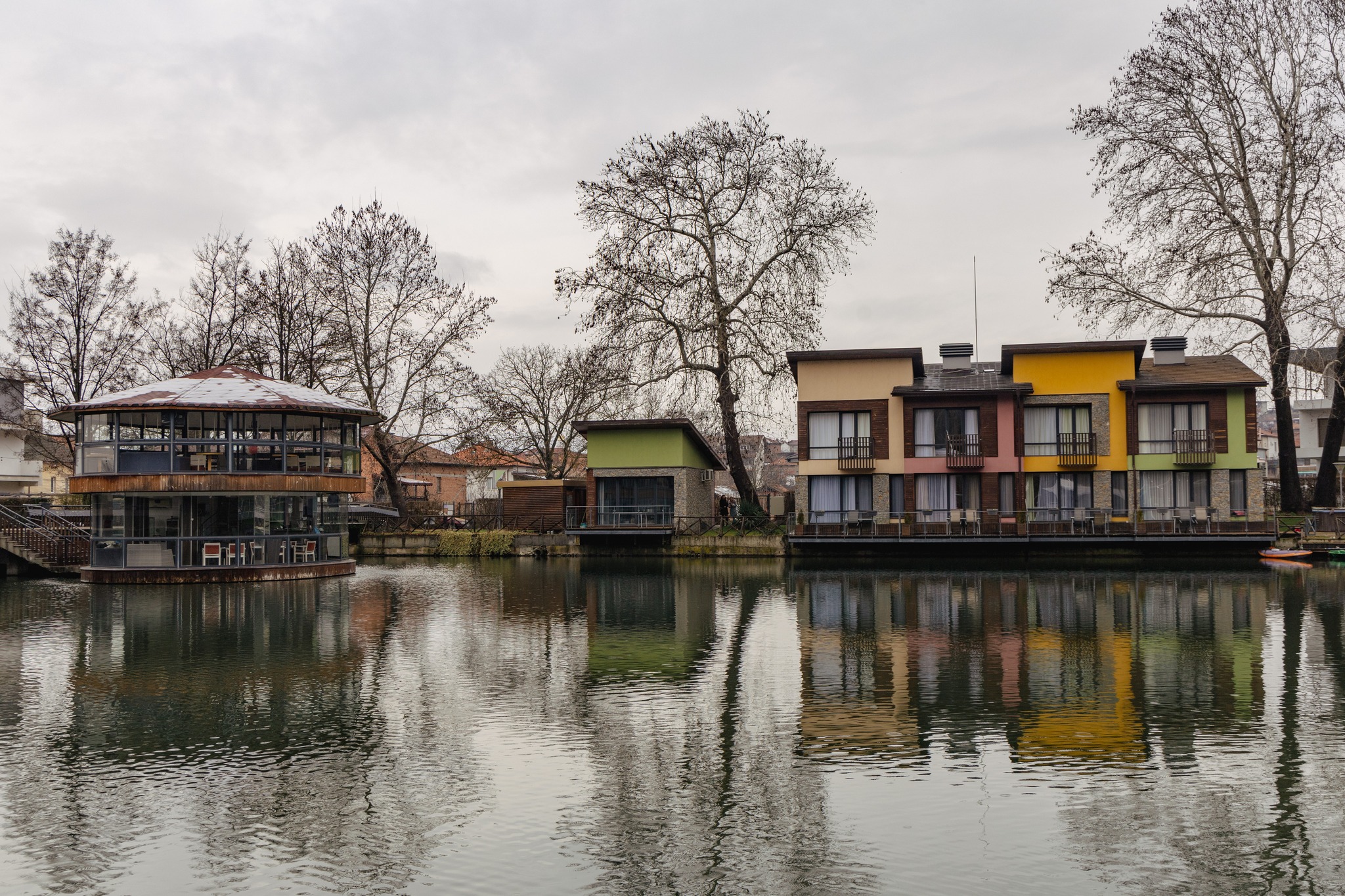
An intermediate stop came at Ognyanovo, a small spa town with warm thermal waters and newly established tourist facilities. Water softens the landscape and offers our cameras the usual little subjects, though I do not quite understand why we immortalise them with such obsessive devotion.
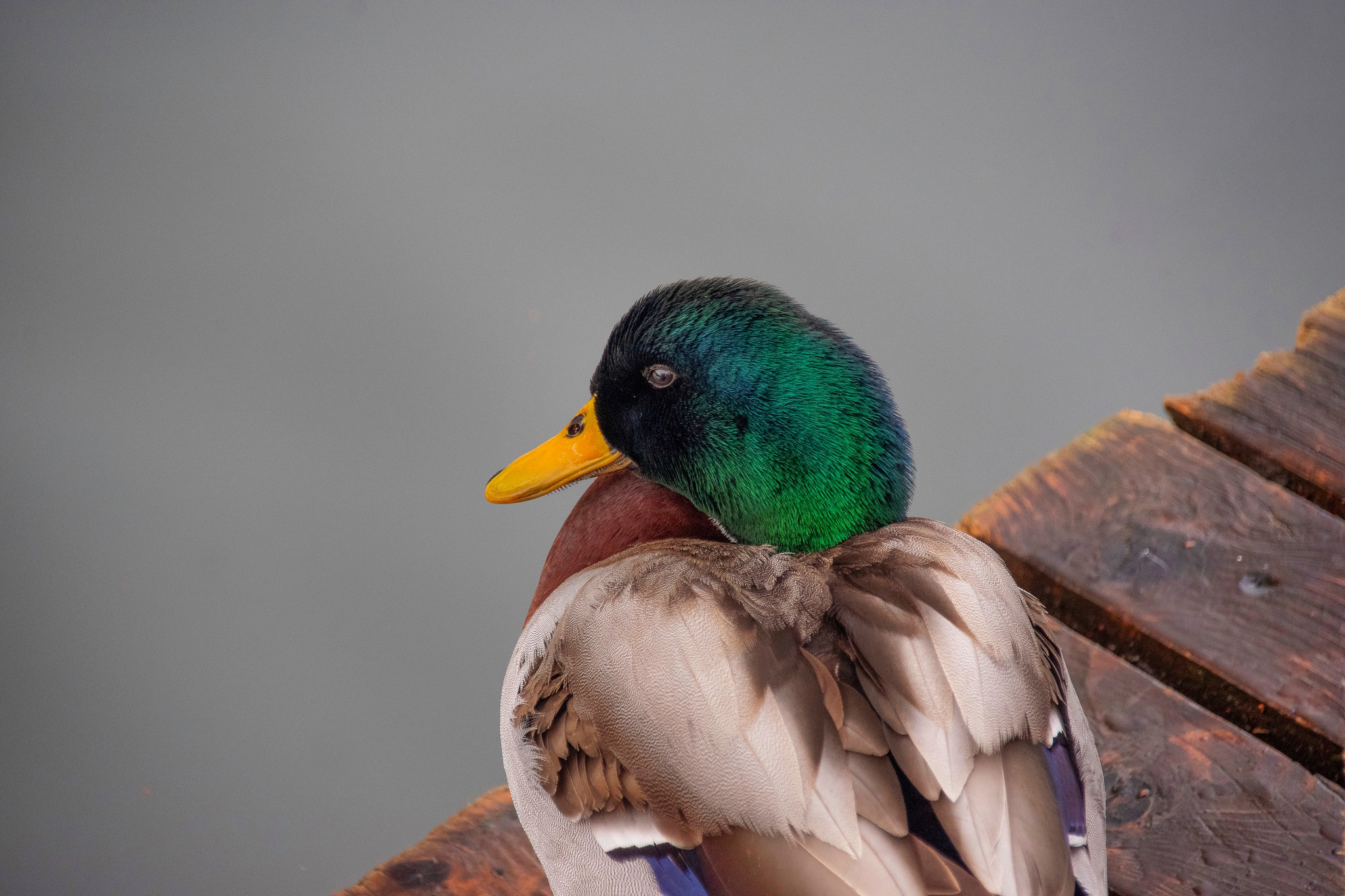
No one notices them, and no one will remember them in a little while. Still, faithful to duty, we photographed ourselves and the reflections, with zoom and wide angles alike. We commented – always in good faith – and didn’t forget to snap in our cameras the charming and permanent residents of the little lake so that they won’t feel neglected.
The session ended with warm coffee at the welcoming and beautiful little lakeside café.
Δήμοσθένης Σεϊταρίδης
Nikos Kakagias
Ευτύχης Τσαουσίδης
Δήμοσθένης Σεϊταρίδης
Harrys Pourouzidis
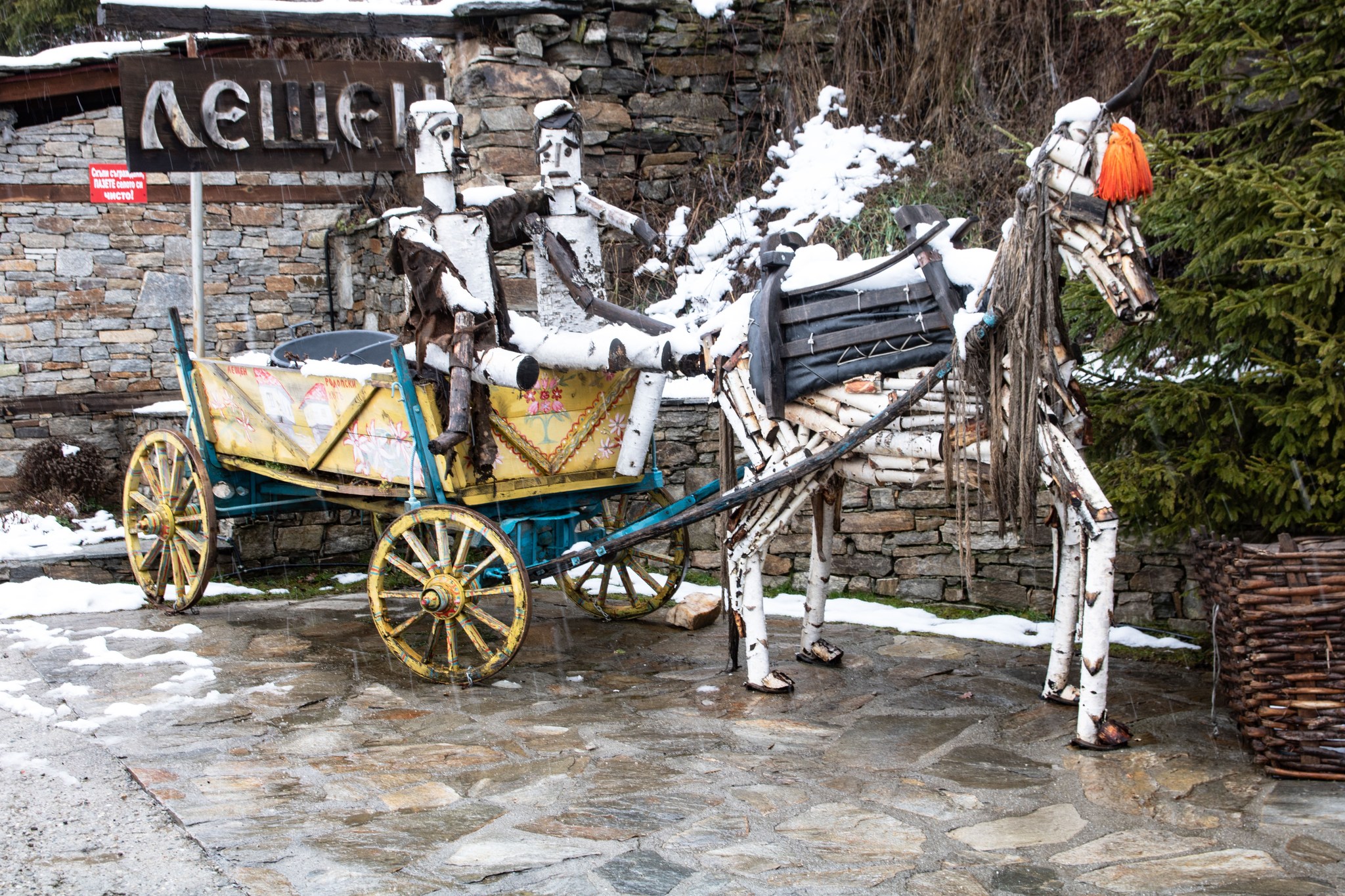
Leshten (Лещен)
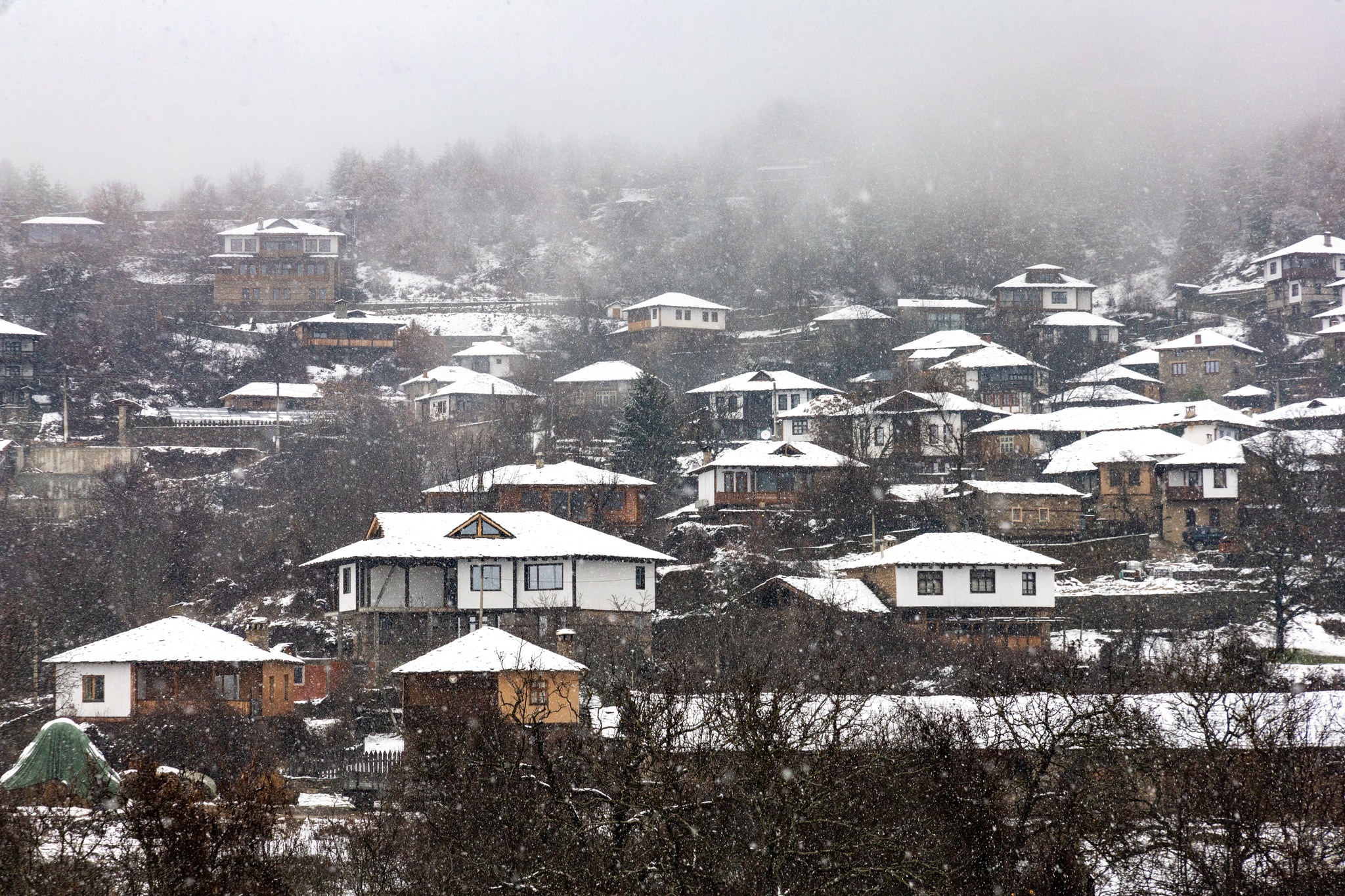
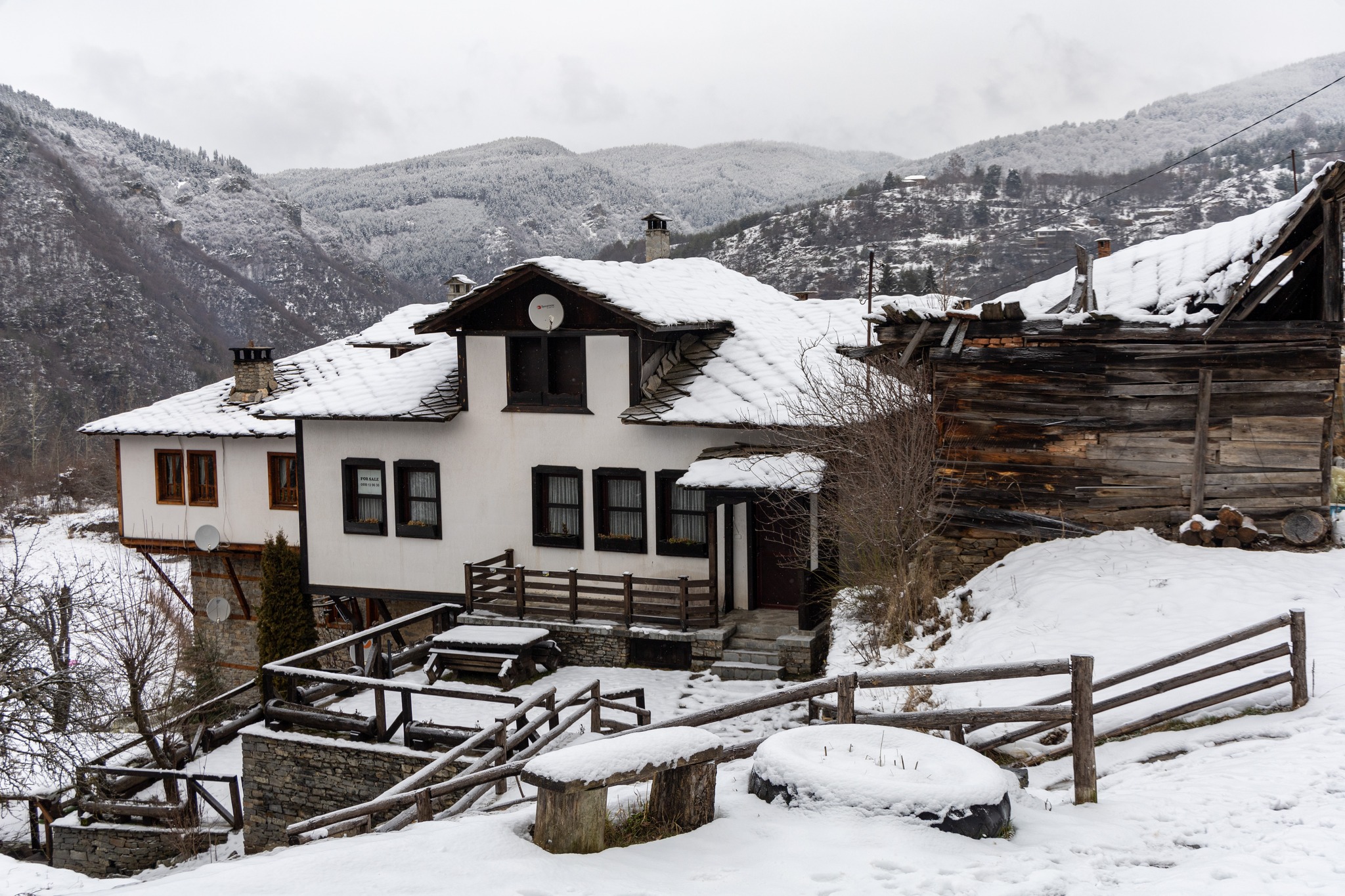
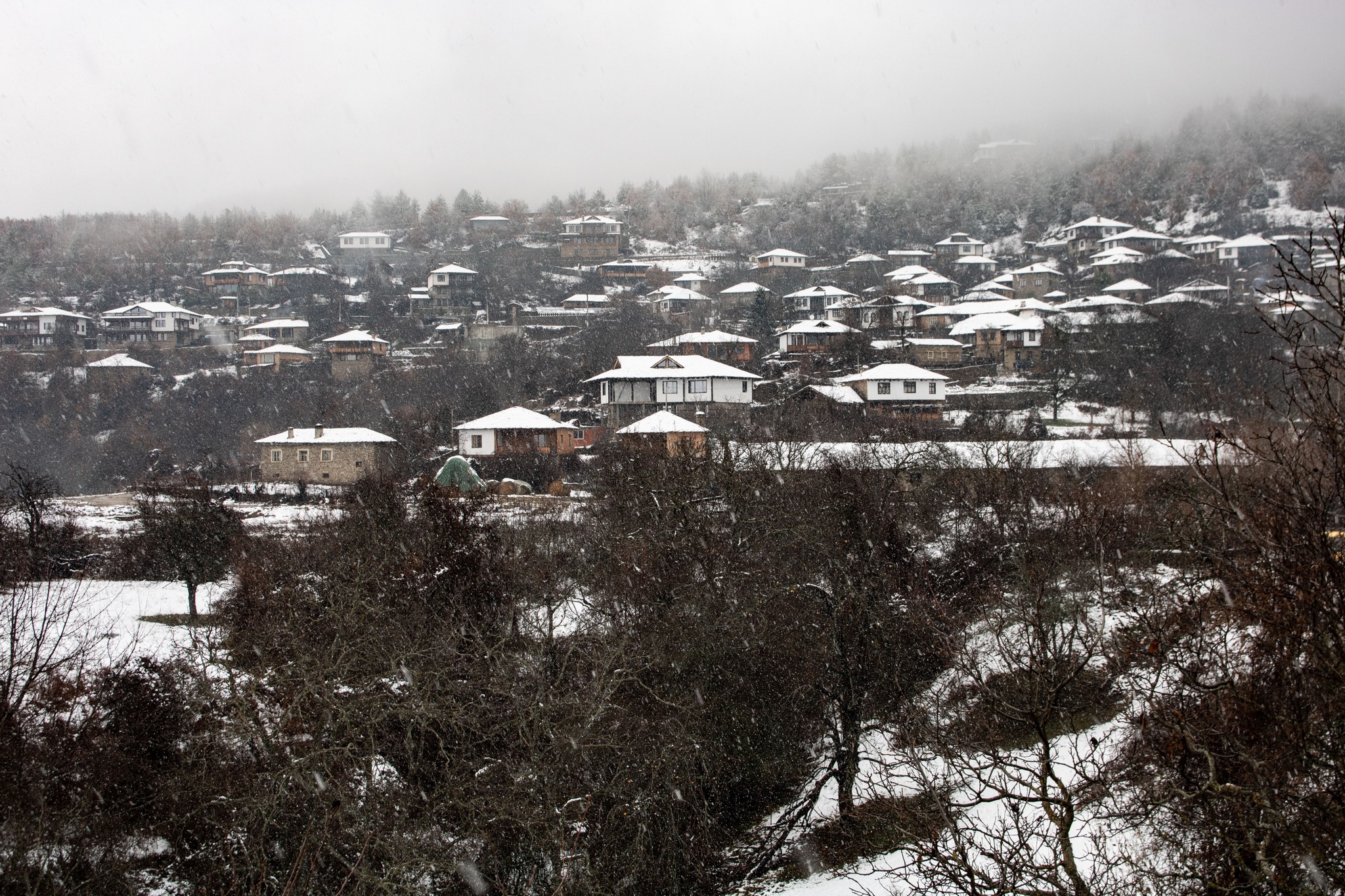
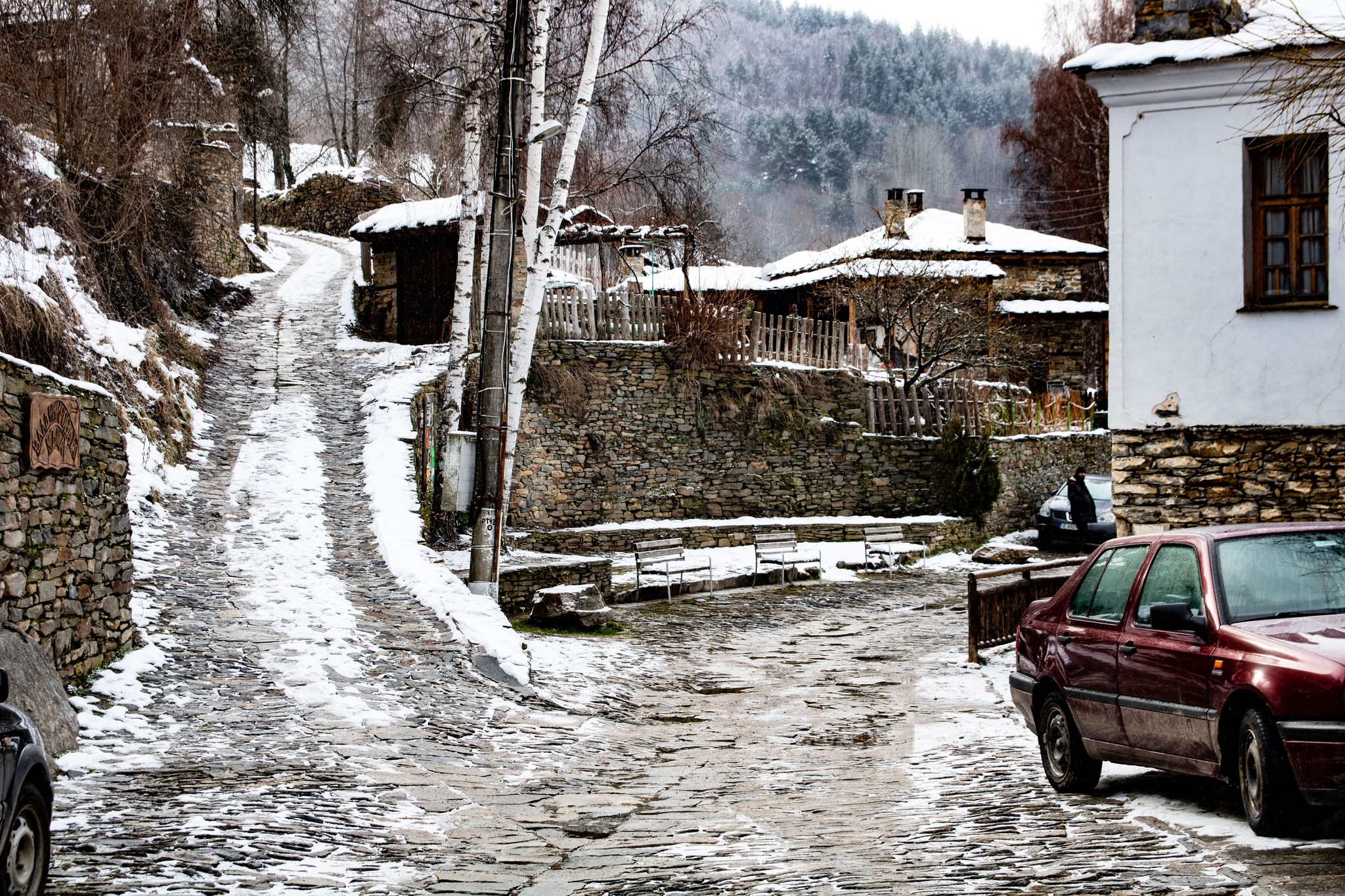
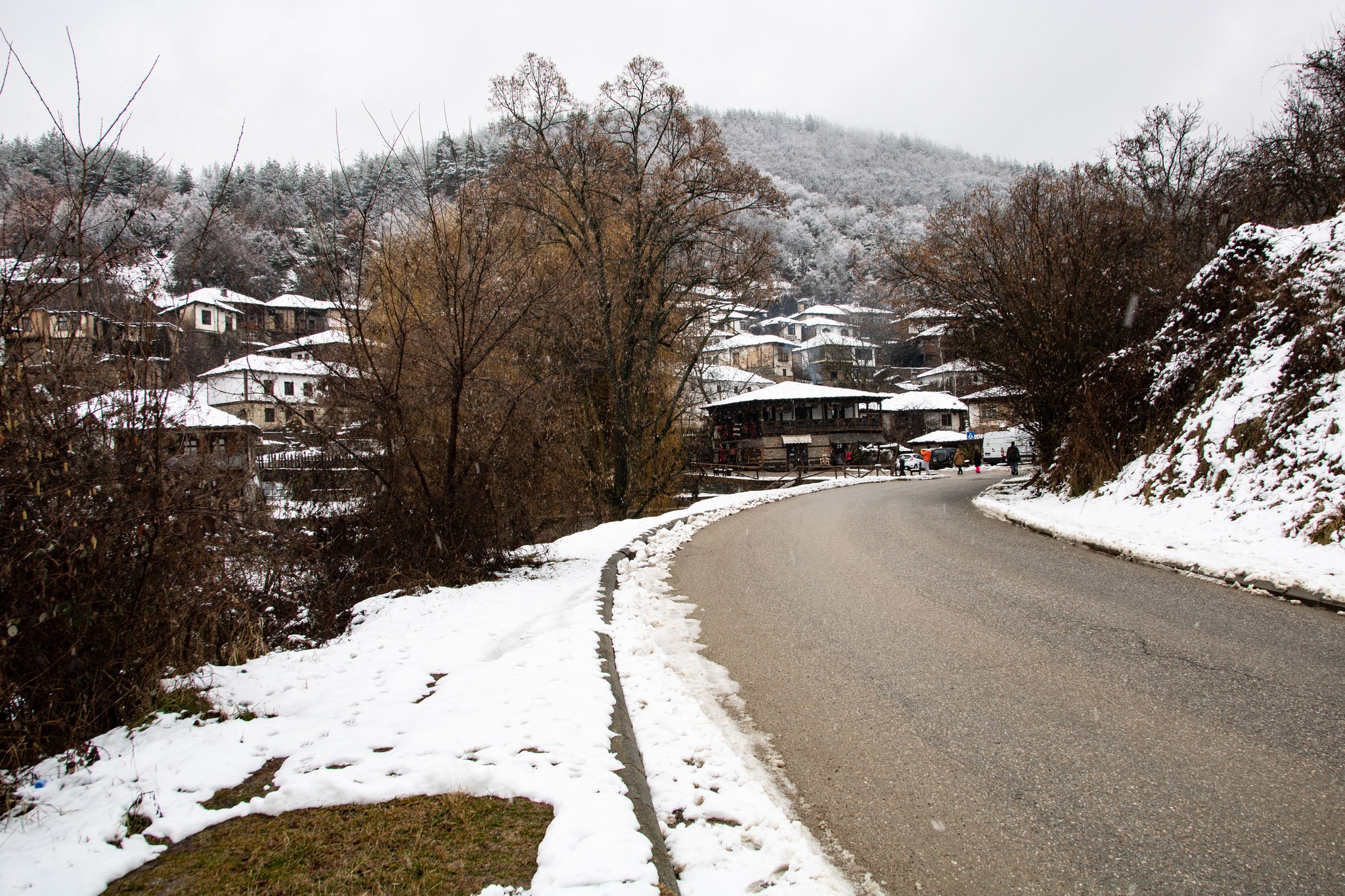
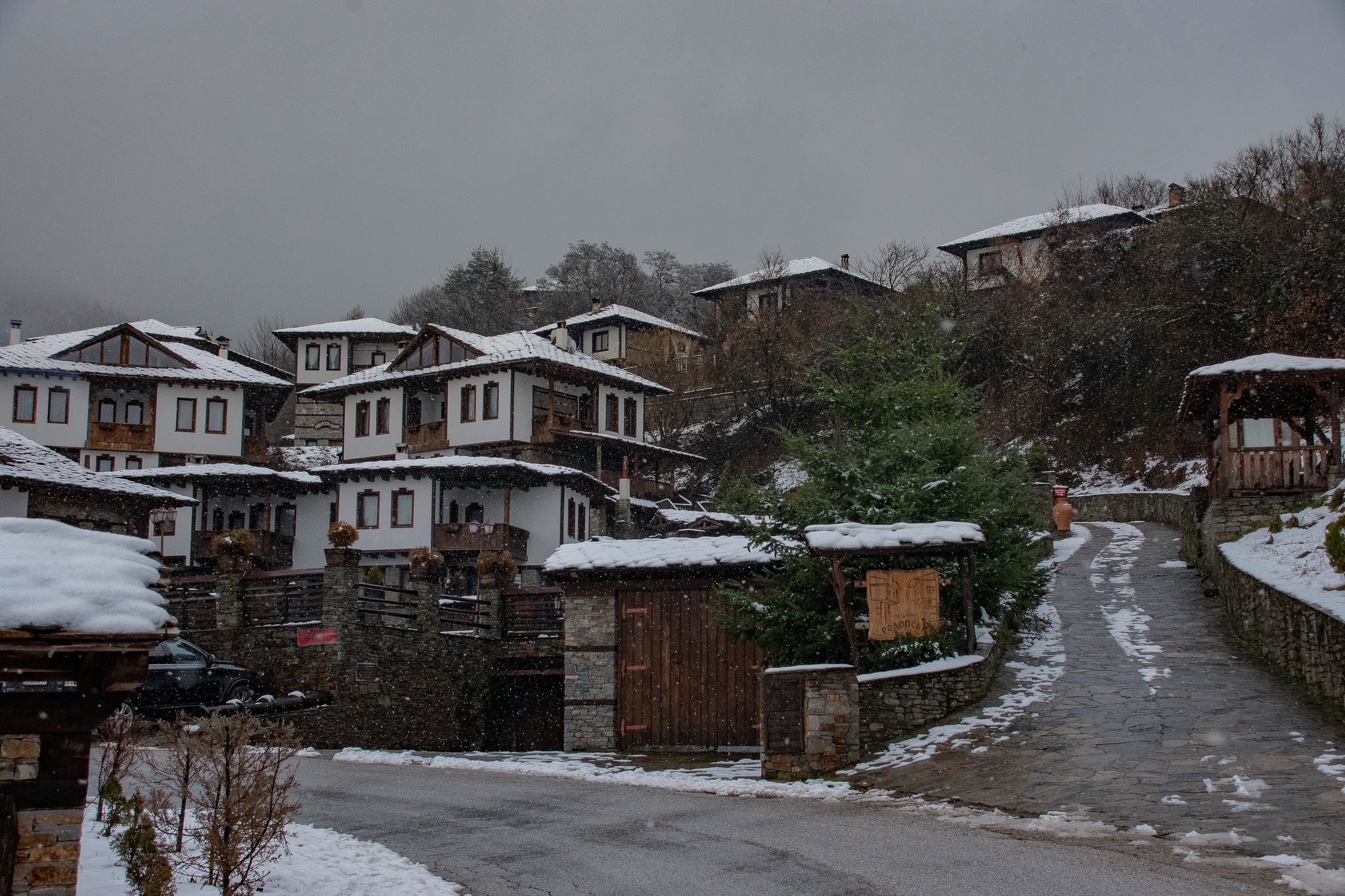
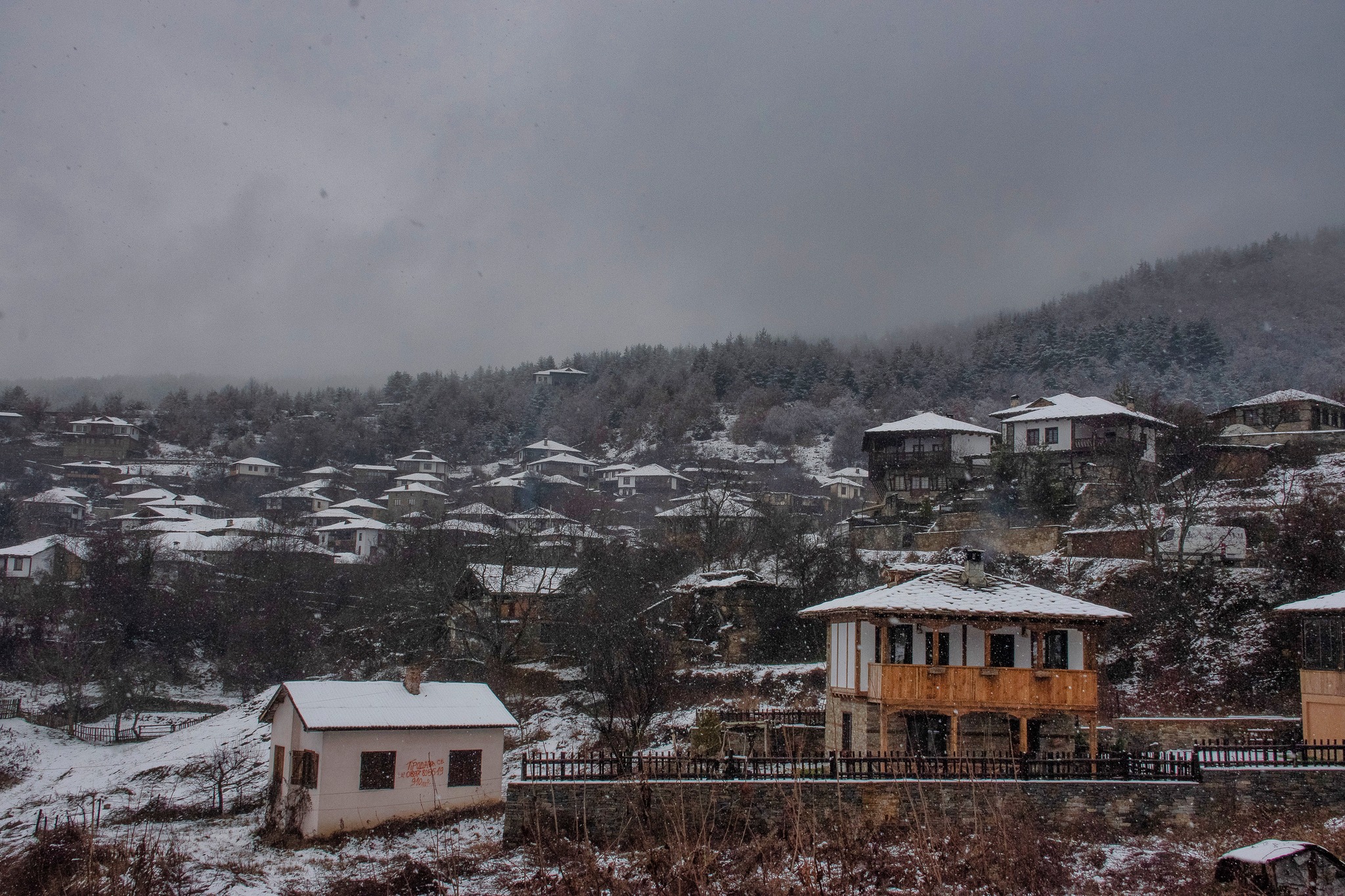
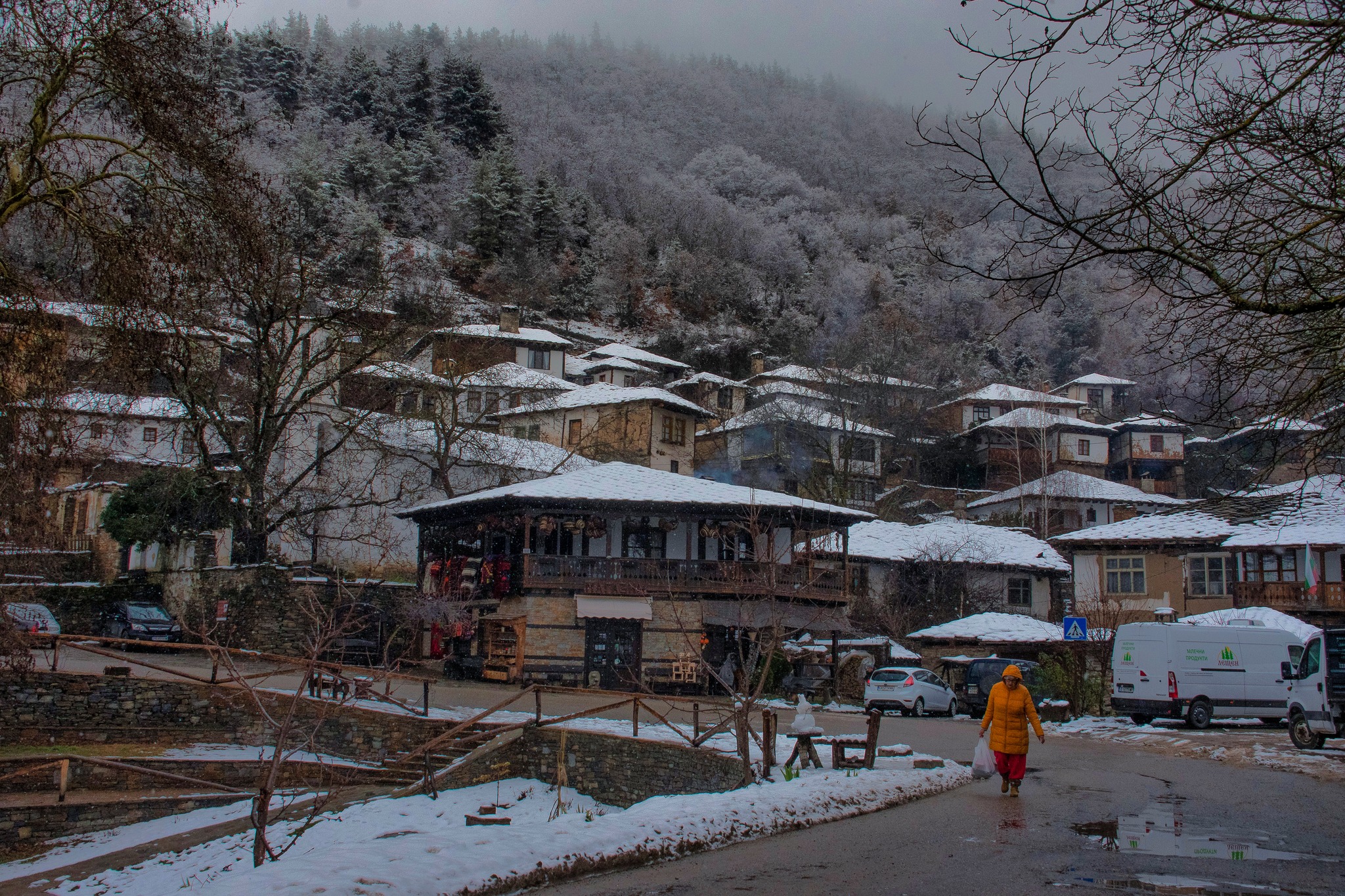
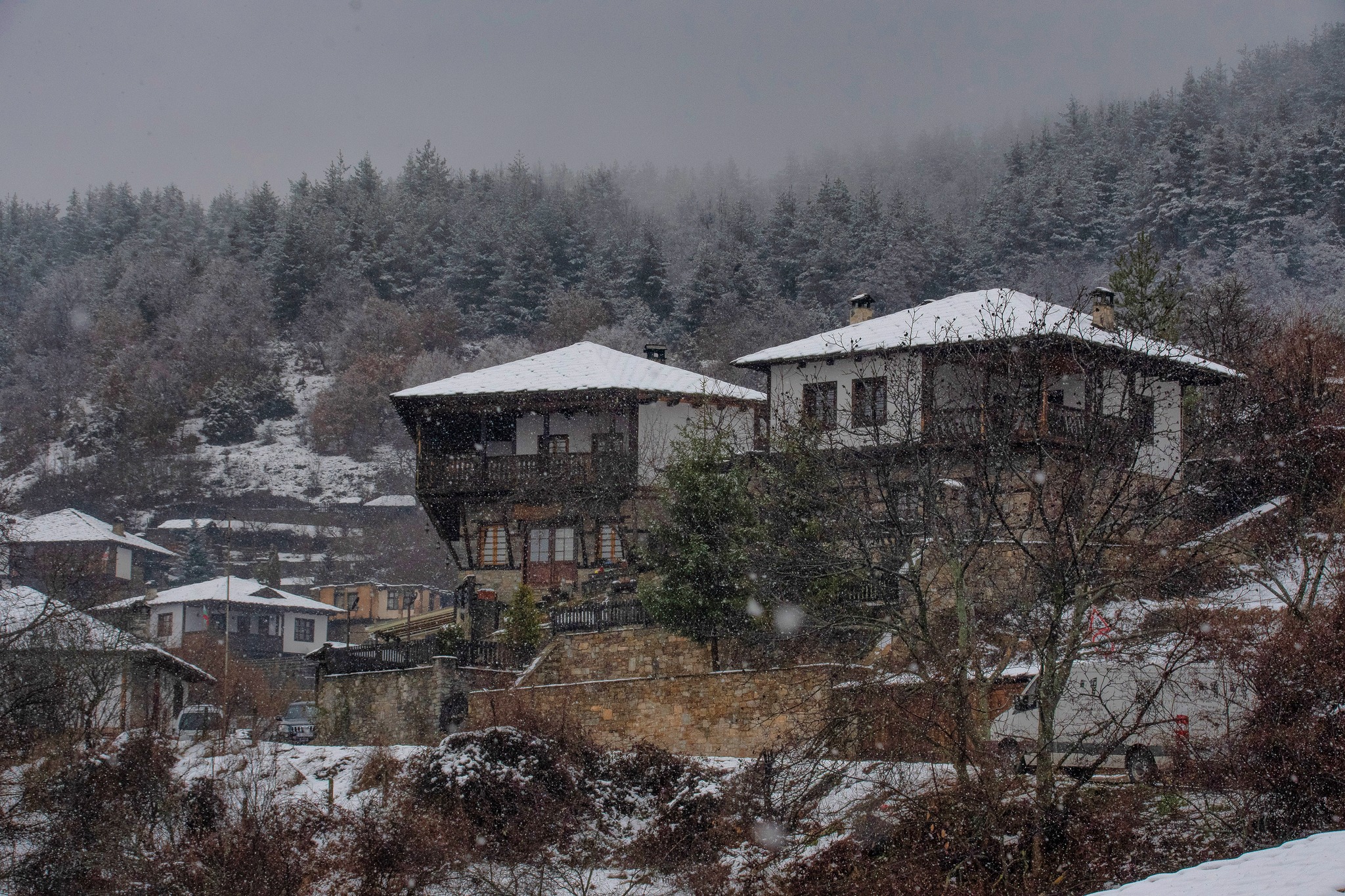
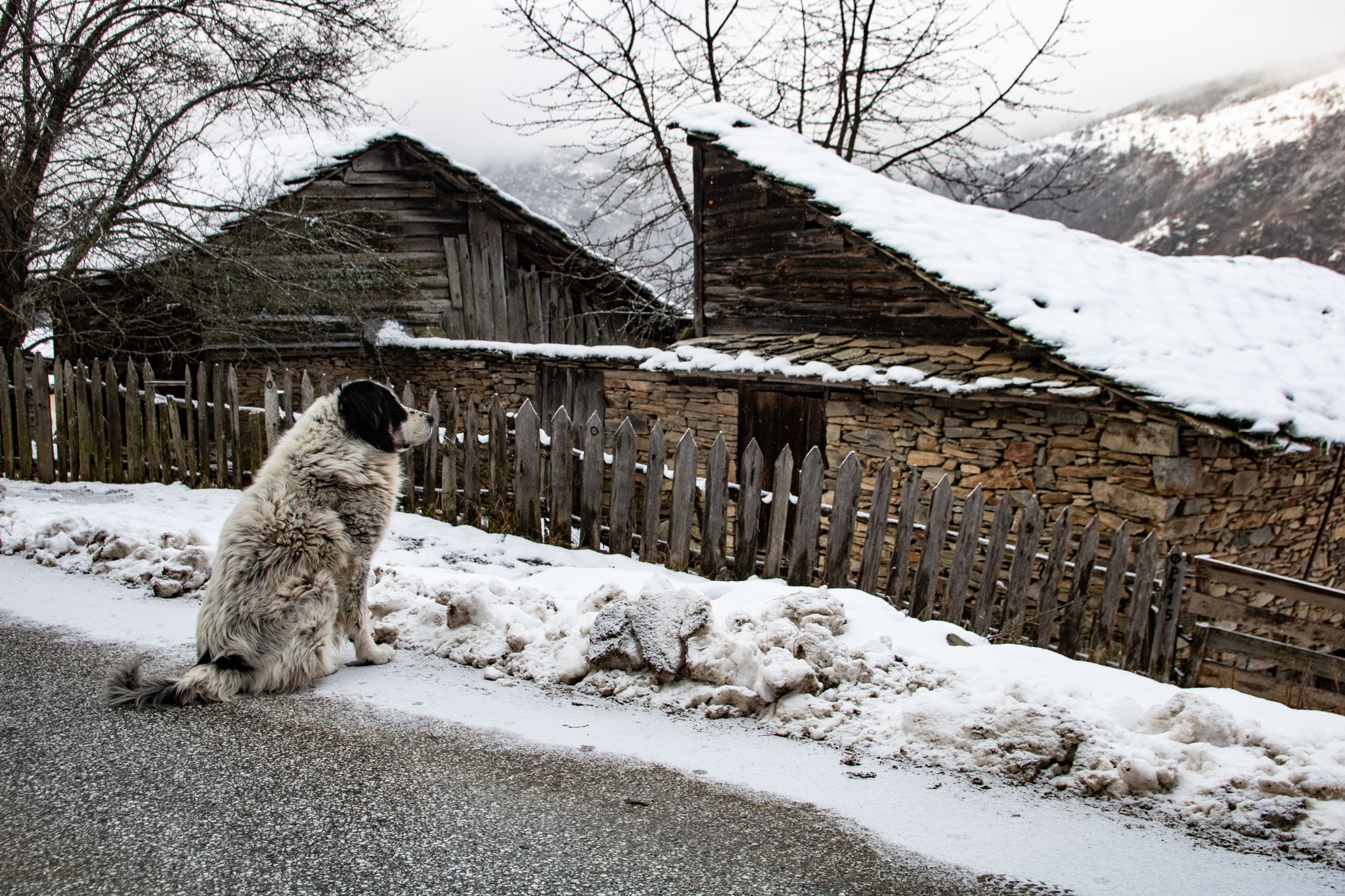
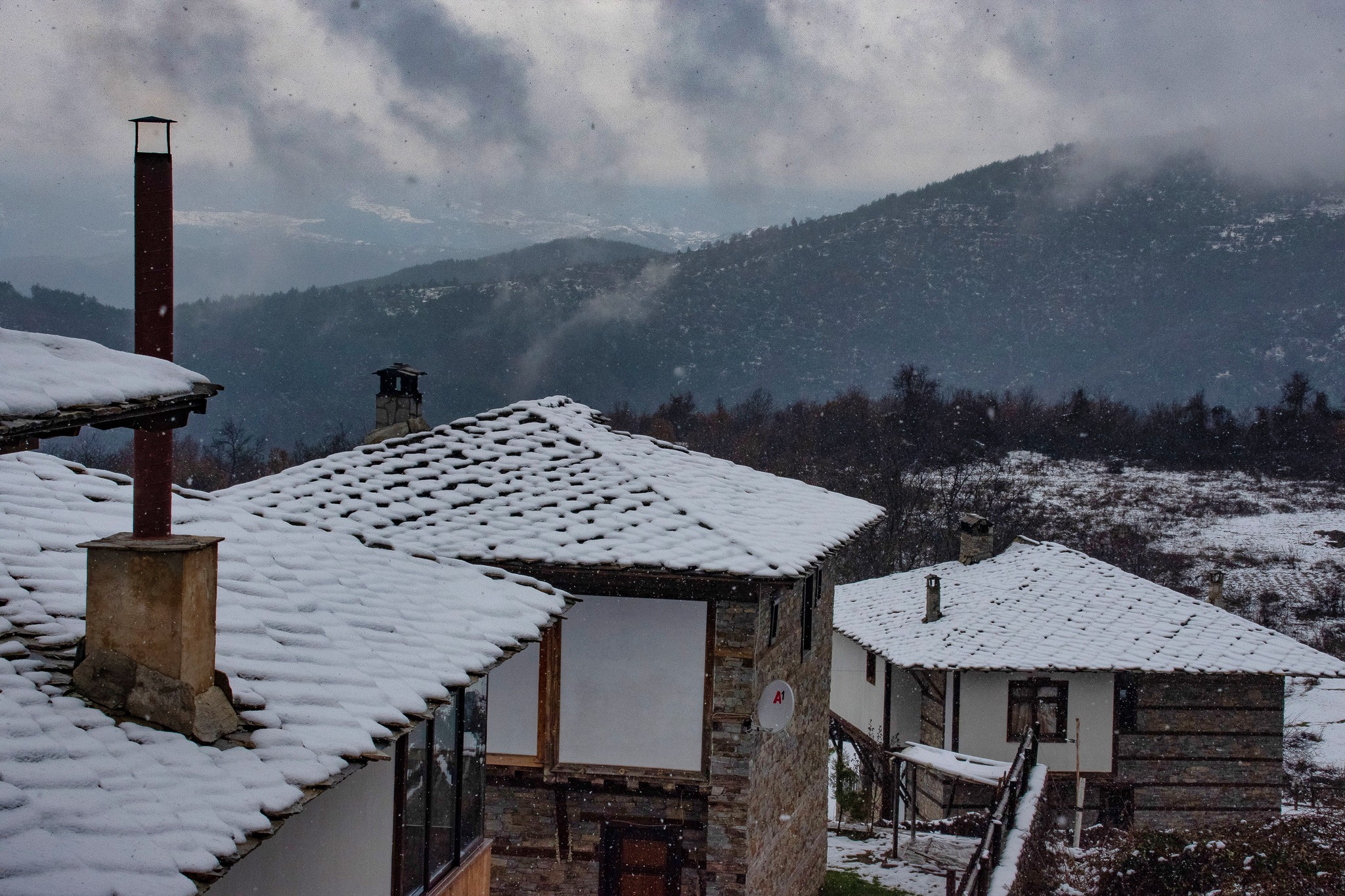
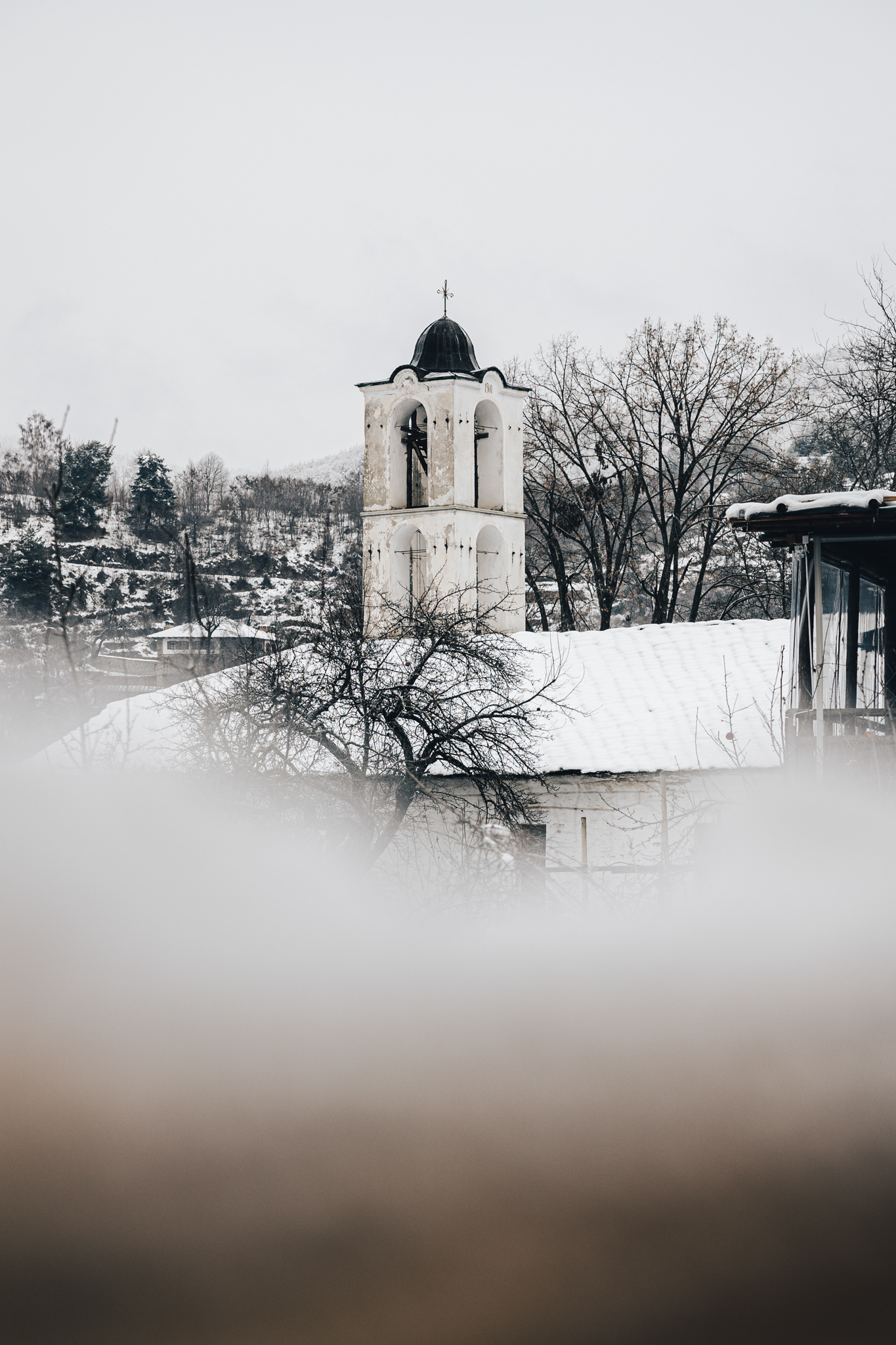
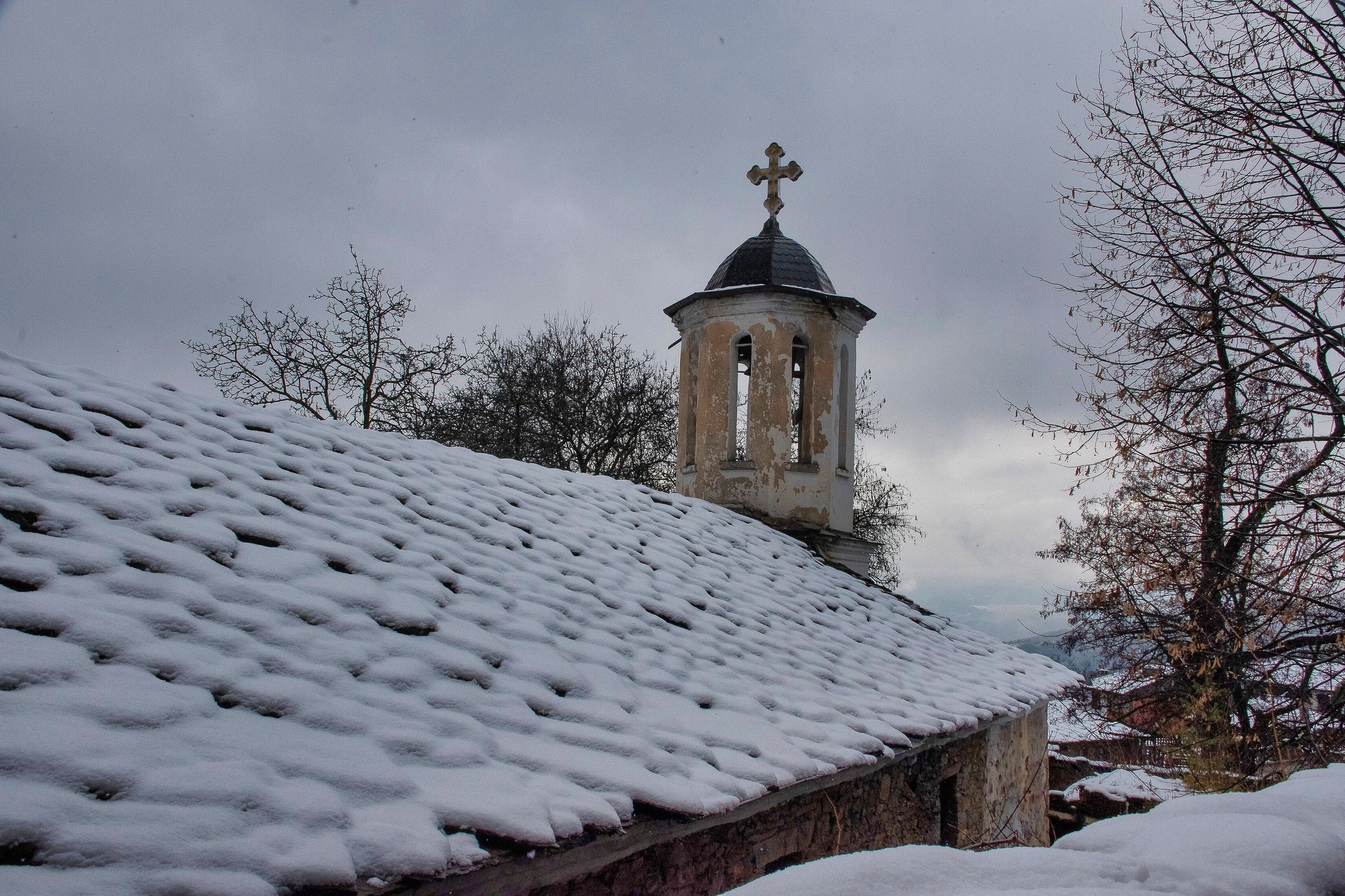
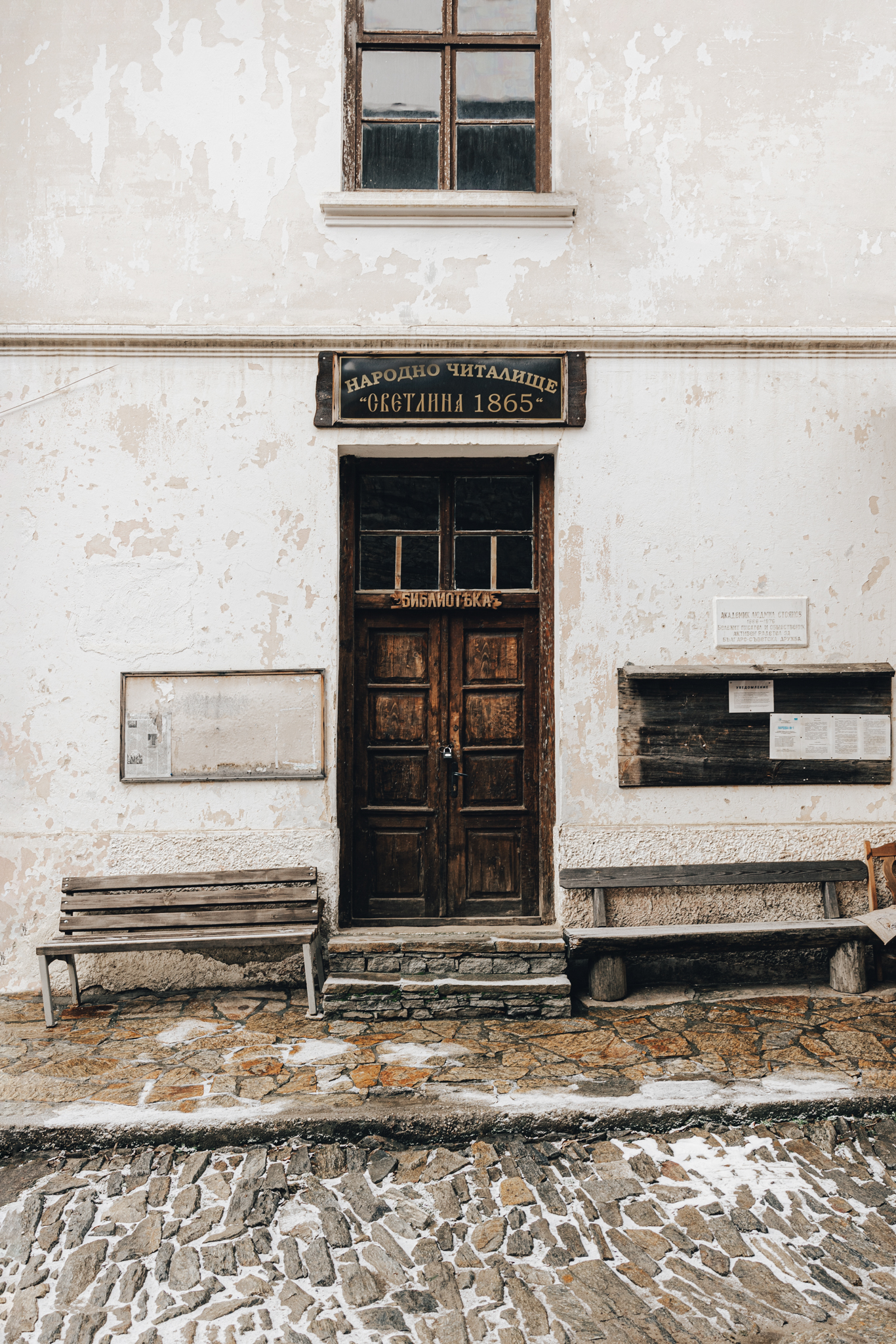
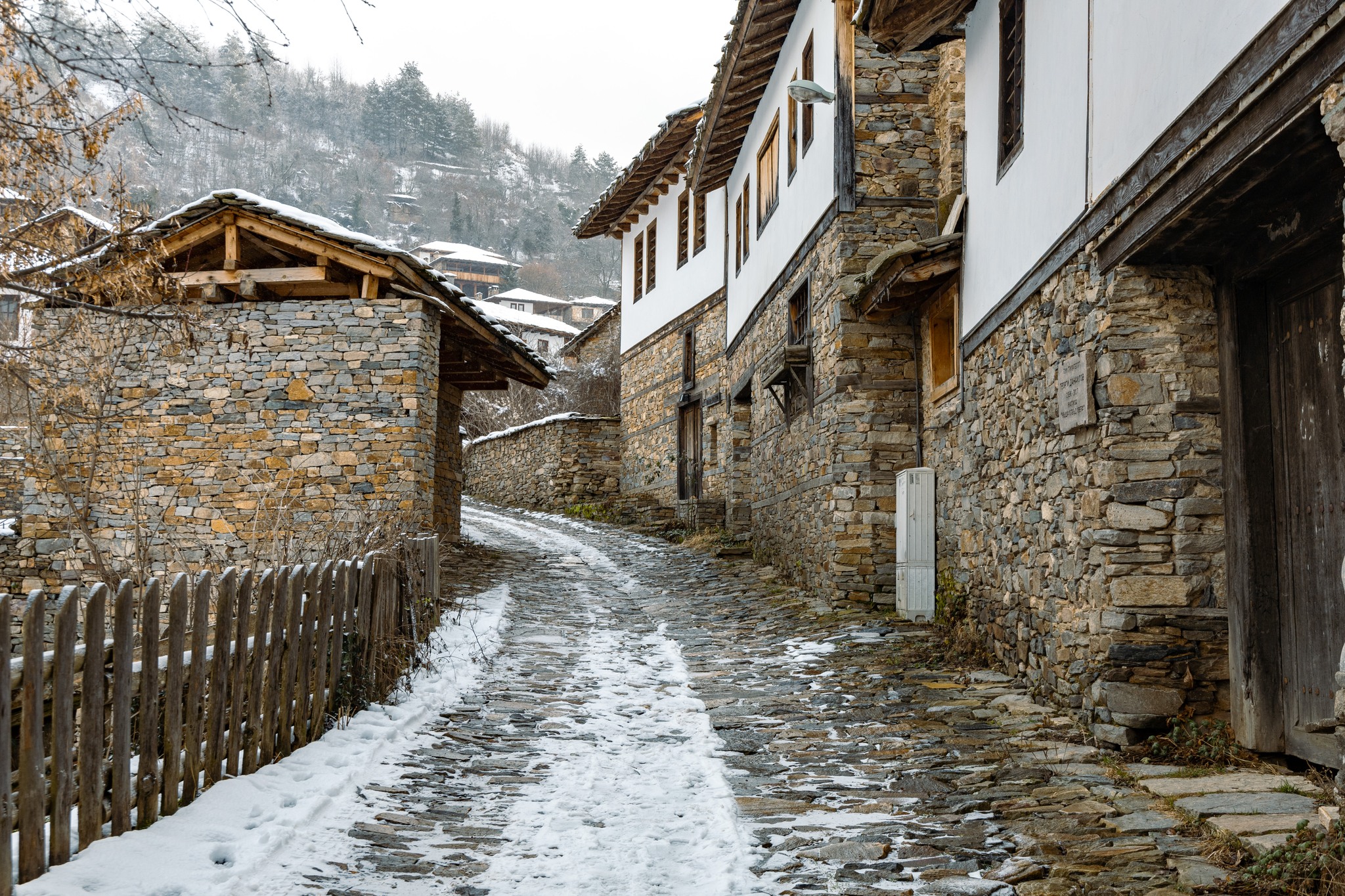
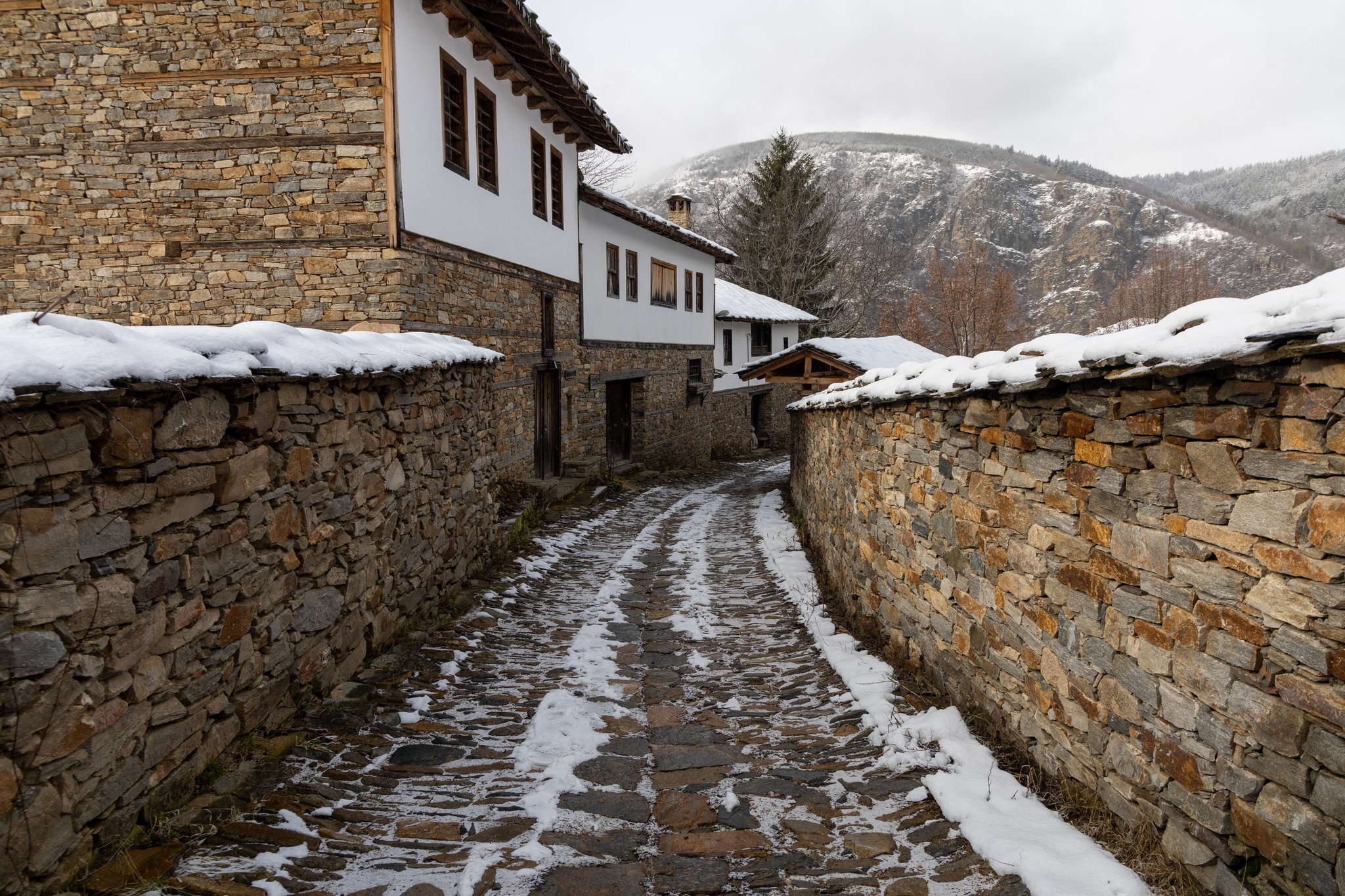
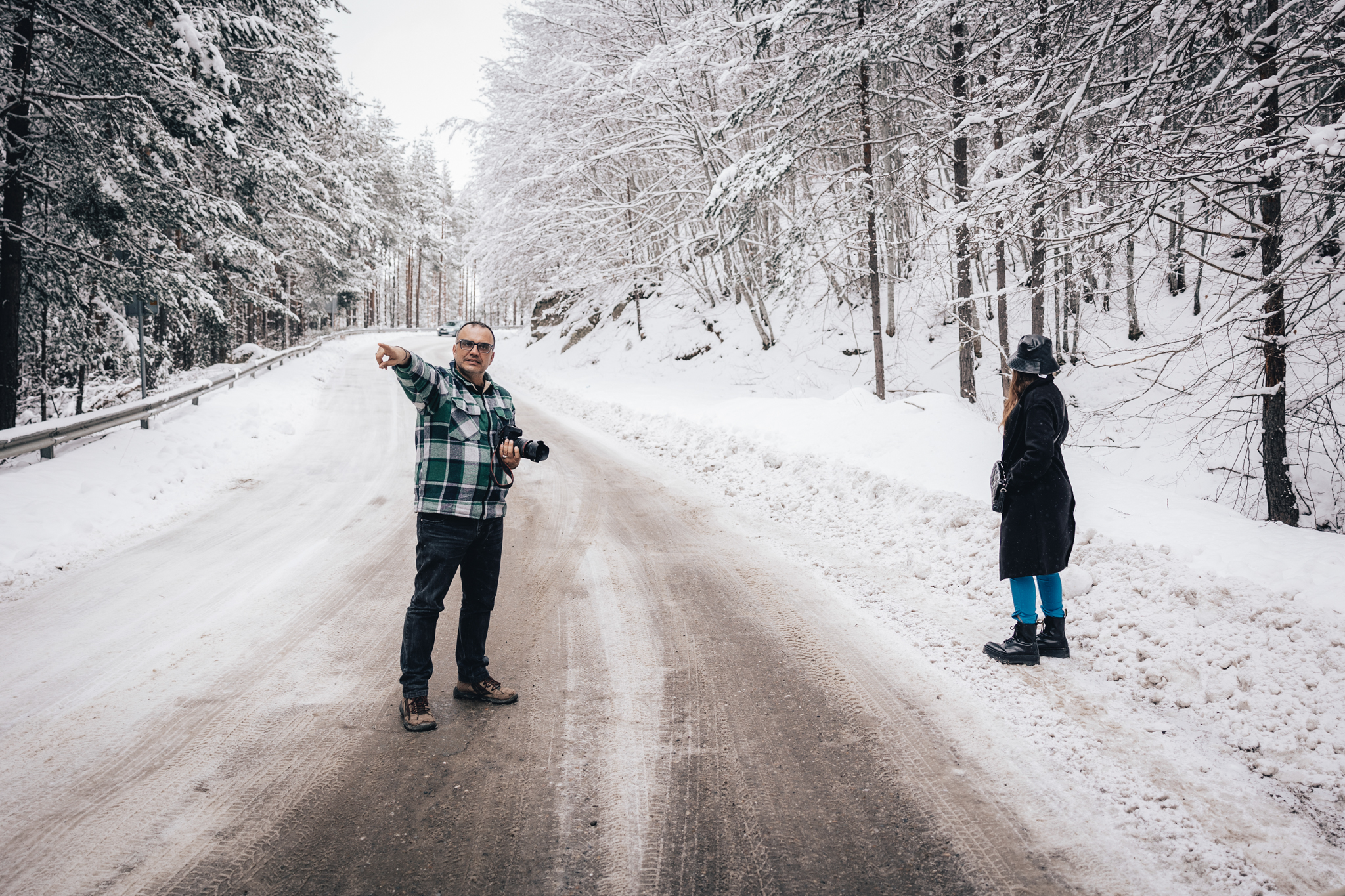
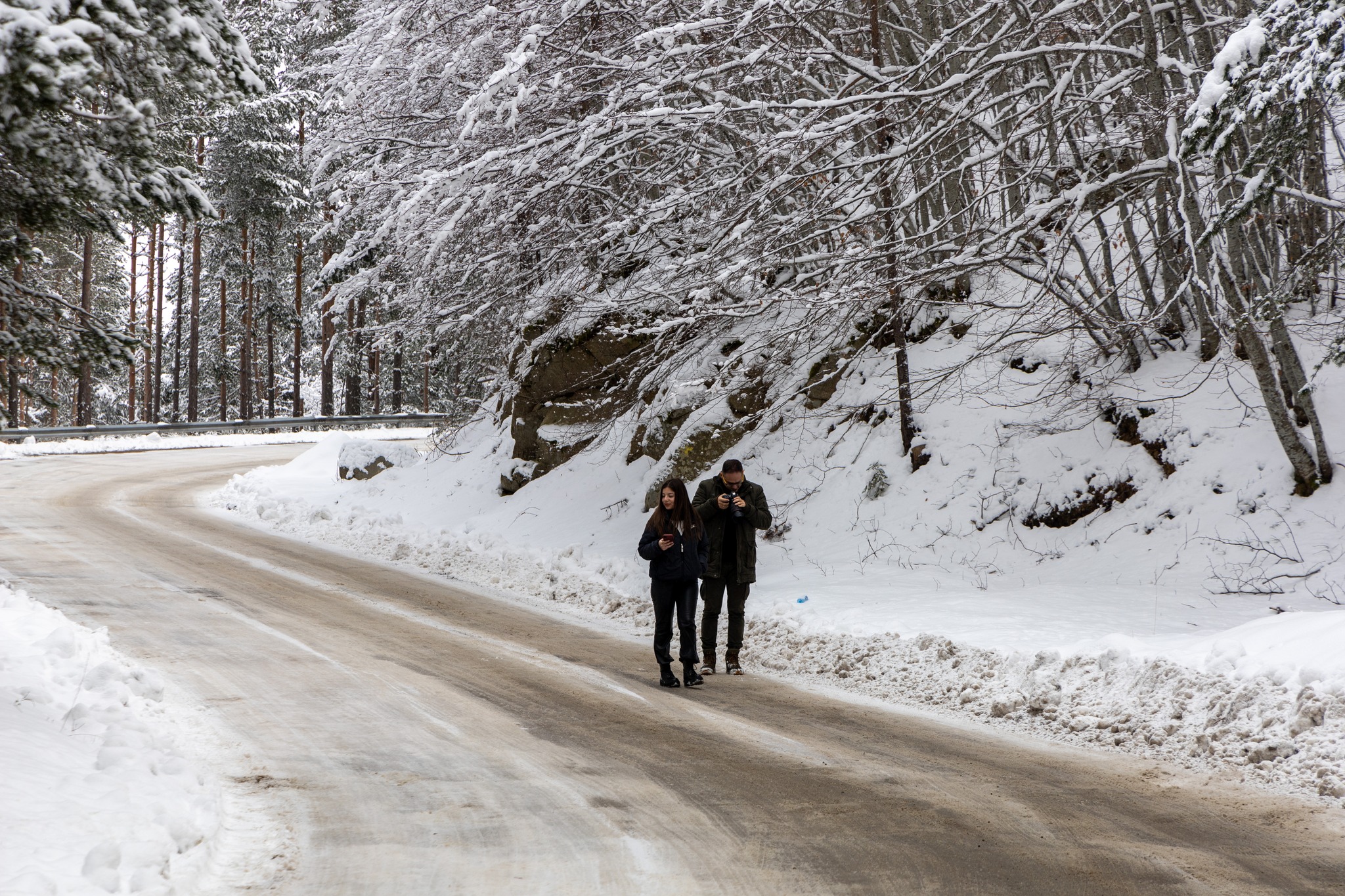
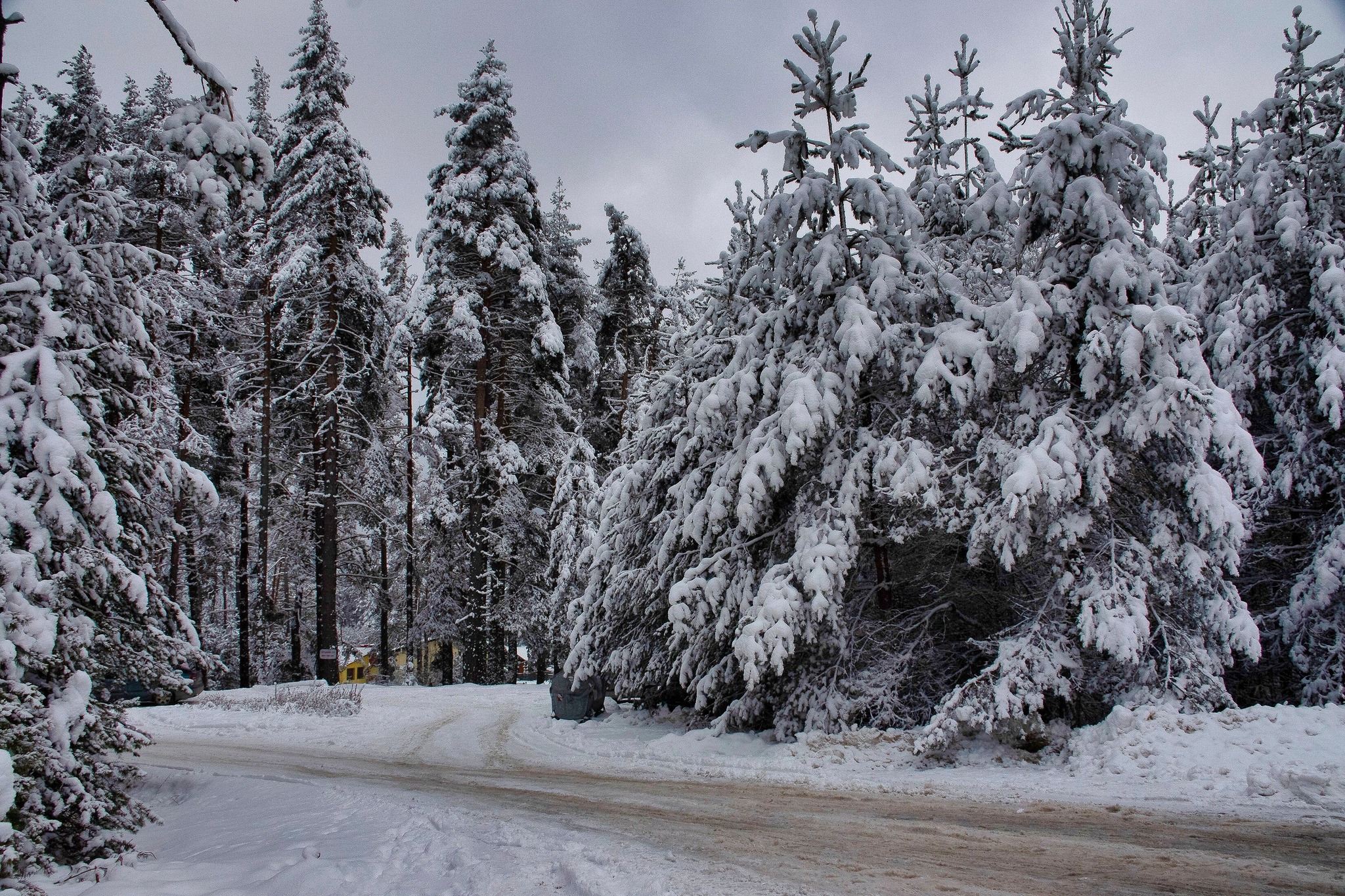
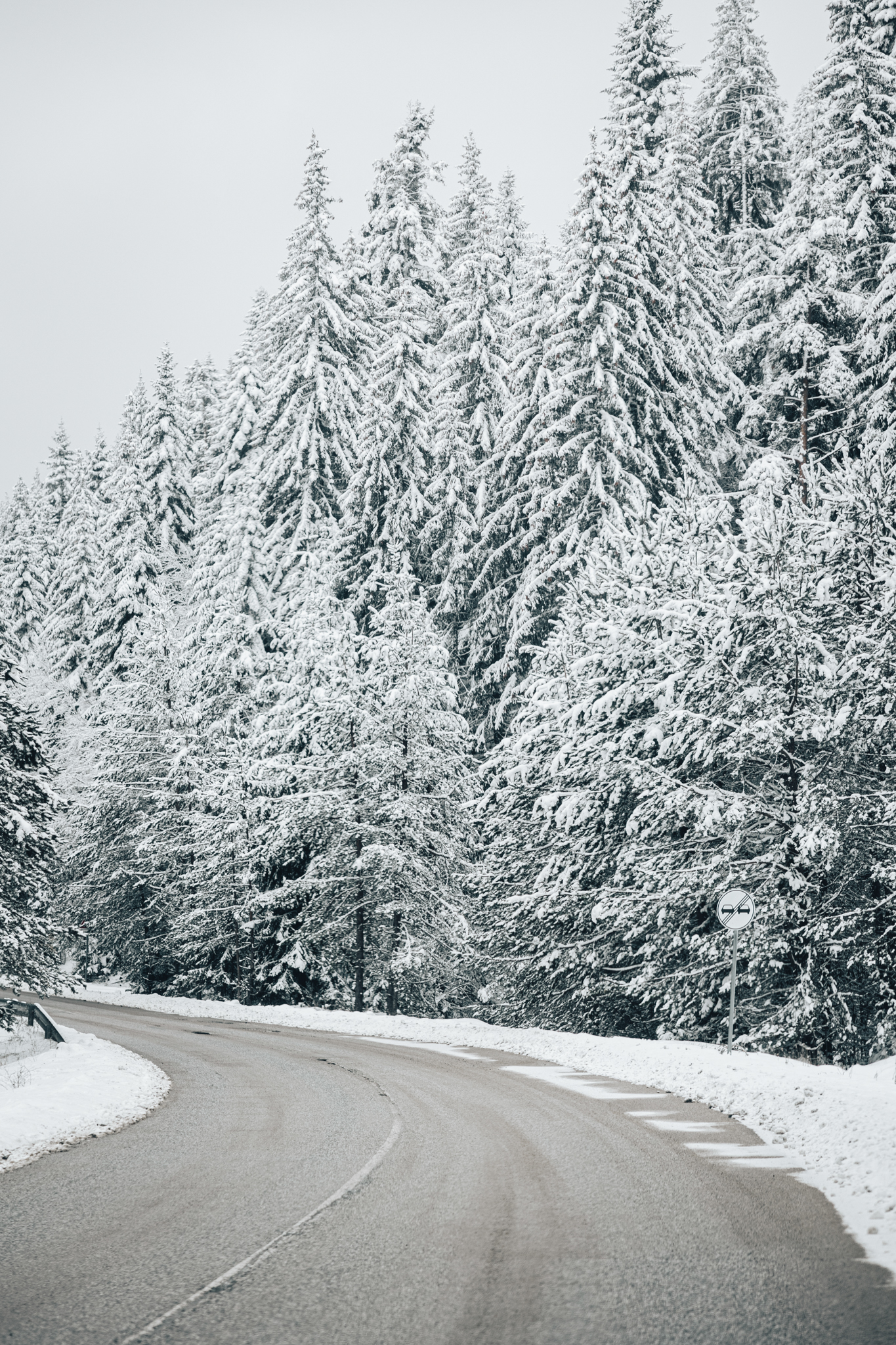
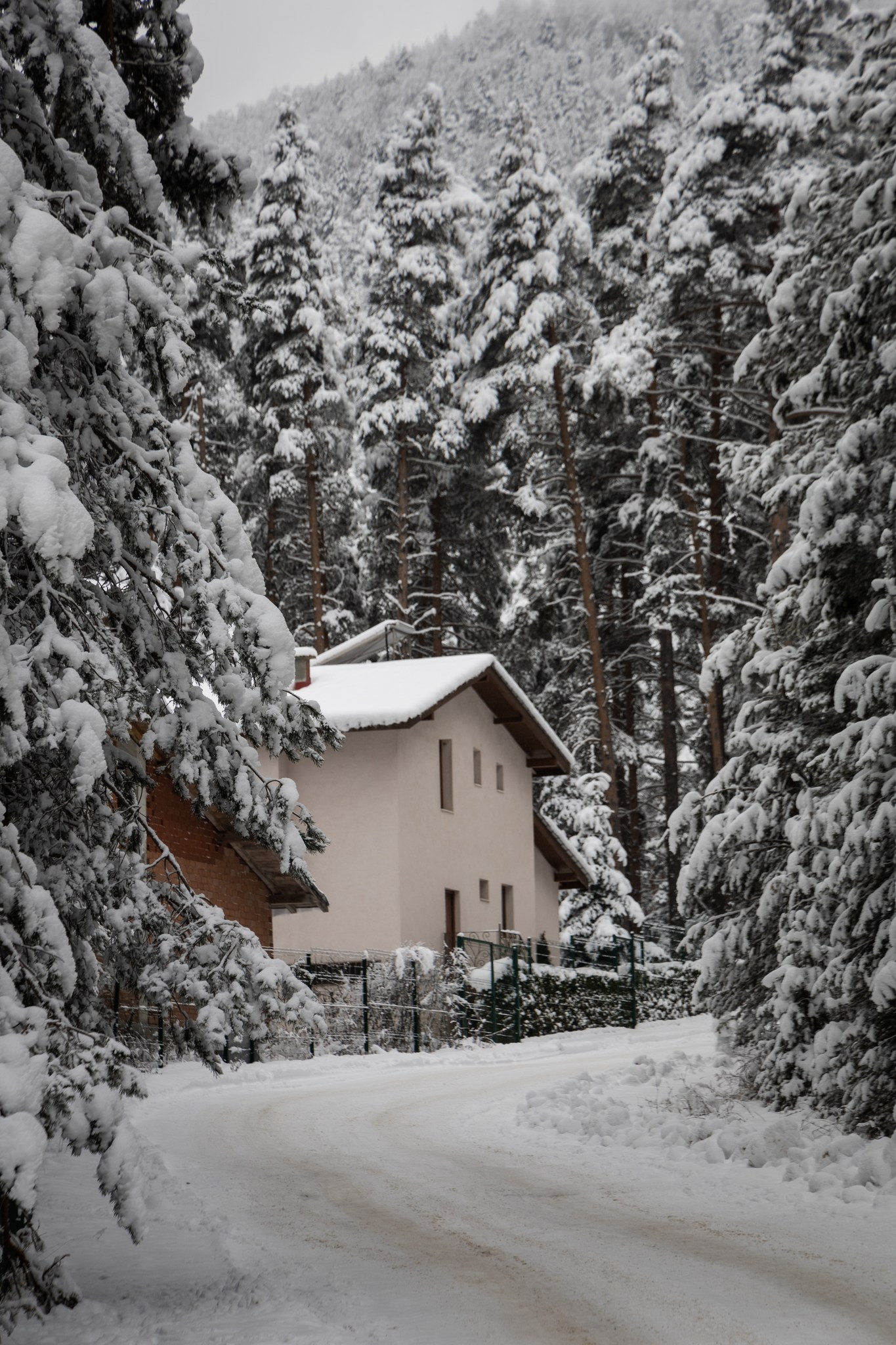
The road wound like a snake, as befits a mountain road, and somewhere halfway up the first snowflakes brought smiles to the group. Leshten was our destination, a traditional Pomak village on the northwestern slopes of Rhodope, at an altitude of one thousand metres high. It appeared at a left-hand bend, its houses wearing white caps, blurred by the snow that had thickened in the meantime.
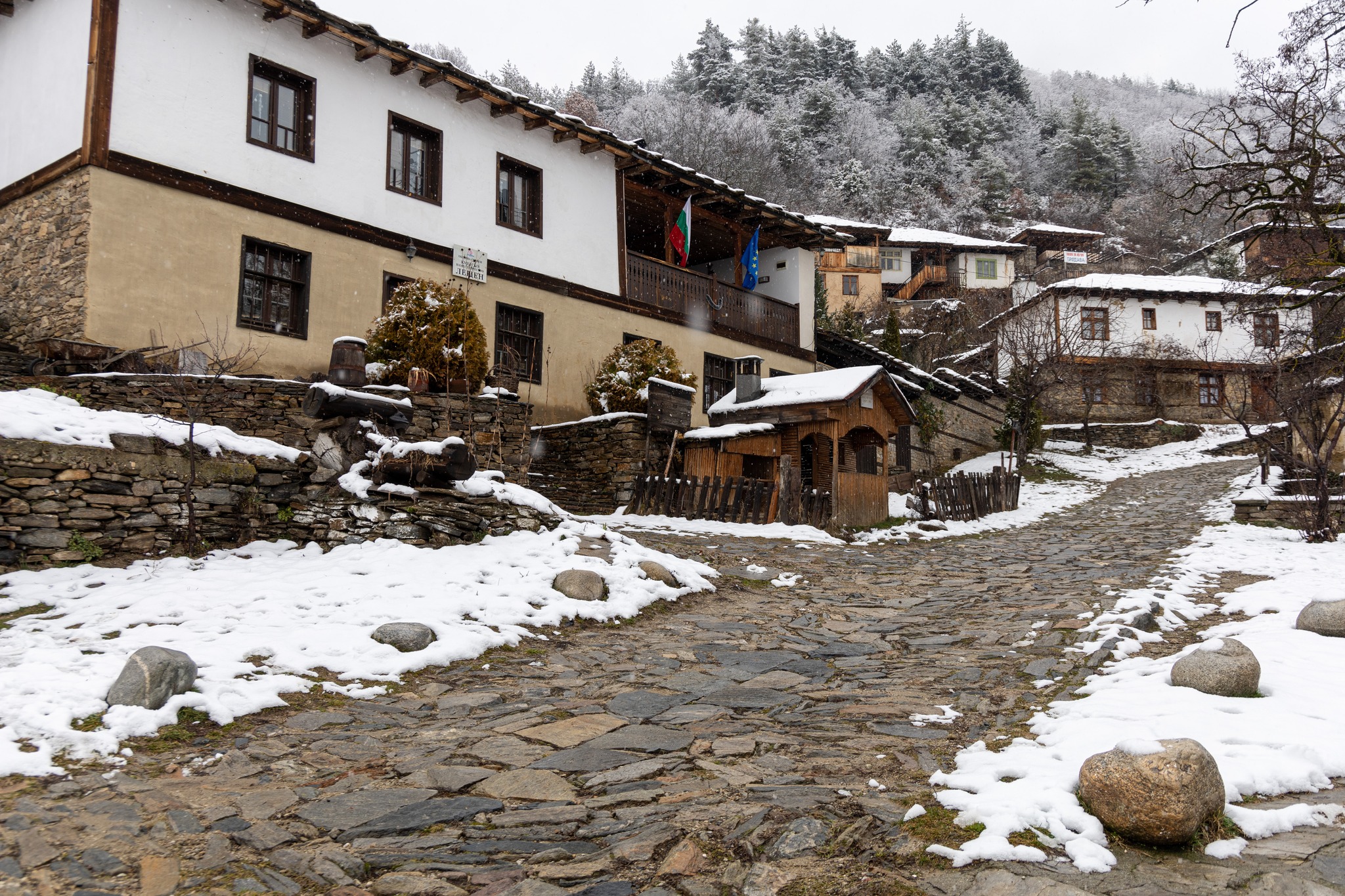
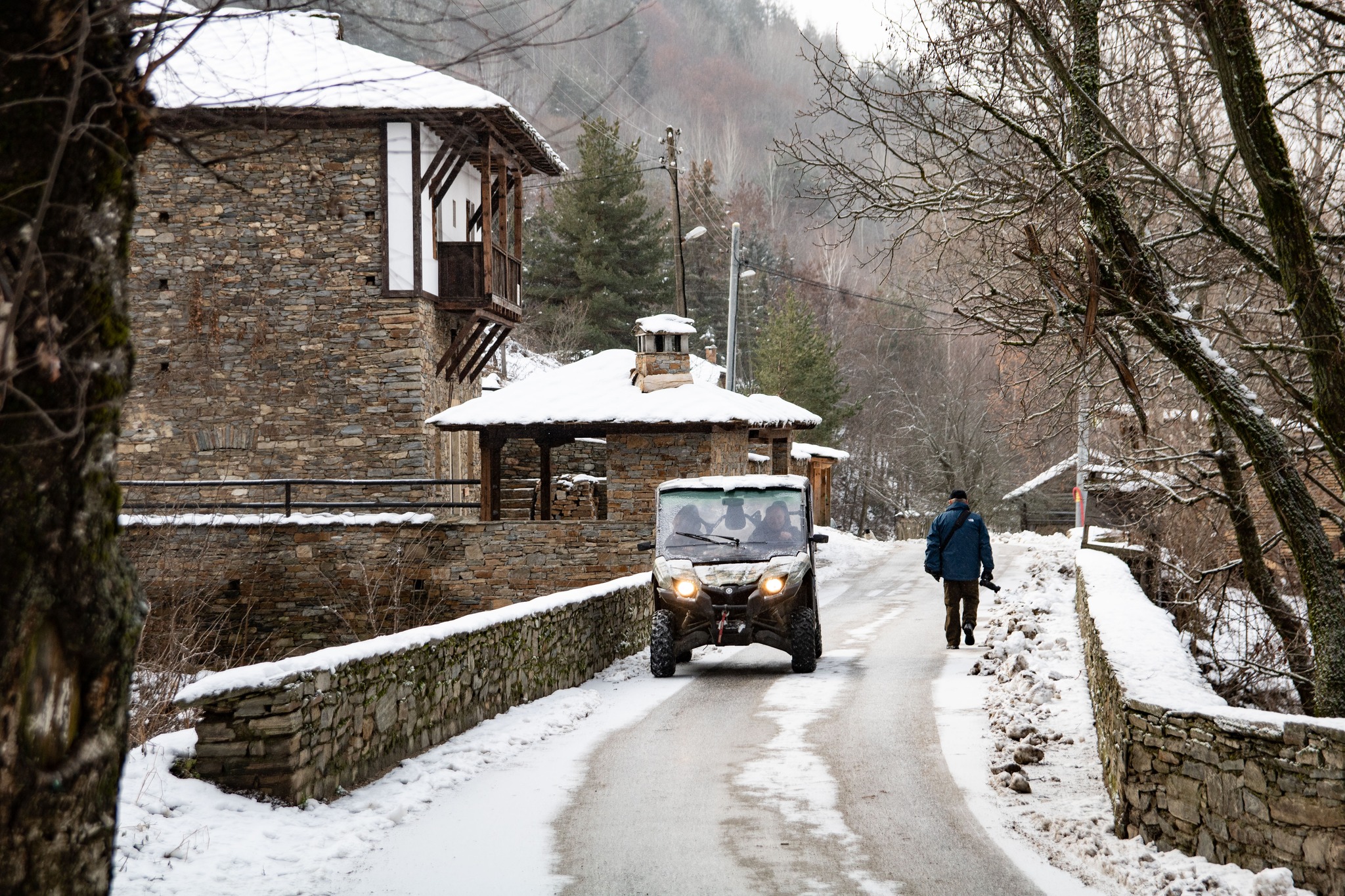
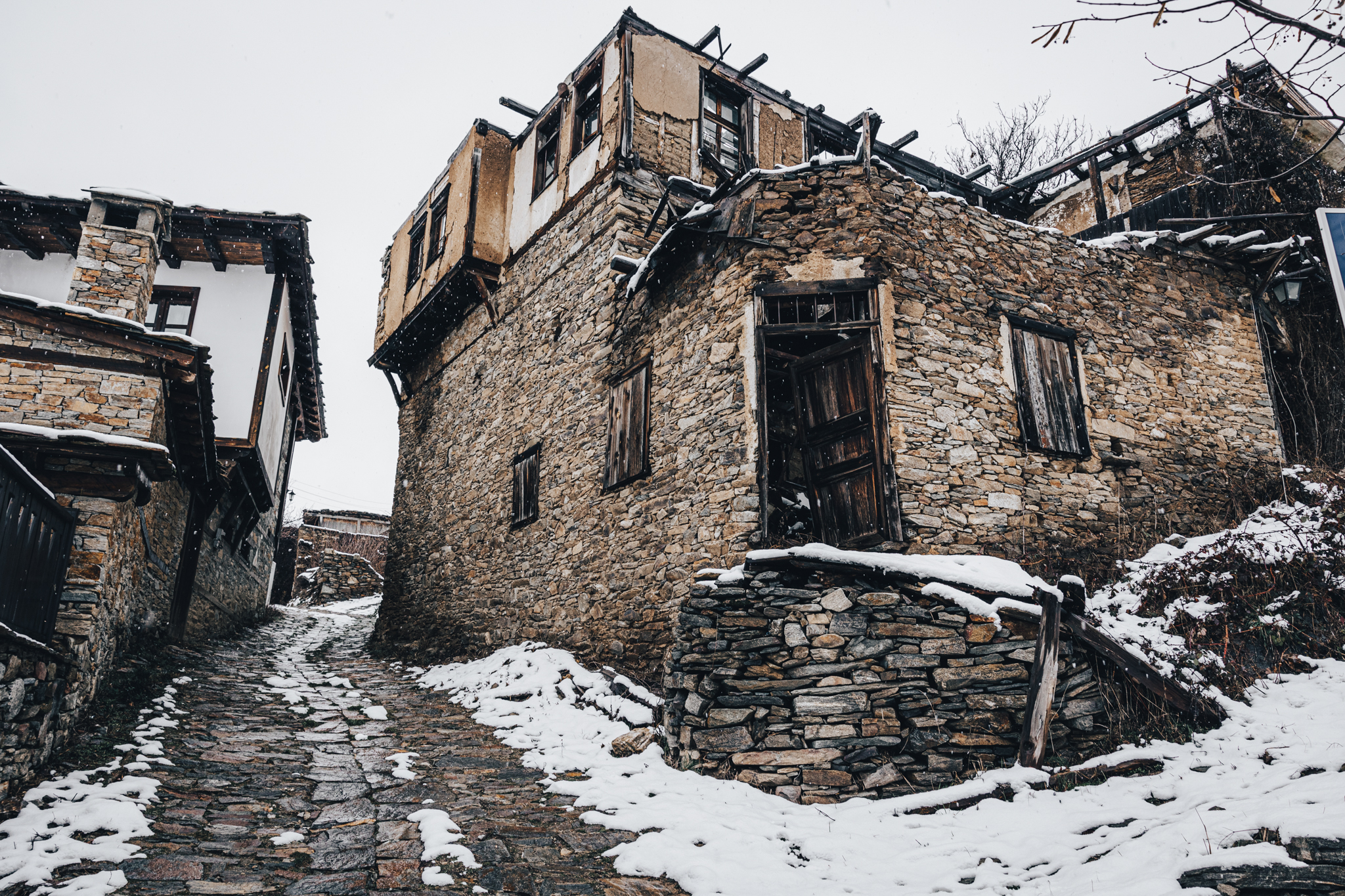
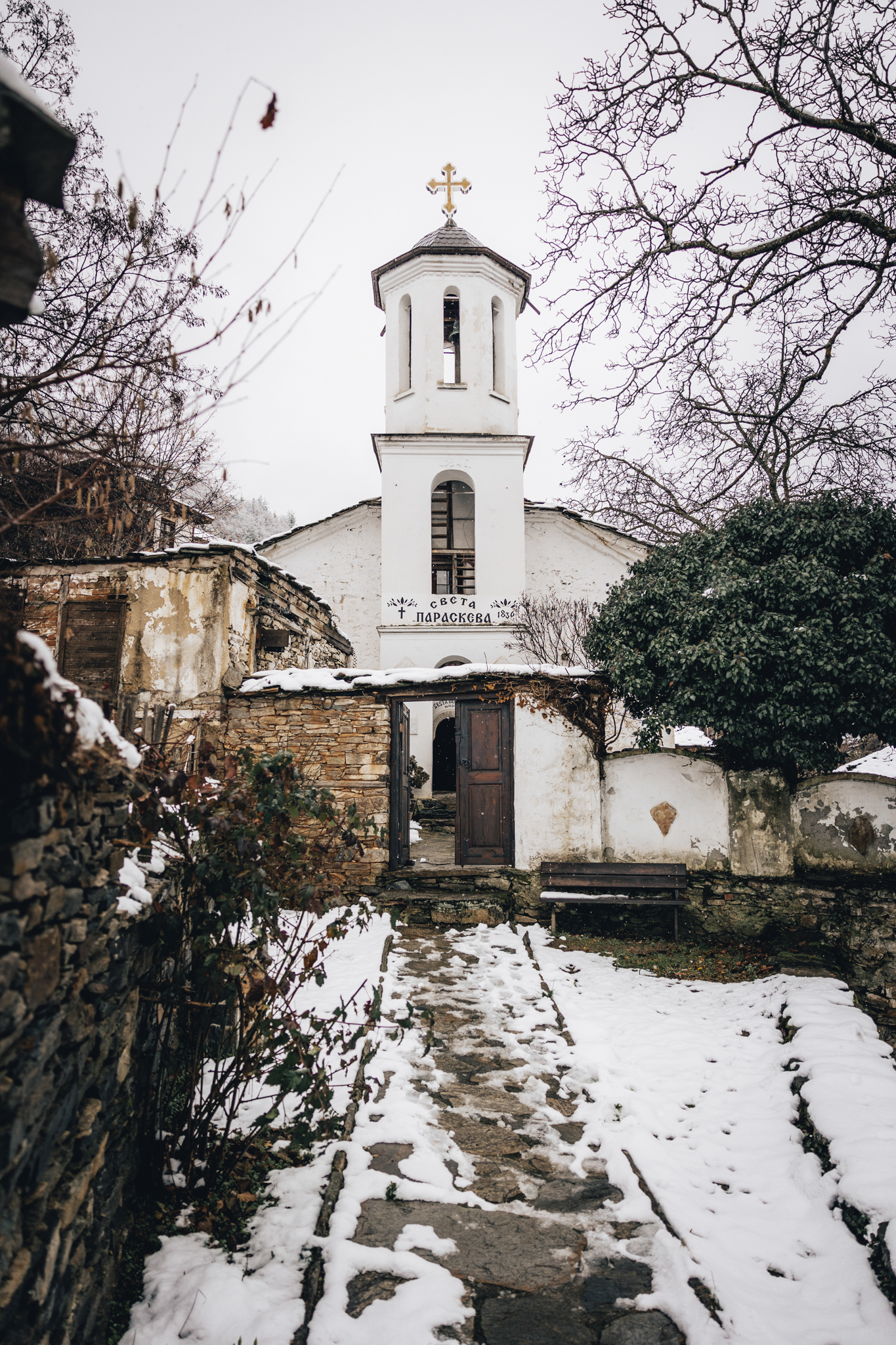
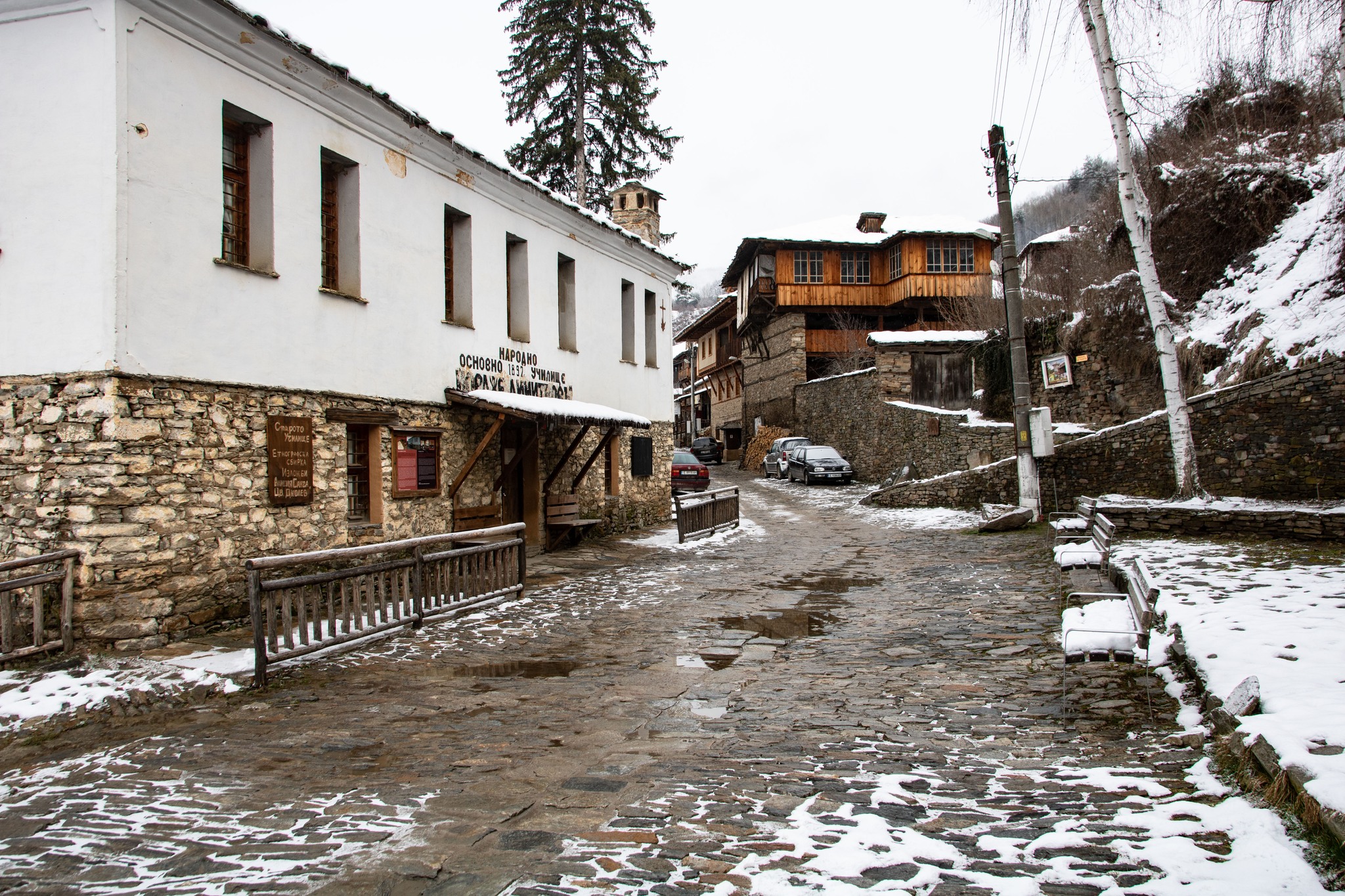
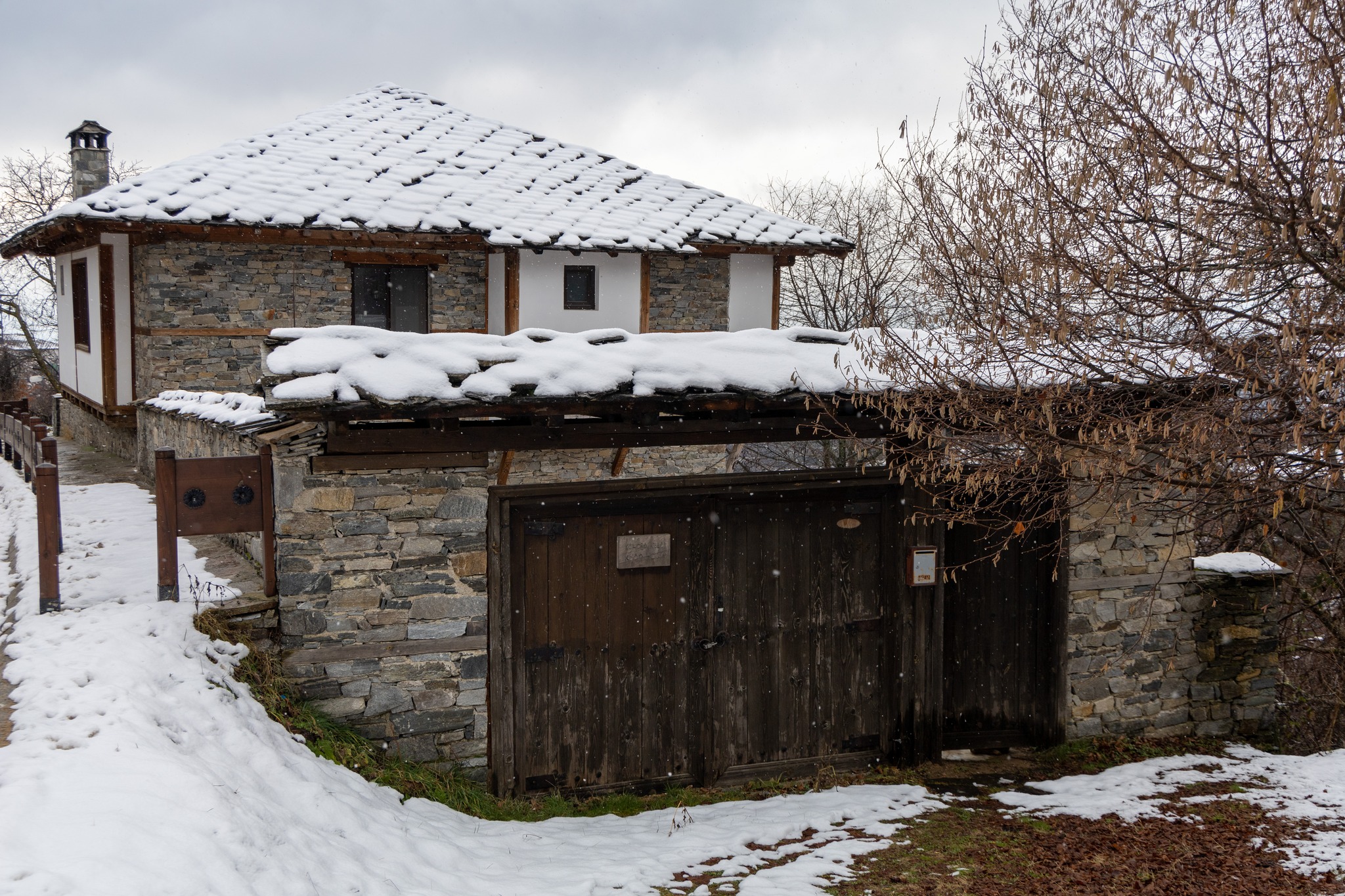
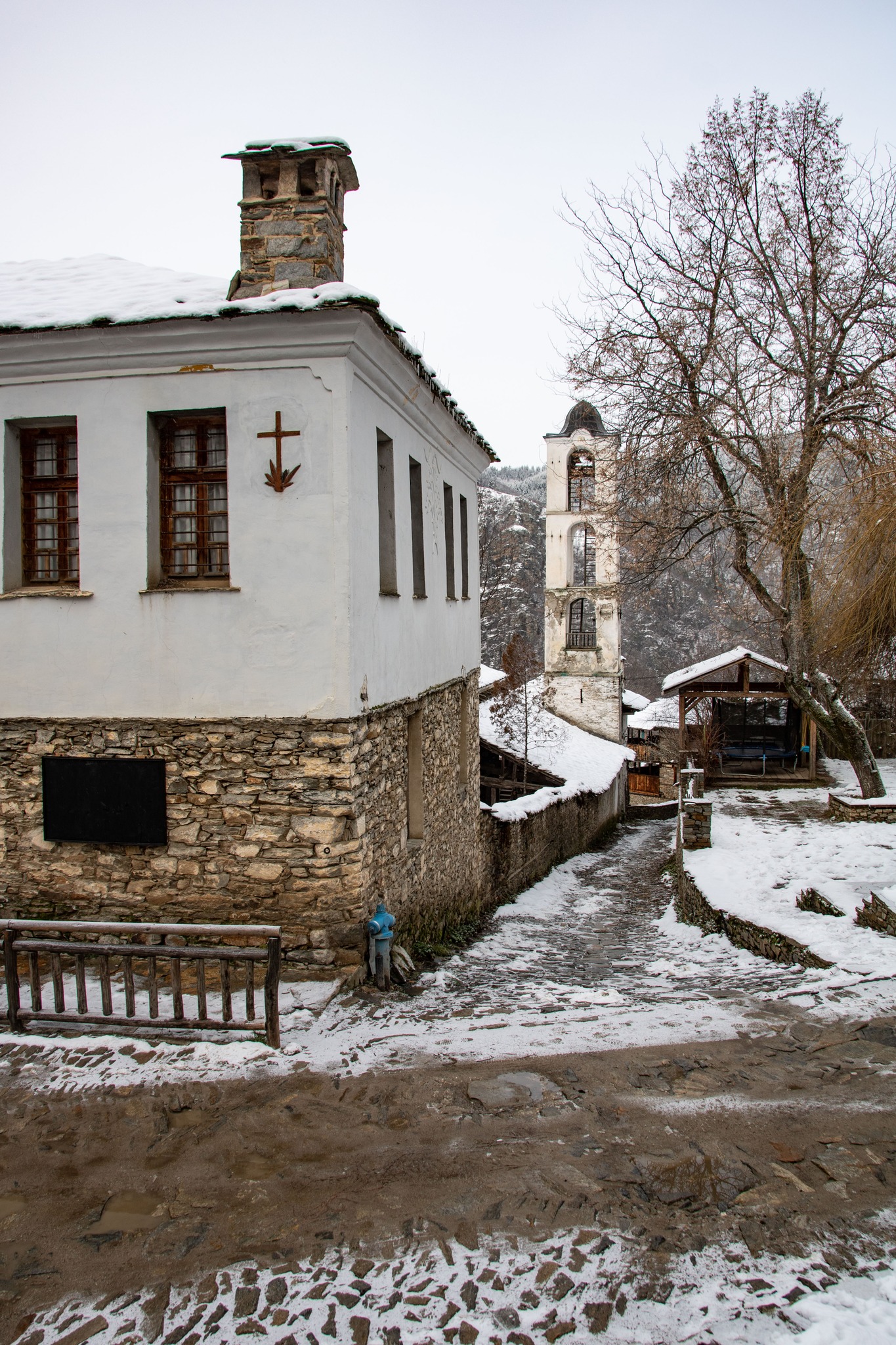
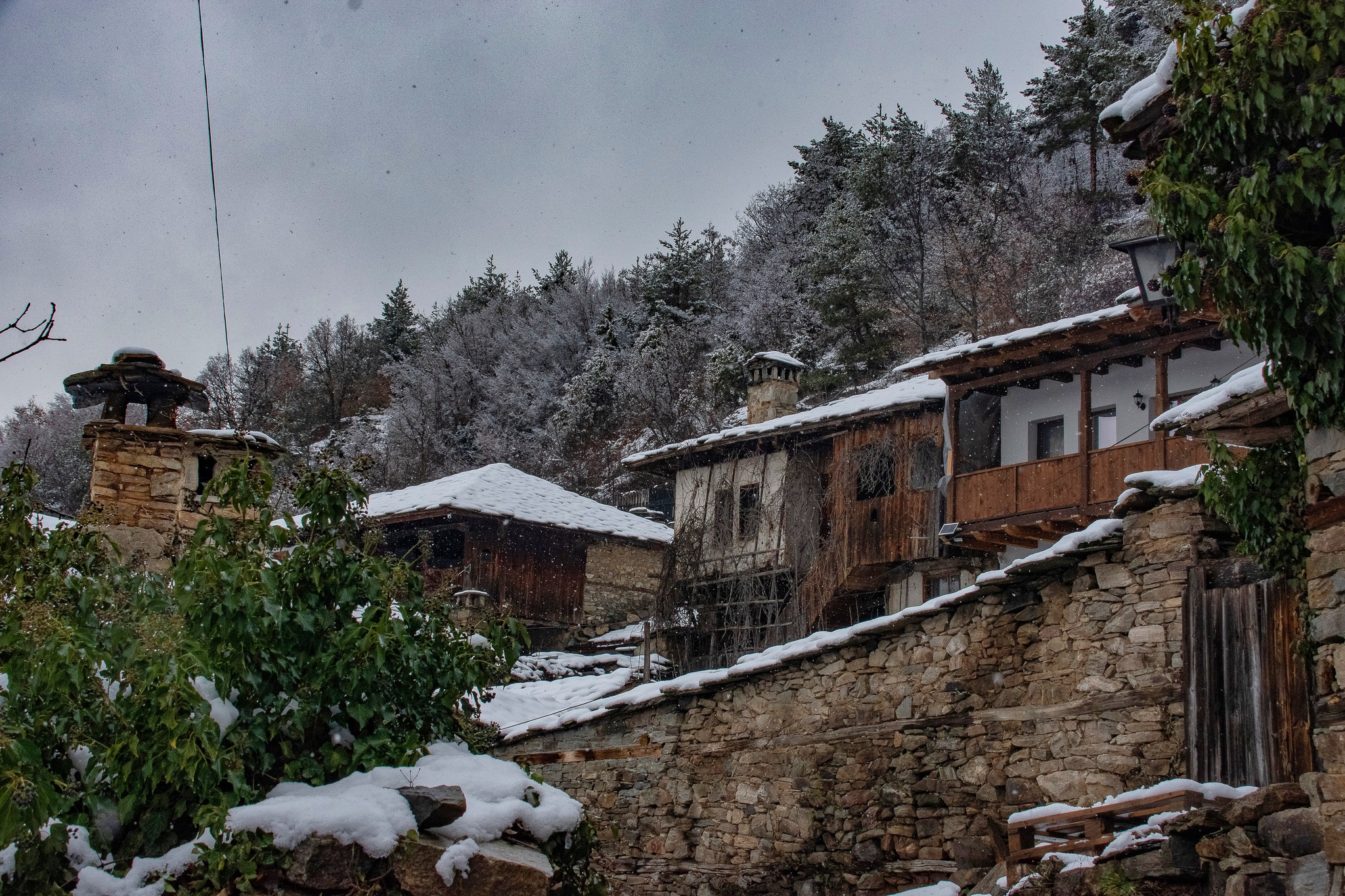
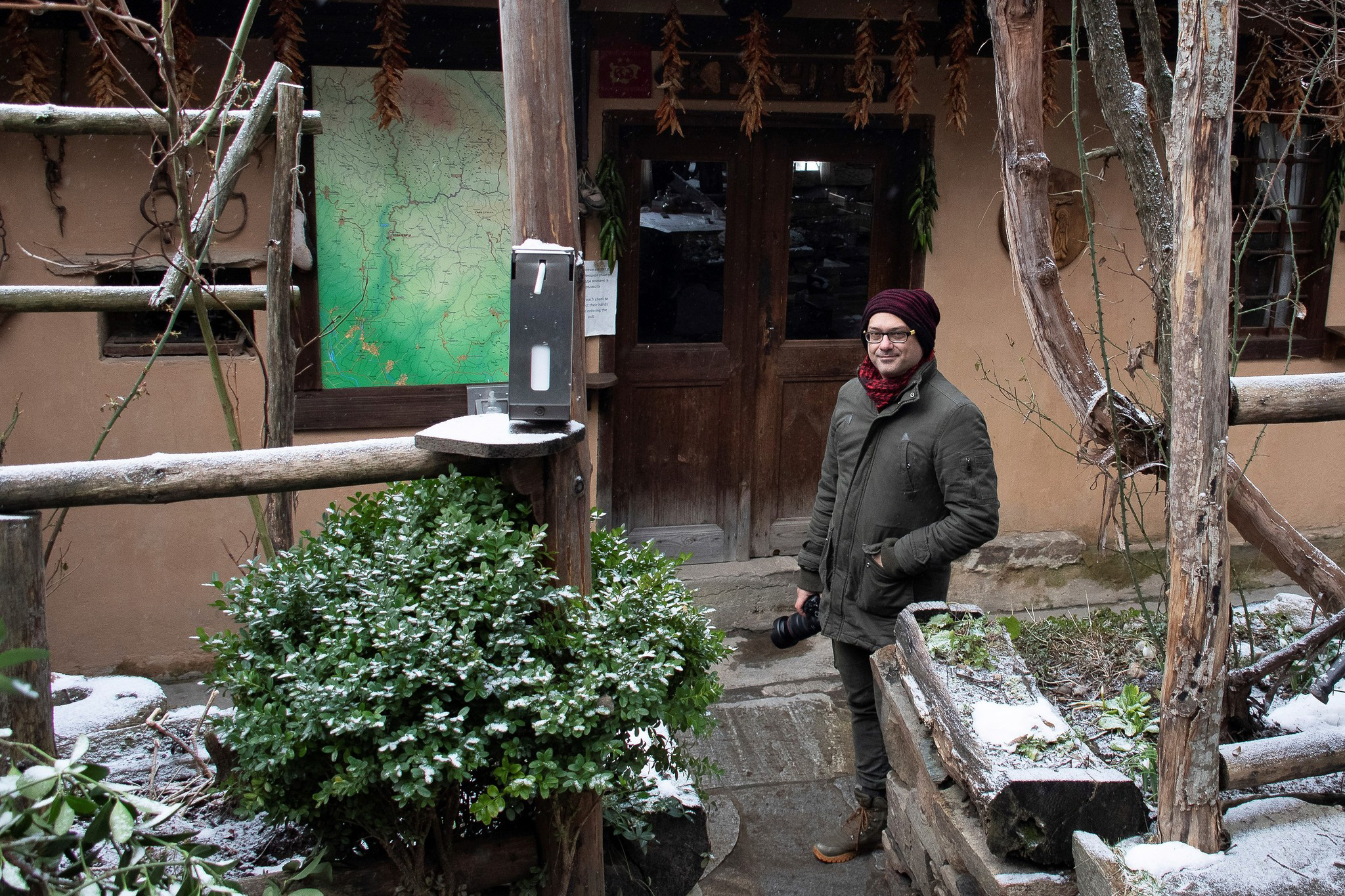
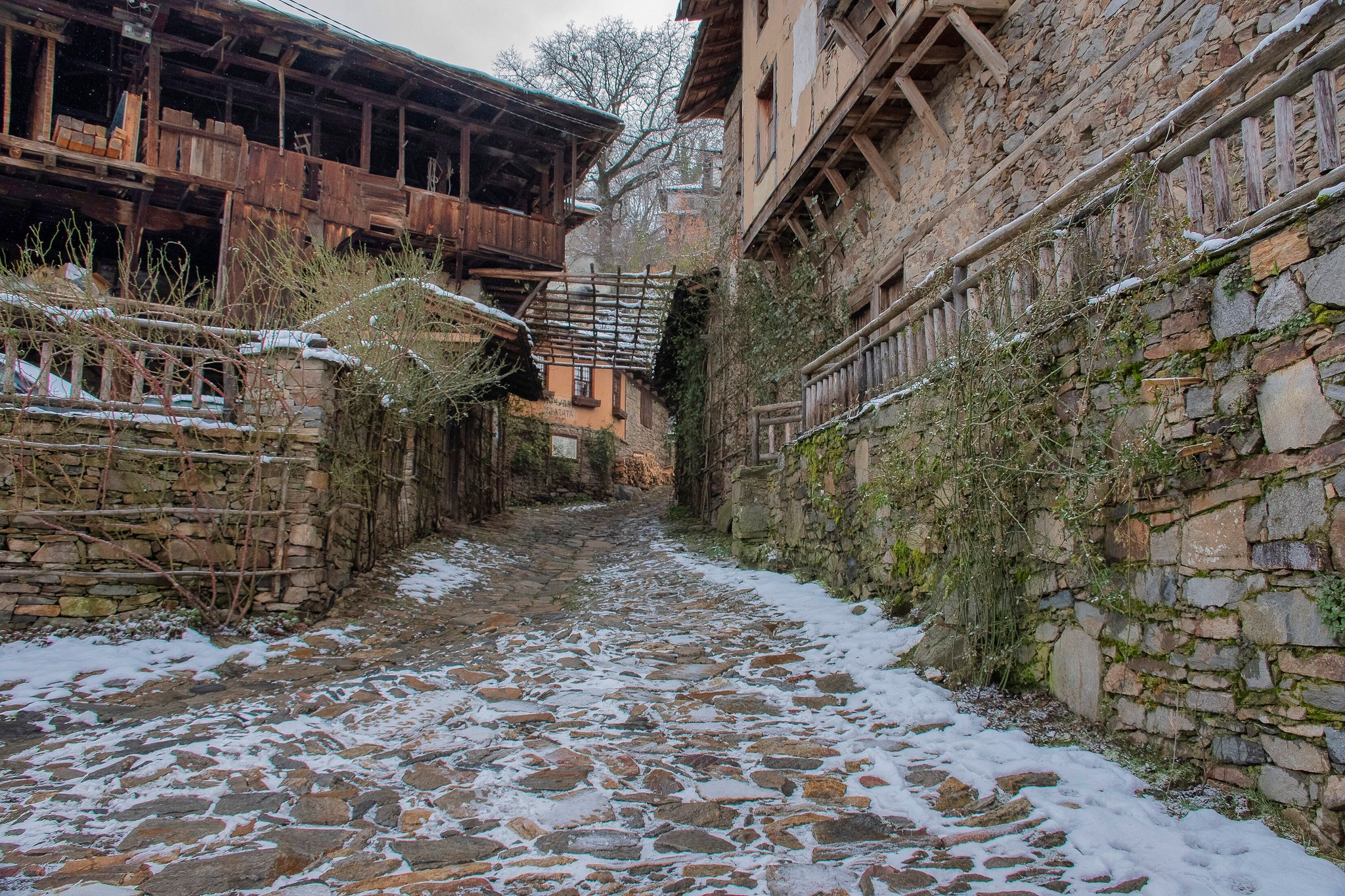
We dismounted and, carrying our photographic gear, ignored the stirrings in our stomachs and rushed out to catch what little light was saying goodbye to us. If the difficult-to-understand signs had not alerted us, we would have sworn we were looking at a village in Western Macedonia, with mostly two-storey houses, with extruded spaces, and projecting upper floors. Stone-paved, winding lanes, enclosed courtyards with heavy doors, and latticed windows behind ironwork reassembled experiences and memories, completing familiar patterns.
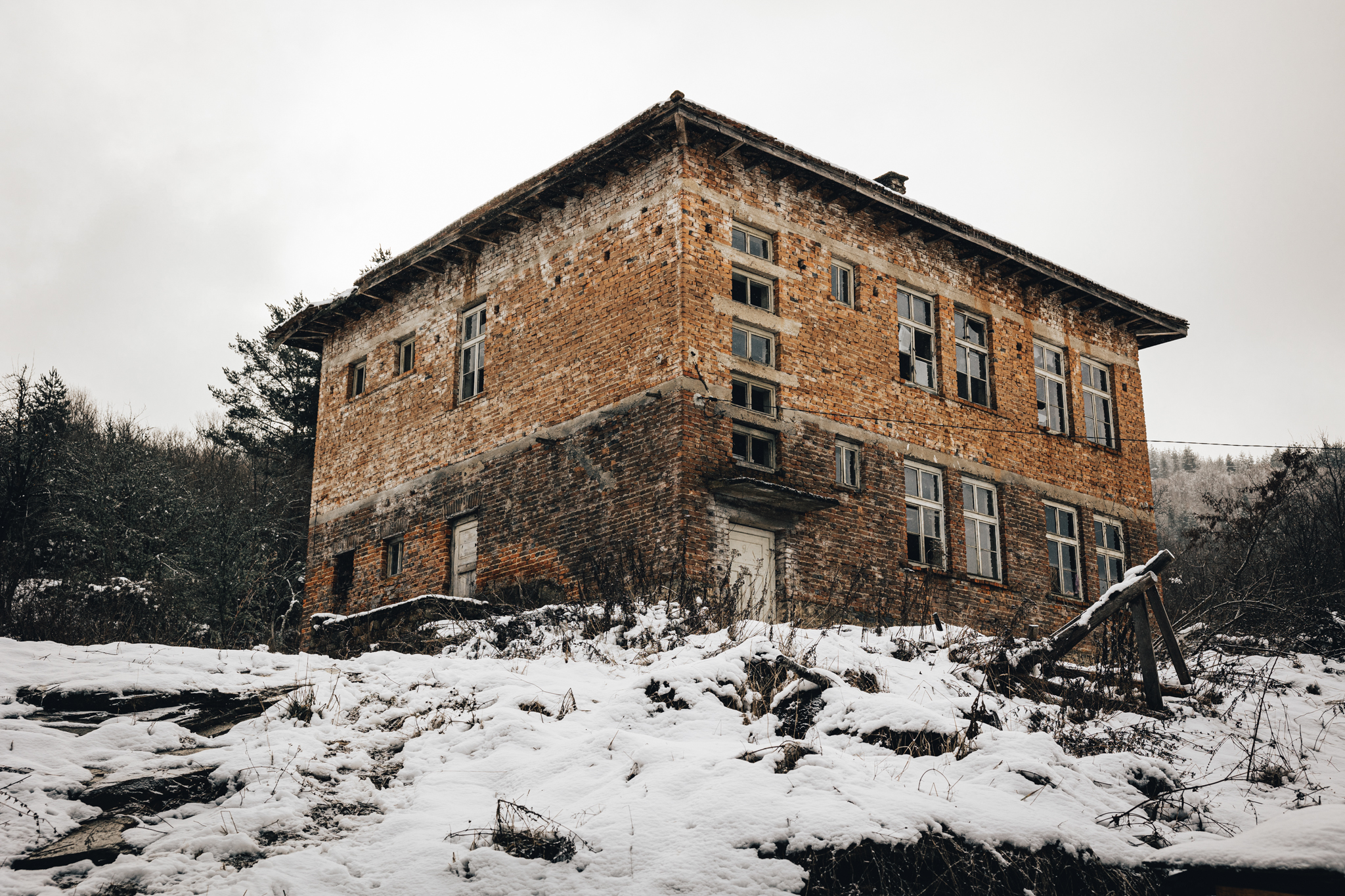
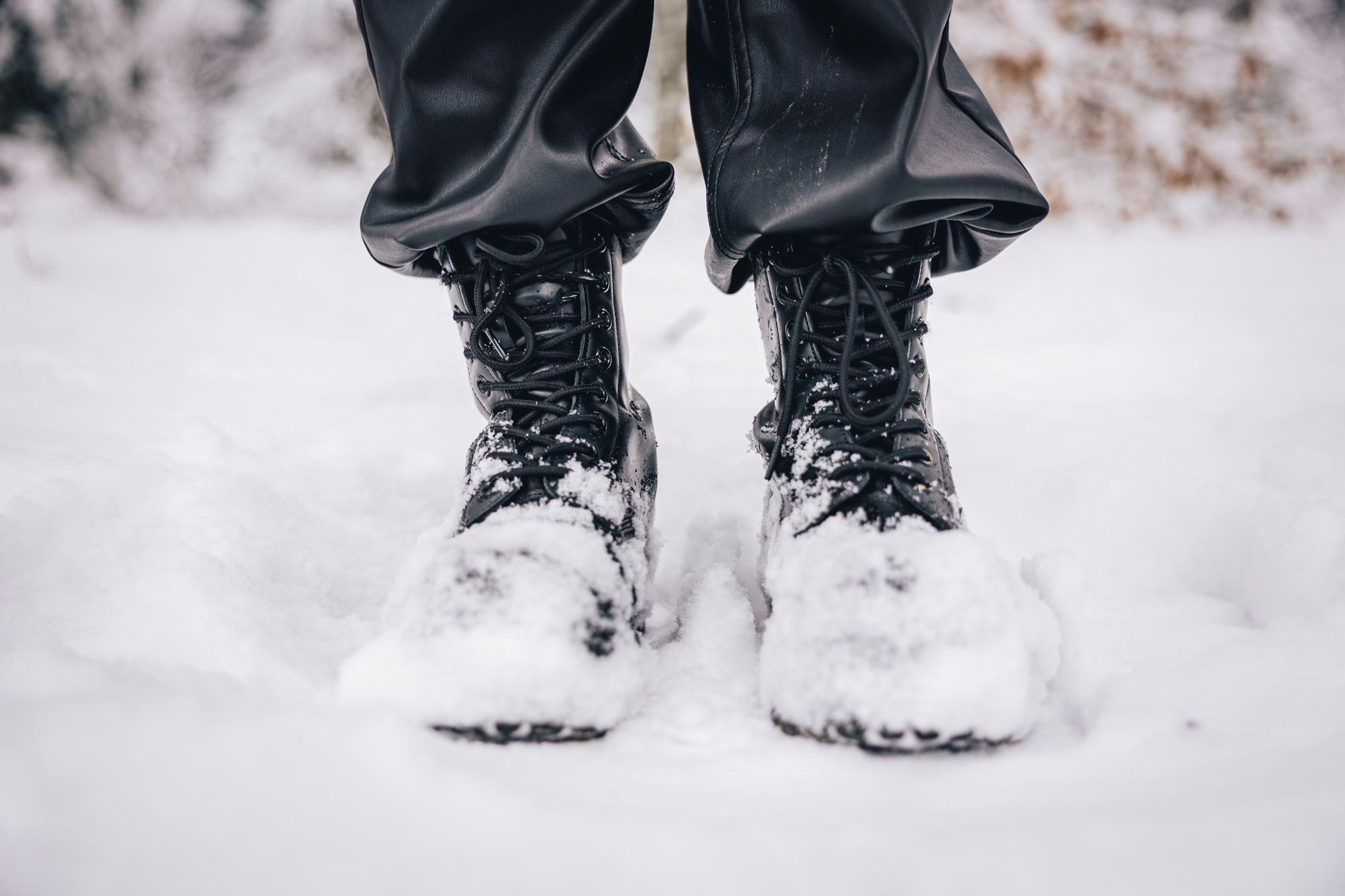
The snow delighted the eye and opened the soul, while the poisonous northern wind reached deep into our lungs. What made an impression was the cleanliness and order of the austere setting, which hid its poor existence behind the darkened lights of homes whose people had been driven away by necessity.
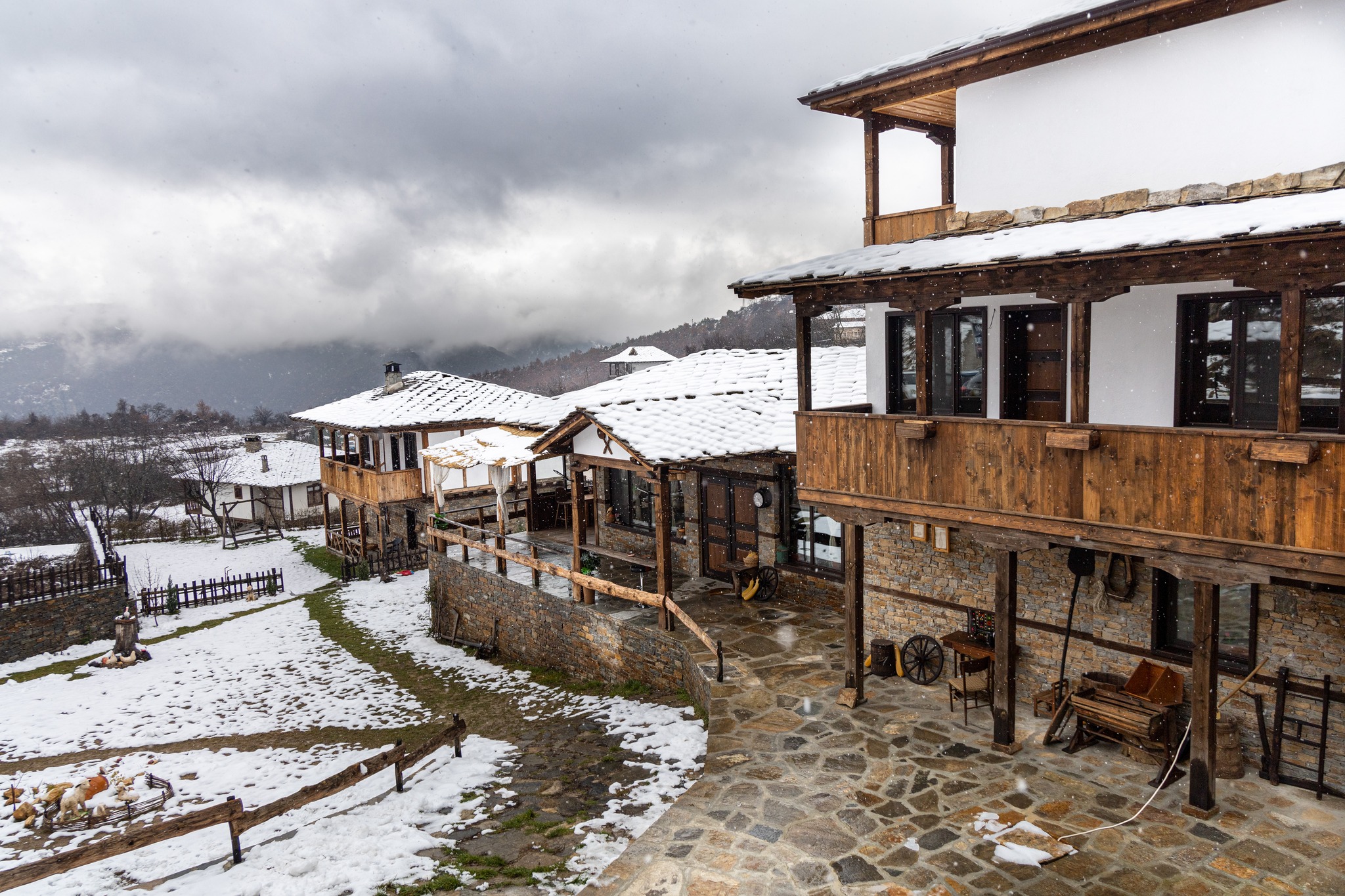
“Come on, boys, let’s finish up…” someone said, unable to endure any longer the noisy protest from the depths of his stomach. The rest agreed readily, and we entered the enormous hotel at the entrance to the village, fortunately built in traditional style.
Dimosthenis Seitaridis
Dimosthenis Seitaridis
Dimosthenis Seitaridis
Dimosthenis Seitaridis
Dimosthenis Seitaridis
Ευτύχης Τσαουσίδης
Ευτύχης Τσαουσίδης
Ευτύχης Τσαουσίδης
Ευτύχης Τσαουσίδης
Ευτύχης Τσαουσίδης
Harrys Pourouzidis
Harrys Pourouzidis
Harrys Pourouzidis
Harrys Pourouzidis
Dimosthenis Seitaridis
Harrys Pourouzidis
Harrys Pourouzidis
Ευτύχης Τσαουσίδης
Nikos Kakagias
Nikos Kakagias
Nikos Kakagias
Nikos Kakagias
Nikos Kakagias
Nikos Kakagias
Our accommodation was warm, with wood dominating everywhere, and the heat was stifling too. The impatient company welcomed the local dishes, which once again proved sufficiently mediocre to further establish the idea that Greek cuisine is superior. The wine, however, made an impression and changed the sour expressions. Together with the warmth, it reddened cheeks and enlivened voices so much that no one inside could have failed to understand they had Greeks before them.
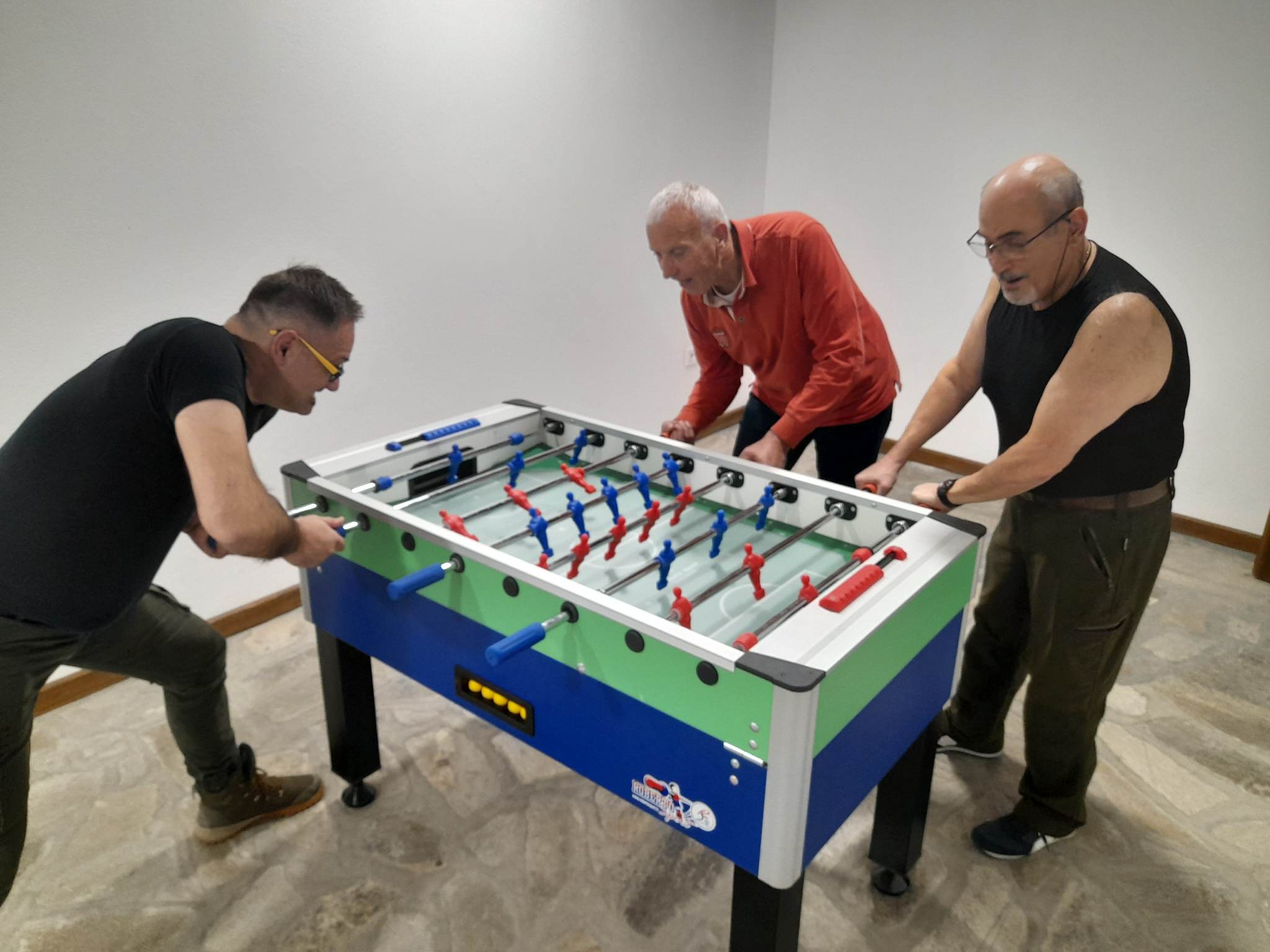
Outside, the dark, silent lady had spread her wings, dusting the landscape with snowflakes, while we set about finding a way to pass the time. They say that if you search, you find. And we found a gleaming table of foosball! With a flutter in the heart, we took hold of the handles of the past. Old, forgotten skills began to resurface, and the initial awkward smiles became laughter, while beads of sweat appeared on the red faces of the opponents. The pair of seasoned players in the group crushed the younger ones, proving that the old art, acquired in the billiard halls of another era, still held firm.
The second round involved card-playing excess, with the old game of Jack spreading its cards across the table. At last, time passed, and Morpheus took us in his arms, together with dreams of a childhood that stubbornly refused to abandon us.
Dimosthenis Seitaridis
Very very early the next morning, Dimos, with visible worry in his eyes, awkwardly uttered at the breakfast table the irrefutable excuse: “You see… I can’t function without coffee.”
The truth, that was artfully concealed, was that he had stayed awake all night because the “steam-engine” snoring of the other two in his room did not let him sleep.
The analysis of the day’s schedule offered some kind of solution to the awkward atmosphere, when Eftychis’s heavy, half-awake voice sounded over the phone:
“I want my trousers…”
Dimos’s jaw dropped as, with lowered head and widened eyes, he stared at the trousers he was wearing.
“Oh No, damn it, I’m wearing Eftychis’s!”
Only when he stood up to leave, half-laughing, did his table companion notice the tall Eftychis’s trousers hanging over his boots like an overextended accordion.
The laughter and teasing were endless once everyone gathered, and the day began with joy and a full heart.
Dimosthenis Seitaridis
Kovachevitsa
(Ковачевица)
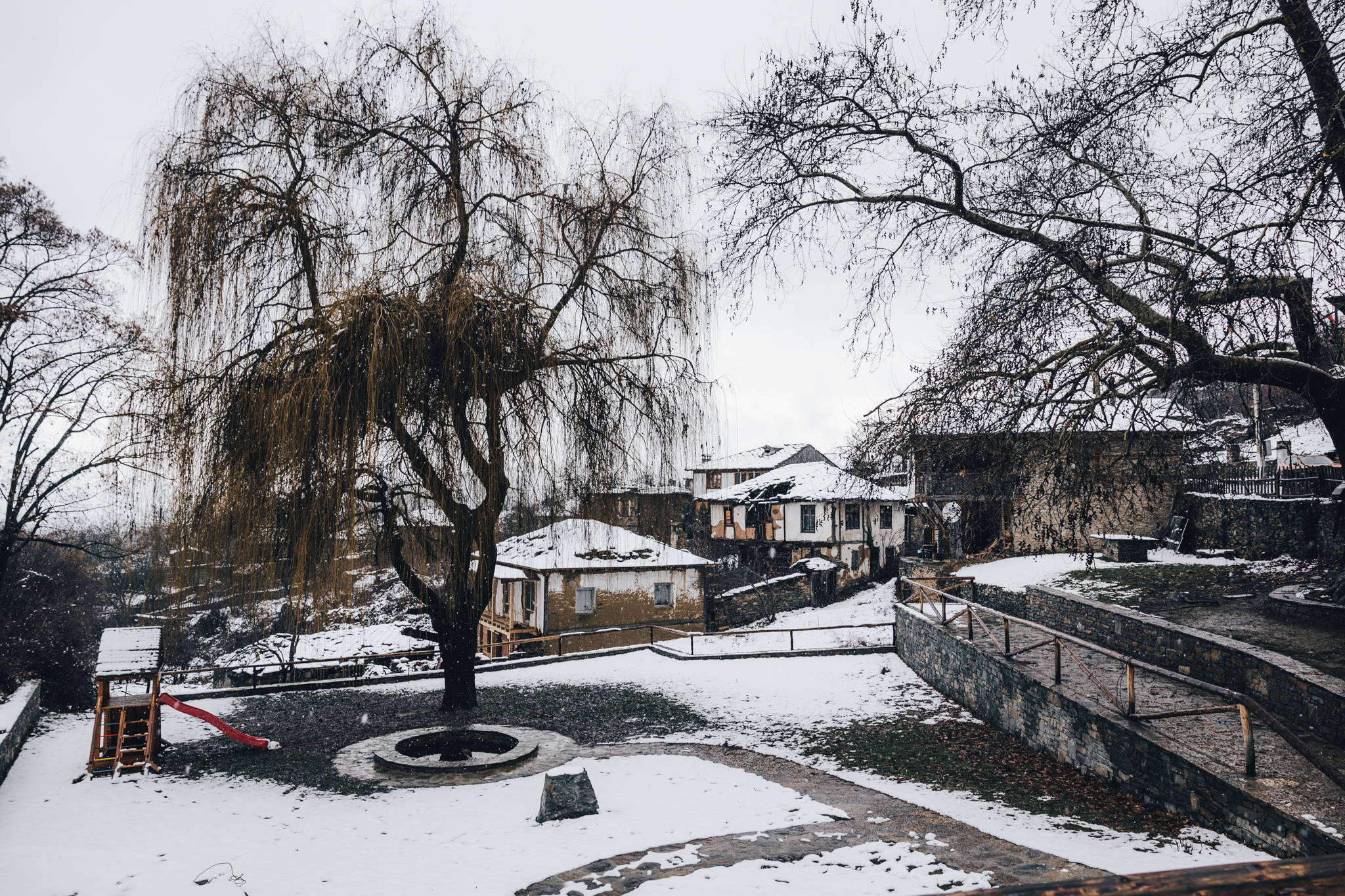
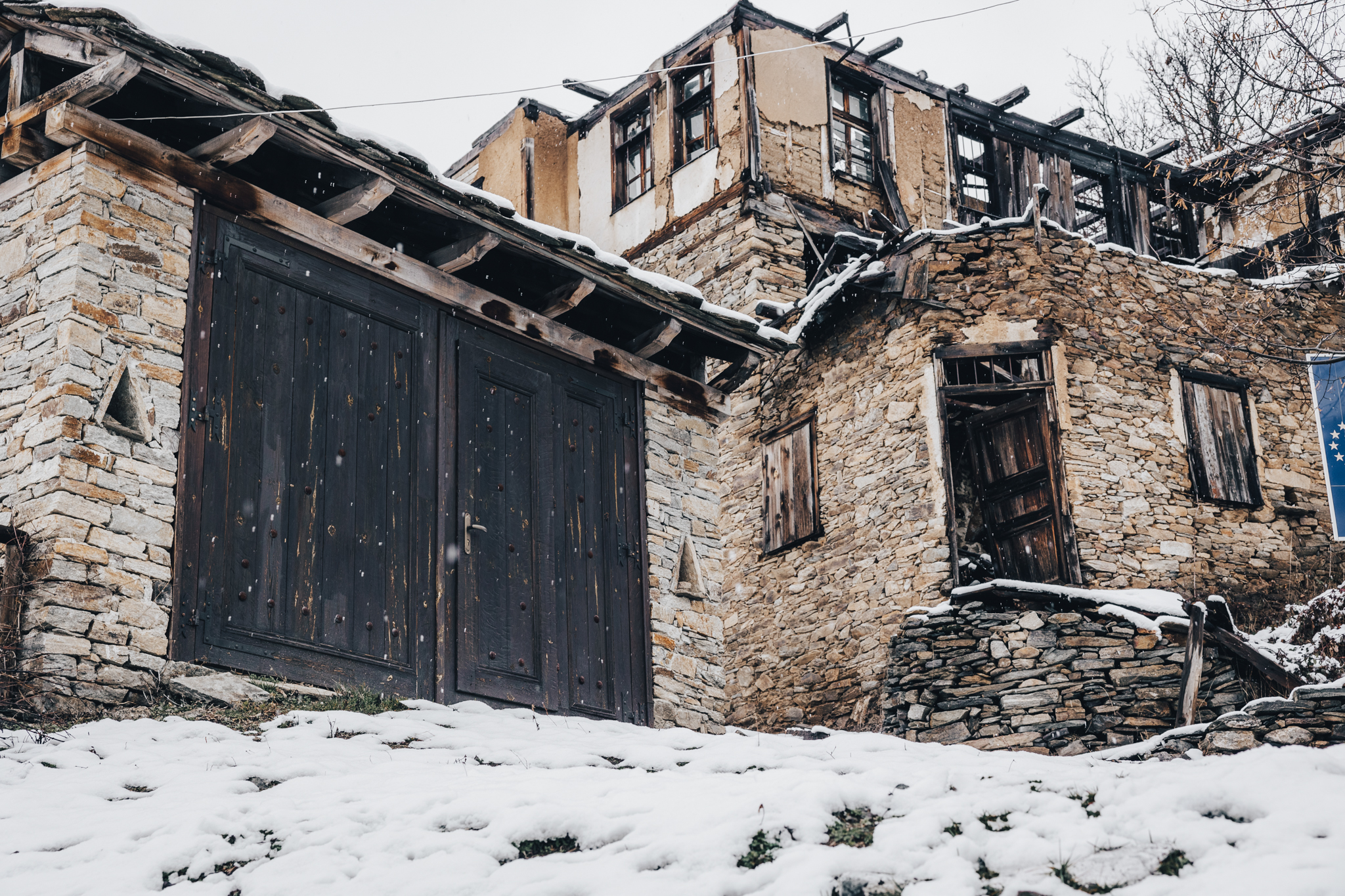
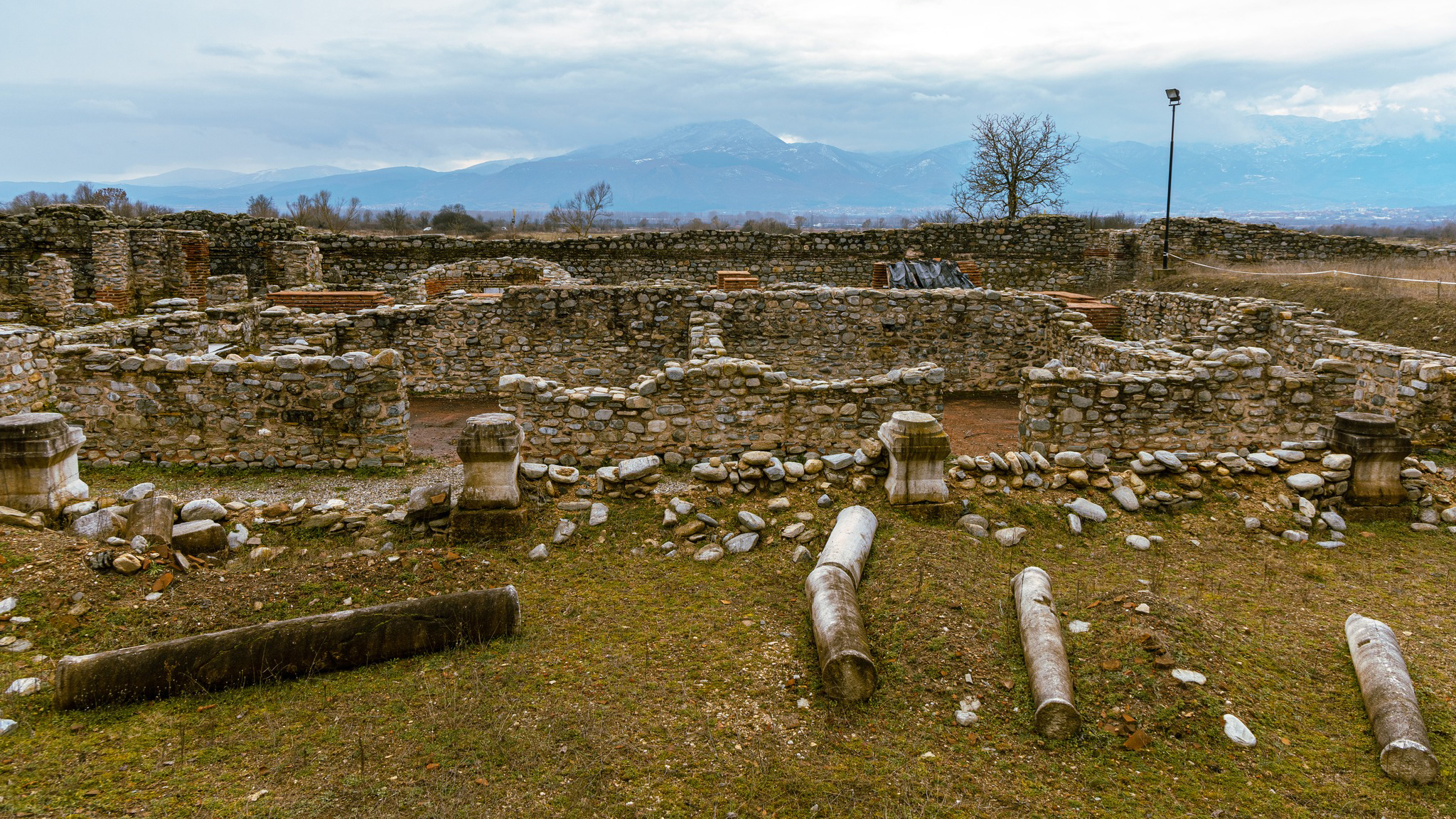
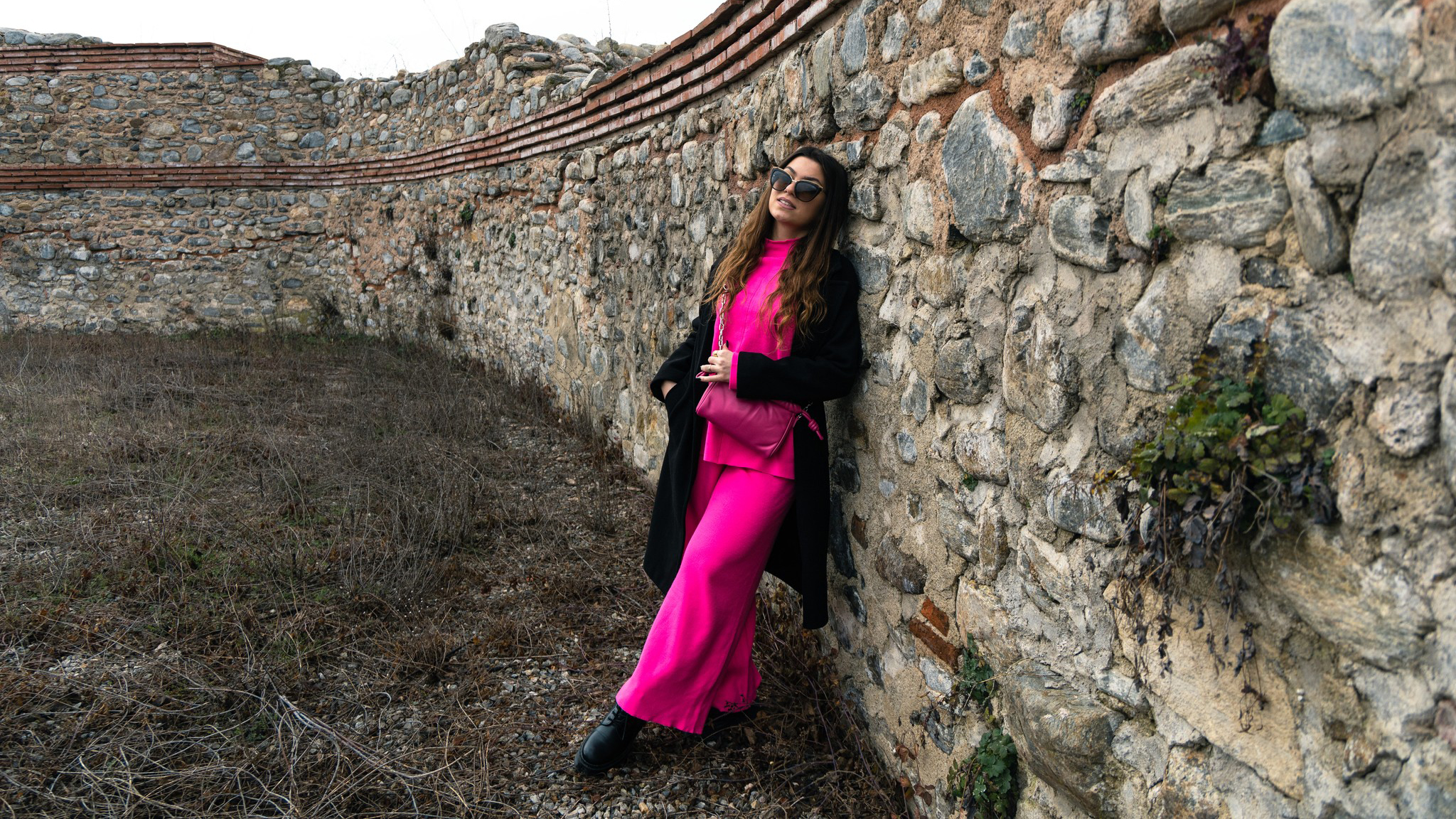
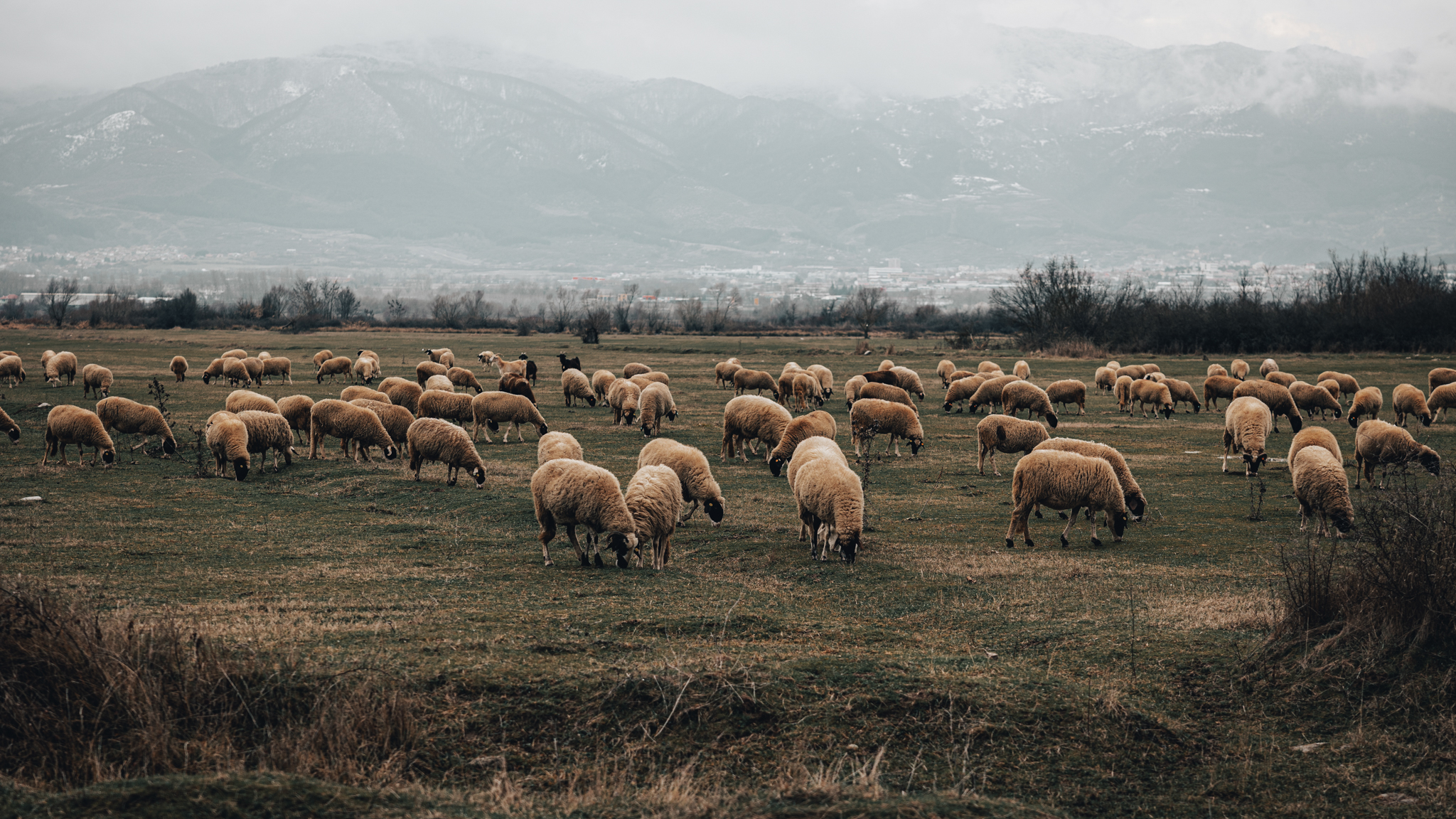
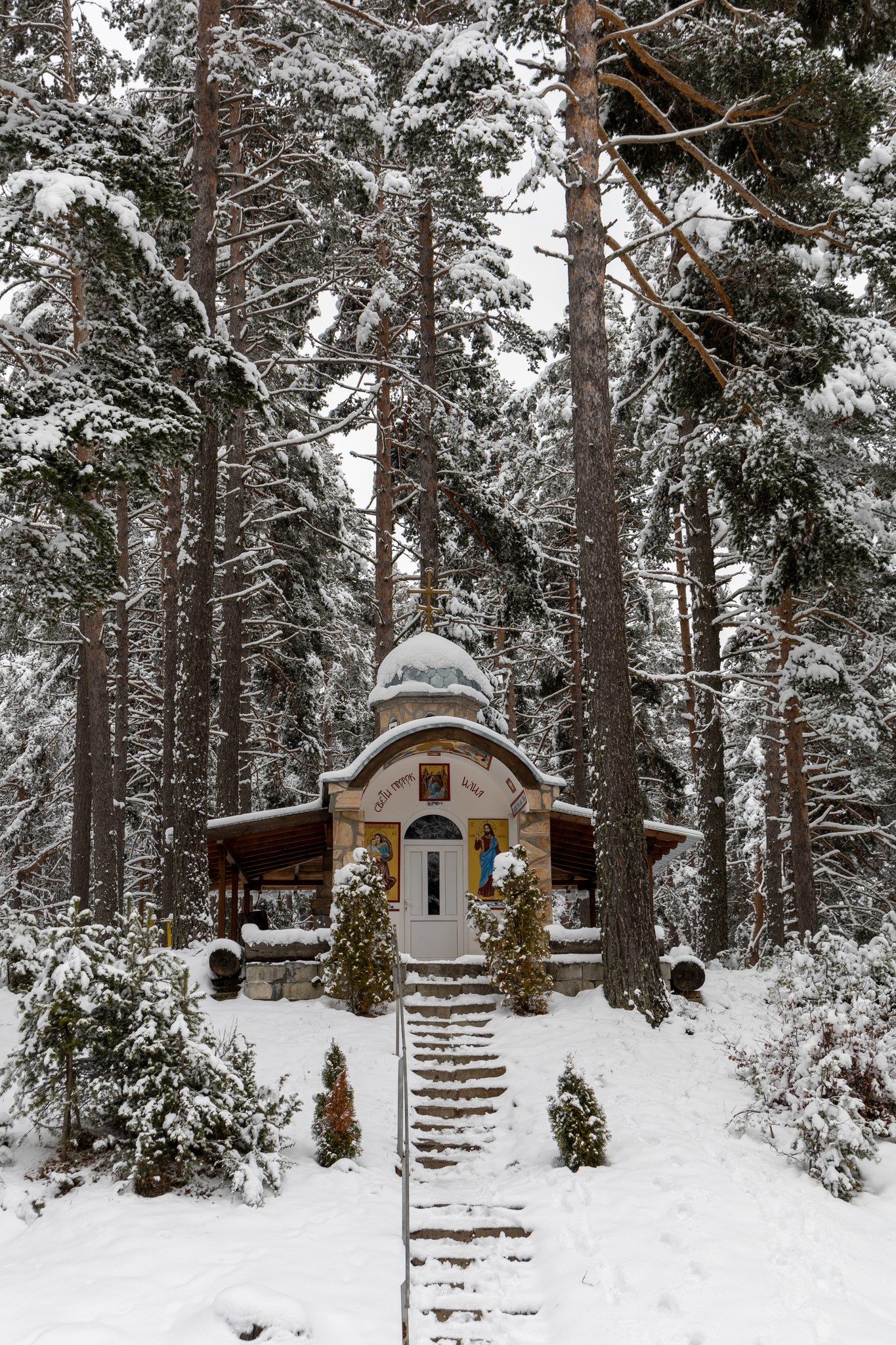
Kovachevitsa was the next Pomak village farther north, and it proved to be a poorer variation of the previous one. The snow, even though it wasn’t alot, made the almost abandoned village more beautiful, and the cameras took the share that belonged to them. The return along the same road brought us to ancient Nicopolis, a Roman town and forward outpost of its era, which, from an archaeological point of view, left us rather indifferent. So indifferent, in fact, that Harrys found interest in the wool-swollen sheep bleating behind the wire fence.
Indifference turned into displeasure during our visit to the warehouse-museum where the few finds were kept. Fragments of another age lay scattered about like pieces of a puzzle waiting to be fitted together on a dirty table, showing that the neighbouring country’s archaeological service still has a great deal of work to do.
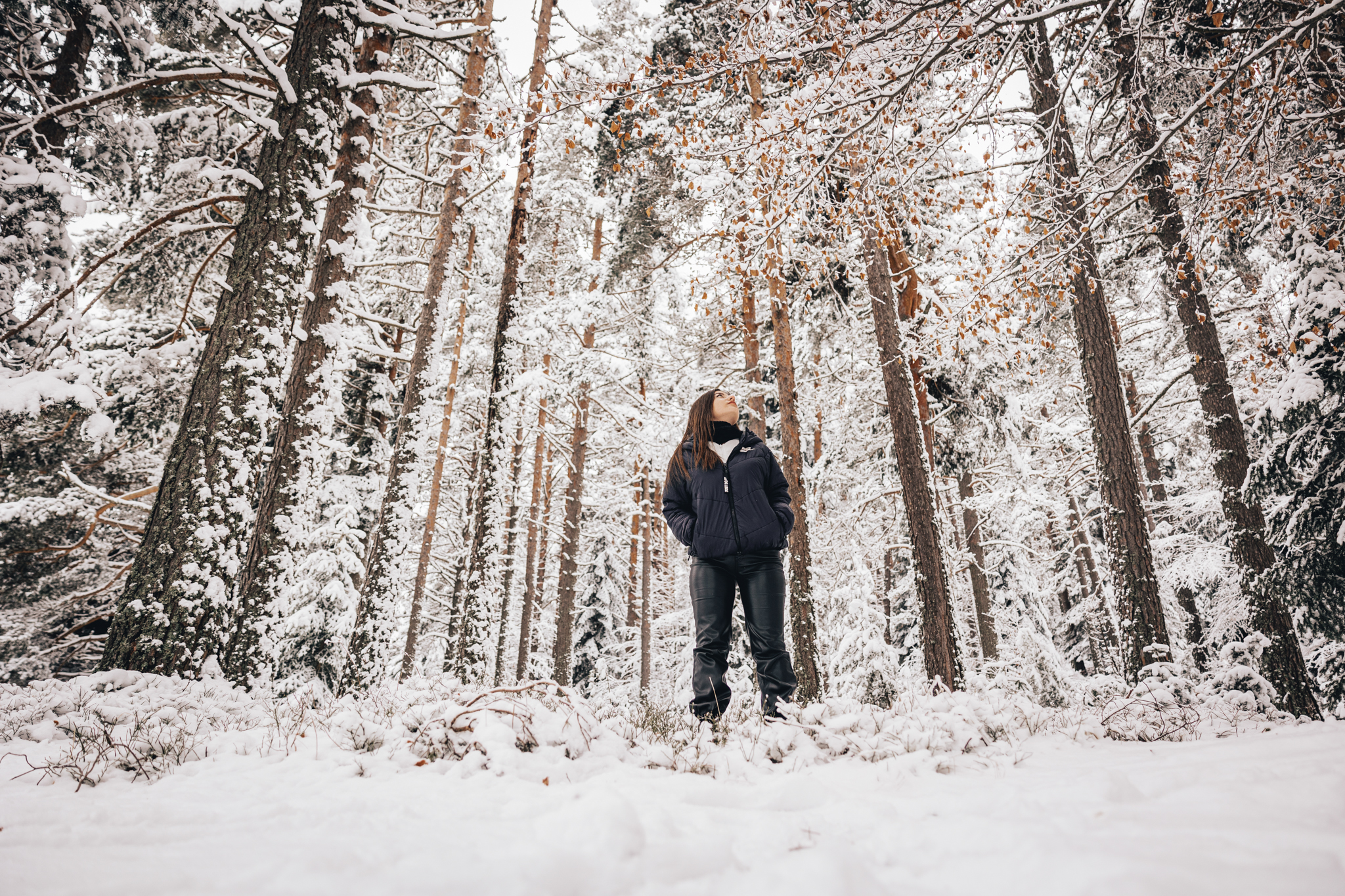
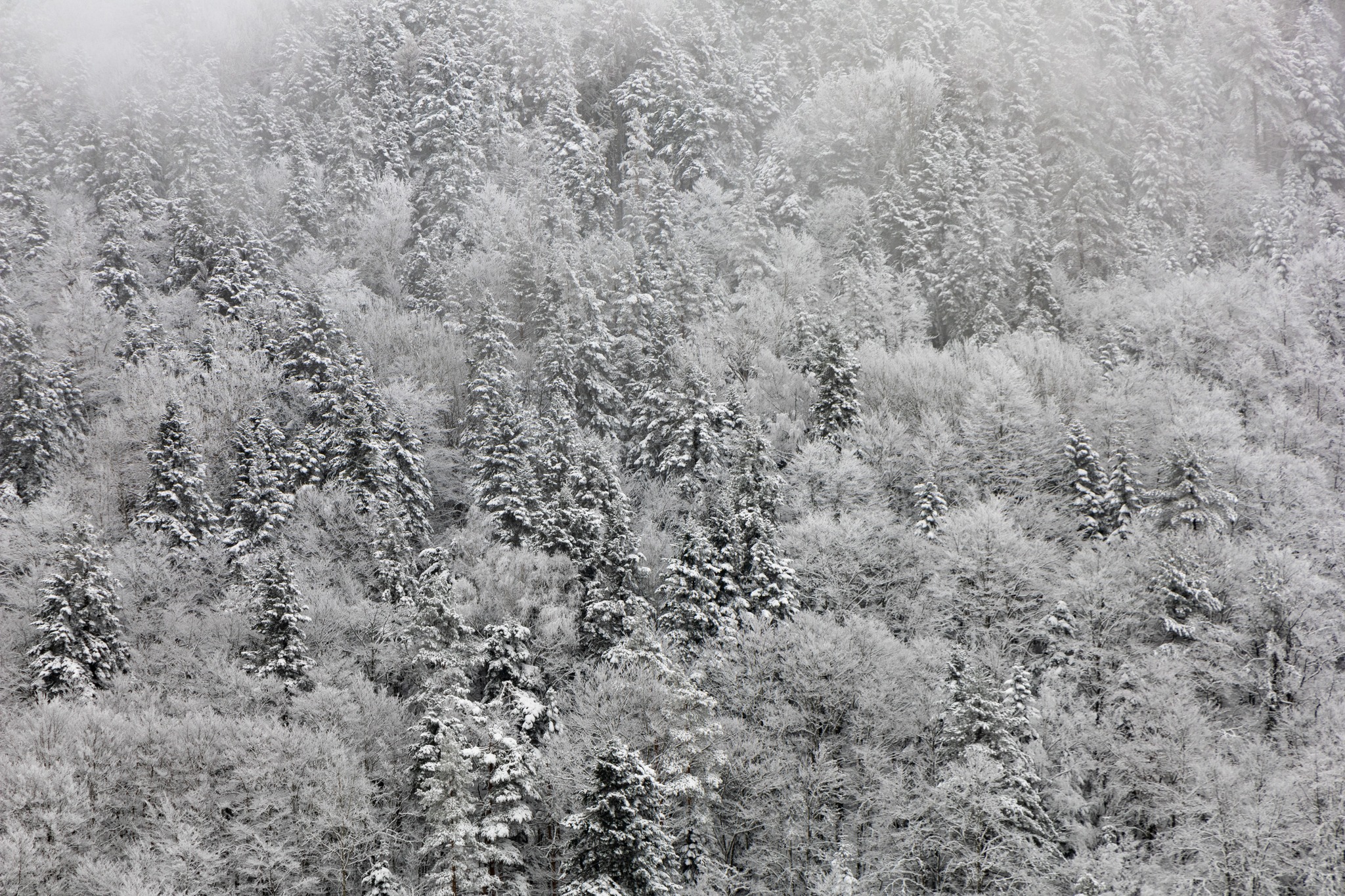
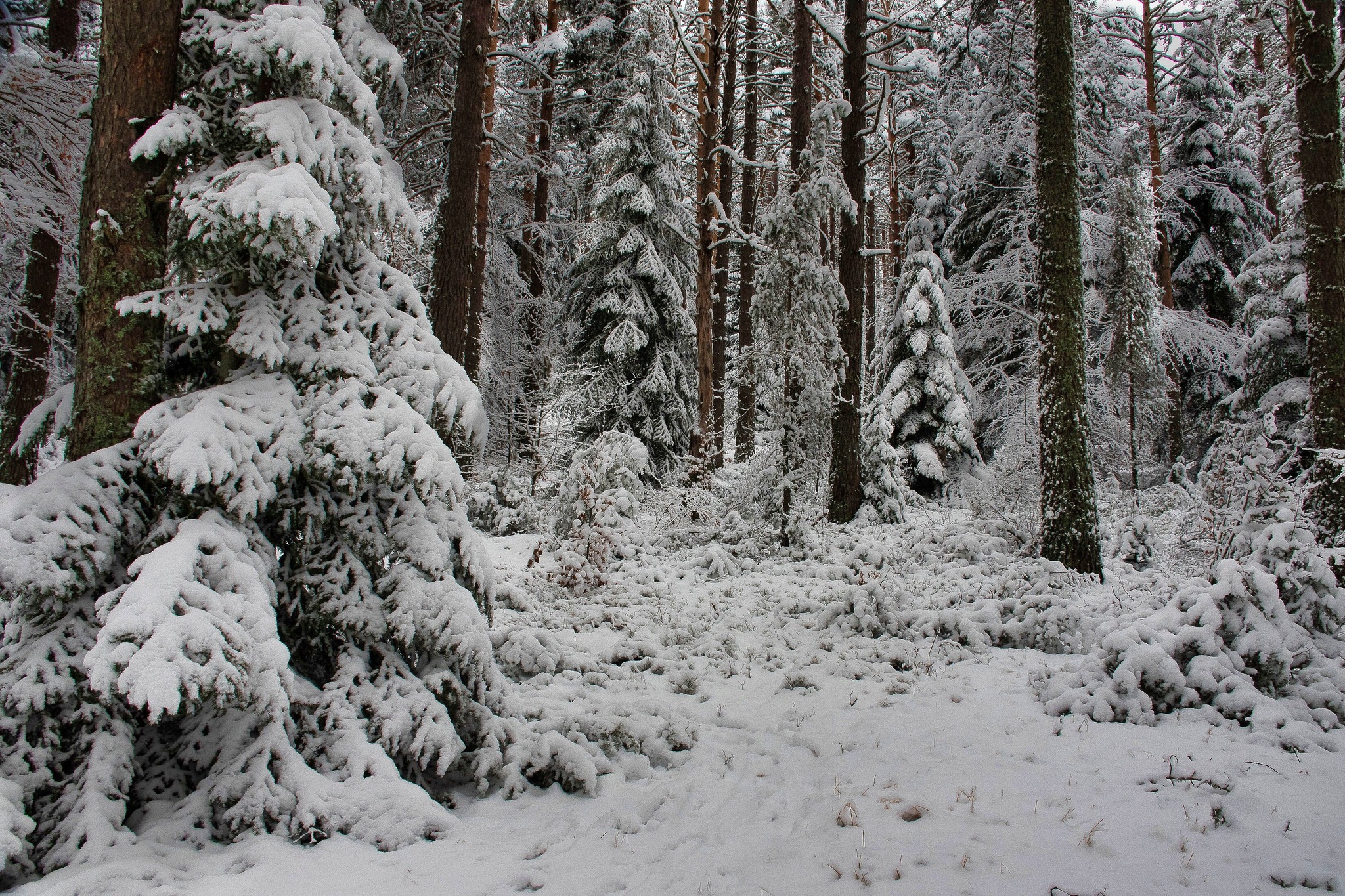
We left heading southwest, crossing the southern slopes of Pirin, which more than compensated us with the thick layer of snow on its fir trees.
The valley of Sandanski appeared from above, and the pleasant town that once stacked hordes of Greek consumers welcomed us for one final look. It seemed more likeable to me than on a previous visit, dressed now in its new Western-style attire.
We spent a little time in its market before taking the road back.
Dimosthenis Seitaridis
Harrys Pourouzidis
Ευτύχης Τσαουσίδης
Nikos Kakagias
Ευτύχης Τσαουσίδης
Dimosthenis Seitaridis
Ευτύχης Τσαουσίδης
Harrys Pourouzidis
Harrys Pourouzidis
Nikos Kakagias
Dimosthenis Seitaridis
Nikos Kakagias
Dimosthenis Seitaridis
Nikos Kakagias
Nikos Kakagias
Harrys Pourouzidis
Harrys Pourouzidis
Harrys Pourouzidis
Ευτύχης Τσαουσίδης
Harrys Pourouzidis
Dimosthenis Seitaridis
Dimosthenis Seitaridis
Dimosthenis Seitaridis
Nikos Kakagias
Nikopolis ad Nestum
Dimosthenis Seitaridis
Dimosthenis Seitaridis
Harrys Pourouzidis
Pirin (Пирин)
Harrys Pourouzidis
Harrys Pourouzidis
Harrys Pourouzidis
Dimosthenis Seitaridis
Dimosthenis Seitaridis
Nikos Kakagias
Harrys Pourouzidis
Dimosthenis Seitaridis
Dimosthenis Seitaridis
Nikos Kakagias
Nikos Kakagias
Dimosthenis Seitaridis
The border sign said Promachonas, and the landscape was exactly the same as the one we had left behind.
The poverty was the same too, on both sides of the border, bearing witness to the fact that the fate of the many is not determined by boundaries, but by the will of those in power to share, fairly or not, the wealth of the earth that sustains us.
Pixelscape.gr uses cookies to ensure that provides you with the best possible navigation experience. By using the website you accept the usage of cookies. Press “Accept”, if you condone the usage of cookies.
This website uses cookies to improve your experience while you navigate through the website. Out of these, the cookies that are categorized as necessary are stored on your browser as they are essential for the working of basic functionalities of the website. We also use third-party cookies that help us analyze and understand how you use this website. These cookies will be stored in your browser only with your consent. You also have the option to opt-out of these cookies. But opting out of some of these cookies may affect your browsing experience.