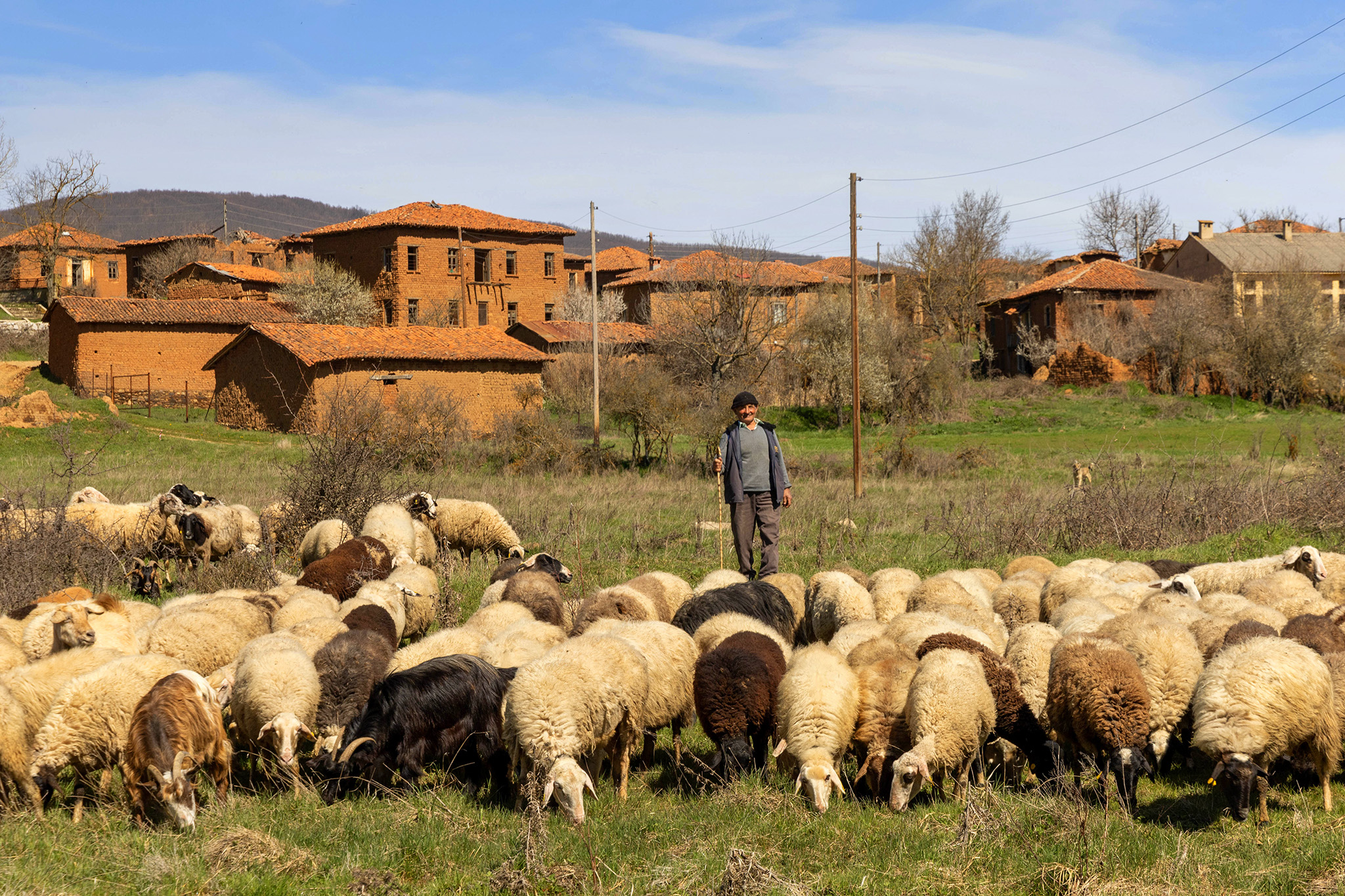
Article by Nikos Kakagias Cover photo by Ευτύχης Τσαουσίδης Edited by Harrys Pourouzidis
Melenikou Street is a narrow, semi-circular street behind Panagia Dexia in Thessaloniki, a place that has housed, and continues to house, many expectations and dreams of the student world.
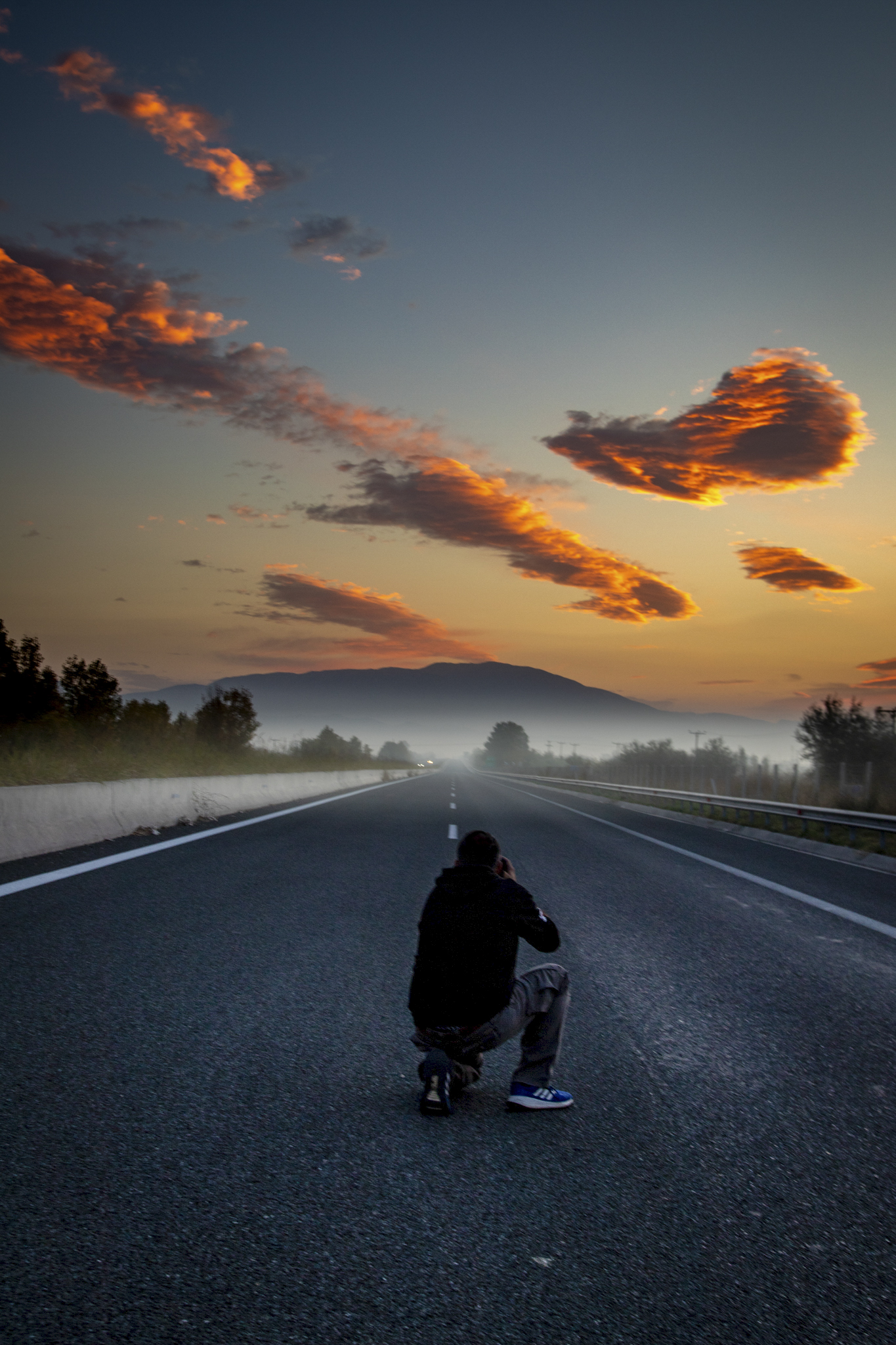
For years, a quiet question about who or what “Melenikos” was, remained unanswered. Quite some time passed before knowledge set things straight and so finally learn what “Meleniko” was. But it took just as long again for the right moment to come when I would finally get to get know it first hand, after a travel suggestion from the usual suspect in our photographic team.
If one excludes the naive belief that mere physical presence is enough to cross a border without an identity card, only to have to turn back halfway and fetch it, everything else went smoothly. The surface of both Bulgaria’s national and provincial road network, all the way to our destination, was fresh and smooth, as a baby’s cheek one could argue, and the wonder in our eyes was just as innocent.
Sotiris Tzoumerkas
Danis Papagiannoulis
Ευτύχης Τσαουσίδης
Nikos Kakagias
Sotiris Tzoumerkas
Harrys Pourouzidis
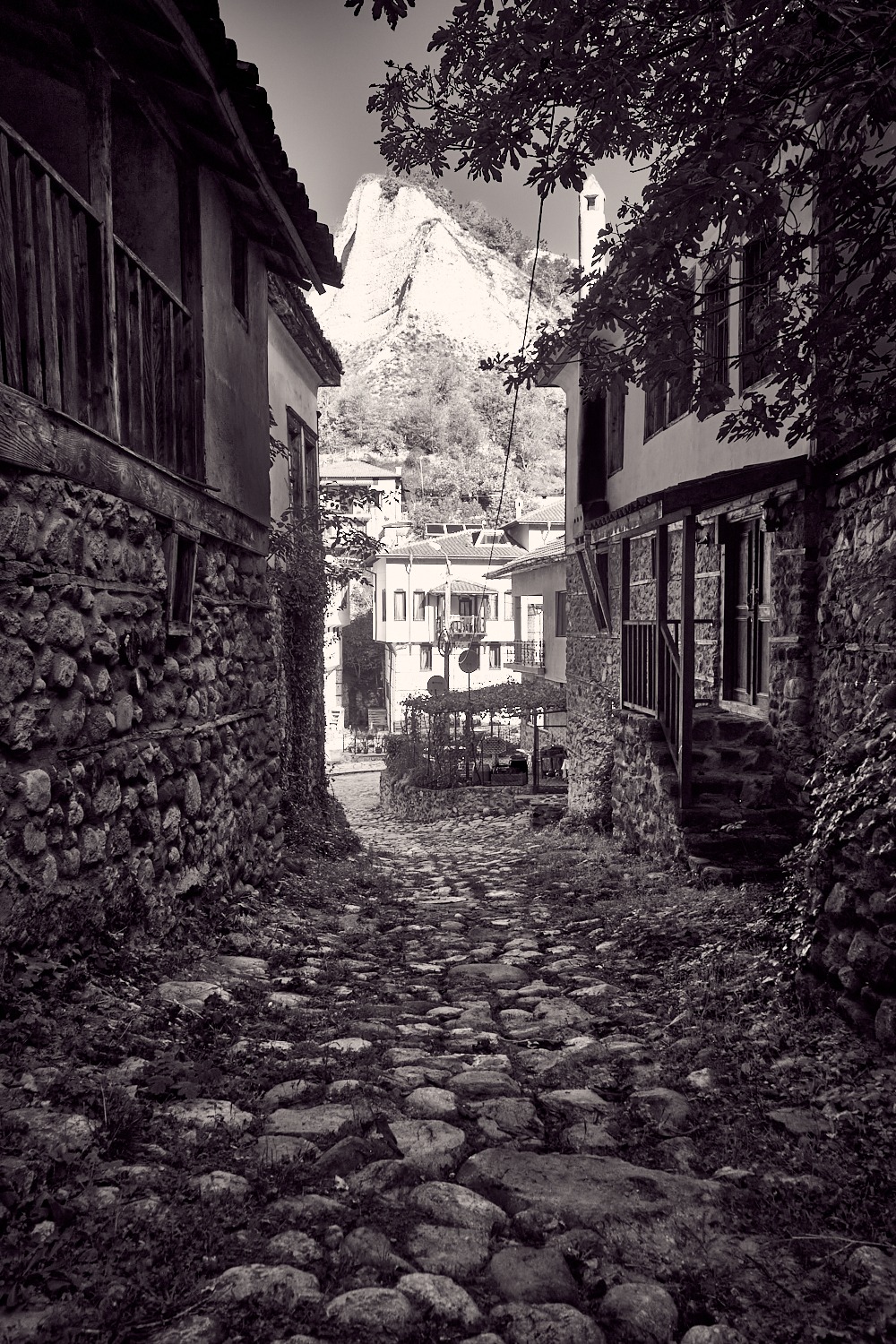
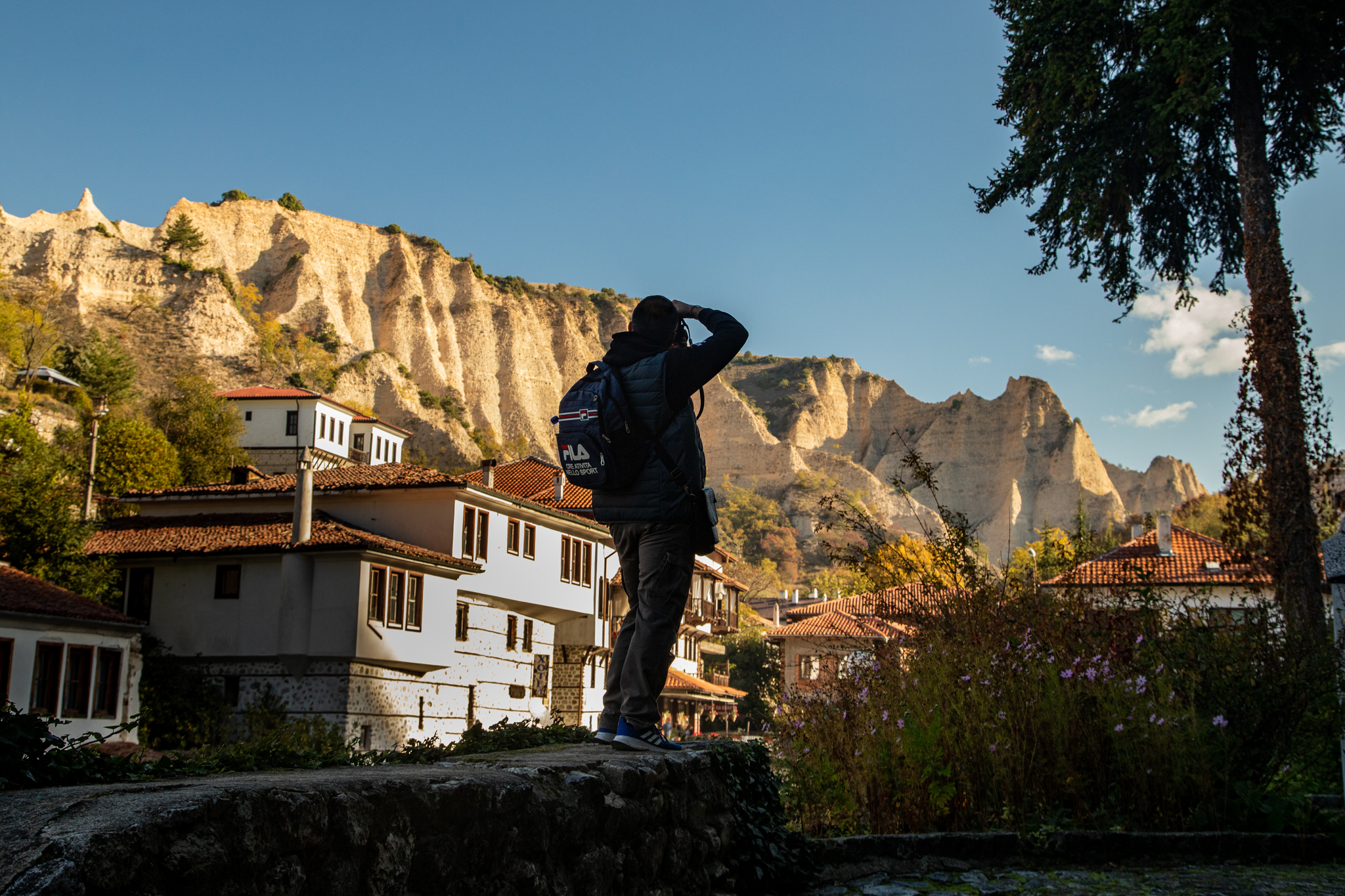
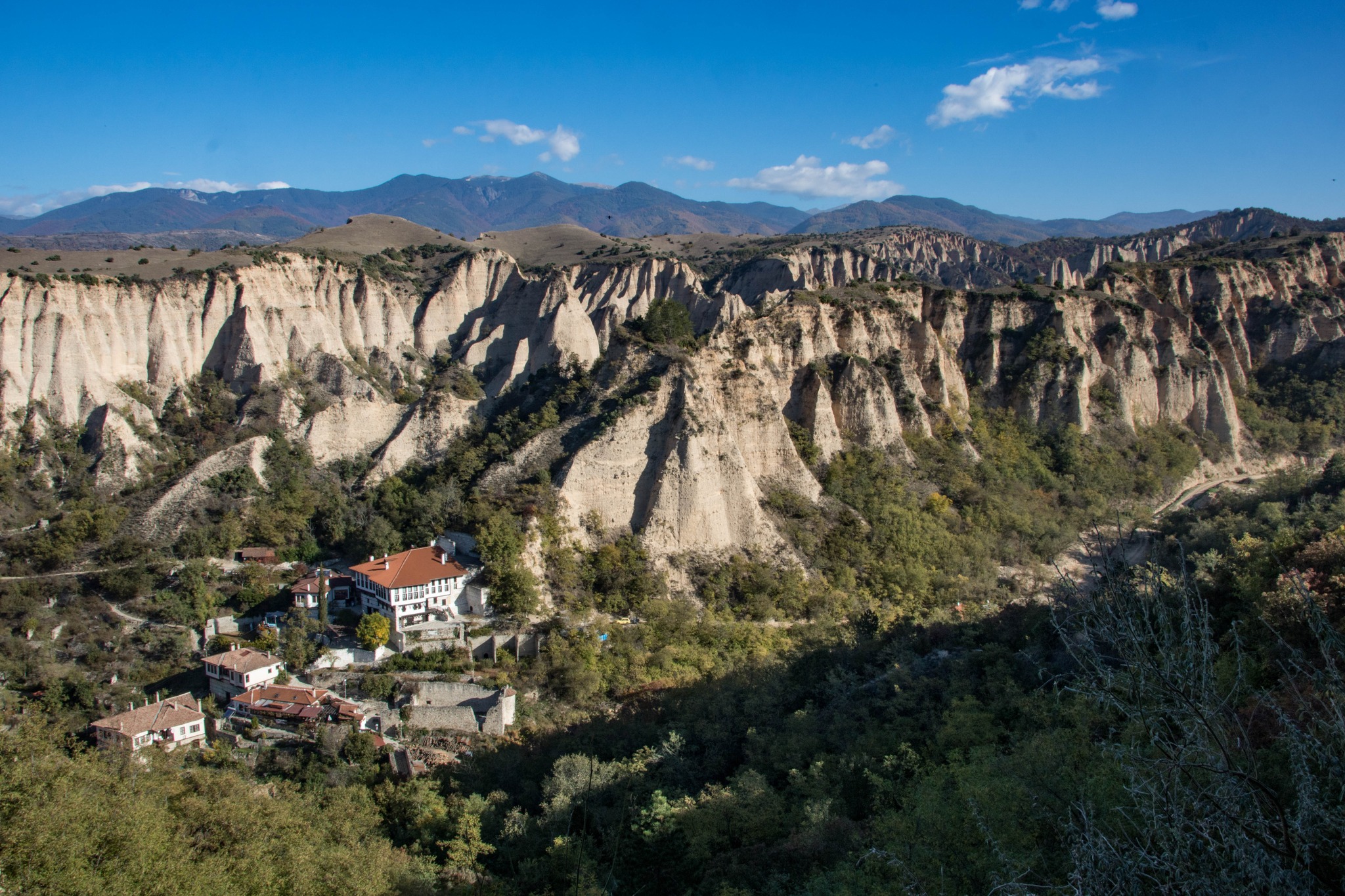
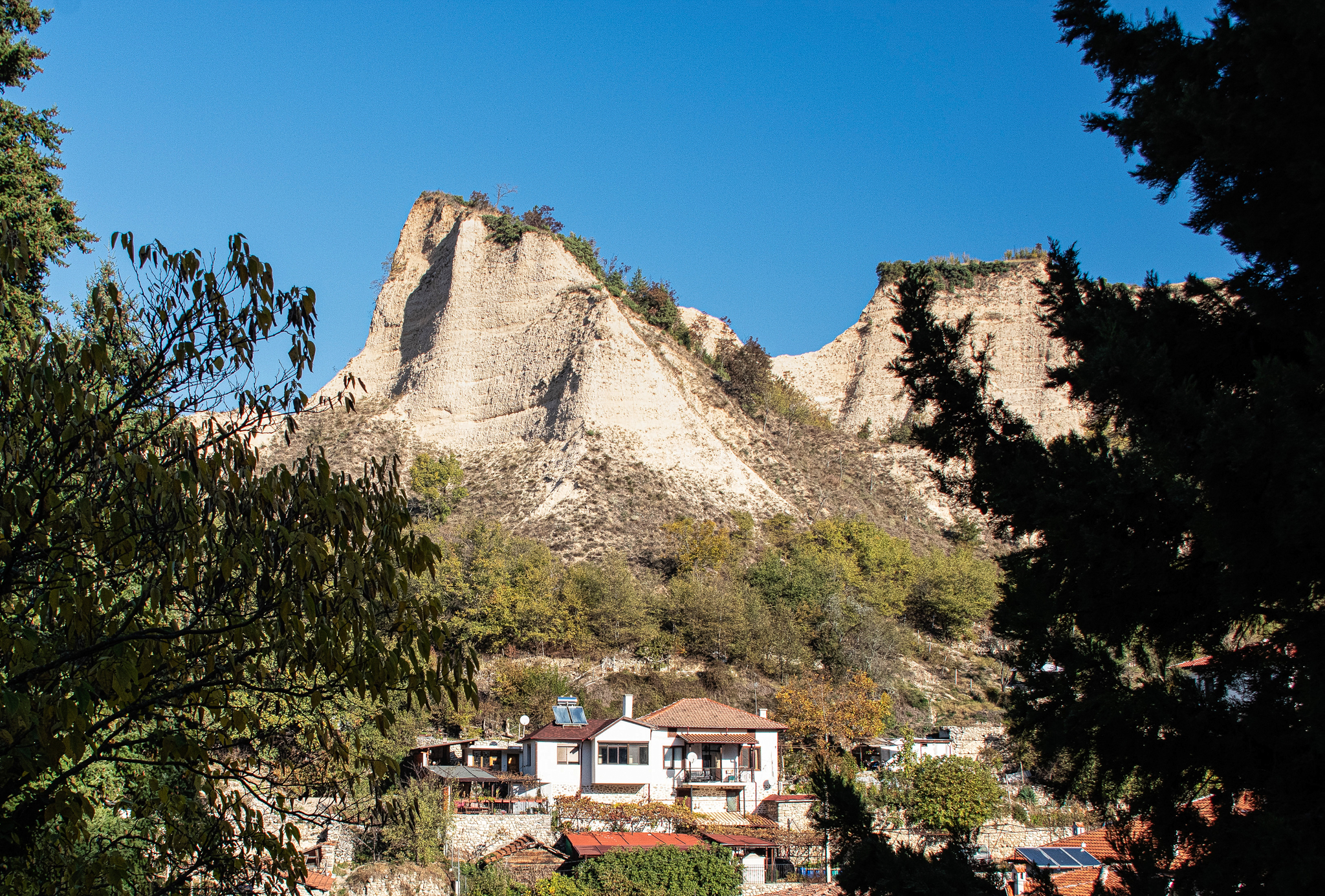
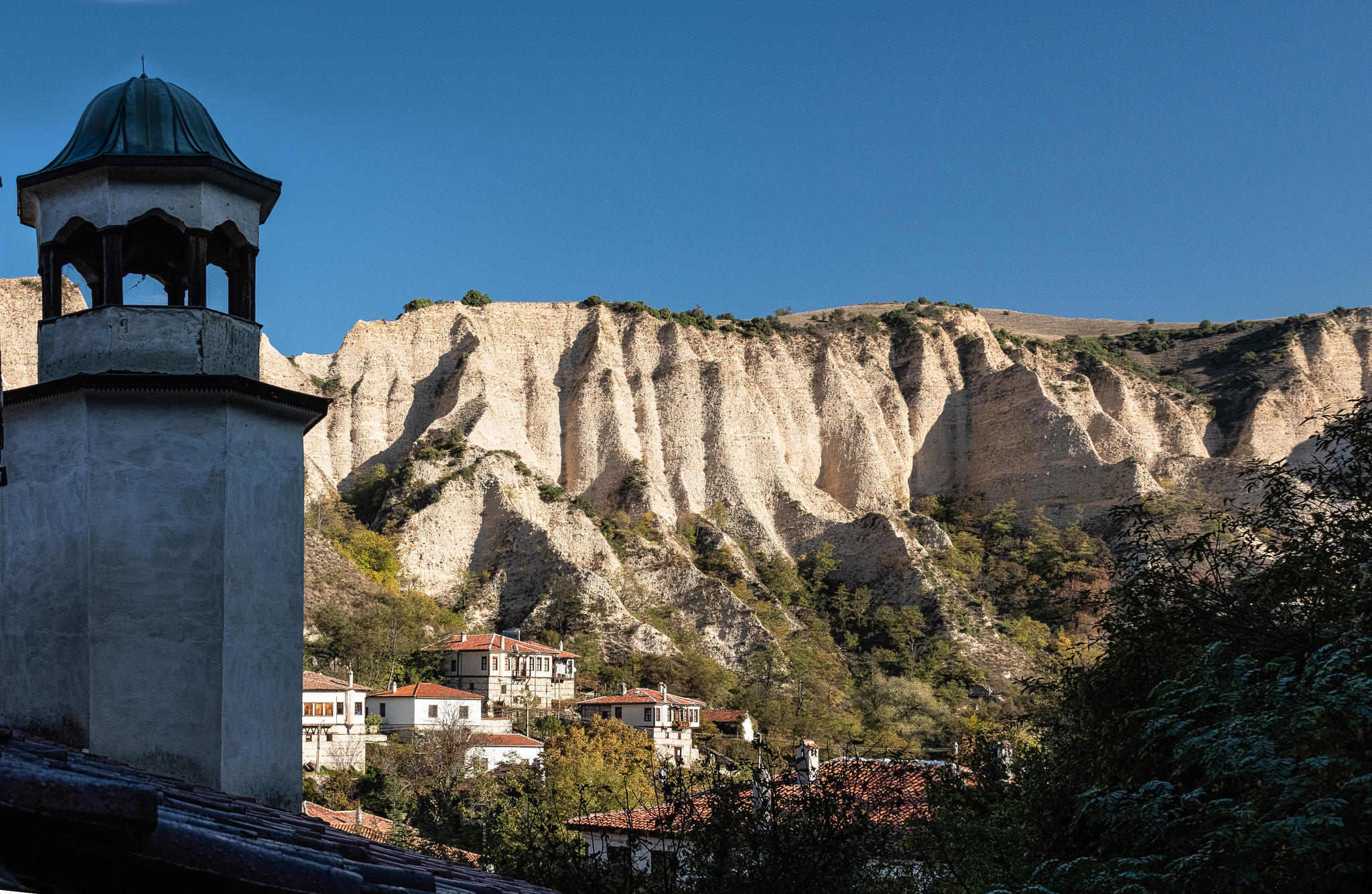
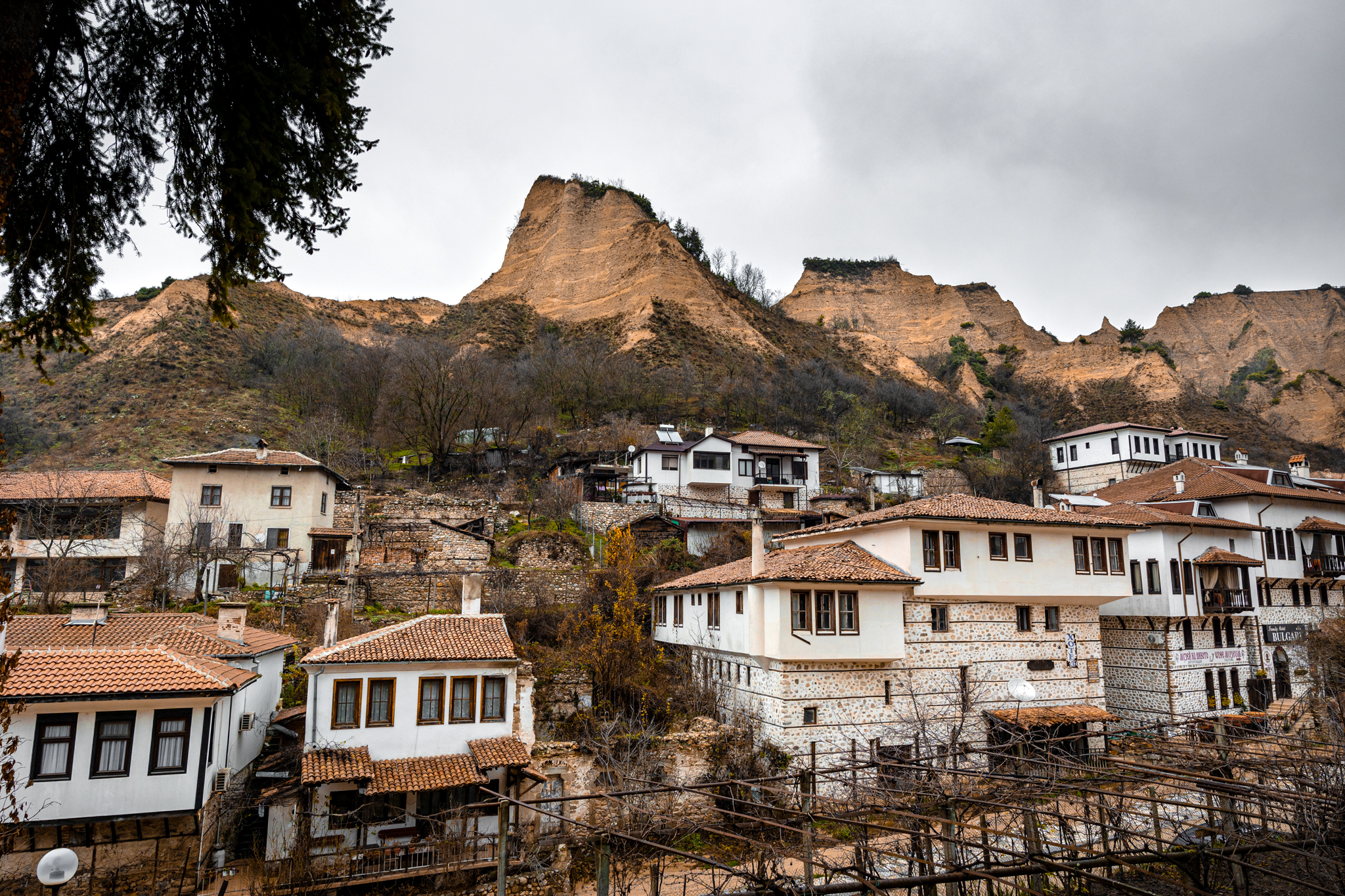
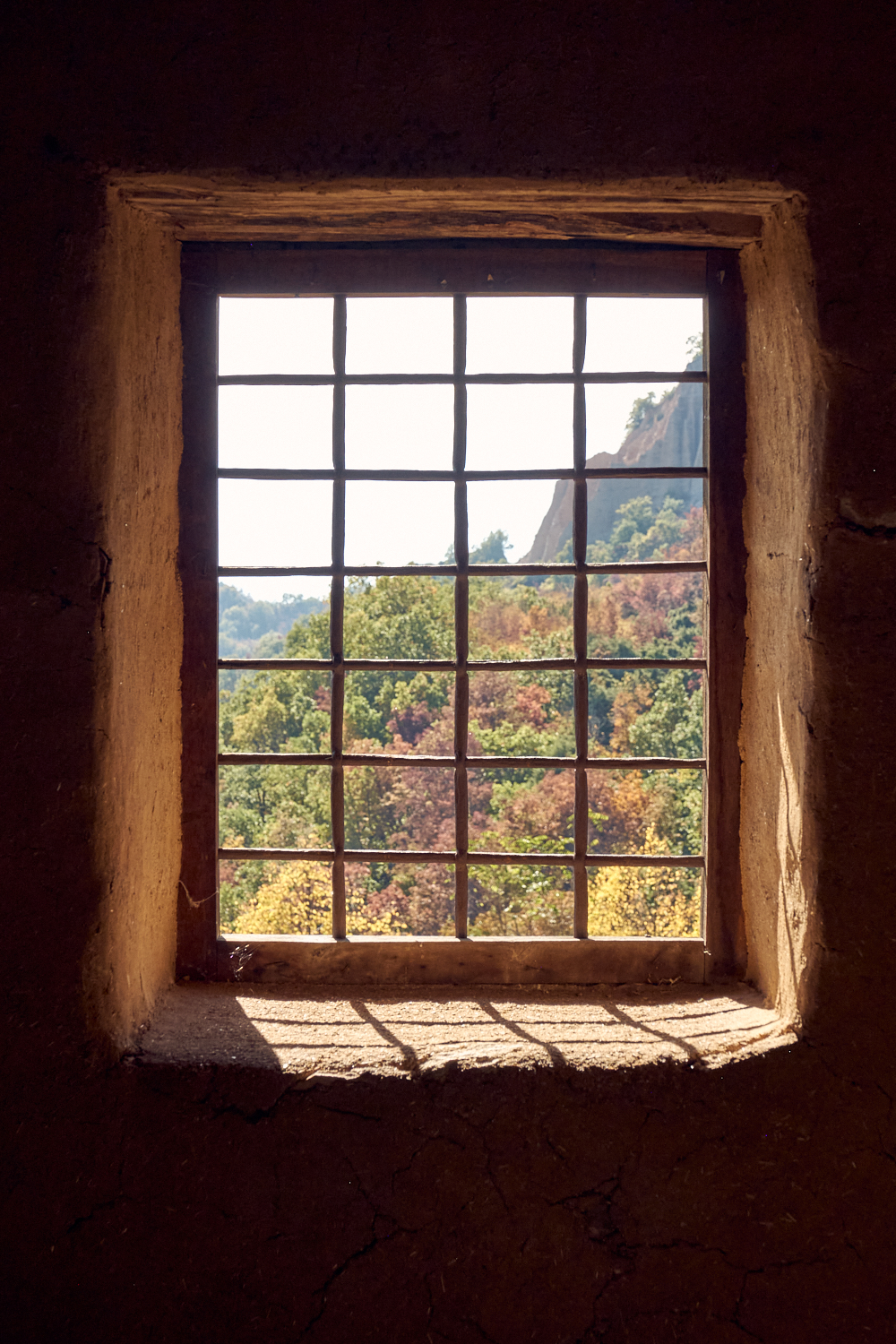
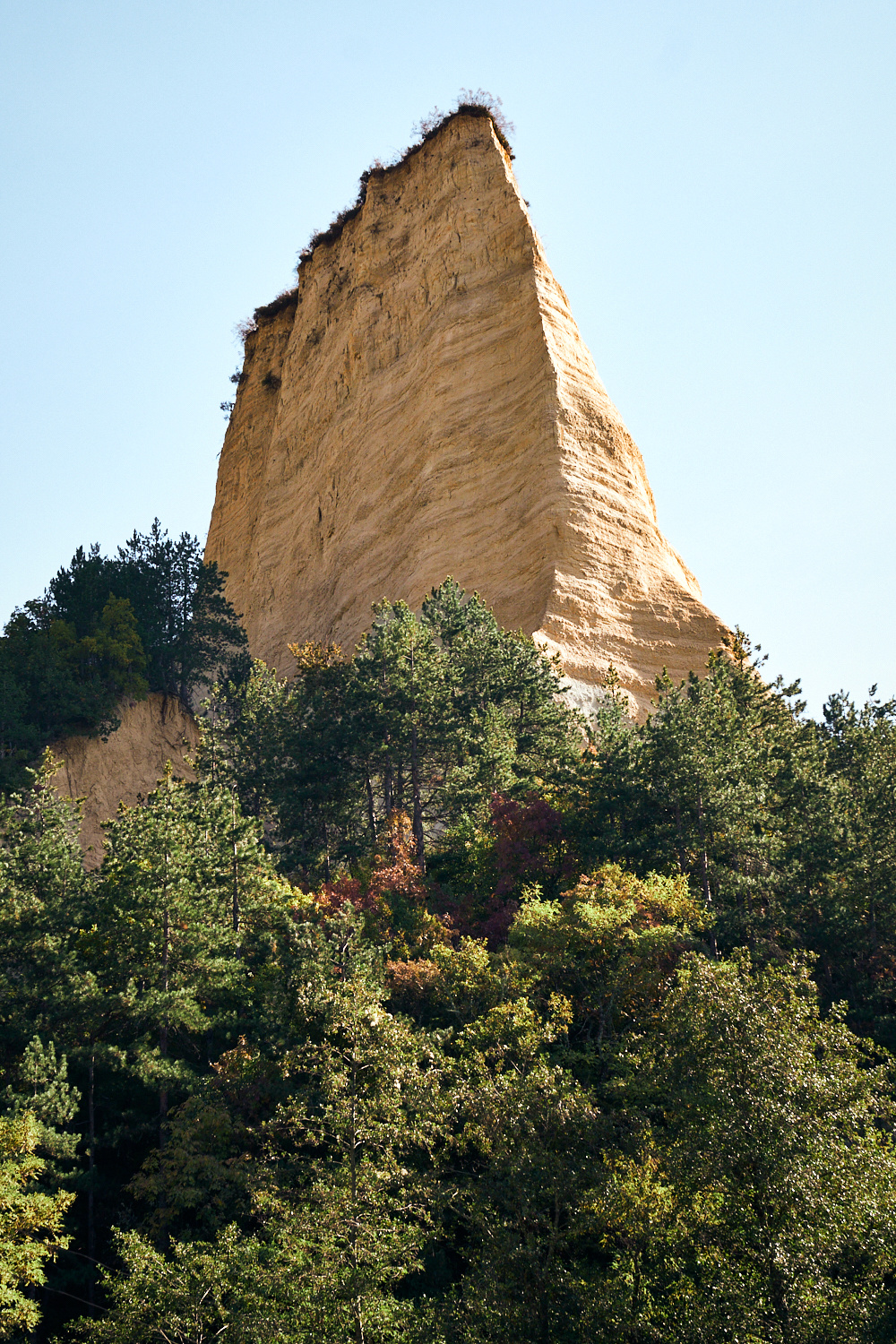
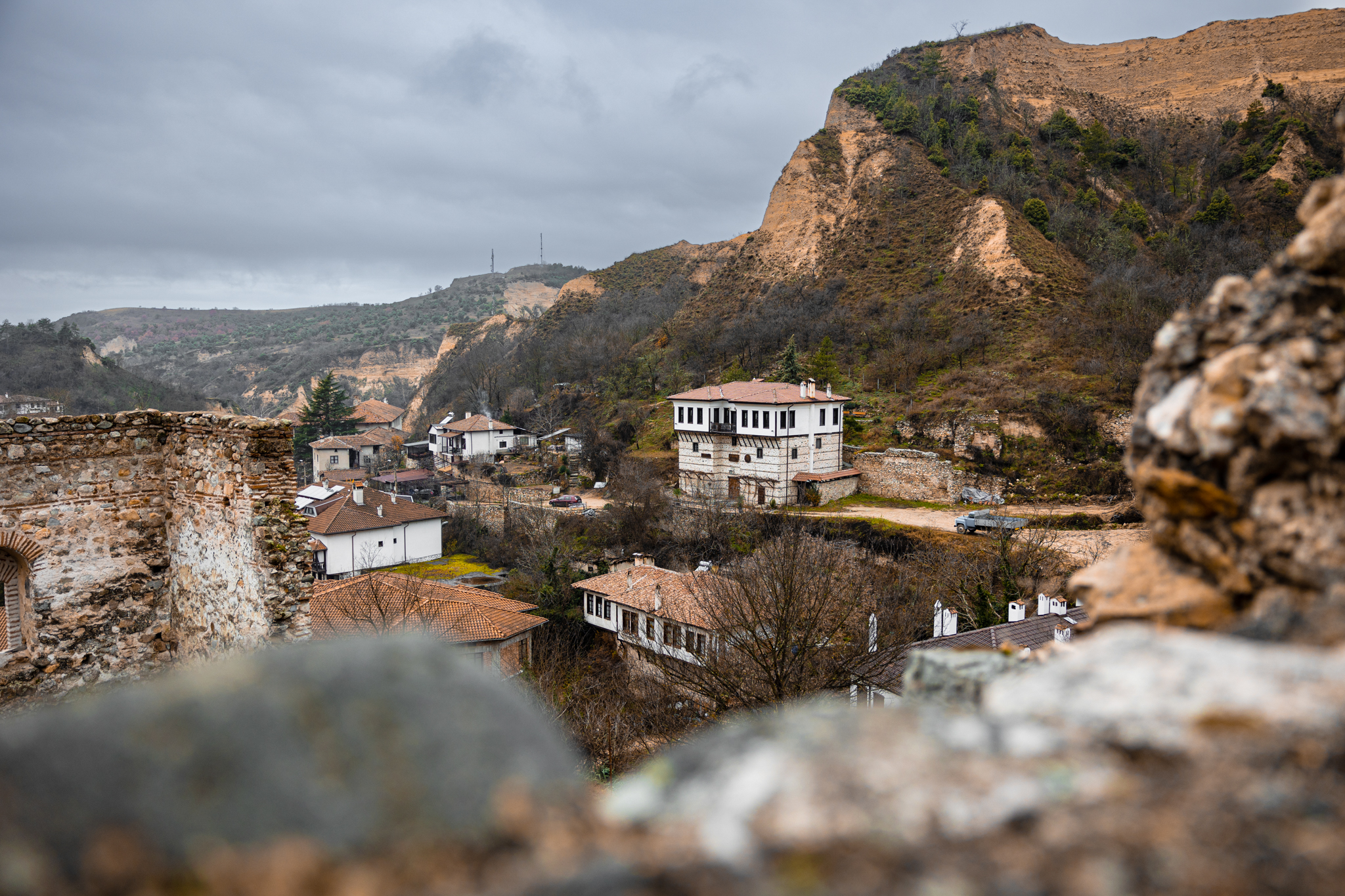
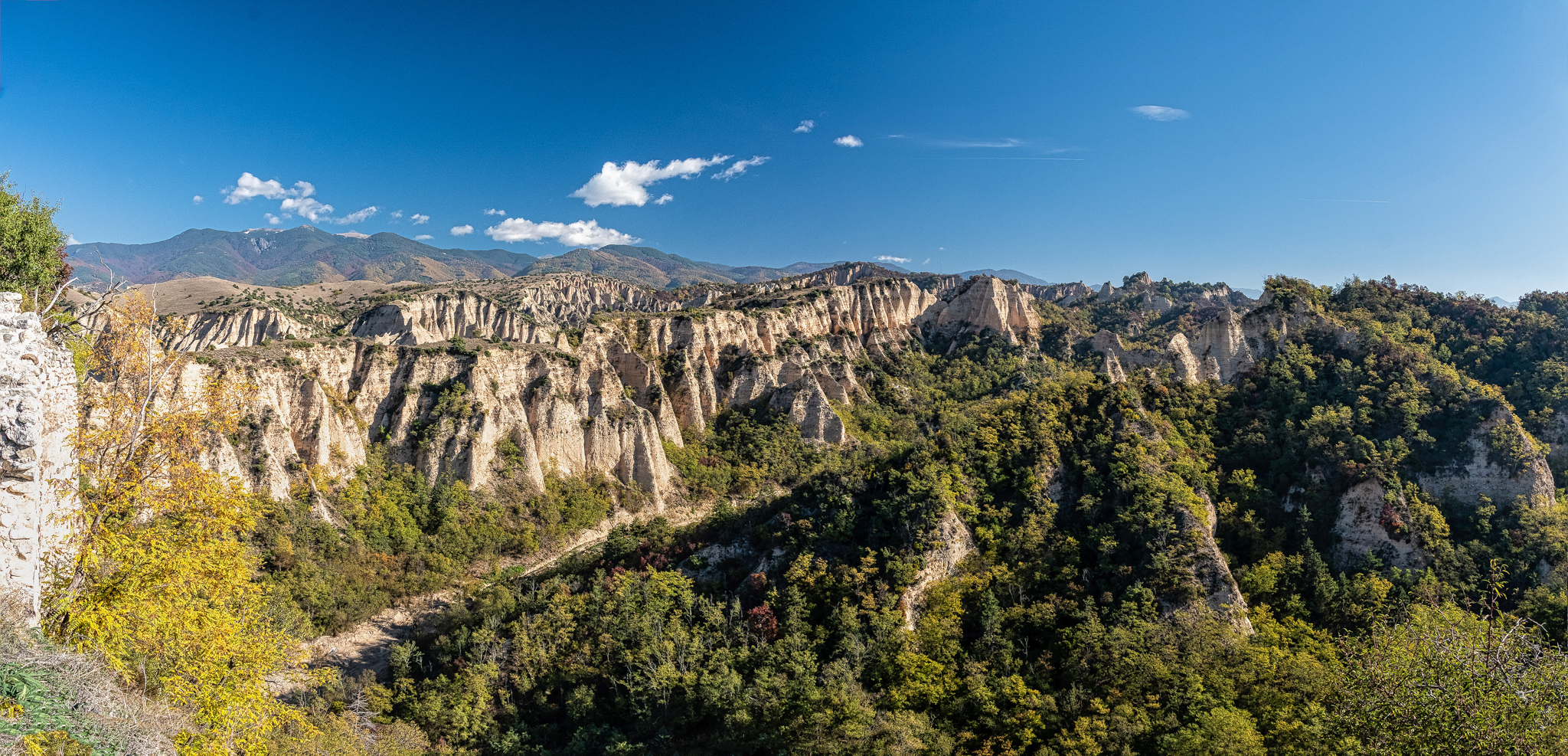
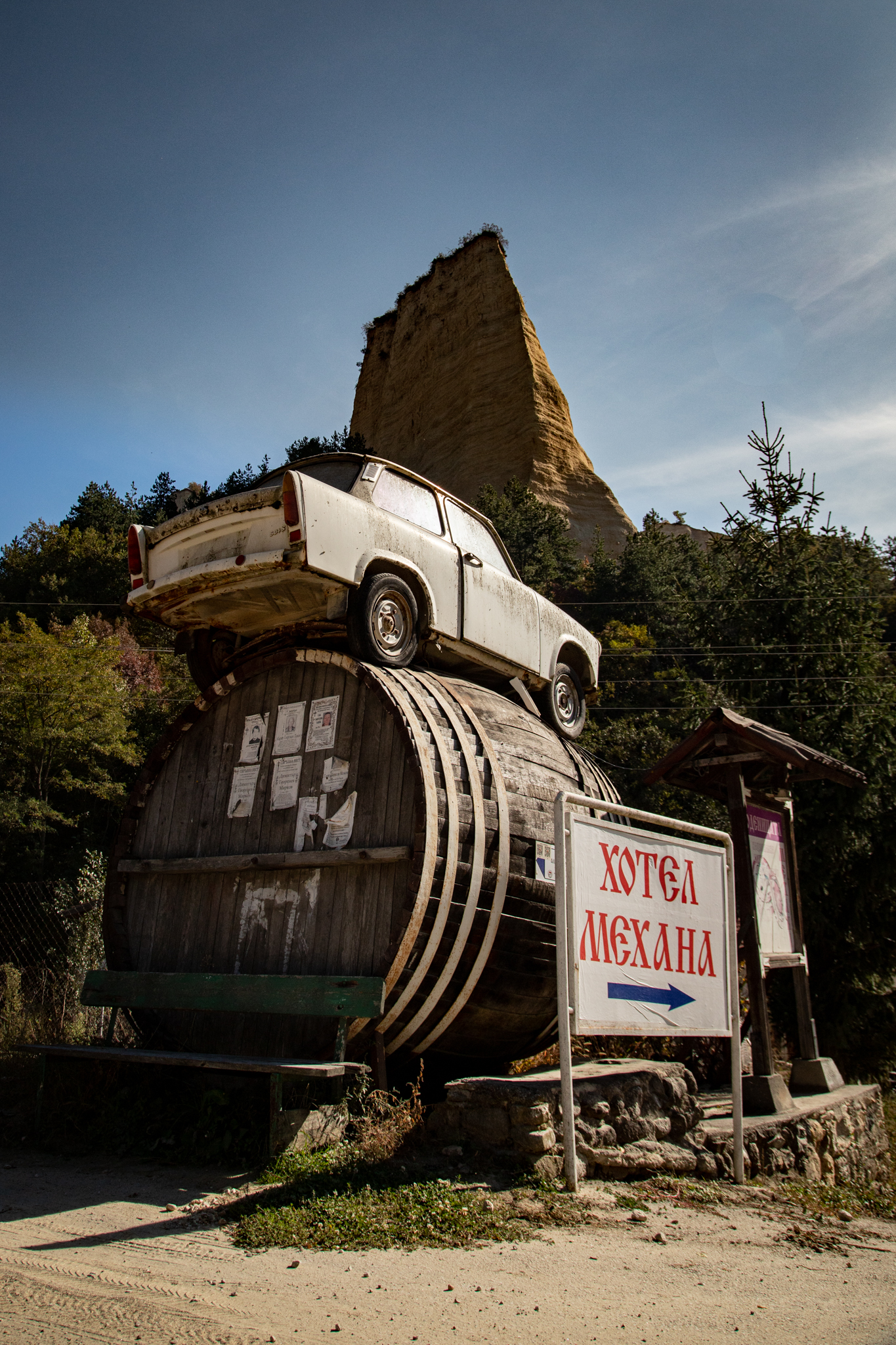
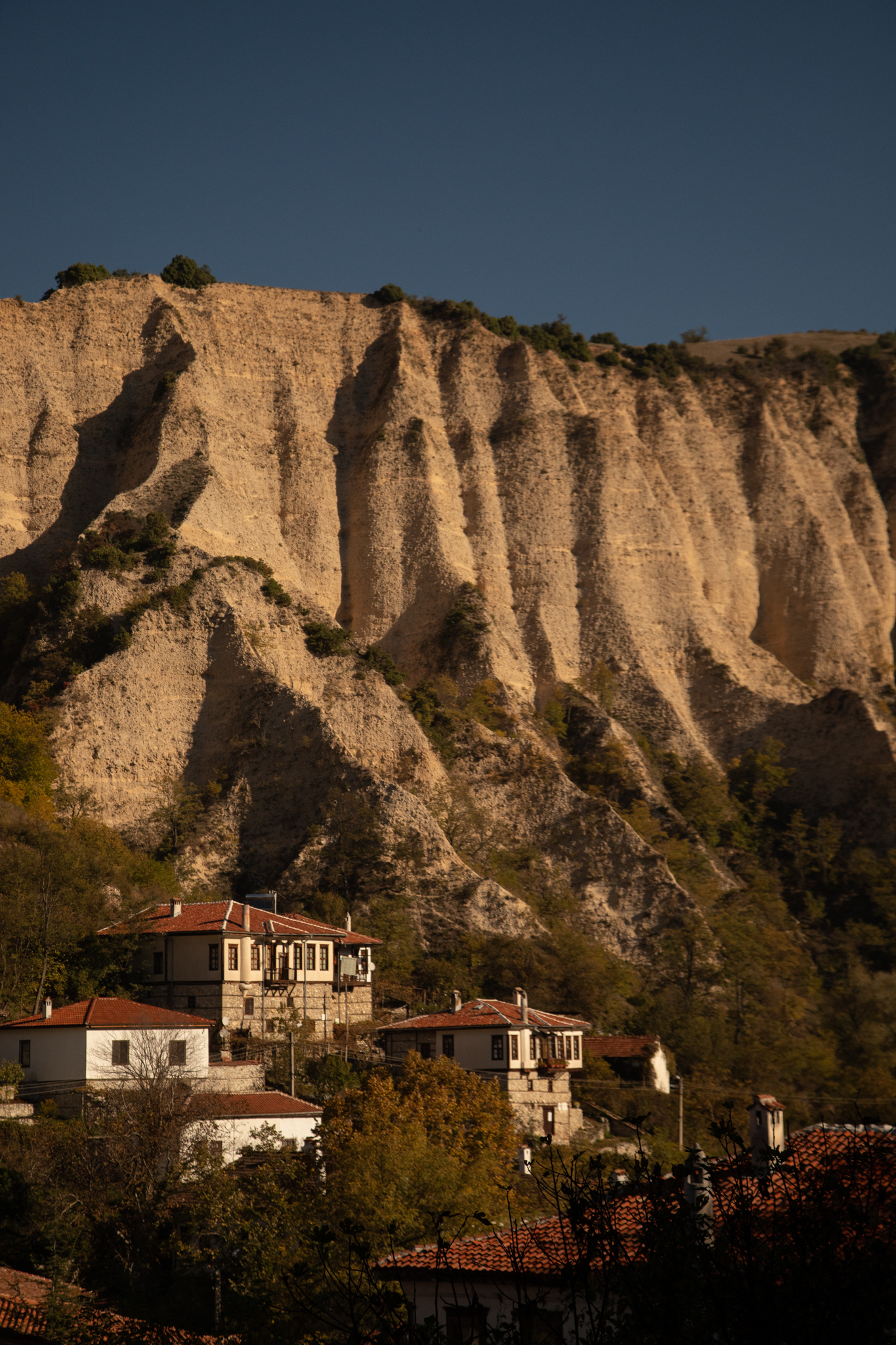
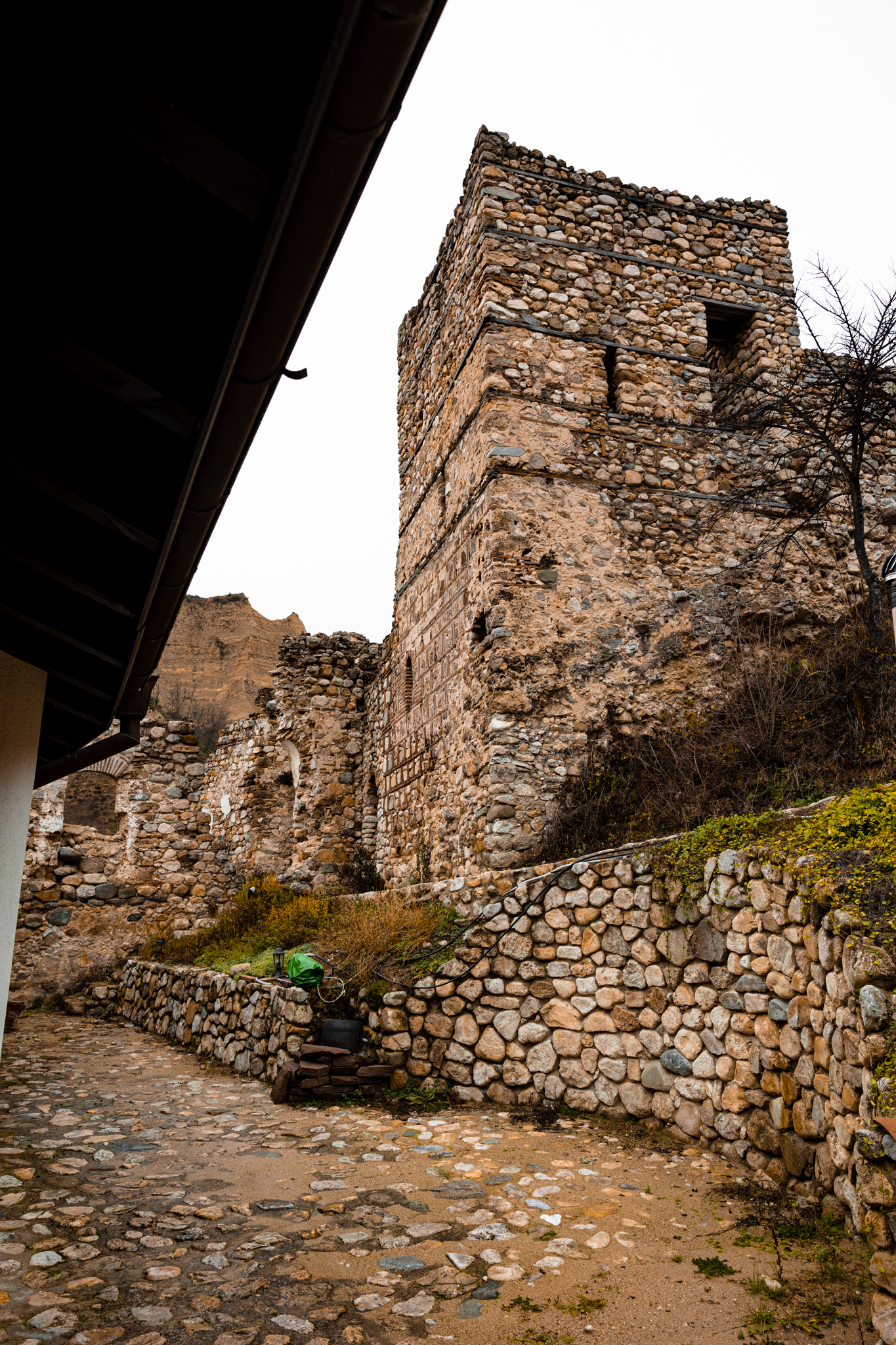
Melnik lies at an altitude of about 430 metres, literally inside a valley formed by vertical sandstone formations, distinctive in appearance and naturally capable of stirring the enthusiasm of any proper artist.
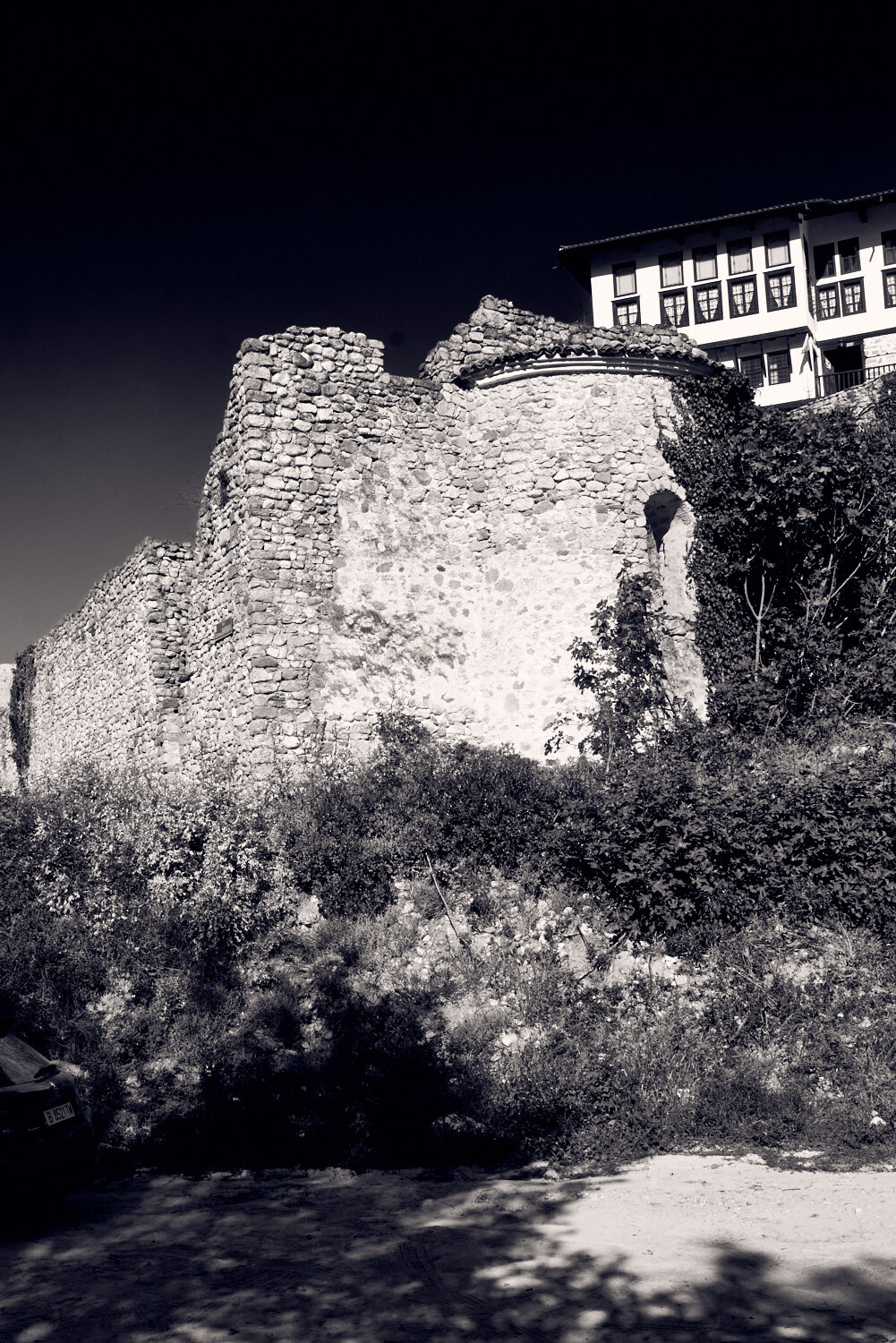
The settlement went through countless trials before being assigned to Bulgarian territory by the Treaty of Bucharest in 1913. Its Greek inhabitants, who formed the majority of the population, gathered what they could, took their ancestral heirlooms, and moved to Sidirokastro and Serres.
Their suffering, however, did not end there. During the second Bulgarian occupation, between 1916 and 1918, all their precious heirlooms were stolen and never returned. Bloodshed, looting, enslavement, deportations, and the physical annihilation of the population of East Macedonia were the methods used, leaving open wounds for years.
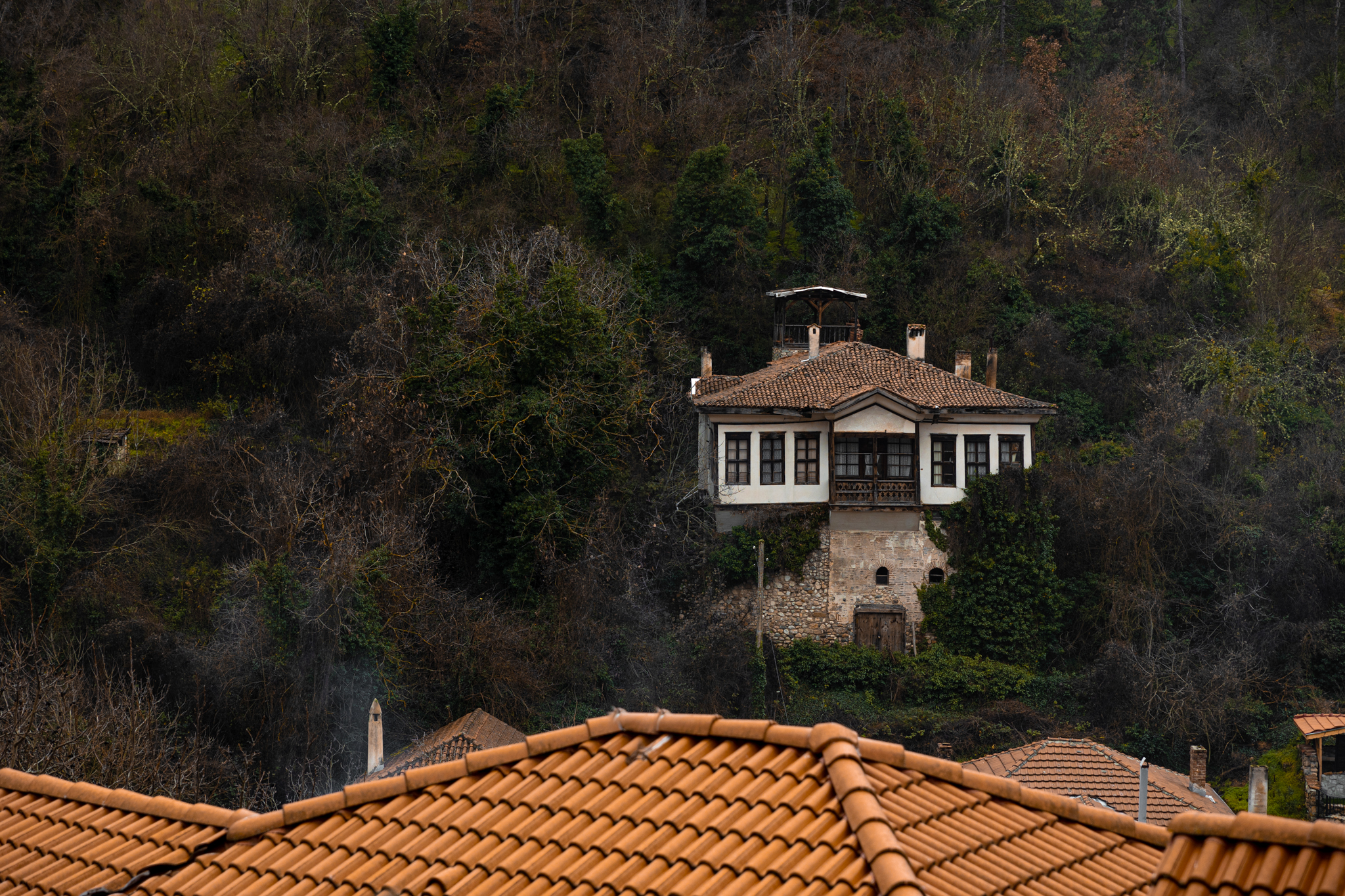
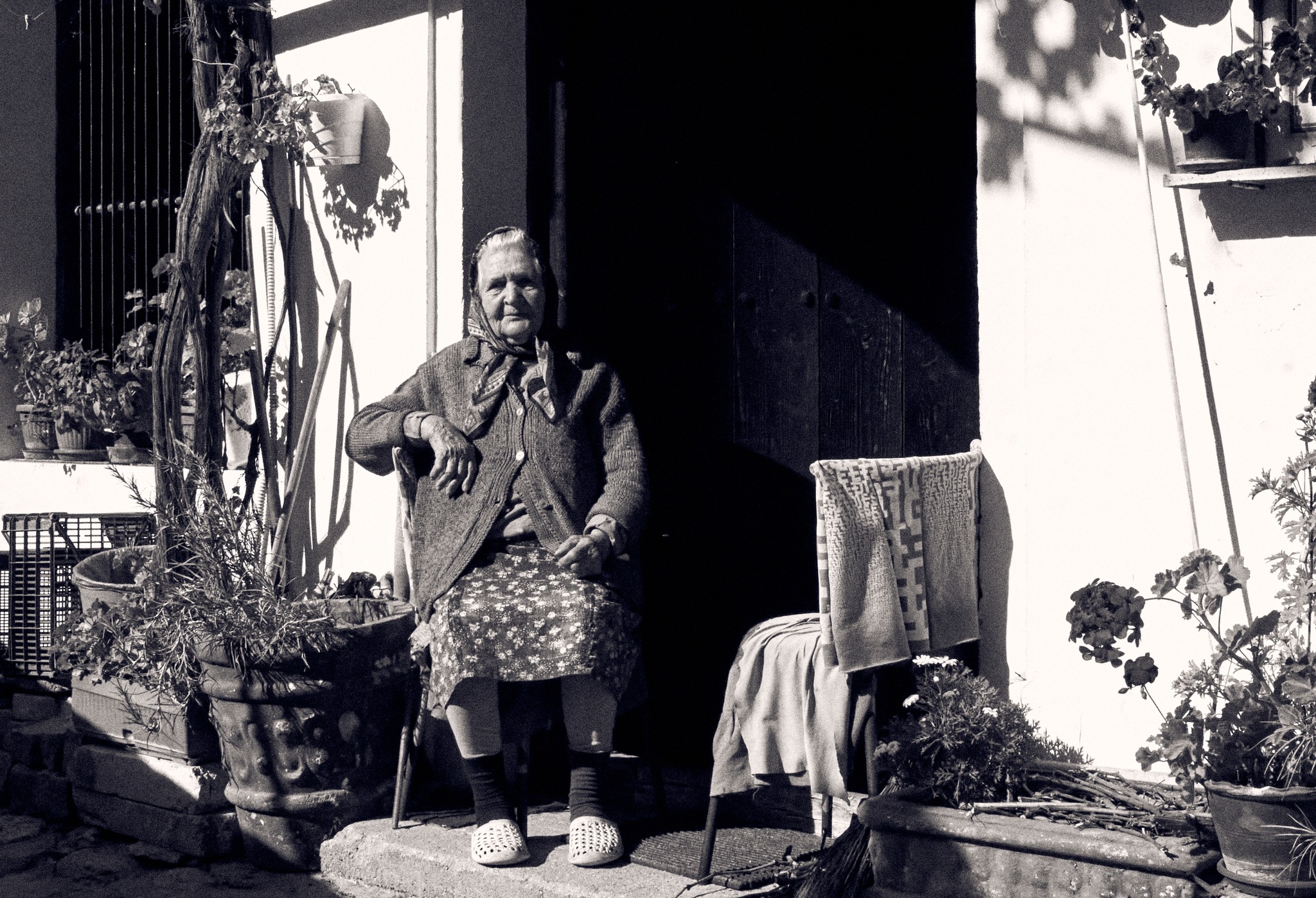
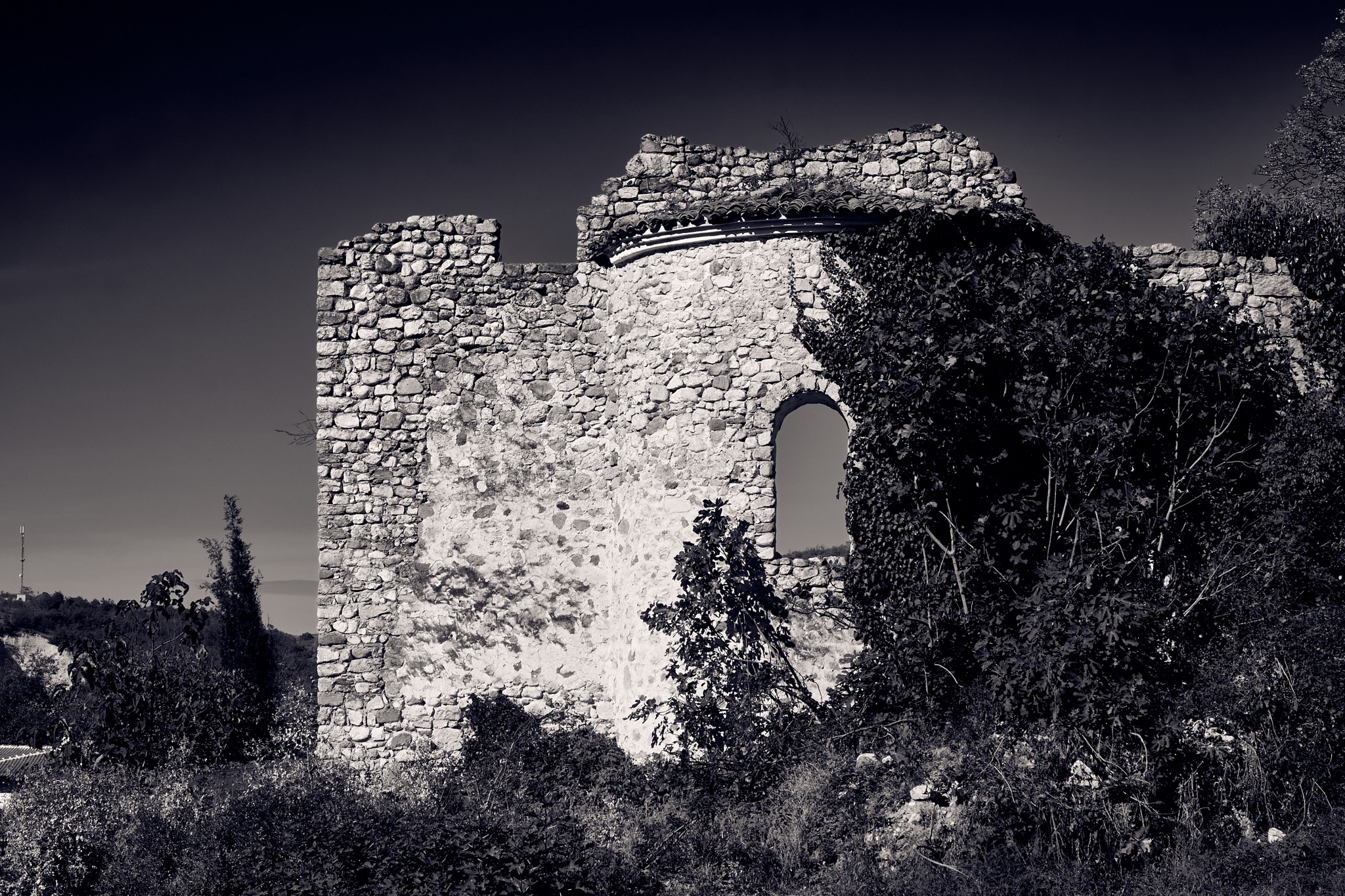
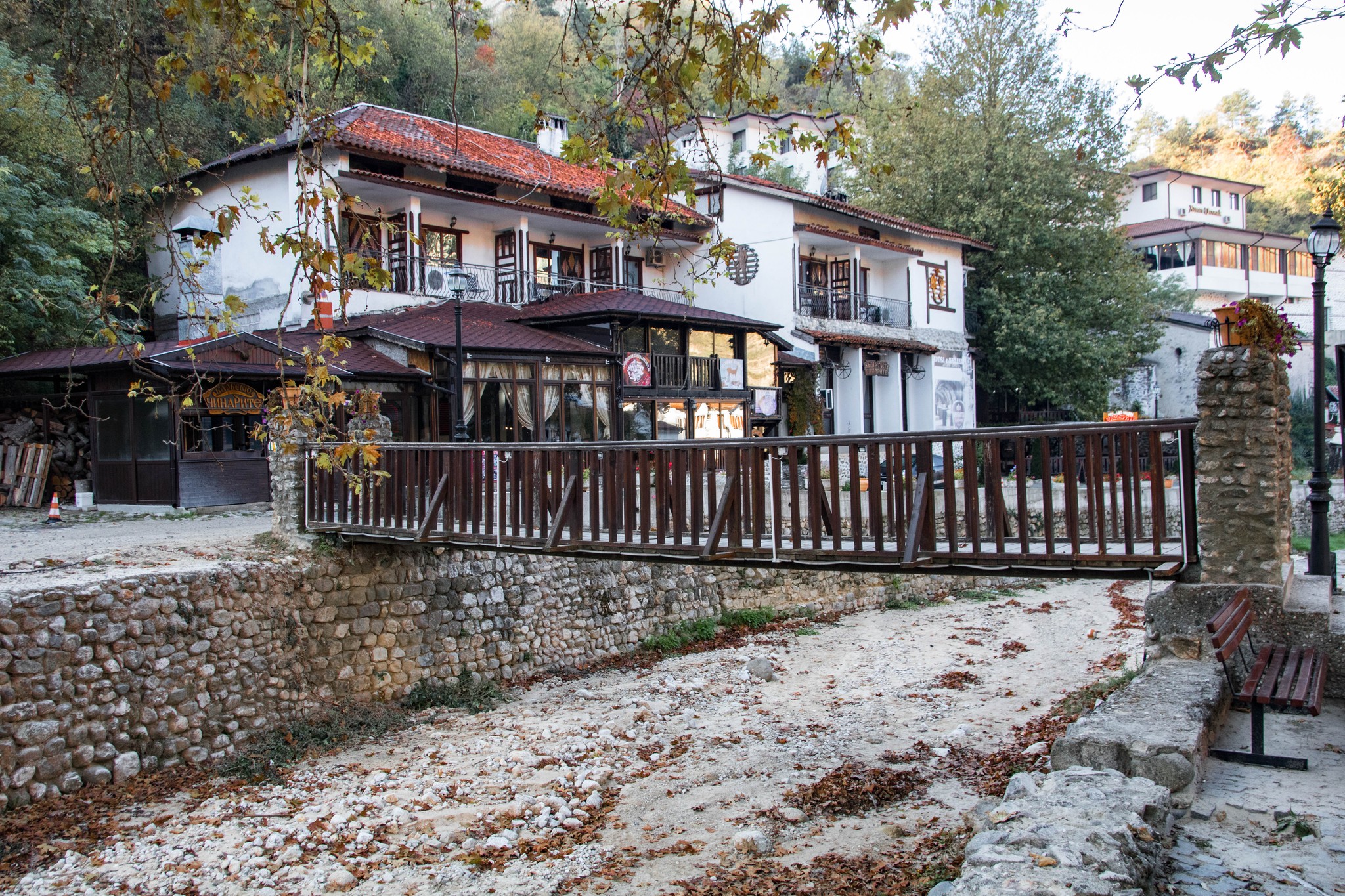
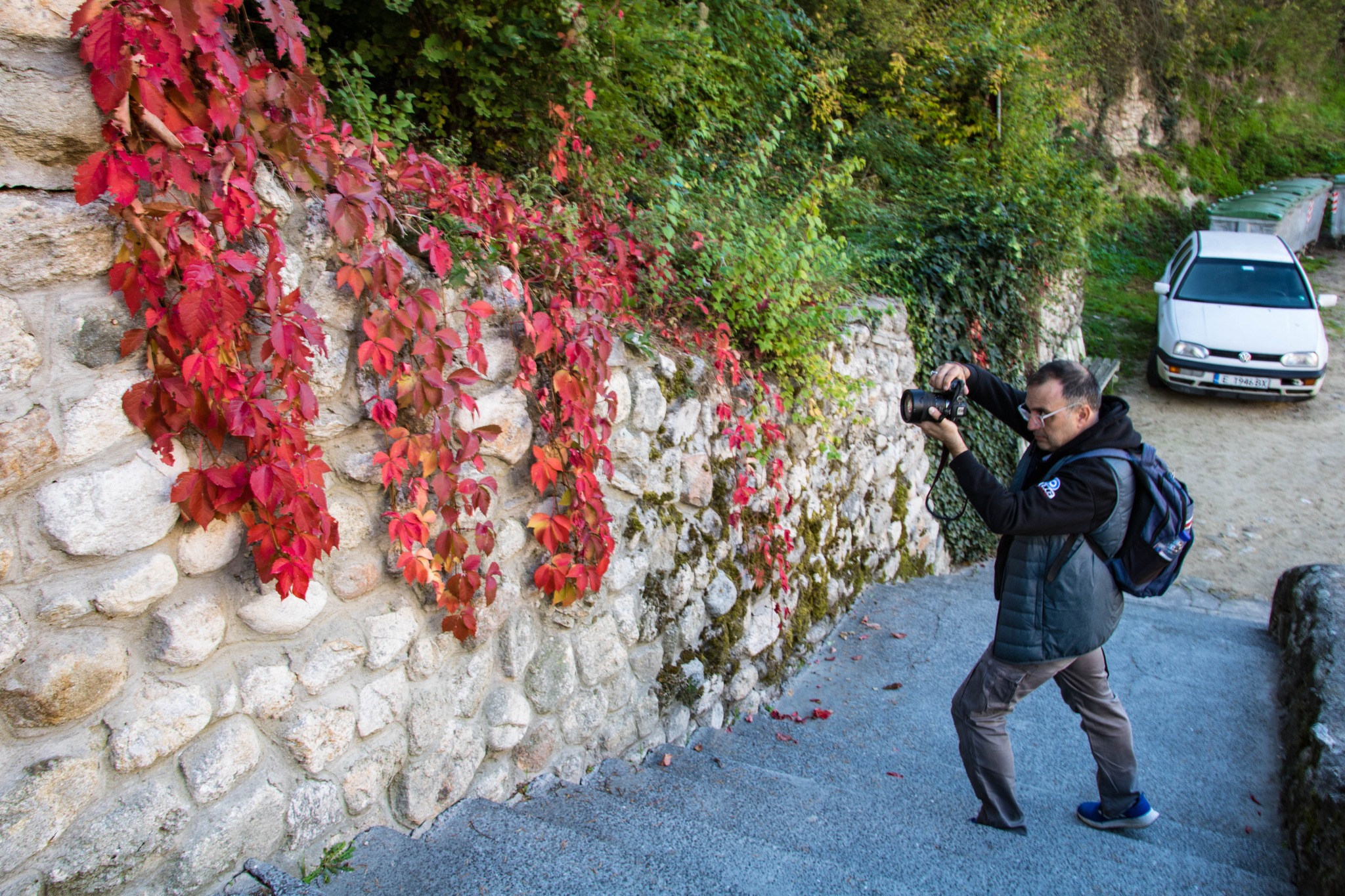
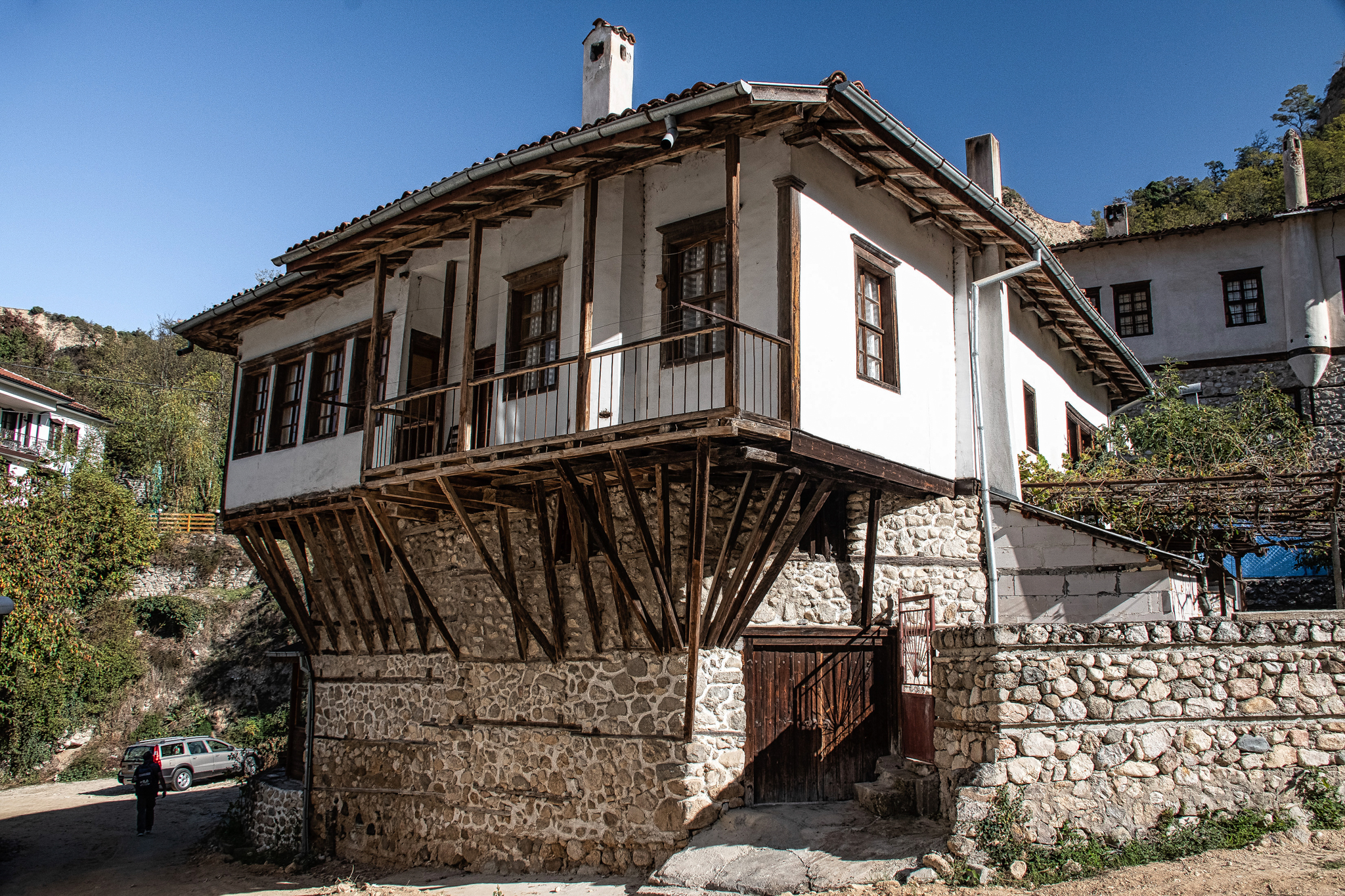
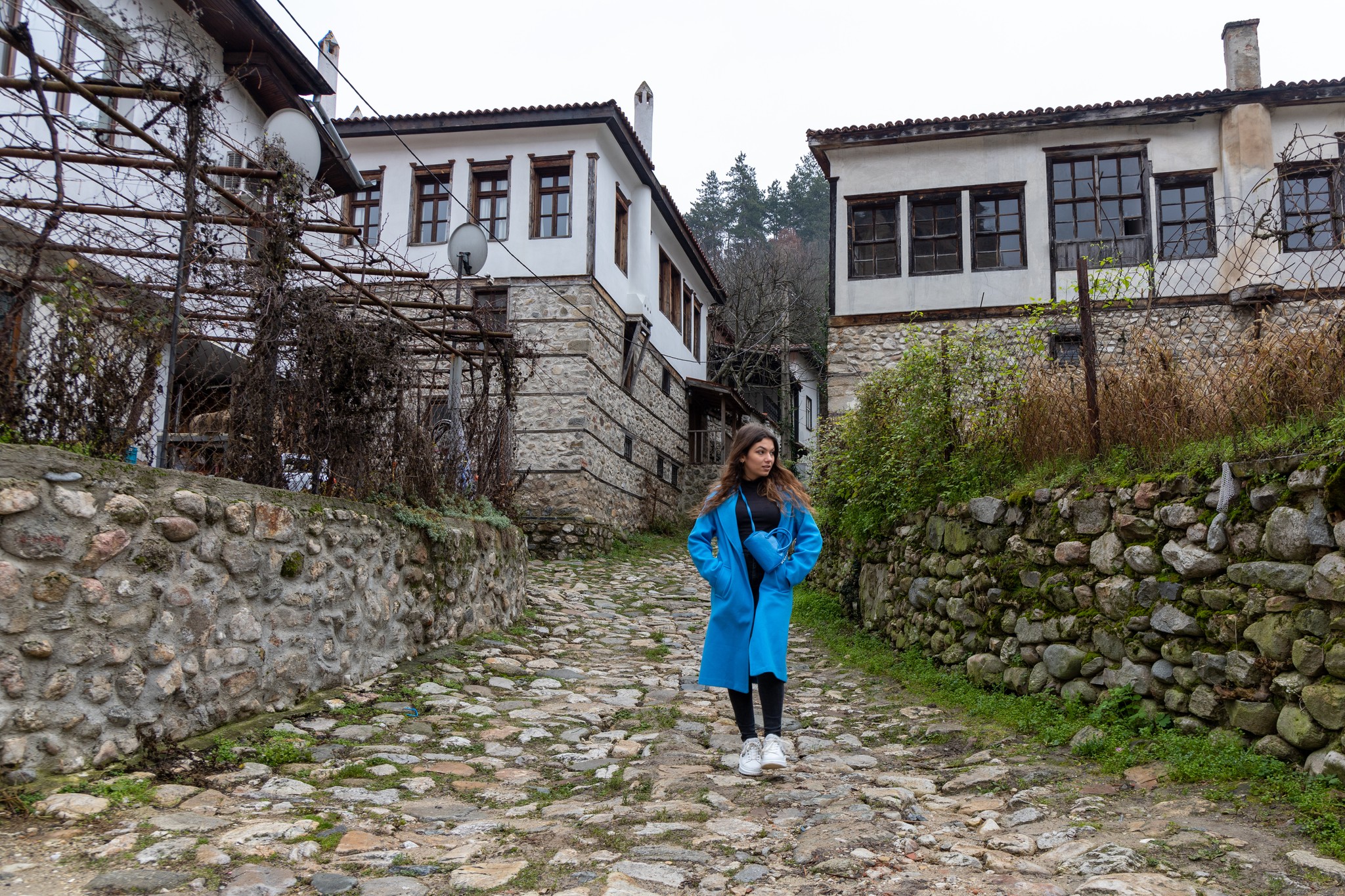
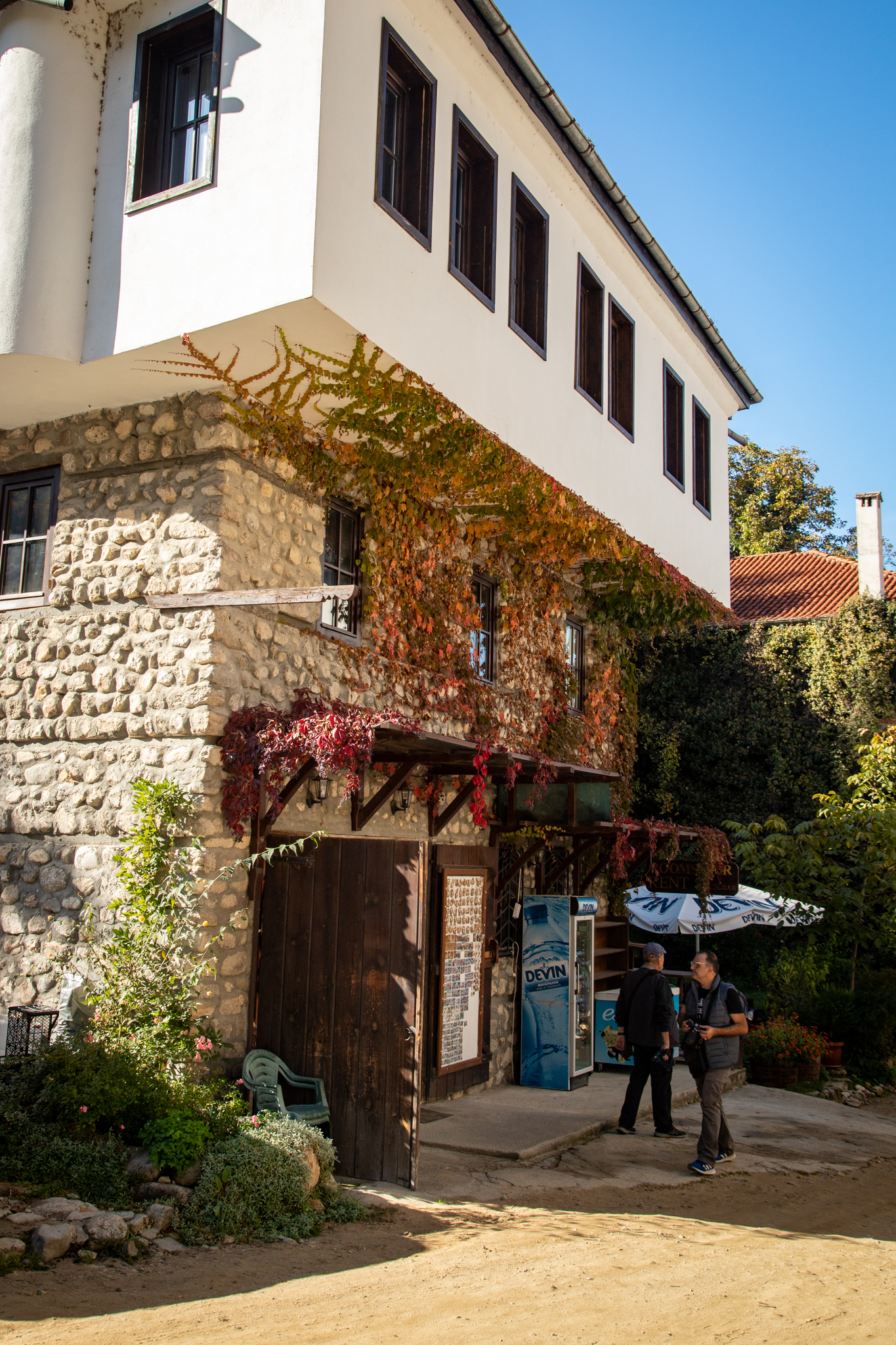
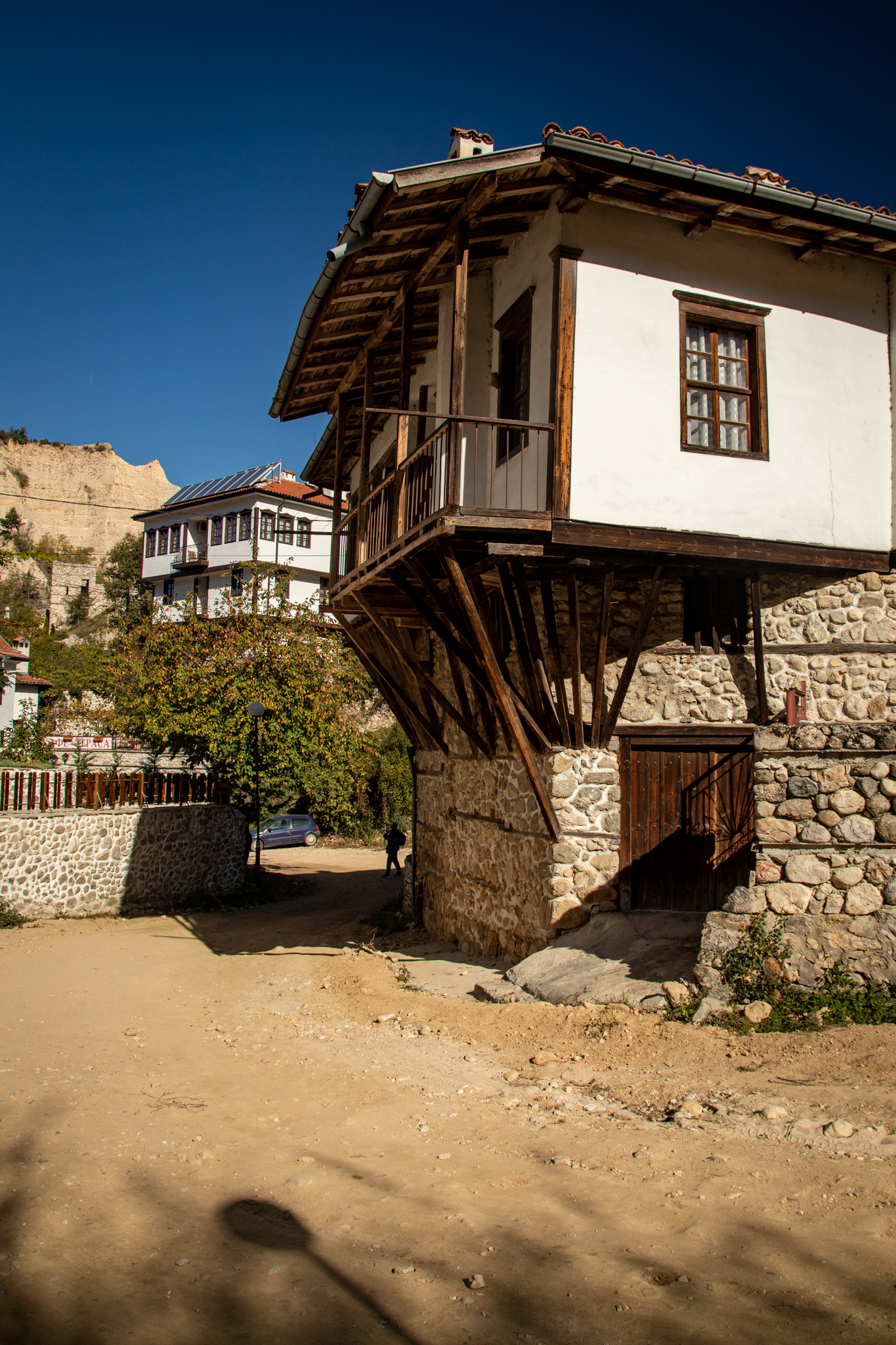
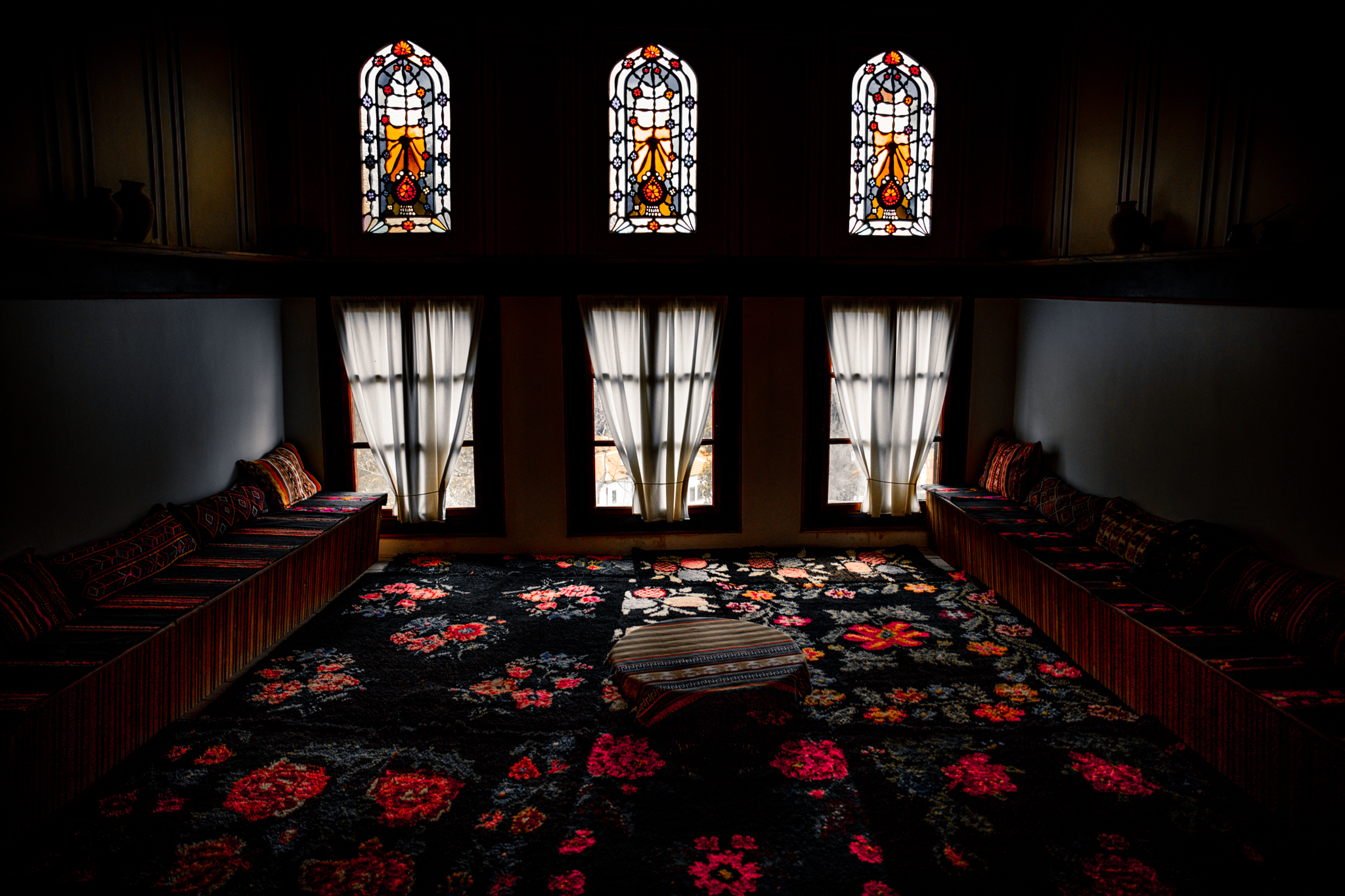
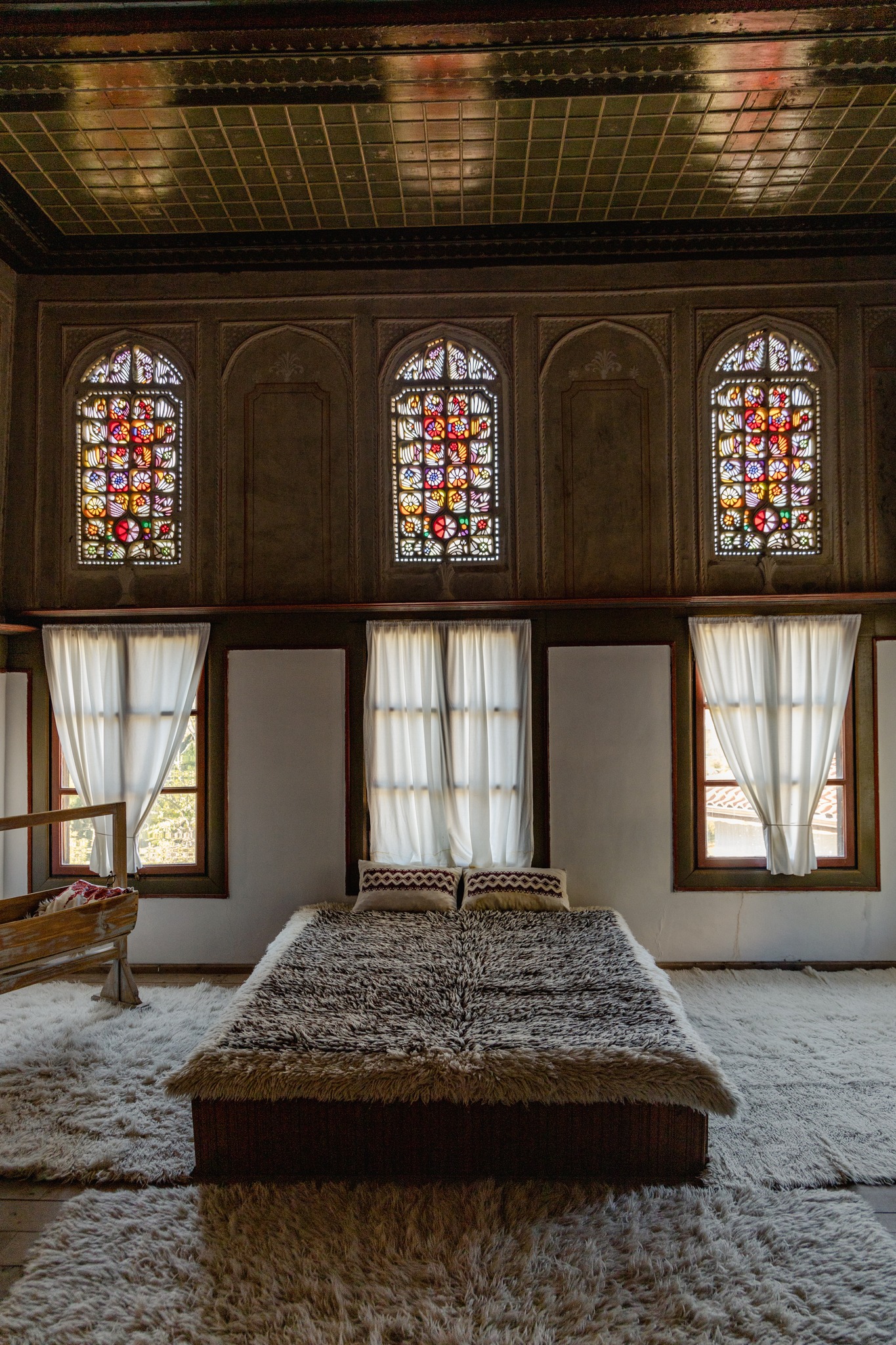
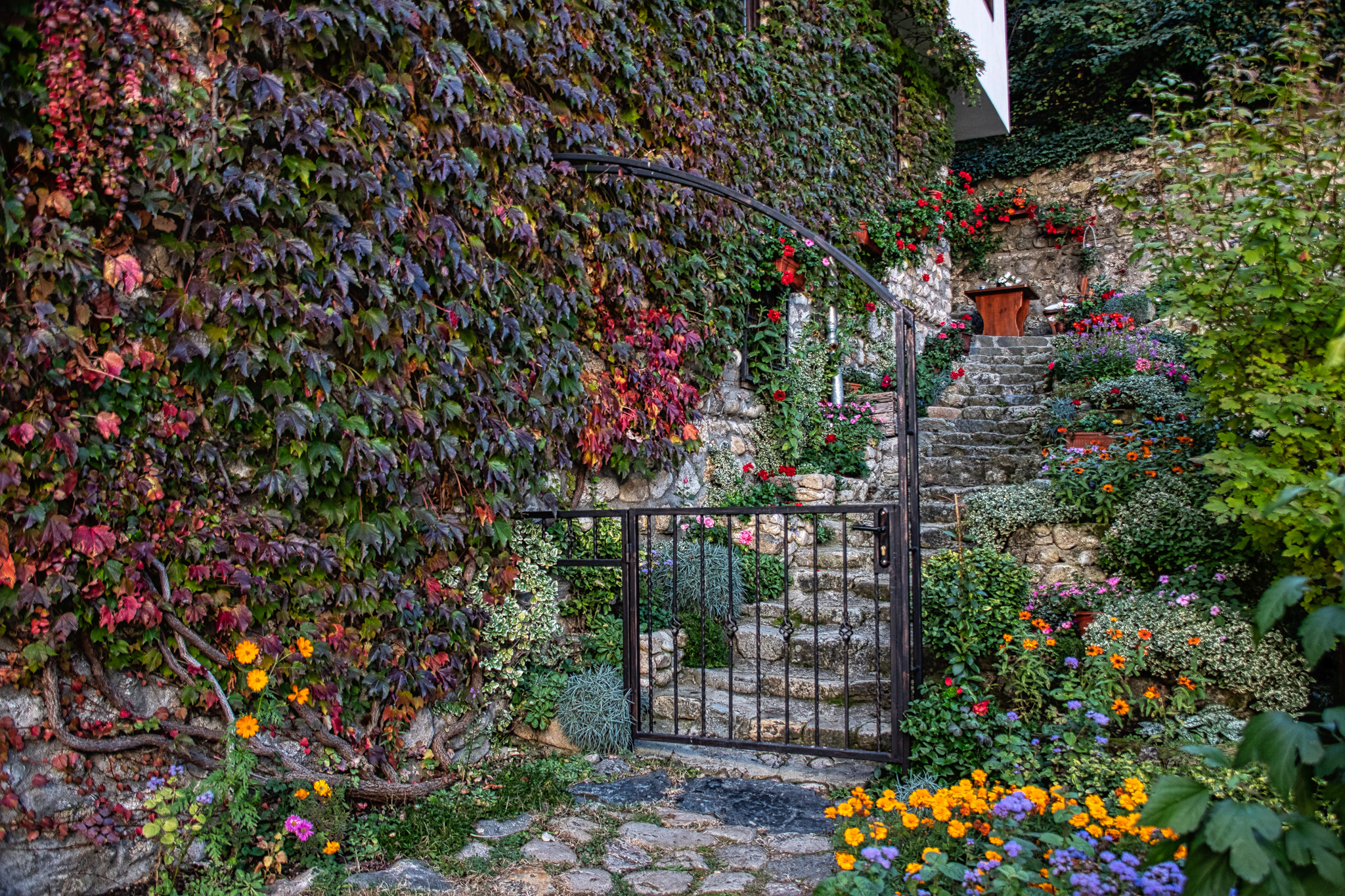
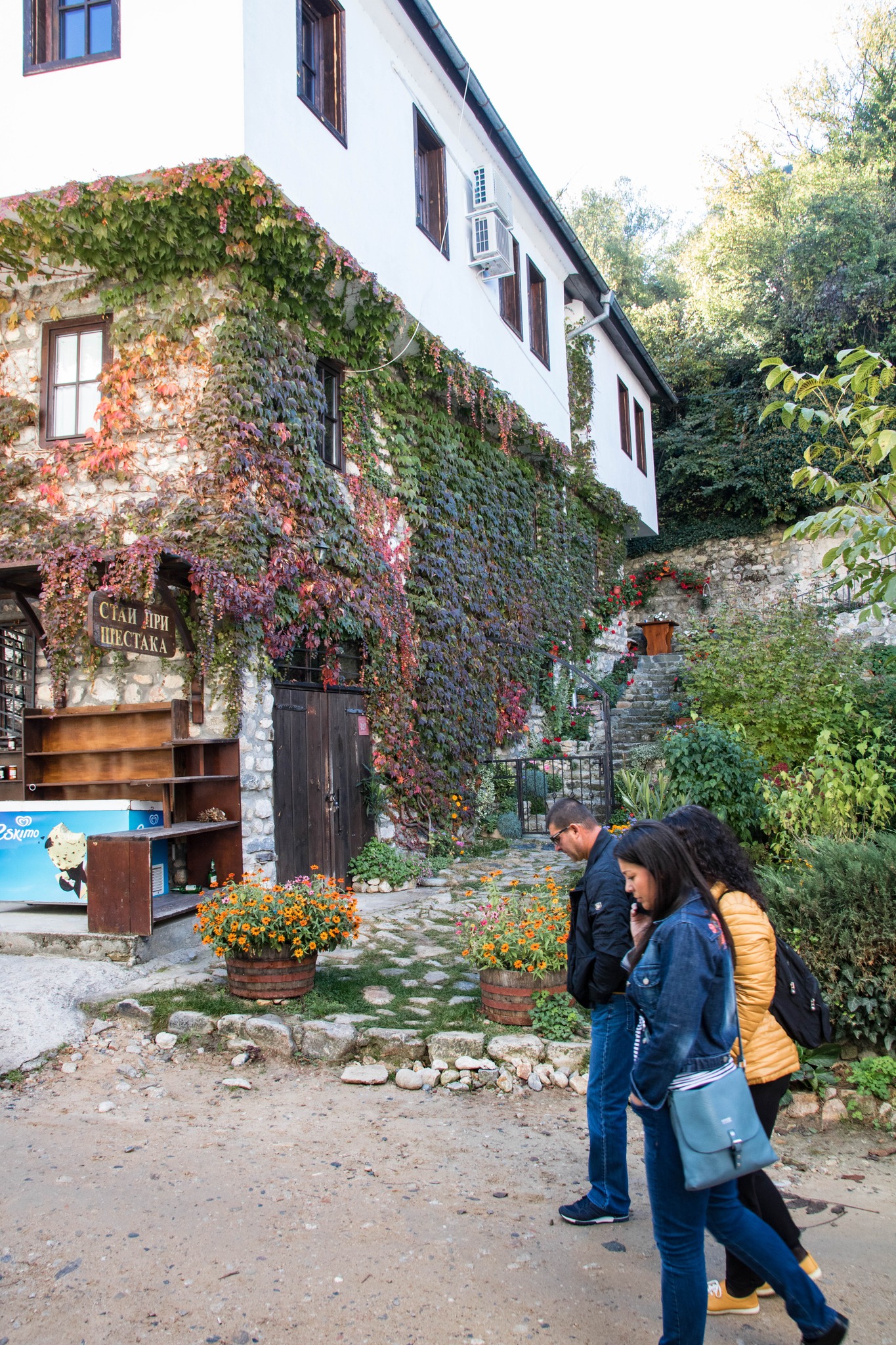
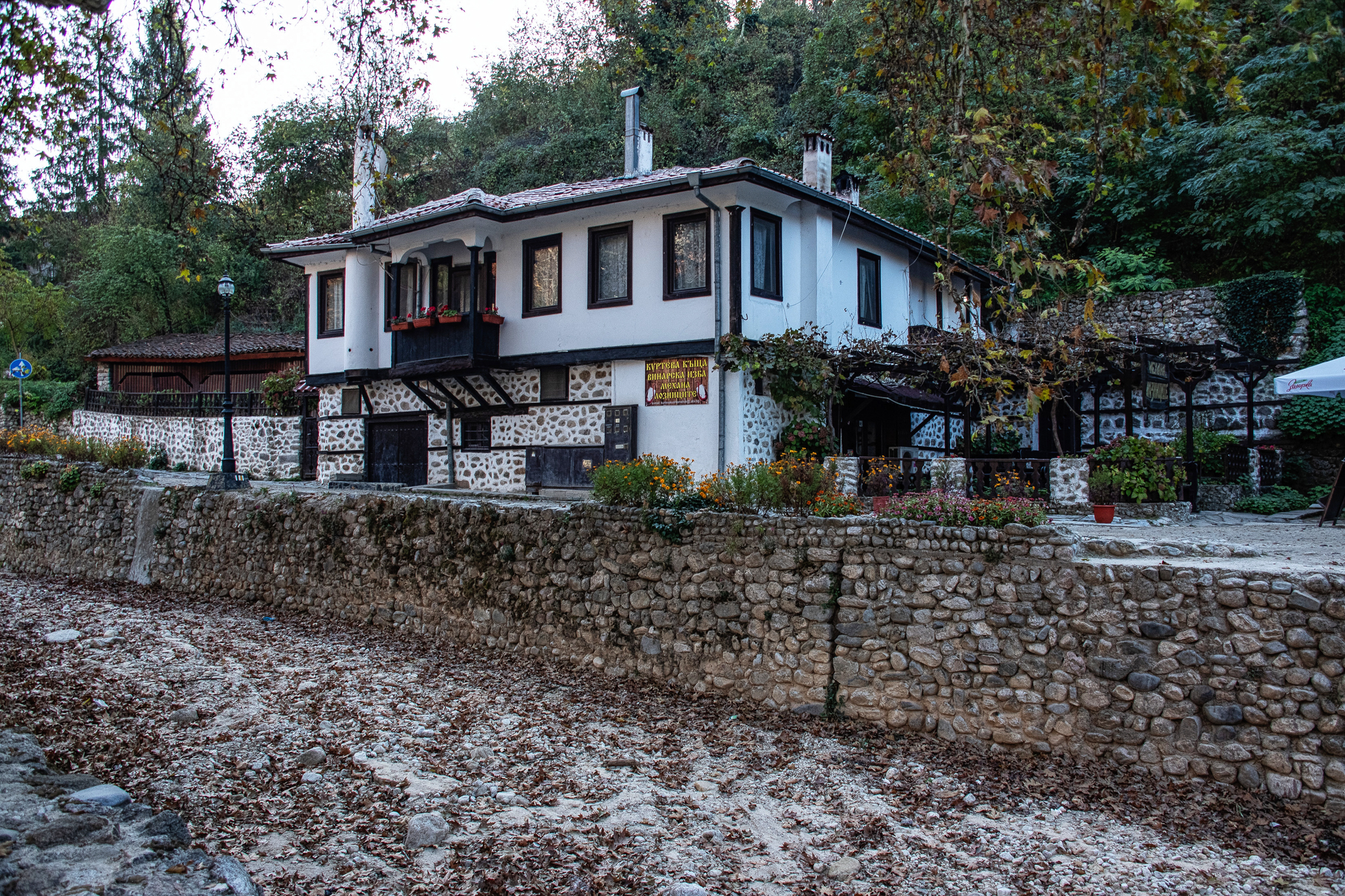
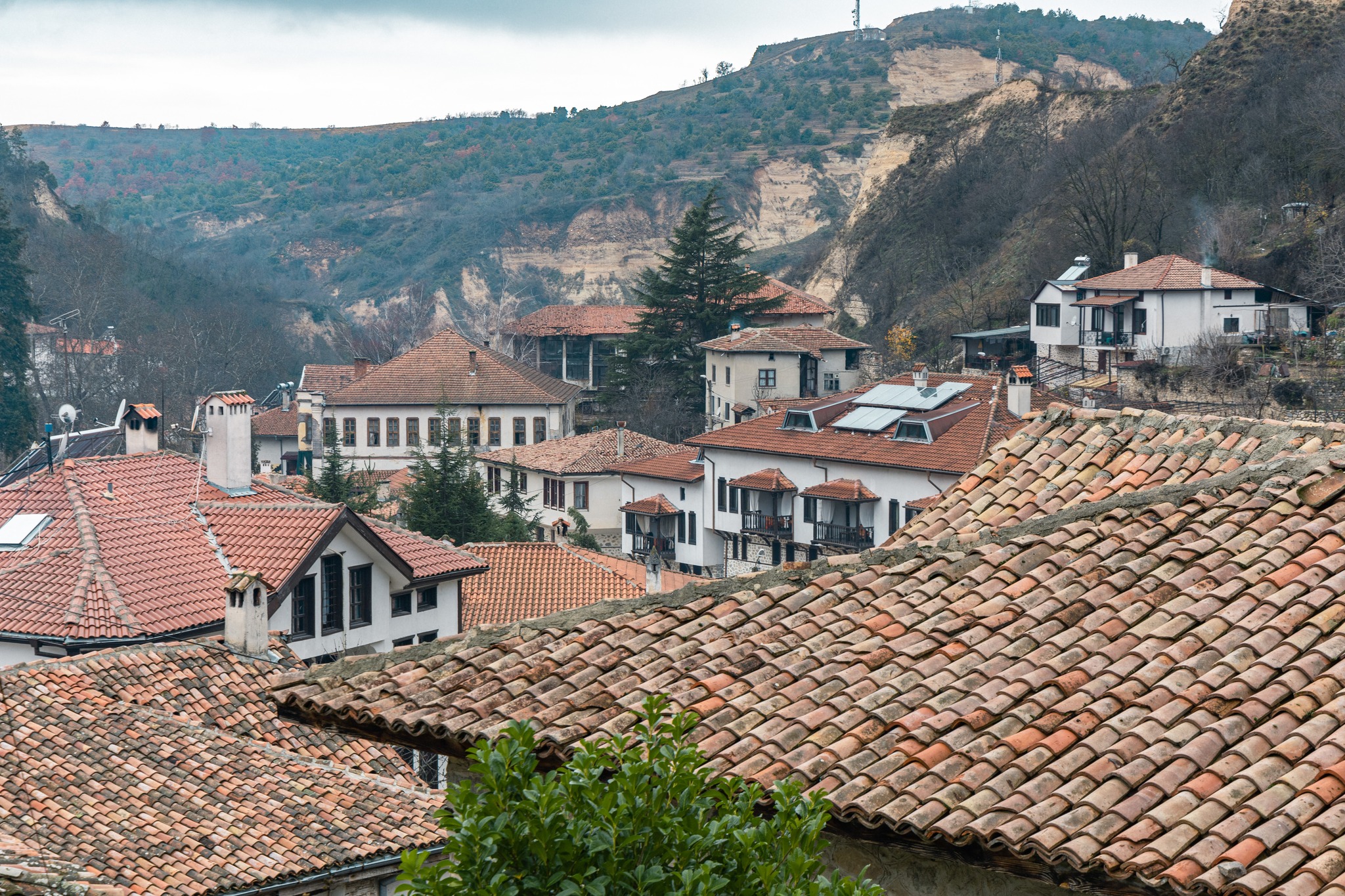
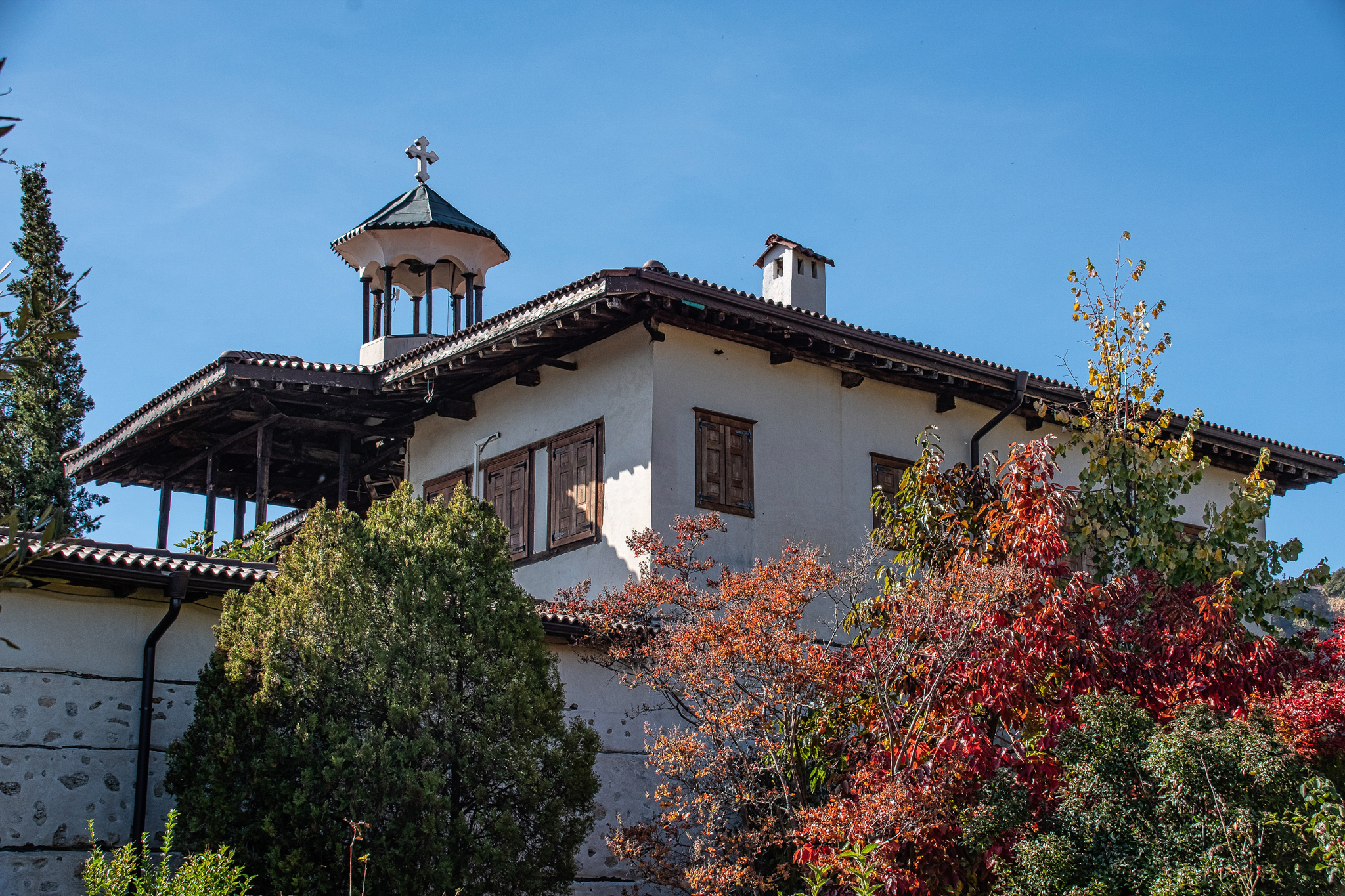
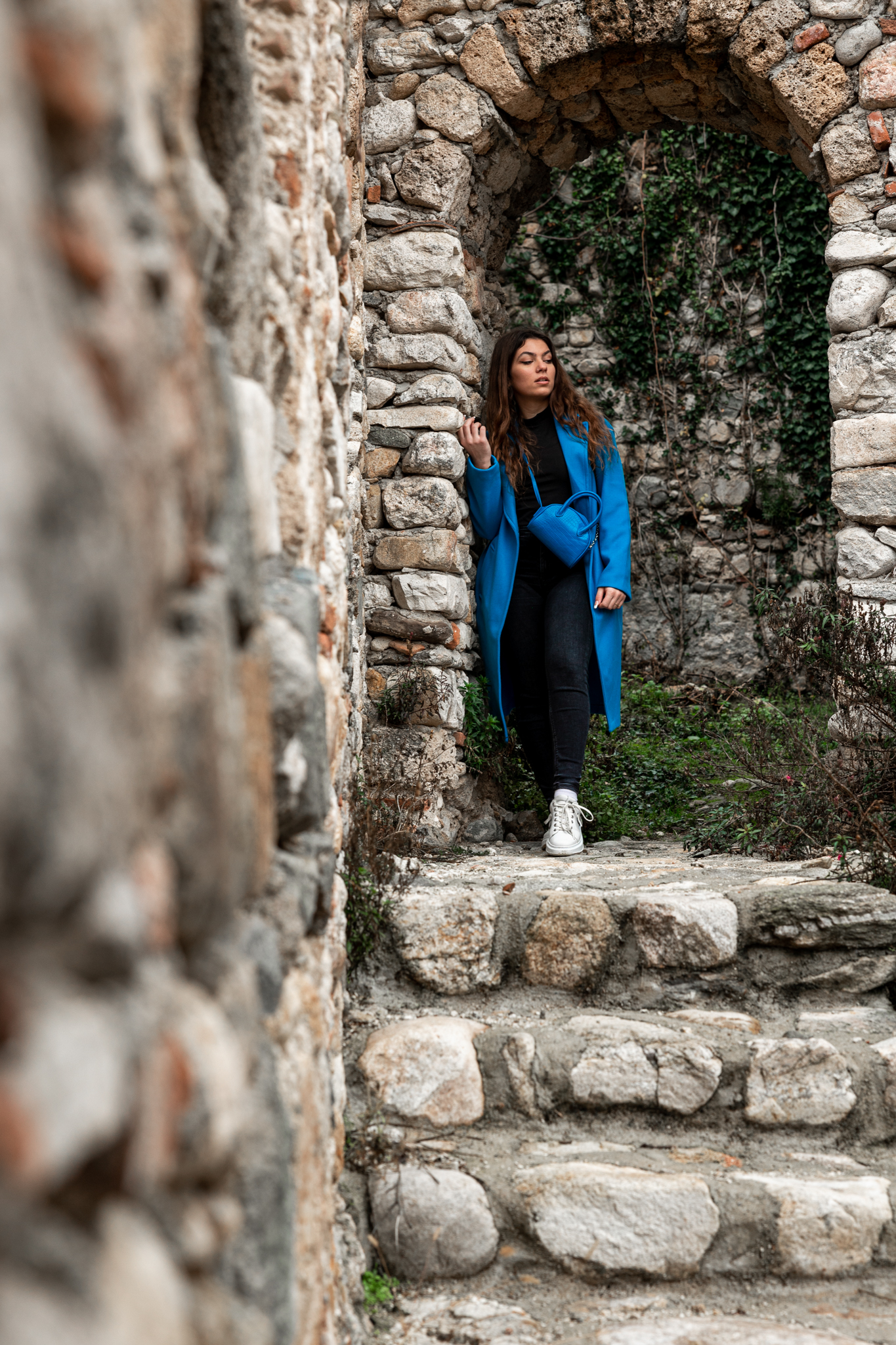
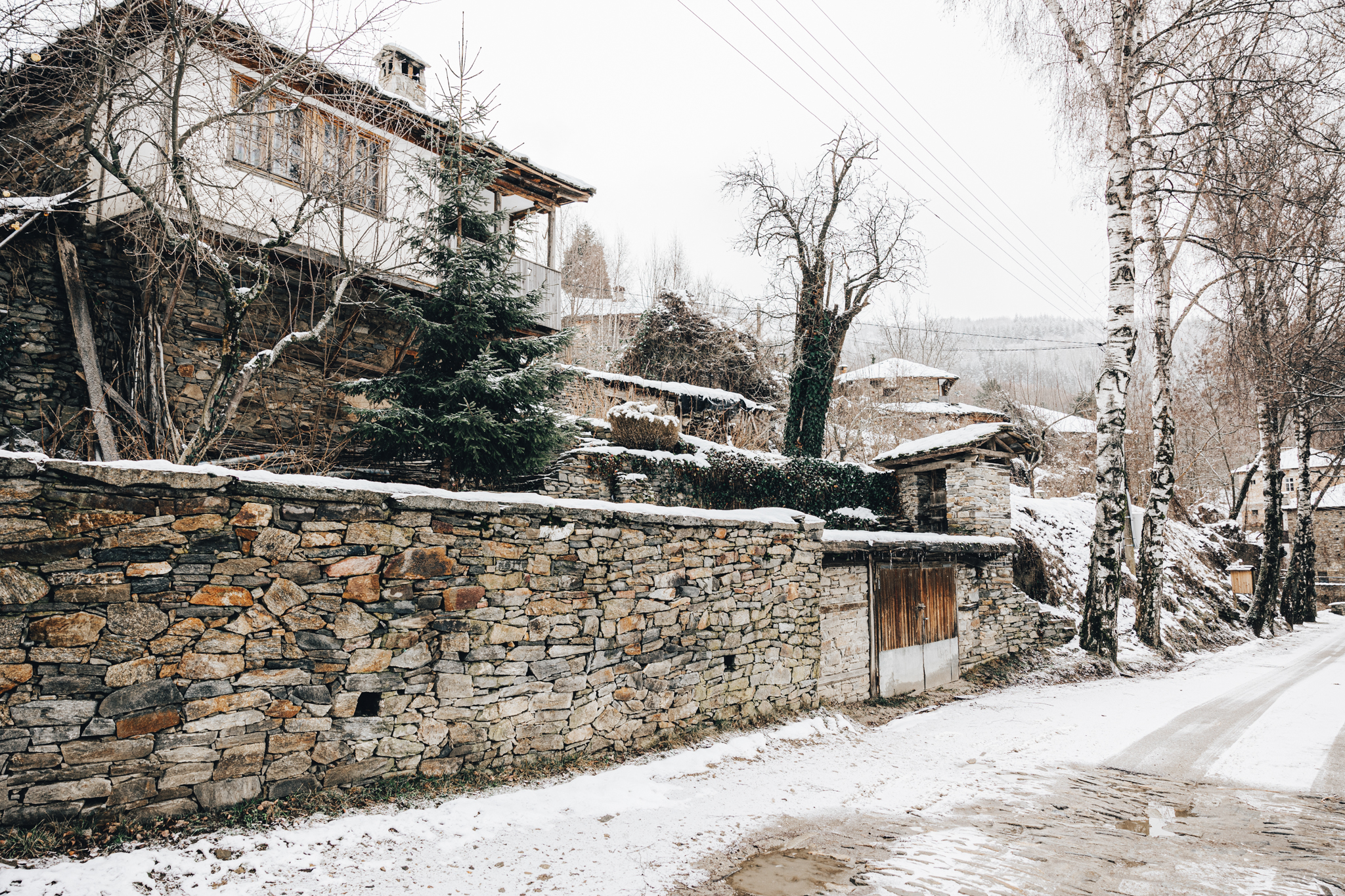
We, fortunate representatives of the first generation that did not feel on its own skin the bite of the dog of war, swallowed the history and took up our cameras to capture the beautifully restored little town, which preserves its old architecture with lattice windows and projecting upper floors.
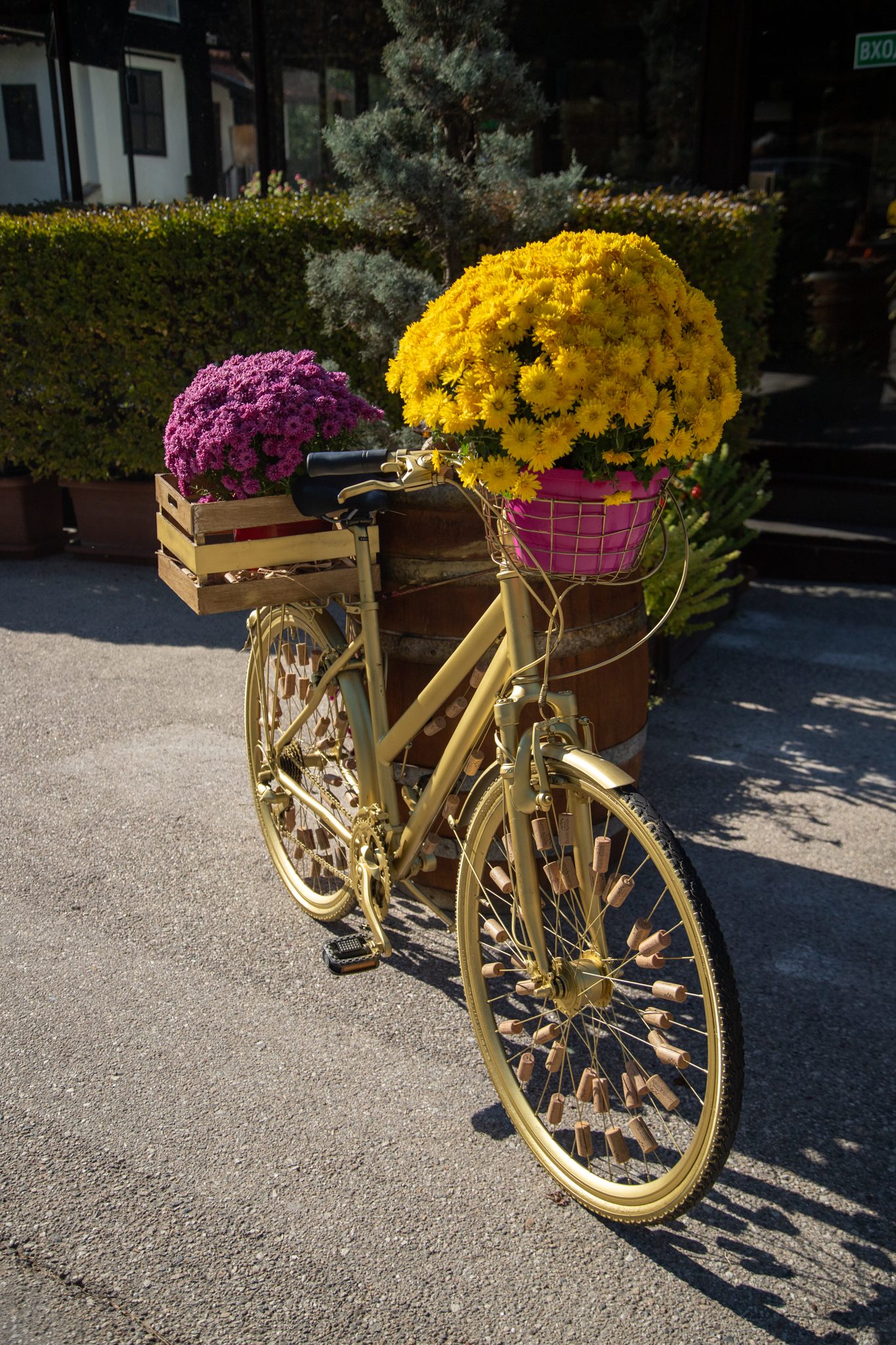
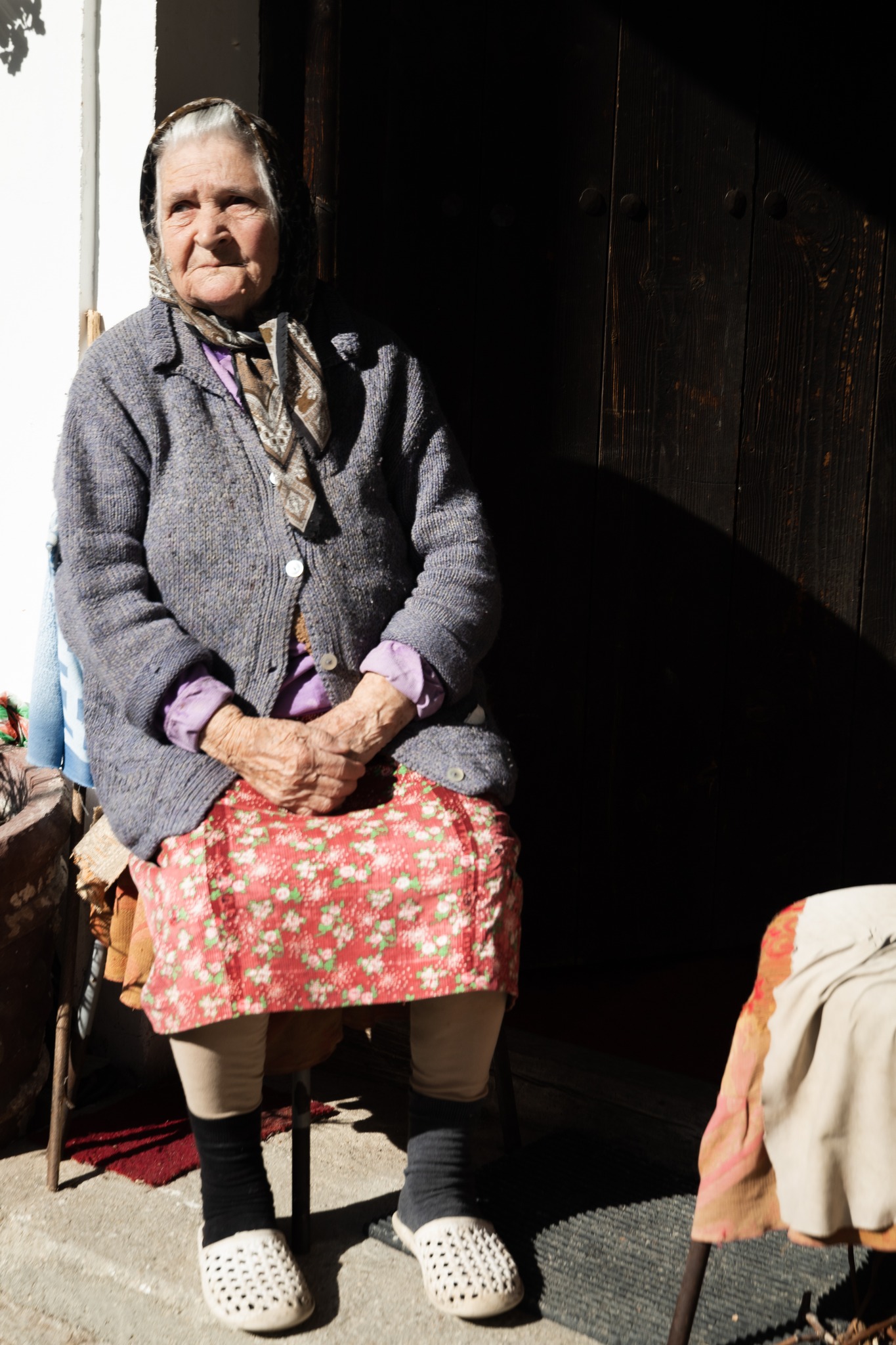
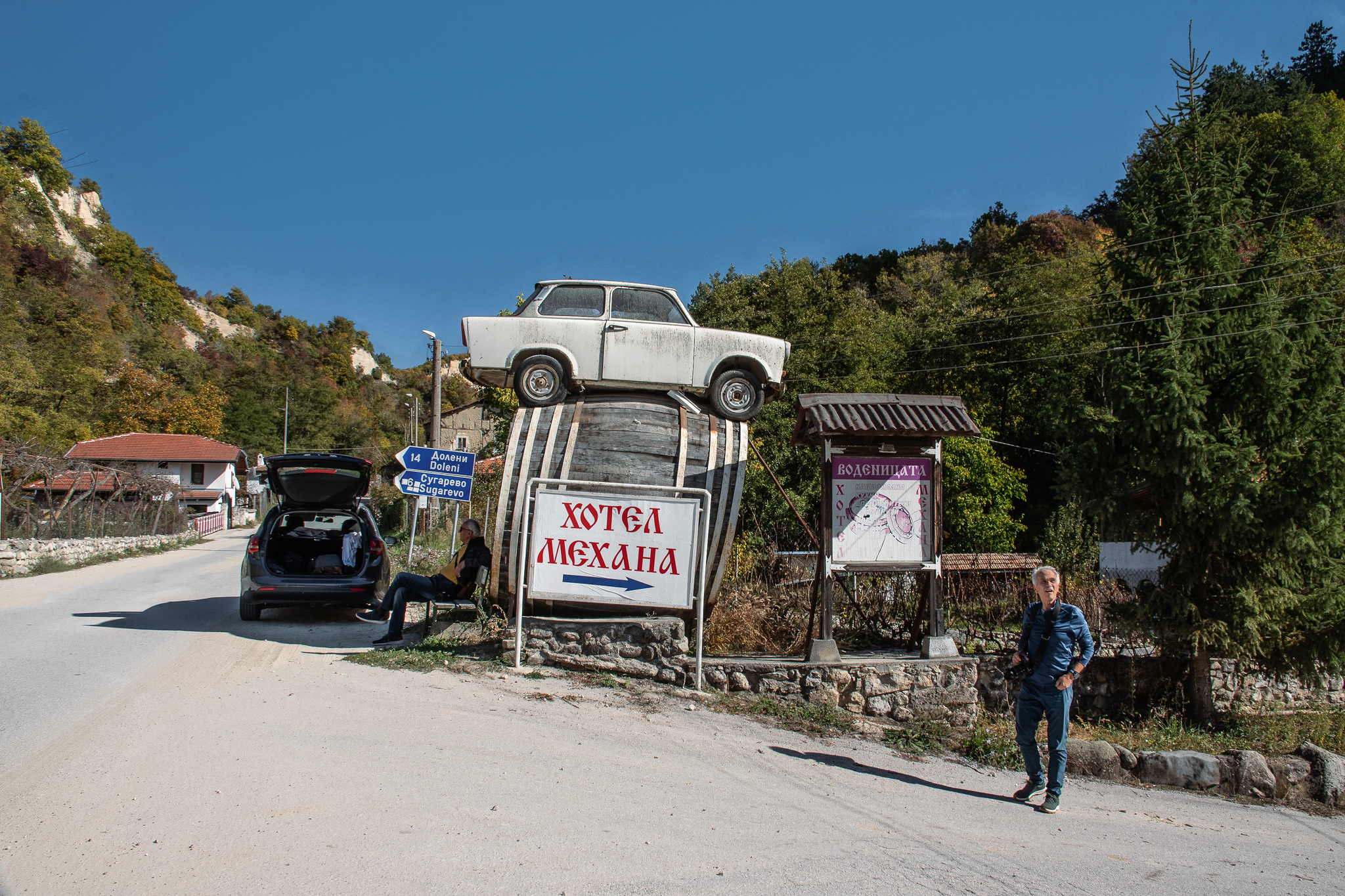
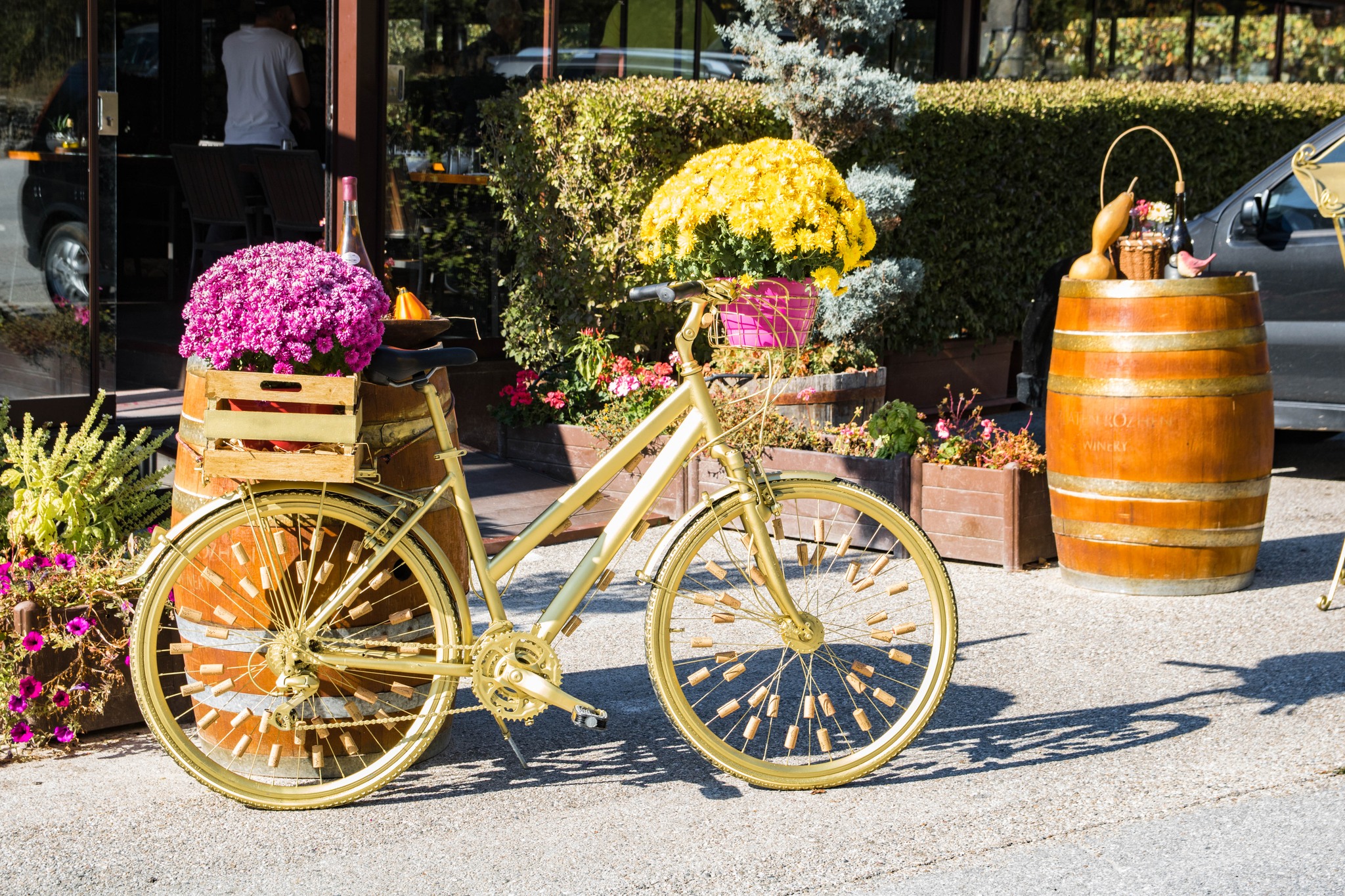
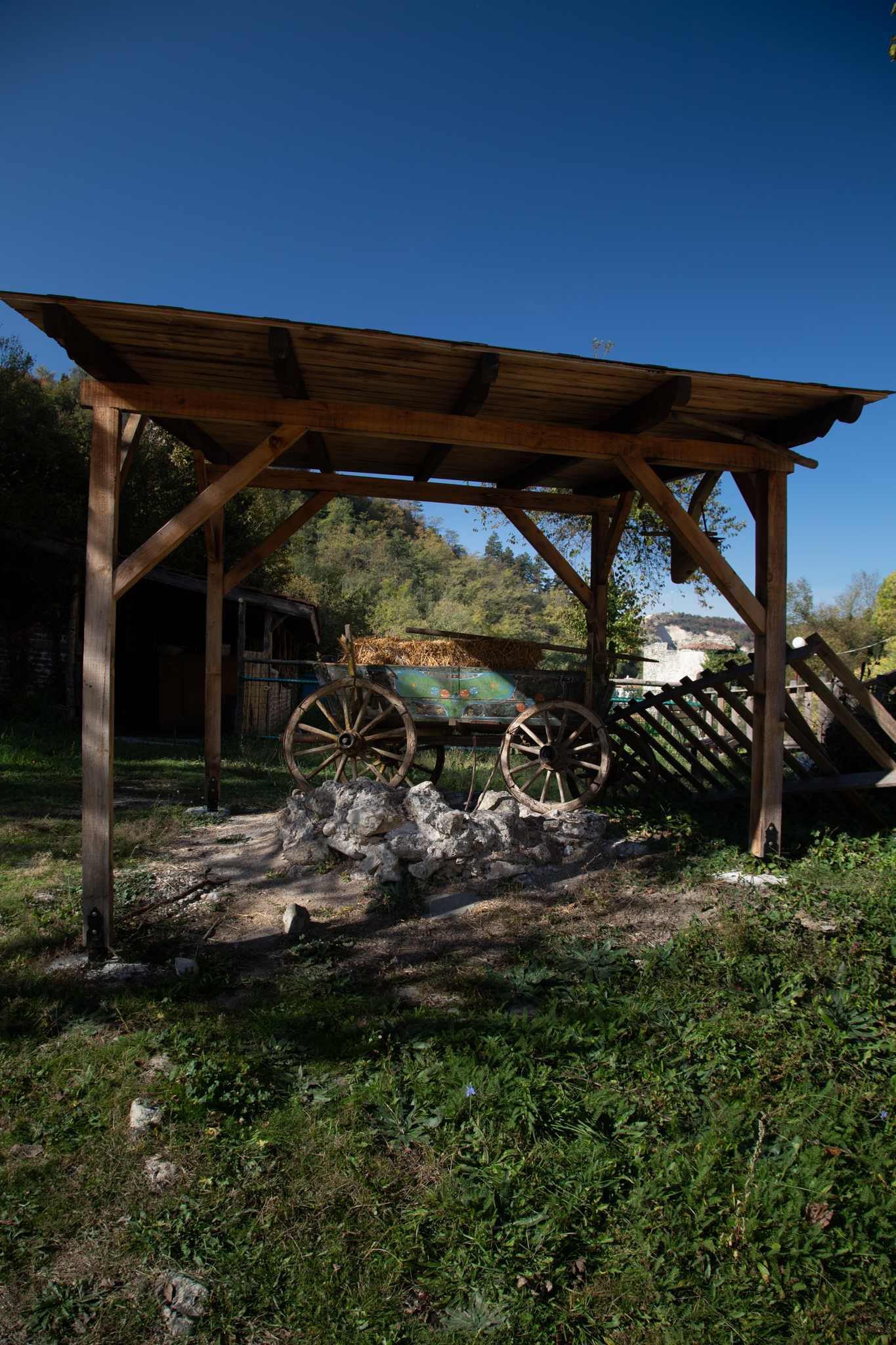
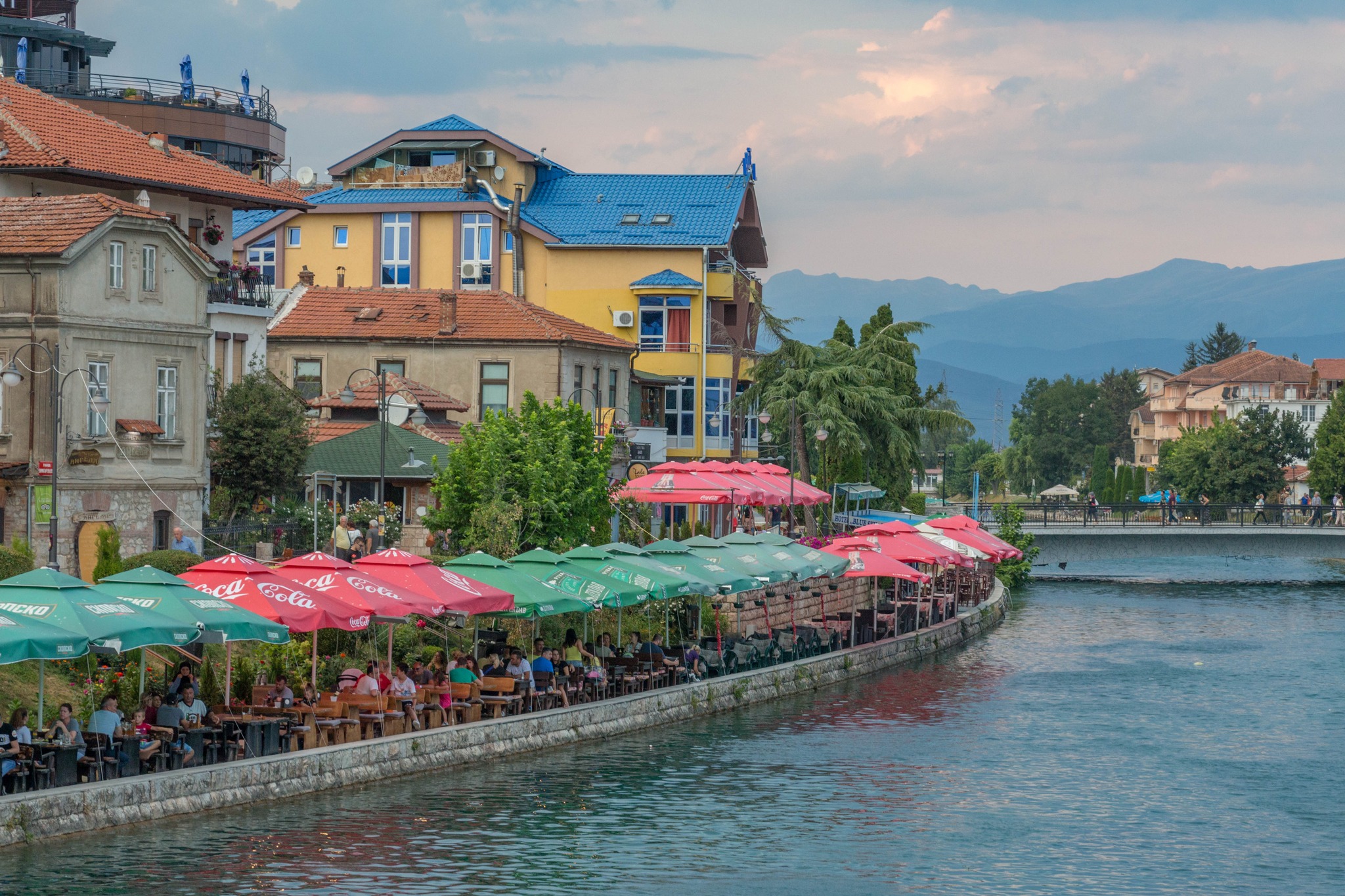
The locals, wisely taking advantage of its distinctive geomorphological position, have recreated a village as a tourist attraction. Every corner has its shop, every street its restaurant. Accommodation is plentiful and available for every budget. And we, cautiously pessimistic, received a small reward when we visited the winery that has kept both its name and its ancient prestige.
Danis Papagiannoulis
Danis Papagiannoulis
Danis Papagiannoulis
Ευτύχης Τσαουσίδης
Ευτύχης Τσαουσίδης
Ευτύχης Τσαουσίδης
Nikos Kakagias
Nikos Kakagias
Nikos Kakagias
Dimosthenis Seitaridis
Dimosthenis Seitaridis
Dimosthenis Seitaridis
Sotiris Tzoumerkas
Sotiris Tzoumerkas
Sotiris Tzoumerkas
Harrys Pourouzidis
Harrys Pourouzidis
Harrys Pourouzidis
Awinery back then but also now, in the name of Kordopoulos.
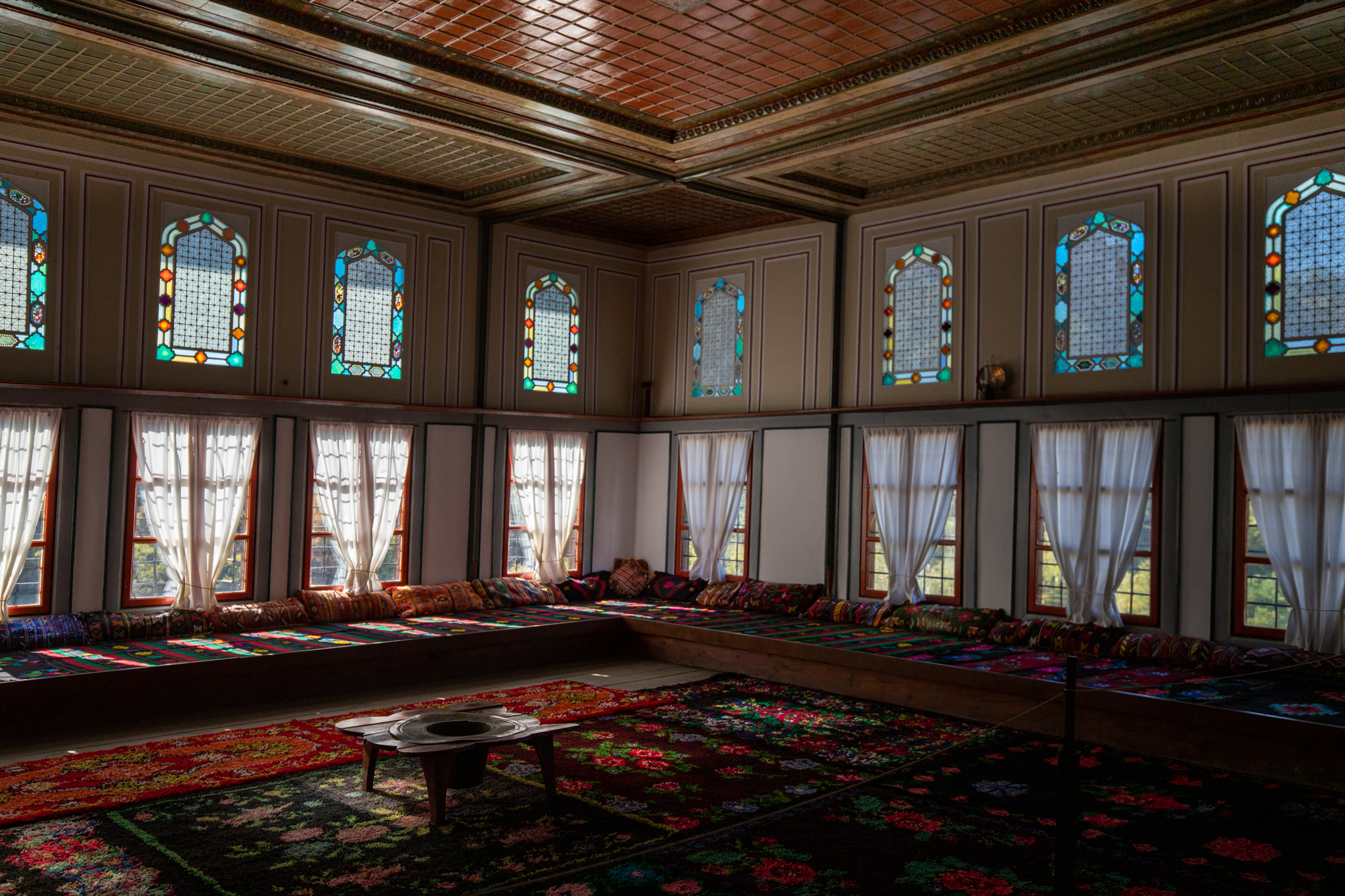
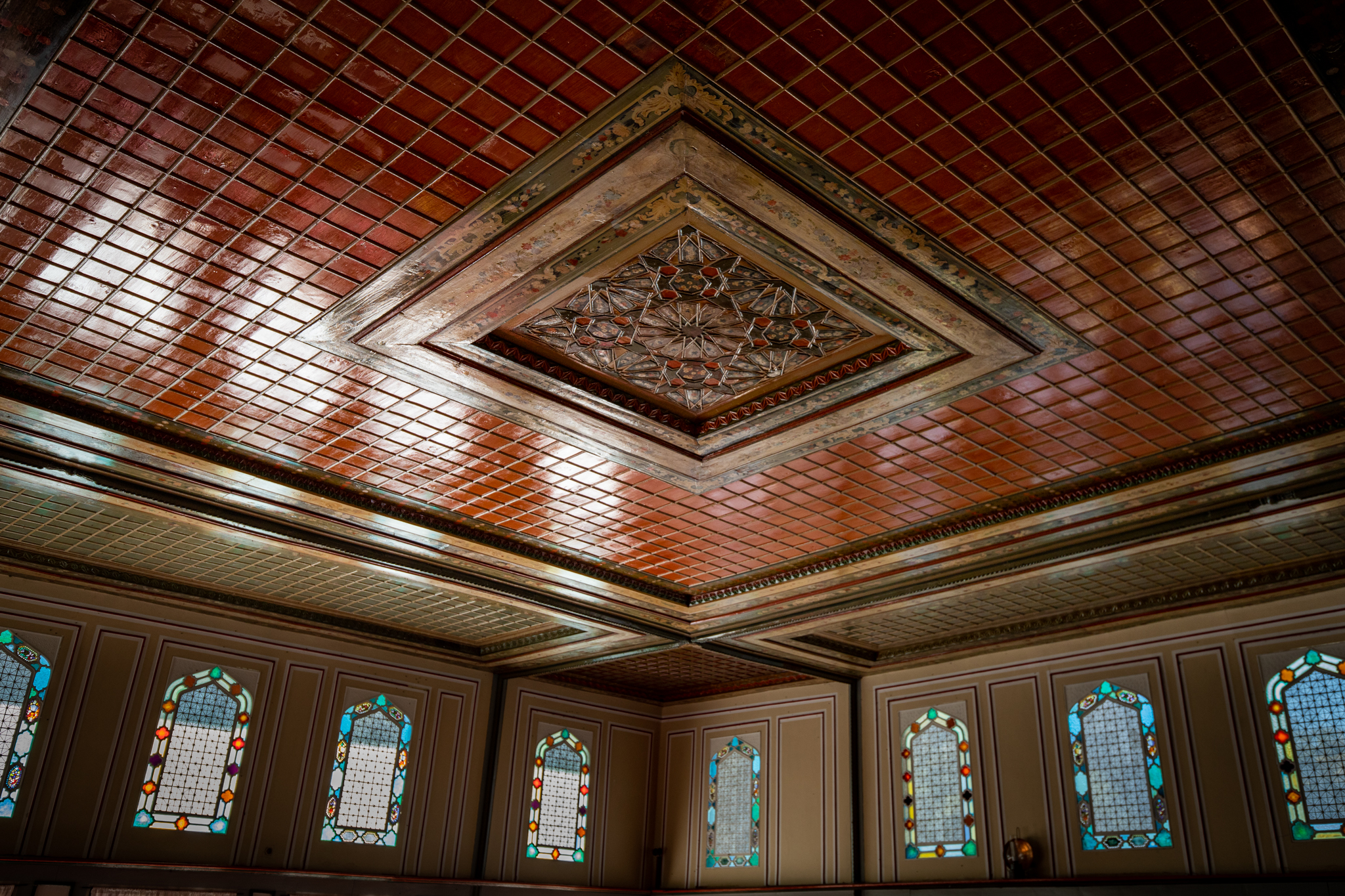
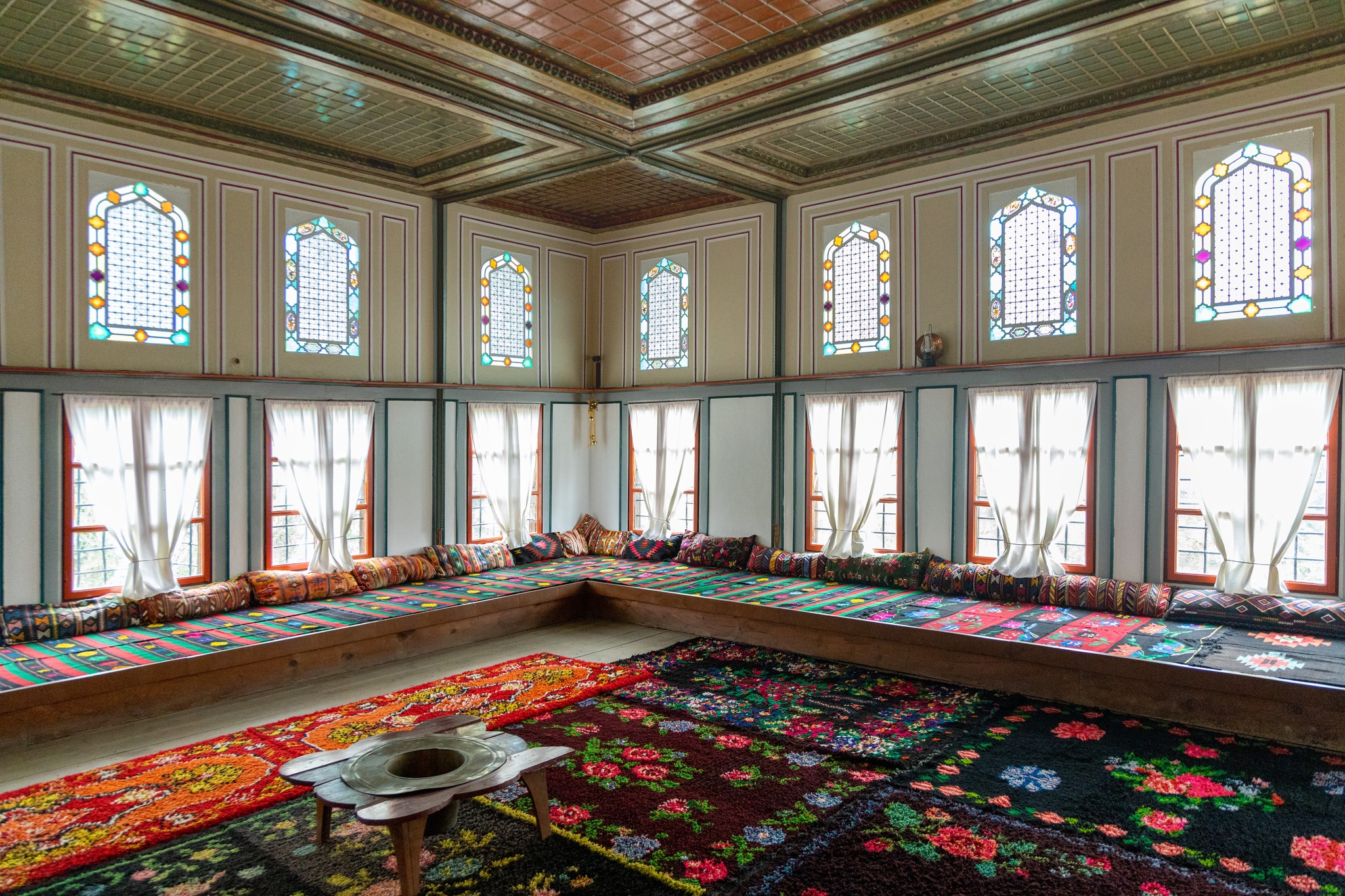
The mansion, worthy of its reputation, houses in its underground cellars the wine famous for its gentle body and low tannins. We photographed it furiously and left no corner unexplored, partly out of spite.
We climbed as far as the brow of the rock to see the view from above, and once everything that had to be fulfilled had been fulfilled, we took the road back, descending the almost-ravine that is, in the end, the vital space of the town.
Sotiris Tzoumerkas
Sotiris Tzoumerkas
Dimosthenis Seitaridis
Harrys Pourouzidis
Harrys Pourouzidis
Harrys Pourouzidis
Danis Papagiannoulis
Dimosthenis Seitaridis
Danis Papagiannoulis
Danis Papagiannoulis
Danis Papagiannoulis
Ευτύχης Τσαουσίδης
Nikos Kakagias
Ευτύχης Τσαουσίδης
Harrys Pourouzidis
Nikos Kakagias
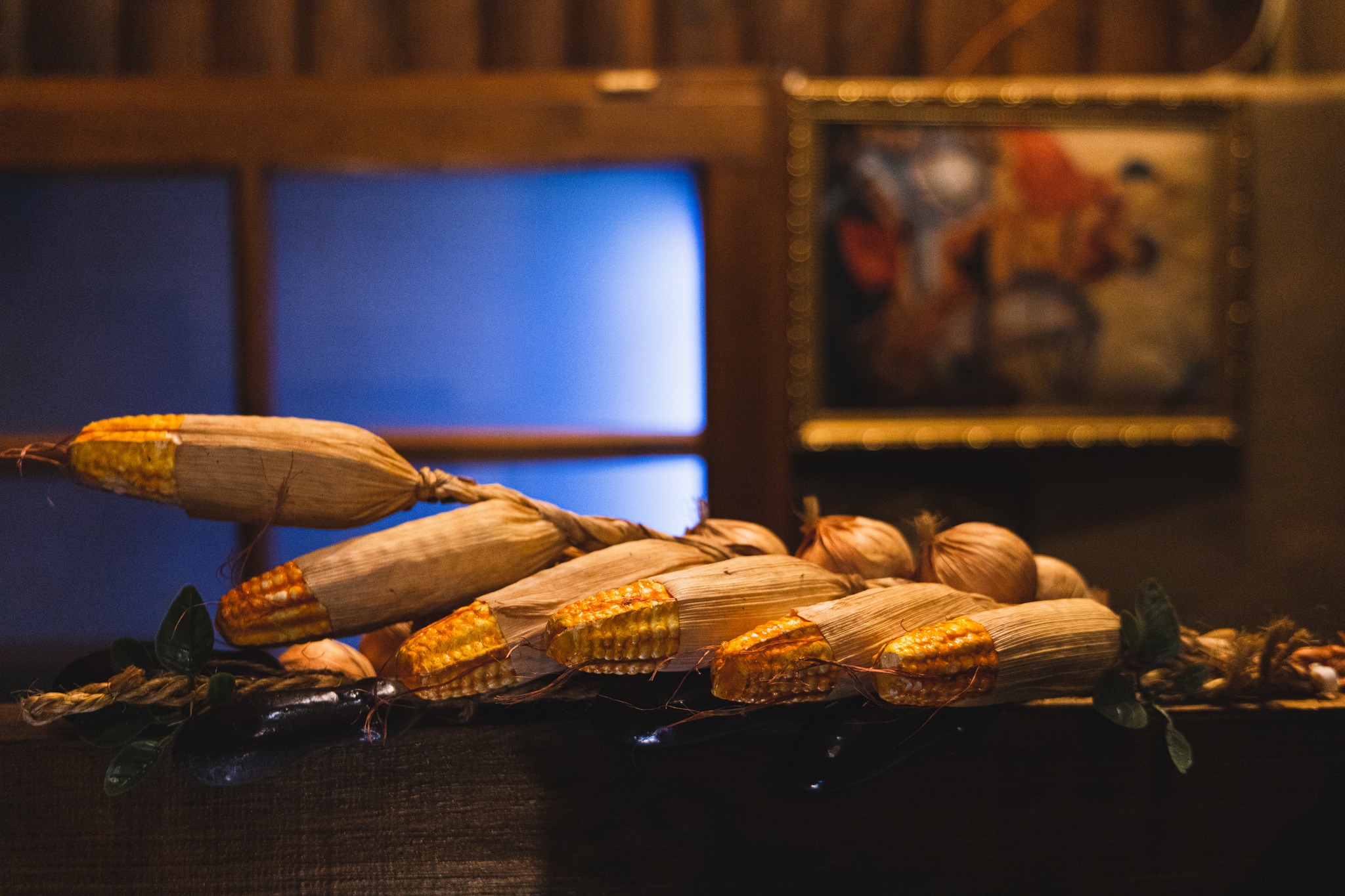
In conclusion, at the loudly rustic tavern where we ended up, despite the impressive service on a cast-iron sach — my grandmother called it satsi — the food barely scraped a passing grade.
With mixed feelings, we left Melnik behind. Not so much because of the photographic experience it gave us, but because of the hard-to-digest weight of its terrible history.
Although Fukuyama was miserably disproved in his prediction, we, with our artistic gaze, record the “now,” adding our own small stone to the peaceful coexistence of human beings on the planet that hosts us.
Pixelscape.gr uses cookies to ensure that provides you with the best possible navigation experience. By using the website you accept the usage of cookies. Press “Accept”, if you condone the usage of cookies.
This website uses cookies to improve your experience while you navigate through the website. Out of these, the cookies that are categorized as necessary are stored on your browser as they are essential for the working of basic functionalities of the website. We also use third-party cookies that help us analyze and understand how you use this website. These cookies will be stored in your browser only with your consent. You also have the option to opt-out of these cookies. But opting out of some of these cookies may affect your browsing experience.