Article by Nikos Kakagias Cover photo by Nikos Kakagias Edited by Harrys Pourouzidis
Eftichios Tsaousidis
Harrys Pourouzidis
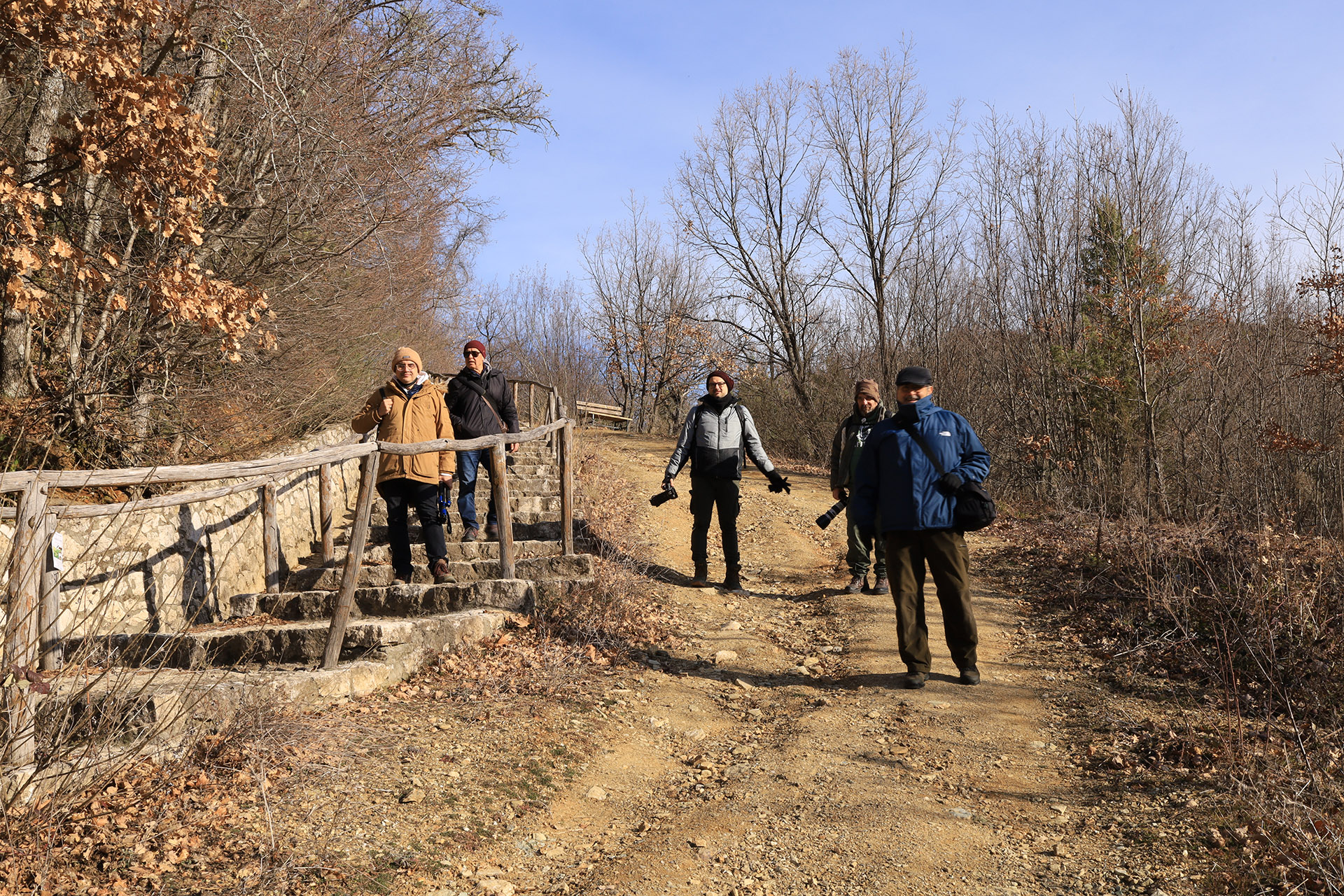
We set off before dawn, a handful of people strapped with cameras, lenses, and longing. An inexplicable longing, the same every time, pushing us forward.
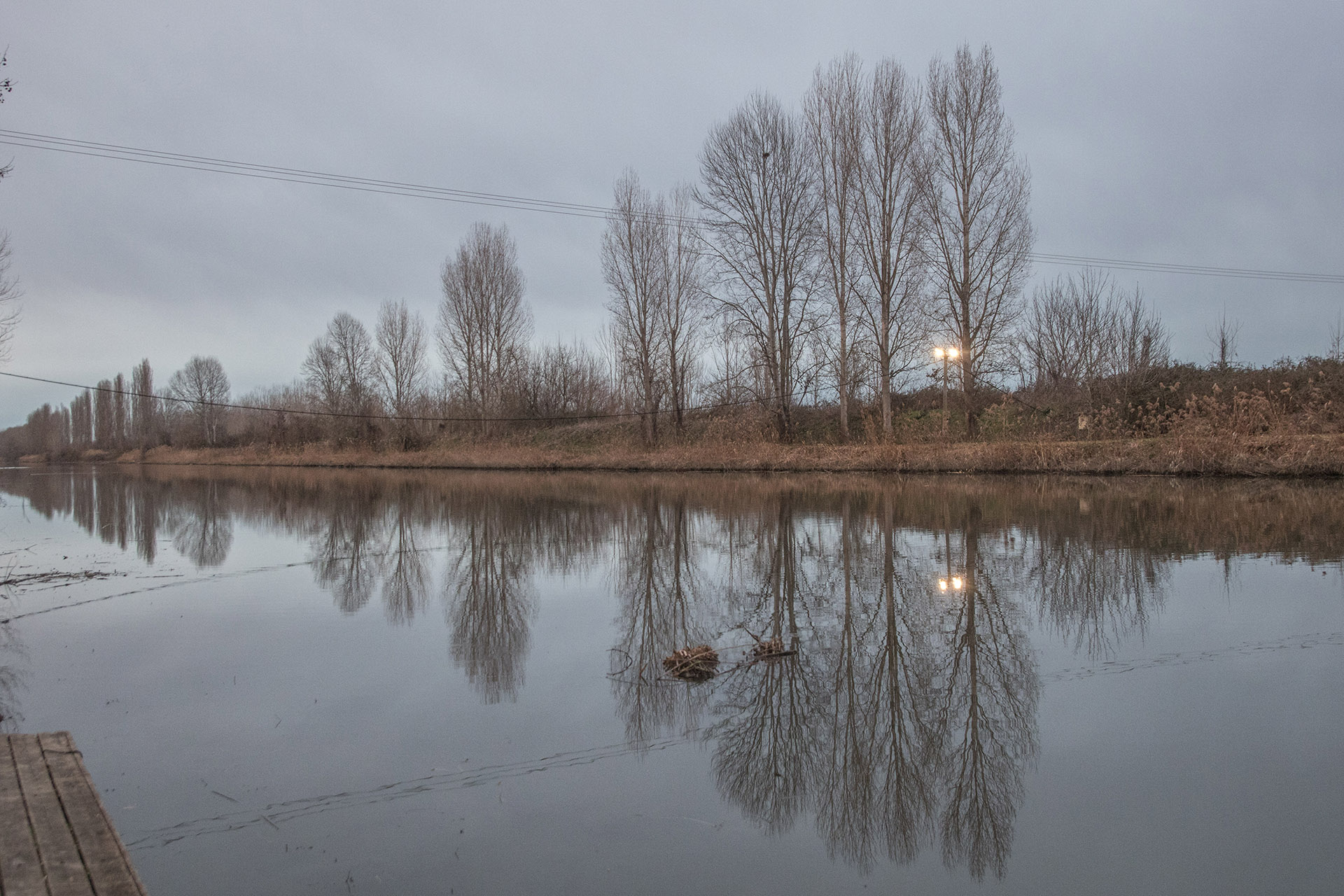
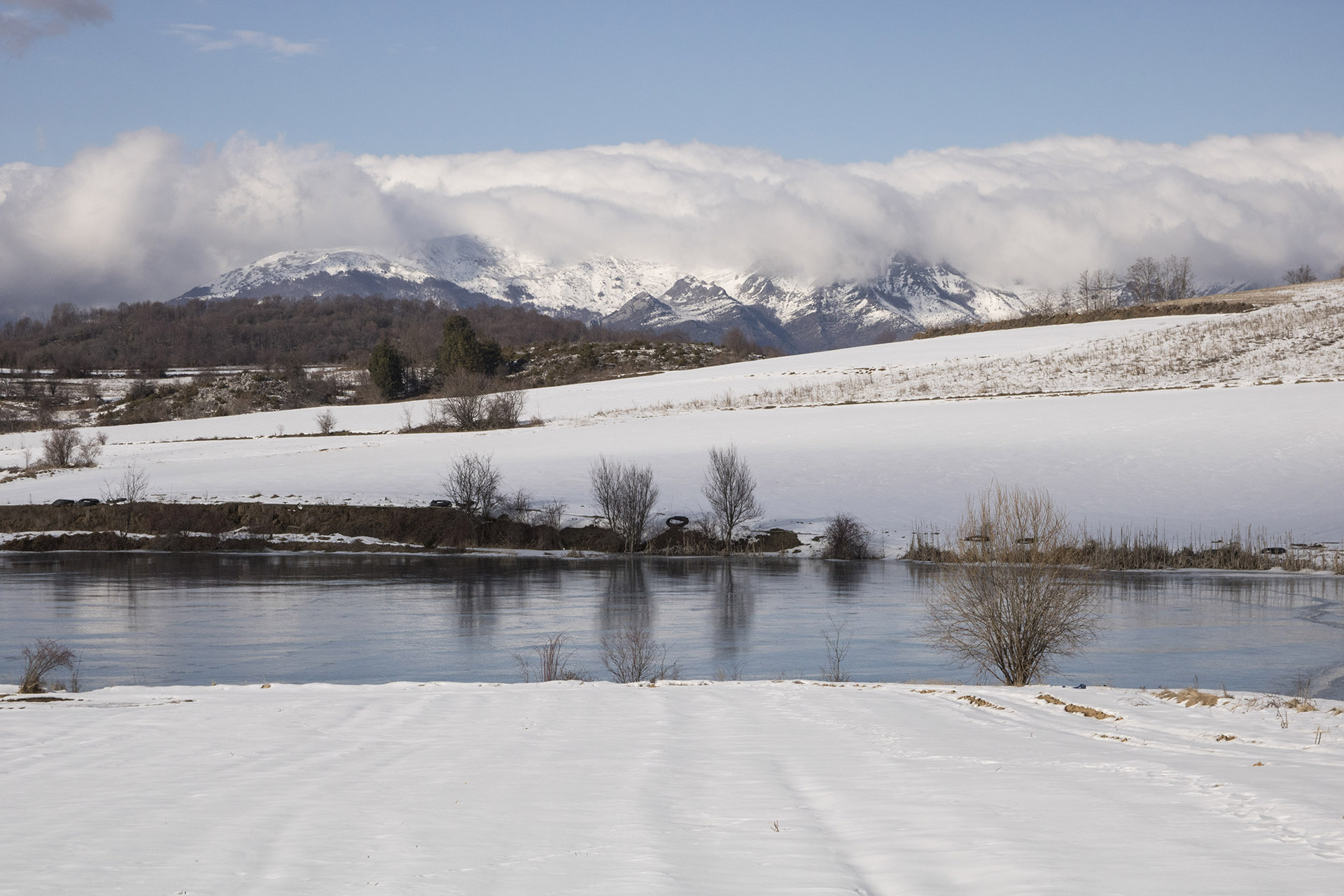
“Sunrise must find us at Point Zero of the Loudias,” said Dimosthenis, who is also our great keeper of stories. Sunrise found us there, at a place whose name, as they say, is open to debate. The most common explanation is that the water level is almost the same height as the sea, differing by only thirty centimetres, and that is why it is called Point Zero.
From there, we headed to the British Military Cemetery on the outskirts of Polykastro, with the sun teasing us all the way. Well cared for, clean, and surrounded by a low stone wall, it has been waiting there for almost a hundred years for visitors to pay tribute to the fallen. Small rectangular stones, bearing the details of almost 1,500 men who fell, stand as testimony to the collective madness that torments human existence through the ages. We left the place after taking a few photographs, with a strange shiver at the back of our necks.
“It must be the morning chill,” someone muttered to himself, and the rest of us fell silent.
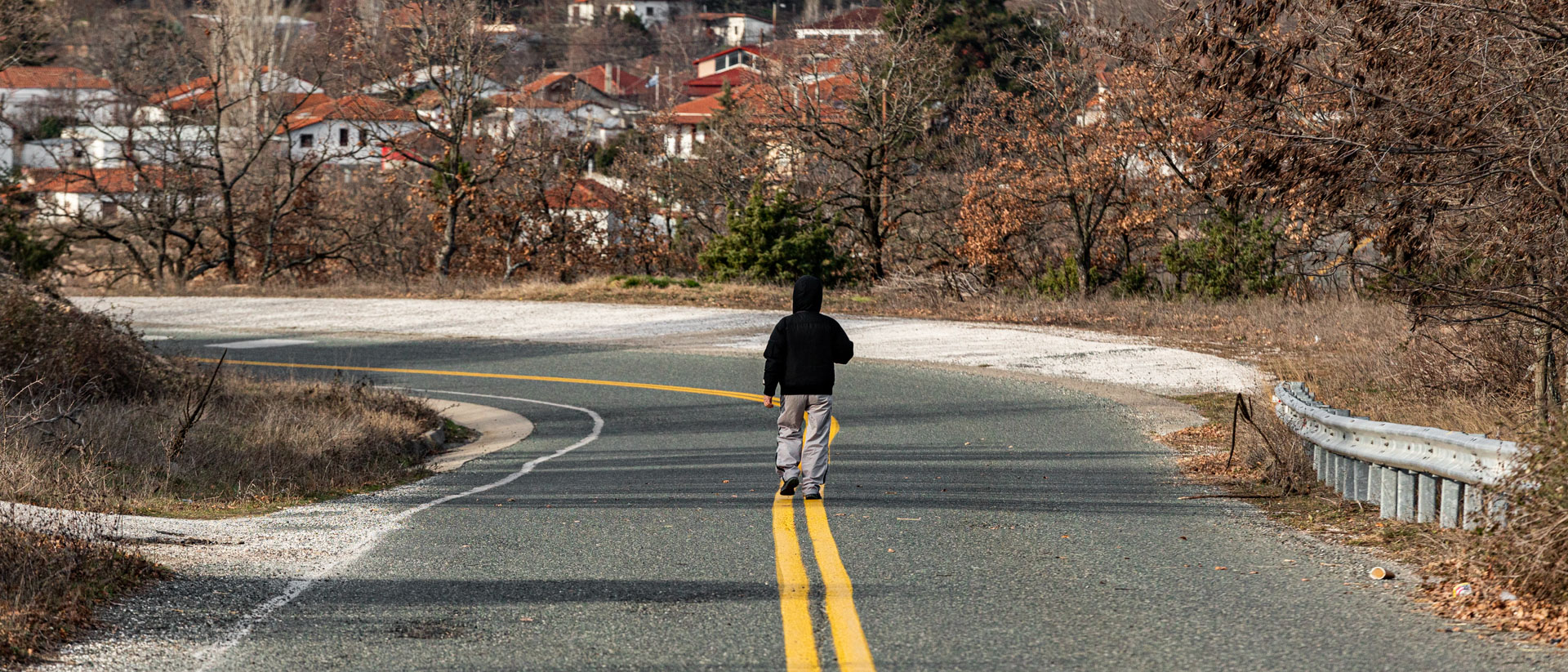
Γ. Τζημαγιώργης – Σκρά
Ν. Κακαγιάς – Σκρά
Δ. Σεϊταρίδης – Σκρά
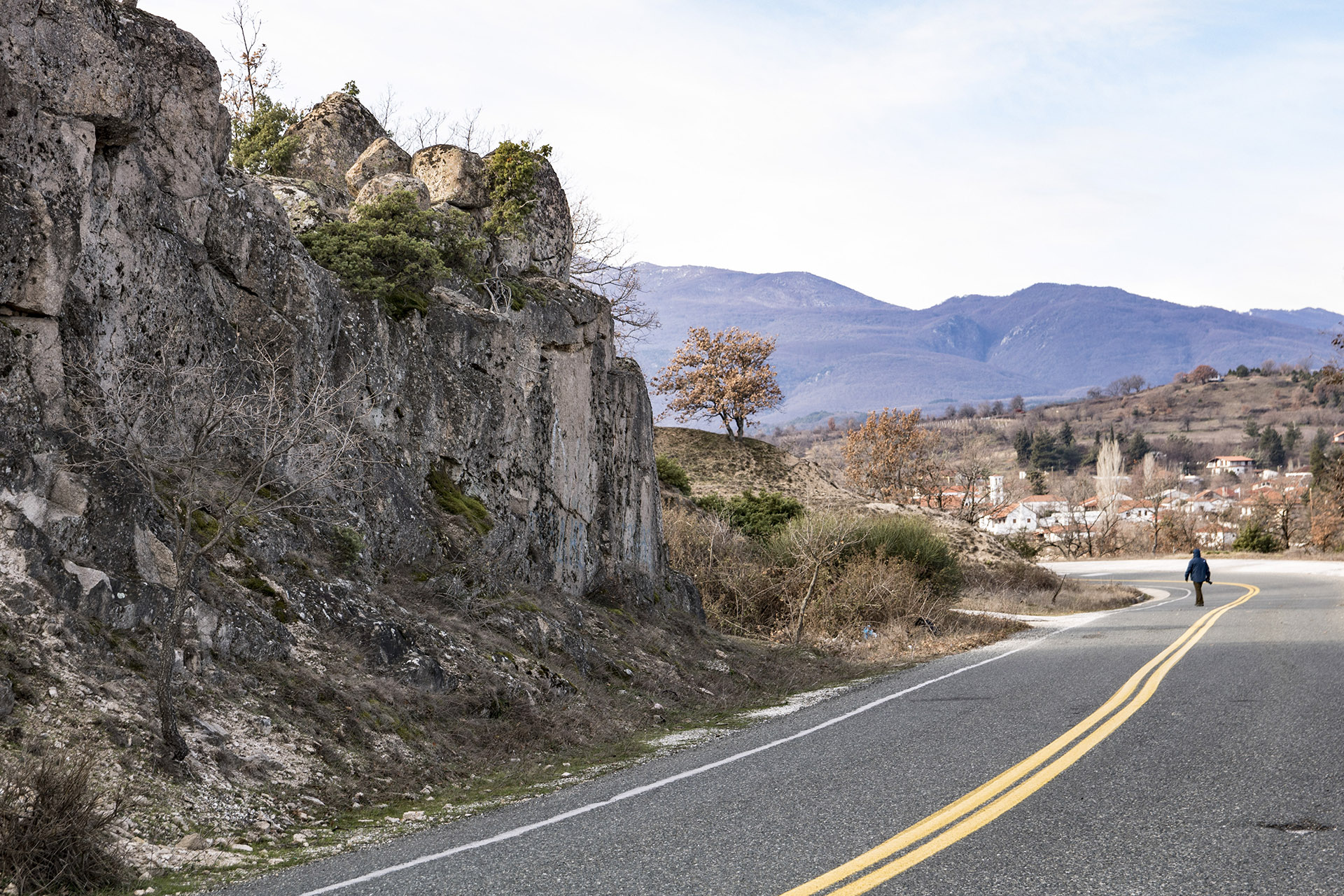
Δ. Σεϊταρίδης – Σκρά
Γ. Τζημαγιώργης – Σκρά
Ν. Κακαγιάς – Σκρά
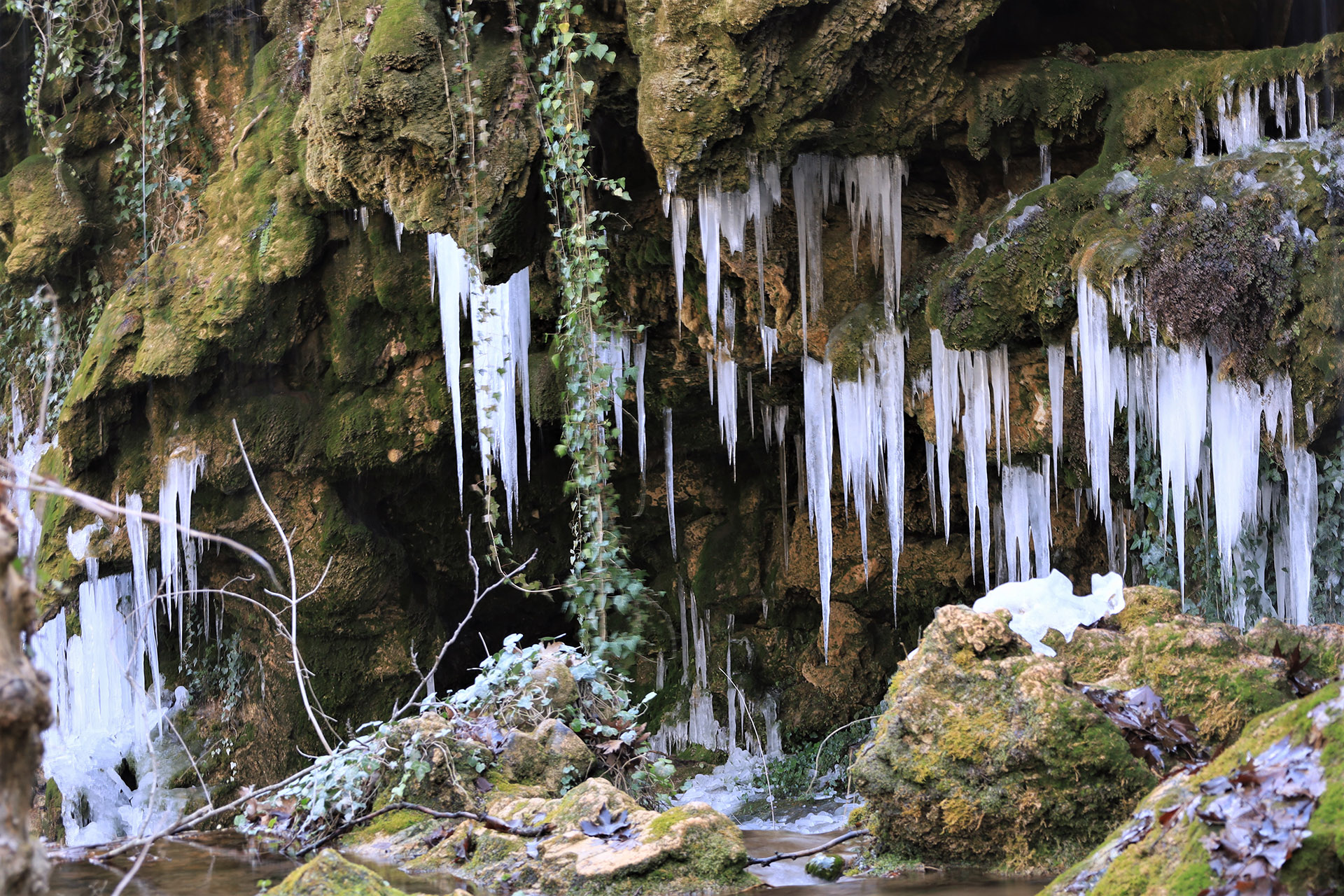
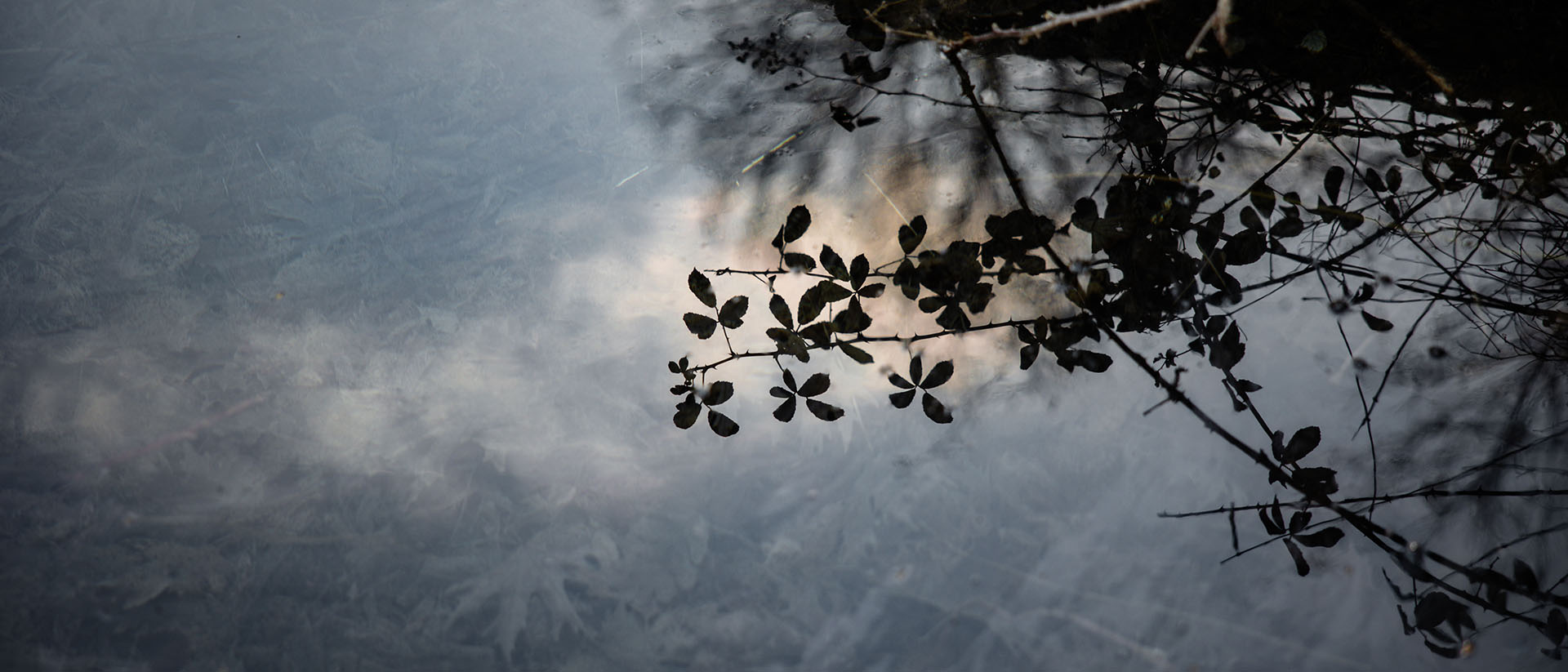
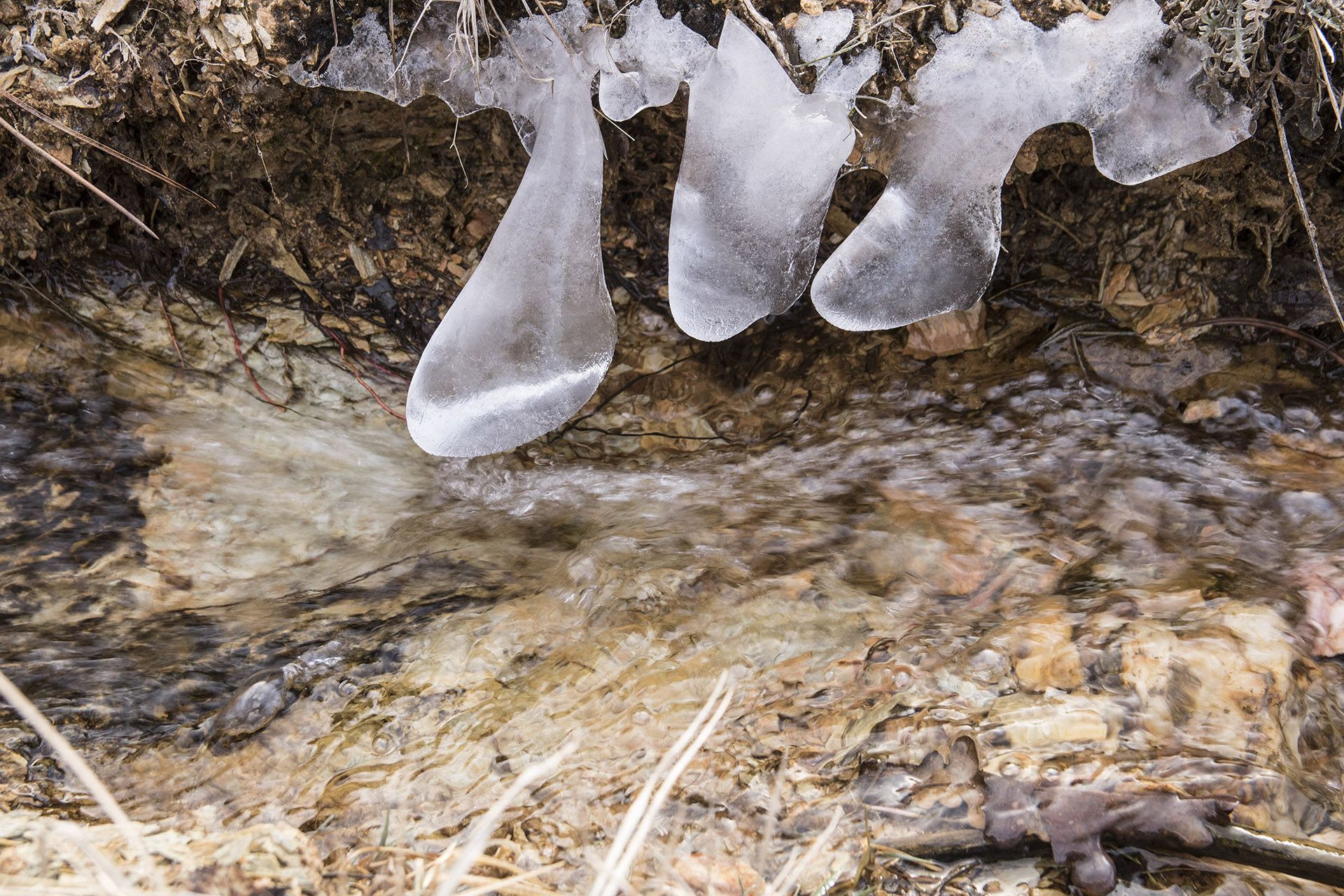
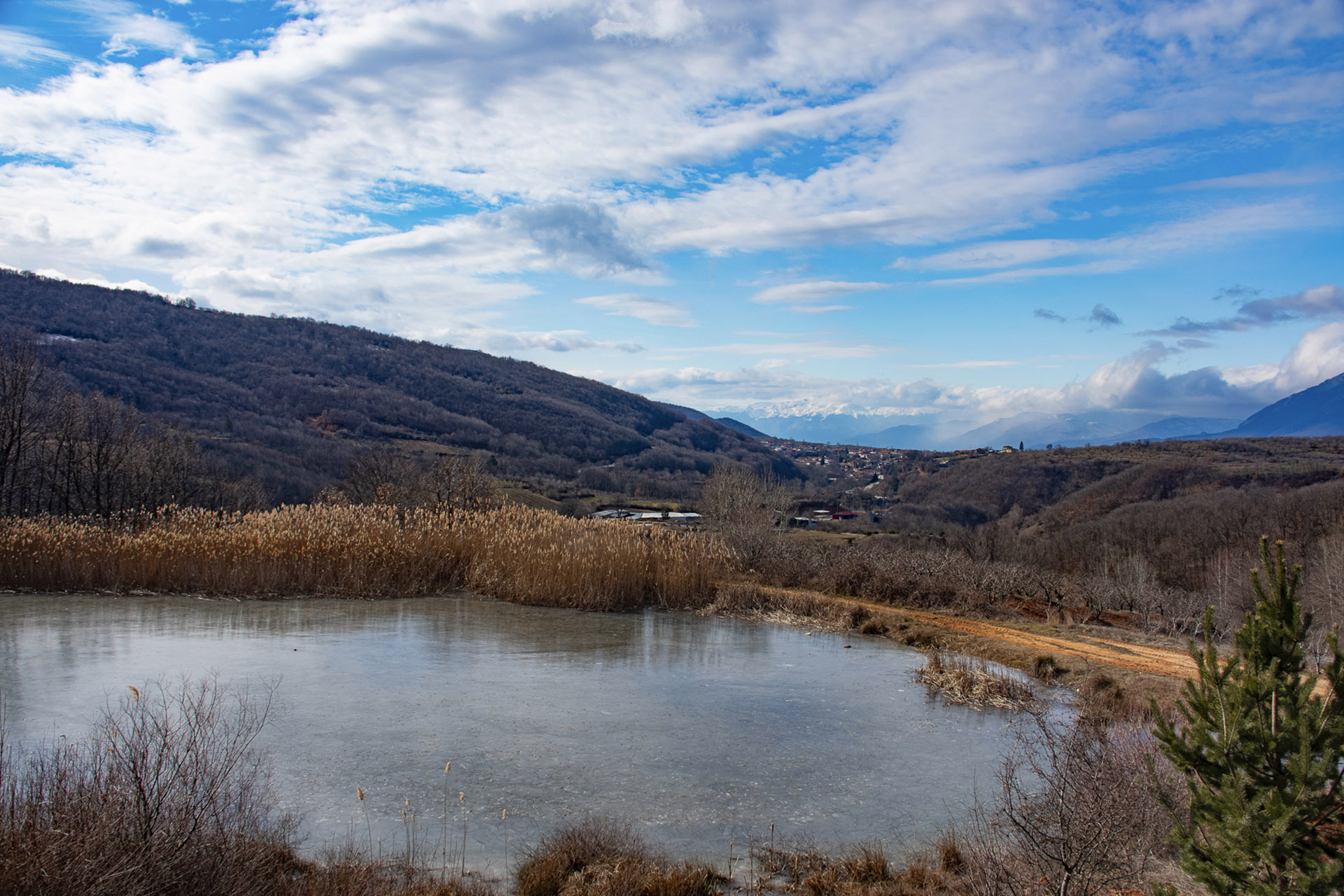
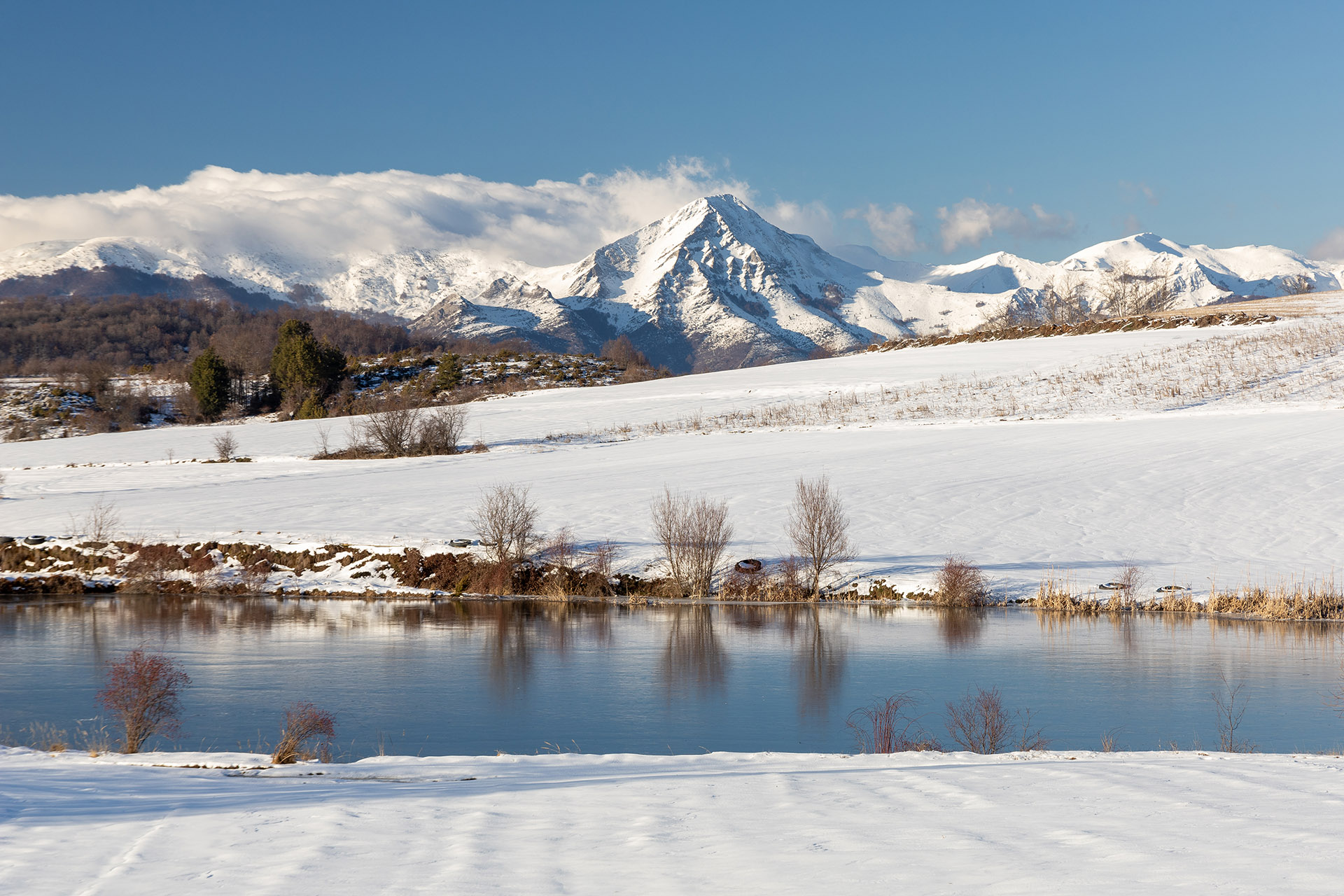
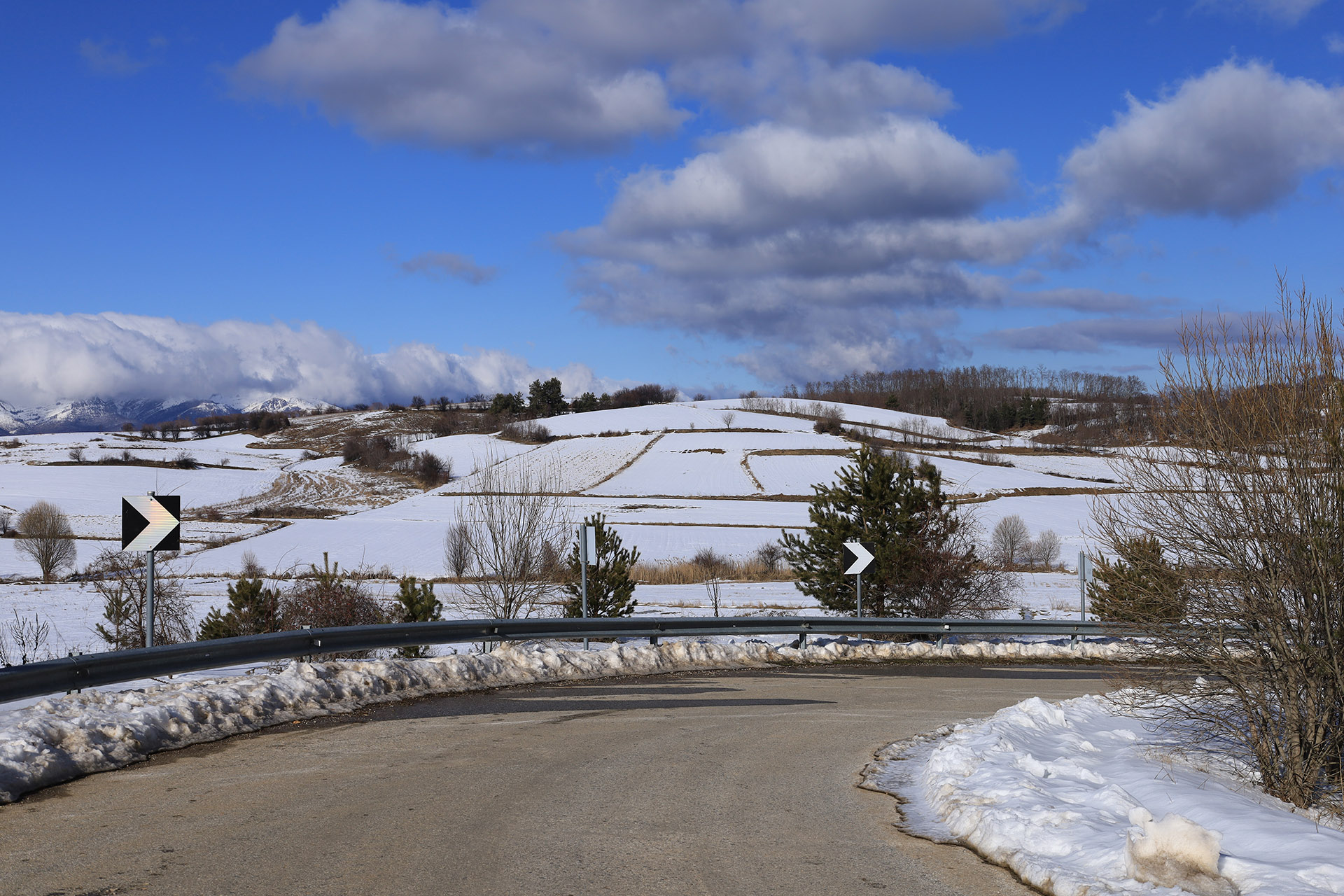
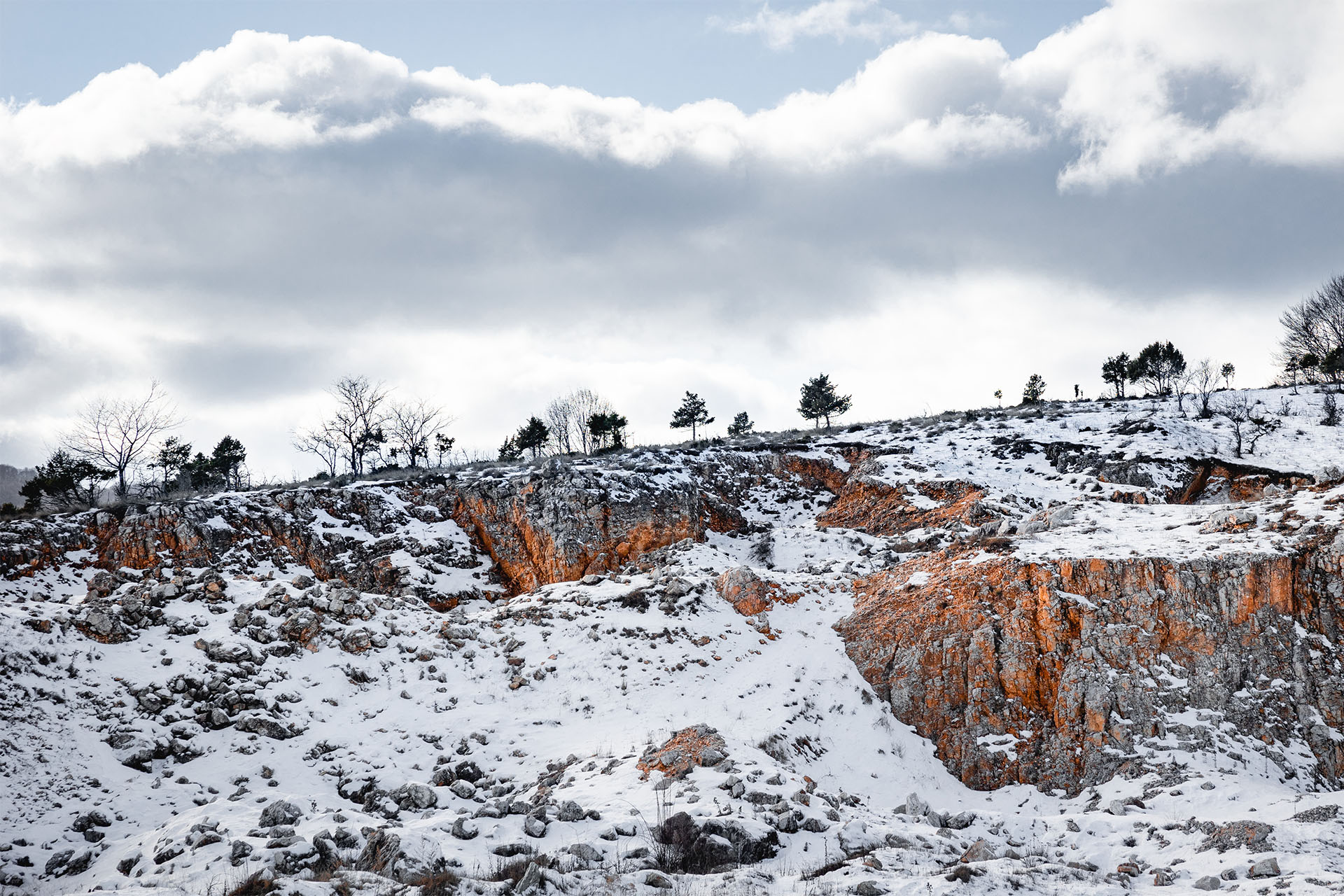
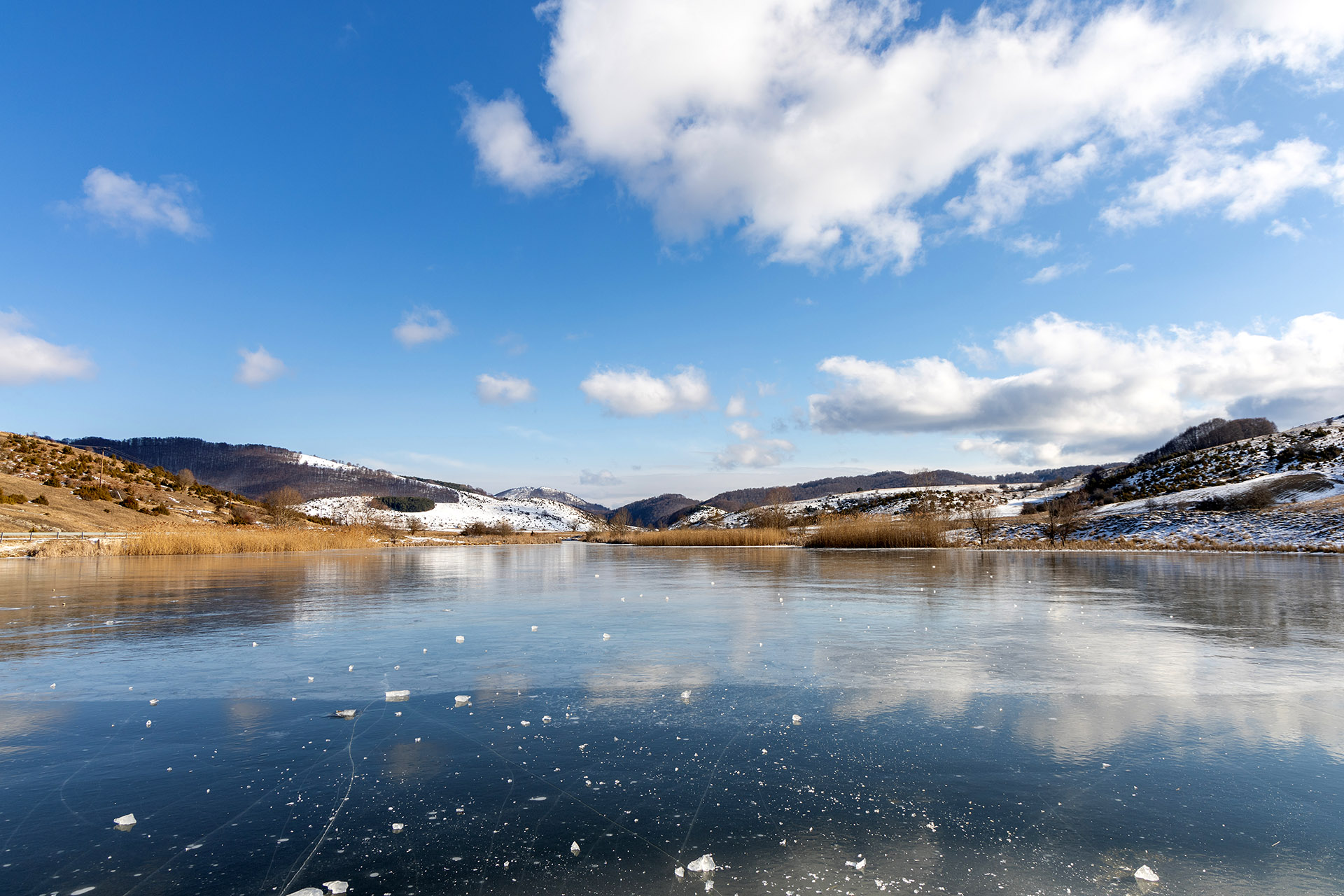
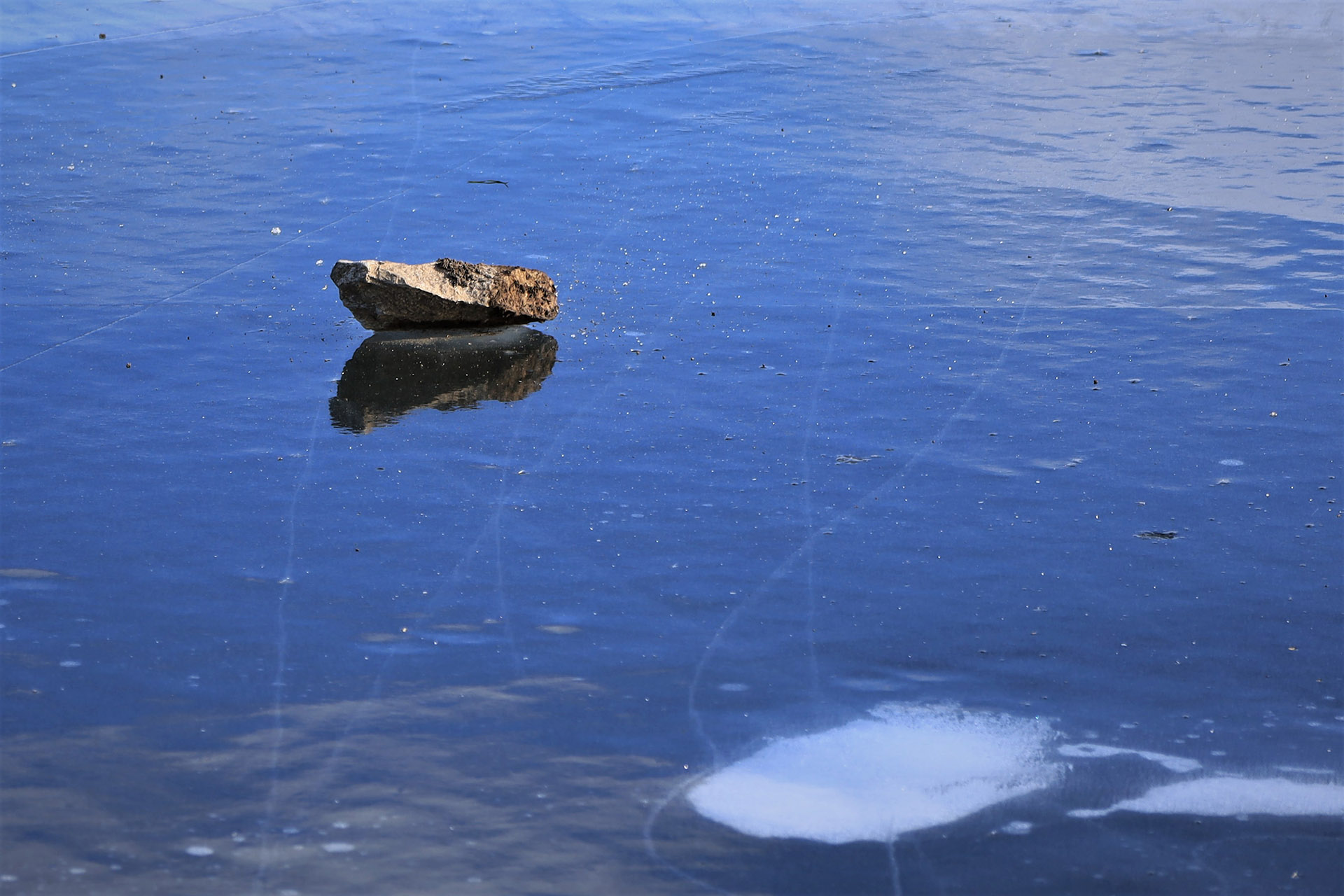
Our direction was now north, skirting the northern edge of Paiko. Tzena and Pinovo rose threateningly, snow-covered, between the cumulus clouds that opened at last to reveal the precious sun. Could you miss such moments? We stopped at Grias Pidima and immortalised everything our astonished eyes could see. Up there, you could feel the cold somewhat, and the frozen surfaces of the small ponds held photographic interest.
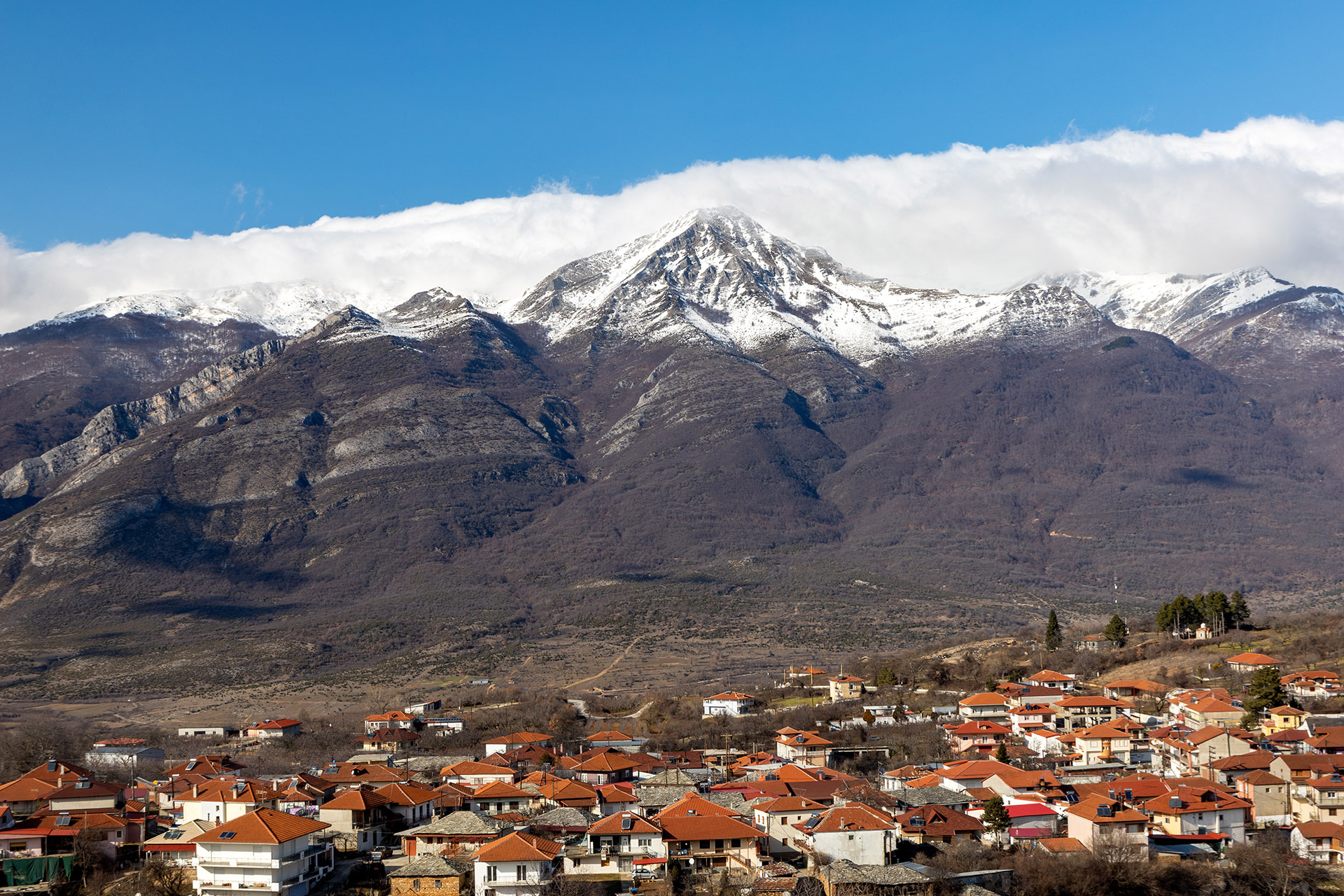
We had now turned left, and before us dominated the formidable mass of snow-white Voras. We left promises for a future visit and reached the once-important main village. Archangelos by name, and by nature. An old Vlach-Meglenite village with history, now home to no more than five hundred souls. We spoke at length with the hospitable residents in the coffee house on the square and tasted the most aromatic mountain tea there is. Time began playing its games, and the long road ahead finally prevented us from visiting the monastery.
Χ. Πουρουζίδης – Γριάς Πήδημα
Χ. Πουρουζίδης – Σκρα
Ε. Τσαουσίδης – Γριάς Πήδημα
Ν. Κακαγιάς – Γριάς Πήδημα
Ε. Τσαουσίδης – Σκρα
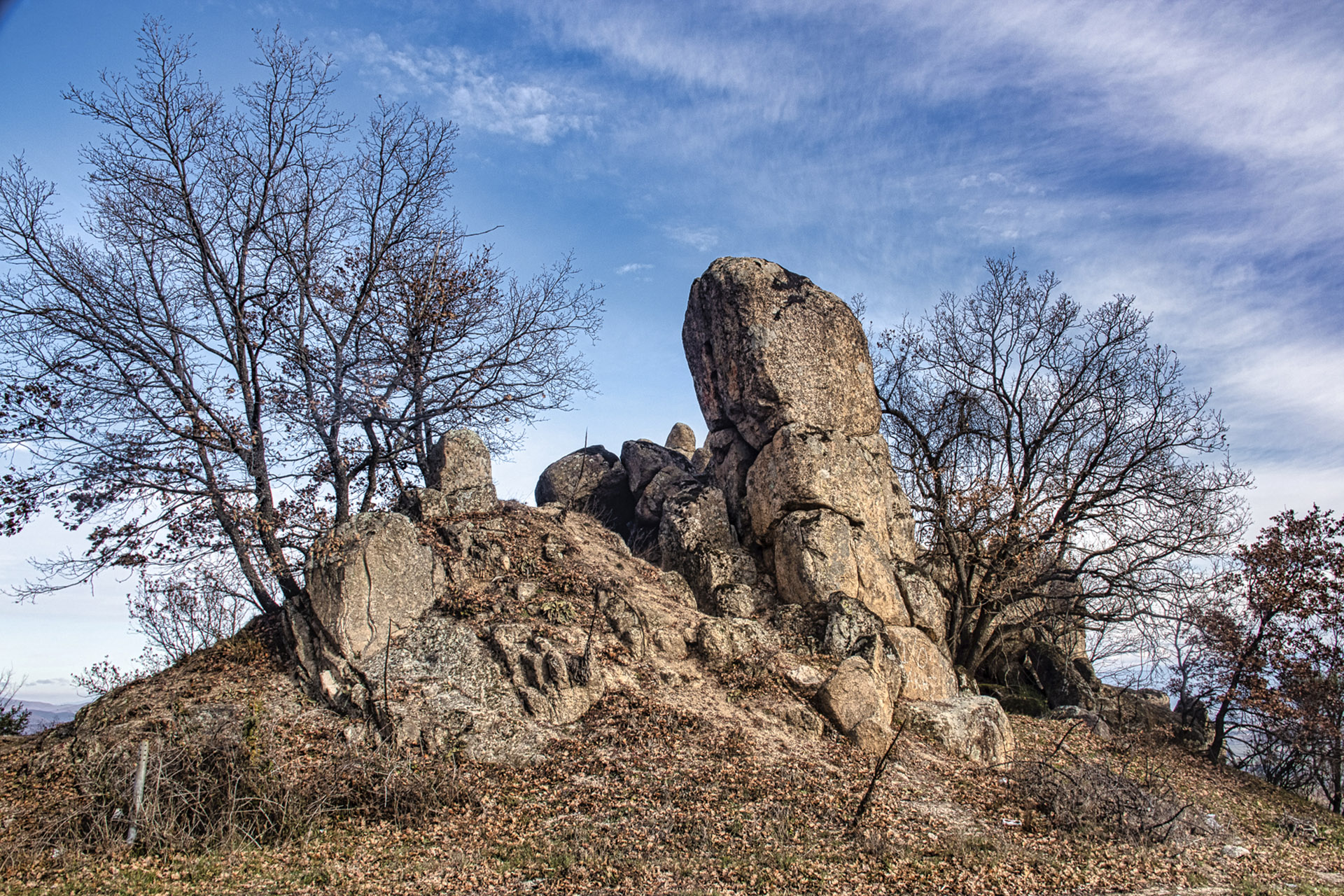
Ν. Κακαγιάς – Αρχάγγελος
Ν. Κακαγιάς – Αρχάγγελος
Δ. Σεϊταρίδης – Αρχάγγελος
We set off southwards across the highlands of Paiko, with a view over the whole alpine zone, glittering snow-white in the blinding light. Harrys got out of the car, ecstatic, and began walking and muttering to himself. He was saying something about cinema, something about cowboys with their herds in the snow, while the rest of us shouted after him:
“Harrys, can’t you hear us talking to you? We’re going to be late!”
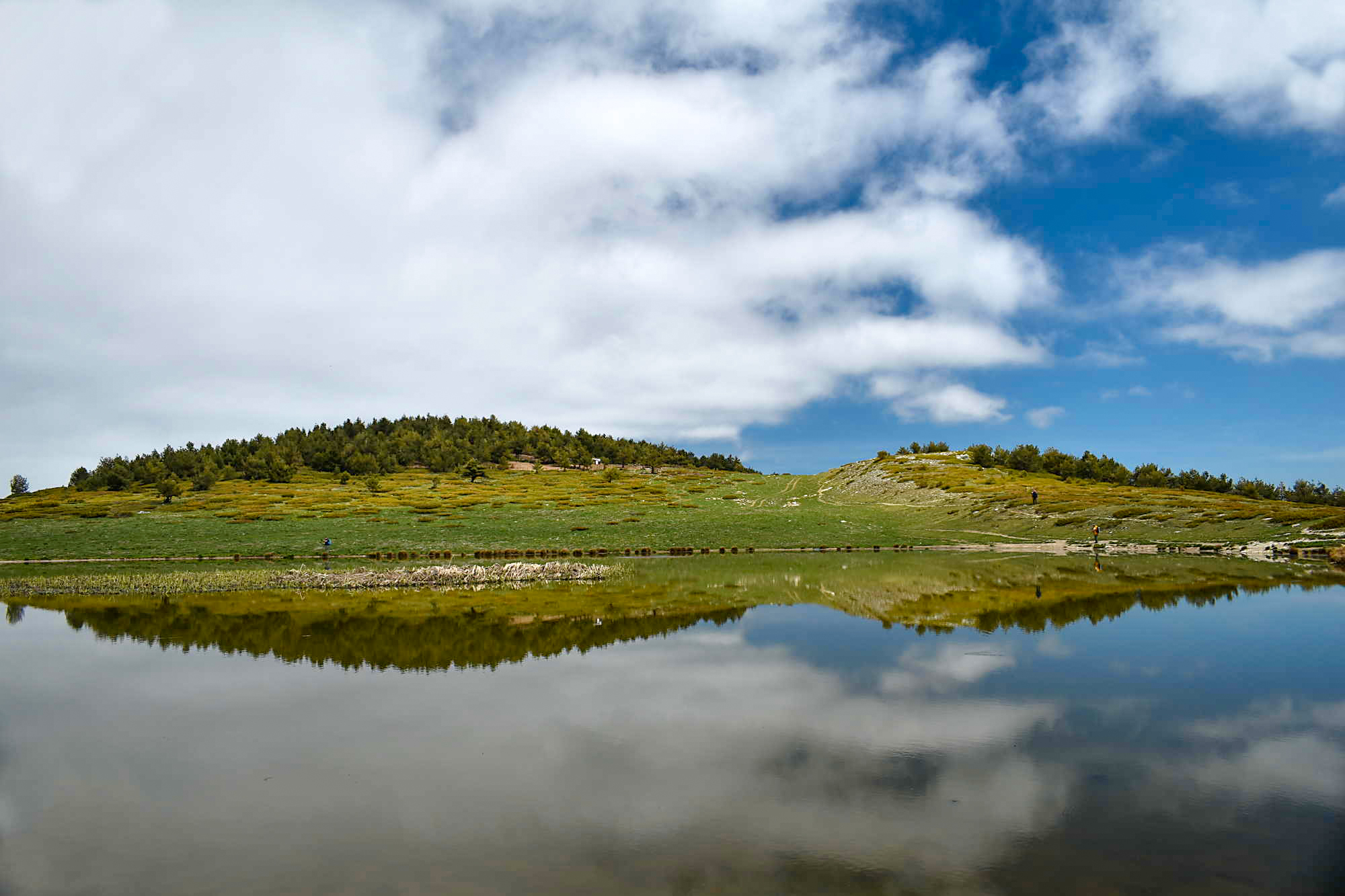
Art had taken possession of him, and he was searching for his frame. He almost reached Livadia on foot, while we set about capturing whatever could still be captured, our legs sunk in the snow and laughter rising as it once had. Soon we left the snow behind with our laughter echoing across the slopes, as a legacy and a promise: that this group, under the pretext of photography, would keep discovering the springs that lead to truth.
Pixelscape.gr uses cookies to ensure that provides you with the best possible navigation experience. By using the website you accept the usage of cookies. Press “Accept”, if you condone the usage of cookies.
This website uses cookies to improve your experience while you navigate through the website. Out of these, the cookies that are categorized as necessary are stored on your browser as they are essential for the working of basic functionalities of the website. We also use third-party cookies that help us analyze and understand how you use this website. These cookies will be stored in your browser only with your consent. You also have the option to opt-out of these cookies. But opting out of some of these cookies may affect your browsing experience.