Cover photo by Nikos Kakagias Article by Nikos Kakagias
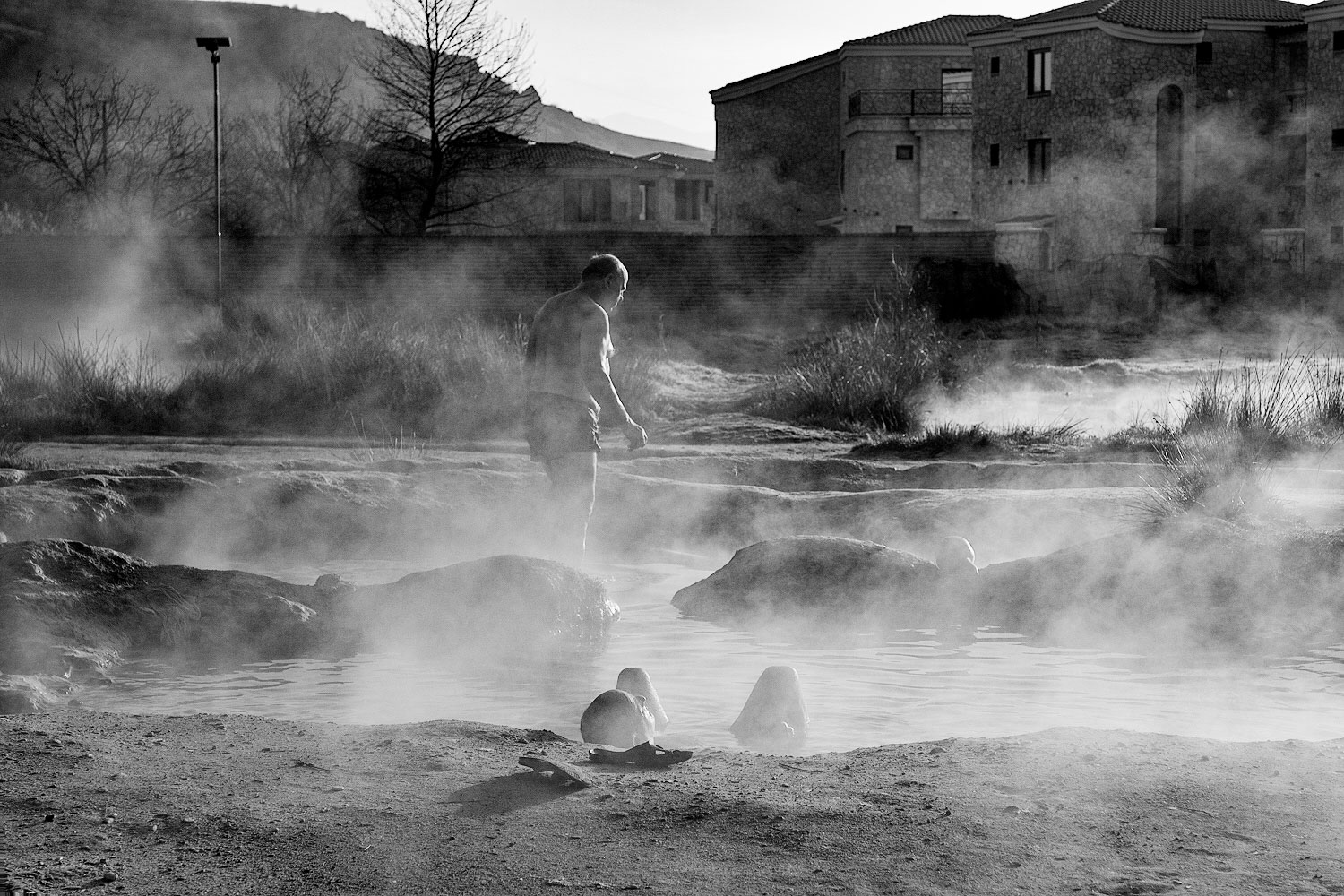
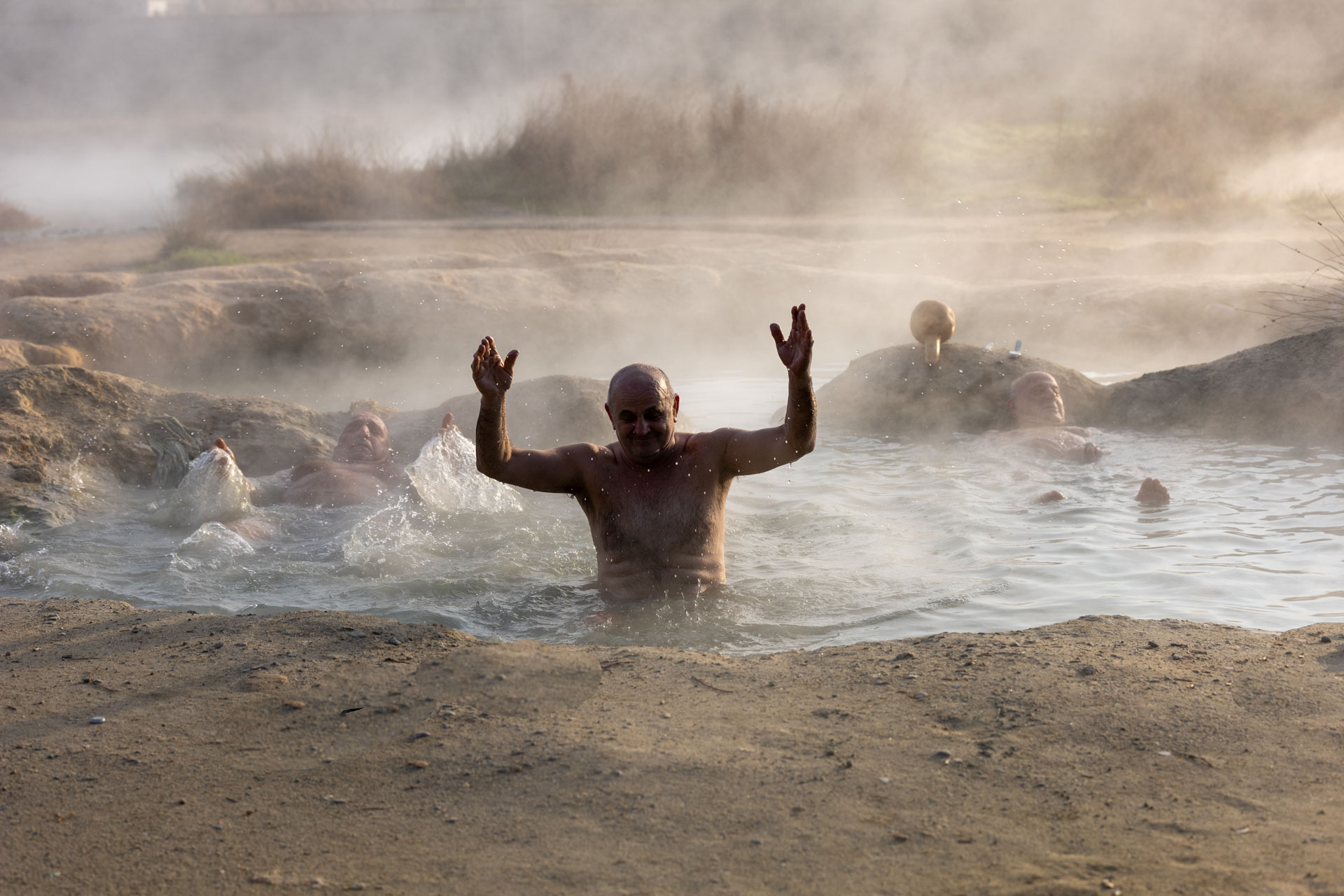
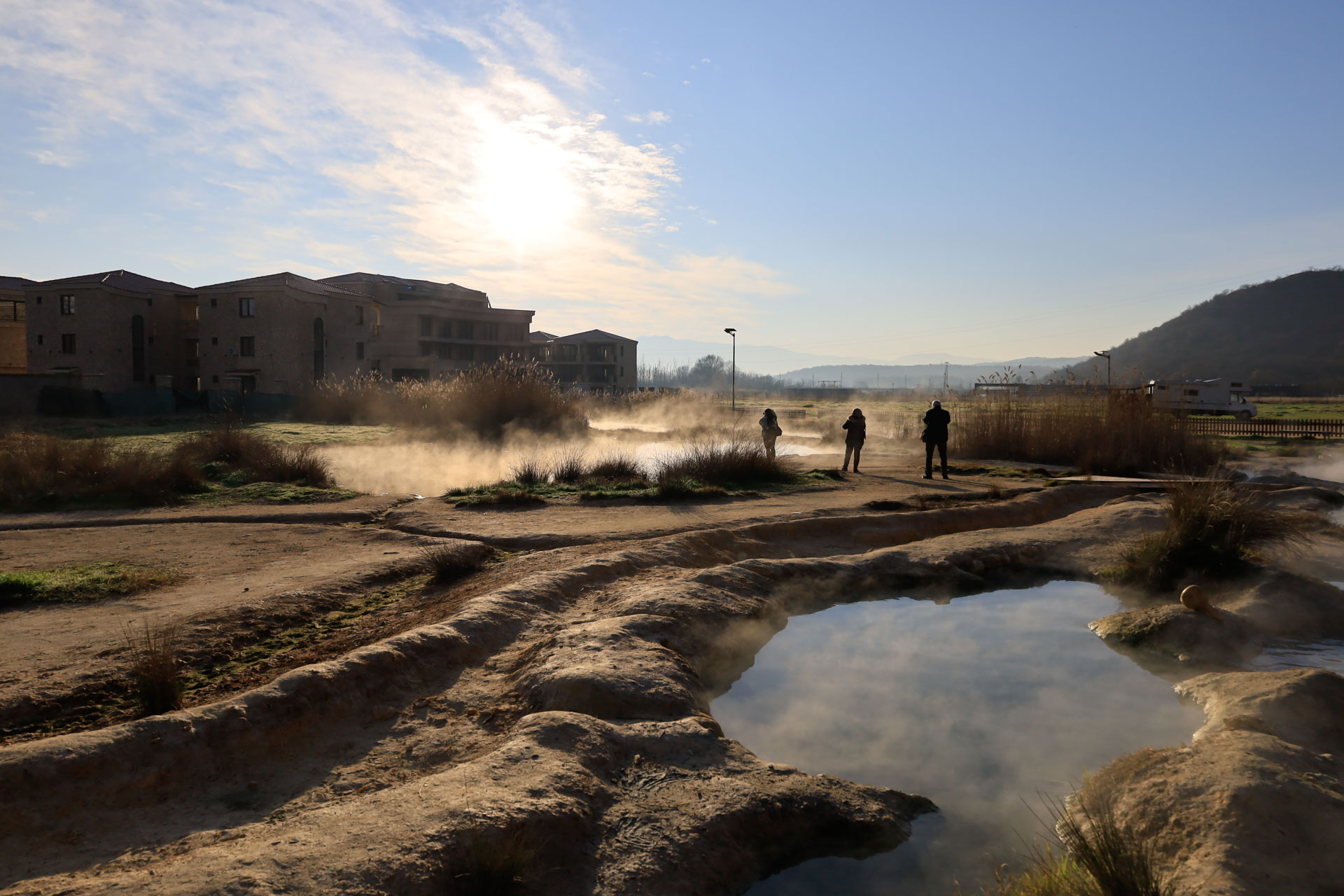
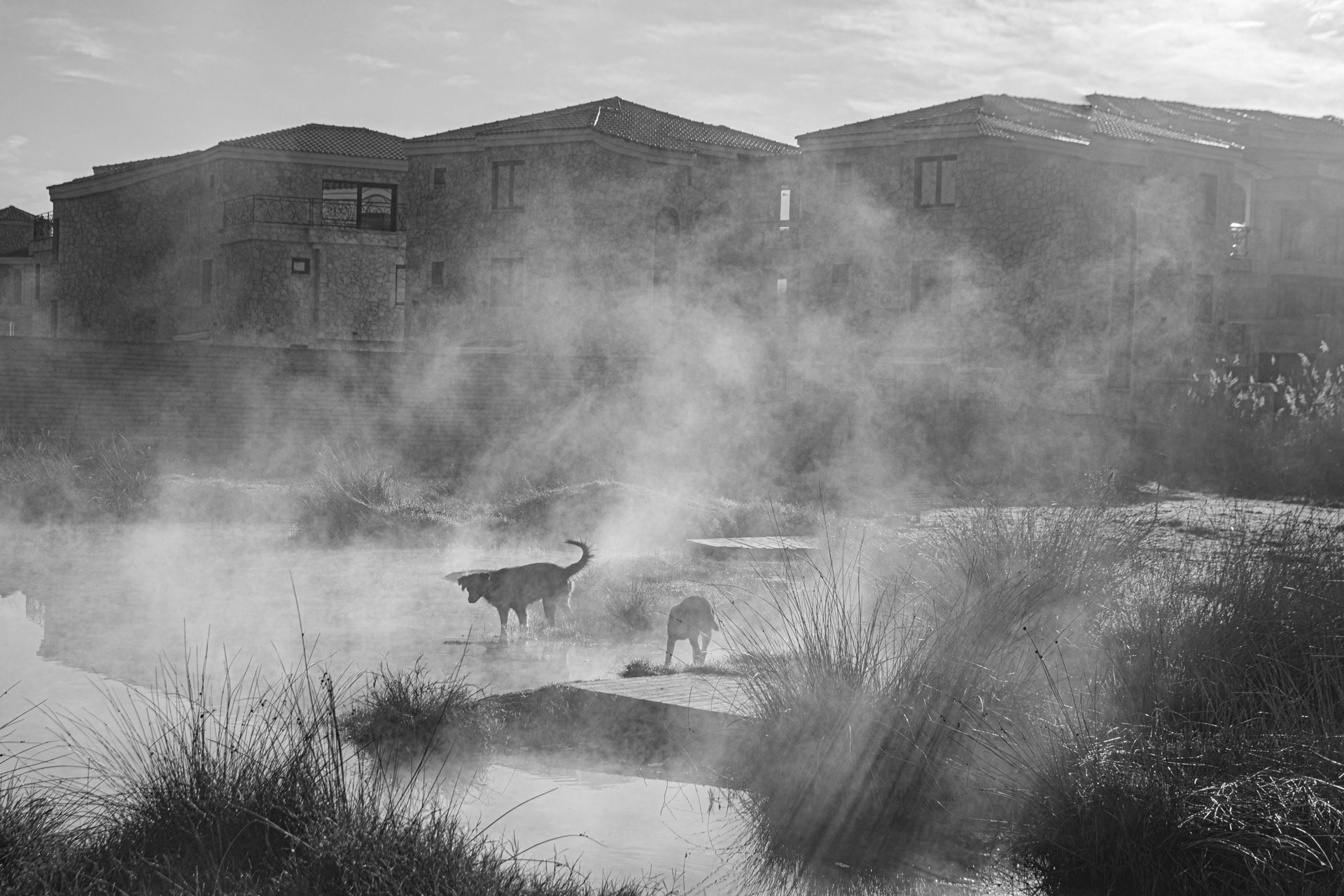
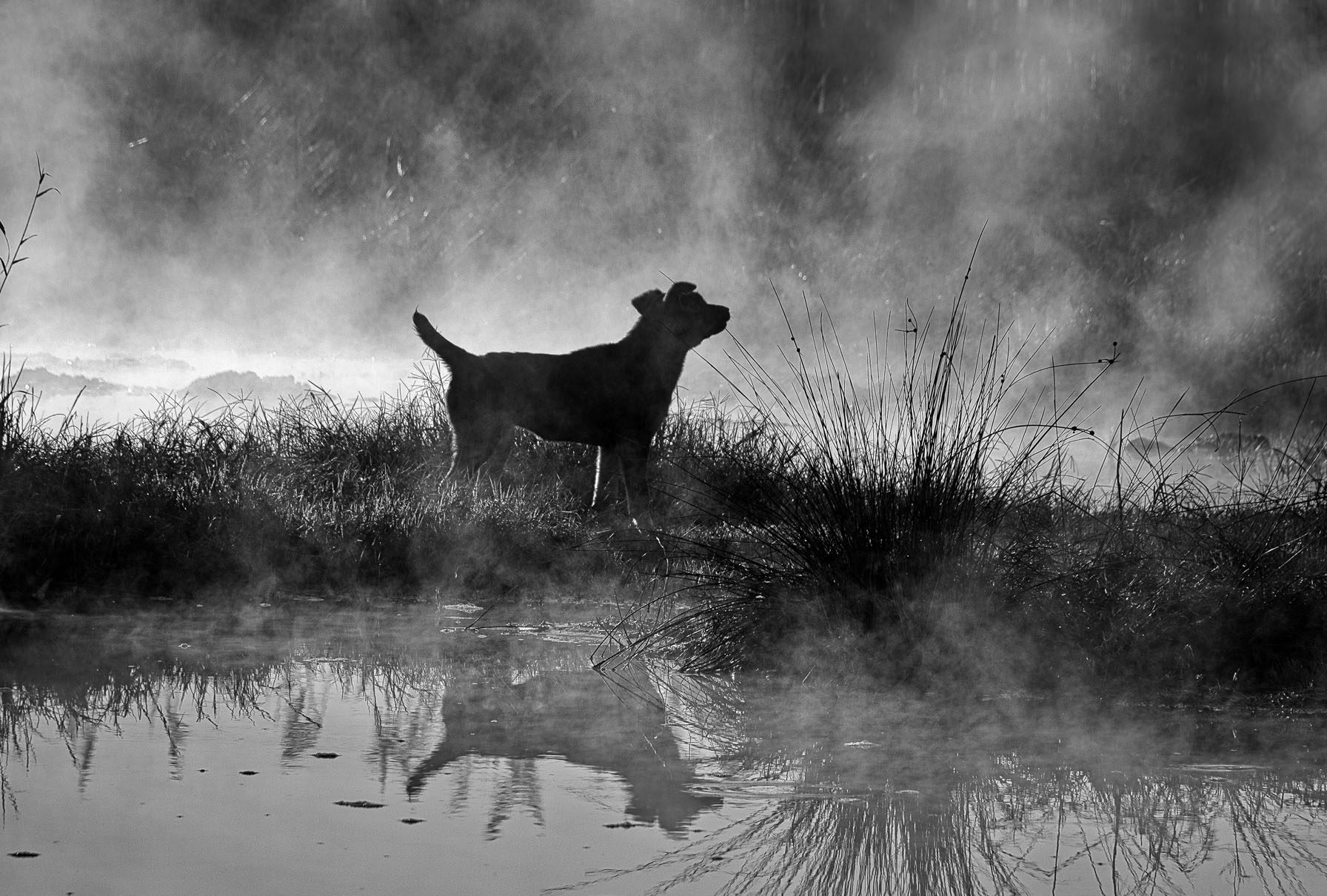
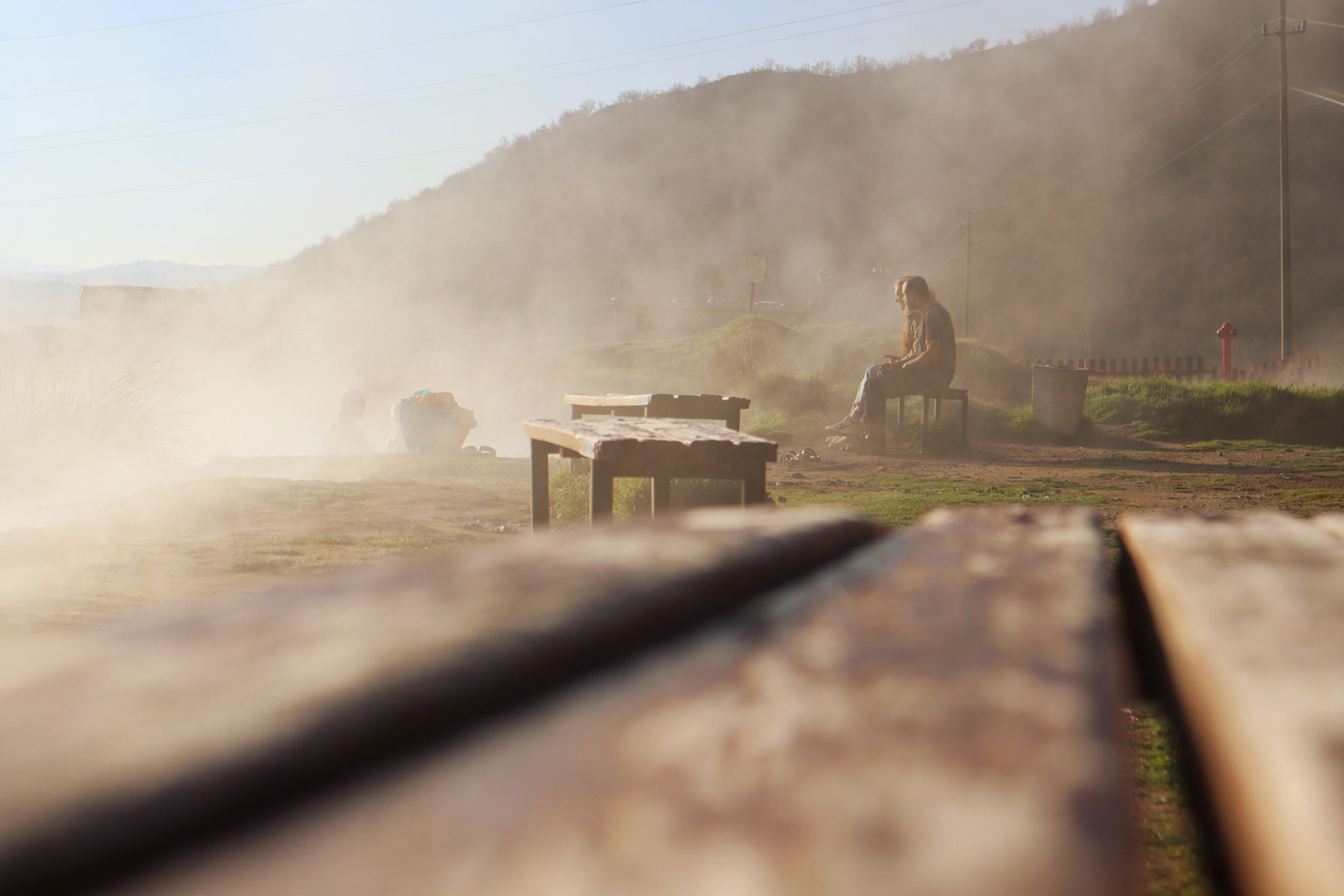
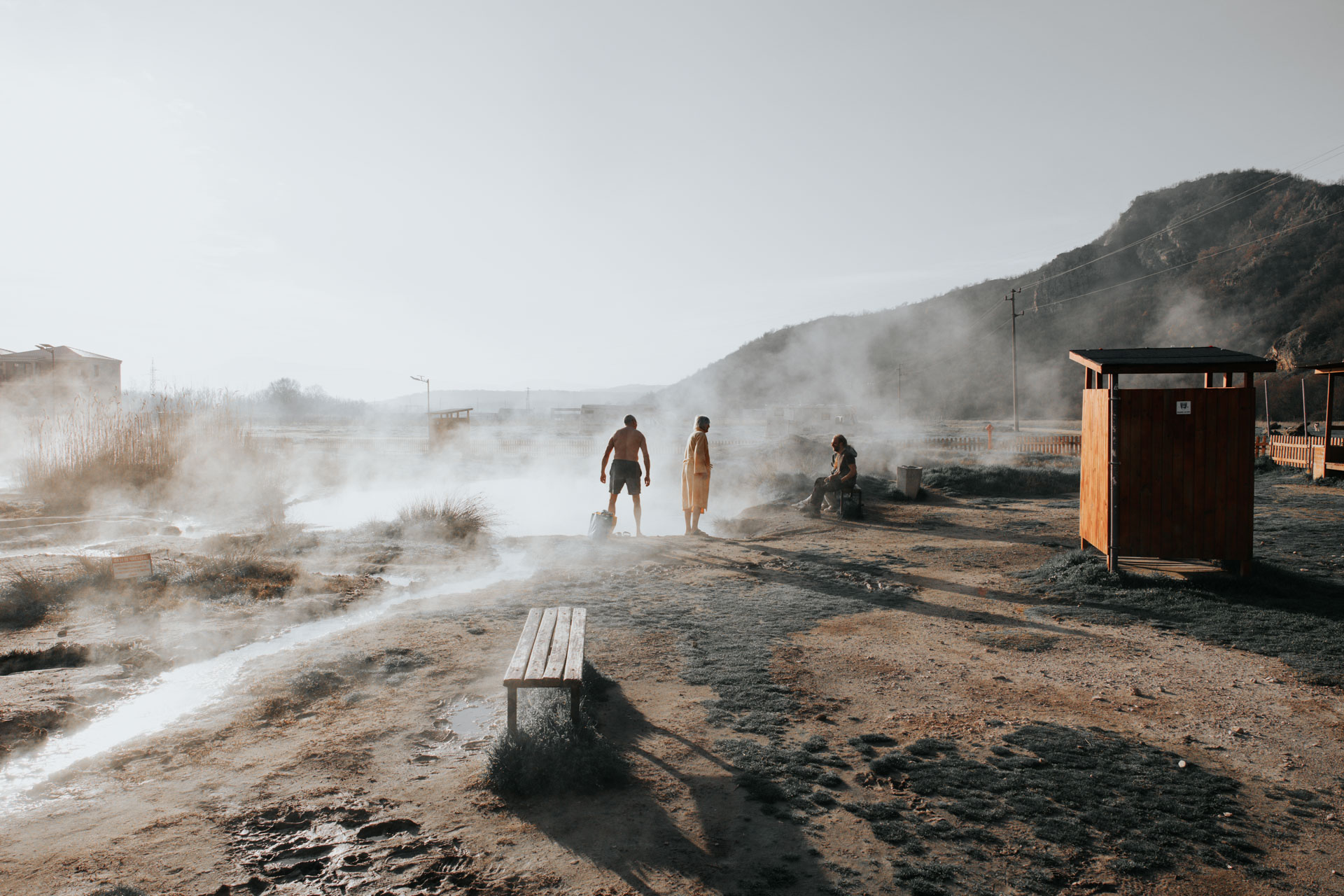
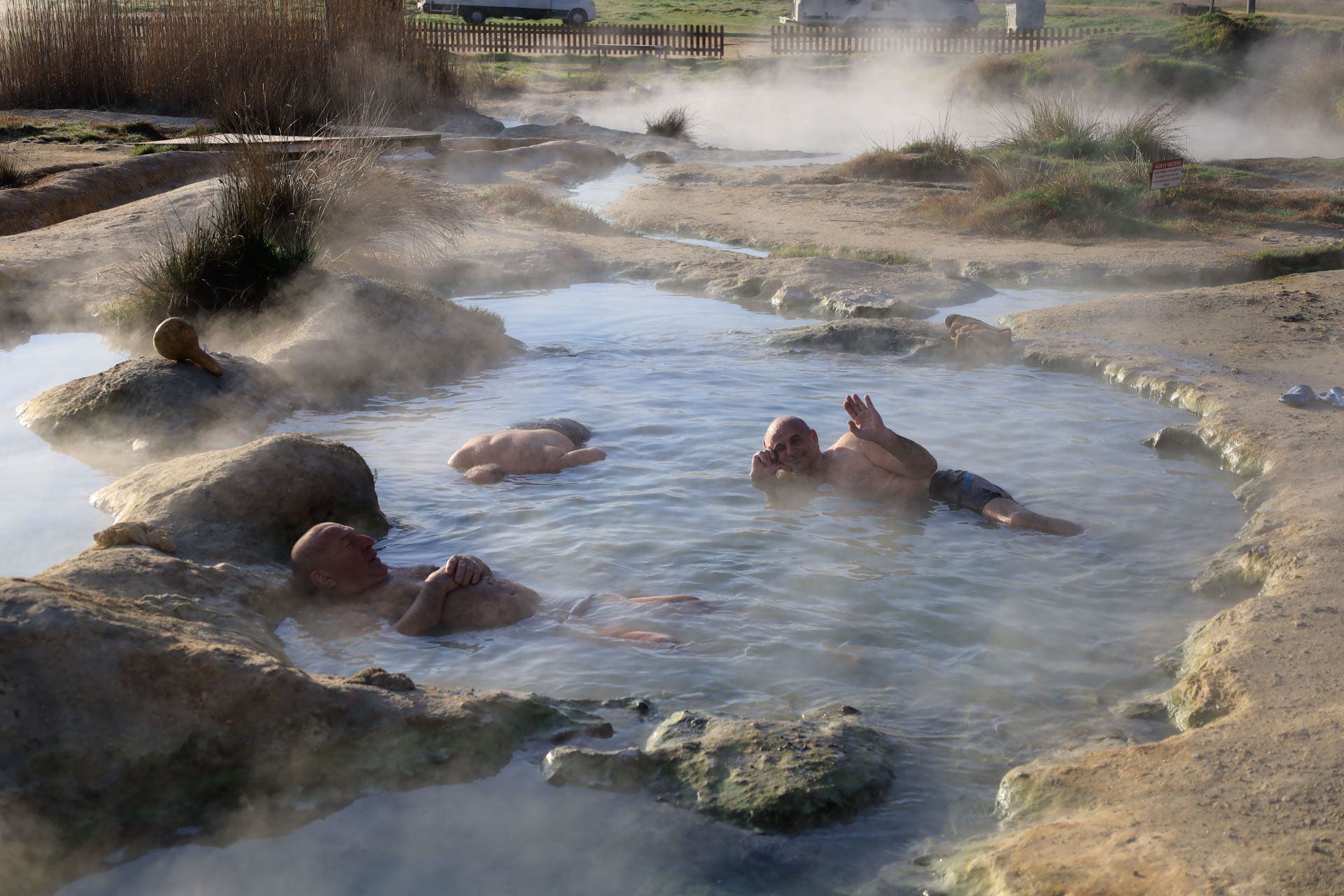
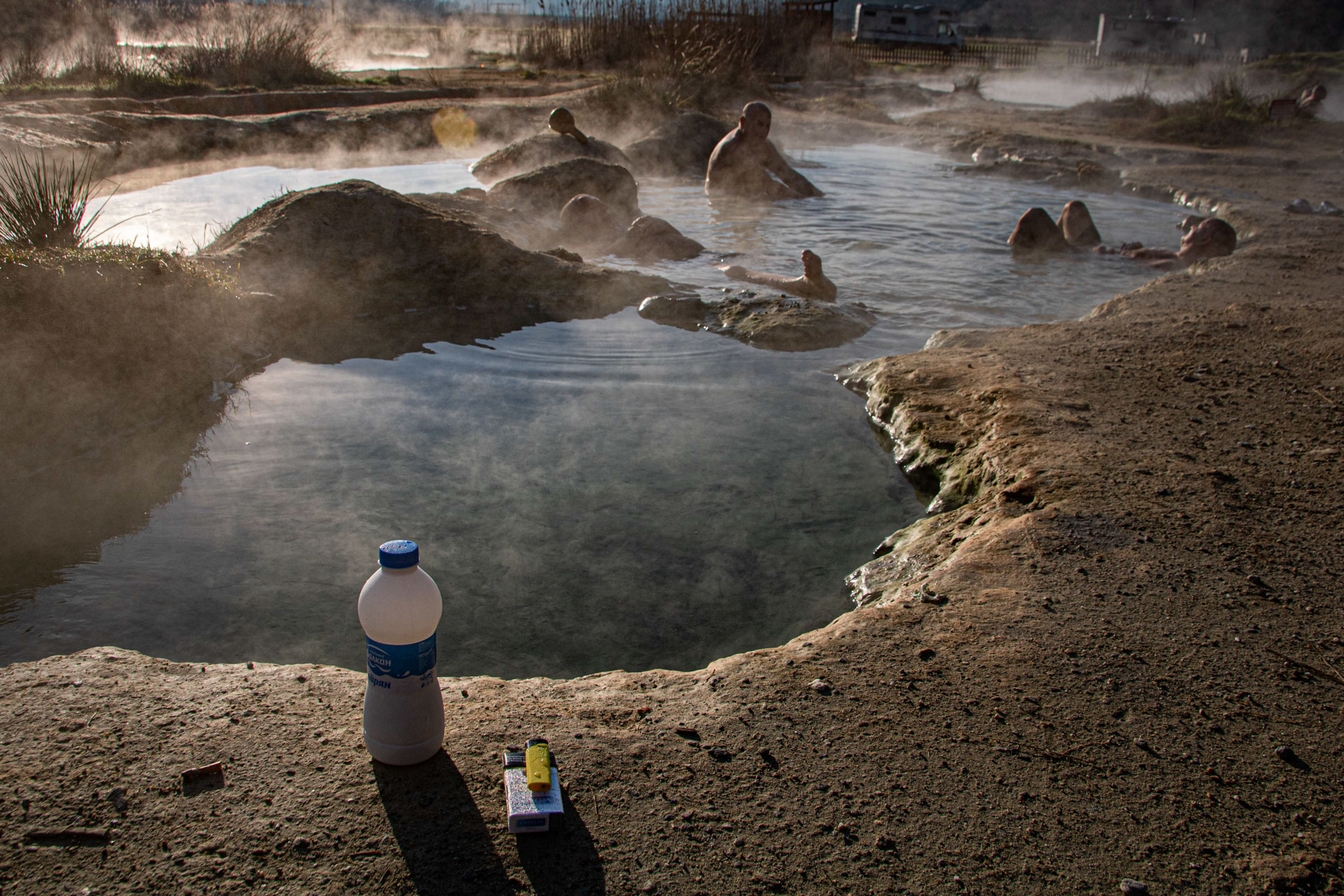
The shadows still lingered, heavy and reluctant to depart, as the sun rose faintly above the dark silhouette of Mount Beles. Below, the narrow valley seemed almost otherworldly, shrouded in morning mists that blurred its contours. But wait… was it truly mist that enveloped us as we ventured deeper into its uncertain embrace? The water pooled in shallow hollows shimmered silver whenever a stray shaft of sunlight pierced the dense veil, while a faint whiff of sulphur reached our nostrils, casting doubt upon our first impressions. “It’s the water that’s steaming,” someone remarked. And the laughing, half-naked figures reclining blissfully in the healing warmth, while offering libations from uncorked bottles to the gods of the underworld, seemed to confirm a verdict upheld for centuries. After all, such waters are said to work wonders upon the rust that gathers in one’s joints.
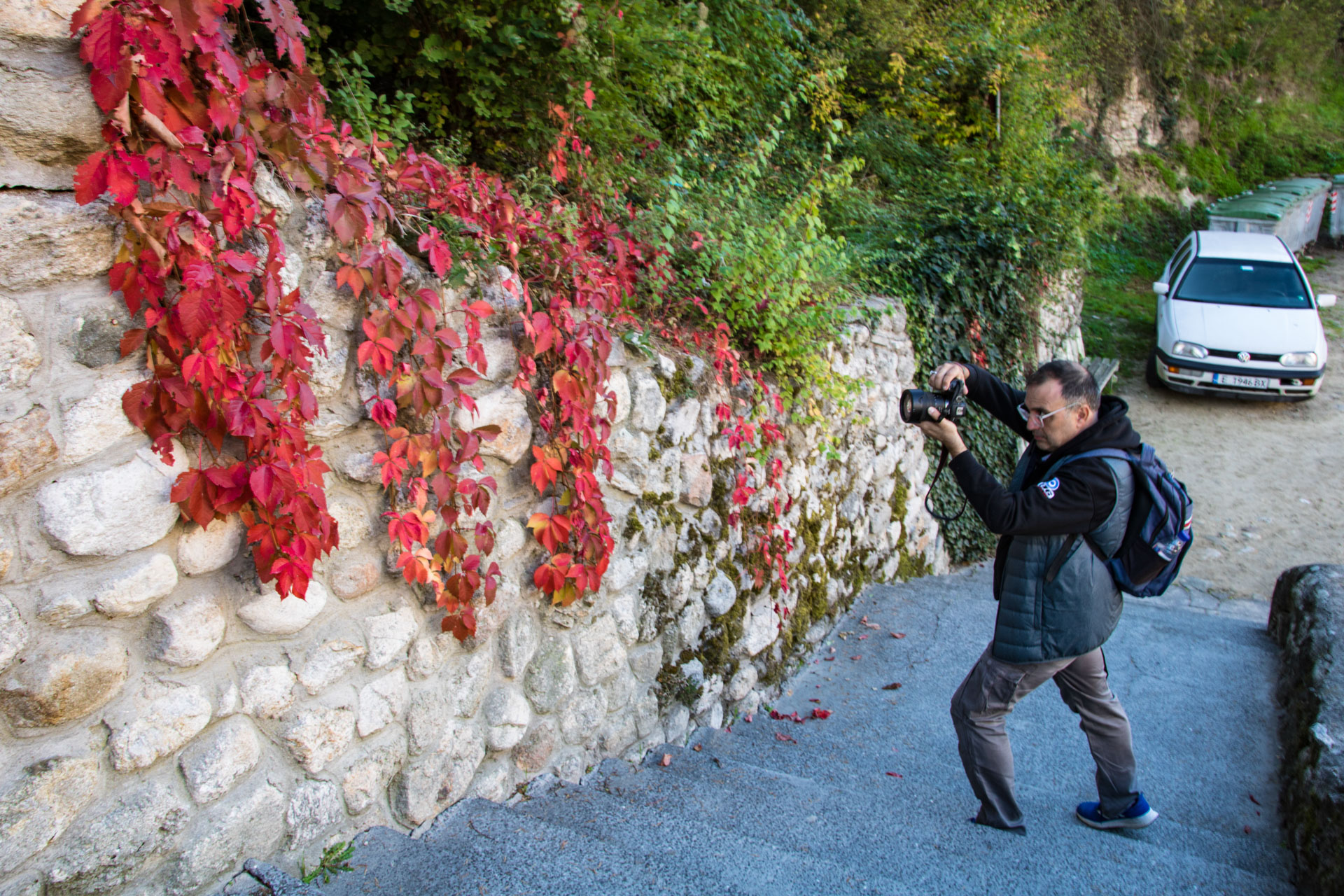
The camera-wielding elves vanished into the mysterious scenery, becoming shadows themselves, participants in some ancient ritual where the whims of imagination took shape and were transformed into images. Ancient oracles, fleeting apparitions, and the playful dance of steam thickening in the cold breath of winter all left their marks upon the canvas of certainty with every click of a shutter. Or so they believed, at any rate. After all isn’t it the illusion of permanence that sustains our fleeting existence? “Oh, come on! Enough of this mystical nonsense! Let’s get moving, or we’ll still be here after dark!” cried the rationalist of our company, rudely interrupting our philosophical wanderings. And so we move on down the road.
Danis Papagiannoulis
Dimosthenis Seitaridis
George Tzimagiorgis
Eftichios Tsaousidis
Nikos Kakagias
Maria Spyridopoulou
Harrys Pourouzidis
George Tzimagiorgis
Eftichios Tsaousidis
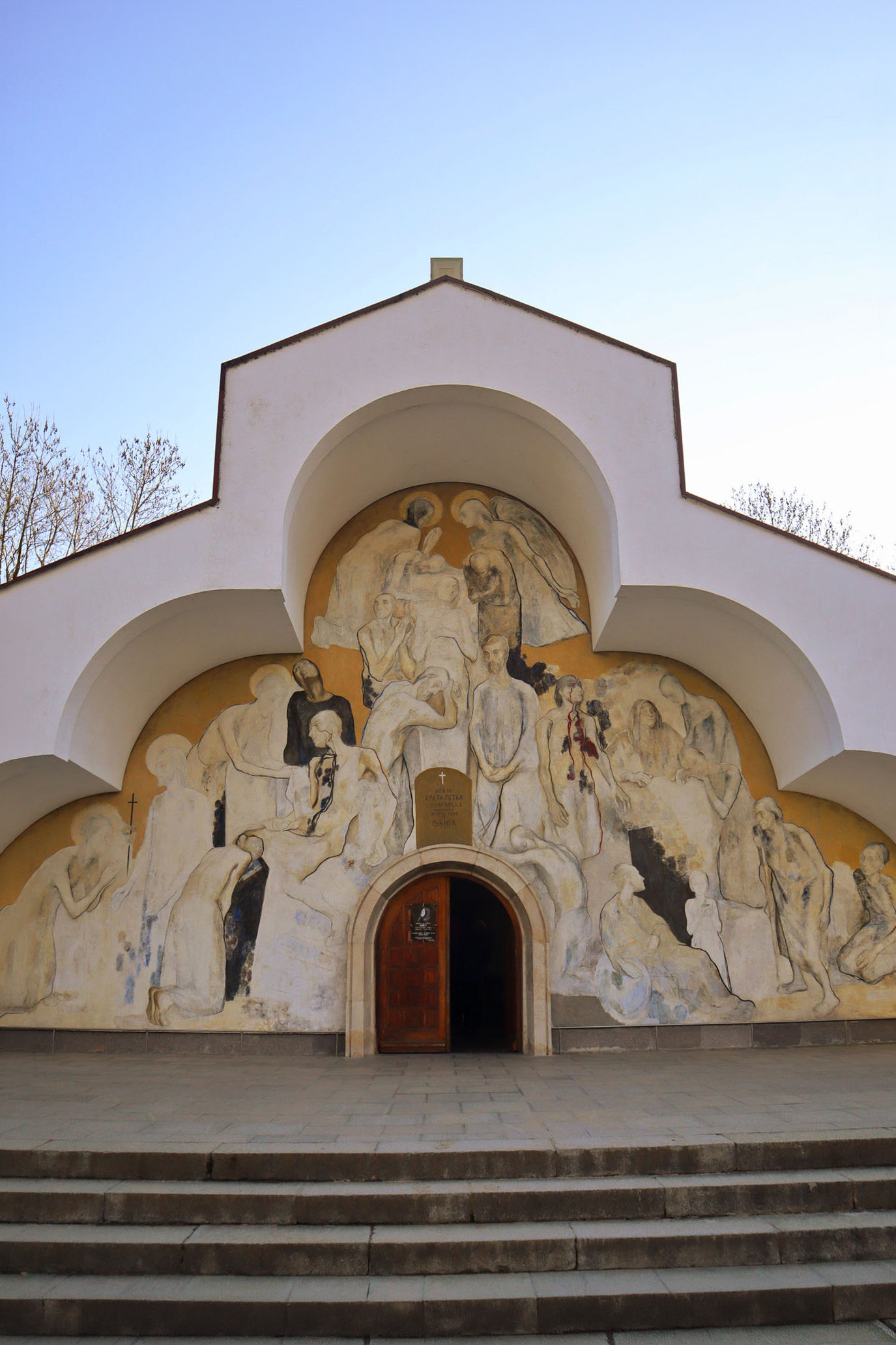
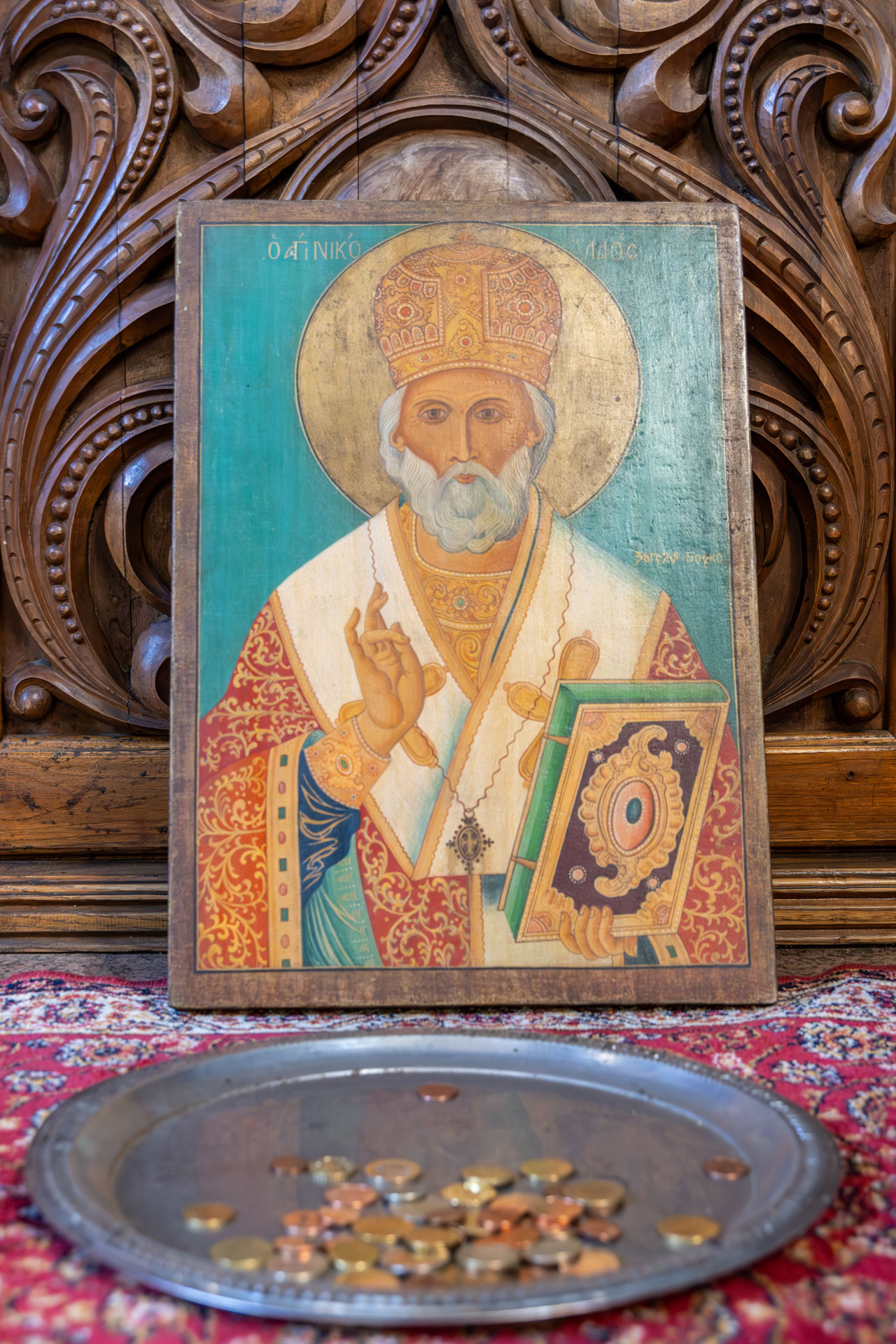
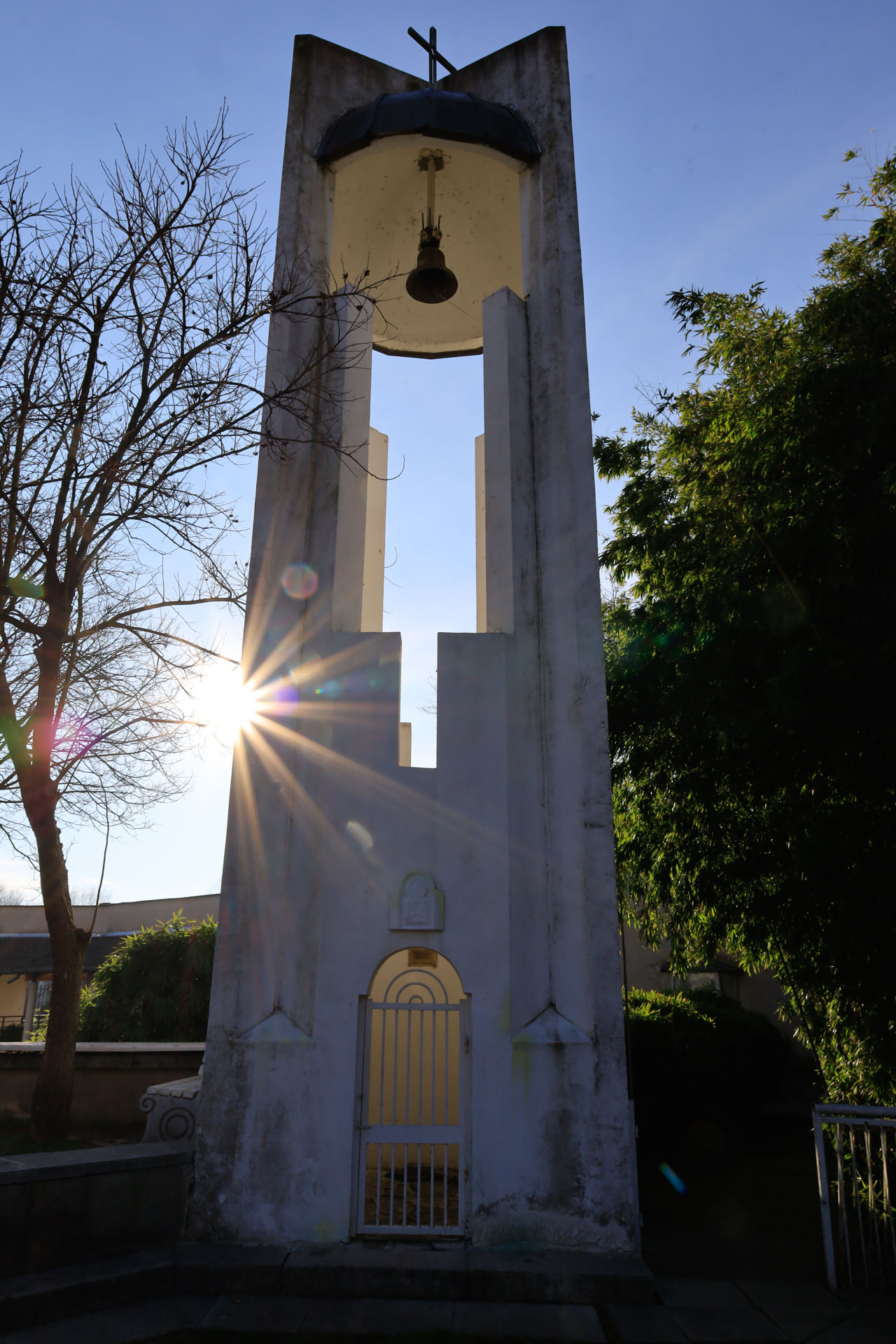
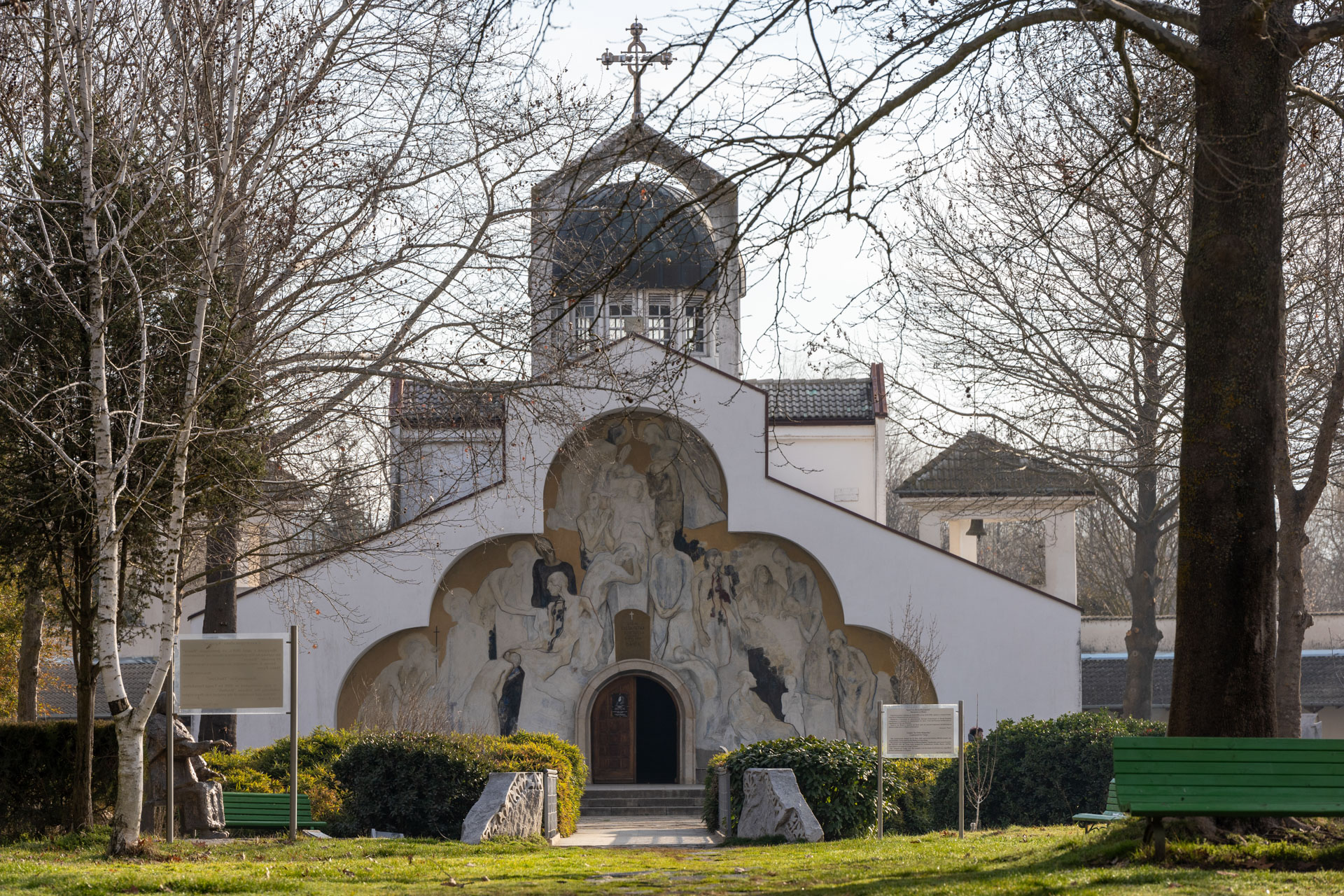
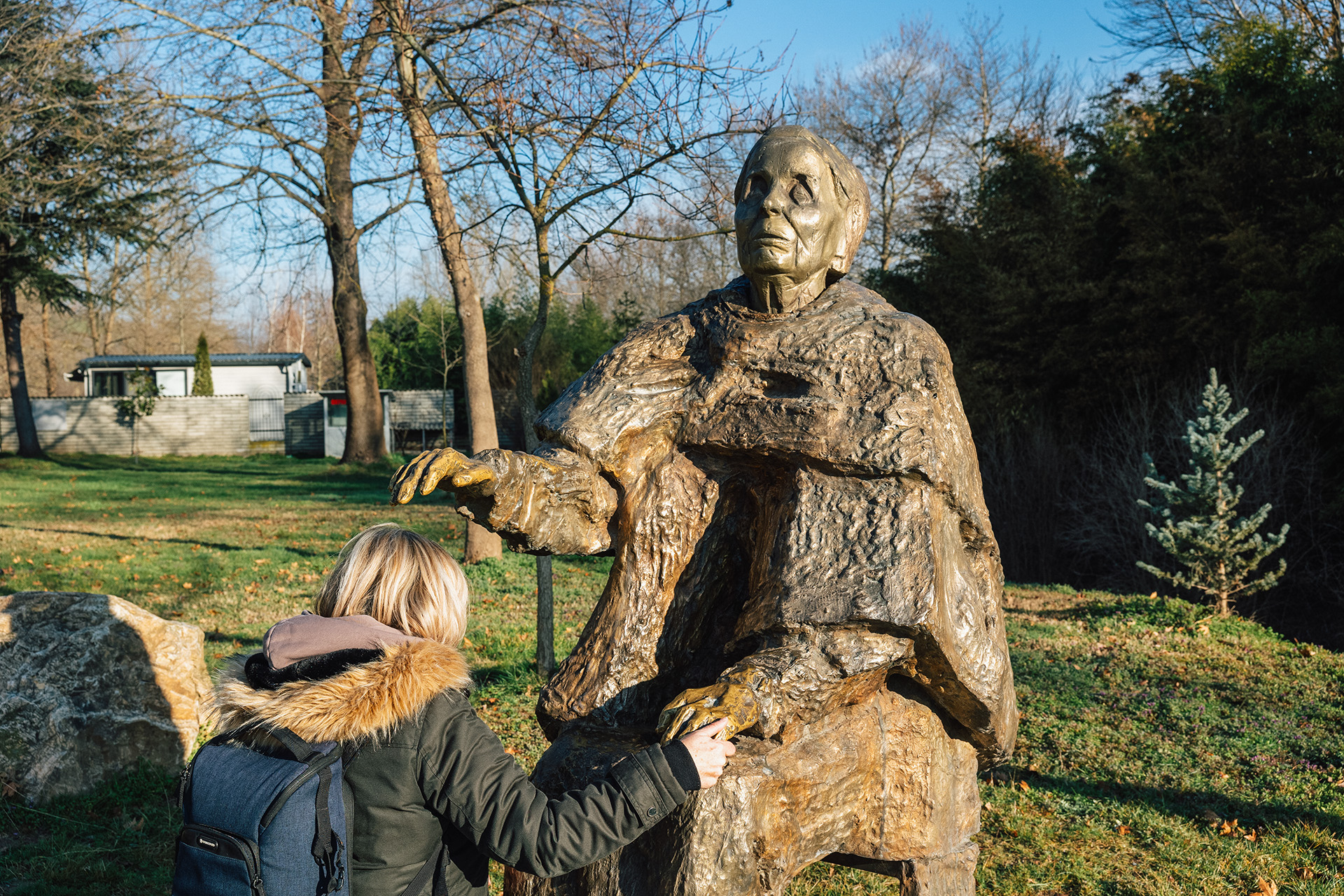
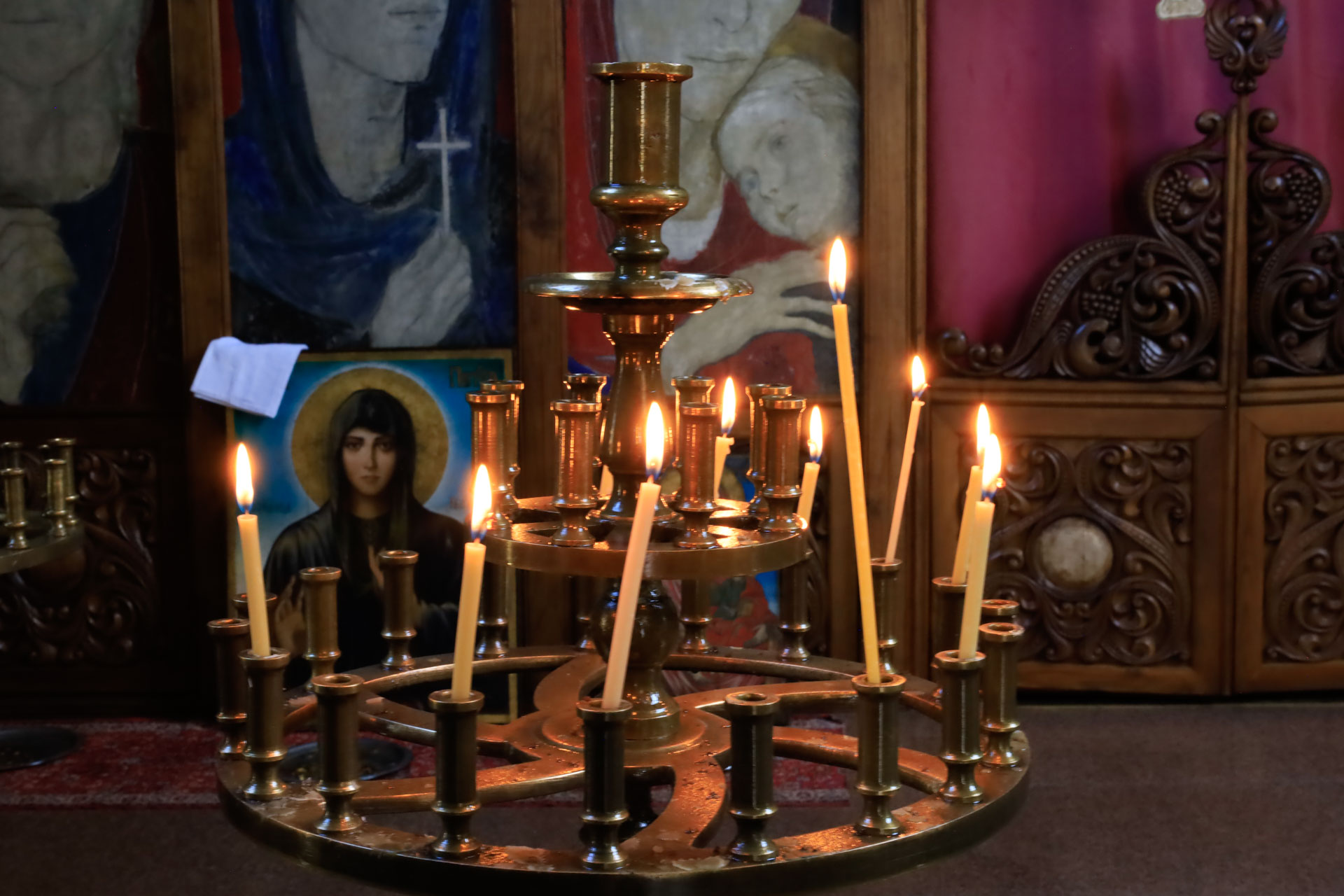
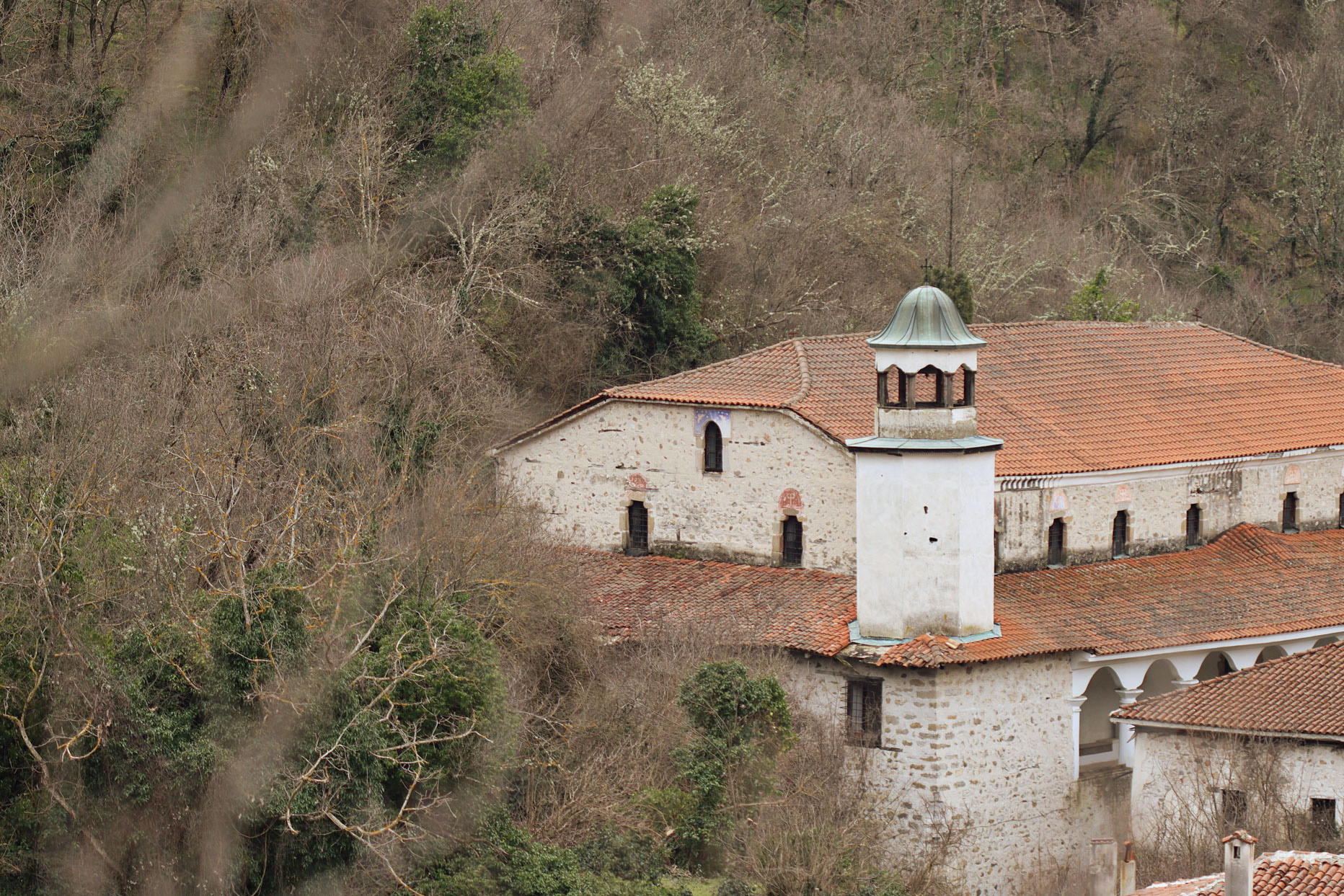
Baba Vanga had been something of a latter-day Pythia, an oracle of modern times. Her memory and devotion had turned this place into a sanctuary for believers from far and wide. Its beautiful, meticulously tended gardens, with a futuristic church rising at their centre, had become a destination for pilgrims and, naturally, a splendid setting for our own photographic pursuits. Our exploration of the site’s history did not detain us for long, and soon we were back on the road.
Maria Spyridopoulou
Dimosthenis Seitaridis
George Tzimagiorgis
Dimosthenis Seitaridis
Harrys Pourouzidis
George Tzimagiorgis
The road, of course, led wherever Demosthenes’ imagination chose to take us. After a considerable journey through the narrow, labyrinthine roads of the Bulgarian hinterland, we arrived at a village of mud-brick houses, where abandonment seemed to seep through every empty window. The desolation stirred melancholic thoughts of similar sights and shared destinies that we witnessed scattered throughout the Balkans. “Kapatovo,” we just managed to read. Our perfectly reasonable questions were met with a suitably sibylline reply from our esteemed leader.
“You’ll see…”
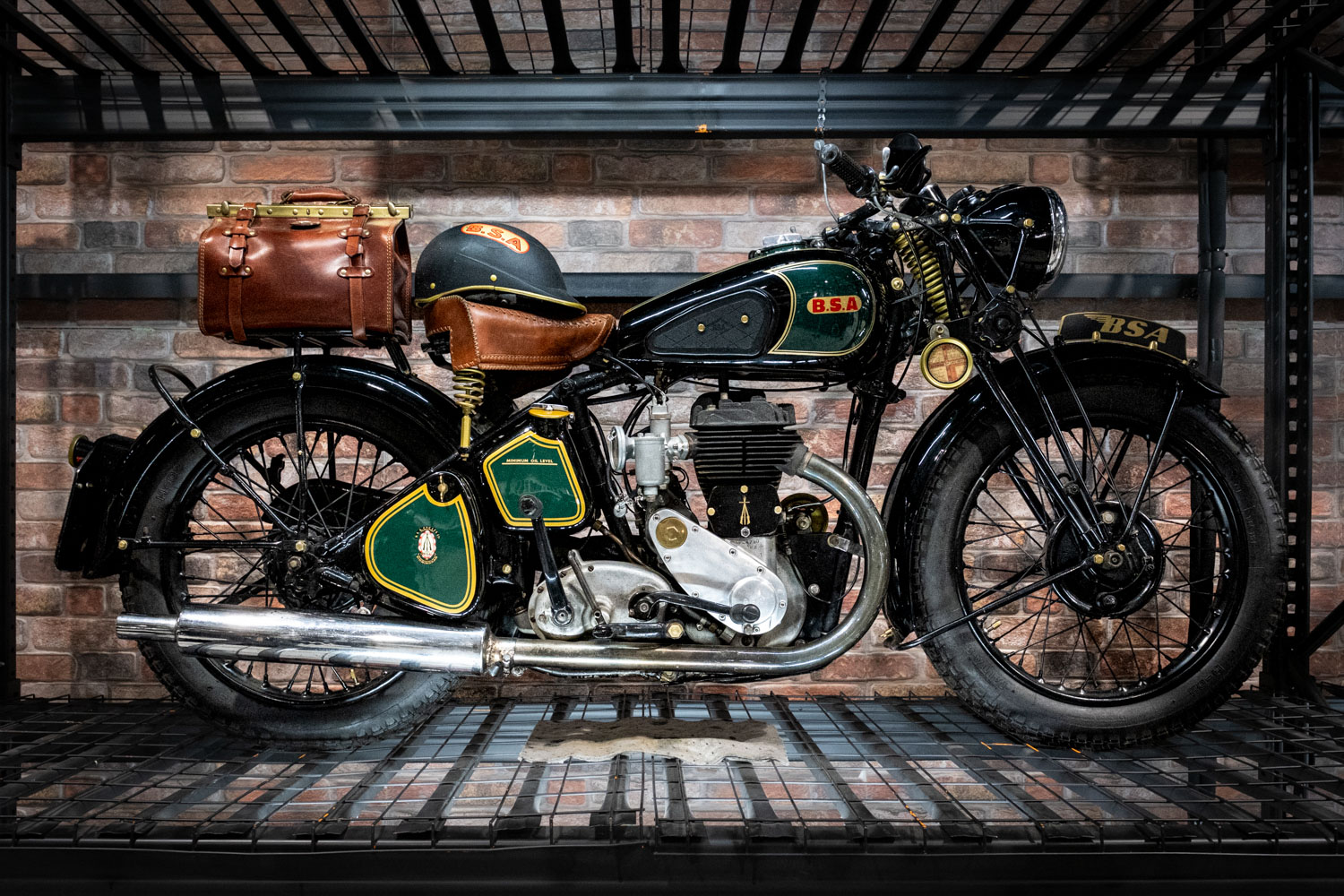
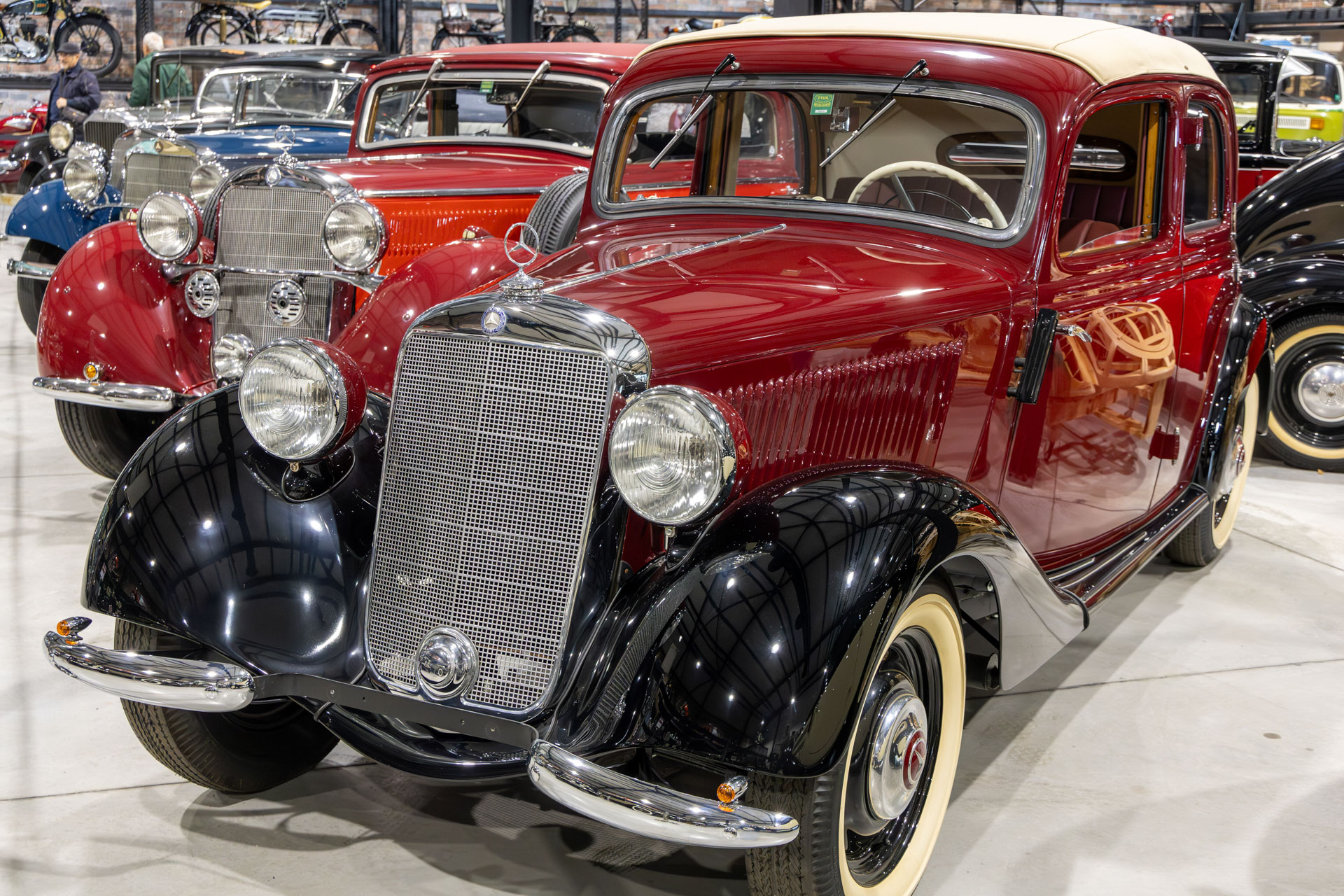
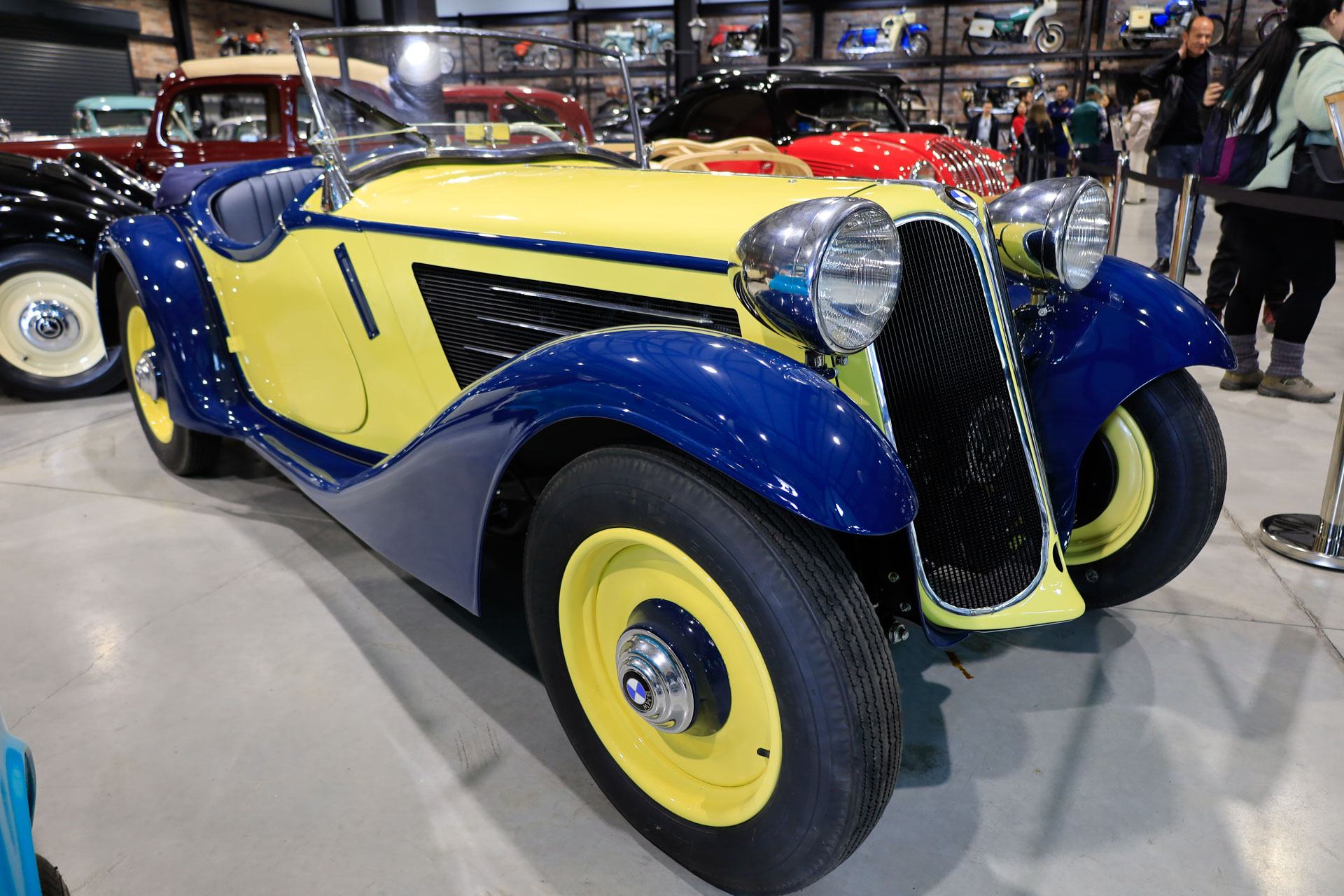
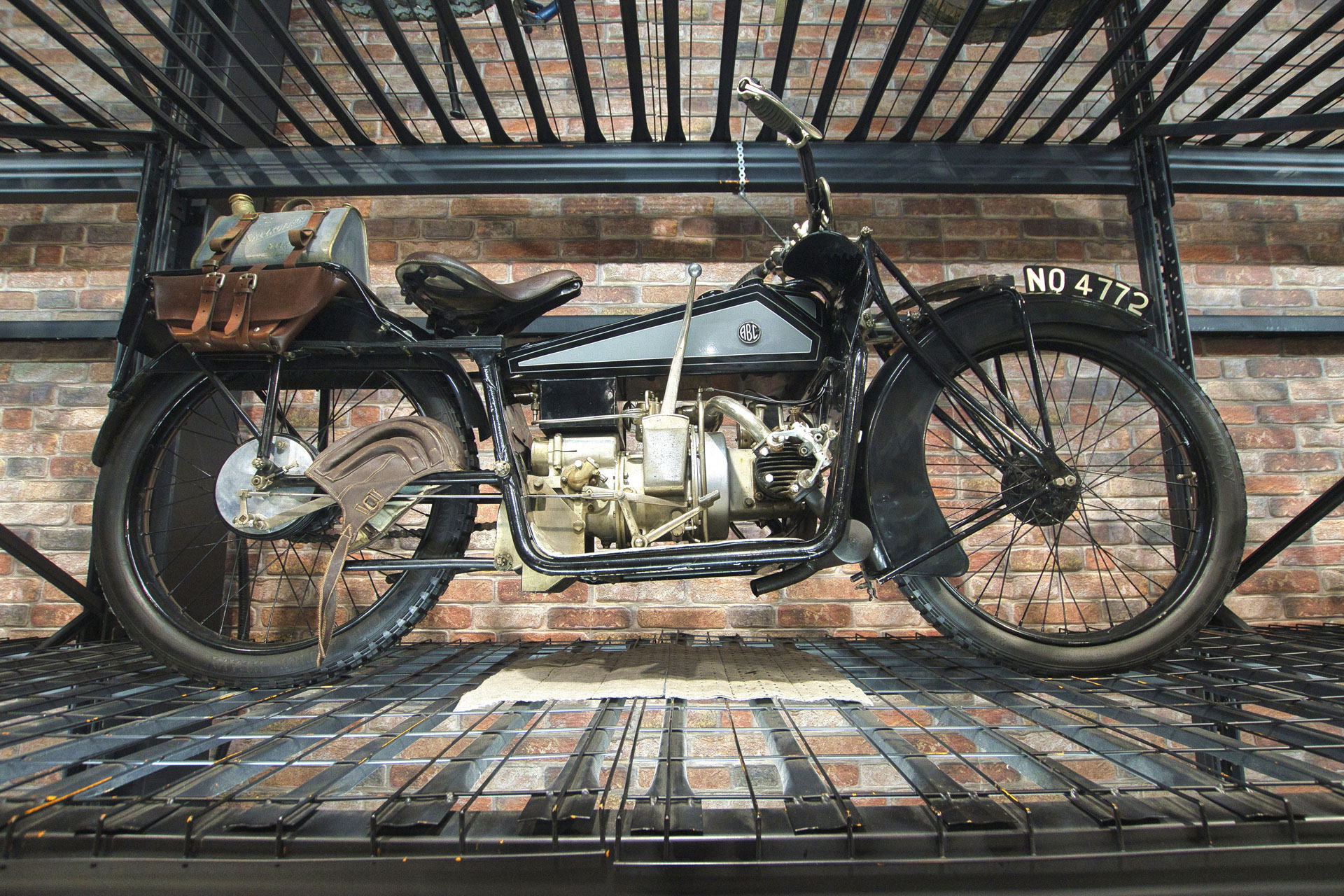
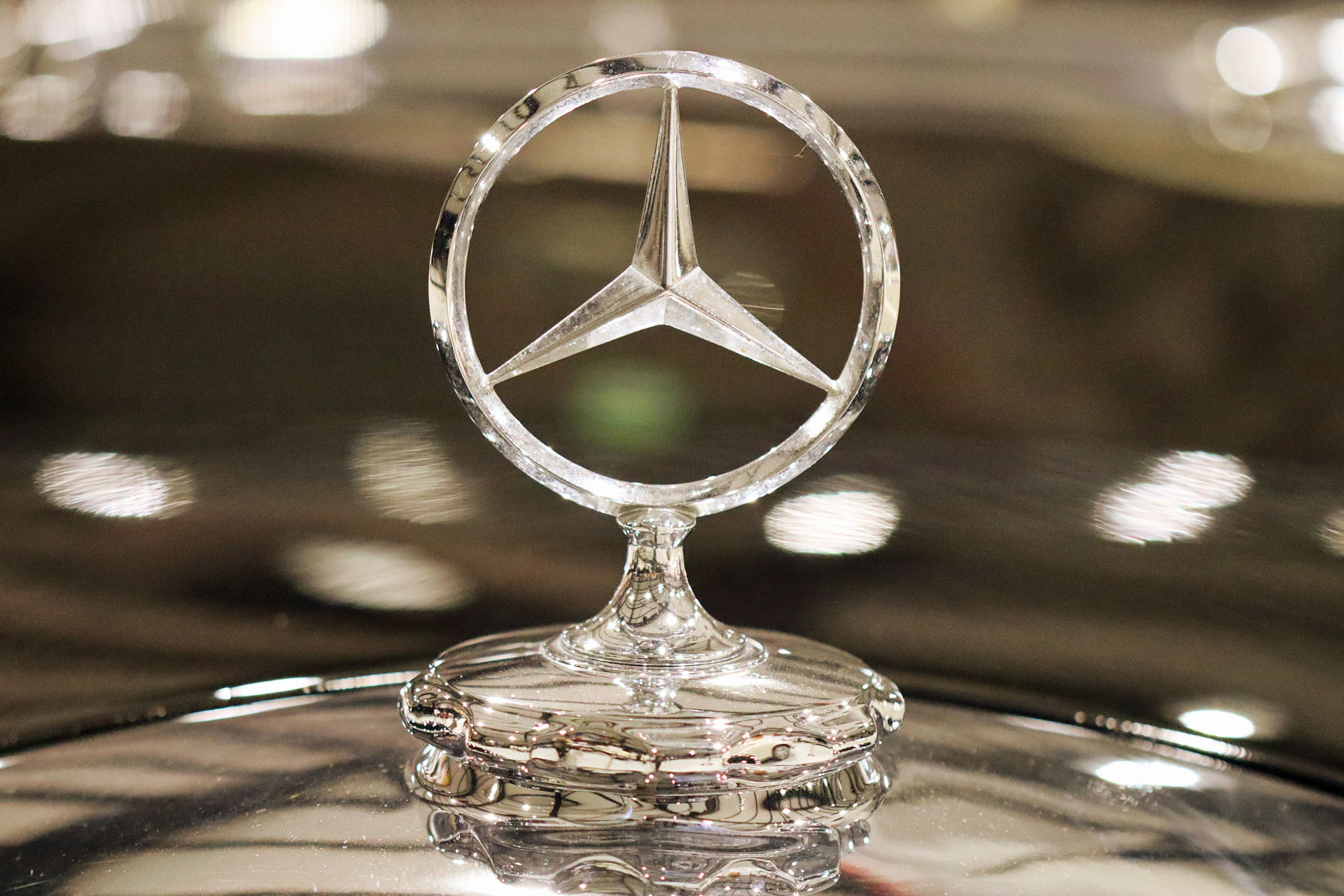
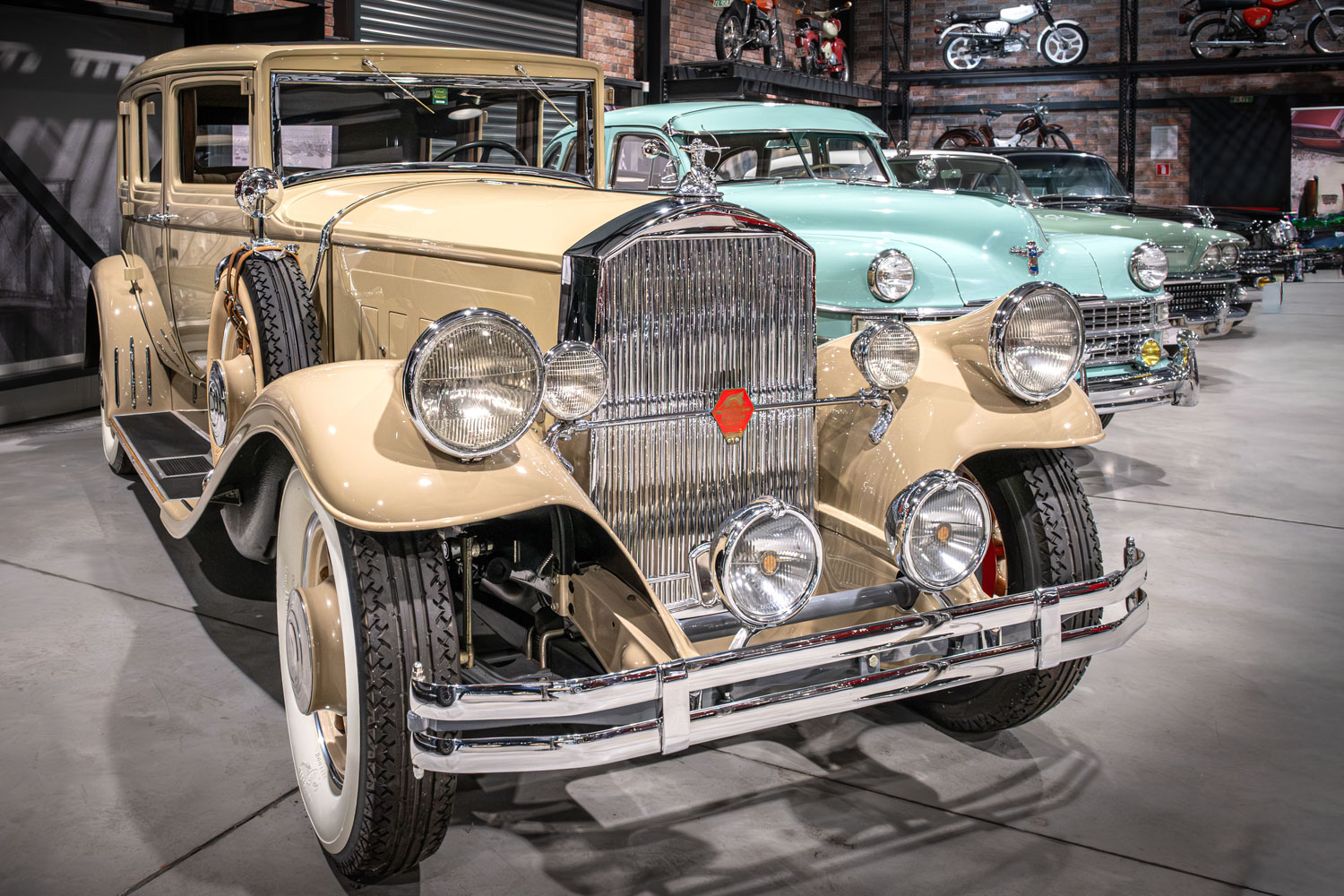
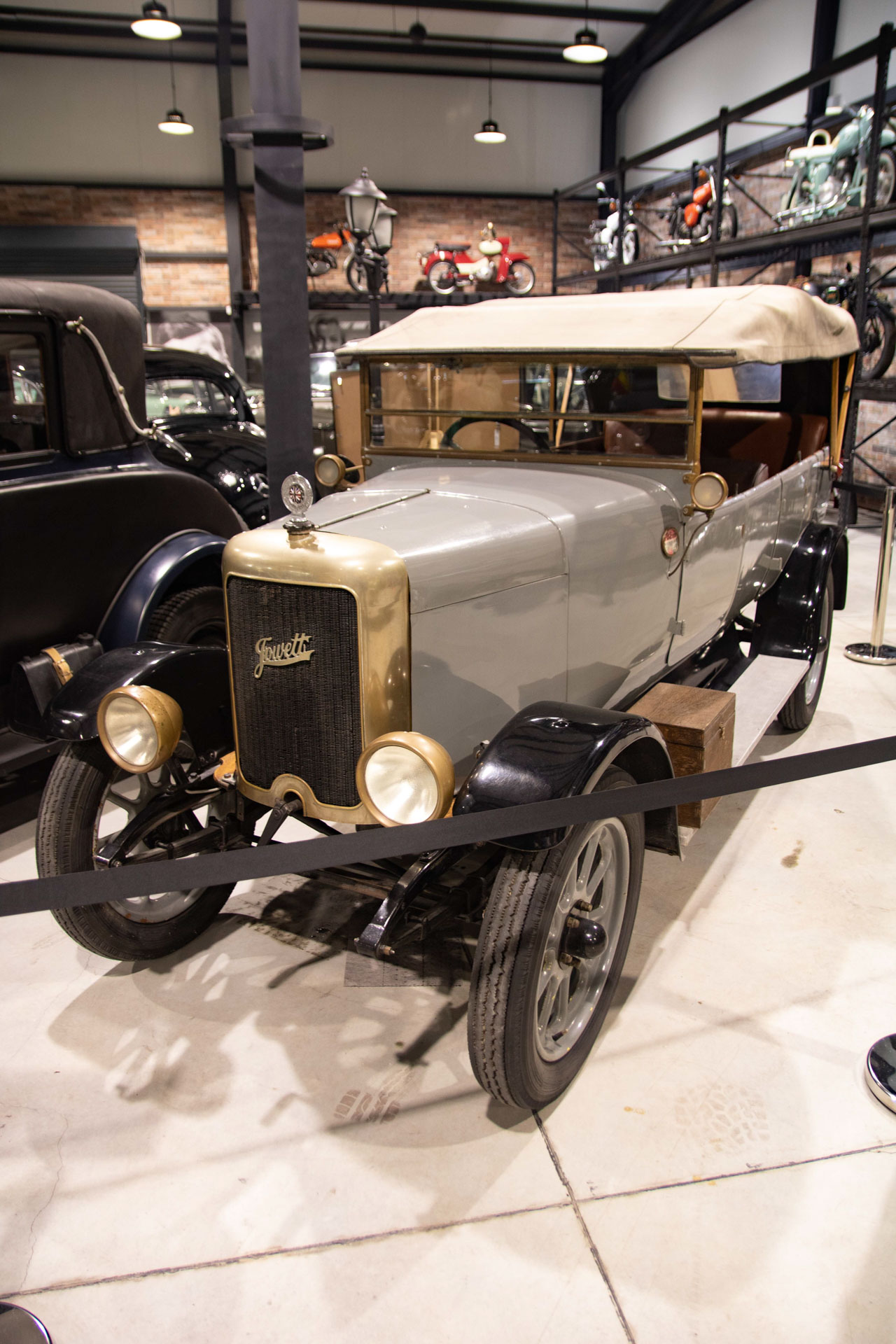
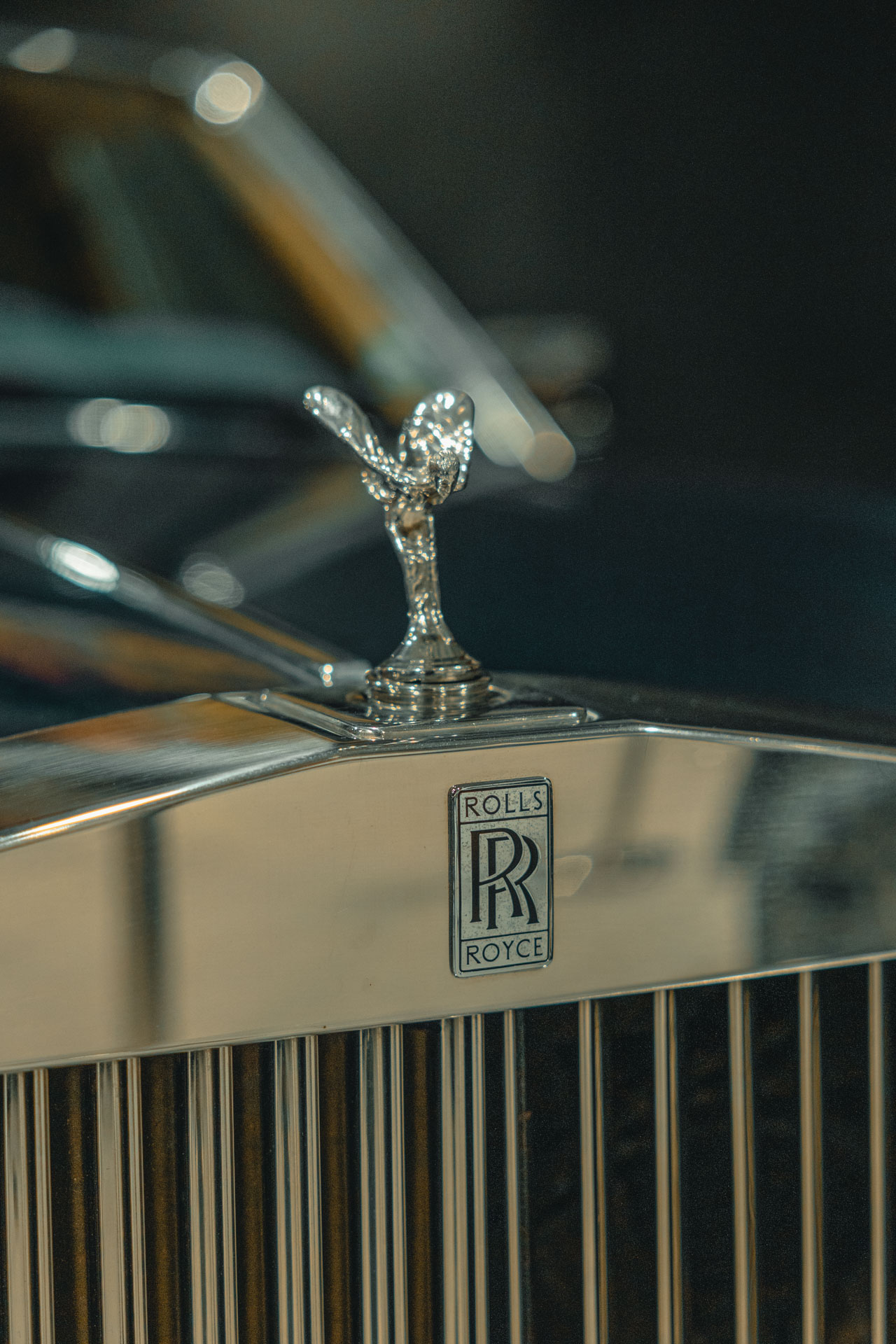
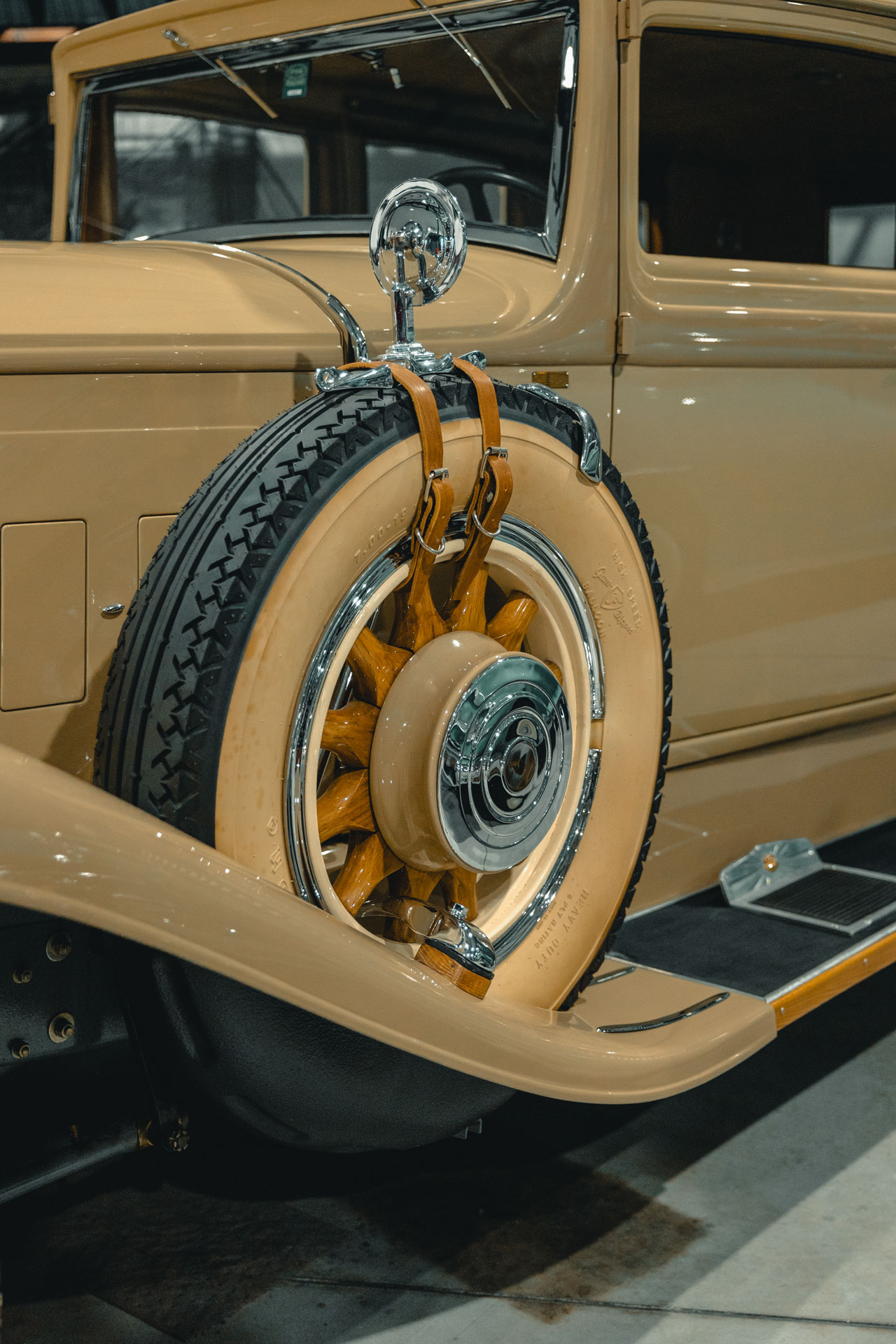
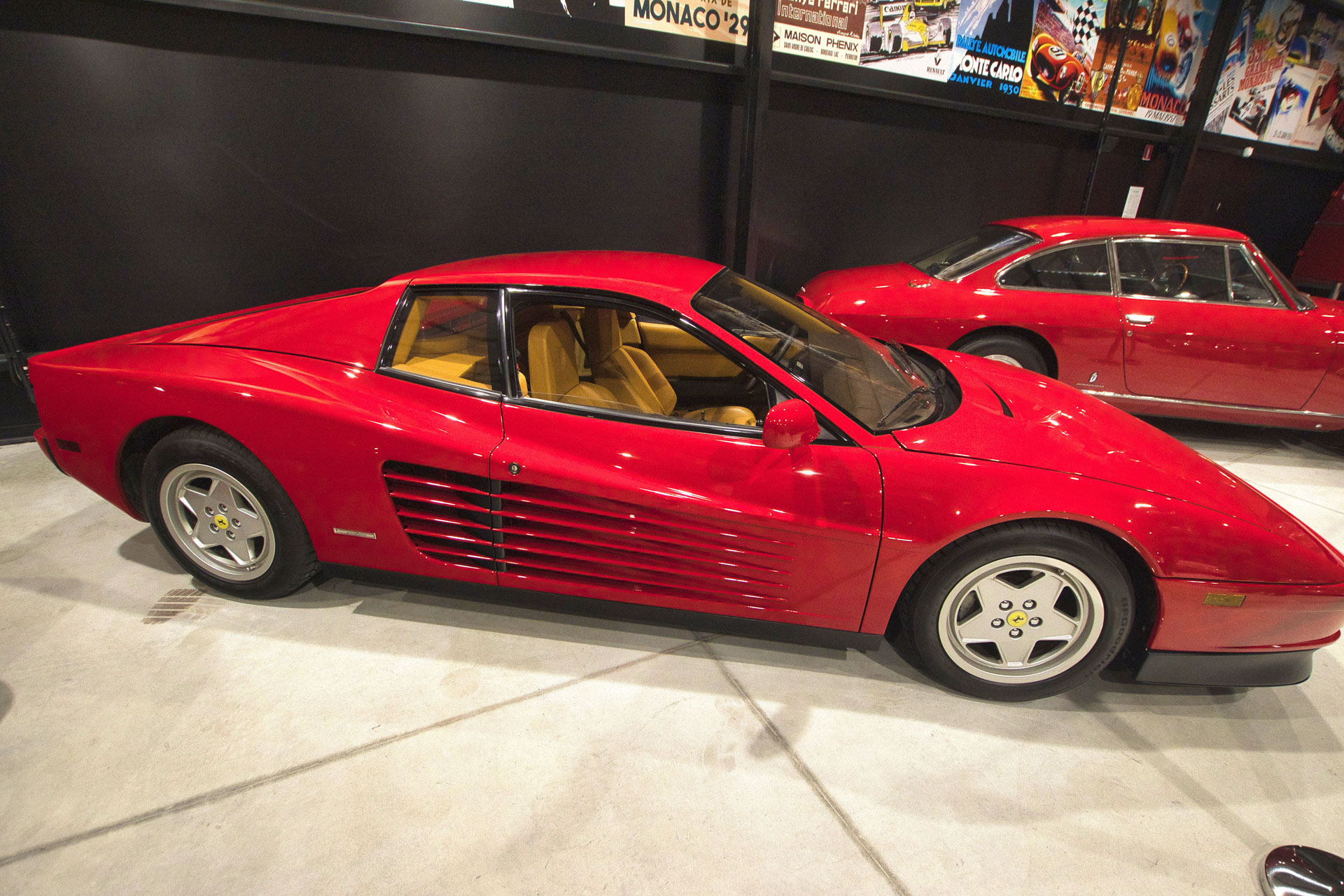
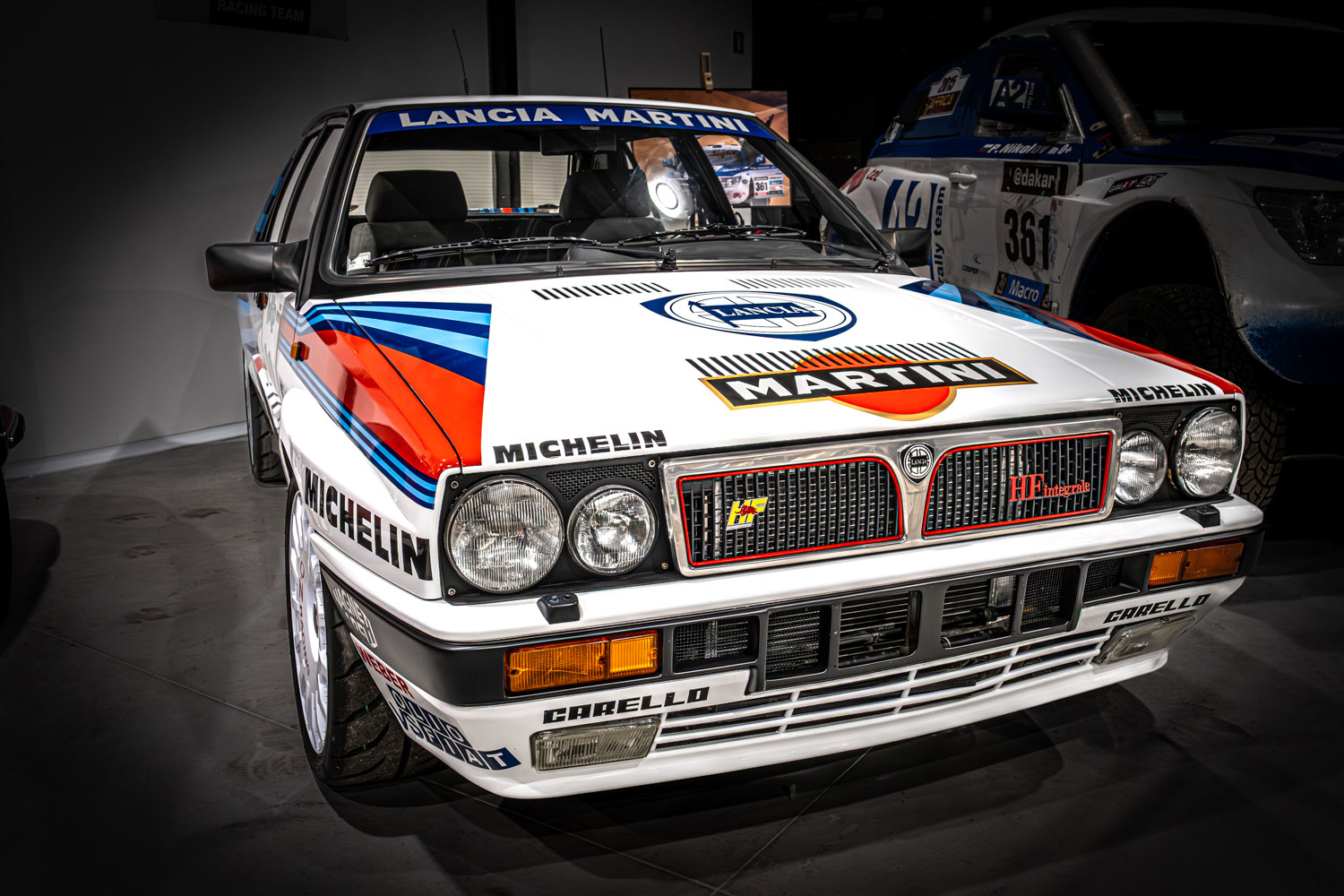
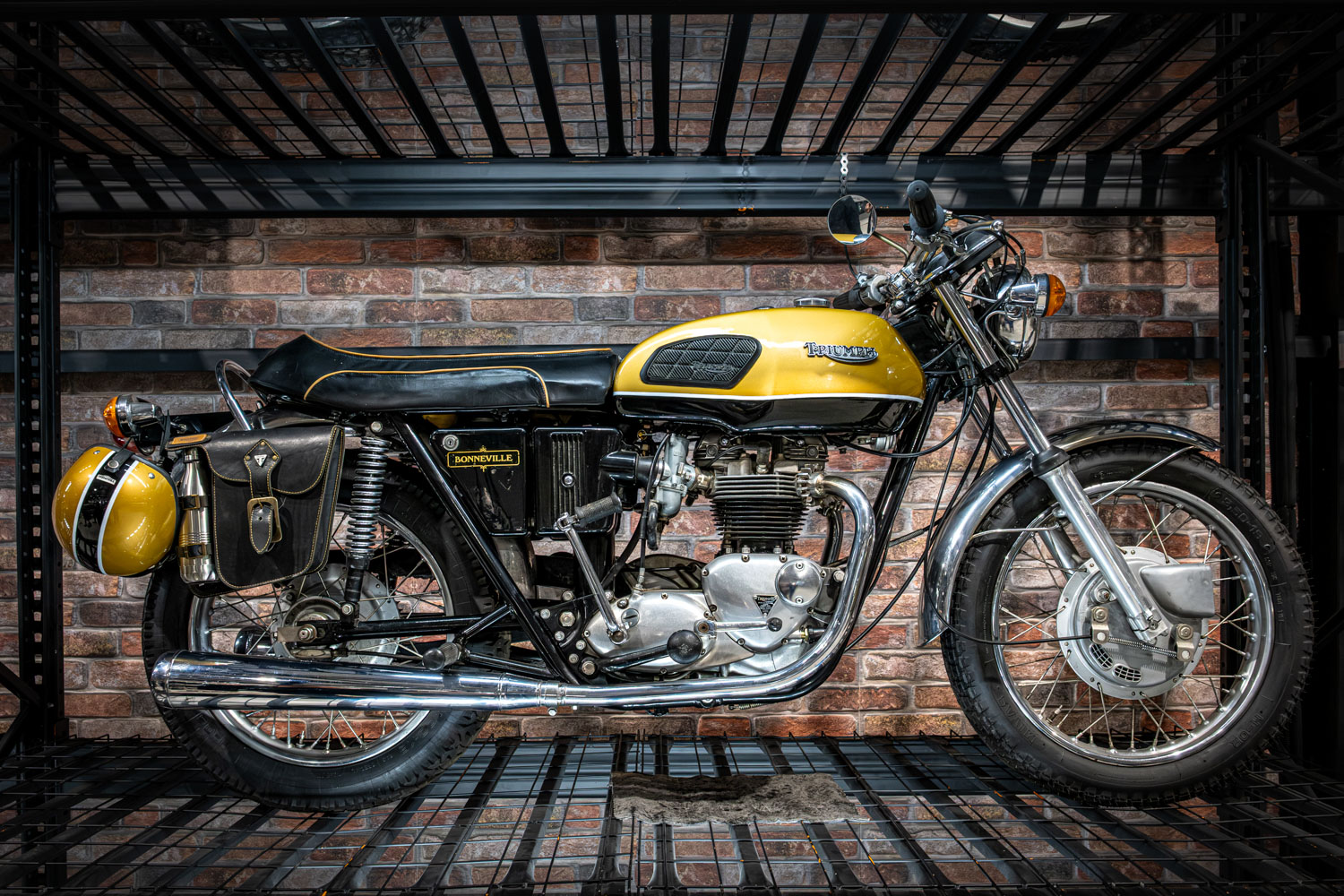
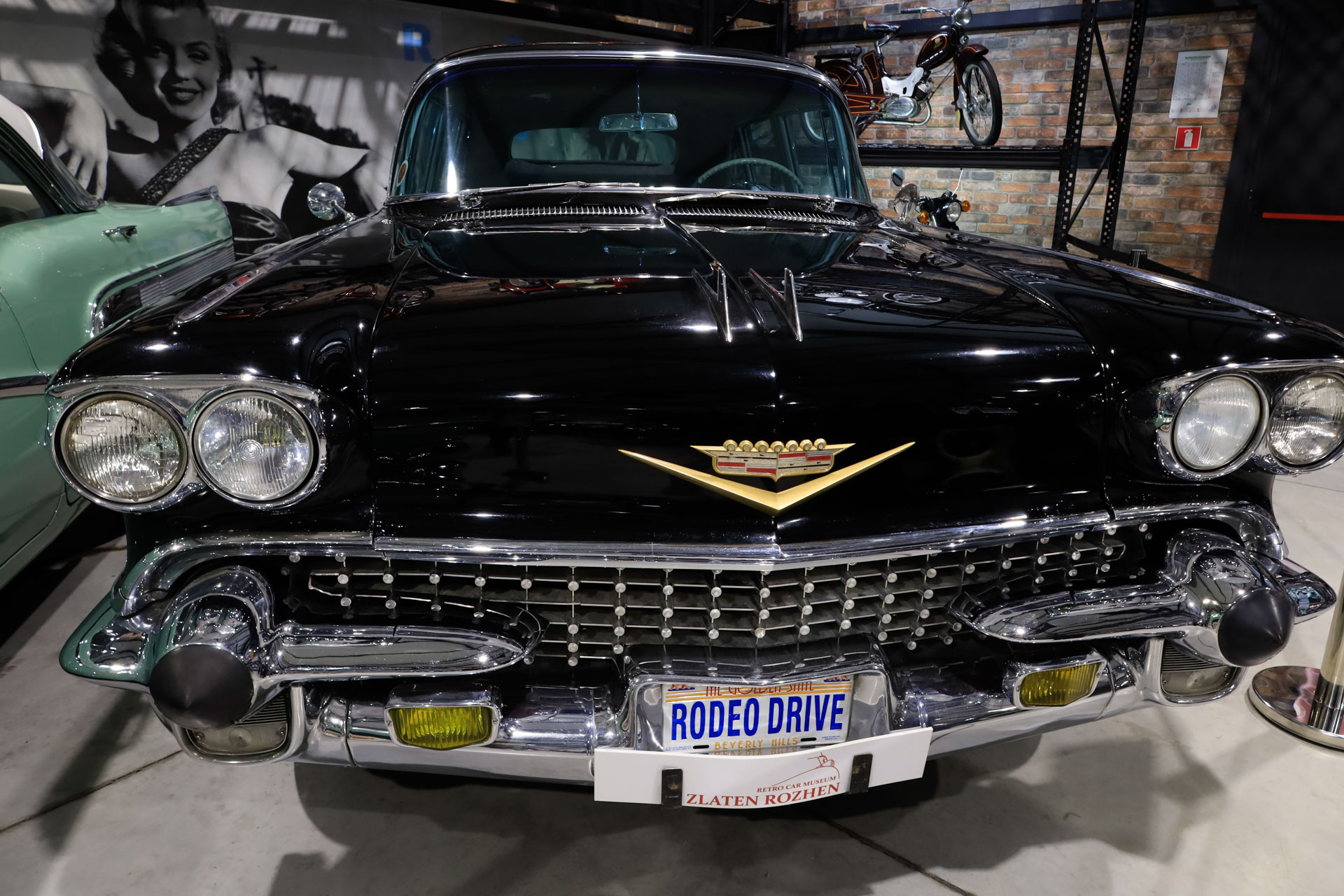
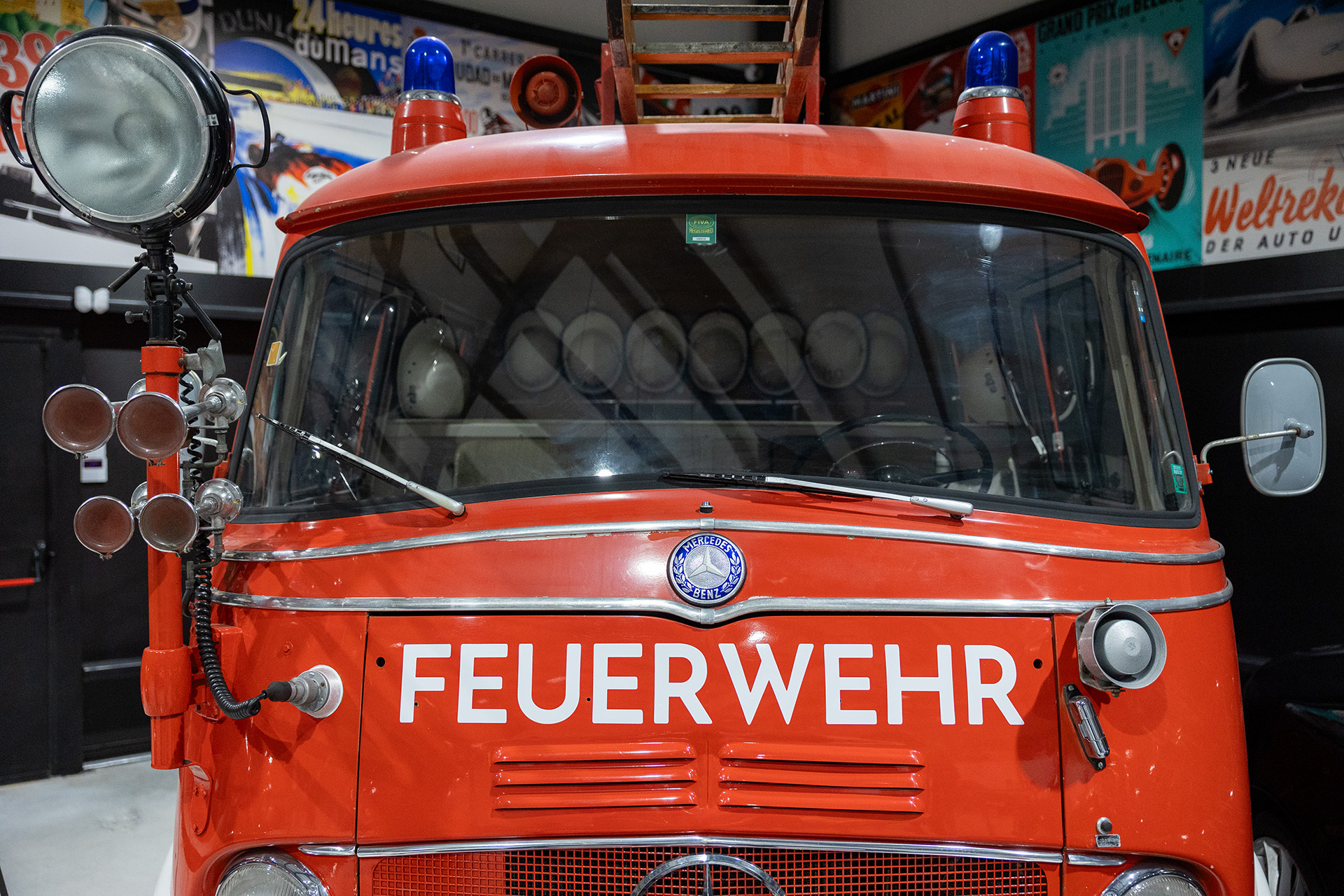
And see we did! There, at the very edge of nowhere, stood an enormous building whose unassuming exterior betrayed nothing of the wonders concealed within its walls. Our jaws dropped. Before us unfolded an astonishing private collection of two- and four-wheeled vehicles, spanning the ingenuity of generations of human invention. Gleaming bodies, some monstrous in size, others almost comically small, sparkled beneath the powerful spotlights, each competing for our attention. Those among us who were more knowledgeable about the evolution of the motorcar eagerly assumed the role of guides, enlightening the rest with their expertise. Meanwhile, camera shutters fired in a frenzy as everyone struggled to capture sights that imagination alone could scarcely have conjured.
Danis Papagiannoulis
Dimosthenis Seitaridis
George Tzimagiorgis
Nikos Kakagias
Maria Spyridopoulou
Danis Papagiannoulis
Eftichios Tsaousidis
Harrys Pourouzidis
Harrys Pourouzidis
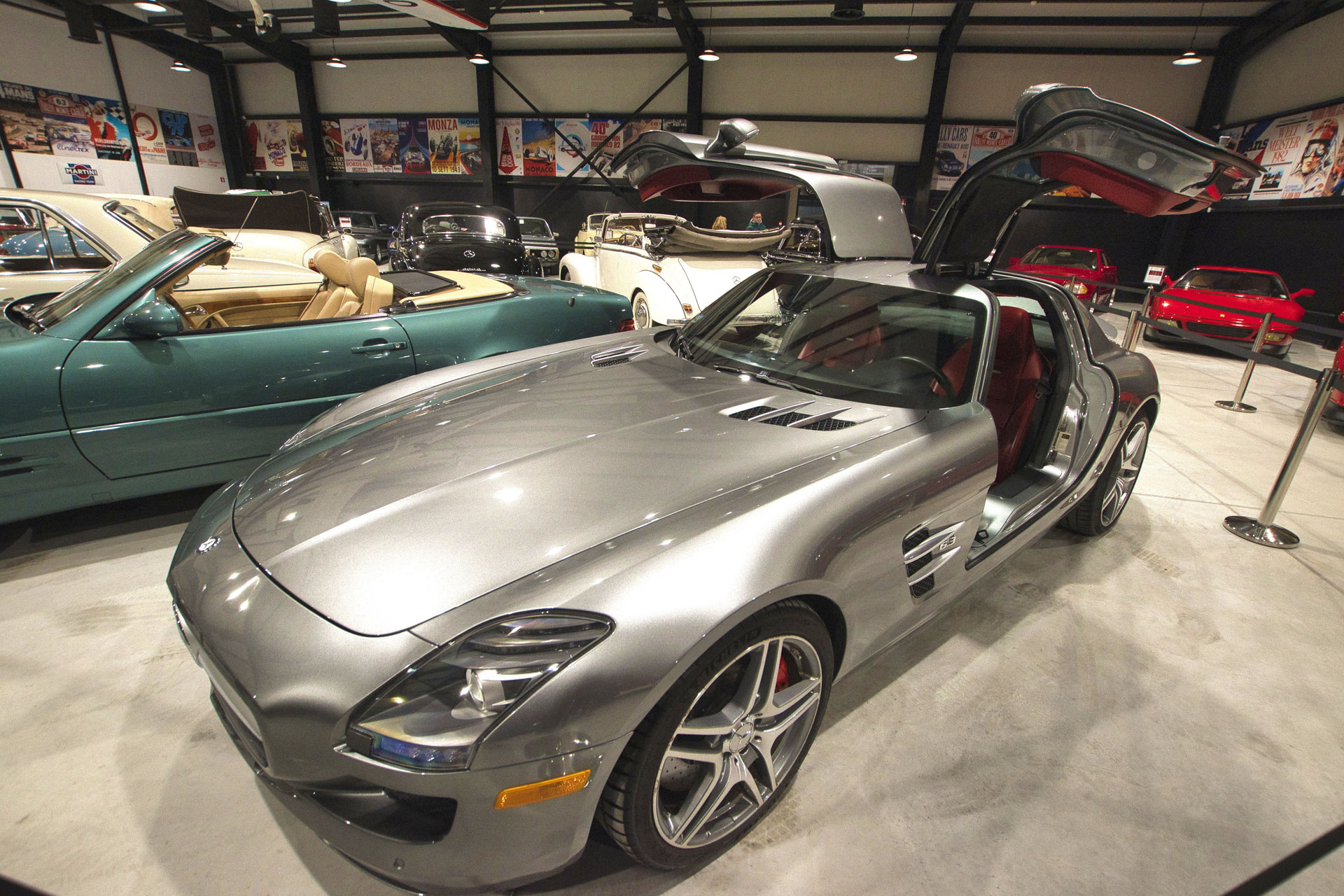
A second hall, adjoining the first, housed the more modern incarnations of automotive engineering. Here, too, everyone seized the opportunity to have their picture taken beside the machines that had haunted their dreams for as long as they could remember. After an indeterminate number of hours spent on our feet, a few members of the party began showing unmistakable signs of fatigue. The rest, somewhat begrudgingly, were obliged to follow them towards the exit. “I’d wager some of us could happily stay here until tomorrow morning,” Harrys whispered conspiratorially, provoking a fresh round of laughter and teasing. Yet one question remained unanswered. Our customary good manners prevented us from putting it to the young descendant of the family who owned the collection, as he graciously thanked us on our departure. What is it, one wonders, that drives people to devote themselves, generation after generation, to the passionate pursuit of collecting?
Nikos Kakagias
Danis Papagiannoulis
Danis Papagiannoulis
Nikos Kakagias
George Tzimagiorgis
Harrys Pourouzidis
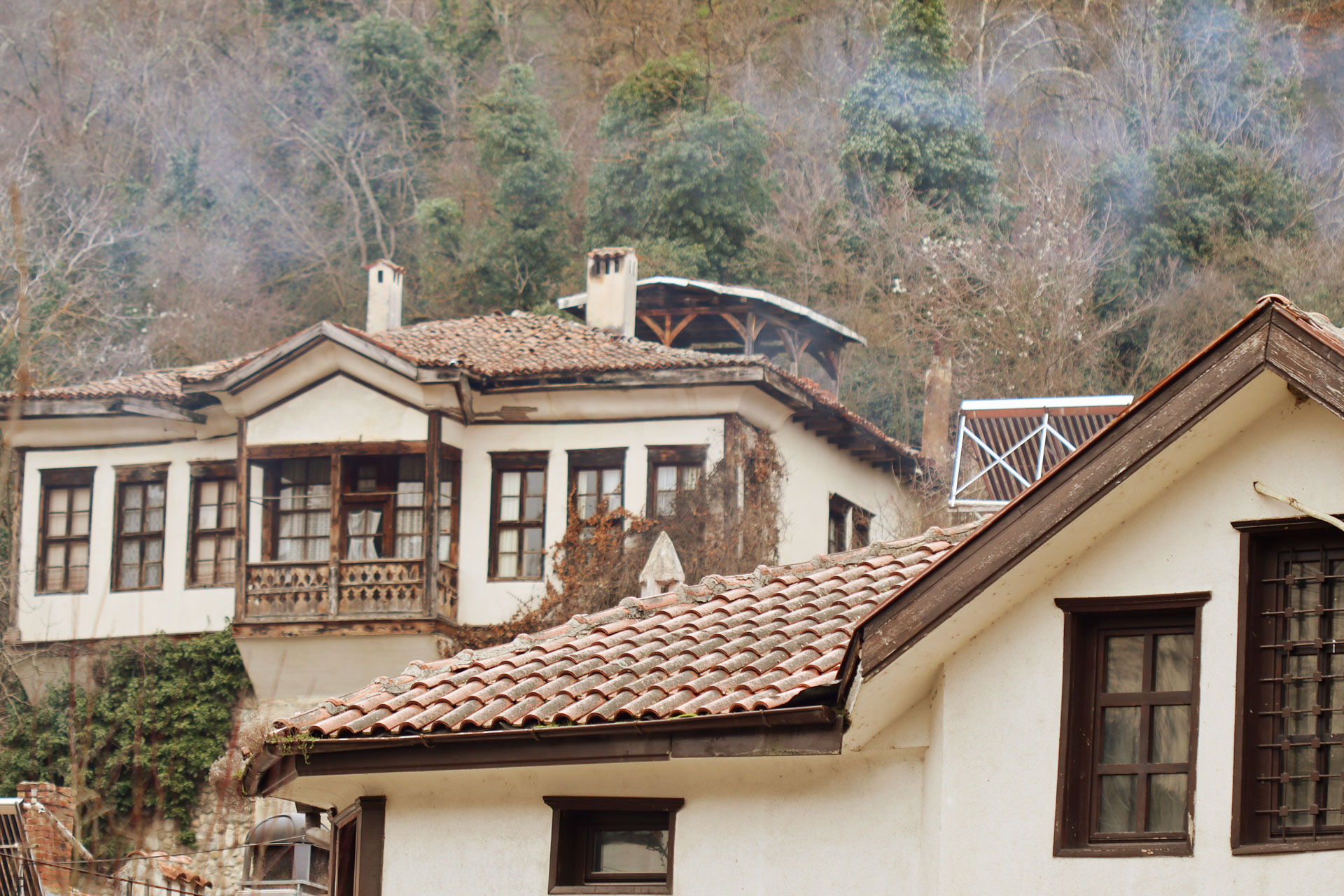
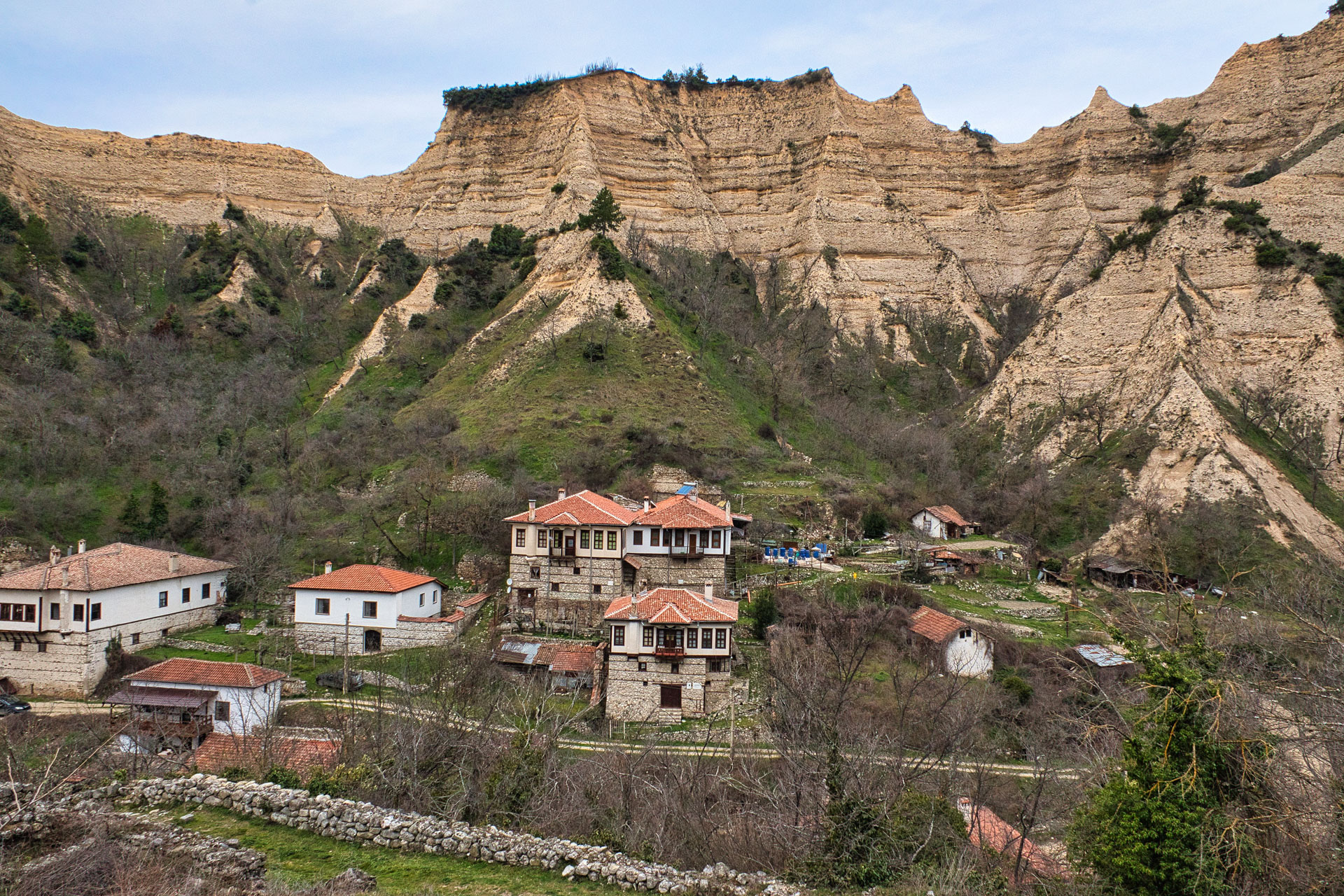
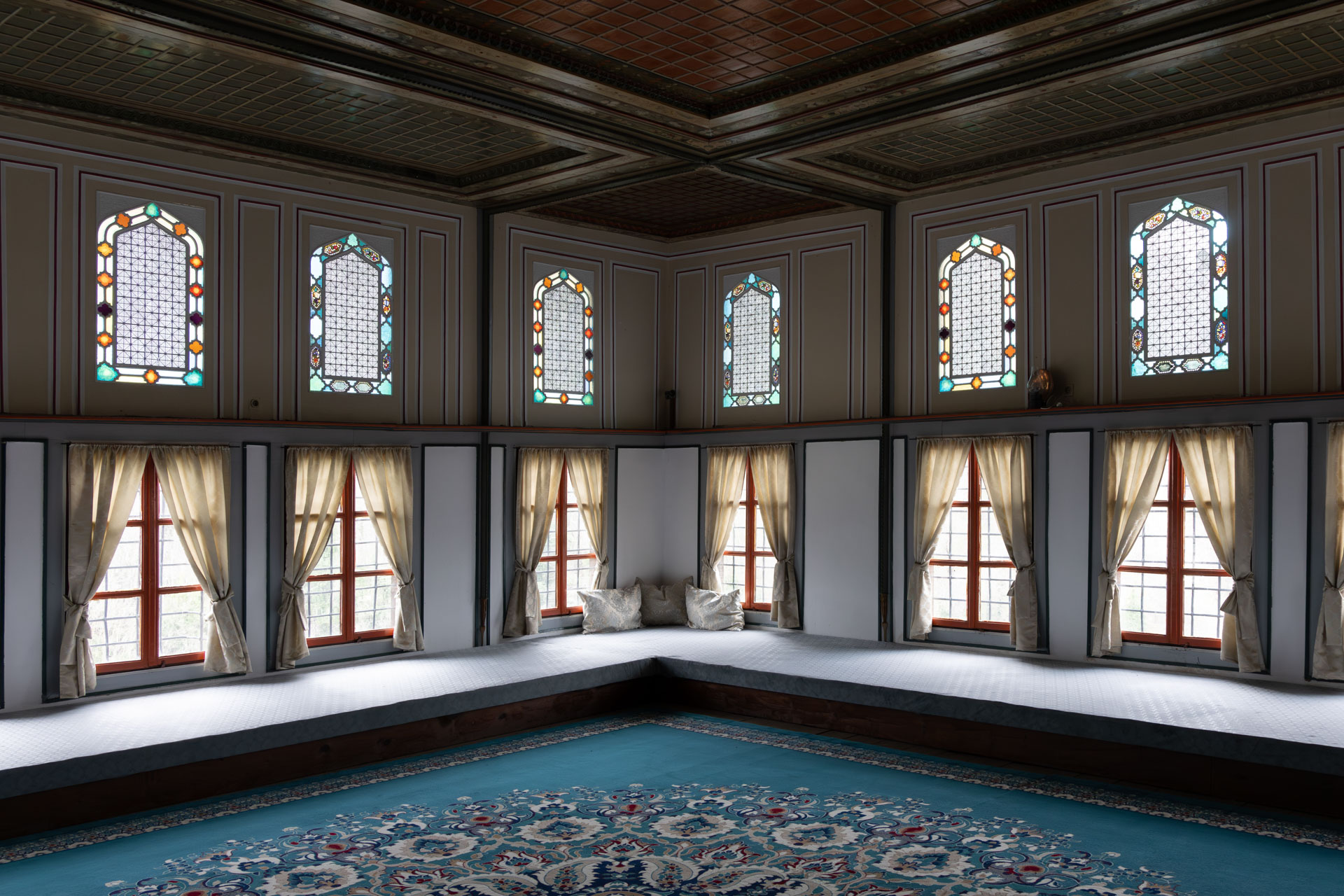
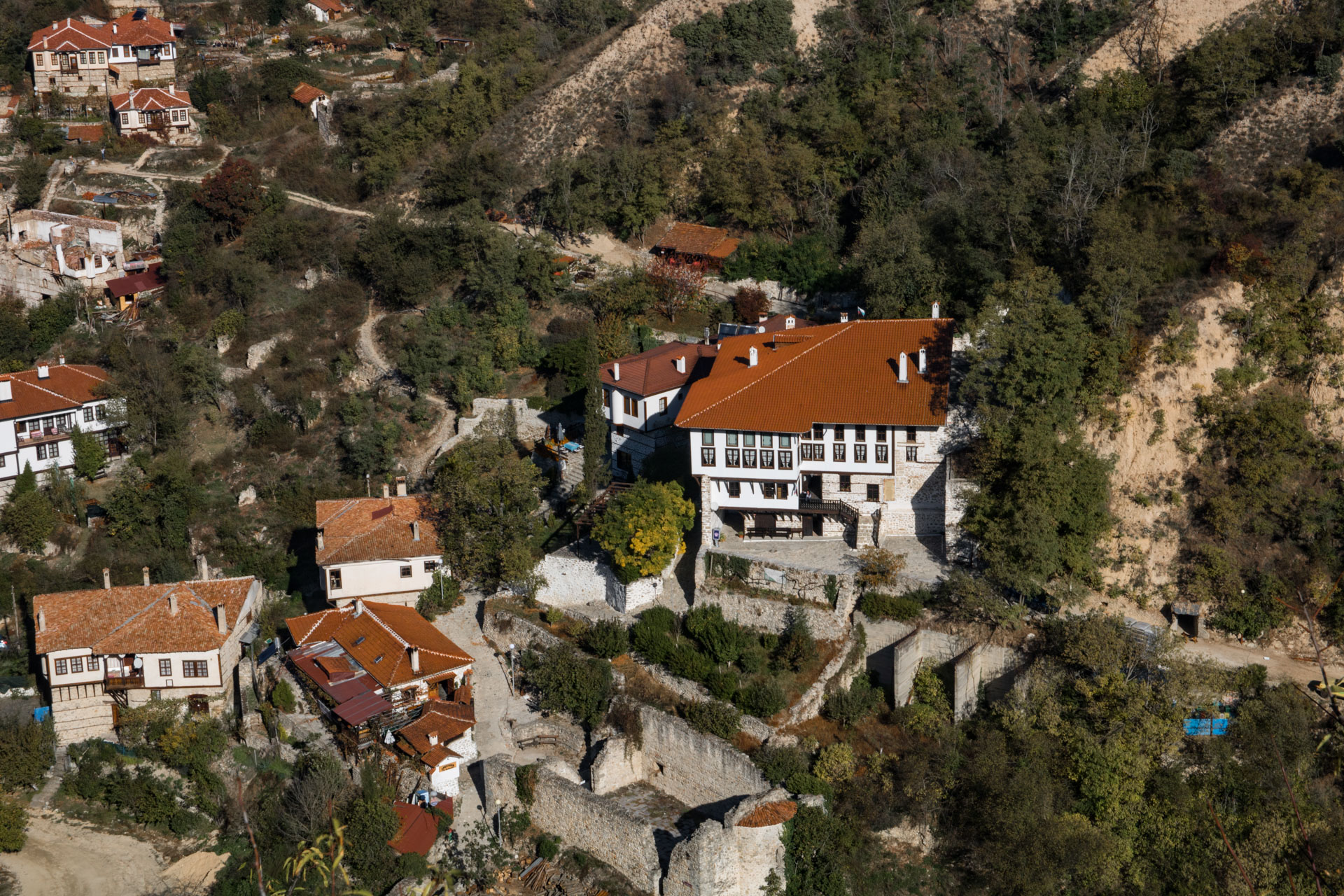
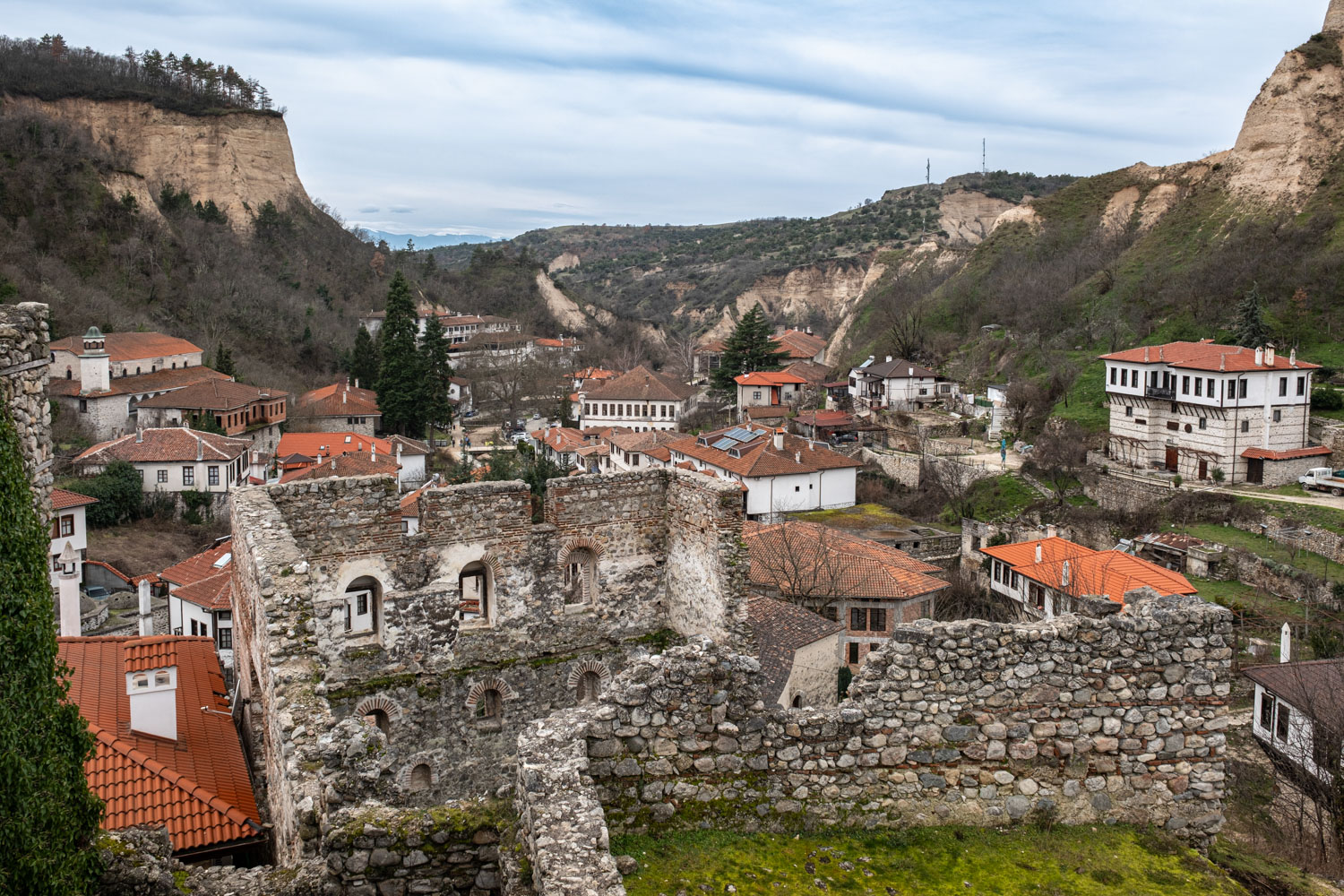
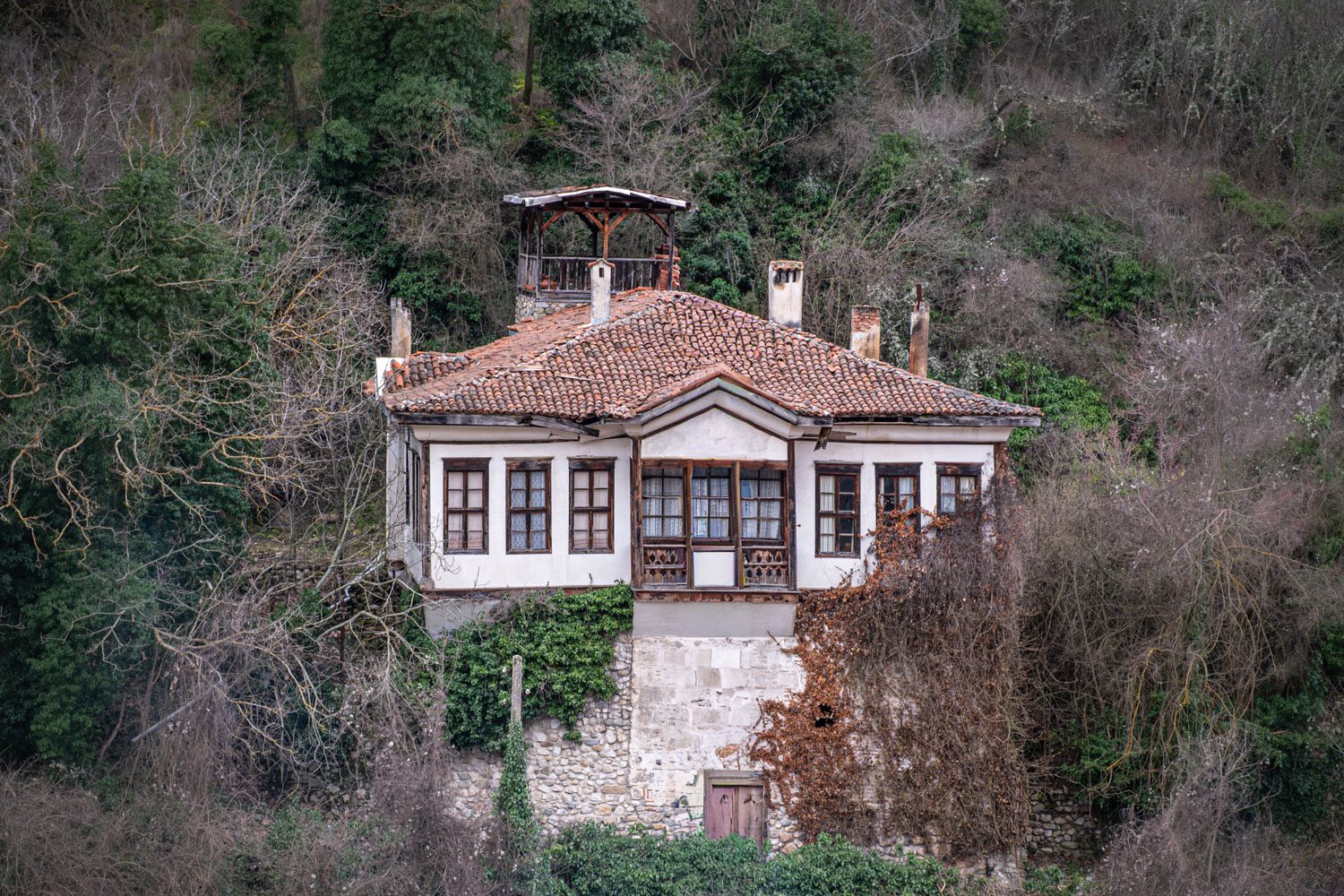
Naturally, after some deliberation, we arrived in remarkable unanimity at the conclusion that the finest way to seek answers to life’s timeless questions requires, at the very least, a plate of steaming food and a glass of wine. And where else could such philosophical necessities be found? A rhetorical question, answered without the slightest hesitation. Melnik, of course! Charming, welcoming Melnik, which Dimos, needing no encouragement whatsoever, enthusiastically undertook to introduce to the few members of our company who had not discovered its delights during our previous excursions.
The rest of us refreshed our memories through our camera lenses, rediscovering familiar corners and renewing old acquaintances with the town’s picturesque beauty. And then, with our curiosity satisfied and our spirits suitably restored, we surrendered ourselves, with undisguised pleasure, to the warm and welcoming embrace of our favourite tavern. There, comfortably settled and thoroughly content with the world, we once again reaffirmed our timeless motto that has always guided our wanderings.
Maria Spyridopoulou
Nikos Kakagias
Dimosthenis Seitaridis
Eftichios Tsaousidis
Danis Papagiannoulis
Danis Papagiannoulis
Eftichios Tsaousidis
Maria Spyridopoulou
For more photographs and stories about the beautiful village of Melnik you may read our article: “A right turn after the borders”
Pixelscape.gr uses cookies to ensure that provides you with the best possible navigation experience. By using the website you accept the usage of cookies. Press “Accept”, if you condone the usage of cookies.
This website uses cookies to improve your experience while you navigate through the website. Out of these, the cookies that are categorized as necessary are stored on your browser as they are essential for the working of basic functionalities of the website. We also use third-party cookies that help us analyze and understand how you use this website. These cookies will be stored in your browser only with your consent. You also have the option to opt-out of these cookies. But opting out of some of these cookies may affect your browsing experience.