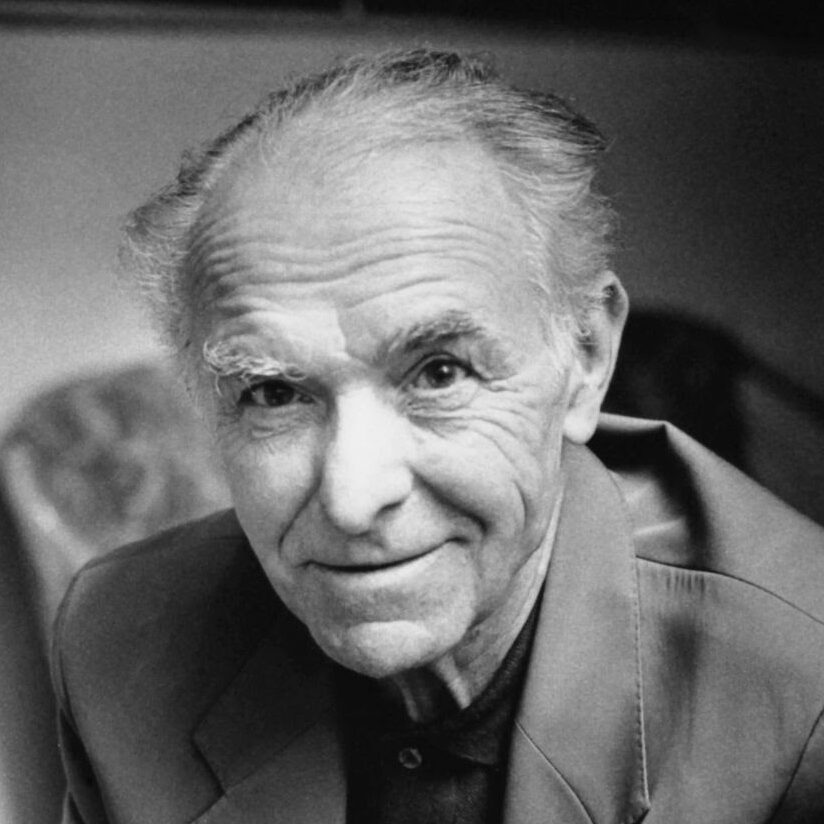
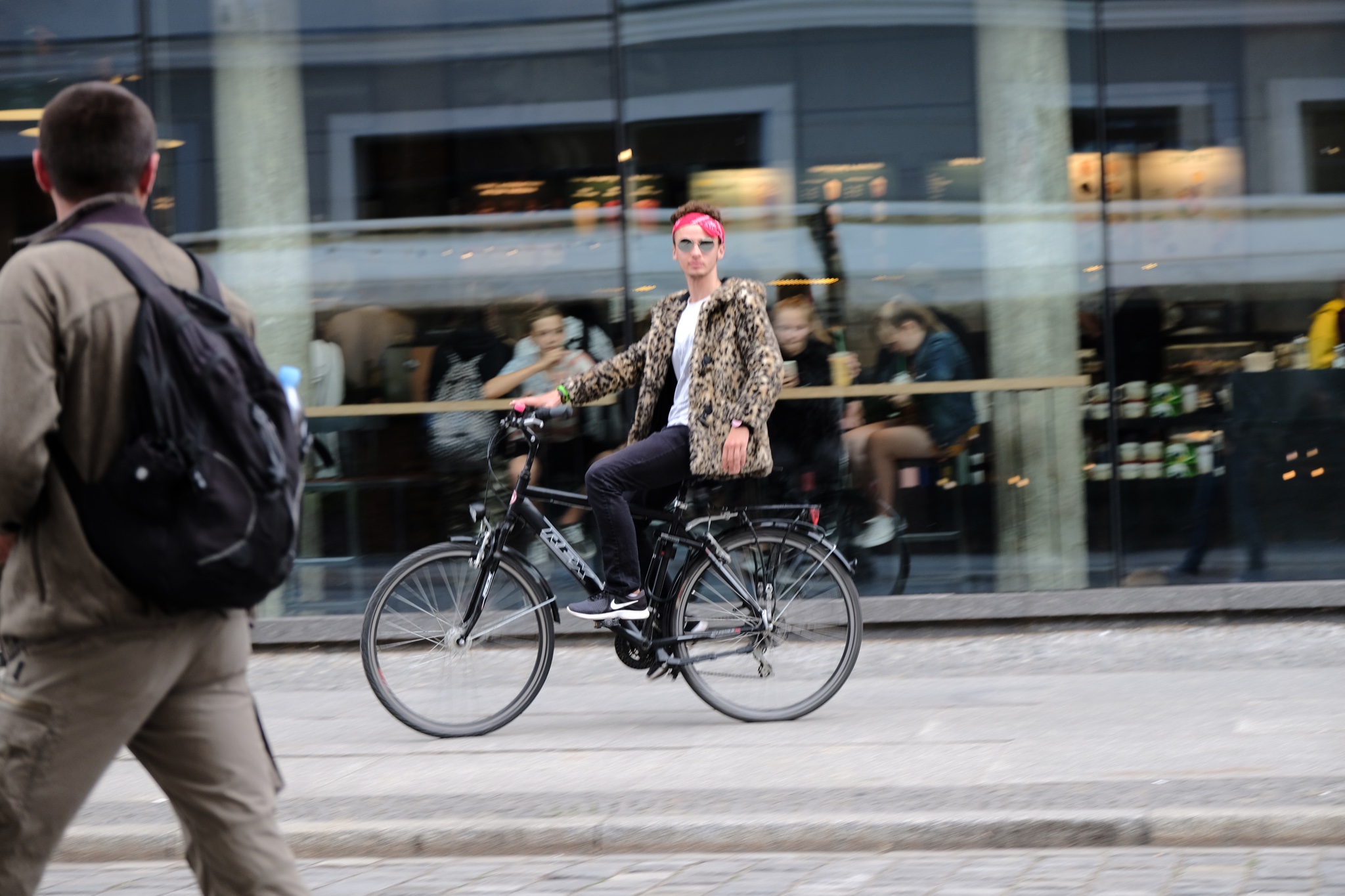
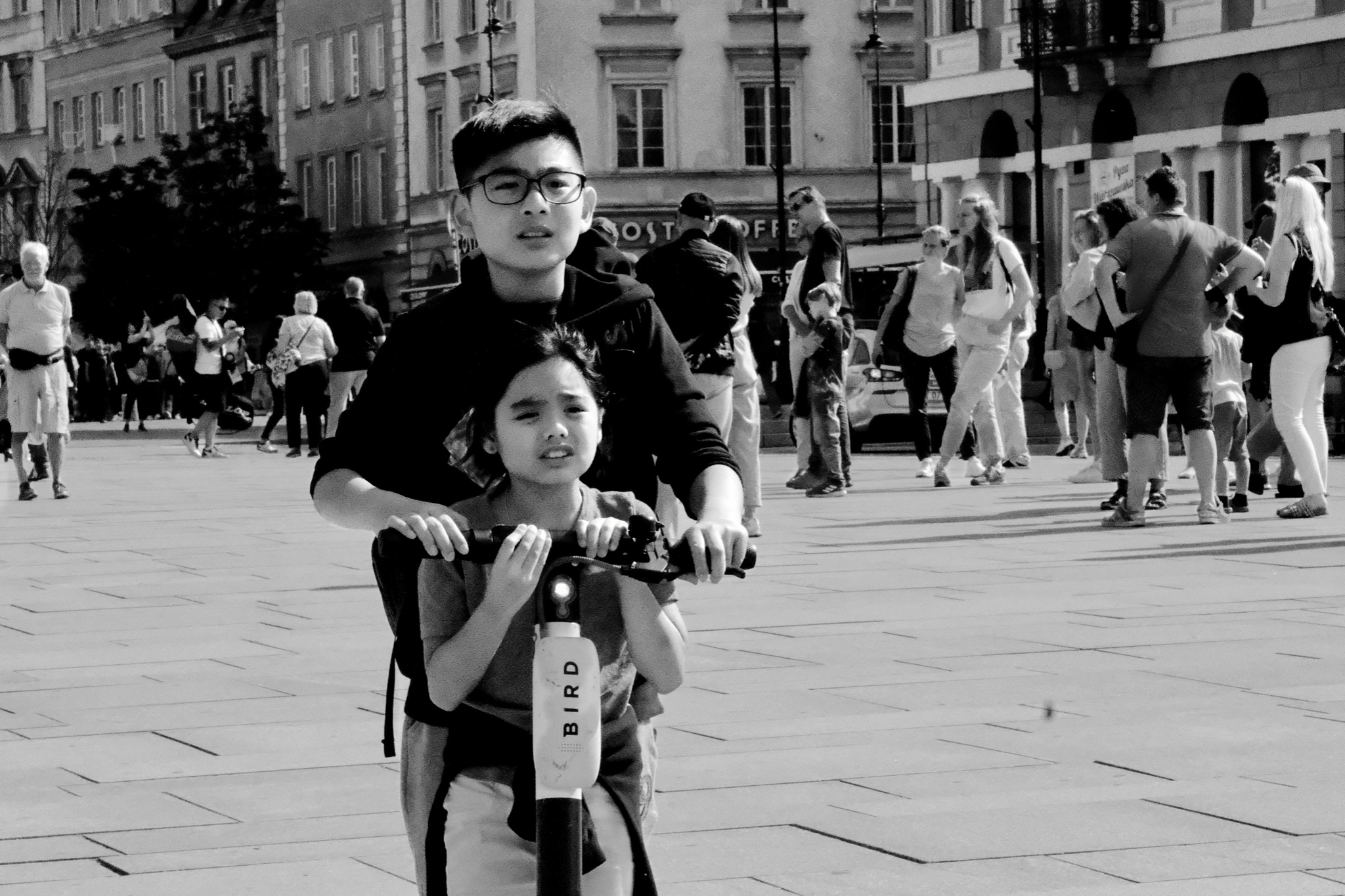
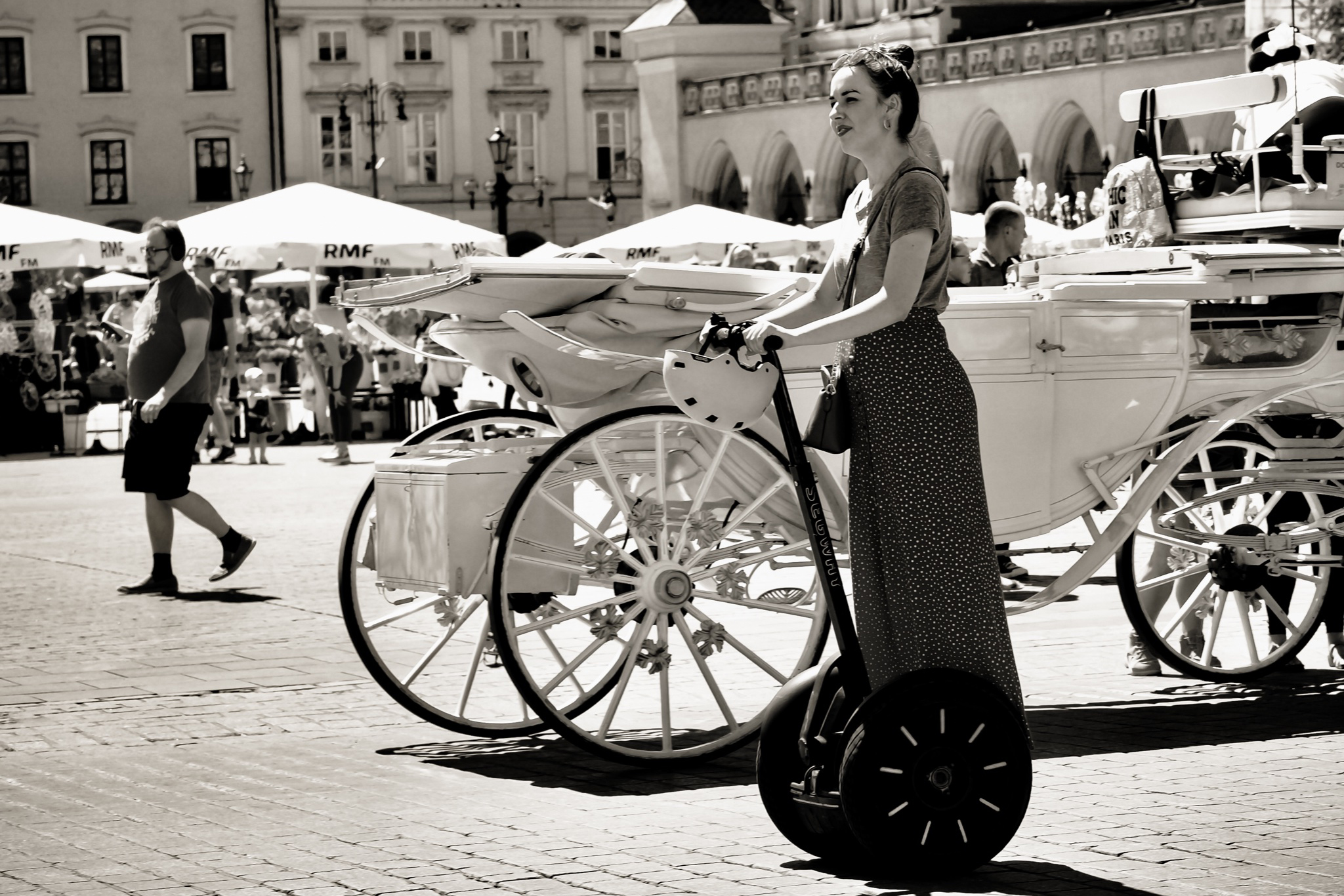
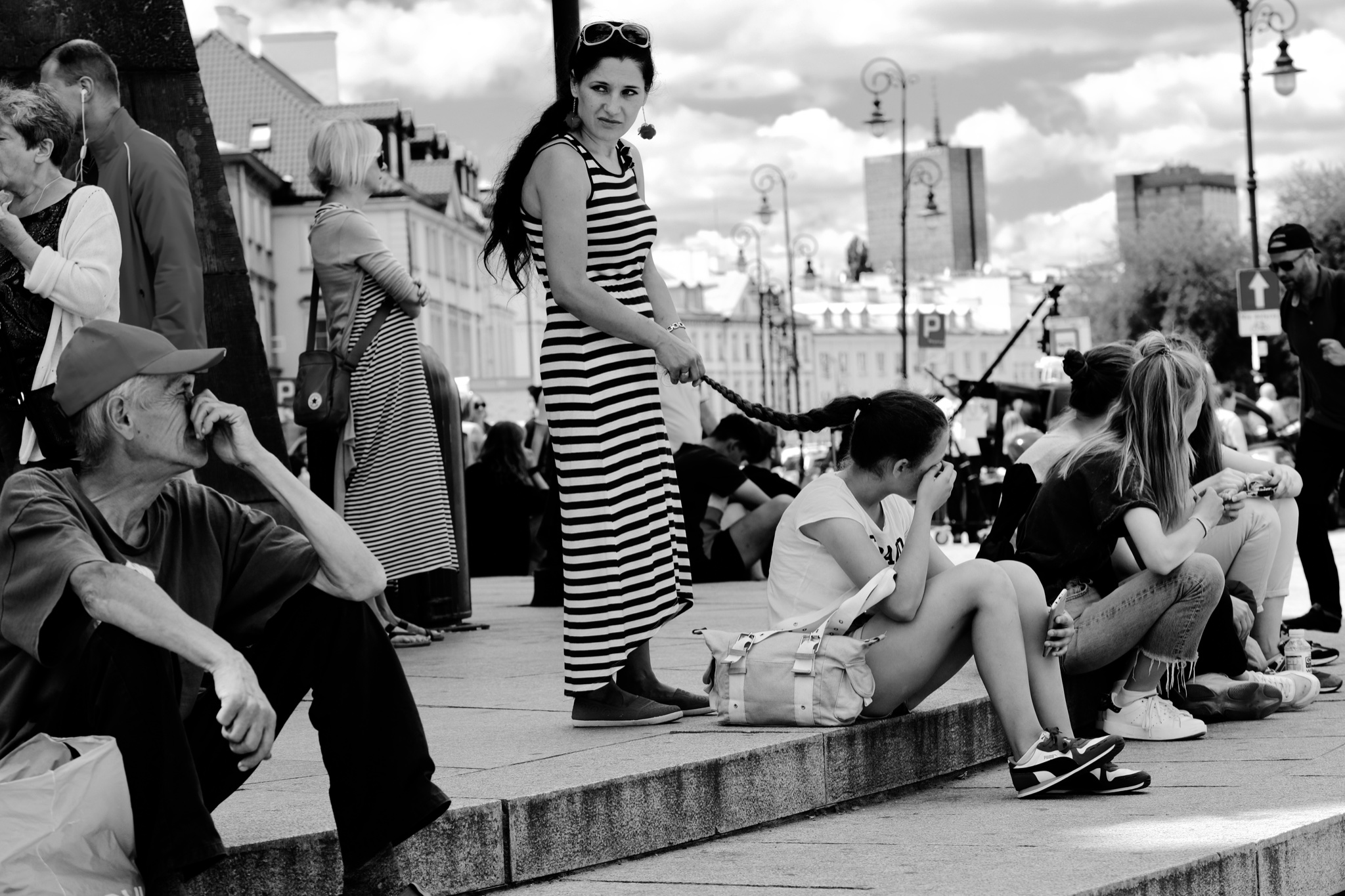
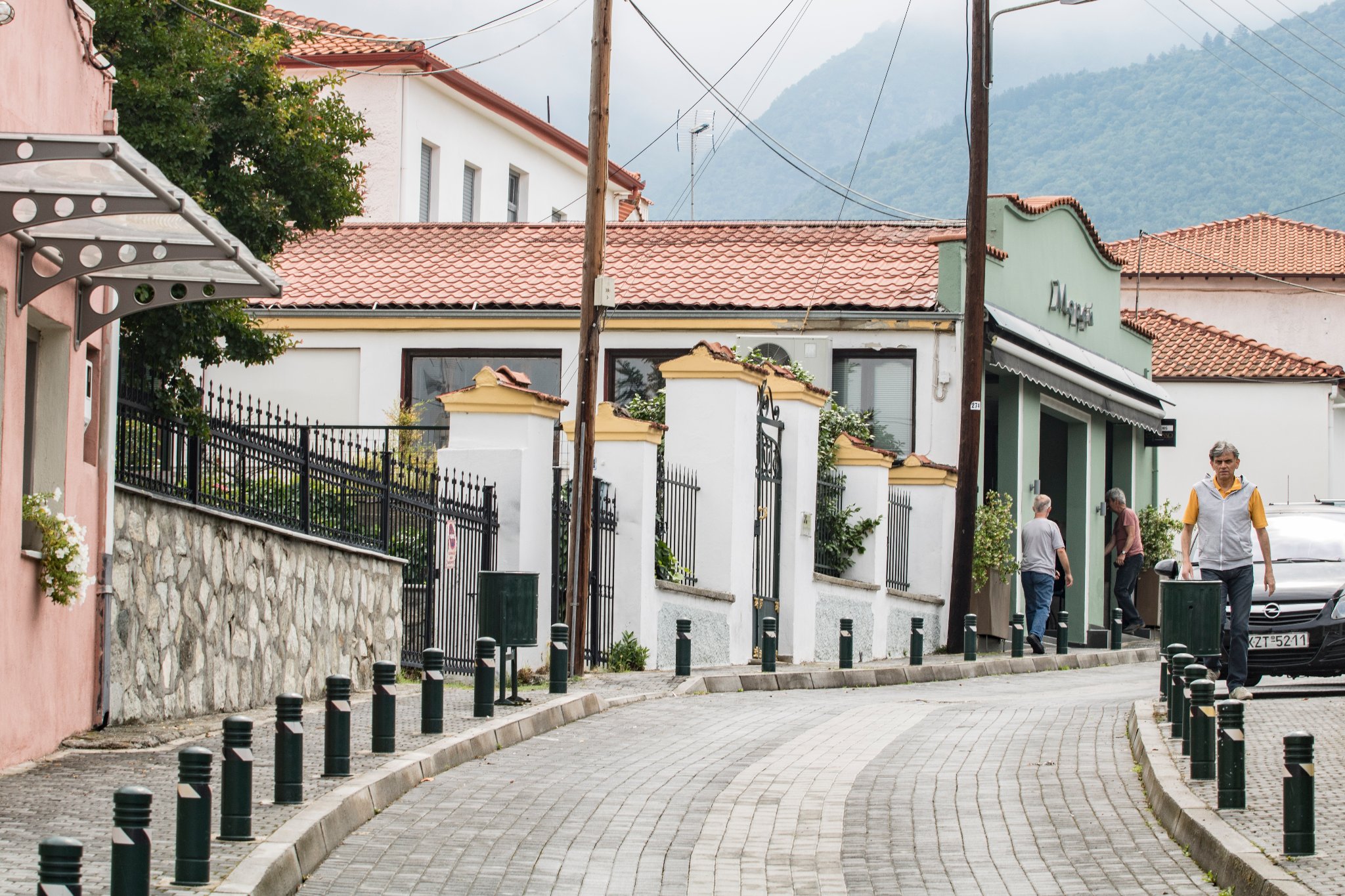
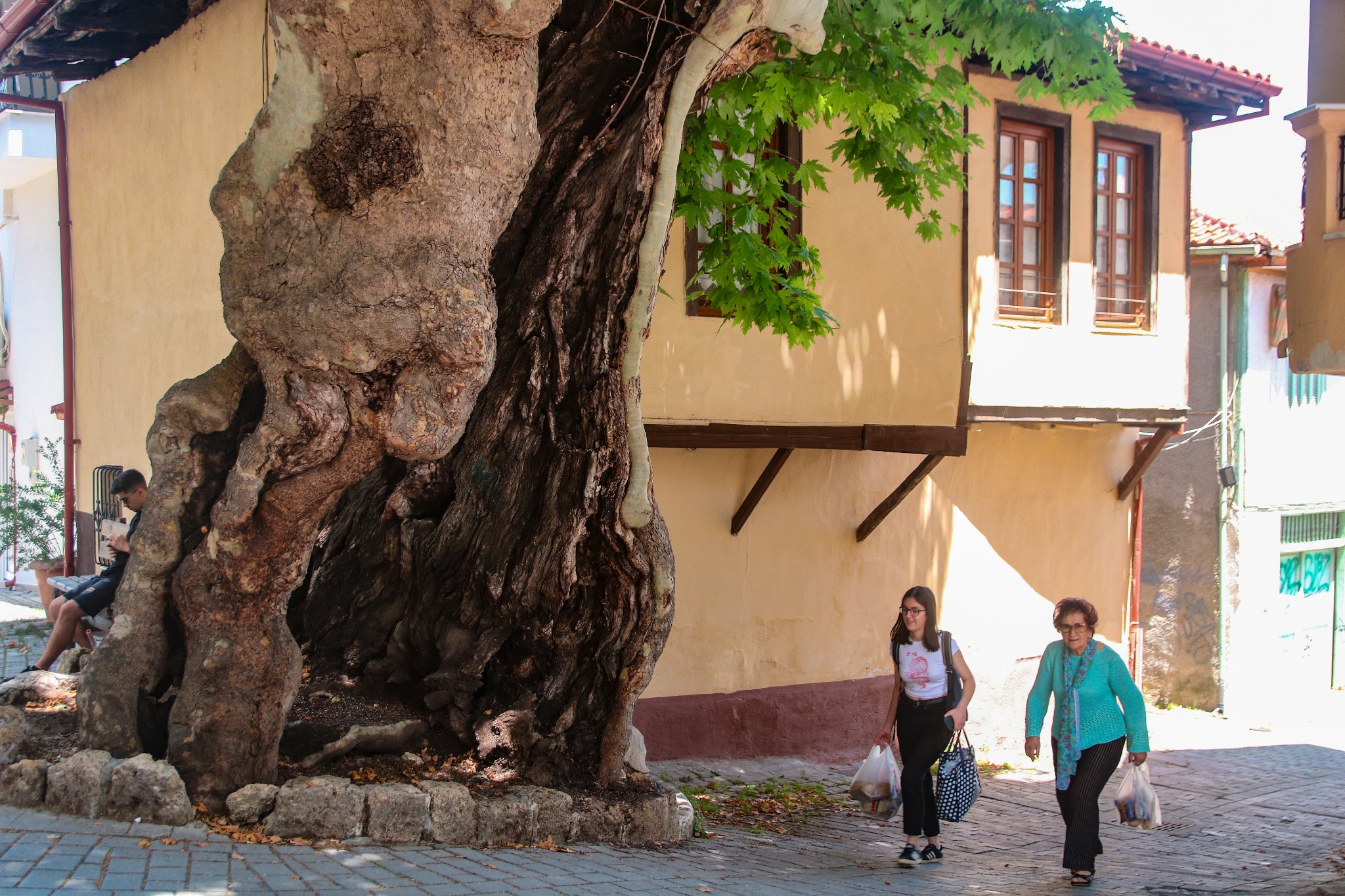
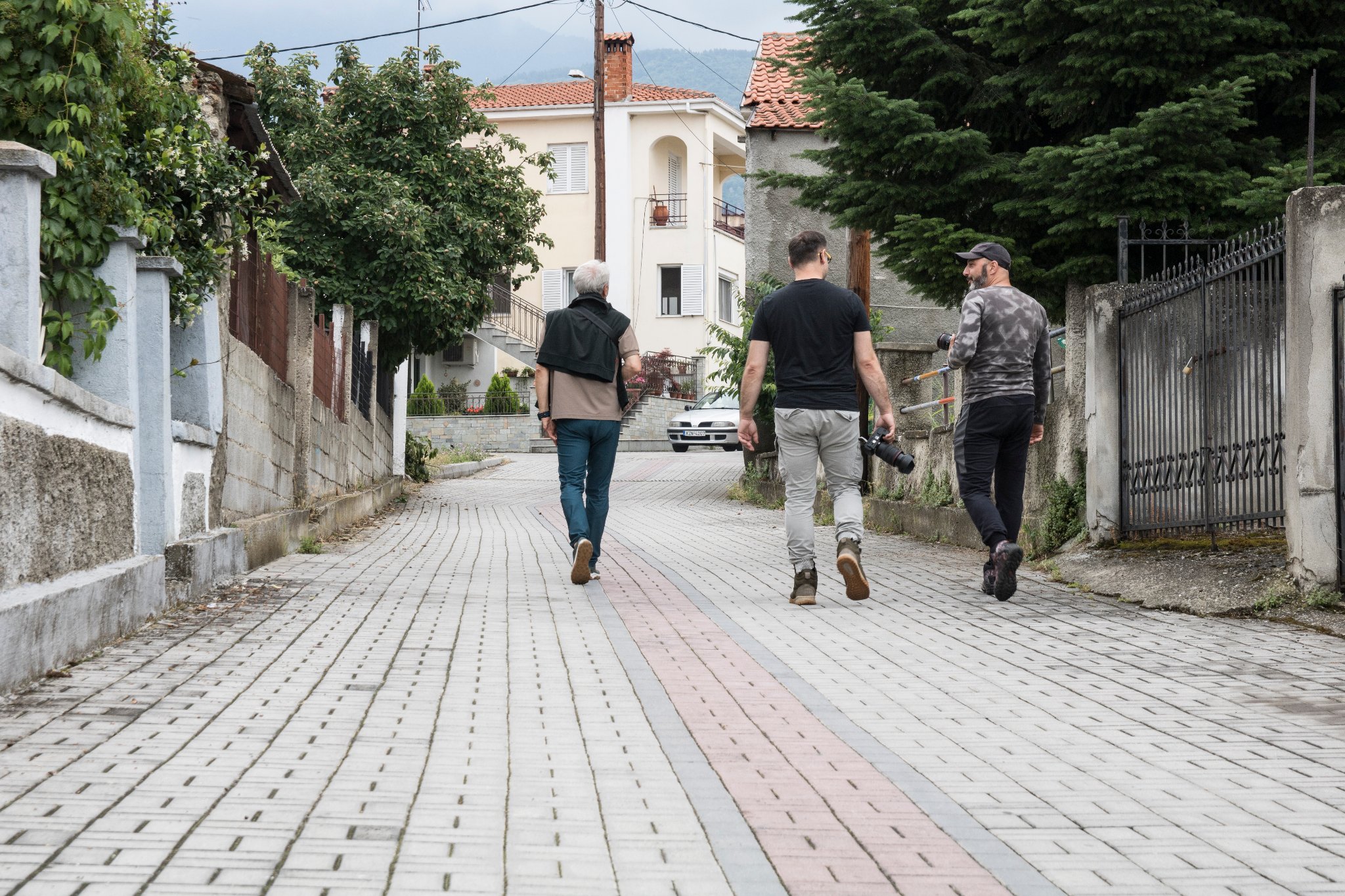
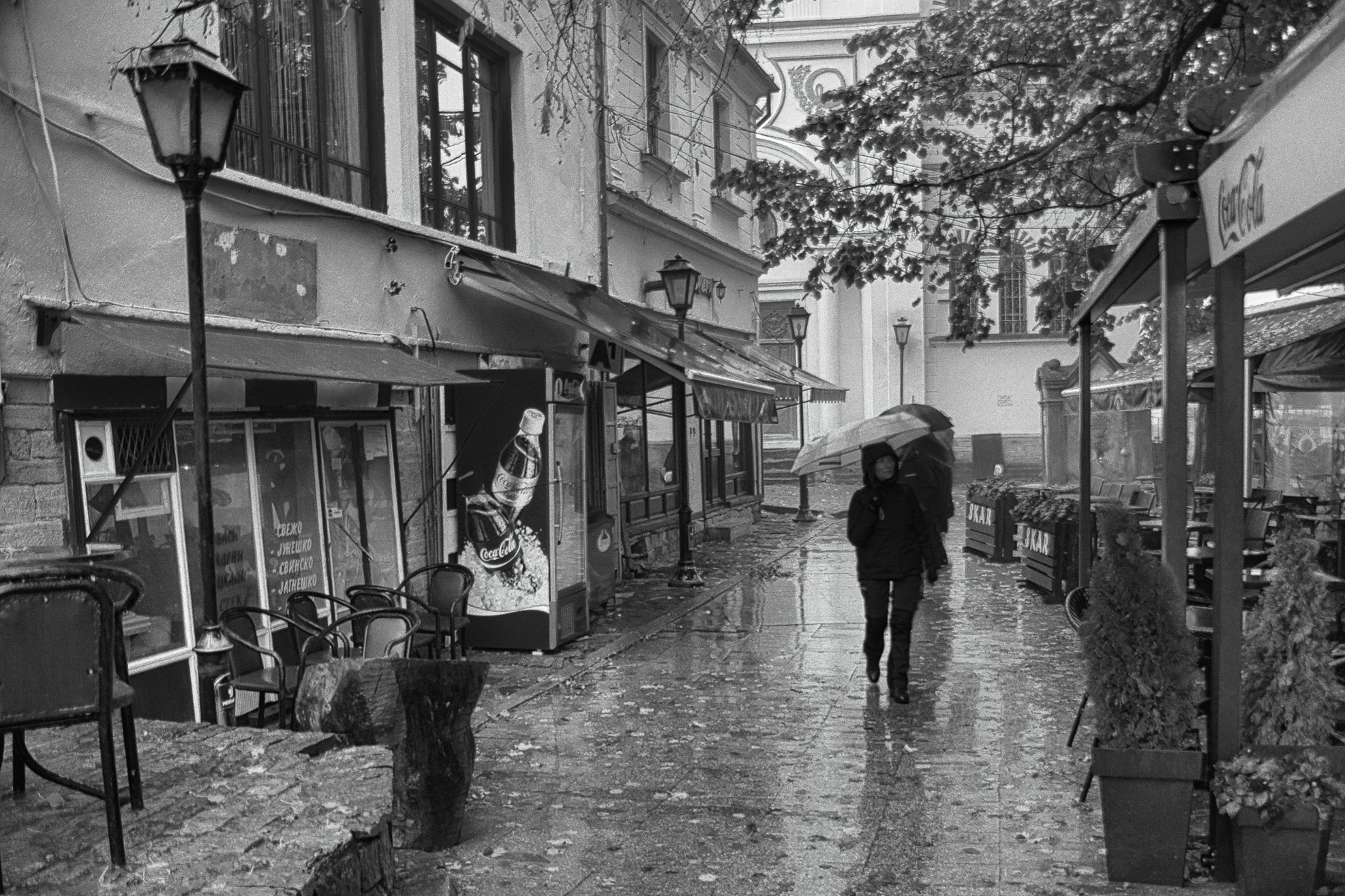
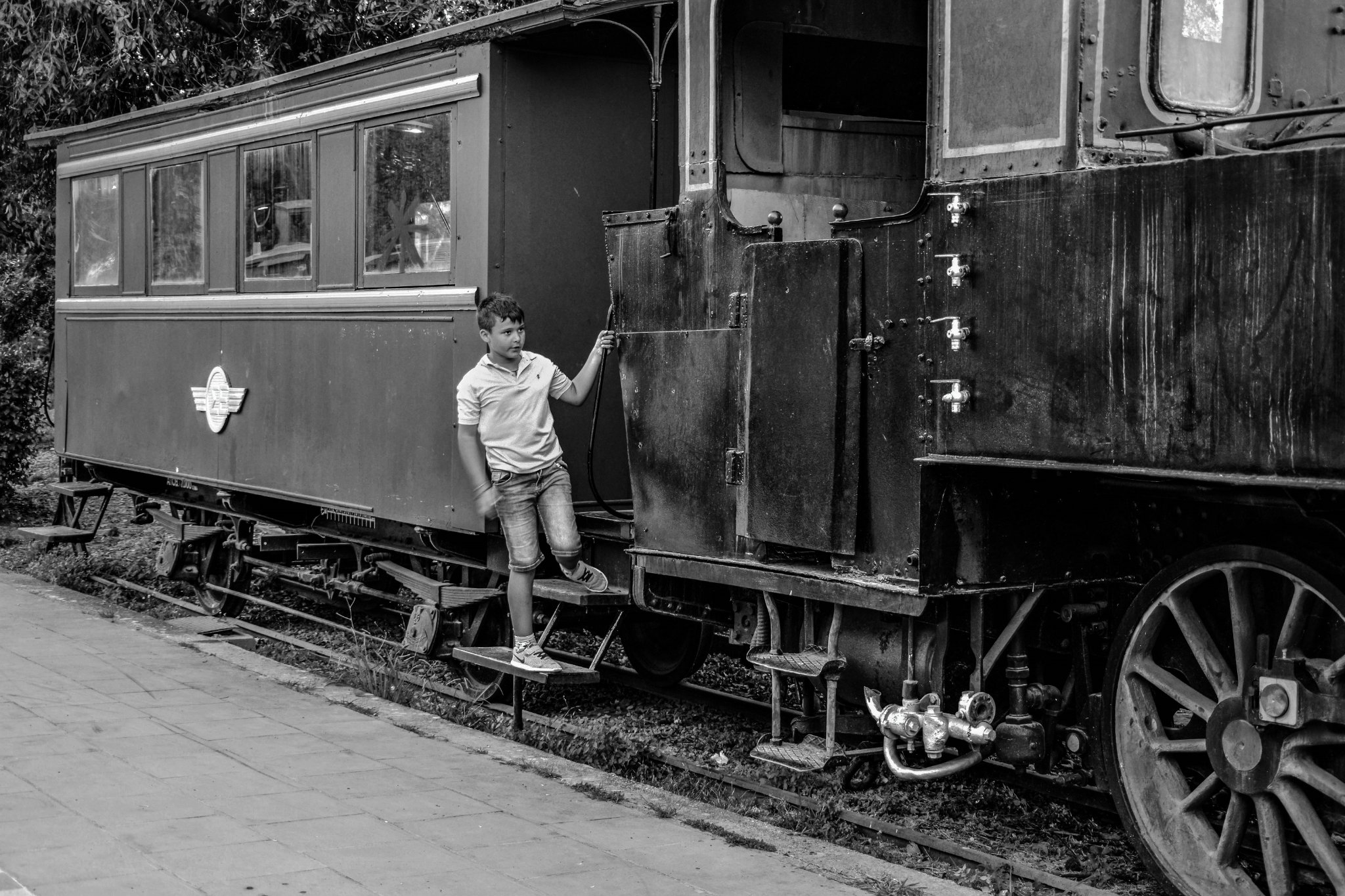
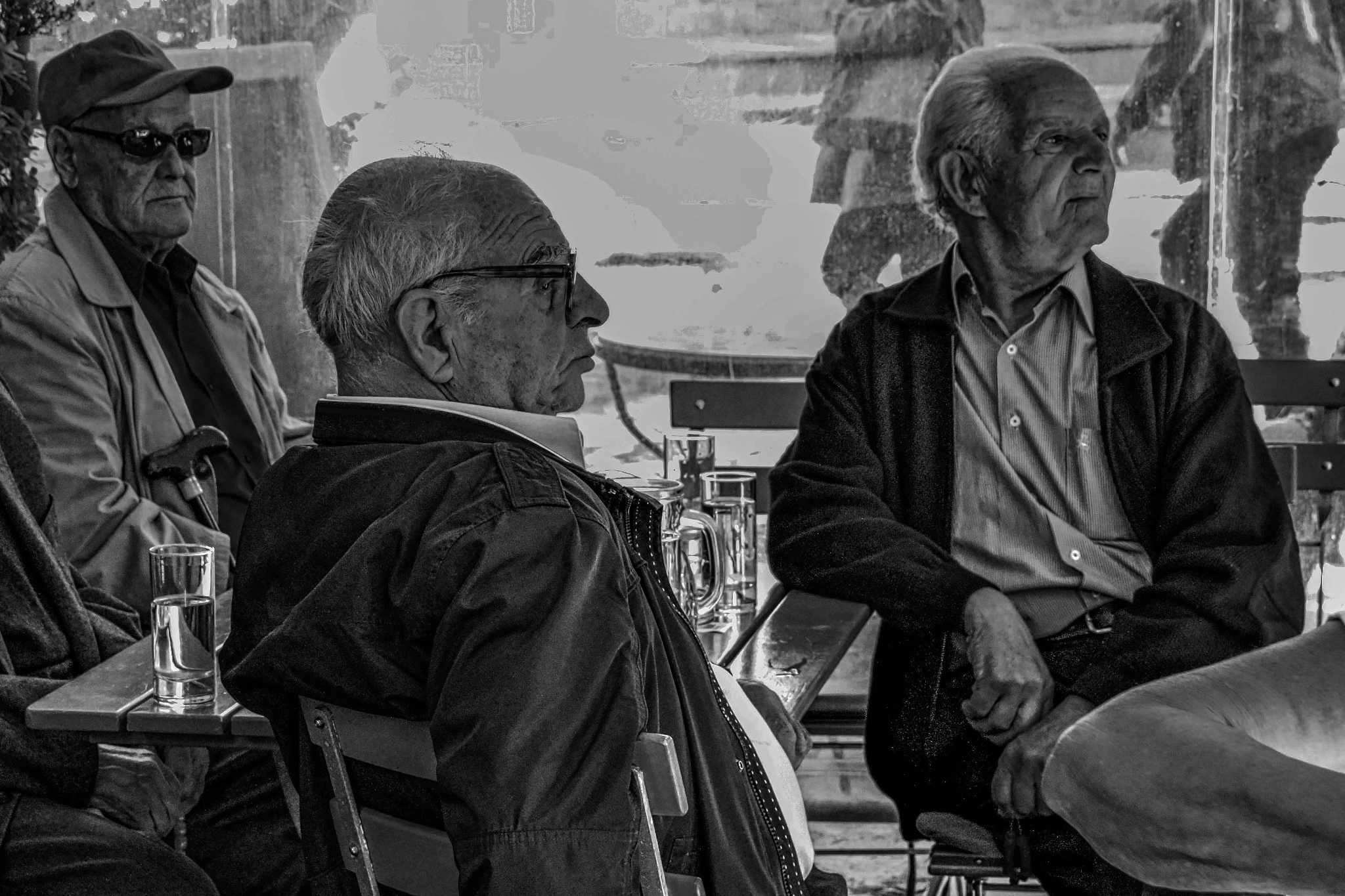
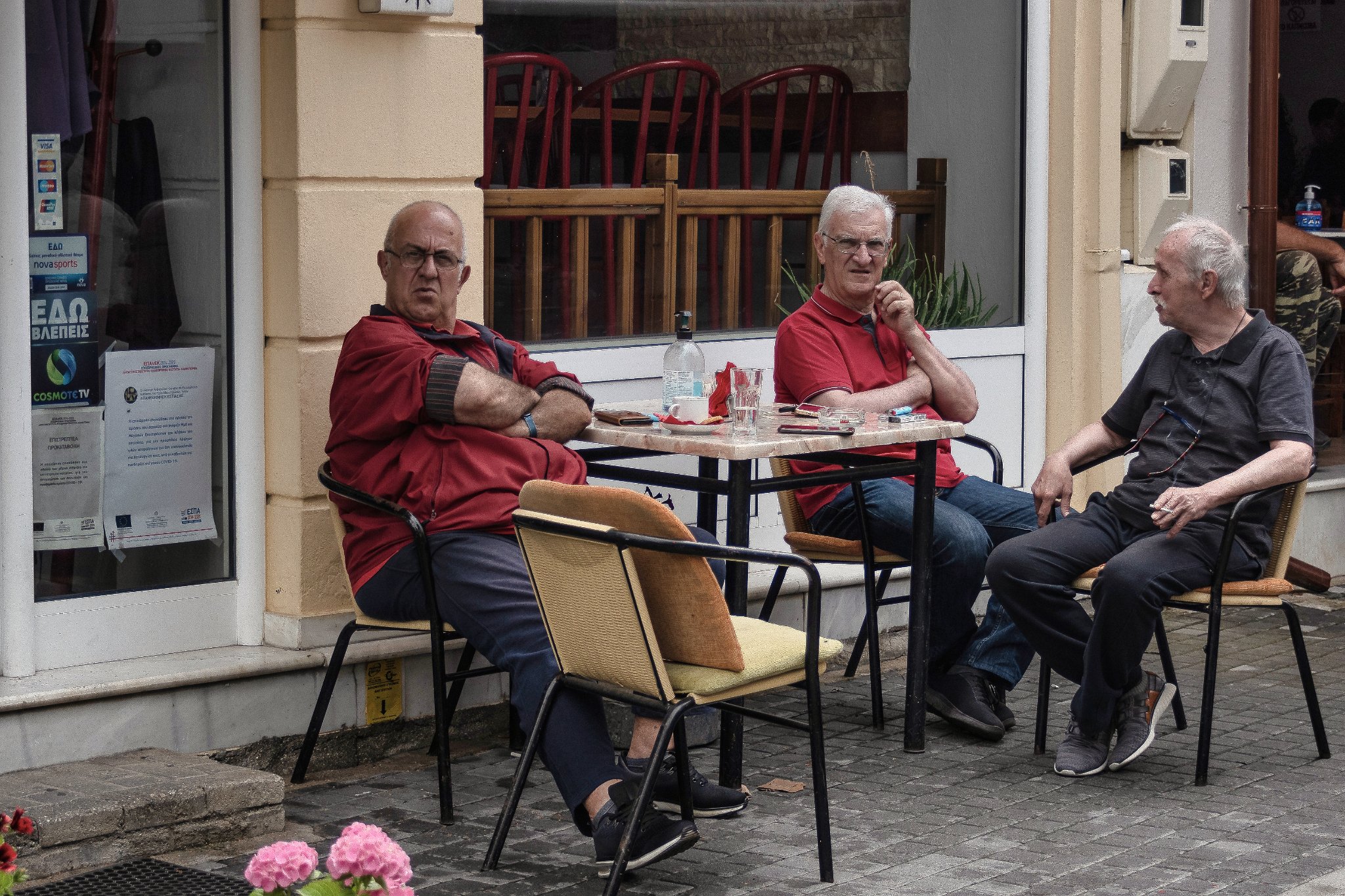
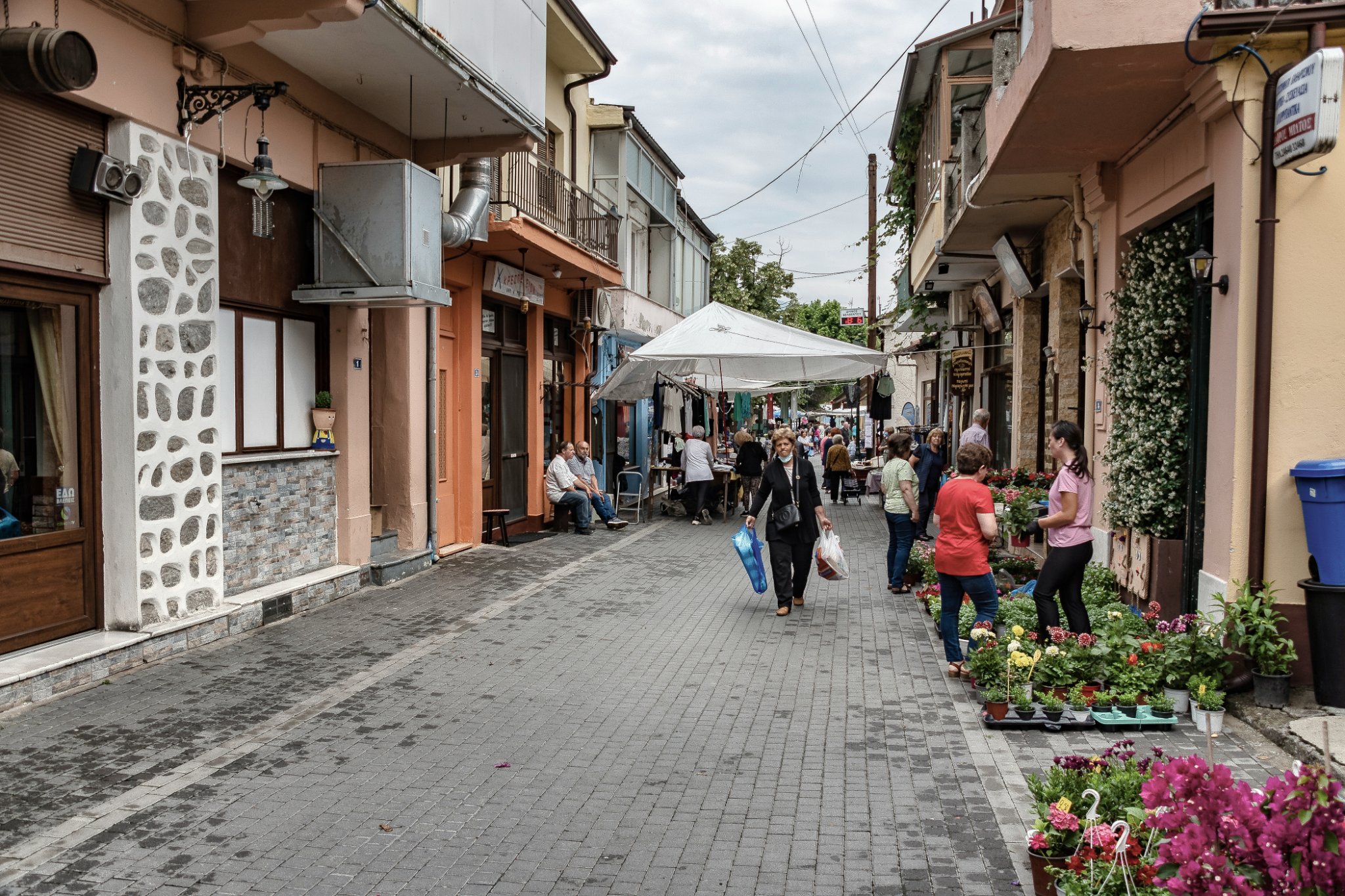
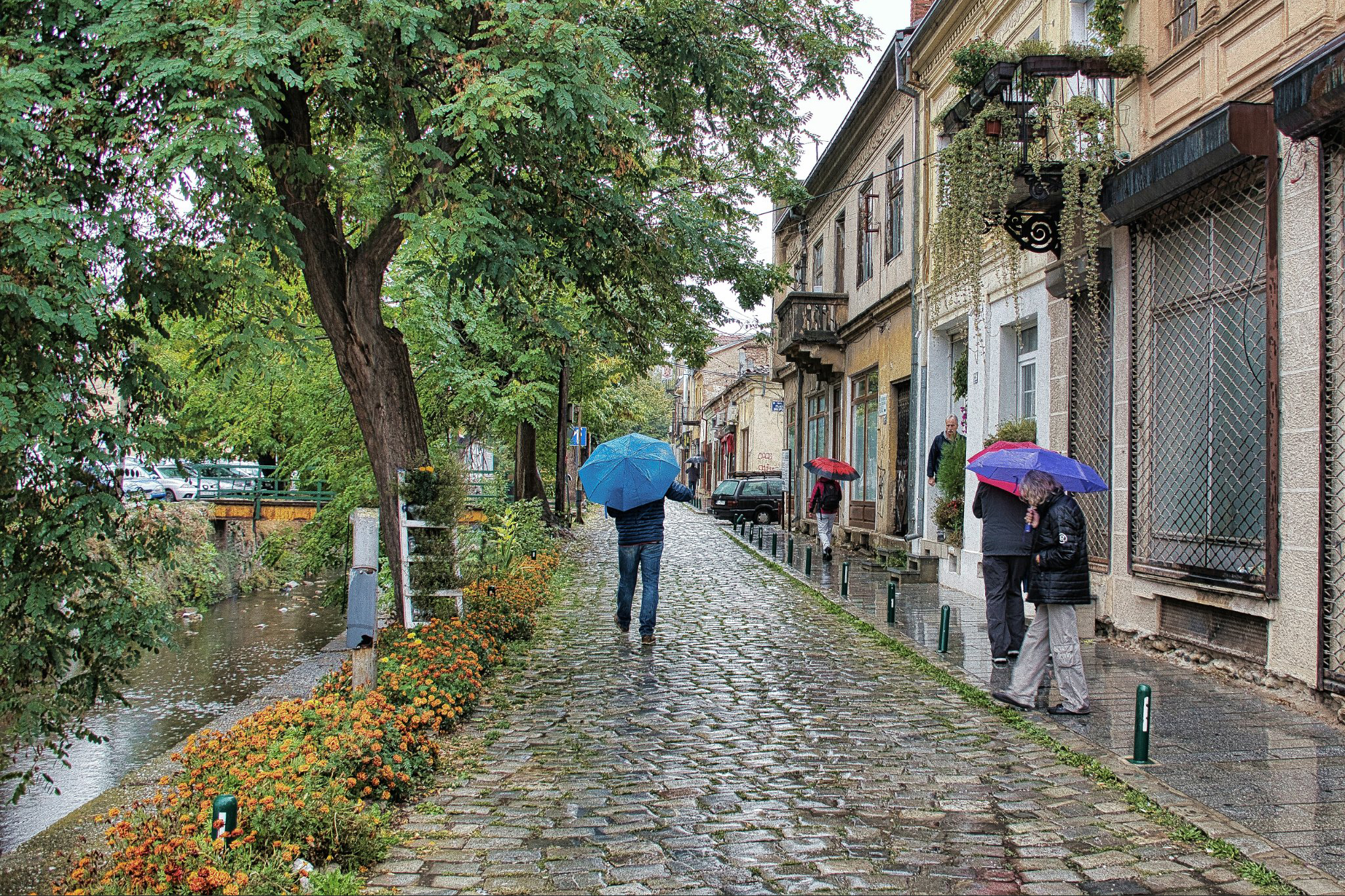
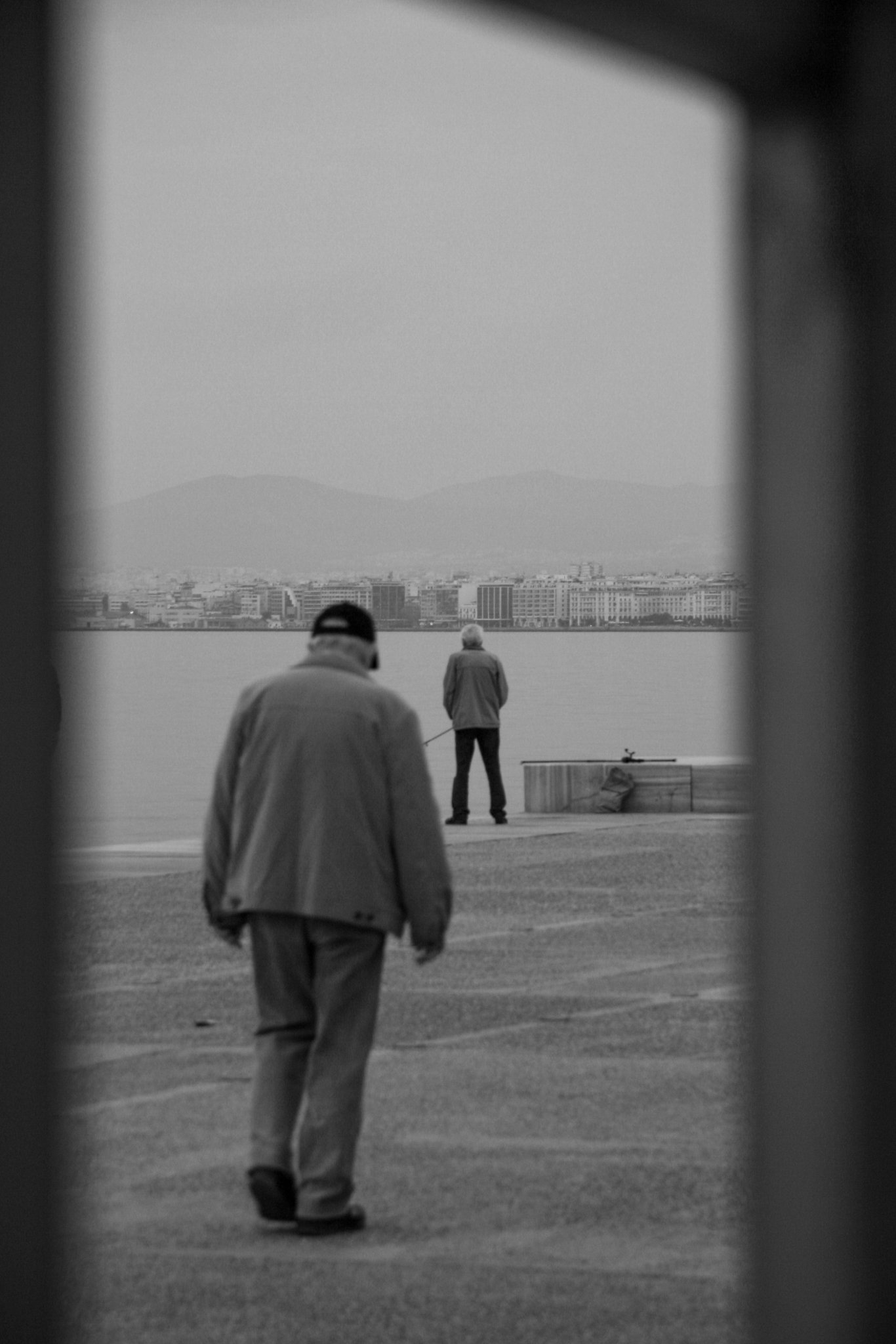
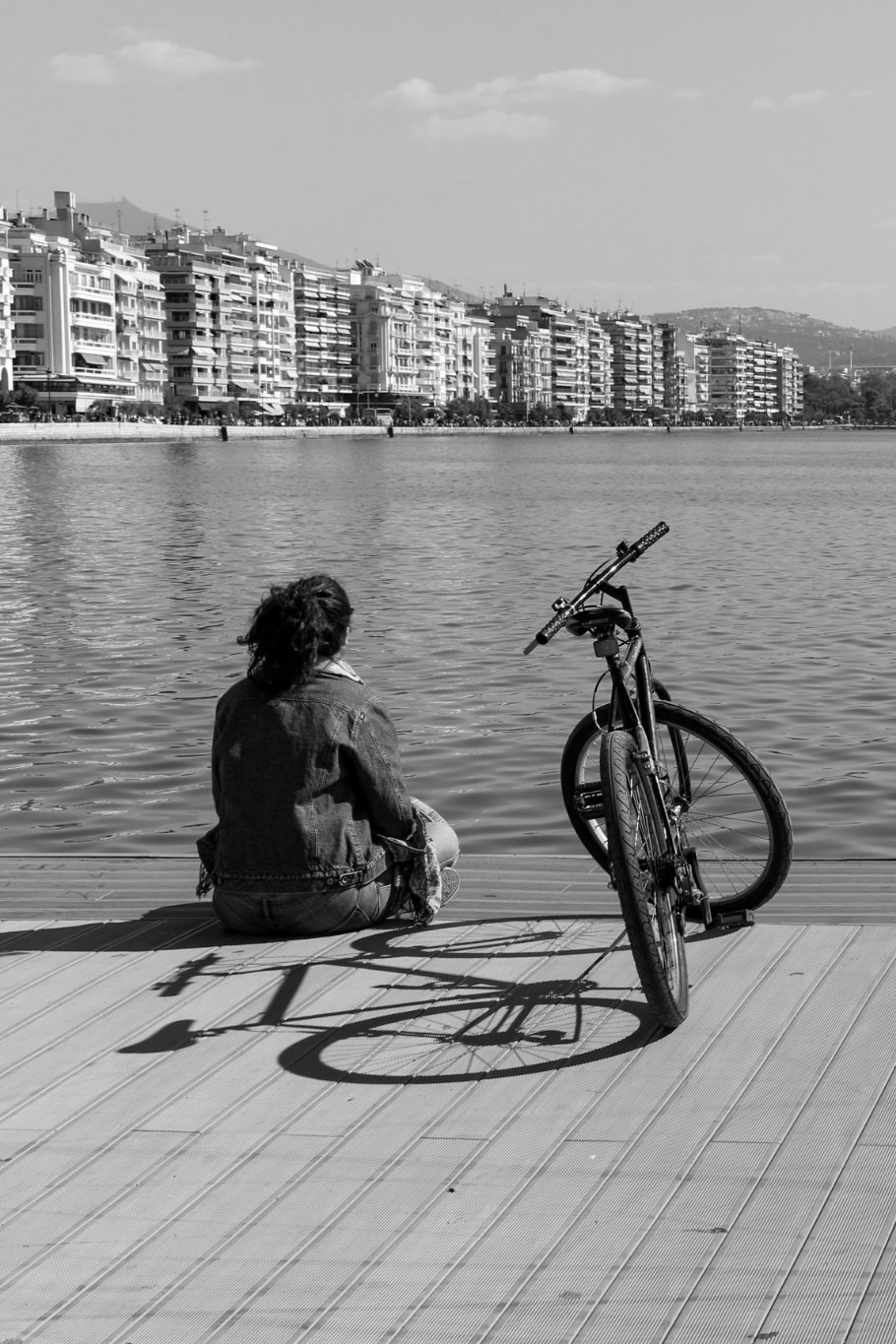
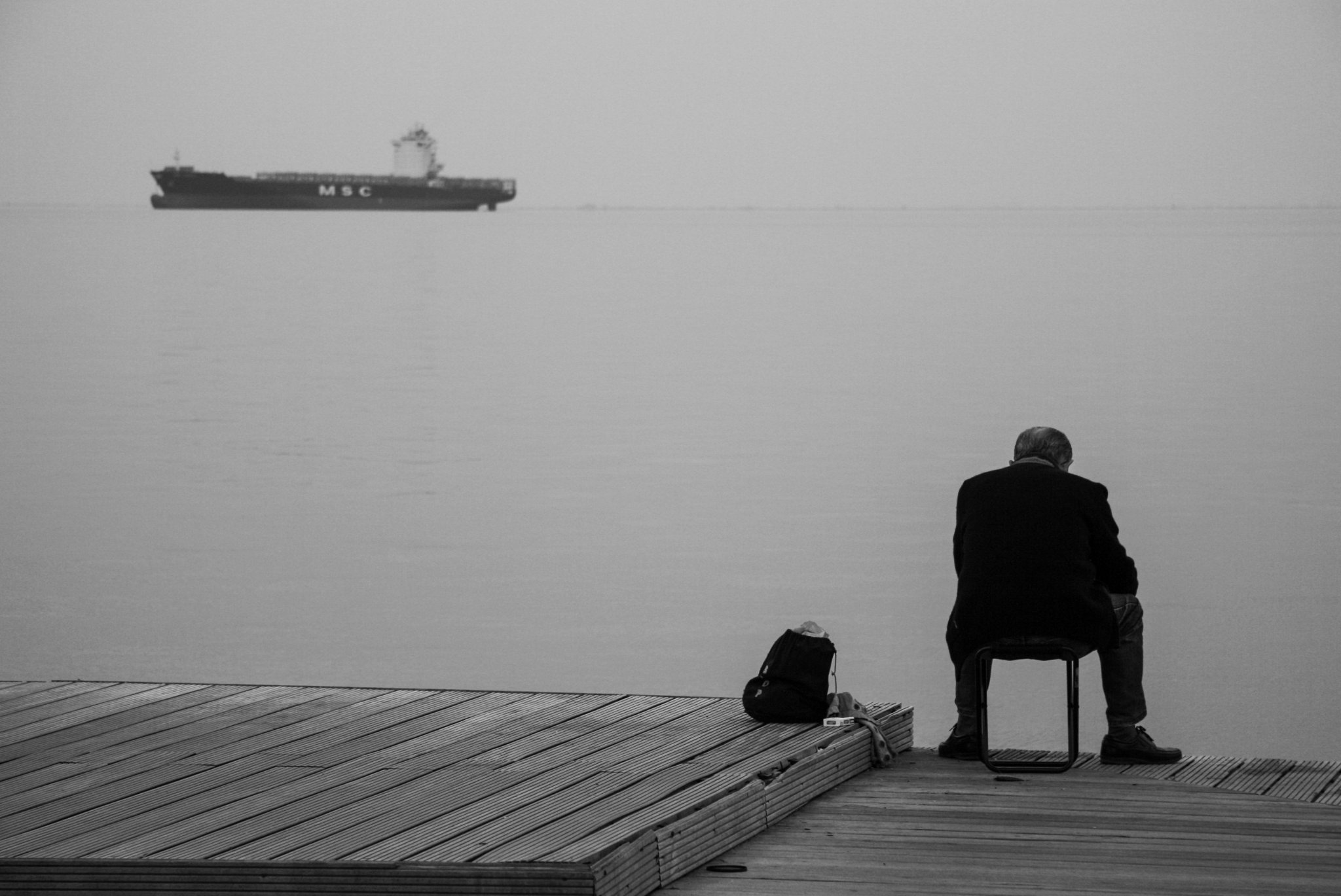
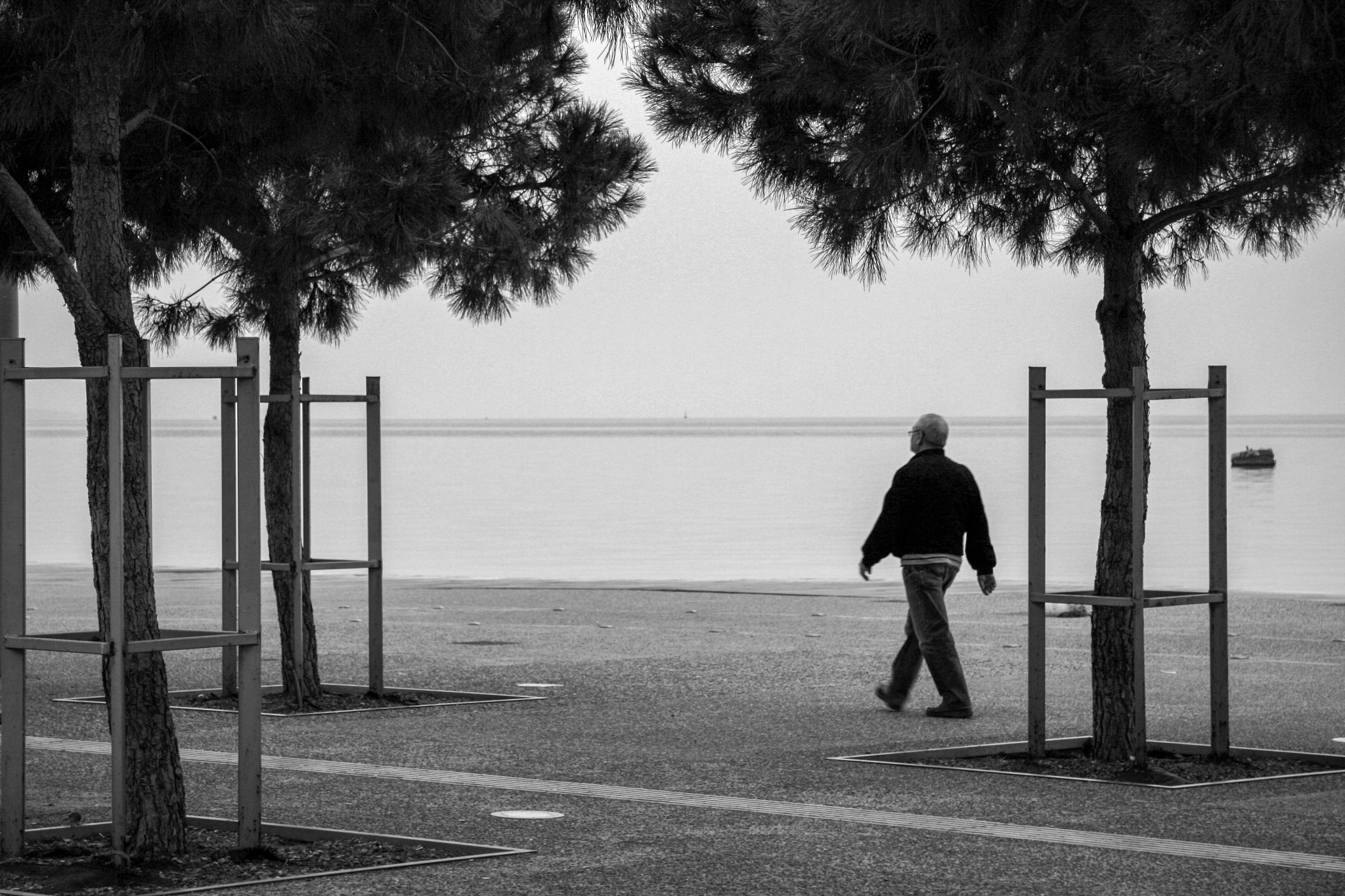
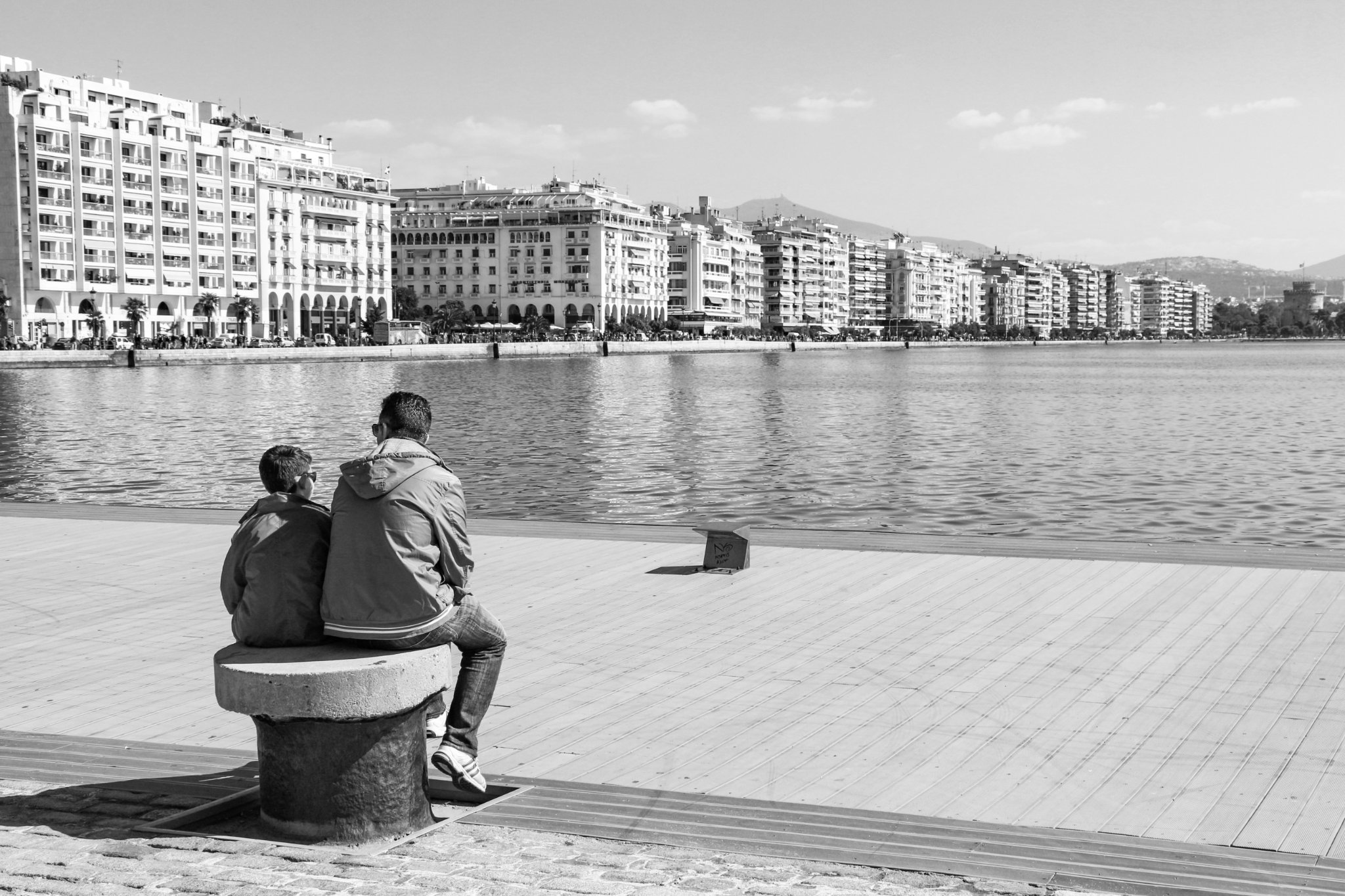
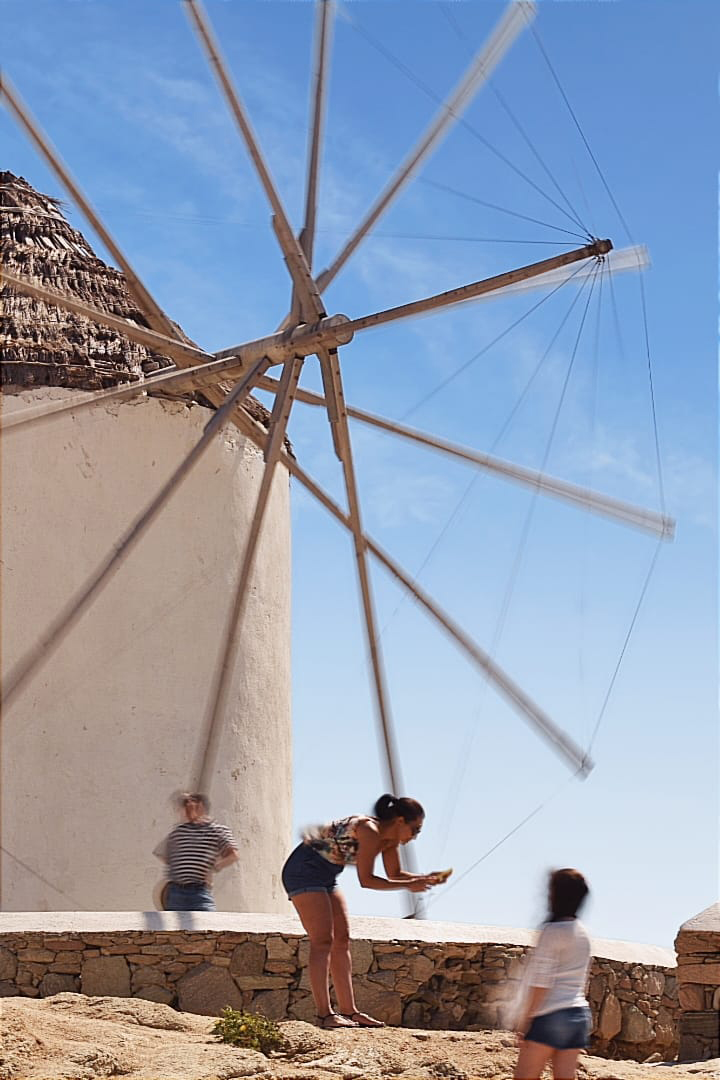
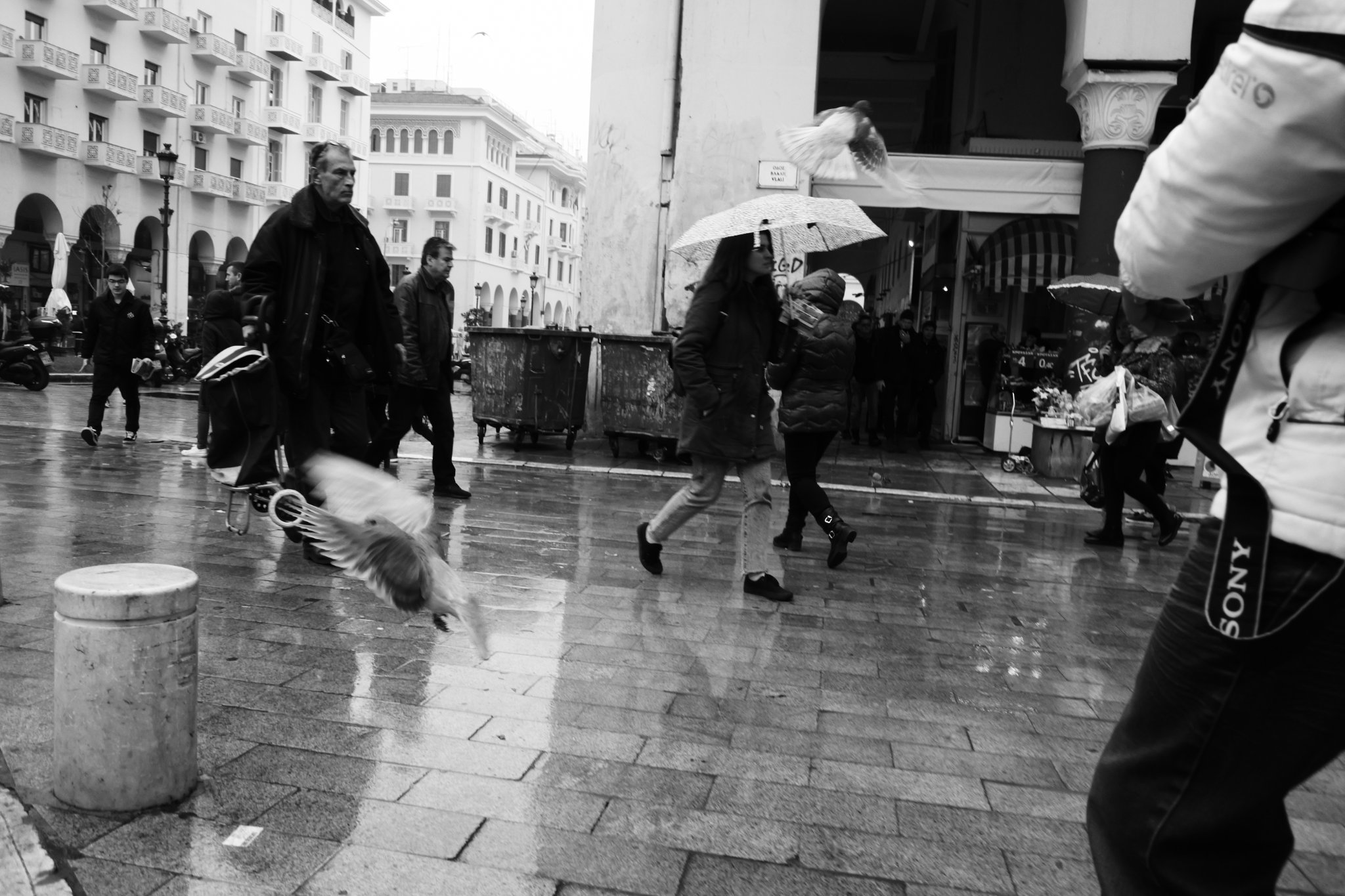
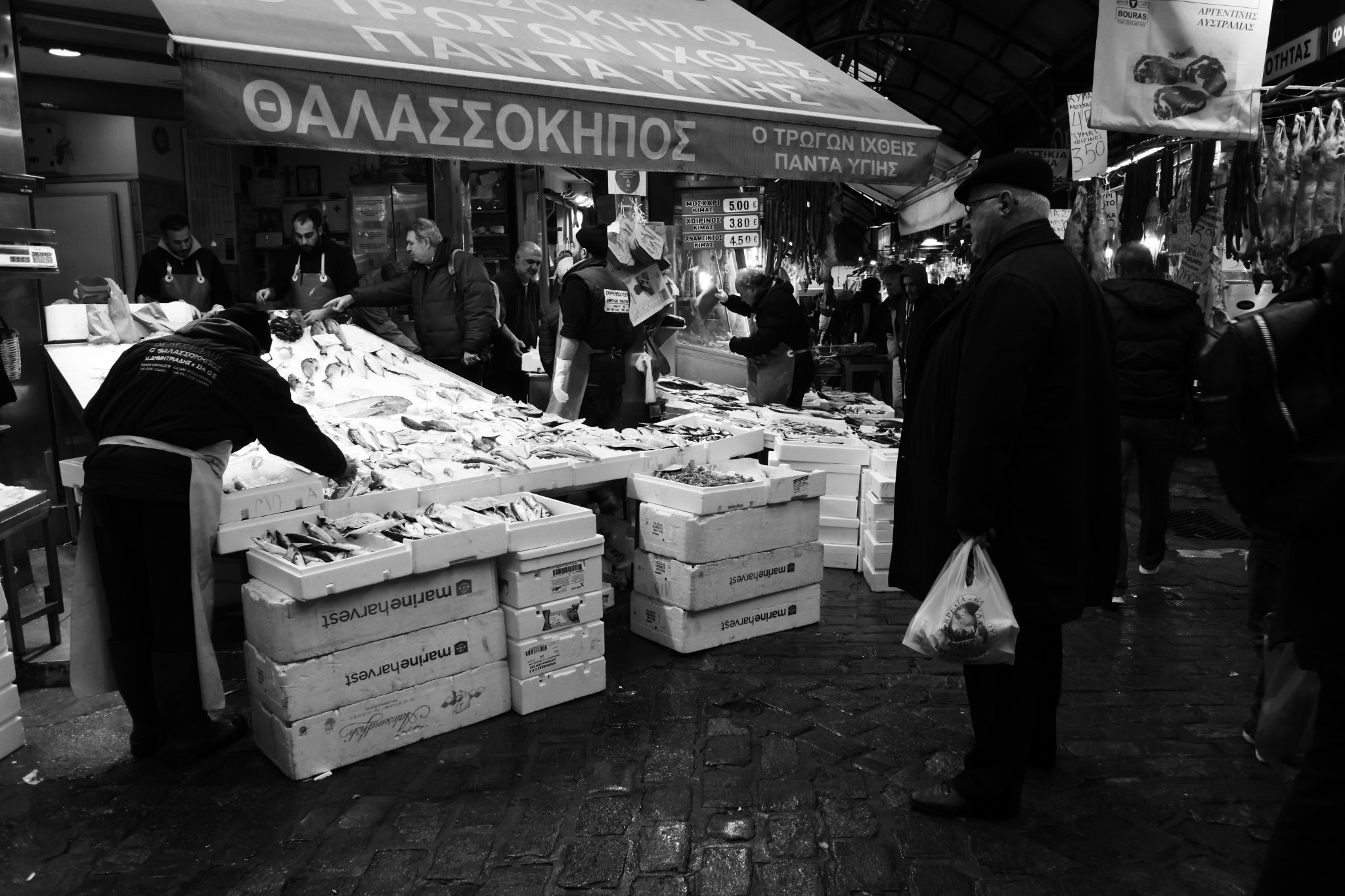
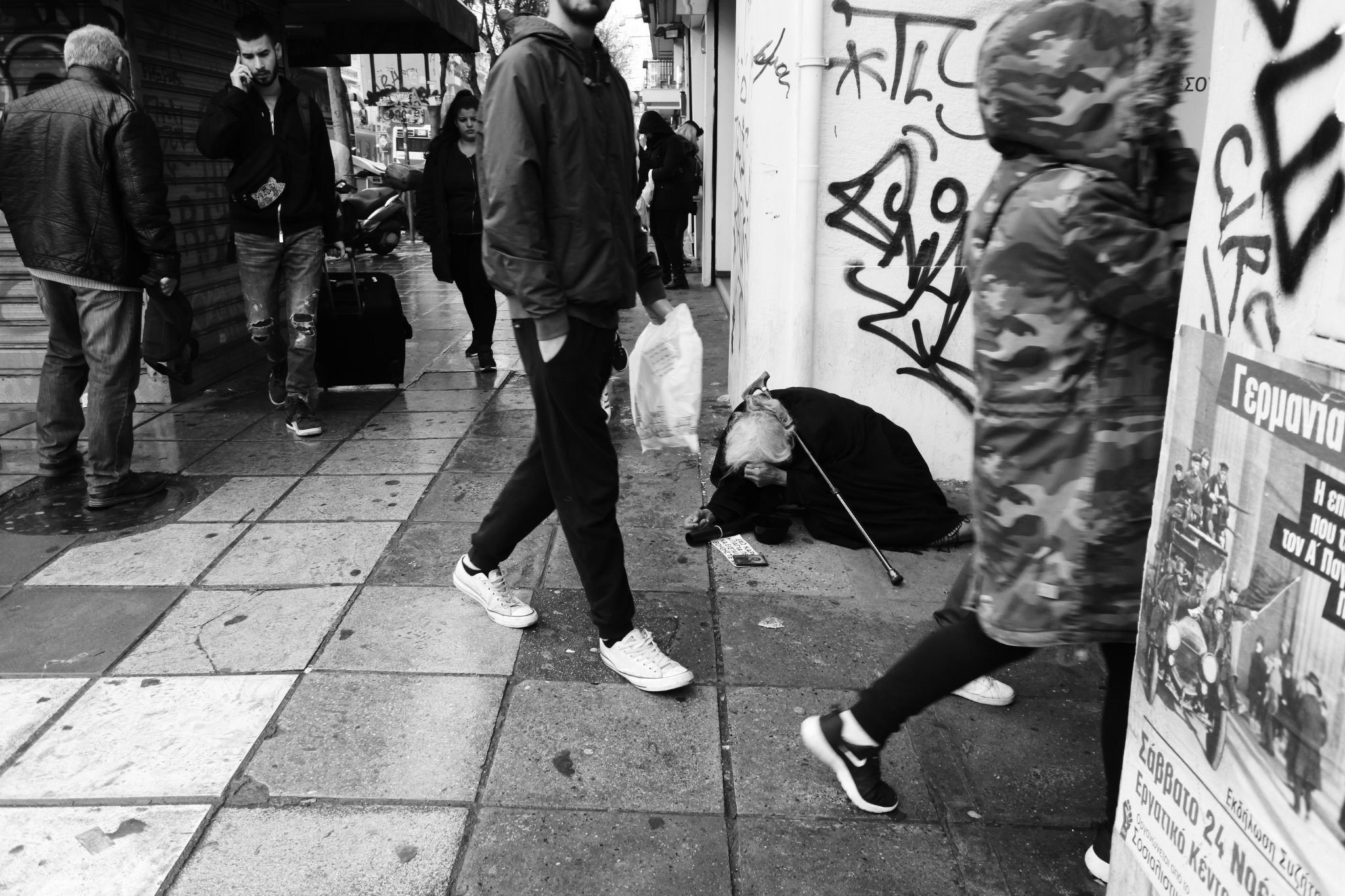
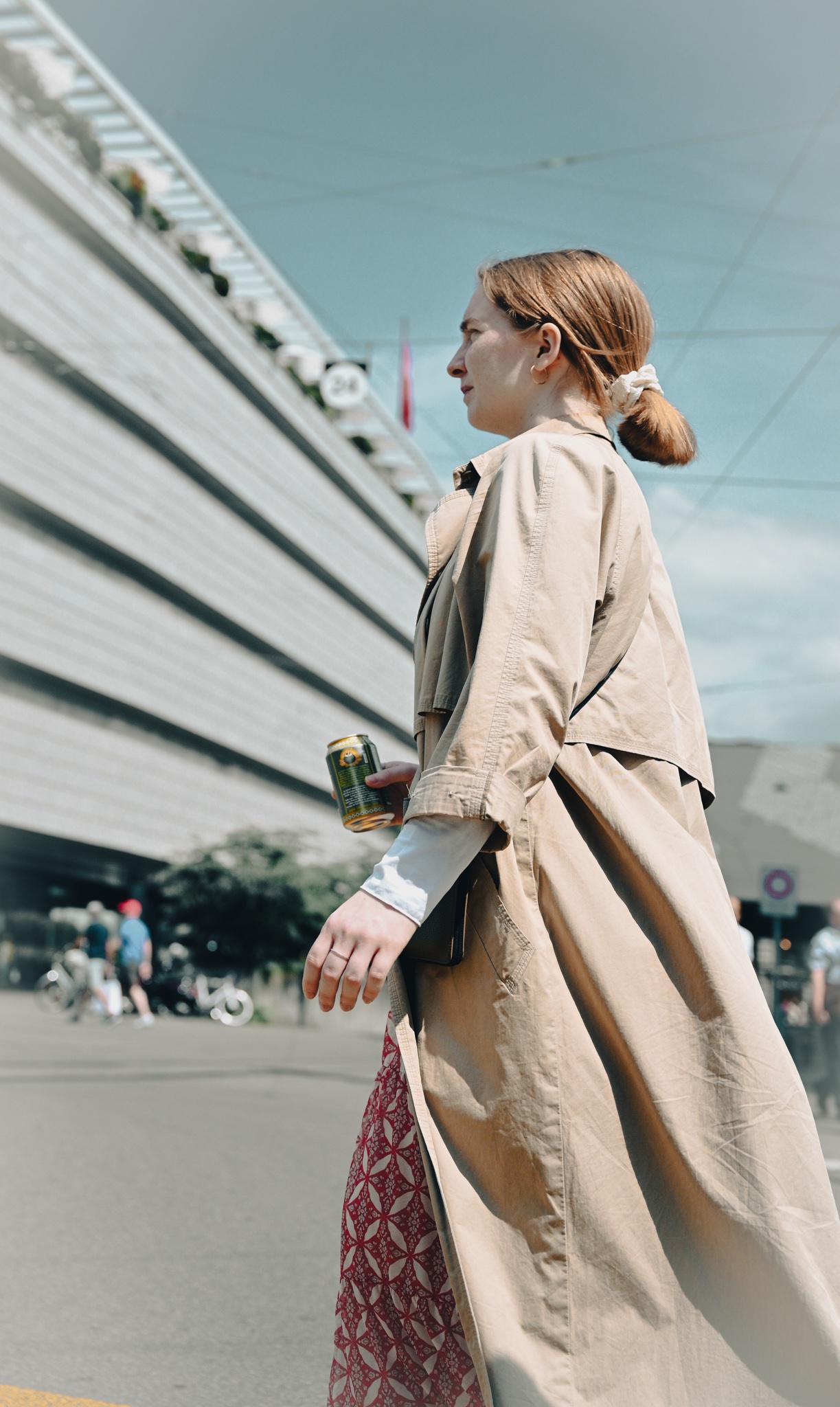
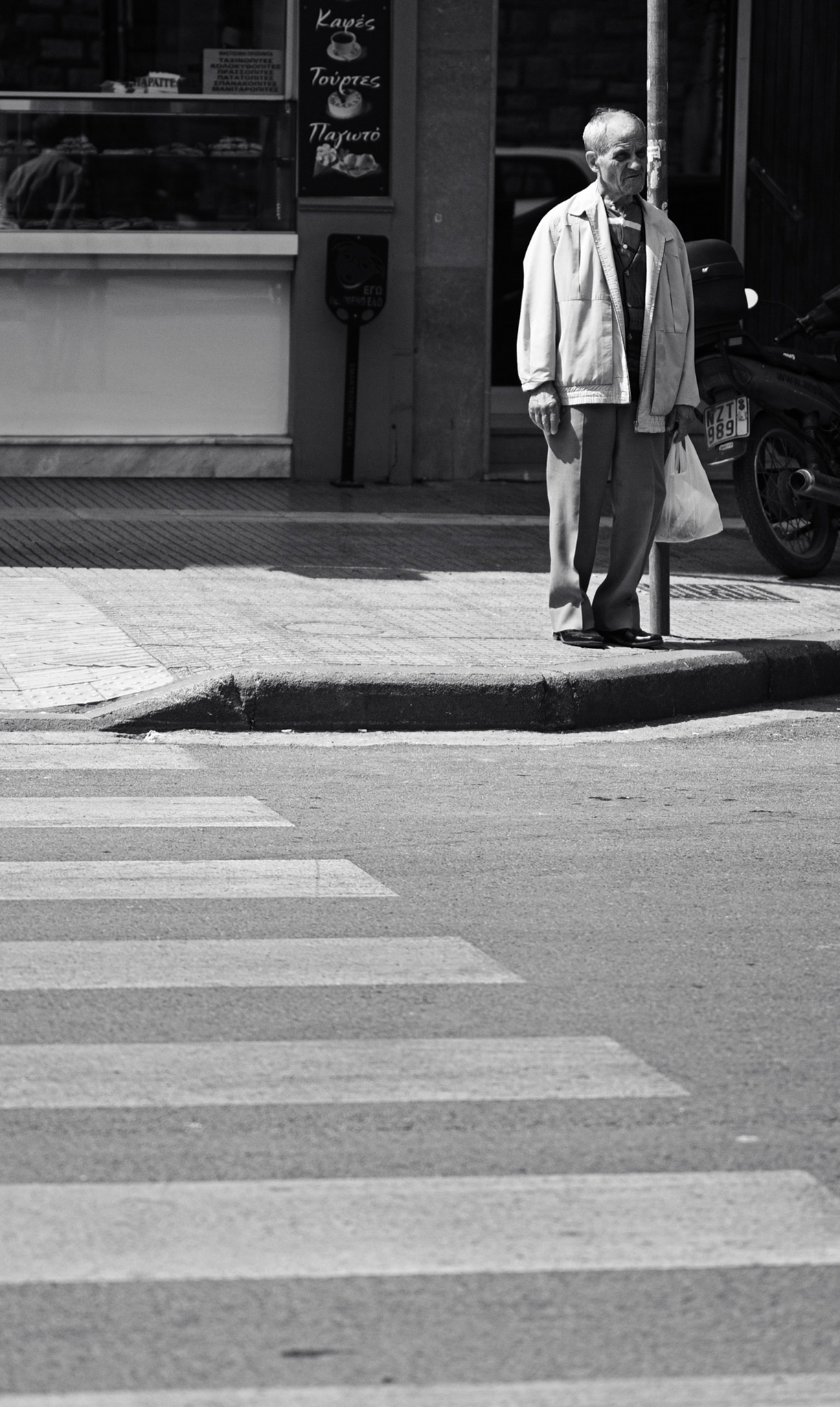
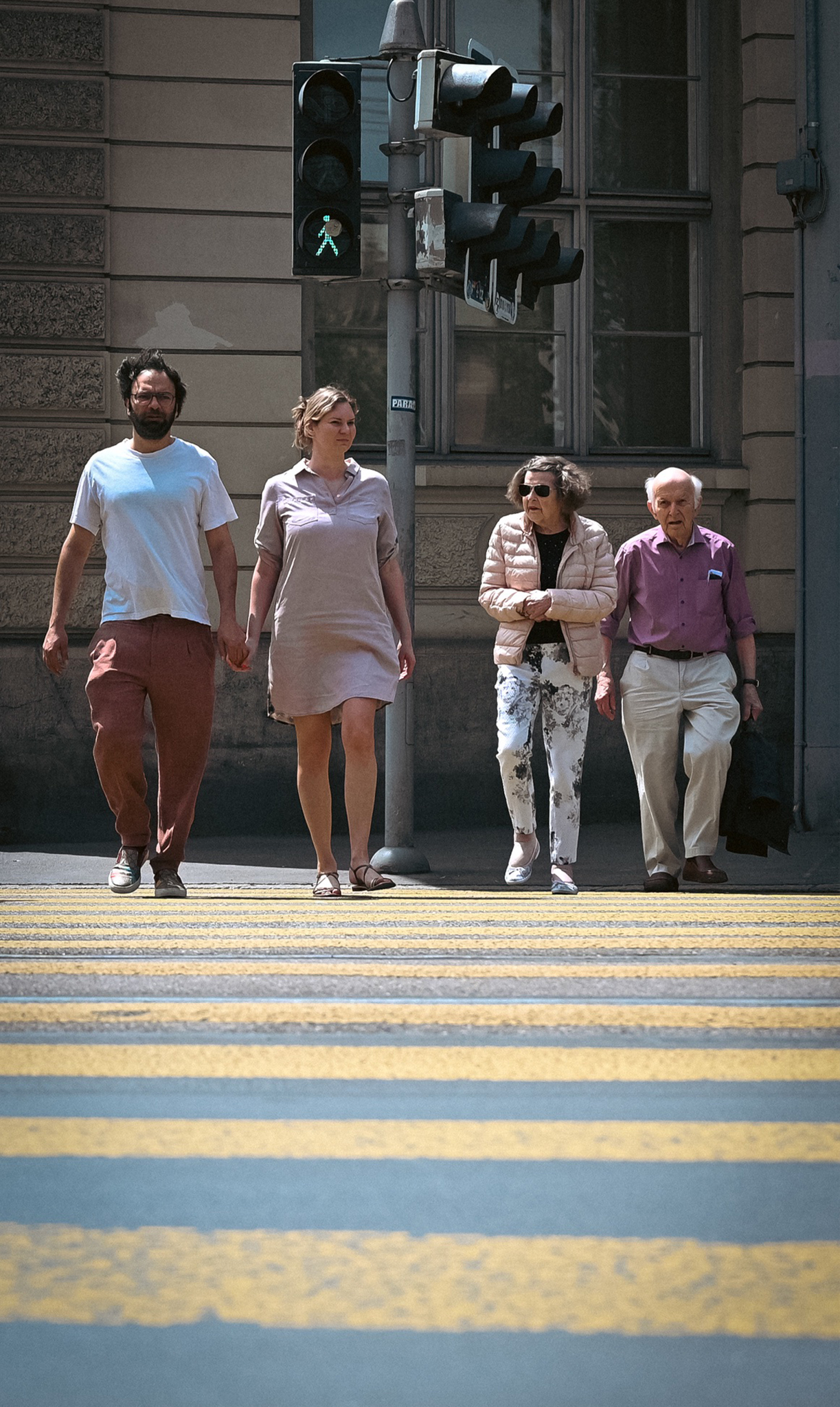
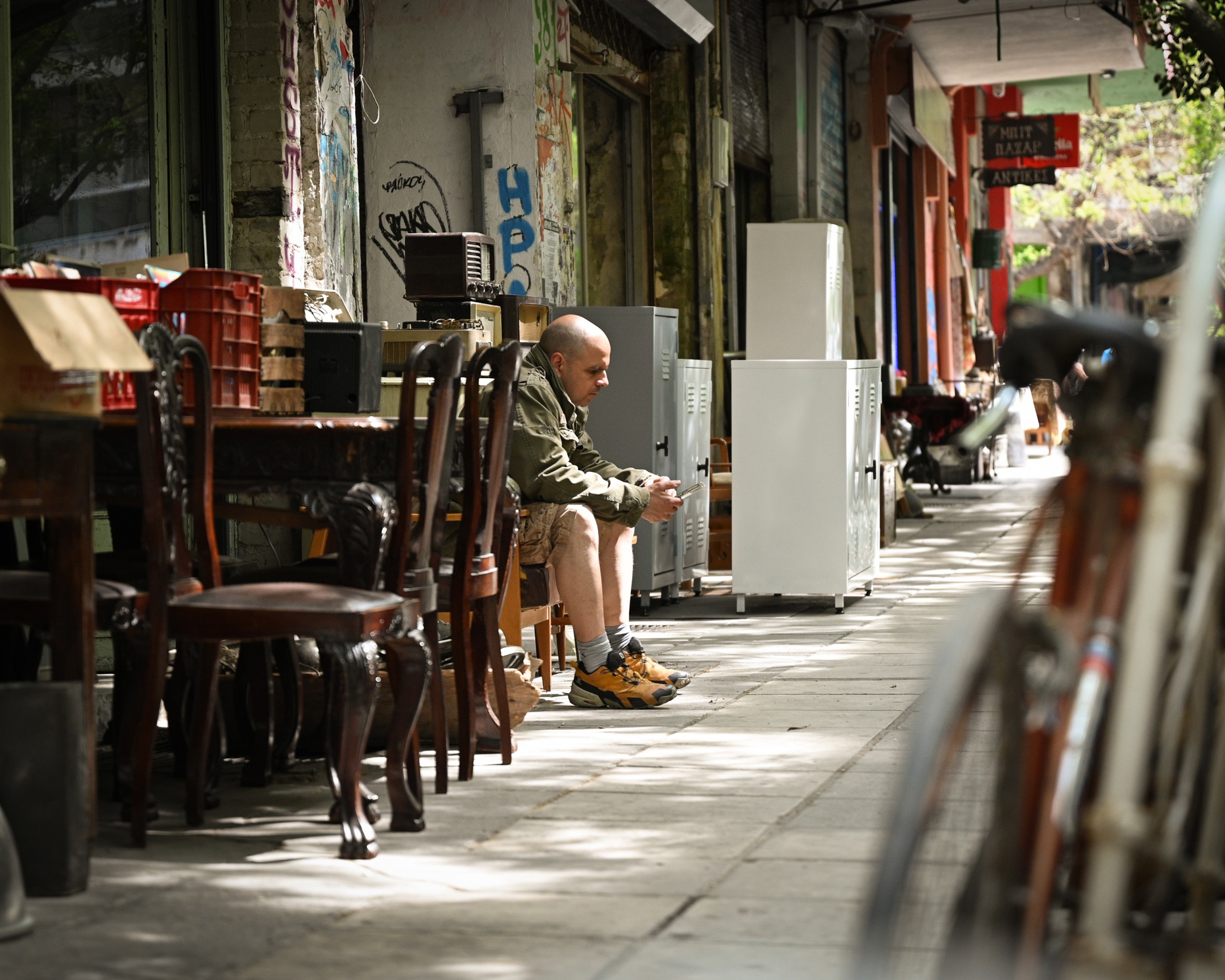
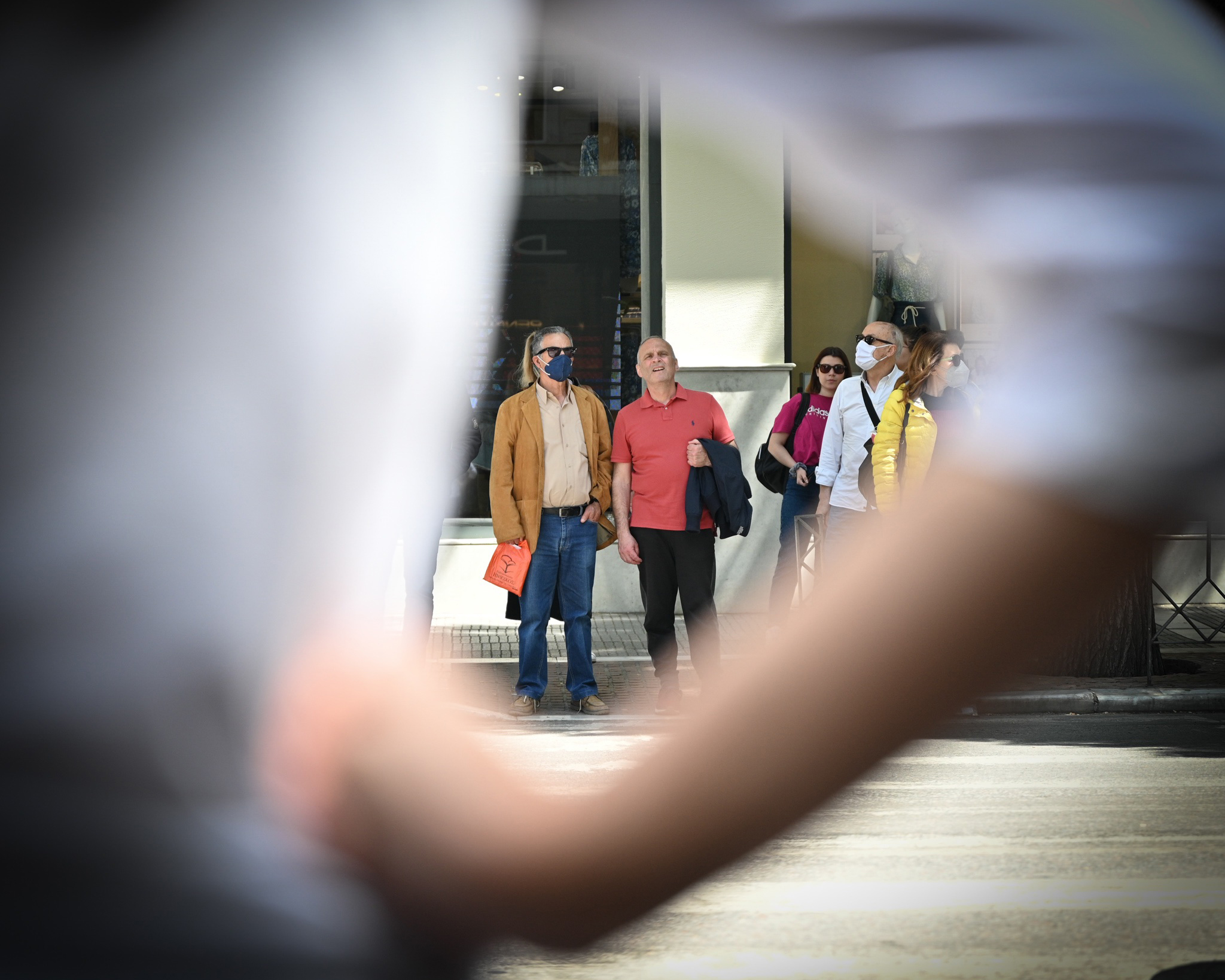
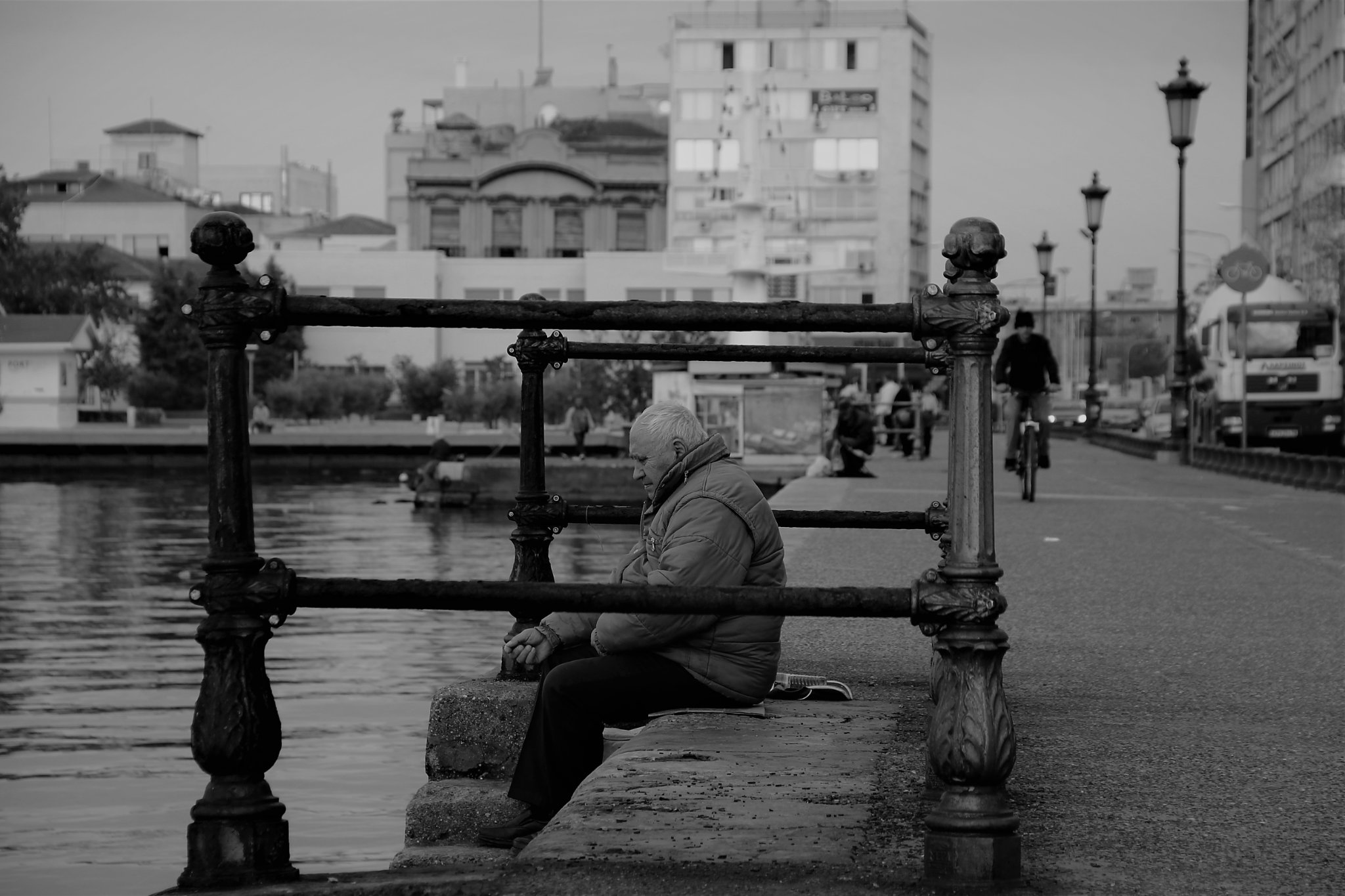
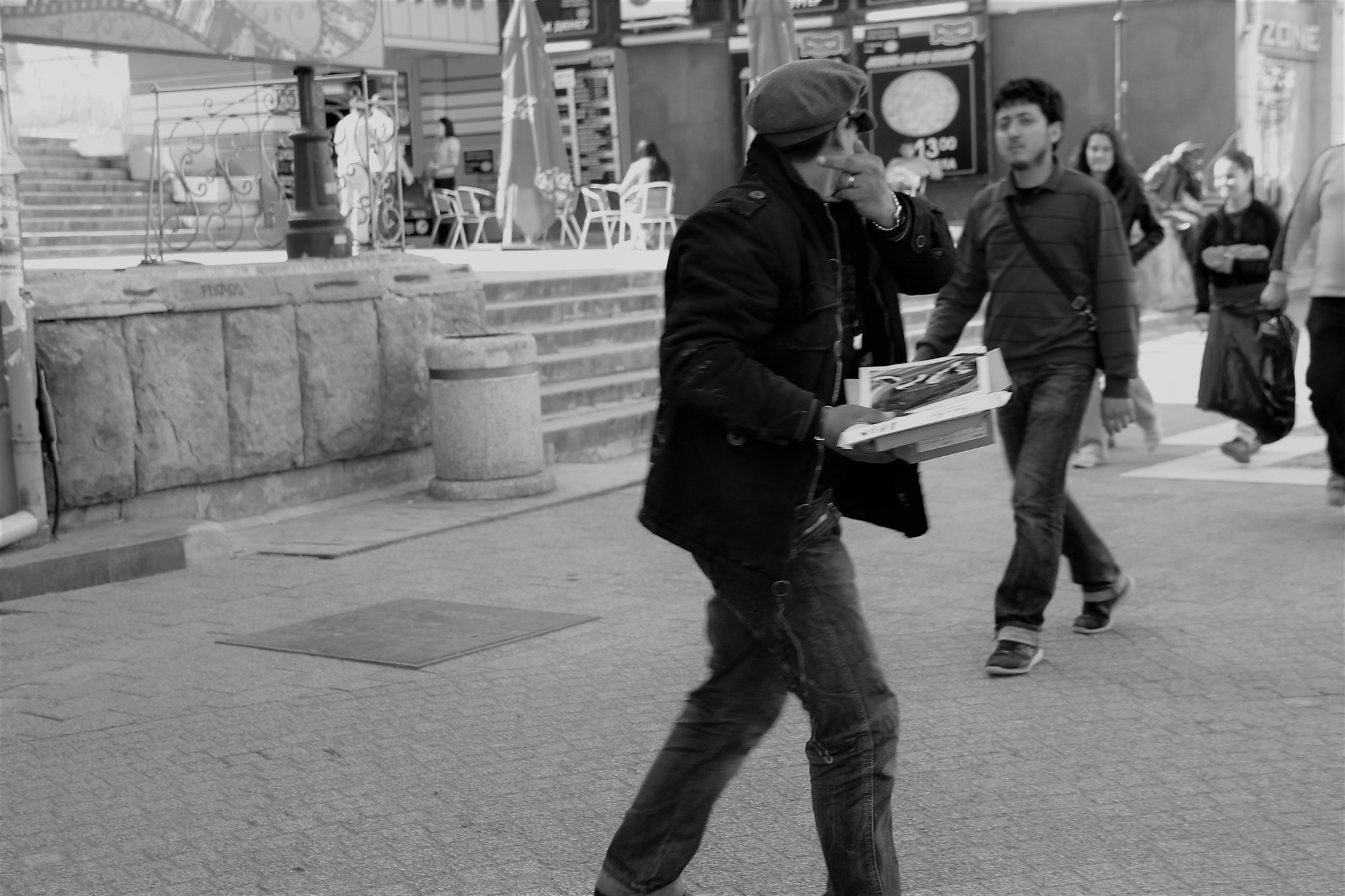
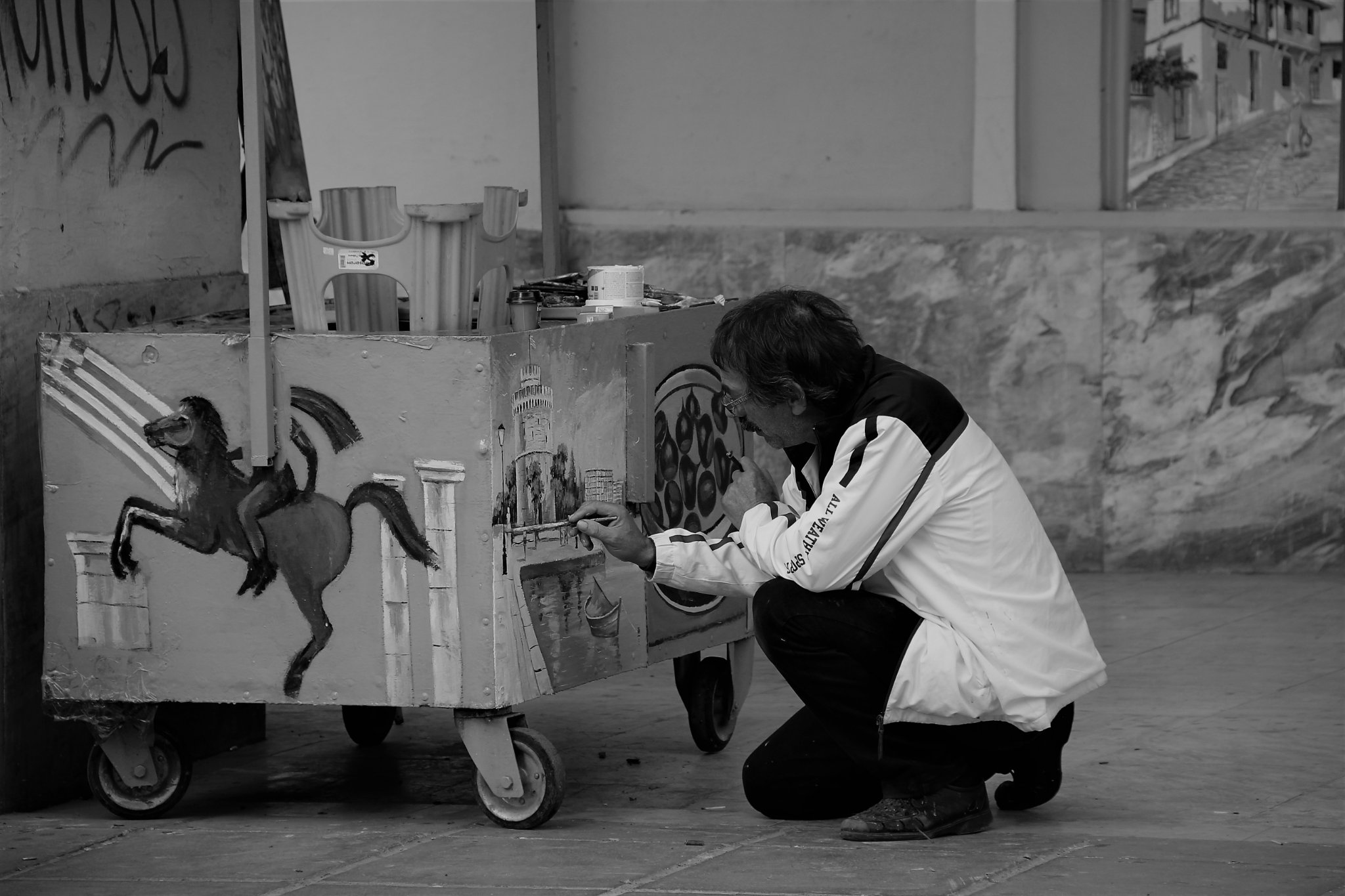
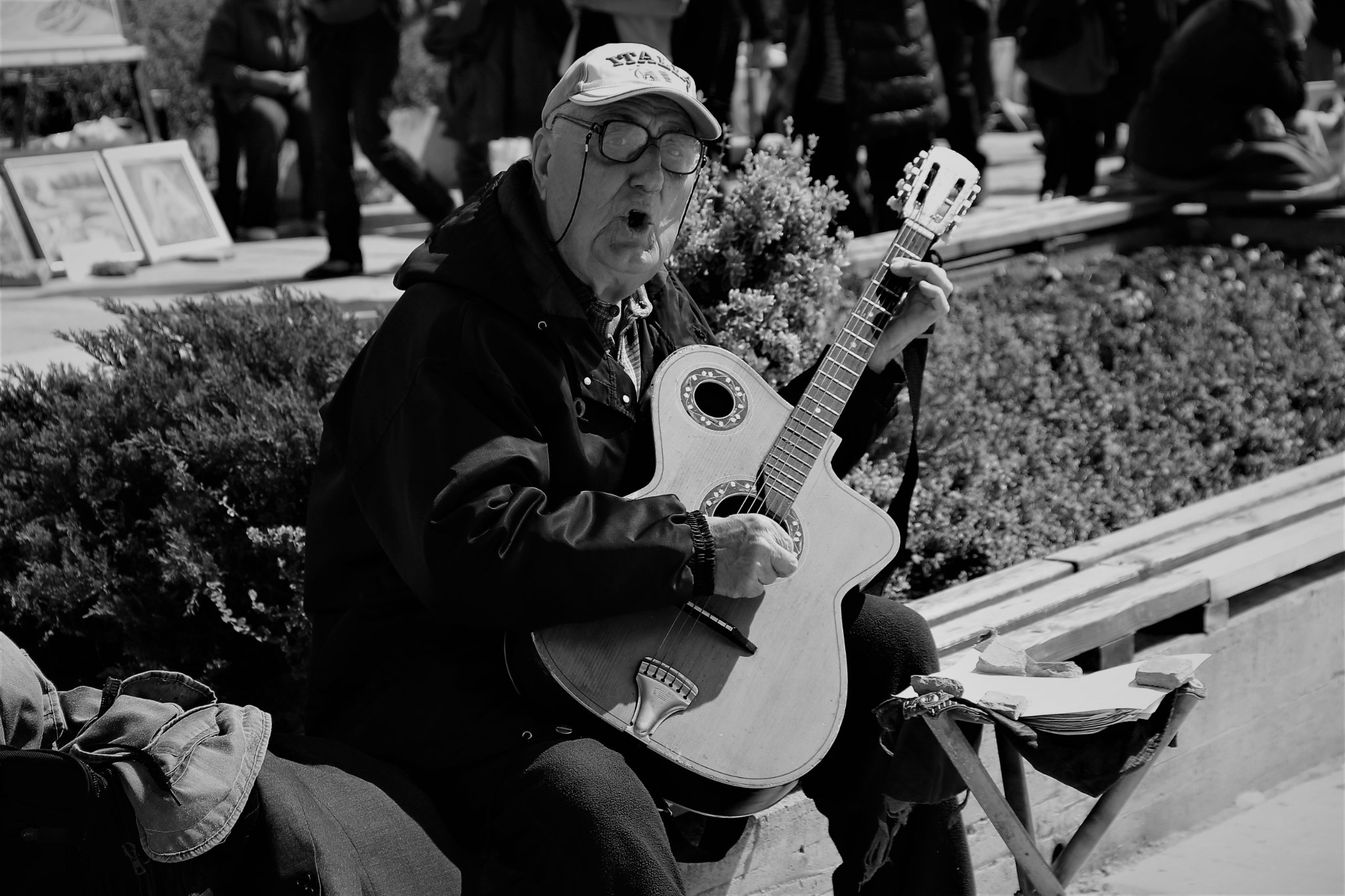
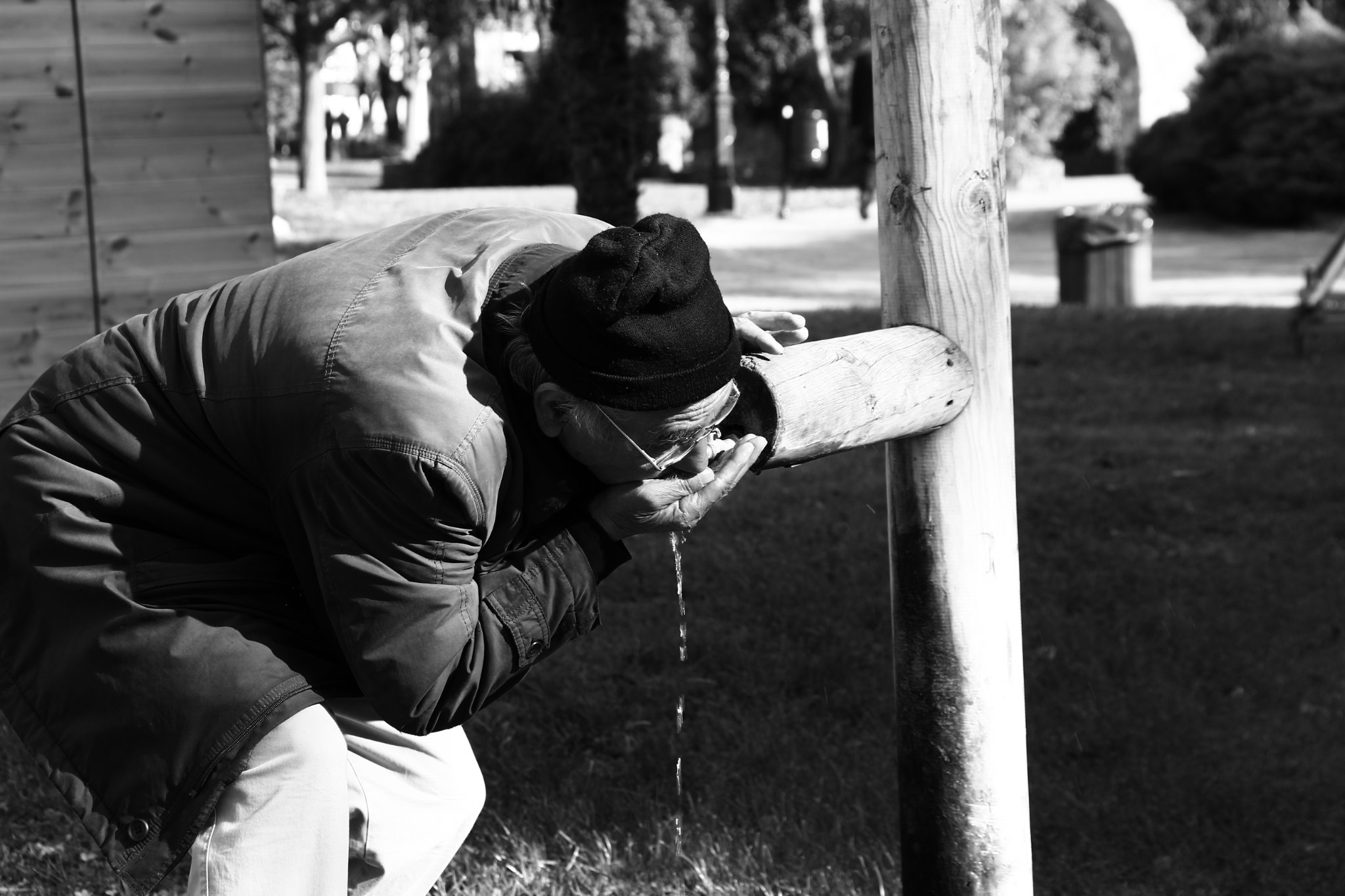
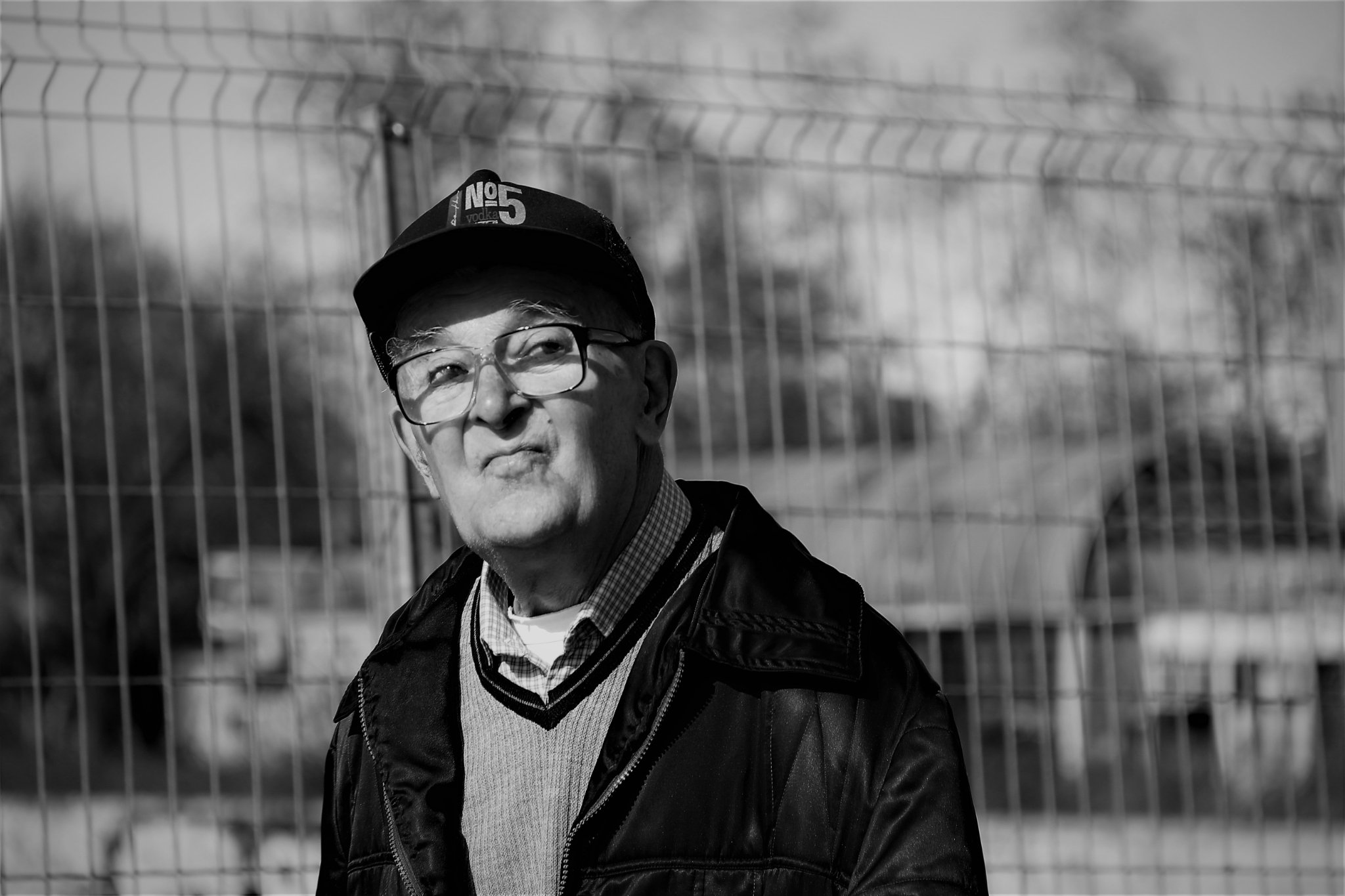
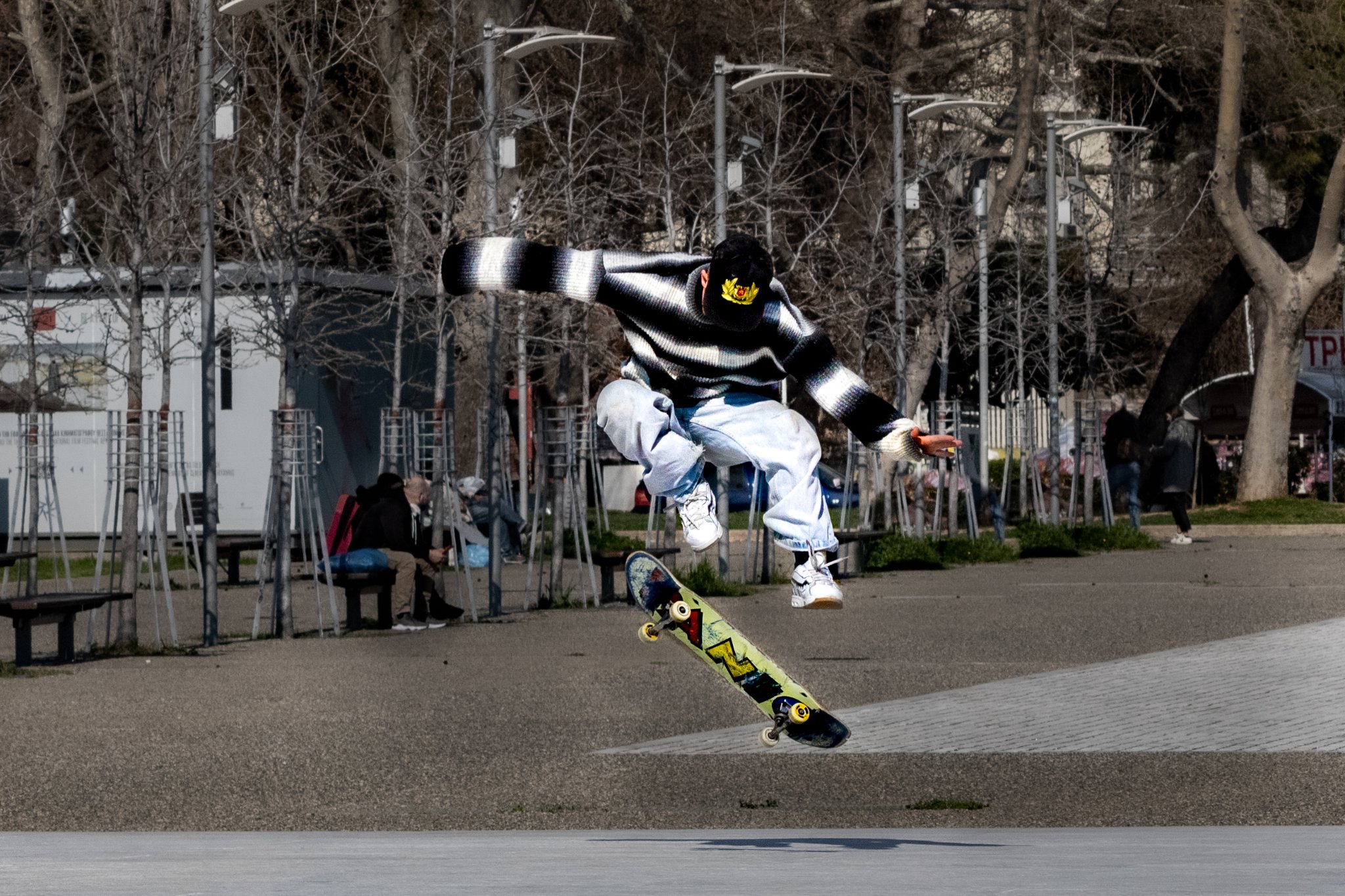
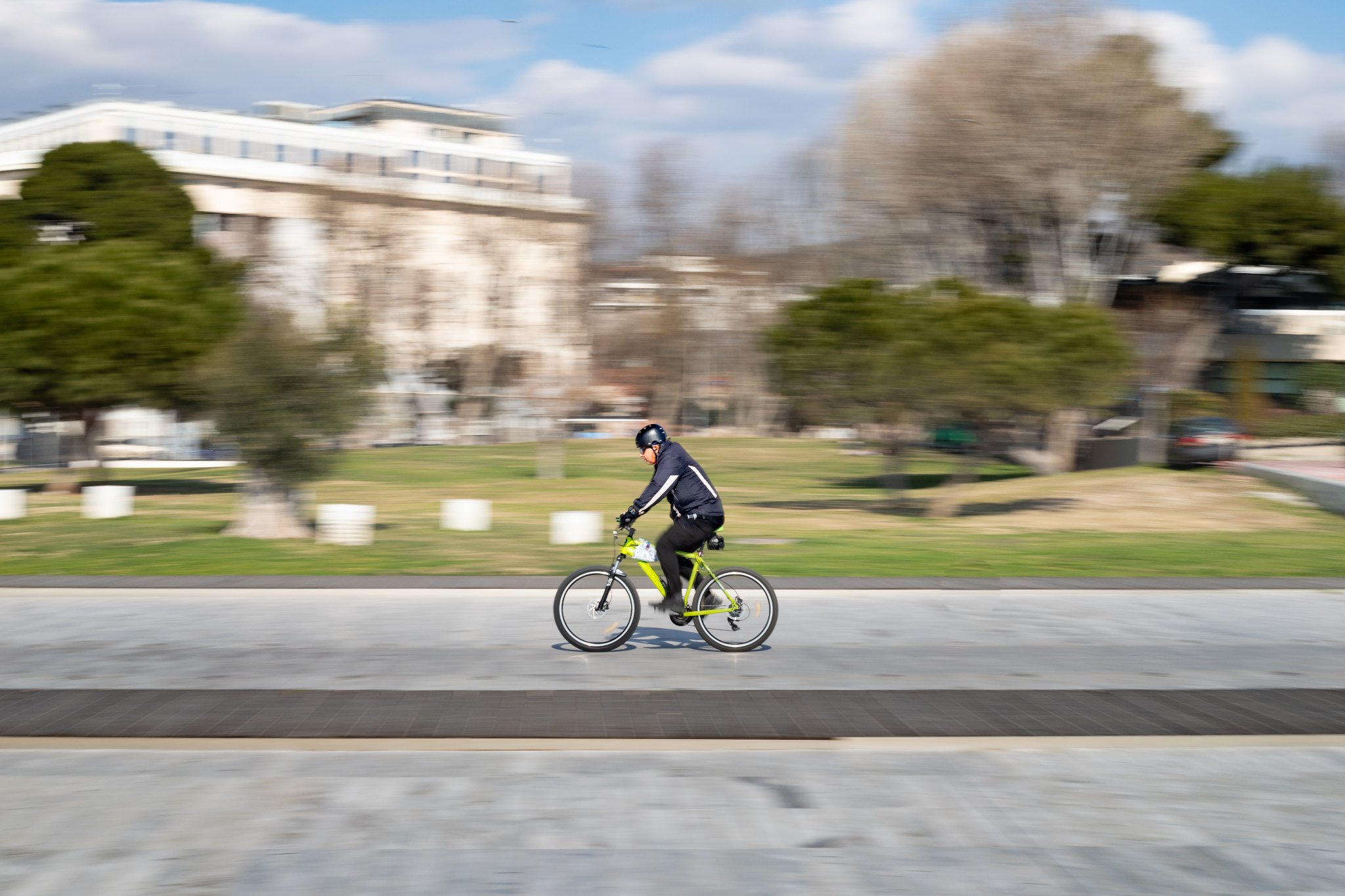
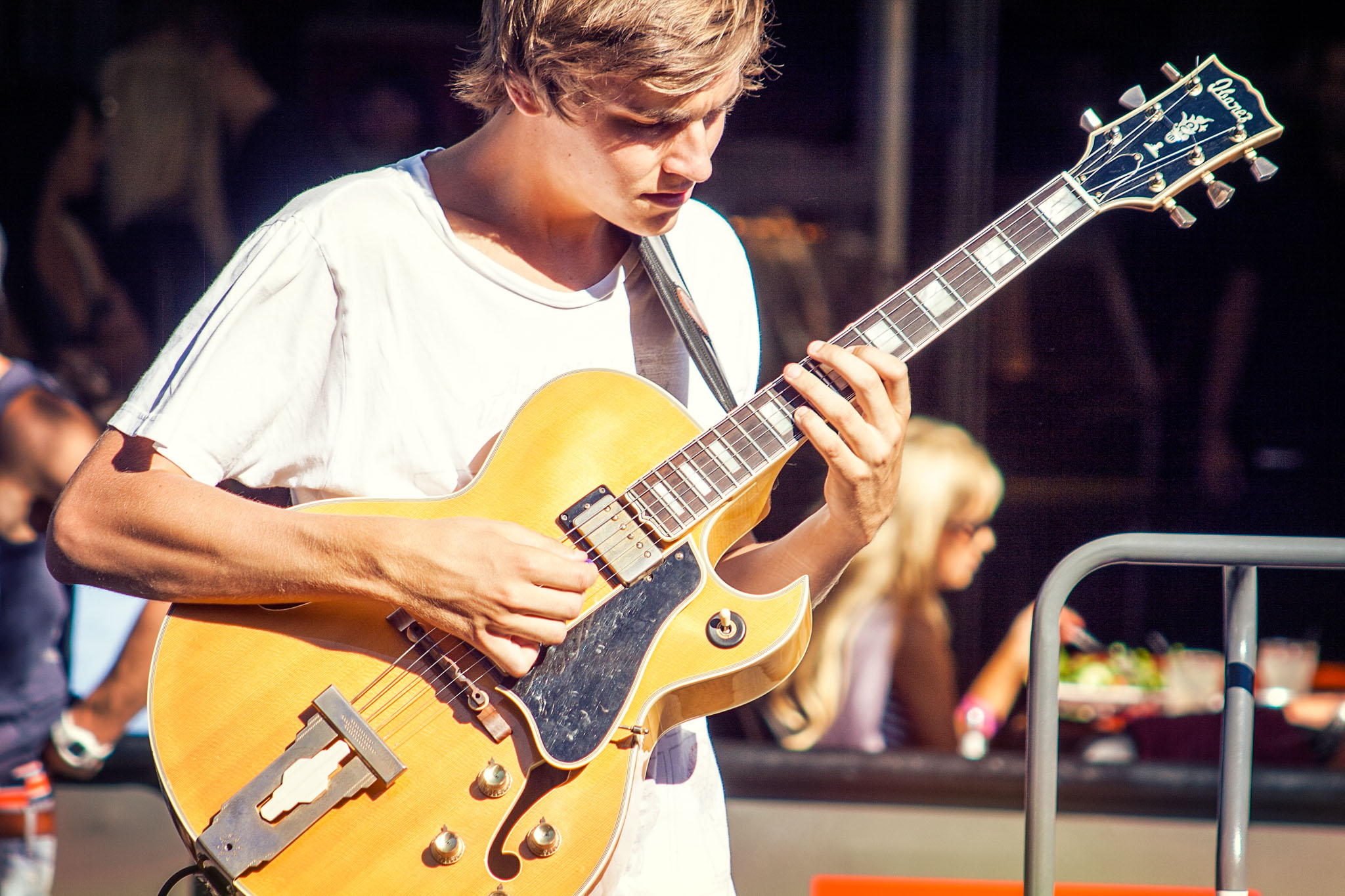
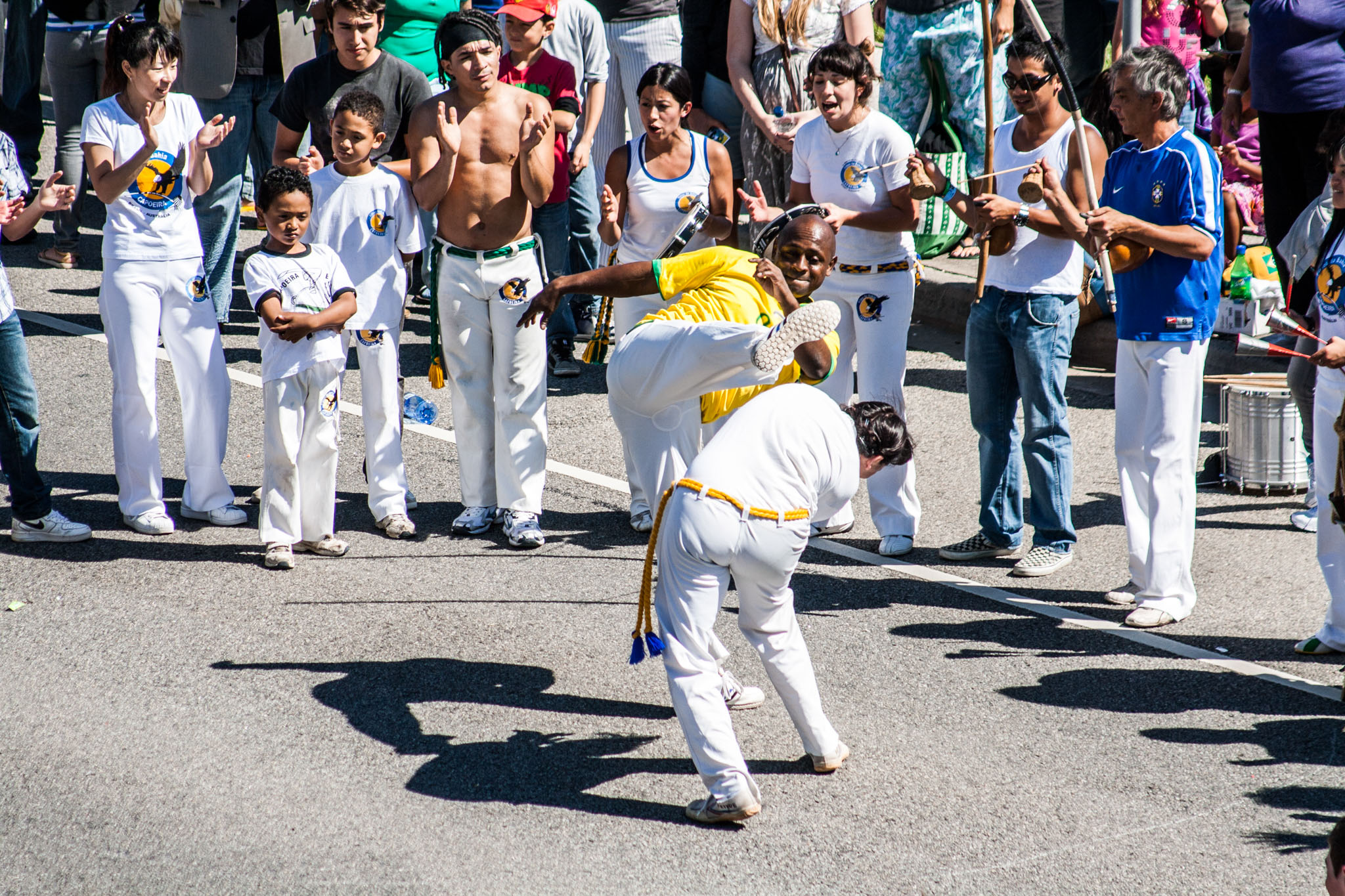
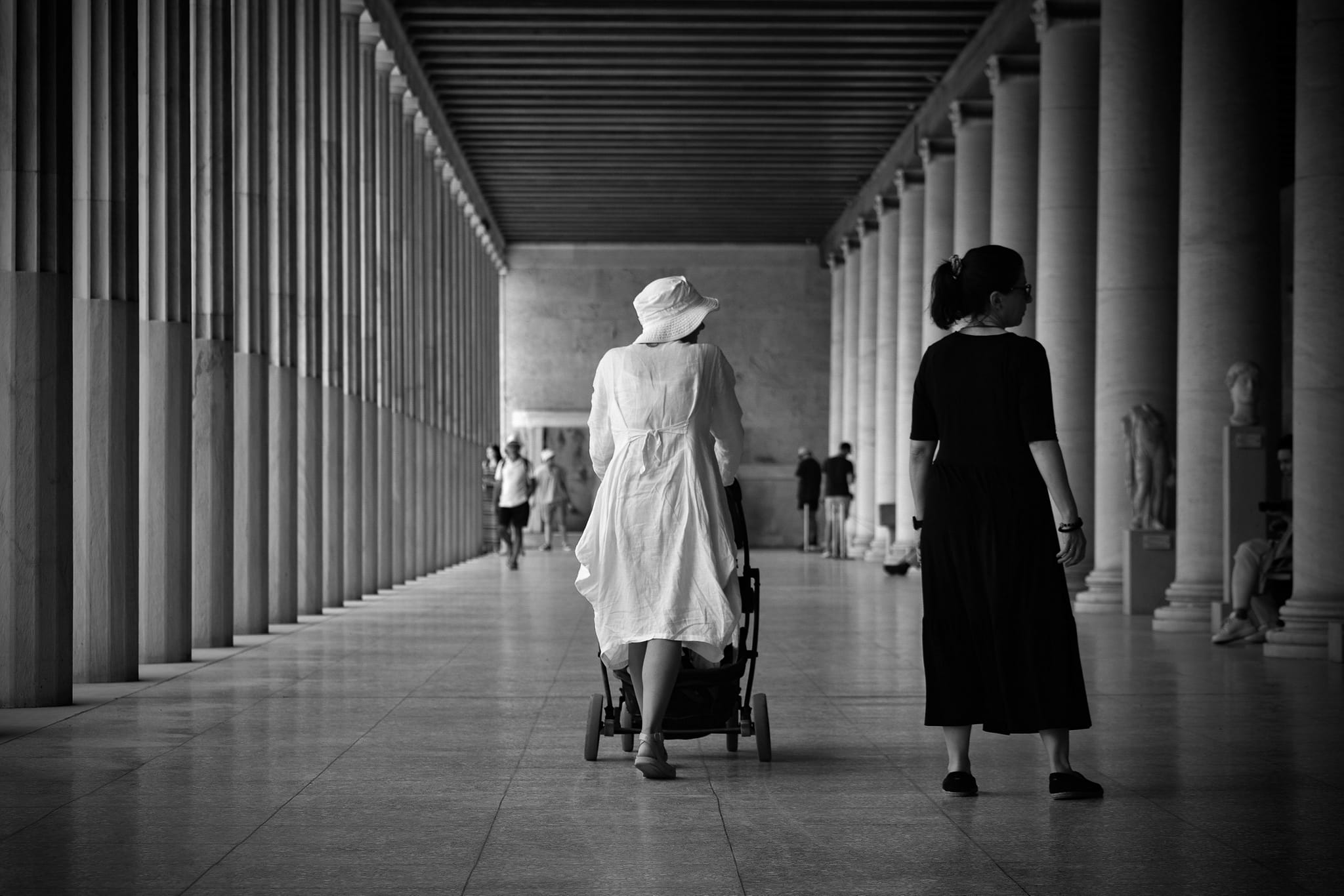
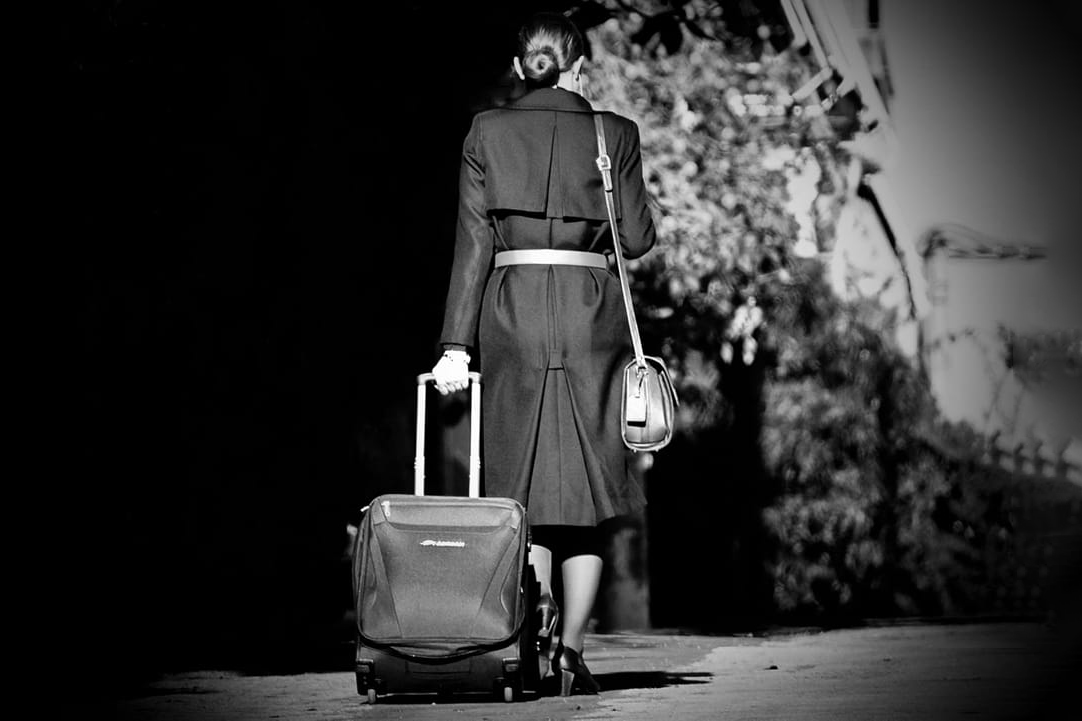
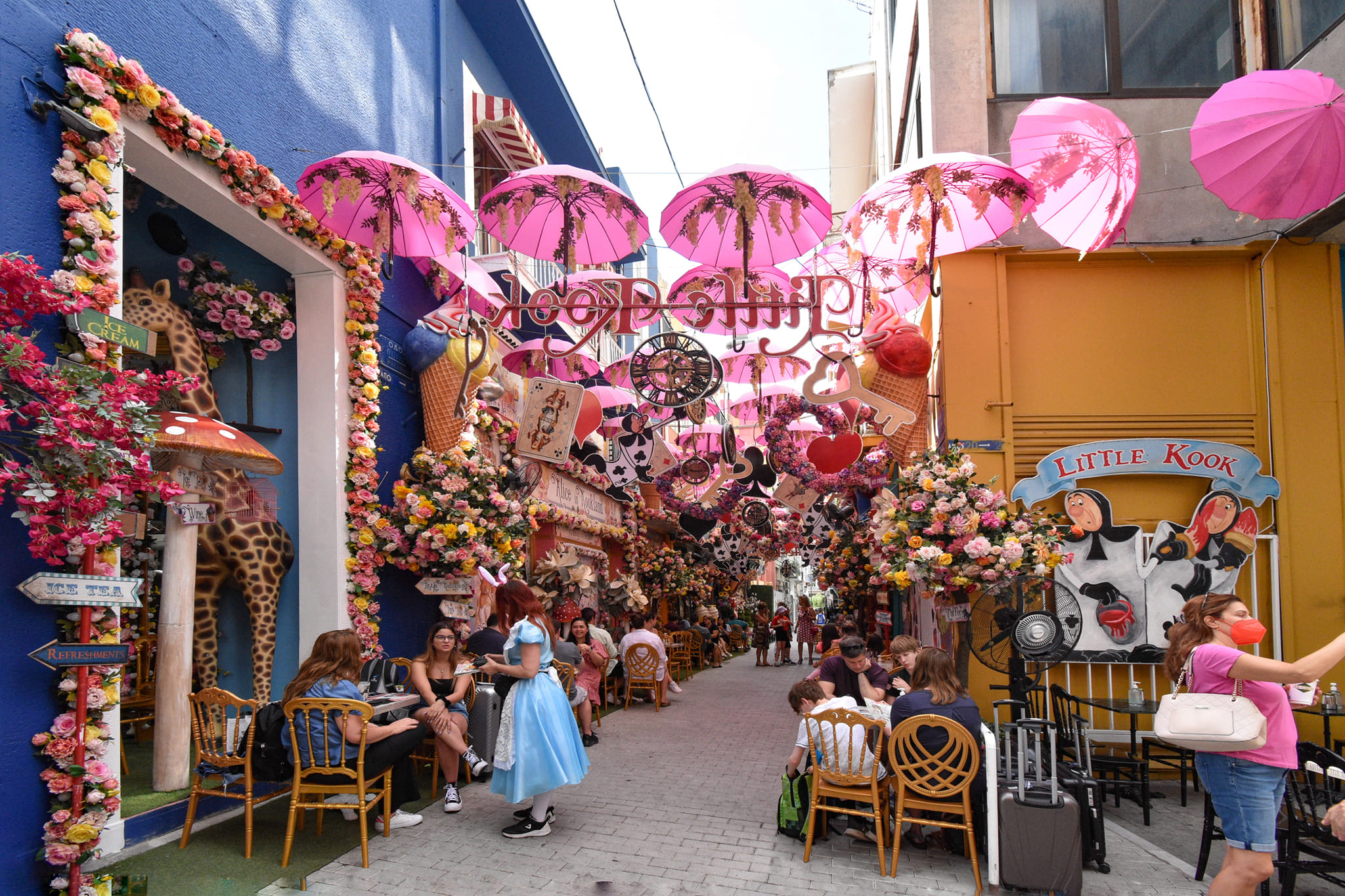
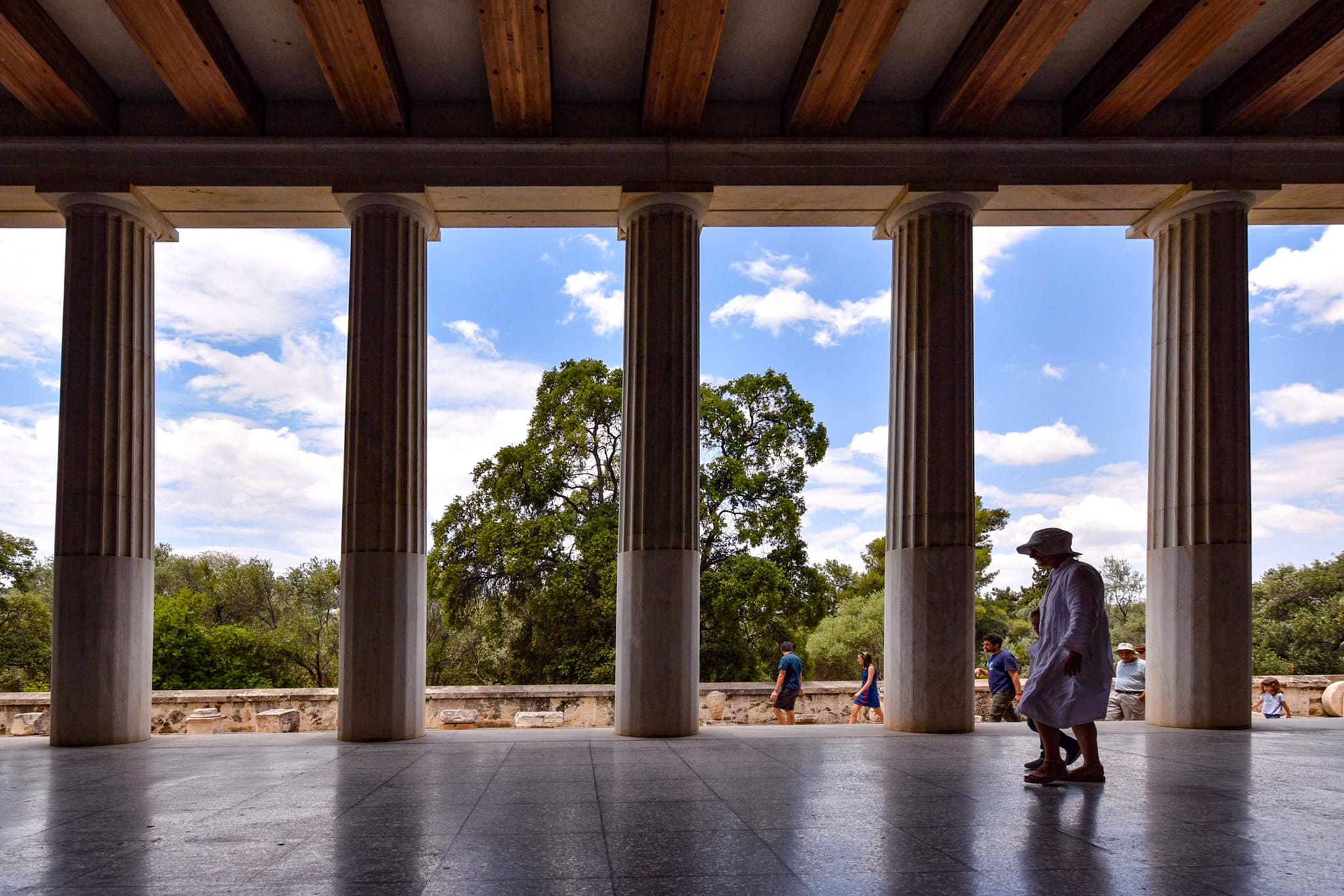
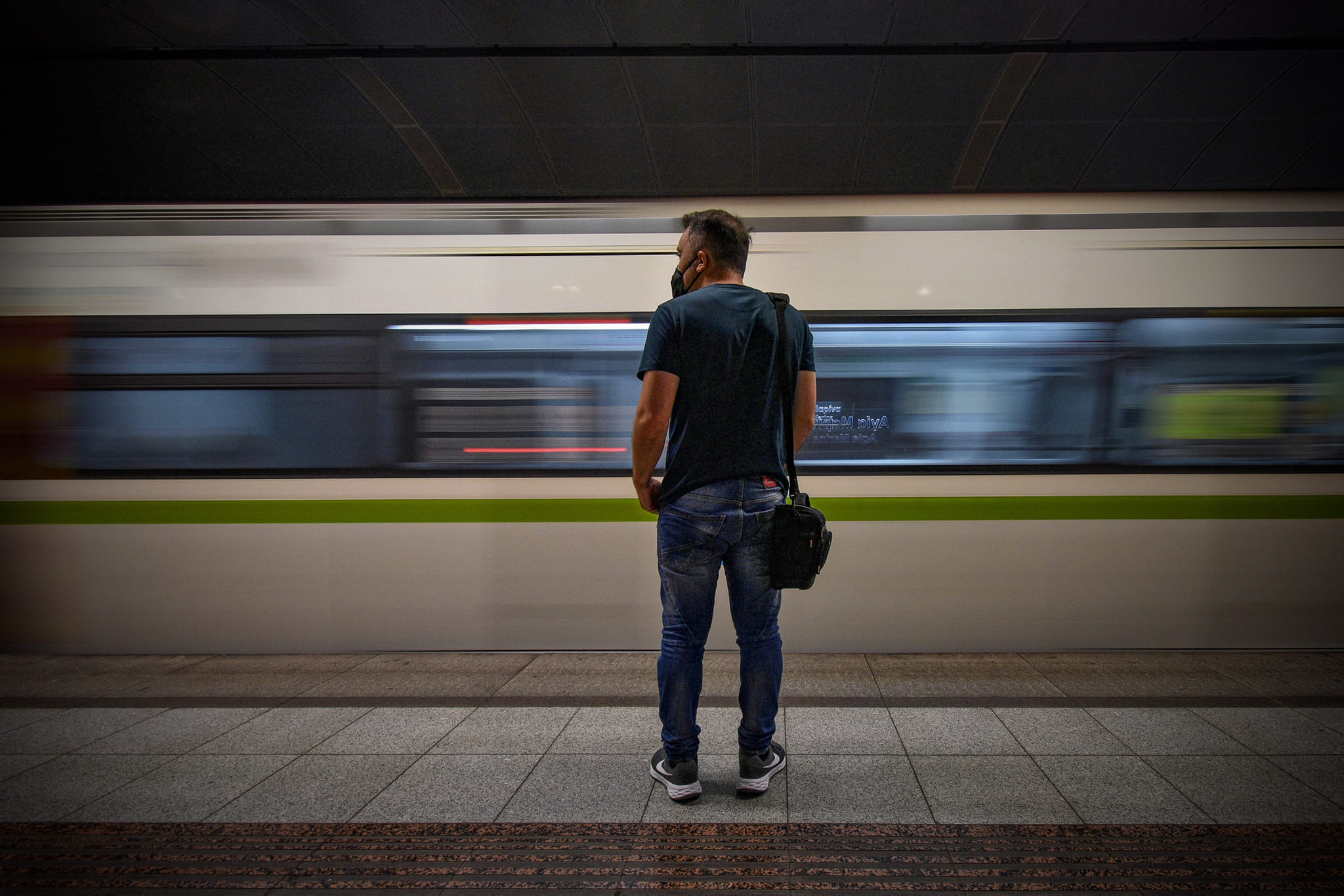
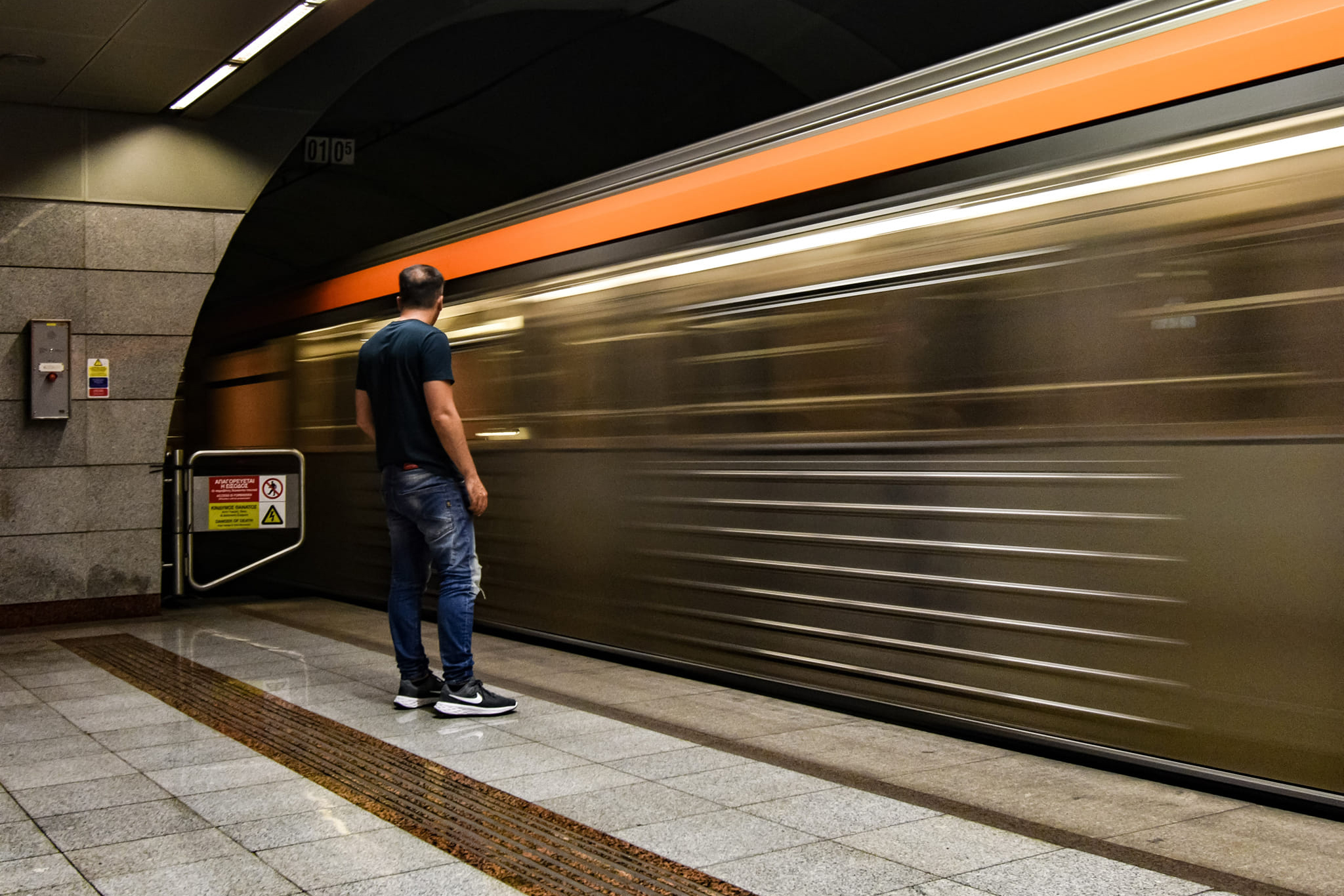
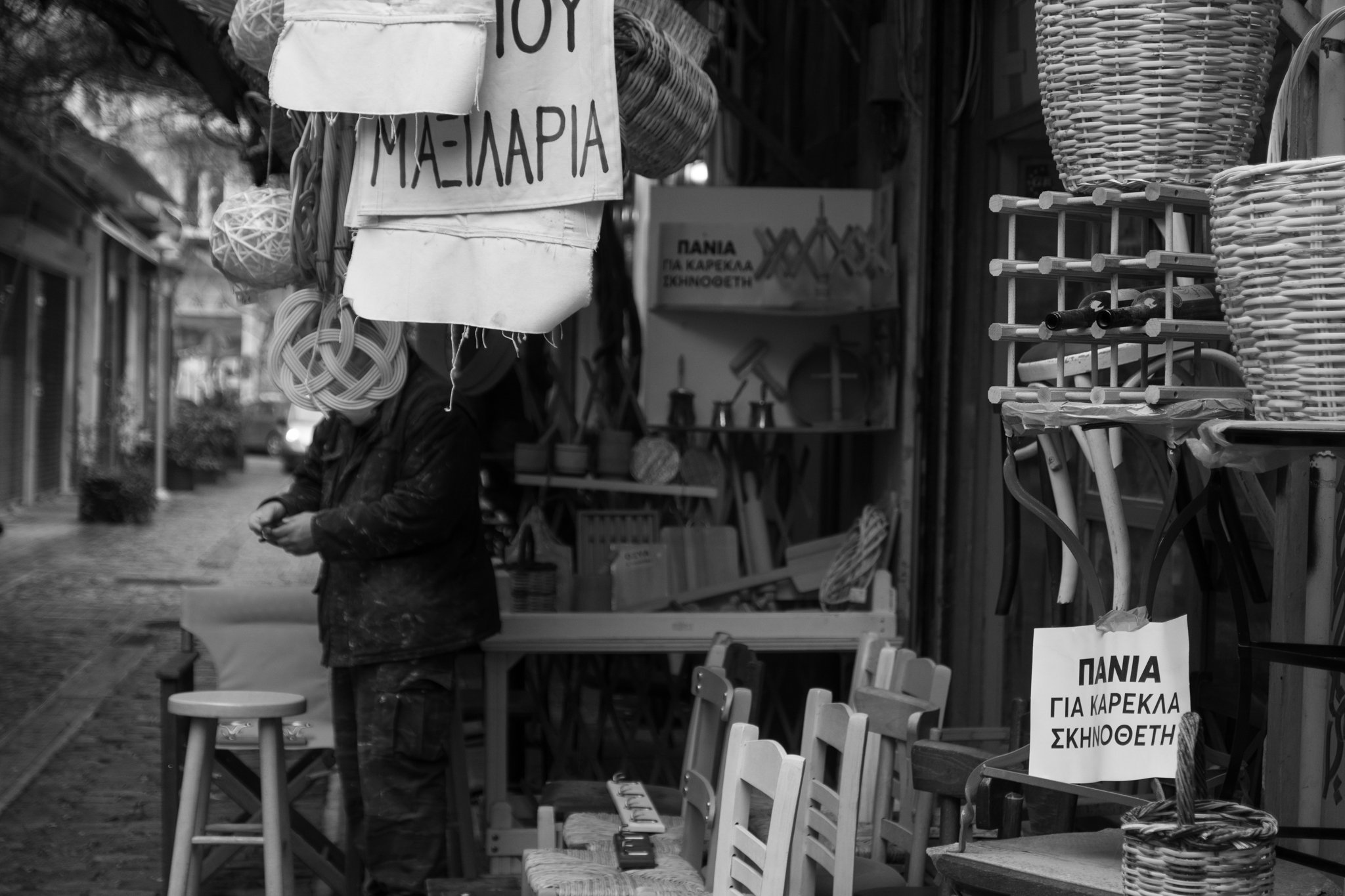
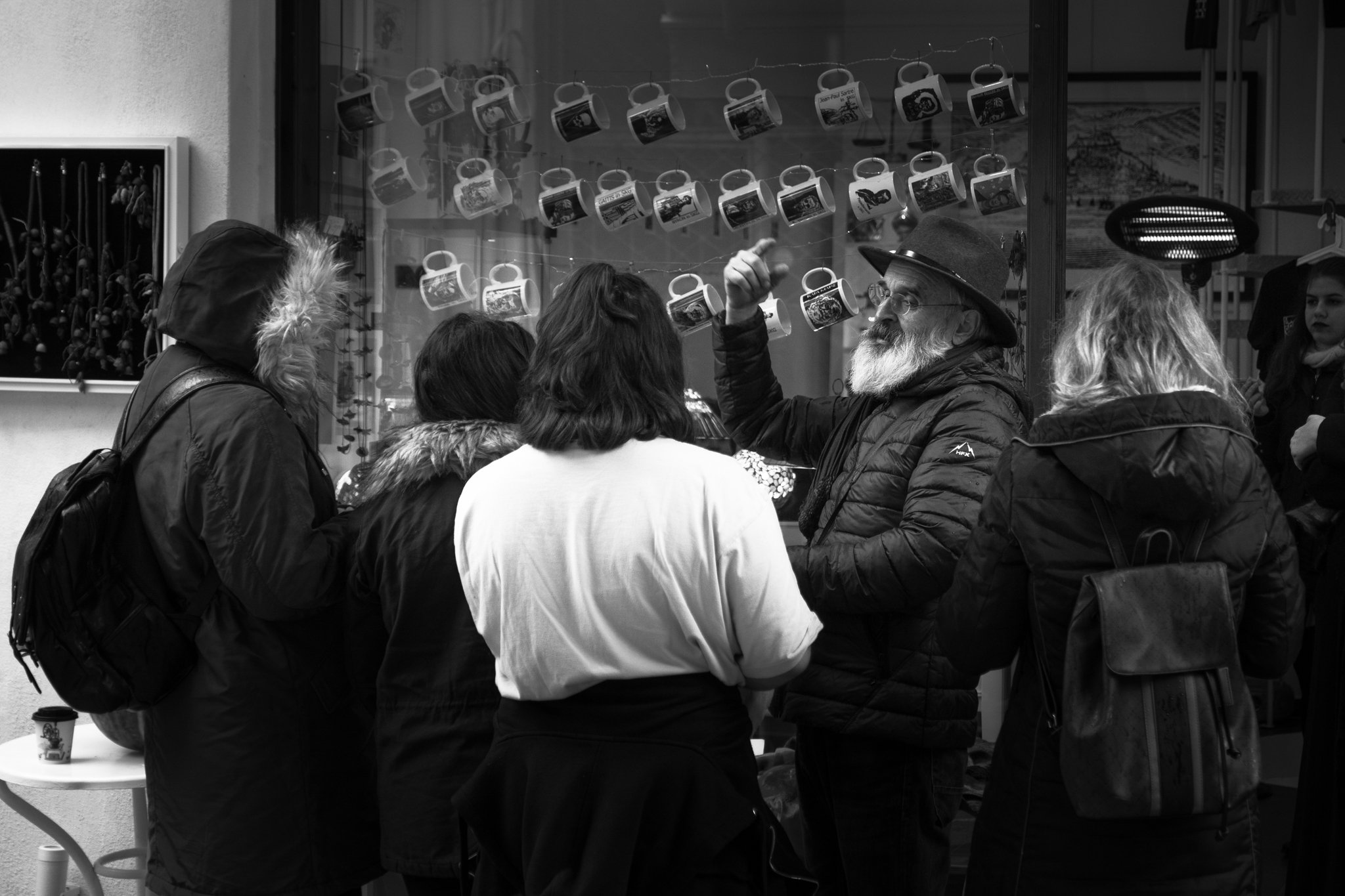
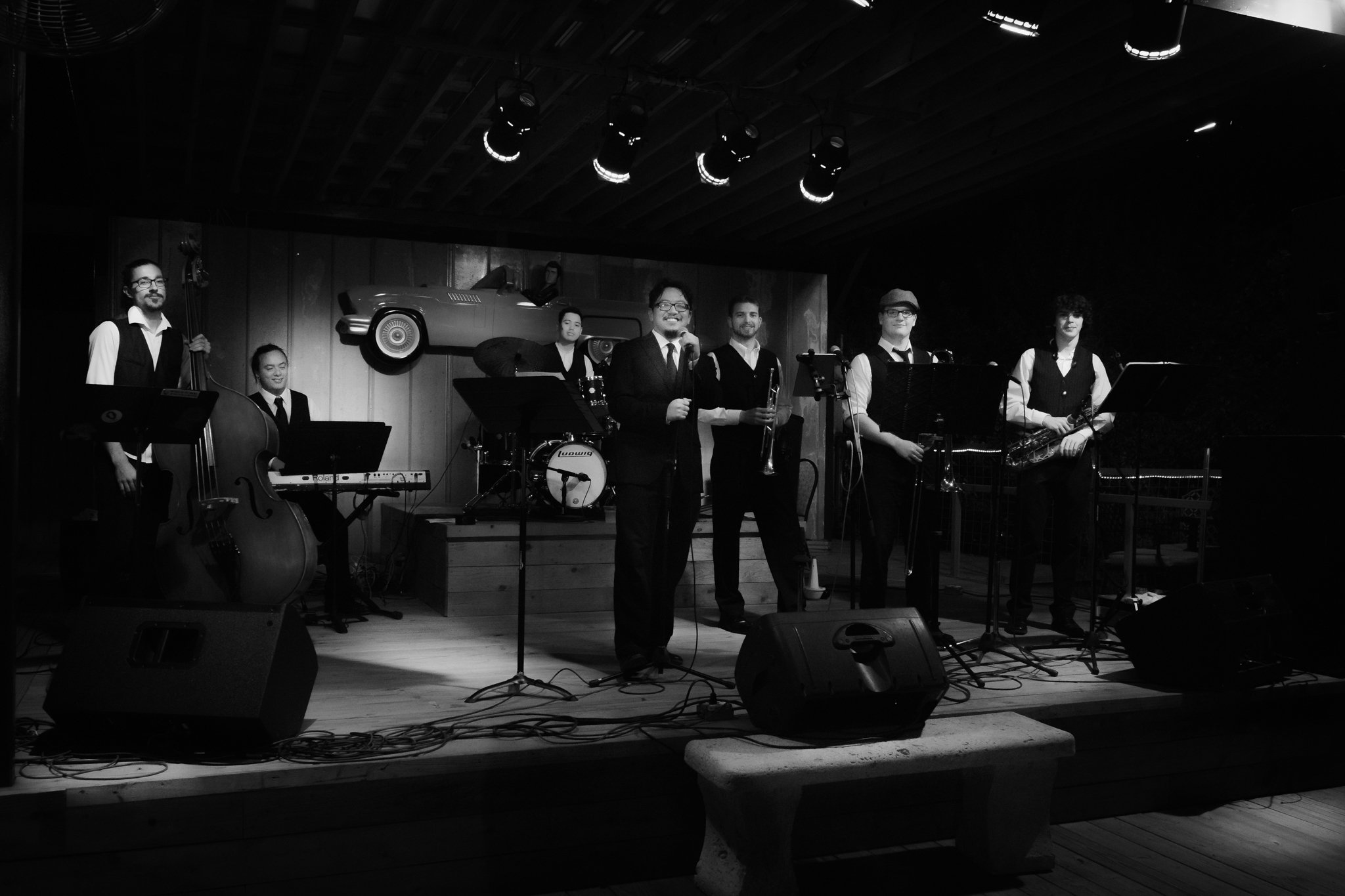
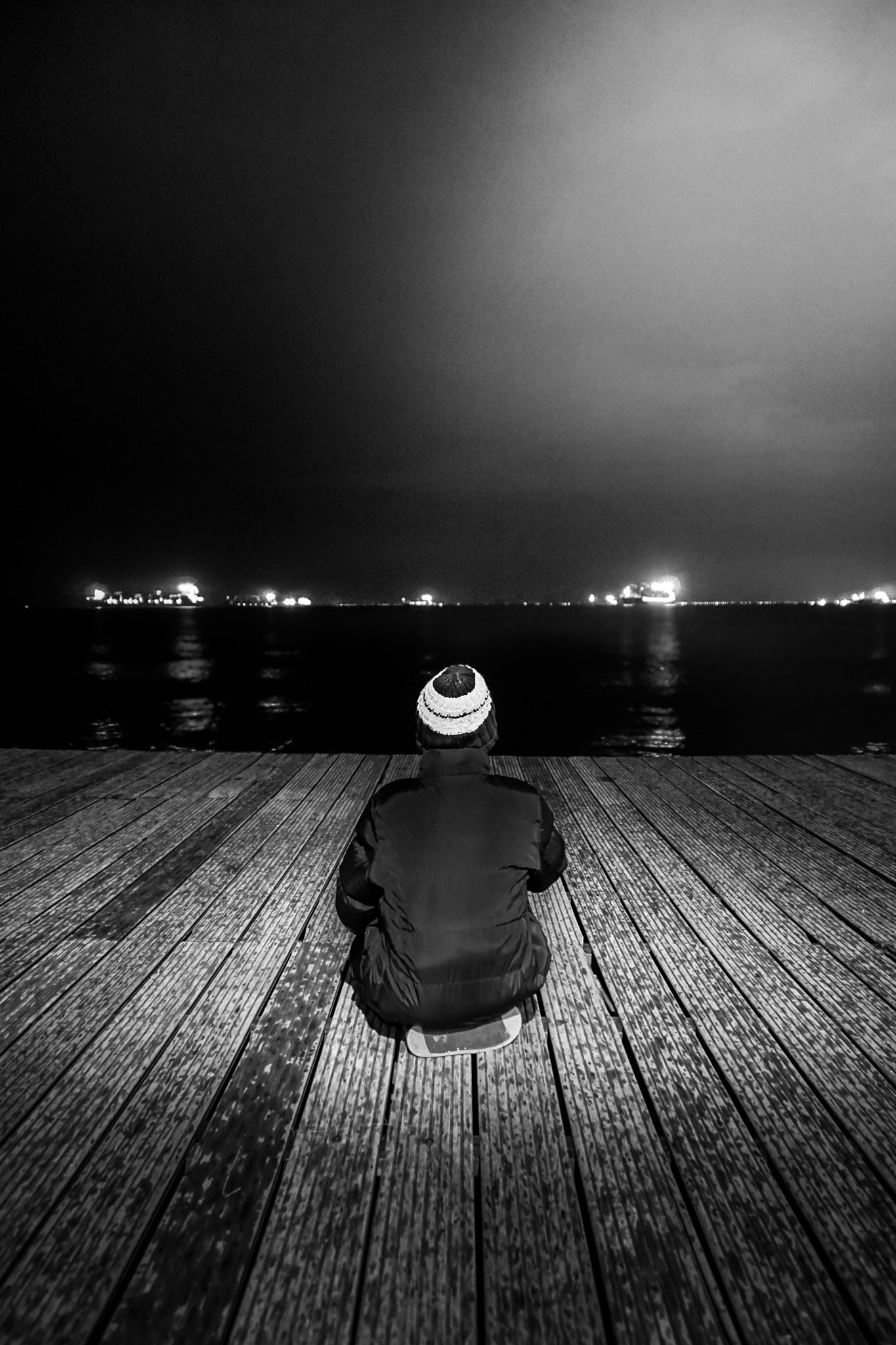
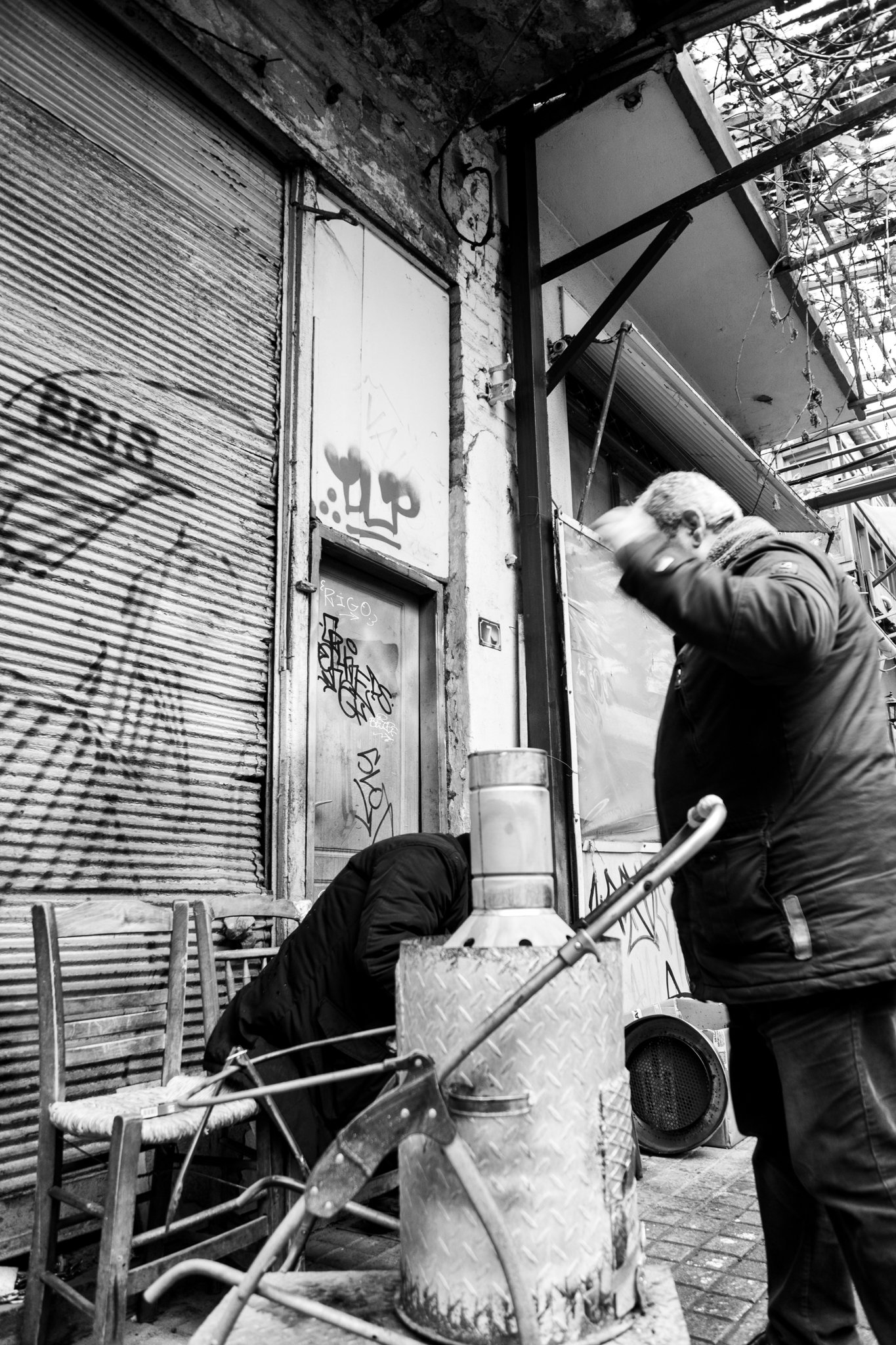
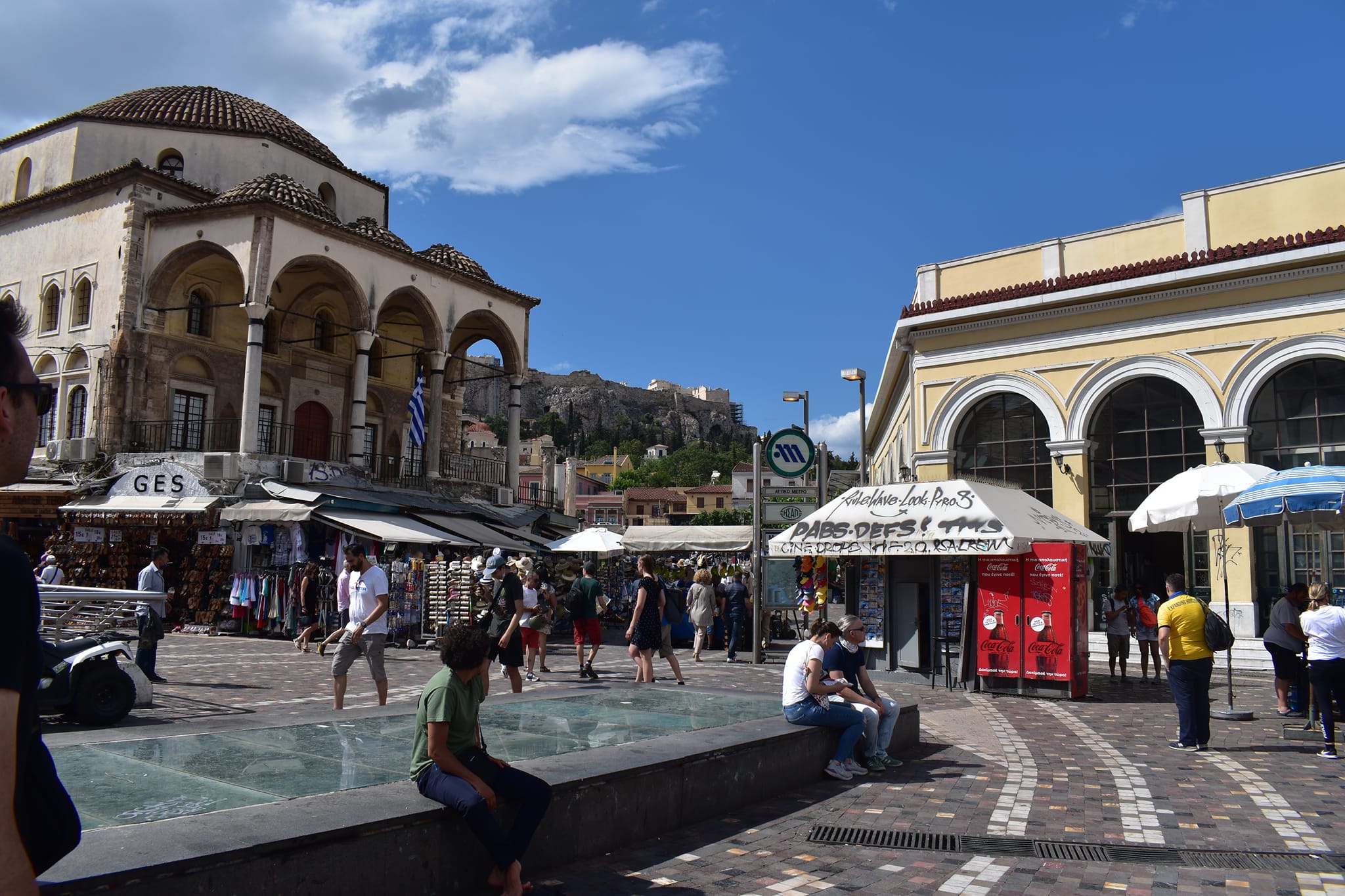
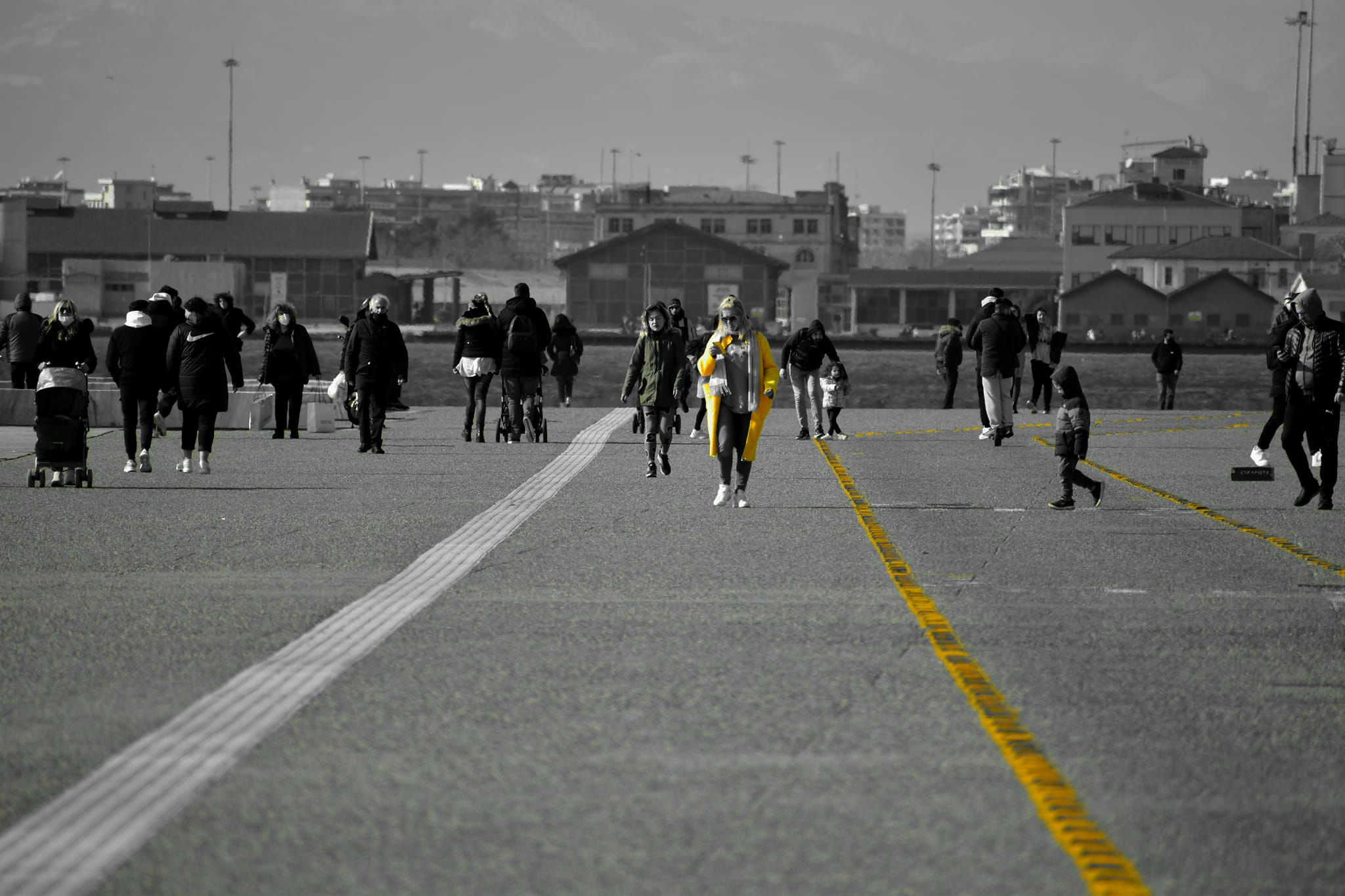
Life in the urban landscape changes with every passing second. There is movement, pulse, tension, complexity, exchange, and constant evolution in the streets of the city. Spontaneity is the word most closely associated with street photography, as the photographer’s aim is to be ready for the “decisive moment,” as Bresson described it in his book of the same name: to release the shutter at the right fraction of a second and eternally freeze the unique moment offered by this endless urban motion.
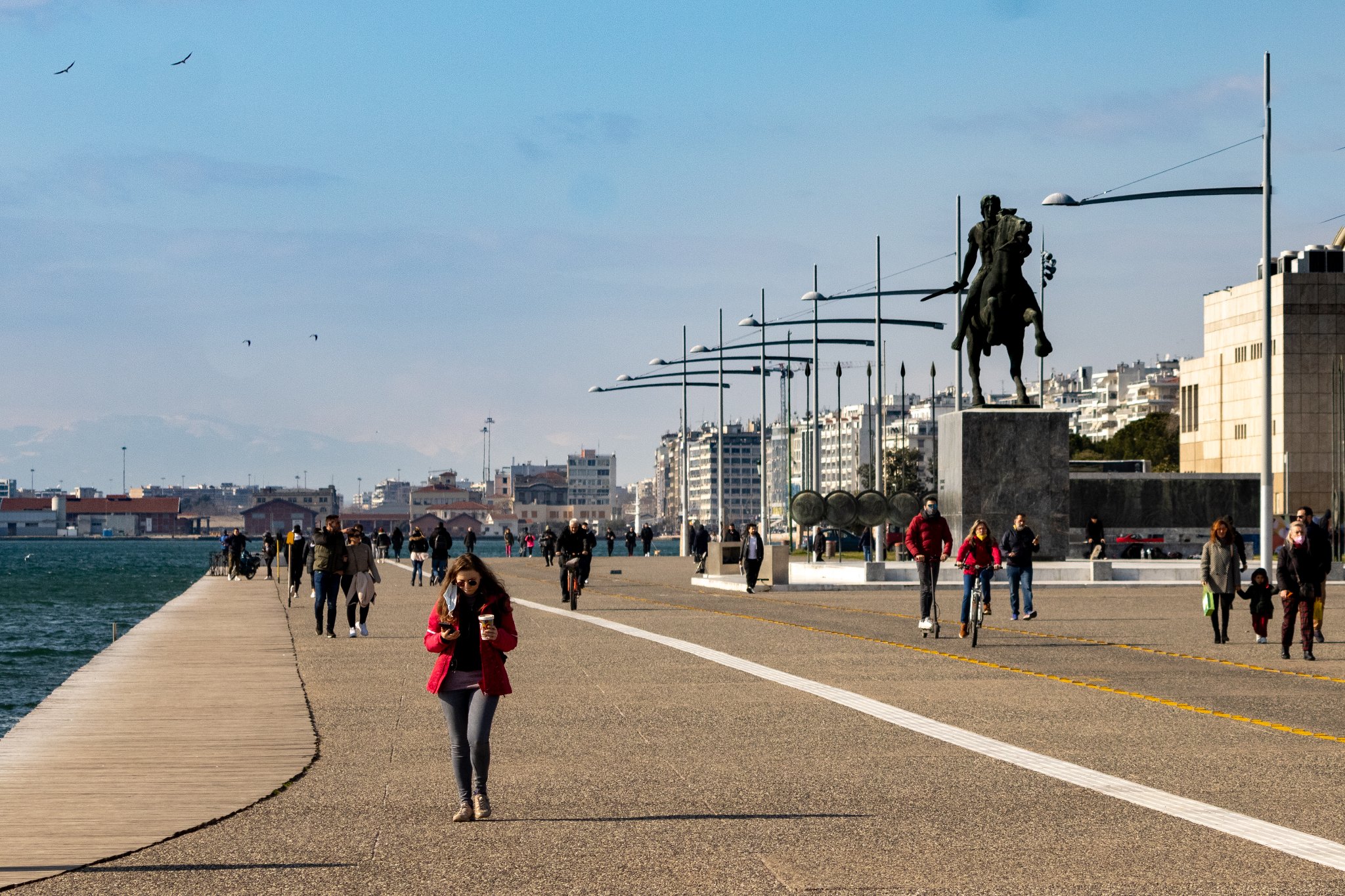
Even so, there are two schools of urban photographers. One school seeks the human figure as an essential element in this kind of photography, while the other is more flexible, accepting the urban landscape itself as part of street photography.
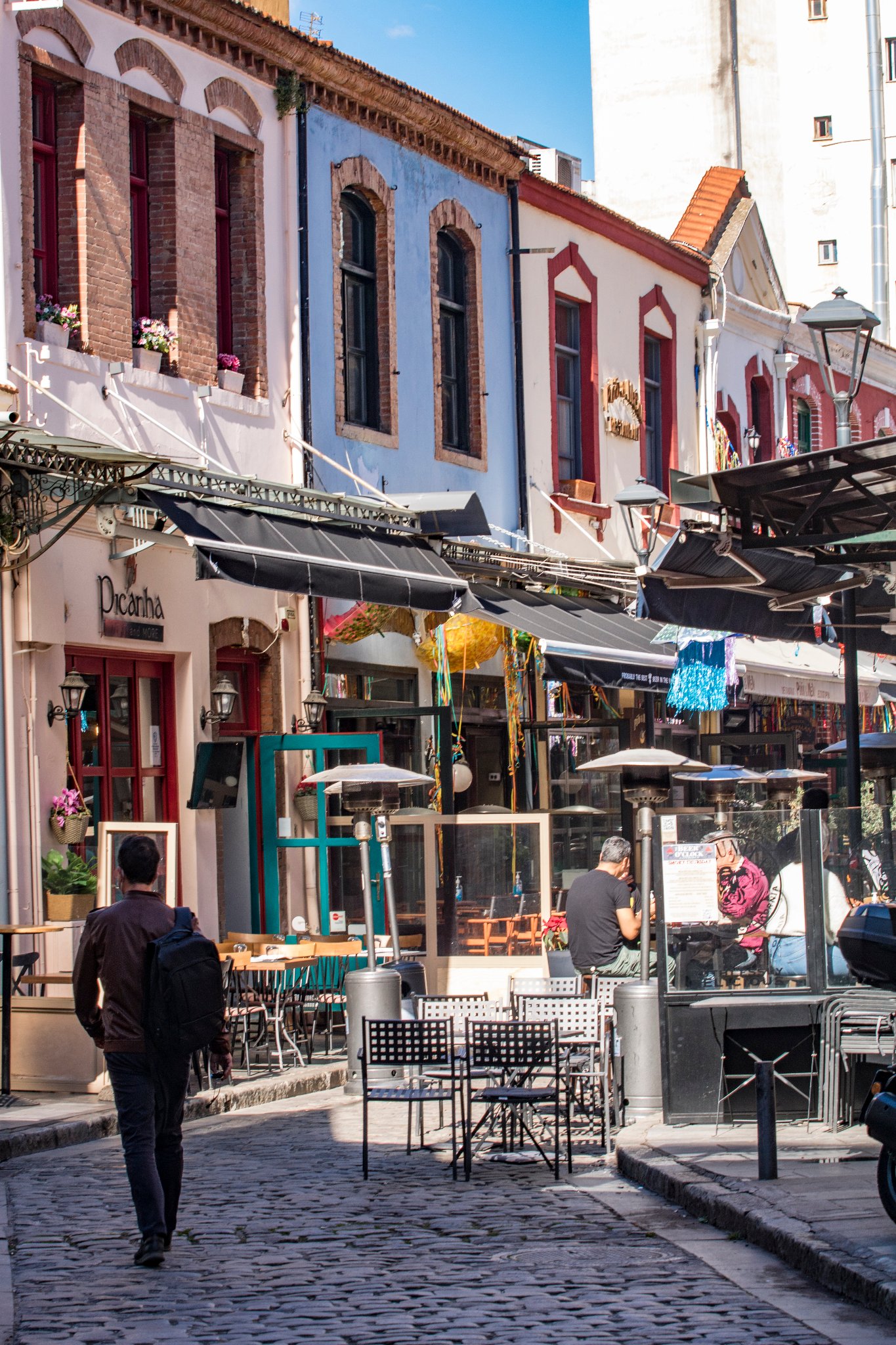
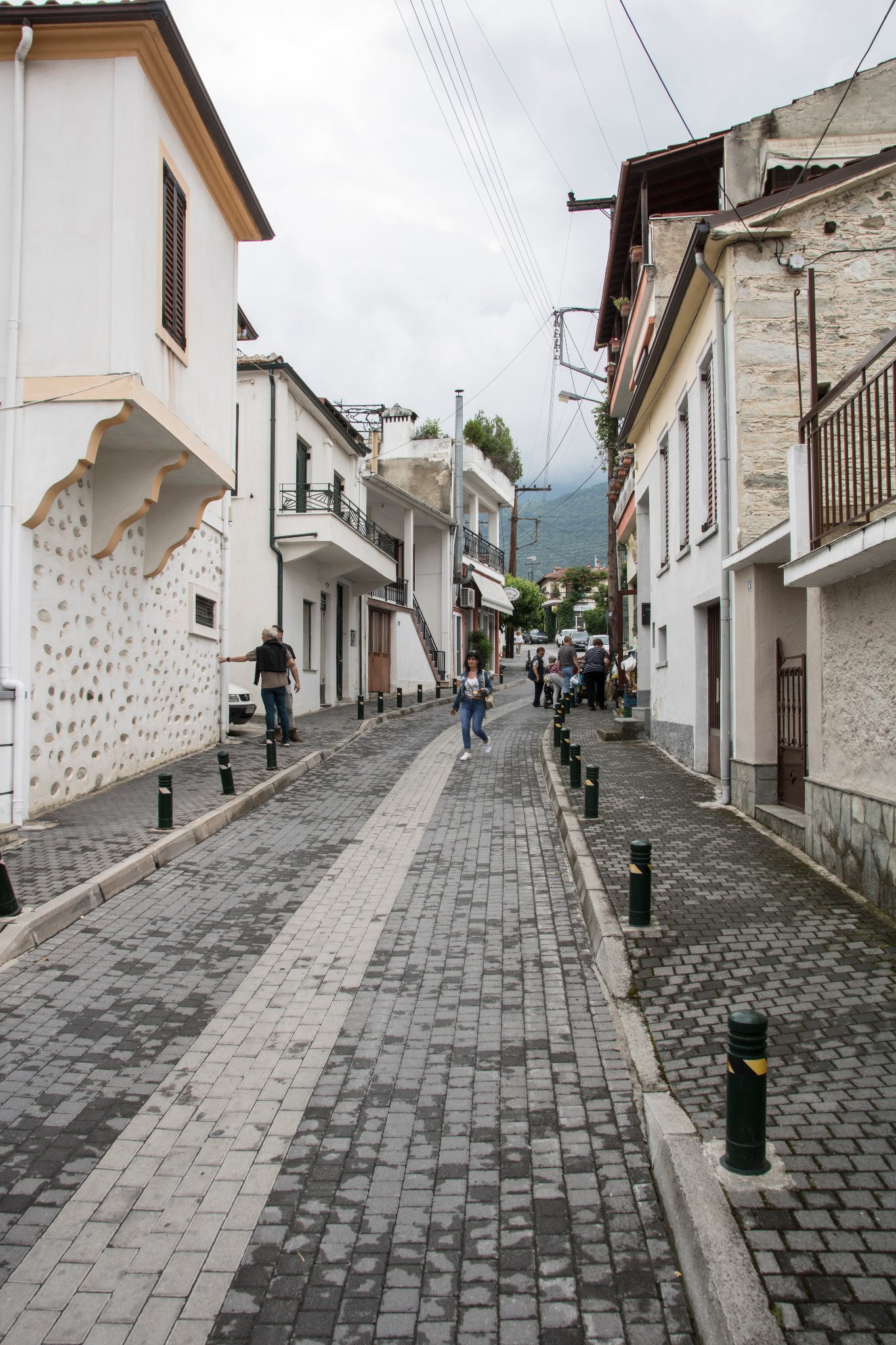
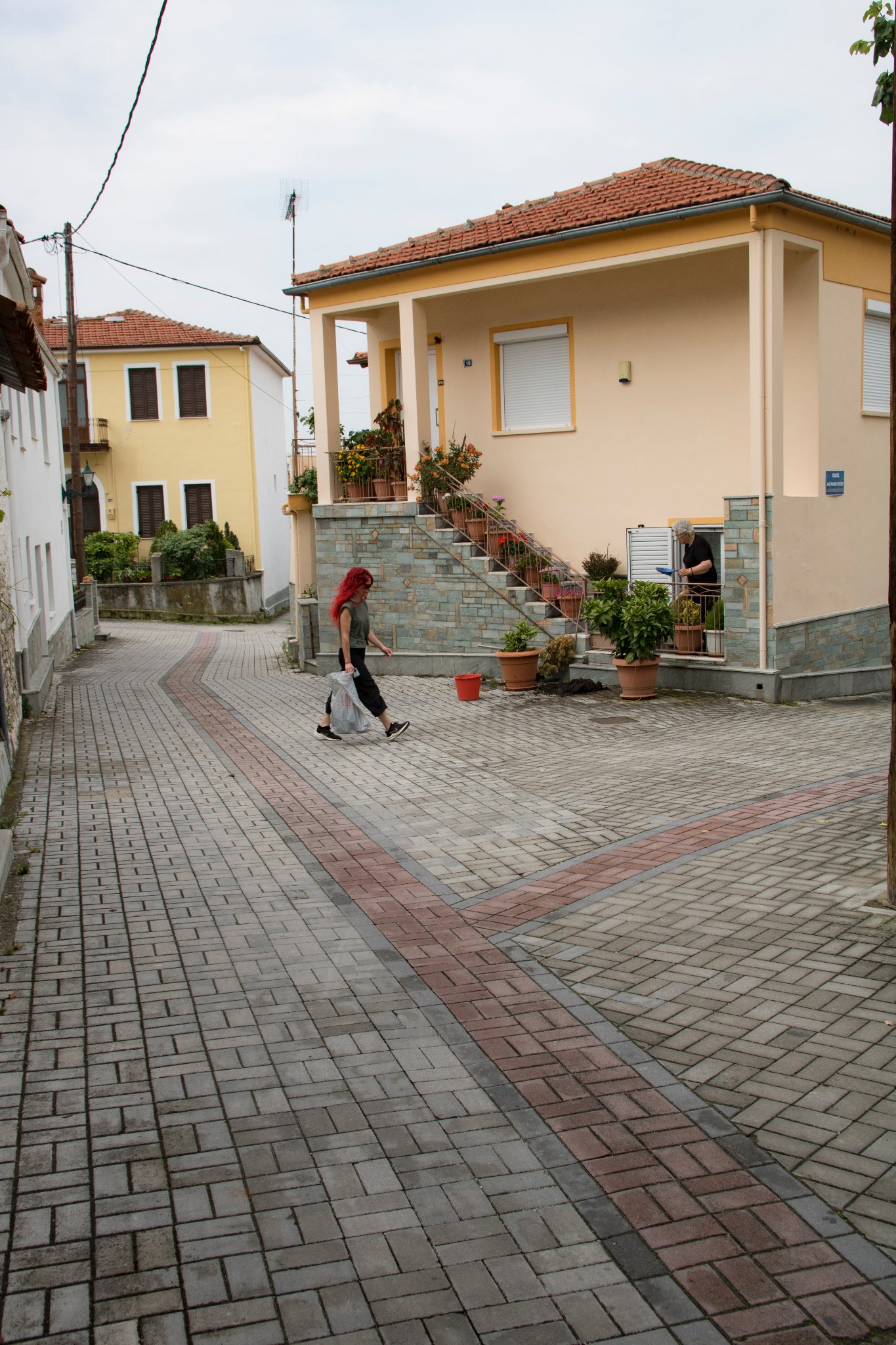
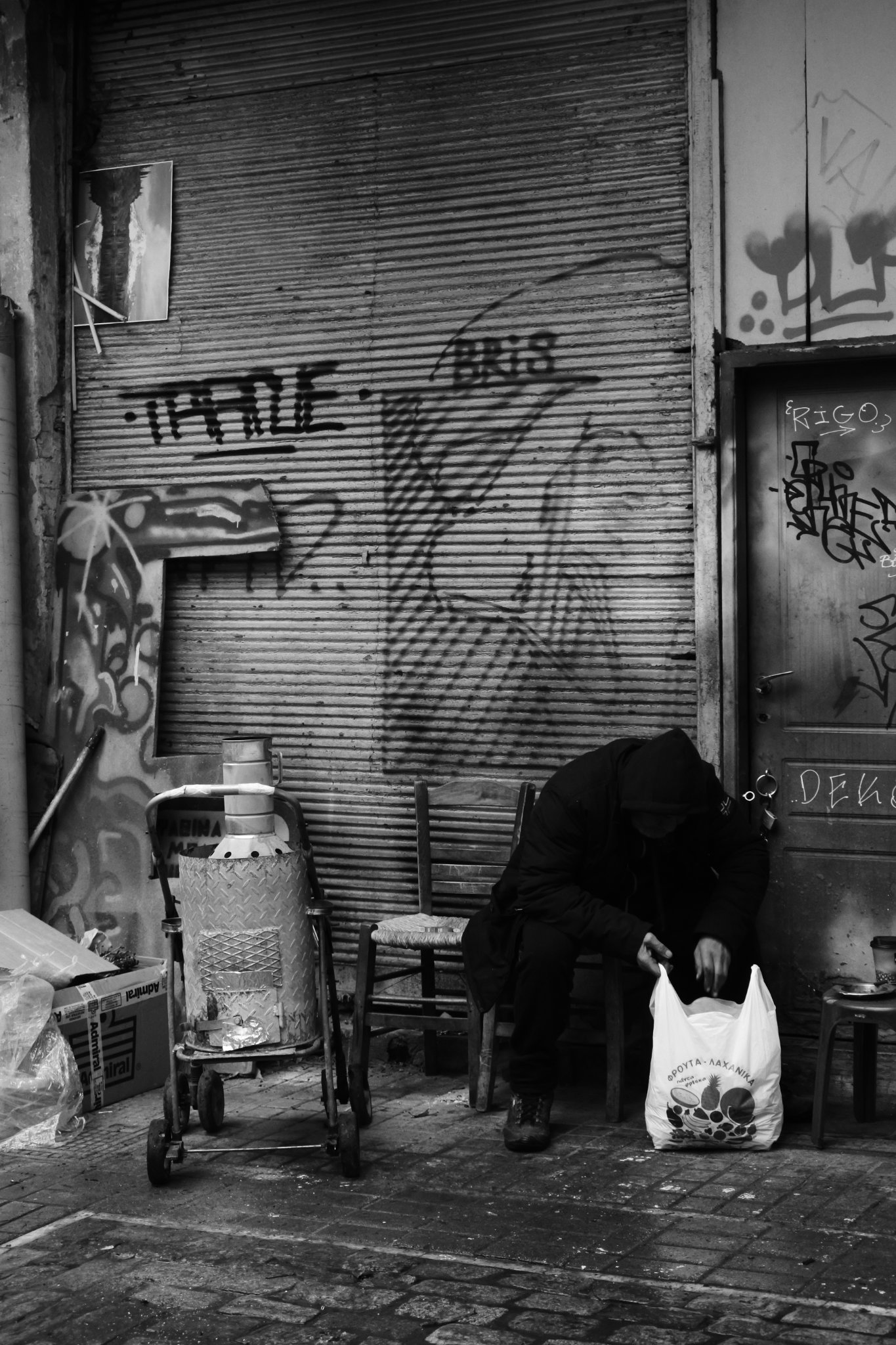
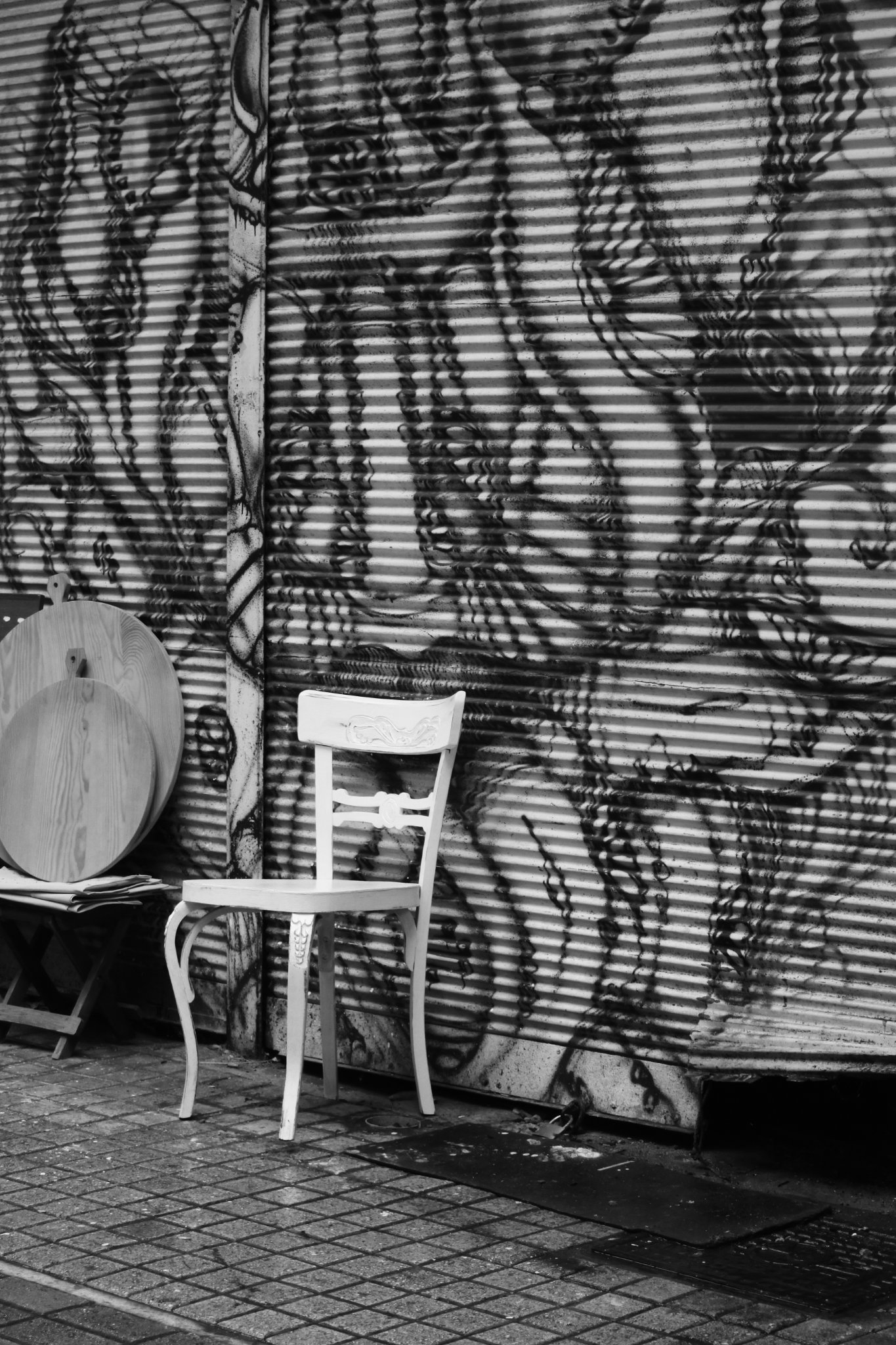
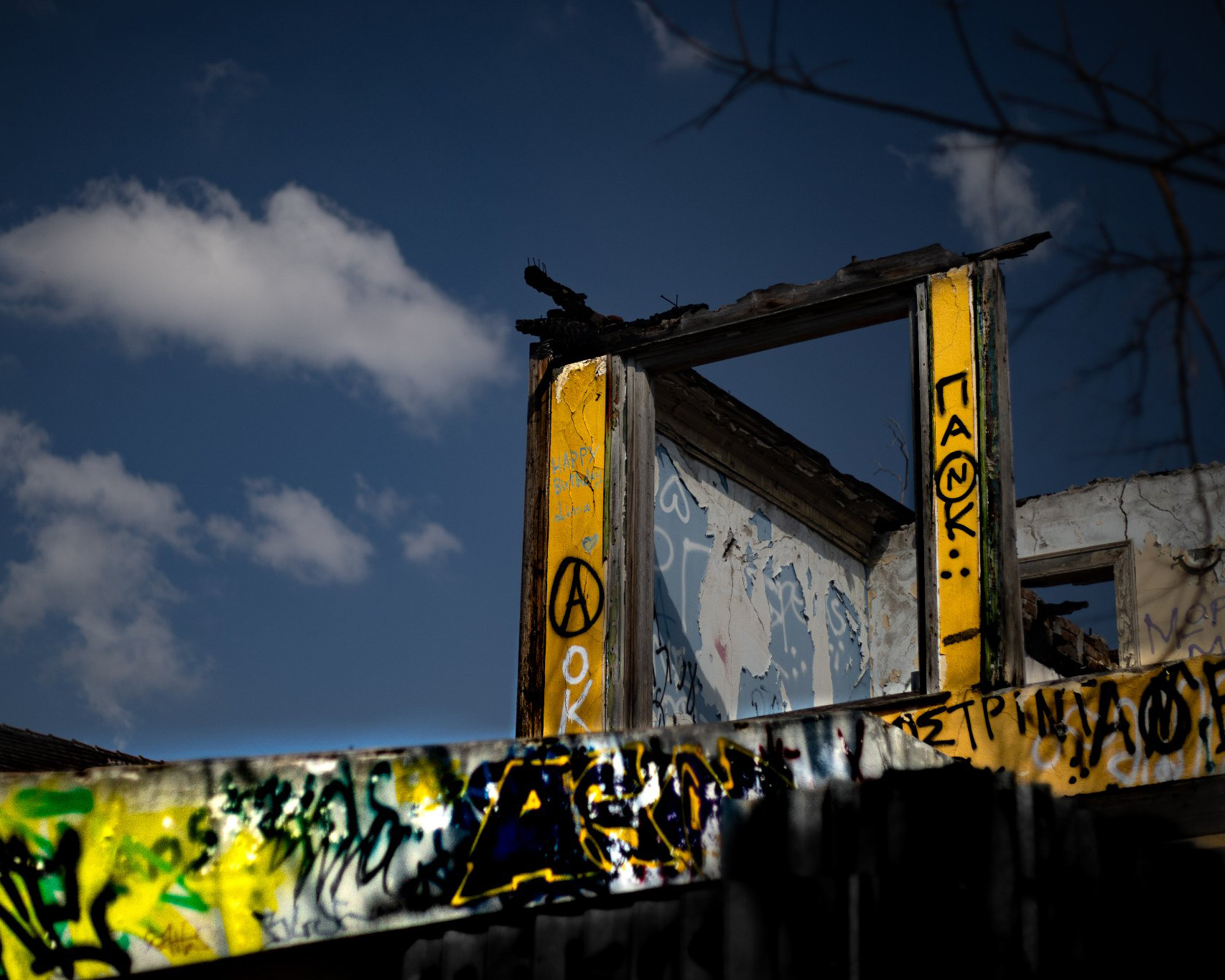
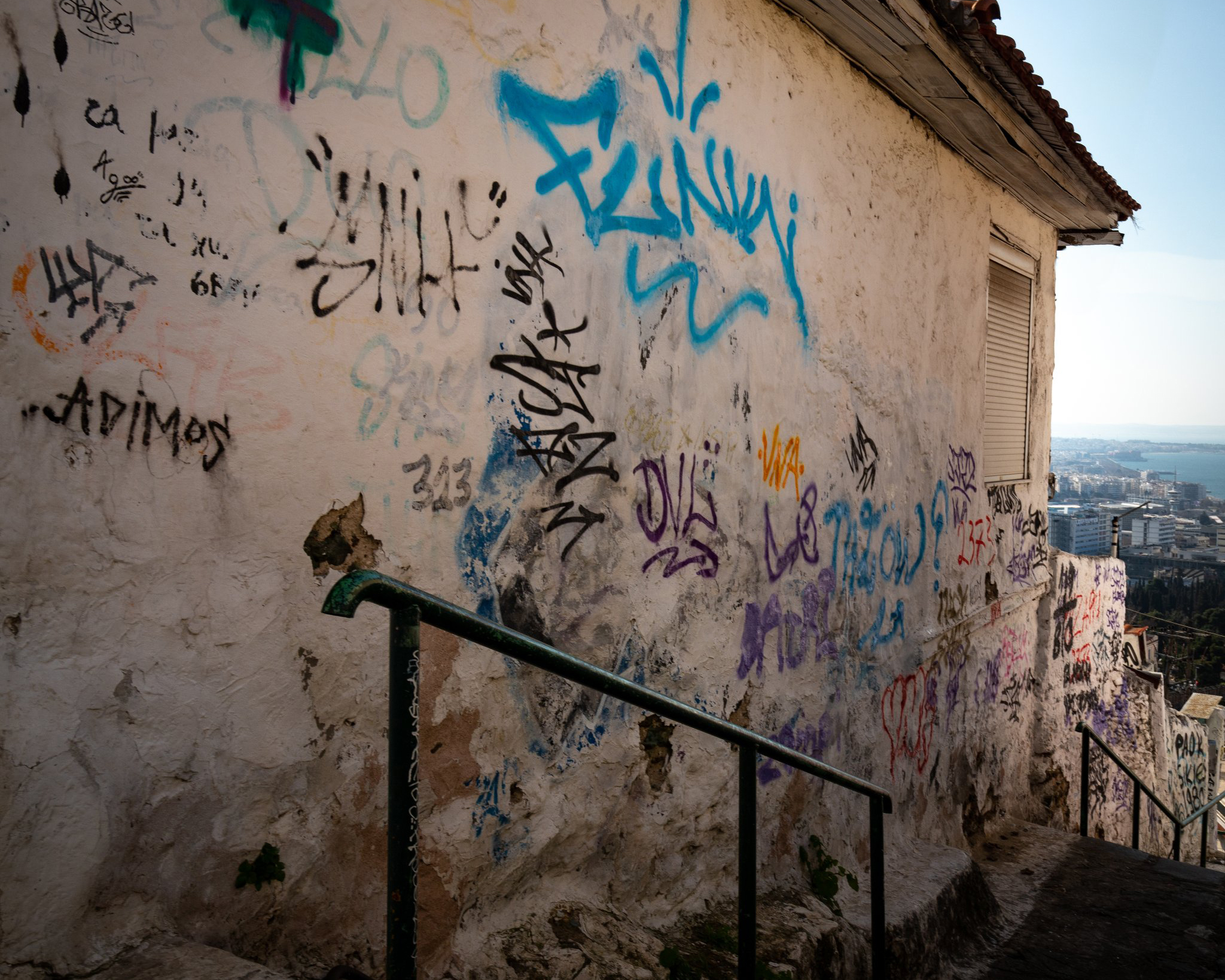
Graffiti, benches, traffic lights, bridges, and many other things are considered part of the city. Objects made by human beings, for human use, in public view, also belong to the street. They are part of it, so it is difficult to argue that they cannot belong to street photography, even when there is no direct interaction with the human element.
I believe that the art of photography embraces the image as it is, waiting for the viewer to face it and decide whether what they see connects them to an emotion or to a similar experience they may have had in the past.
In the end, whether that connection is achieved by a glance or a human gesture in the urban jungle, or by a neon sign encouraging an unseen passer-by to step inside, the label “street photography” does not matter all that much.
The purpose has been achieved.