Project: Faith

Subject by Dimosthenis Garatsidis

Article by Dimosthenis Seitaridis

Our team member Dimosthenis Garatsidis chose the concept of faith for his February theme, even using an excerpt from one of his favourite works:

“Faith! What is faith? It is the thing that sets you apart from the many. It is the thing that will not let you rest, the thing that closes your ears to the song of the sirens calling you to submit, to walk with the crowd, to consent to what you do not consider just and right, to follow the direction of the wind.”
Kostas Kyriazis
Romanos IV Diogenes - Athens: Estia, 1974

Reading this excerpt and observing this small word, made up of only five letters, various thoughts began to pass through all our minds, raising many questions at the same time.

We wondered: what is faith?

Is it a value? Is it an emotion? Is it a state of being?

We truly do not know. There are many views. Yet we all agree that faith fulfils the function of an unlimited force capable of moving masses in many different fields: for God, for the King, for the Revolution, and so on.

We recognise that faith often provides the “solution” to our difficulties or concerns, without there necessarily being any tangible proof that what we believe in exists or will actually happen.

It is bound up with hope, whether consciously or unconsciously. Hope for the achievement of what is desired and favourable. It is our wish, what we want to happen, the expression of our deepest desires.

It is an attempt to appease the unknown and bring under control the insecurity of the future.

In the context of religion in particular, the concept of faith is identified with certainty in the existence of a higher being, God. Although this faith belongs to the realm of the supernatural, various philosophers have, from time to time, attempted to prove the existence of the supreme being.

For such proof to be considered cognitively valid, it must come either from reason or from experience. Since experience cannot provide the philosopher with demonstrative arguments, given that no one has ever met God in everyday life, many philosophers have tried to prove God’s existence through logical arguments. 

The term faith, however, is not used only to describe the set of claims understood by a religion, or the fundamental assumptions of a philosophy. It is also used to describe:

The belief, certainty, or confidence someone has in something.
“His faith in the correctness of his views was shaken.”

Someone’s steady devotion, or even obsession, with something.
“He fights with faith for his ideas. He is marked by a deep faith in duty.”

The acceptance of something as real.
“I have no faith to his words.”

Trust in someone or something.
“You cannot put faith in that man.”

A financial transaction consisting either of lending money or selling goods to third parties without immediate payment, based on trust that the person who owes has the ability and willingness to meet their obligations. 

The mutual obligation of spouses not to have extramarital relations.

In law, the phrase in good faith, meaning sincerely and without deceit.
“I signed the document in good faith.”

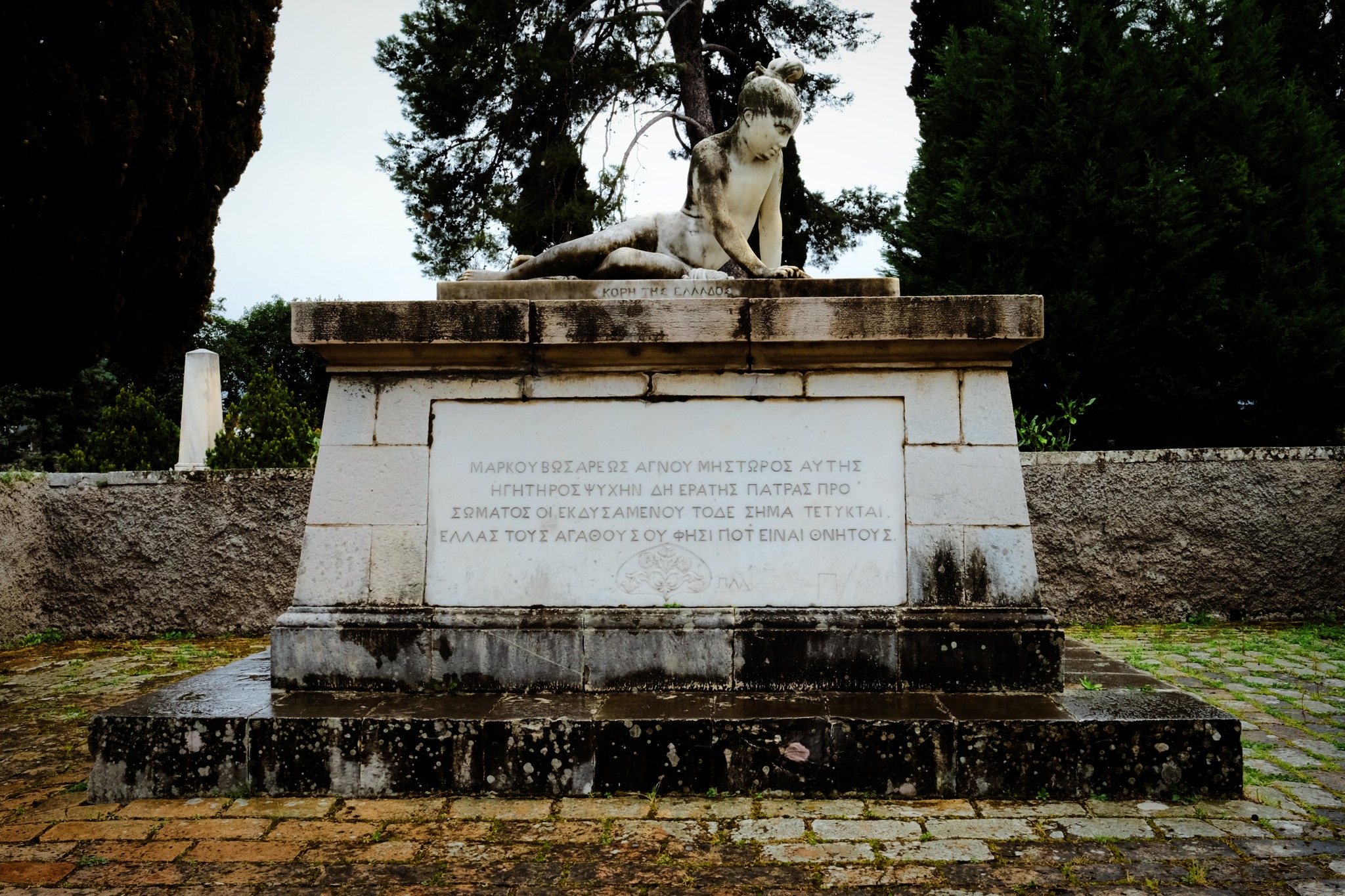
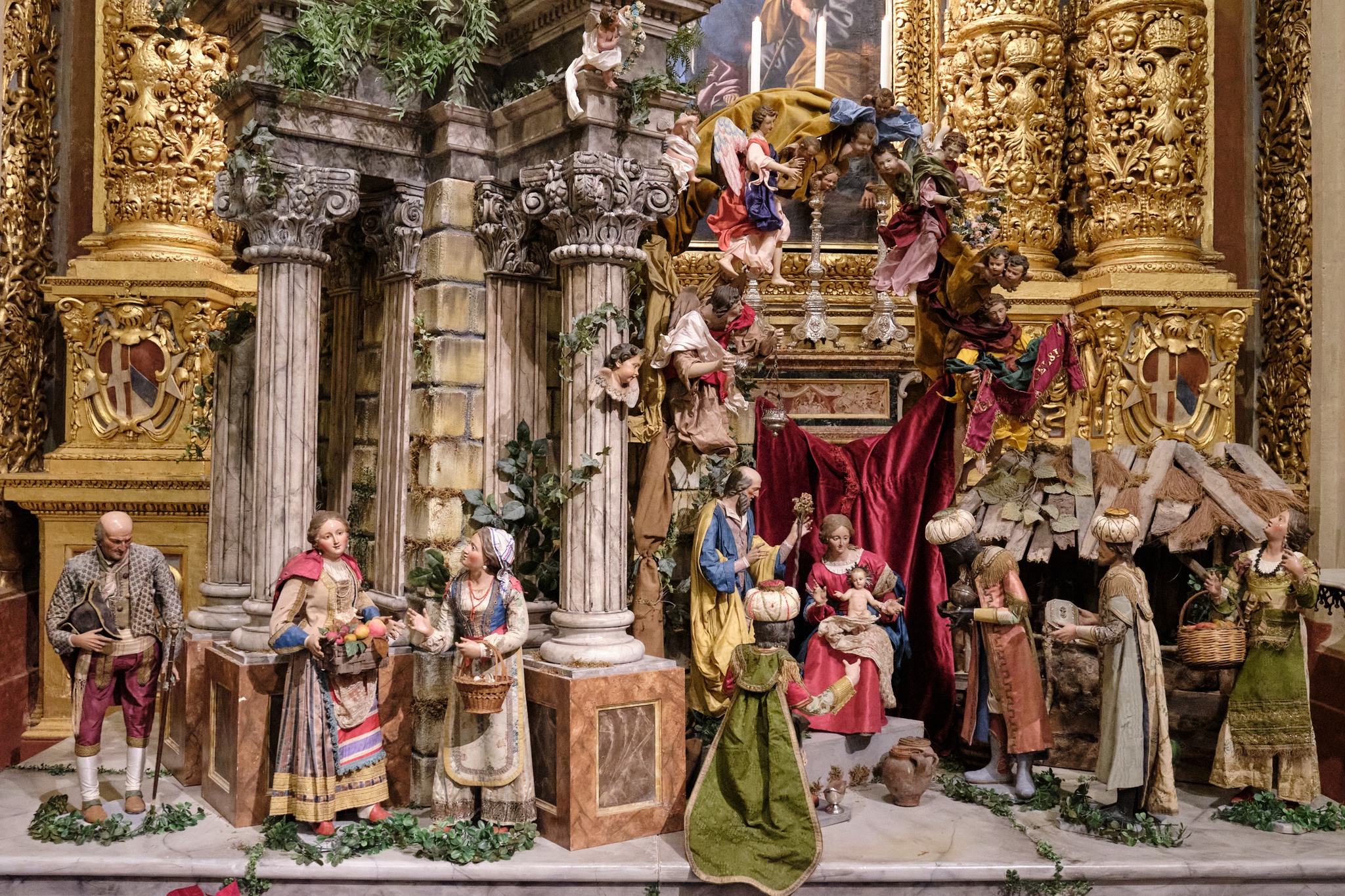
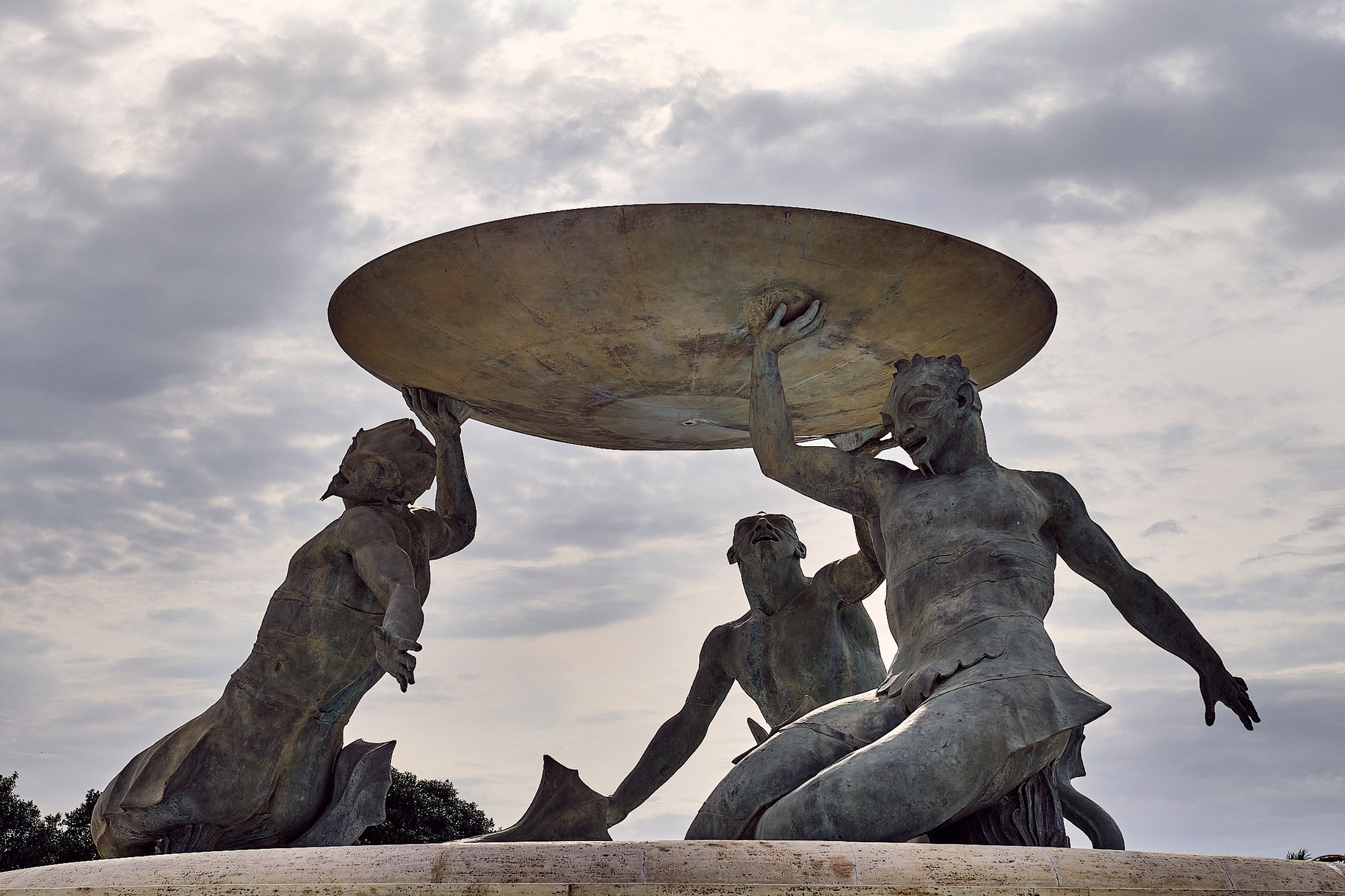
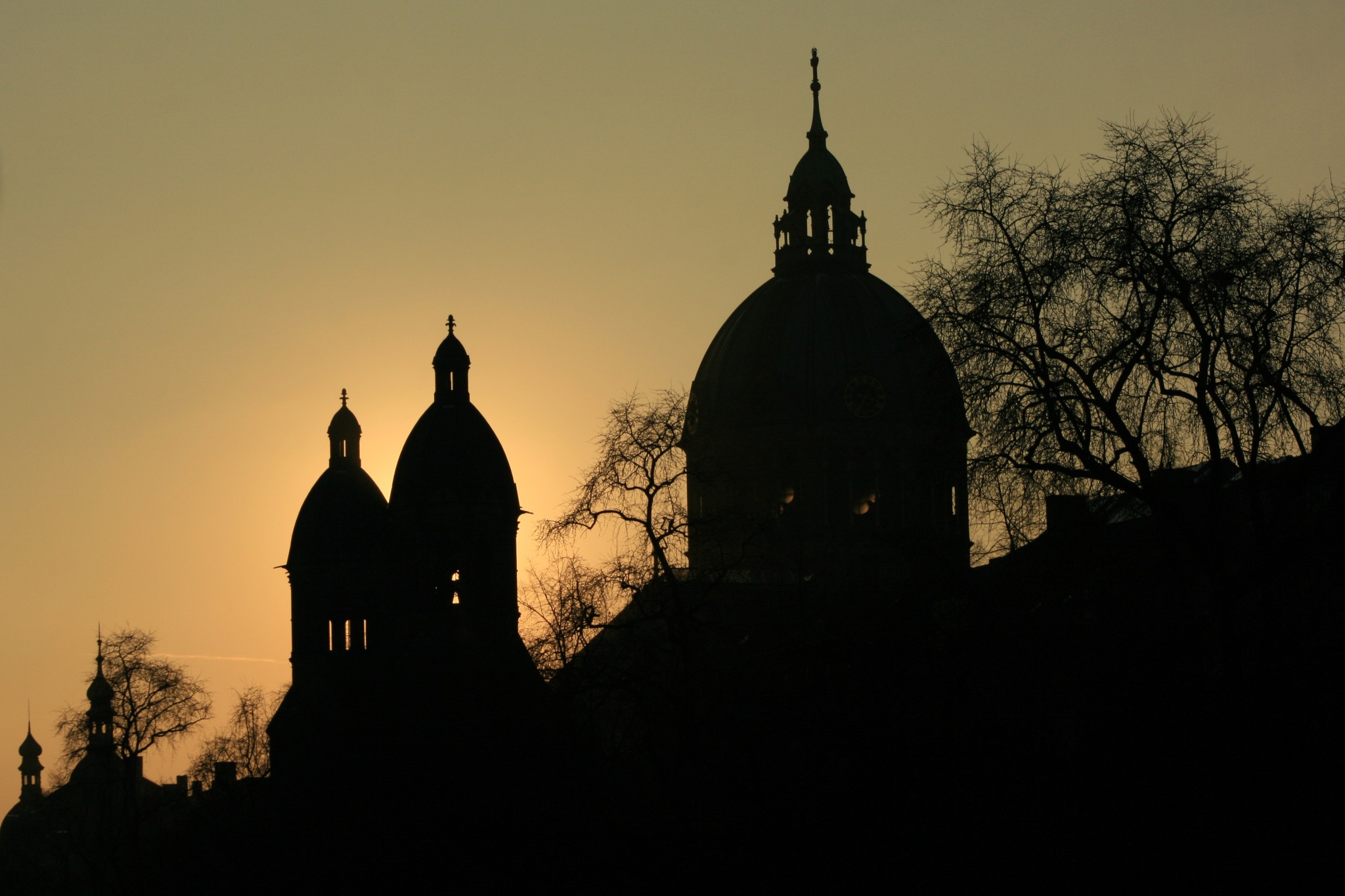
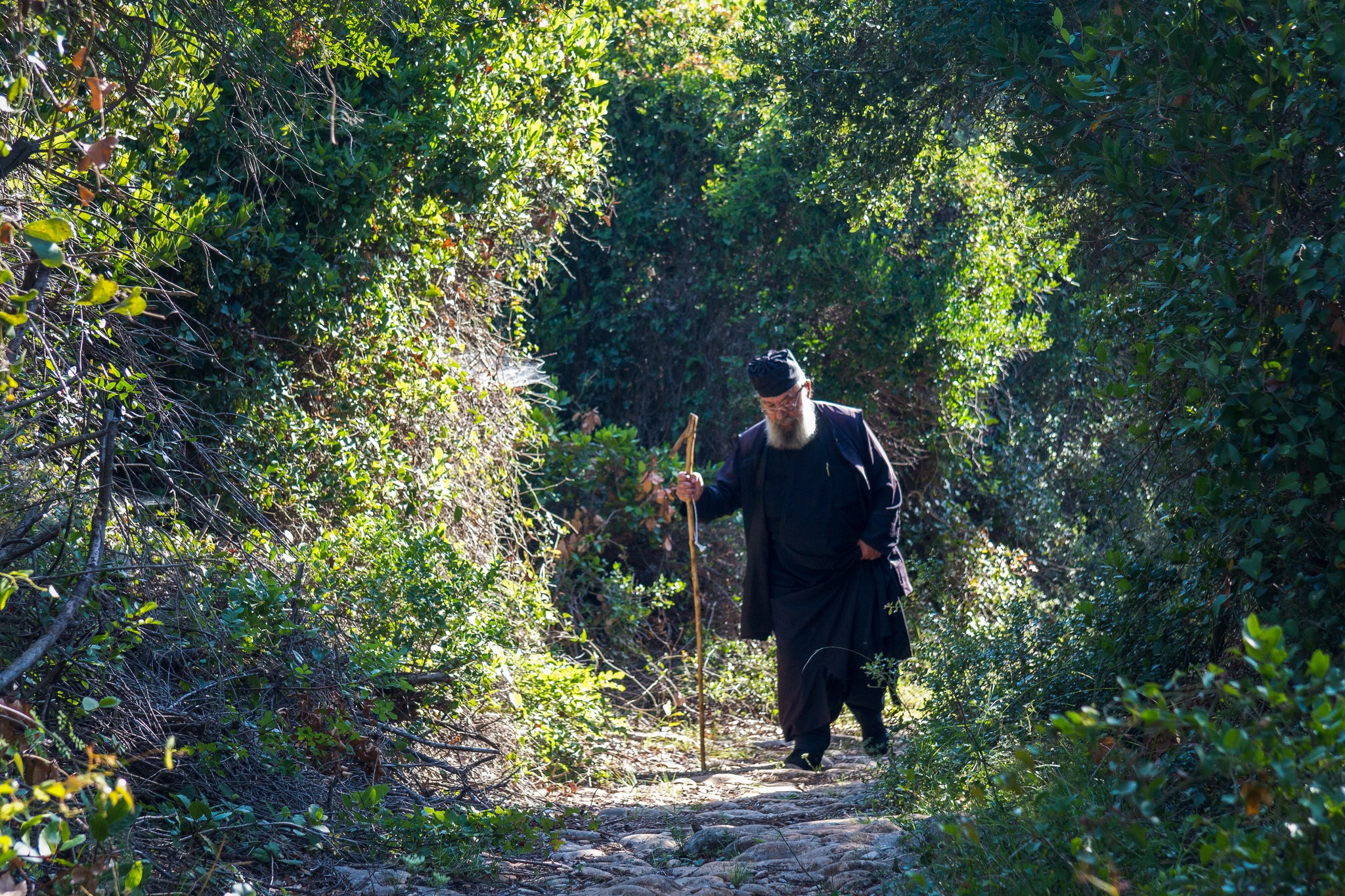
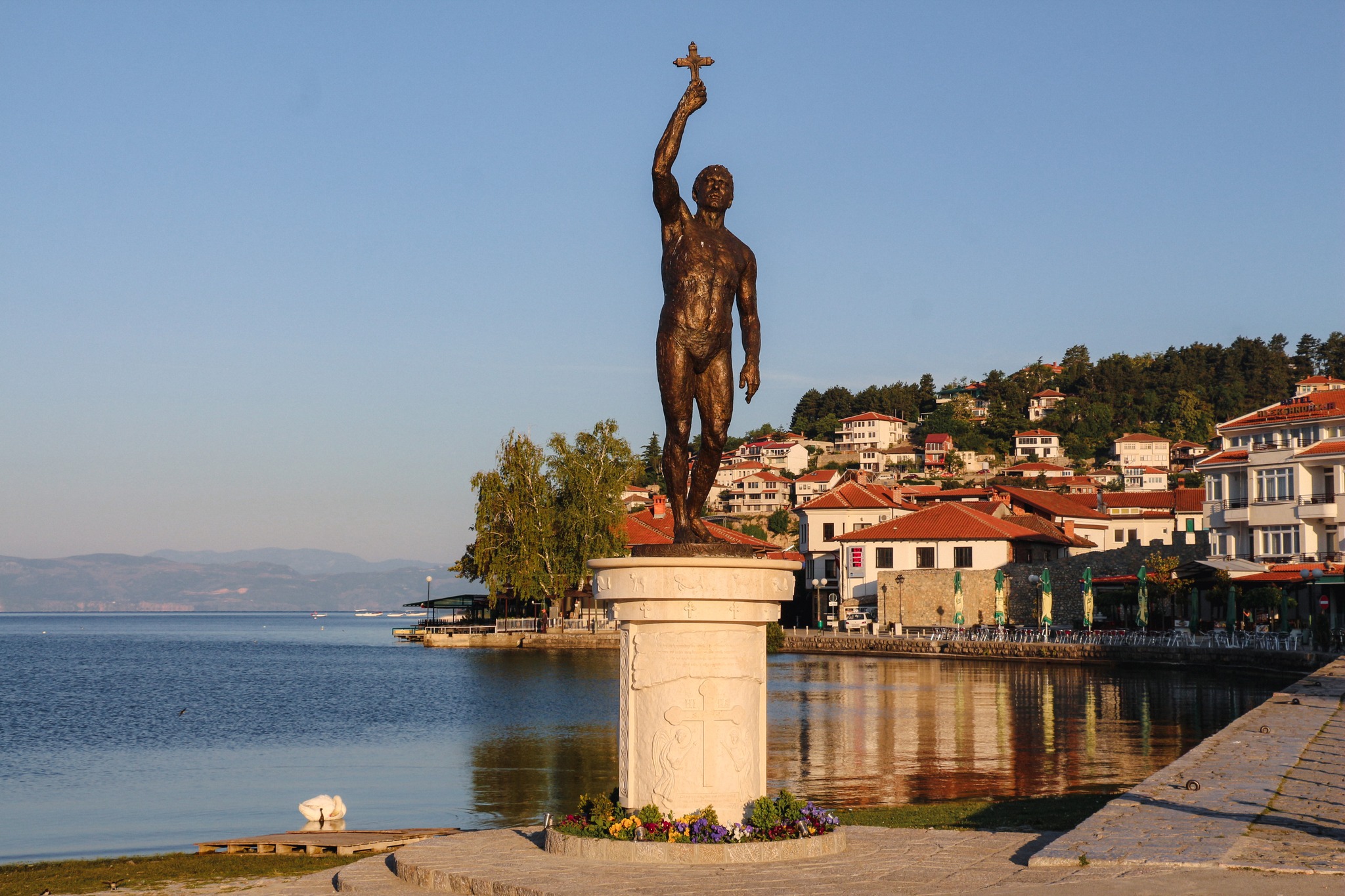
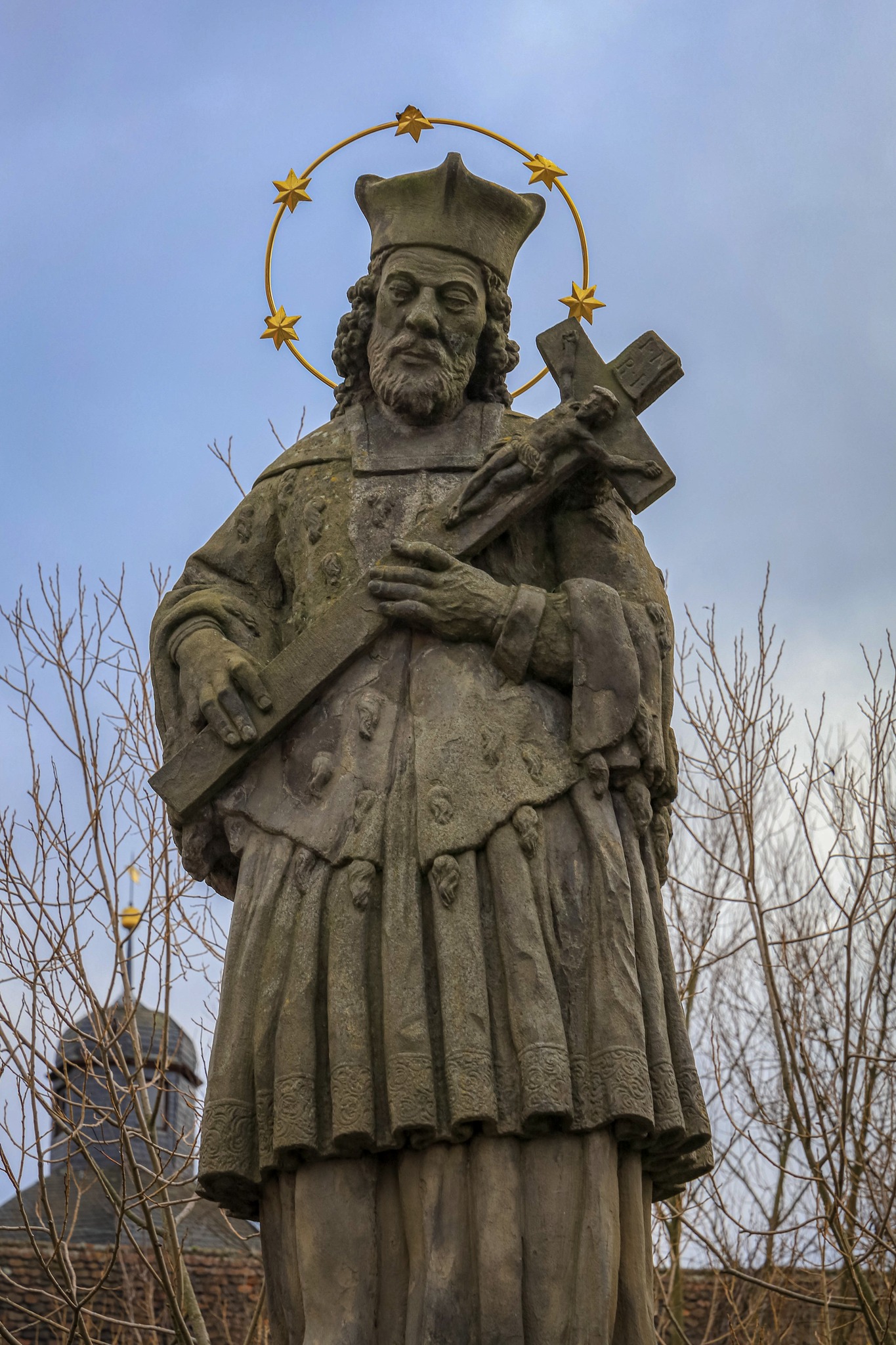
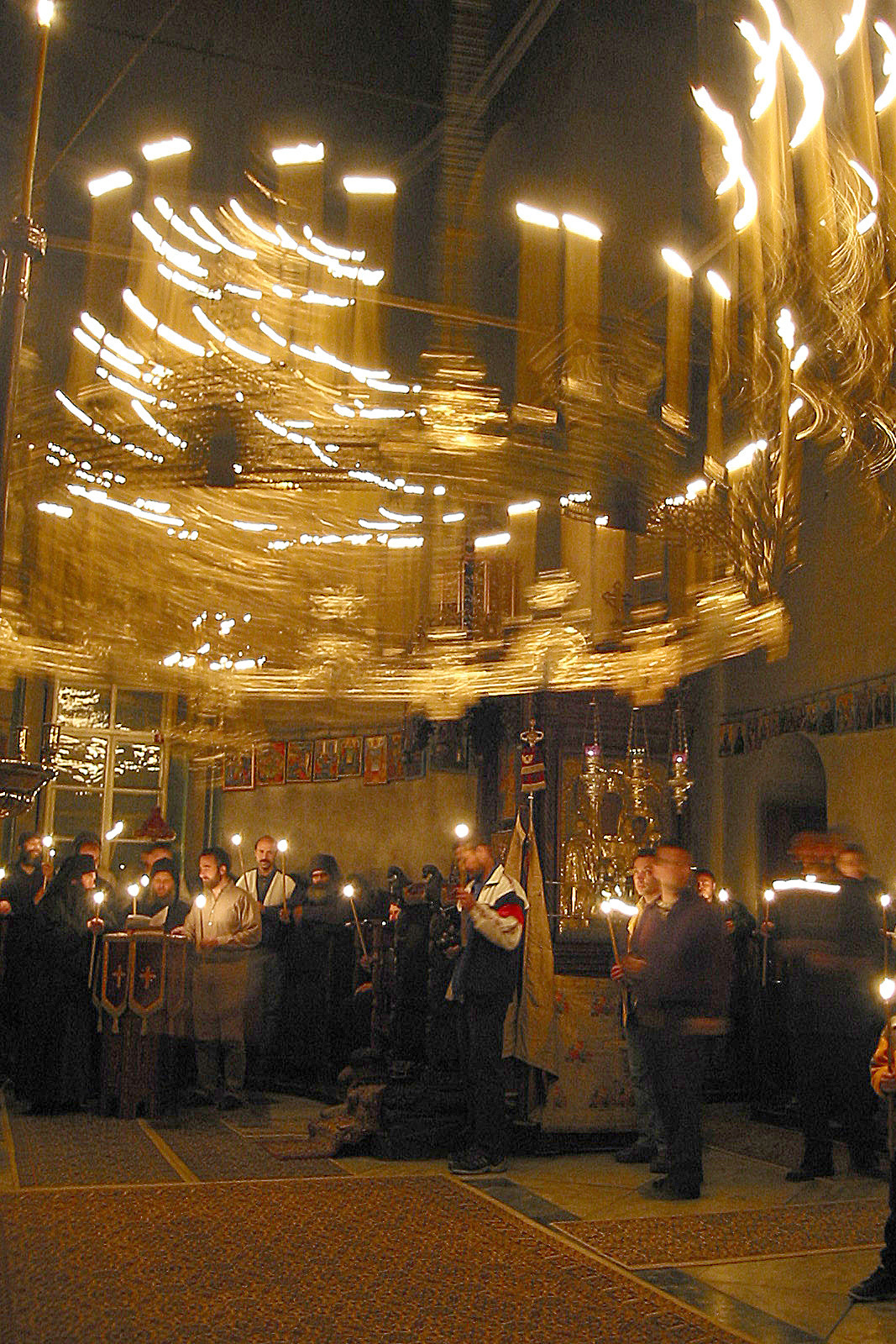
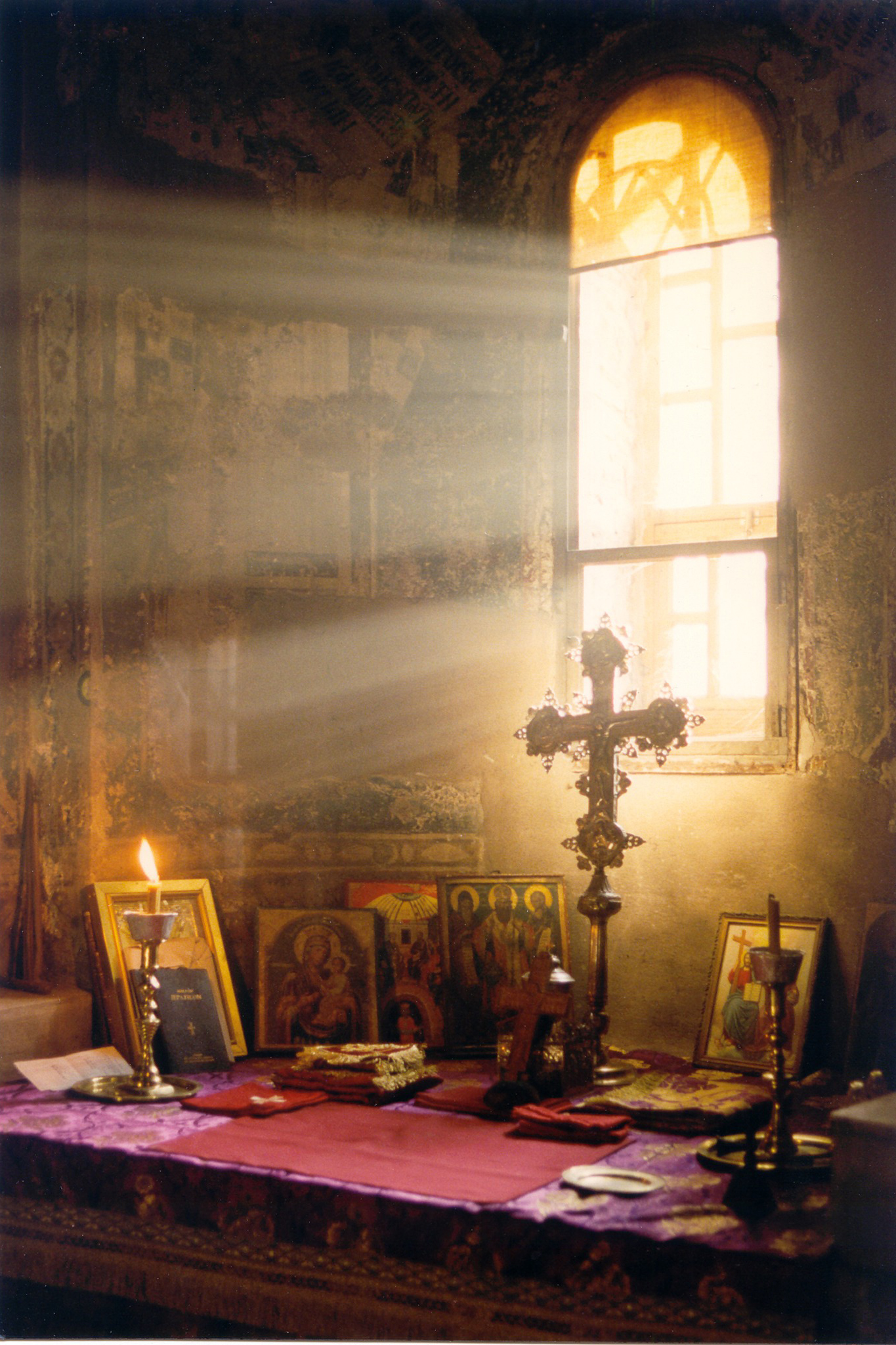
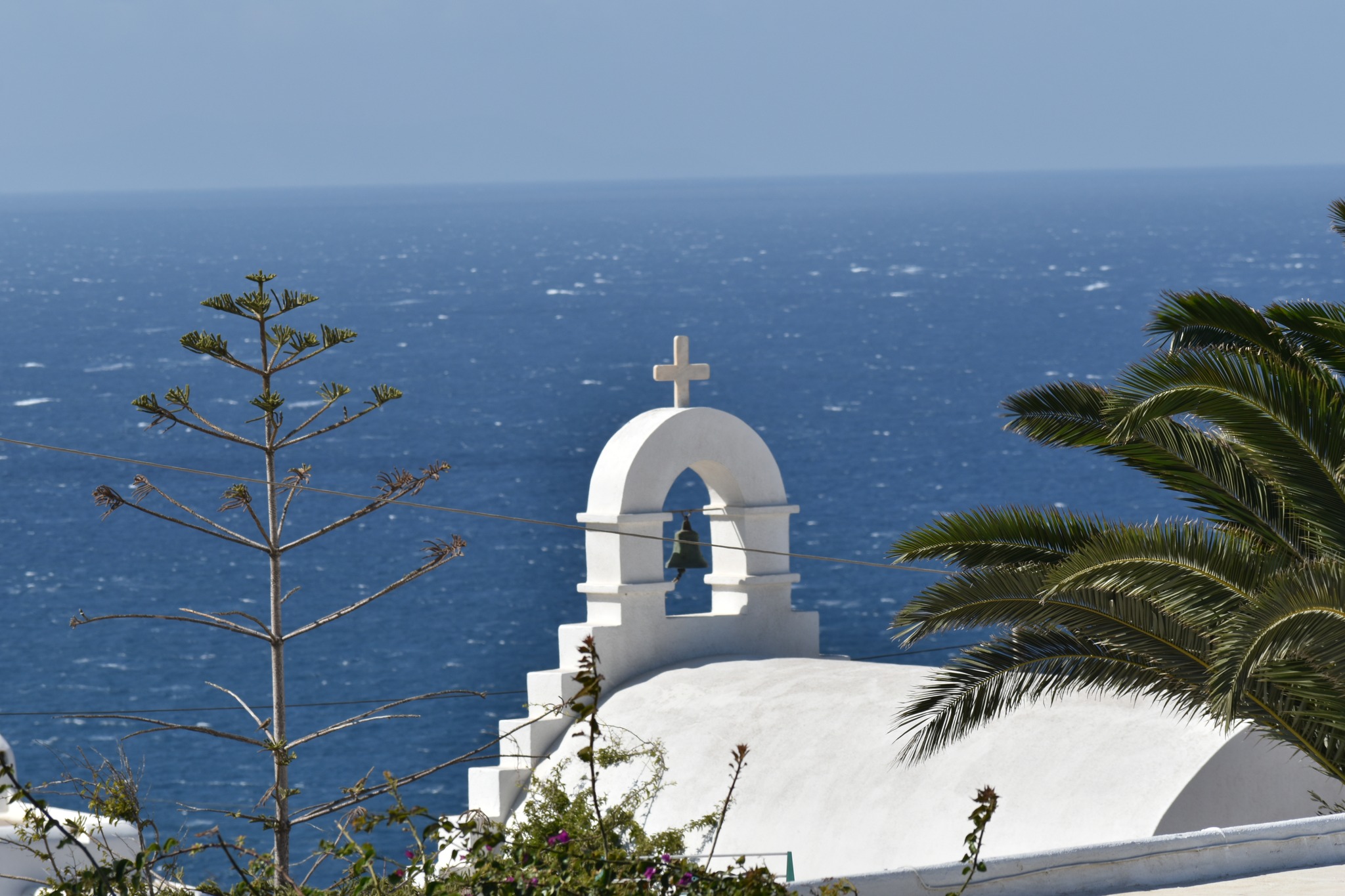
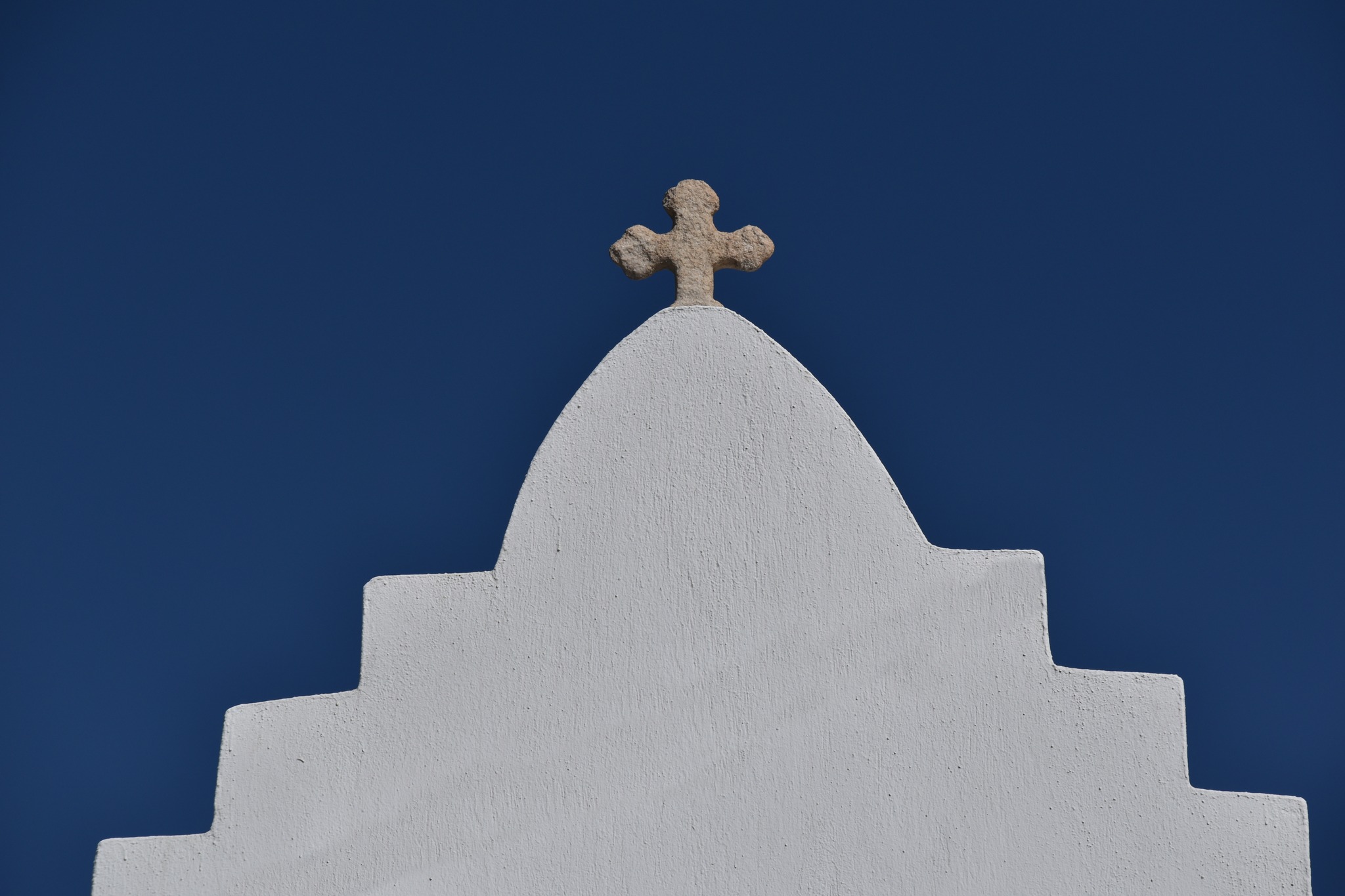
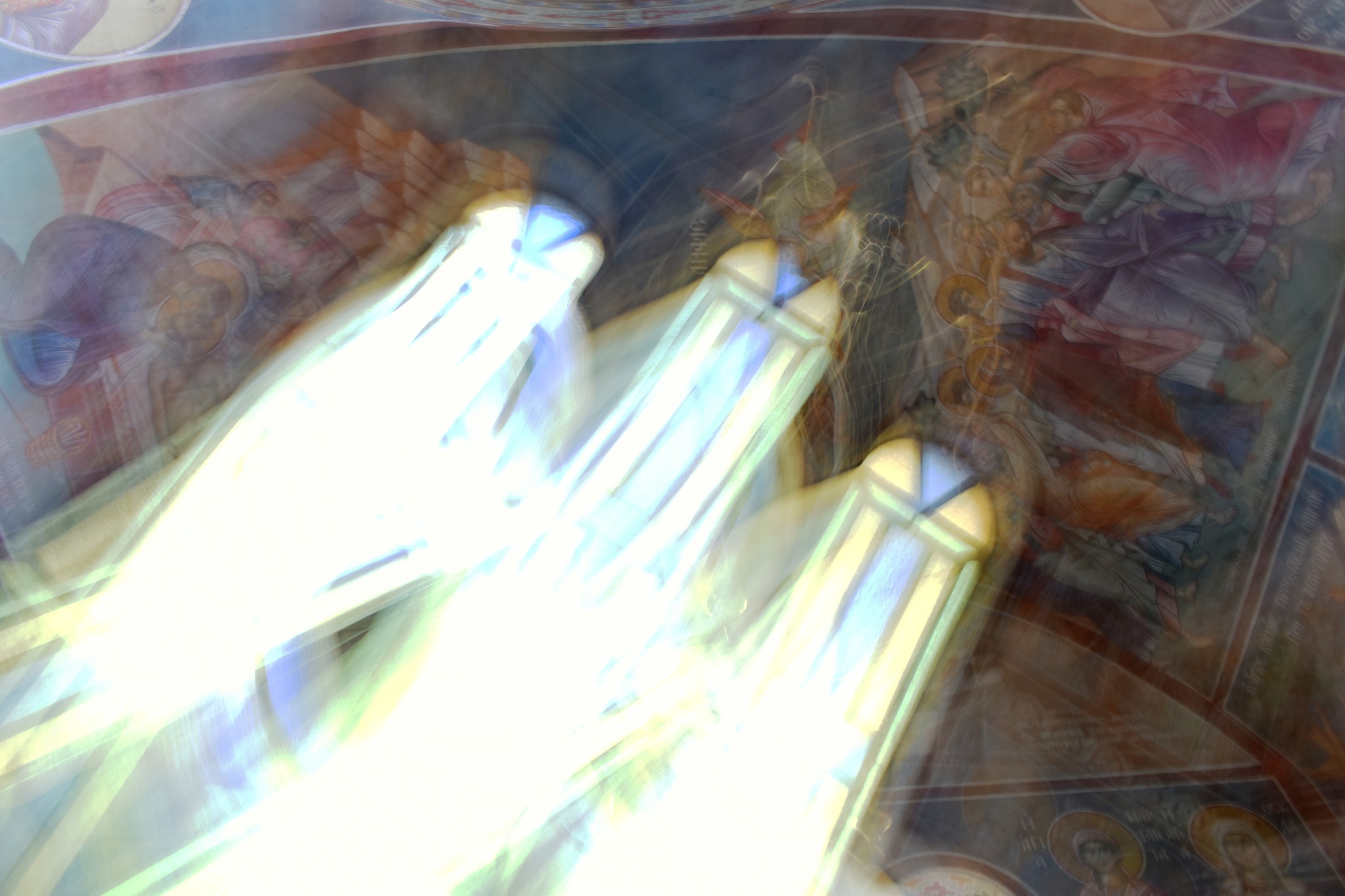
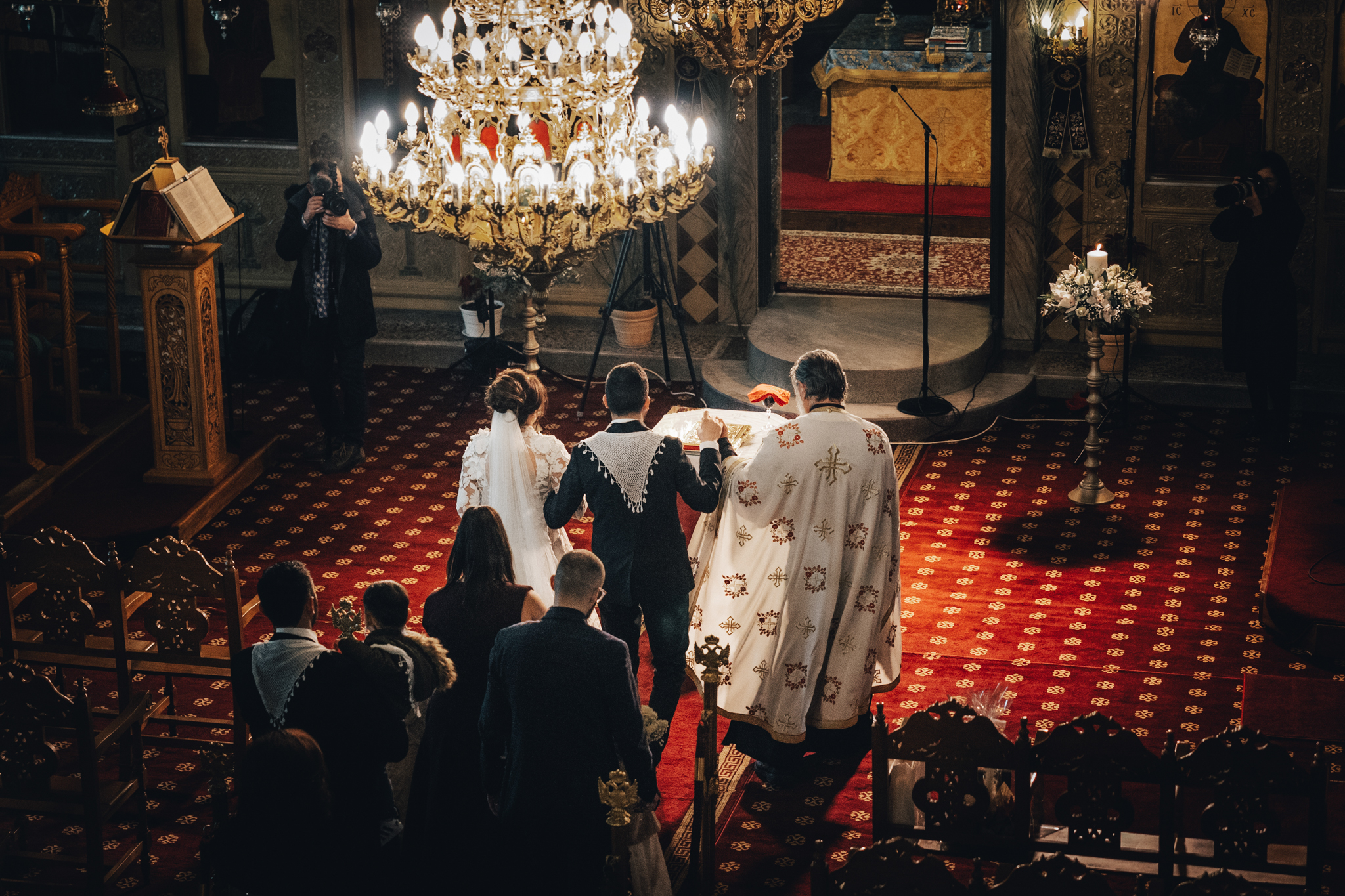
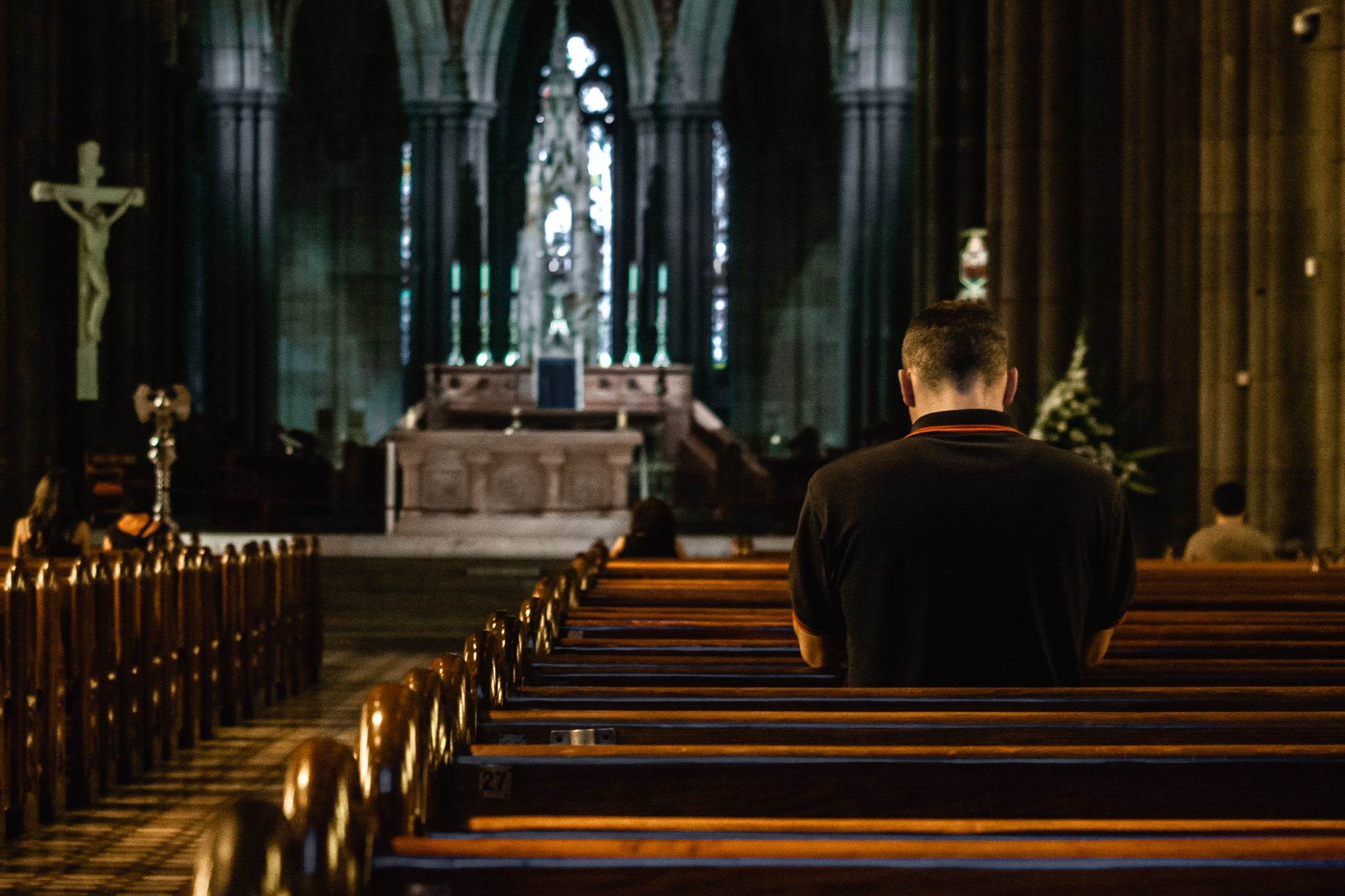
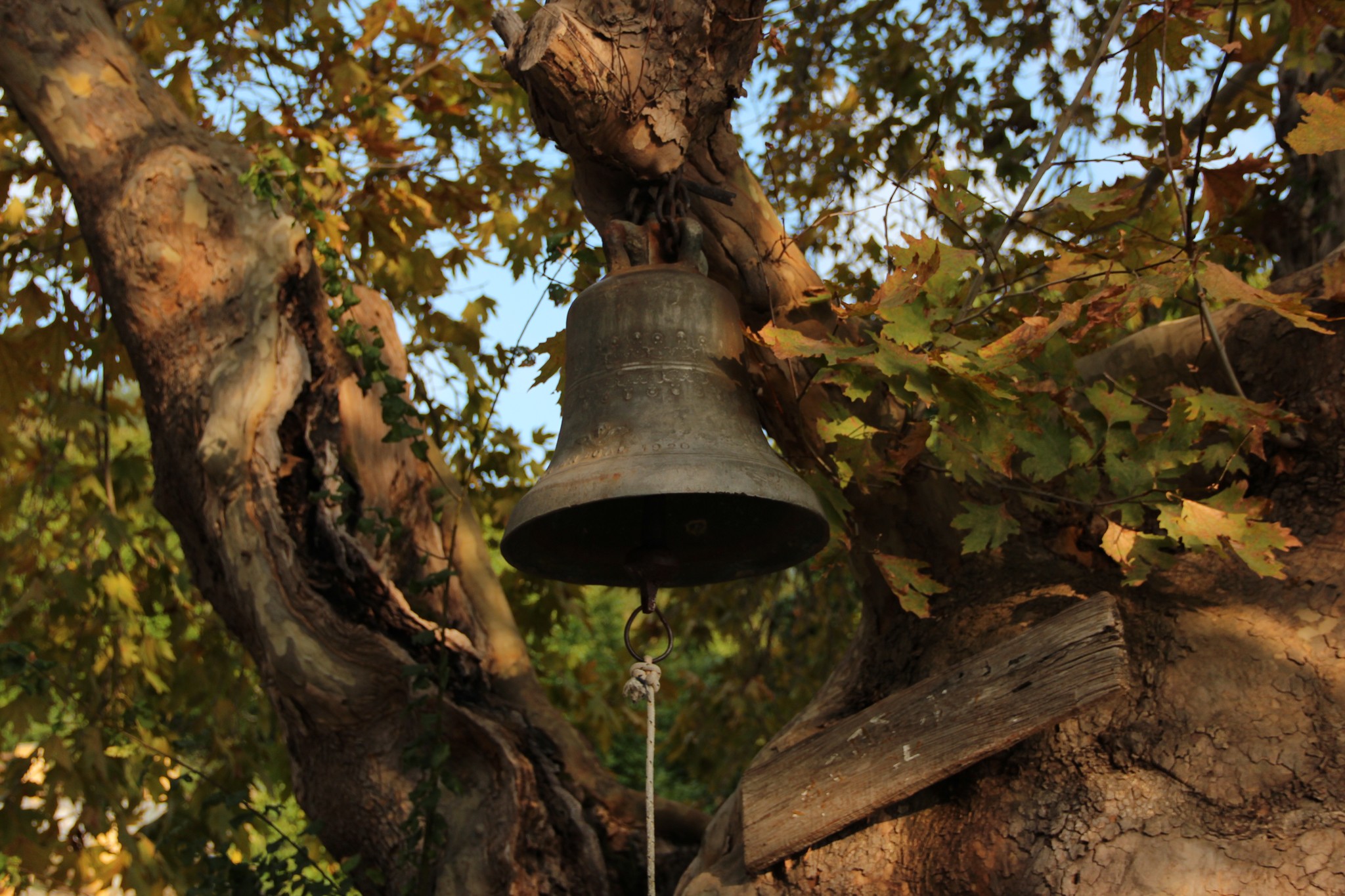
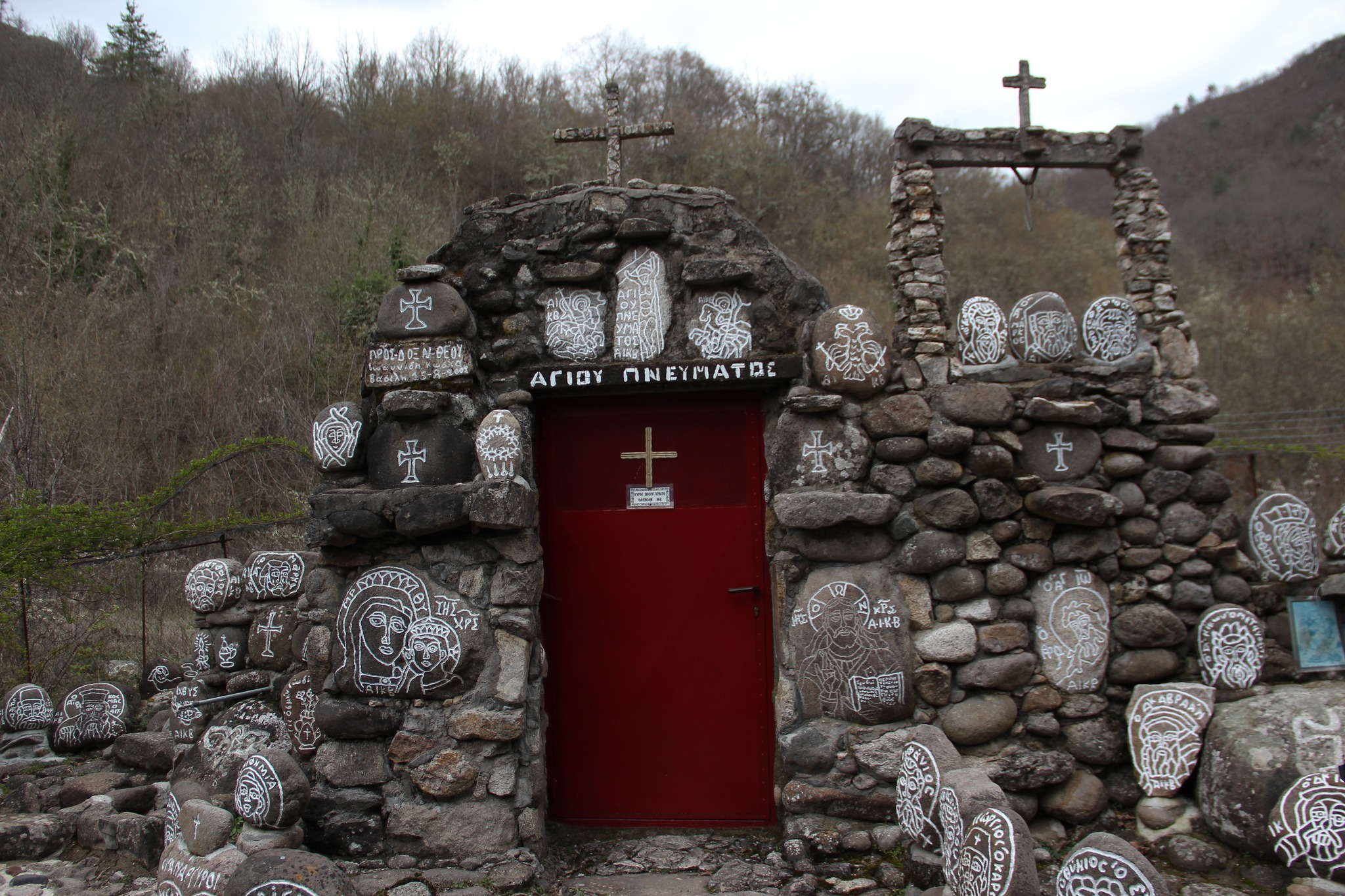
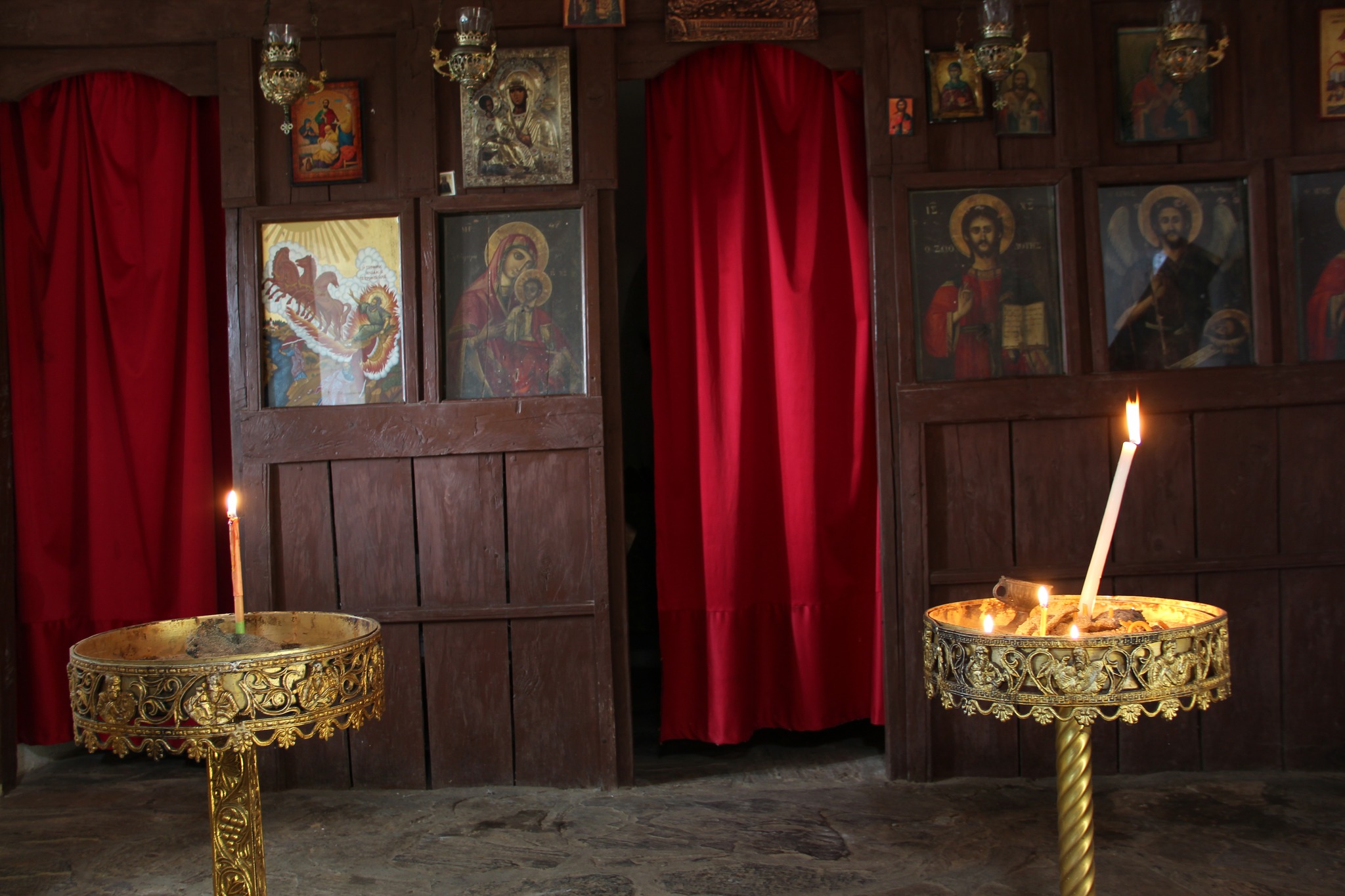
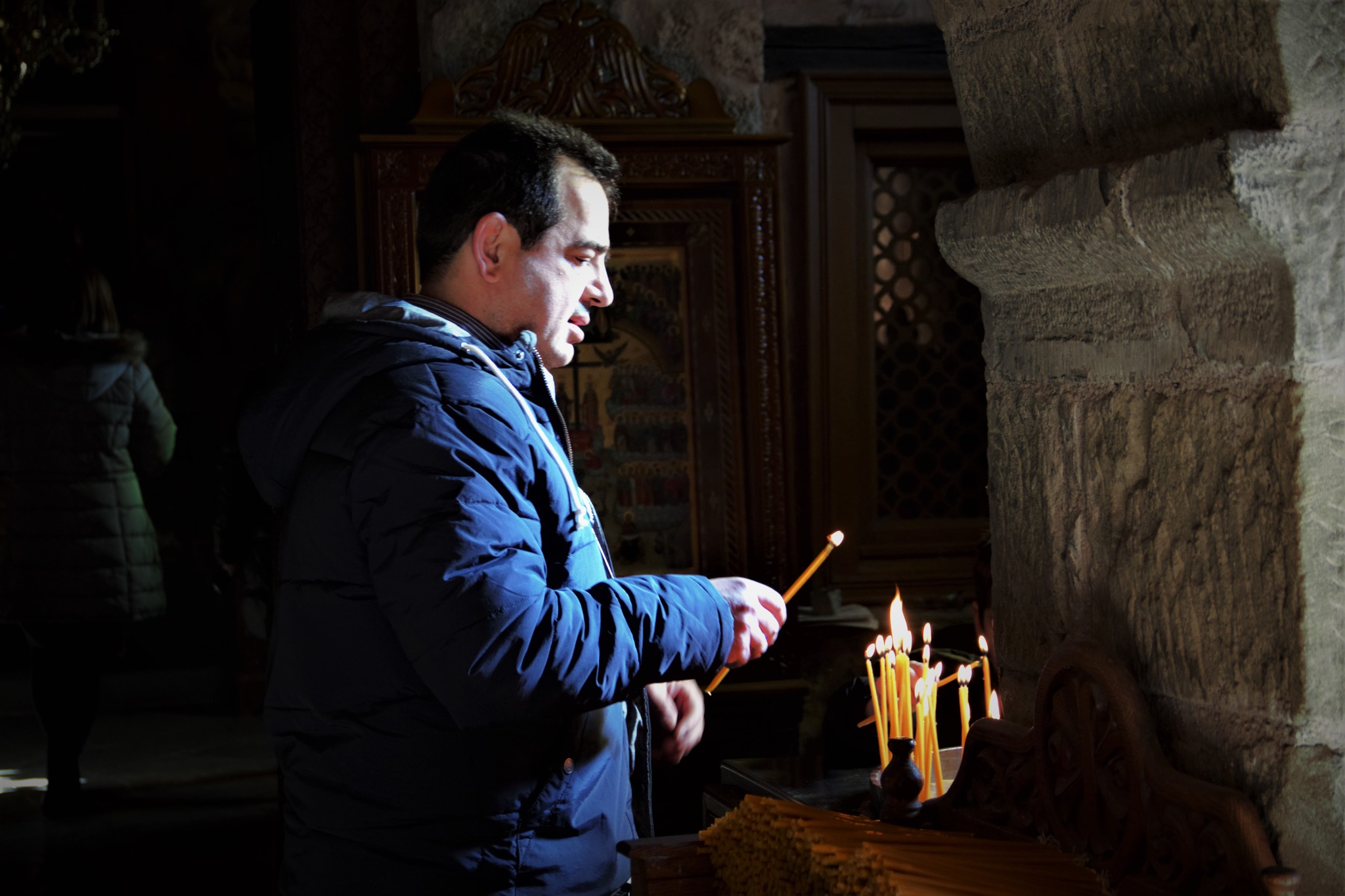
With such thoughts in mind, each of us tried to approach the idea photographically and to visualise a term as complex as faith. 

Did we succeed? That is for you to tell us.

Dimosthenis Garatsidis

Danis Papagiannoulis

Dimosthenis Seitaridis

Pantelis Ainalis

Harrys Pourouzidis

George Tzimagiorgis