Φωτογραφία εξώφυλλου - Giannis Chantzaridis
Κείμενο - Dimosthenis Seitaridis
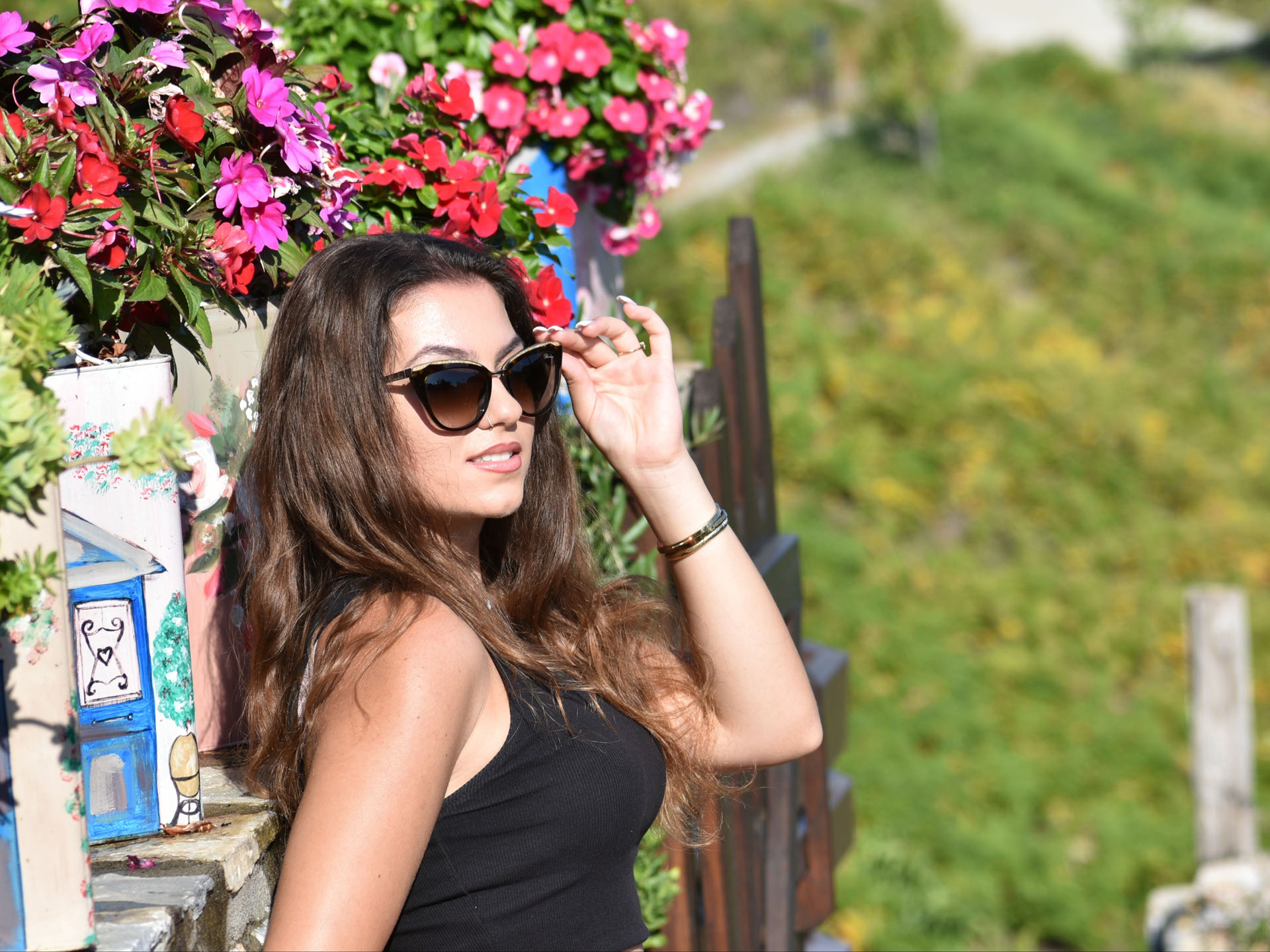
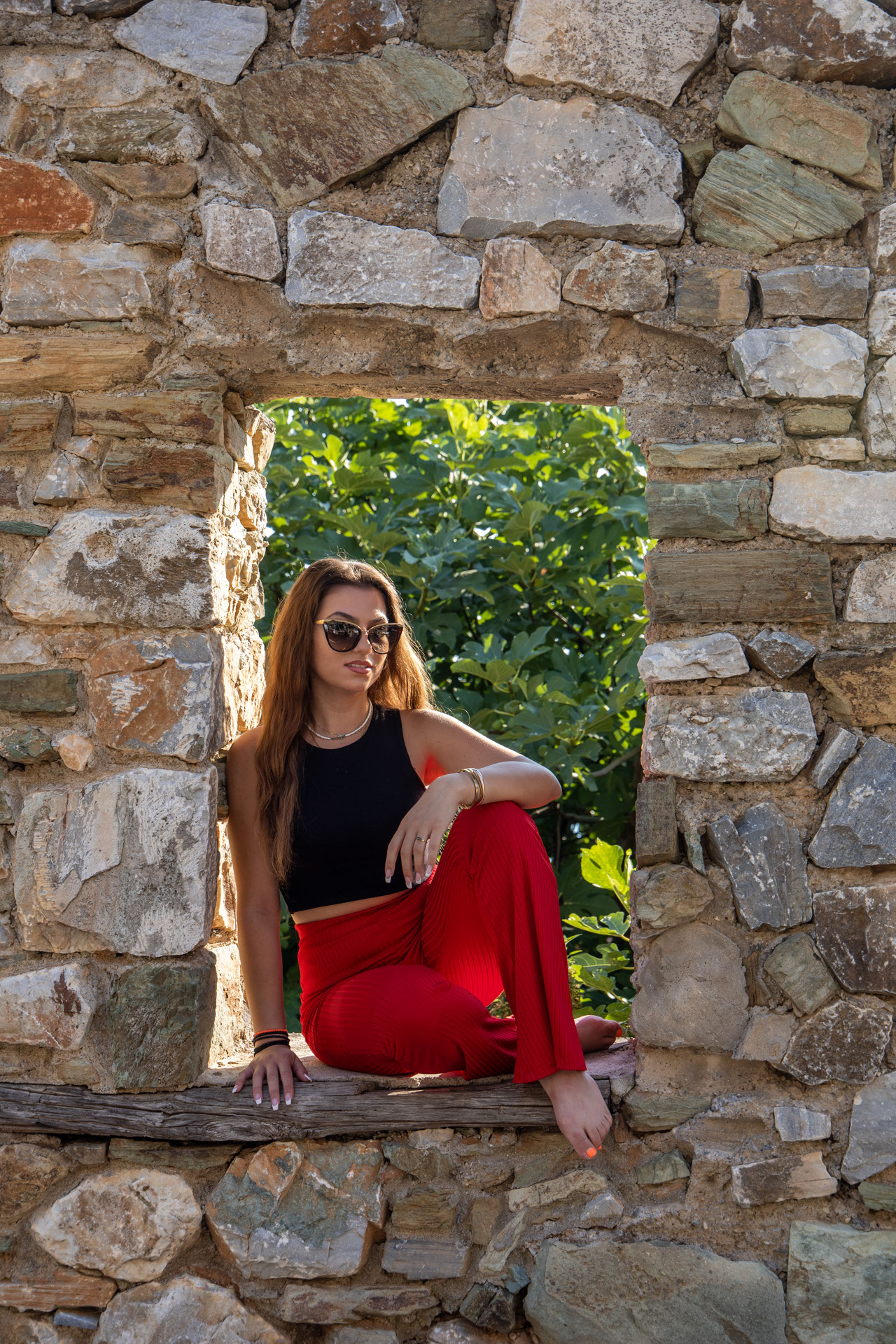
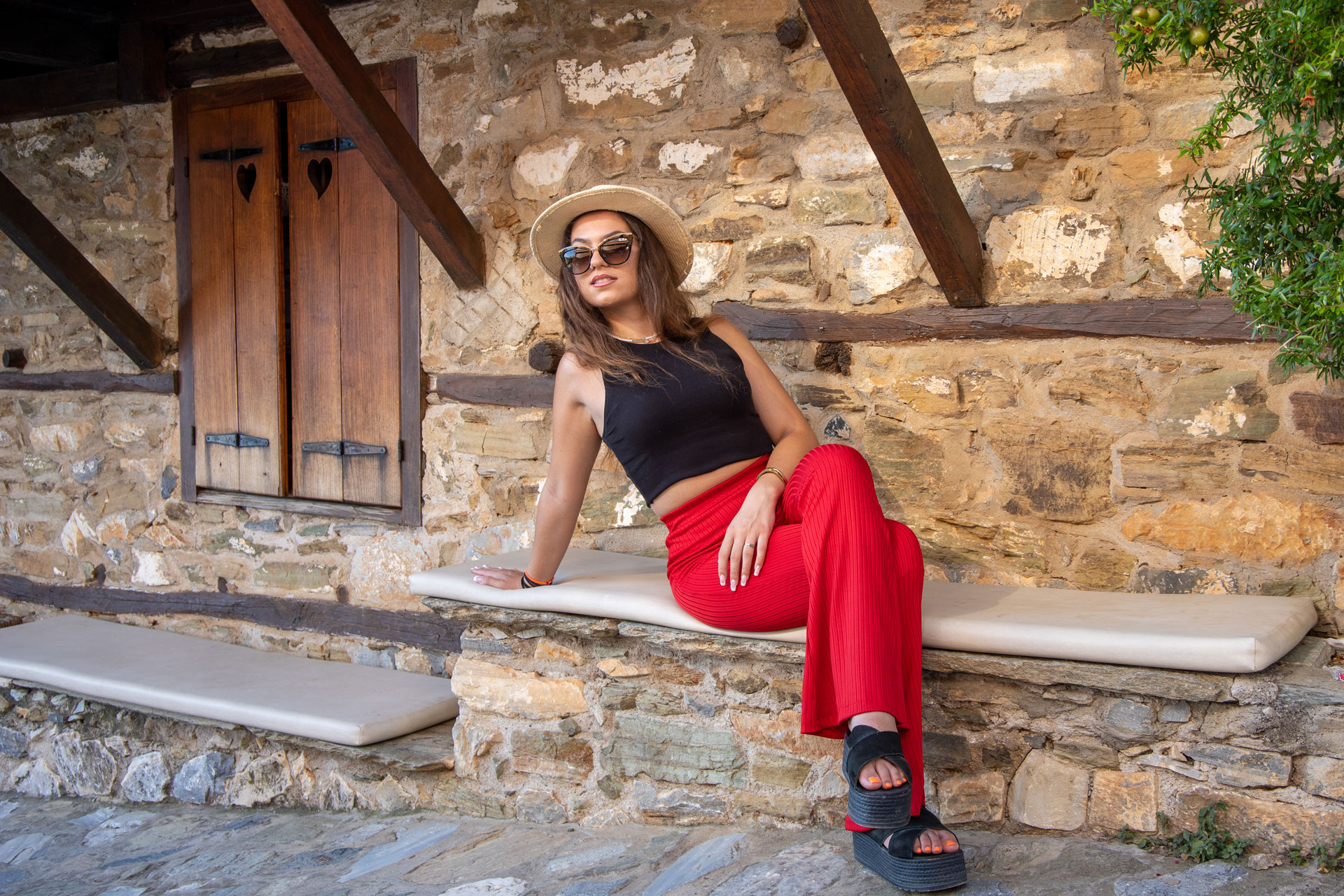
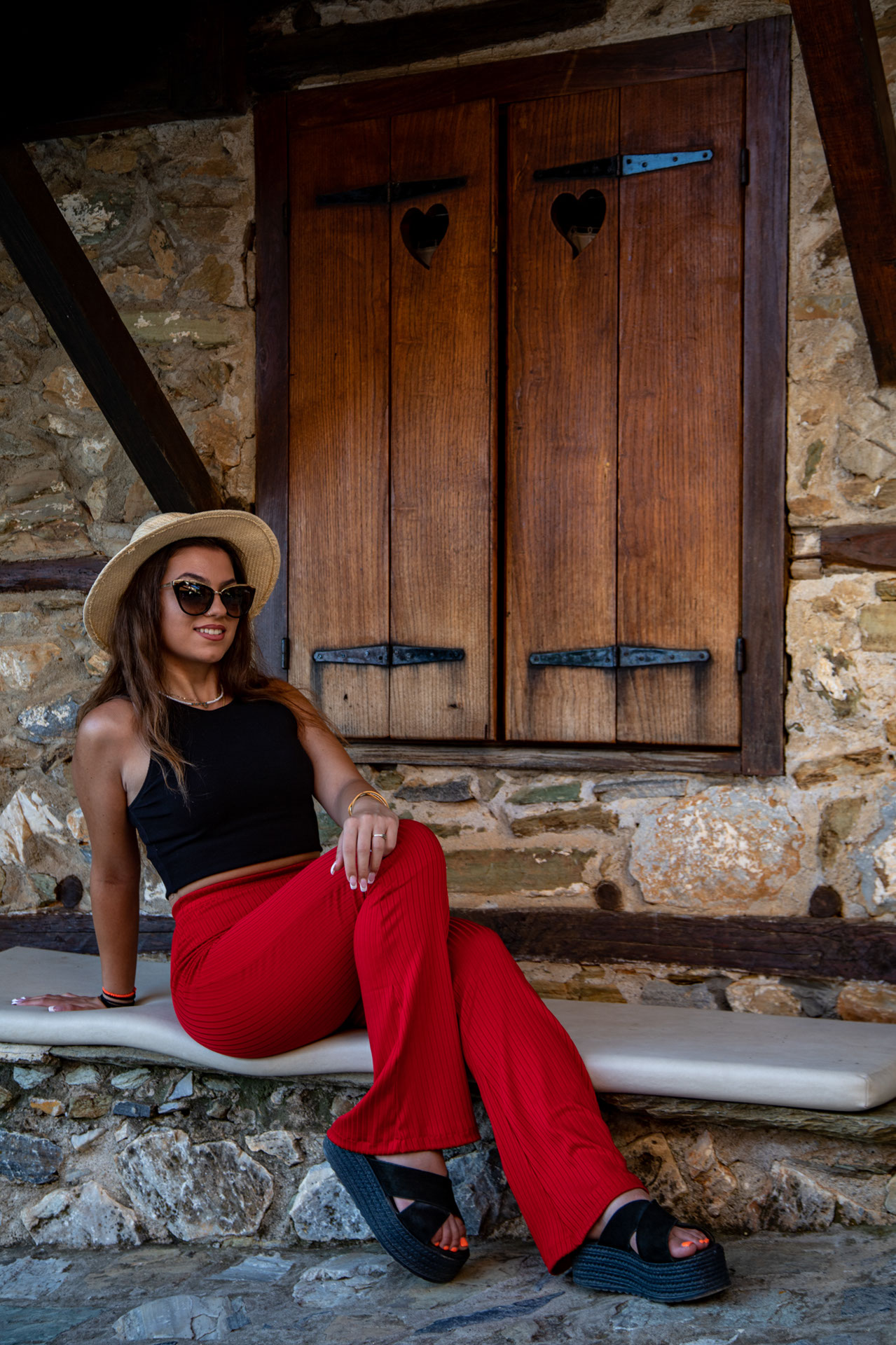
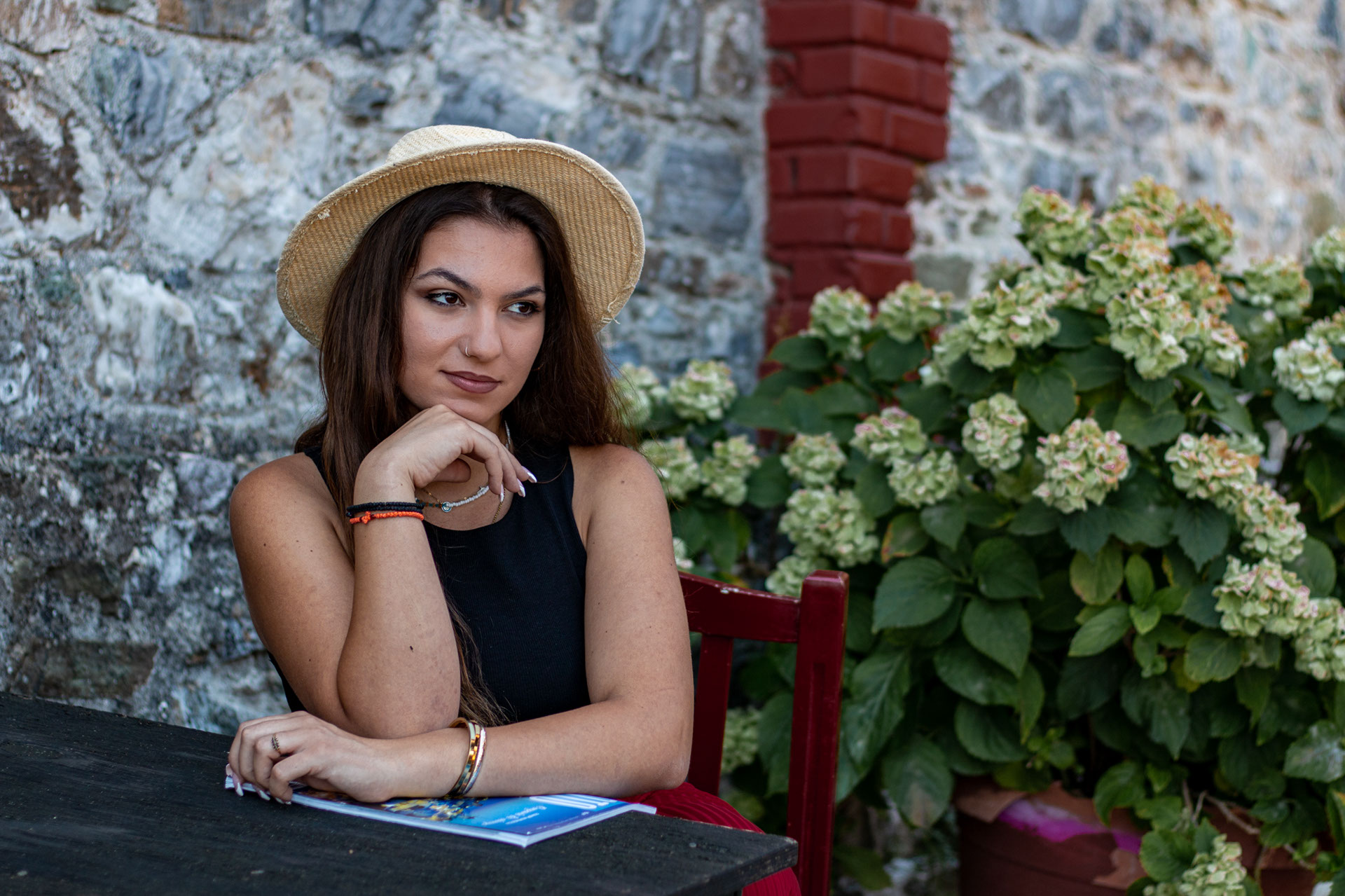
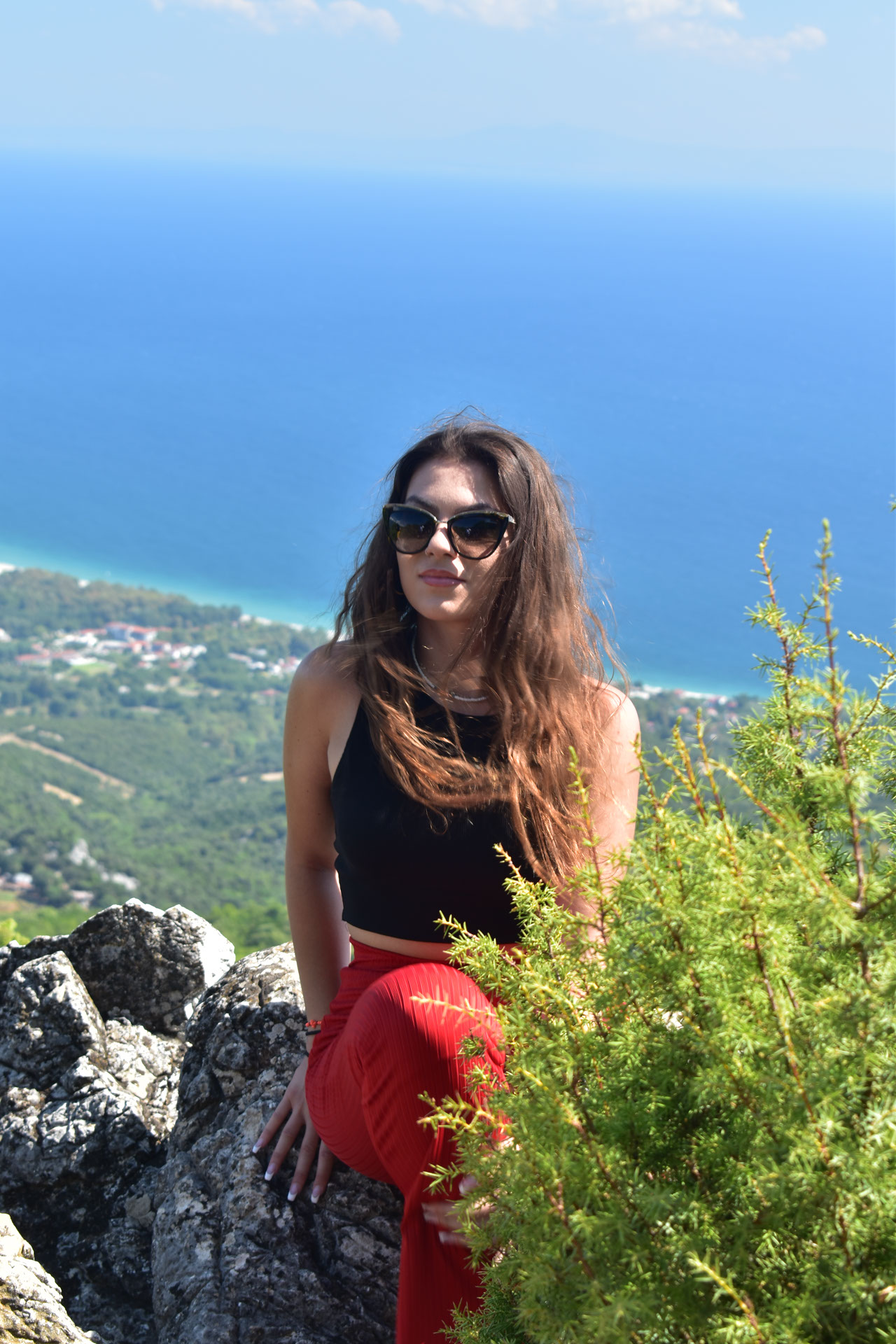
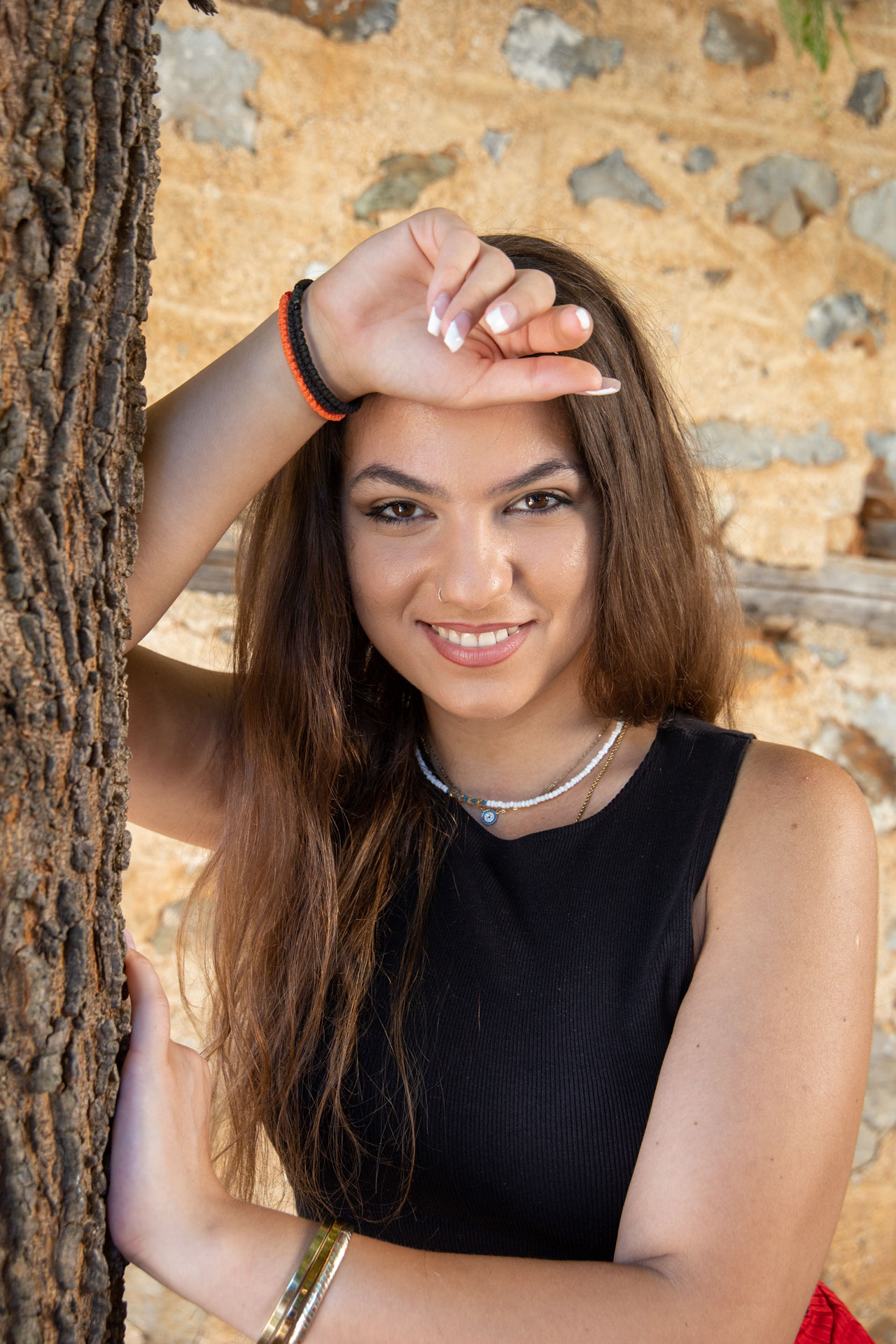
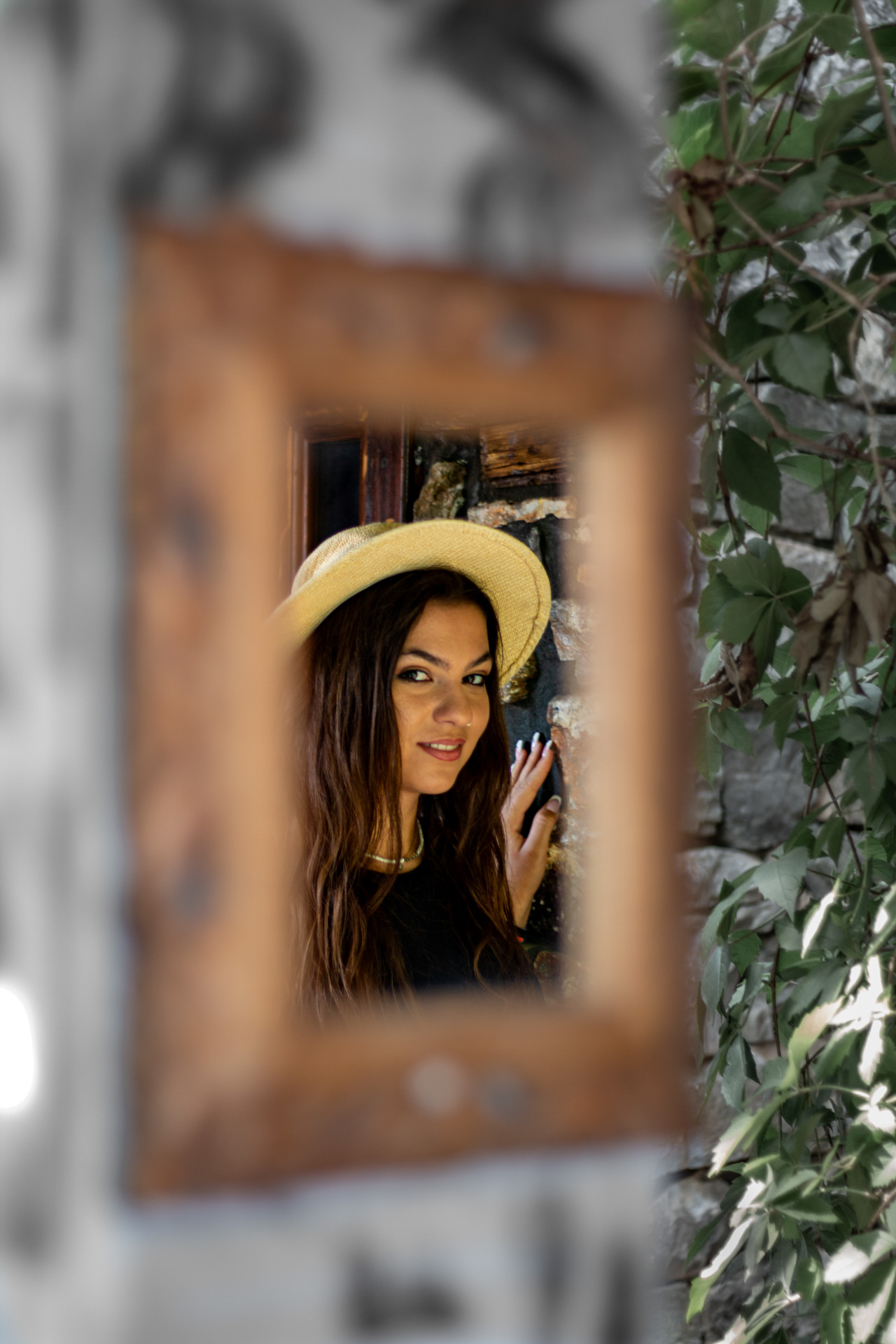
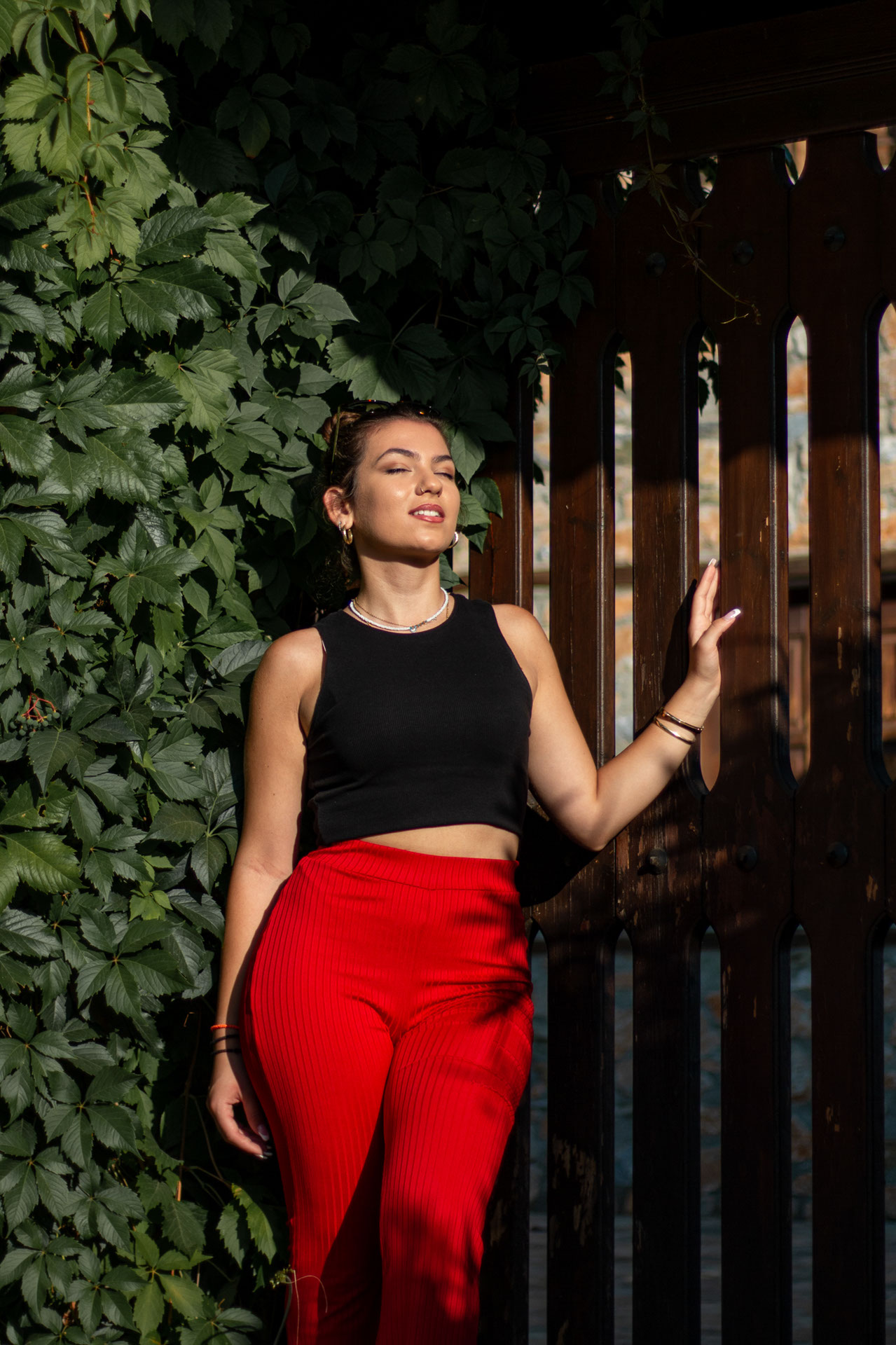
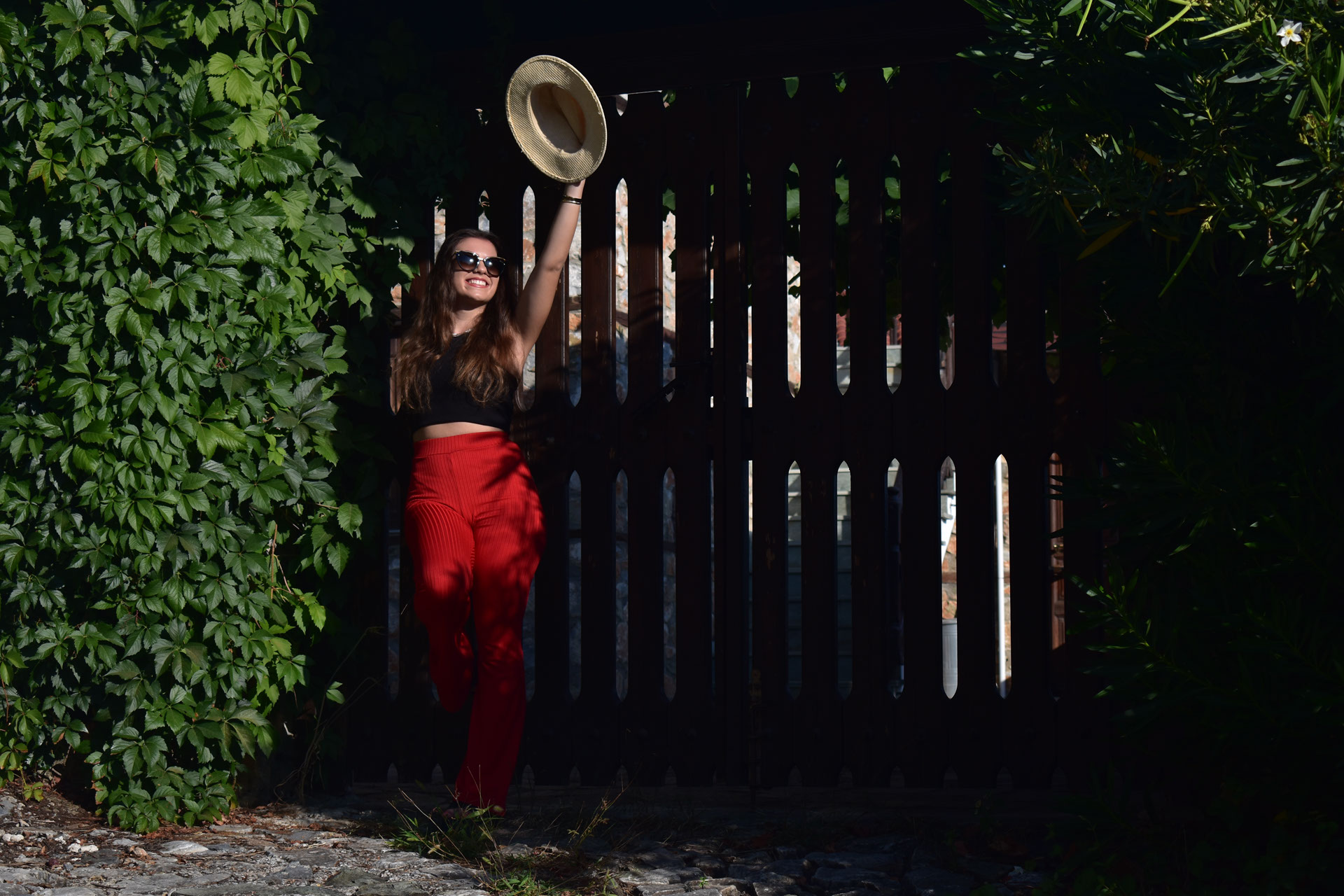
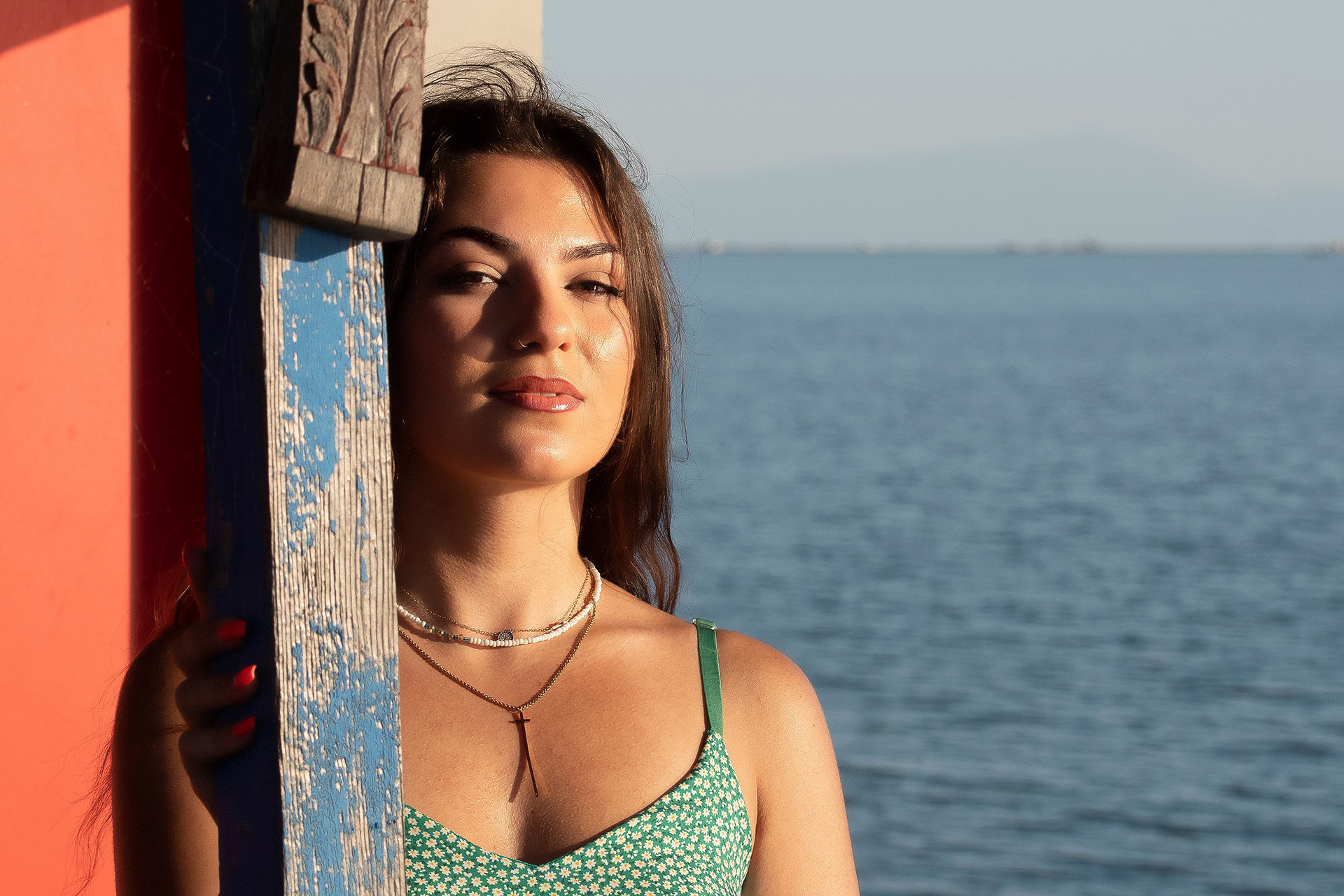
As part of our engagement with portrait photography, we first rushed out into the fields. Then we moved north, beyond the boundaries of our regional unit, searching for beautiful shots by the water. For the third and final part of the Portraits project, we moved south and took to the mountains.
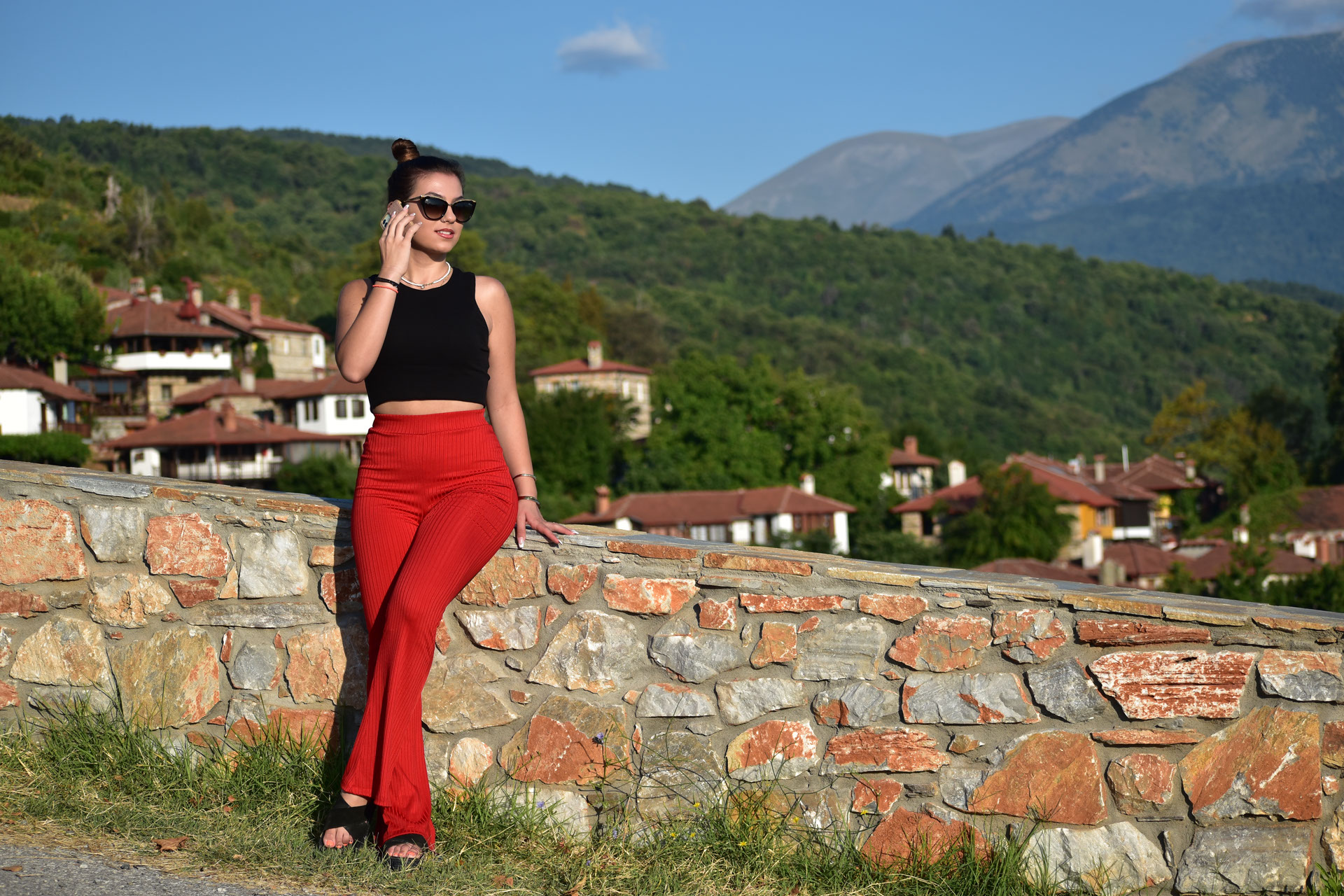
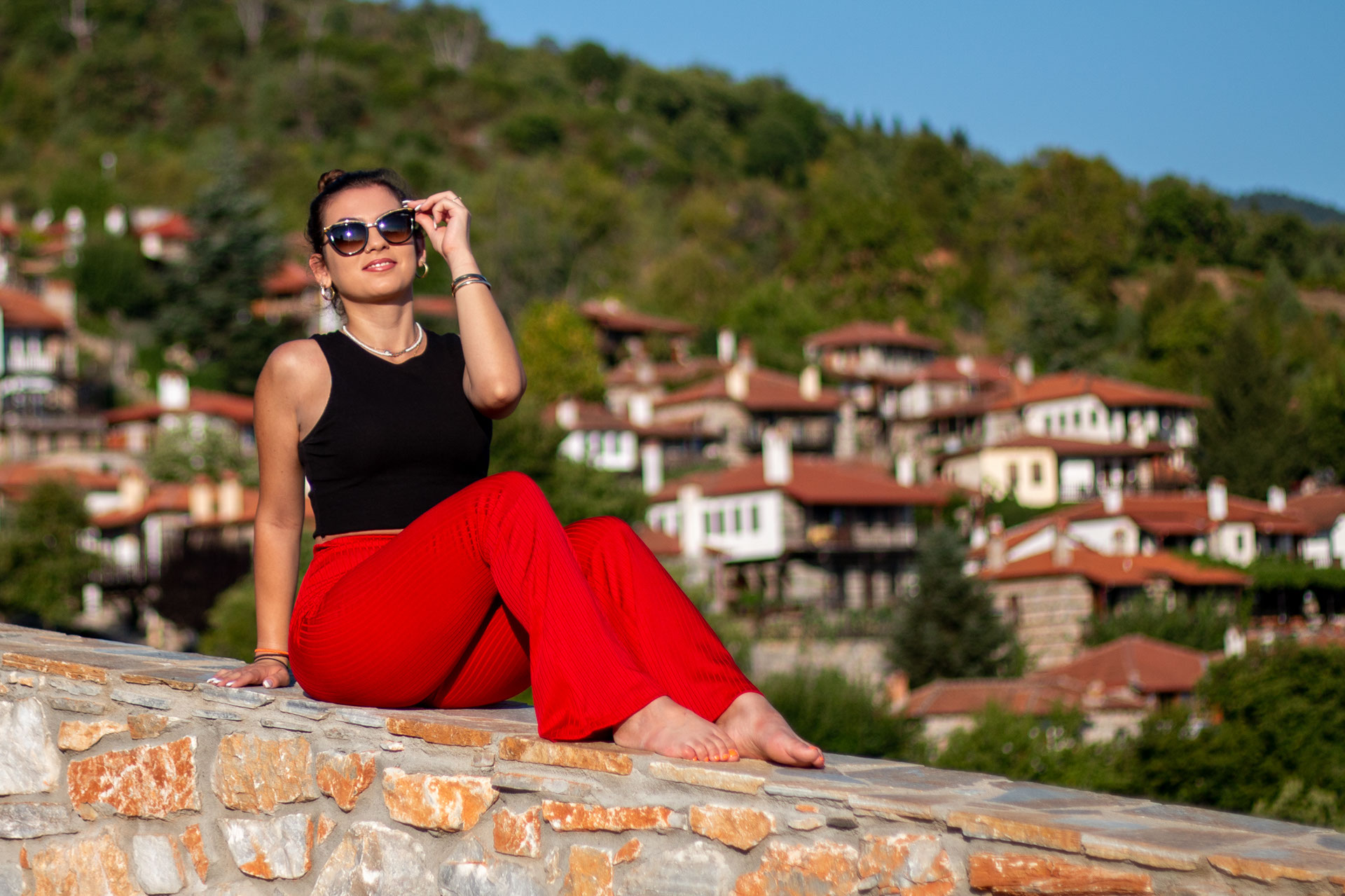
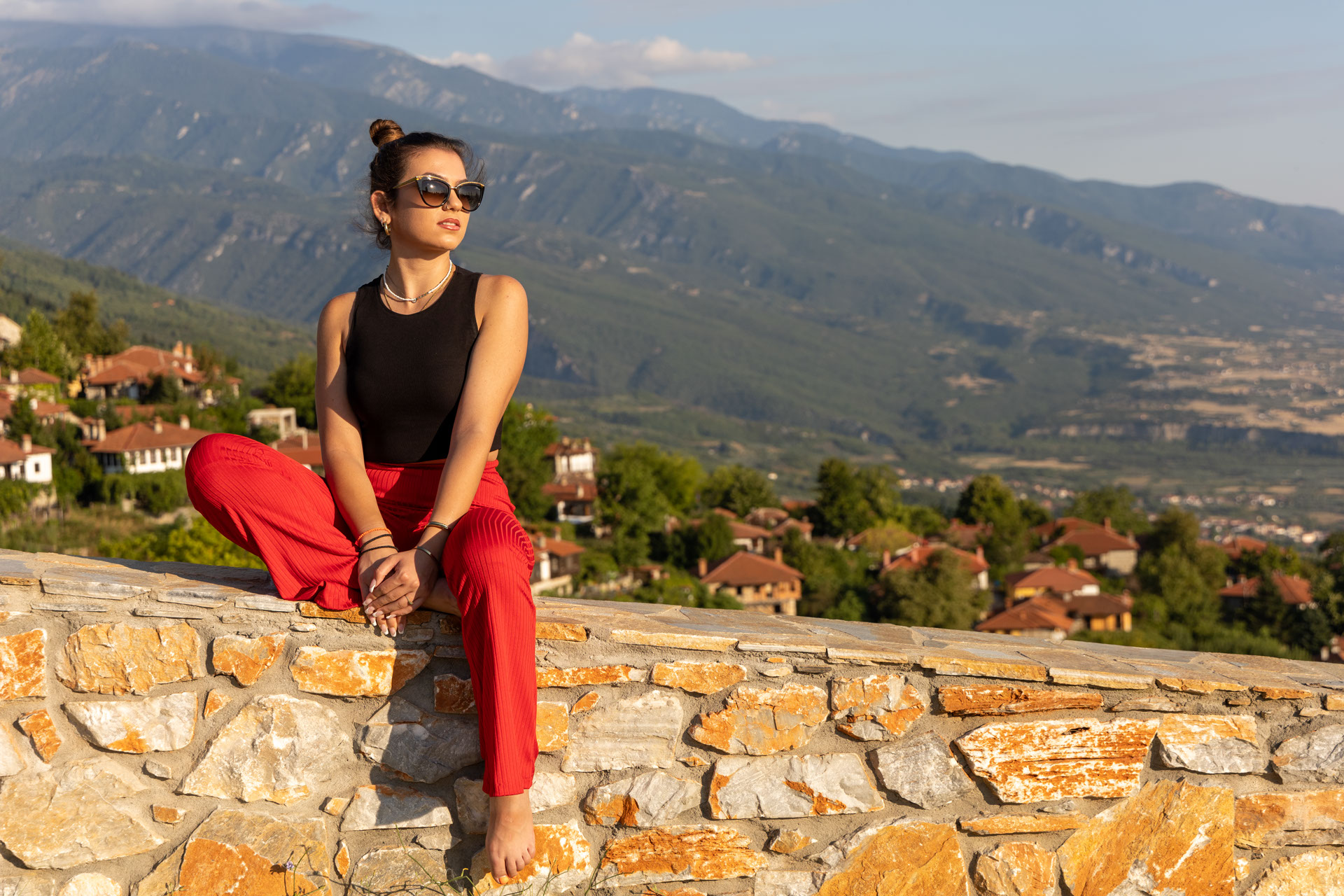
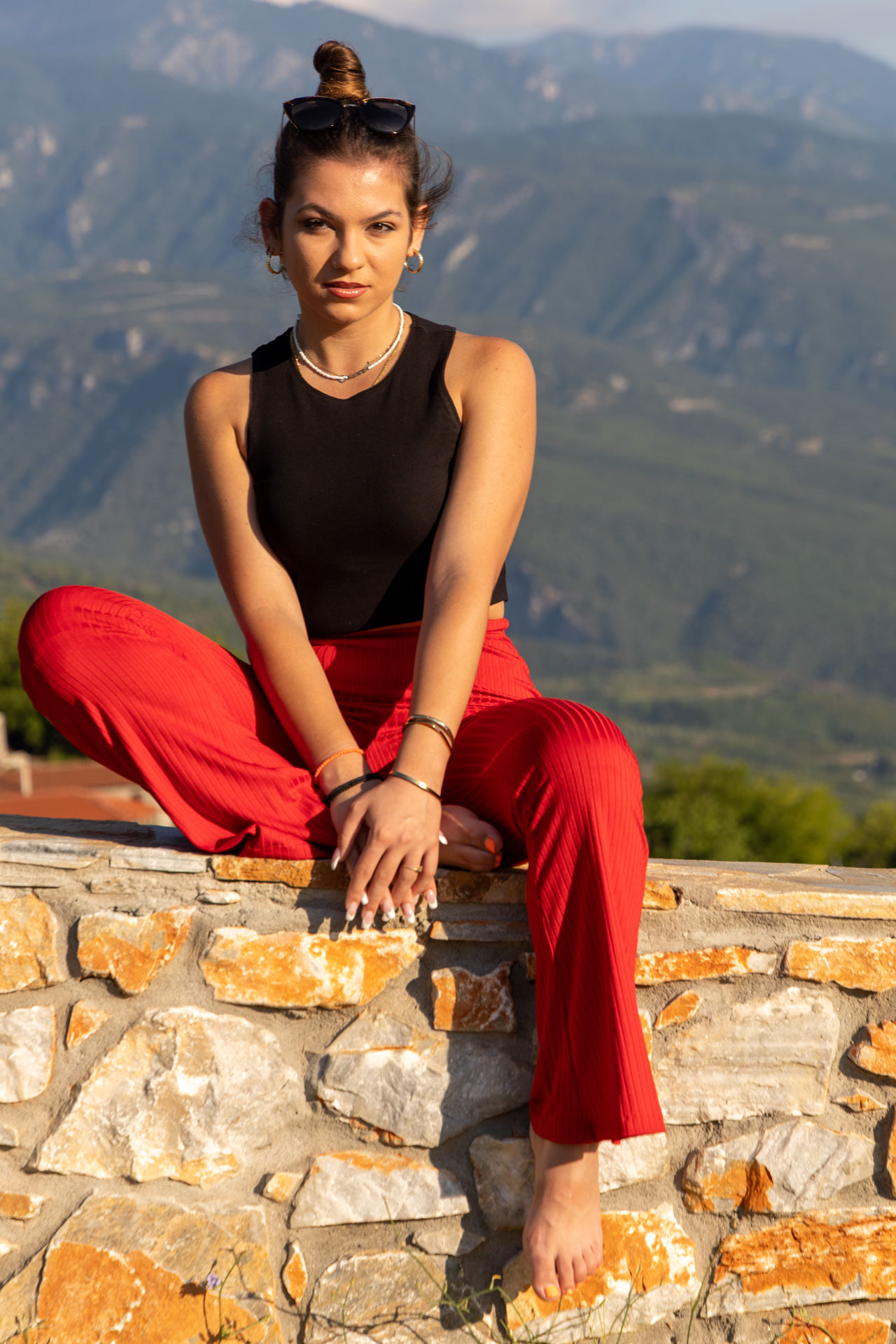
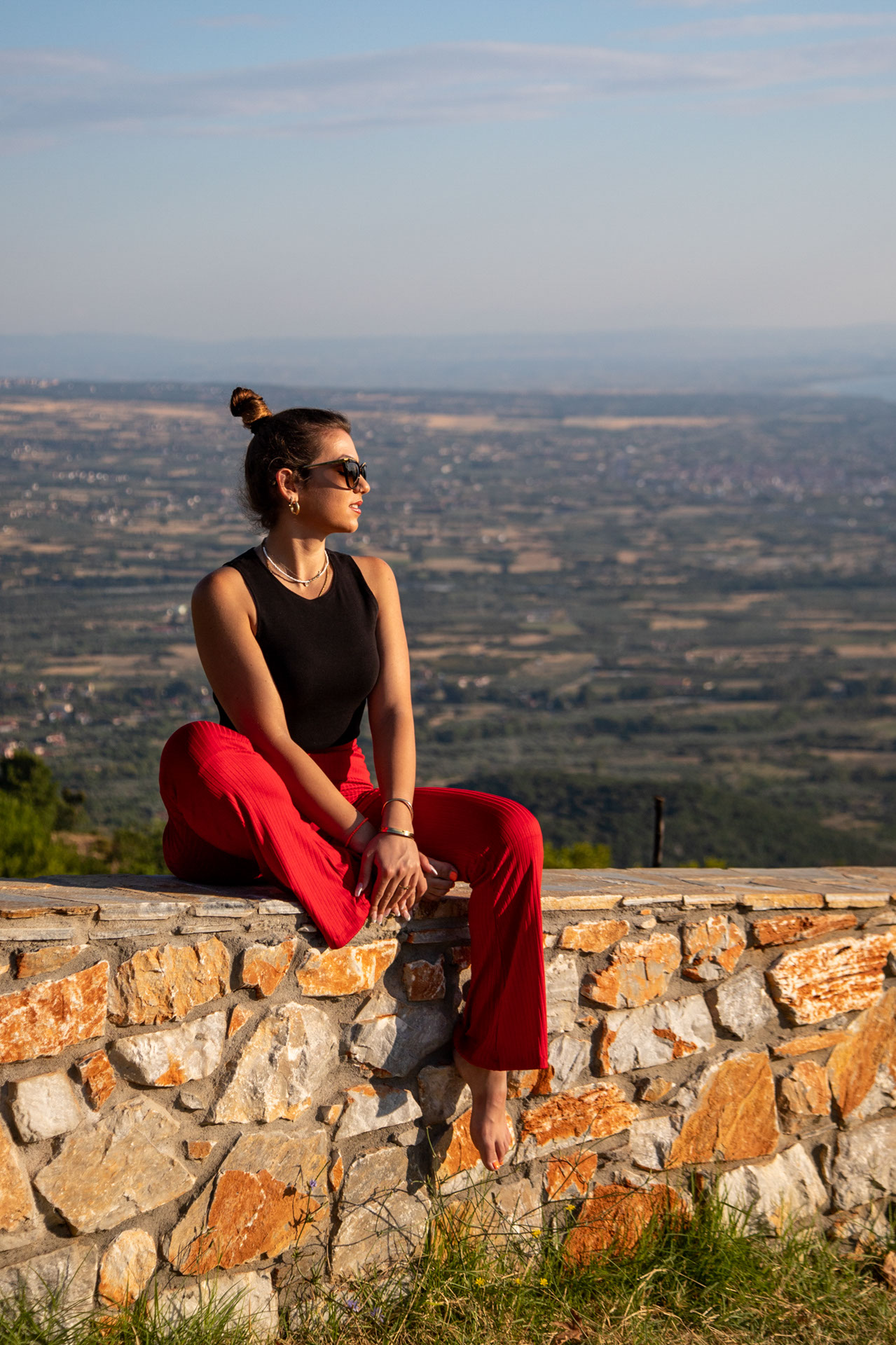
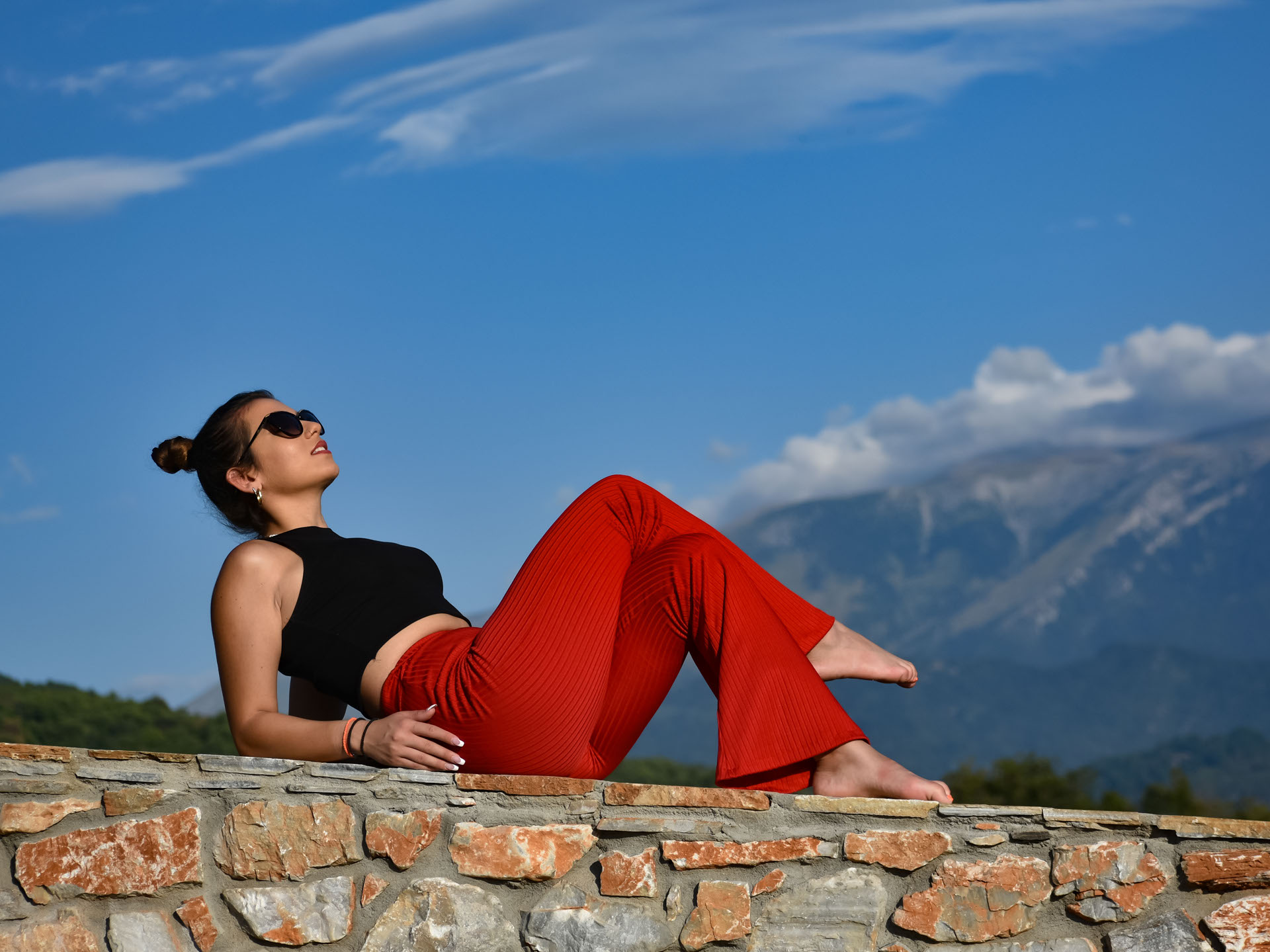
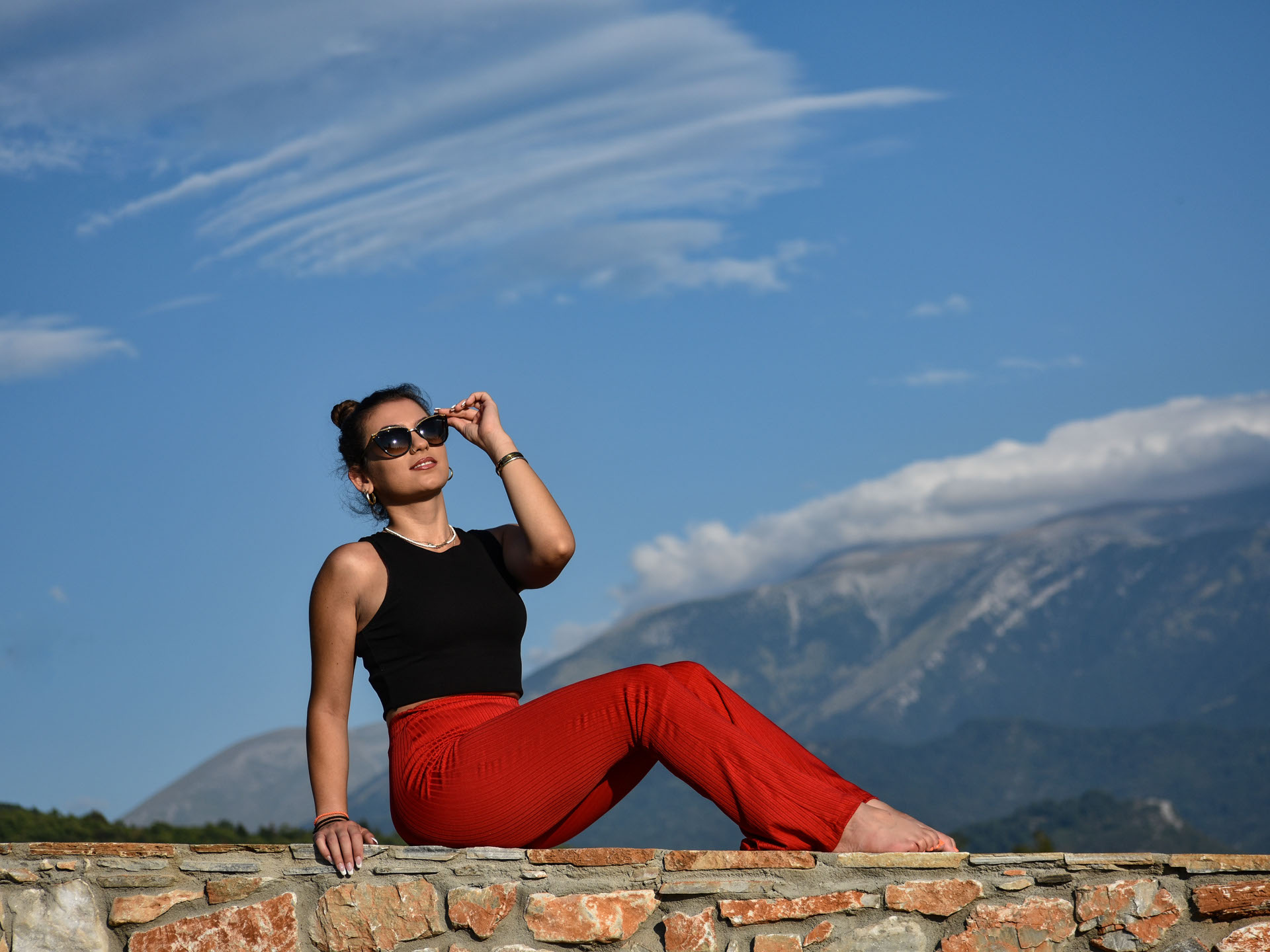
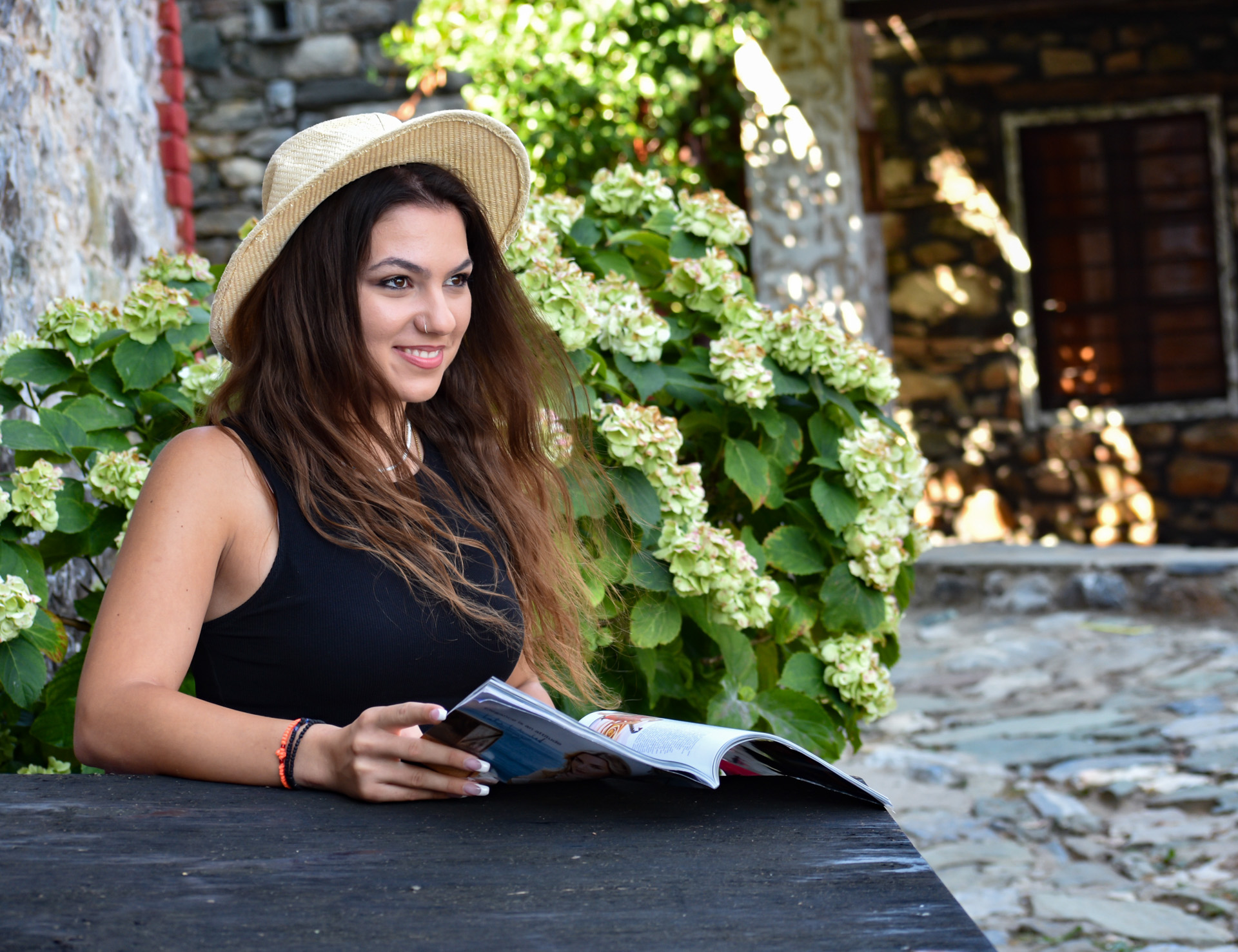
The landscape was familiar: Olympus. The setting was wonderful: the preserved settlement of Agios Panteleimon.
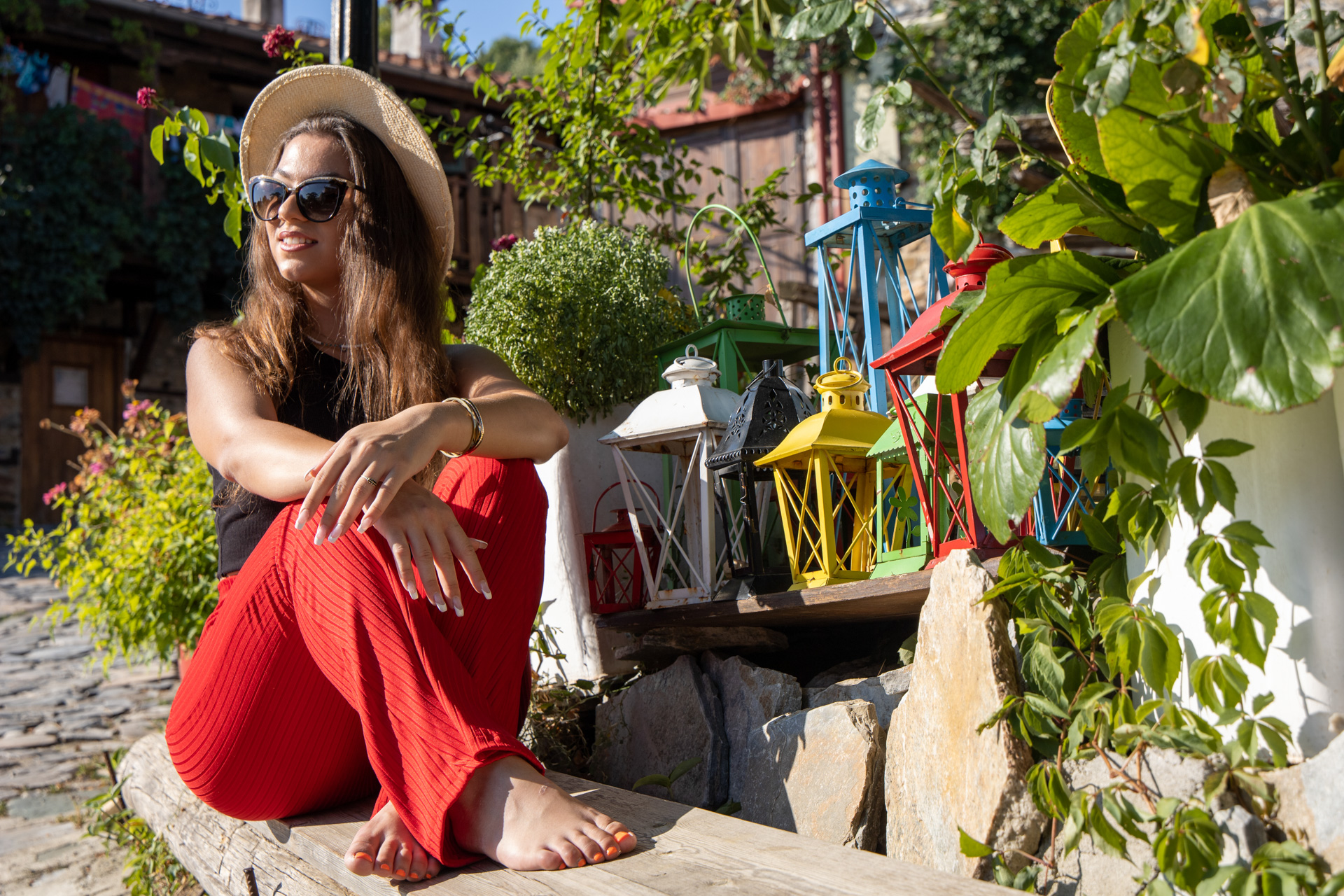
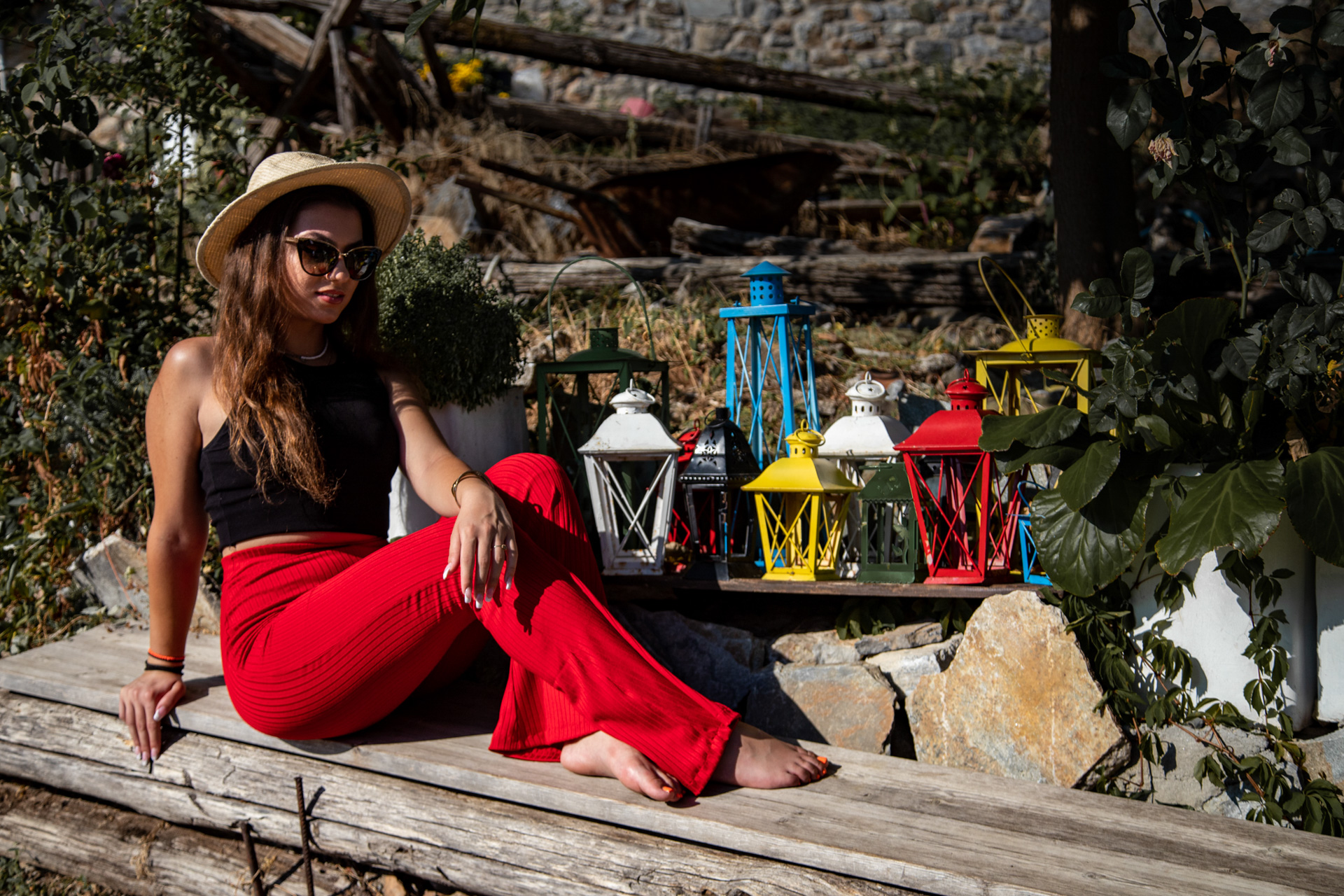
And the model, Nasia Nikolaidou, was excellent throughout the process, helping us complete the trilogy in the best possible way.
We set off at dawn, full of appetite and expectation. Our aim was to arrive in time, so that the sun would be our friend and ally. We began the shoot outside the settlement, so that we could use it as a background, nestled as it is on the slope of Olympus.
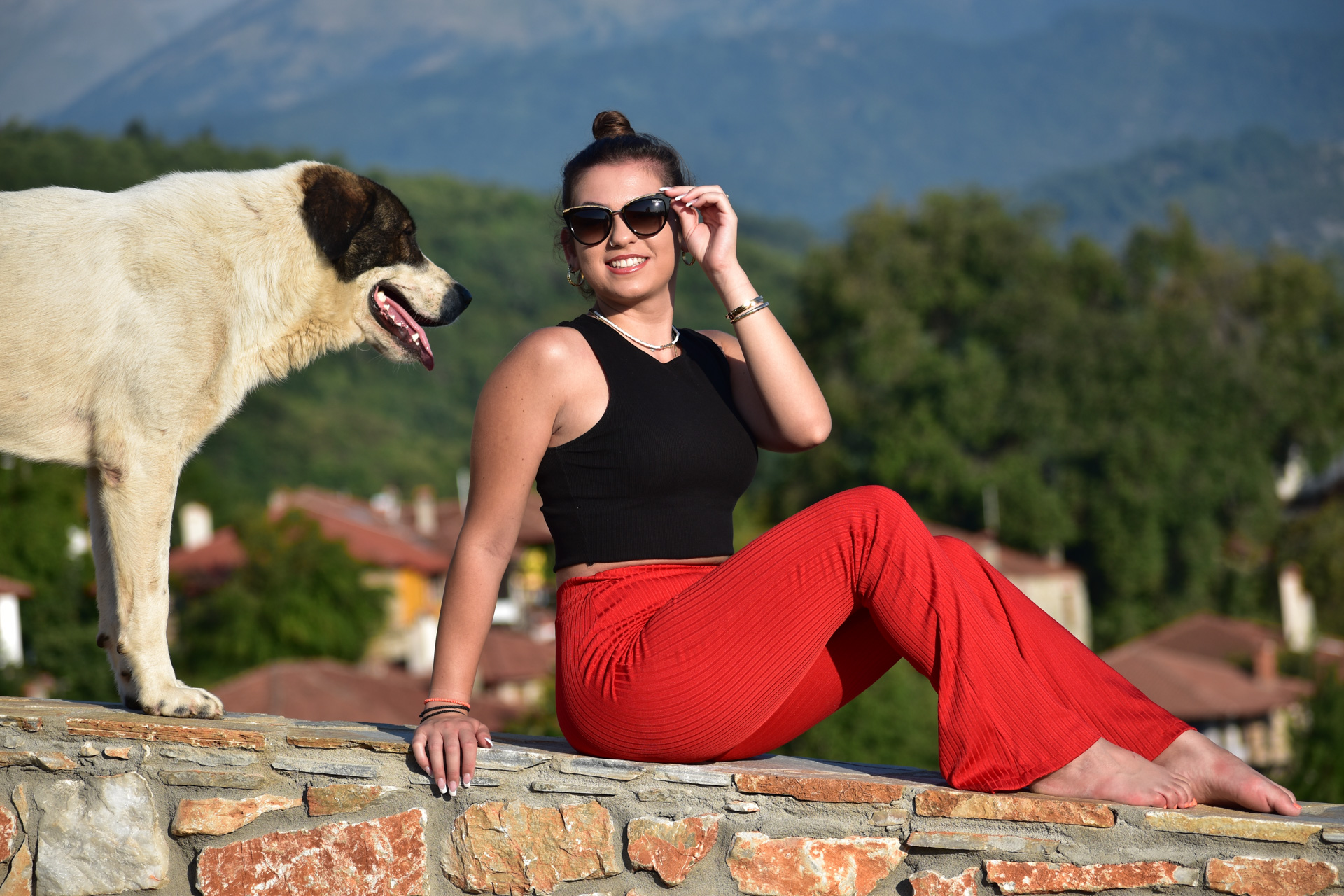
A friendly but rather large dog became jealous that Nasia was monopolising all our attention and decided to steal a little of her glory. He appeared out of nowhere on set, took his place beside the model, and began posing too.
The model remained calm, and we, delighted, continued the shoot, all of us showing professionalism, even the dog.
We then moved inside the settlement and lost ourselves in its narrow streets. Stone Macedonian houses with red-tiled roofs and projecting upper floors, labyrinthine stone-paved lanes, the square with its centuries-old plane trees and traditional fountain, and the church of Agios Panteleimon dominating its centre, all formed a wonderful cinematic setting that inspired us to give our best.
It is no coincidence that the same setting has inspired great Greek directors to film there. In 1980, Theo Angelopoulos shot several scenes for his film Alexander the Great, and in 2008, Kostas Koutsomytis found in old Panteleimon the ideal setting for the television adaptation of Dido Sotiriou’s novel Farewell Anatolia.
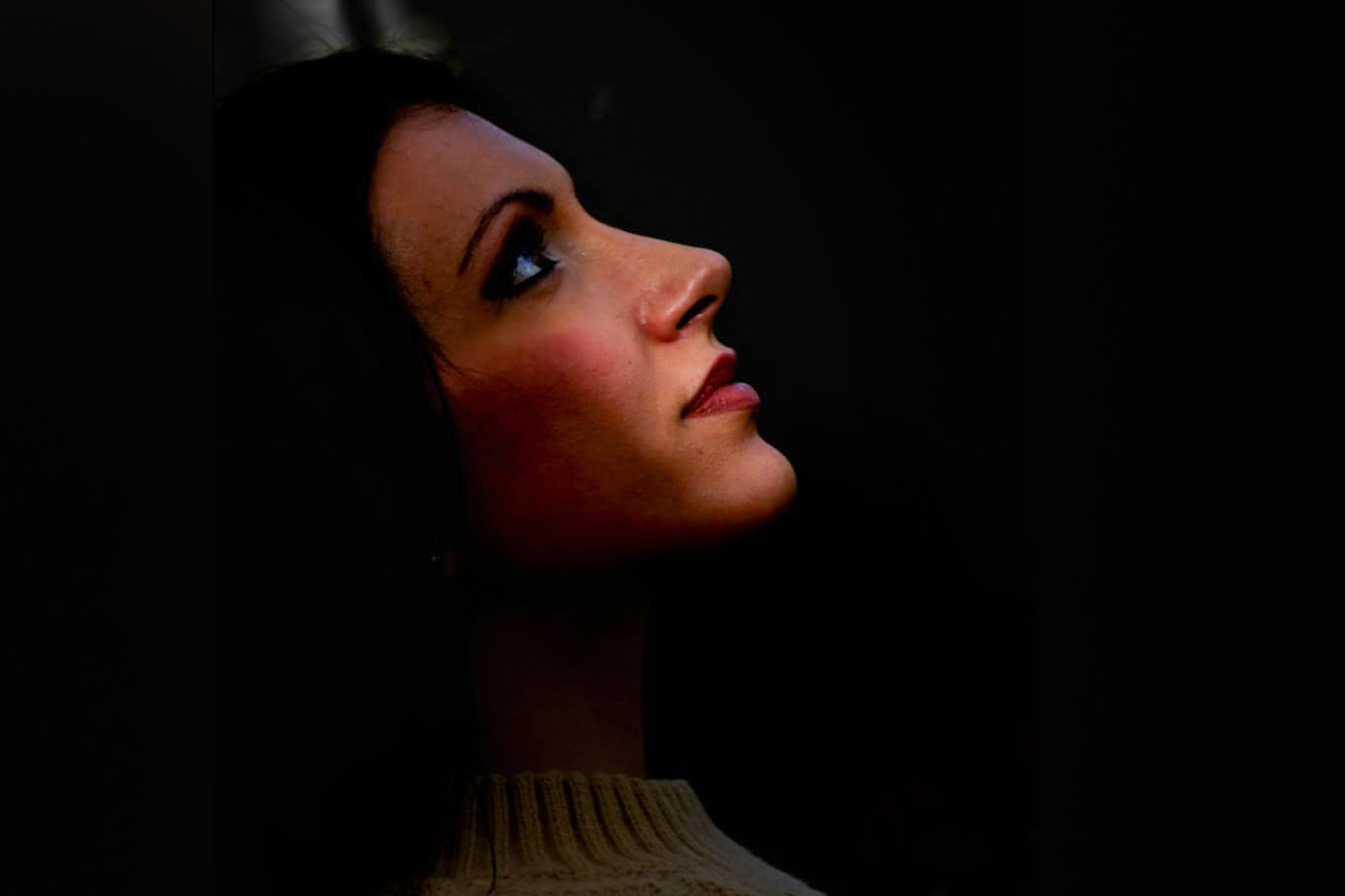
A little before the end of the shoot, while we were trying to achieve a tight frame and a close portrait under less than ideal lighting conditions, came the second funny incident: a lady, with a conspiratorial air, tried to find out which magazine we were from.
Was the goal achieved?
Absolutely.
Regardless of the photographic result, we had a wonderful time. We had the opportunity to discover our limits in this particular genre of photography and tried to improve.
The trilogy left us with only pleasant impressions and experiences. Most importantly, it allowed us to lay foundations for the future.