Cover photo by Harrys Pourouzidis
Article by Harrys Pourouzidis
– How far away is Niš?
– Oh, not that far. Just a couple of jokes away, a conversation or two, and maybe a quick stop on the highway for gas.
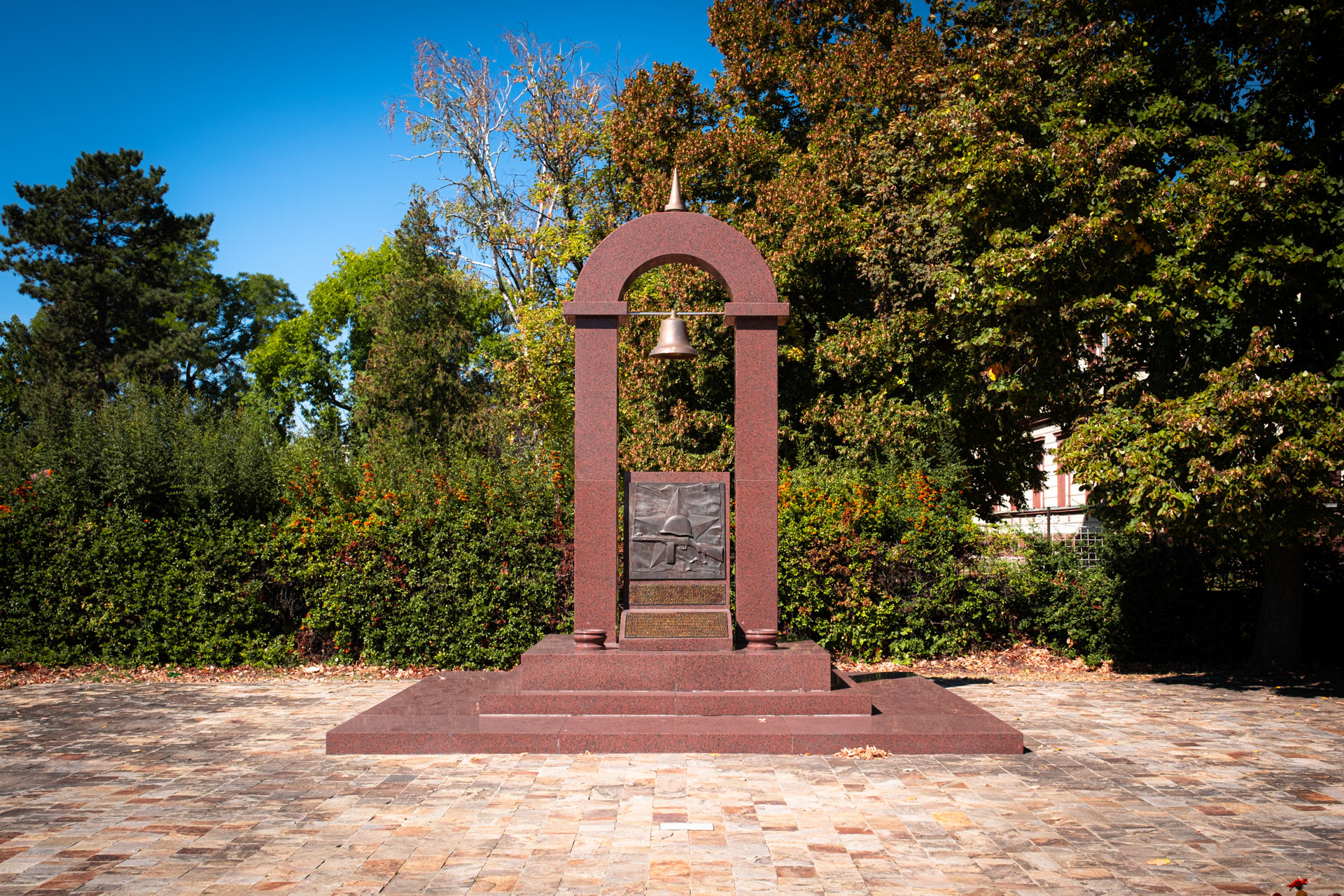
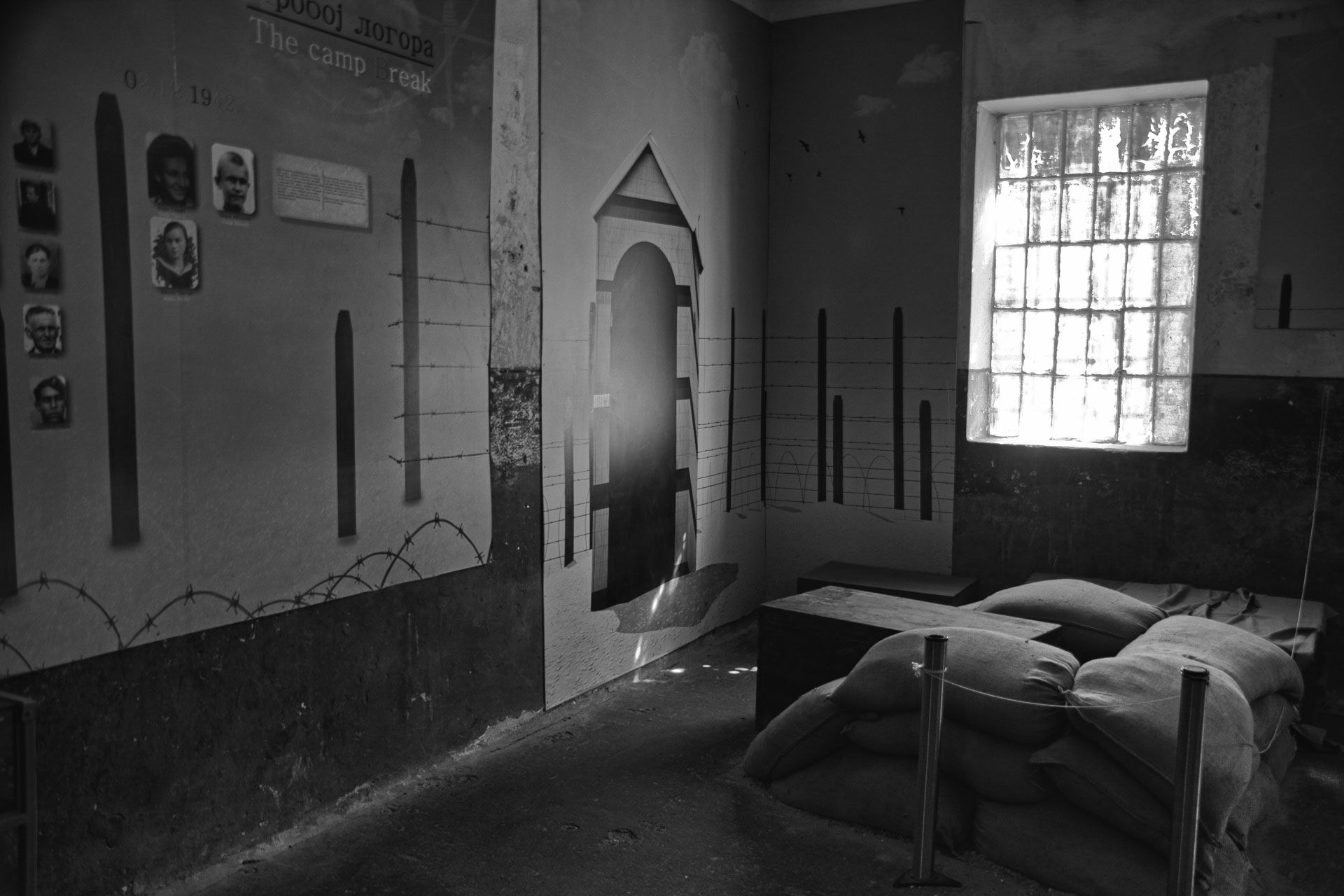
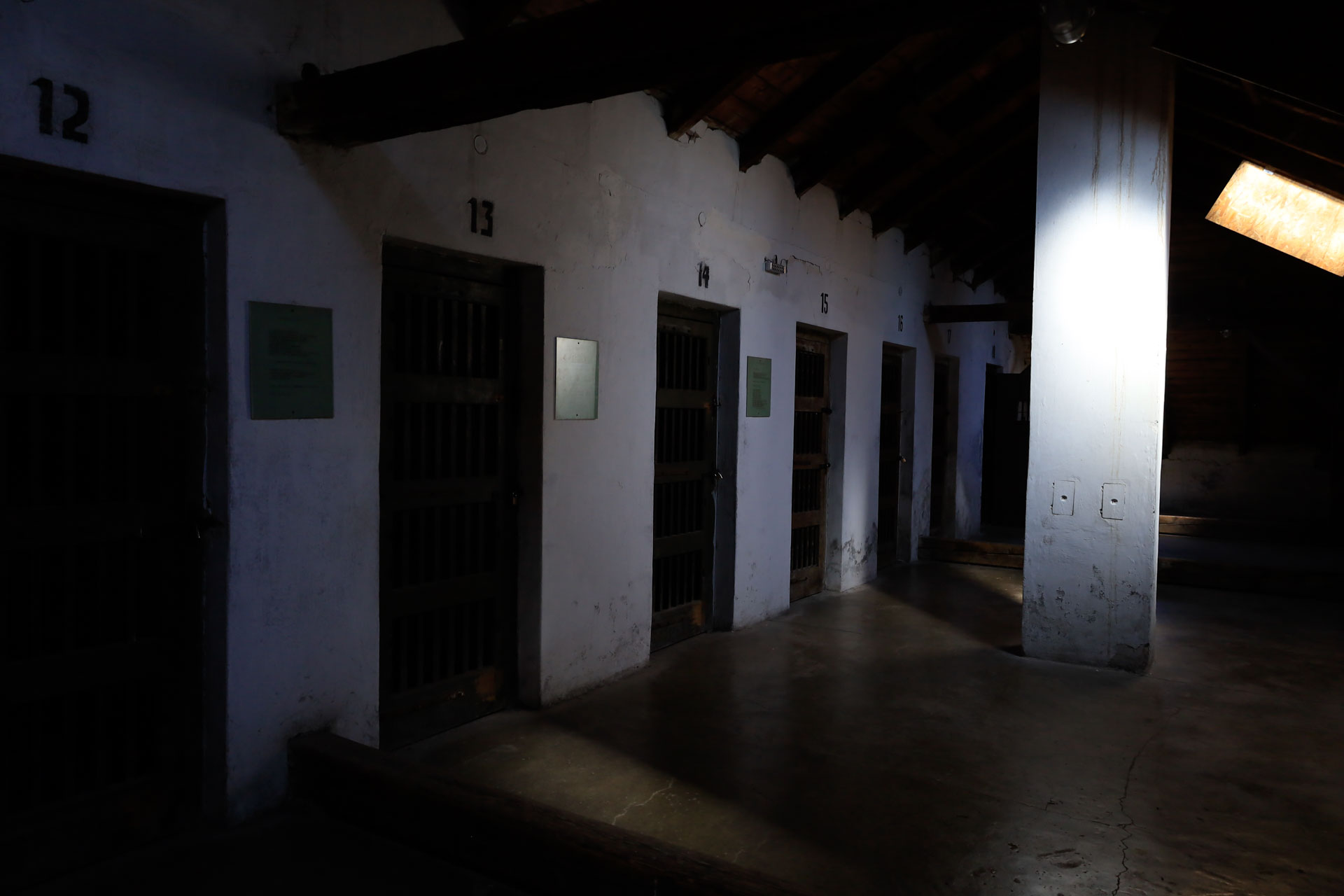
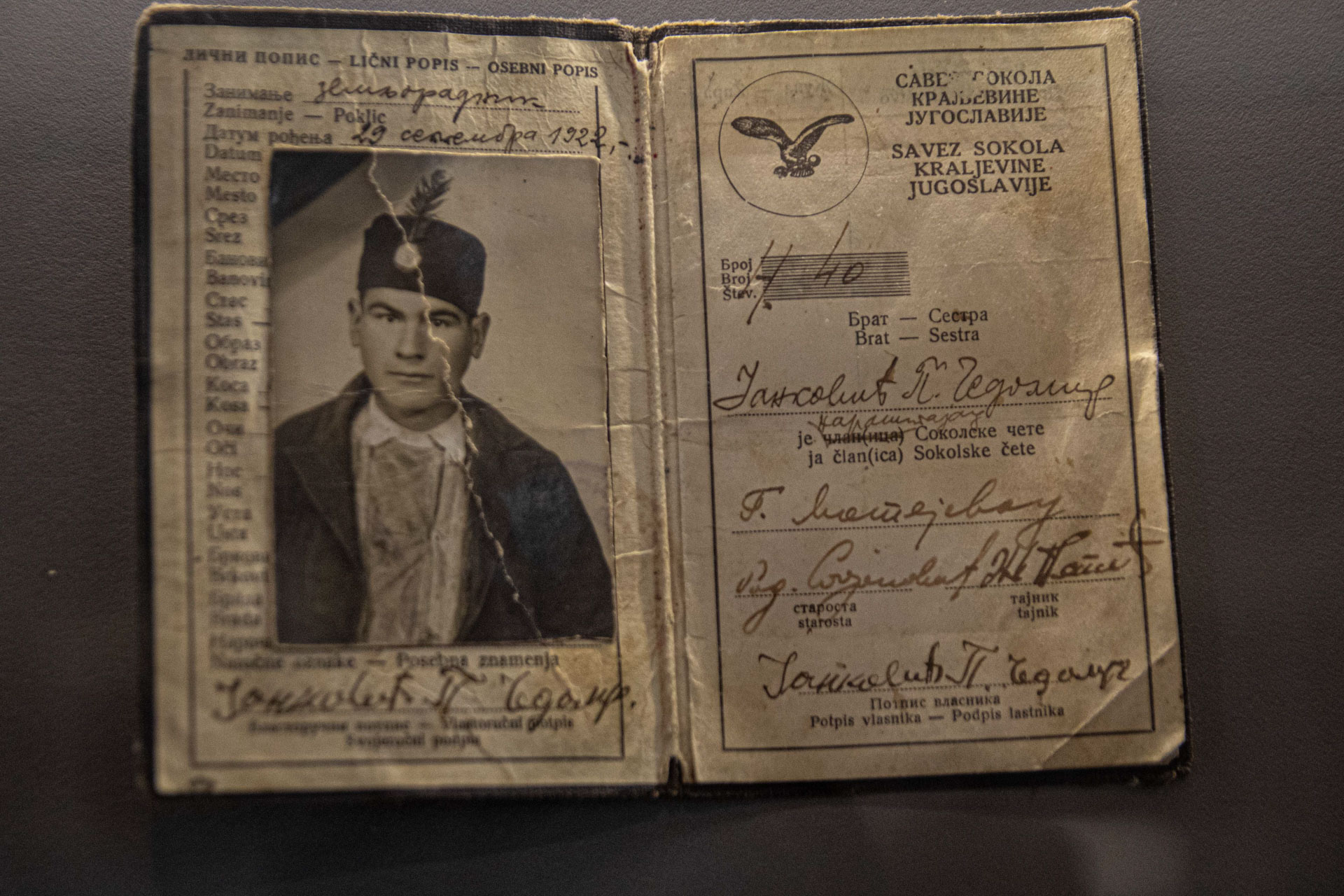
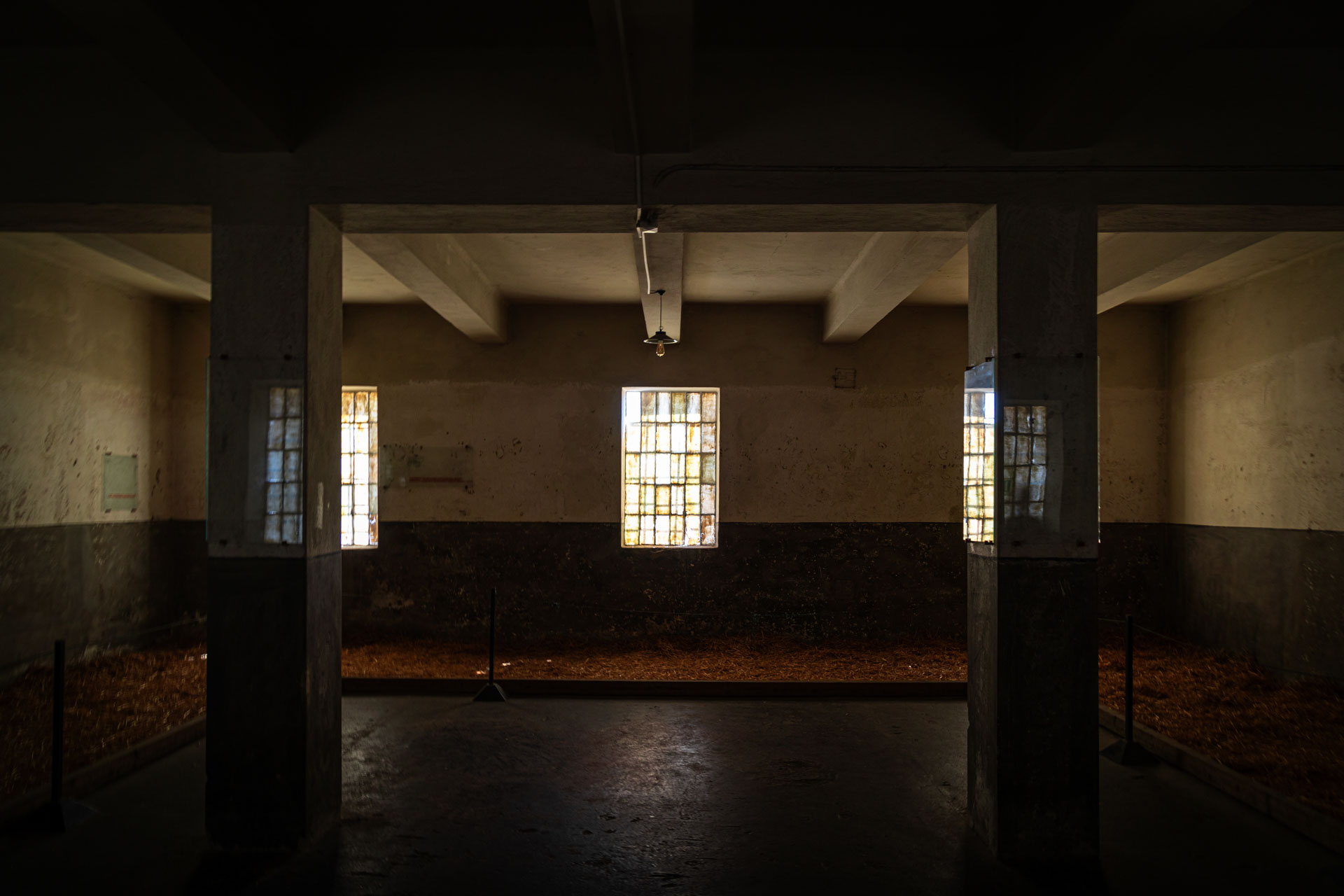
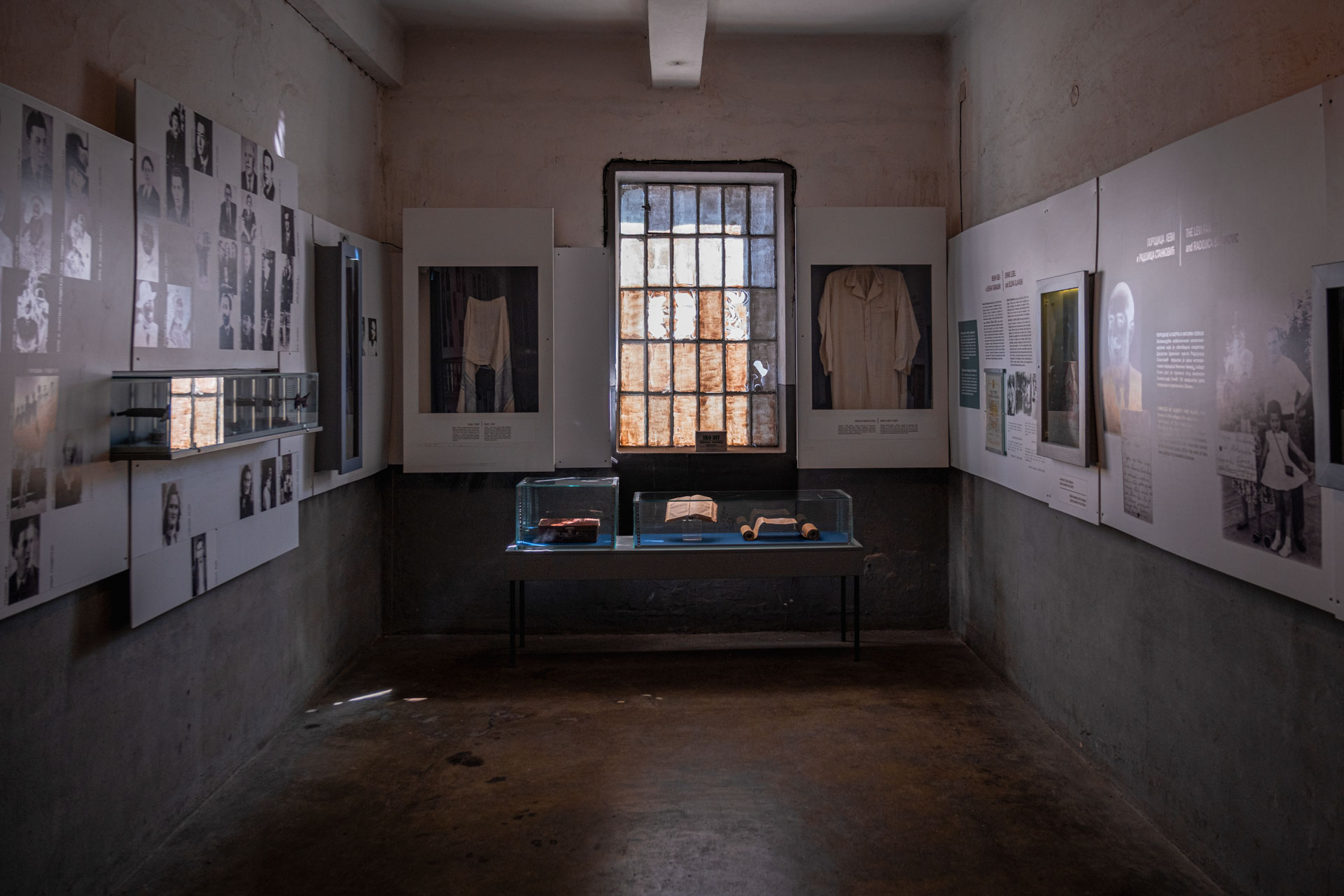
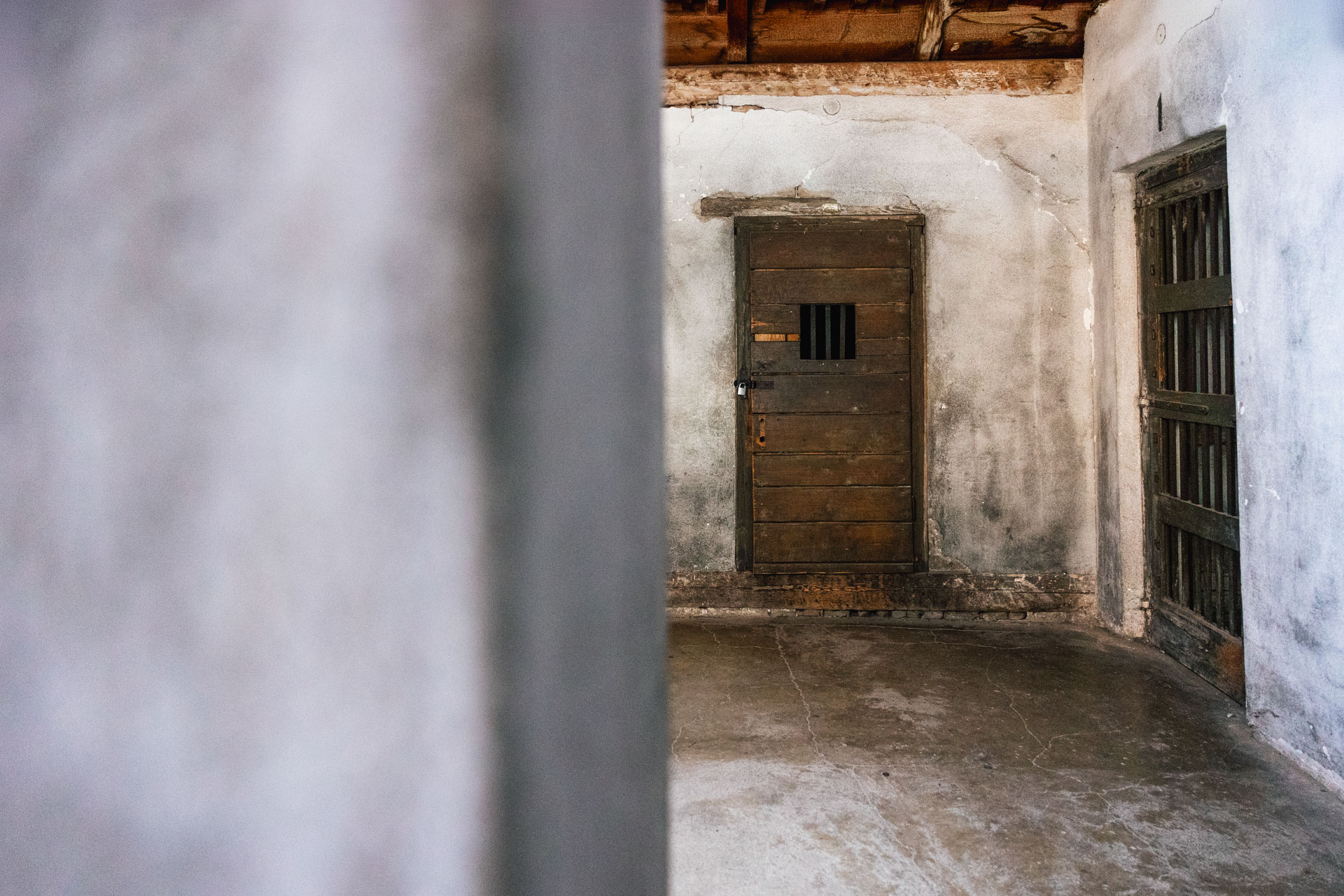
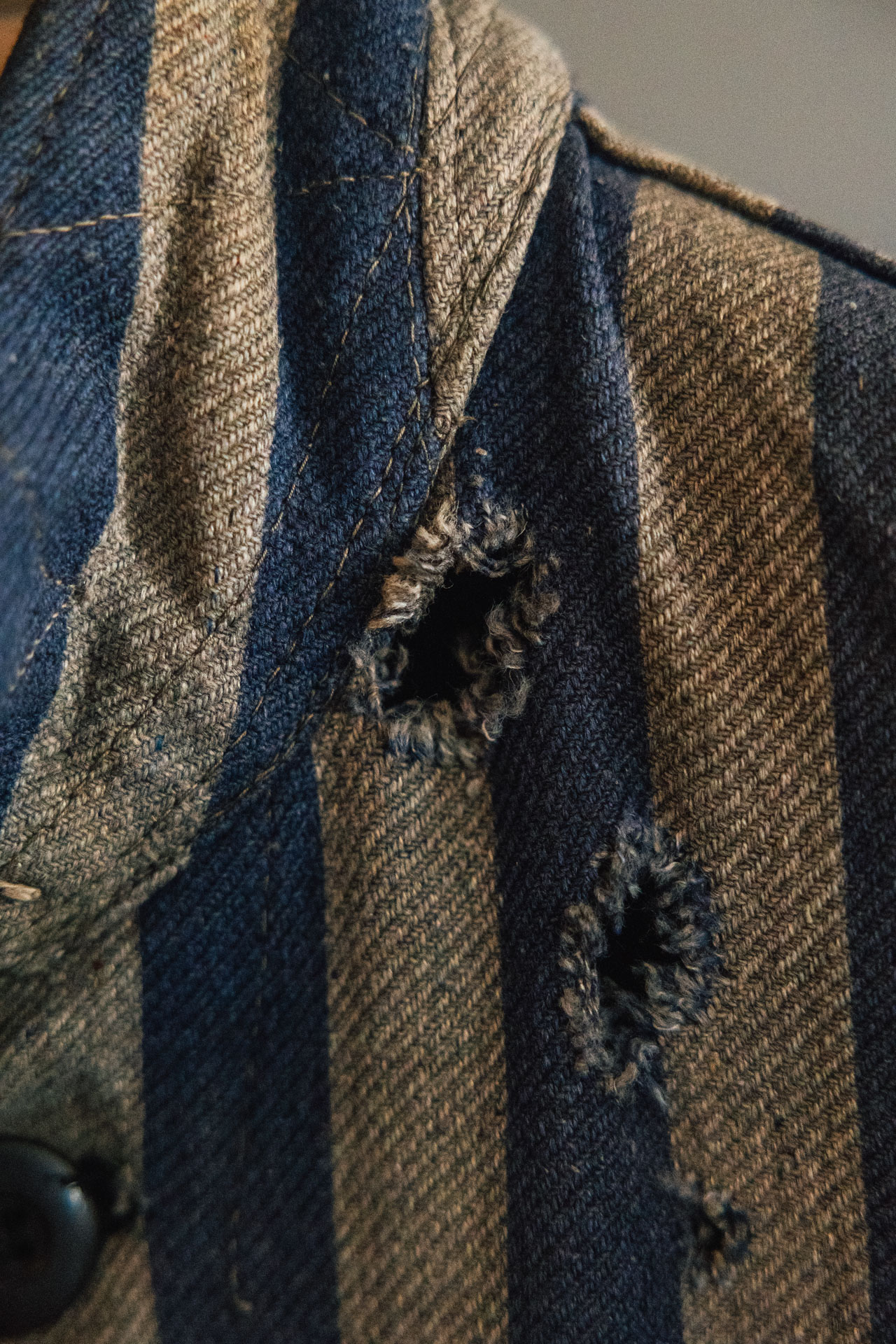
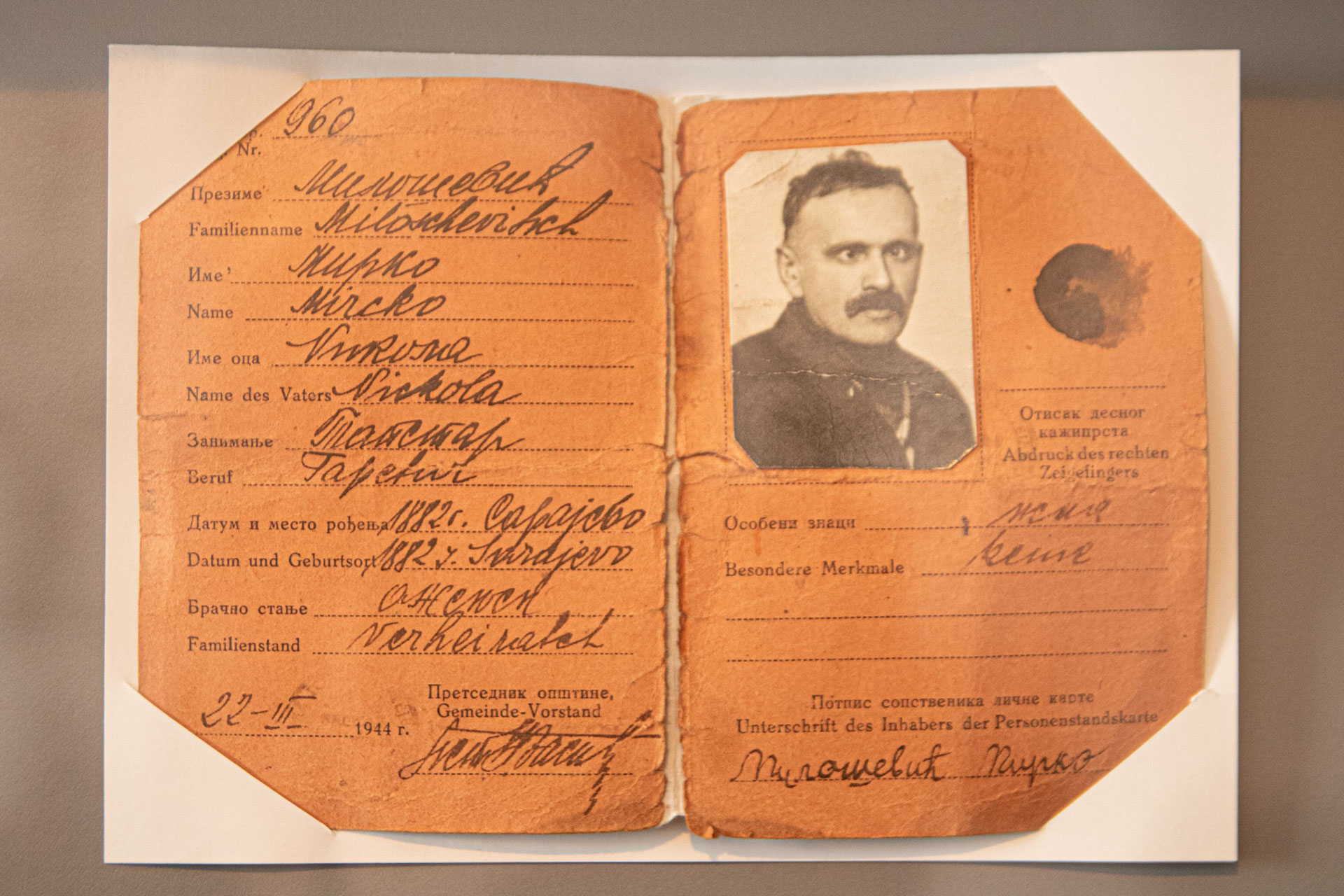
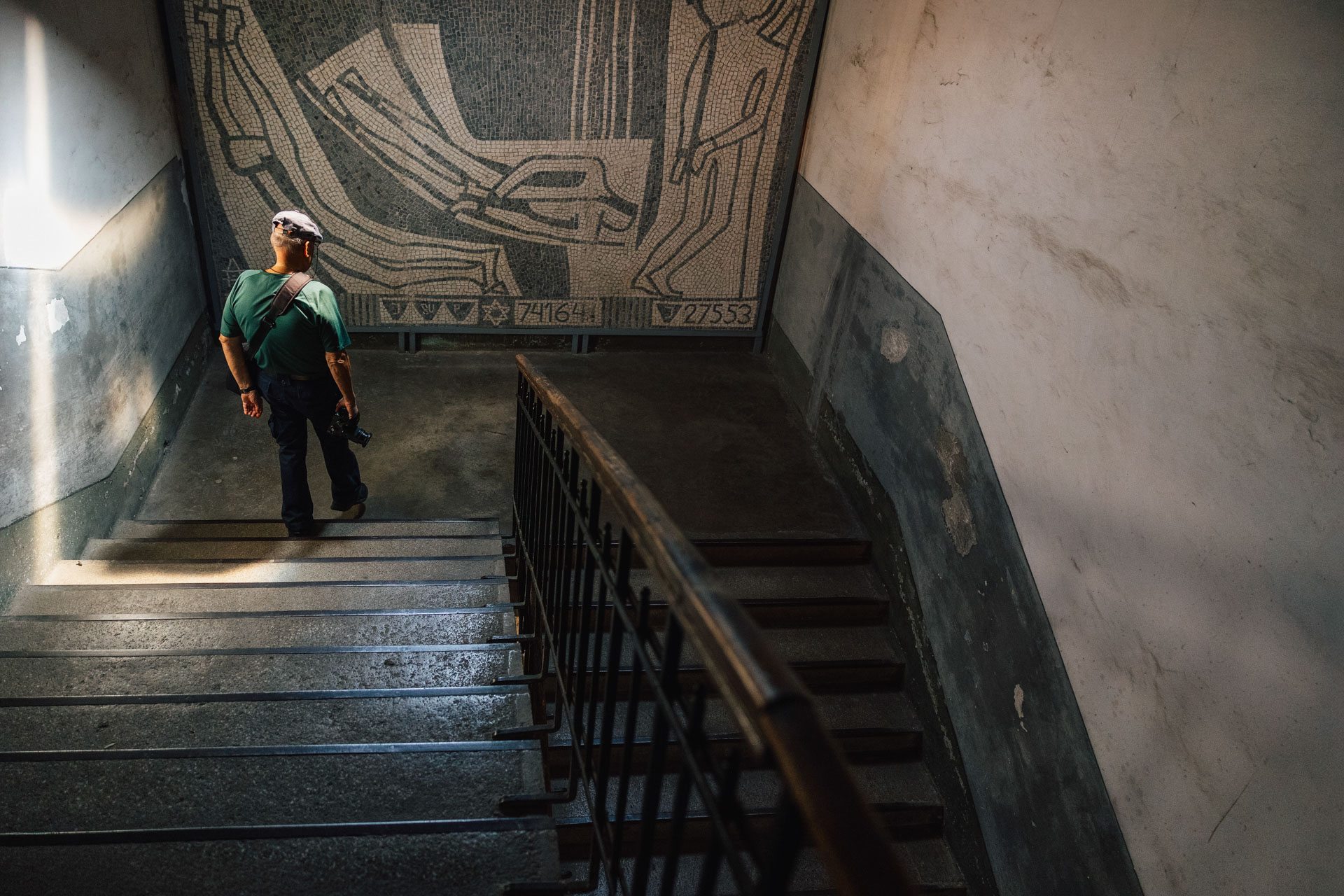
It was a sunny day, still pleasantly warm for the beginning of October, and Niš welcomed us with its broad streets, clean through and through, but also with a rather grim face. Our first stop was Crveni Krst, a former Nazi concentration and transit camp, now a museum left standing to remind everyone of what humanity should never allow to happen again. It was perhaps only the warmth of the sun that kept us going as we gazed upon the swastika and SS symbols surrounding the German word “WACHE”. Just a few steps away stood a wall of final fate, riddled with bullet holes, and I could almost swear that blood was still dripping from them. But there was no sun to shield us when we entered the old building. We could clearly see the dread and horror in the faces captured in photographs on the walls, in the hay spread across the floor as makeshift beds, in the prison clothes marked with holes and dried blood, and in the tiny two-by-two-metre cells on the upper floor. We left this place, where more than 30,000 human beings had been imprisoned, in the only way that seemed proper. Solemn silence.
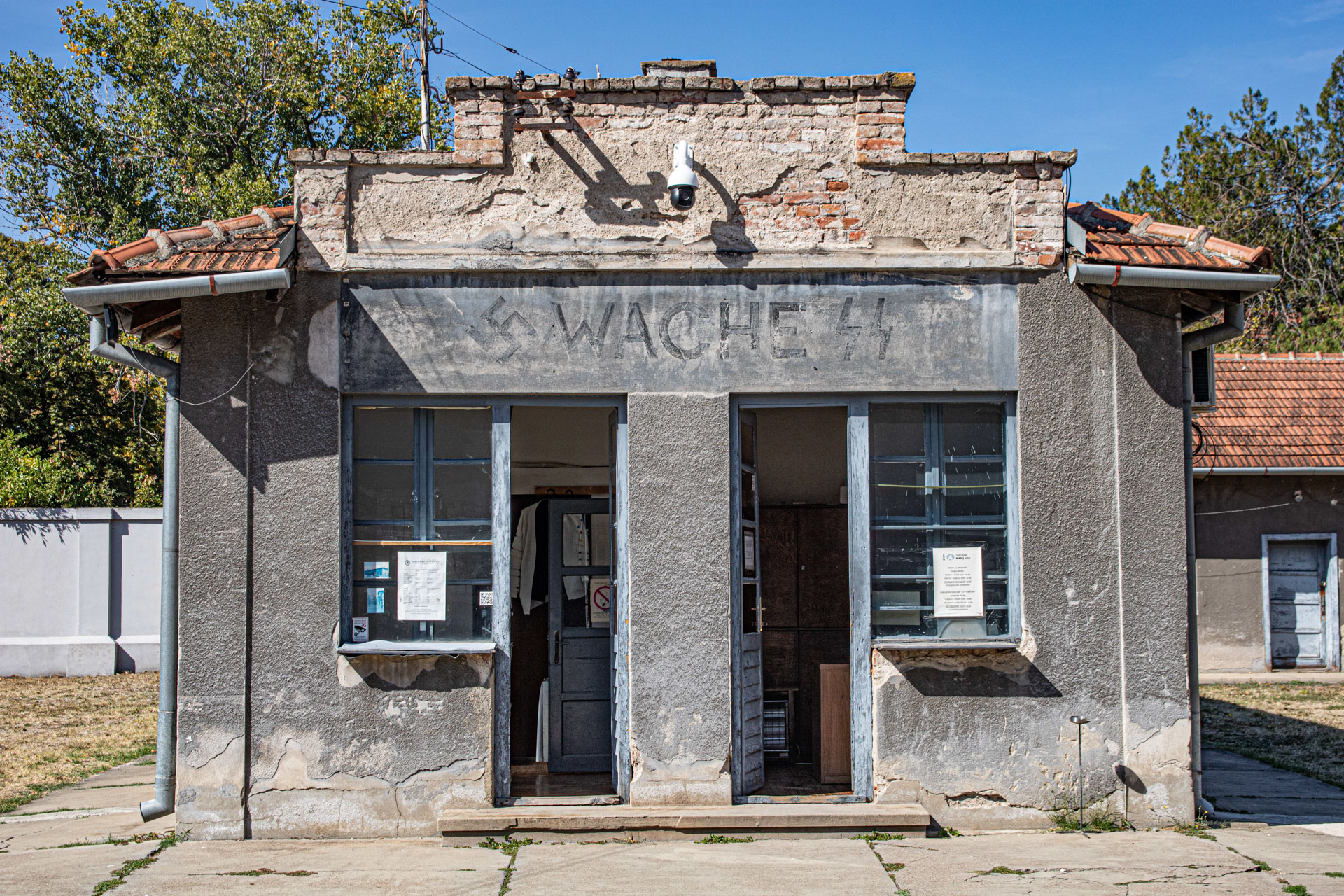
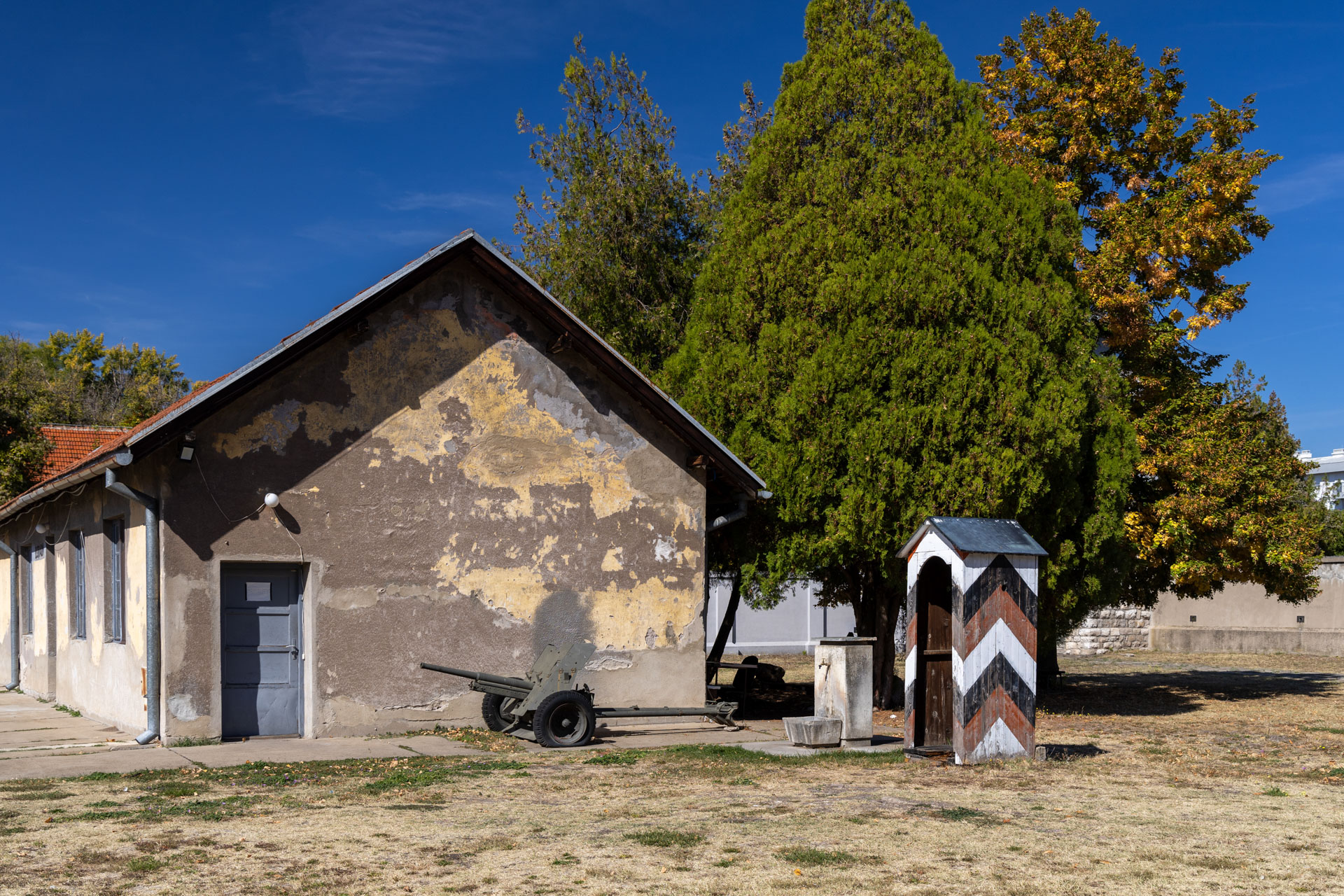
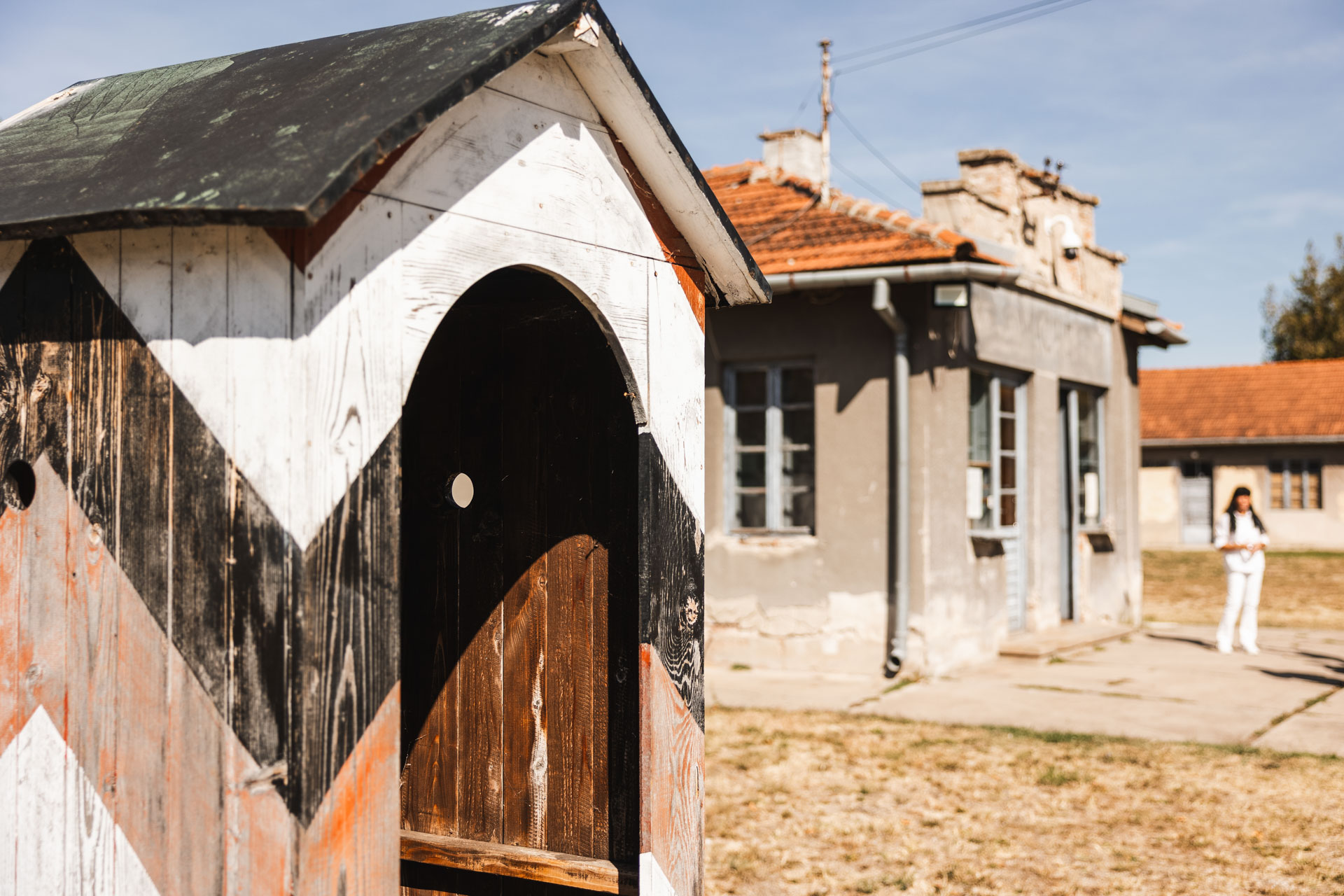

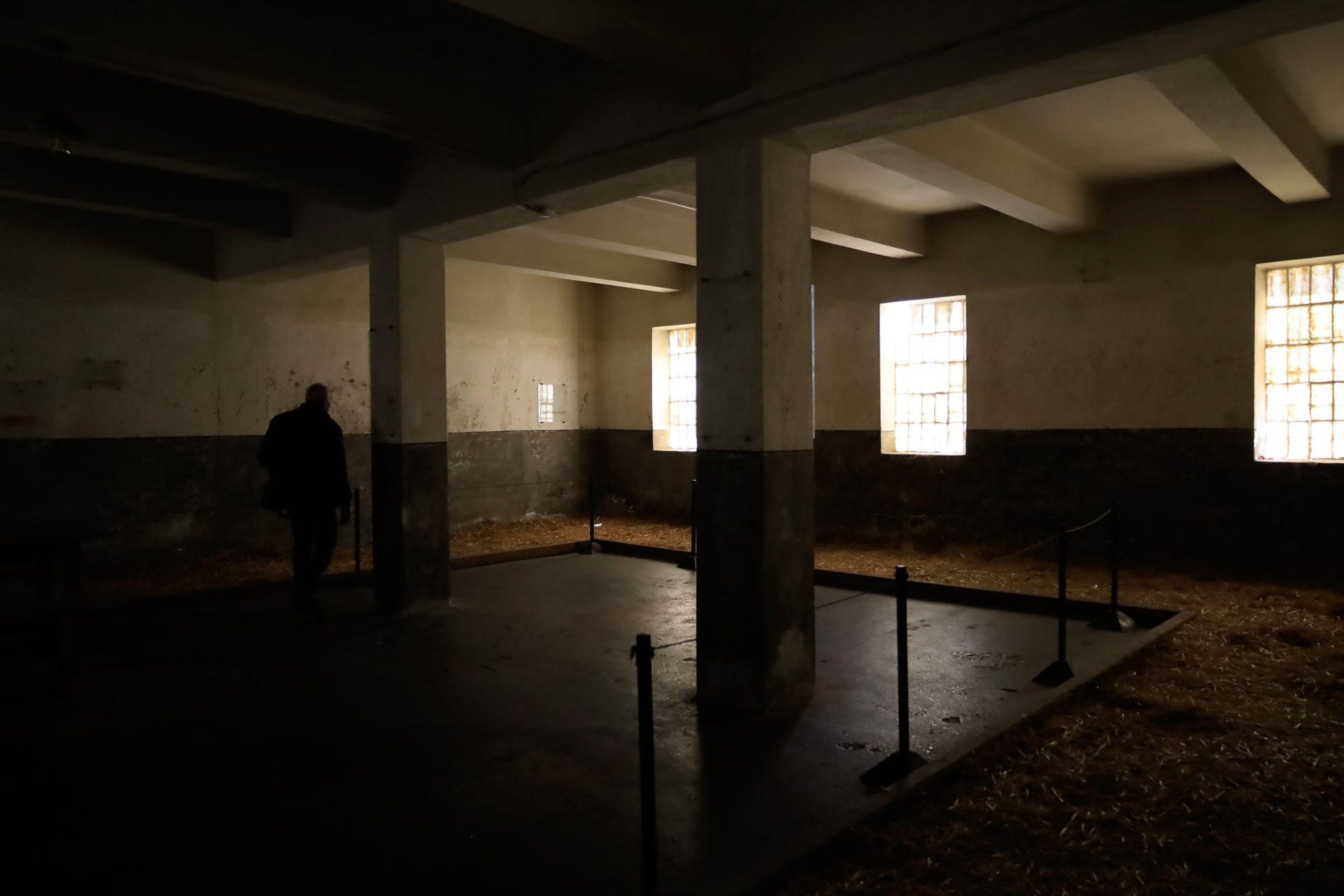
It was perhaps only the warmth of the sun that kept us going as we gazed upon the swastika and SS symbols surrounding the German word “WACHE”. Just a few steps away stood a wall of final fate, riddled with bullet holes, and I could almost swear that blood was still dripping from them. But there was no sun to shield us when we entered the old building. We could clearly see the dread and horror in the faces captured in photographs on the walls, in the hay spread across the floor as makeshift beds, in the prison clothes marked with holes and dried blood, and in the tiny two-by-two-metre cells on the upper floor. We left this place, where more than 30,000 human beings had been imprisoned, in the only way that seemed proper. Solemn silence.



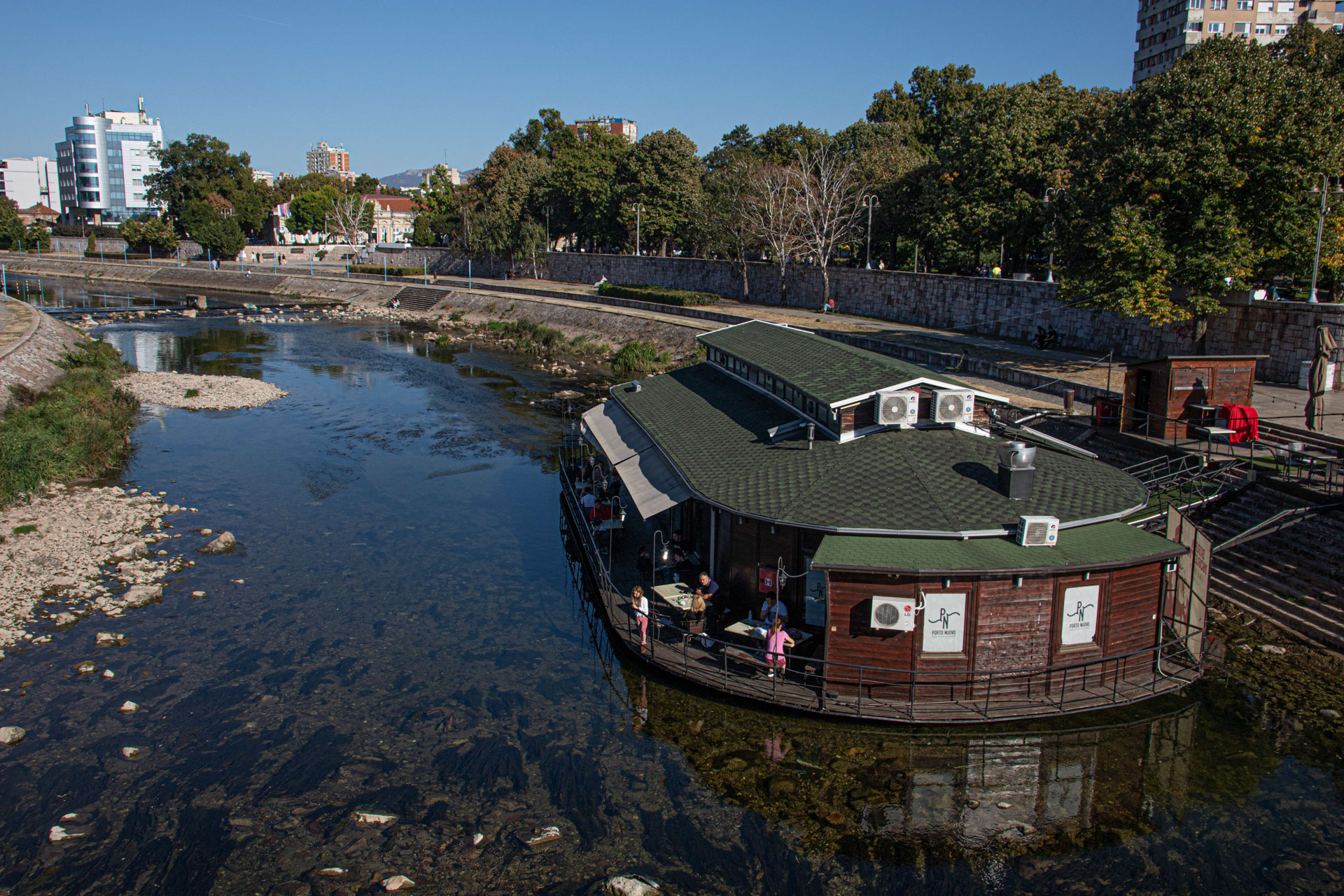
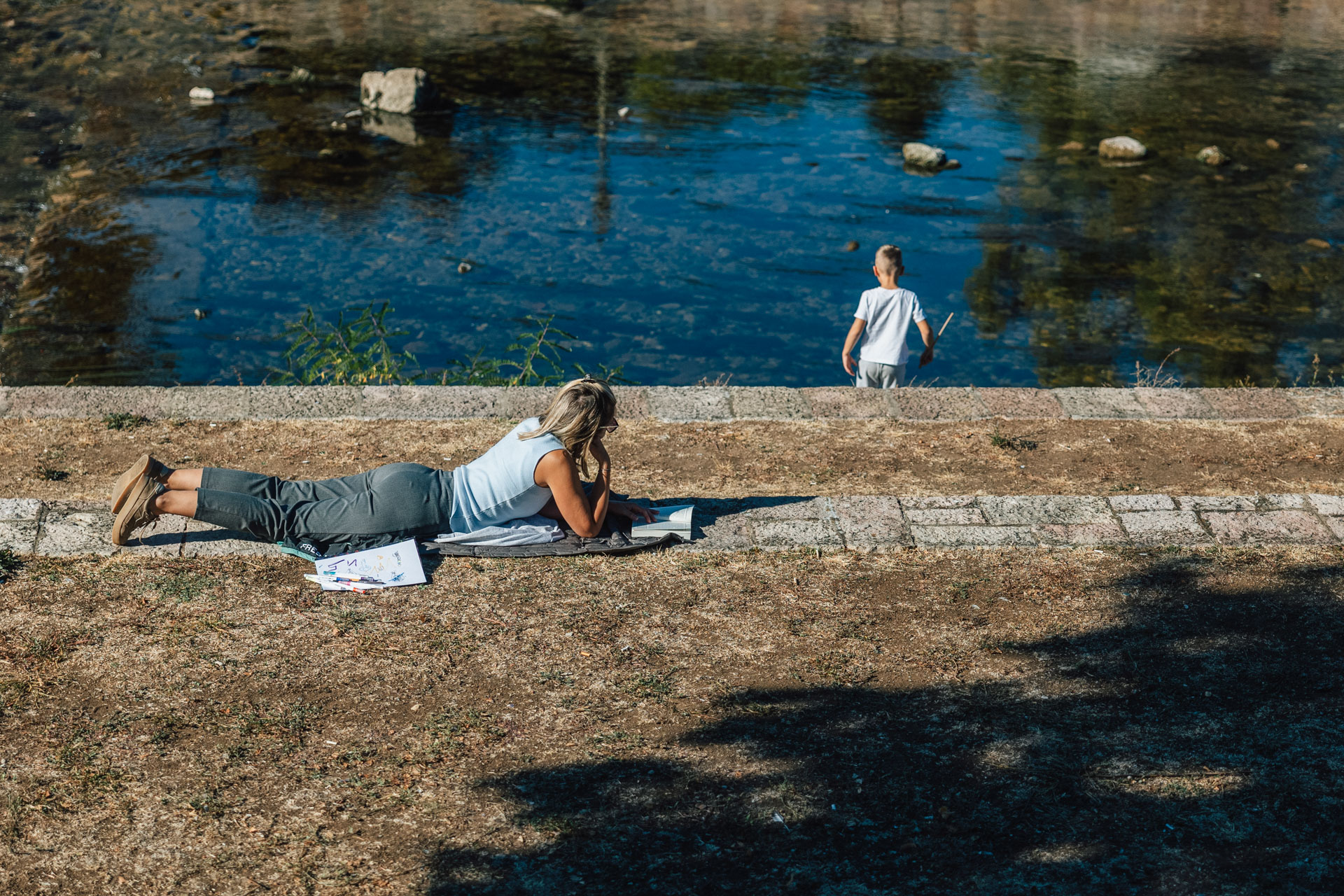
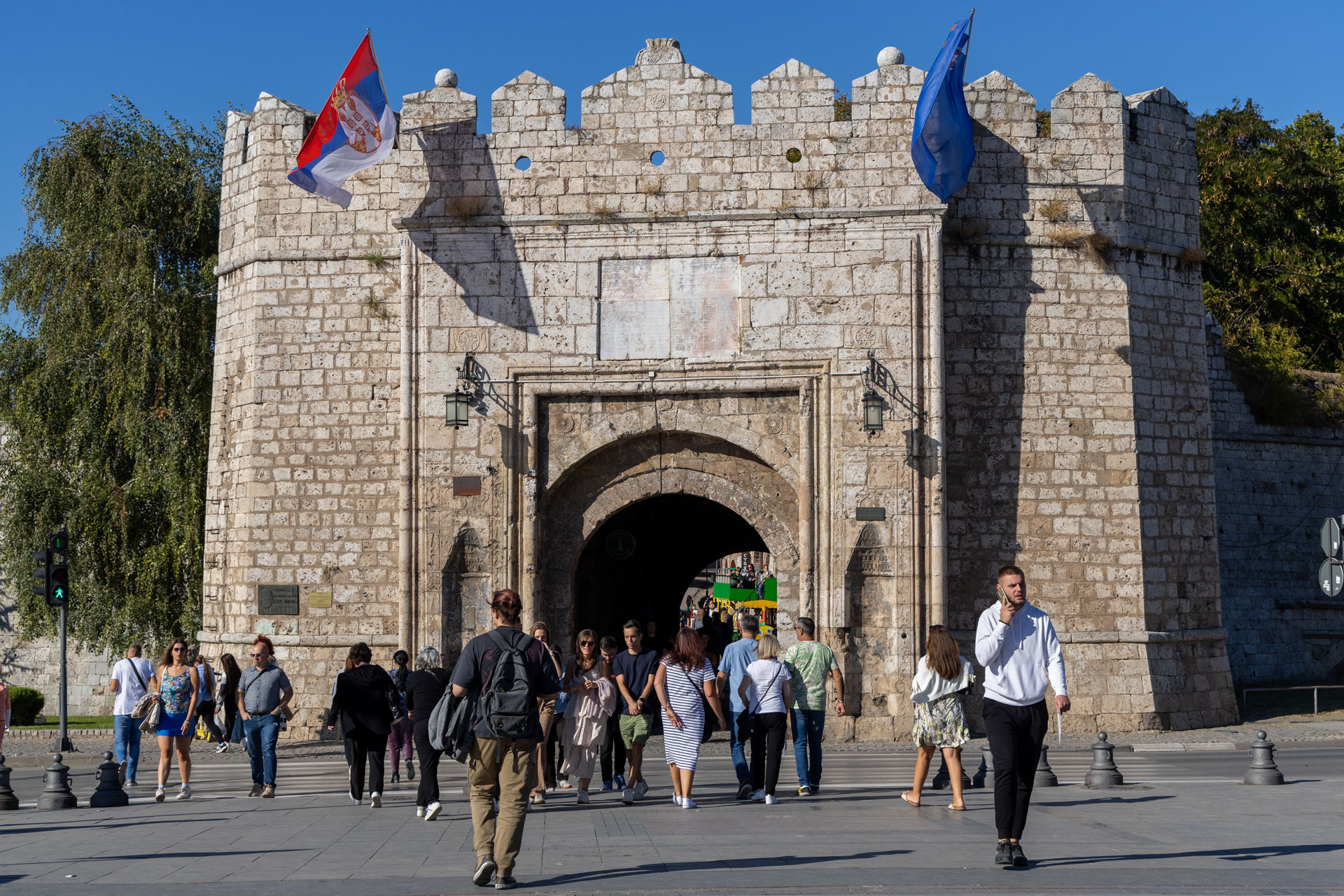
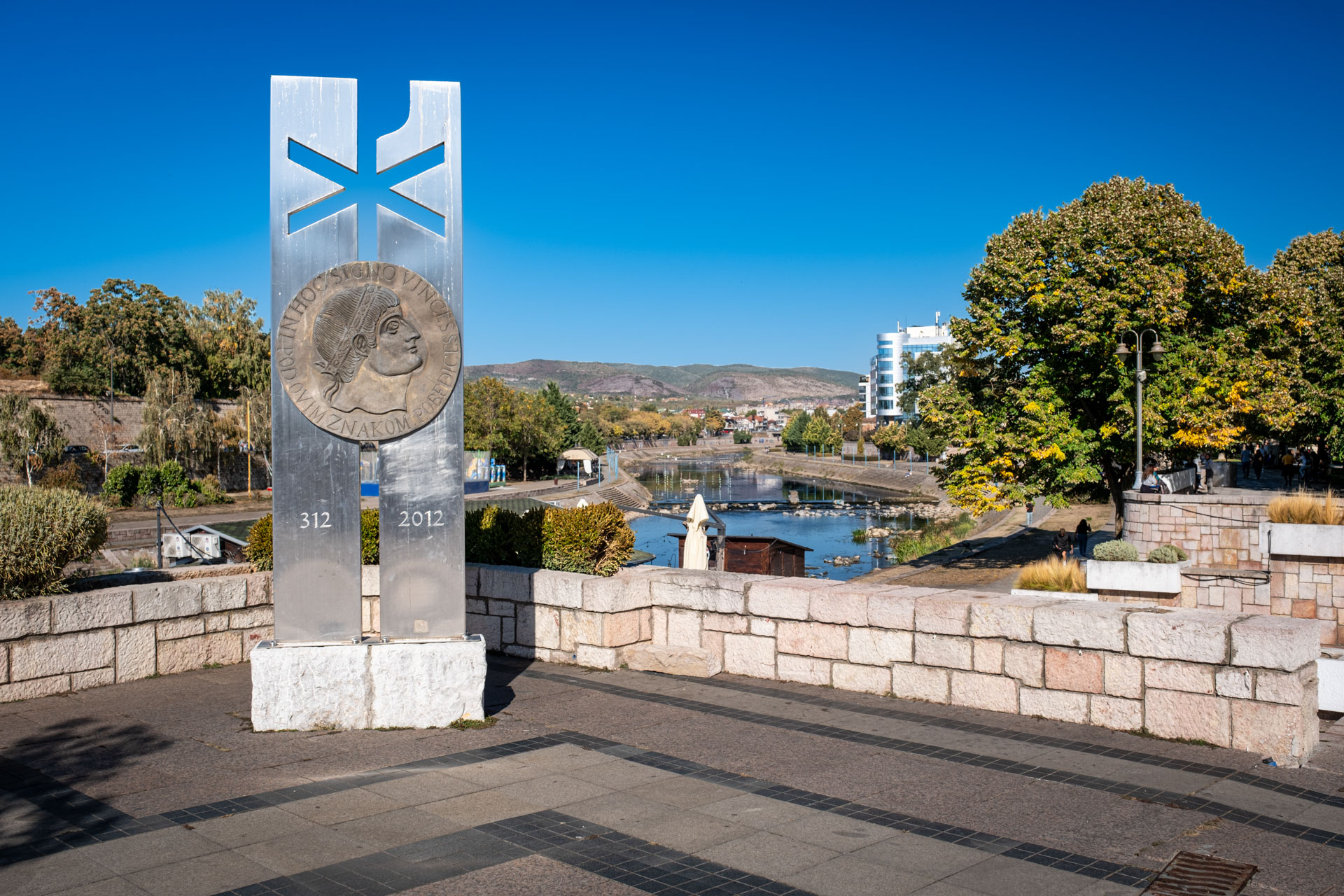
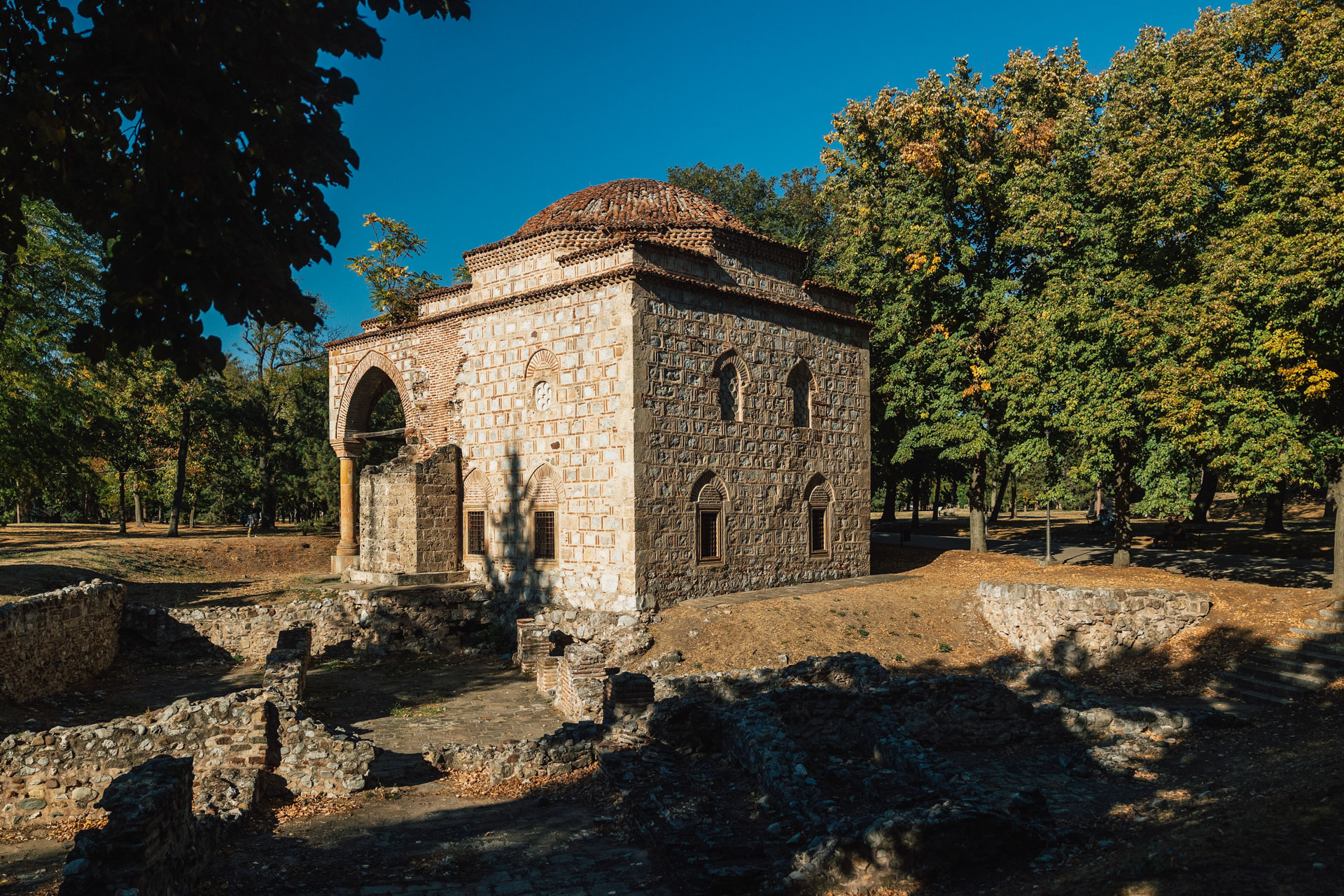
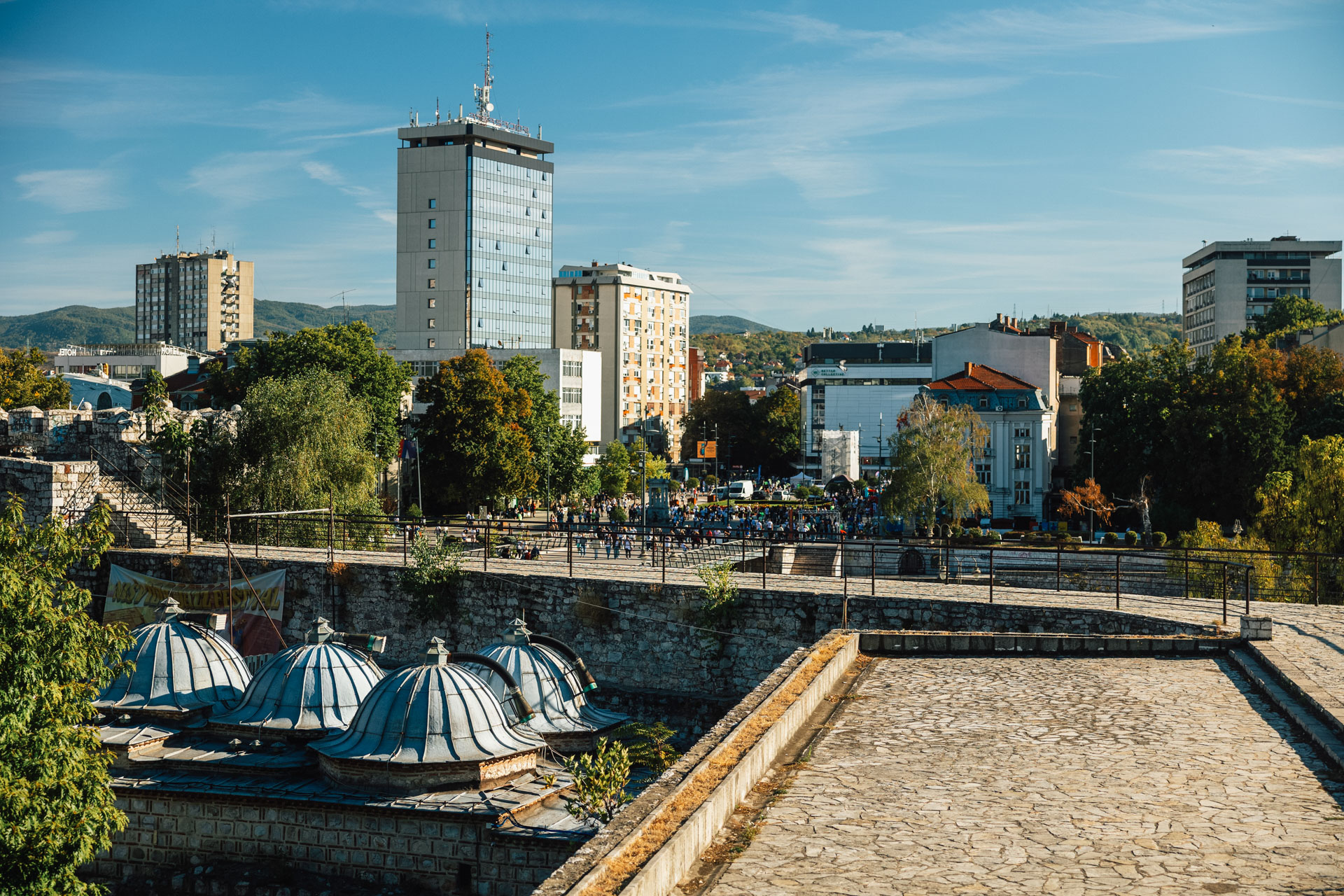
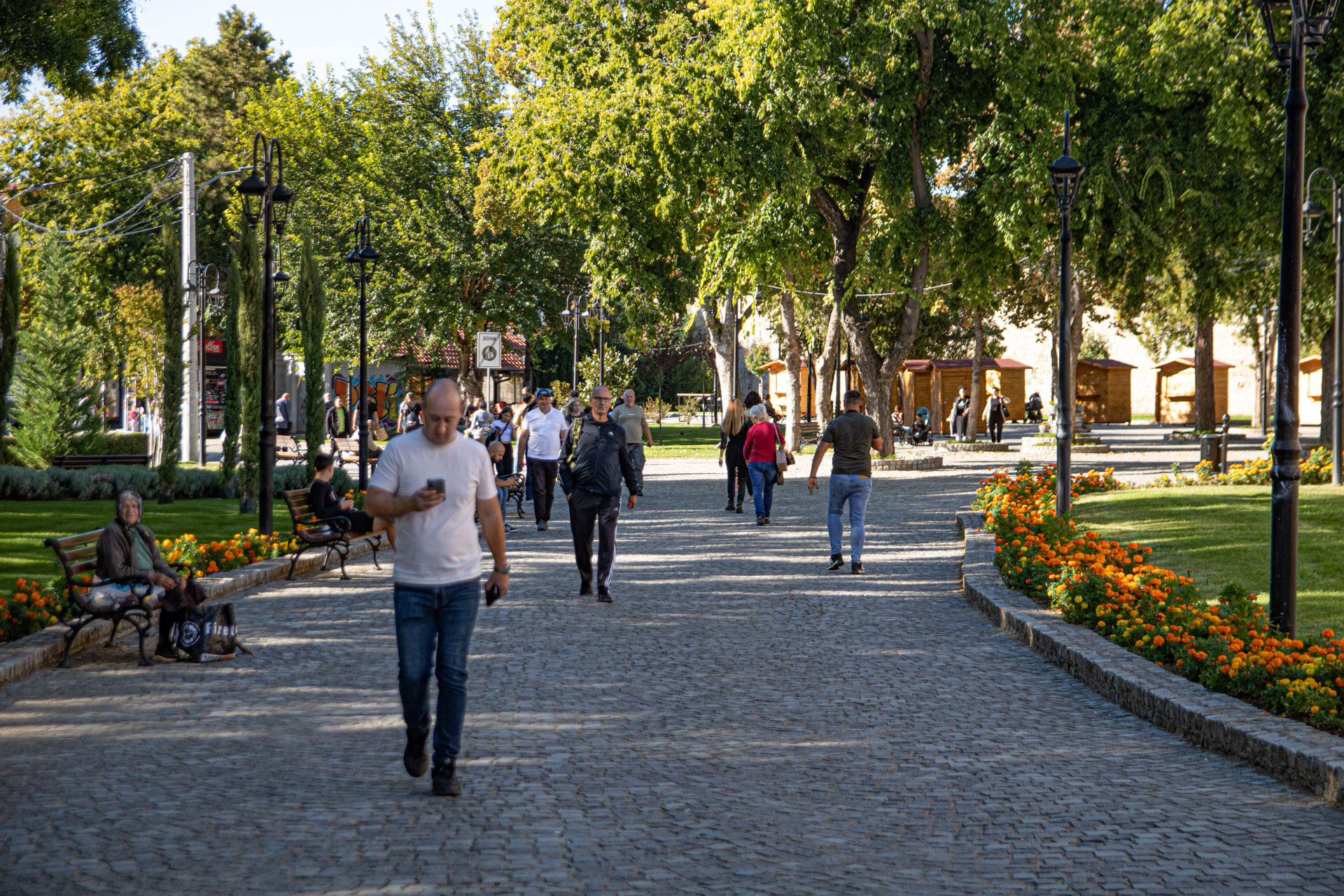
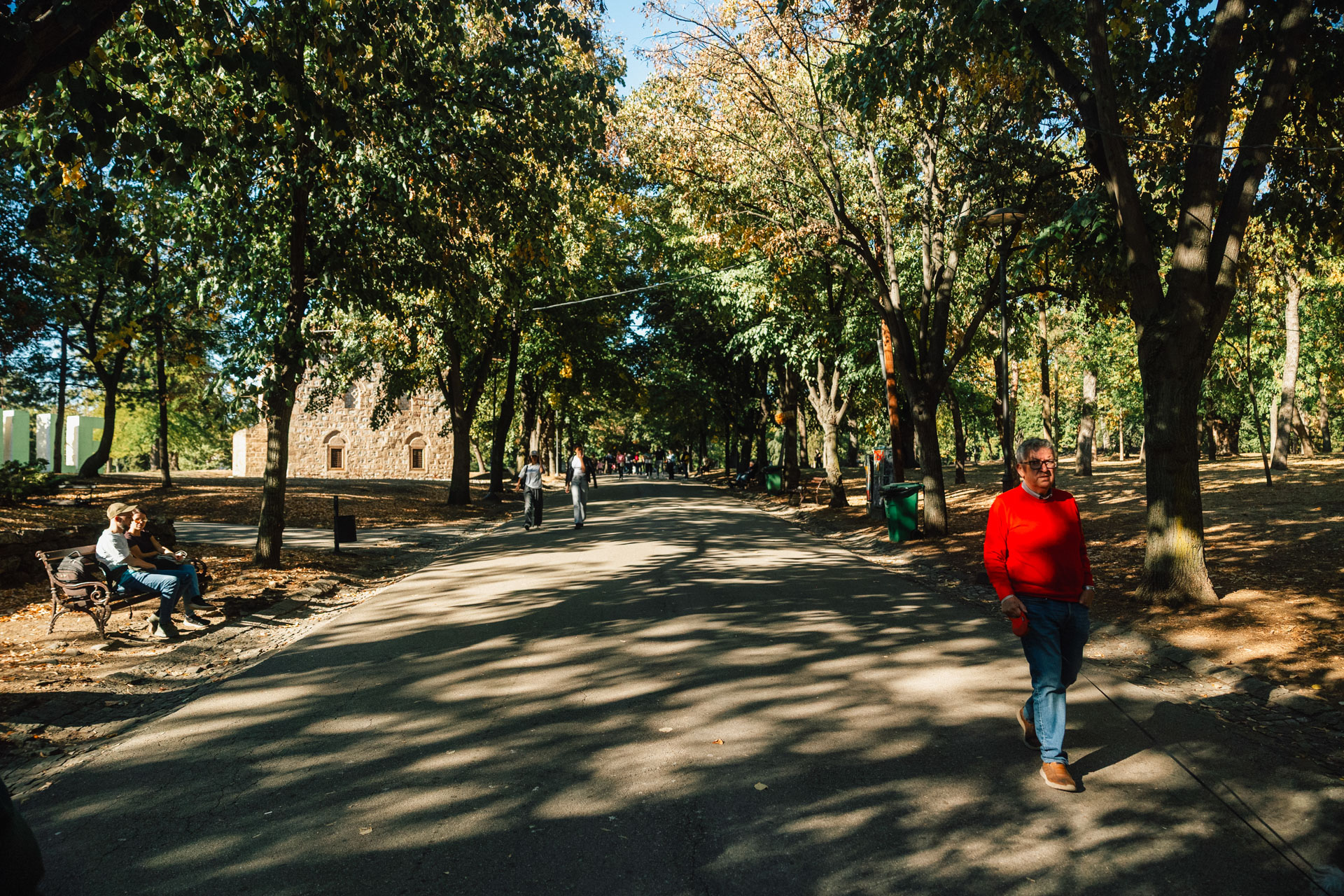
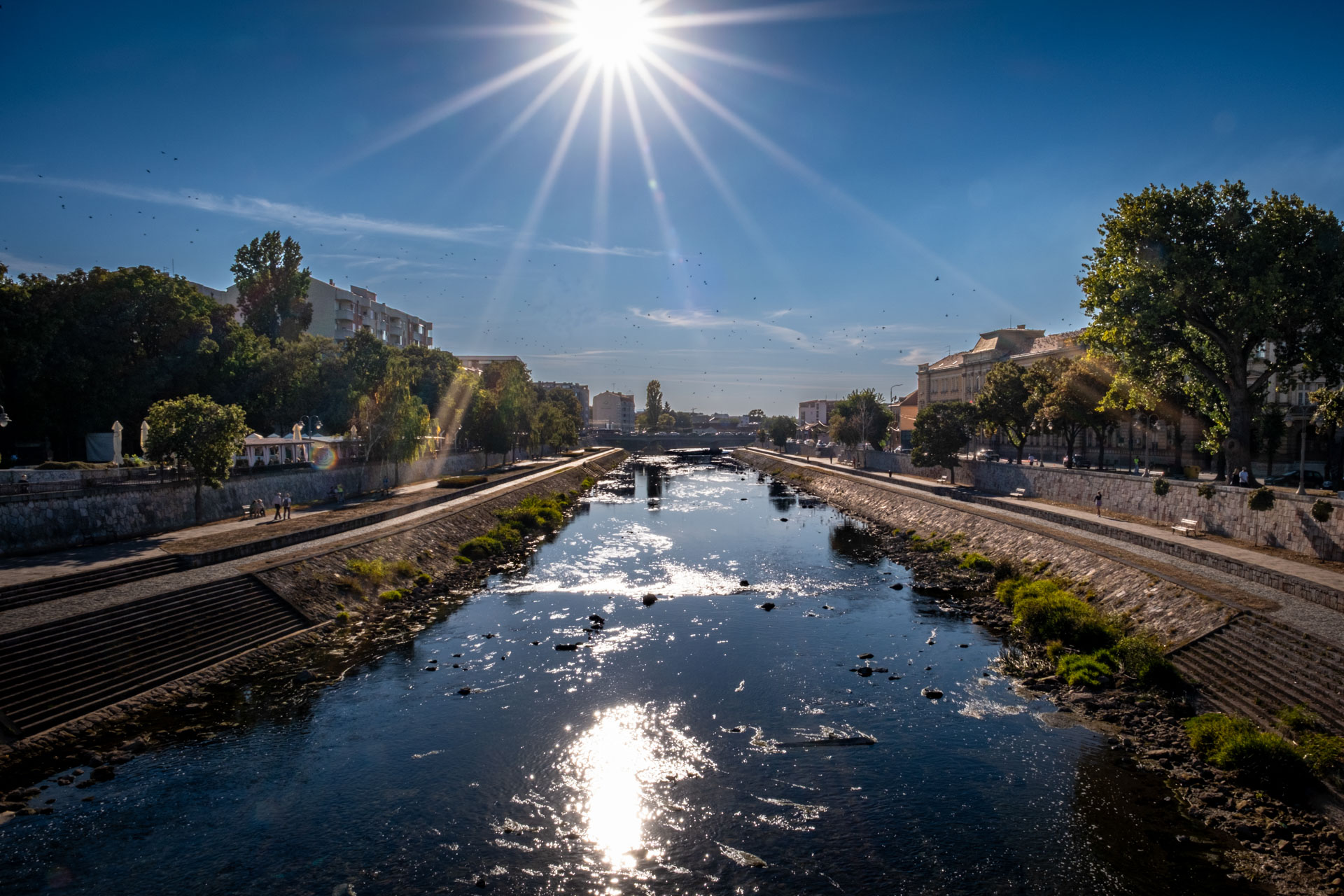
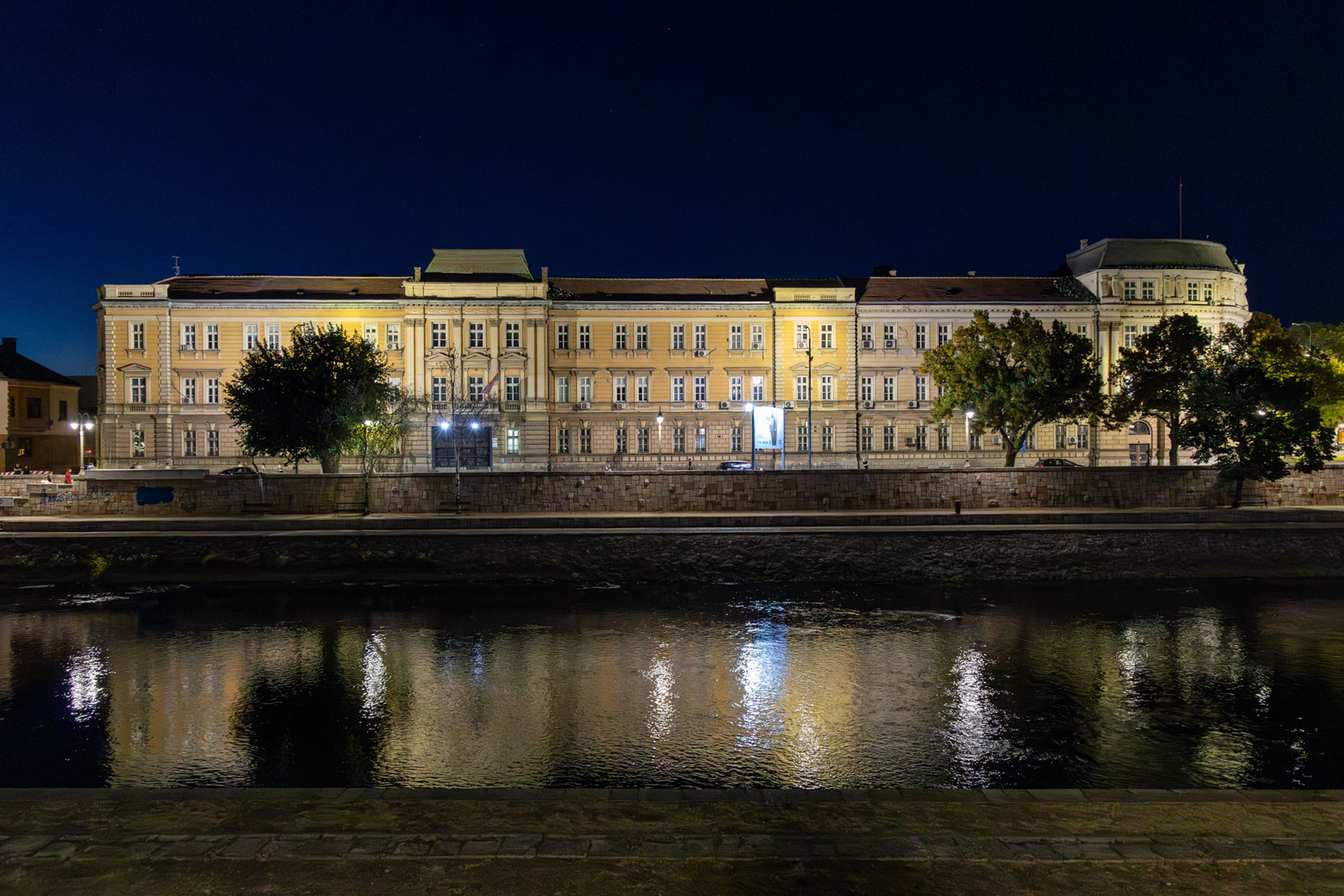
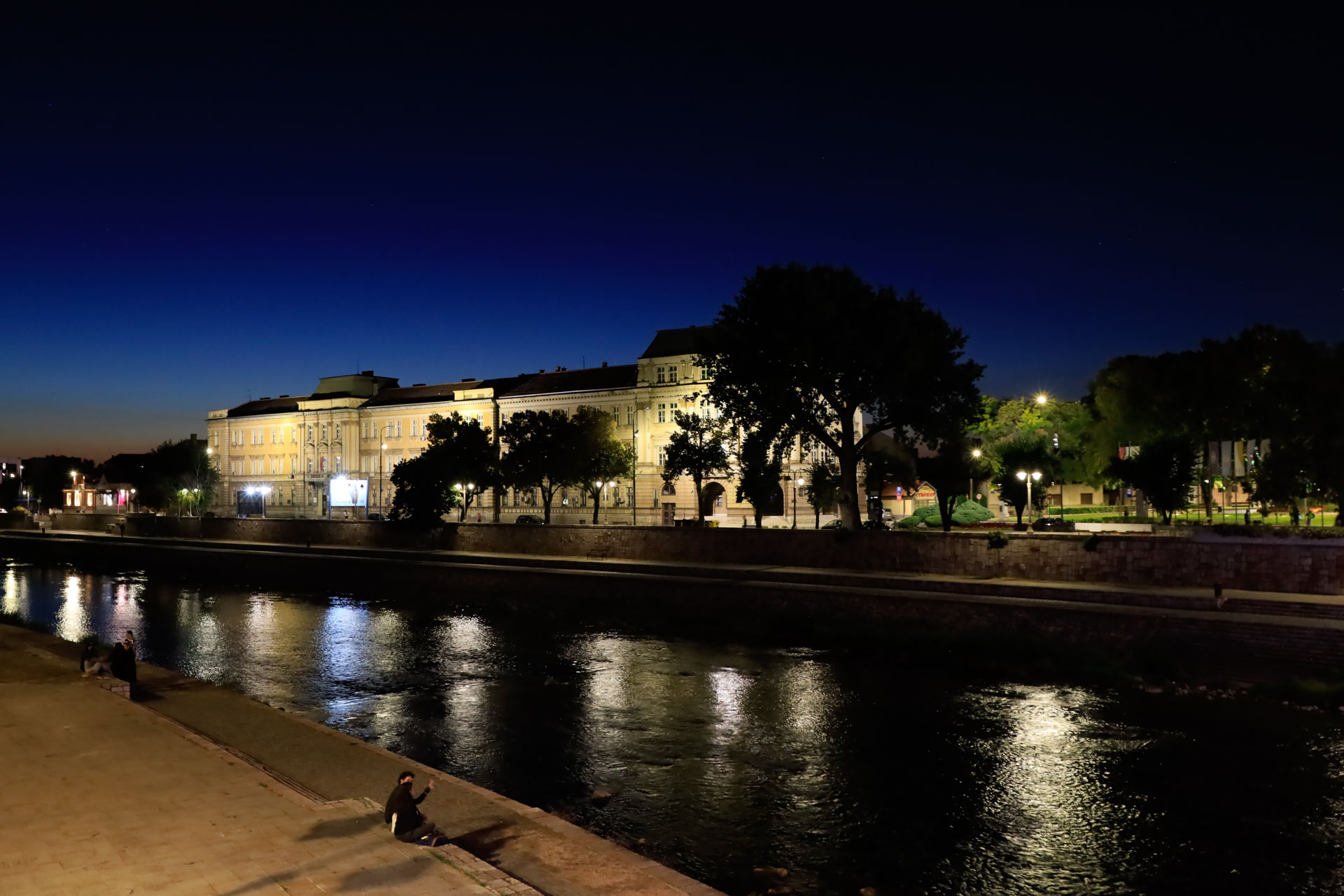
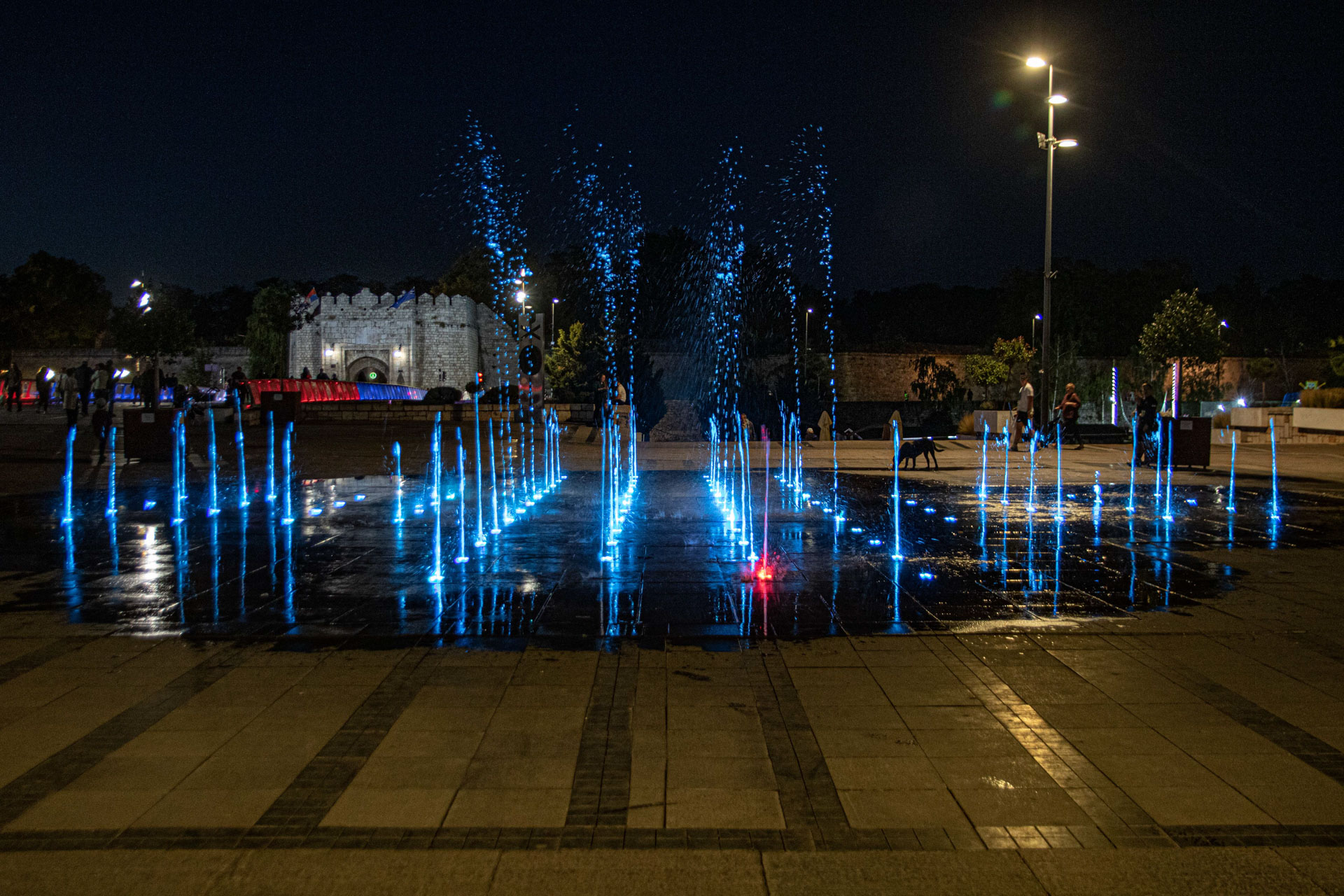
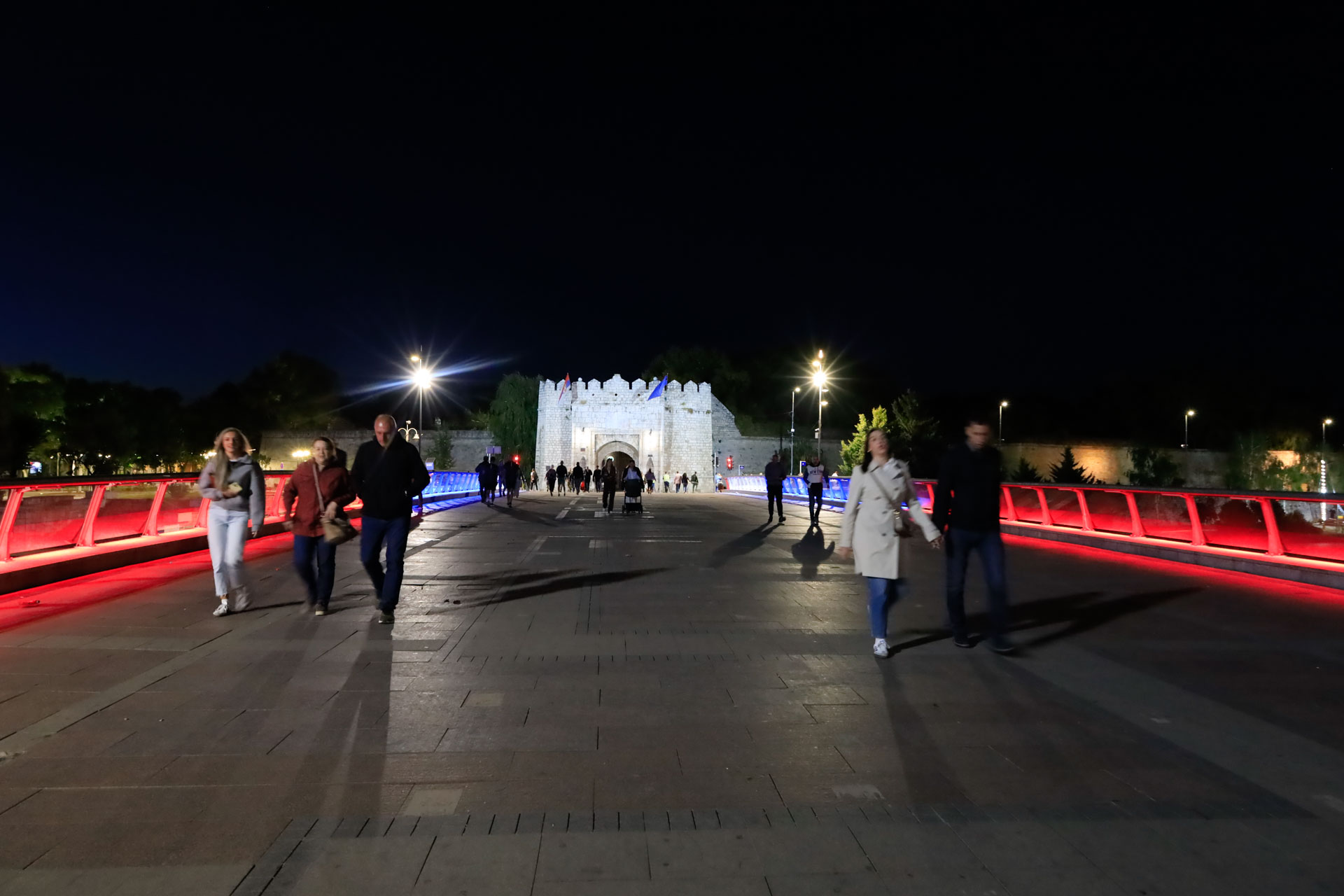
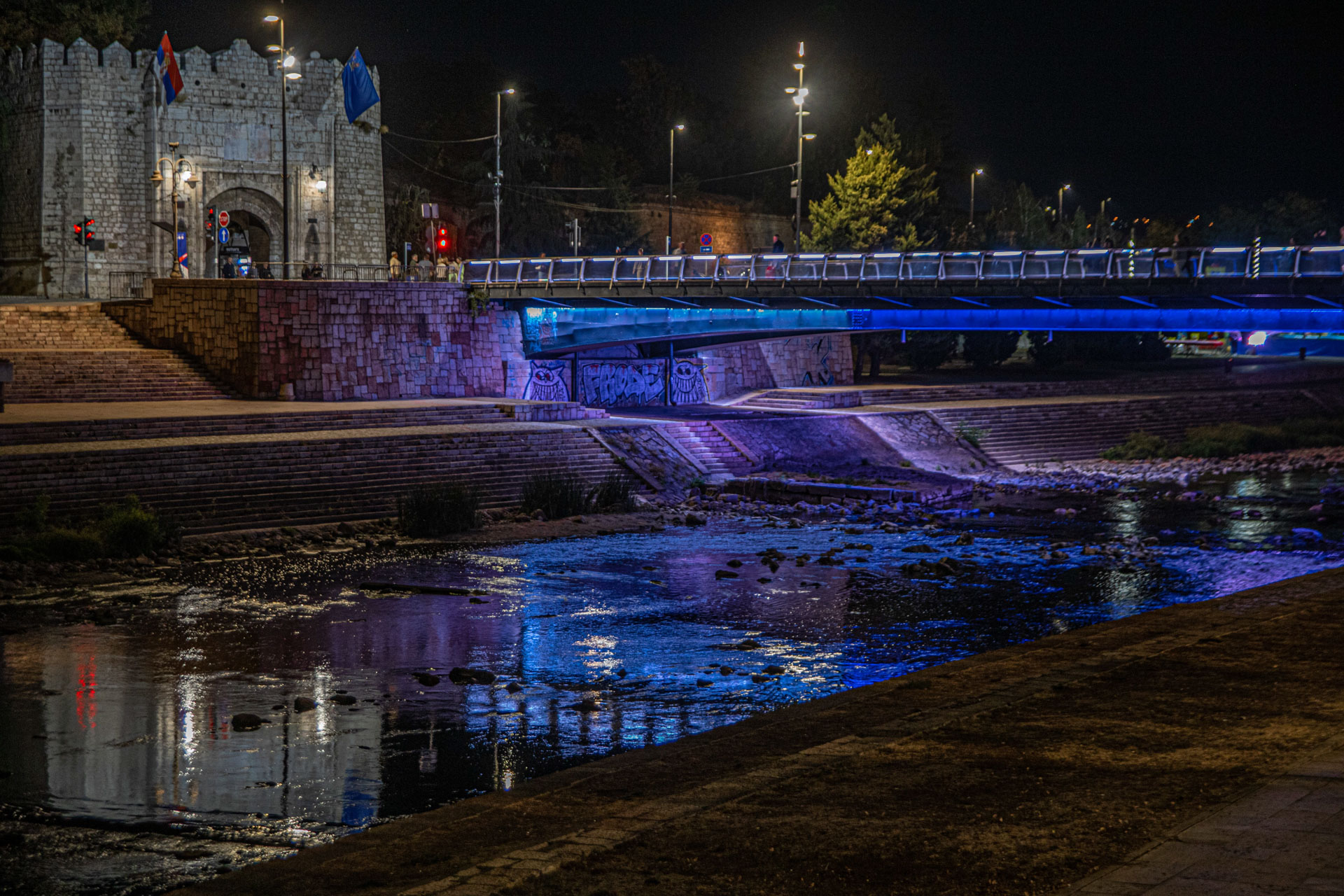
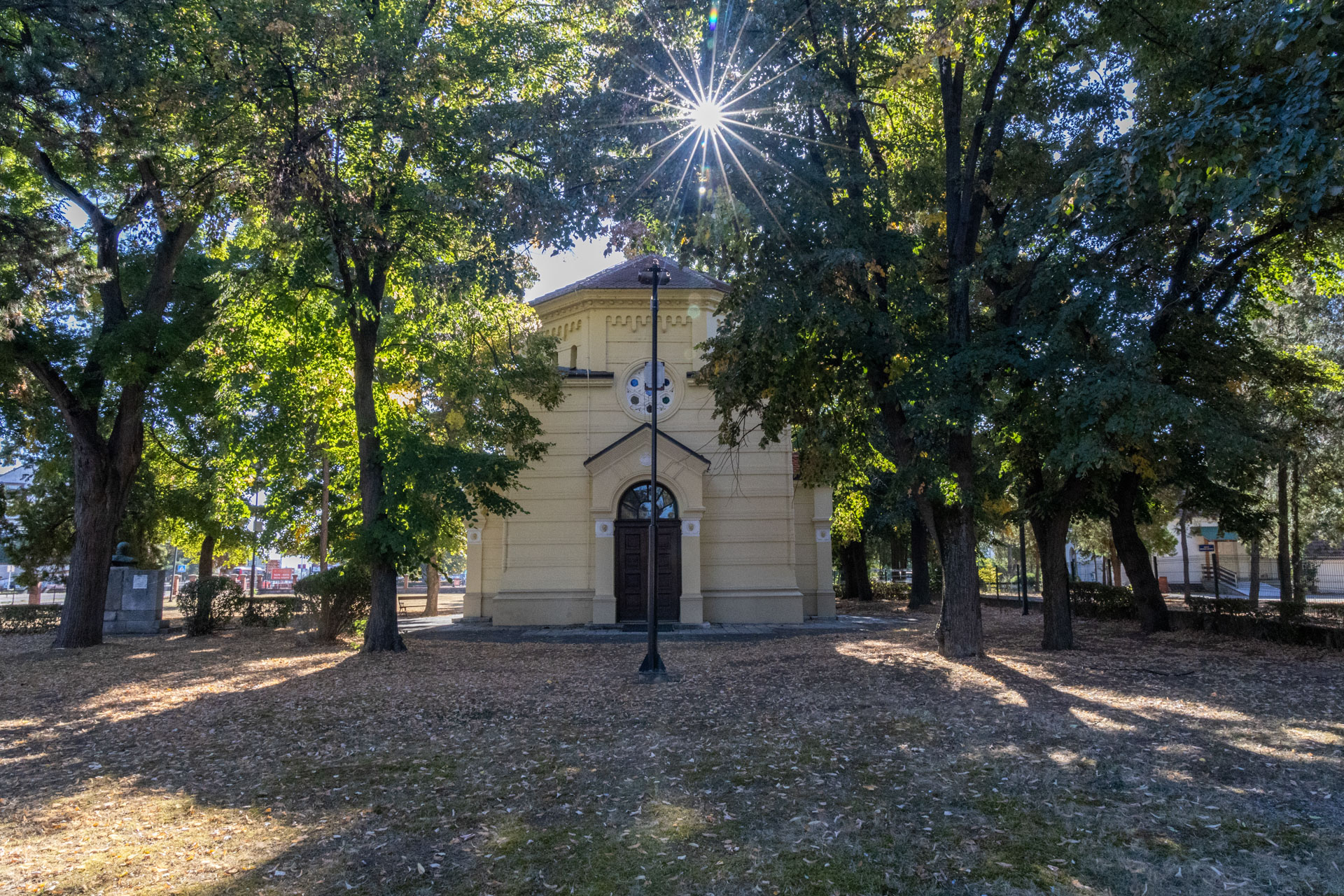
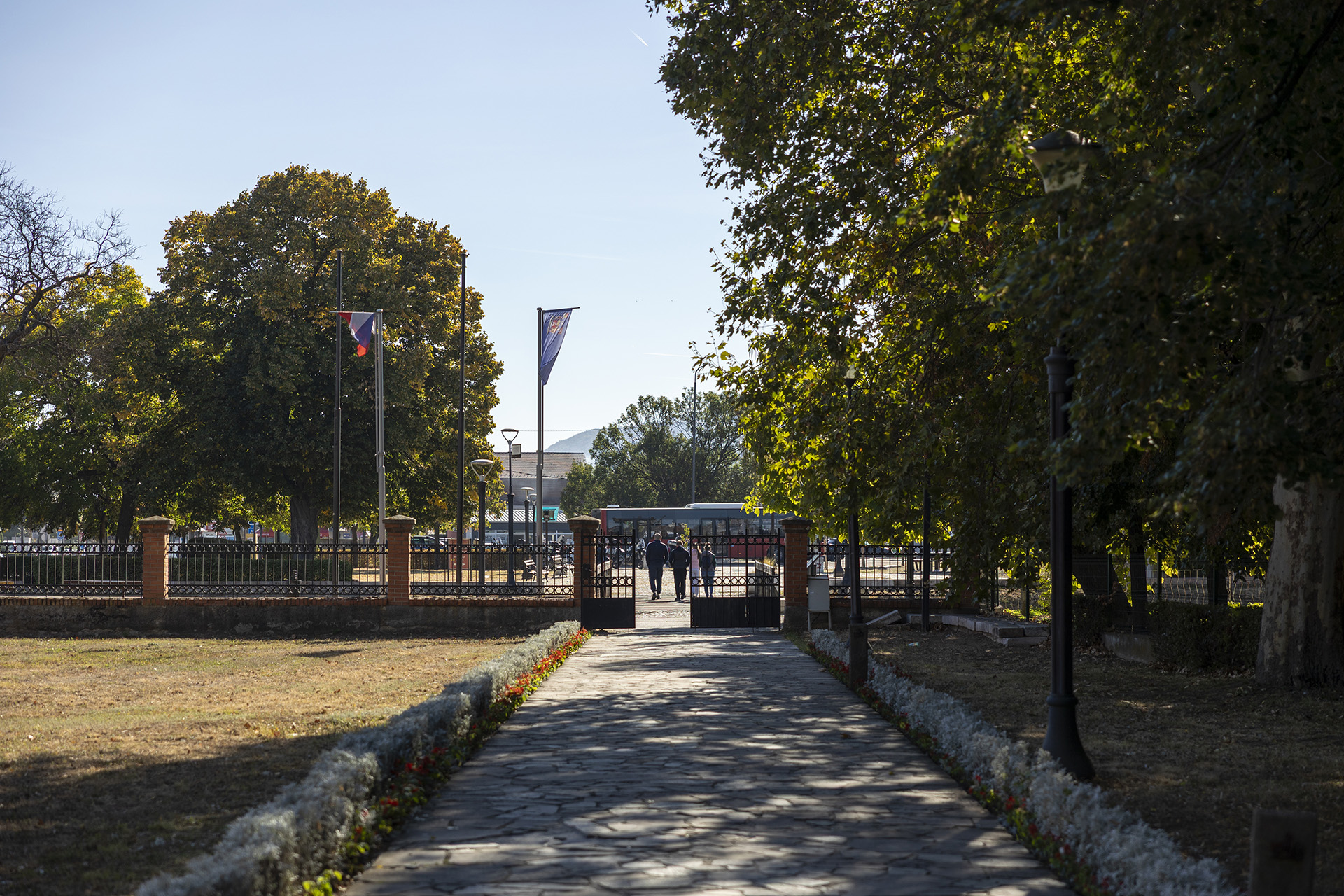
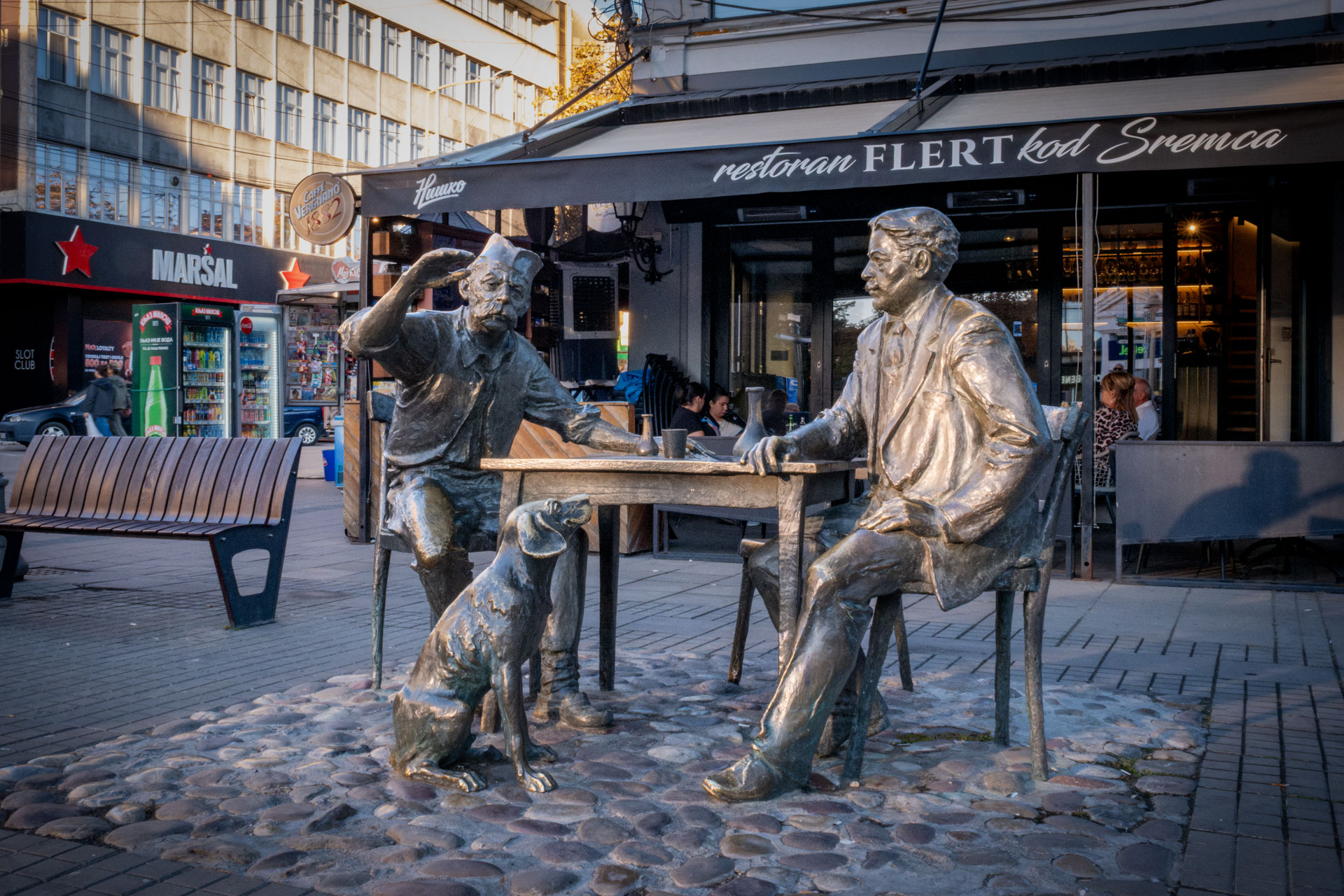
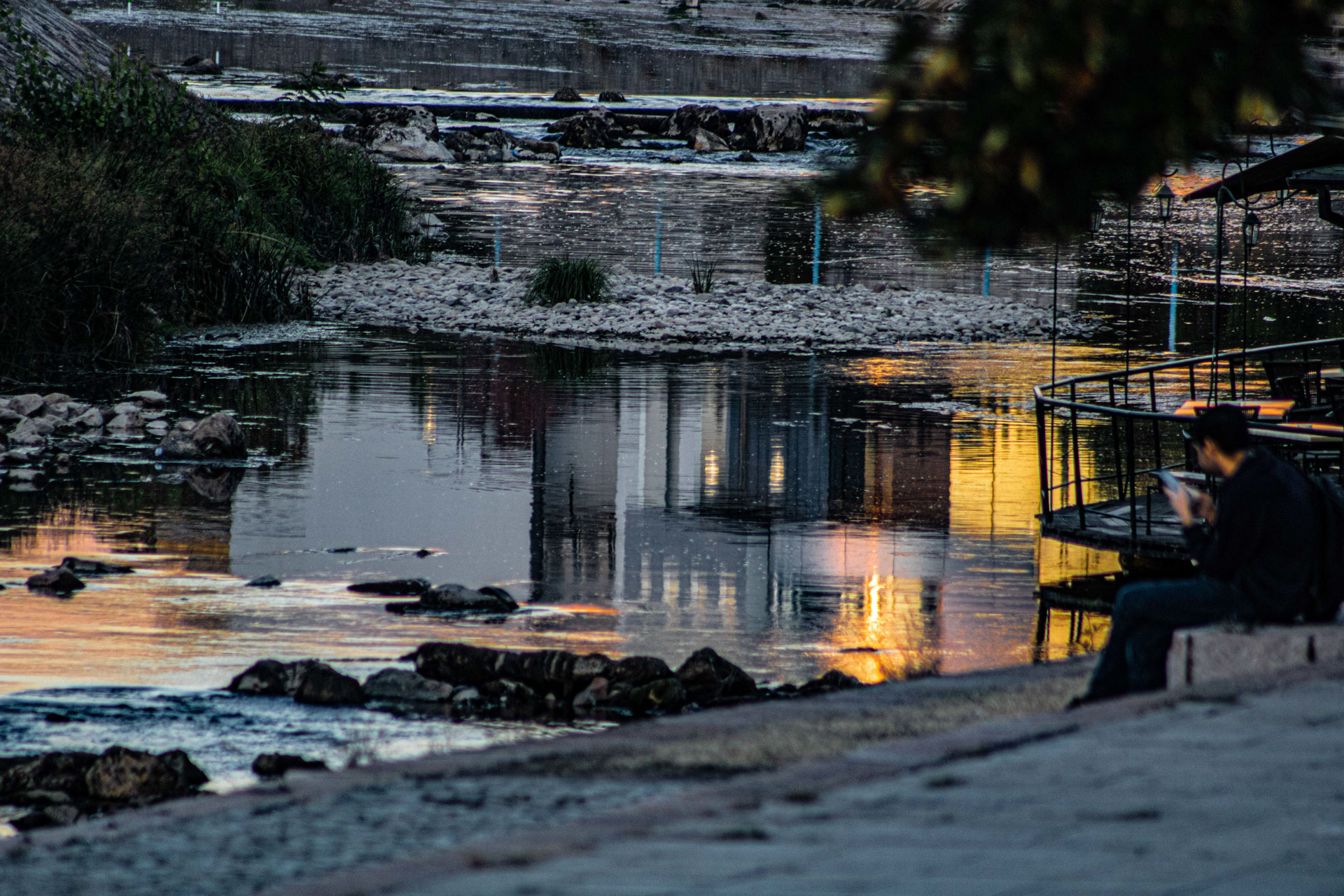
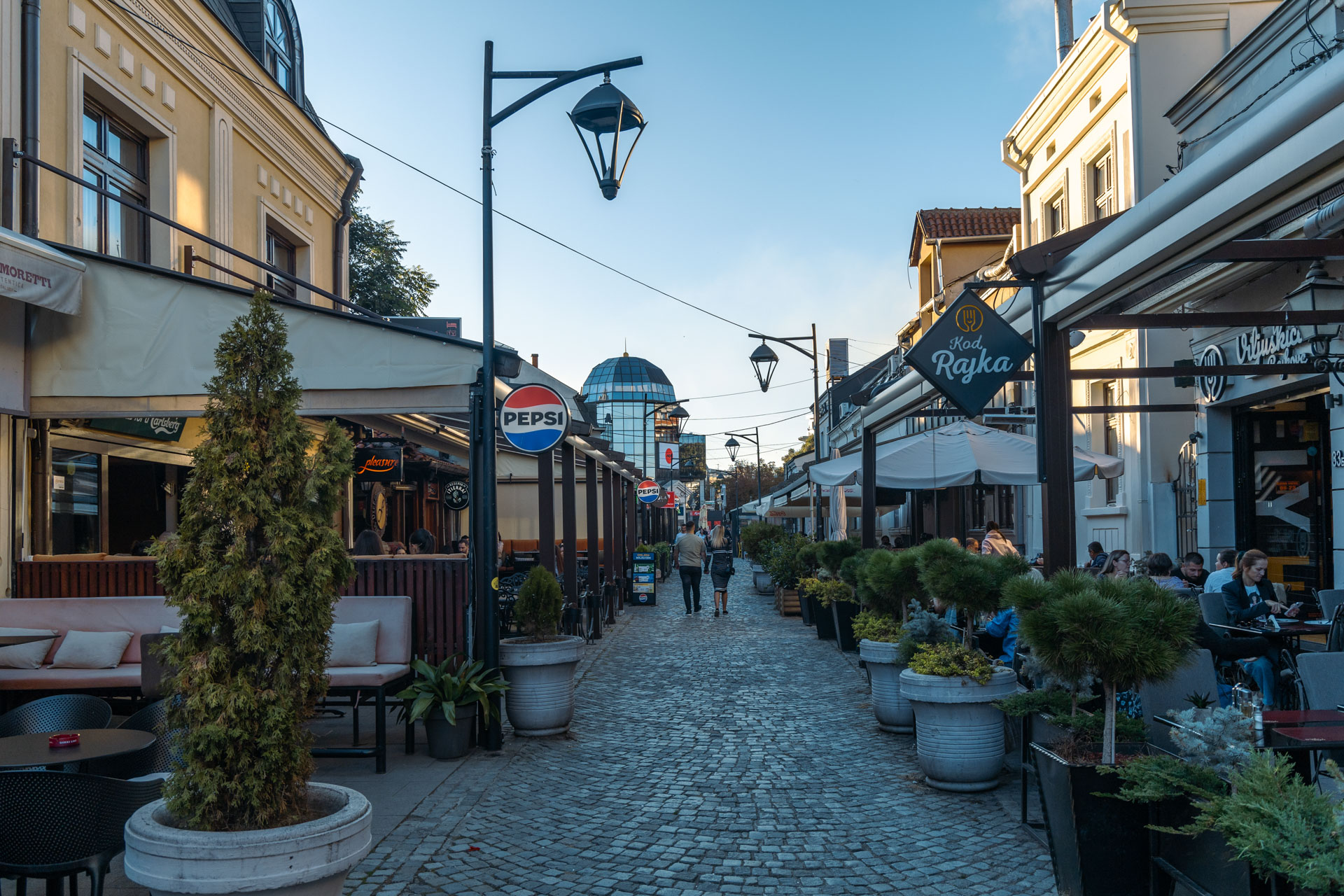
It was mid-afternoon when, on our left-hand side, the Nišava greeted us. Not with too much water, to be honest, but quite enough to make us stop and photograph it, as though we felt compelled to wash away the horrors of our previous stop. We walked along the river, past so many inviting cafés where Serbs enjoyed their coffee and food with family and friends, until, a short distance ahead, the Stambol Gate of the old 18th-century Ottoman fortress stood before us. Today, the fortress is a place of joy. A park with tall trees casting their shade, where parents stroll with baby carriages, film and music festivals take place, and everyone can enjoy a peaceful escape. Its current condition is rather excellent, and although we didn’t spend much time there apart from a pleasant walk, we managed to spot the Hammam, the Bali-Bey Mosque, and the old arsenal building, which now houses art galleries.
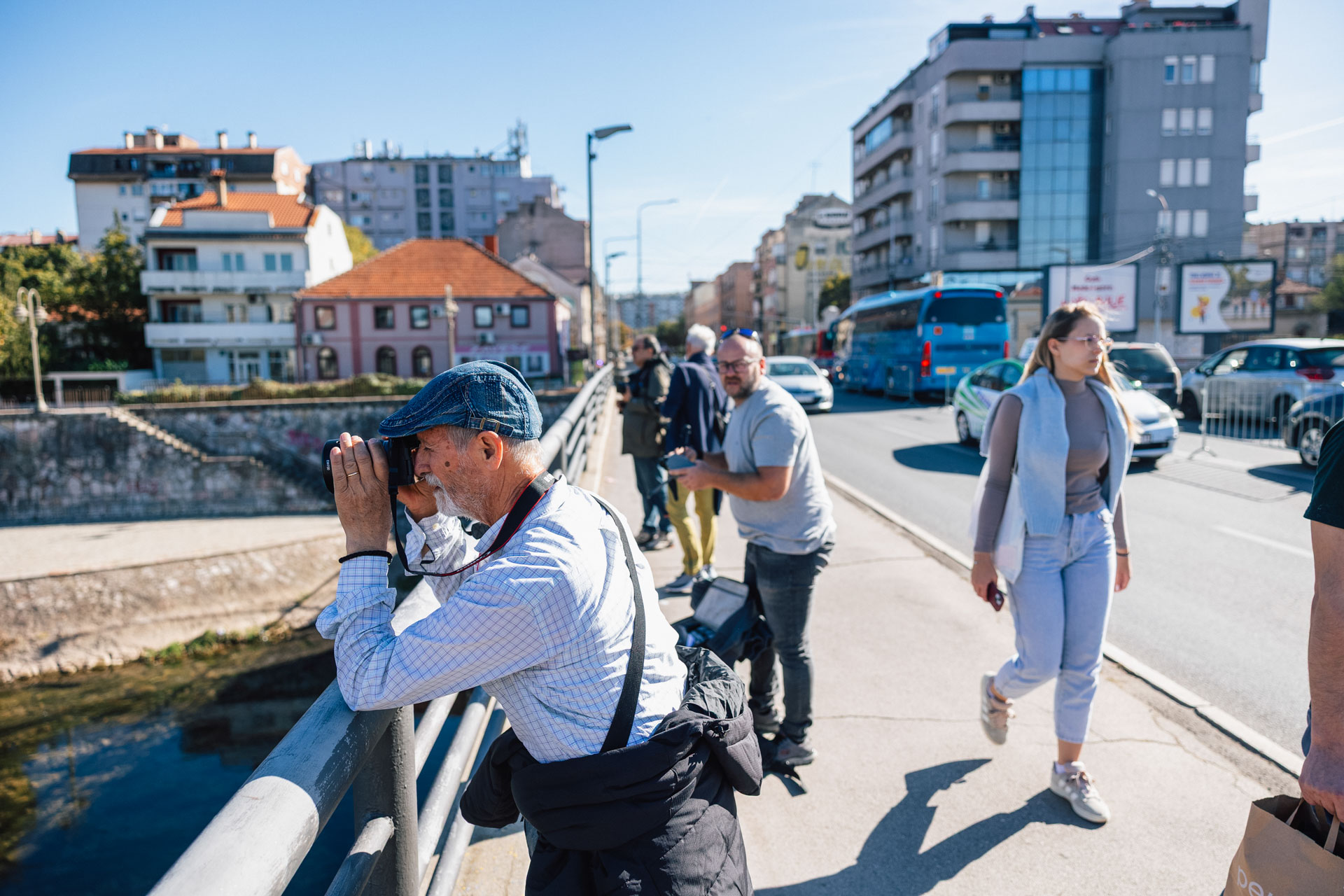


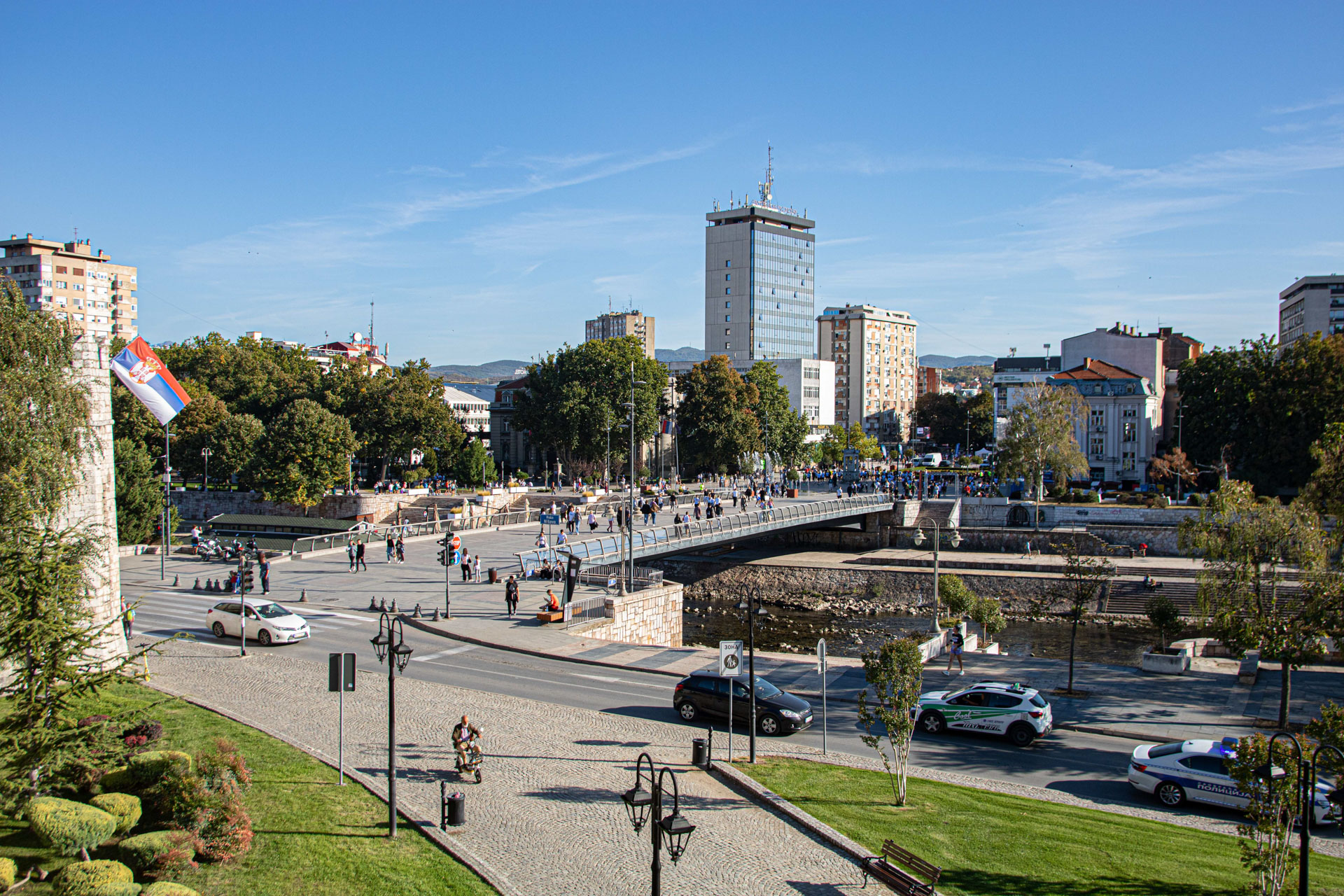
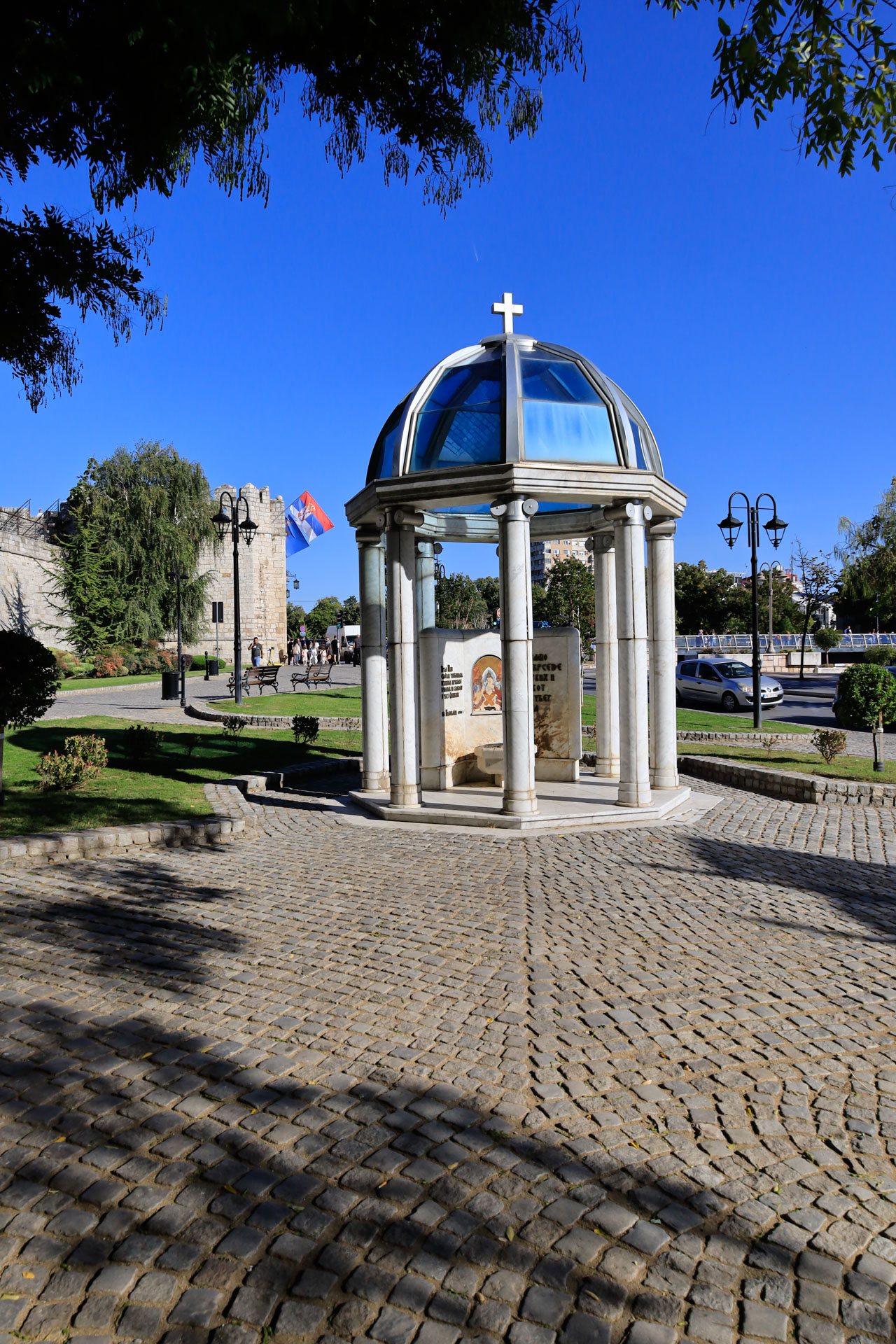
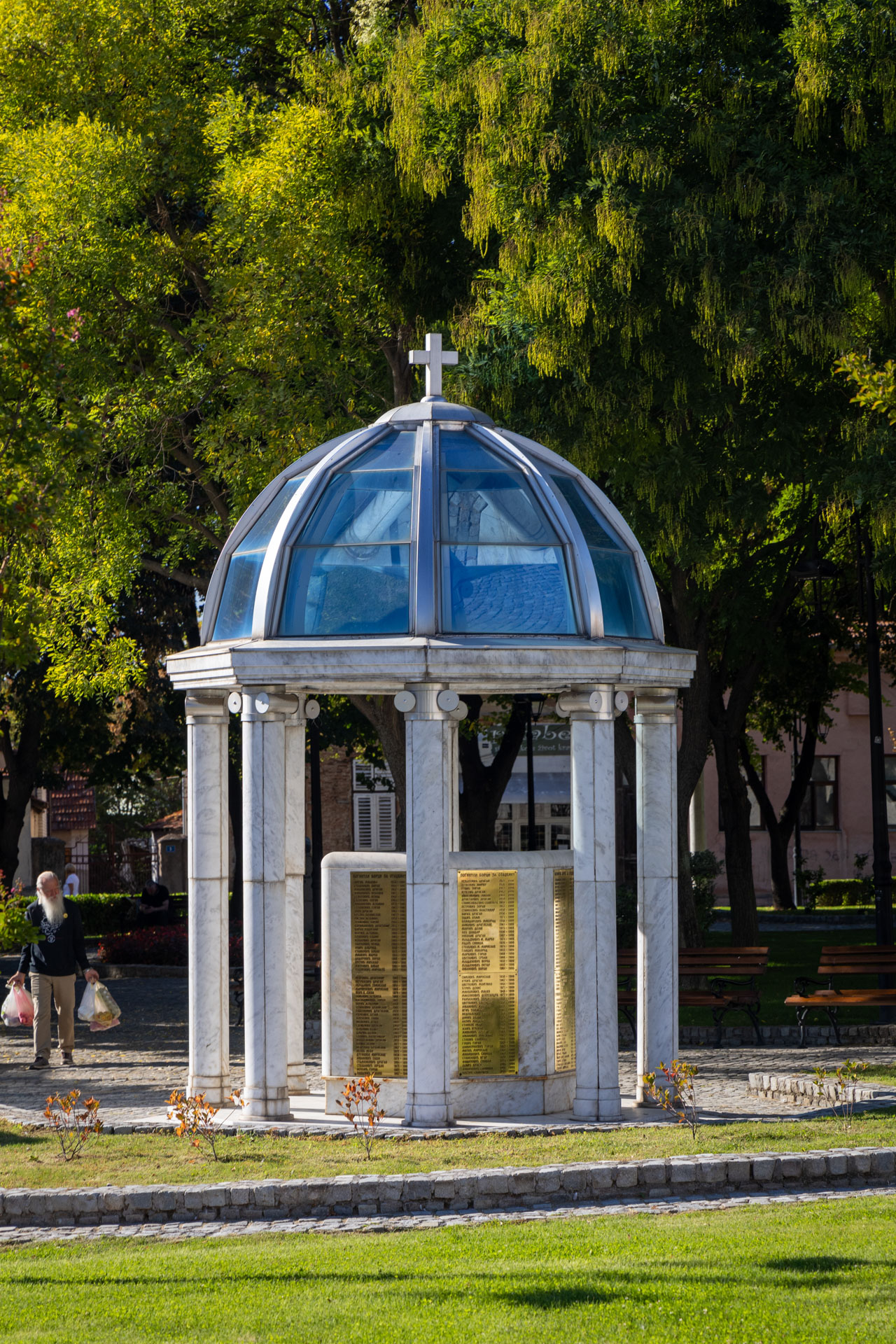
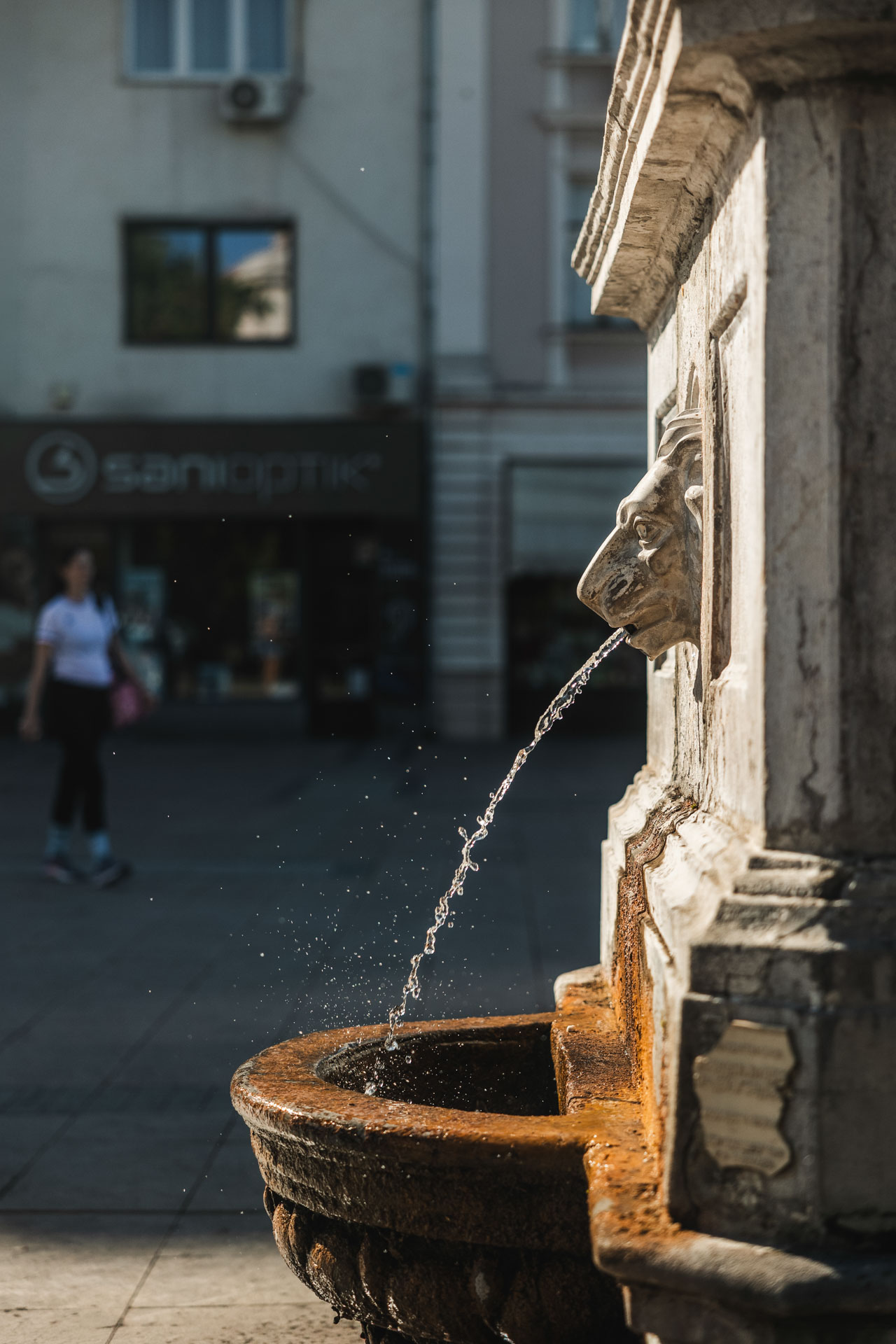
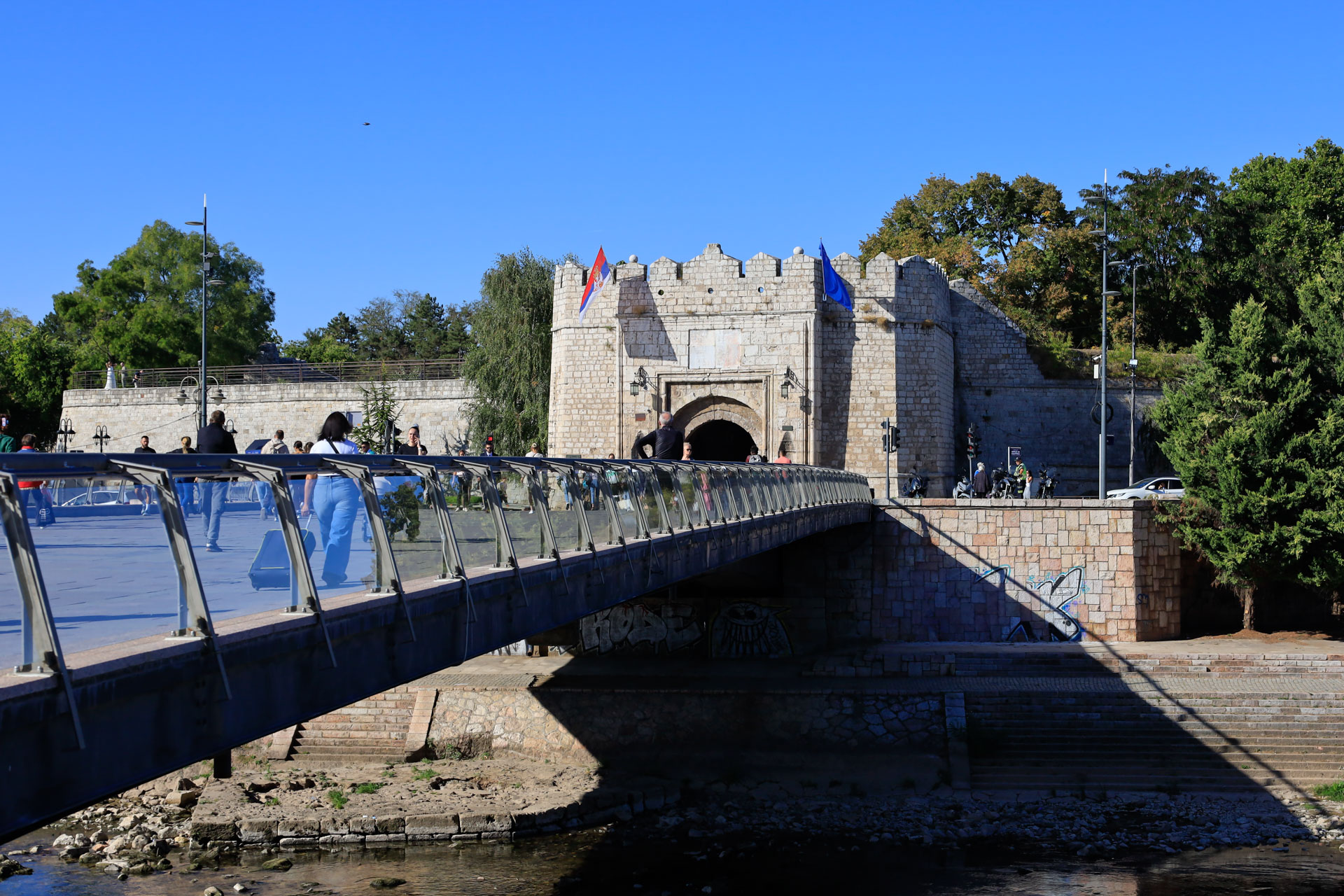

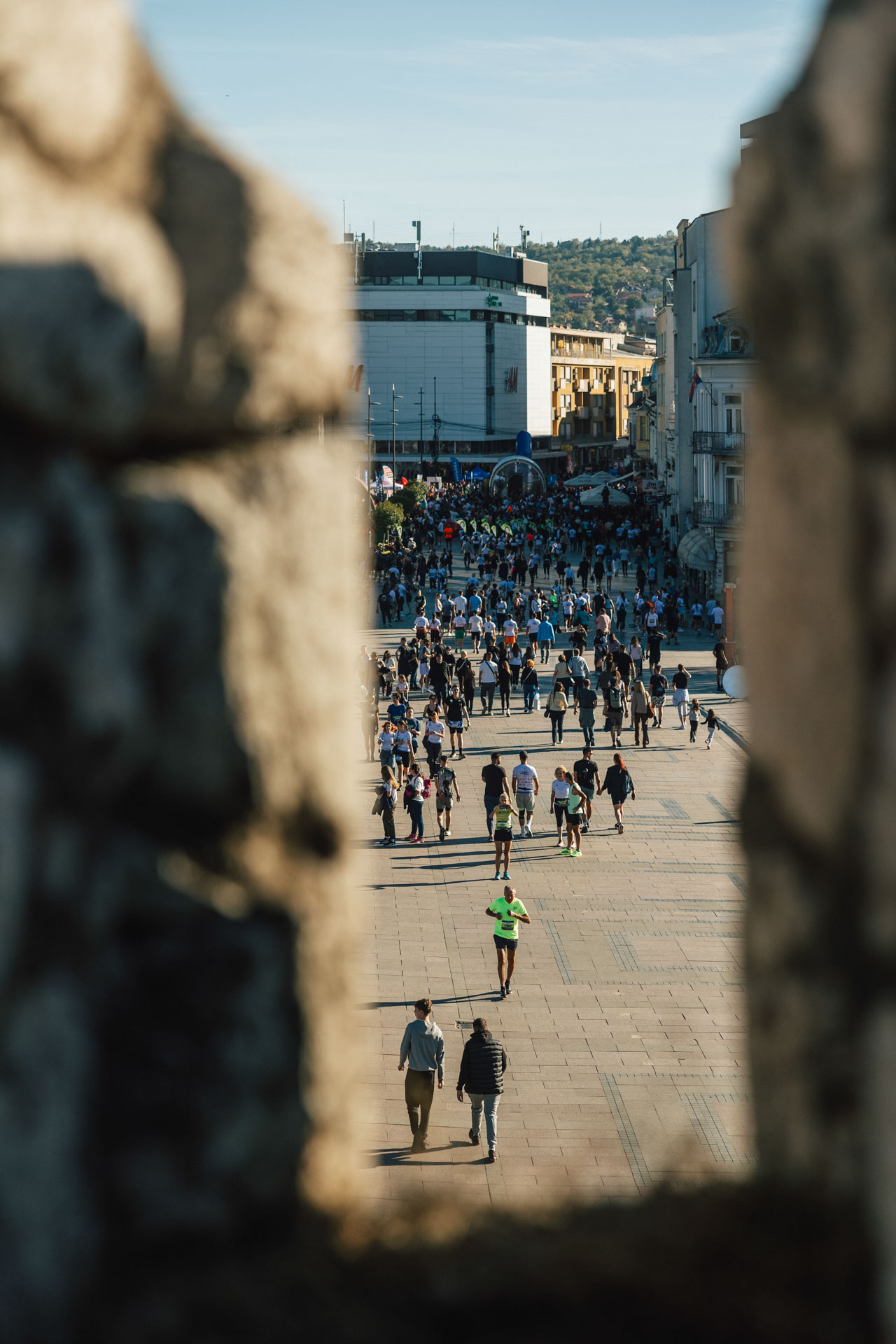
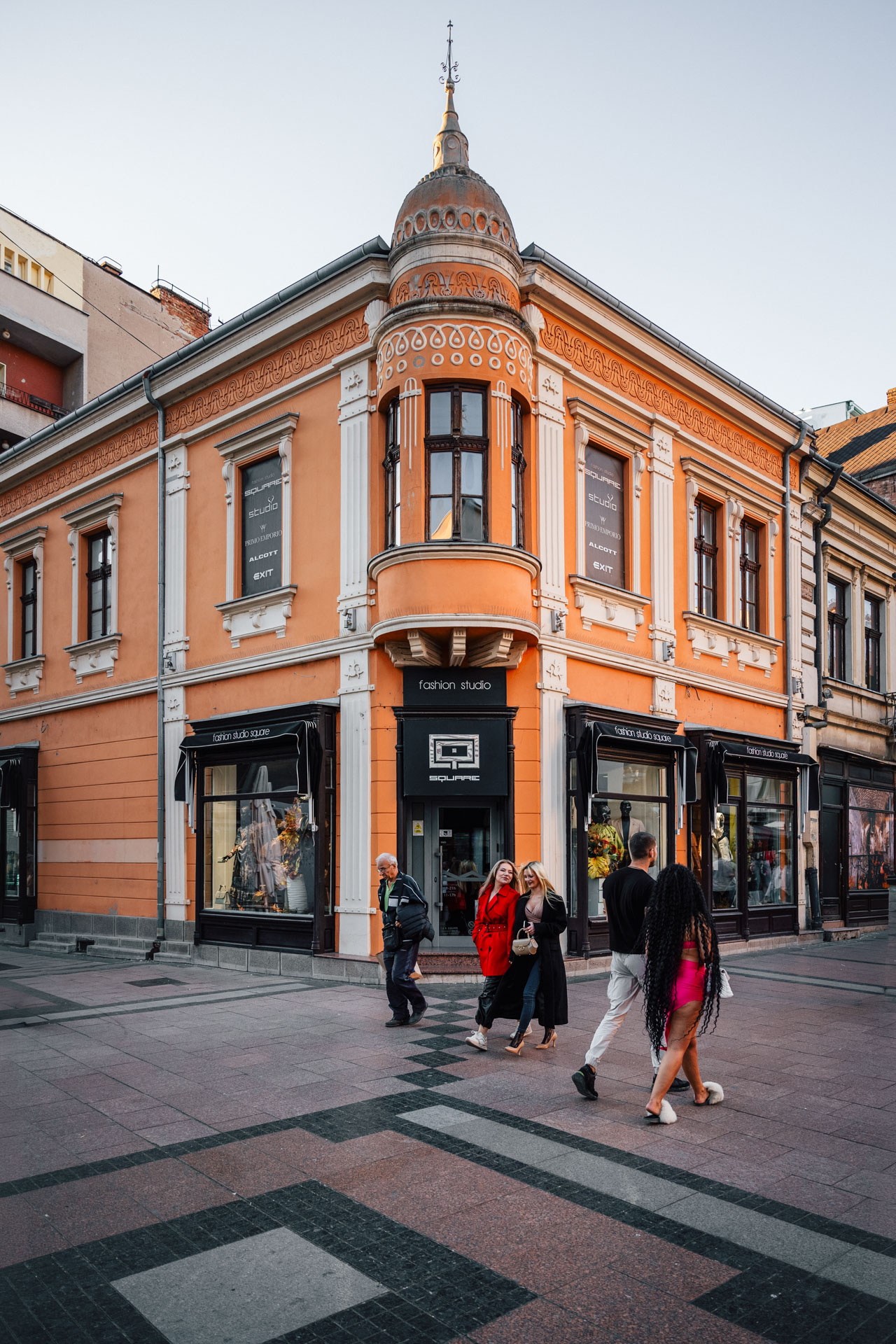
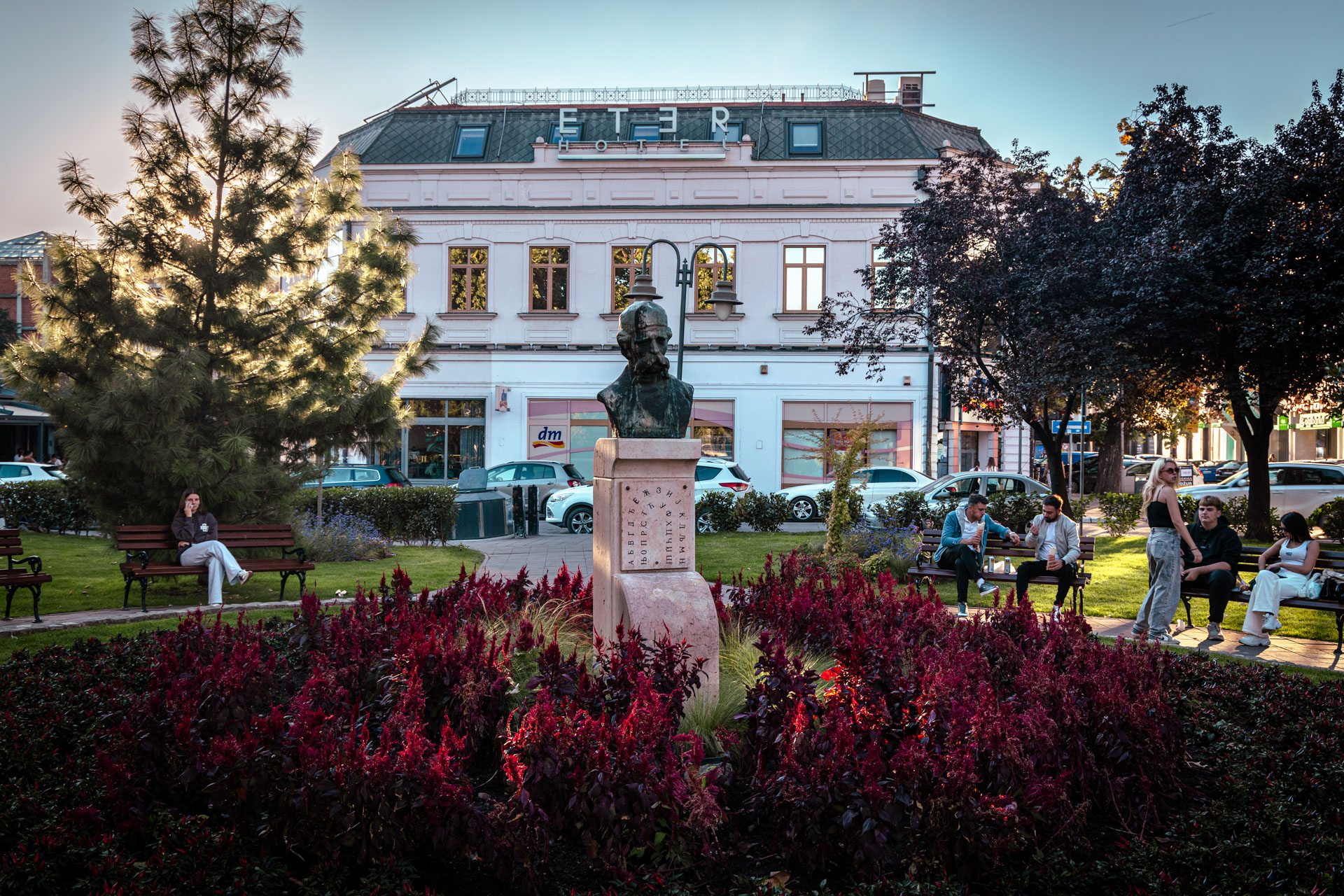
As we climbed the rampart walls and peered through the battlements, we noticed a multitude of men and women in athletic clothing gathering across the bridge, apparently getting ready for some kind of event. Later, we would learn that we had been lucky enough to witness the first Niš Half Marathon, with thousands of athletes taking part in the event. The atmosphere was exhilarating! Happy faces everywhere, people jumping and stretching before the starting signal, cheering and laughter filling the air. It certainly made our day even better. “What a beautiful contrast to our previous stop,” some of us thought as we strolled through the city, admiring its beautiful neoclassical buildings and its not-so-pretty old socialist-era apartment blocks, until we finally sat down for what turned out to be one of the best dinners we’d had so far on our travels. Even the strictest food connoisseurs in our group found the meal delightfully wonderful. The day ended in the basement common room of our accommodation, where we rested our weary legs after a very long day of walking before finally heading to bed.





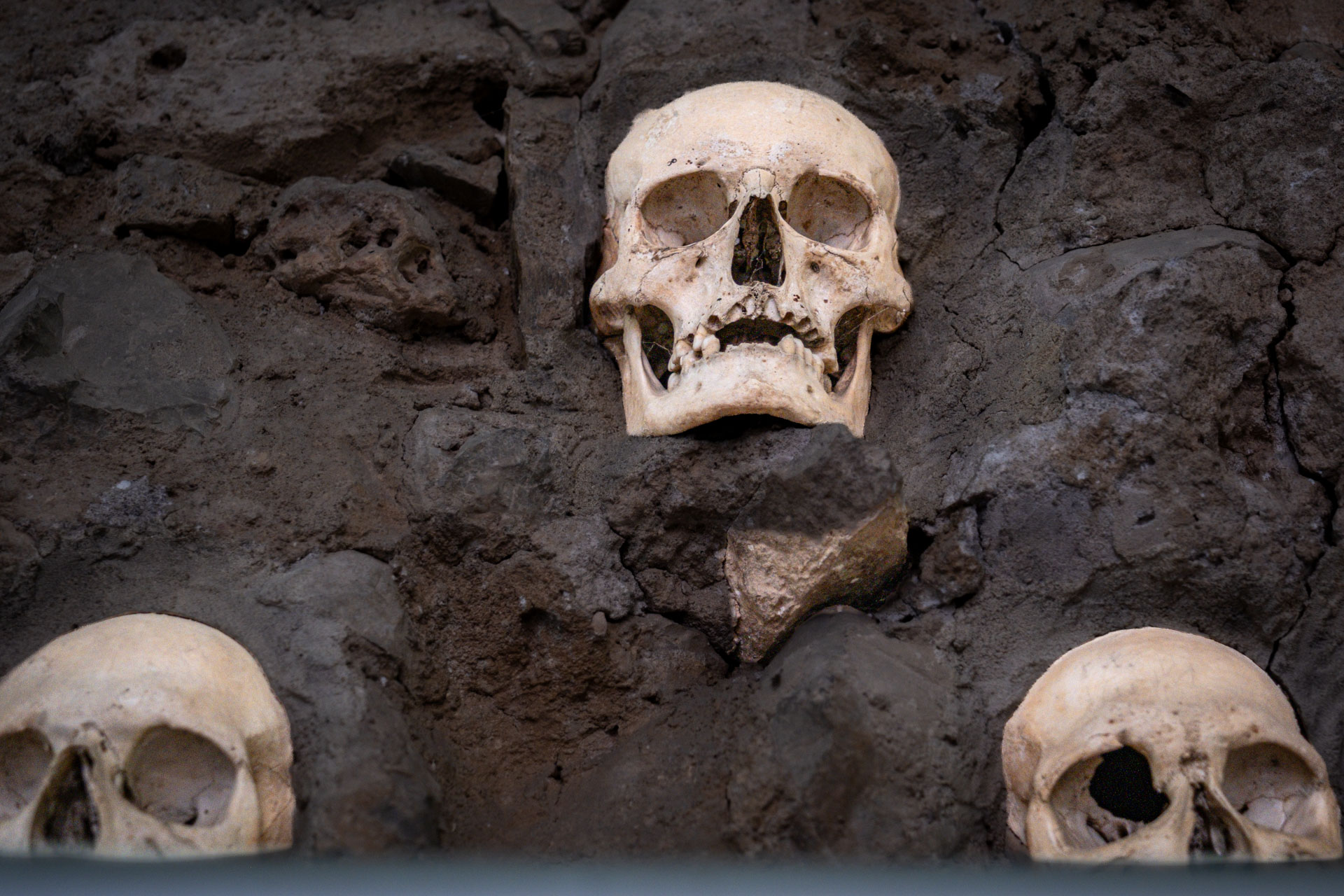
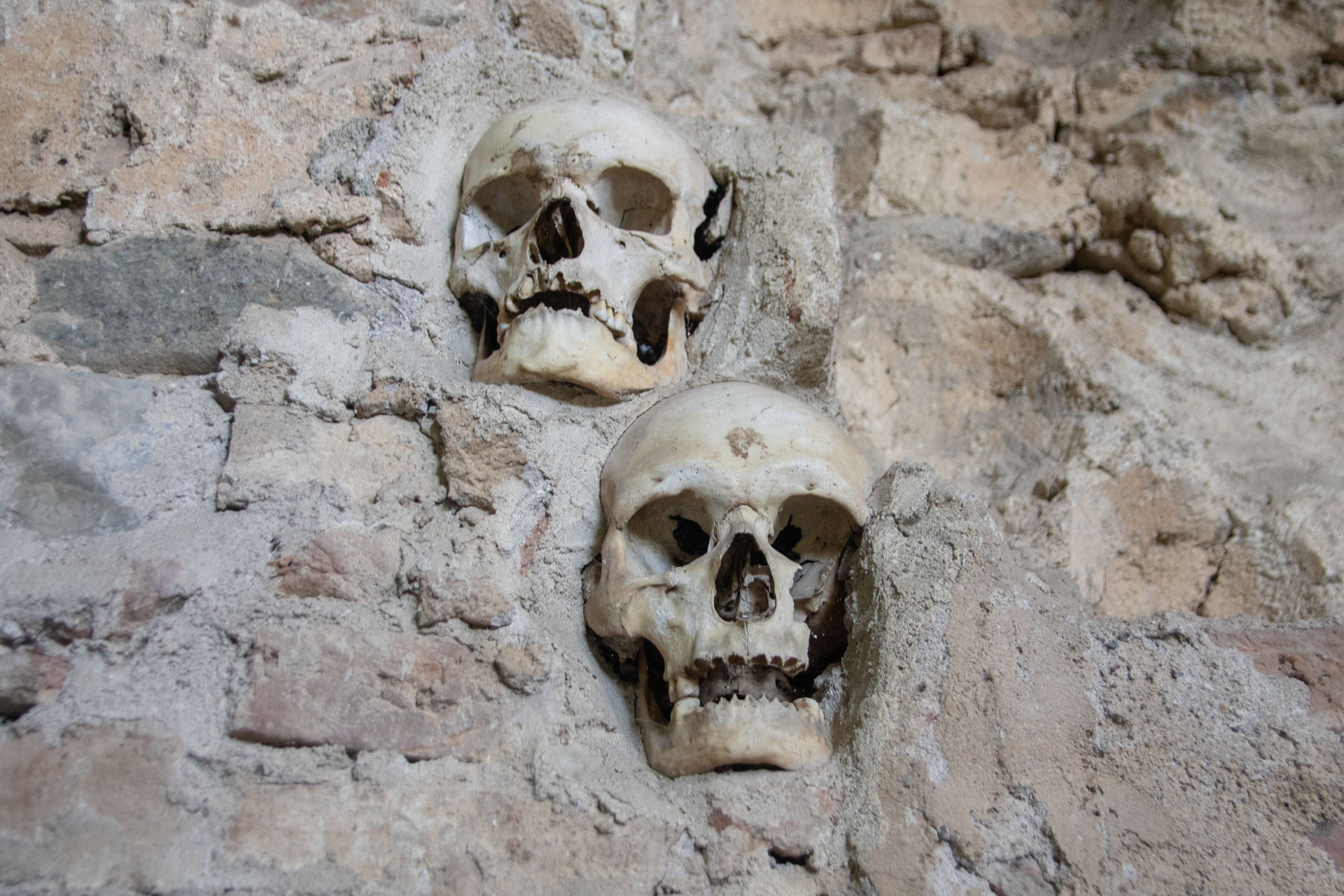
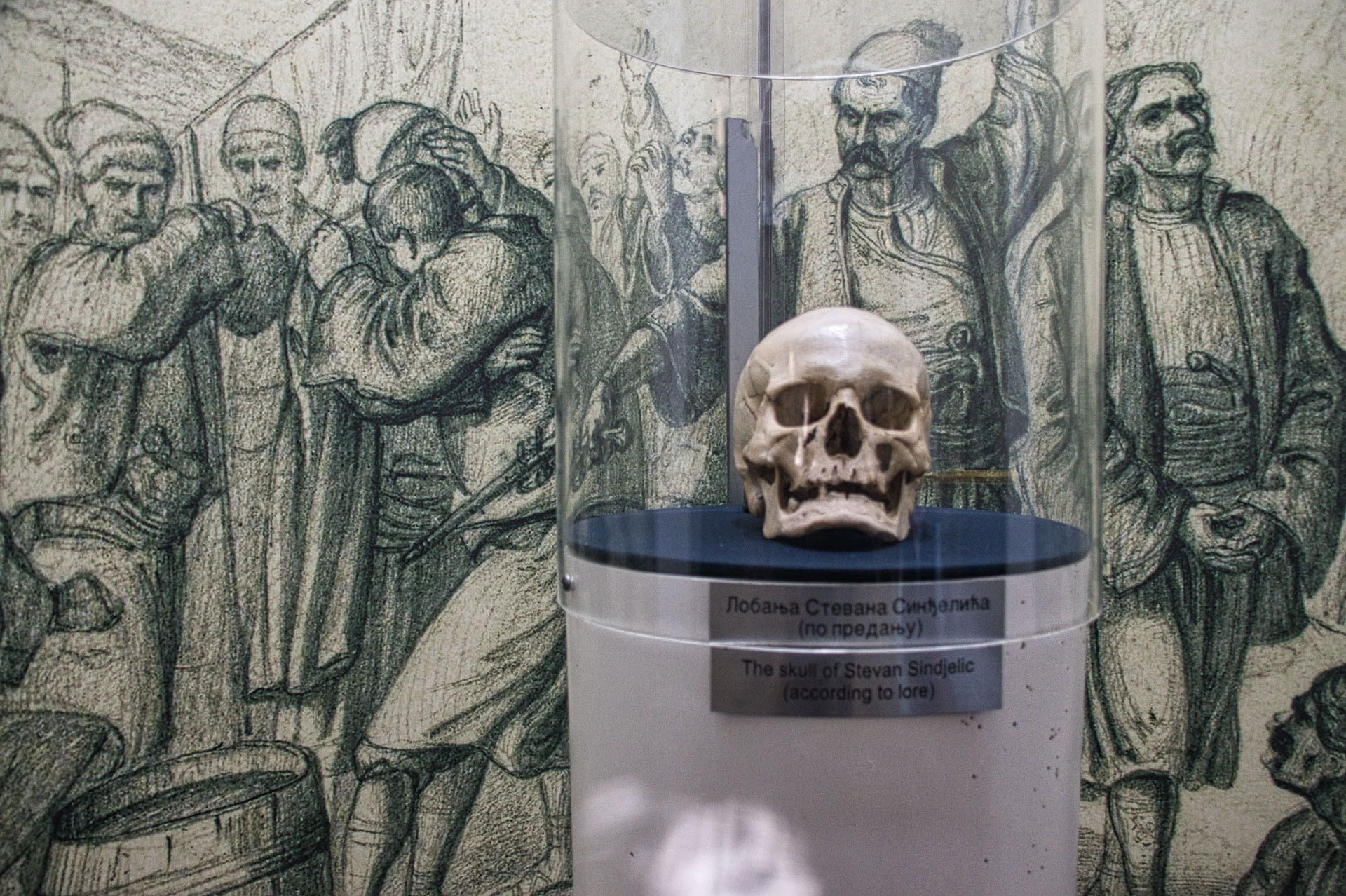
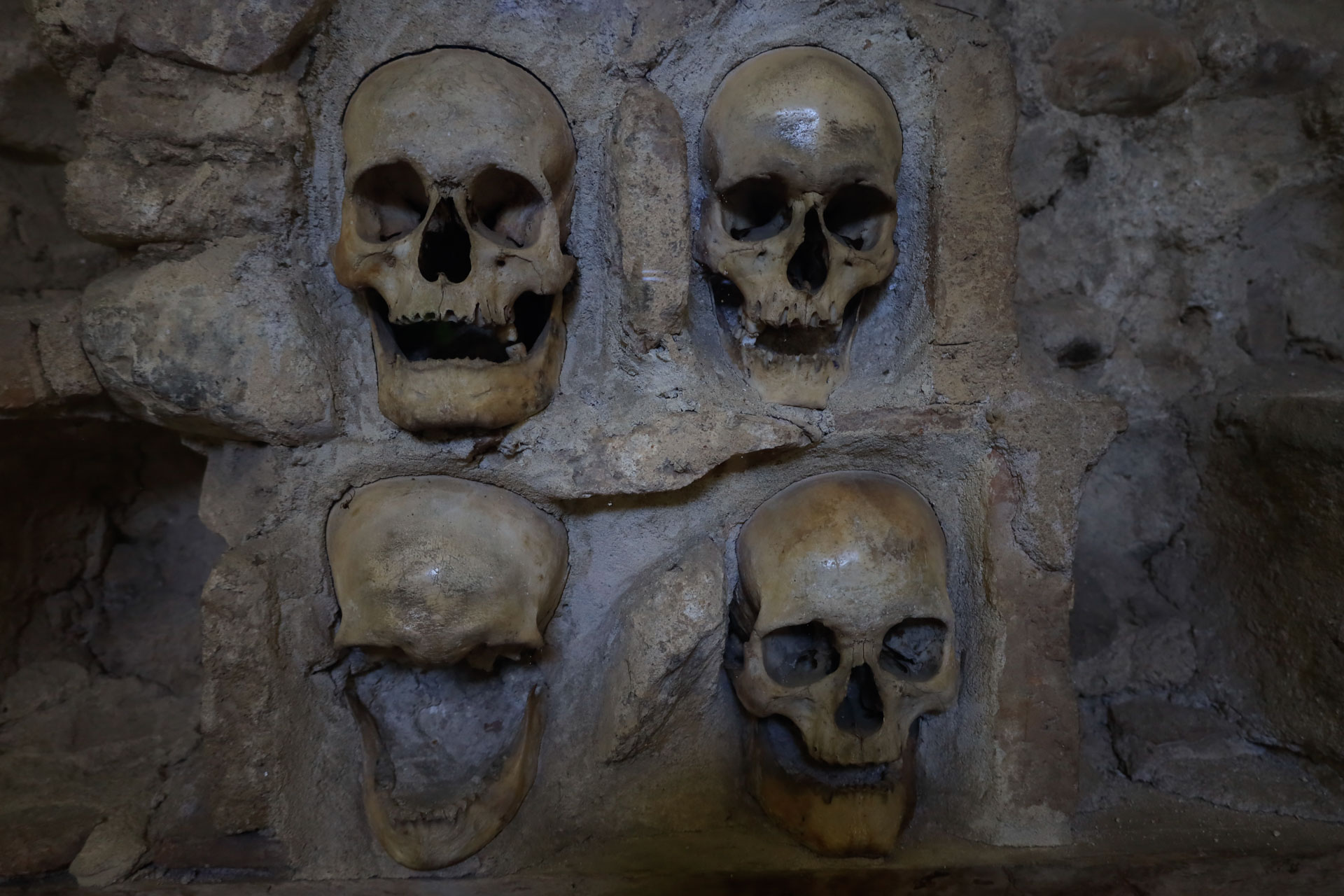
I don’t know whether it was some kind of elaborate jest by our group’s chief travel organiser, but our first stop on the second day, just after breakfast, was Ćele Kula. An actual human Skull Tower! You read that correctly. Apparently, in 1809, after a brutal battle during the First Serbian Uprising against the Ottomans, things didn’t go particularly well for the rebels and their leader, Stevan Sinđelić. Rather than surrender and face Ottoman execution by impalement, the brave Serbian rebel leader blew up the gunpowder store, killing himself and many of those around him on Čegar Hill. And how does a proper 19th-century ruler deal with such an act, you may ask, dear reader? Well, you turn martyrdom into a monument of fear by building a tower out of the skulls of the defeated. Historians showed off their arithmetic skills here, informing us that the tower originally stood approximately 4.5 metres high and was adorned with 952 skulls embedded across its four sides in 14 rows. Chills ran down our spines as we returned to our cars and moved on, our minds still wondering about humankind’s seemingly endless capacity to inflict terror and pain.
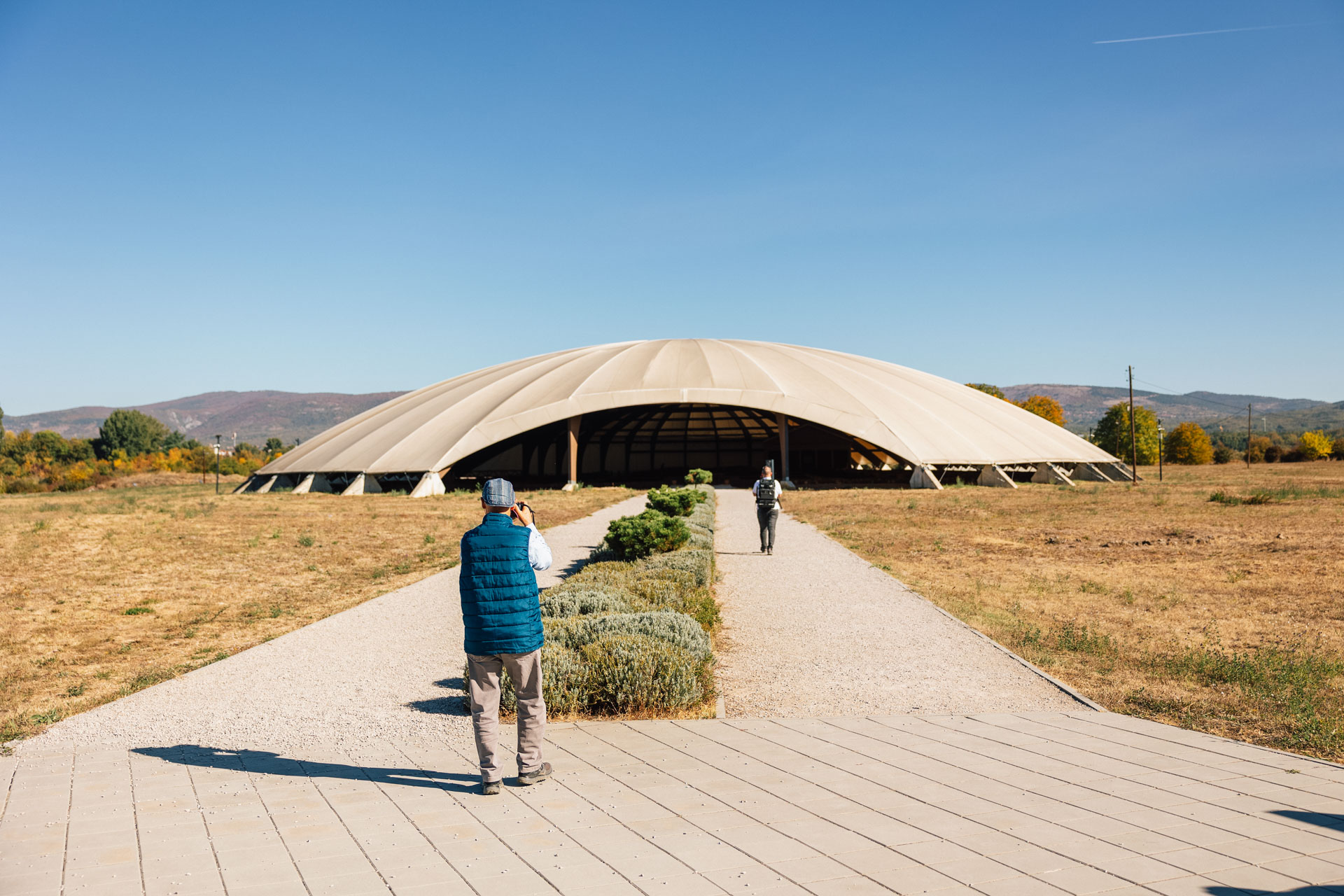
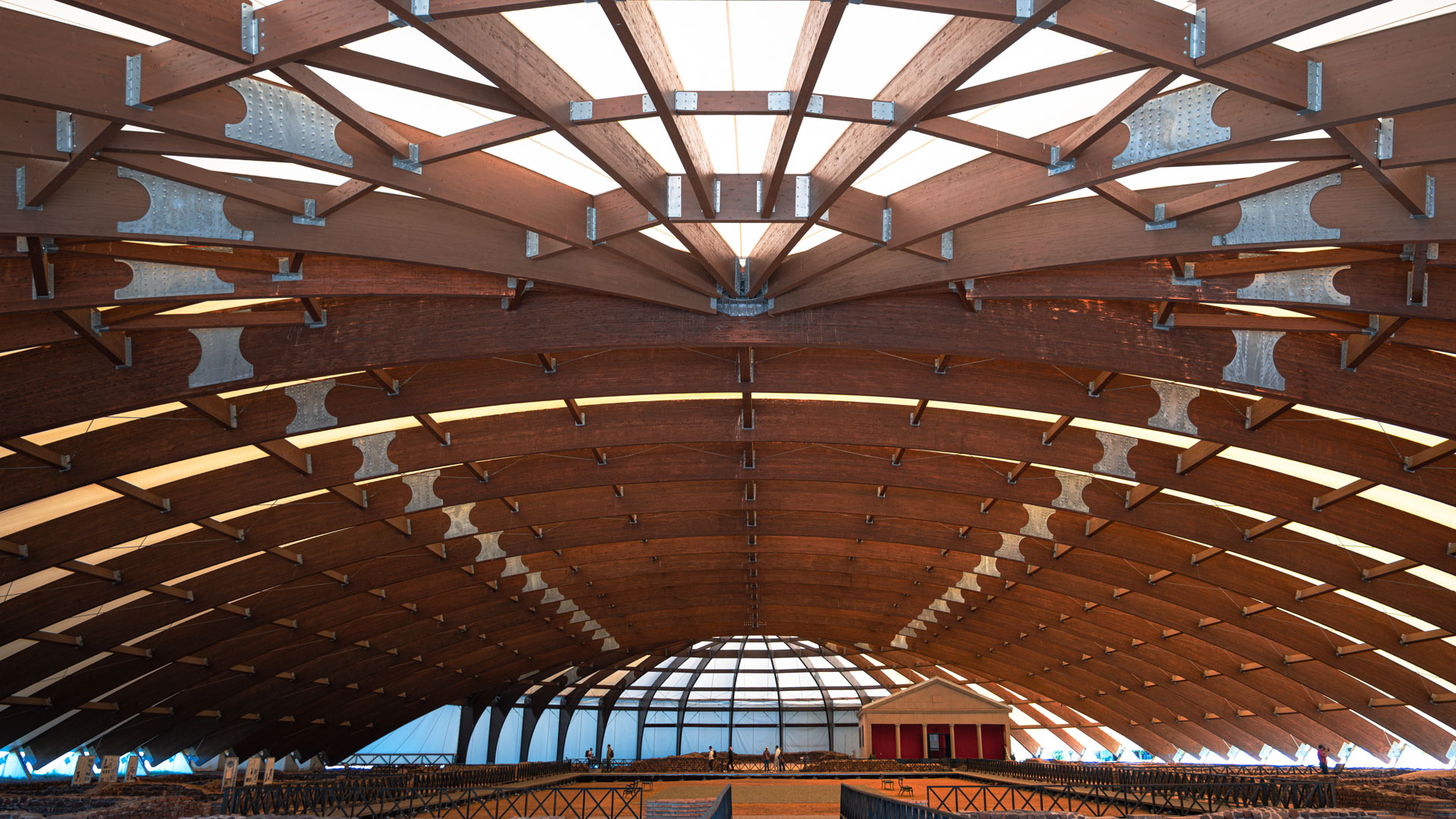
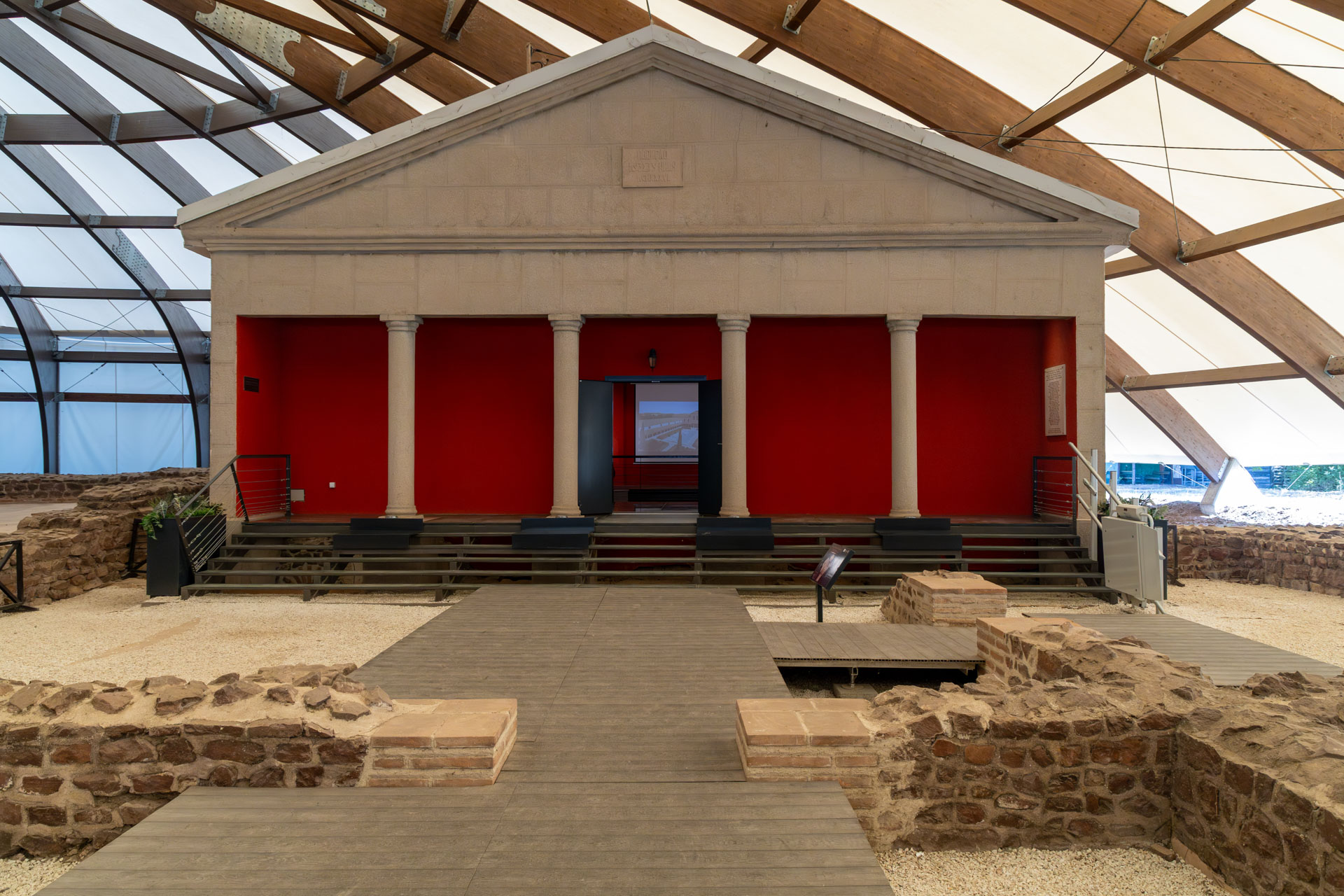
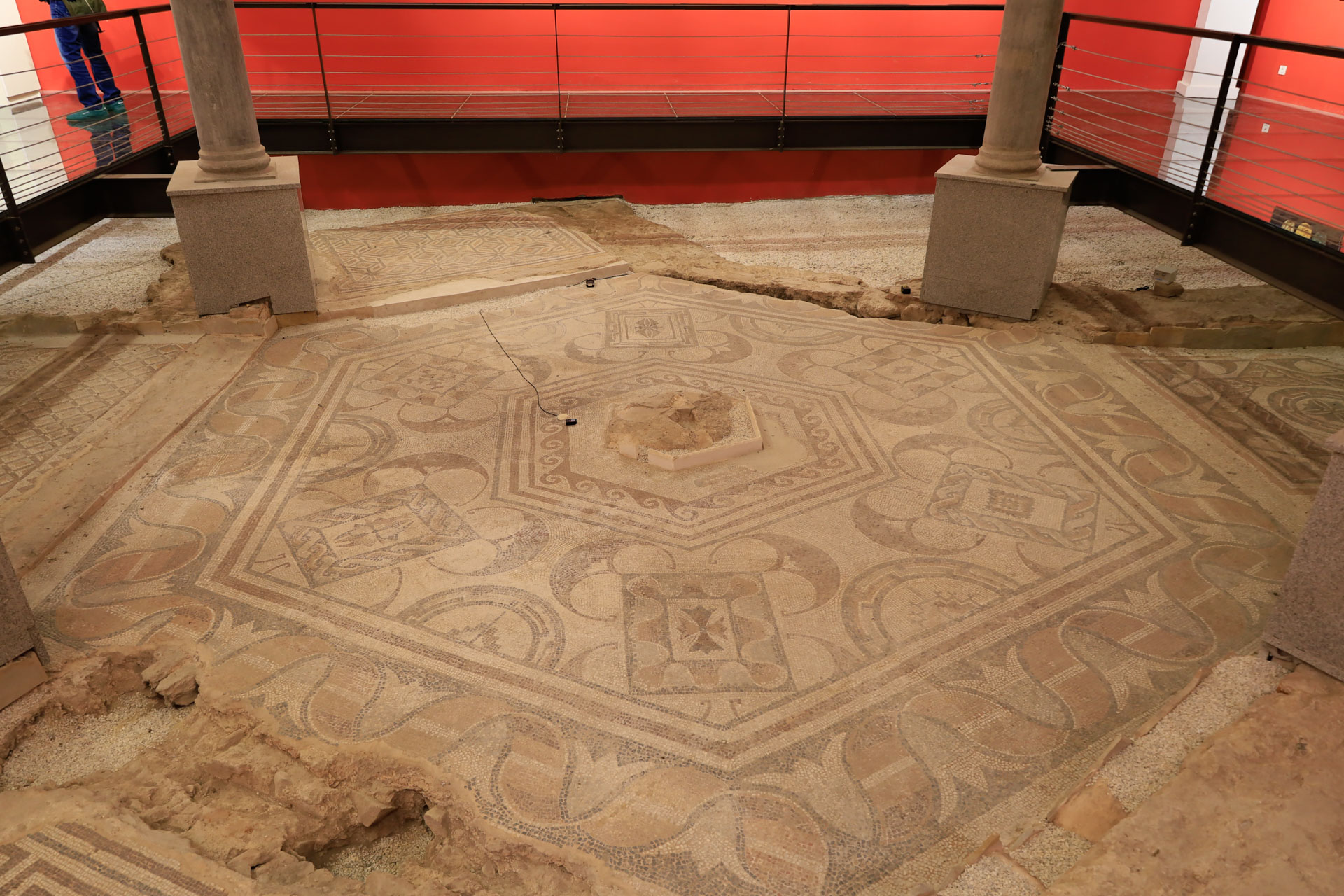
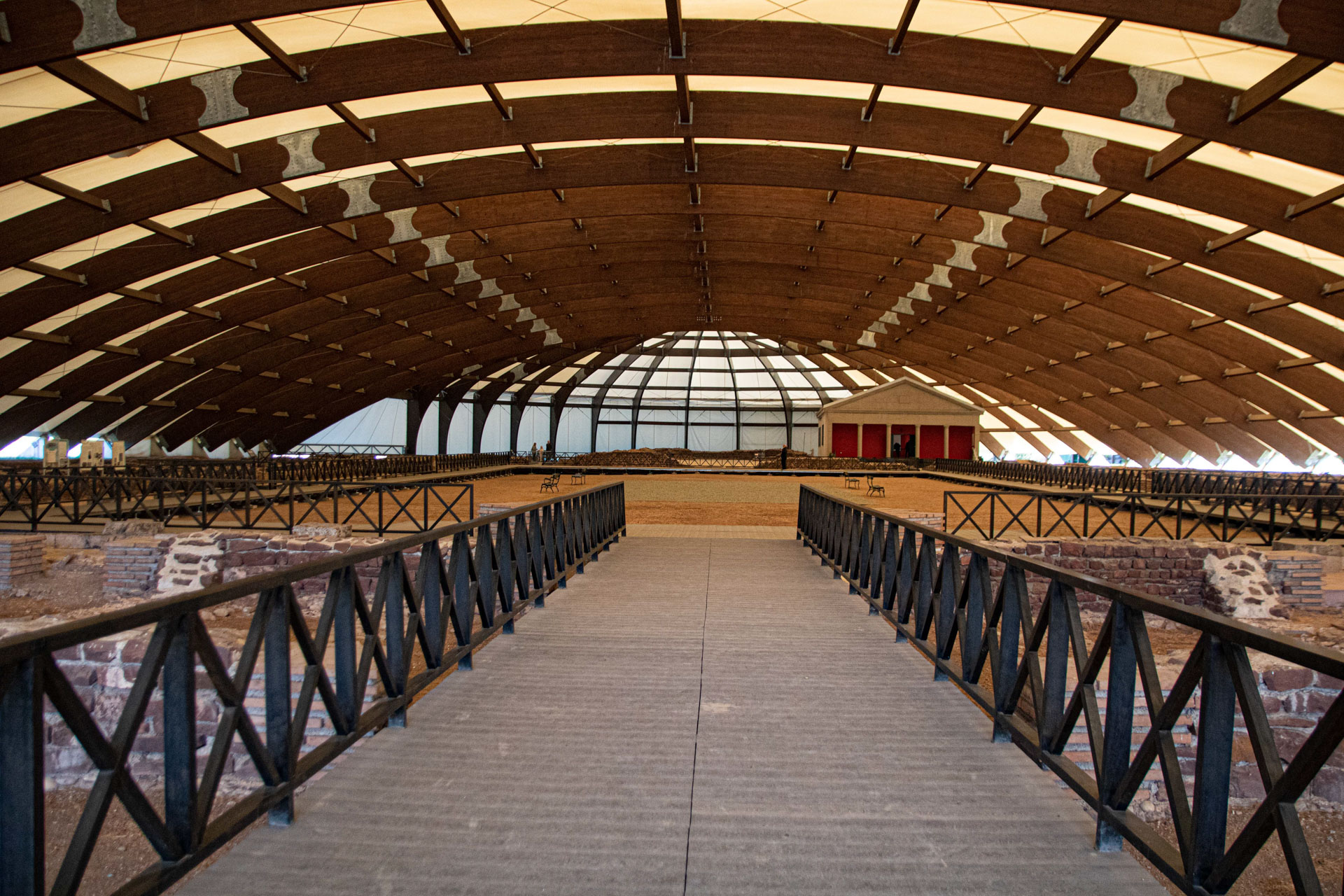
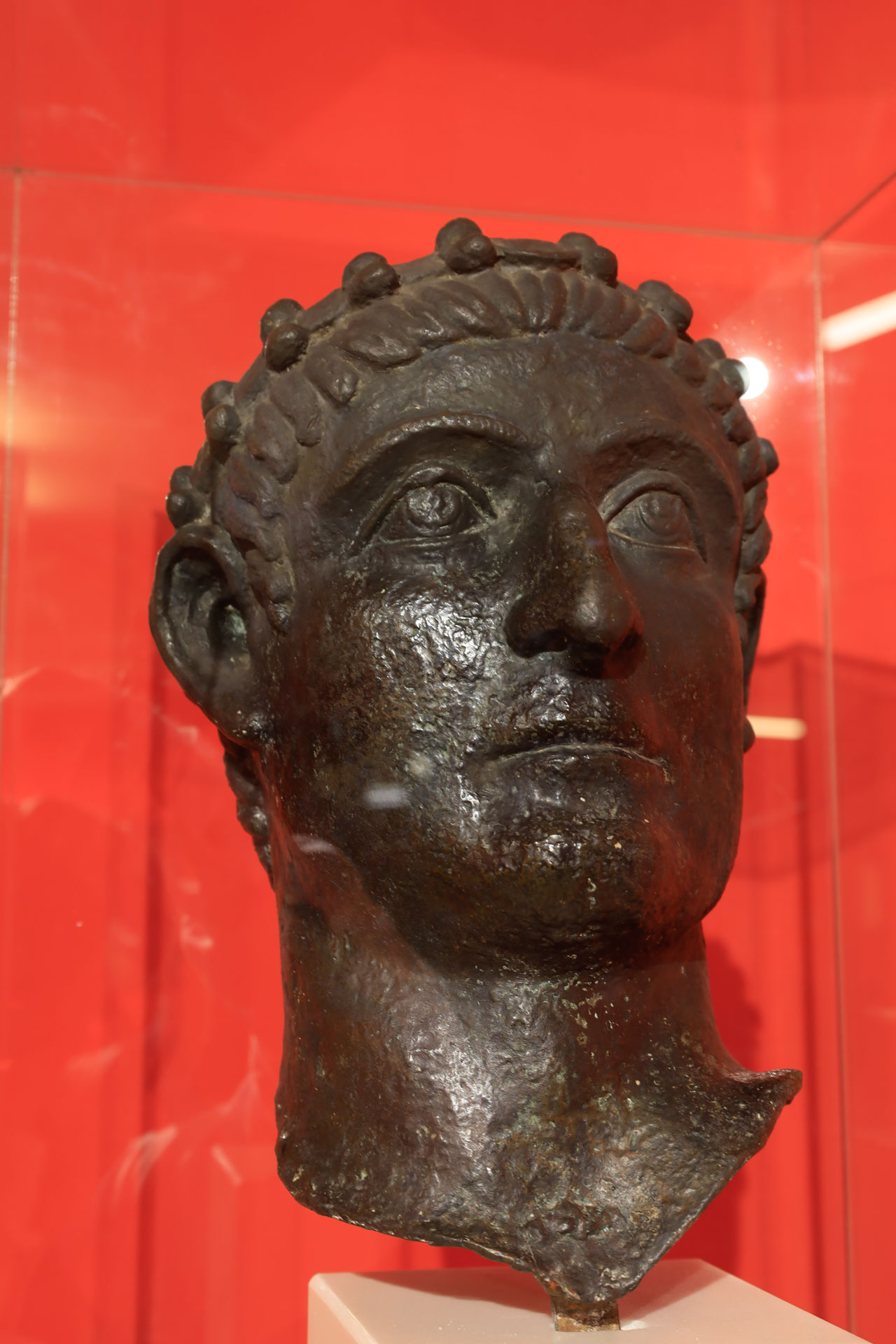
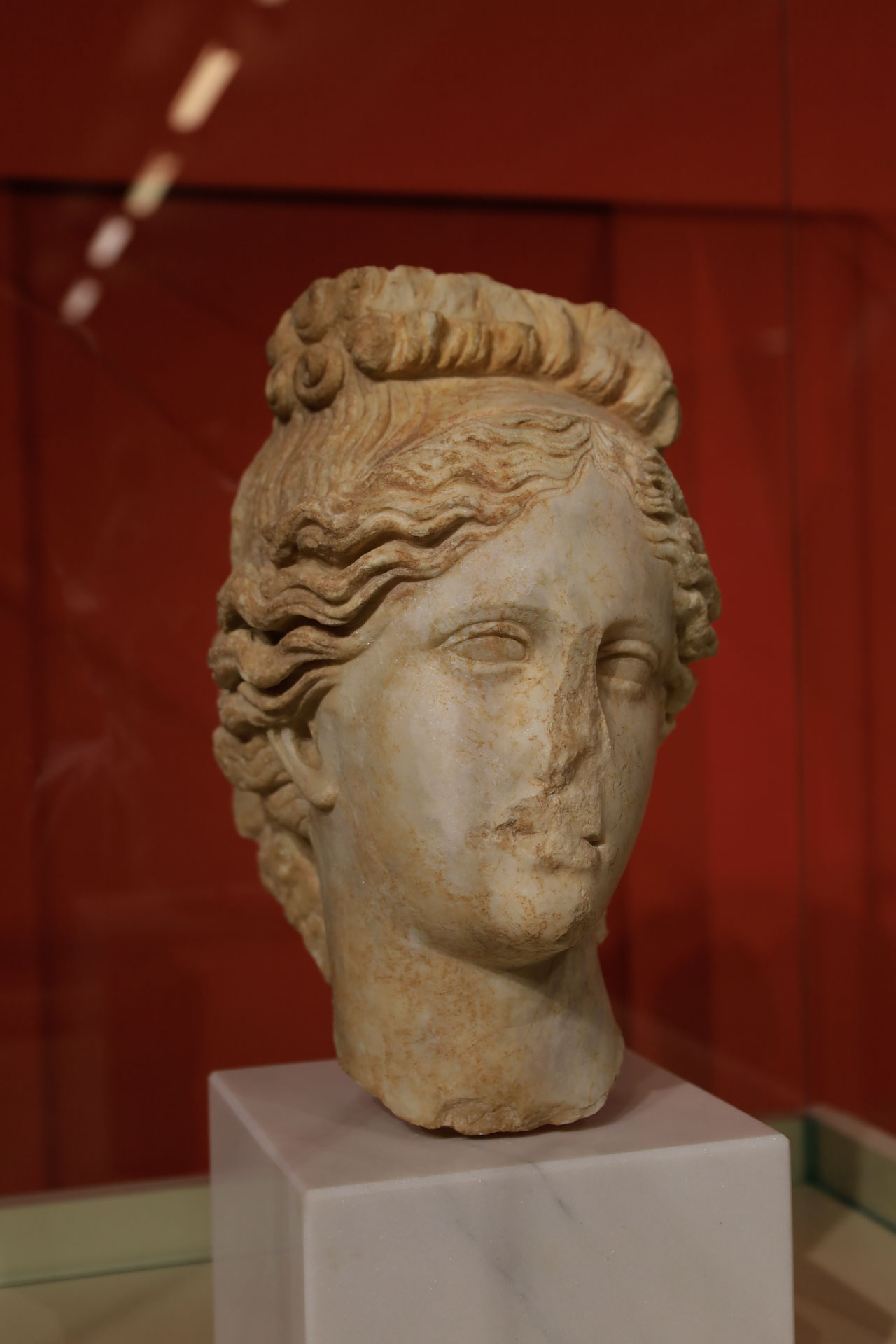
Fortunately, there were no more morbid surprises waiting for us when we arrived at Mediana, an entirely covered archaeological site dating back to the 4th century AD, where we marvelled at the ancient mosaics of the Roman imperial complex associated with Emperor Constantine. Beyond the ancient Roman finds, which, to be honest, as Greeks we’re pretty used to seeing, we particularly admired the fine craftsmanship of the protective domed structure, built with enormous wooden beams and a translucent canopy that allows daylight to pass through. The archaeological team has done an amazing job preserving the luxurious villa’s mosaics, along with several busts dating from Constantine’s period. Quite fitting, since the emperor himself was born right there in the city, which back then bore the name Naissus. We bid farewell to the clerk at the gate, and by now it was time for some coffee and a bit of rest.

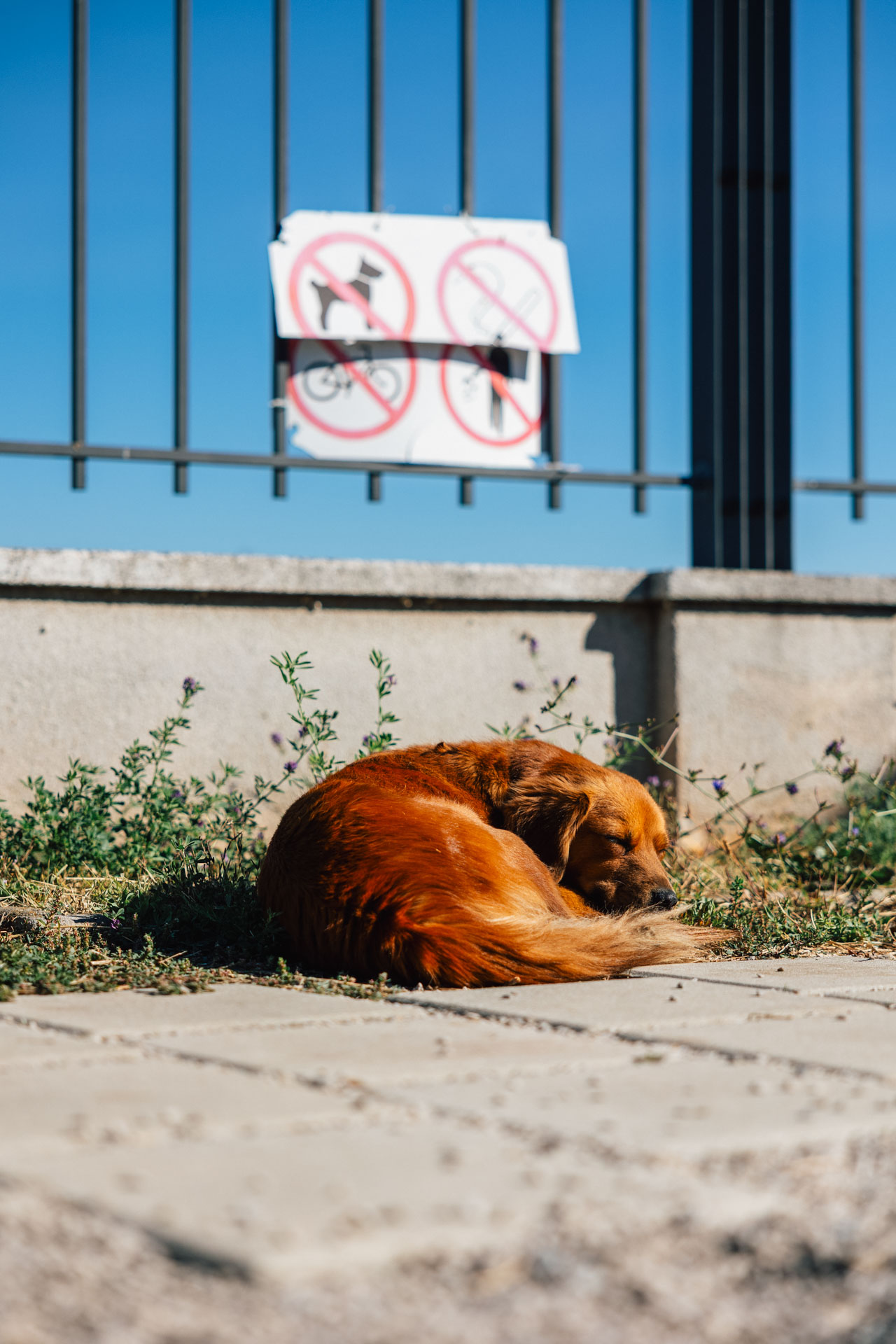
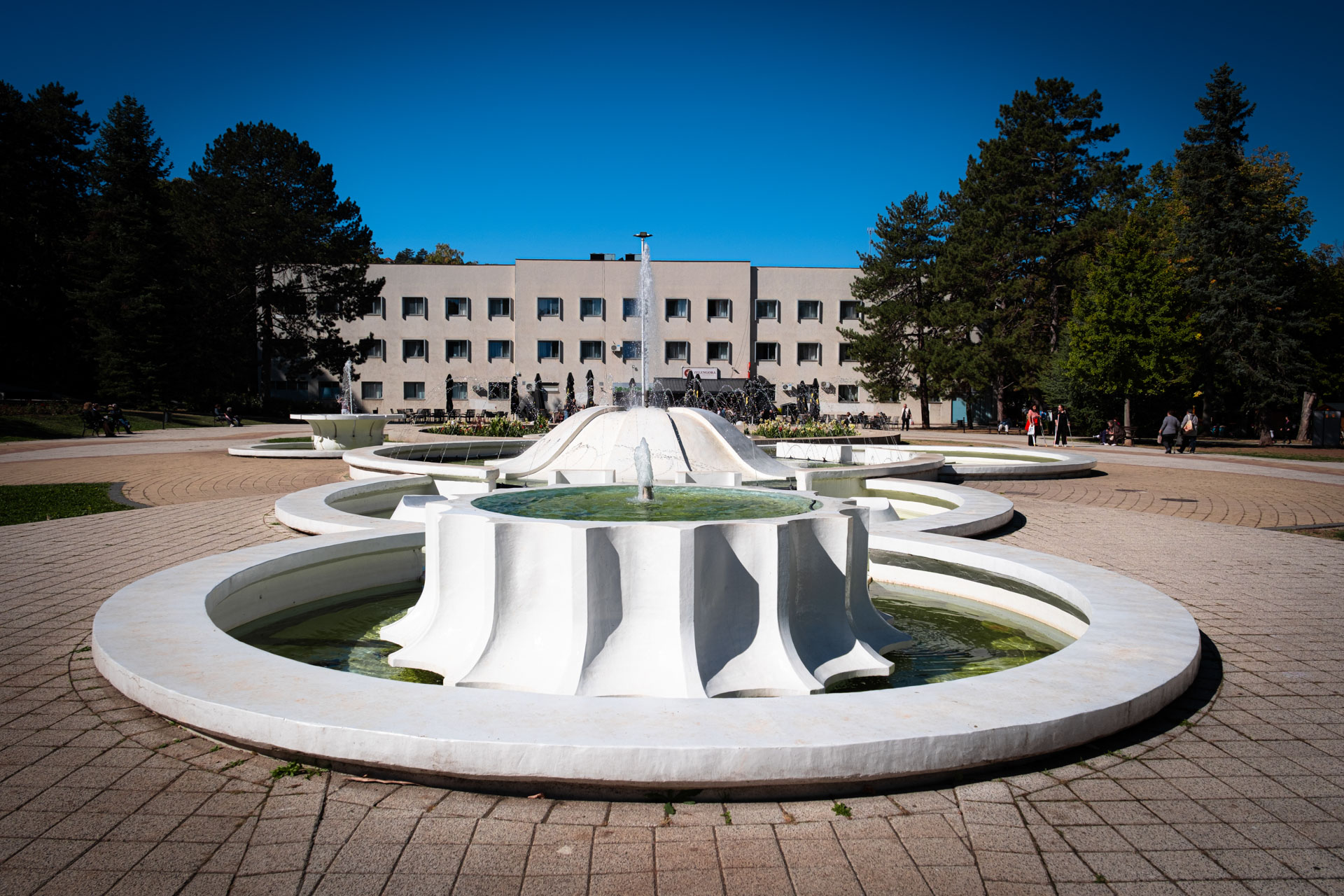
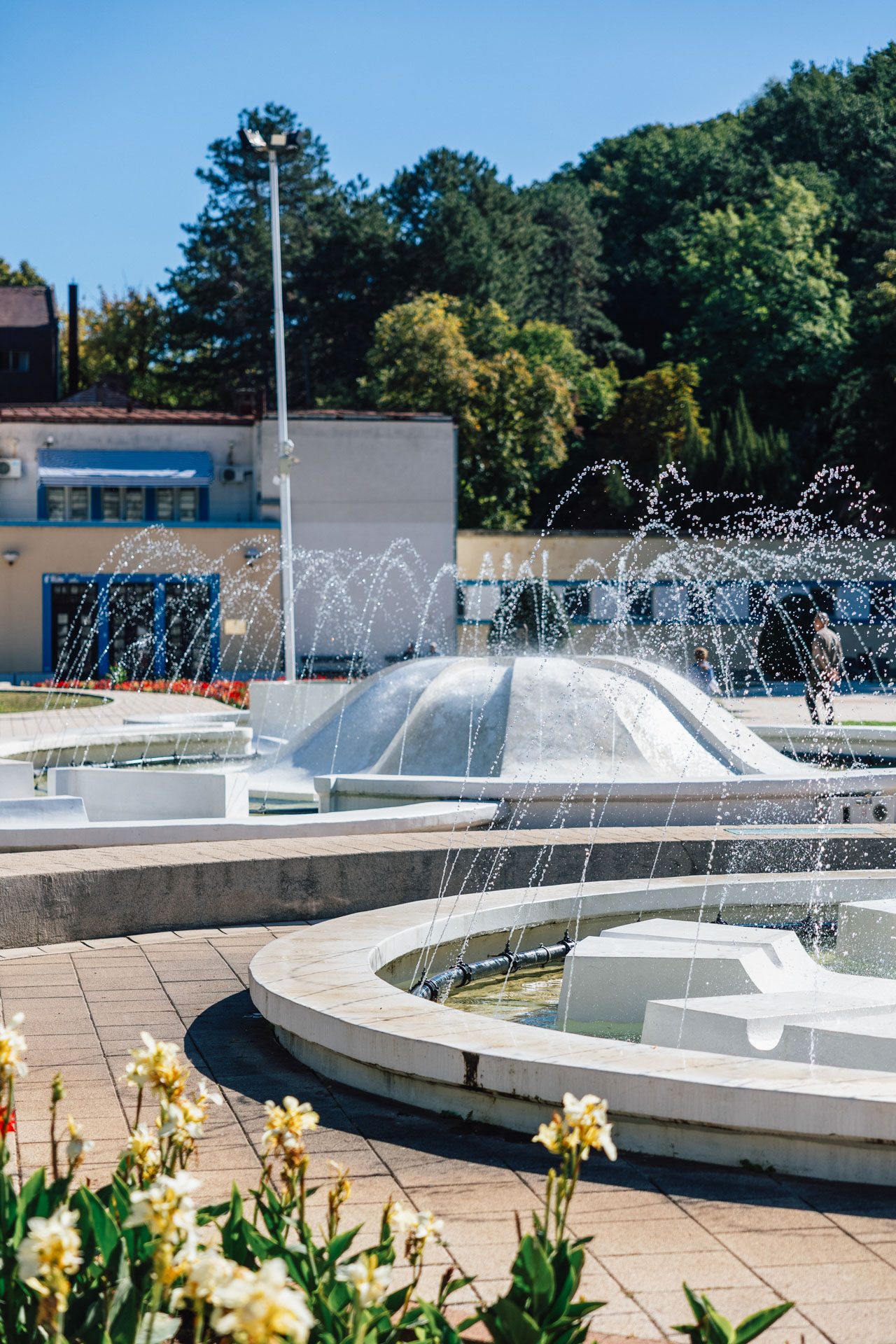
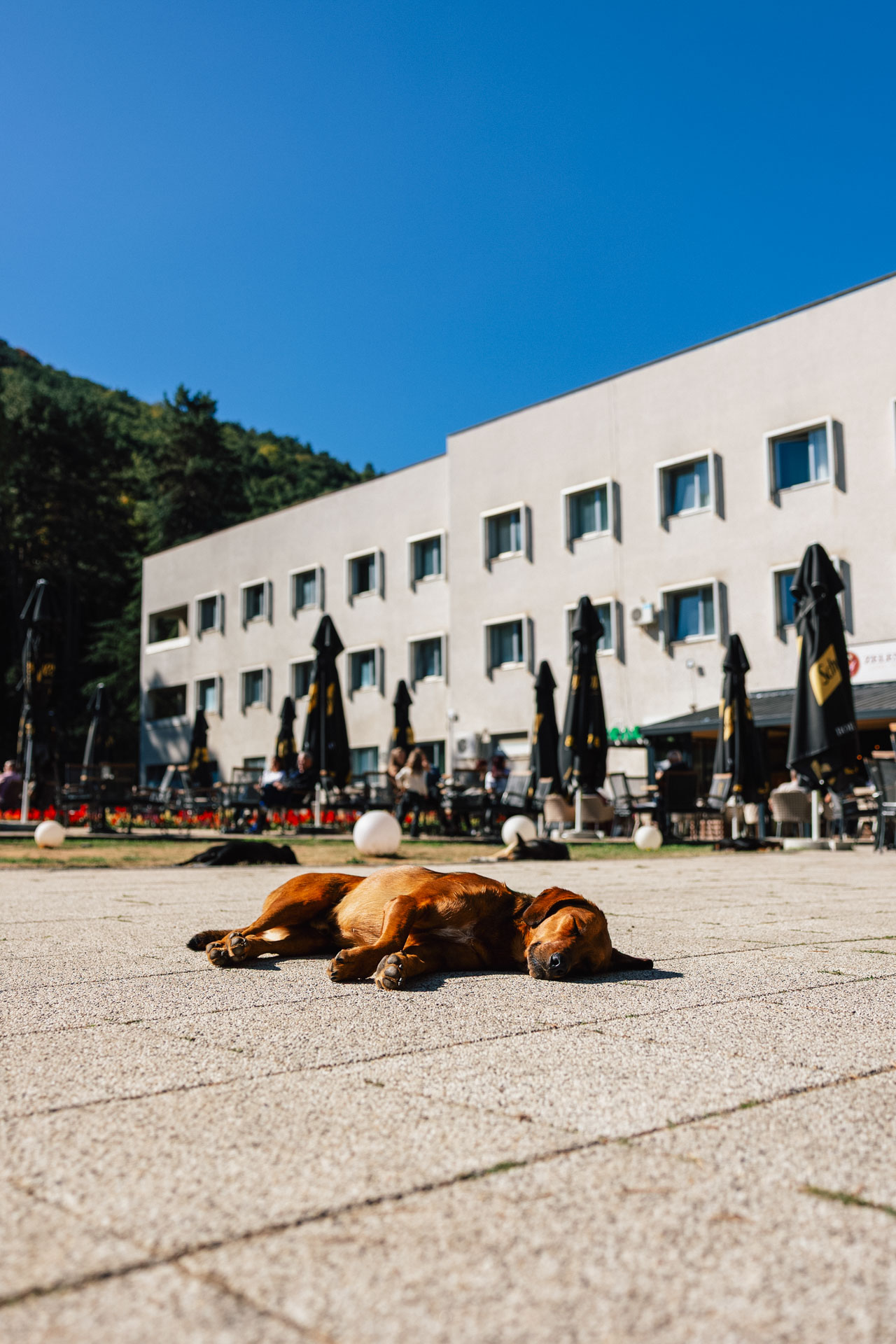
The best place to sit for a while and simply relax was the little town of Niška Banja, and boy, oh boy, did it deliver just that! Only nine kilometres east of Niš, this spa resort town is a wonderful escape, whether you enjoy a bit of hiking or simply prefer to relax in its radon-rich mineral thermal waters. I was a little disappointed that we hadn’t brought our bathing suits, nor did we have enough time for a dip. Nevertheless, in the company of good friends and pleasant conversation, I managed to leave my worries outside the door.
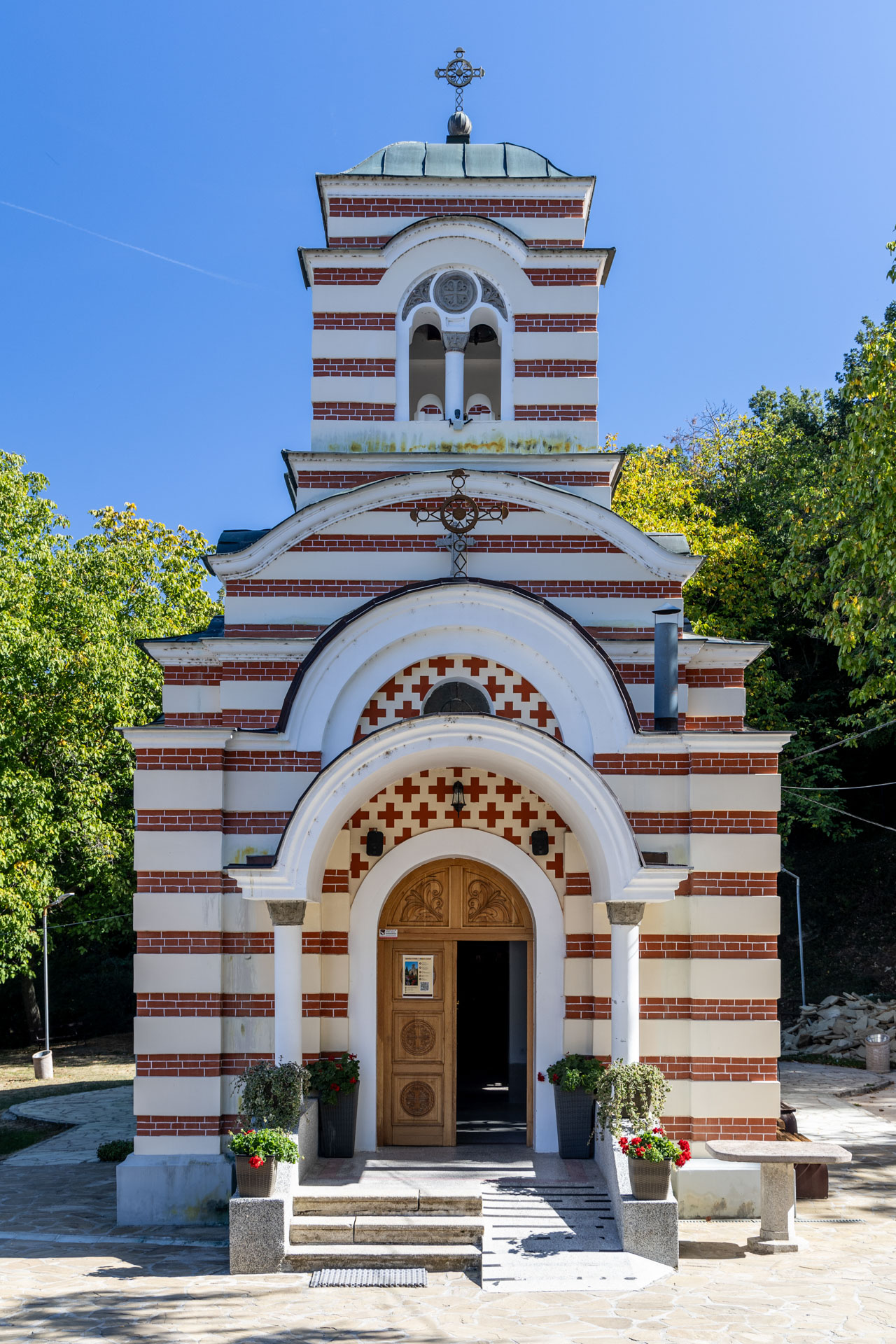
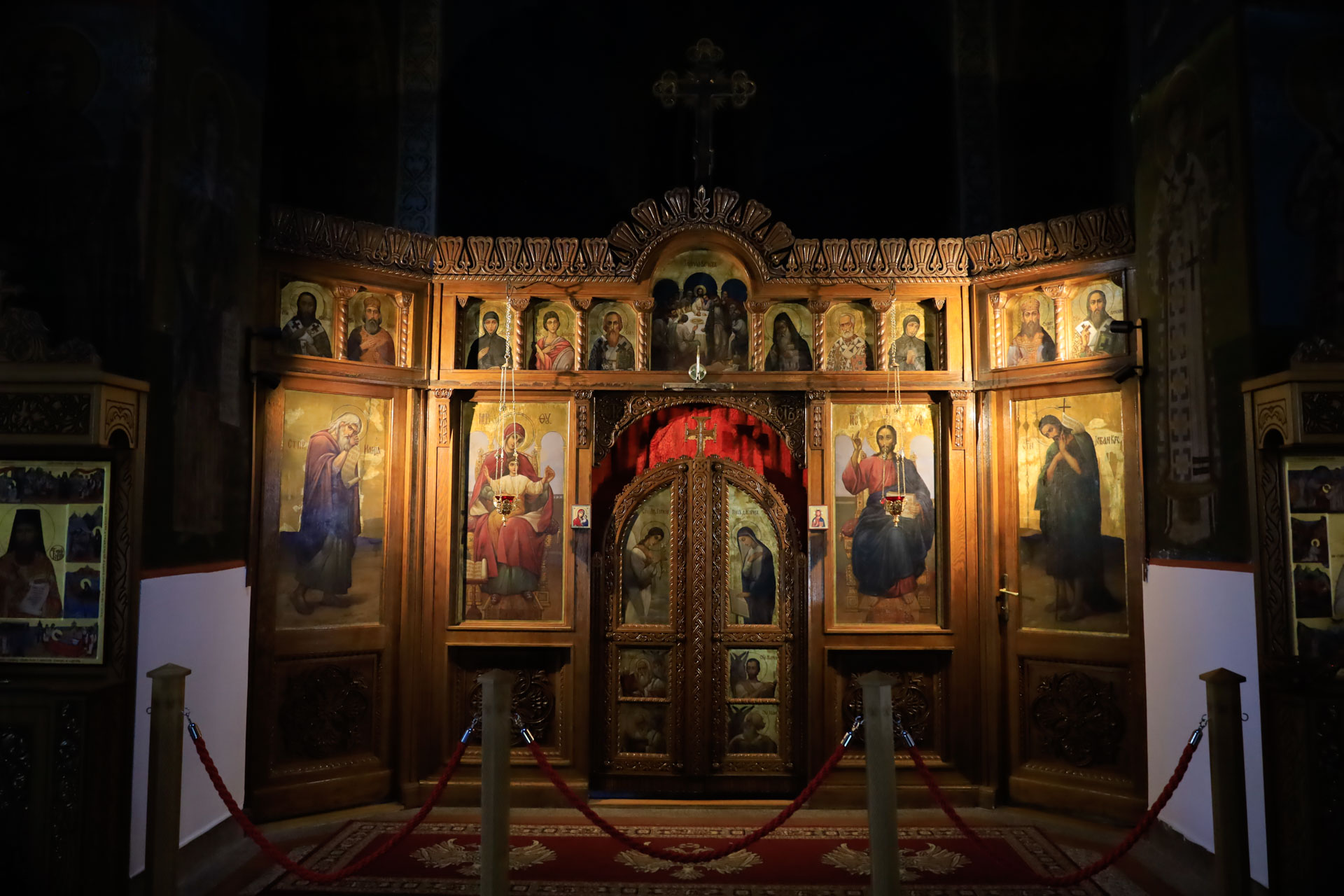
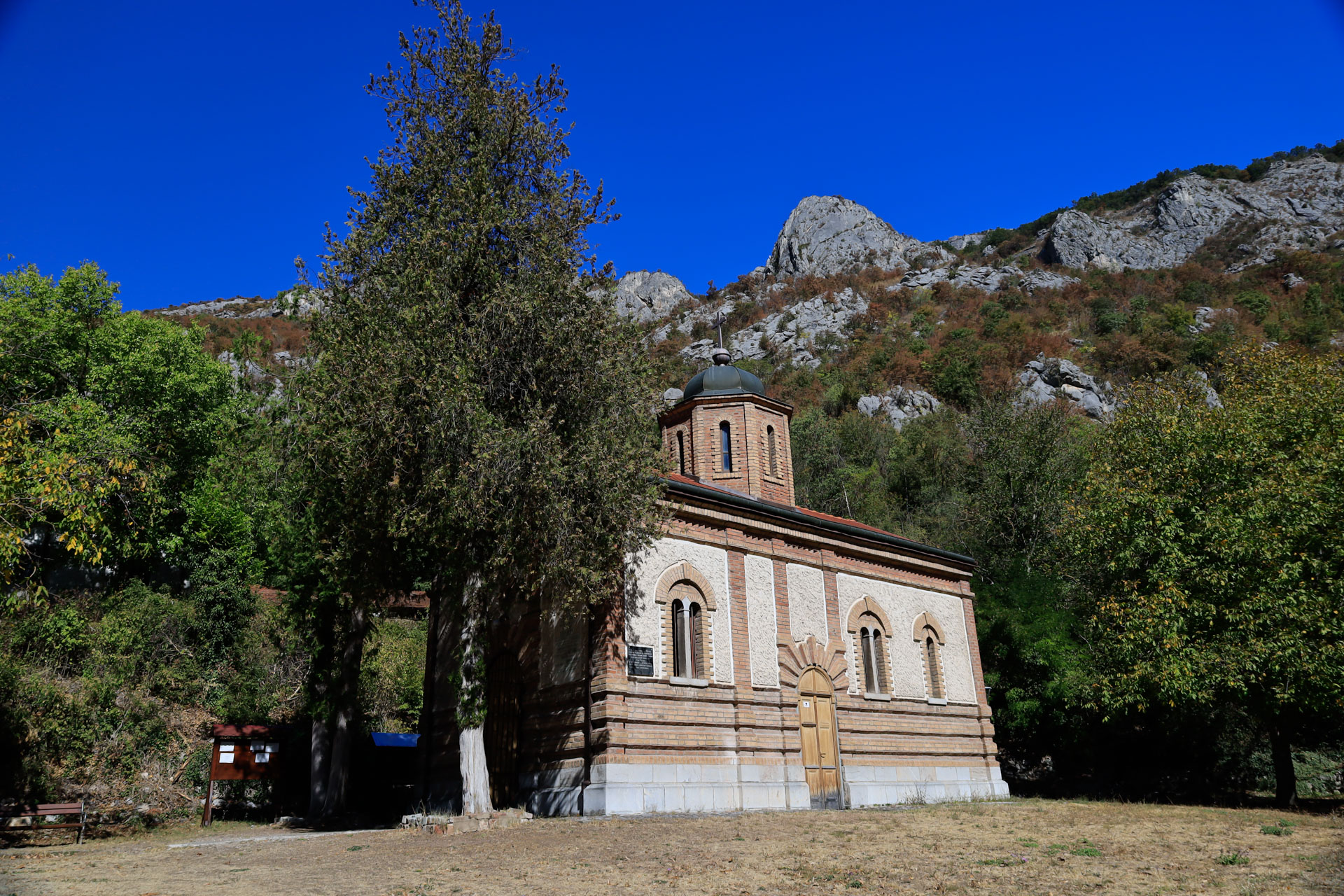
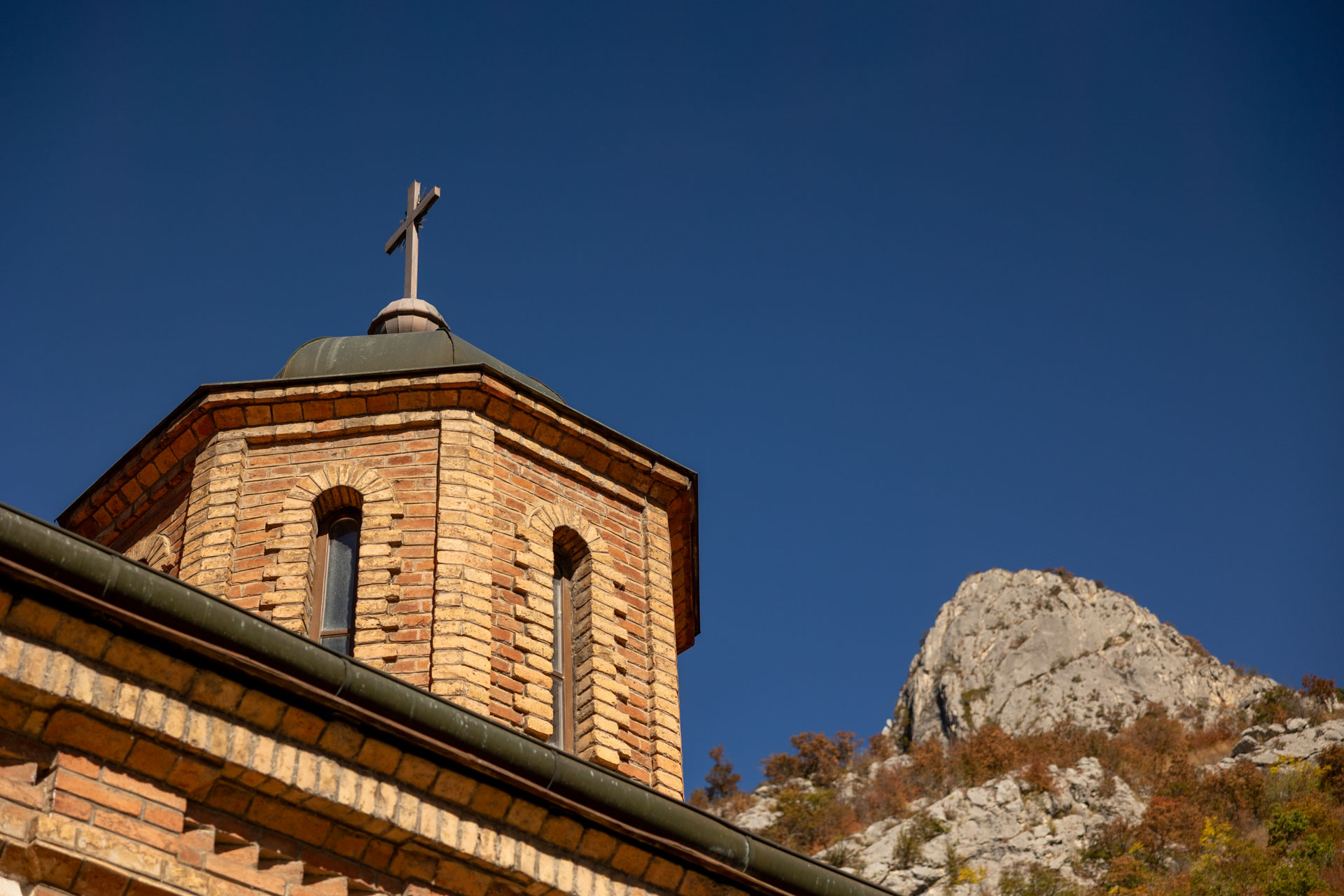
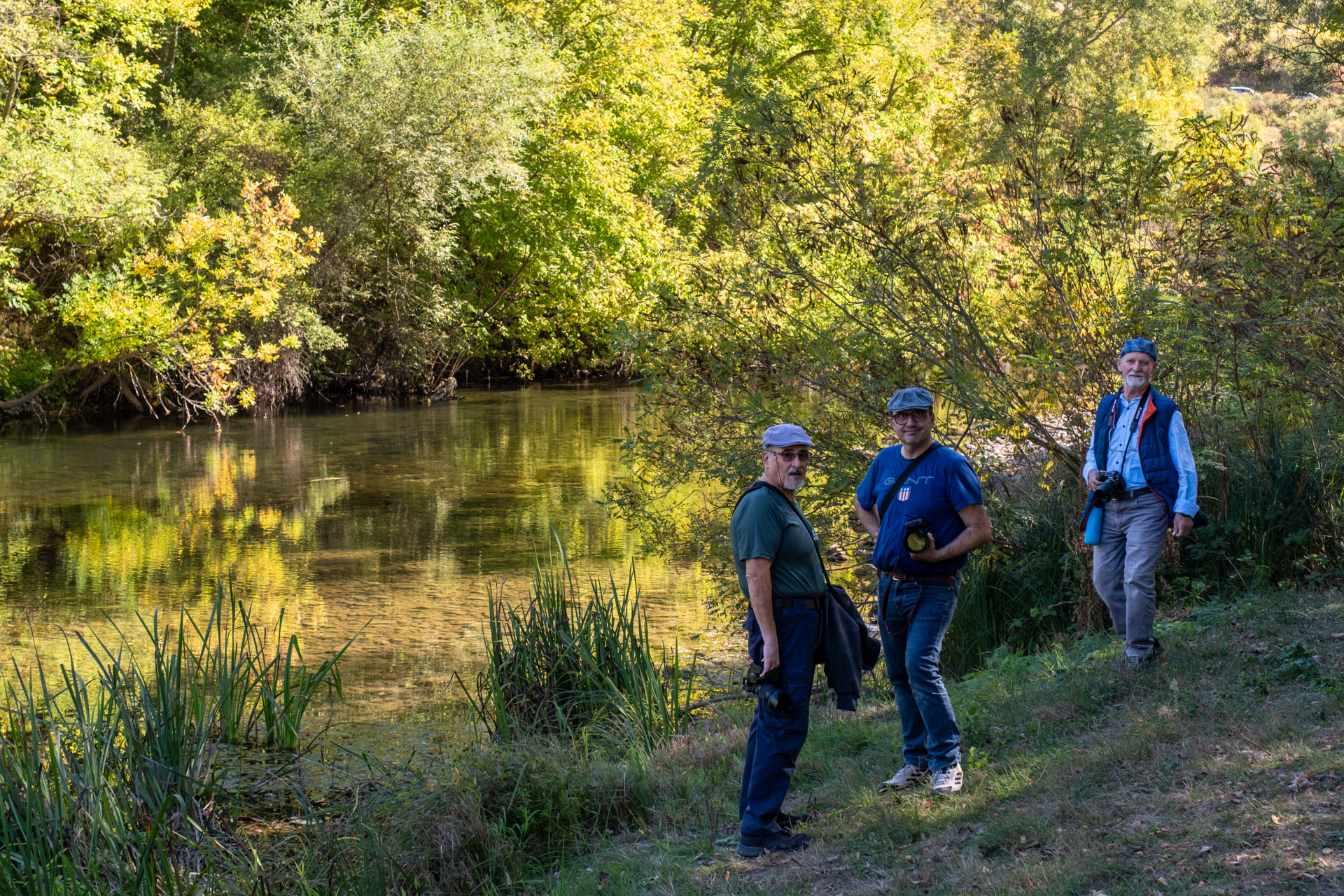
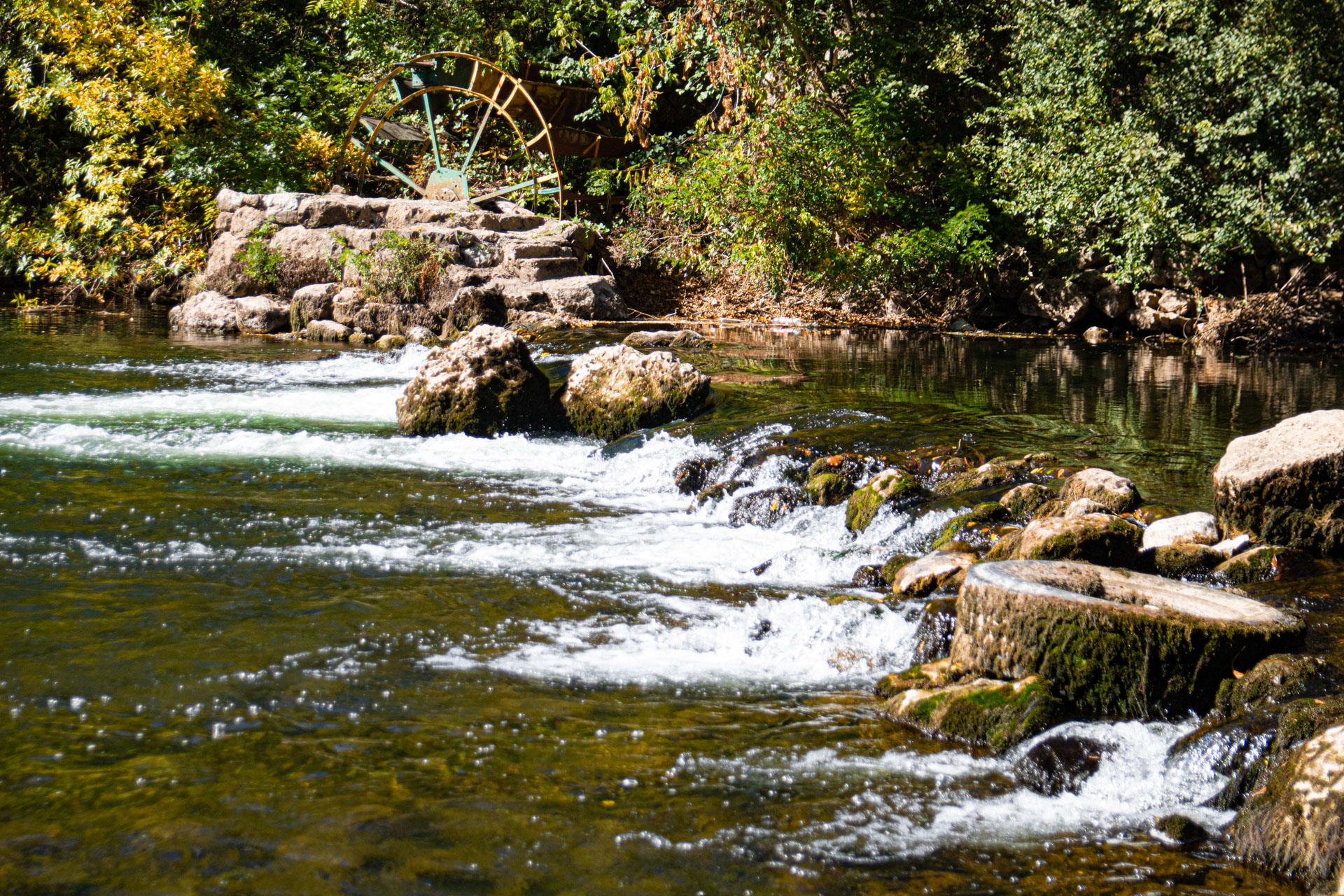
A dozen kilometres further down the road, we made a quick stop to visit the church of the Monastery of Sv. Petka Iverica, continuing our historical tour. Situated in the canyon of the beautiful Sićevo Gorge, the monastery has roots reaching back to medieval times. It, too, has endured the passing centuries, moving from the hands of those who built and cared for it to others with rather more destructive impulses, before finally reaching our own times. We turned back, and after a couple of kilometres took a sharp left onto a dirt road winding downhill towards Ostrovica Banjica, a lovely forest picnic and resting area on the banks of the Nišava, where people camp and swim during the hot summer months. Later that afternoon, we ended up in Jelašnica for dinner, although, to be fair, the meal came second compared with what we’d enjoyed the previous evening.

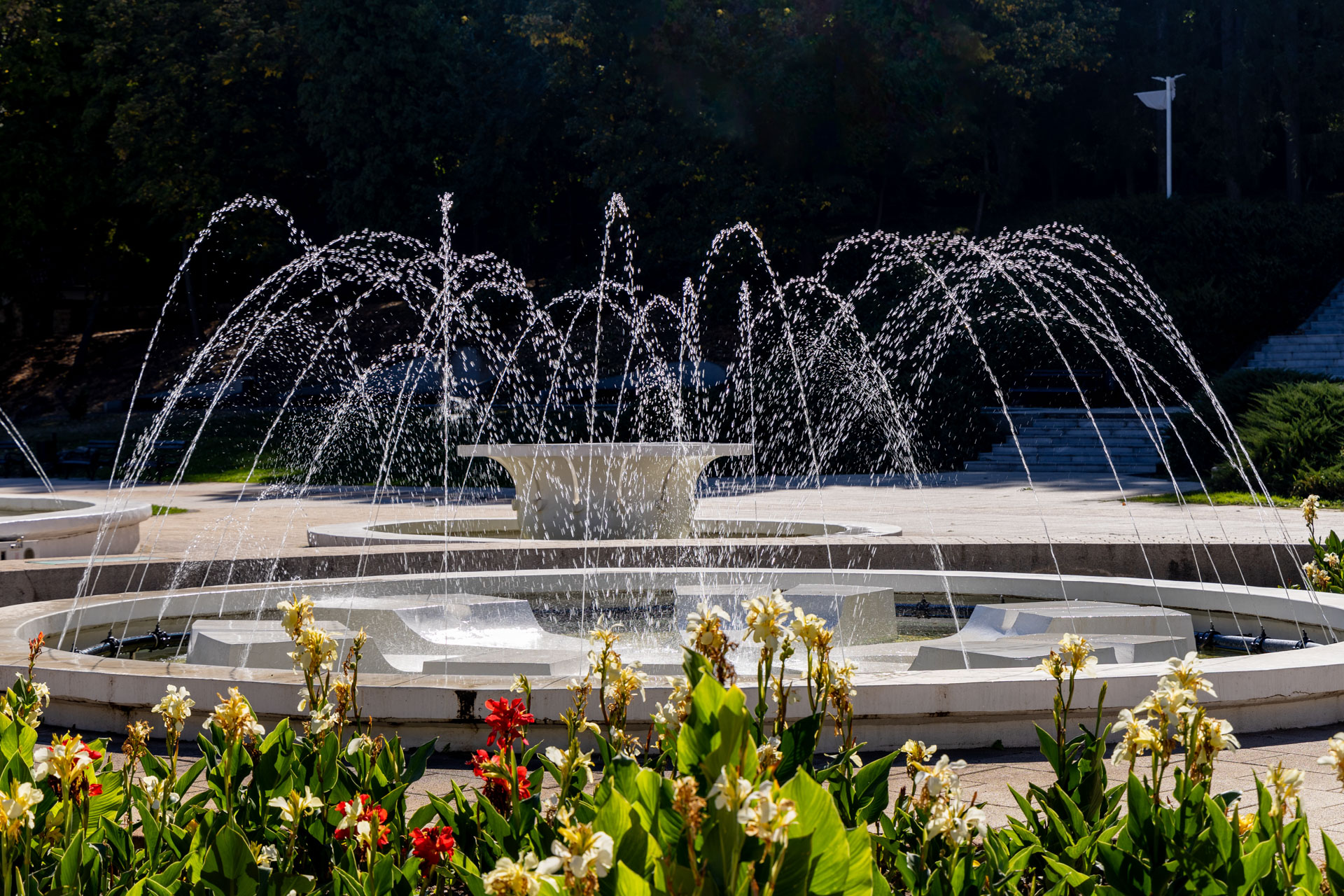
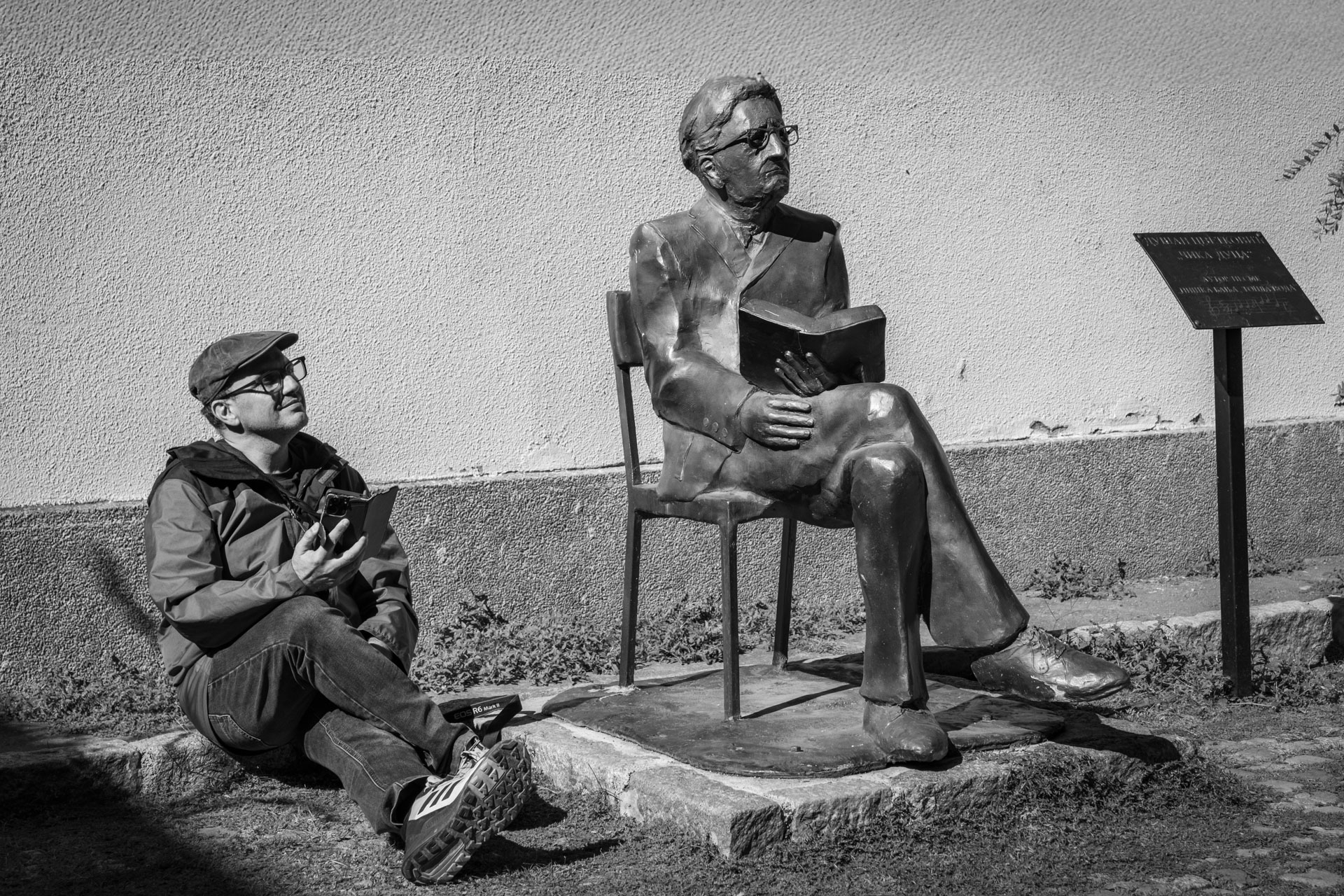
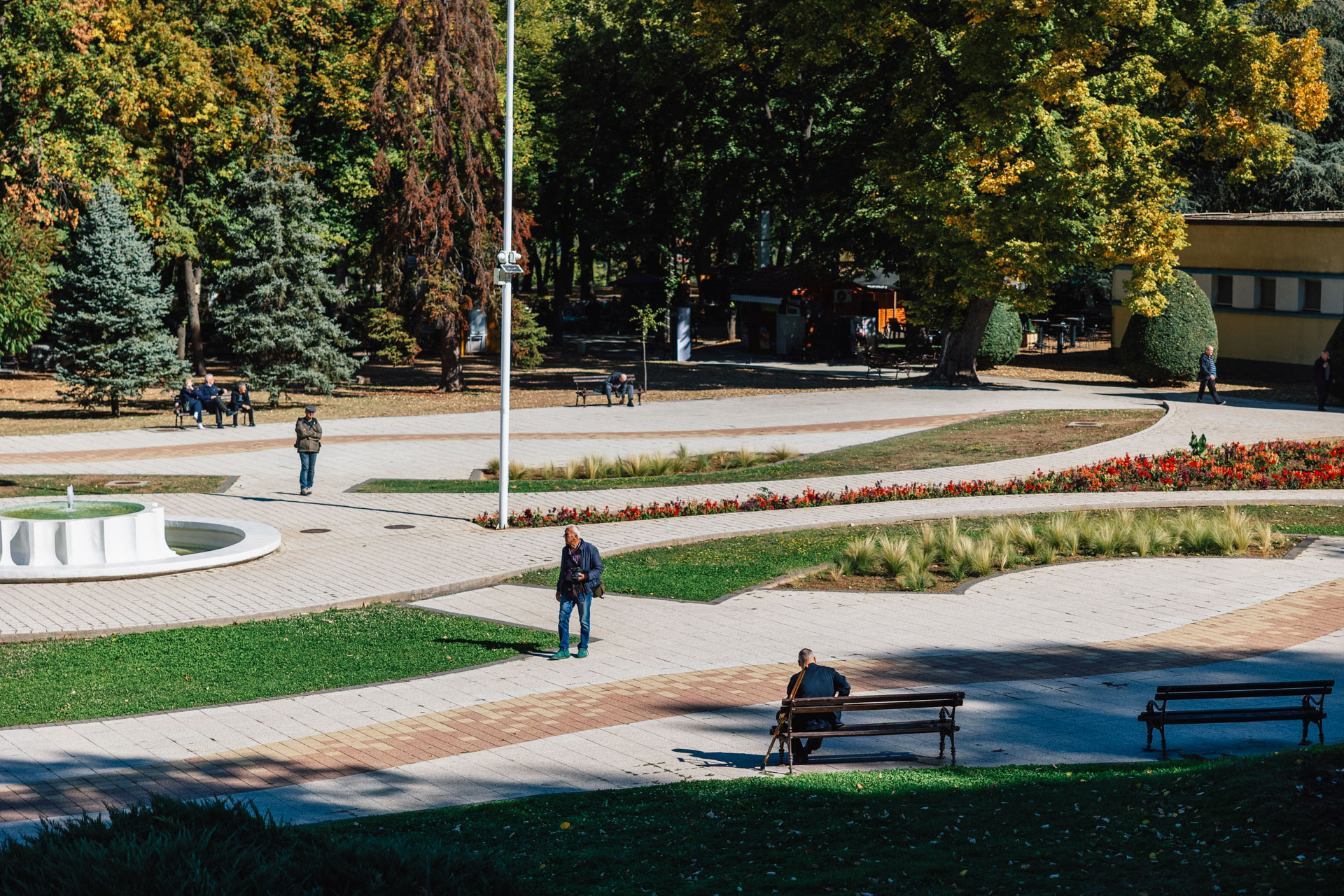
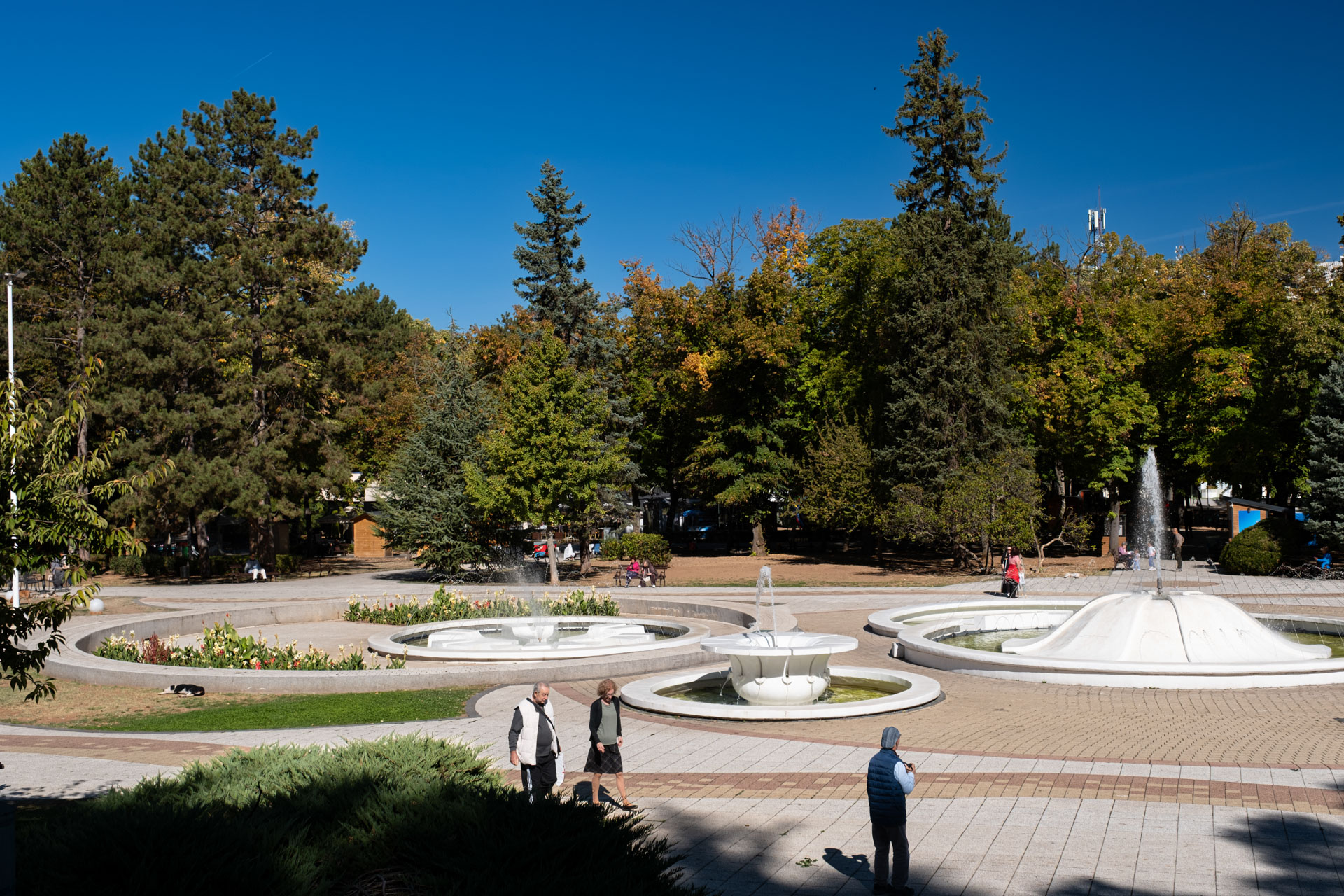



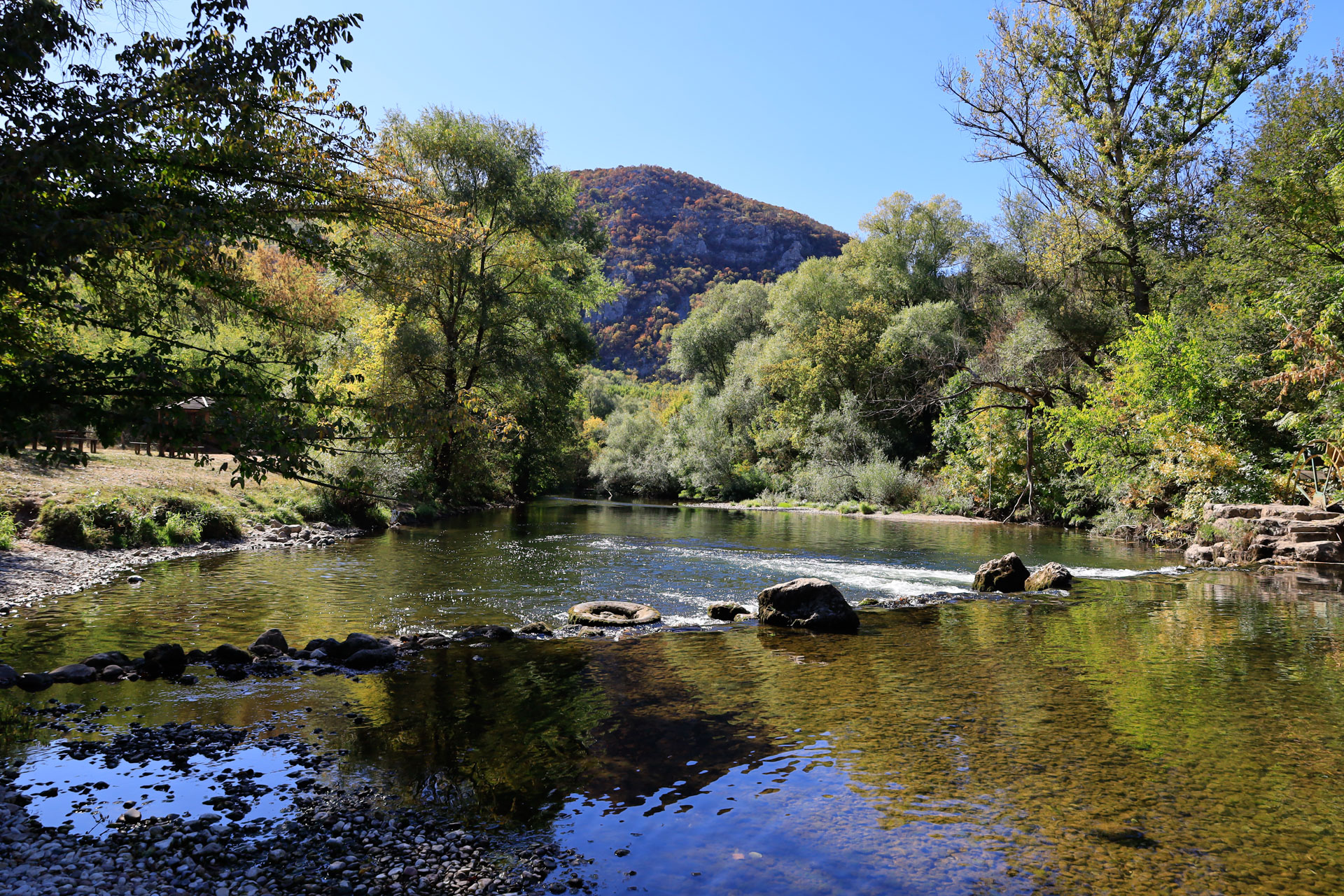
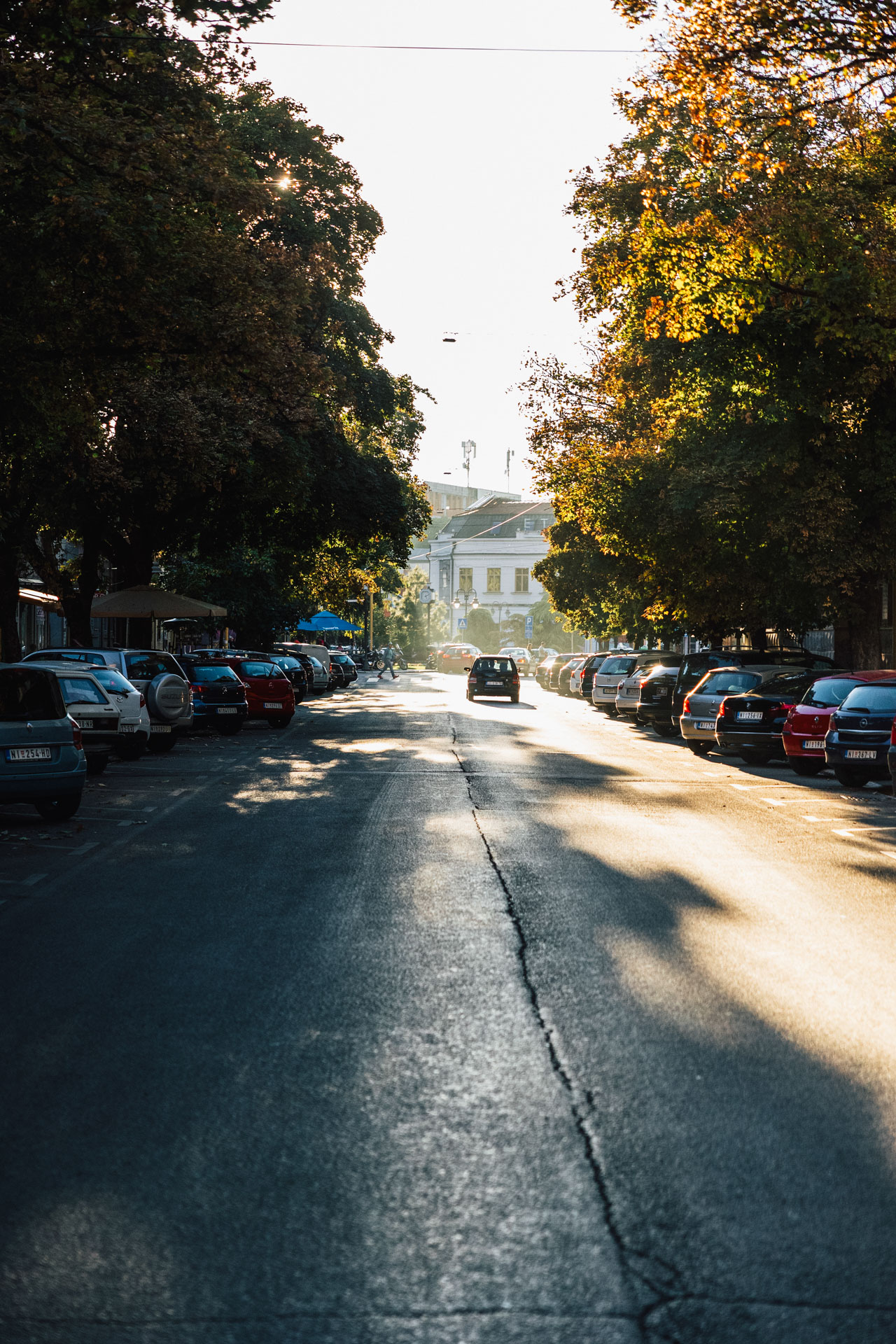
The sun was already going down as we drove back towards Niš, and there are some moments that I feel are branded into my memory forever. A Hans Zimmer theme was playing on the radio, the car windows were rolled down, and I felt a strange sort of bliss at that particular moment. Nobody was talking in the car. The music seemed to soothe my tired brain, and somehow the entire day settled into my memory. It was one of those simple moments that ask for nothing more than to be lived. We parked and took a slow walk through the streets of Niš, ending with a few last photographs at the bridge near Stambol Gate, above the Nišava. A nice drink at a café, with the sun slowly diving behind the bridge in the distance, gave us the perfect ending to a day full of cultural and historical discoveries.

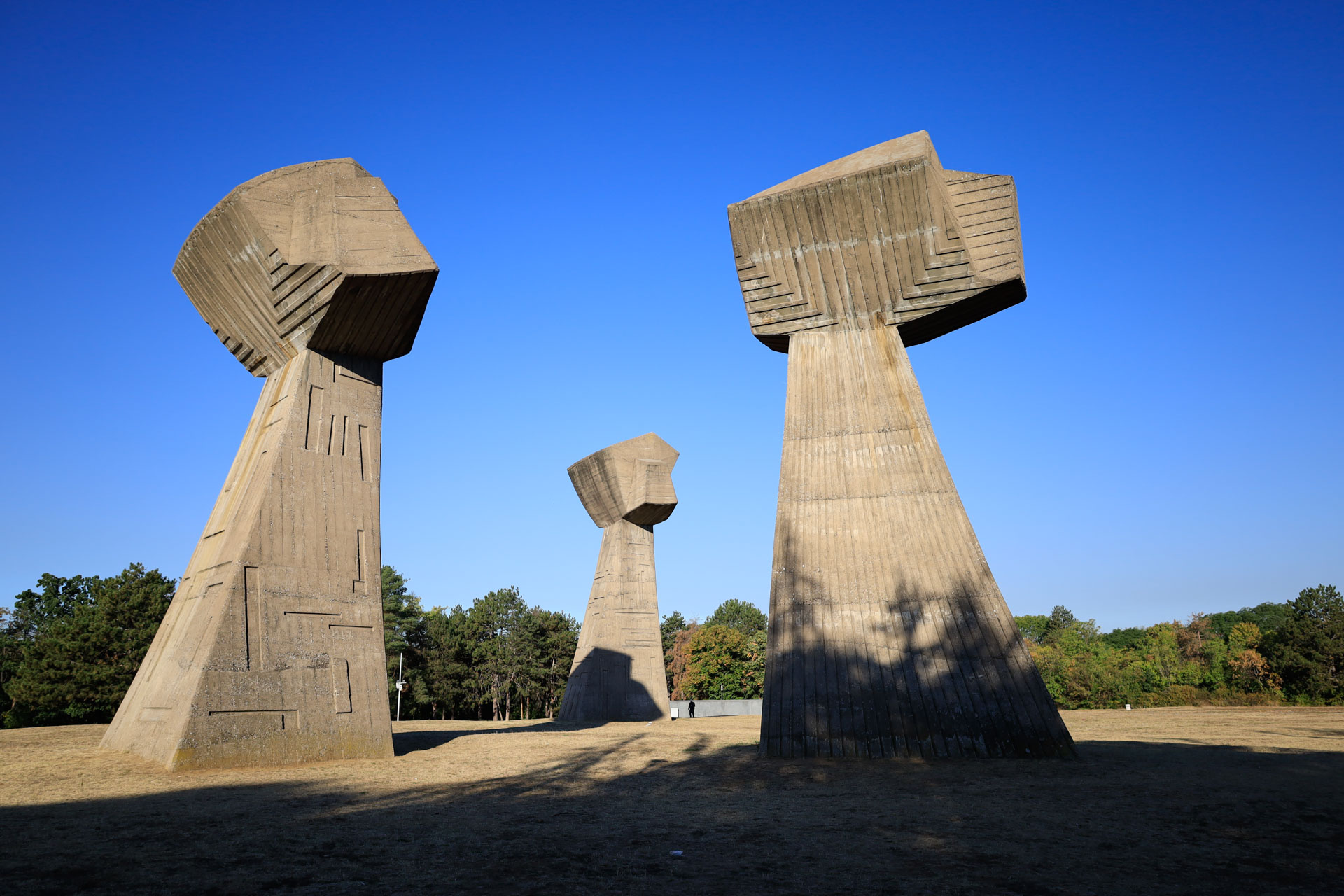
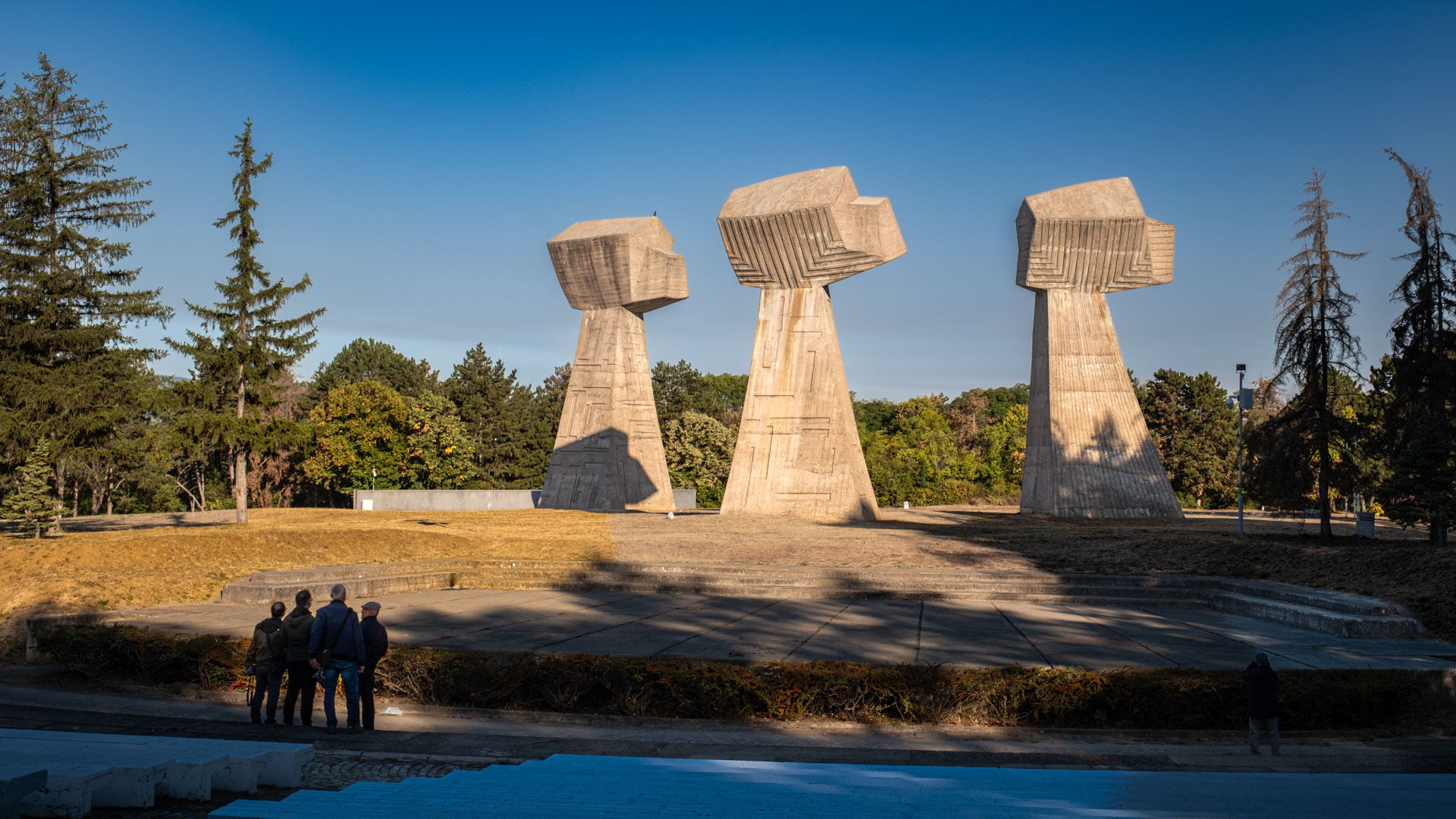
Our final day had just one stop left on the itinerary: Bubanj Memorial Park. Once a site of mass executions, where thousands of people were shot during the Second World War, the area was transformed into a memorial complex in 1963, distinguished by three enormous concrete fists rising into the air. Not being particularly accustomed to the artistic language of Brutalism, I must admit that the monument left a rather strange taste in our mouths, accompanied by the early morning chill running down our spines. And with that final reminder of the darker chapters of human history, we departed for our journey back home.

Our photographic pretense works quite well, and we faithfully keep following it, collecting experiences that turn to memories and eventually into stories. But after this first trip of our group to this Balkan country, one question remains to be asked. What else do you have in store for us Serbia?