Upwards to Greece’s Northern Neighbor

Cover photo by Dimosthenis Seitaridis
Article by Nikos Kakagias
Edited by Harrys Pourouzidis

Bularat

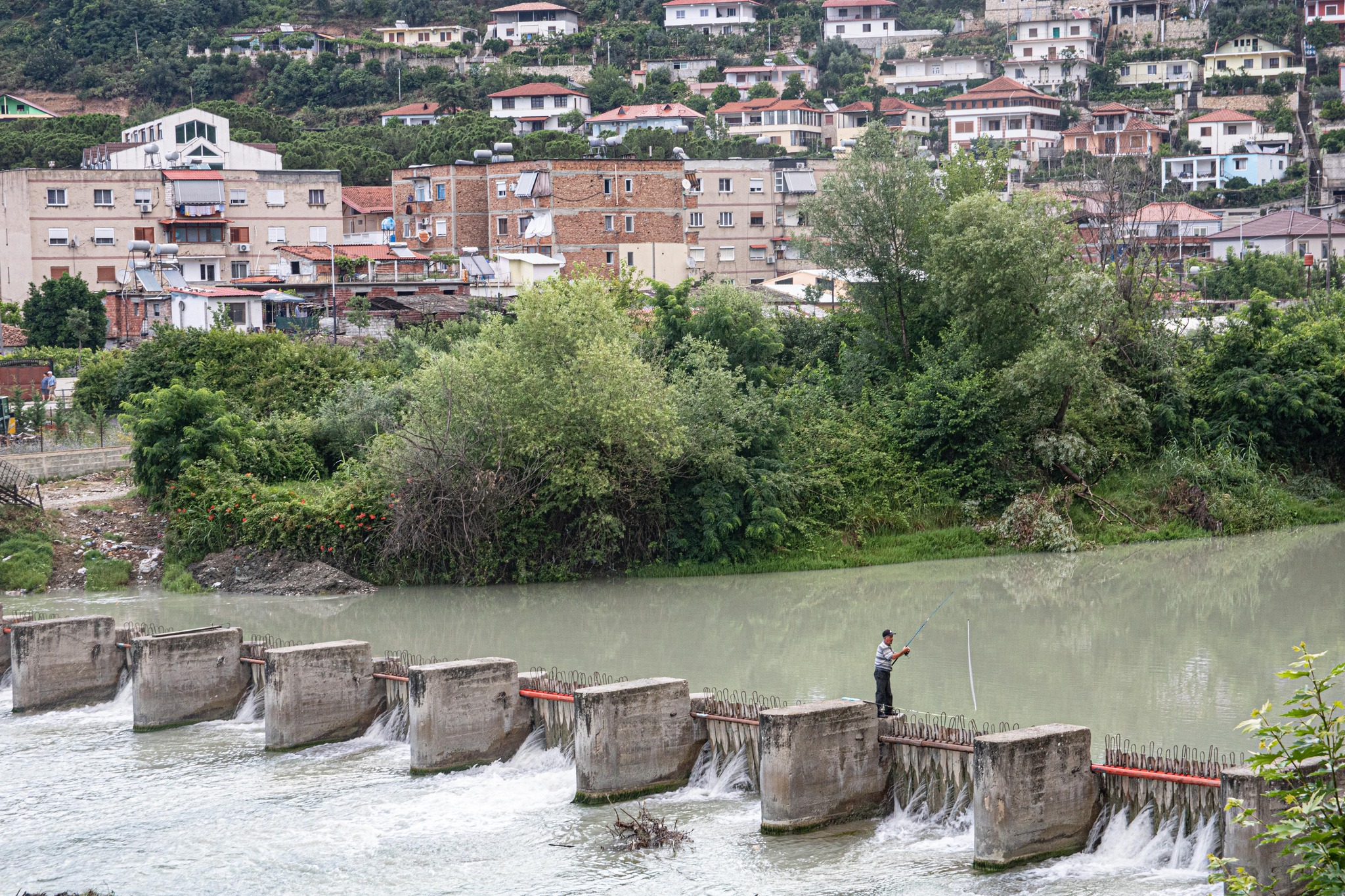
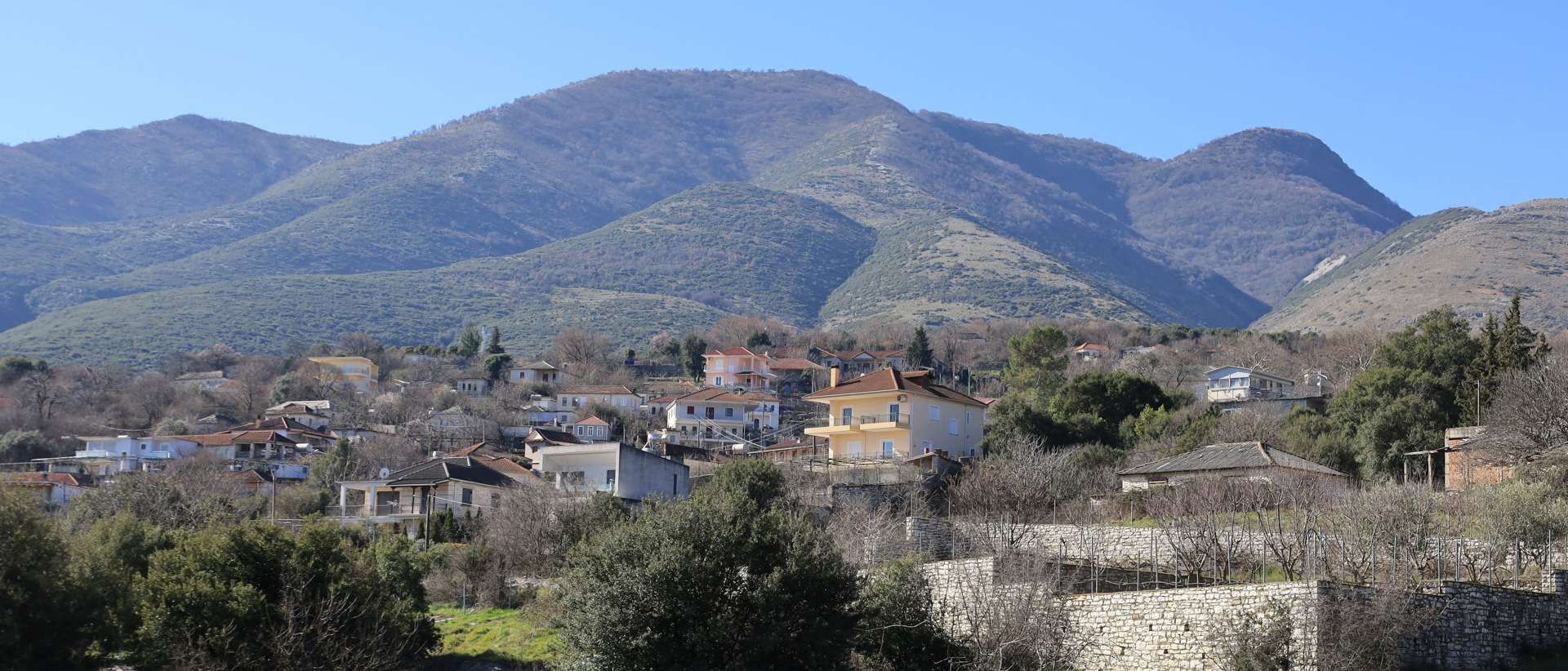
Drino river flowed indifferently along the course it had carved through the valley of Dropull, while Platyvouni — Mali i Gjerë — a “finger” of rock to the west of the valley we were driving along, cut off both our breath and our view of the sea.

The landscape was familiar, and equally familiar was the question that had been born from our very first encounter with it; the complete absence of forest along the mountain relief. The villages, perched on the eastern foothills of that dark mass, looked like eagles’ nests. Their names were bilingual and familiar from hazy memories, half-buried in dusty corners of historical knowledge, memories of heroic battles and national grandeur that still stir a few.

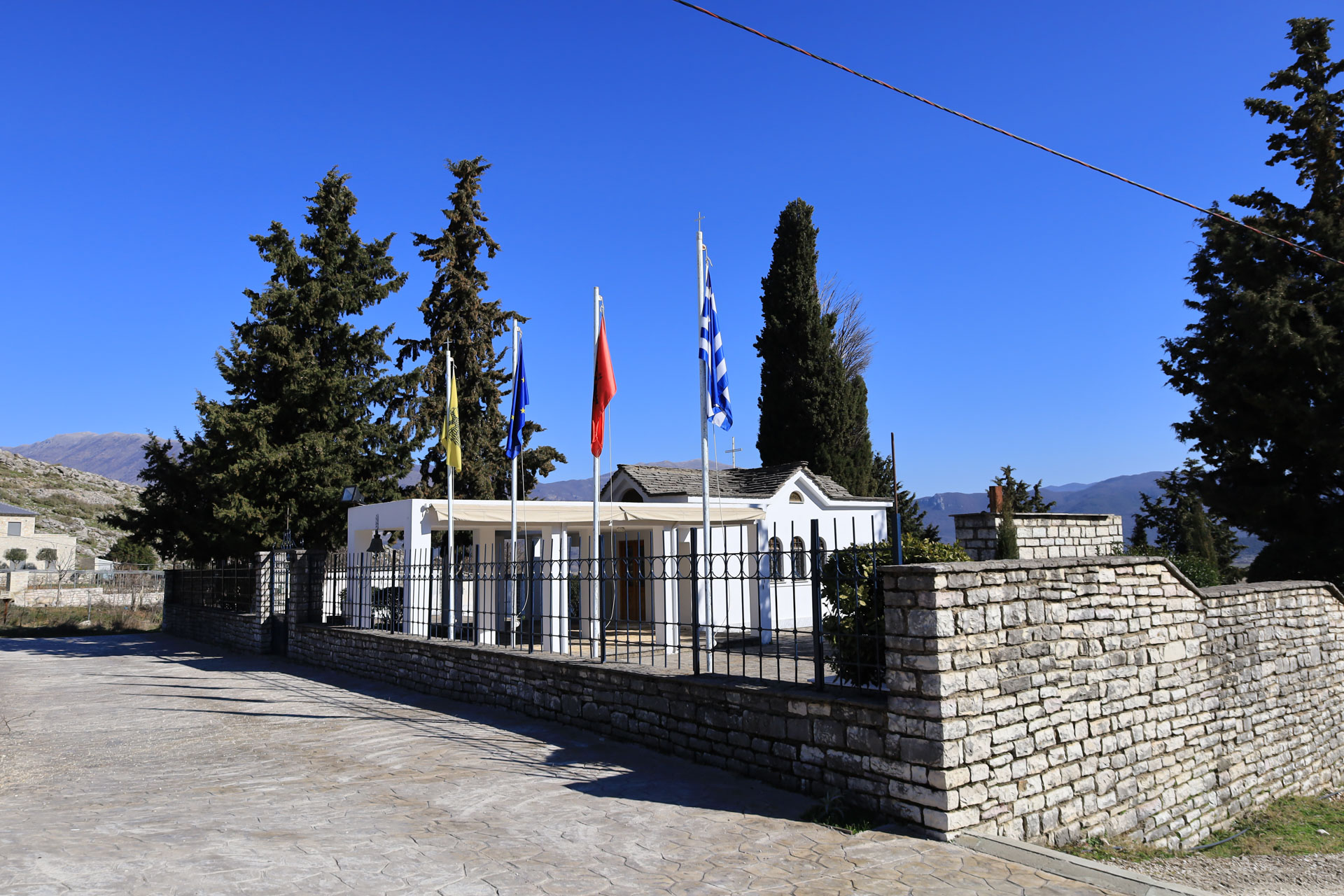
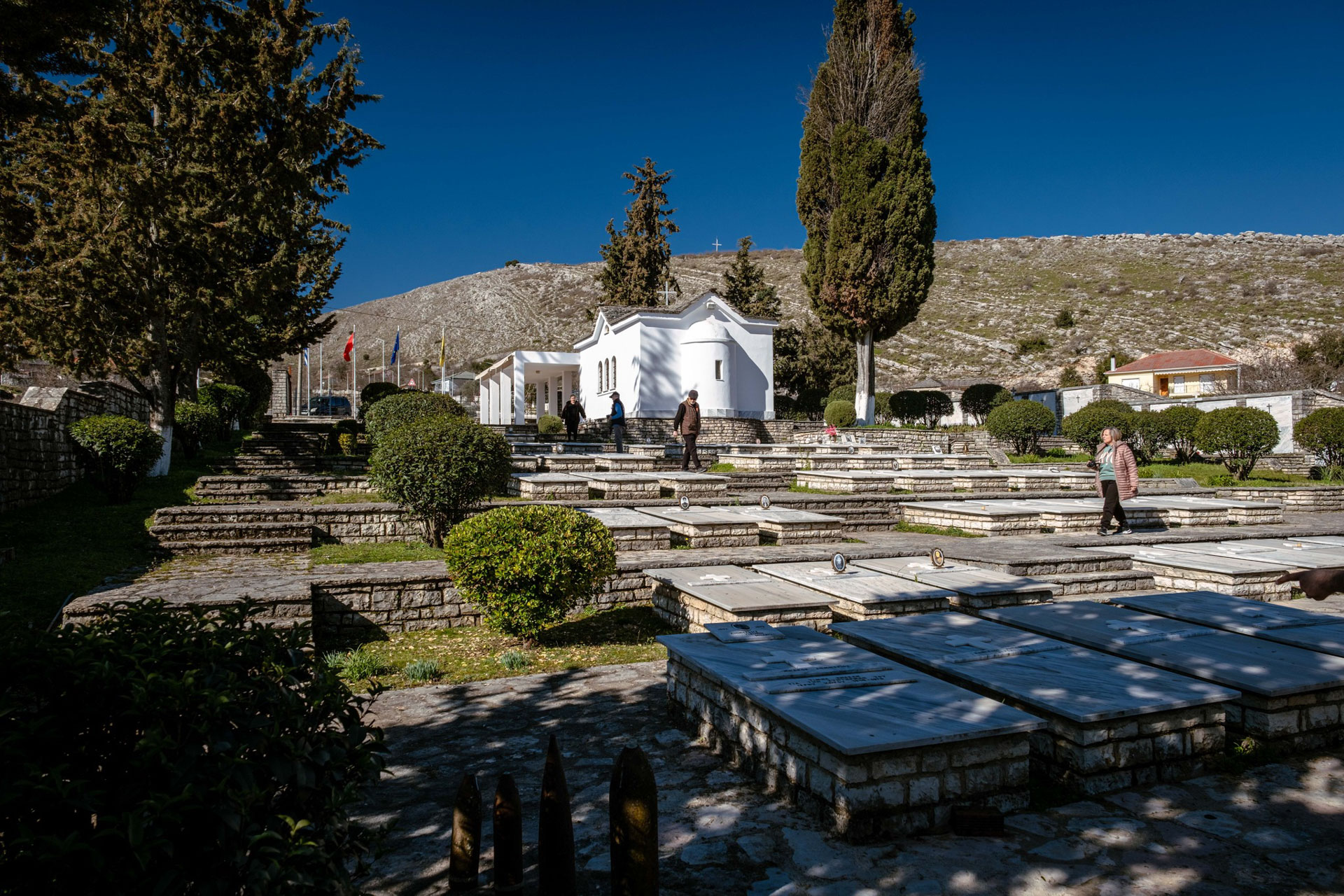
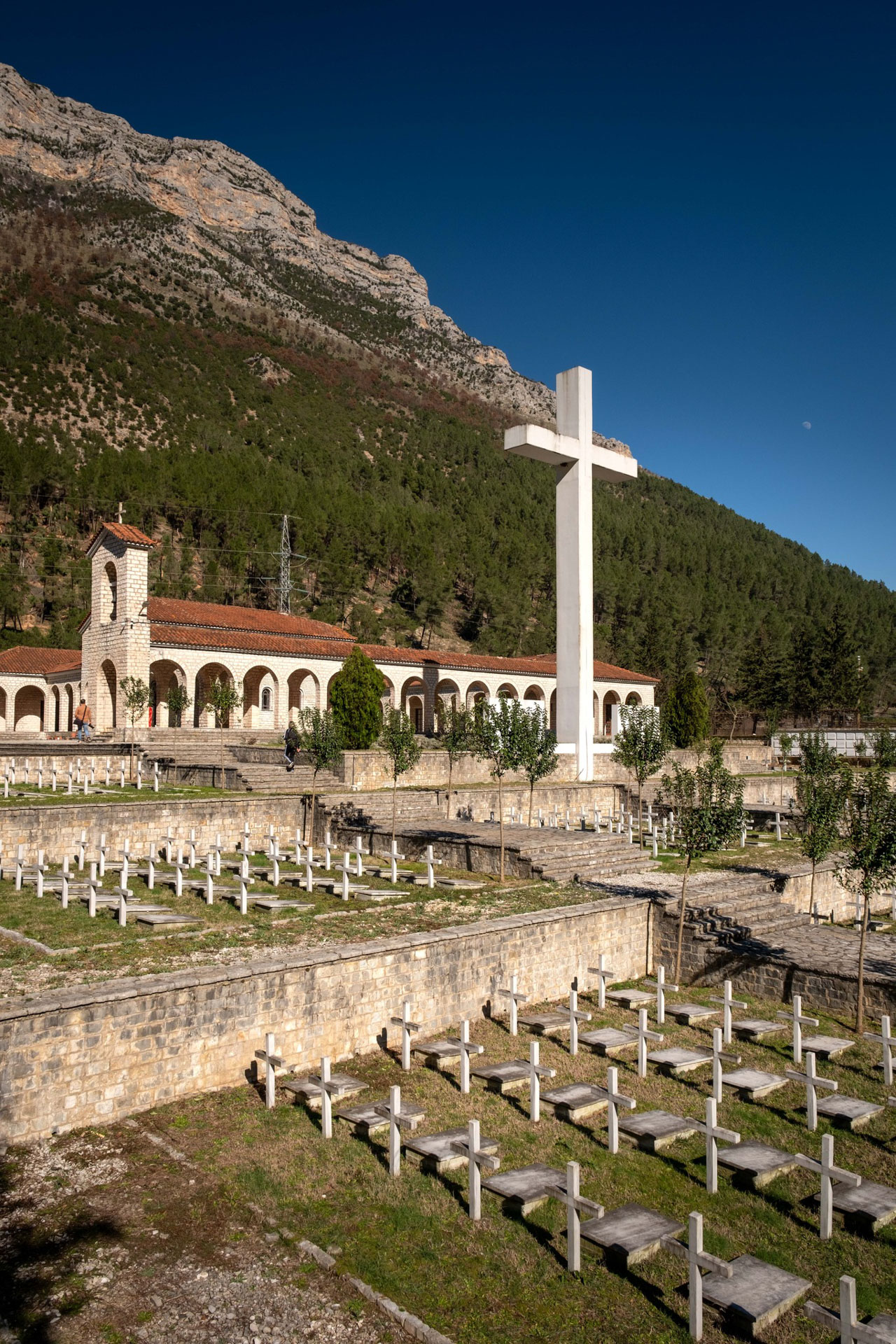
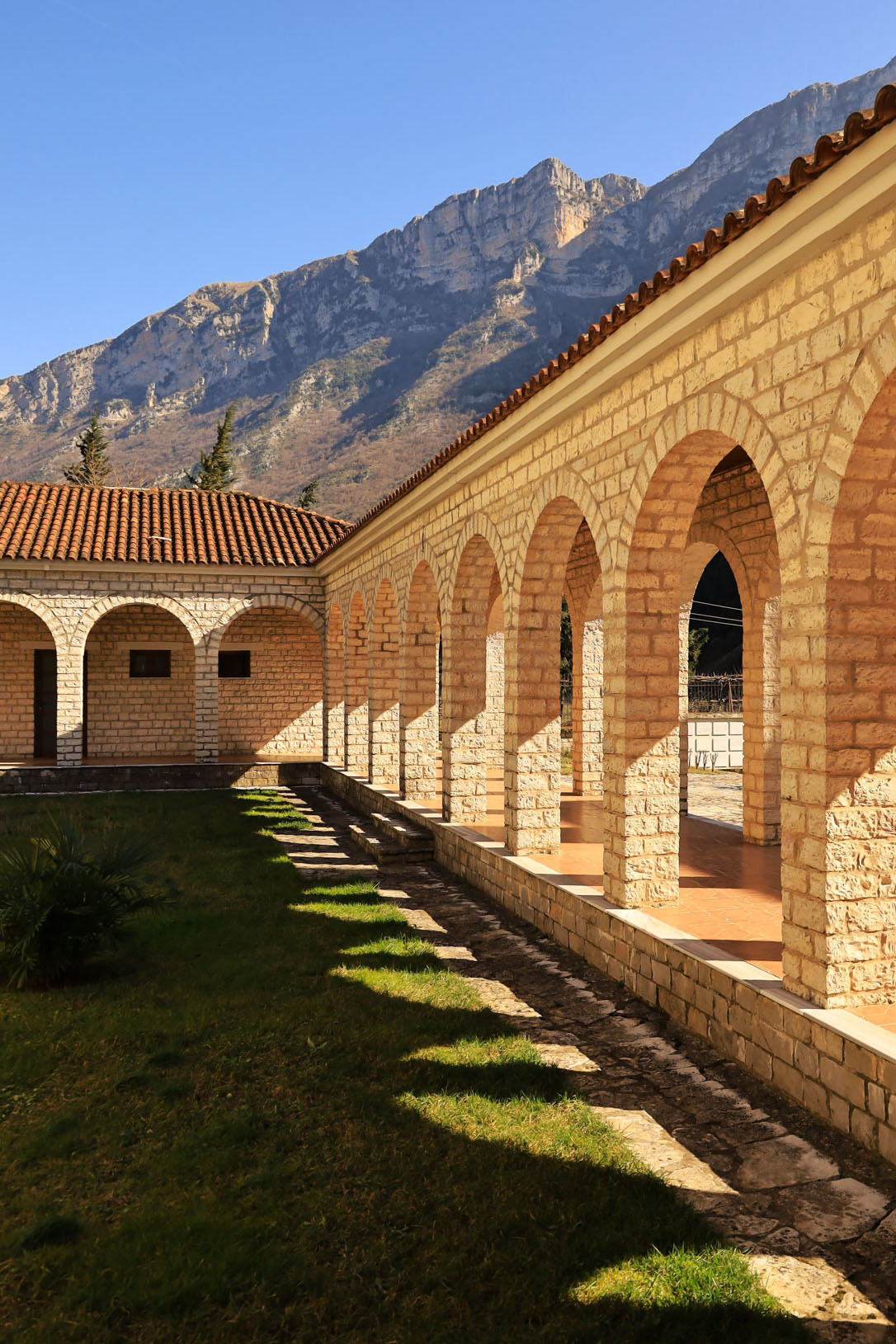
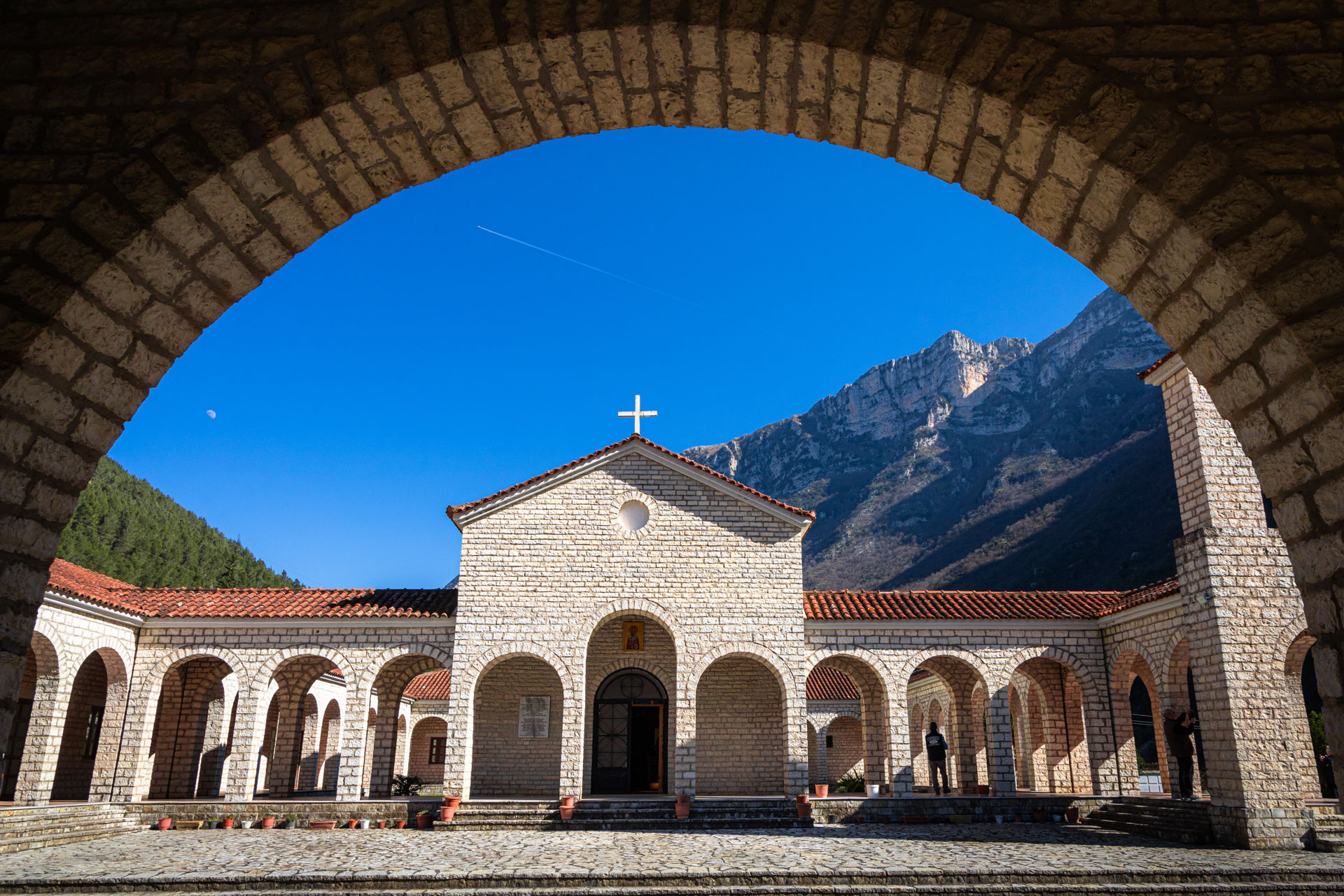
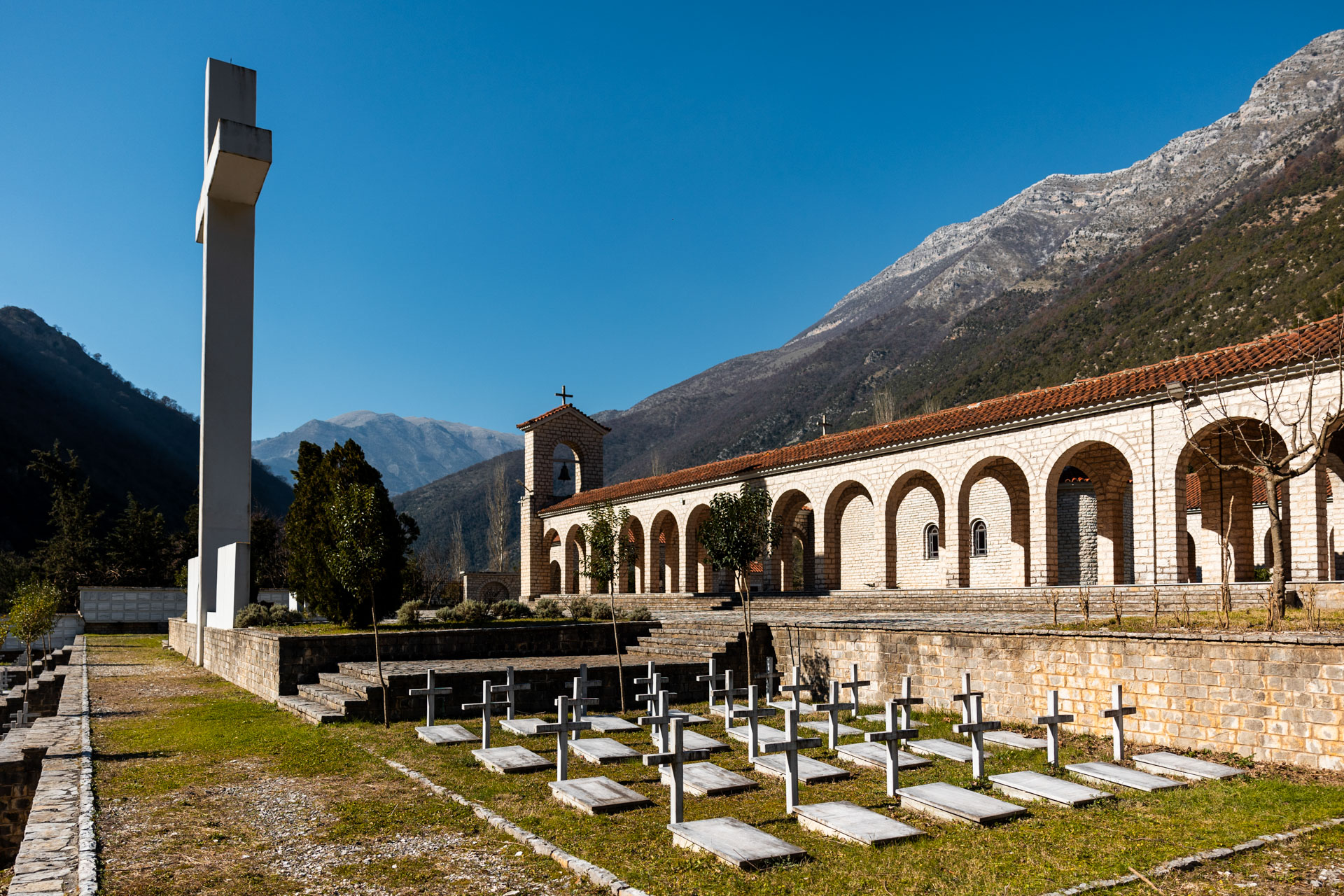
A left turn, and then a narrow road led to Bularat and to one of the two cemeteries of the fallen from the war of 1940. Buried there are those who fell in the battle of Agios Athanasios at Bularat, as well as those who did not survive the makeshift operating rooms set up in the village.

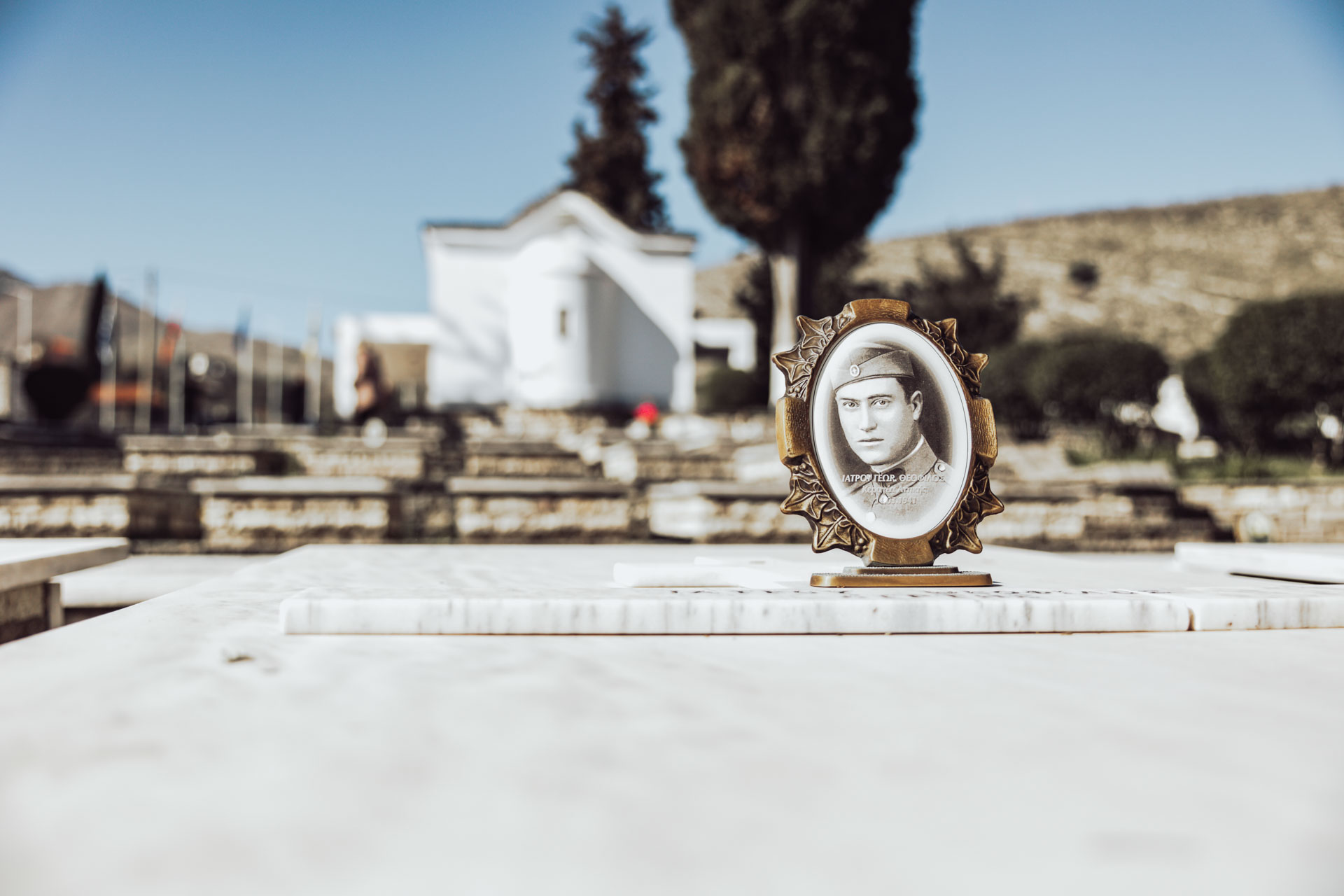
They were buried there, in a field. Dimitris Bakos struggled to keep the secret safe through the hard years of Hoxha’s regime, and later his son, inheritor of that heavy mission, did the same. They preserved the names that the village teacher had kept in his records and eventually handed them over to the Greek authorities for identification.

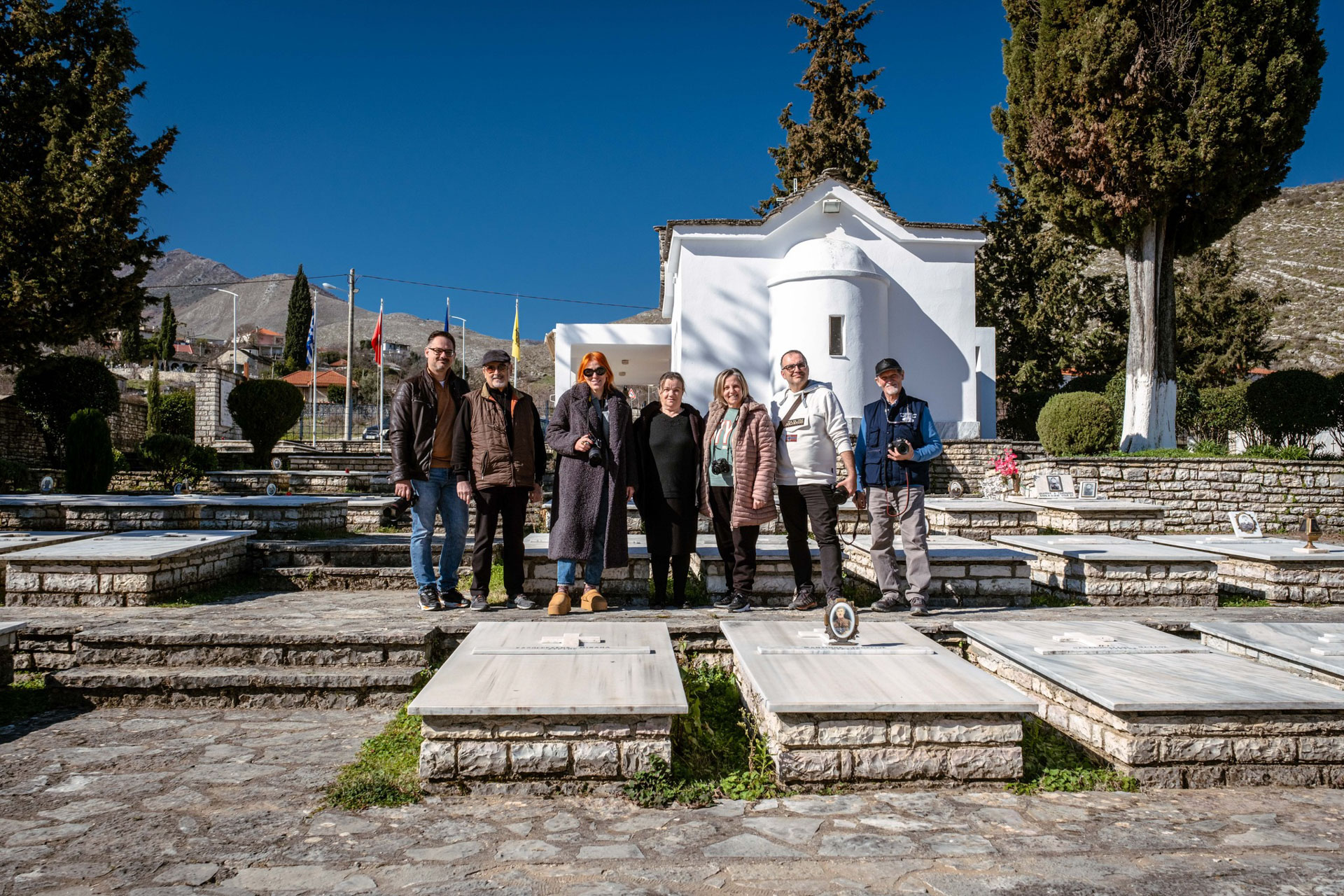
Today, the identified dead lie there as witnesses to a struggle that has now passed into the collective unconscious of modern Greeks as little more than a vague reminder. We stood before them in silence, offering the smallest tribute of respect. Some could not even press the shutter.

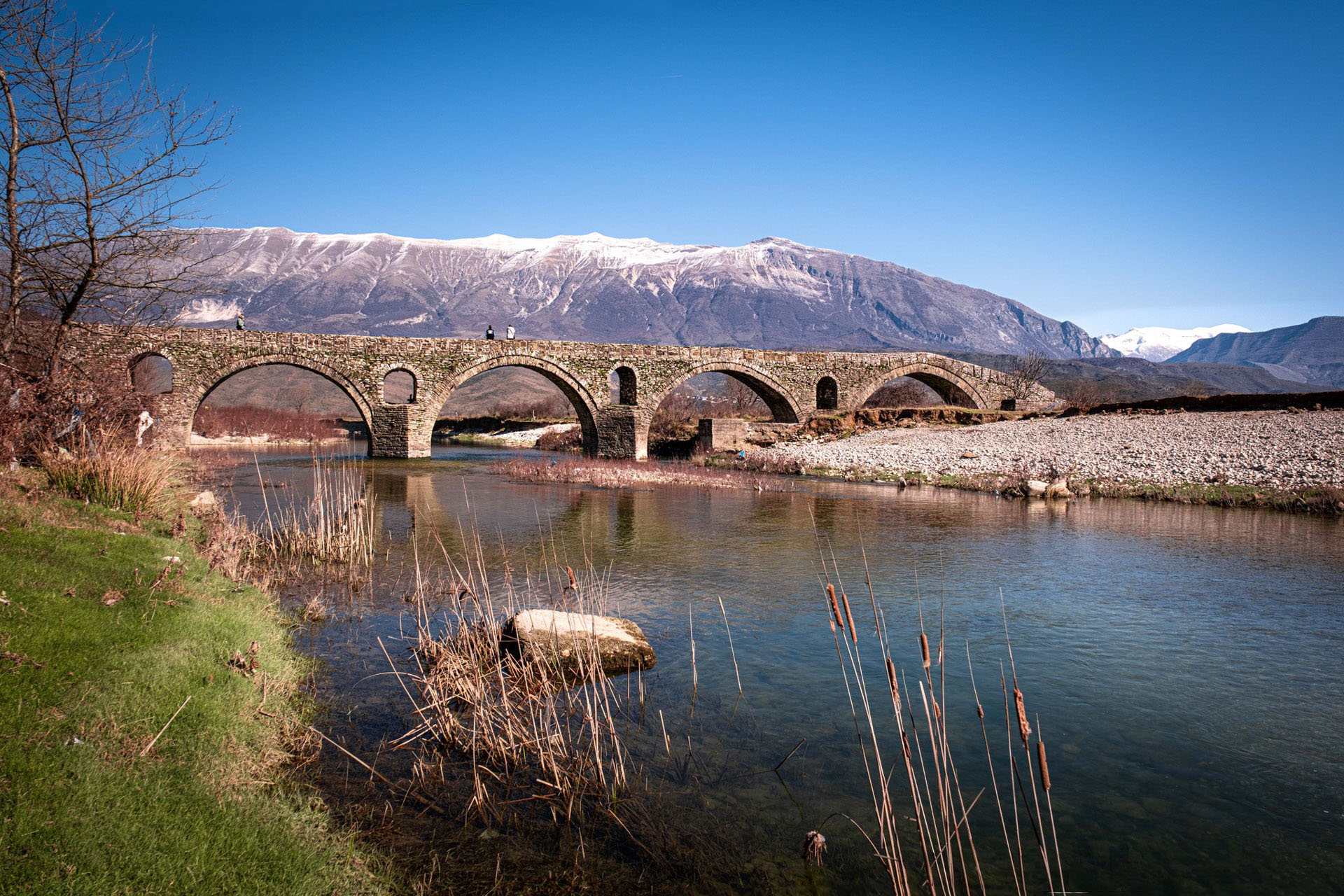
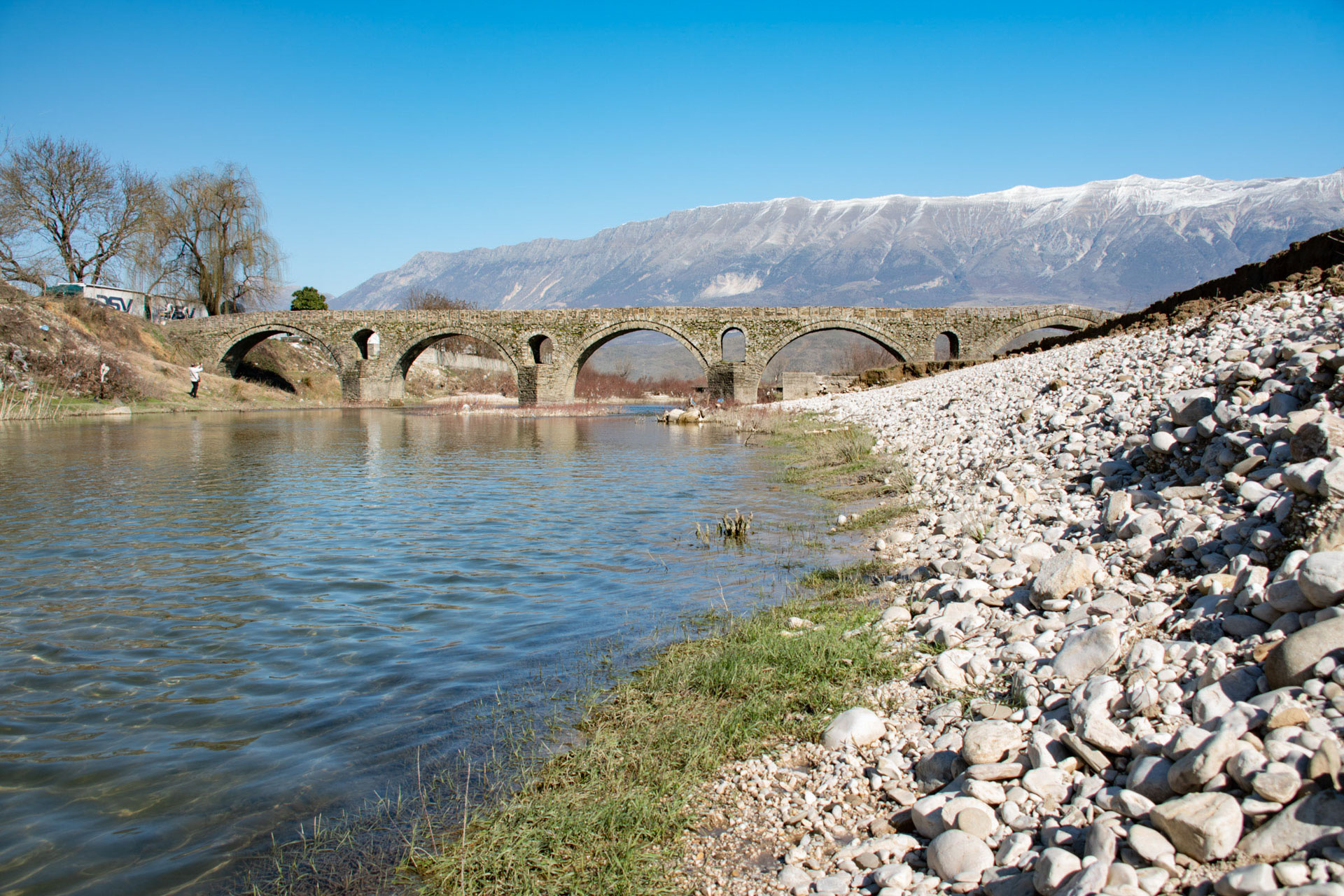
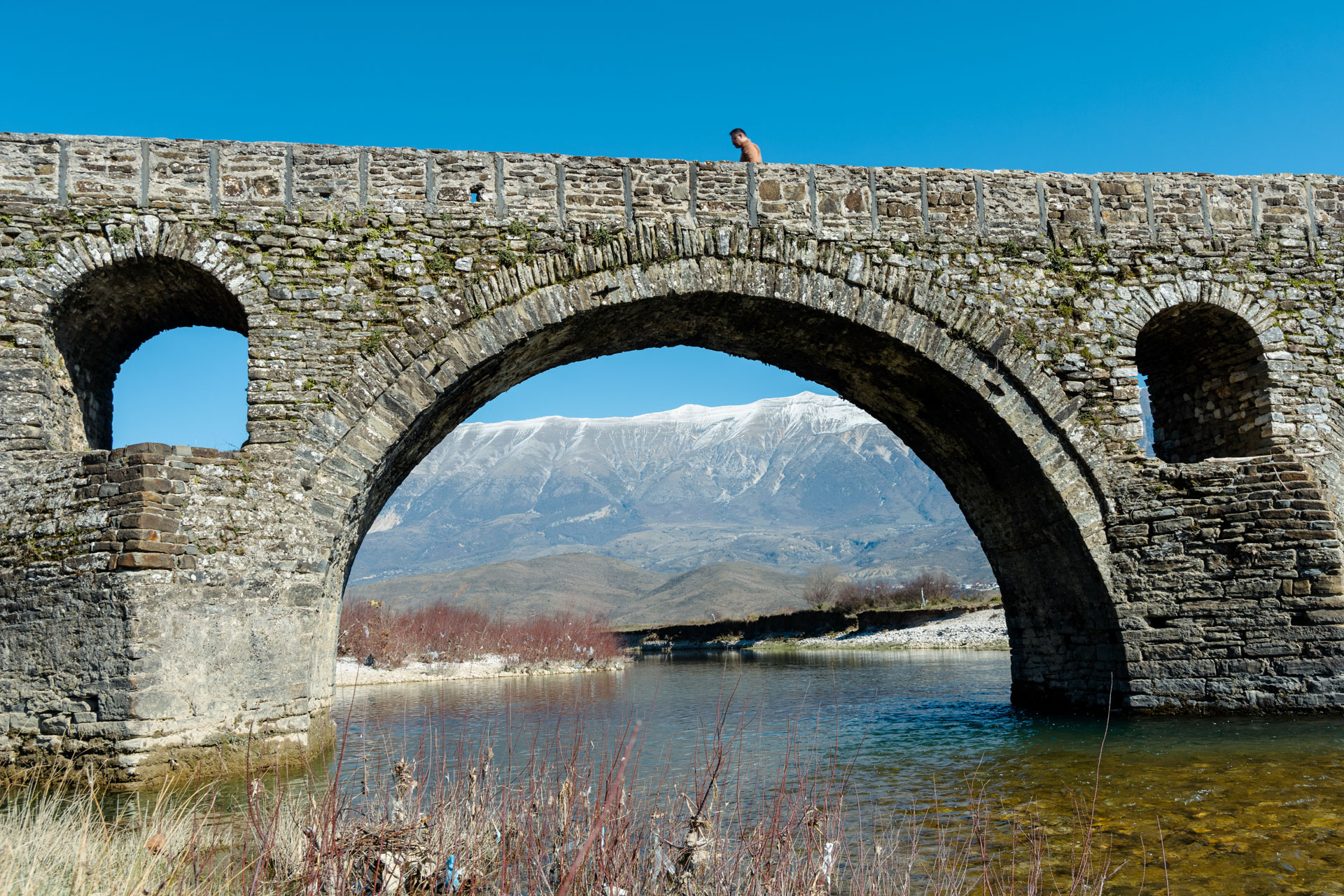
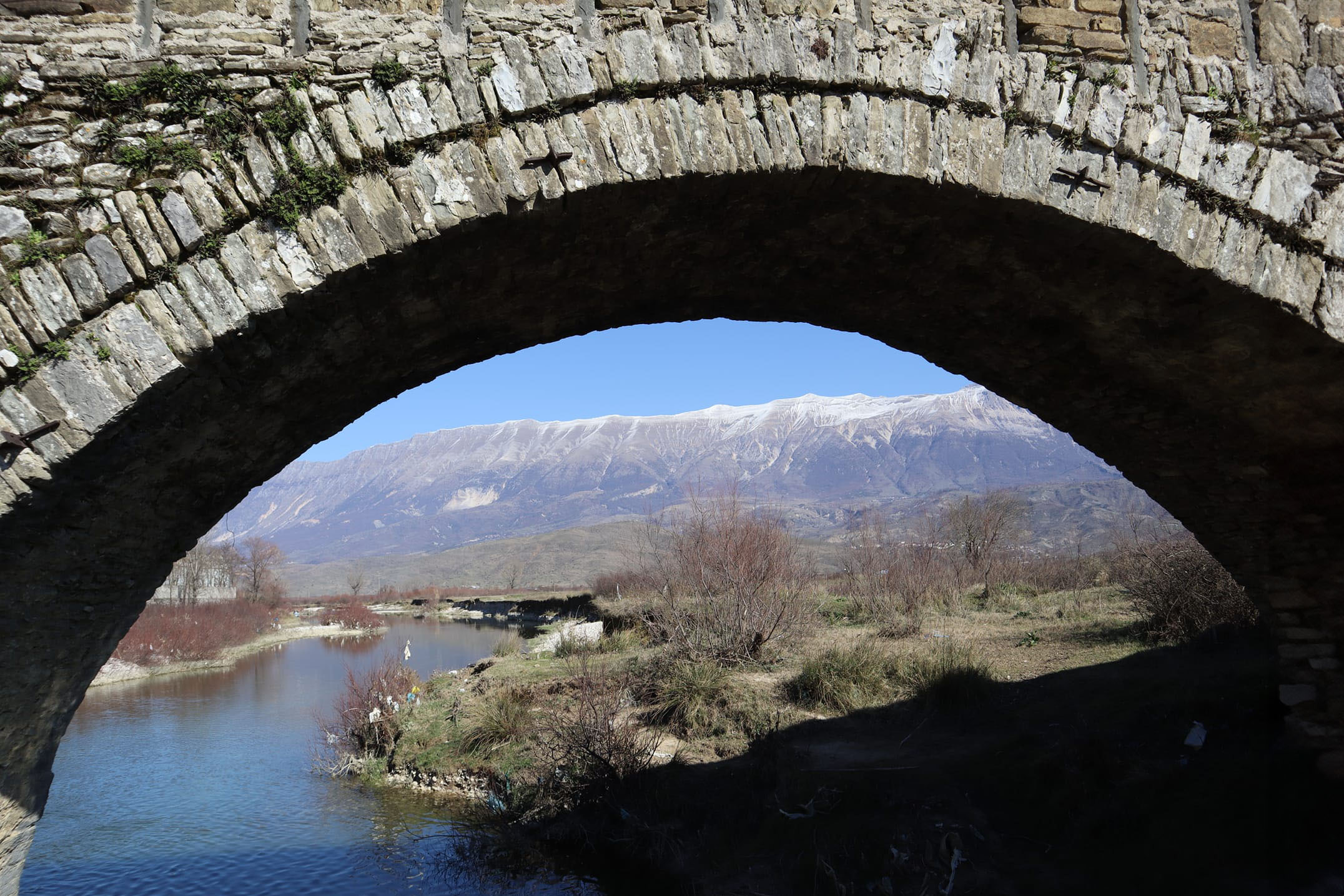
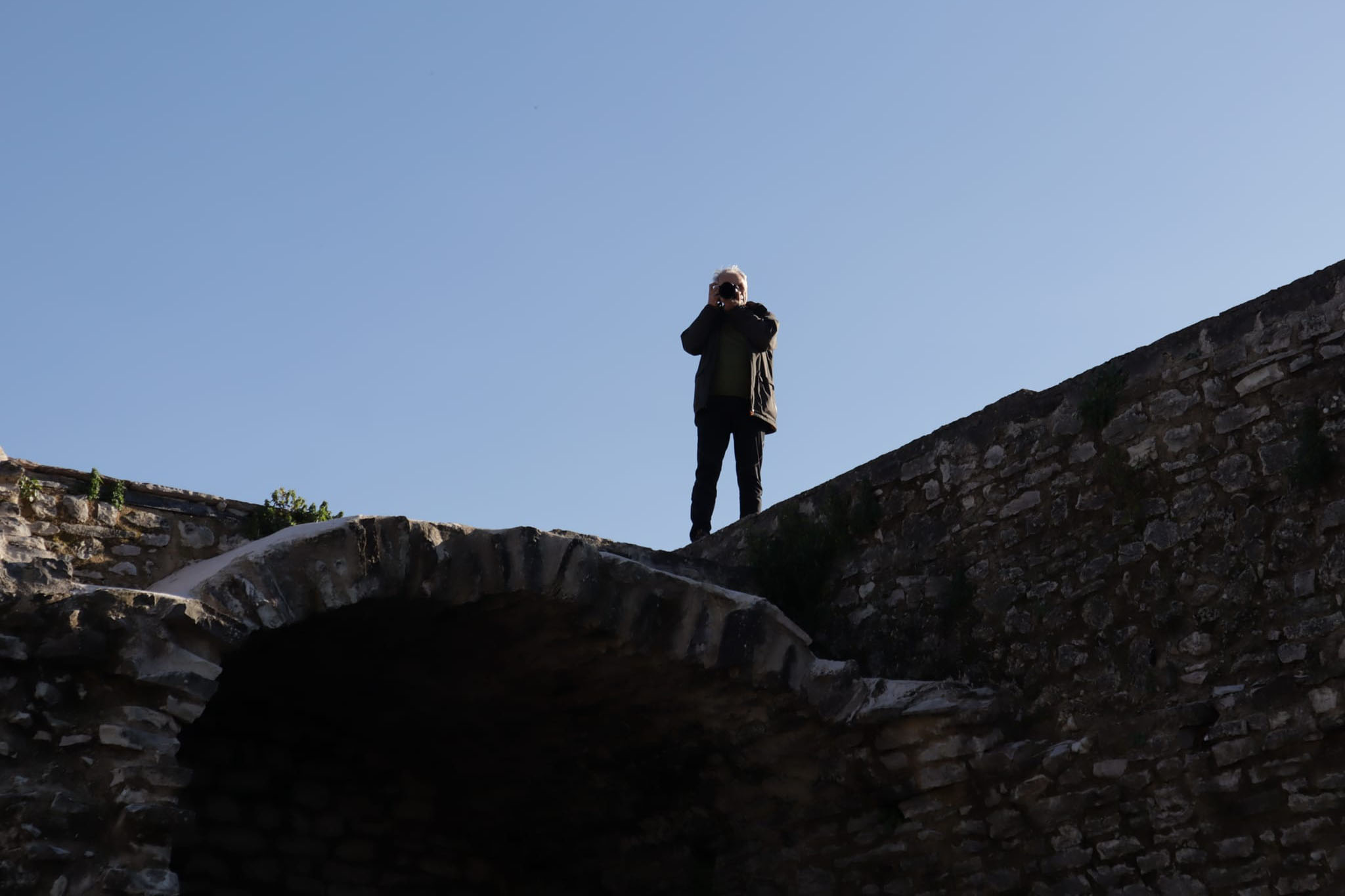
Our journey continued with a brief stop outside the village of Lazarat, where we photographed its historic five-arched bridge and the surrounding landscape, which looked as though it had stepped straight out of a spaghetti western — giving the impression that the good, the bad, and the ugly might appear at any moment.

Lazarat old Bridge

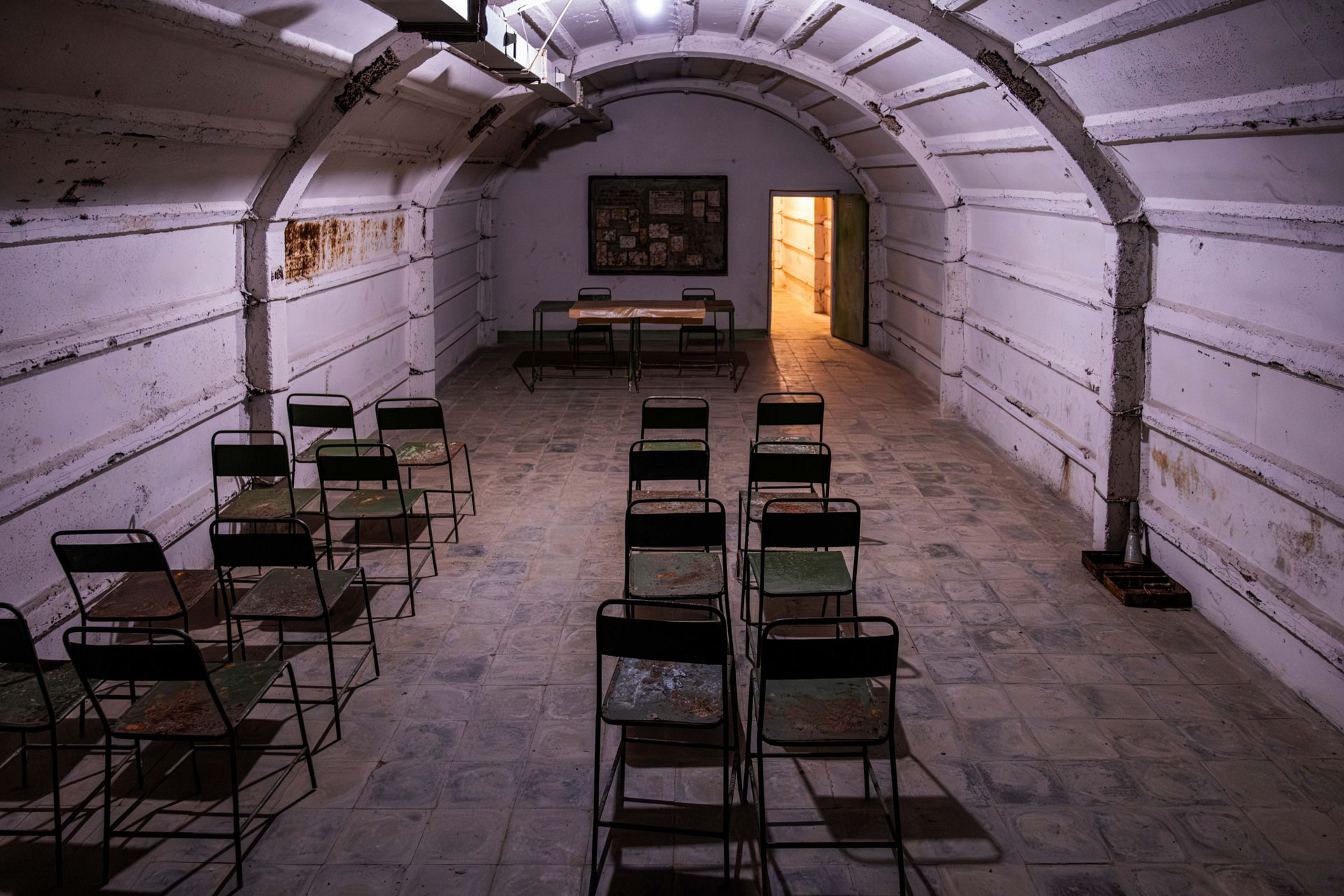
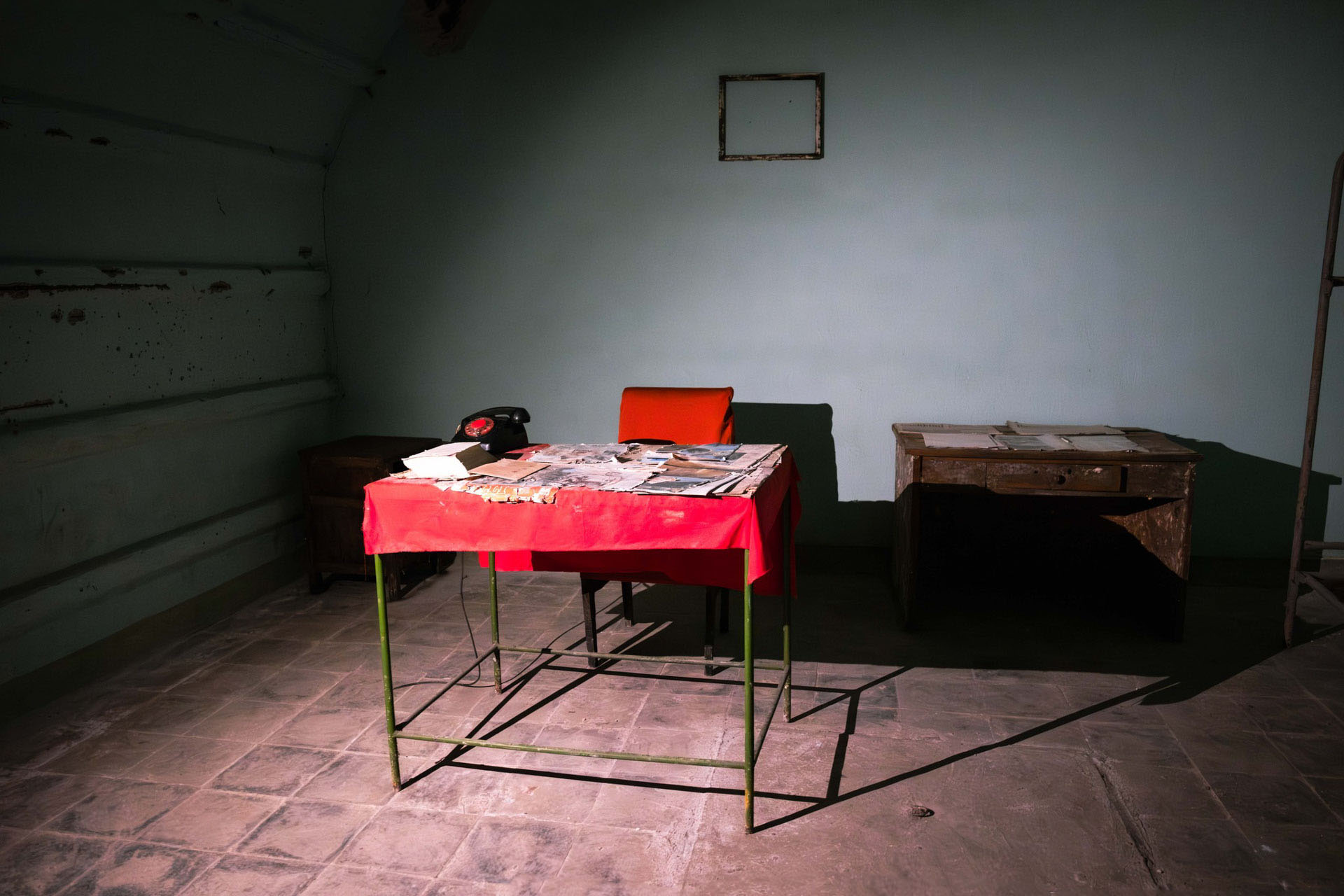
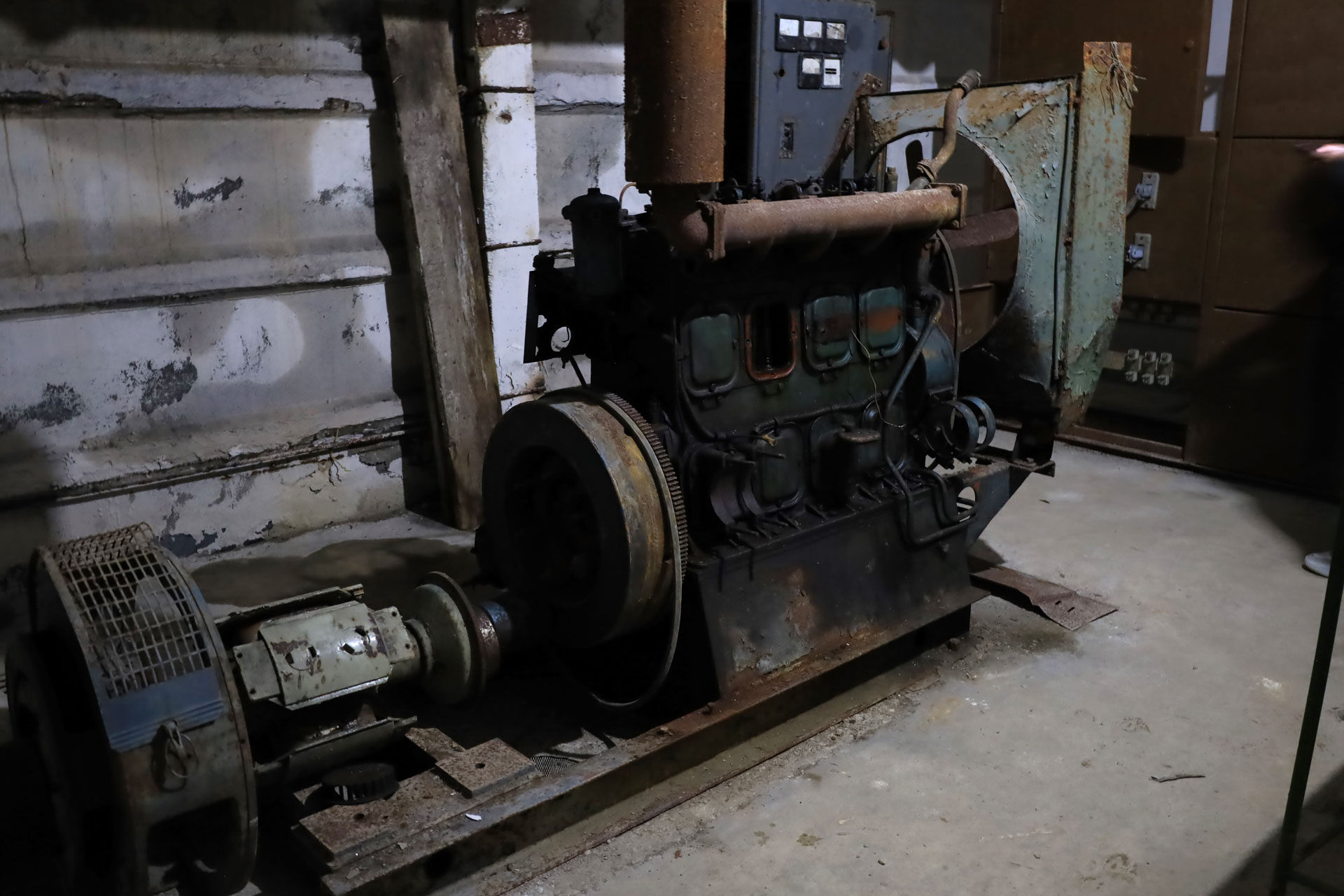
Gjirokastër — Nuclear Shelter

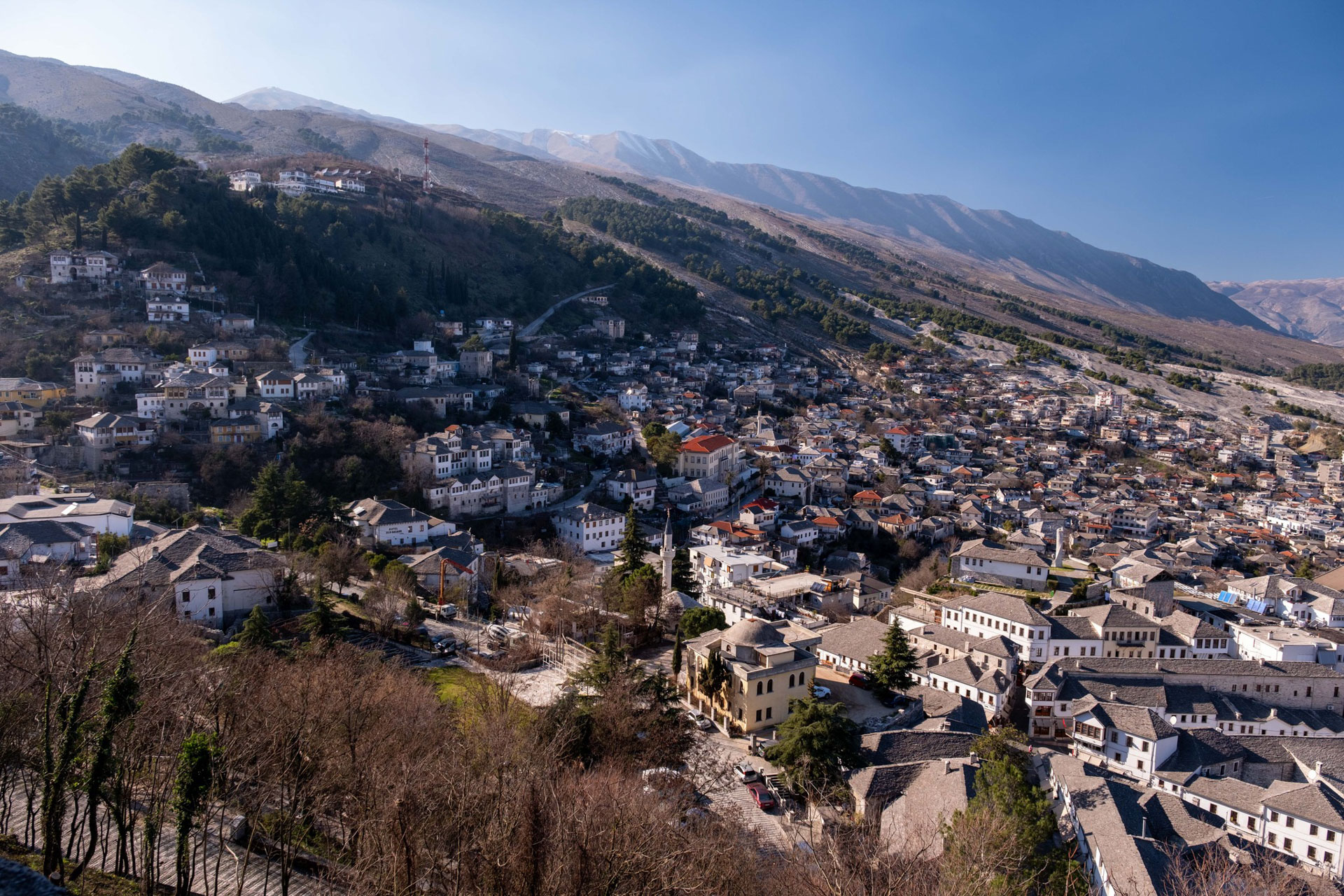
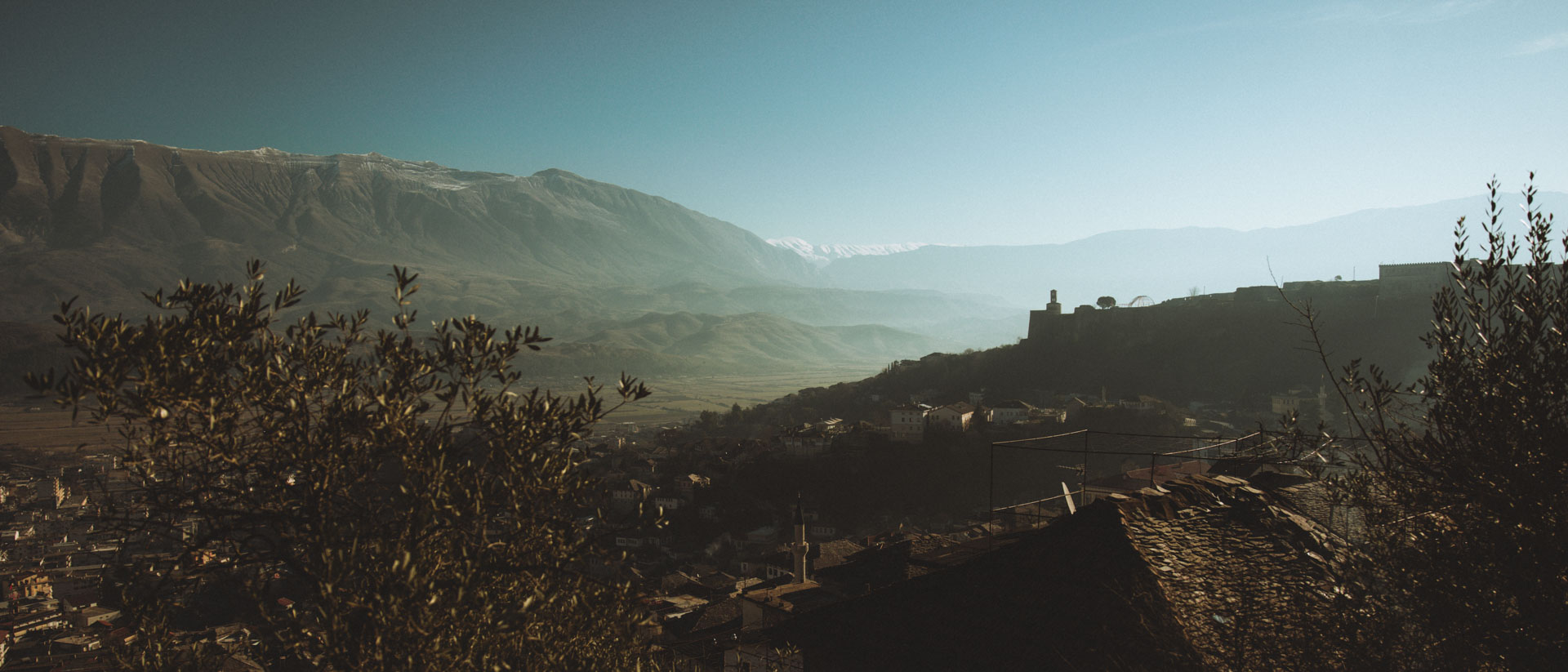
But the road had other plans. We set a course north, with an emptiness in the heart that would later be named guilt, and followed it until Gjirokastër appeared, dominating from its high throne, the stone roofs of its mansions silvering at its feet.

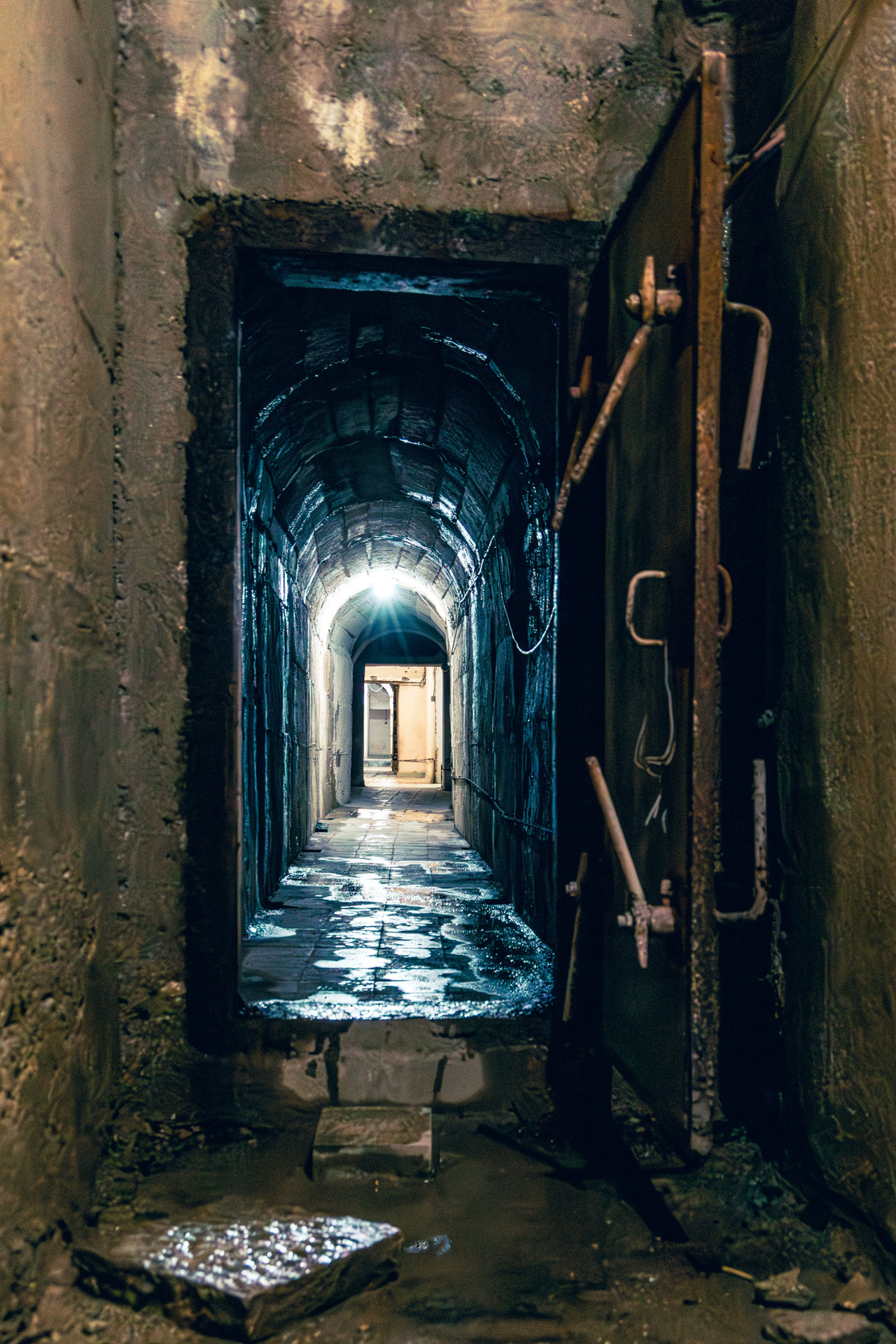
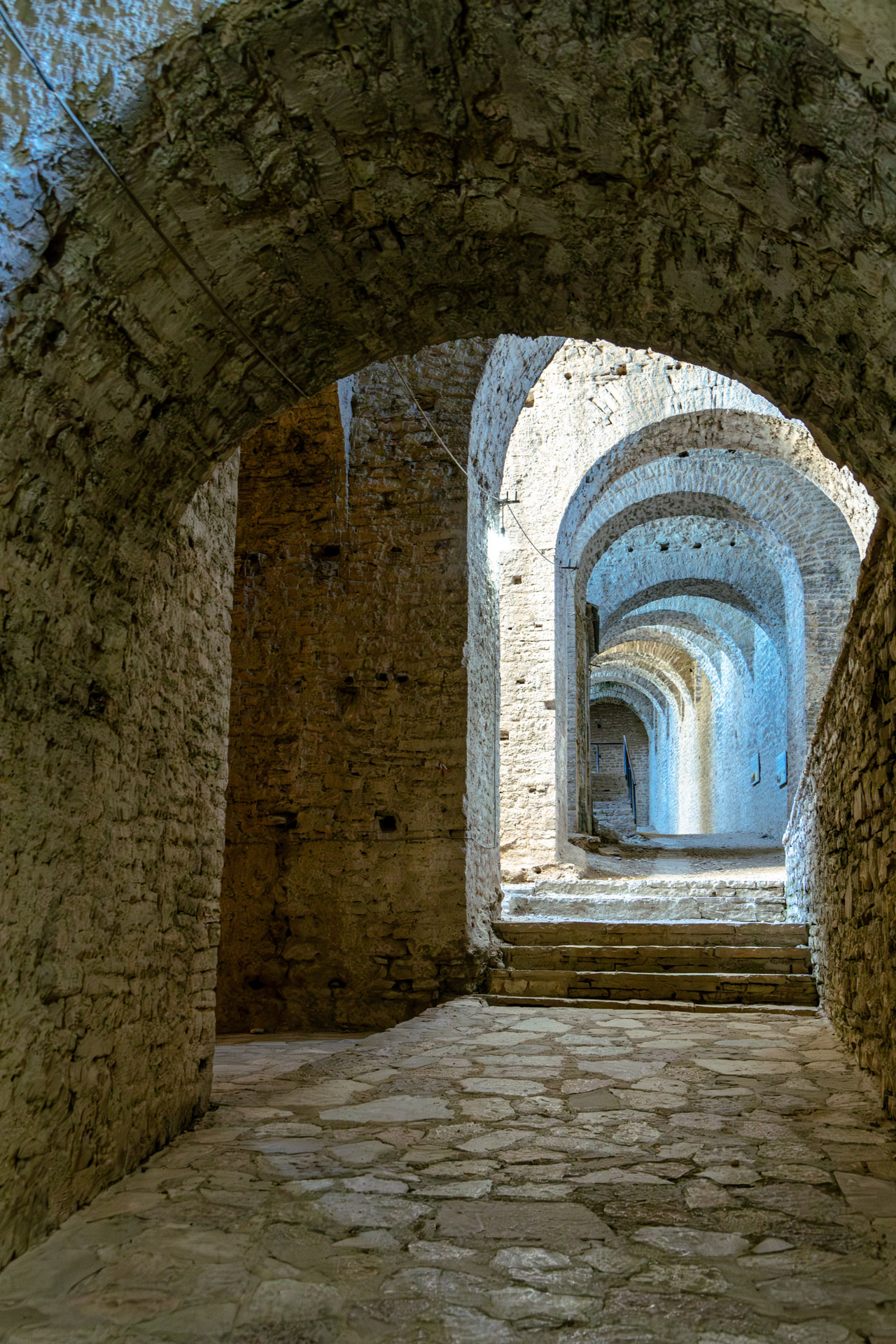
We made a promise the first time we set foot there, to get to know the city in depth. Faithful to that promise, we began quite literally from its bowels, with a shiver at the back of our necks that some blamed on the damp, and others, more easily haunted, on the chthonic gods whose peace we had disturbed.

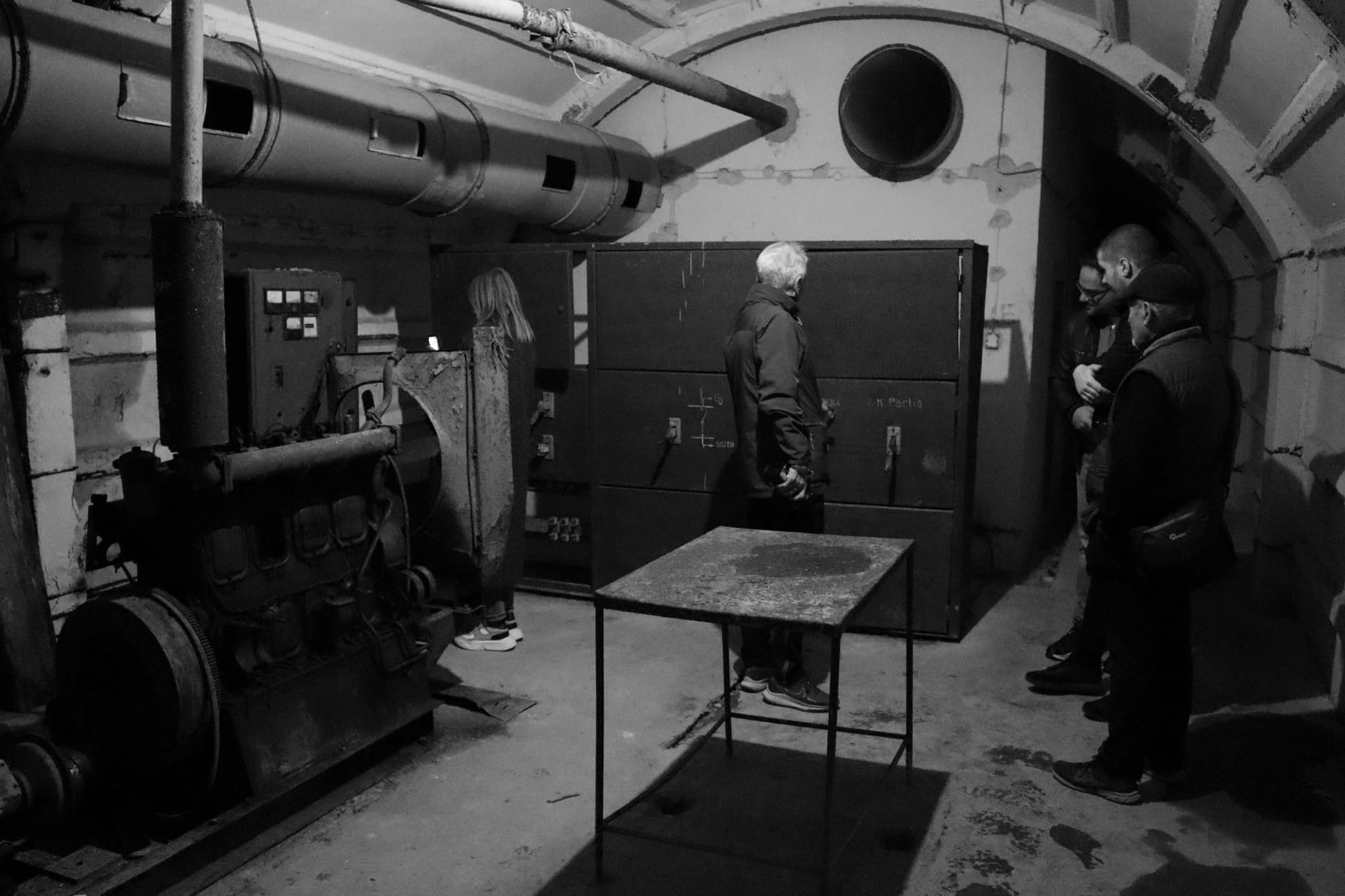
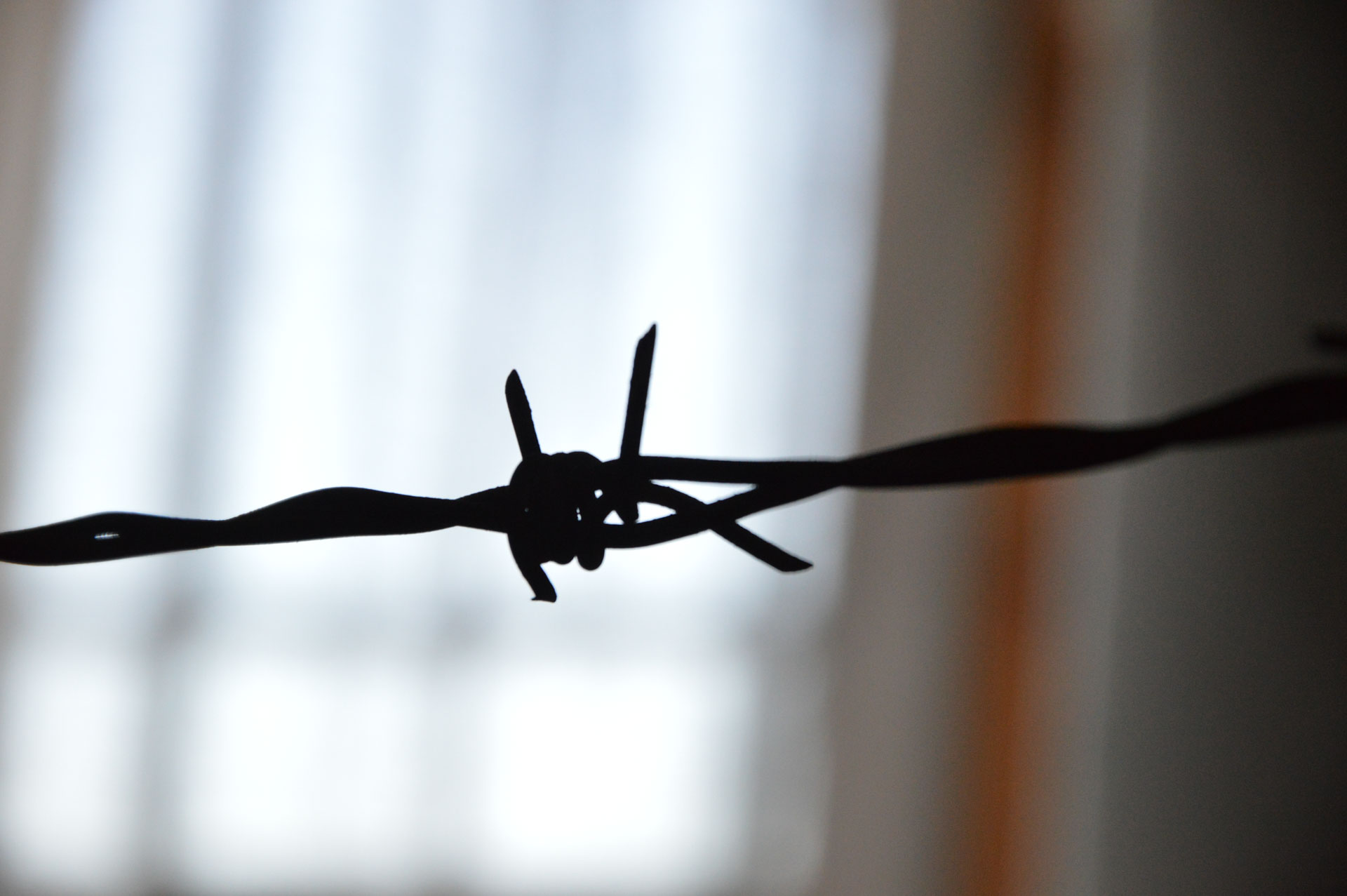
Reality, however, described an underground nightmare dug into the roots of the rock directly beneath the magnificent castle. It was brought to completion by the paranoia of an obsessive ruler, through the forced labour of political prisoners — none of whom survived to bear witness — and right under the noses of the unsuspecting population above.

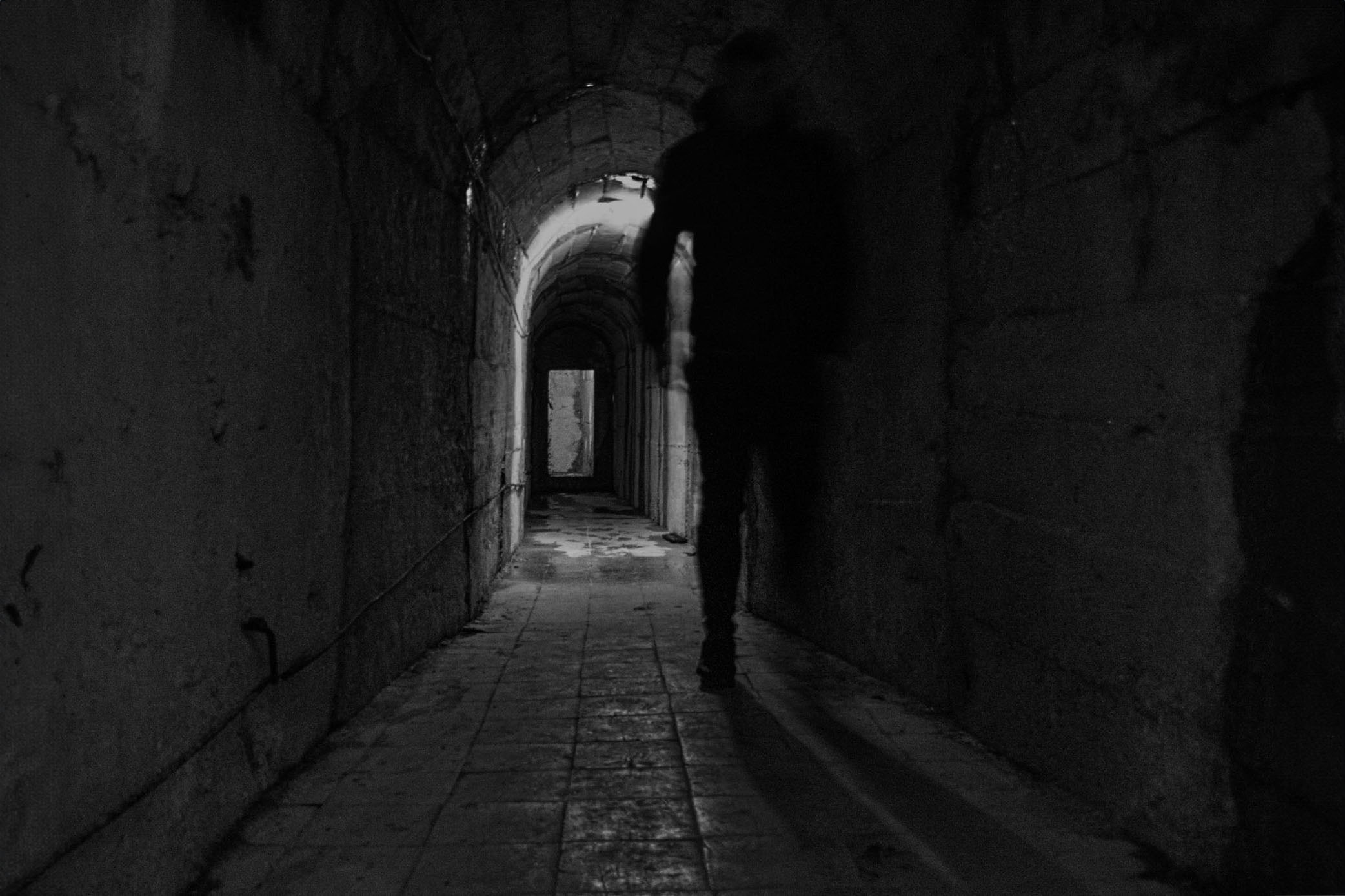
“Hoxha built four more anti-nuclear bunkers like this,” our very charming young guide told us, while drawing our attention to the low points of the concrete corridors.

What was impressive was that every three months the entire stock of supplies was replaced, because, apparently, it had to remain fresh for those destined to survive — lest humanity be deprived of such brilliant minds — while outside, the people starved, terrified and marginalised.

Perhaps it was the screams of history echoing through the dark corridors; perhaps it was the horror that defeated every attempt to process this sacrilege rationally. Either way, the light at the end of the tunnel became a release from the torment of our encounter with the Leviathan.

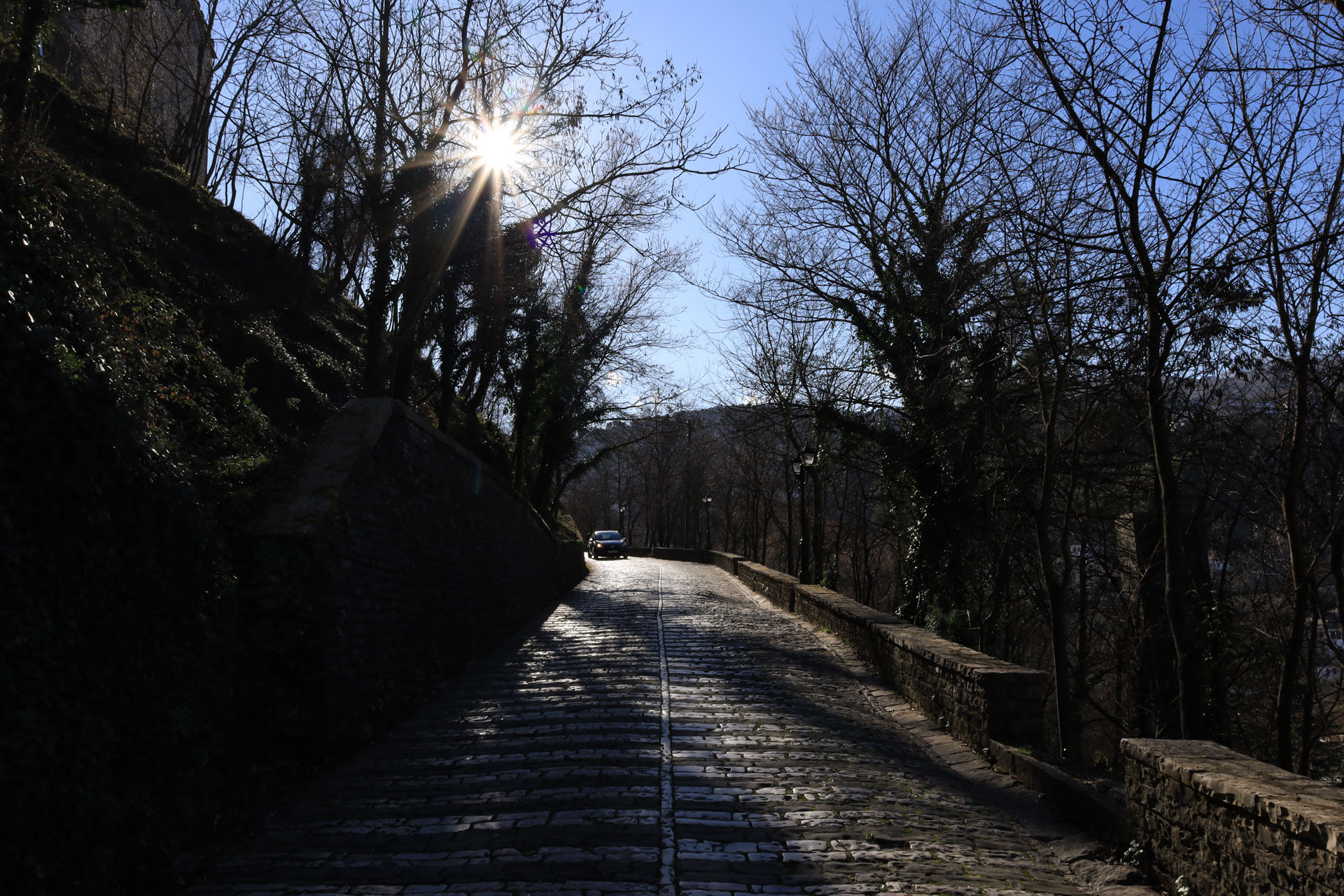
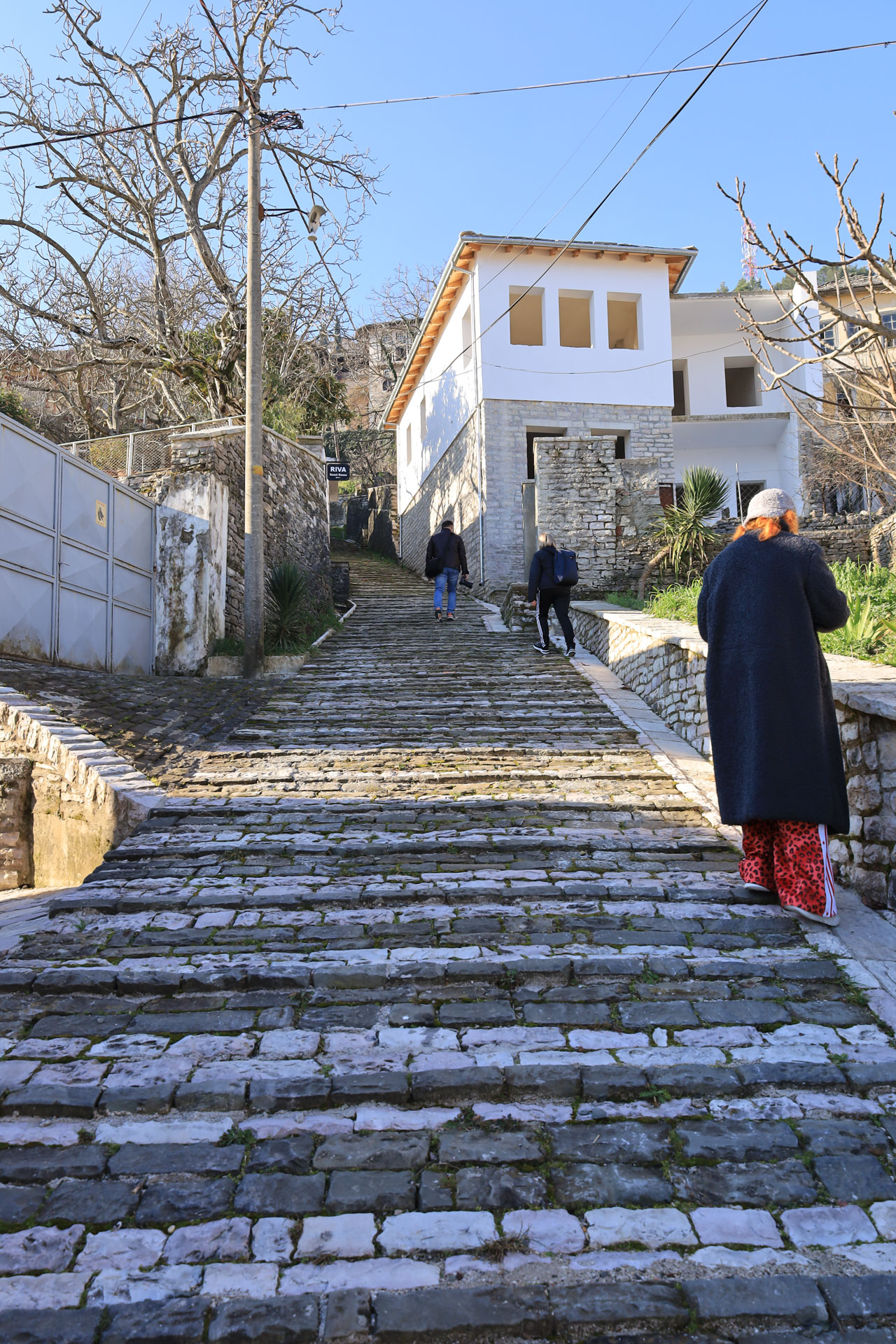
It was the same light that warmed the cobbled road towards the castle at the top of the hill. It was that light, in the end, that made us smile, despite the sweat, and sigh with relief as we told ourselves that history would never again suffer such regressions while, of course, history itself, with its imaginative and perverse persistence, always finds ways to prove us wrong.

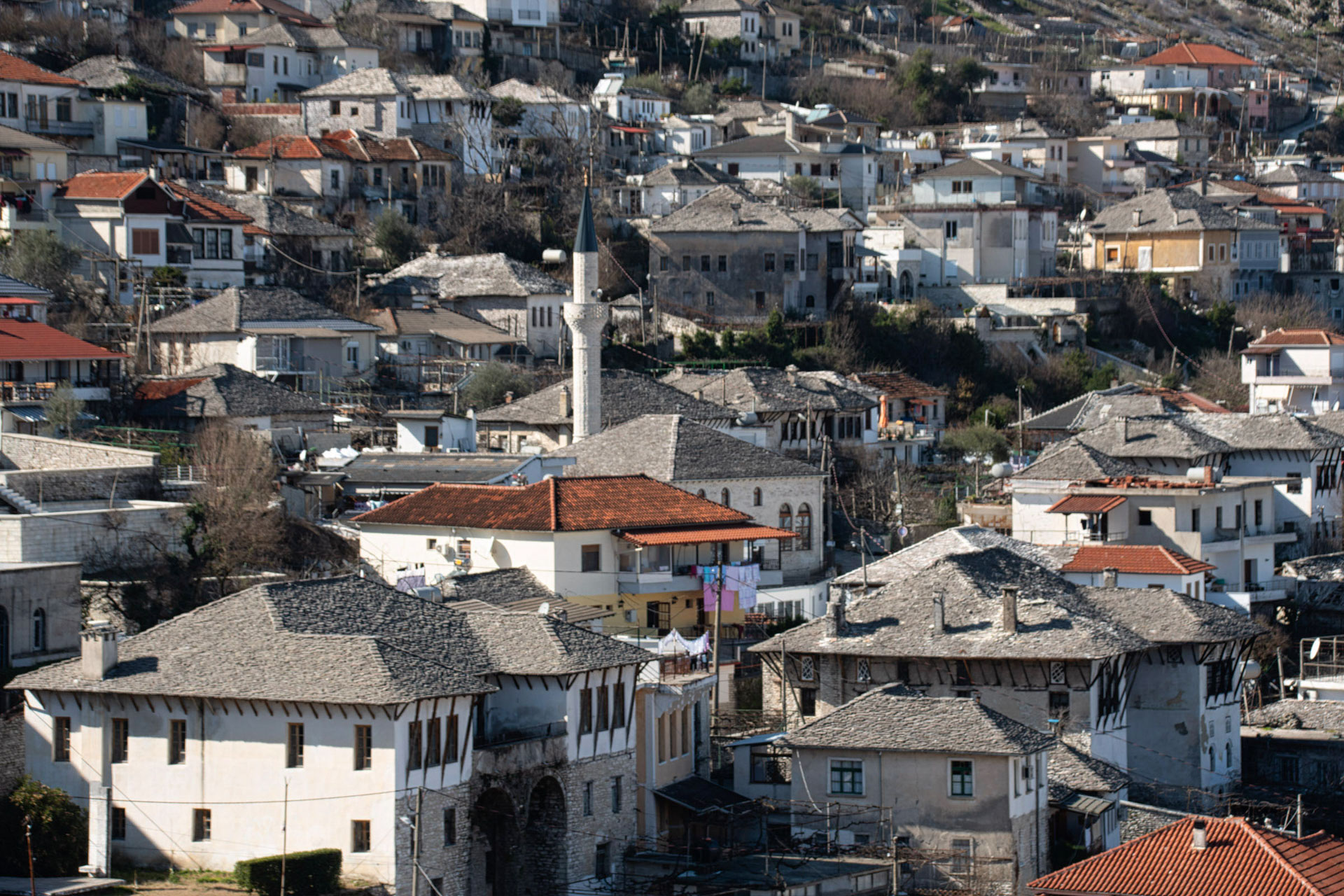
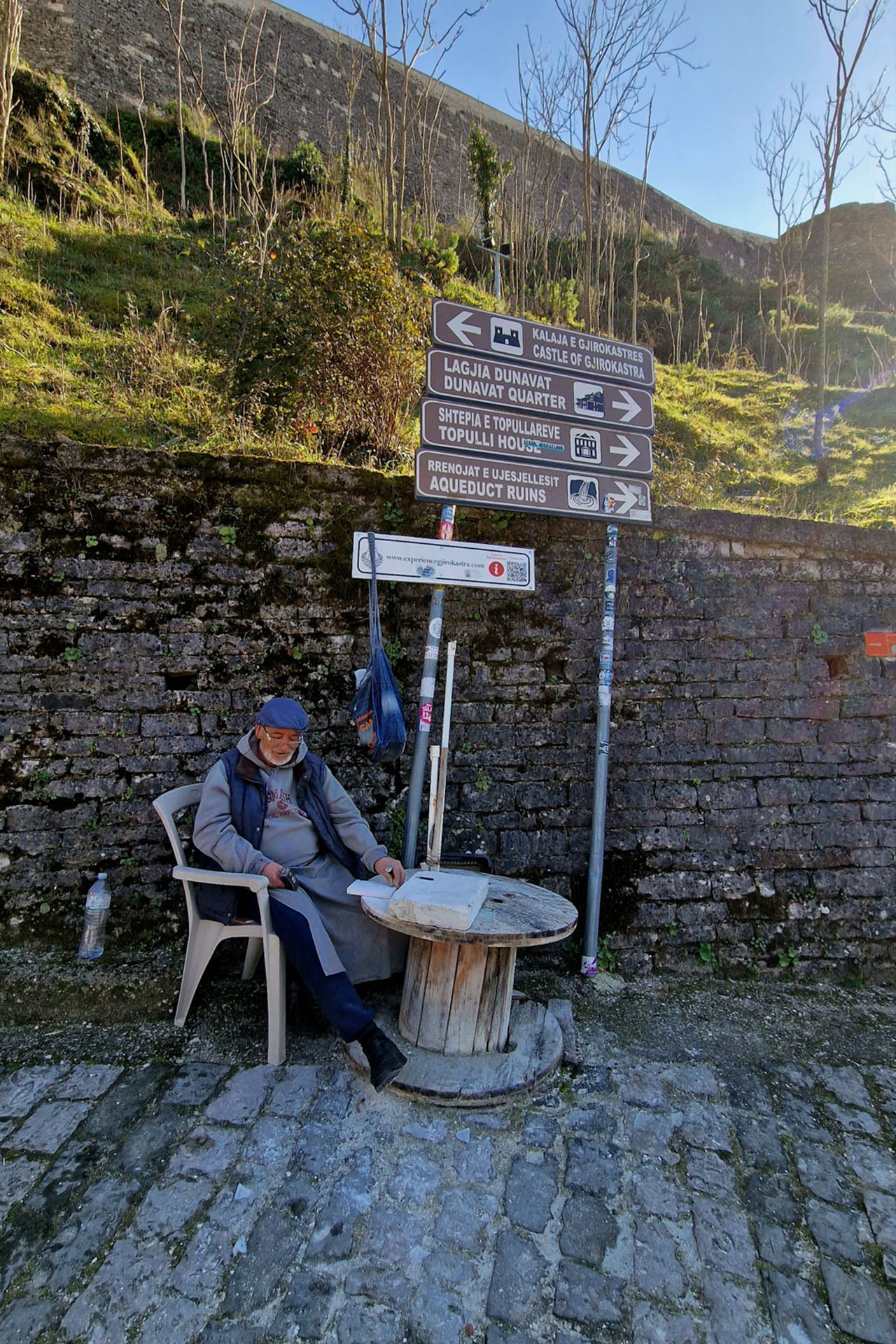
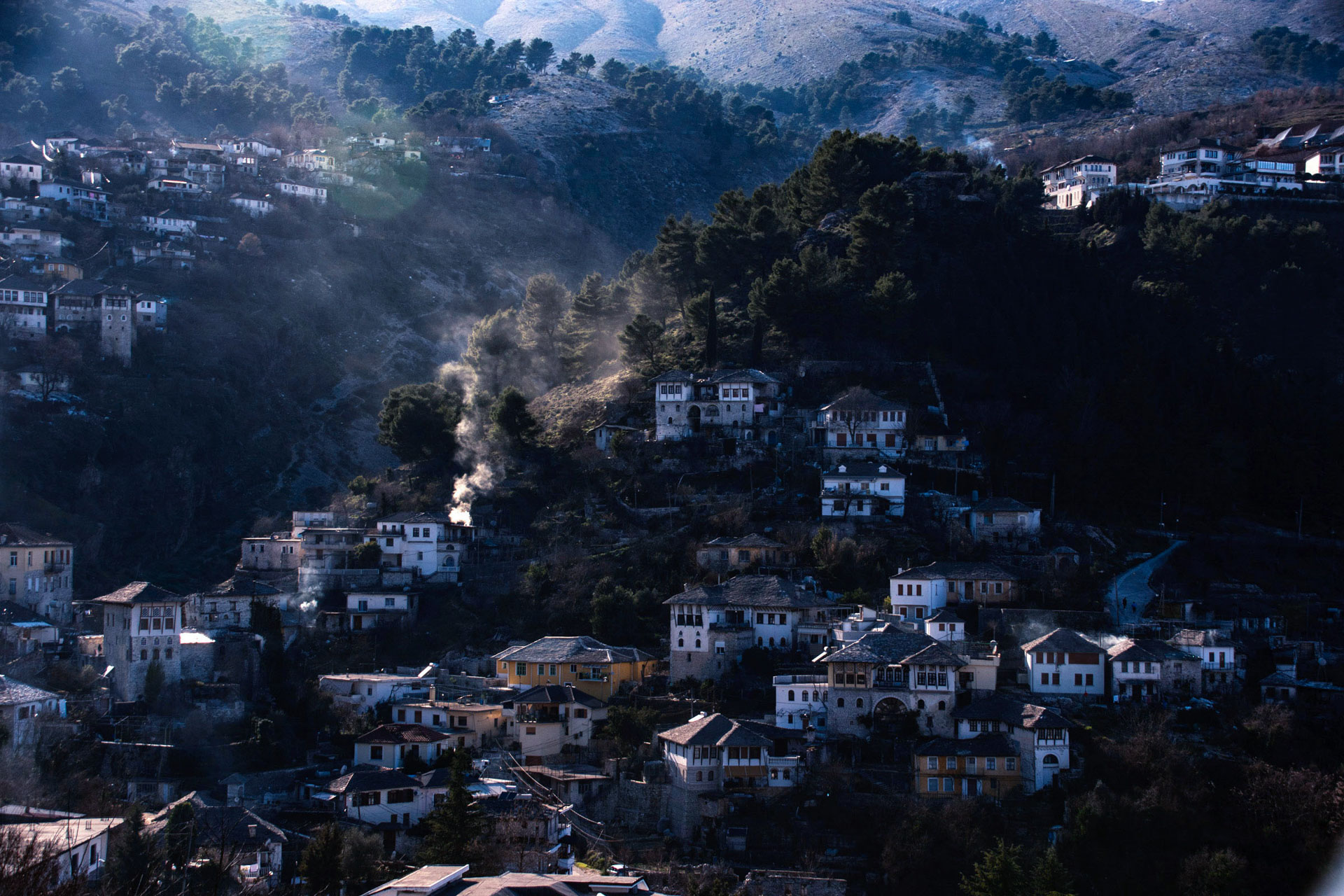
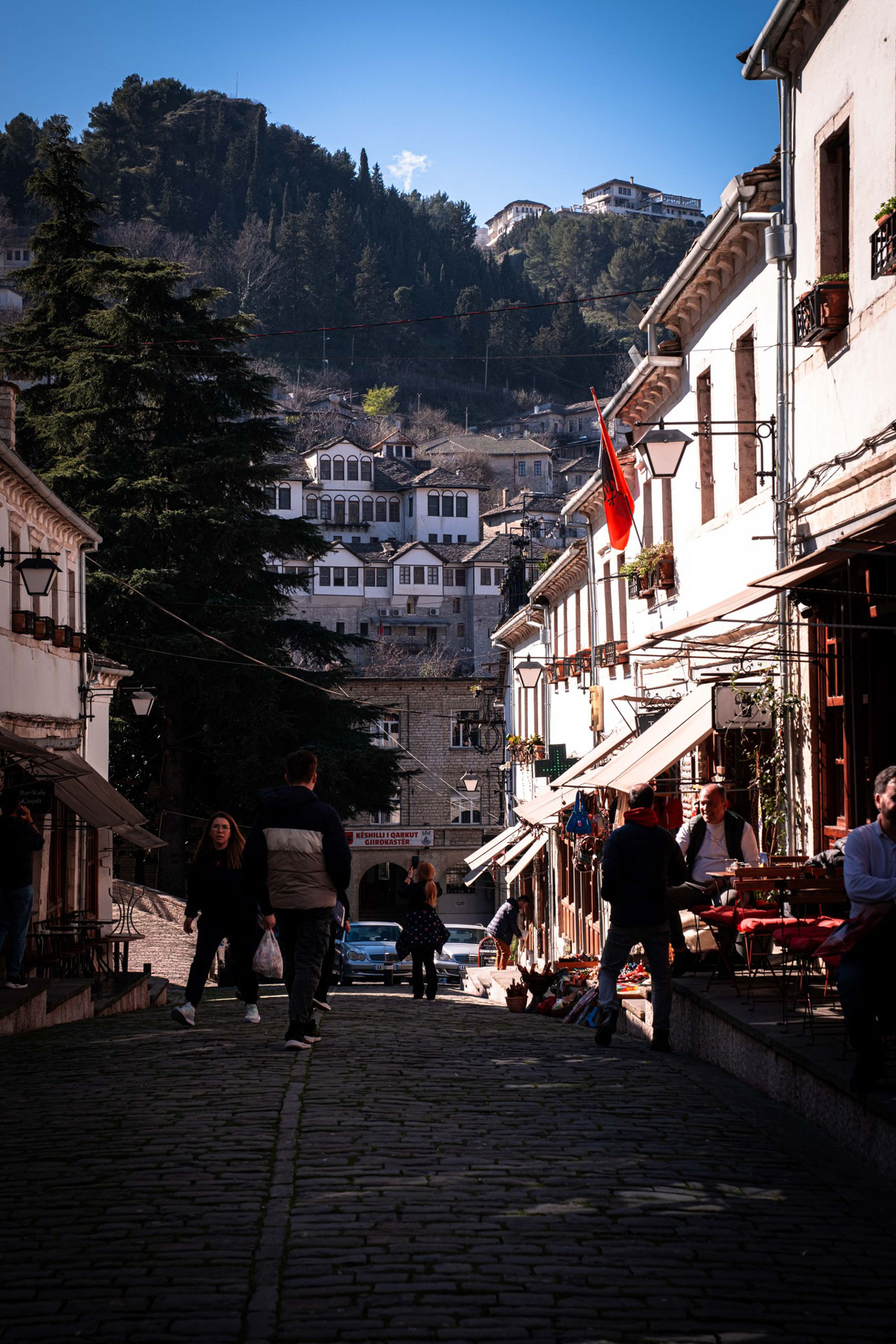
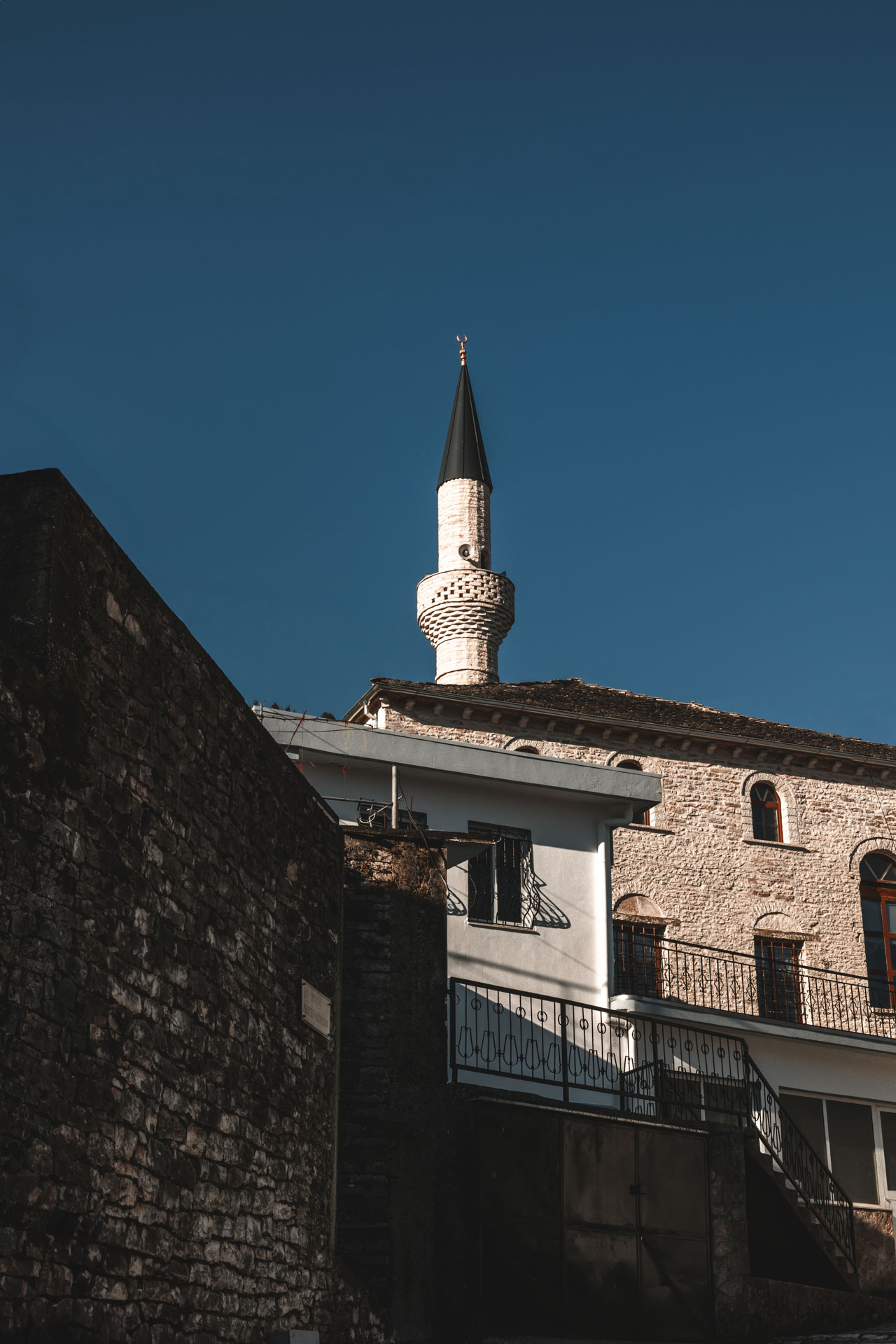
Gjirokaster - Old Town

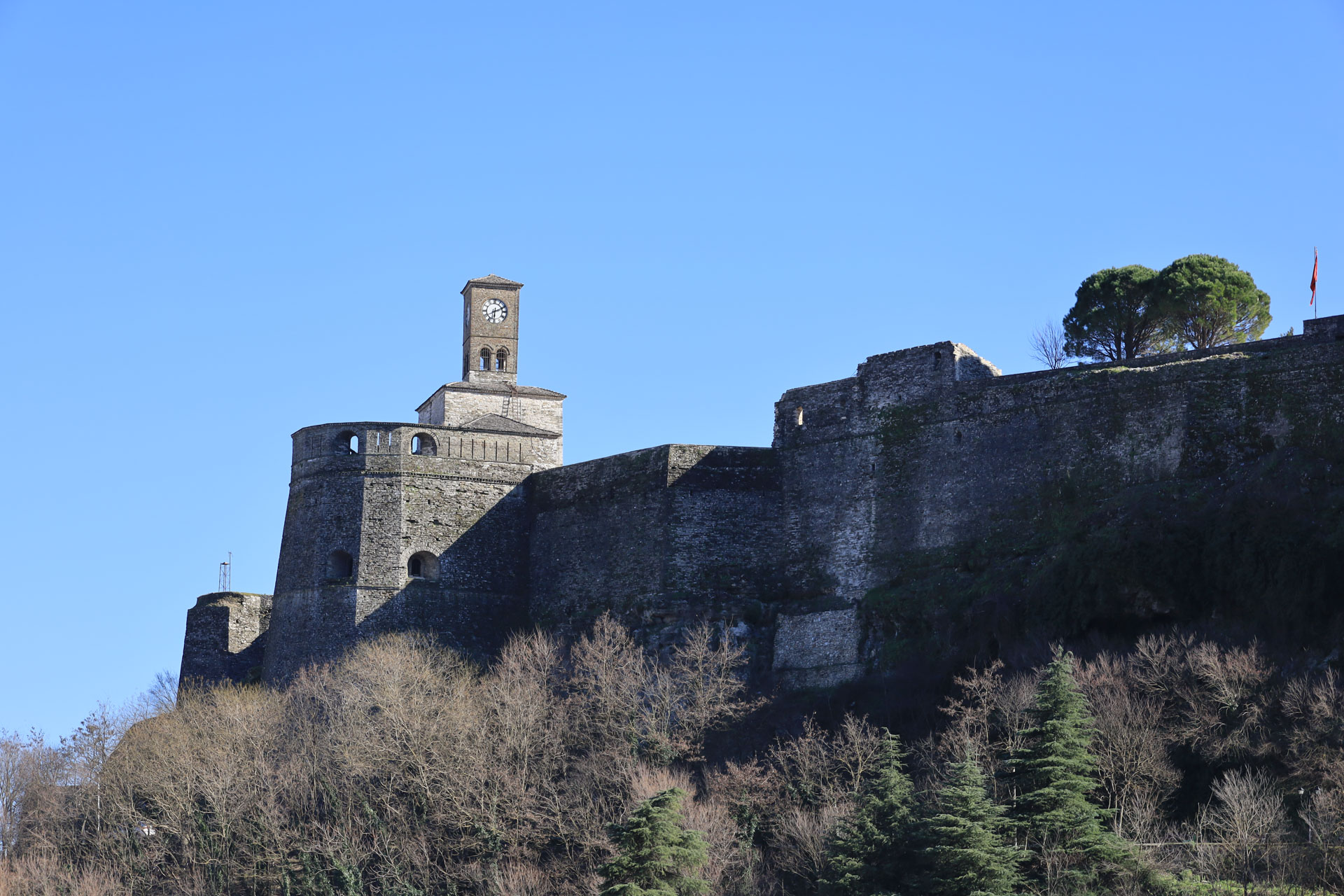
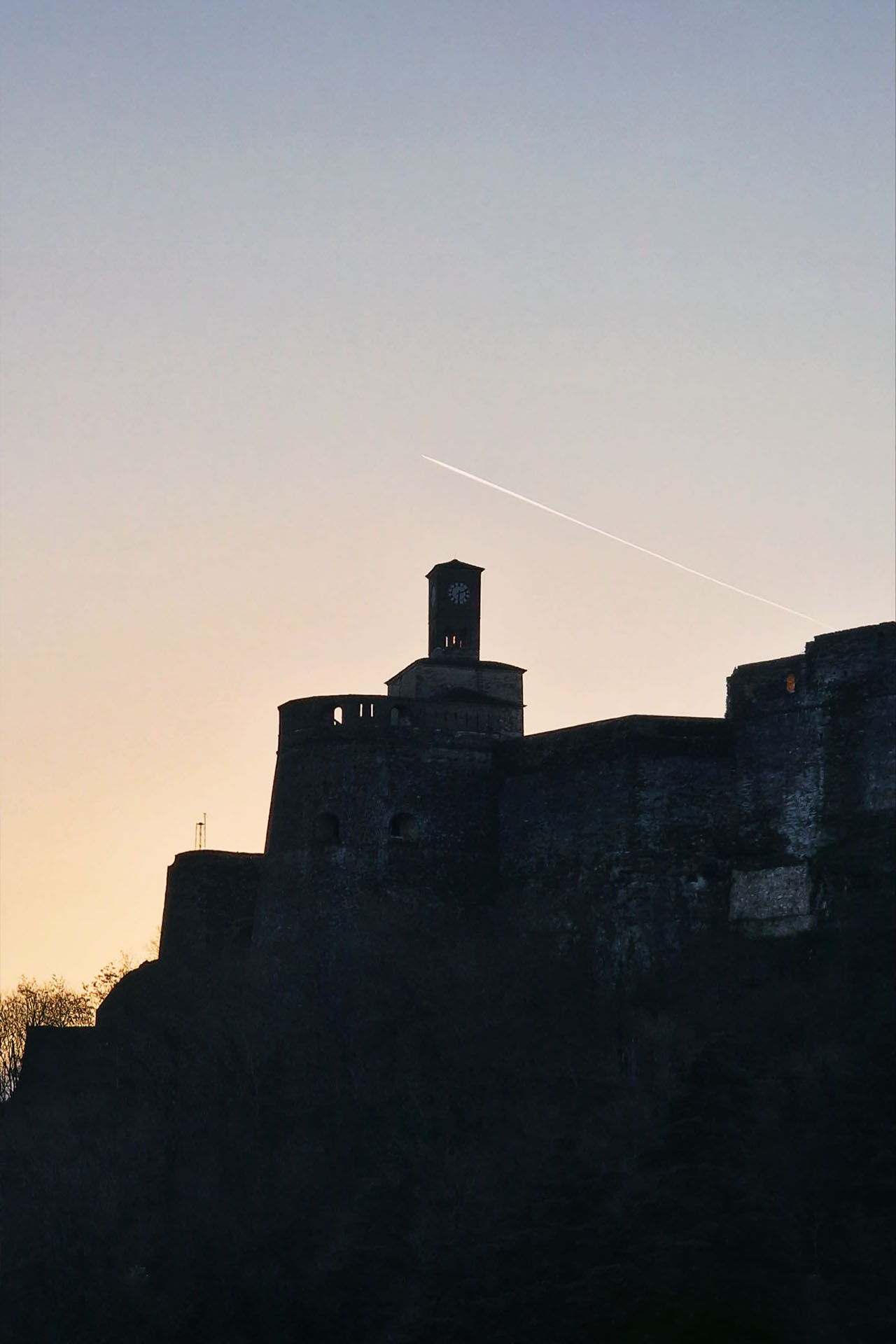
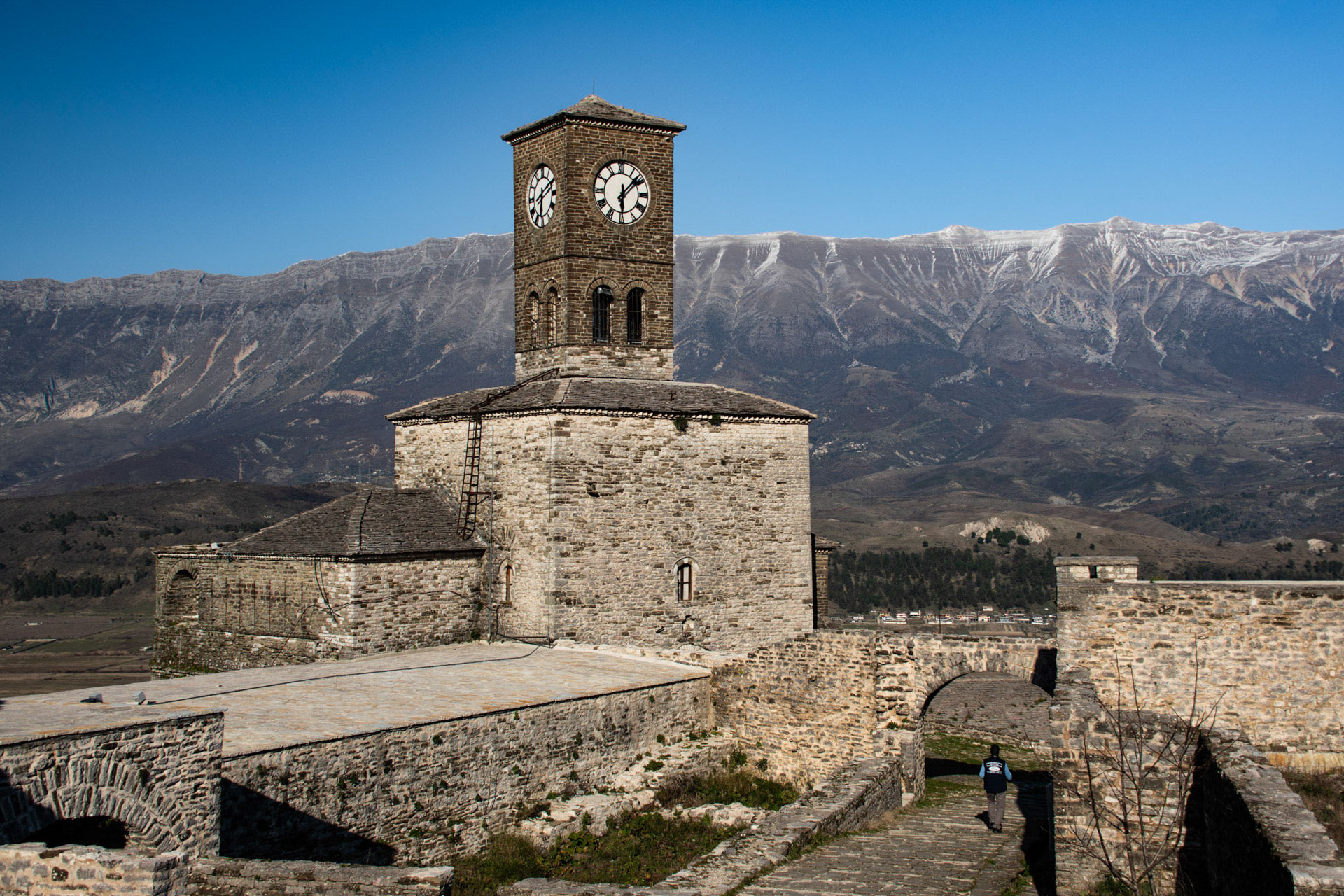
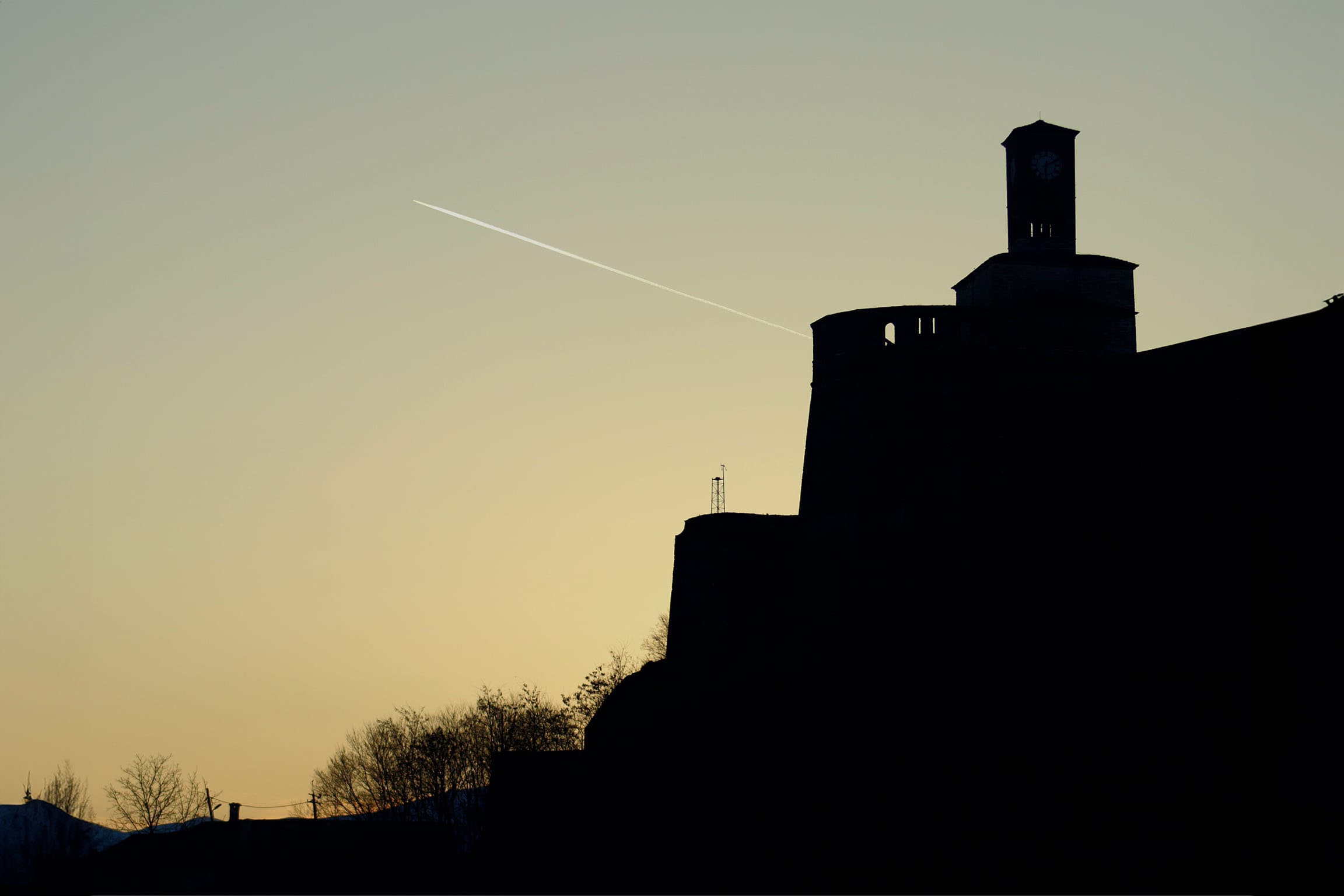
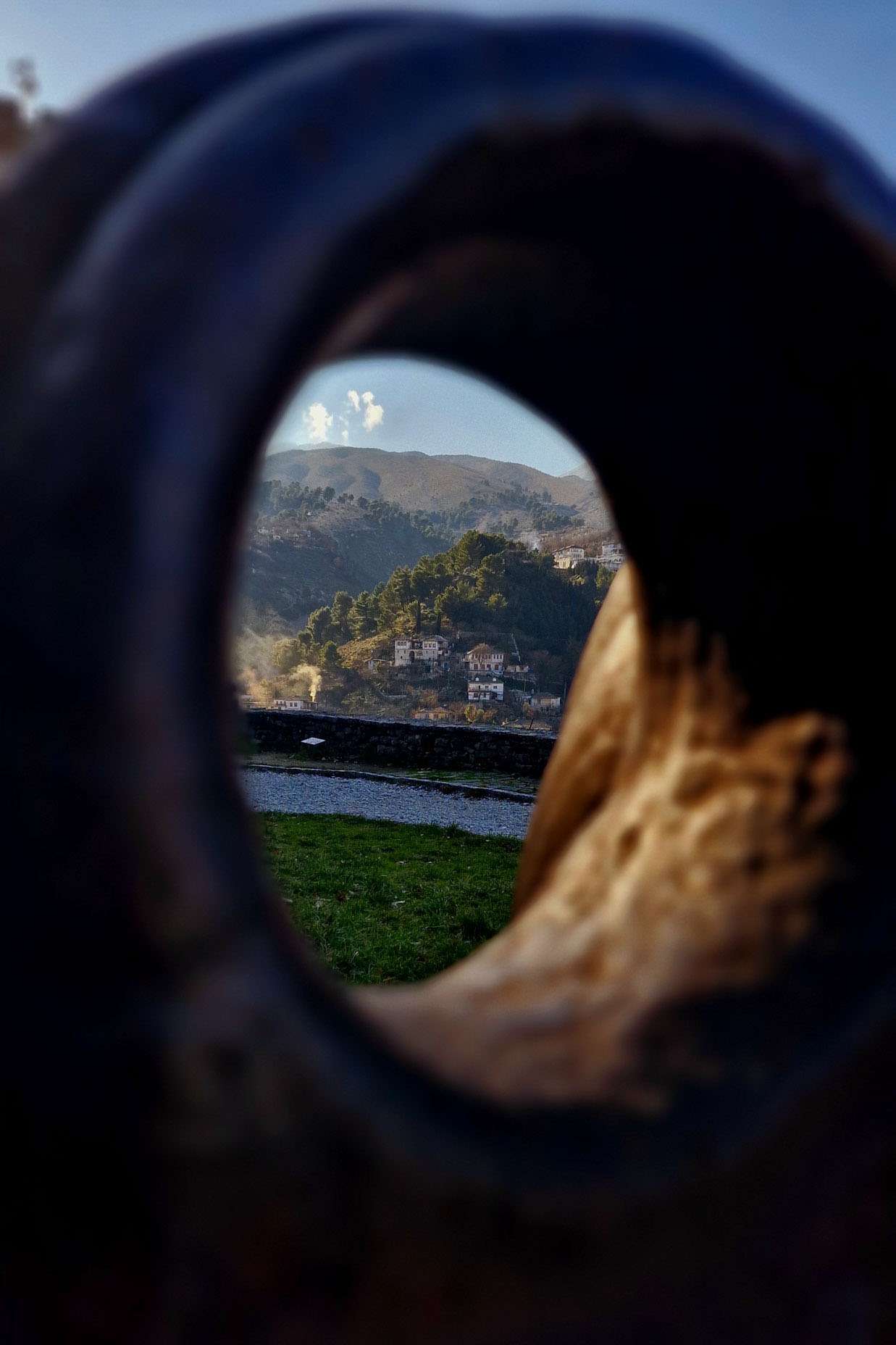
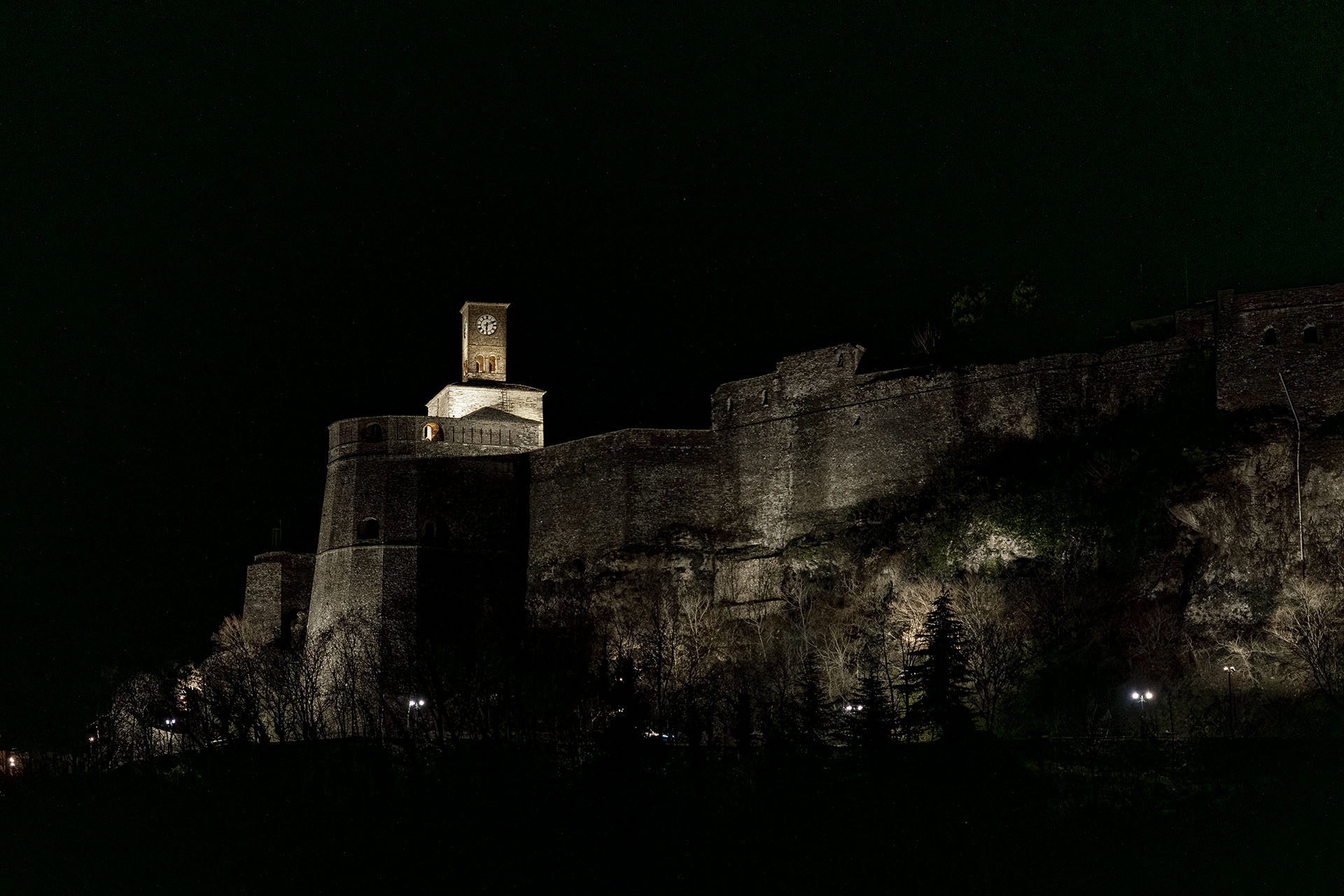
Gjirokaster - Castle

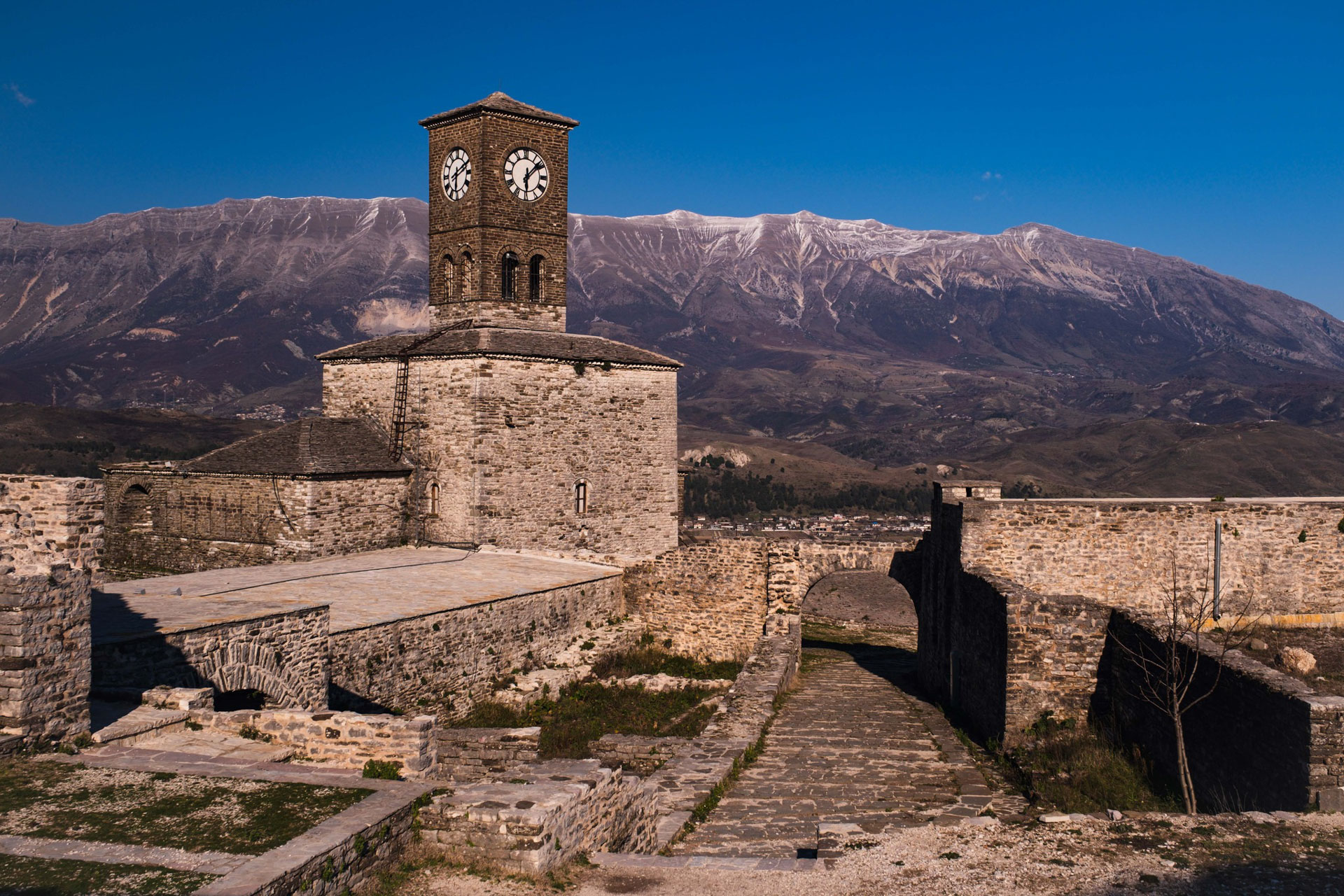
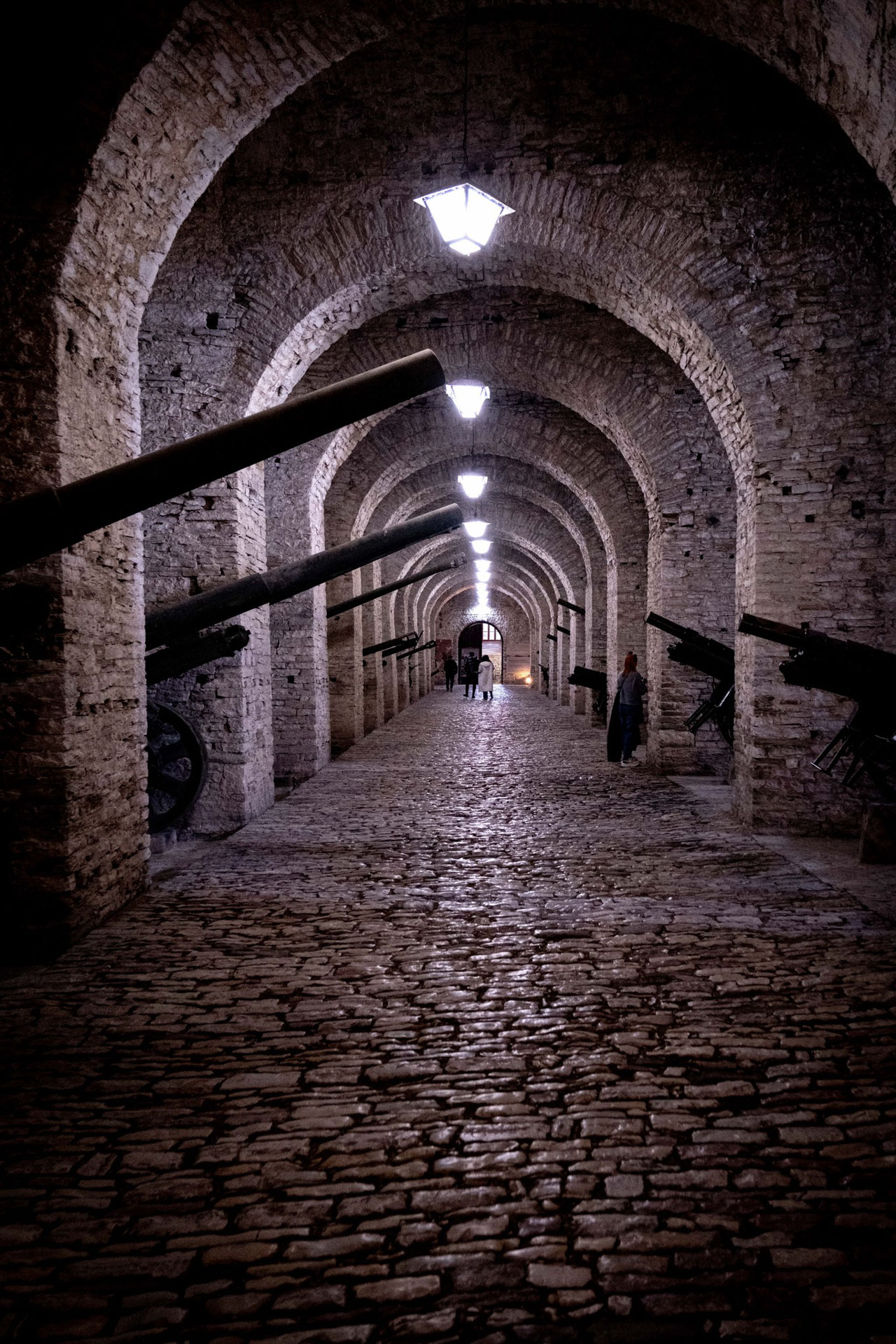
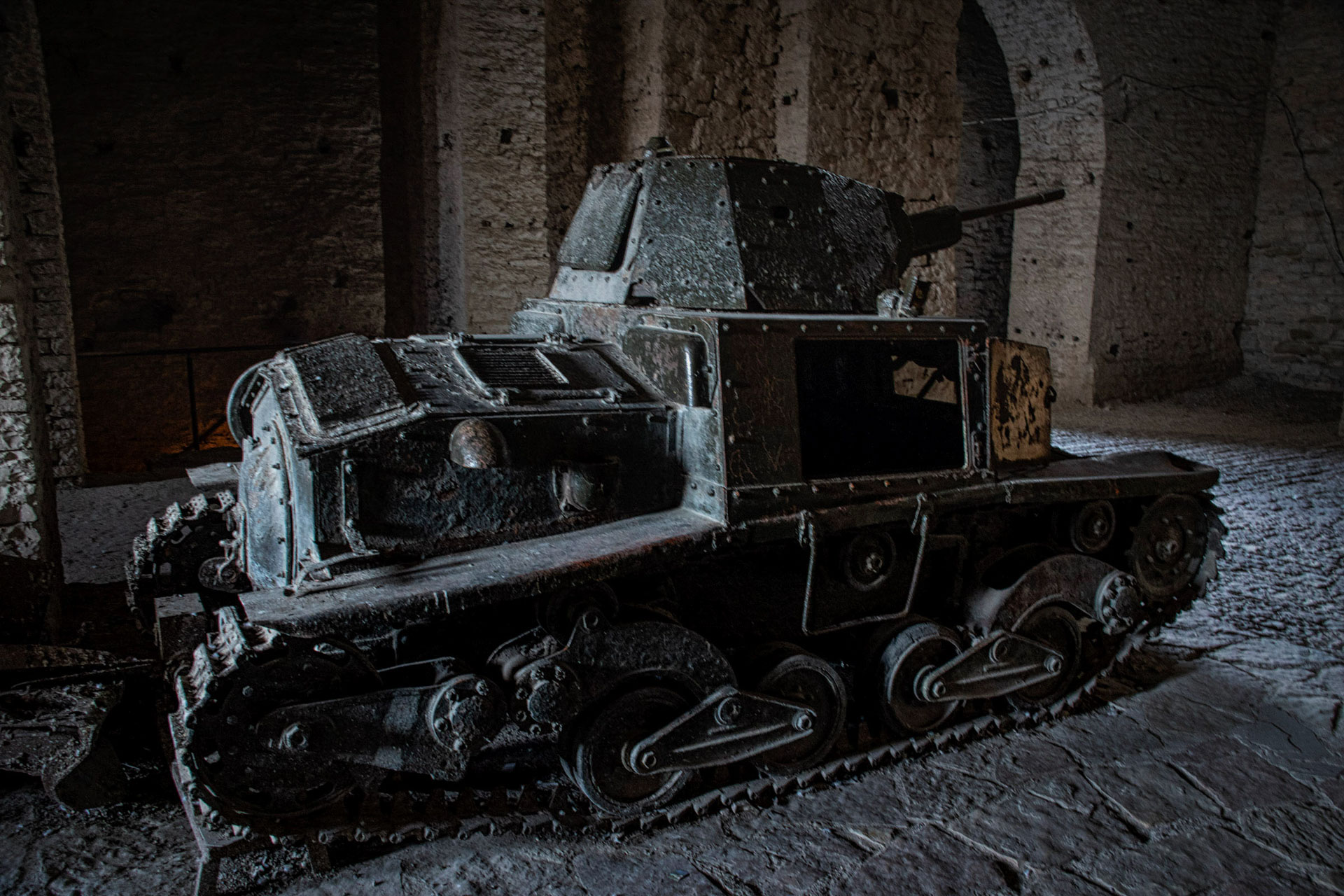
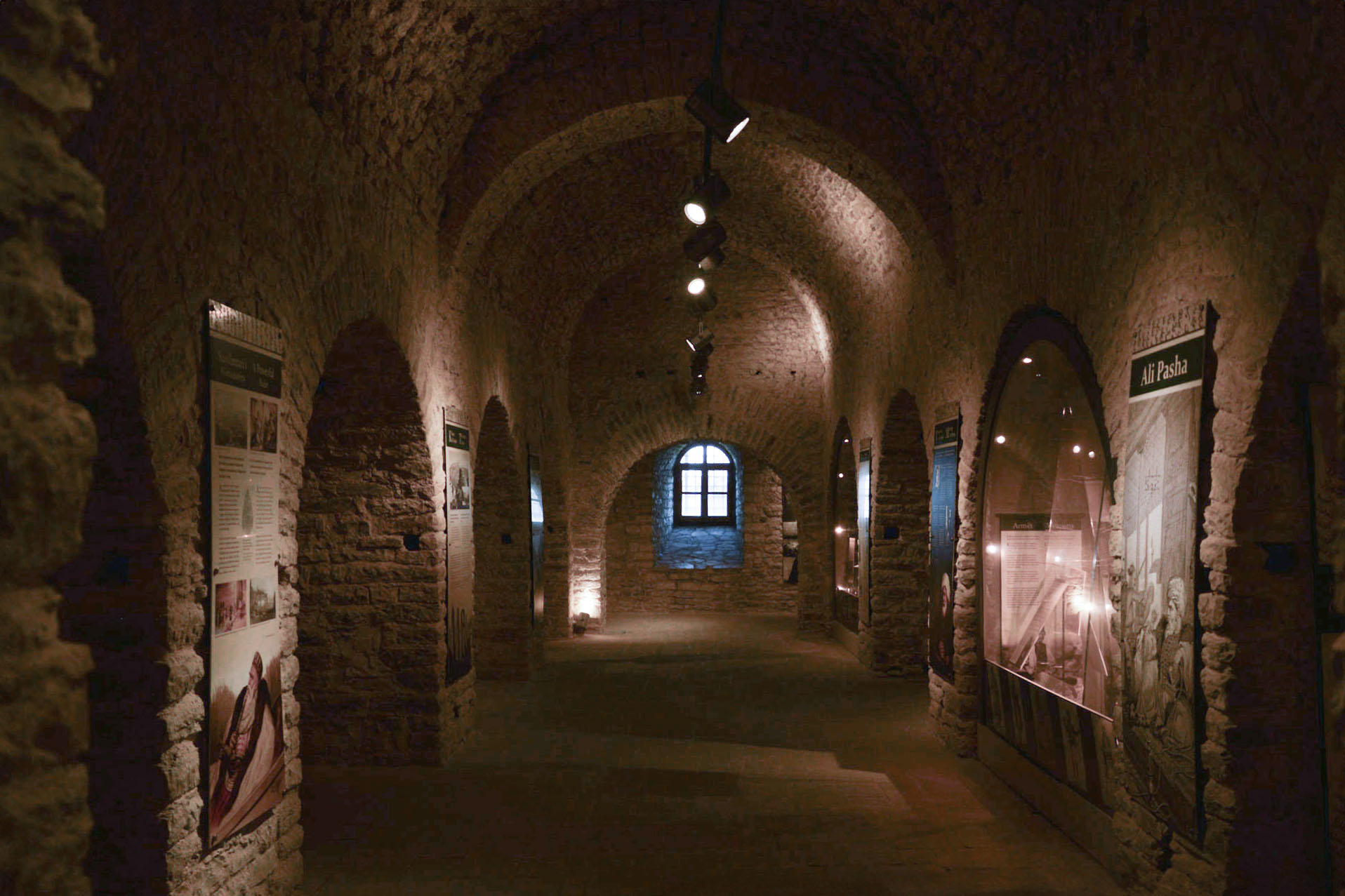
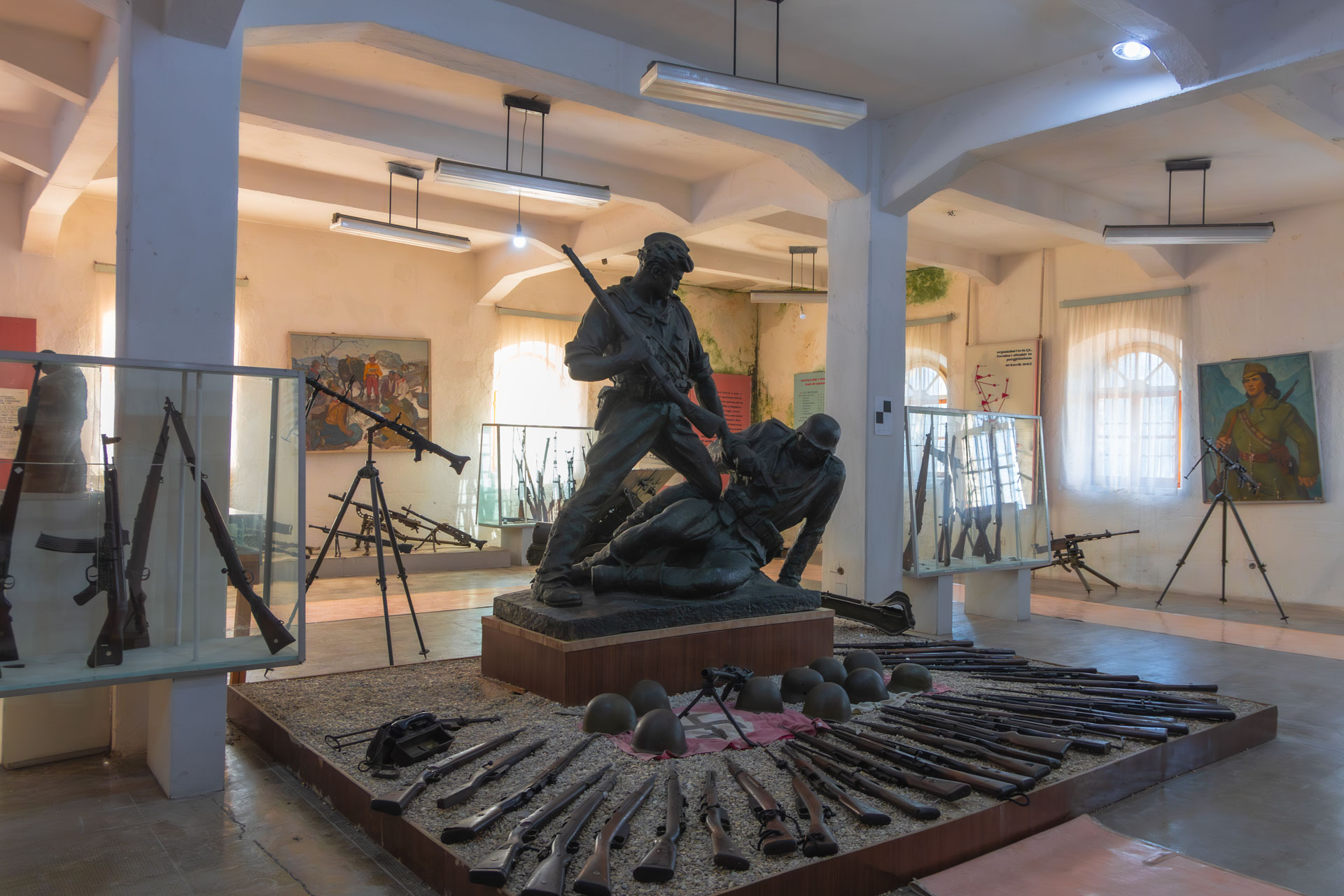
The castle, well preserved, is essentially an open military museum, as befits the purpose of its existence. In its depths, it hosts rooms of visual and photographic interest, where the poor people’s “love” for their tyrant is proclaimed in full.

Not a single photograph of him remained with his eyes intact, so that we too might see the darkness hidden within them.

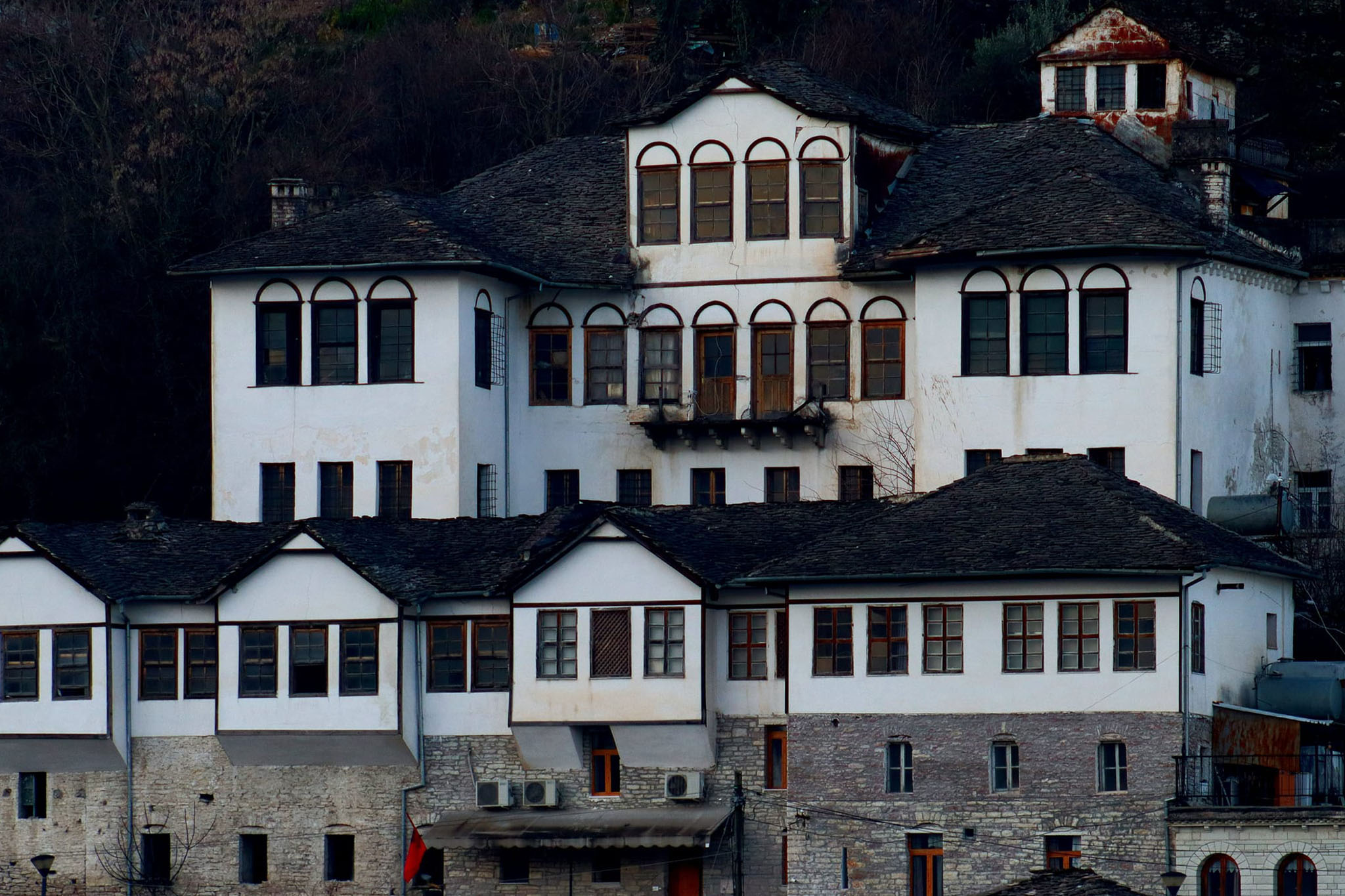
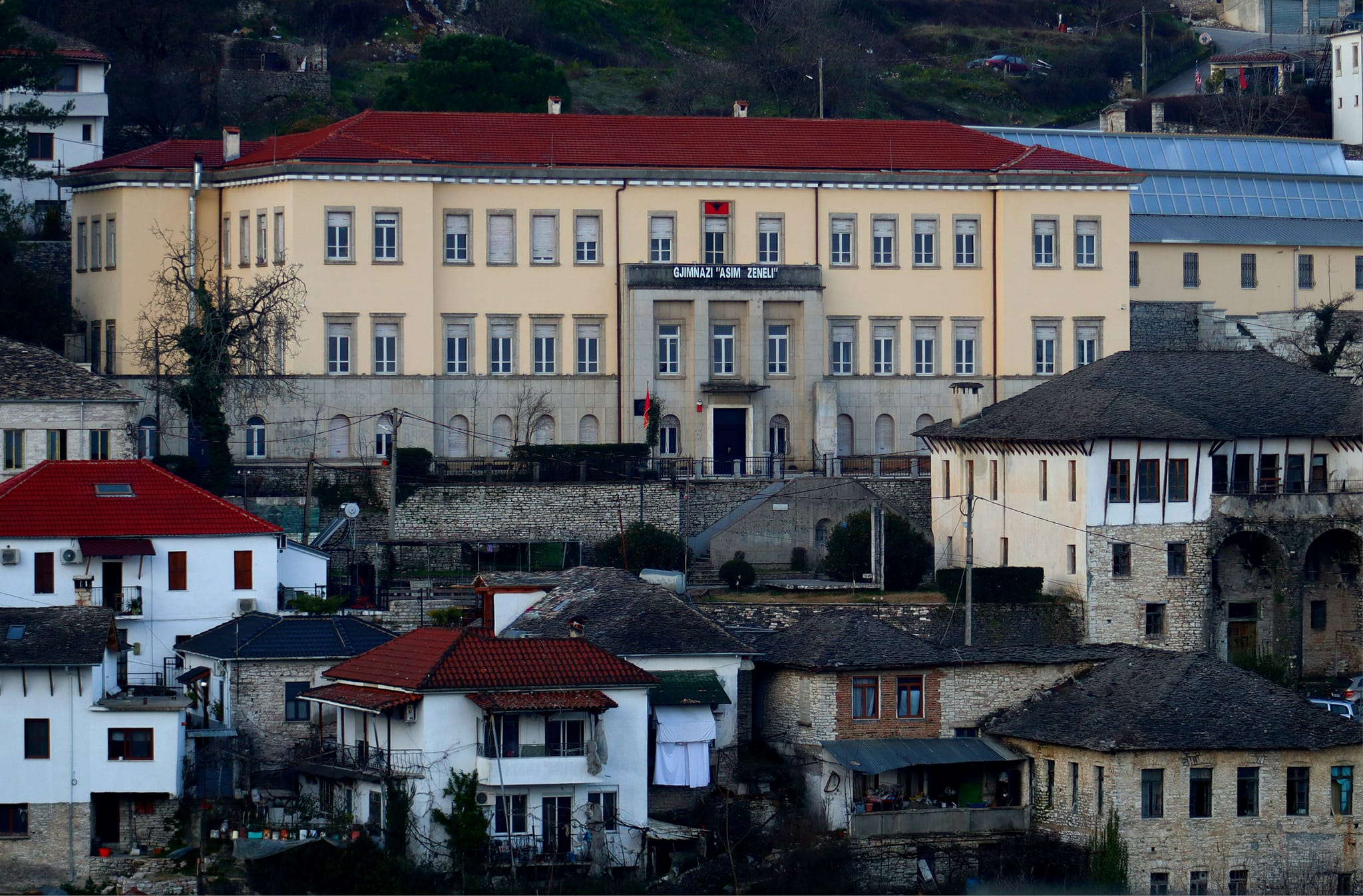
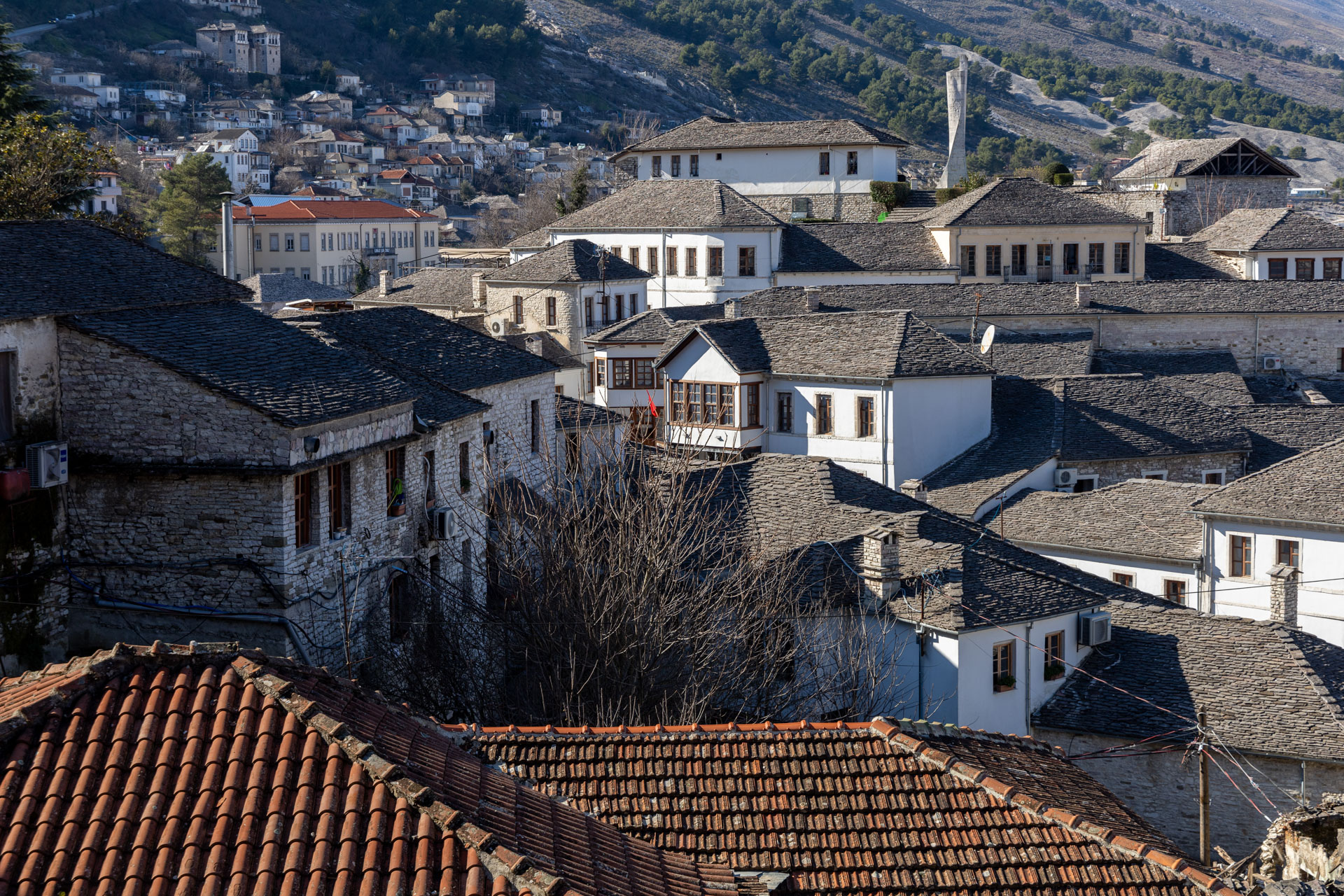
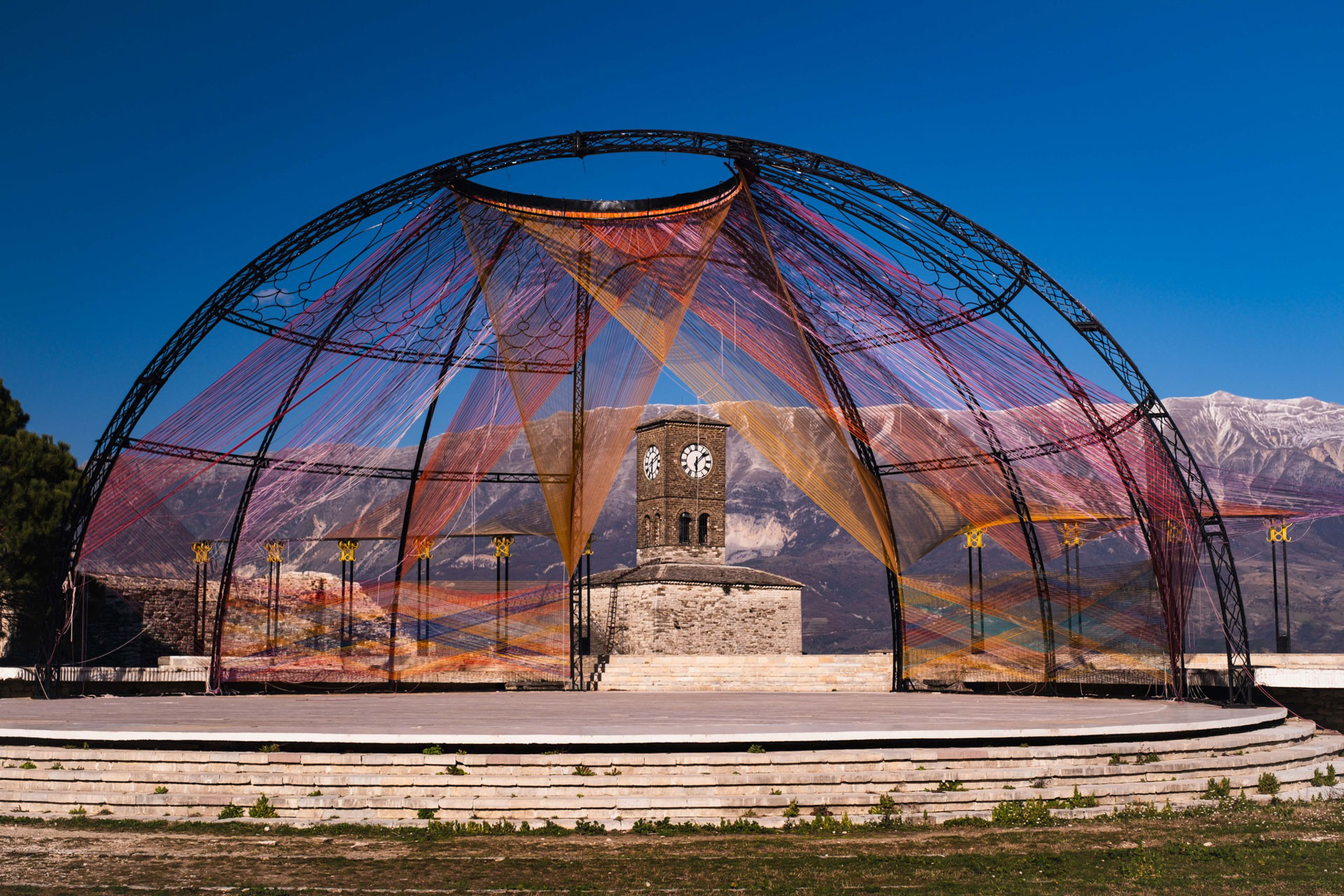
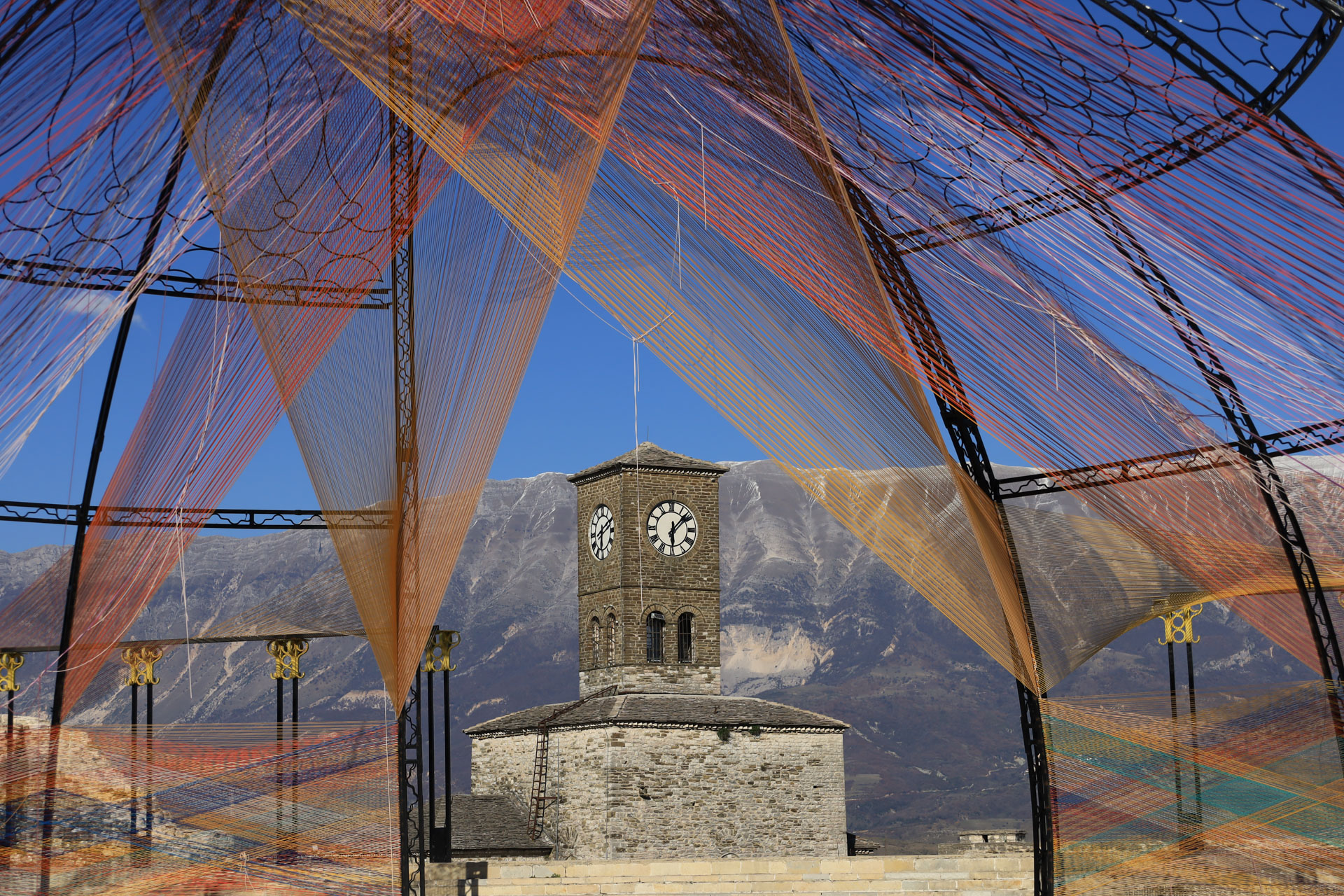
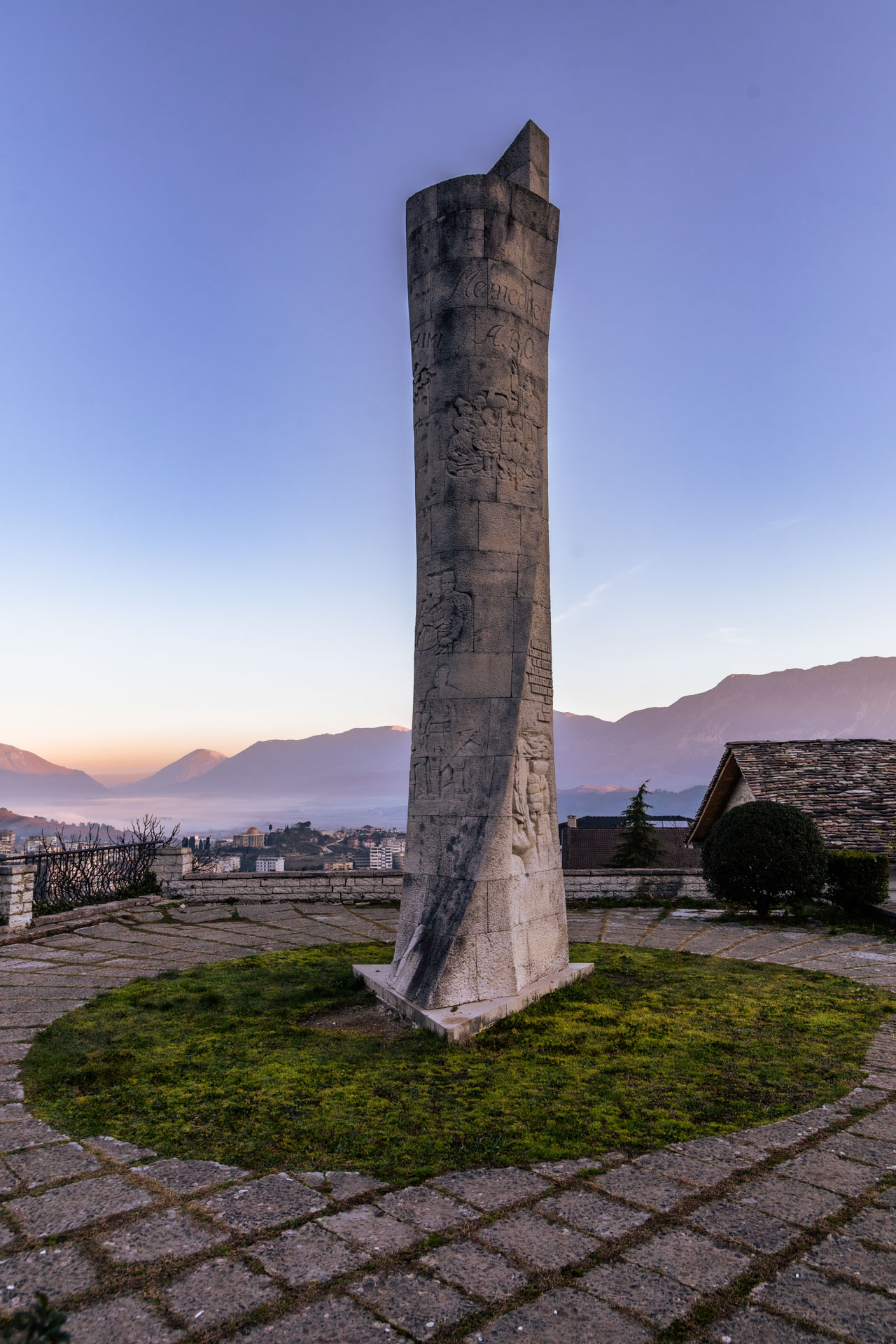
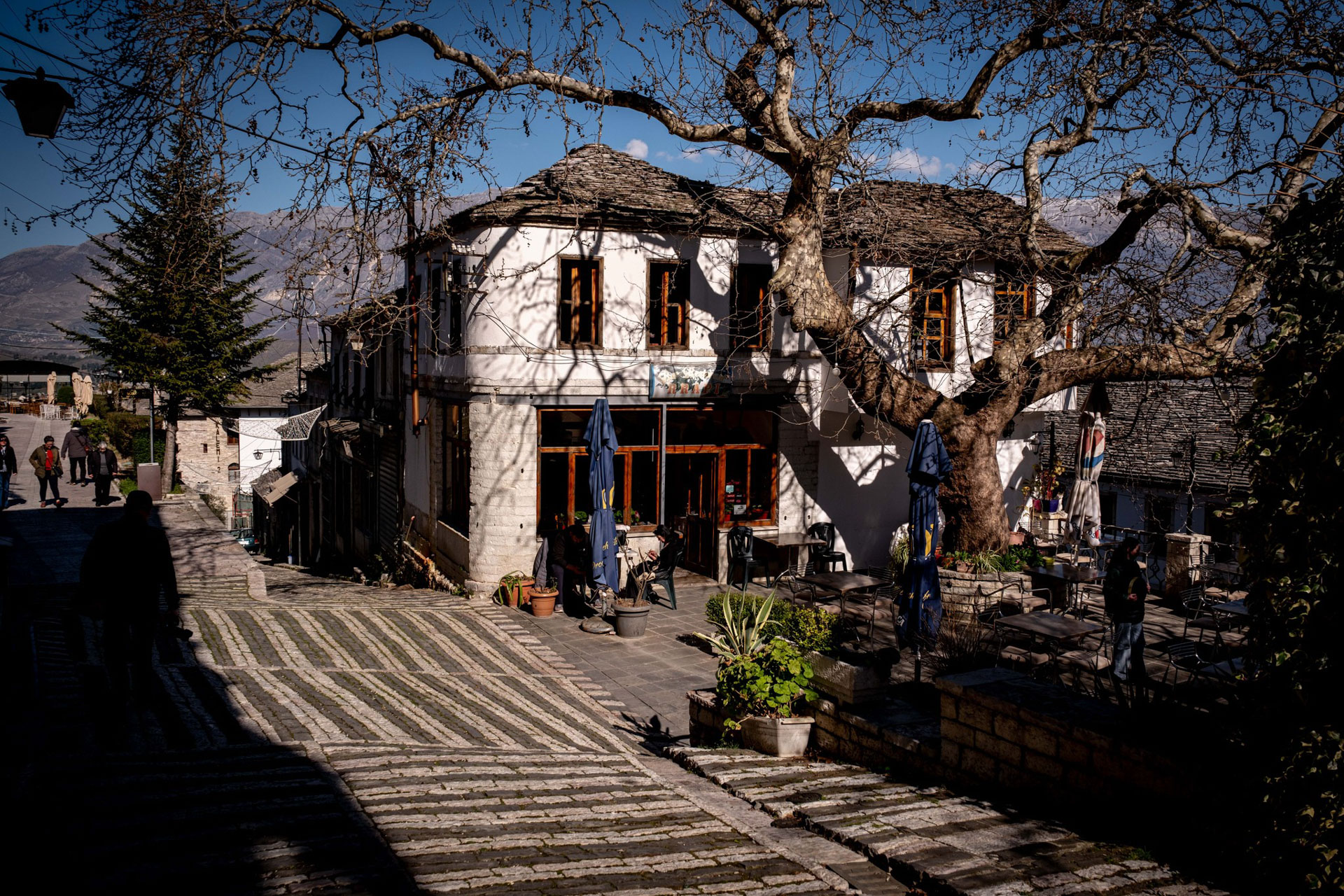
Our own gaze, however, embraced the whole city from above: the old part spreading west and north of the hill, and the newer extension to the south. From up there, it was beautiful, its mansions bearing witness to its ancient heritage, underscored by the sounds of Epirot music drifting in the distance.

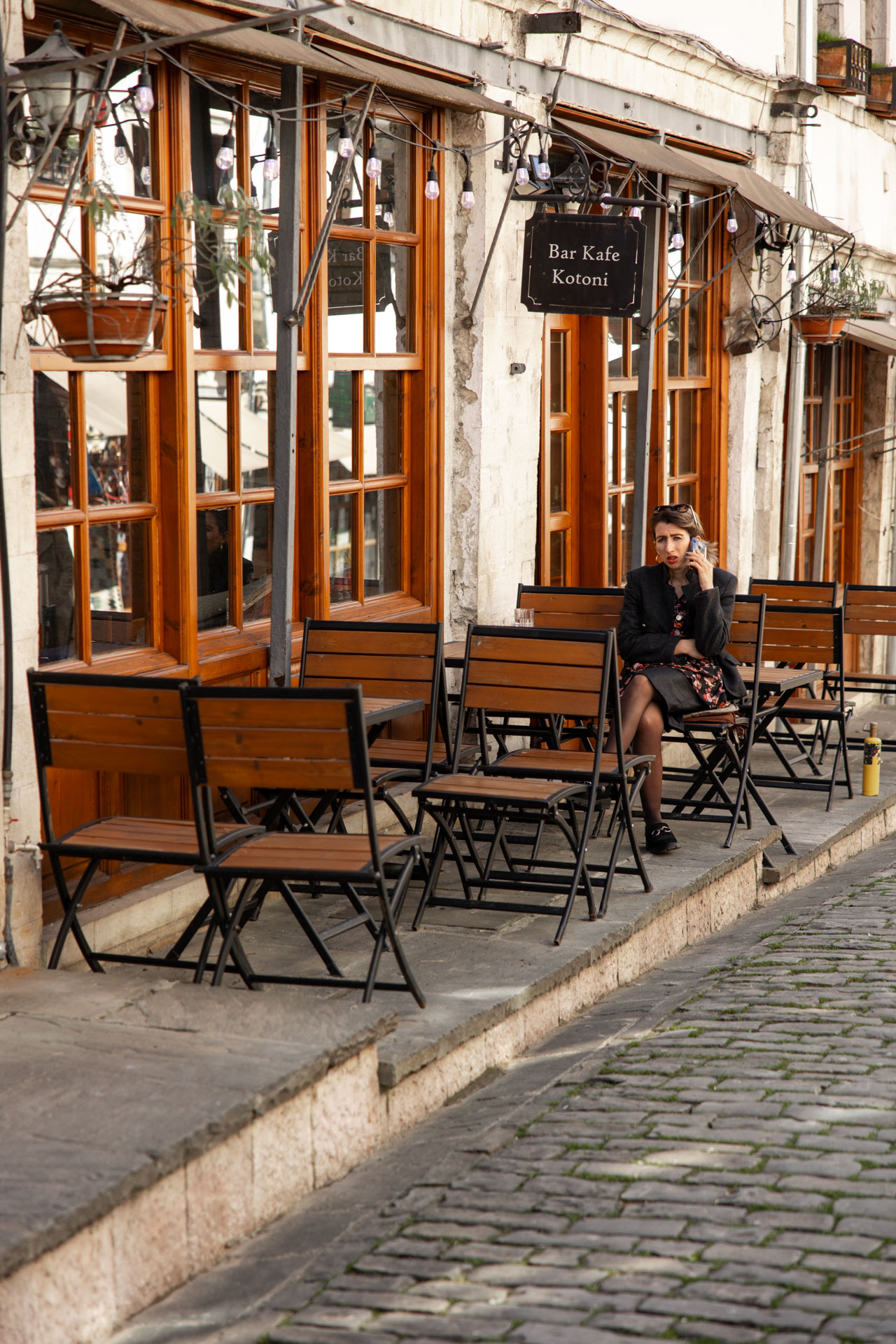
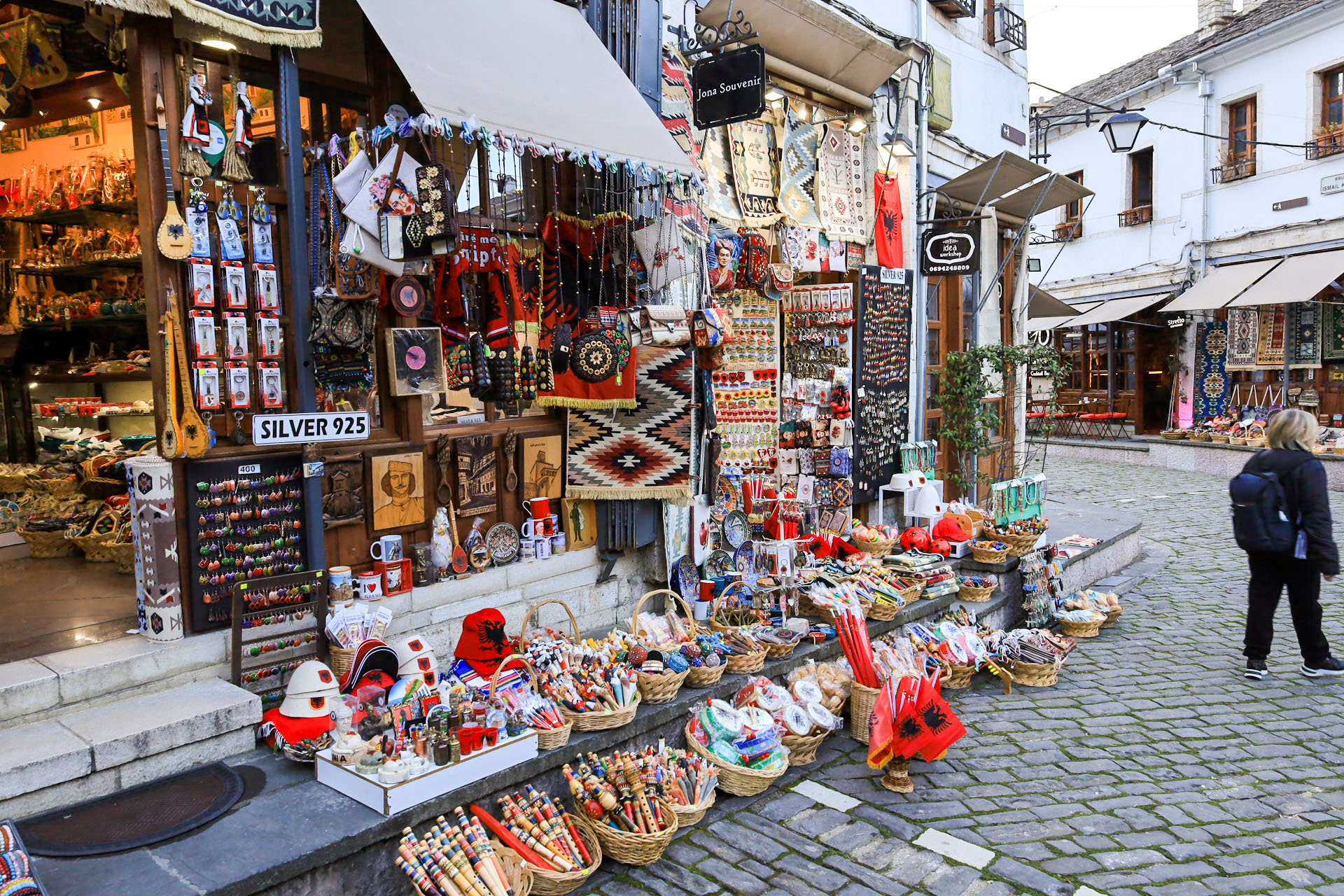
There was something familiar in its form, in its facades, habits, and gestures, and that, in the end, shaped our verdict. Its lanes were beautiful too, with their small shops signing the lovely mixture in both Greek and Albanian.

That same mixture brought laughter to the point of tears later that evening, when, after dinner, drink, and the day’s exhaustion, two of the more lively members of the group went in search of a bottle of wine instead of a anti-depressant pills.

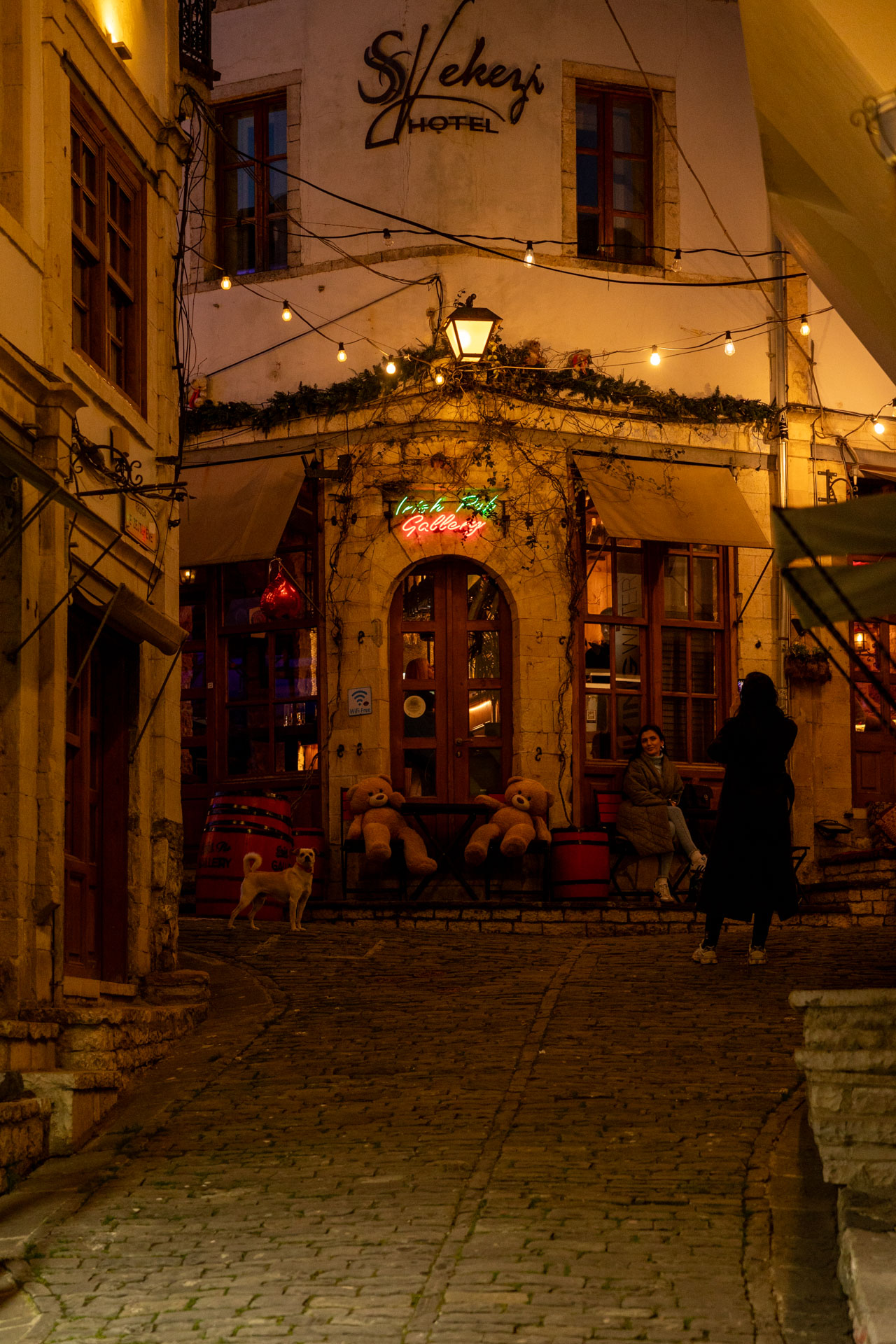
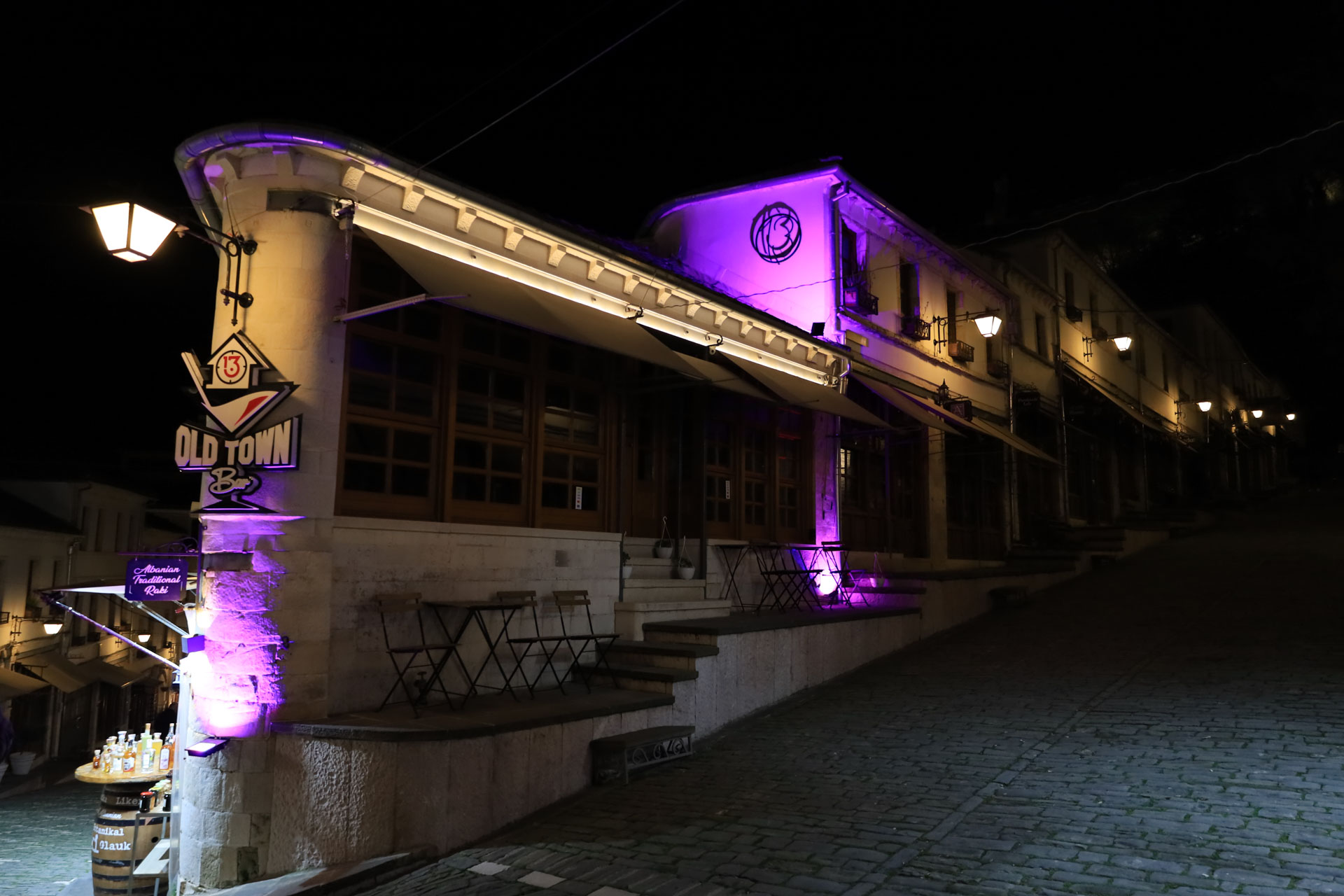
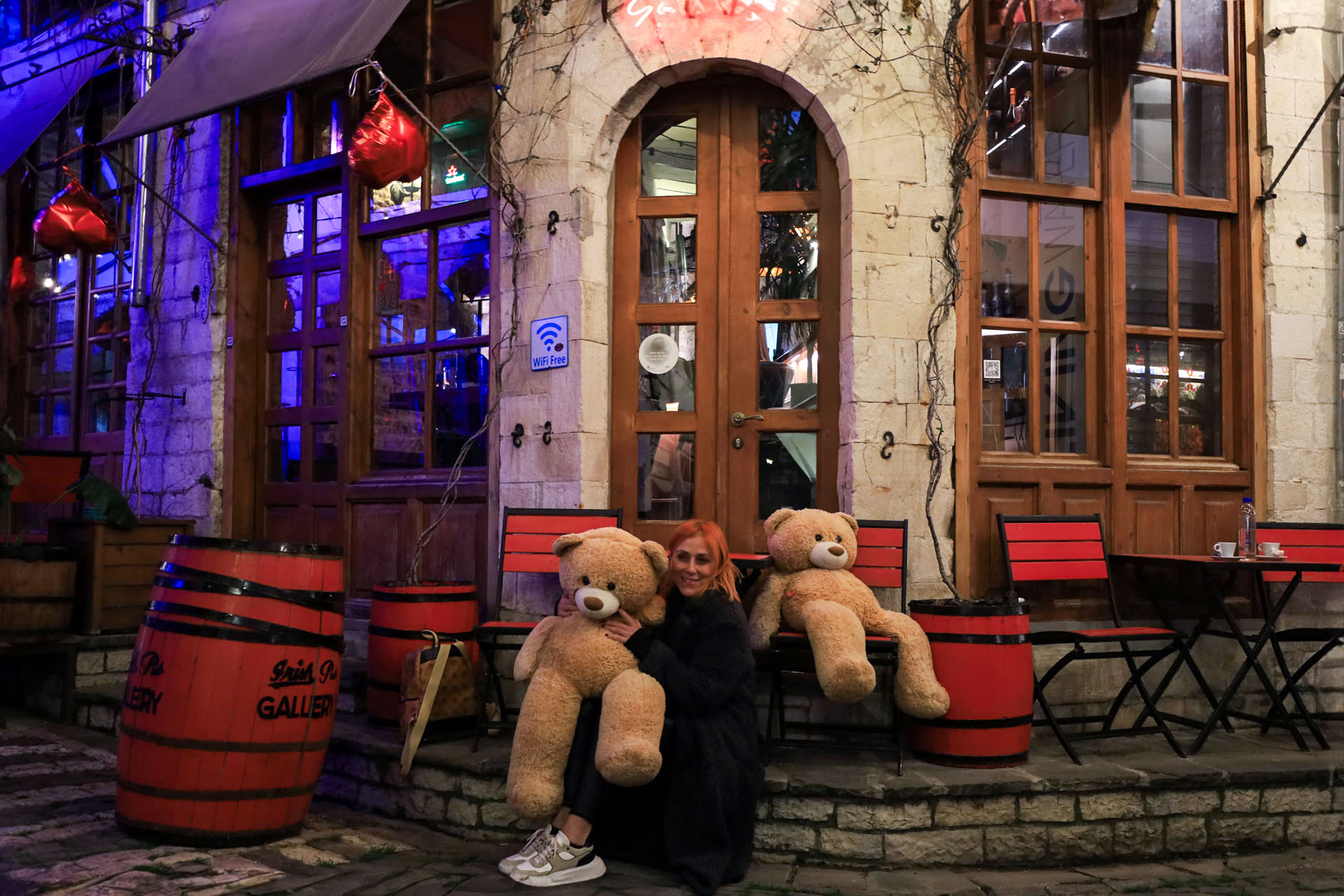
Αργυρόκαστρο by Night

“Here, Harrys, let’s go into this little shop…”
“Excuse me, sir, may I have a bottle of wine?”

Pantomime replaced Harrys’s fluent English, until the shopkeeper finally understood what he was being asked to recommend from the wines on display.

“Niko, I don’t think he understood,” Harrys said to the silent Nikolas.
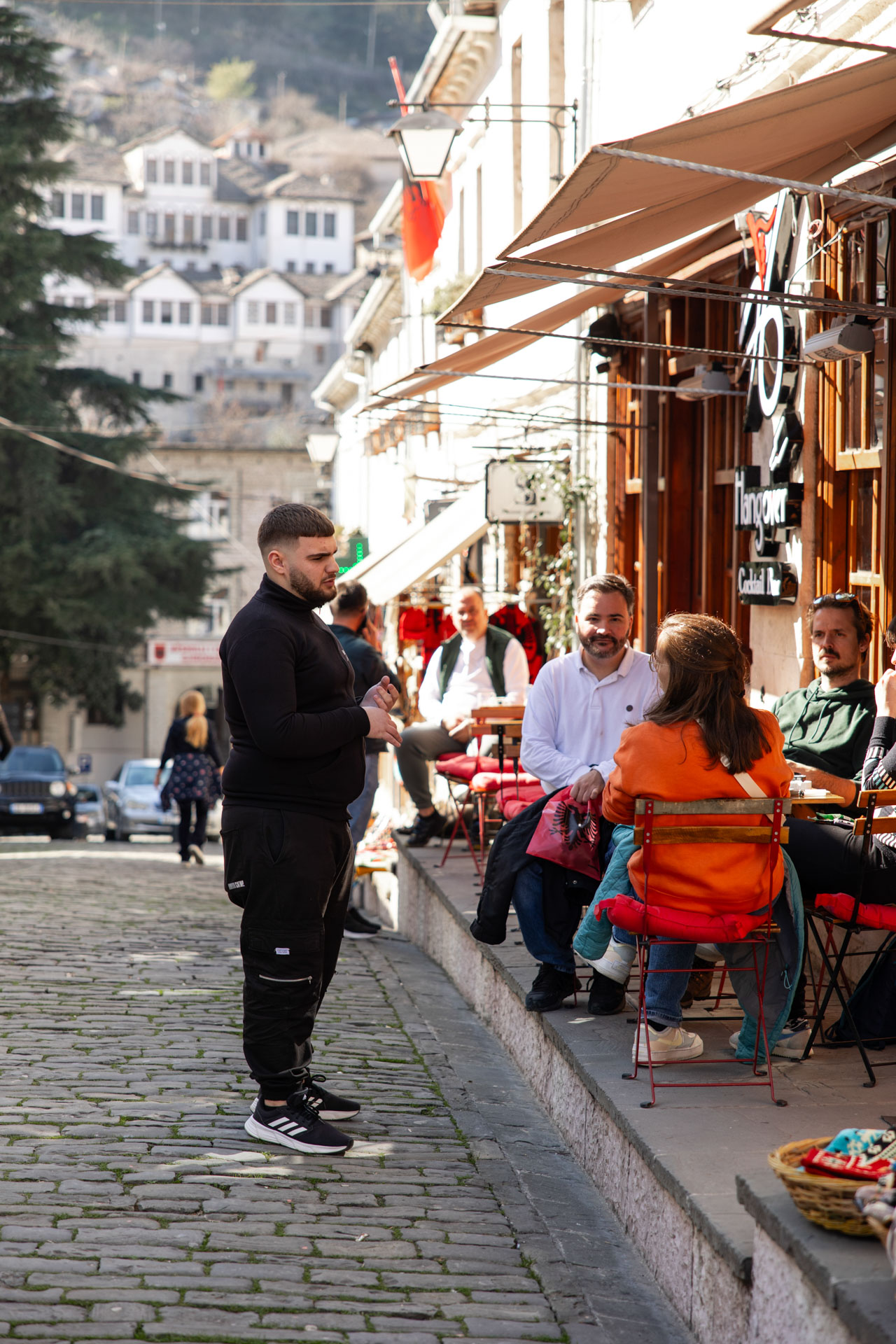
“You speak Greek?” the shopkeeper burst out, a huge smile spreading across his unshaven face.
“You speak the language of the gods and you’ve been torturing me all this time with English? Are you deaf?” he added, pointing to the TV box.

Only then did we, the stunned and foolishly cheerful ones, hear the Greek folk songs playing on the television, in some pre-recorded Greek show by Spyros Papadopoulos.
“I knew it reminded me of something… I knew the atmosphere felt familiar,” Nikolas murmured.
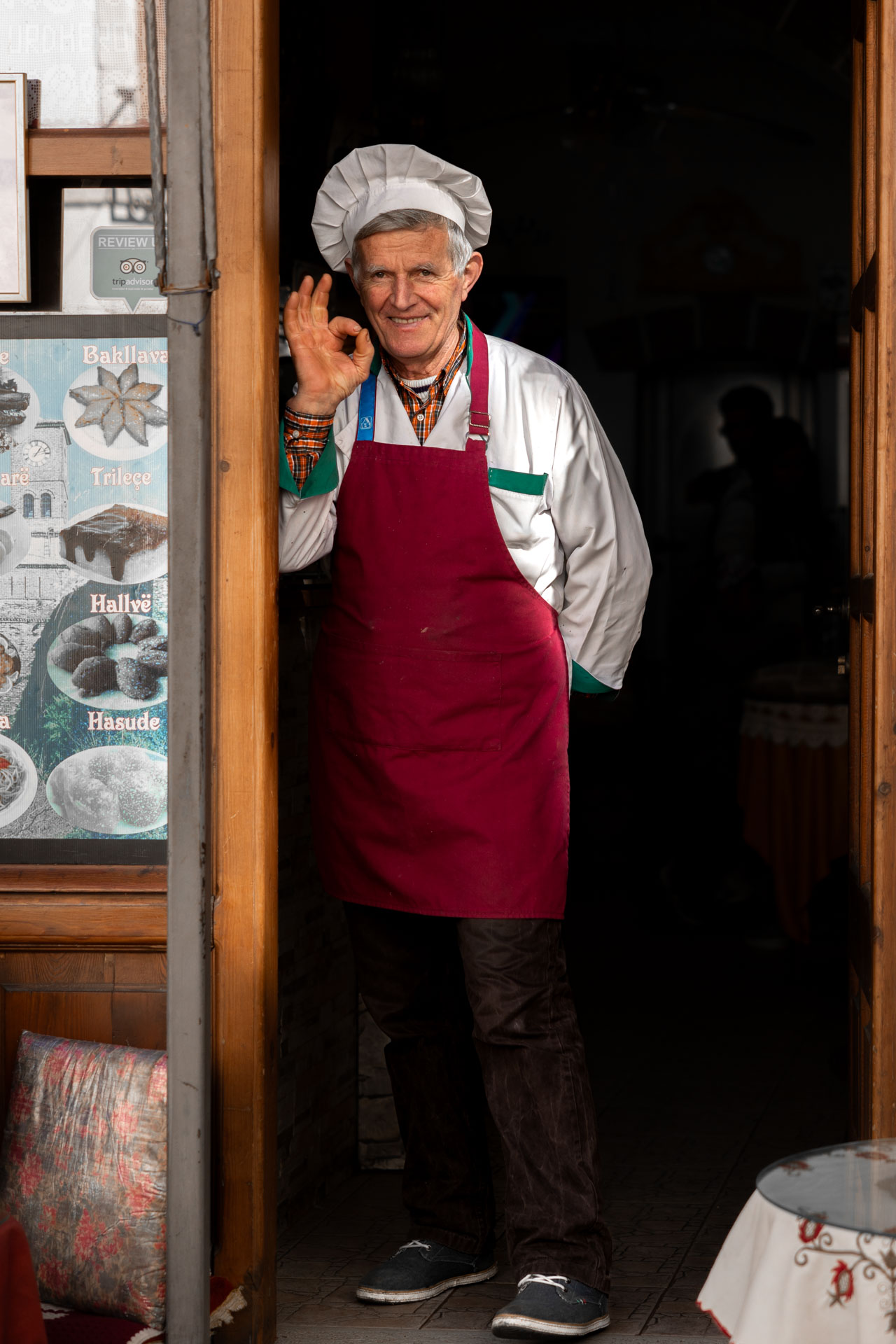
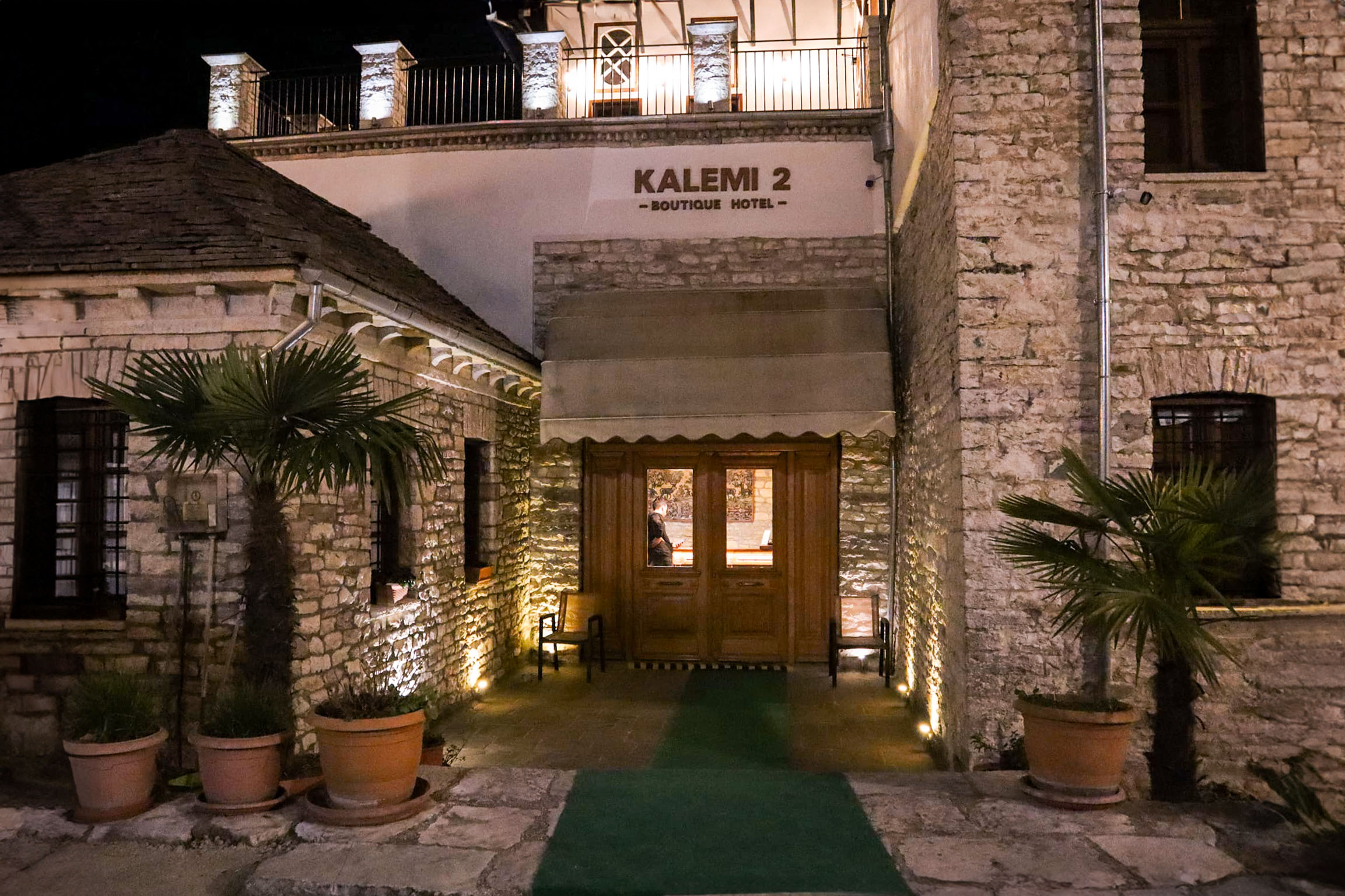
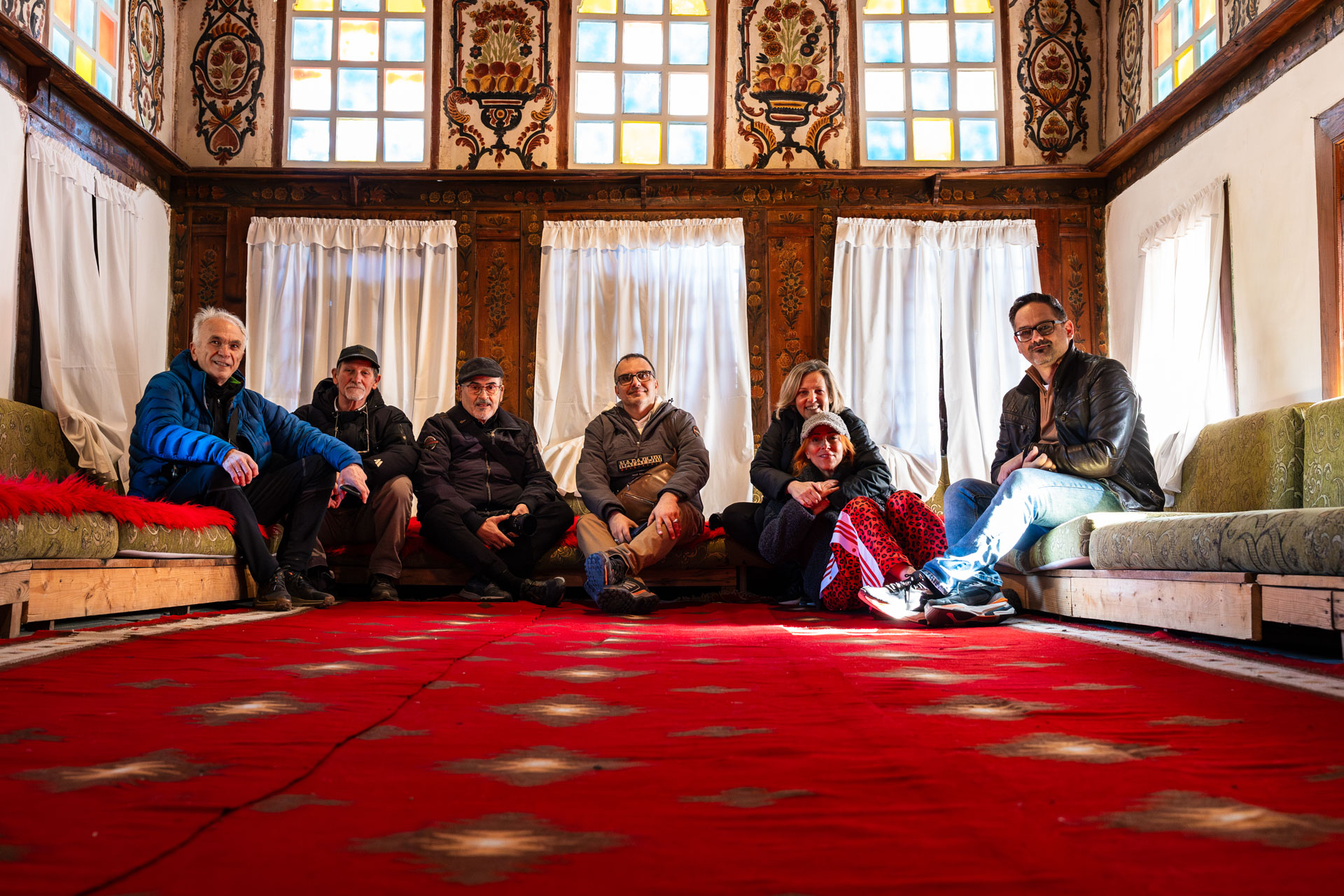
Sleep in the old mansion that generously offered us its hospitality was deep and restorative for our entire photographic company. At the breakfast gathering, smiles remained permanently carved on our faces, probably caused by the homemade meal that had been offered to us.

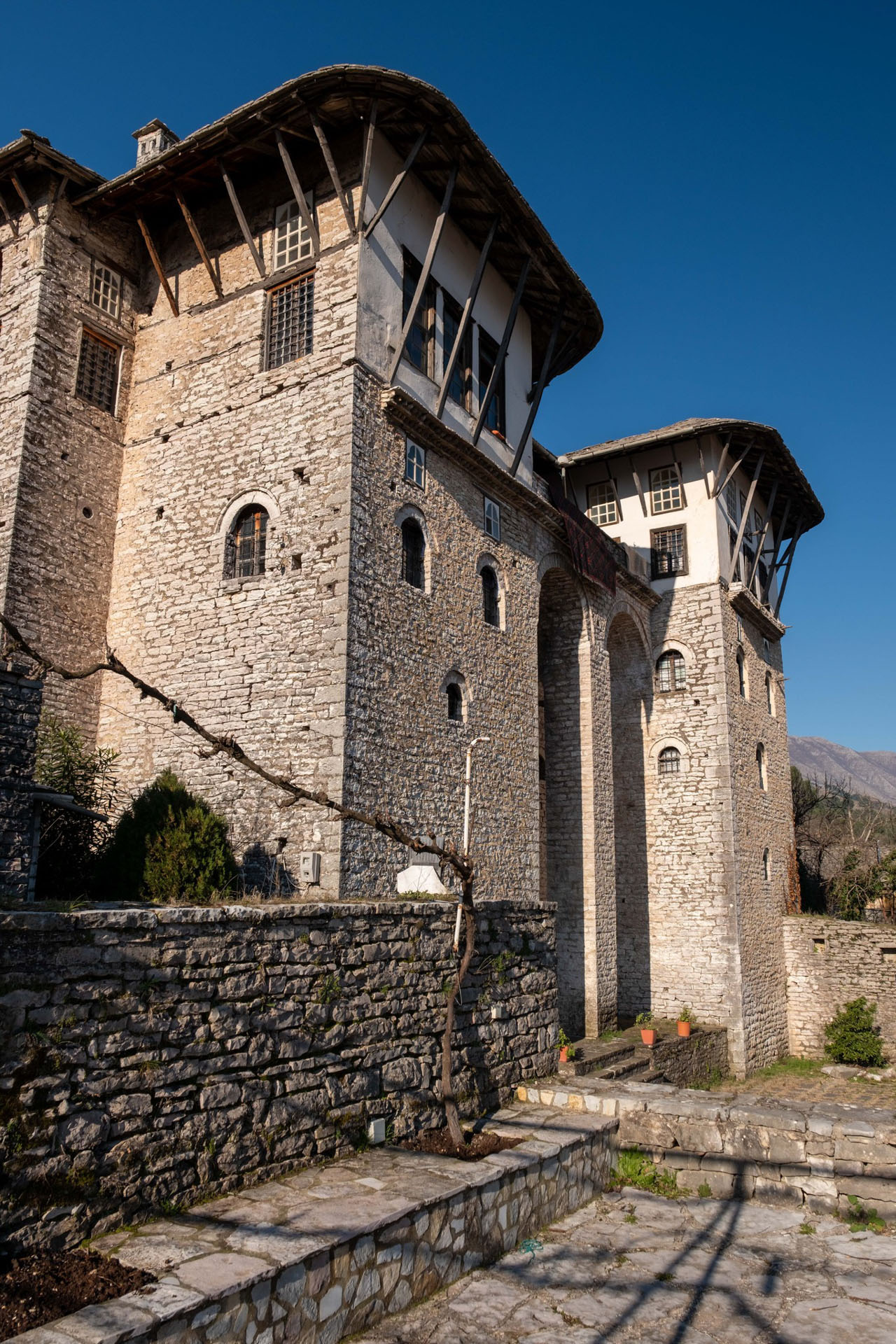
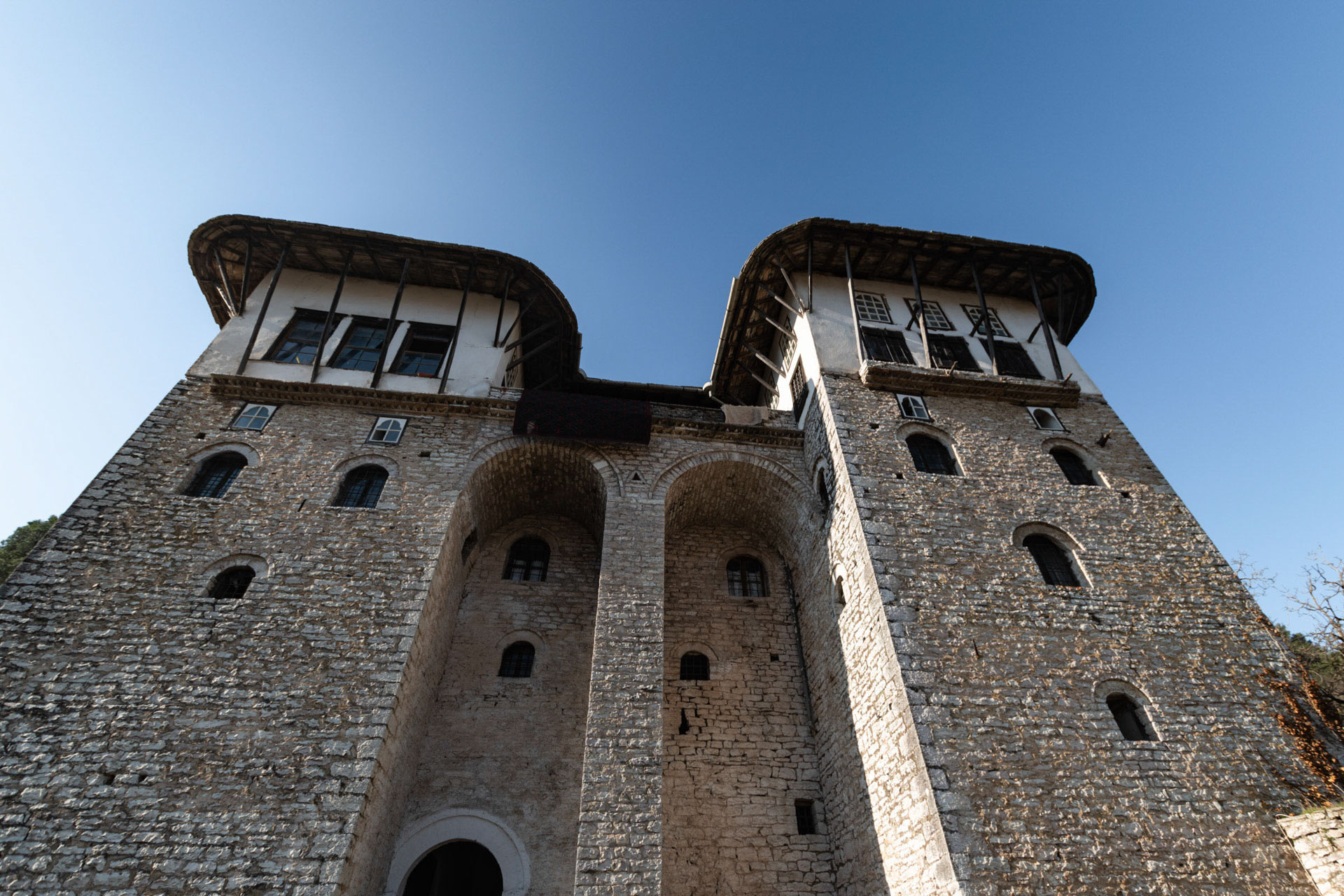
Gjirokaster - Zekate House

“Spread out, come on! We’ve got a walk ahead of us…” Demosthenes urged the slow-moving, giggling crowds.

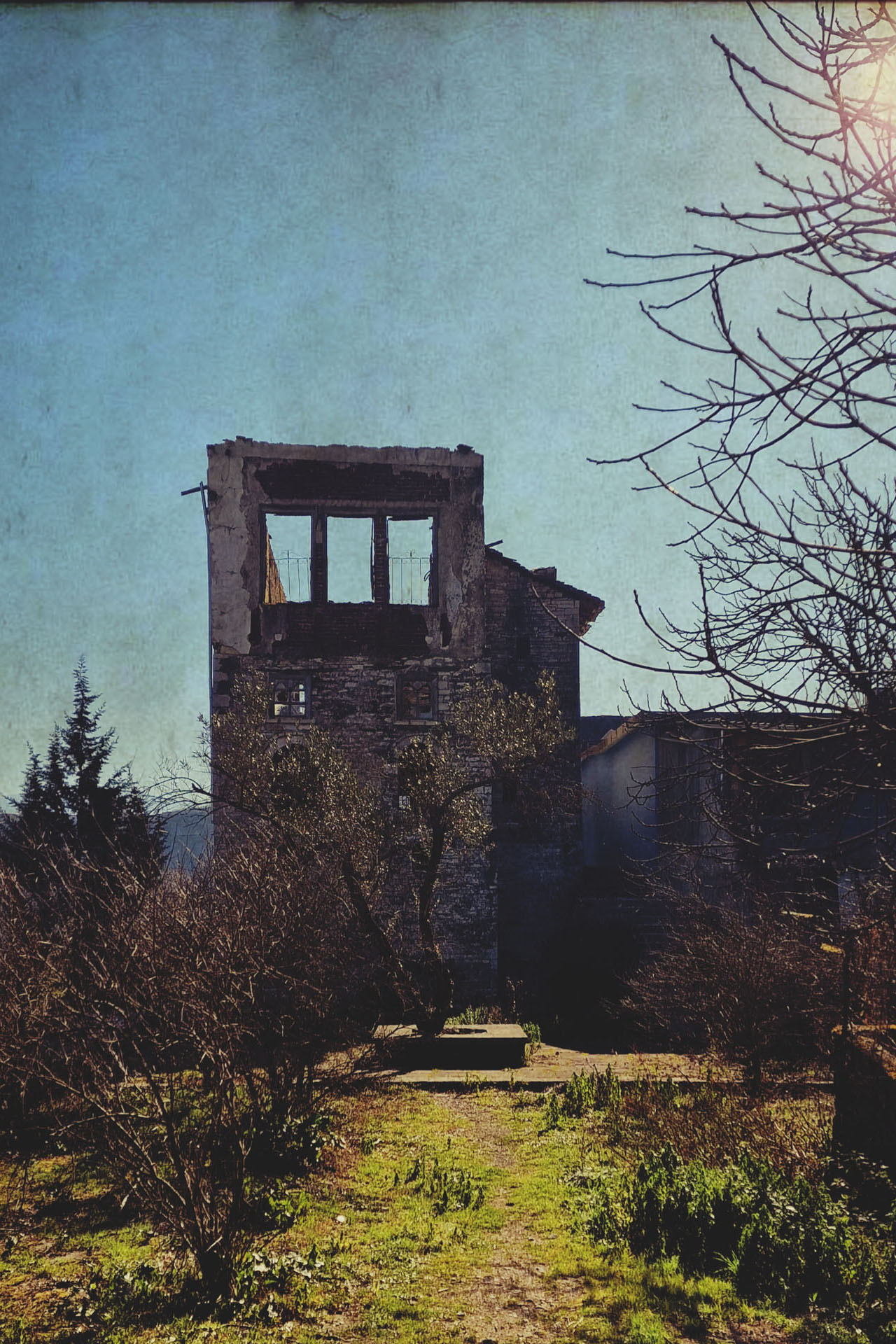
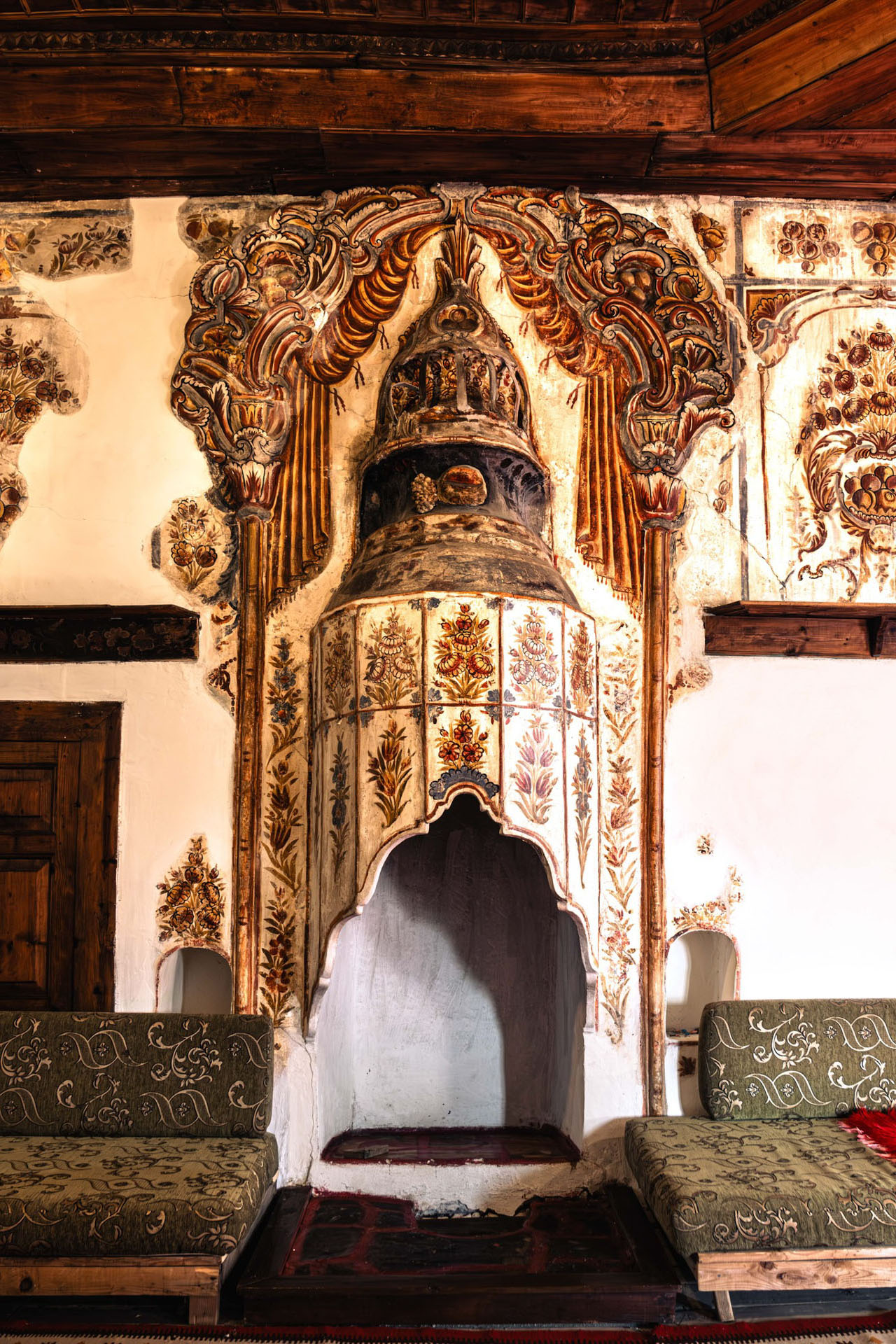
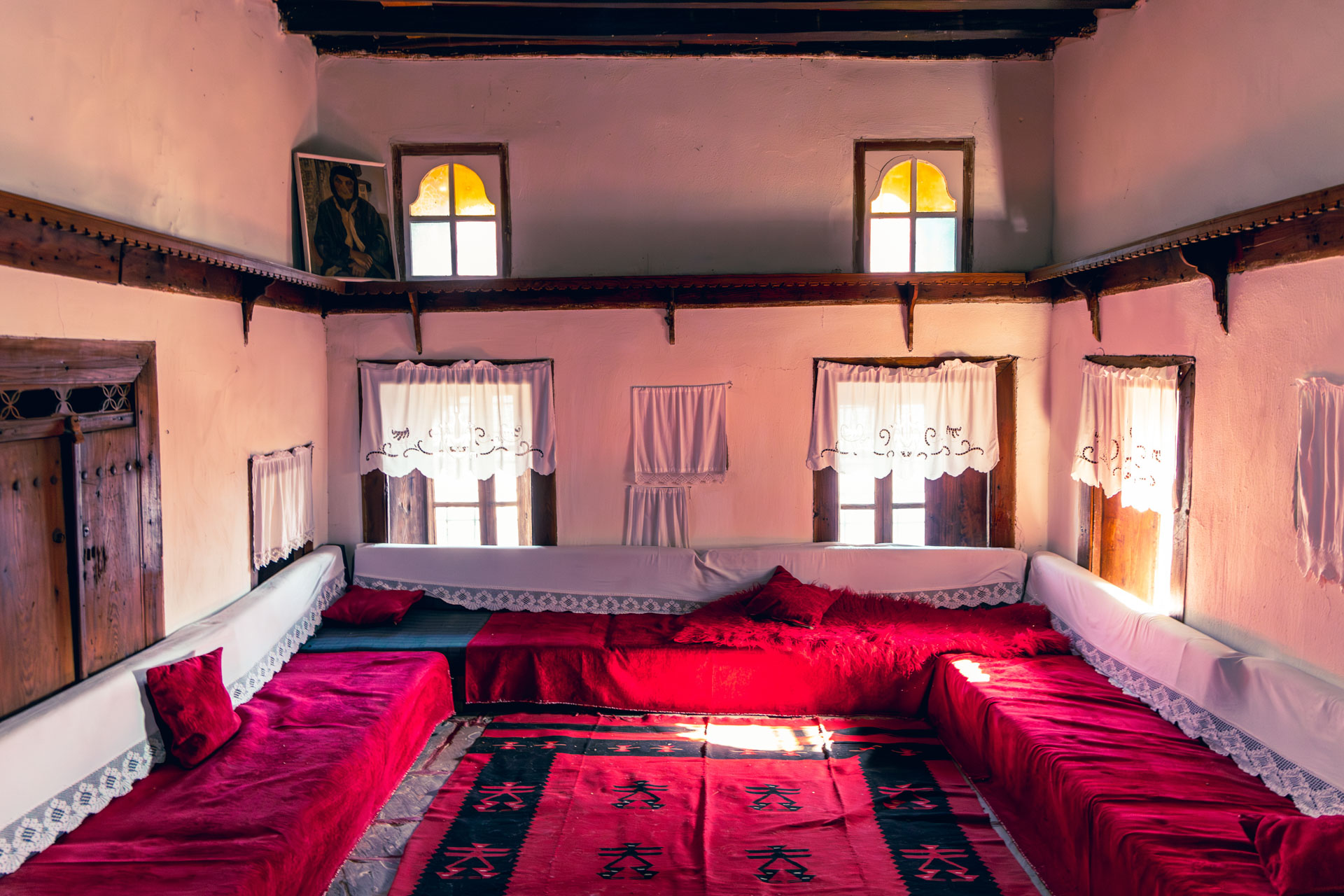
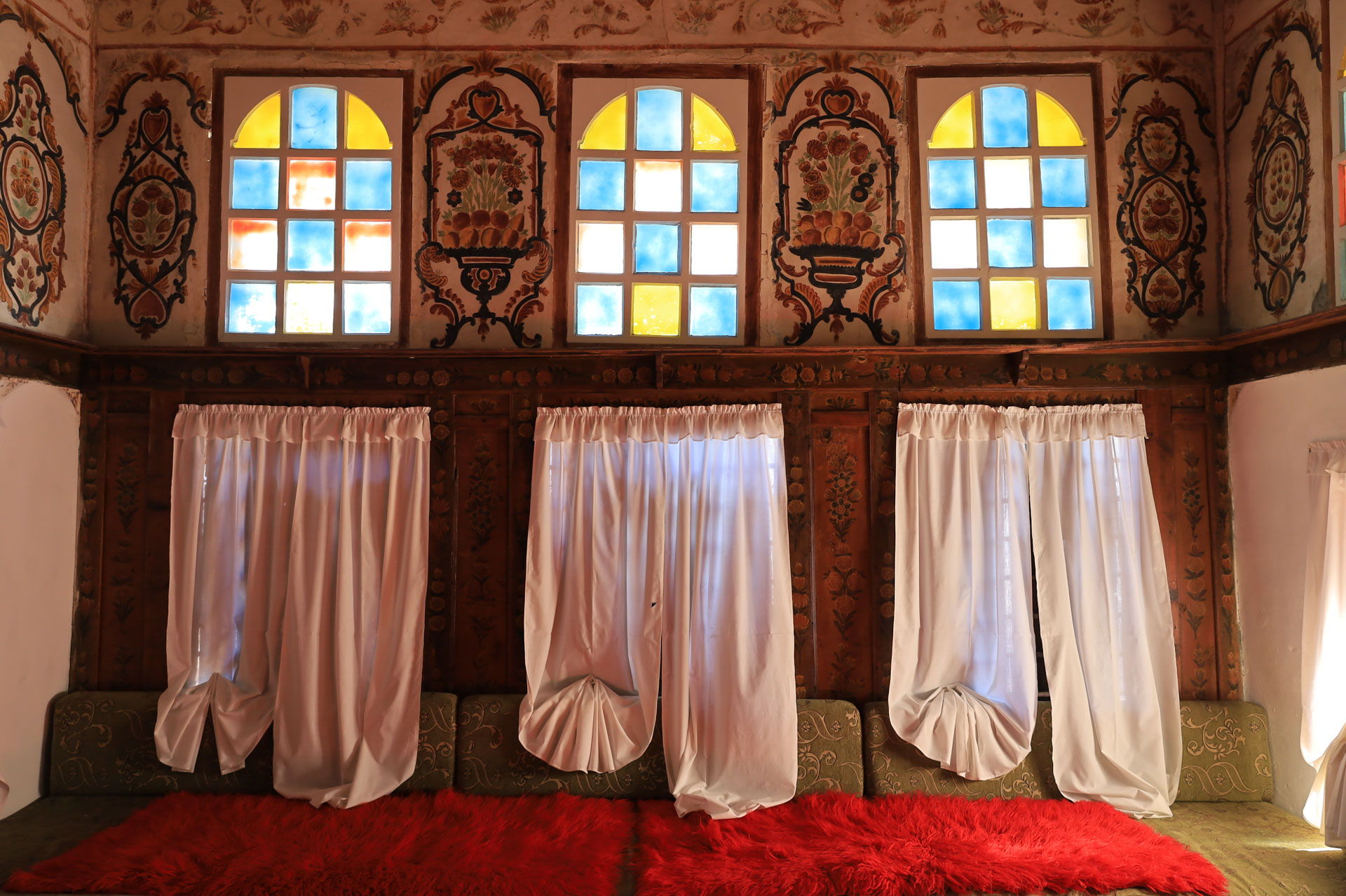
The breakfast soon sat heavily in our stomachs after the exhausting climb to the Zekate House in the northwestern part of the city. A huge four-storey building from the late 1700s, it stands proudly, showing the present generation that people in the past also knew how to spend their money.

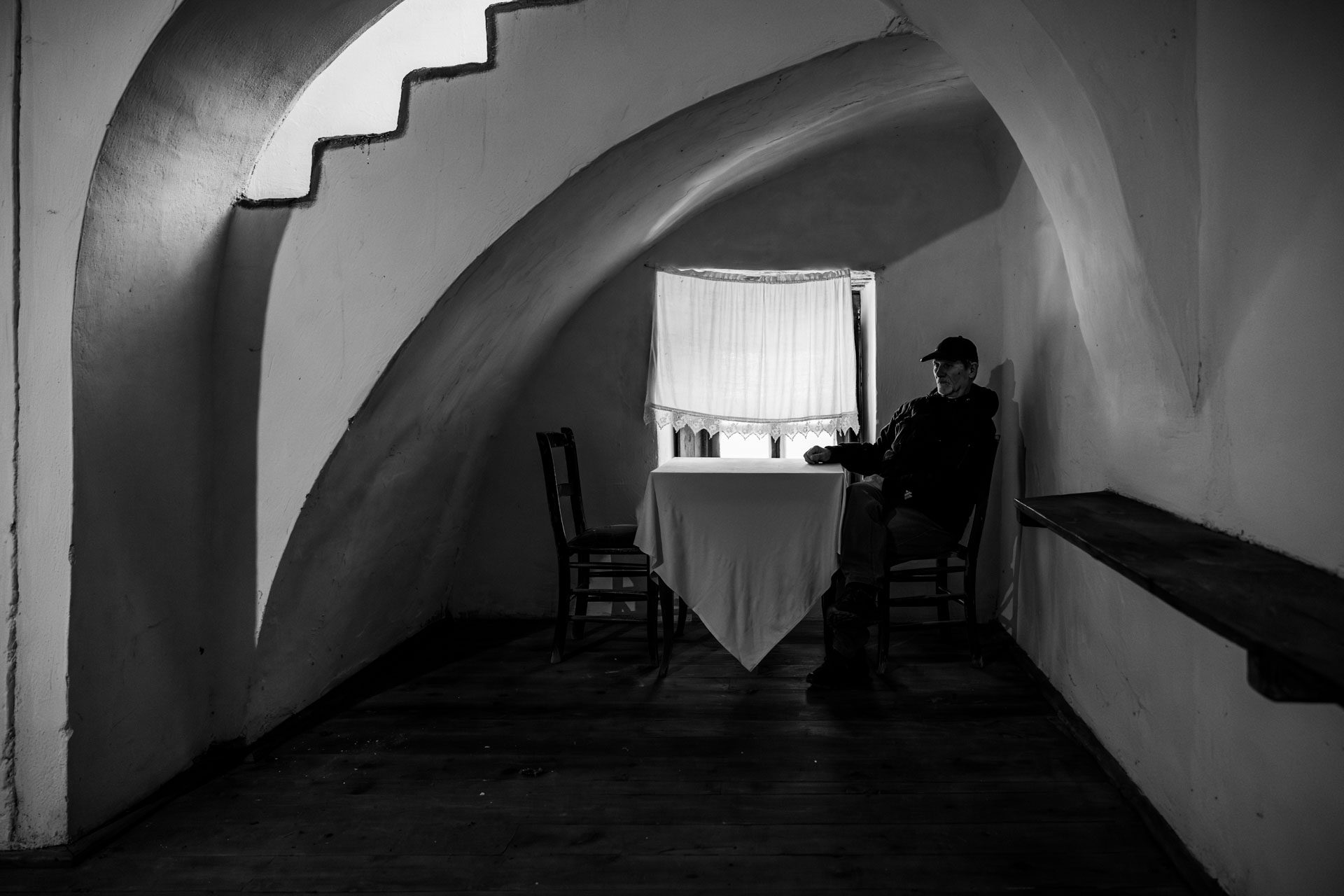
The hospitable guide, an old descendant of the owner by marriage, led us through the interior and explained the structure of the magnificent building in flawless Greek. It even had an internal cistern holding hundreds of cubic metres of water.

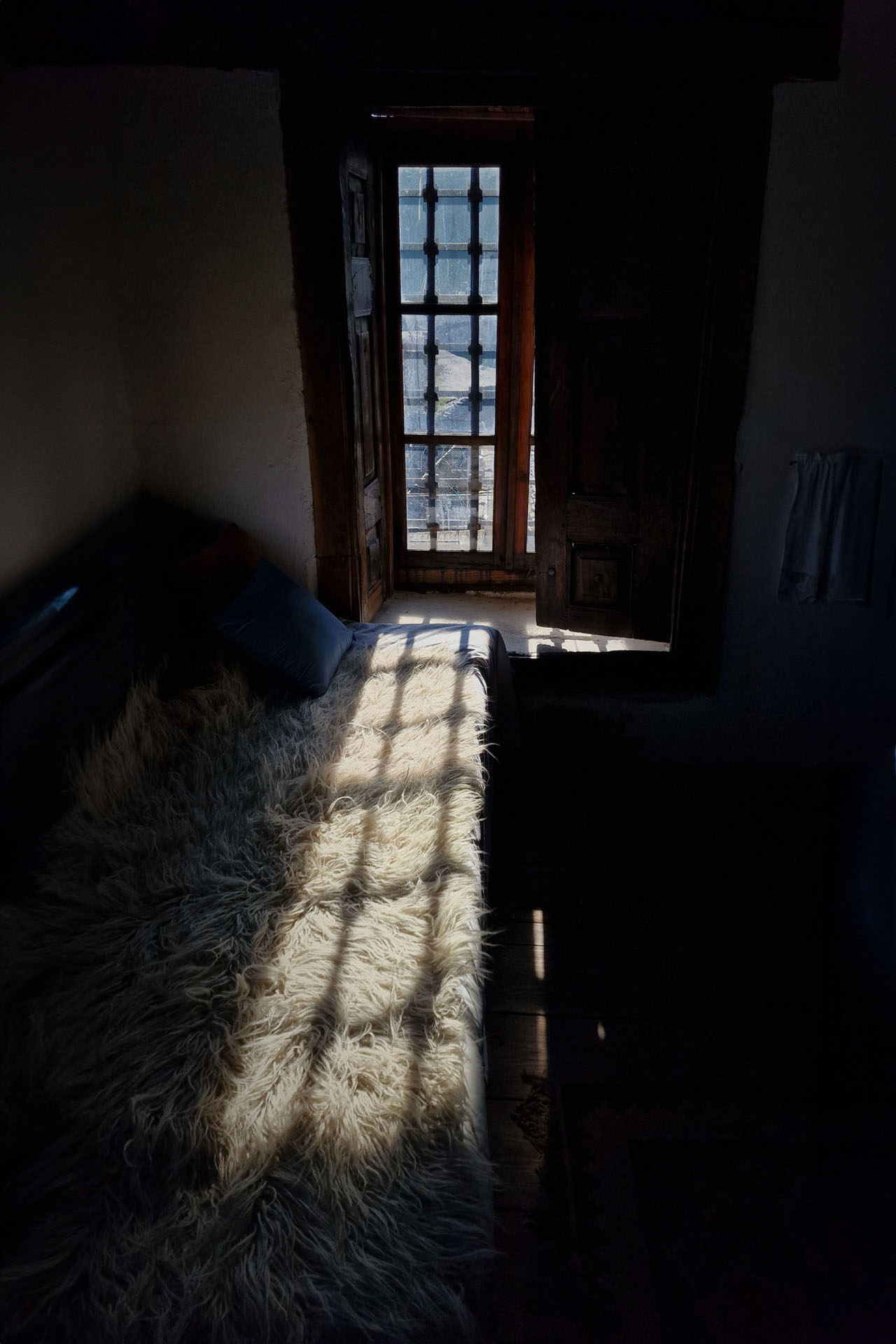
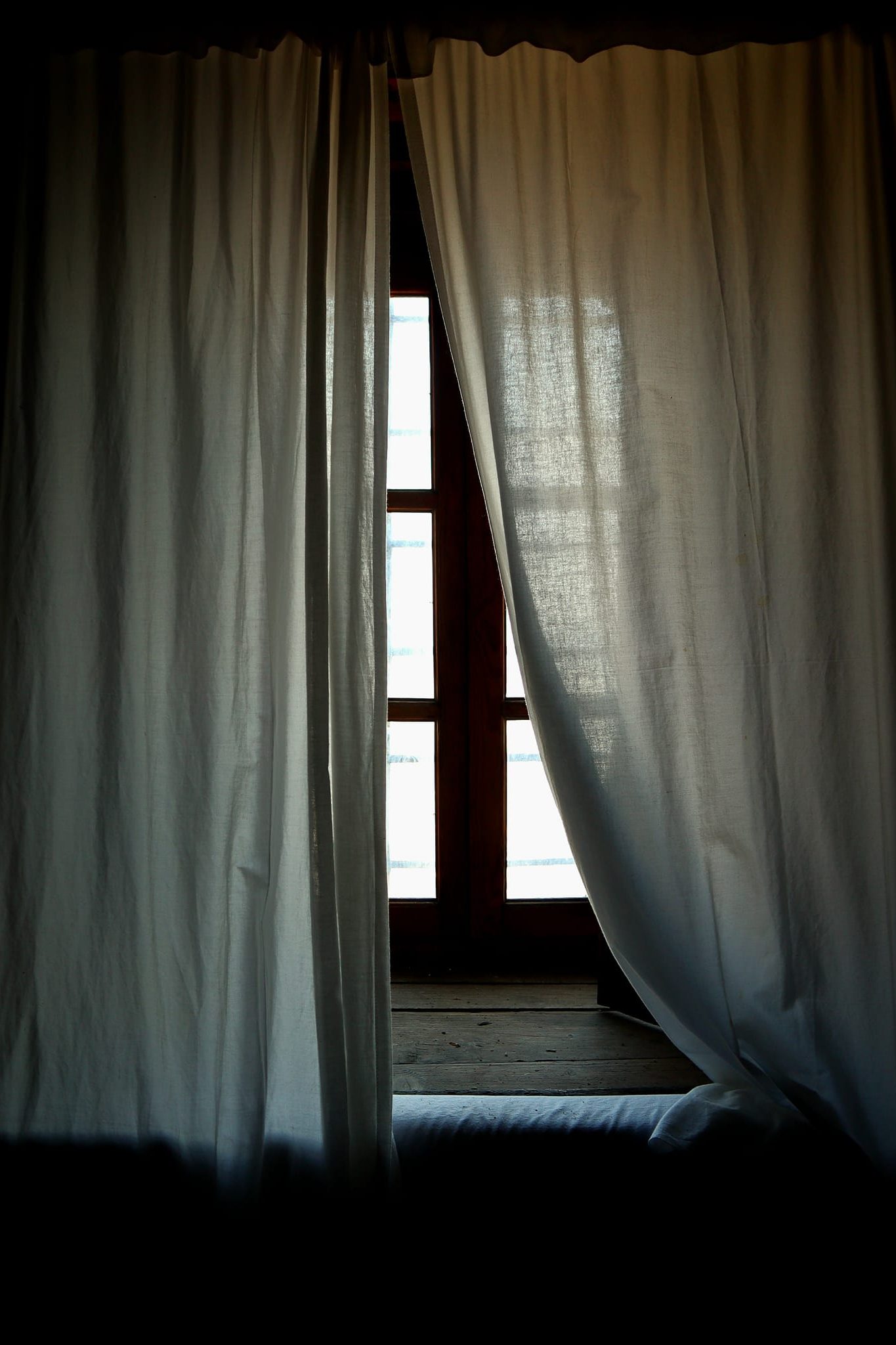
The cameras needed no further encouragement. We fired them up, leaving no corner and no window unphotographed. We even had Maria step out onto the balcony to shake out the flokati rug, something like Rapunzel, only with short hair.

There was no end to our artistic euphoria, until Dimos, almost by force, gathered us together, because time does not much care for premonitions.

Këlcyrë

The Këlcyrë Gorge was marked on the schedule, but no sign on the road directed to the place where hundreds lost their lives in the narrow valley of Trebeshina.

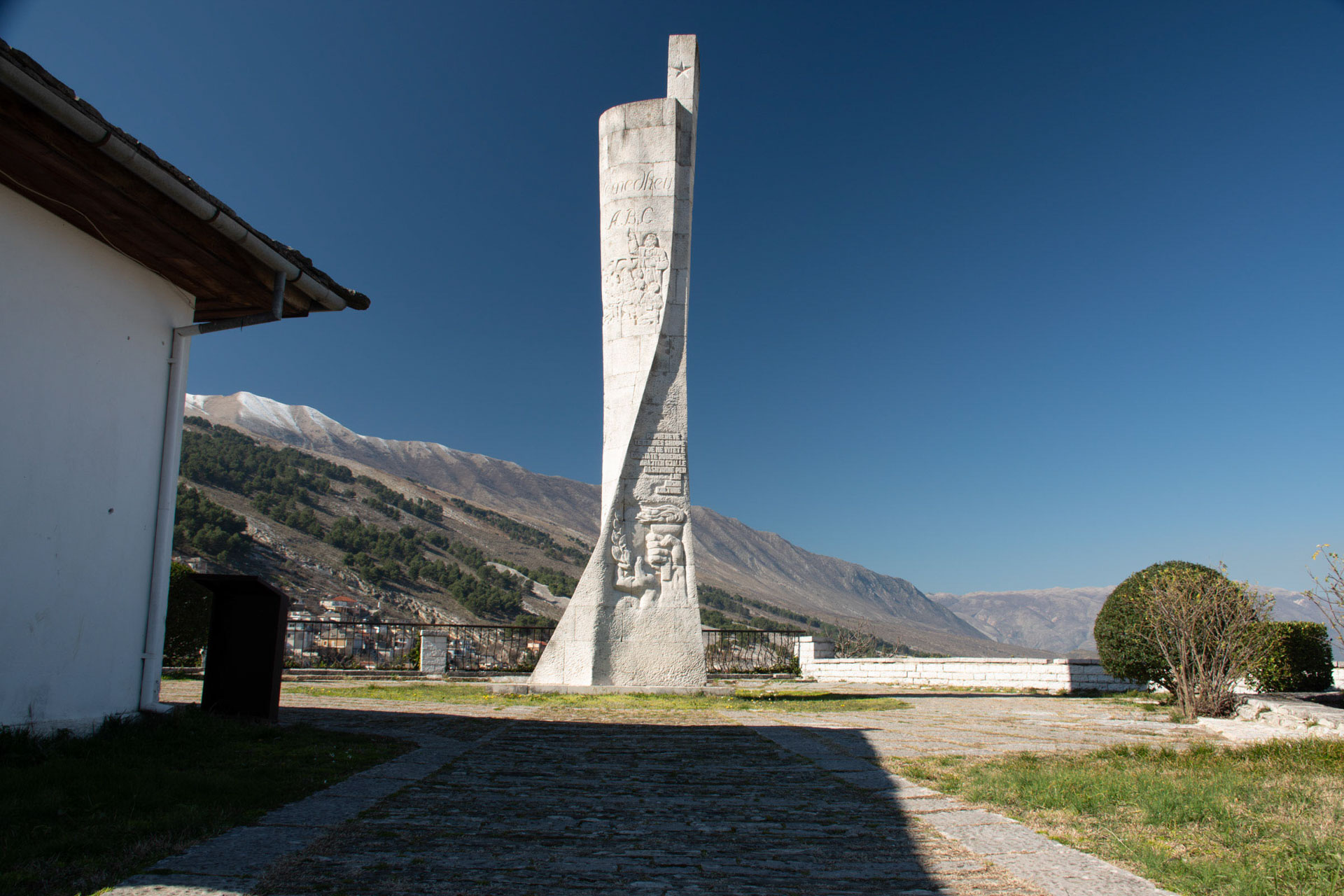
Some police officers eventually helped us, and a chill ran through us when we saw the white, anonymous marble stones. No testimony on the lifeless stones; unknown dead, “obedient to the words of those who came before them”; silent heroes; numbers in the meat grinder of history, and a state absent, because, apparently, the cost of identifying them through DNA was too great.

A half-formed sob, lost in the blinding sun, was our own humble offering to those sacrificed on the altar of human hysteria. Then everything resumed its course, after our brief stumble.

Tepelenë and the Thermal Baths of Përmet

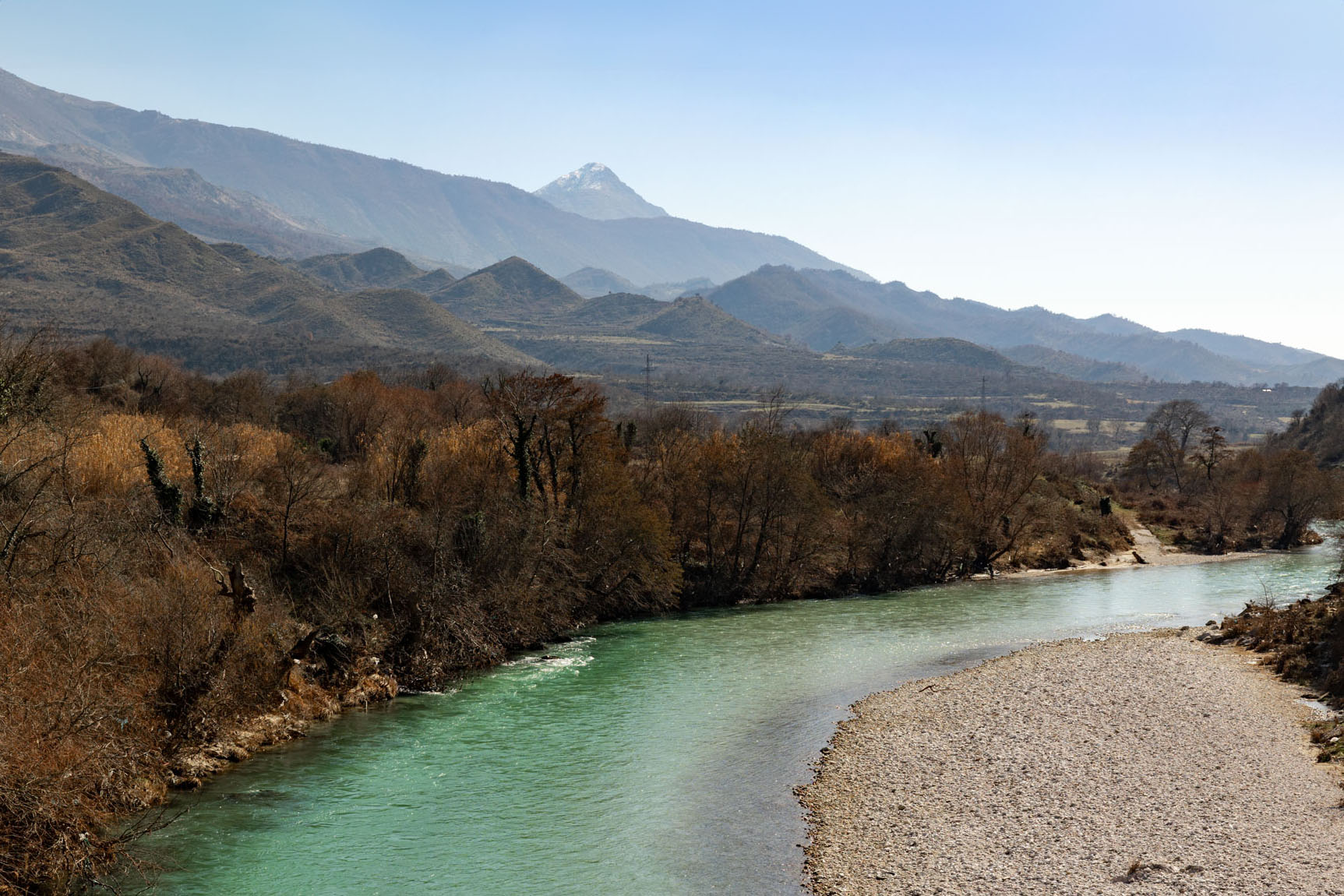
Tepelenë was the next stop, there in the valley where the Drino flows into the Aoos, as the river turns towards the west of the Albanian interior.

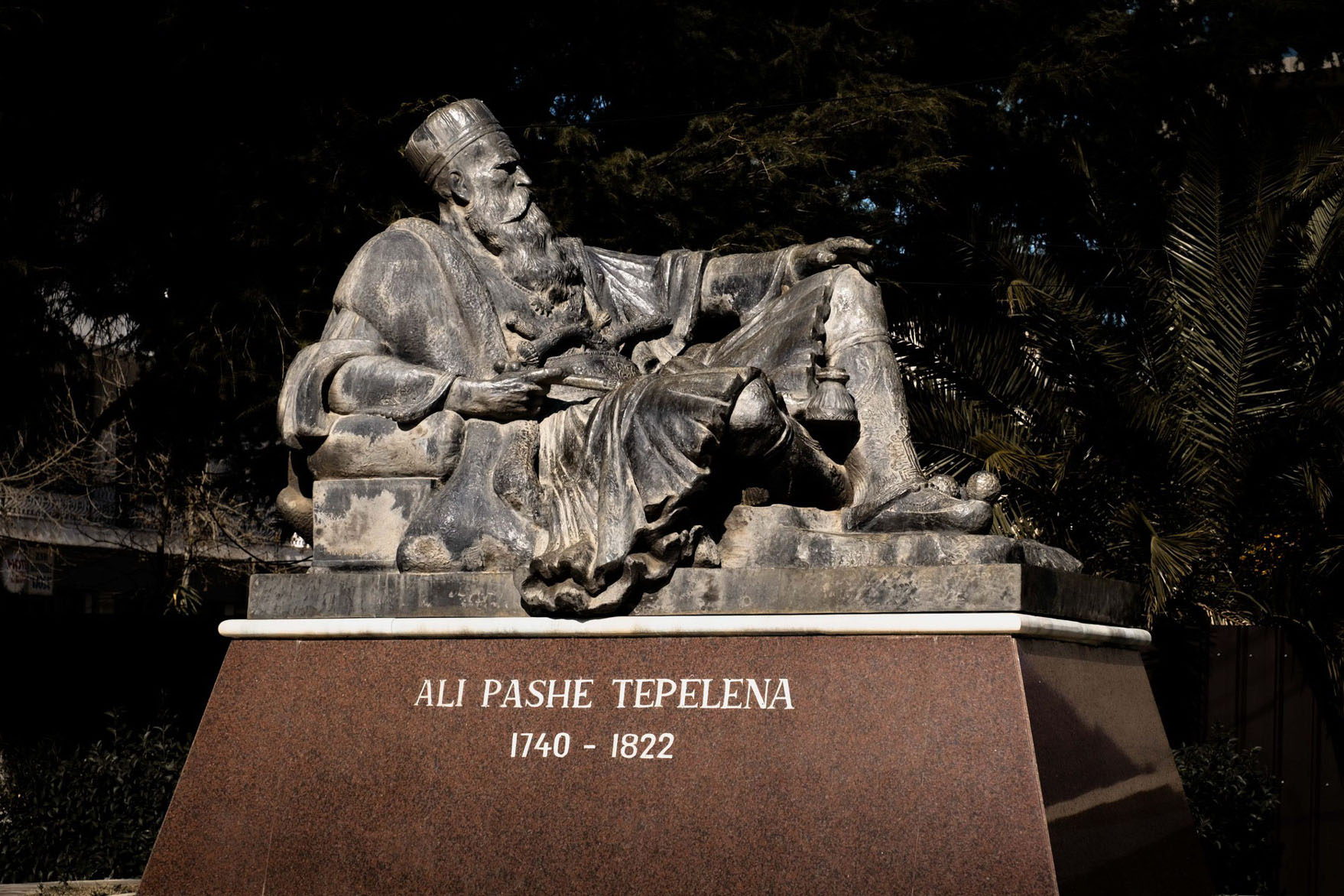
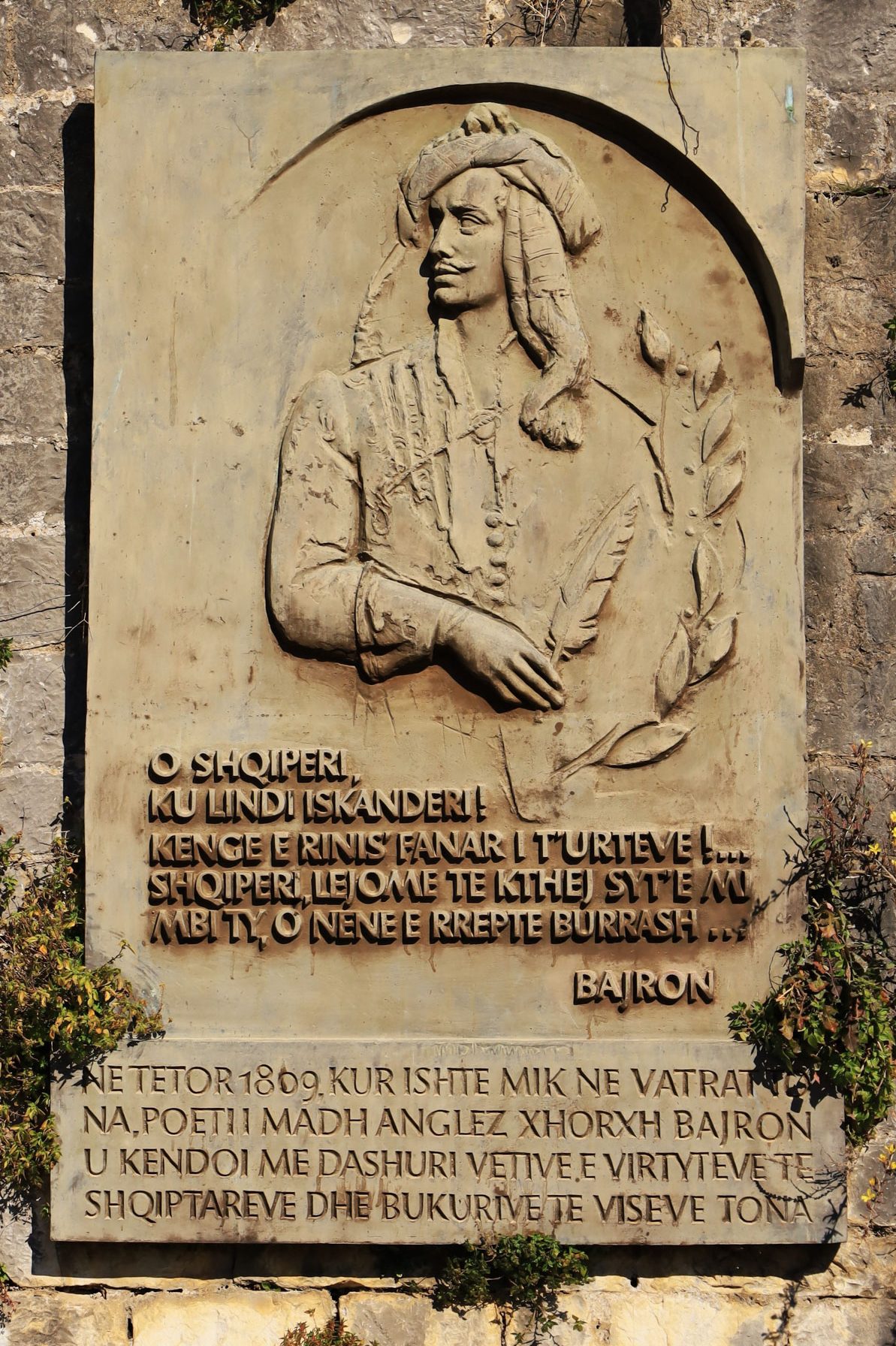
It is a small, clean town, with low buildings and a cobbled square that leads to its castle. There were few points of photographic interest, the dominant one being the bust of the infamous Ali Pasha of Ioannina, posed in a rather leisurely manner.

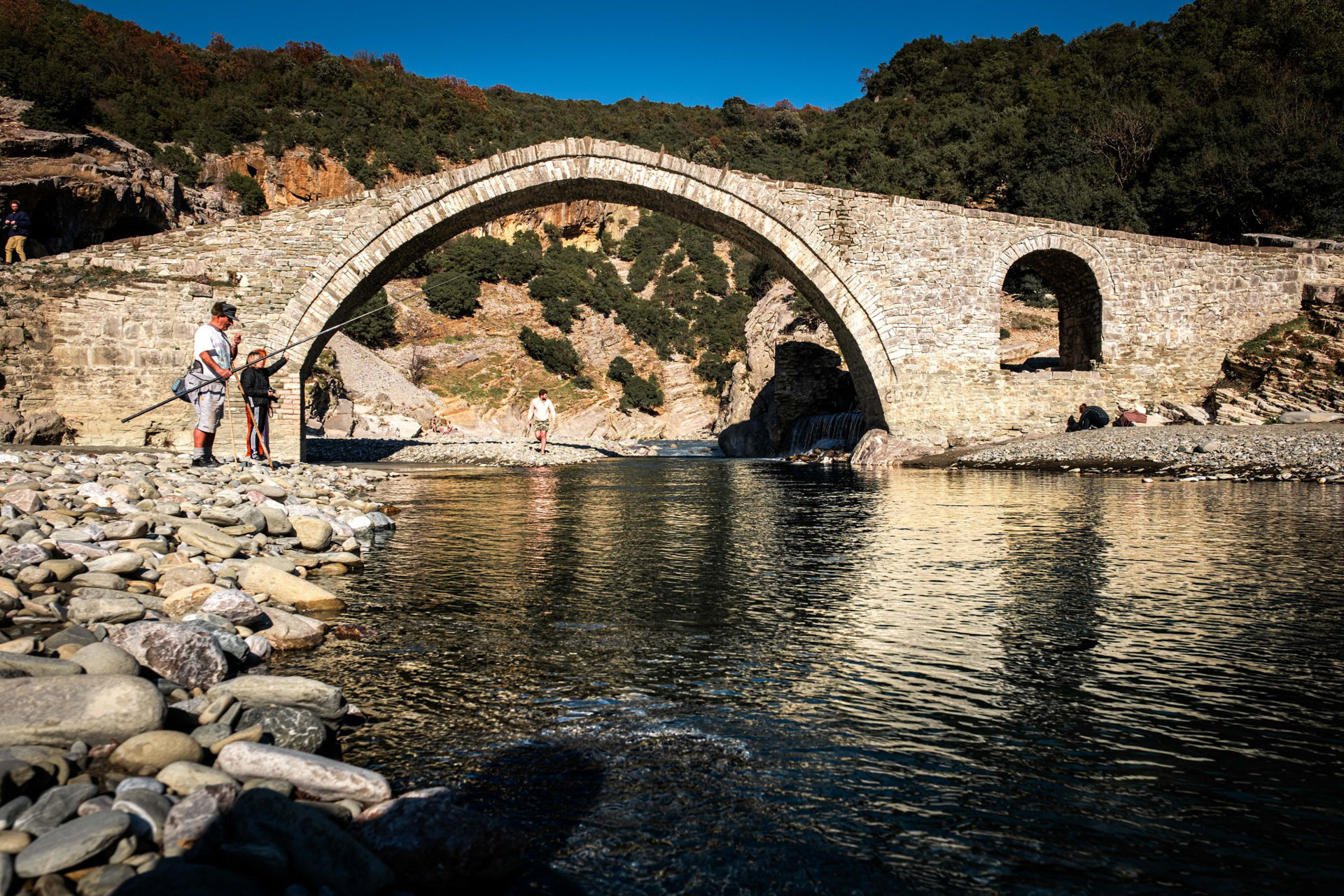
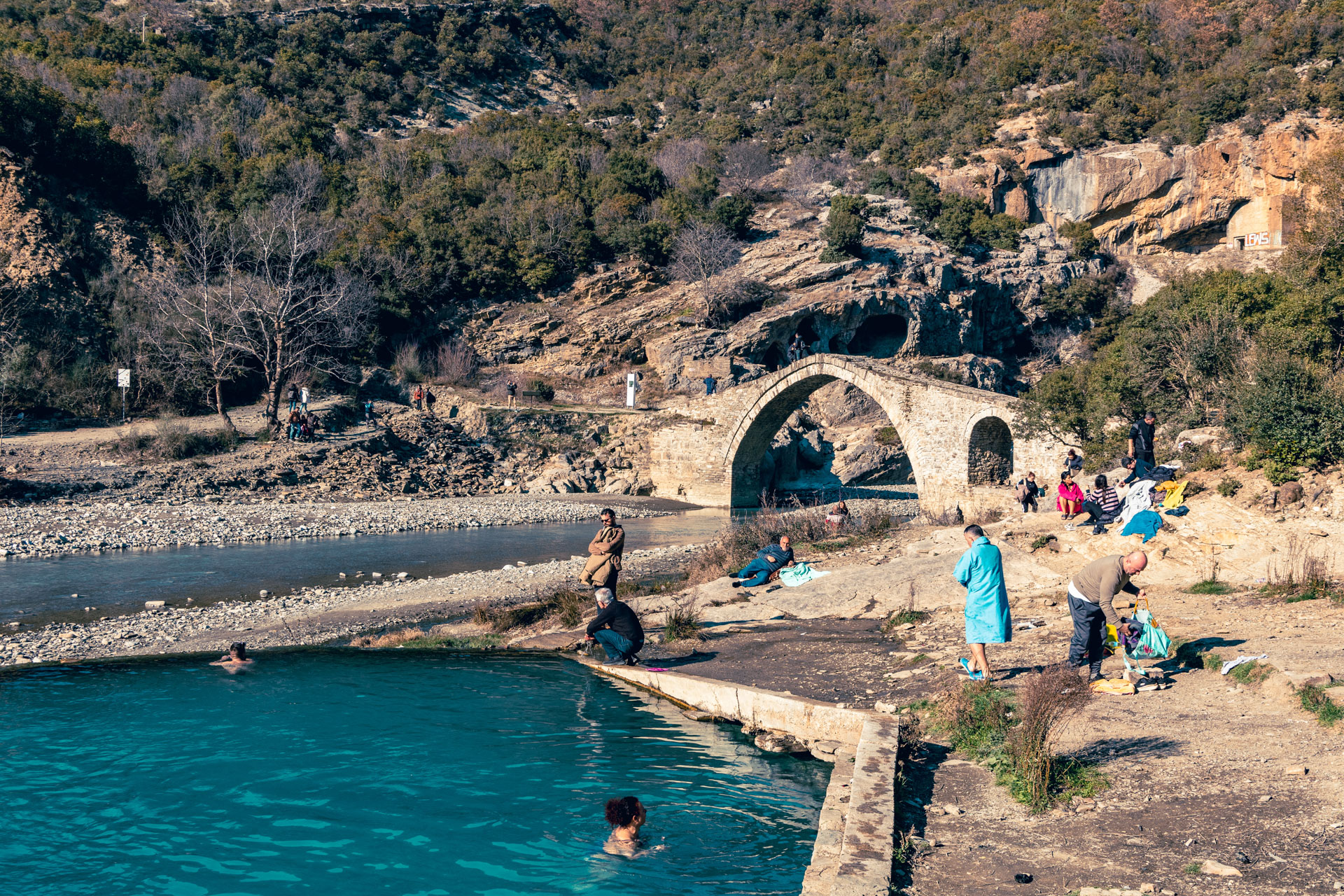
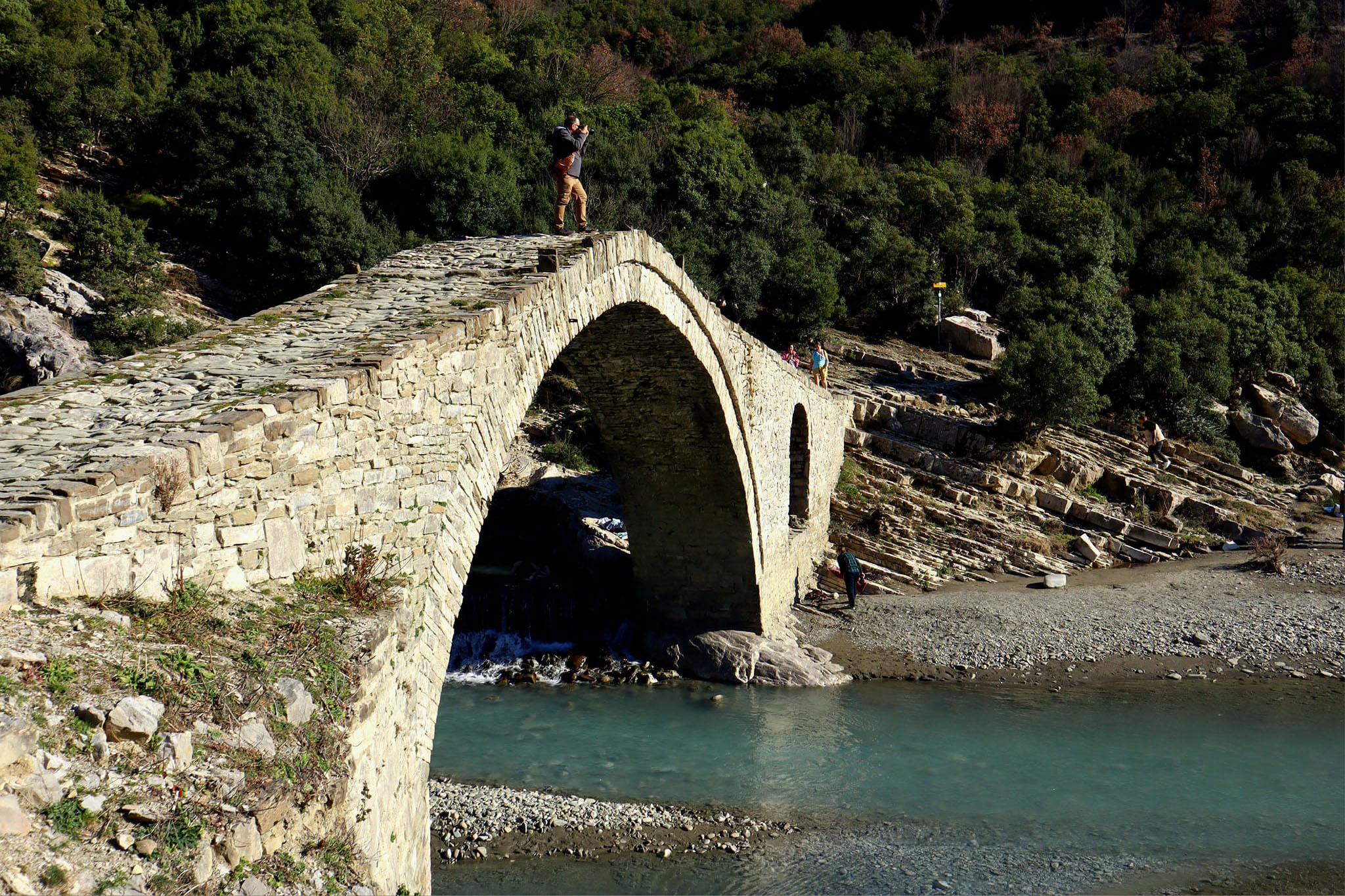
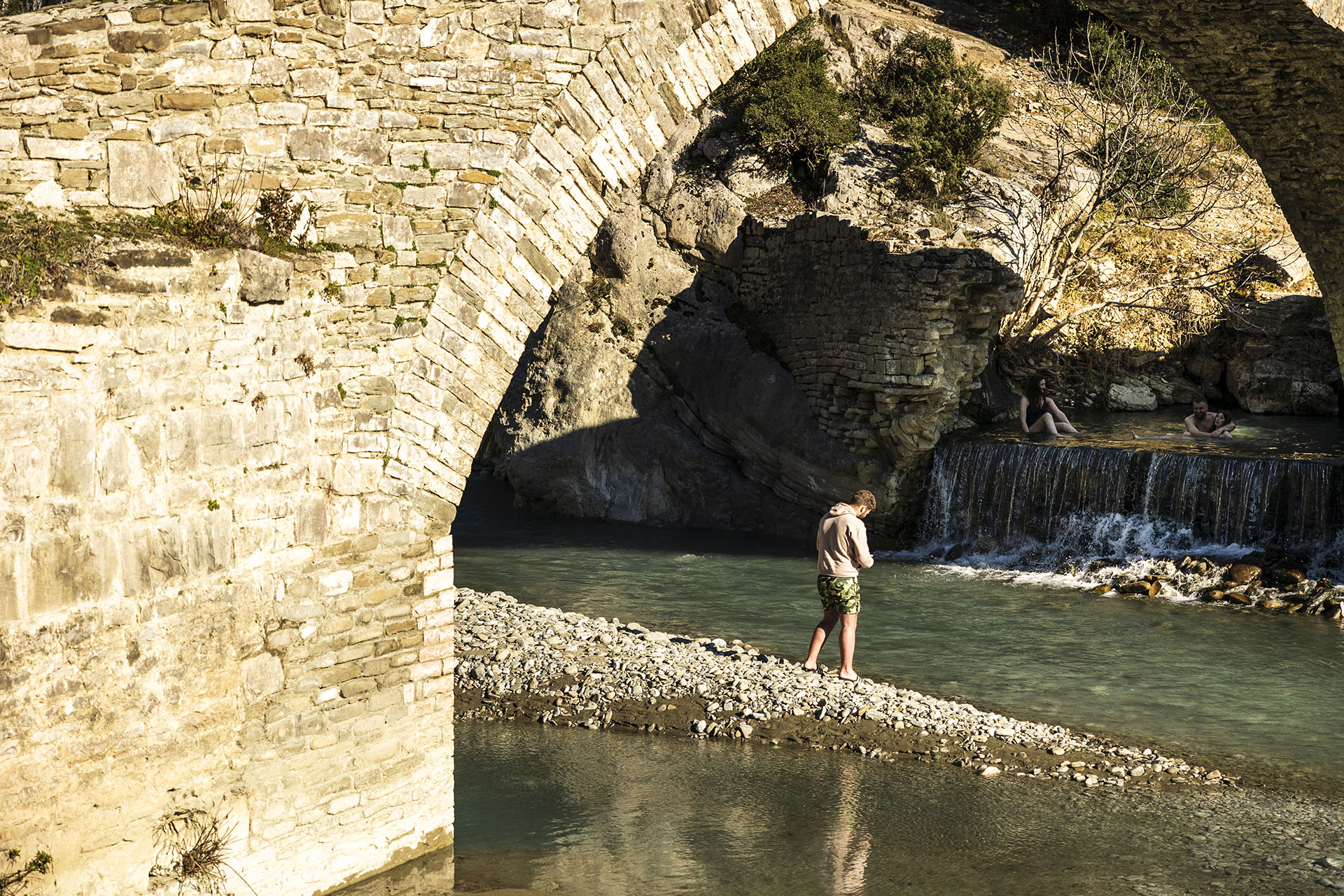
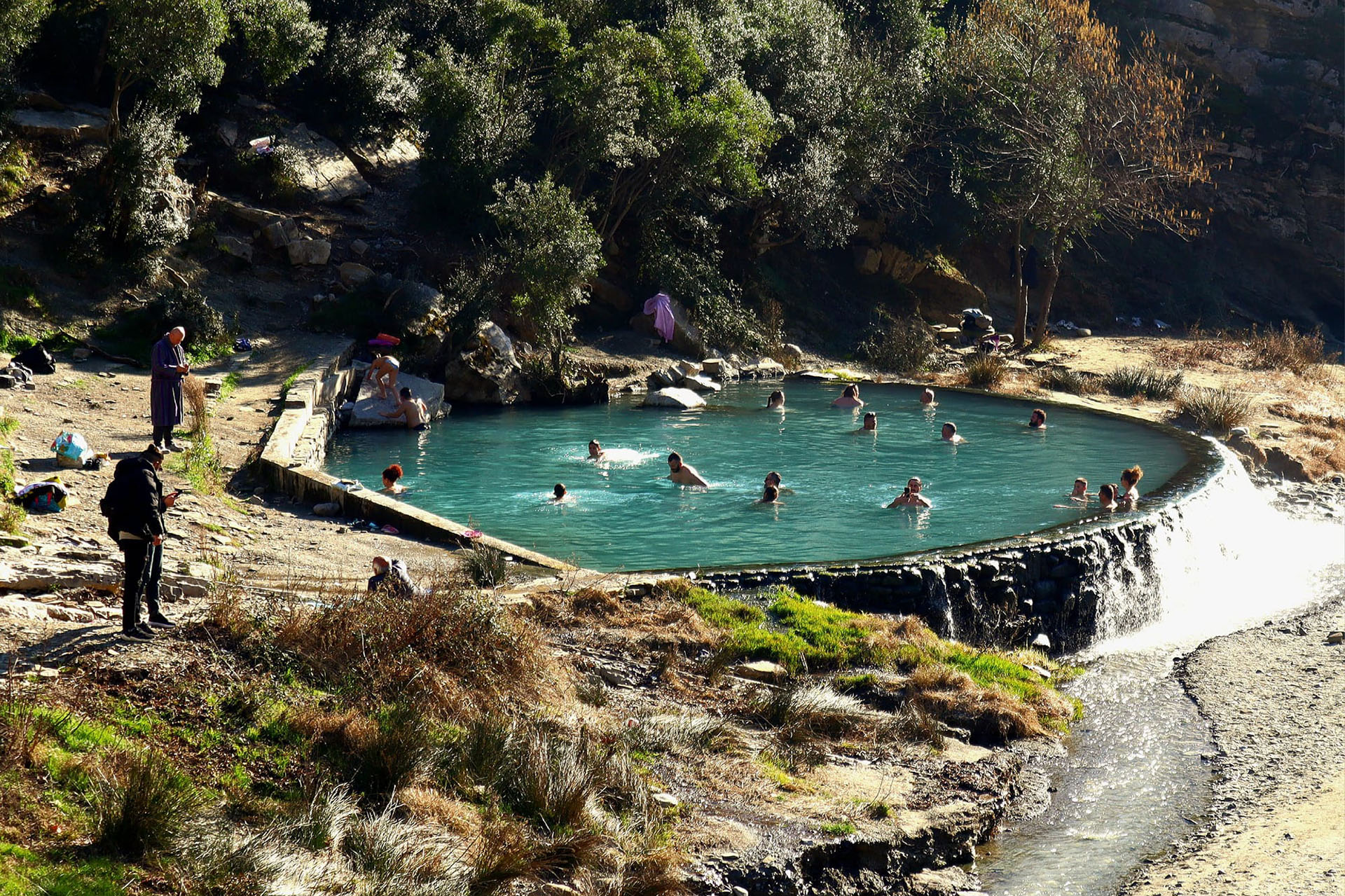
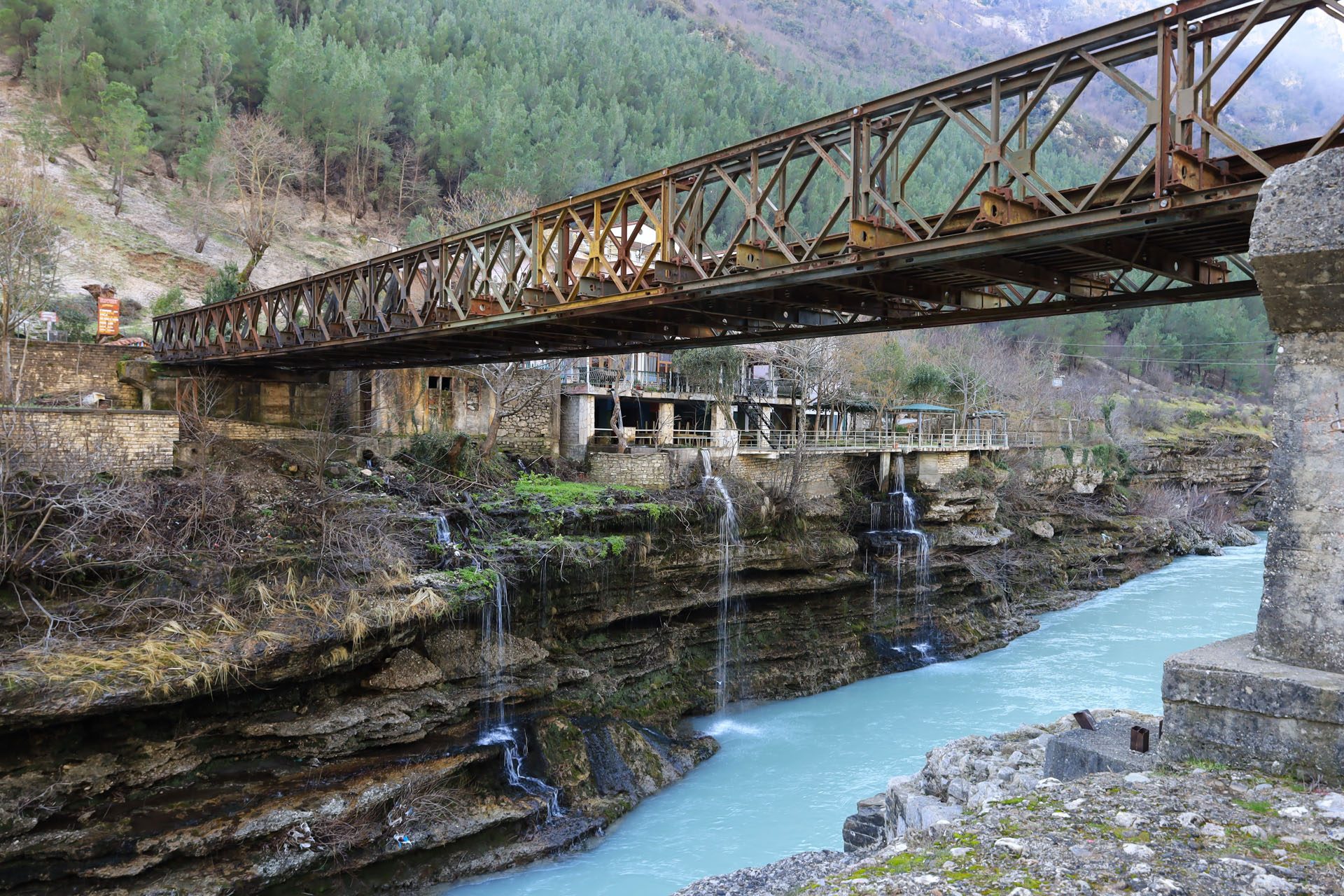
We finished our acquaintance with him quickly and took the road along the Aoos to visit the thermal baths of Përmet and the single-arched stone bridge of Kadiut.

The smell of sulphur greeted us, along with the mud of the road. The bridge, lit as it was by the afternoon sun, offered us satisfying frames.

The natural pool where visitors bathe in the distance, with enormous off-road vehicles parked along the edges, gave us the contemporary image of our charming neighbour. Albania is full of contrasts, but determined at last to turn the page, plant its feet firmly, and insist that it also belongs to the West.