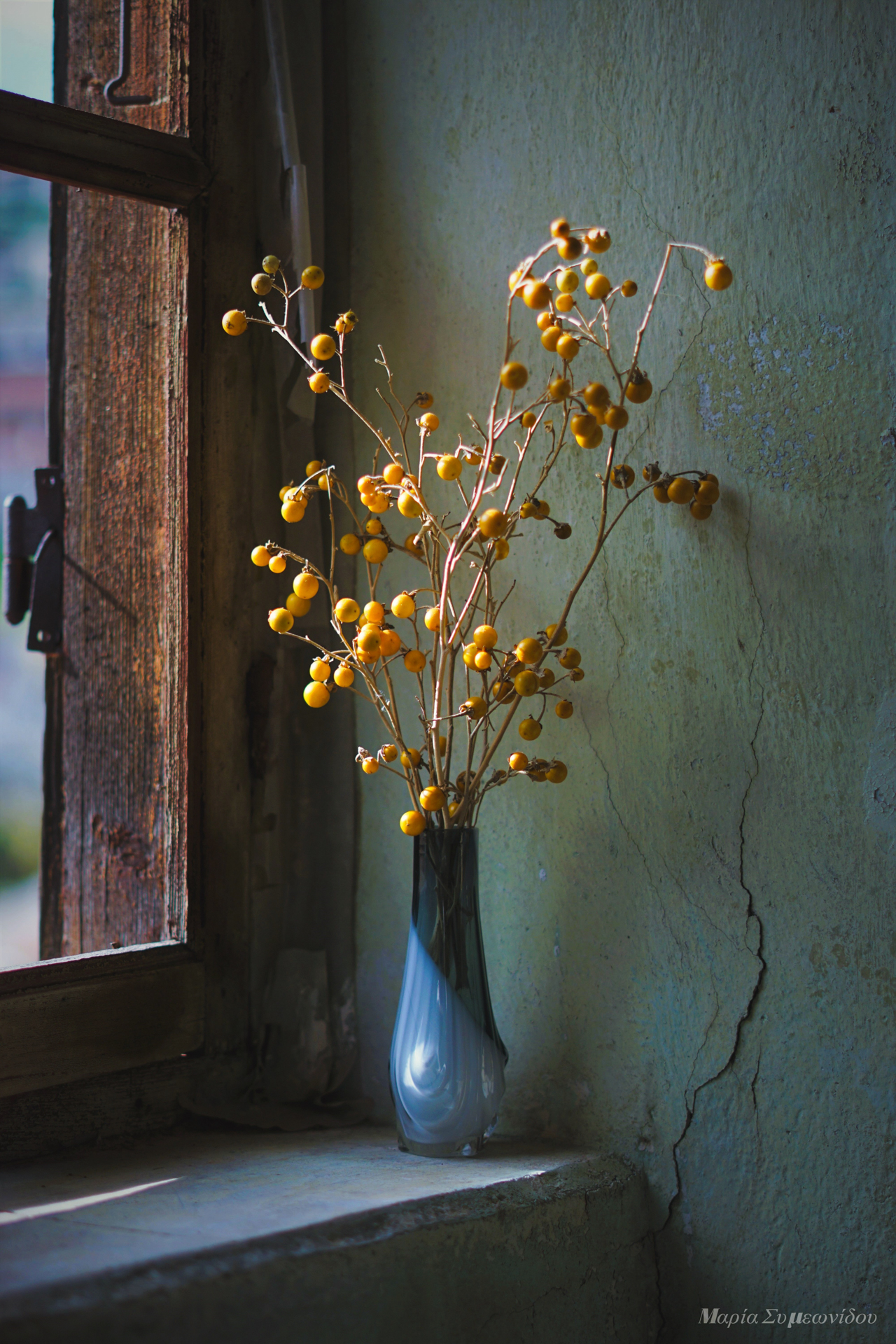
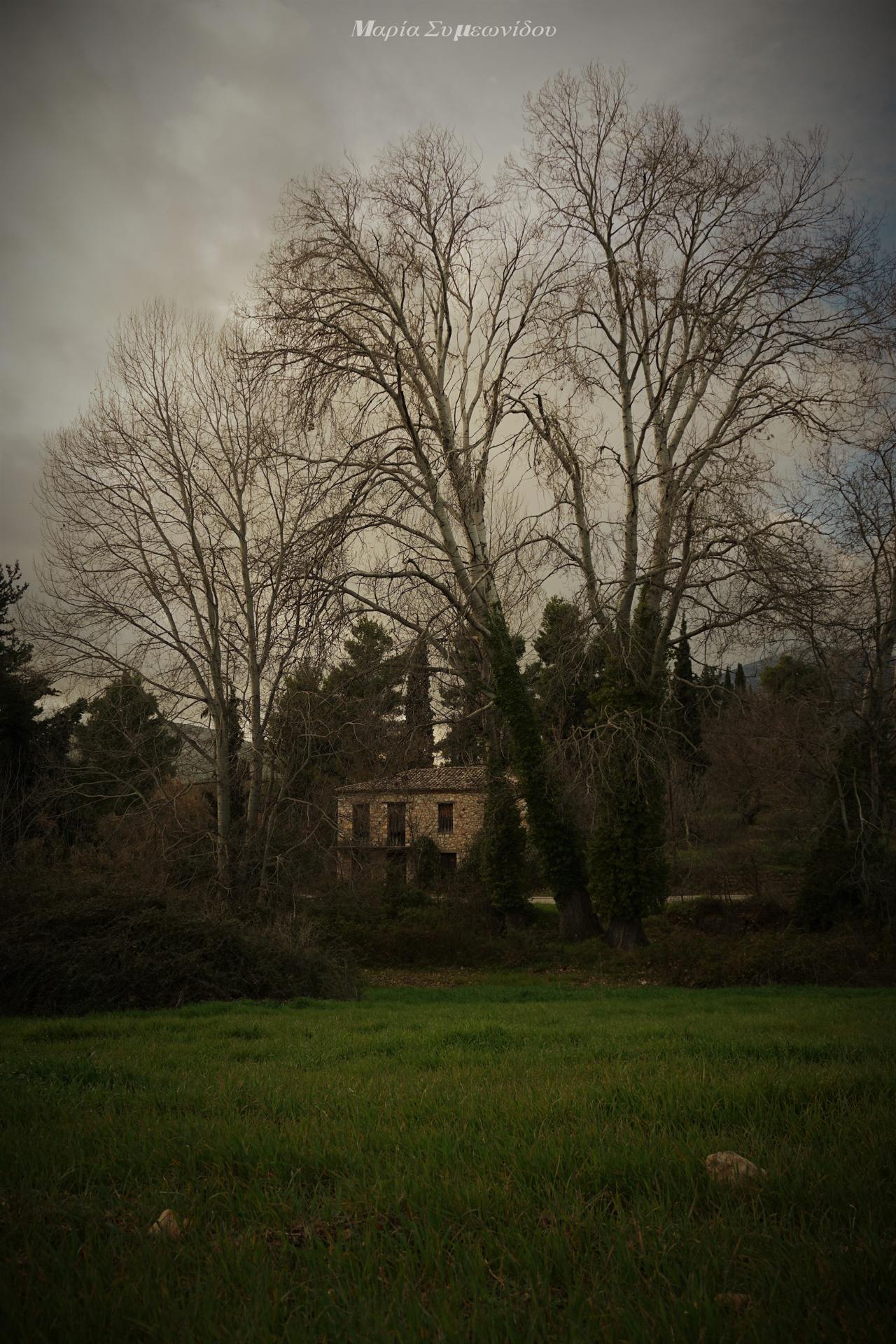
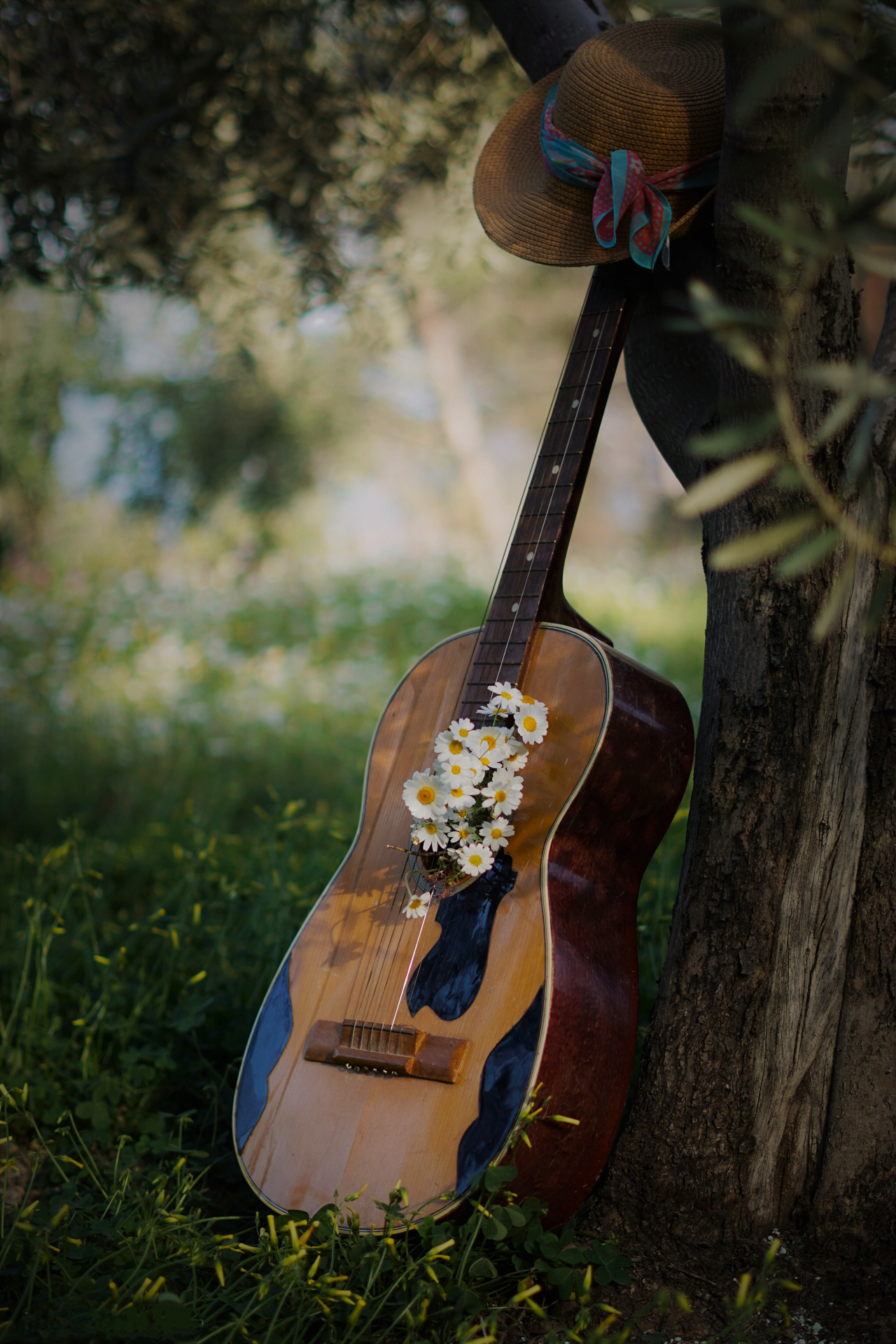
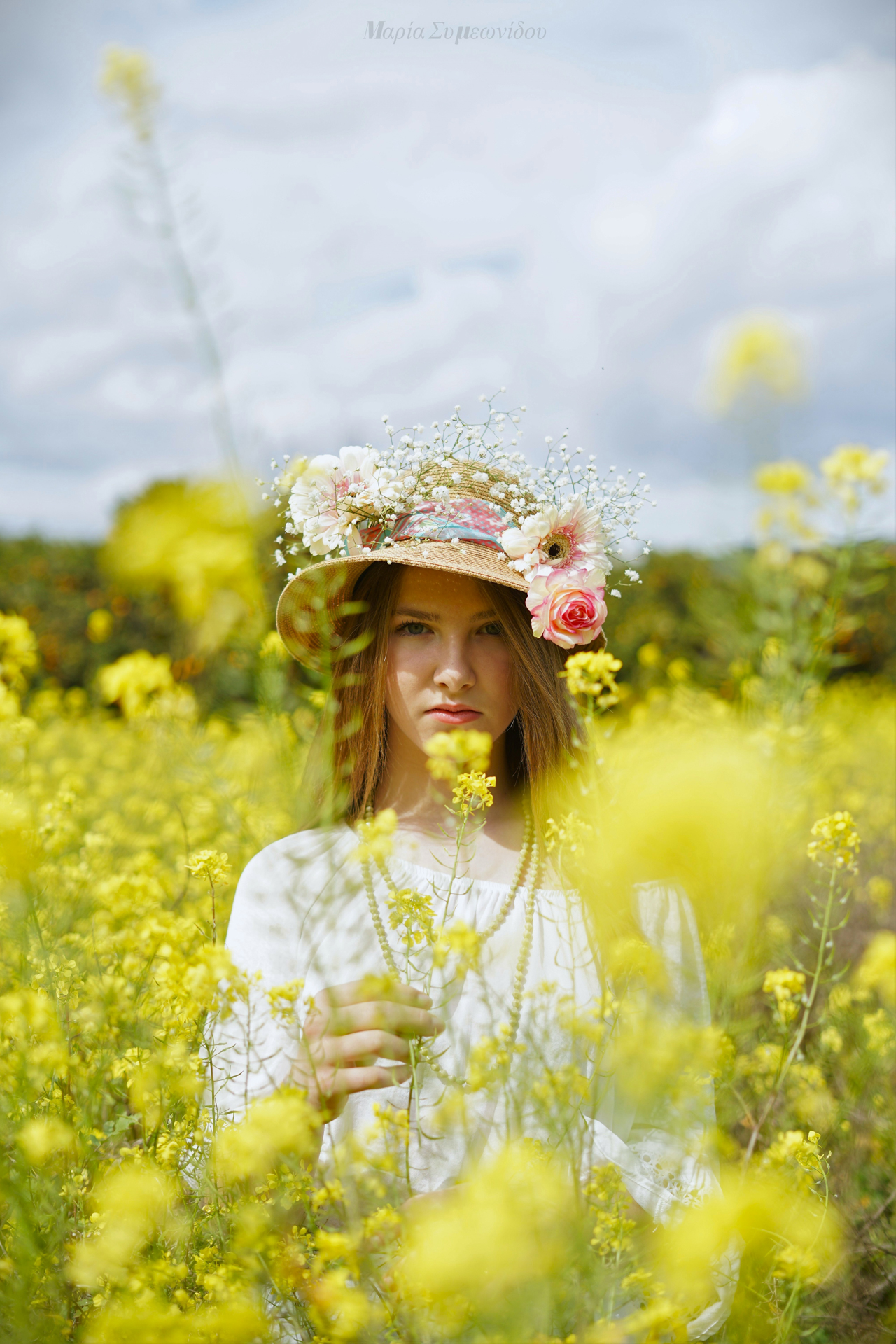
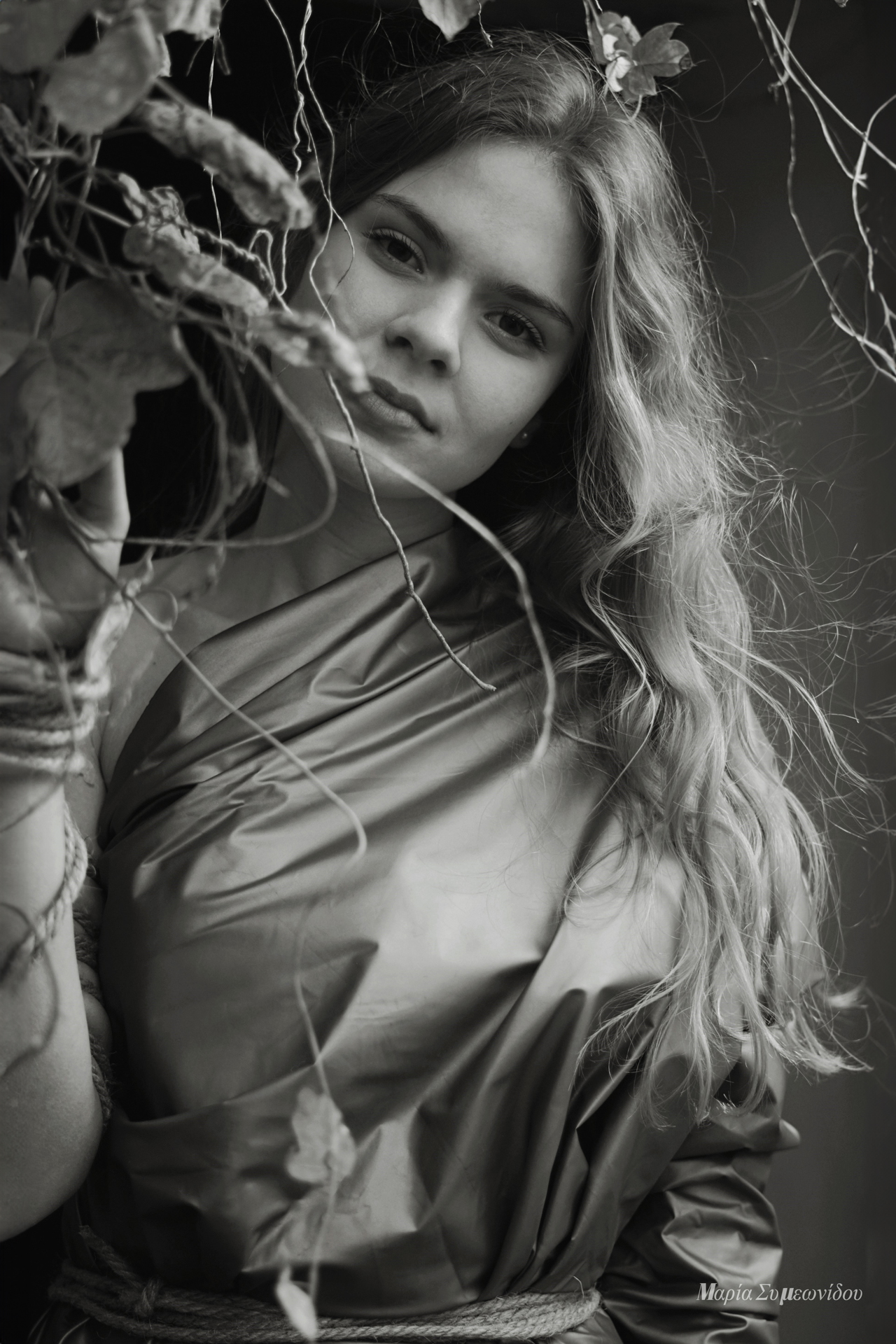
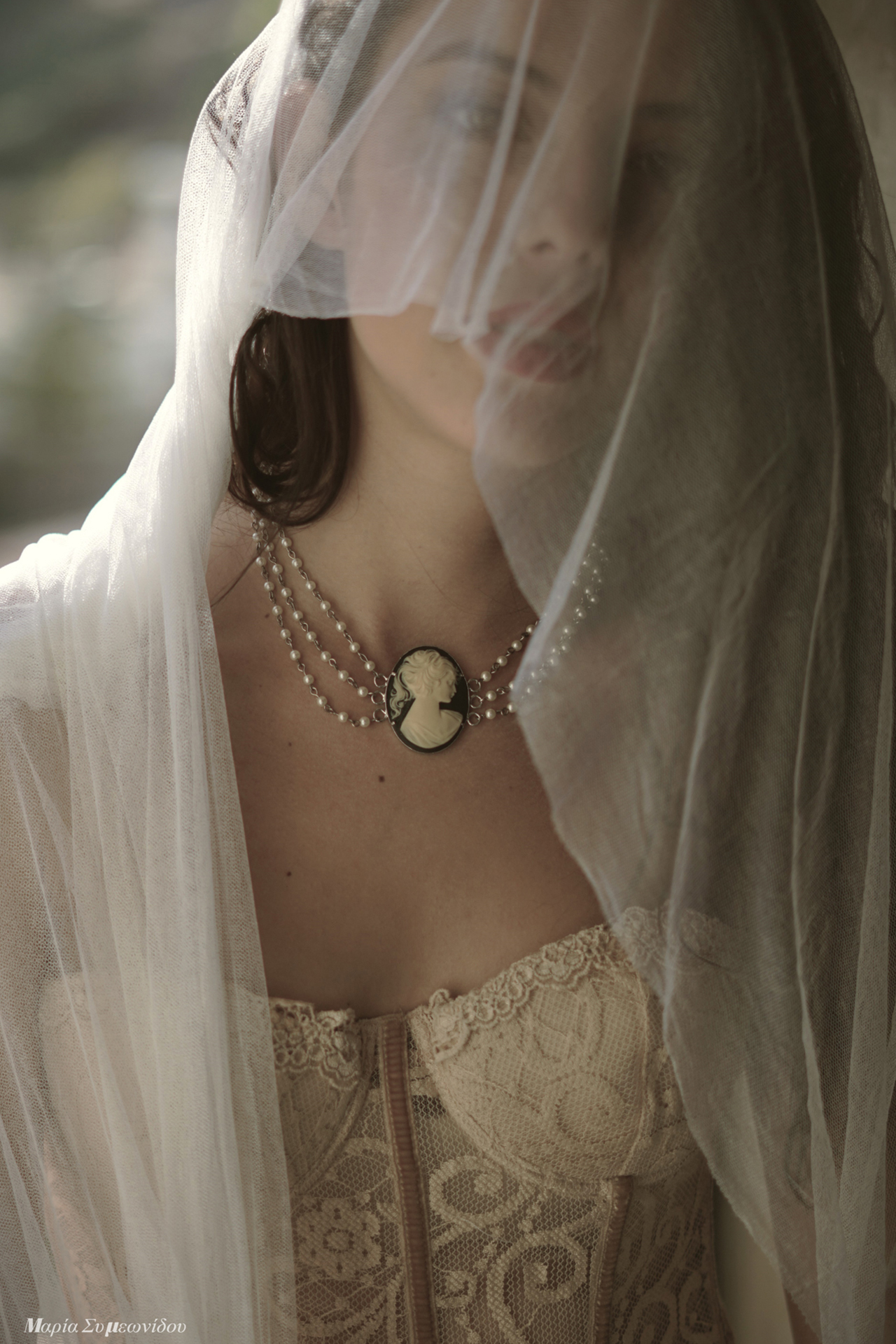
Maria Symeonidou lives in Epidaurus. We first came across her work through social media, and it immediately caught our attention. When you look at her photographs, you are struck by their composition, as well as by their artistic and refined aesthetic.
In our conversation with her, we were impressed by her humility and by the depth of her answers to our questions. Phrases such as “but you know, I am self-taught,” or “I do not have any particular assessment of my work; I have not even taken part in a group exhibition,” or “I photograph with a simple camera,” or even “there are other photographers far more important than me,” gave us exactly what we were looking for: a person whose talent speaks for itself, seeming both innate and productive — something clearly visible in her images.
This is Maria Symeonidou: strict with herself and generous with others; a photographer of real significance in every sense, to whom we are happy and honoured to dedicate this small space on our page.
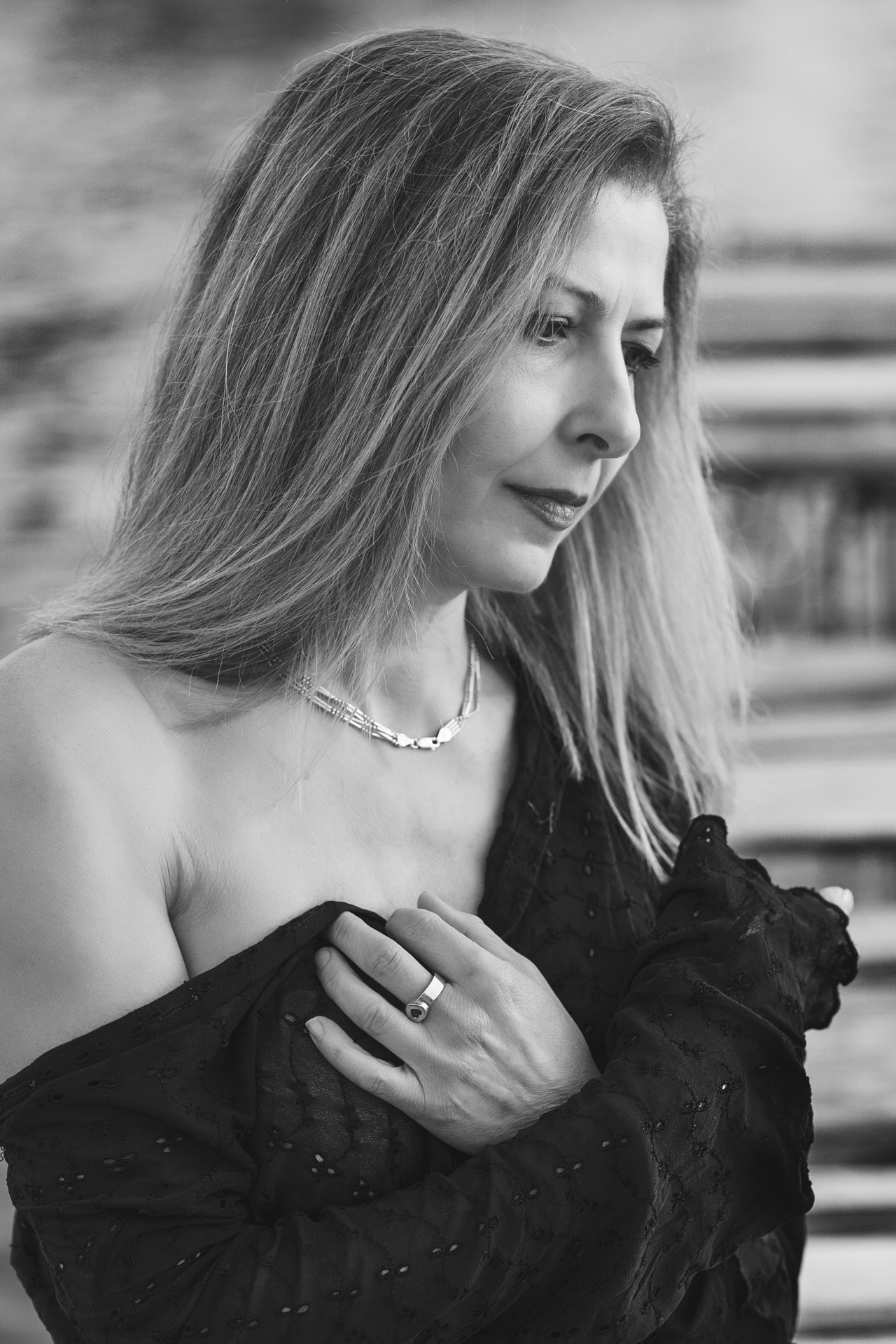
1) What is, for you, the greatest value of photography?
It is difficult to single out one value among dozens of others, both in terms of what photography means and offers to the person involved with it, and more generally in terms of its contribution to the world and to the sociopolitical sphere.
But if I had to mention only one, I would choose the one that fascinates me the most and that I consider universal. In short, I would say it is the relationship and exchange photography has with time.
Time, although ruthless and relentless towards everyone and everything, seems to have made a small concession, an exception, for the art of photography, granting it a privileged piece of its own eternity.
Photography immortalises. It freezes time, as we often say, and captures within it moments and emotions. It functions, then, almost as an antidote for human beings against time and the inevitable flow of things.
Looking at a photograph awakens emotions. Memories are drawn up and relived, and a bridge of communication stretches between past and present.
This is exactly the value and power of photography that touches me the most, and which I believe acts in a catalytic way upon human beings and their inner emotional life.

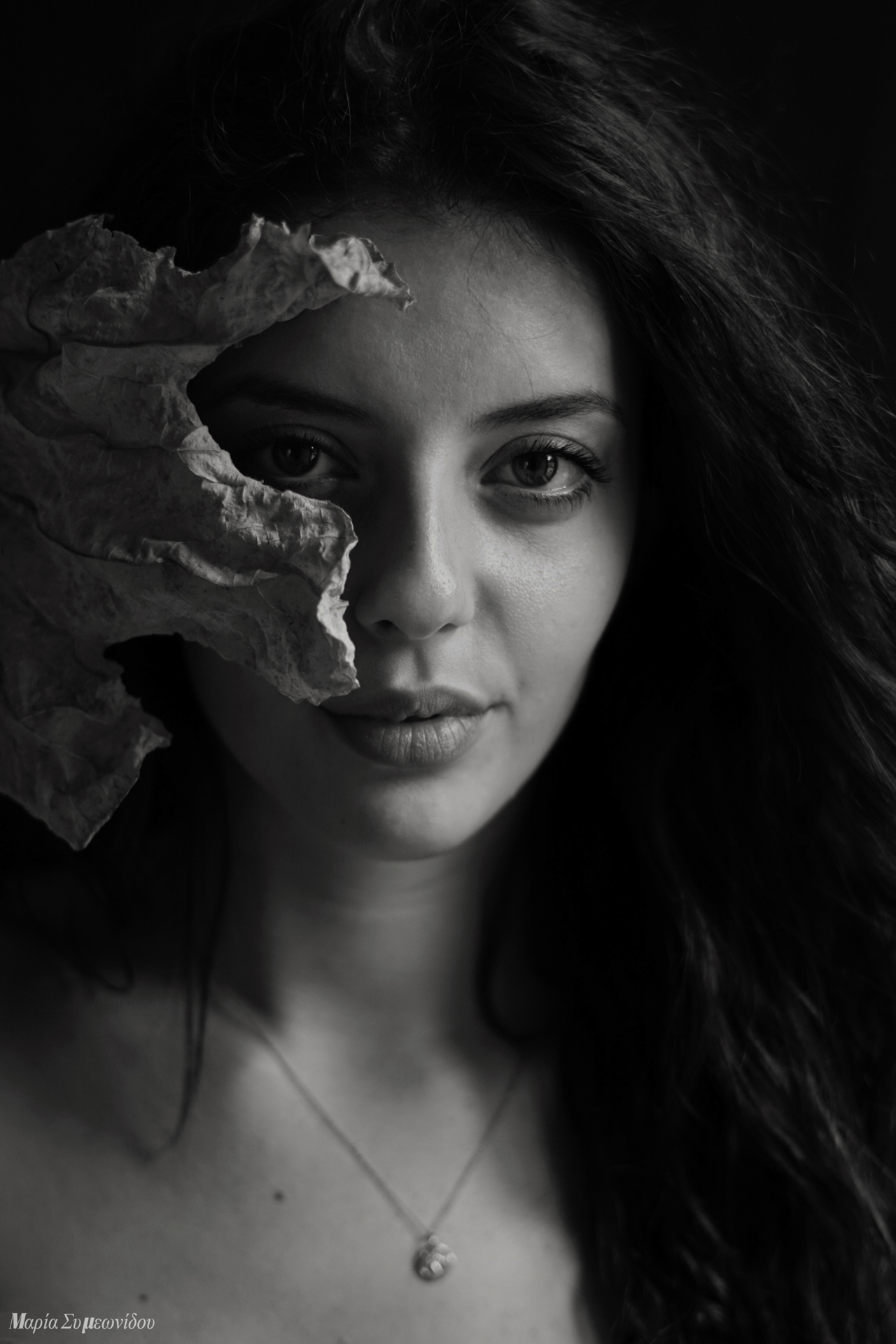
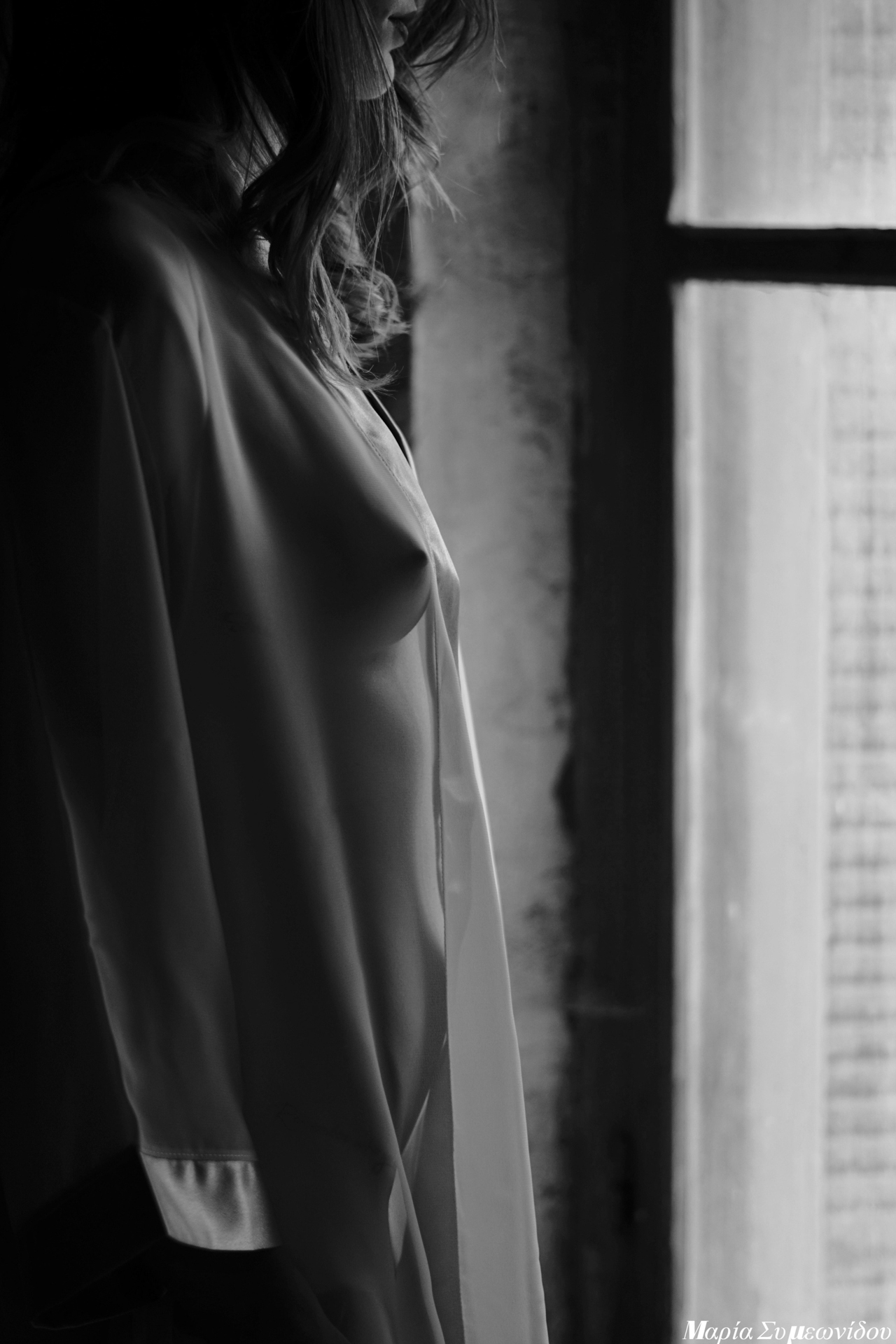
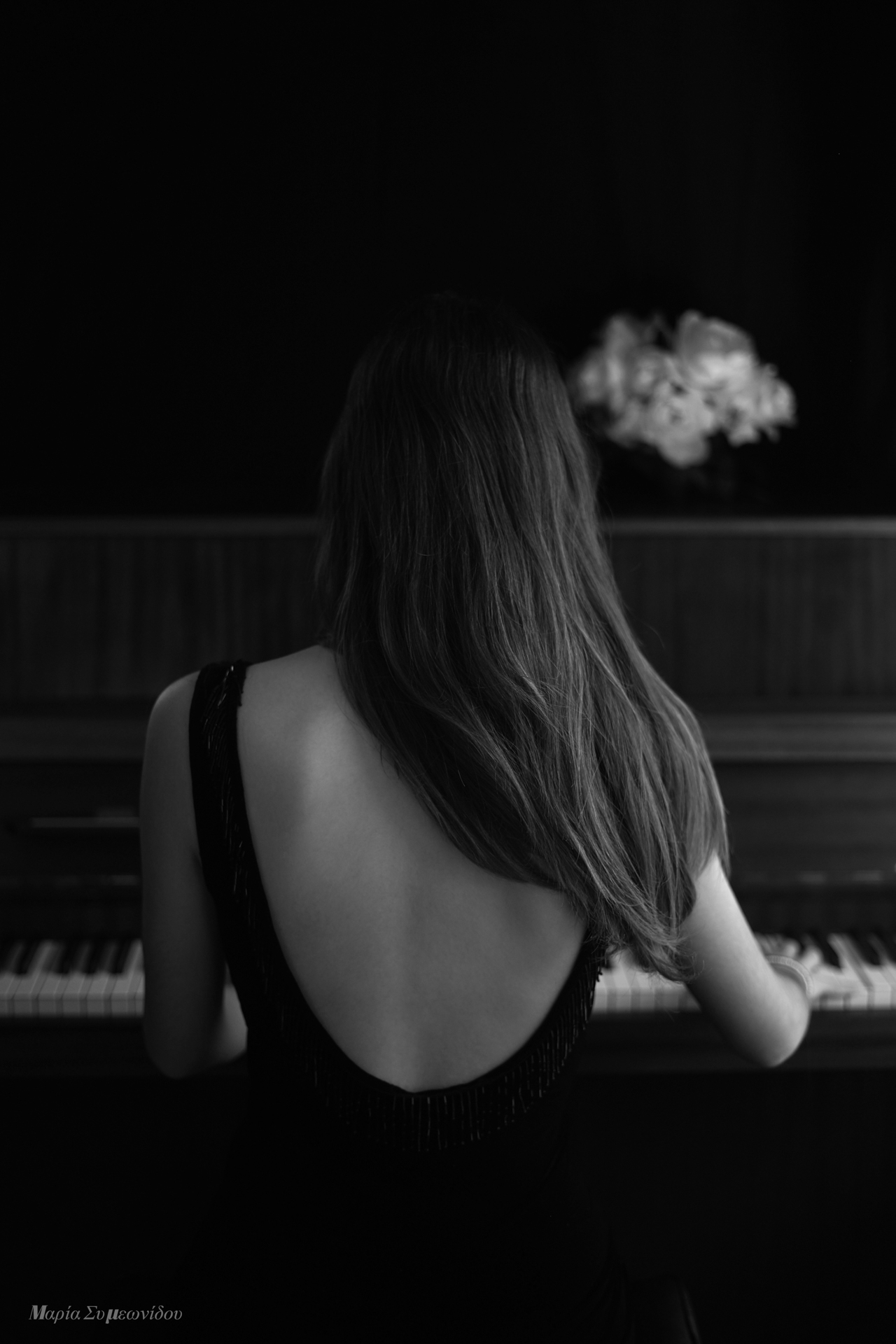
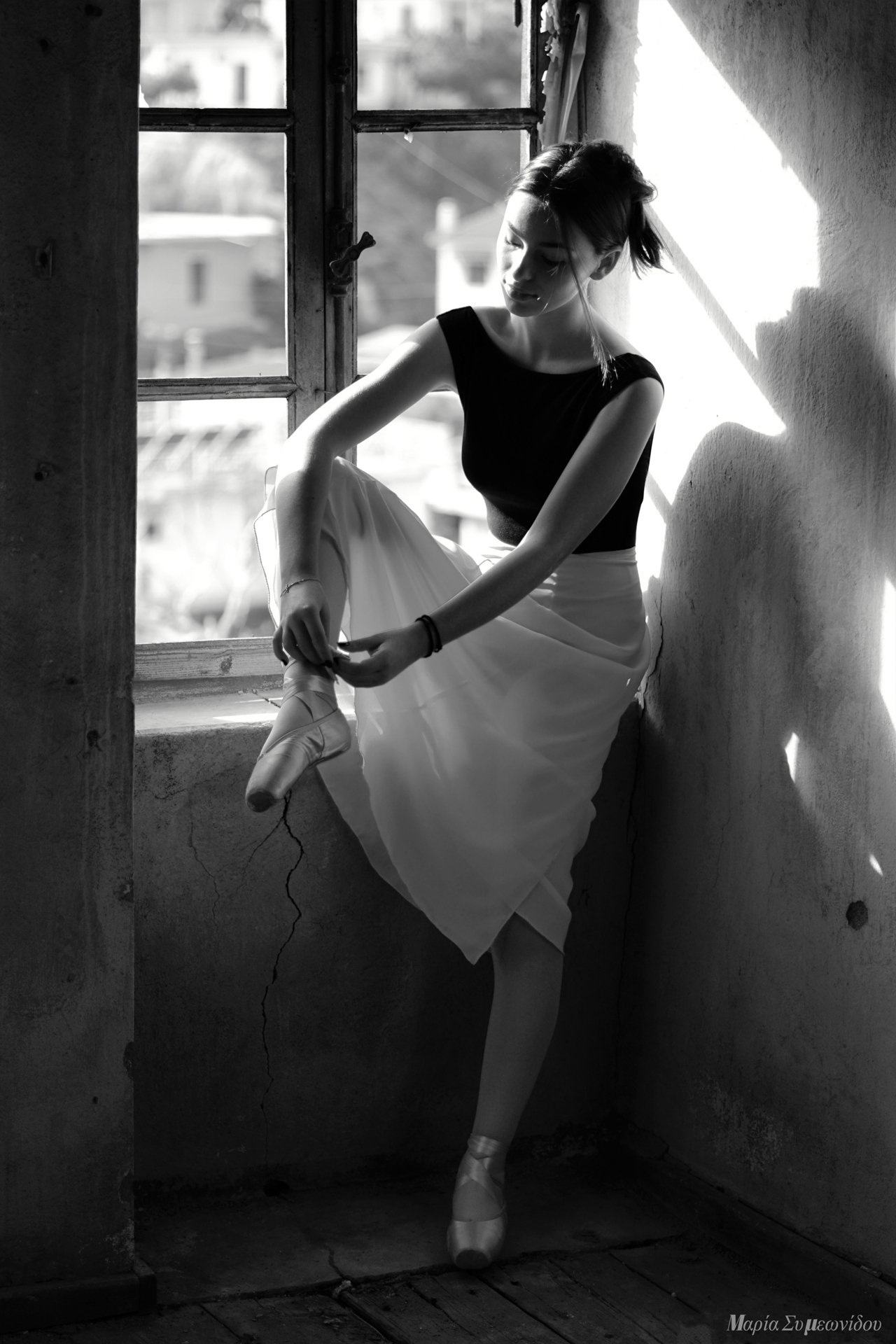
2) What inspires you, and why do you photograph?
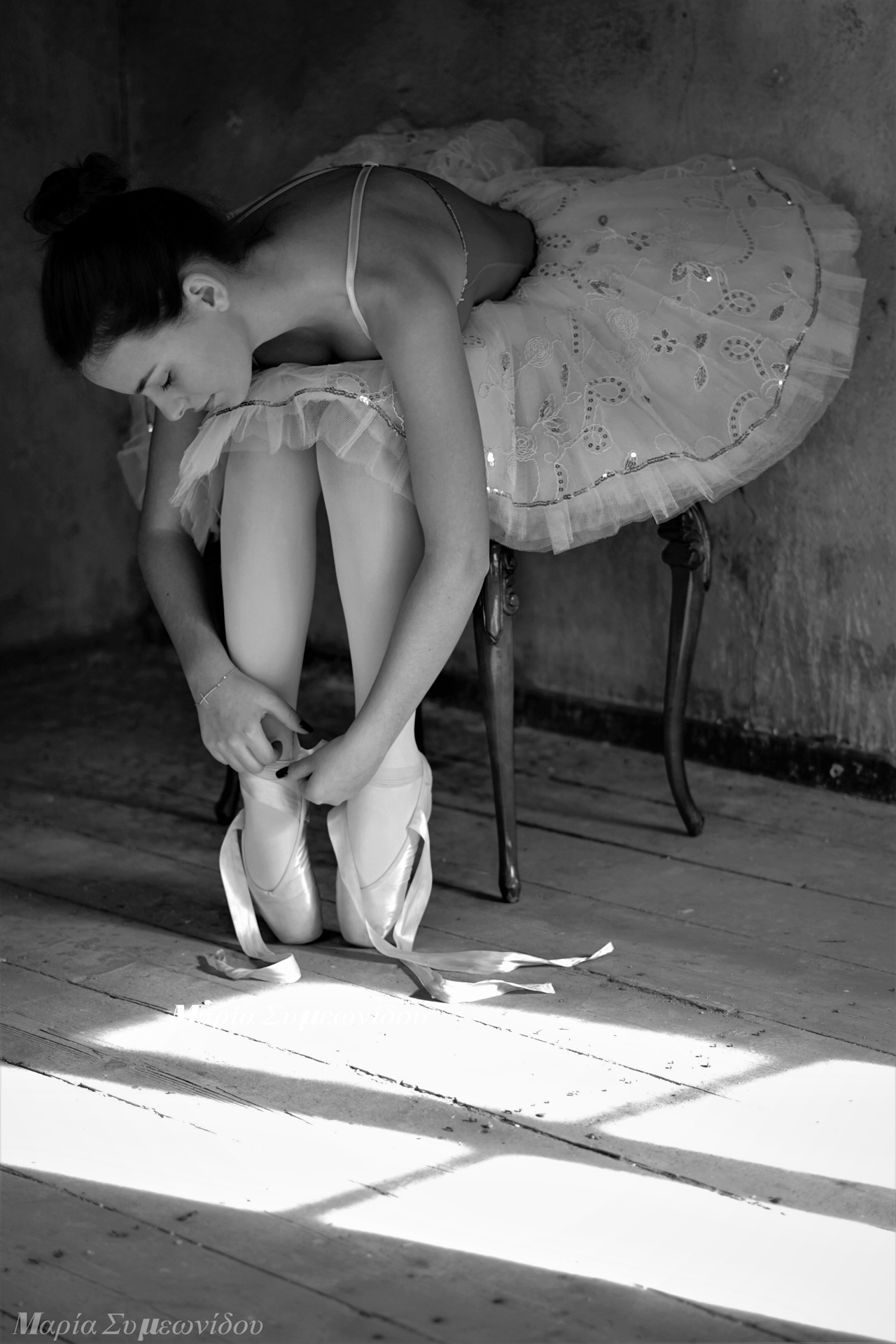
Anything that has the power to stir my interest or touch some delicate inner chord can become a source of inspiration. As for external, tangible, real stimuli, I can mention a few examples: a distinctive human face, a beautiful face, a particular scene of abandonment, an everyday object, a detail, a picturesque corner of a street, a leaf, a piece of fabric, a chair, and many other things.
Looking back at photographs I have taken, especially those I also had to stage, I can recognise some of these elements. They inspired me and eventually led me either to complete the conception of an initial idea that had seemed unfinished, or to frame my scene and colour my image with their own brushstroke, or to use them directly as the central subject.Beyond that, personally, I always listen to, focus on, and dive into the inner source of inspiration within my existence, as it has been shaped and enriched over time by experiences, lived moments, sounds, and readings.
This inner source of inspiration flows from, and is strengthened by, first, my need to express myself and create; and second, by the perception — or perhaps illusion — that in this way I return part of my energy and my senses to the place from which they began and to which they are destined to return: the universe. That is why I photograph, and that is how I am inspired.


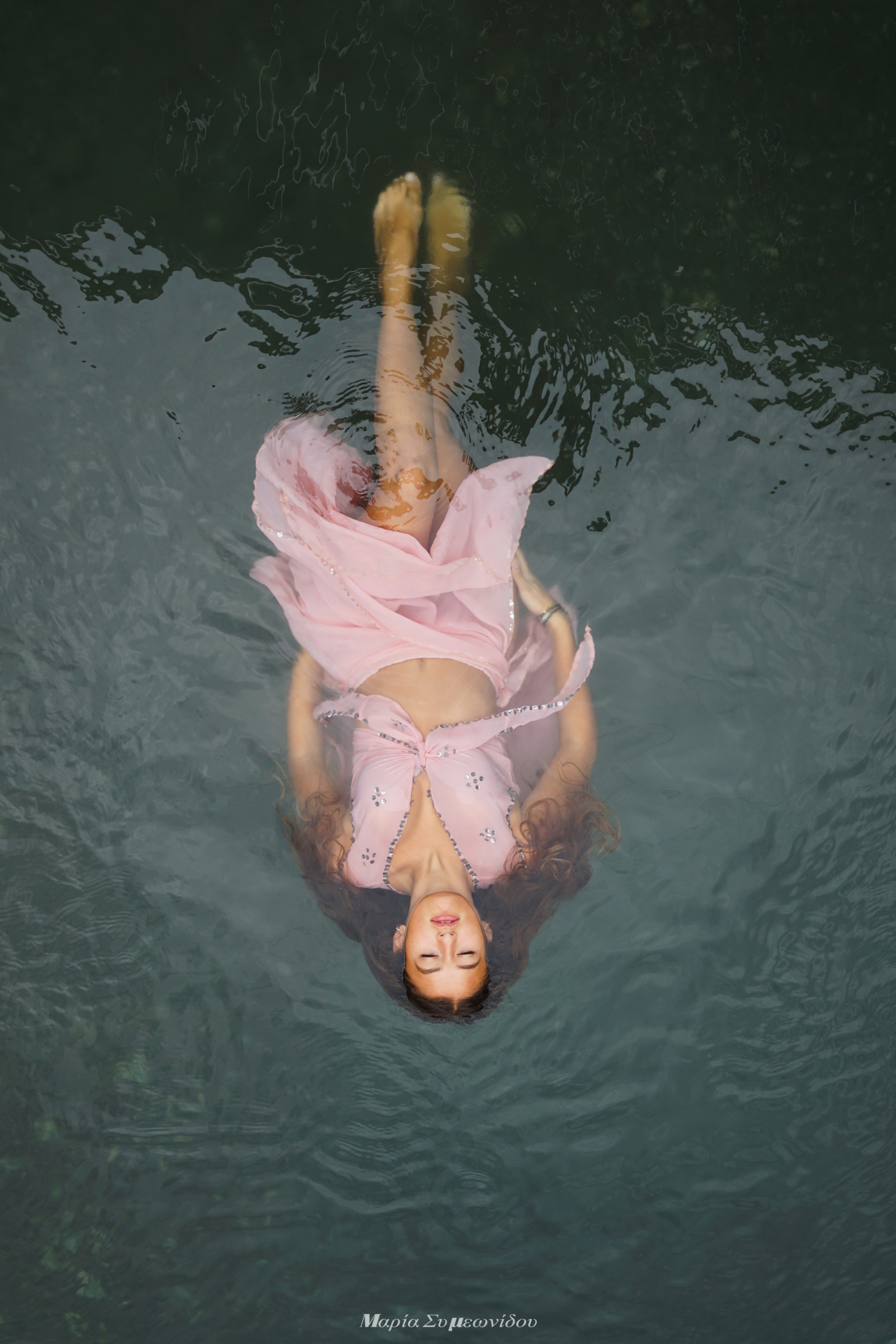
3) In your eyes, what makes a photograph successful?
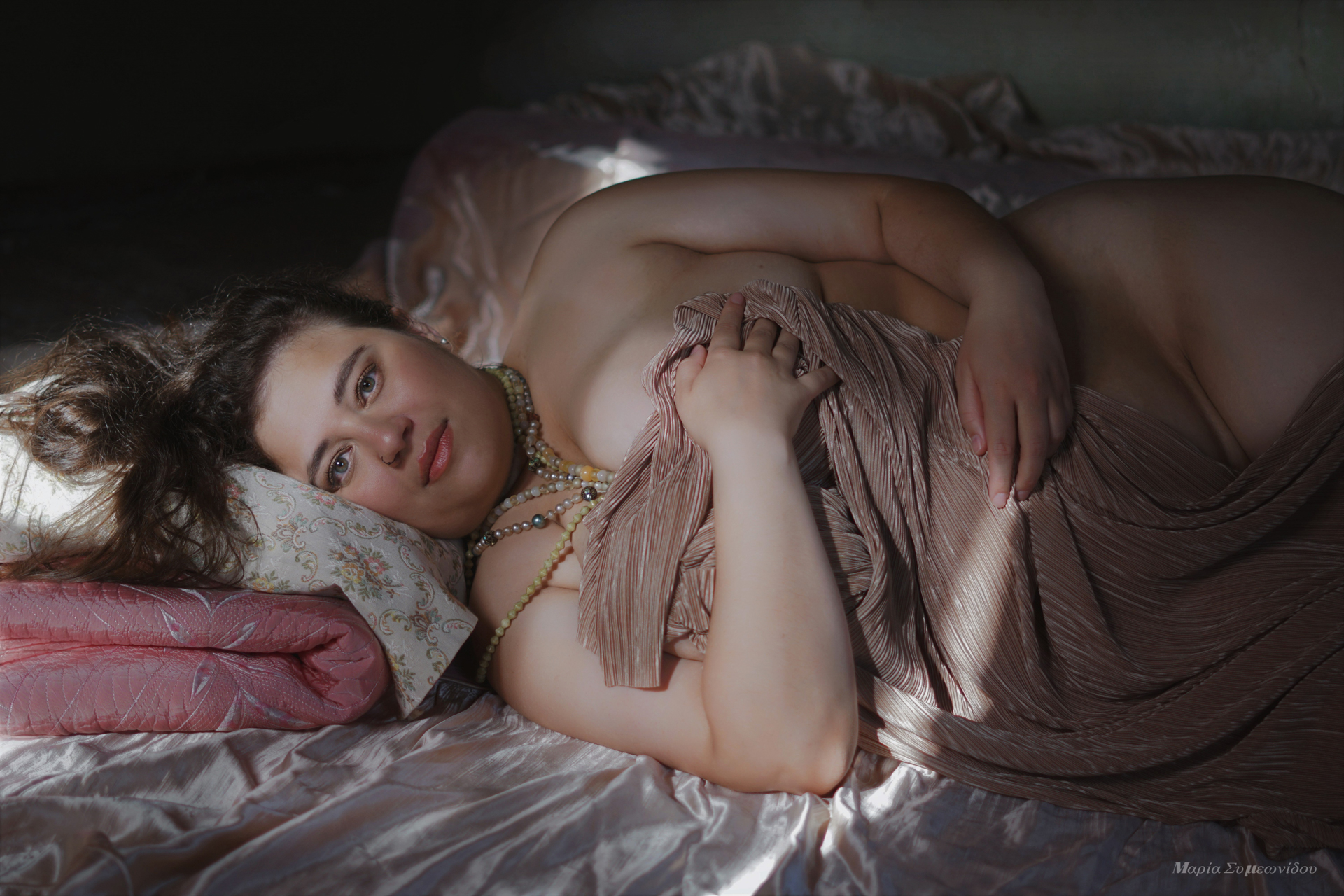
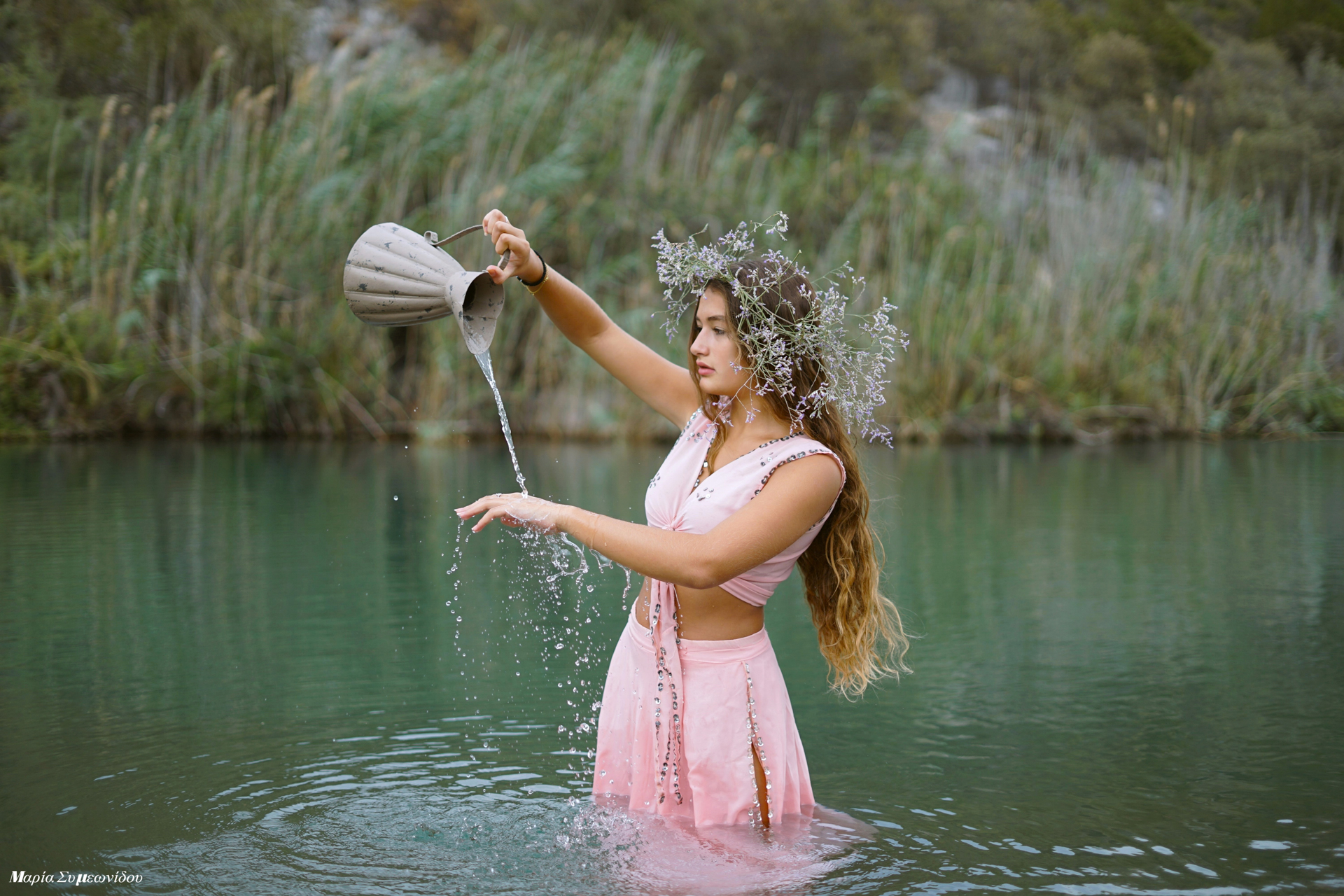
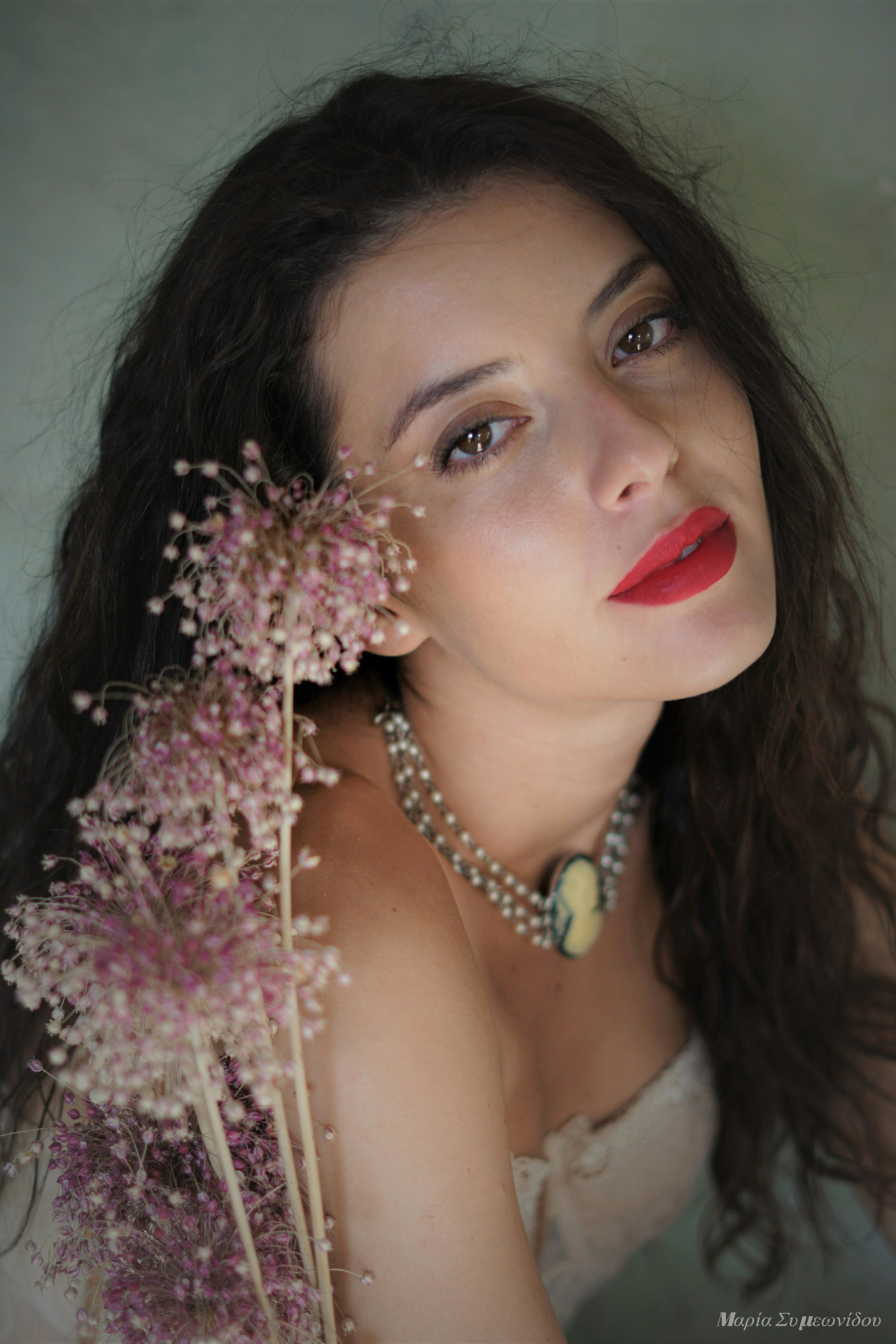
There are many paths and rules that can help in evaluating a photograph, just as there are in other forms of art. On the other hand, there are also views that question rules altogether, arguing that there are no fixed rules or recipes. The criteria are subjective, after all, as is the question of what is considered successful or good. They depend on many factors: the era, the type of photography, whether we are talking about professional or artistic photography, whether the judgment comes from specialists or from the public, and many others. Finally, we observe that even people who have studied photography and the history of art for years often focus on different points, which they identify as important — sometimes to the point that those points contradict one another. Since, however, I have been asked to offer my own personal and always subjective view, I will refer to what I have understood and distinguished so far. Passing over certain basics, such as lighting, equipment, shooting angle, clarity, and focus, all of which certainly contribute to the desired result, I place great importance on the SUBJECT of the photograph and on the FRAME.
The subject of the photograph must dominate. It must be isolated, make a statement with originality, and narrate something with such force that it becomes convincing, easy to read, and does not require scholarly explanations. It must be capable of conveying the message, the emotion, and the atmosphere, and of placing the viewer within the space and time, as though they were there. The frame is decisive. It is the four sides within which the photographer decides what to include and what to leave out. In a successful frame, everything is visible, and yet something is implied; something is left to the viewer’s imagination and interpretation. I focus strongly on the Subject and the Frame because in them I read not only the artist’s ability, but above all their soul, emotion, aesthetic, and identity.


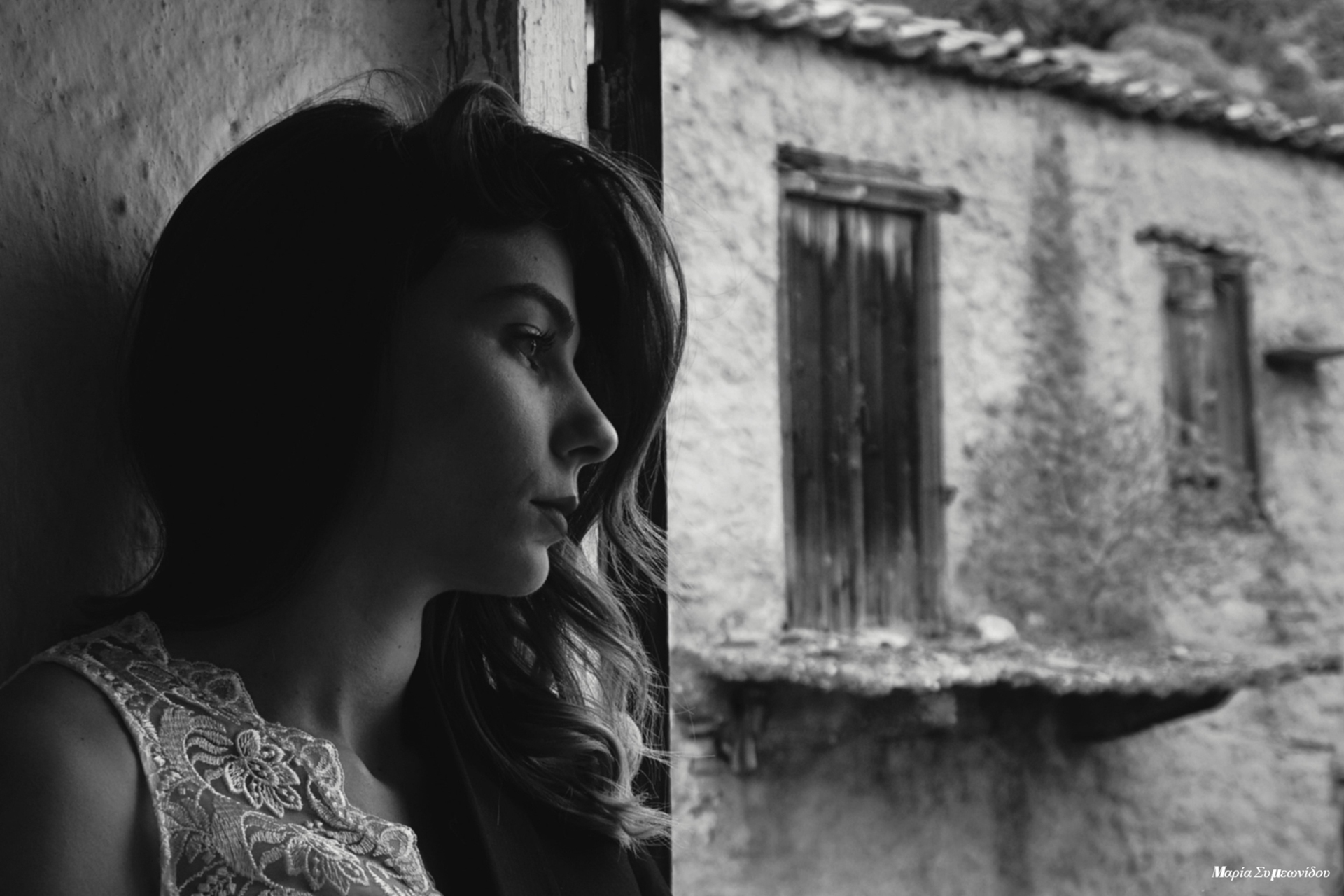
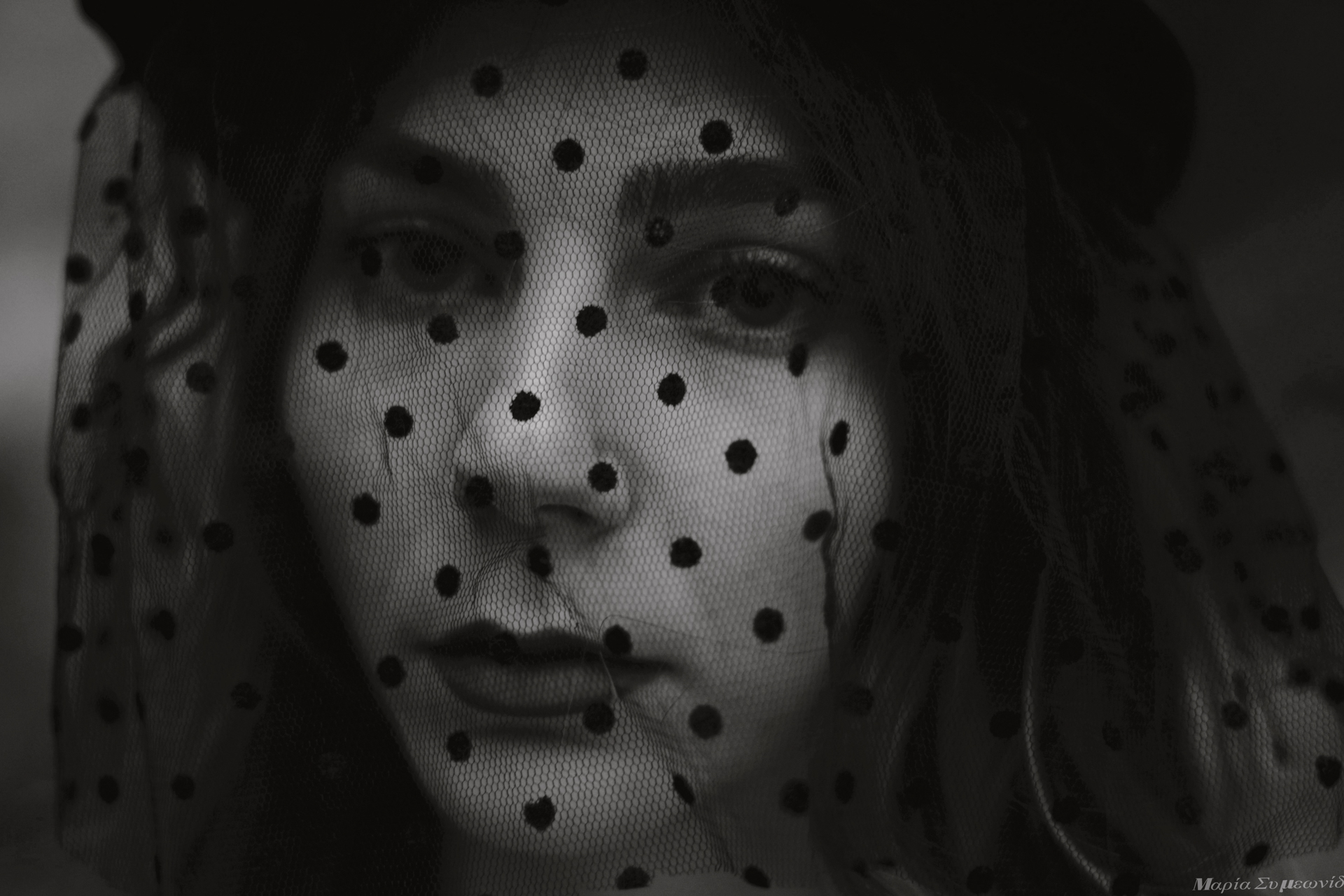

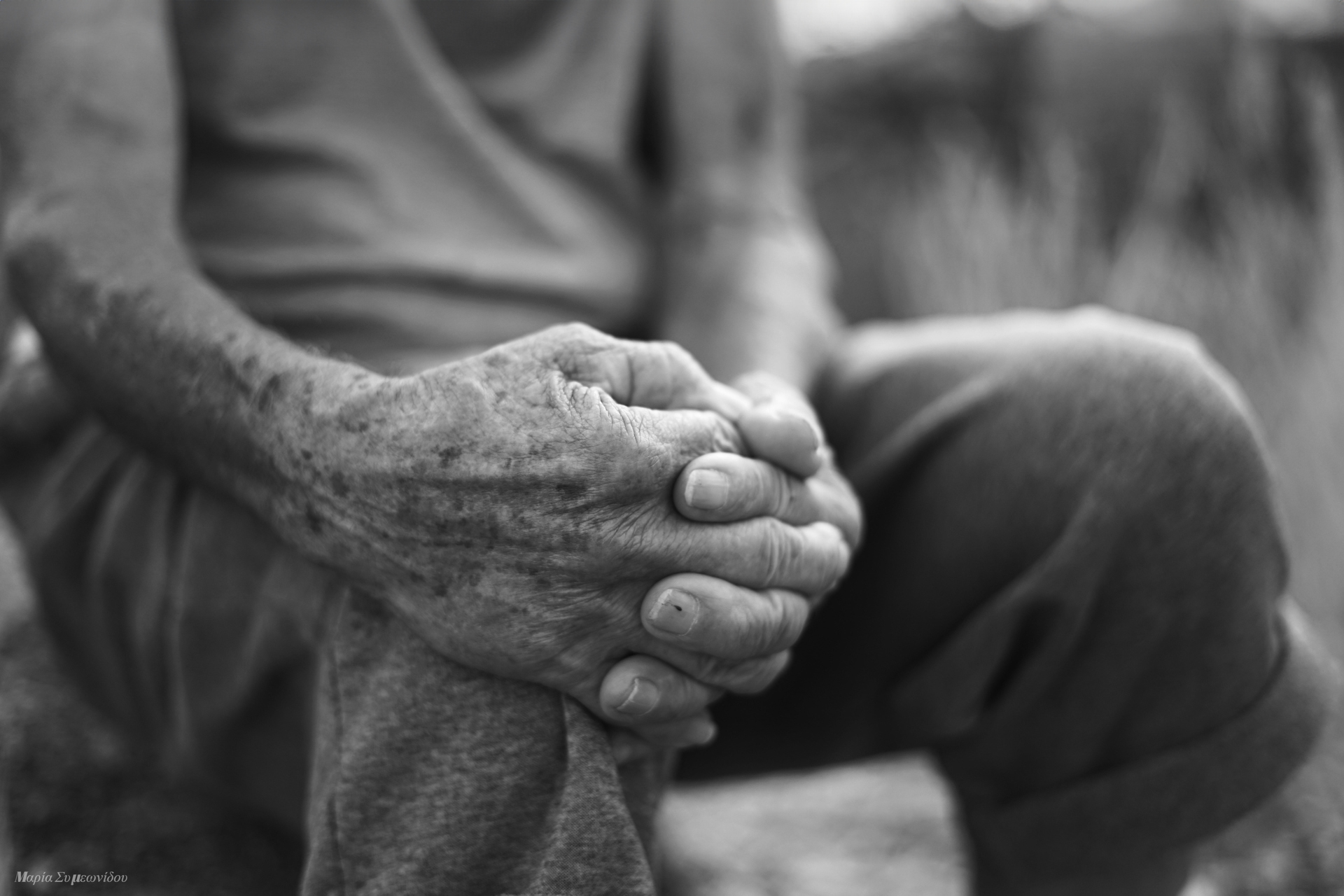
4) If you could photograph someone from the past, who would it be, and why?
There are so many emblematic figures who have passed through this world that, without some guide in the form of a time or place limit, it truly seems impossible to choose. But I will say the very first name and face that came to mind.
Maria Callas.
A name. A history. Her personality, her life, the incredible gift she possessed, her enormous career, and the material she left behind as a global legacy rightly placed her in the pantheon of history. To these I would add her particular, classical, almost ancient Greek beauty, combined with the unmatched style, finesse, and charm she possessed. The angles of her face; those intense, vivid, expressive eyes with their deep, warm gaze; her mouth, with full lips and a perfect outline — all of these could hardly fail to move a photographer.
A diva, a star in life, appearance, and art.

5) Tell us something about yourself and your relationship with photography.
Looking back, I realise that photography has always existed in some way in my life. First of all through my father, who loved it, learned the basic principles and handling of it, and dealt mainly with commemorative photography. He liked to focus his Zenit on family moments, trips, and events. Apart from the photographs he printed on paper and filed away, most of his photographs were kept as framed transparencies, the well-known slides. I will never forget the moments when he held family projections through a projector, onto a white sheet he had fixed to the wall. He also liked to collect old and new photographs of relatives, friends, and people connected with his life and ours. With this material, he also managed to create a kind of photographic family tree in albums.
Later, in my youth, when two more beloved friends of mine decided to take photography lessons, I had to pass in front of their lenses as their model for the needs of their assignments. I still have quite a few of those photographs, printed by them on paper in a darkroom, and they hold great emotional value for me. Finally, I myself, from my school years through to mature adulthood, always had the desire to immortalise anything that interested me from excursions and destinations, mainly on our islands: alleyways, people, churches, and details I wanted to keep alive and be able to return to at any moment. Despite all this, I had never thought of engaging with photography more seriously.
Life and my choices led me down other paths: towards the love and talent I had shown already from primary school, namely making clothes, first for my doll and eventually as a pattern maker and fashion designer, which was my profession for many years at a well-known company in Athens. My beginning with photography came when a person from my wider family circle suddenly added me as a member to one of the online photography groups. Somehow, that is how I fell in love with it. I wanted to improve, and I moved from mobile phone photographs to photographs taken with the first digital camera I acquired about four years ago. At this moment, I feel photography as a gift and a blessing in my life.
Under no circumstances do I consider myself a photographer. Simply, through this art, I have found a way to express myself and to occupy my time, my soul, and my mind creatively.