5 Questions: Antonis Alexakis

Antonis Alexakis, a retired officer of the Hellenic Air Force, was born in 1970 and lives quietly and peacefully in Nafpaktos with his wife. Together, they have a 22-year-old son. He loves travelling and often goes to Athens, drawn there by the photographic life of several groups of which he is a member. As he tells us himself, he always remembers himself with a camera in hand, although over the last six years he has come closer to the art of photography.

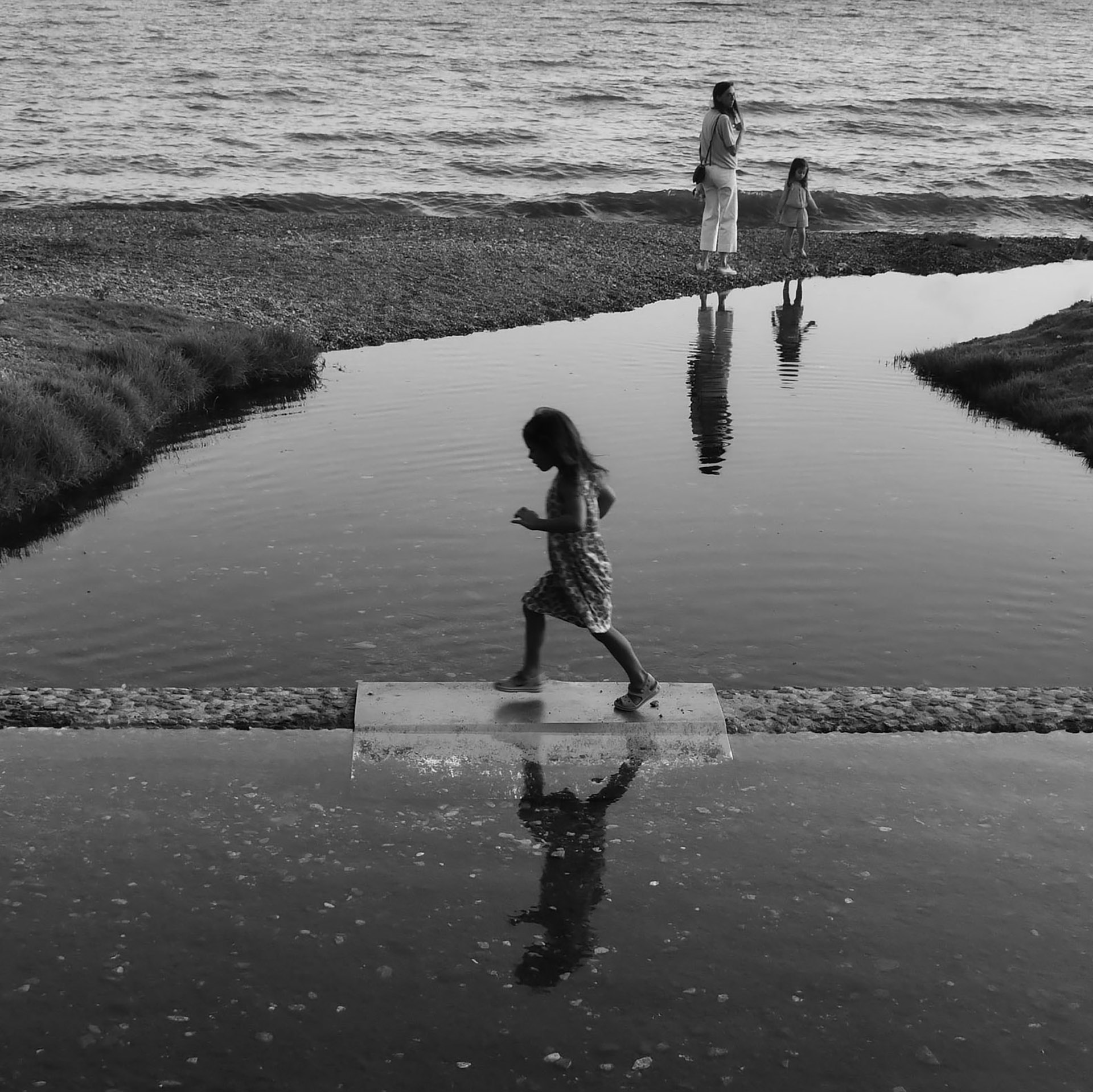
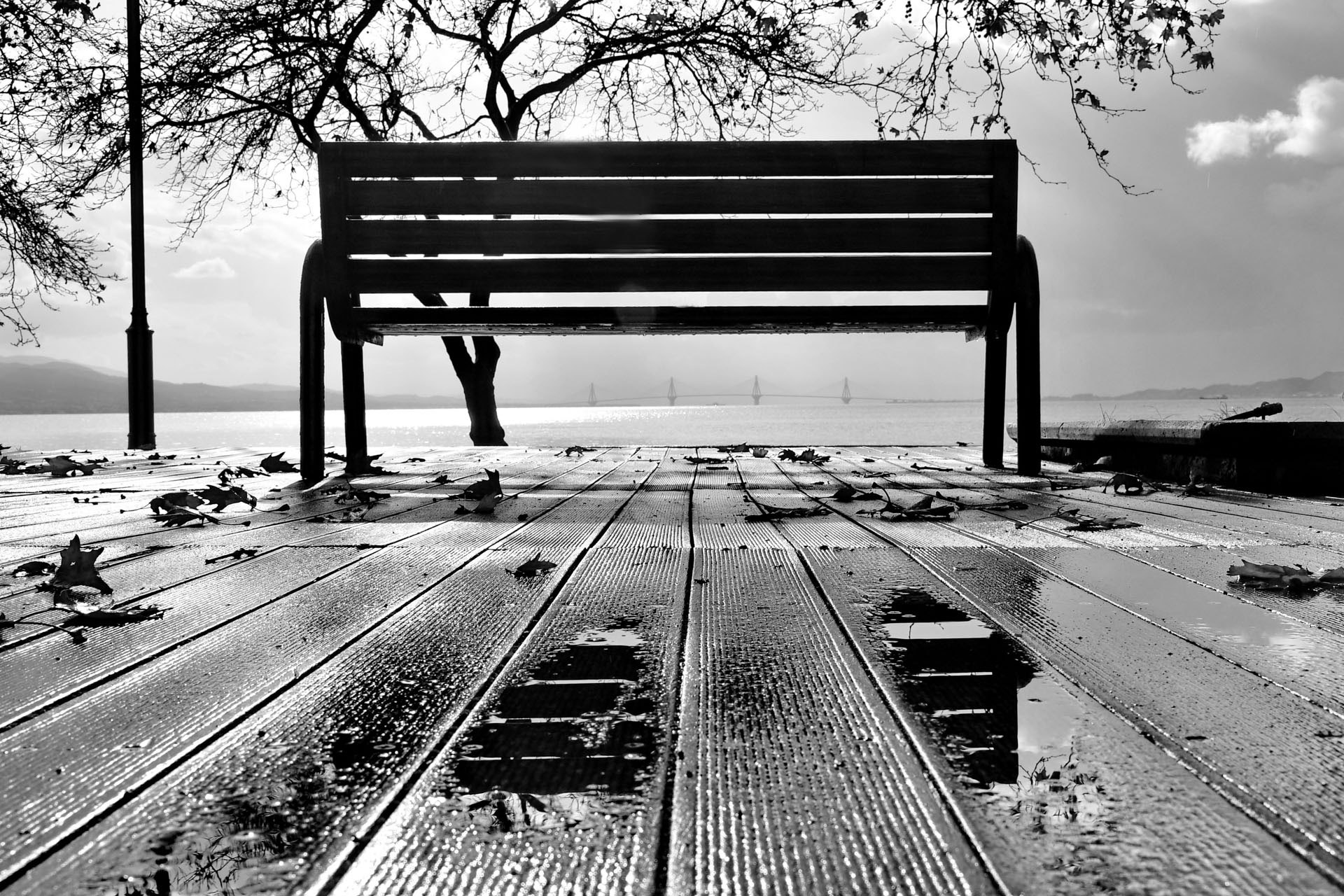
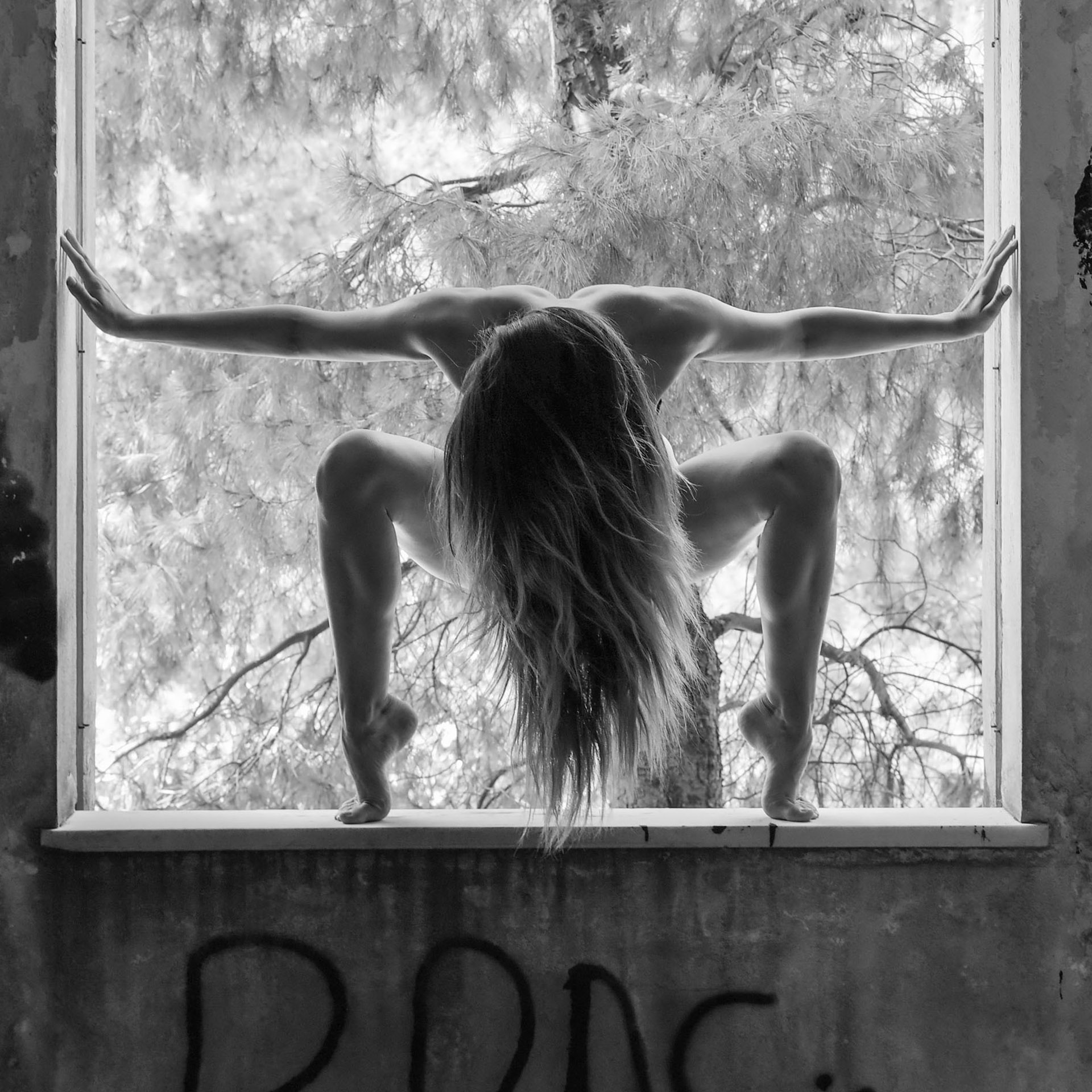
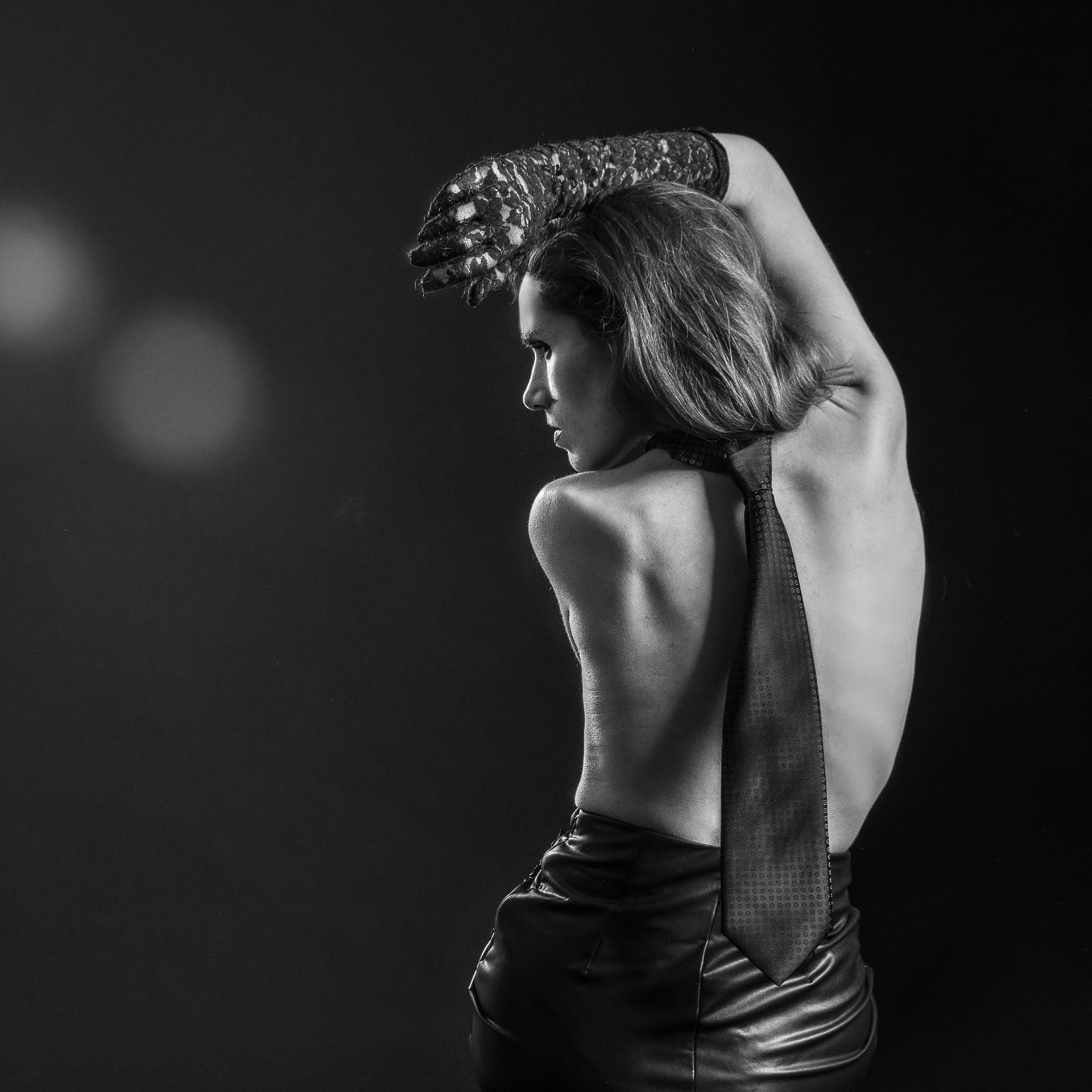
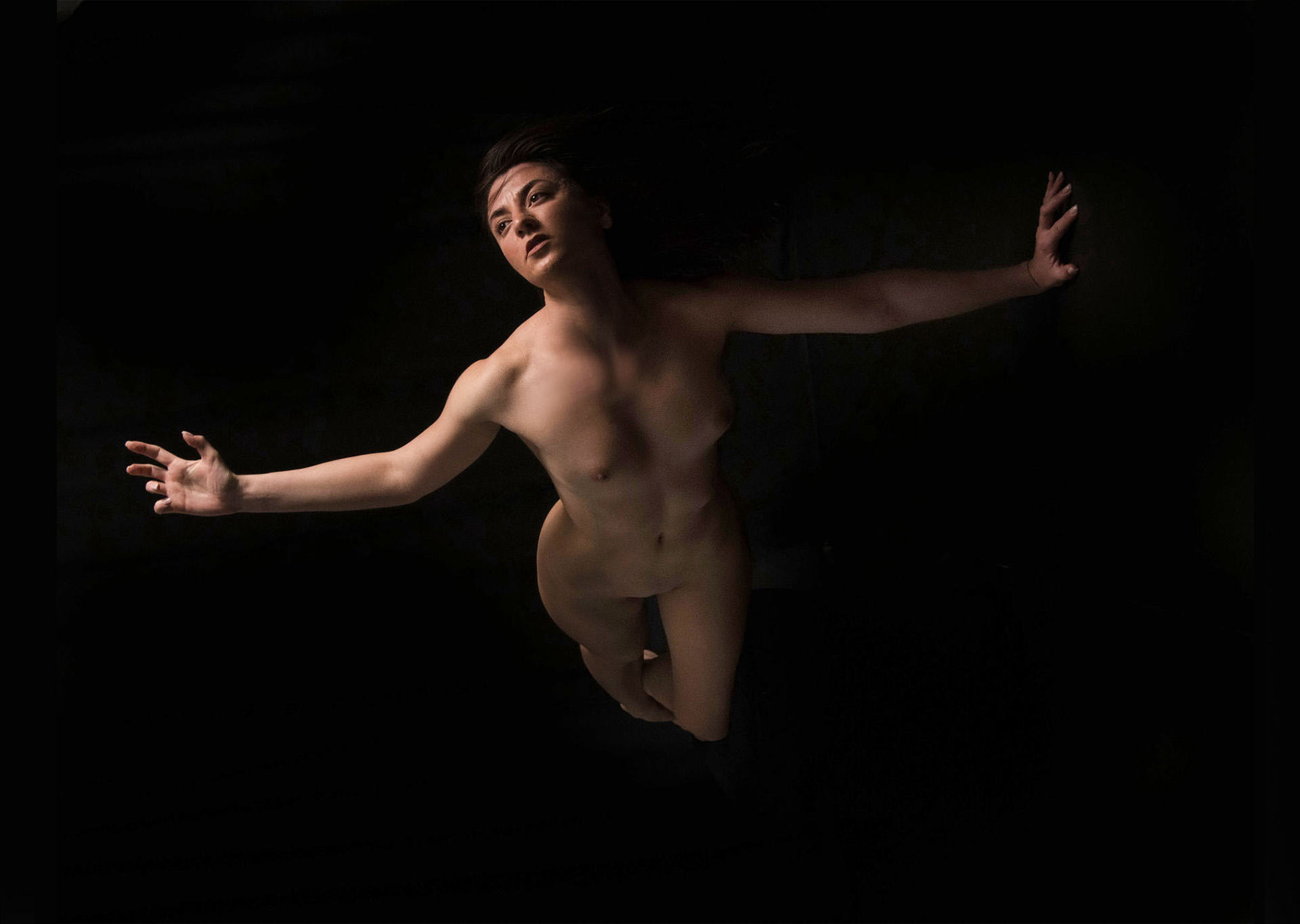
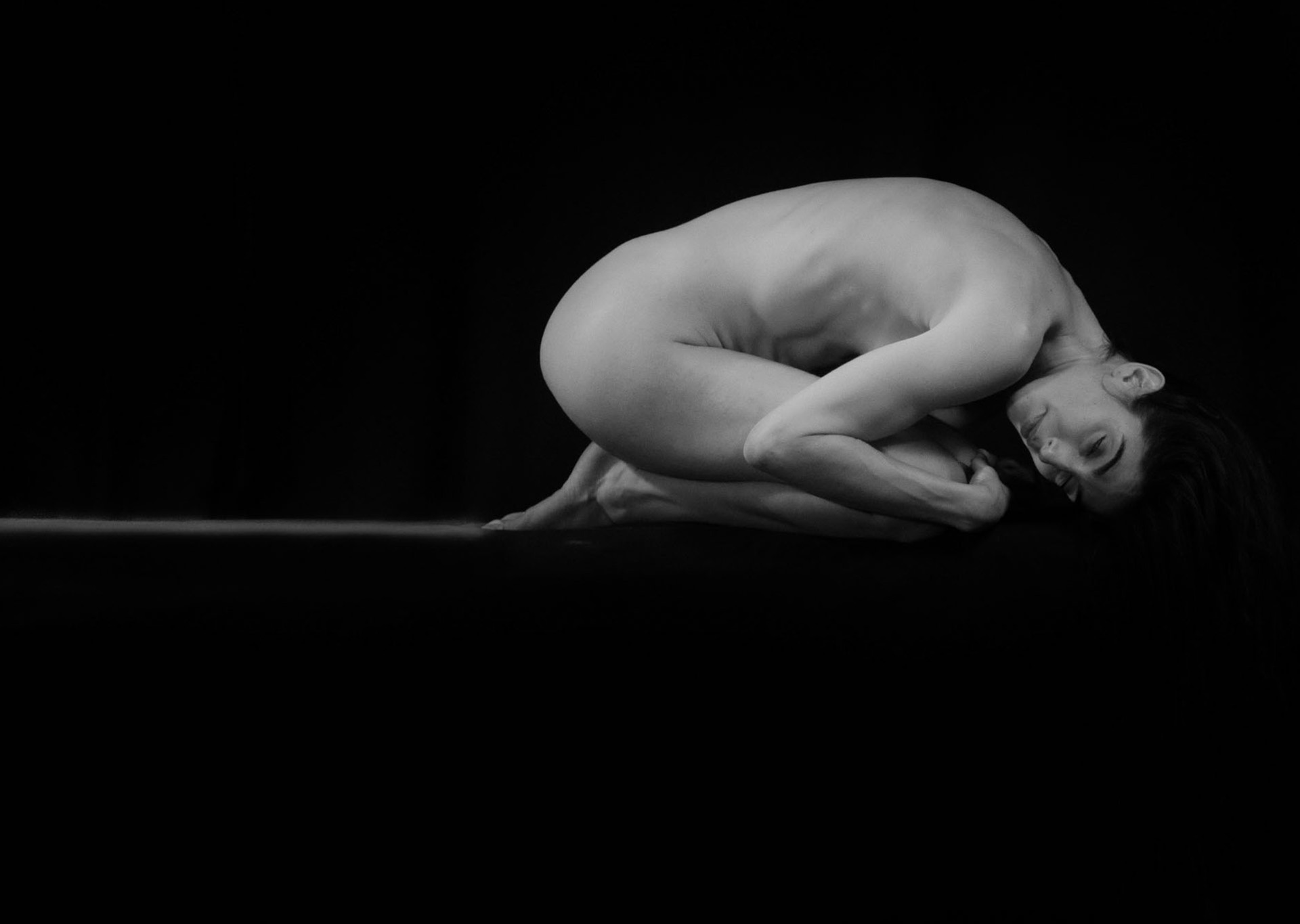
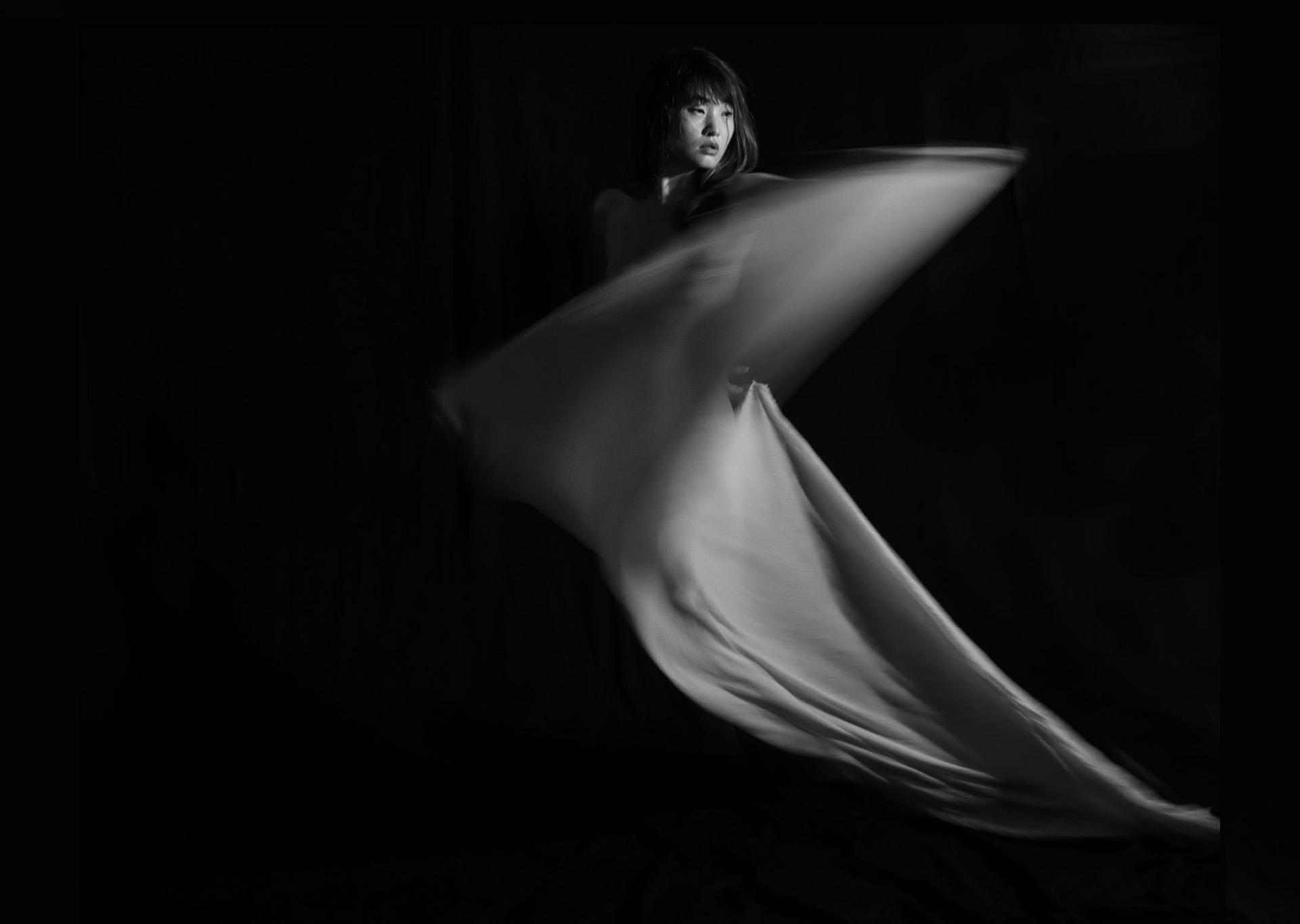
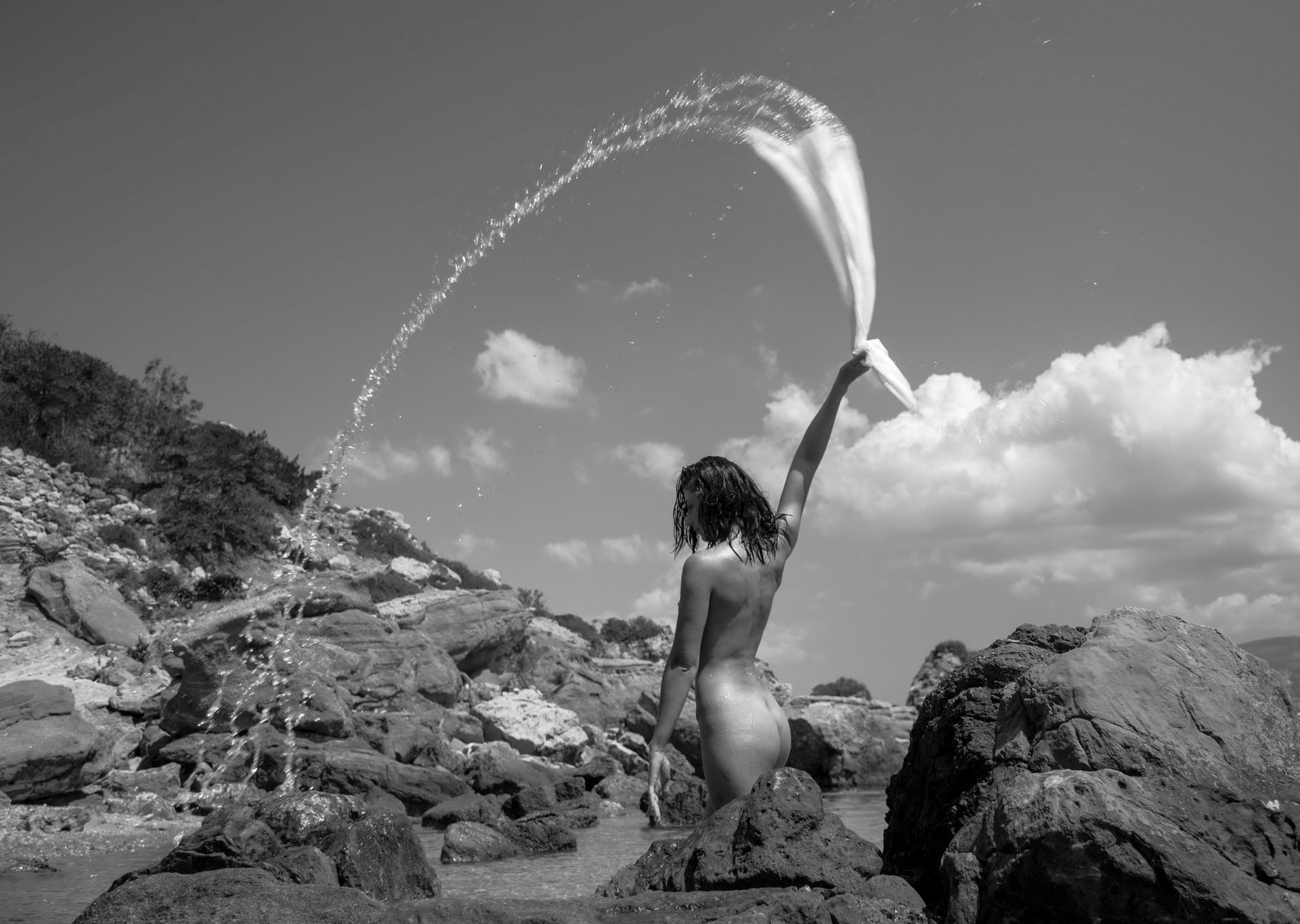
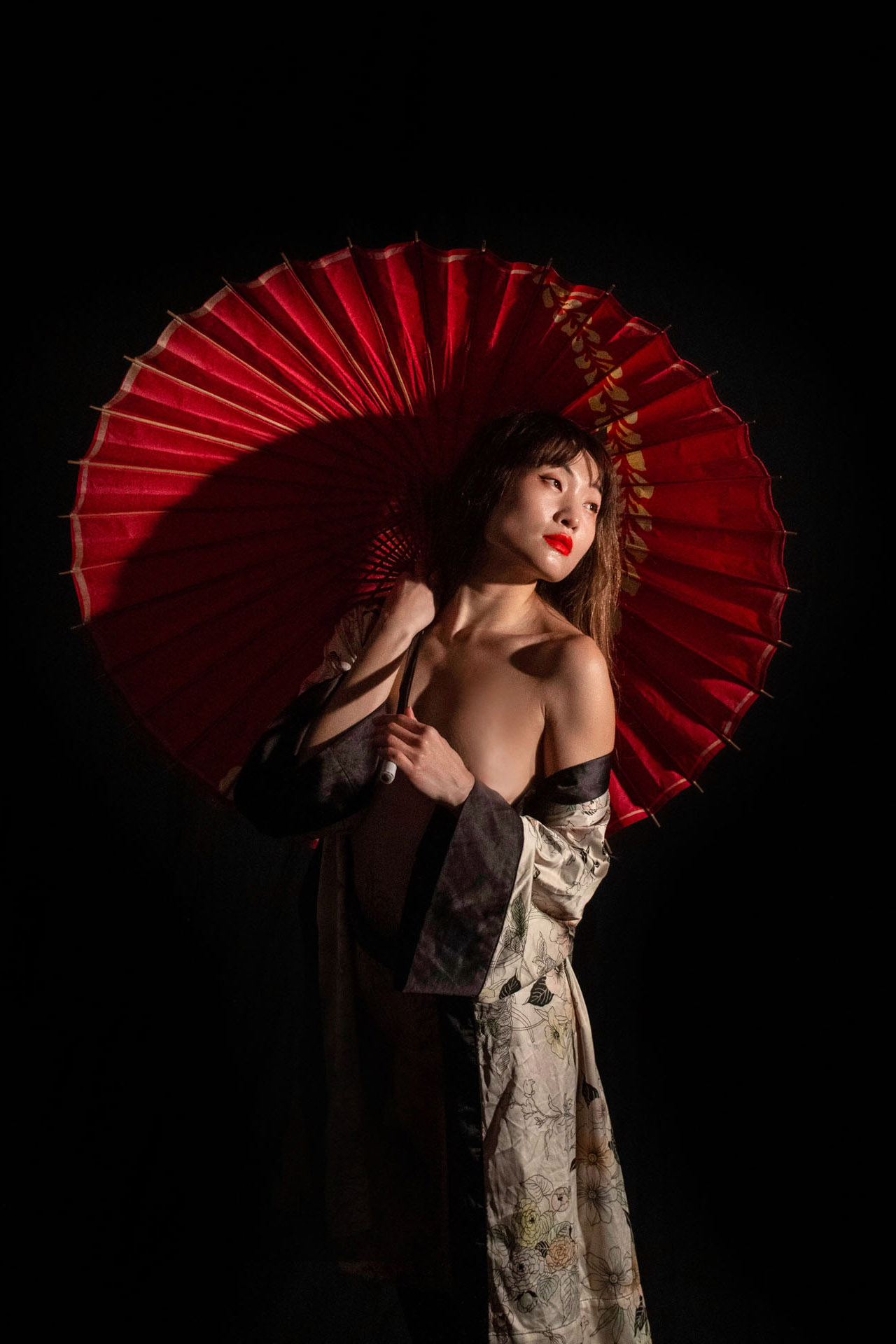
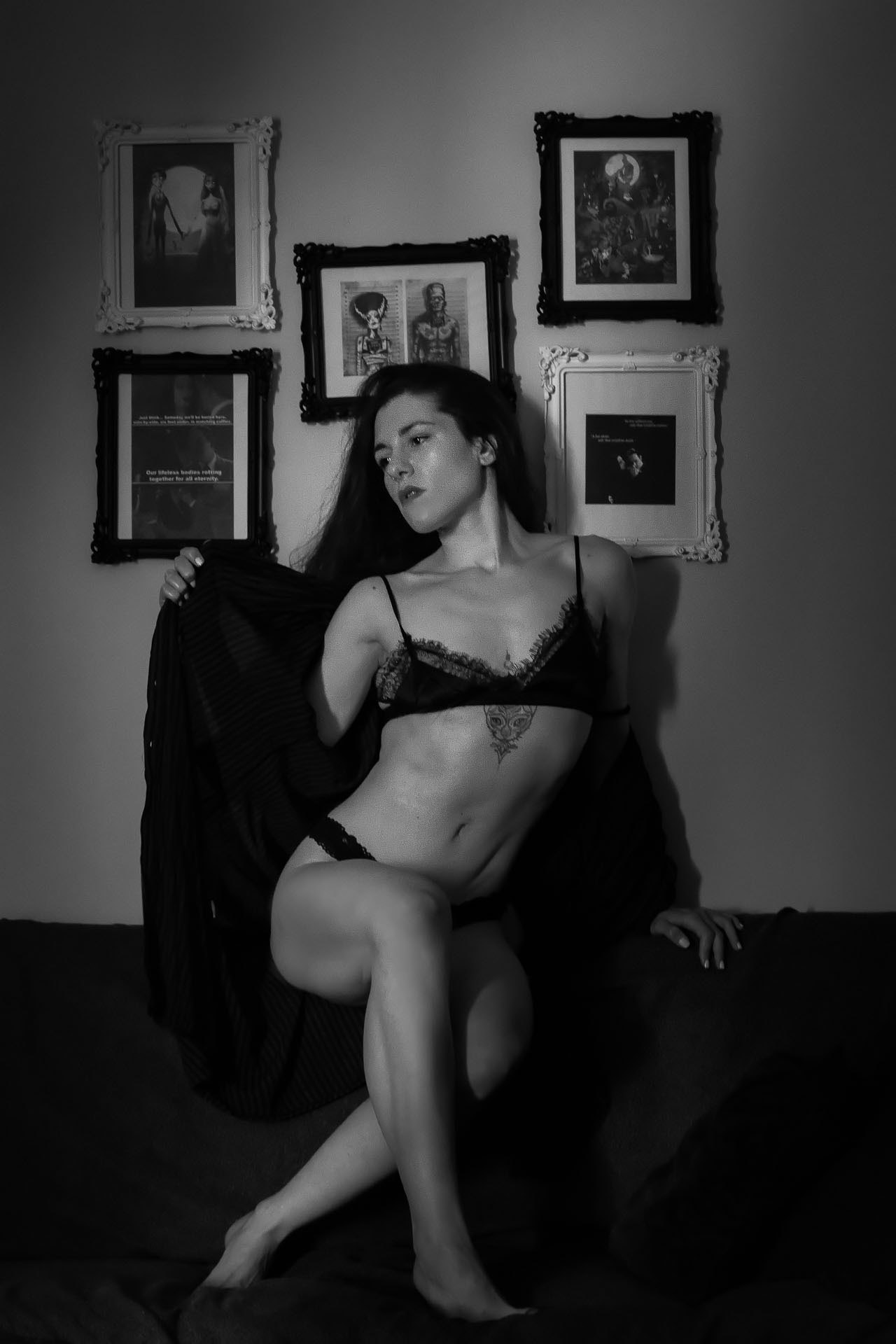
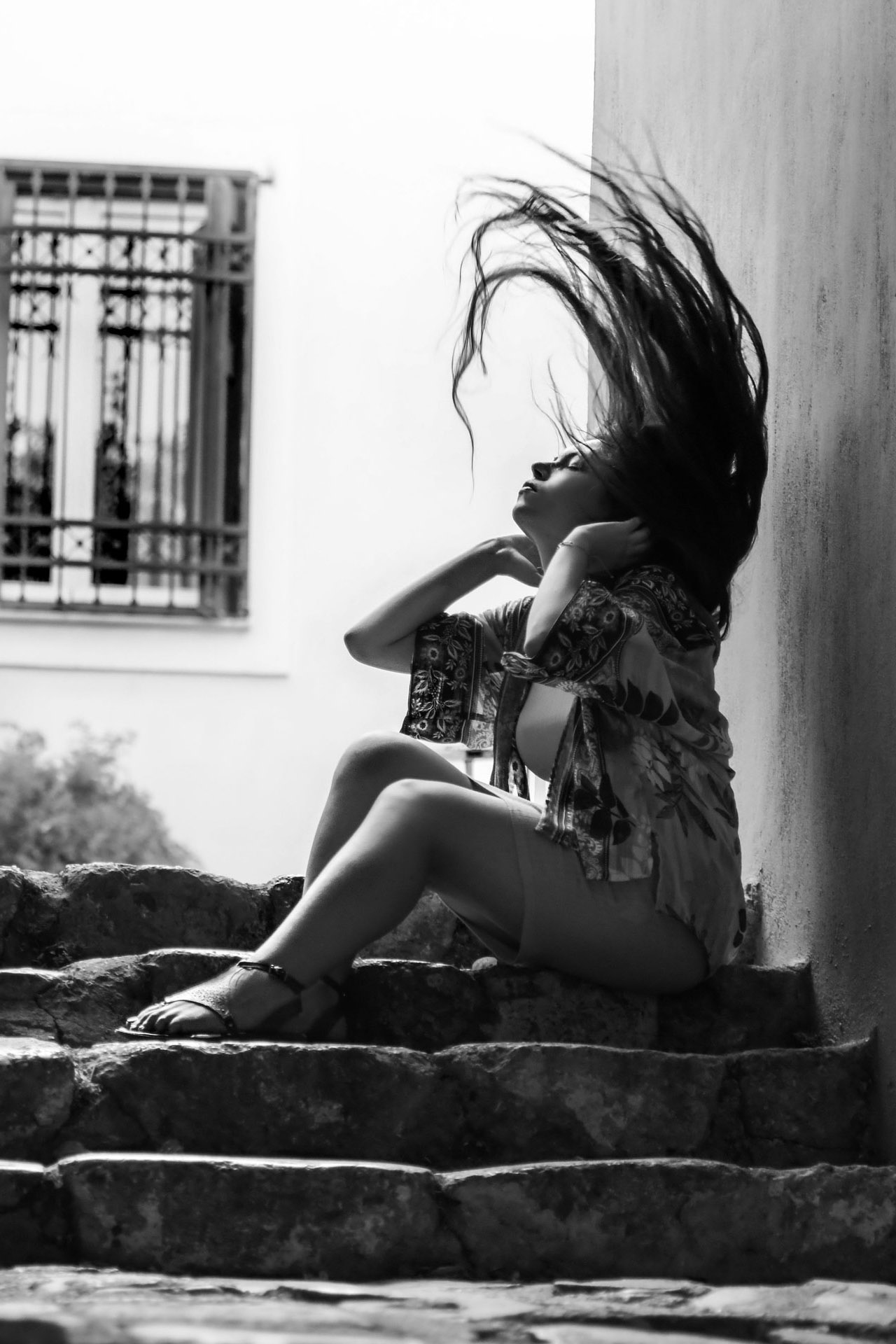
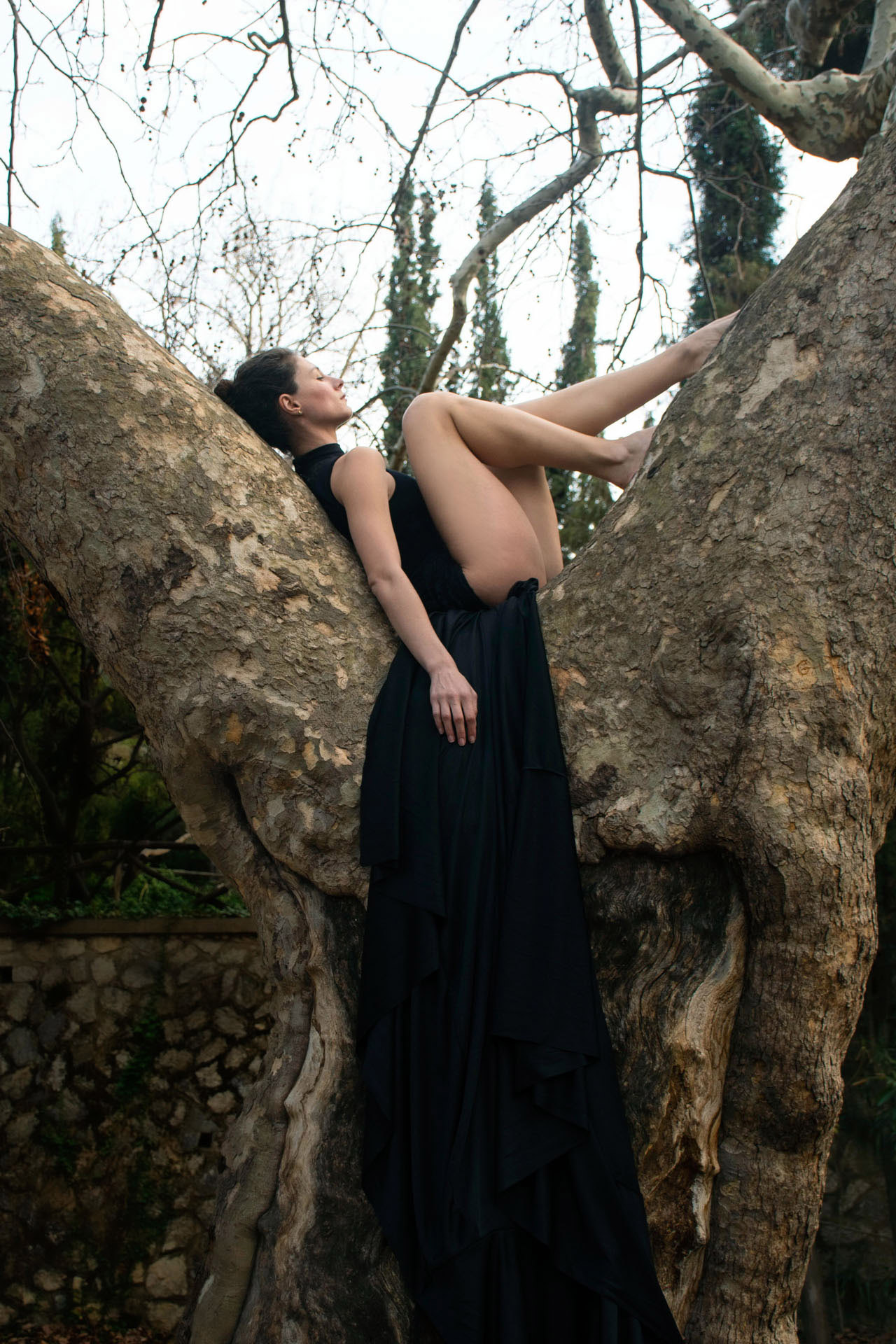
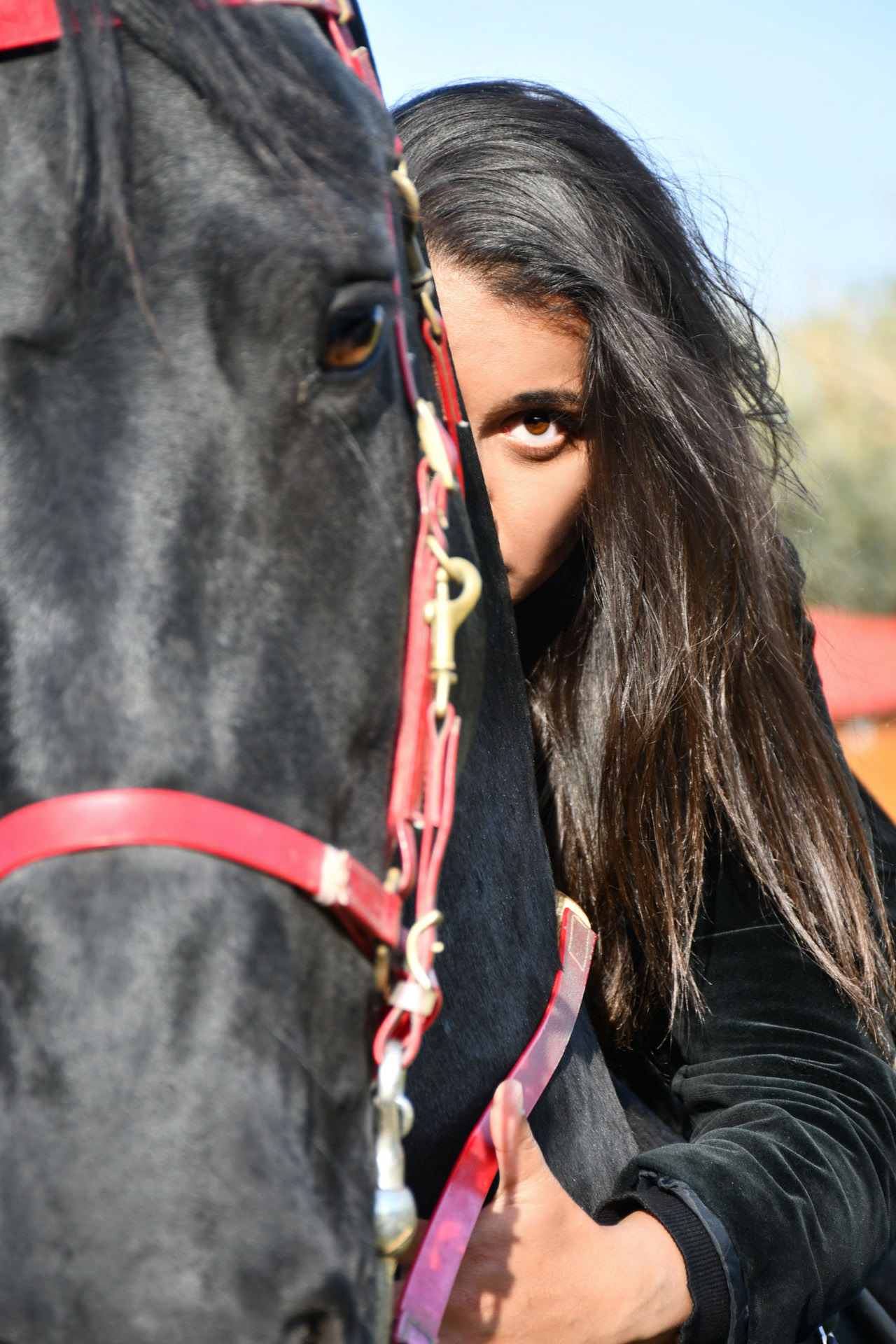
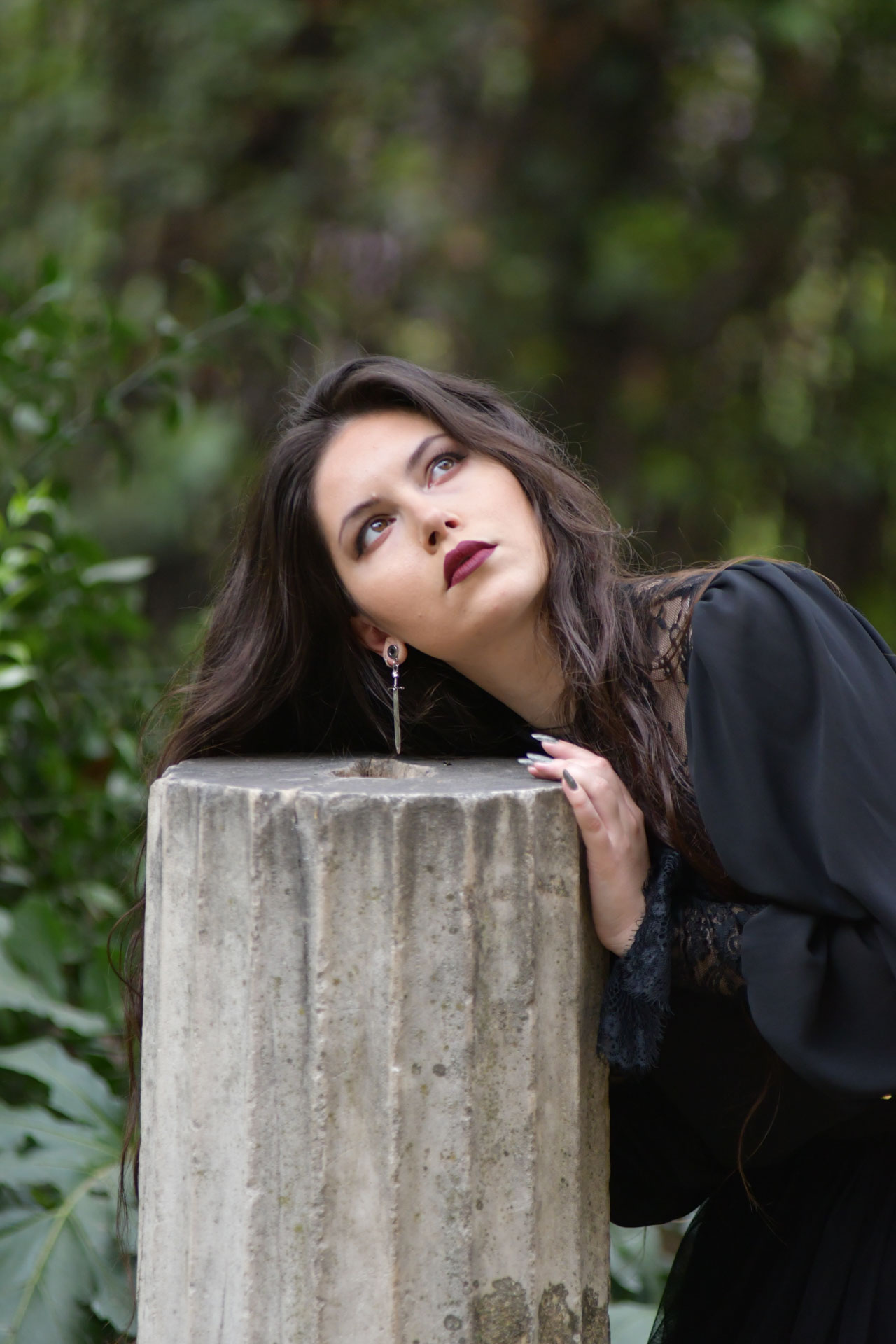
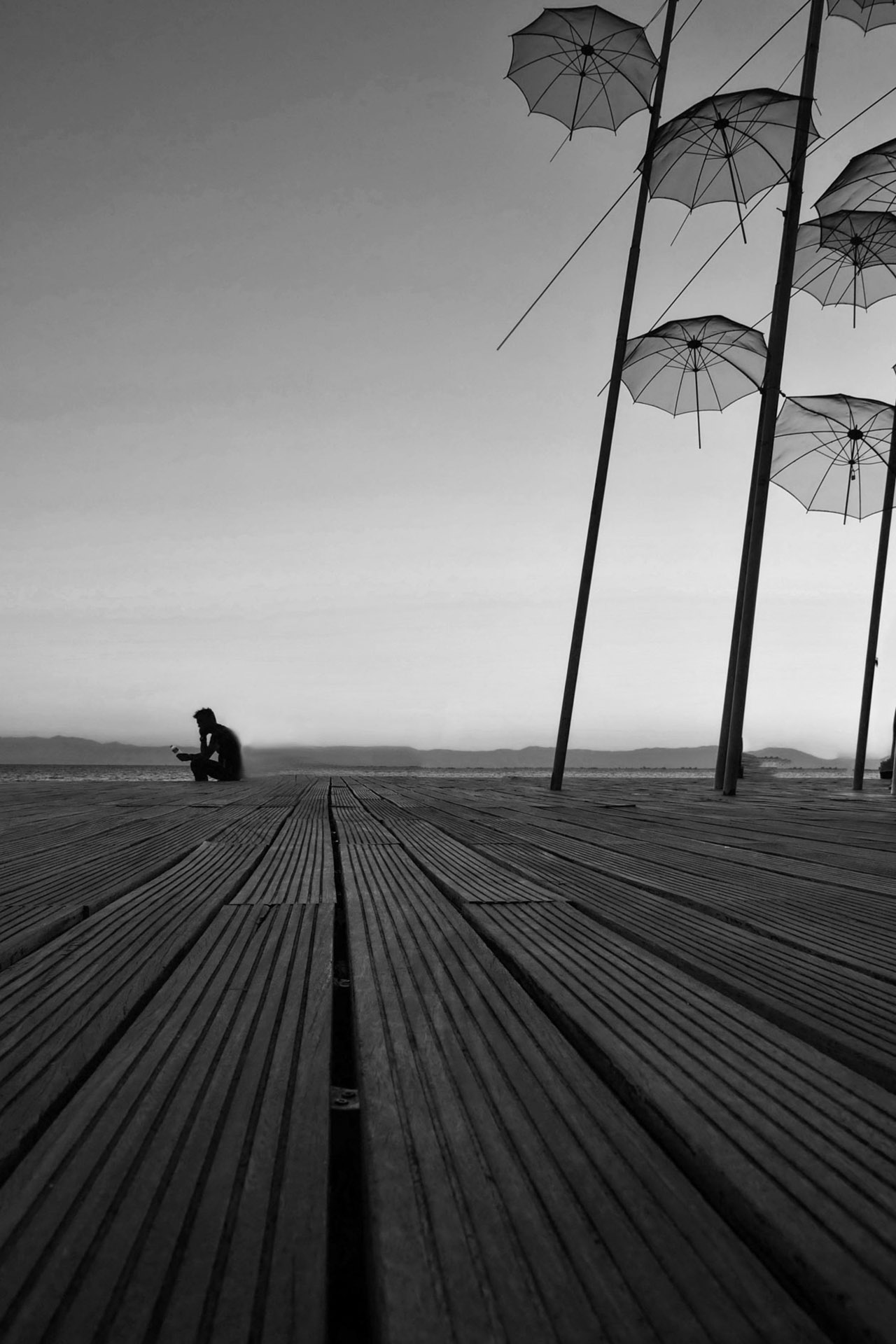
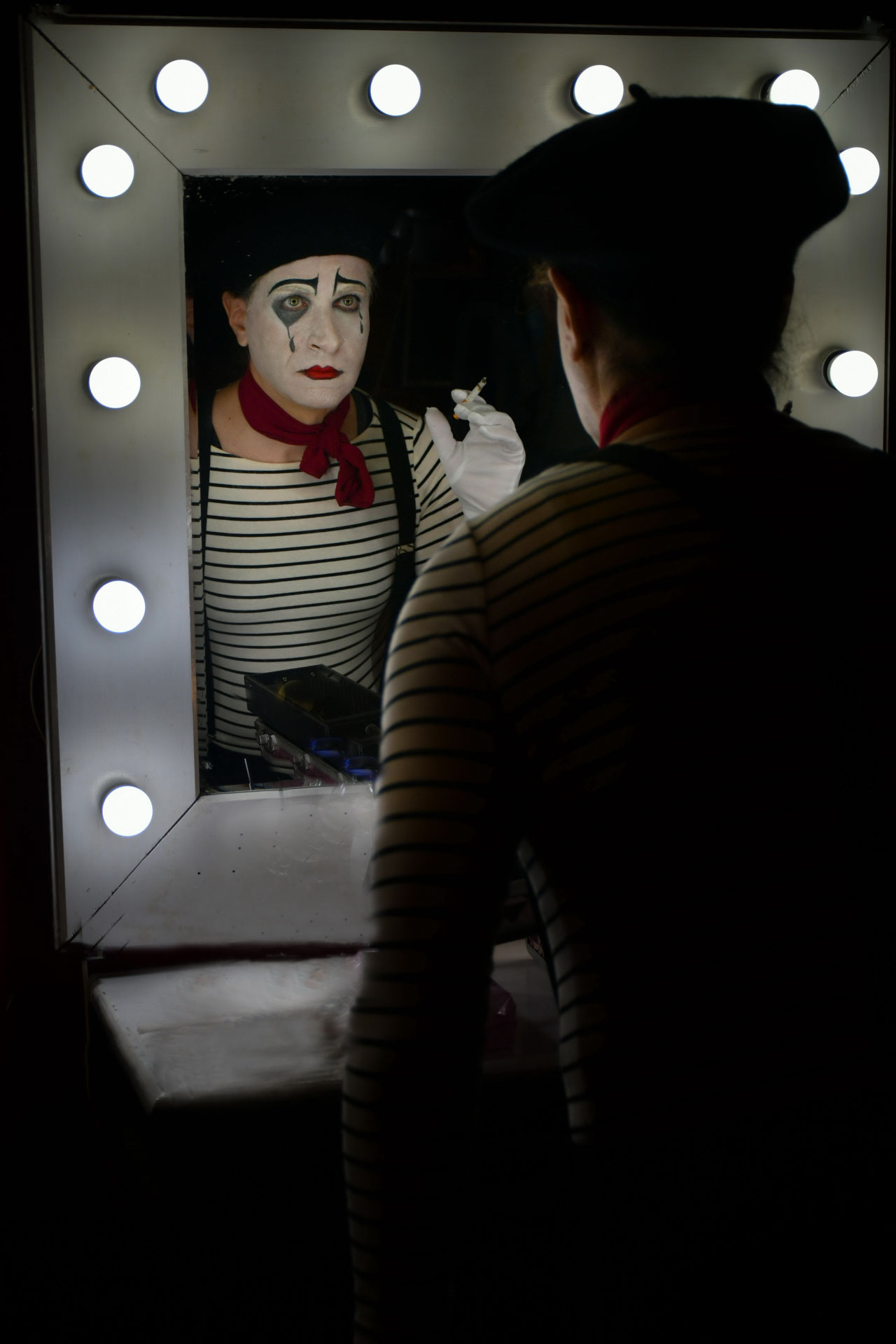
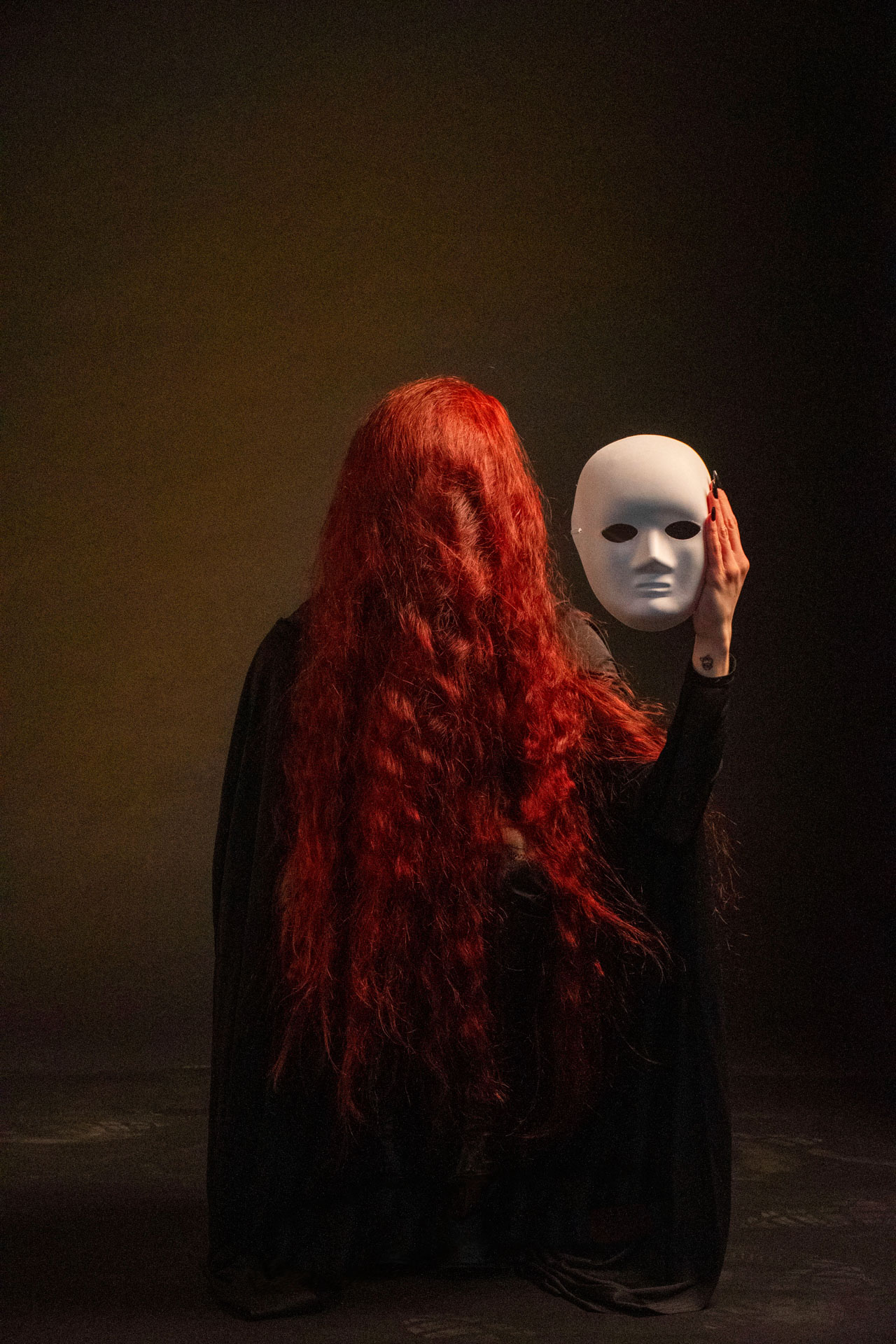
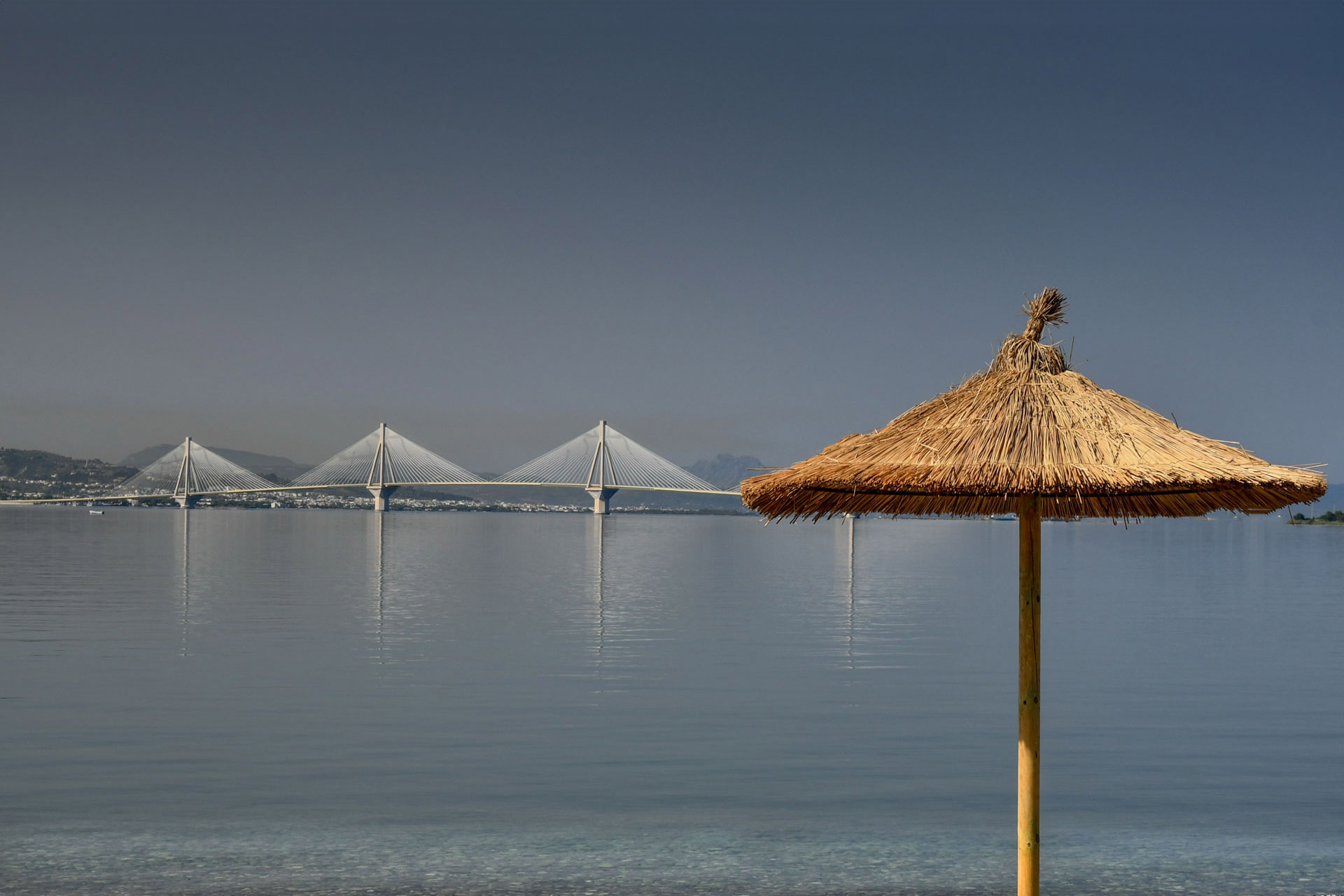
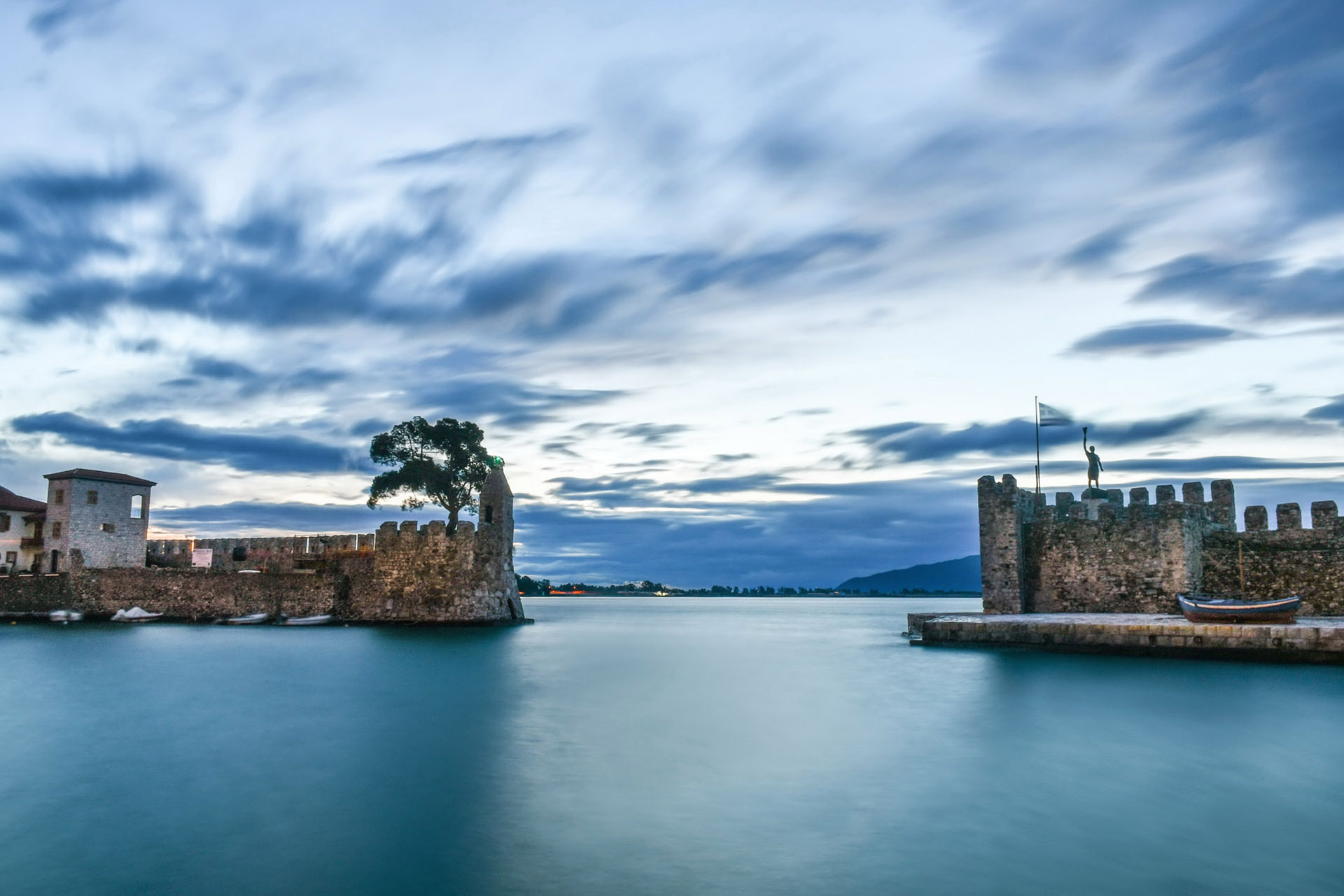
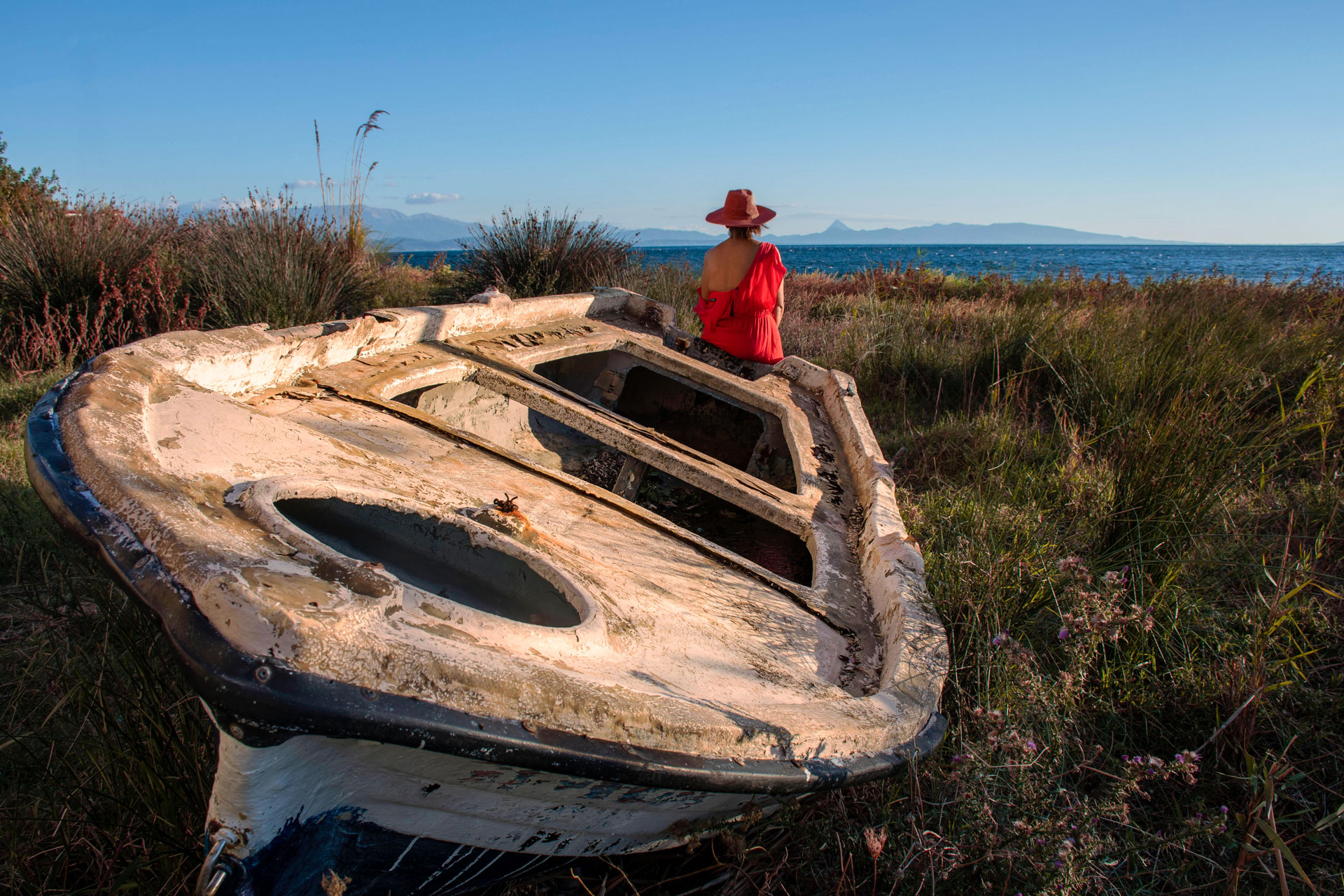
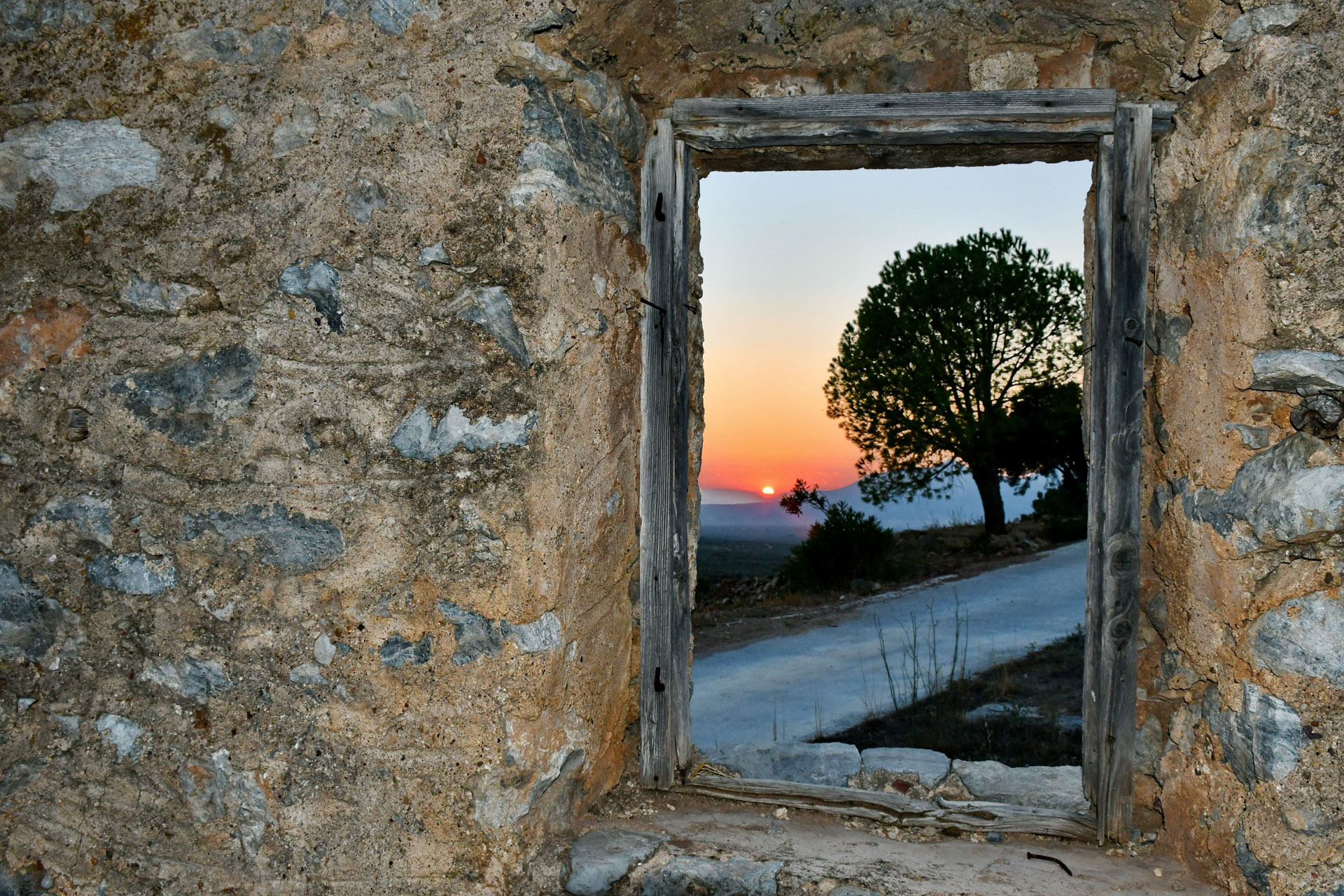
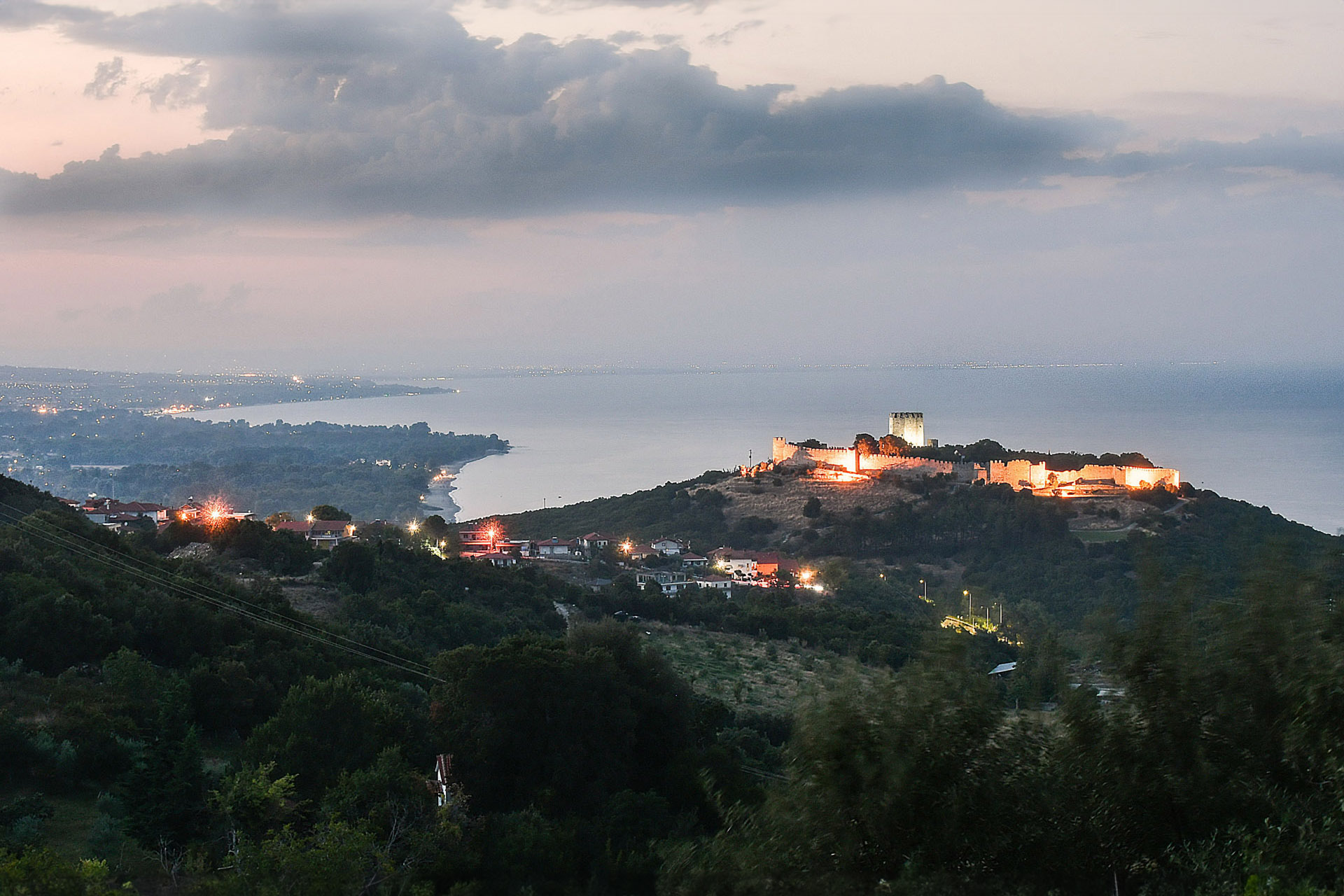
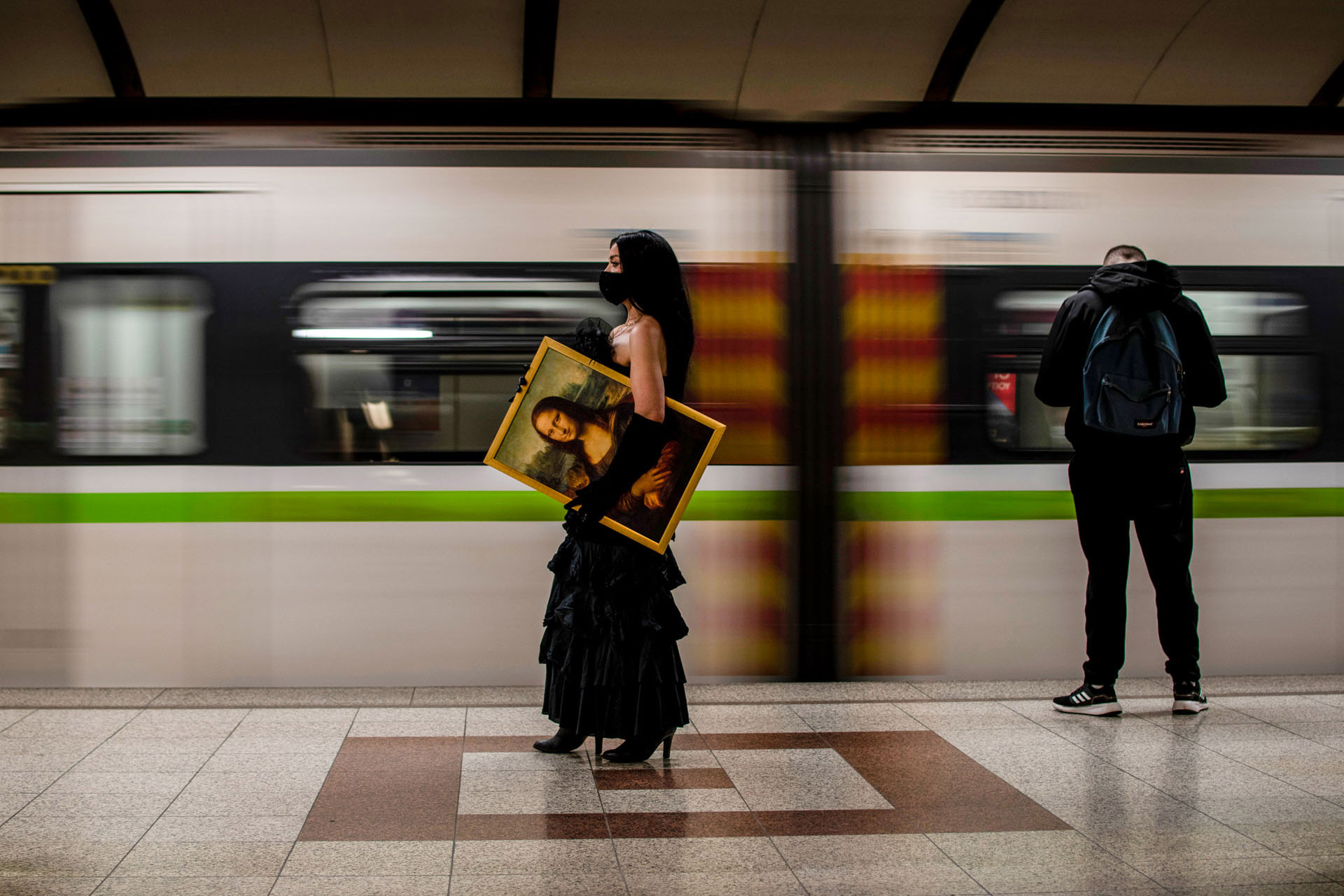
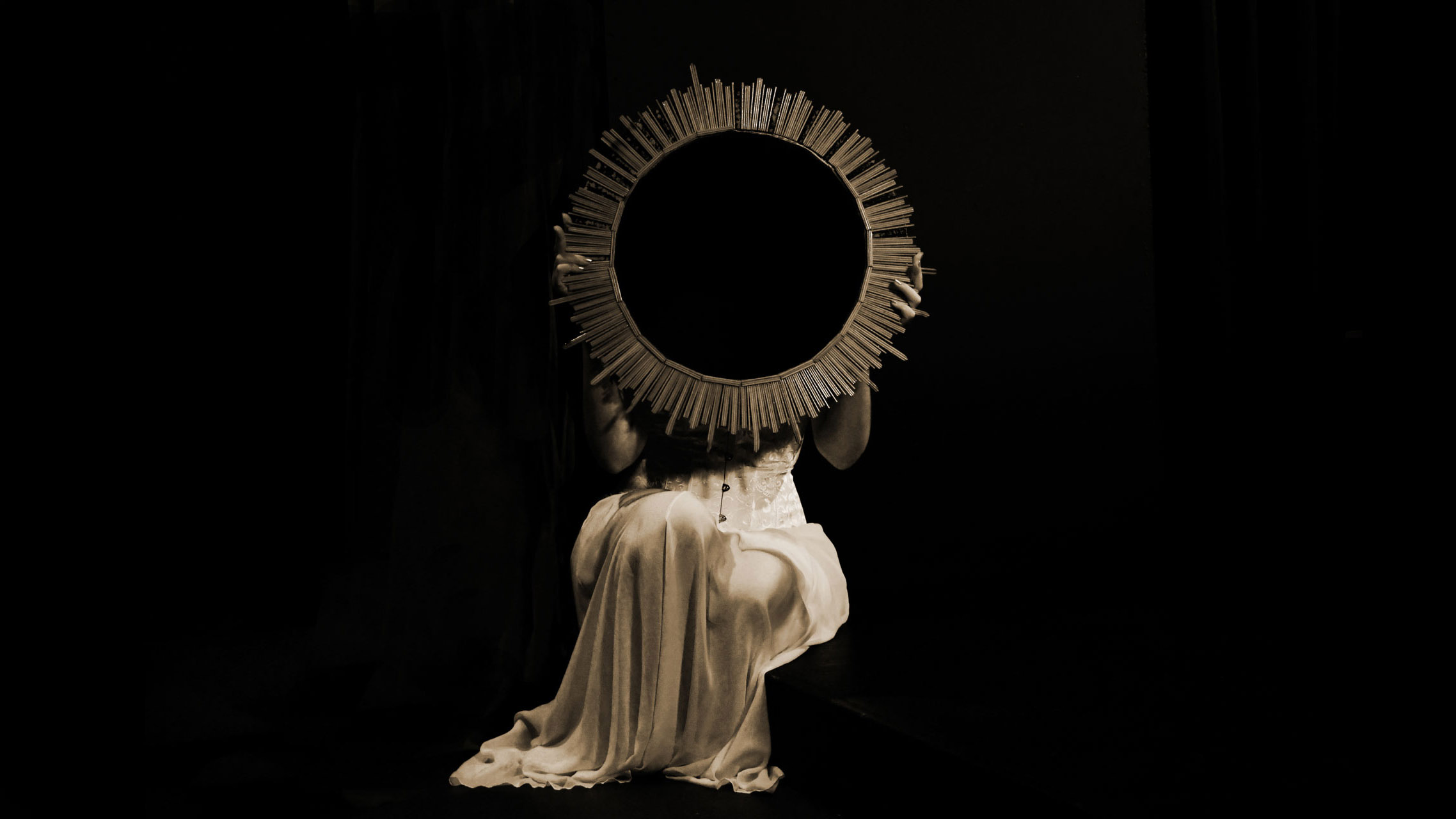
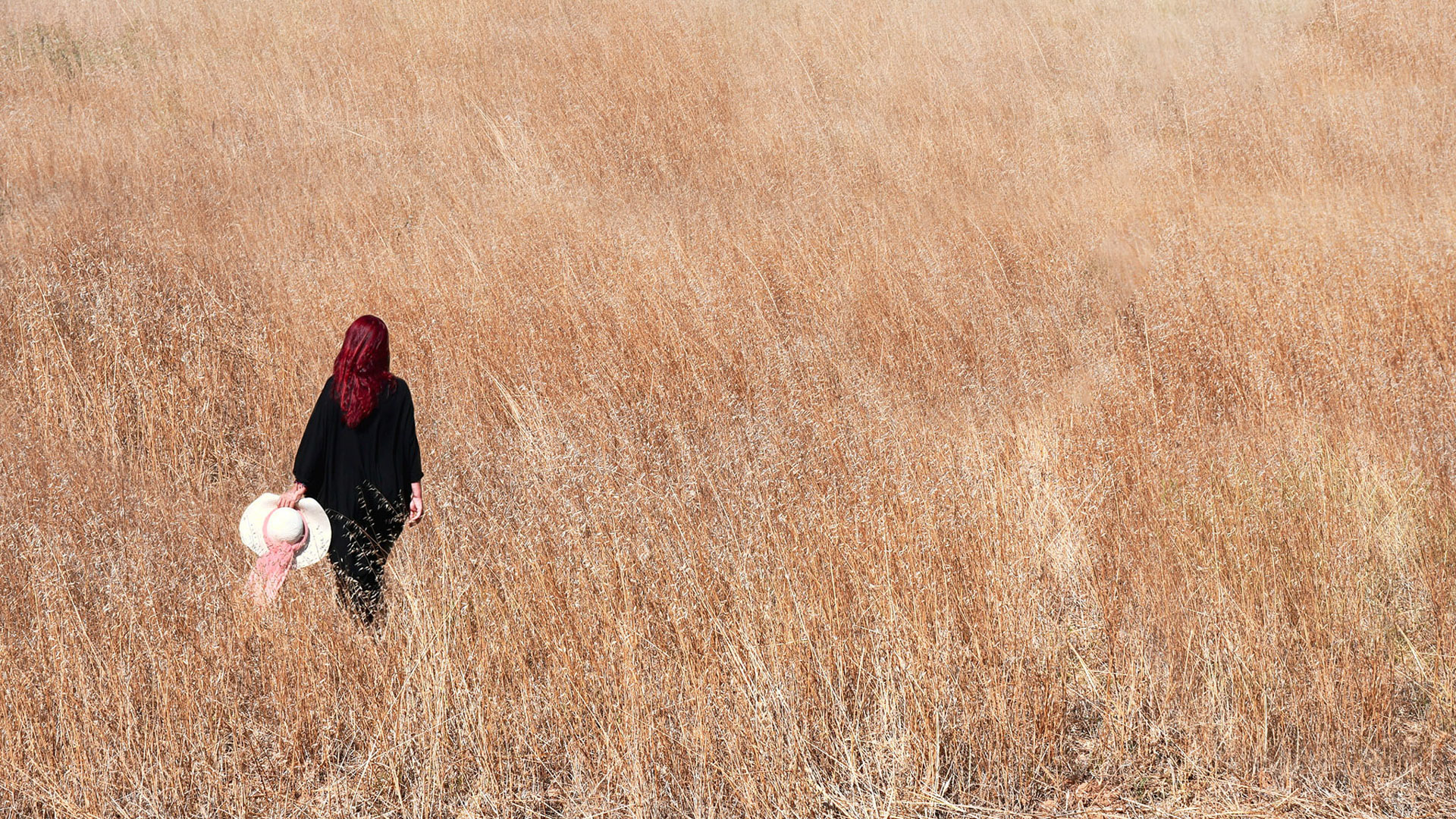
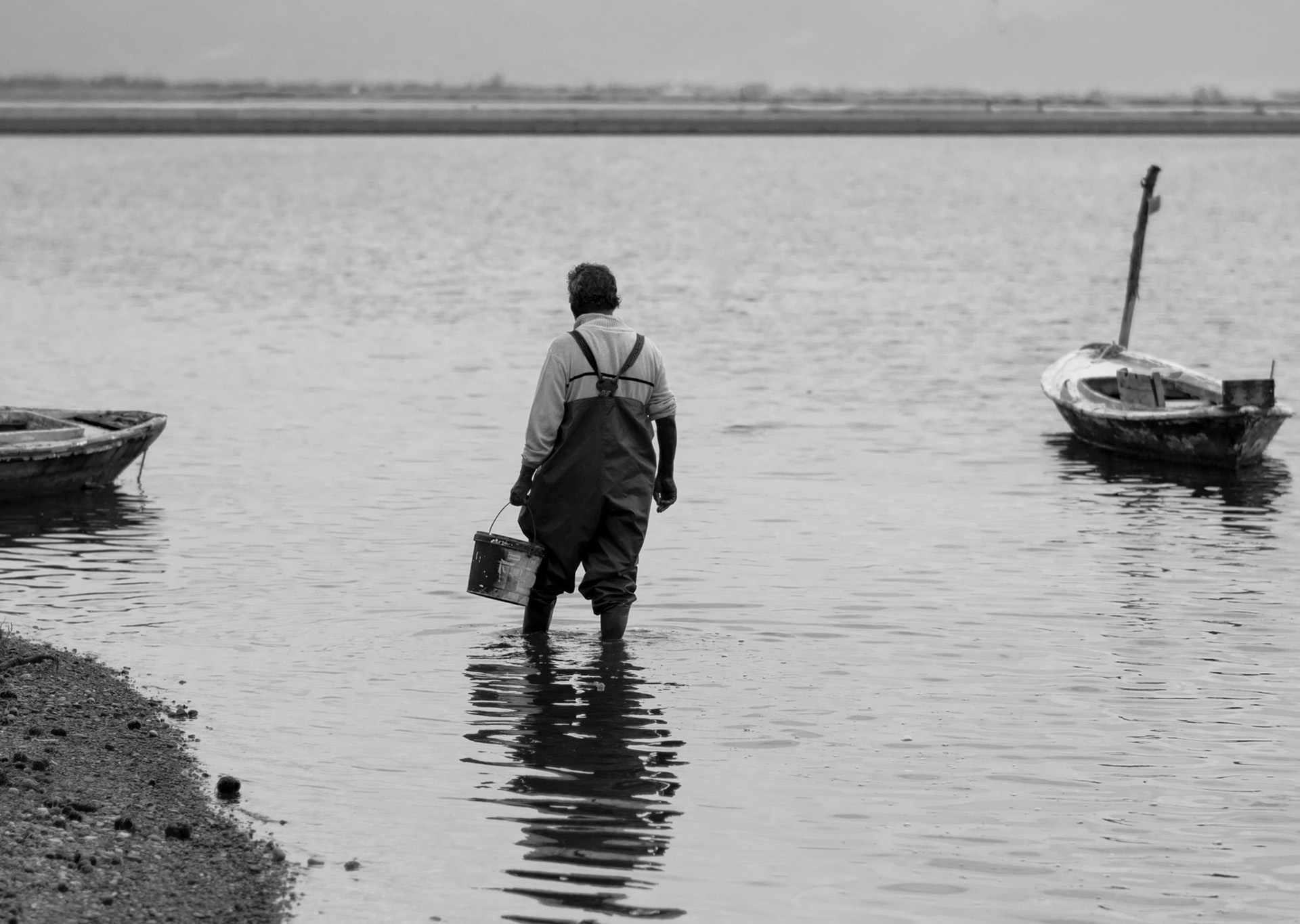
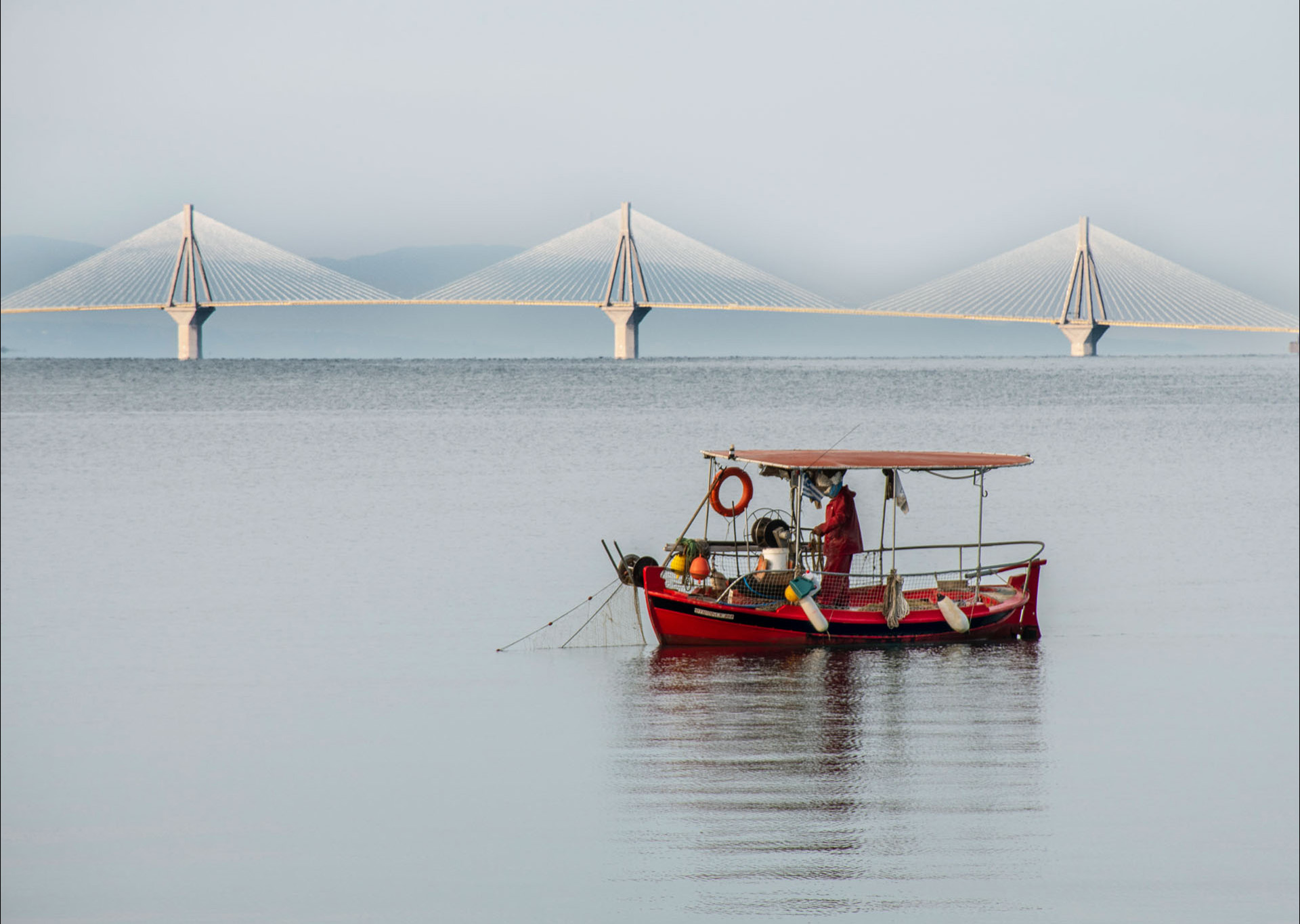
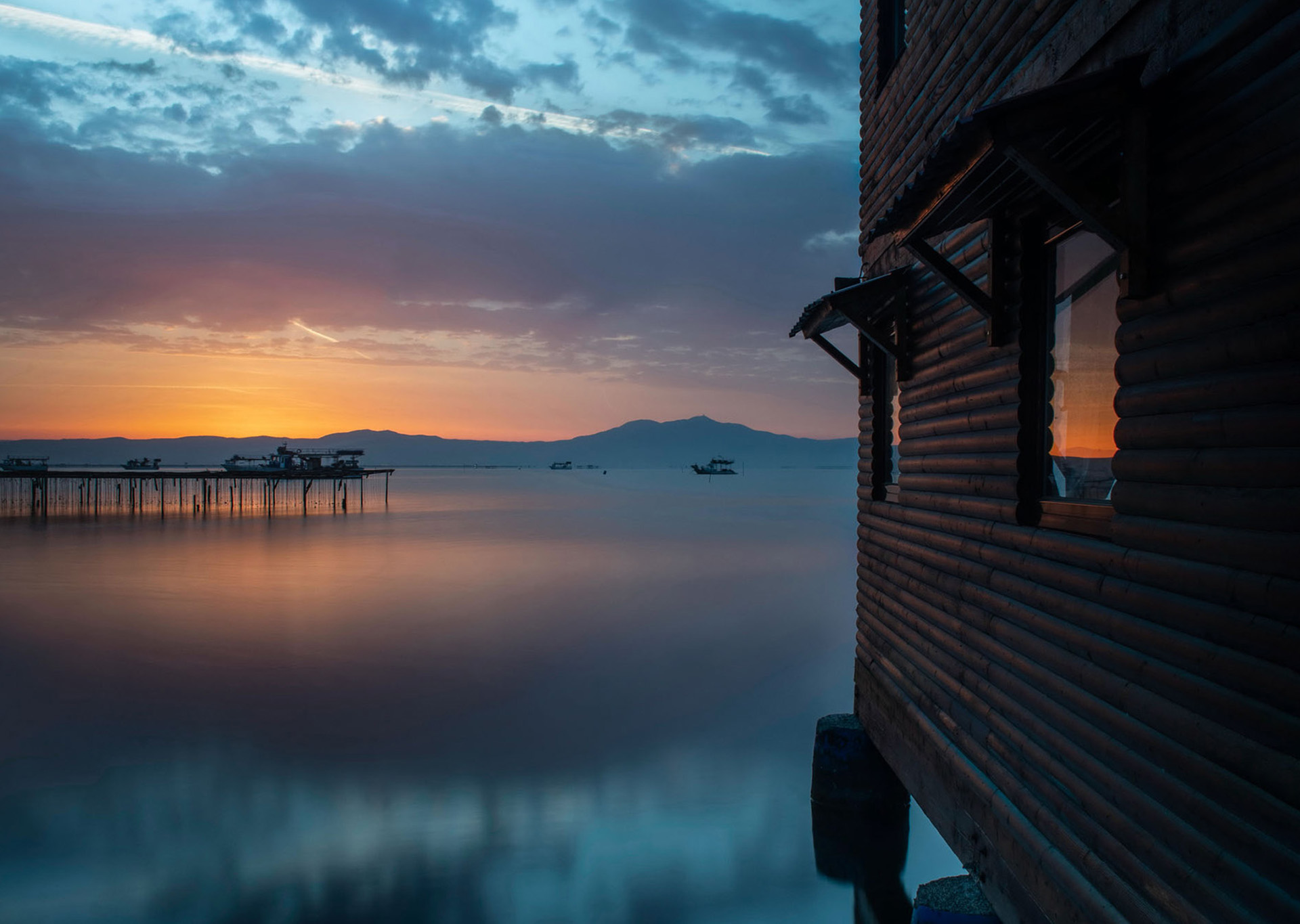
He describes himself as an amateur and a lover of photography, and works across various themes. He singles out street photography, landscape, portraiture, artistic nude, and, finally, theatre photography, since he is also involved in acting. He loves individual concepts with people who also love photography, creating an interwoven collaboration through which he can build an improvised story, direct it, and immortalise it.

He has taken part in several group exhibitions, including iFocus and Photovision, with Instagramers Events, as well as exhibitions with Diaphragma 26 and the Hellenic Photographic Society, of which he is an active member. He has also received distinctions in several competitions, and his work has been featured in photography magazines.

His motto is: “Life is moments; every photograph is a moment.” And while he makes it clear that he still has much to learn, and is happy about that, he always tries to do his best. We had the honour of meeting Antonis Alexakis in person during his visit to Katerini with the Hellenic Photographic Society. Since then, we have enjoyed a beautiful online exchange, and we thank him for honouring us by inaugurating our new feature, titled Five Questions.

Follow Antonis on Instagram: @ant.alexakis_photography

1) Why do you photograph?

I could answer very easily with “because I like it” or “because I love it.” Of course, those are true as well. But I believe it is something deeper. It is the emotion I want to bring out in each of my images. Perhaps they are images I have imagined long before, images I already carry inside me like a vision, waiting for the right moment to bring them to life.

In a few words, I photograph in order to externalise the emotions of my soul. I like my images to speak instead of me.

2) What detail, for you, makes a photograph good?

In our time, especially with the internet, we are flooded with hundreds of thousands of images every day. I think we live in the age of the image, and not so much in the age of photography.

For me, a good photograph is one that makes you look at it a little longer. It catches your interest, either because it gives you some kind of message, or because it brings out an emotion in you, or even because you do not understand it and try to.

So, for me, the detail in a good photograph is whatever remains in the viewer’s memory — and every artist must find that for themselves — so that the viewer does not hurry past it as they do with thousands of other images.


3) Where do you draw your creativity from, and how do you fight a possible photographic dead end?

I think the secret lies in the simple things of life, in its details, in your love for them, and in the divine gift of life.

Very often, we human beings consume ourselves chasing high expectations, and in doing so we pass by the true meaning of life.

Simplicity, truth, the beauty of life, the divine gift of imagination — all these help me think creatively. And if at some point I find myself in a photographic dead end, I will create in my garden, which I love; I will read a book; I will do something else.

Creation must live inside us in everything, so that we can create in art as well.


4) What do you dislike in a photograph?

Although the art of photography is subjective, I would say that I dislike anything that tries to attract the viewer in any way through affectation, falseness, hypocrisy, or vulgarity.
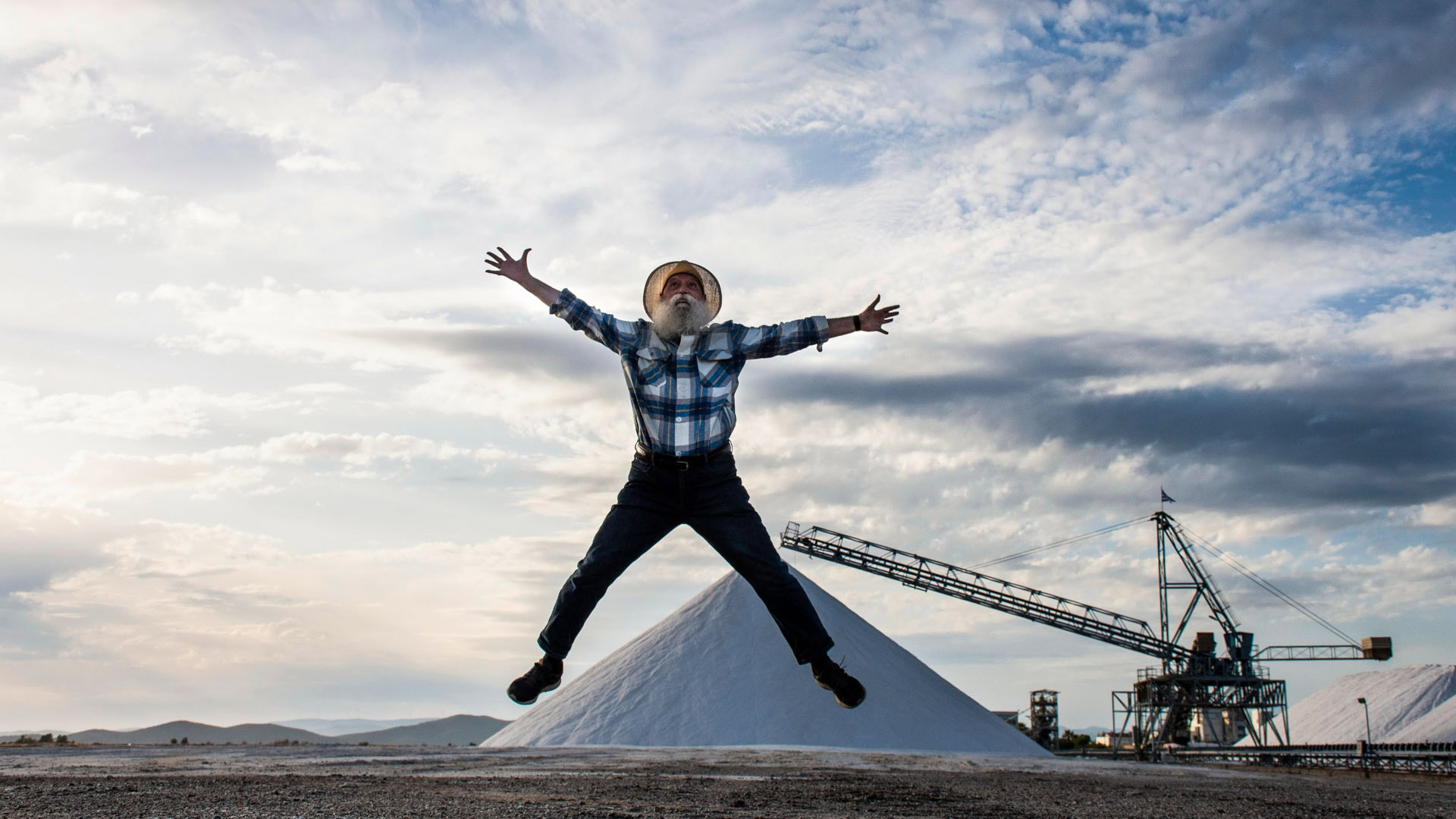
I mean cases where it is not the photograph itself that draws you in, but other practices, usually sexist ones and so on.

And of course, I am not against staged photography. I photograph the nude. But I want to believe, and I try to make sure, that it comes close to the idea of spontaneity, that it declares itself artistic by offering some kind of emotion.


5) If you had to choose only one style of photography, what would it be, and why?

Very difficult.

I think every photographer should, along the way, engage with all photographic themes. Otherwise, as we said earlier, they will certainly end up in a dead end if they stay with only one subject.

But since I am being asked this question, I would say that I would never abandon the human element, in any of its forms. I believe that this chemistry — because there must be chemistry — between photographer and subject is magical.

It is difficult to achieve. It requires great effort, familiarity, and deep engagement with it, so that you can gain your model’s trust.

It is as though, when you photograph, you see inside them. You bring out their soul, as well as your own subconscious and imagination.

That “relationship” is something I would never abandon.