Voion Mountain

Article by Nikos Kakagias
Cover photo by George Tzimagiorgis
Edited by Harrys Pourouzidis

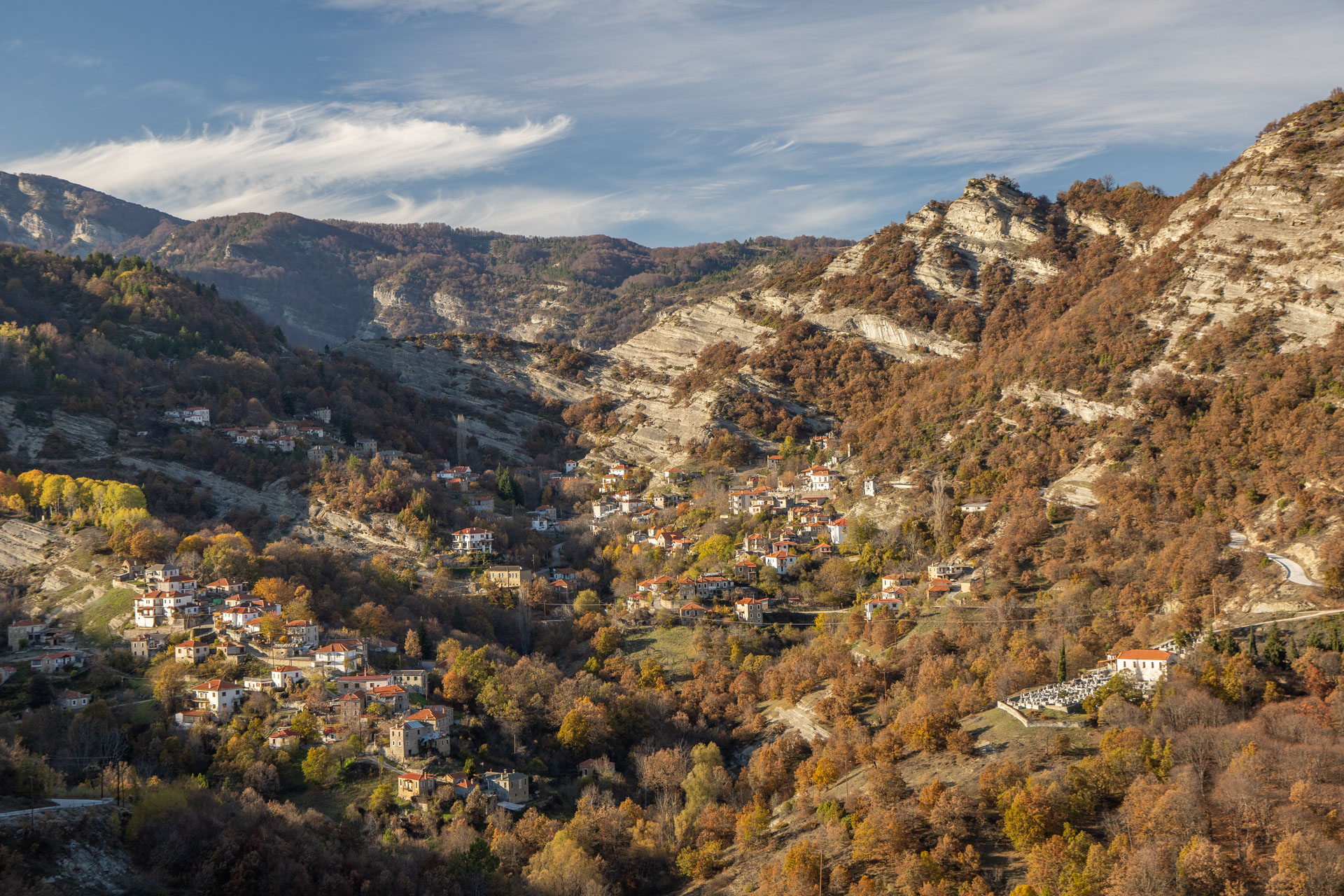
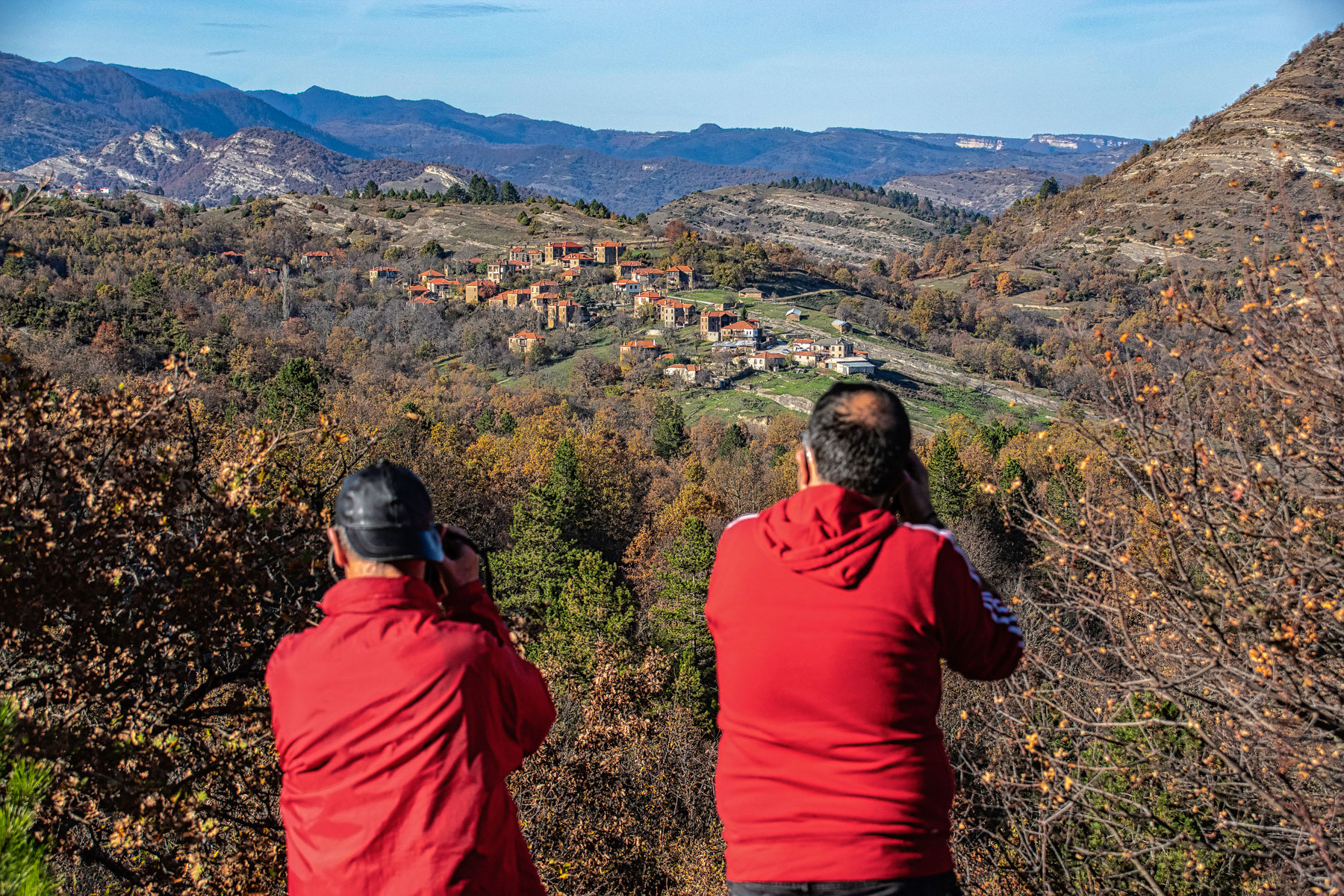
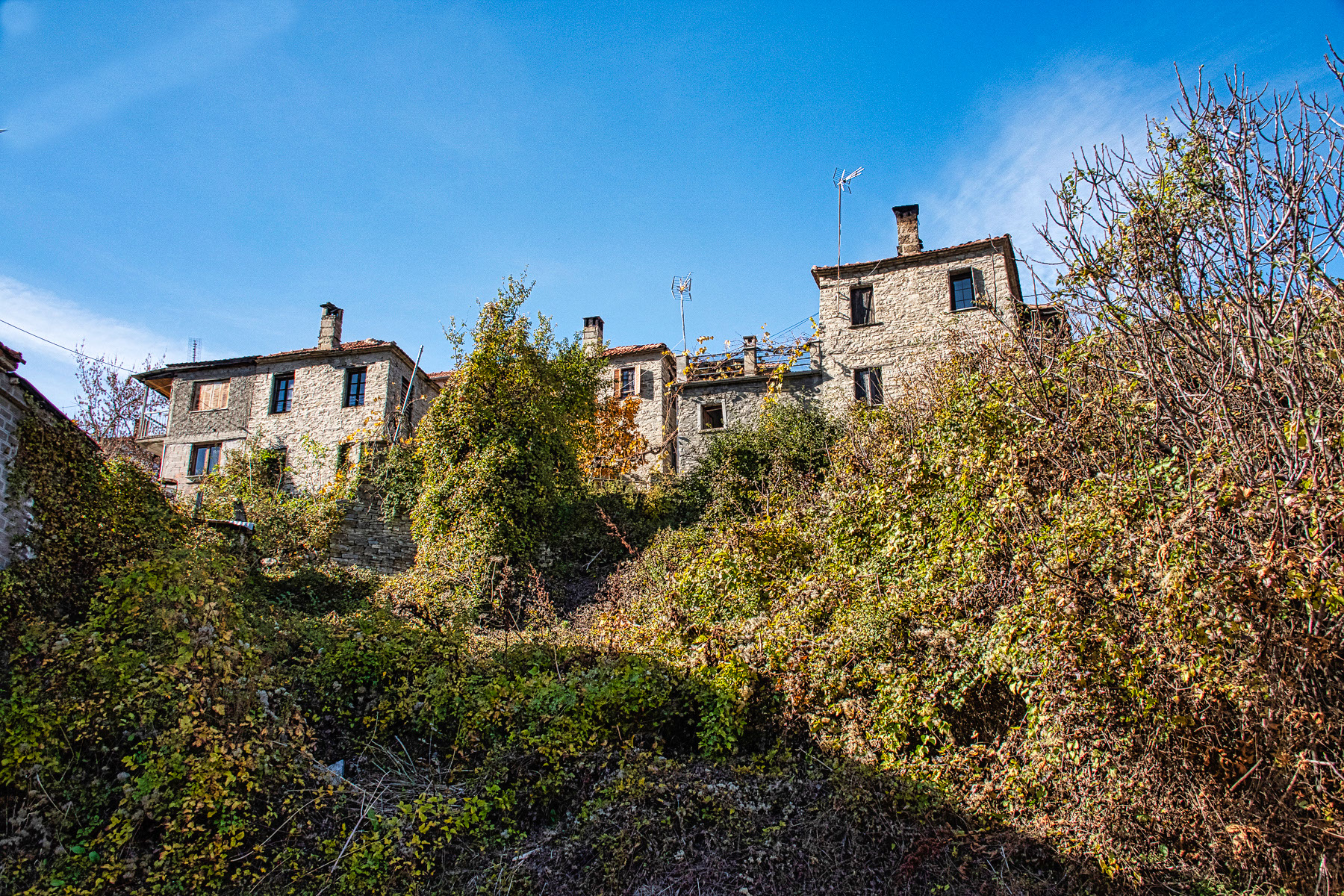
“Mount Voio…” Many will look at you in puzzlement, while the few, the well-informed, will nod knowingly. A mountain range in the west of the Kozani regional unit and the northeast of Grevena, it hosts villages with history and tradition kneaded into stone, which the skill of their inhabitants transformed into an art that still insists on standing to this day. It was those creations that the photographic gaze of the group set out to record, and so we took to the mountains on that biting November morning, before the sun had sent its first kiss.

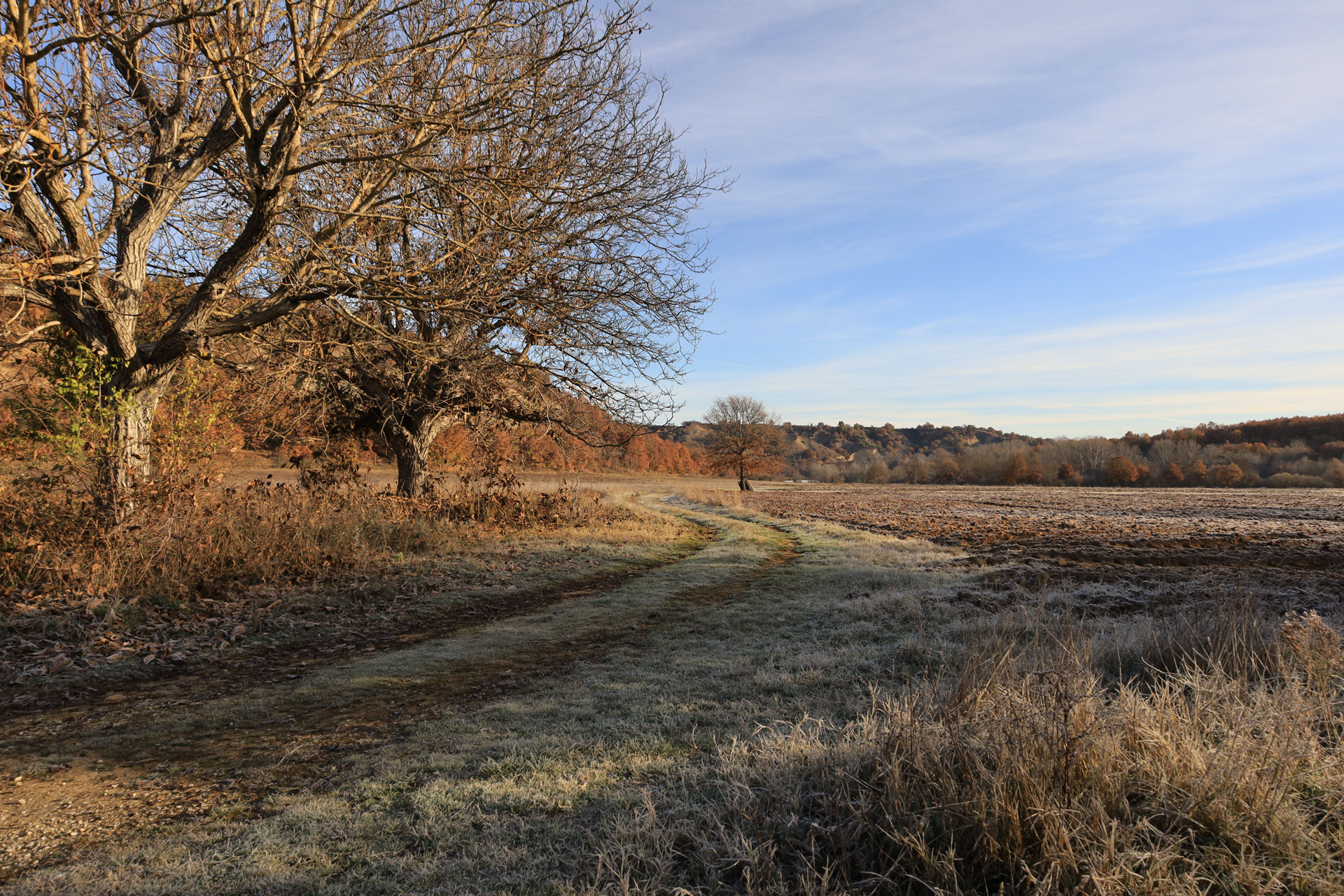
From Tsotyli, we turned southwest and began the winding ascent towards Anthochori. A little later, on the climb, just as the first ray of rosy-cheeked dawn appeared to the eye, we stopped to pay tribute to the great life giver, the sun.

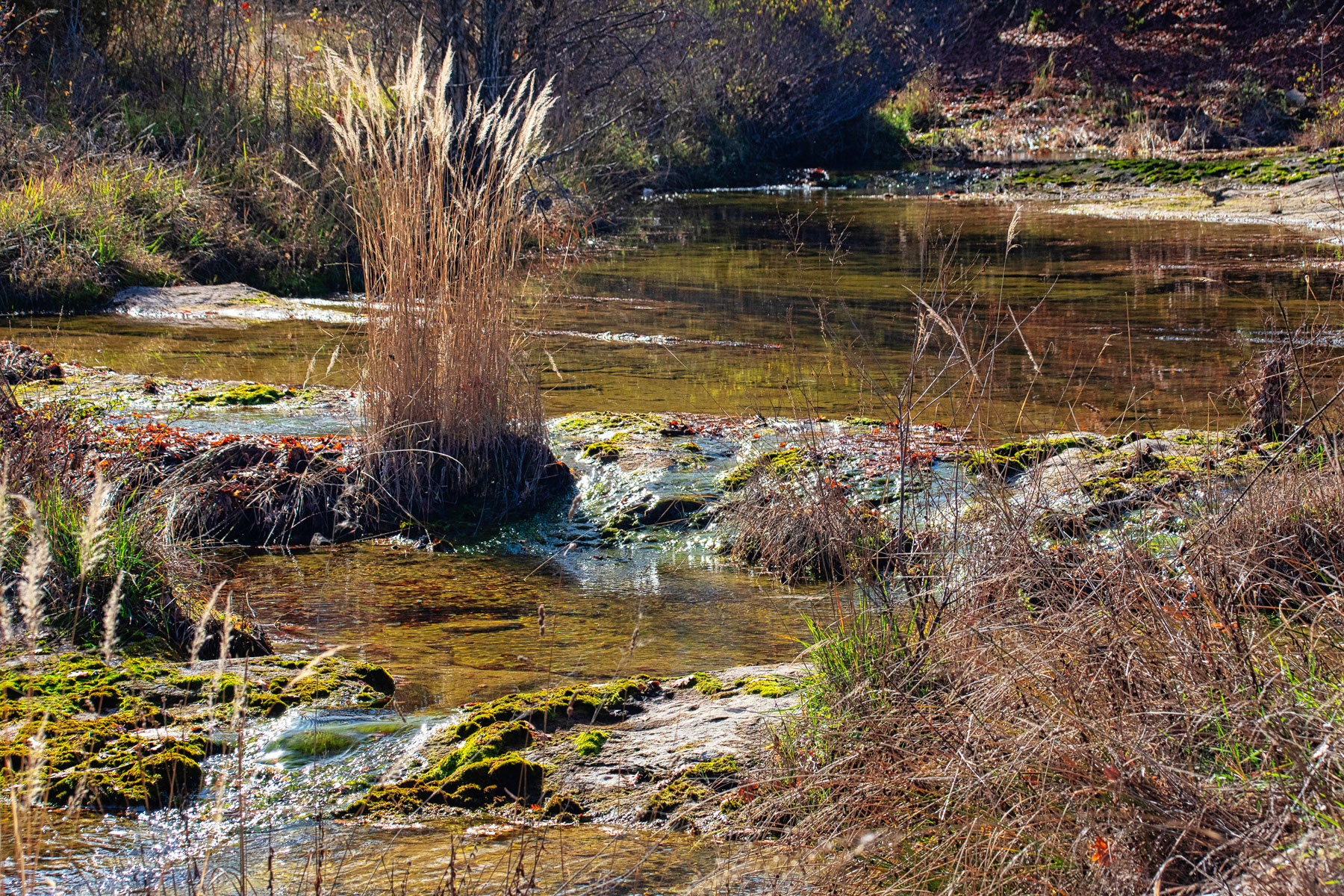
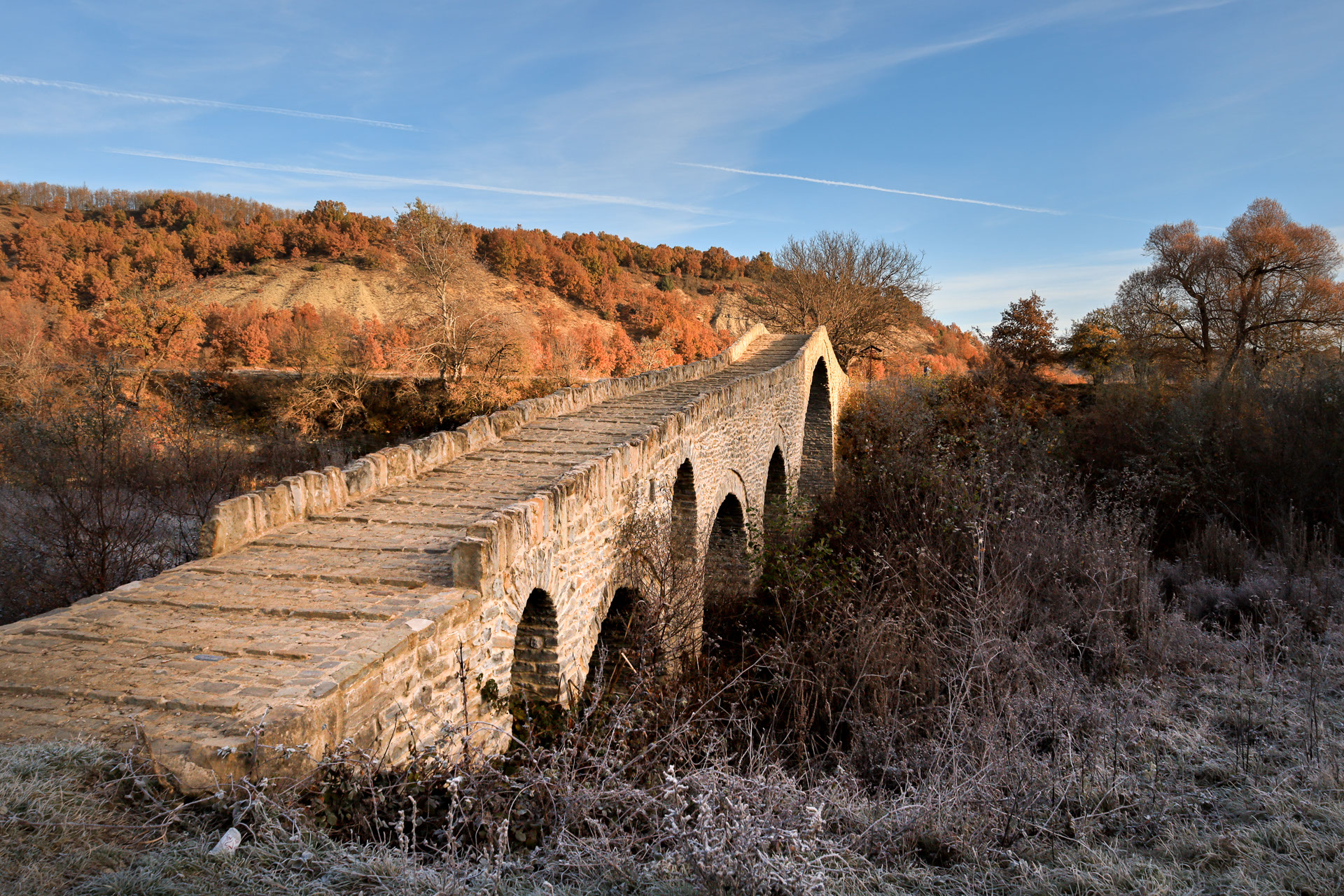
Outside Anthochori, in the small valley, we saw the slender figure of Pramoritsa river lazily basking in the pale light. The bridge, away from the flow of the road, stands out with its imposing form and its four arches over the river. It has stood there since 1870, bridging lives without complaint. They say it is the second-longest bridge in Macedonia.

With proper admiration and careful attention to every detail, we spent a couple of hours there, until our fingers froze on the shutter button and the first pleas were sent to Dimos to move on.

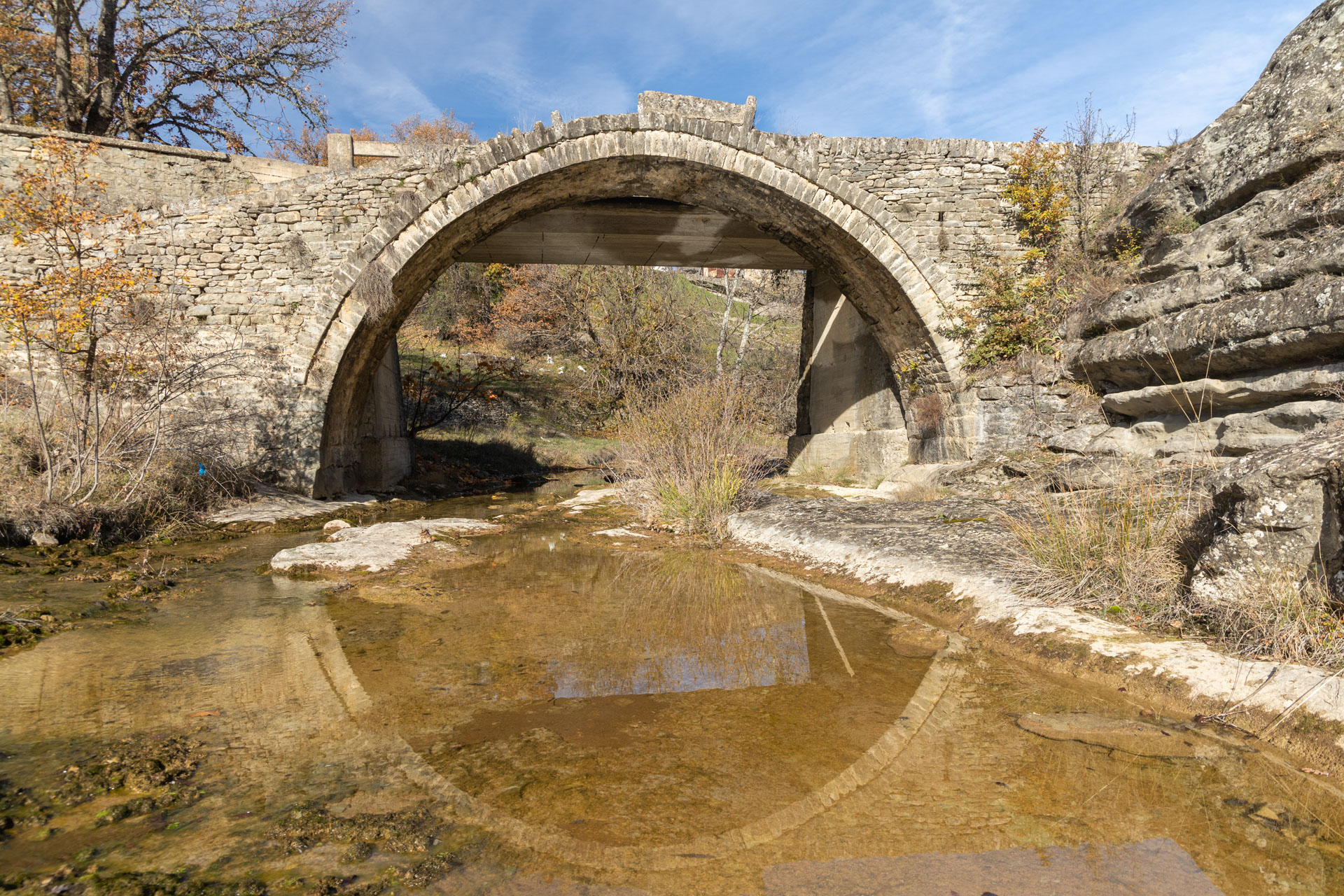
Further down was Krimini and its bridge over the same river, a bridge that had surrendered to modern needs and accepted asphalt on its back. After giving an earful to the unknown culprits responsible for this sacrilege, we set about restoring things as best we could, climbing up and down the shallow riverbed, where the water flowed gently, searching for the angle that would reveal the lost glory of the structure. It was built in 1802. It once had five arches, passed through many hardships in the flow of time, was blown up by some and rebuilt by others. But it endured.

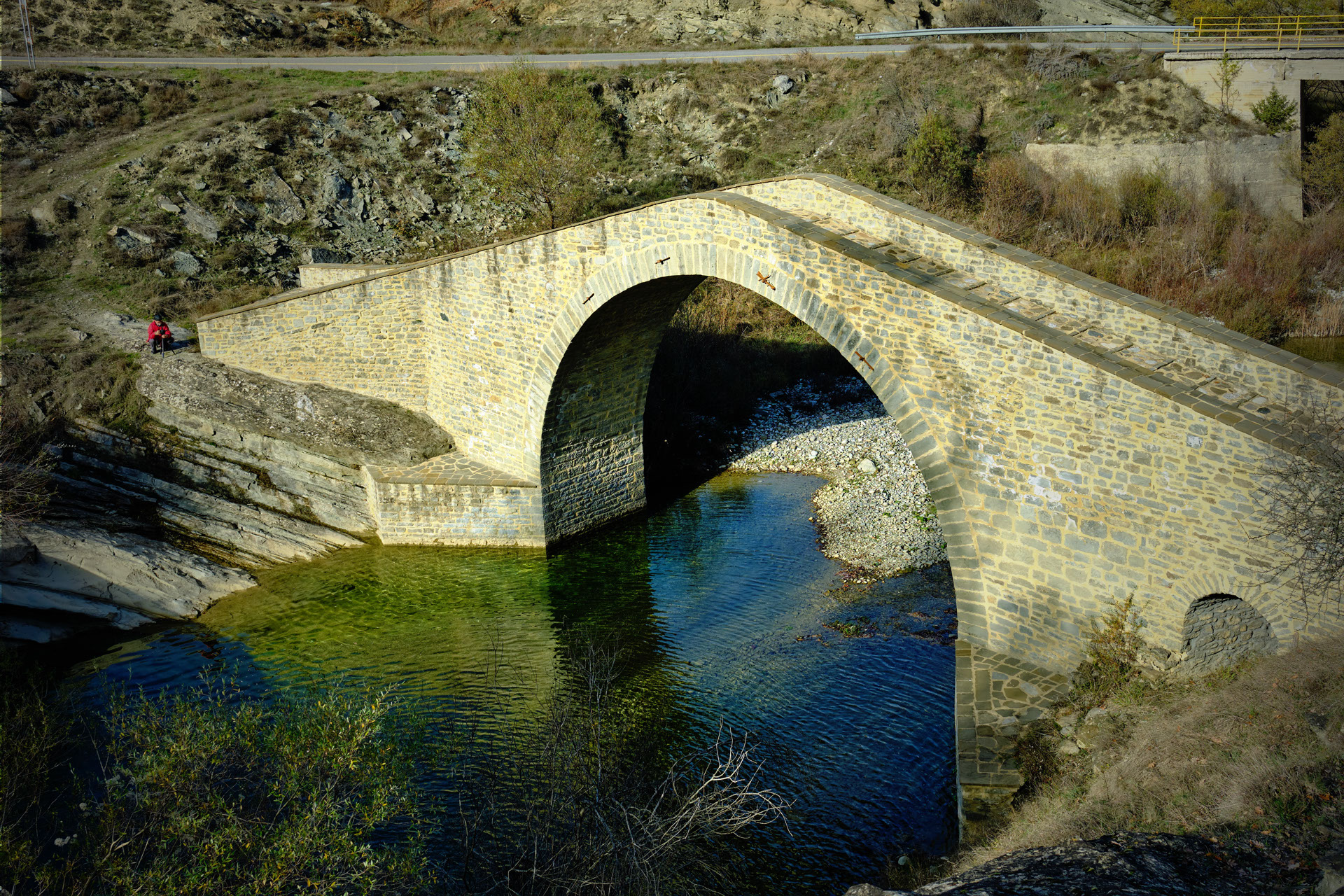
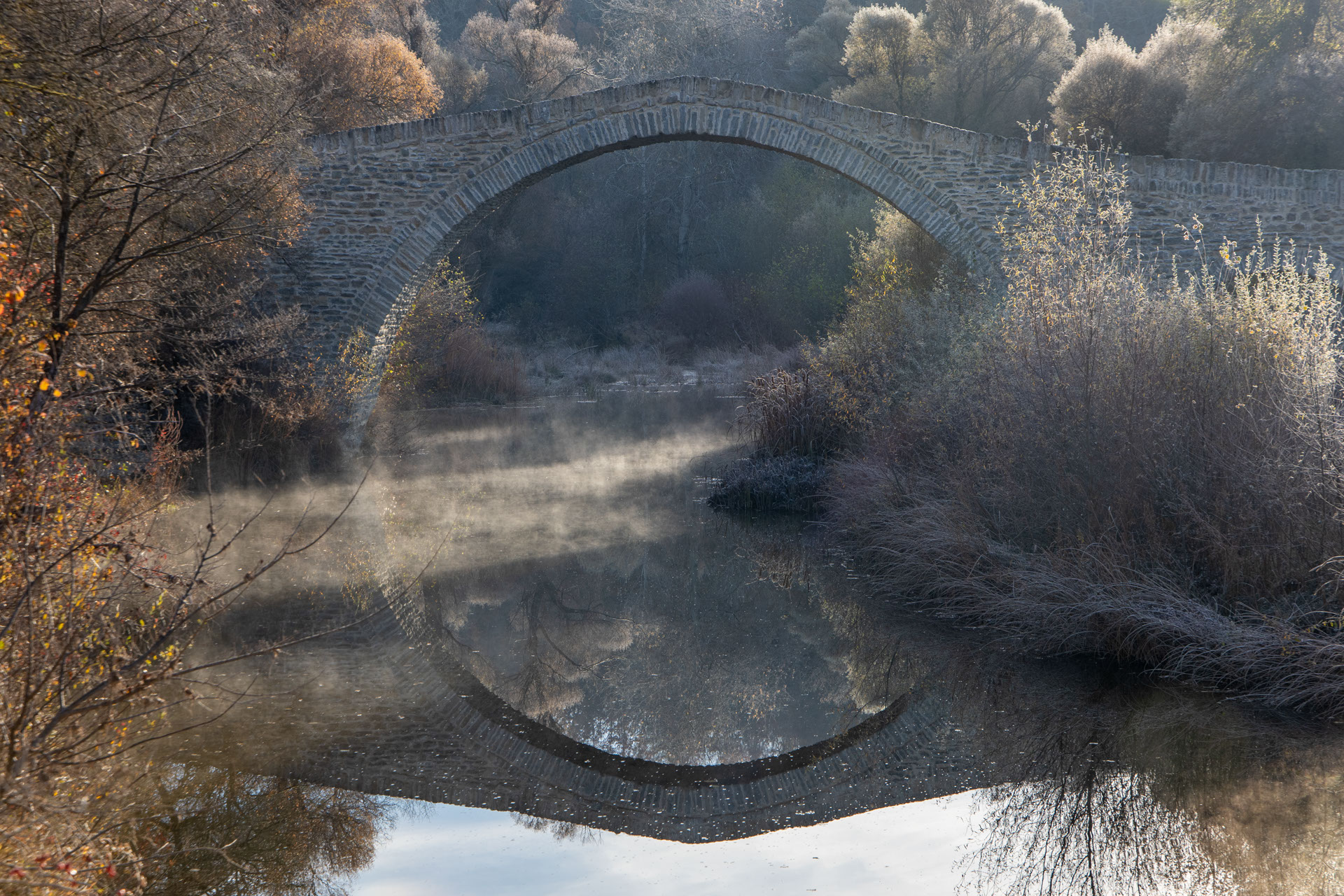
The climb had to reach its peak before it revealed to us the magnificent valley with “Charavgi” at its southeastern edge. There, in the winding silver of the road, the old single-arched bridge of Charavgi could just be seen, spanning the waters of the Vathia stream. It posed gracefully for us with its one and only arch, mirrored in the sunlight, while we unfolded our photographic skill, immortalising the games of the sun that had now climbed high.

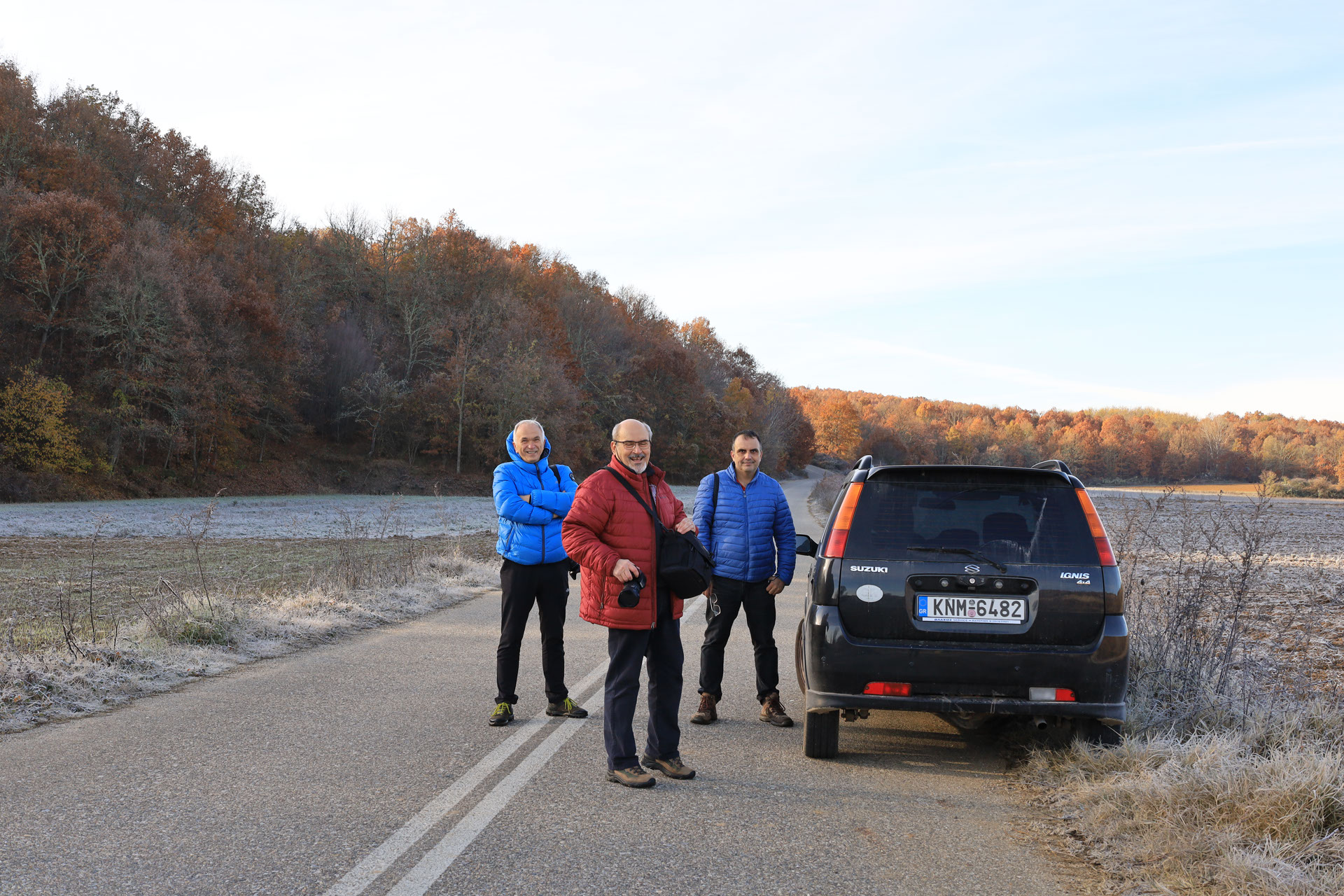
In the middle of our creative frenzy, we lost Danis. We had caught sight of him following a solitary cyclist and did not imagine that his long-standing love for two wheels could lead him astray into old habits. In the midst of our anxious search, we saw him arriving, sweaty and smiling from ear to ear.

“Well, you know… I only went a little farther up, chatting.”

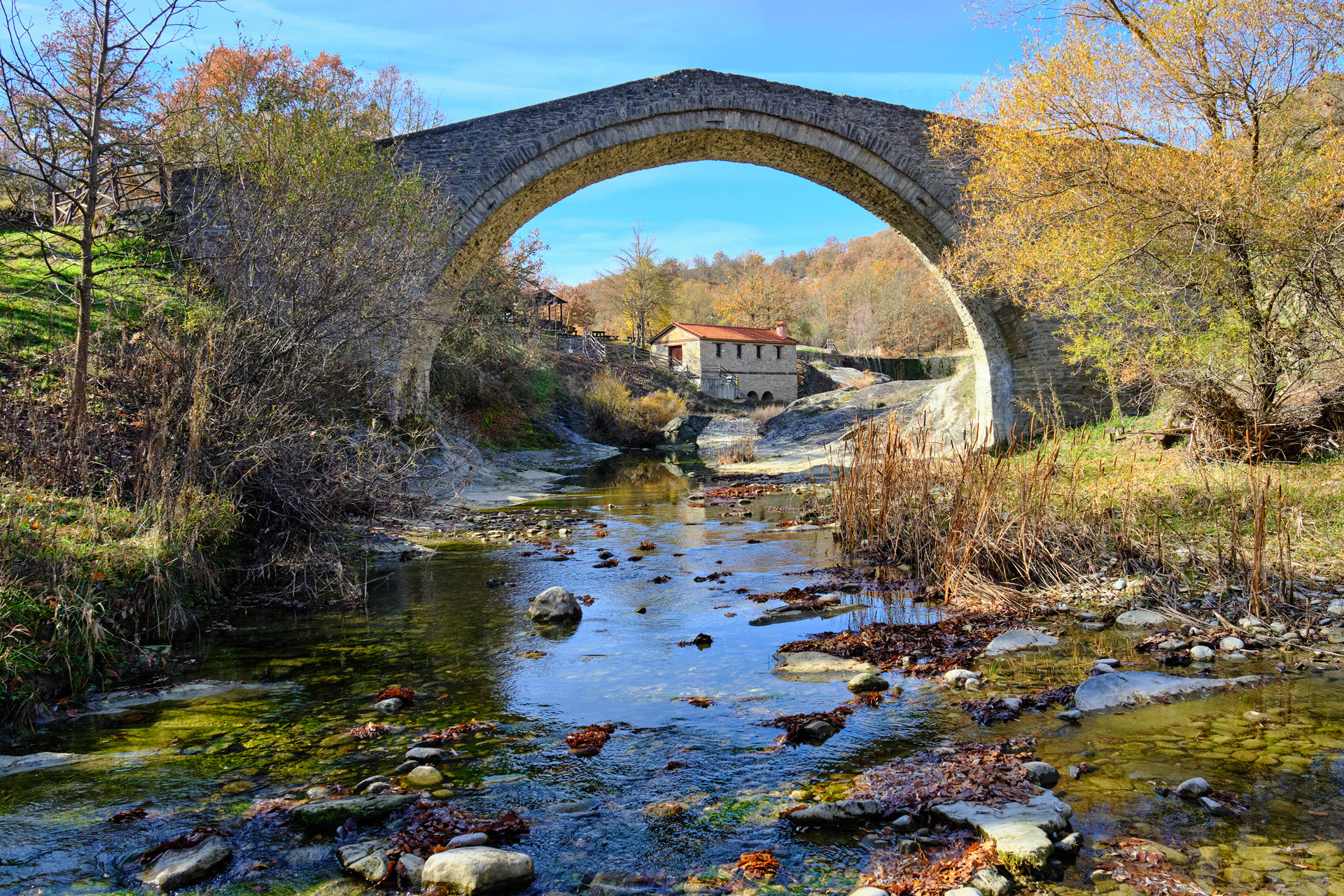
We also chated as we reached Chryssavgi, the old village with a history reaching back to 1543, and even earlier, under the name Mirali. Stories stained with blood and destructions by Turco-Albanians and plain Turks mixed with the hardened soul of its inhabitants. They endured it all and finally when liberation came they breathed the air of freedom, and named their village Chryssavgi. A well-kept village, where at its western part stands one of the most beautiful bridges. Nine metres high, with a single arch founded on the rocky slopes of Paliomageros river, which, after passing by the old watermill, flows into Pramoritsa.

We descended to the riverbed to see its proud stone presence and we were left speechless by the craftsmanship that had become art. Our smiles reflected the warmth in our souls, which solidified in the village’s only coffee house, that opened its heart to us and shared old stories of people and bears that reached as far as the courtyard of the old stone-built church. Some fifty souls remain in winter, increasing in summer as people return to the soil of their birthplace to bathe in the waters of nostalgia and care for their ancestral inheritance of stone.

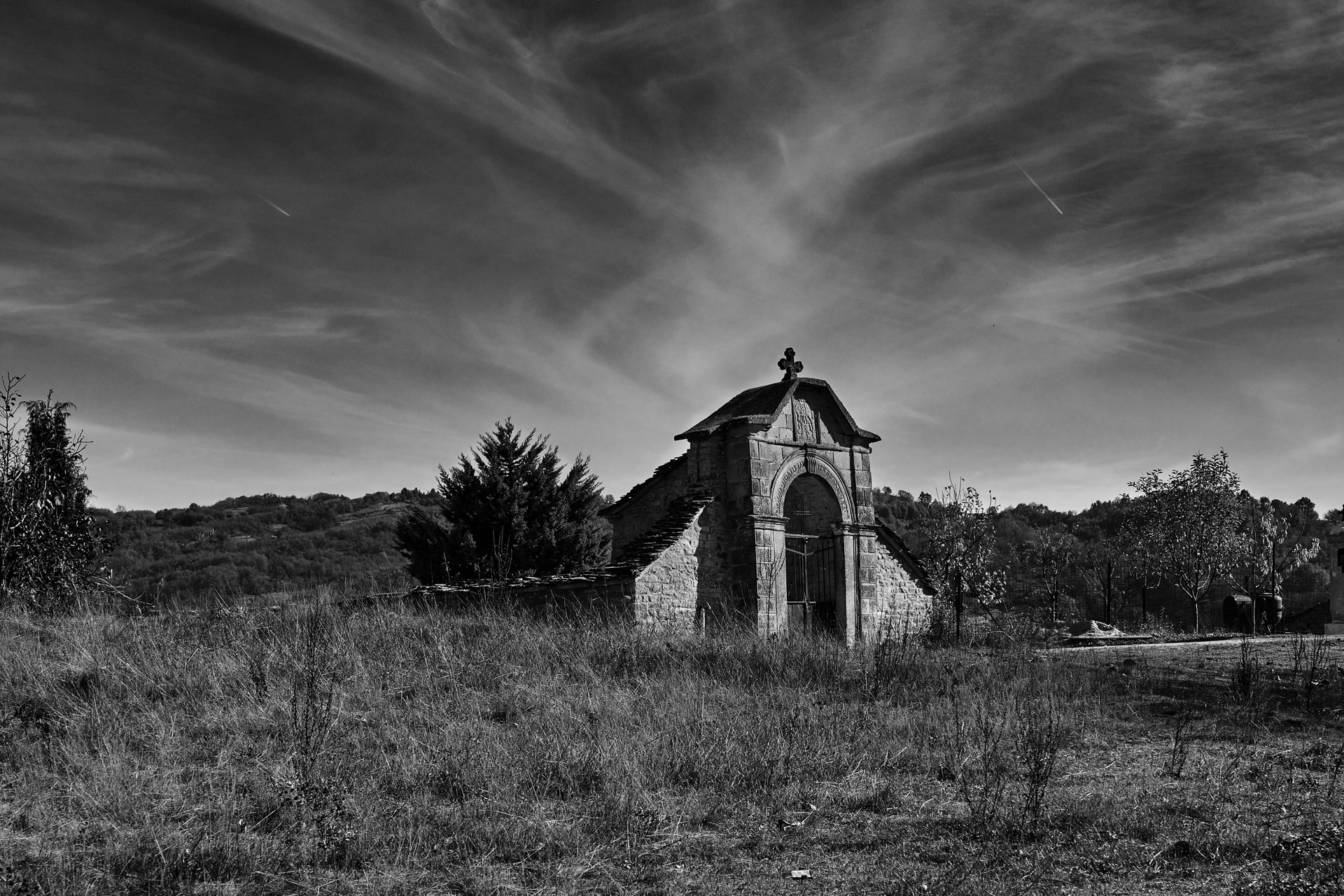
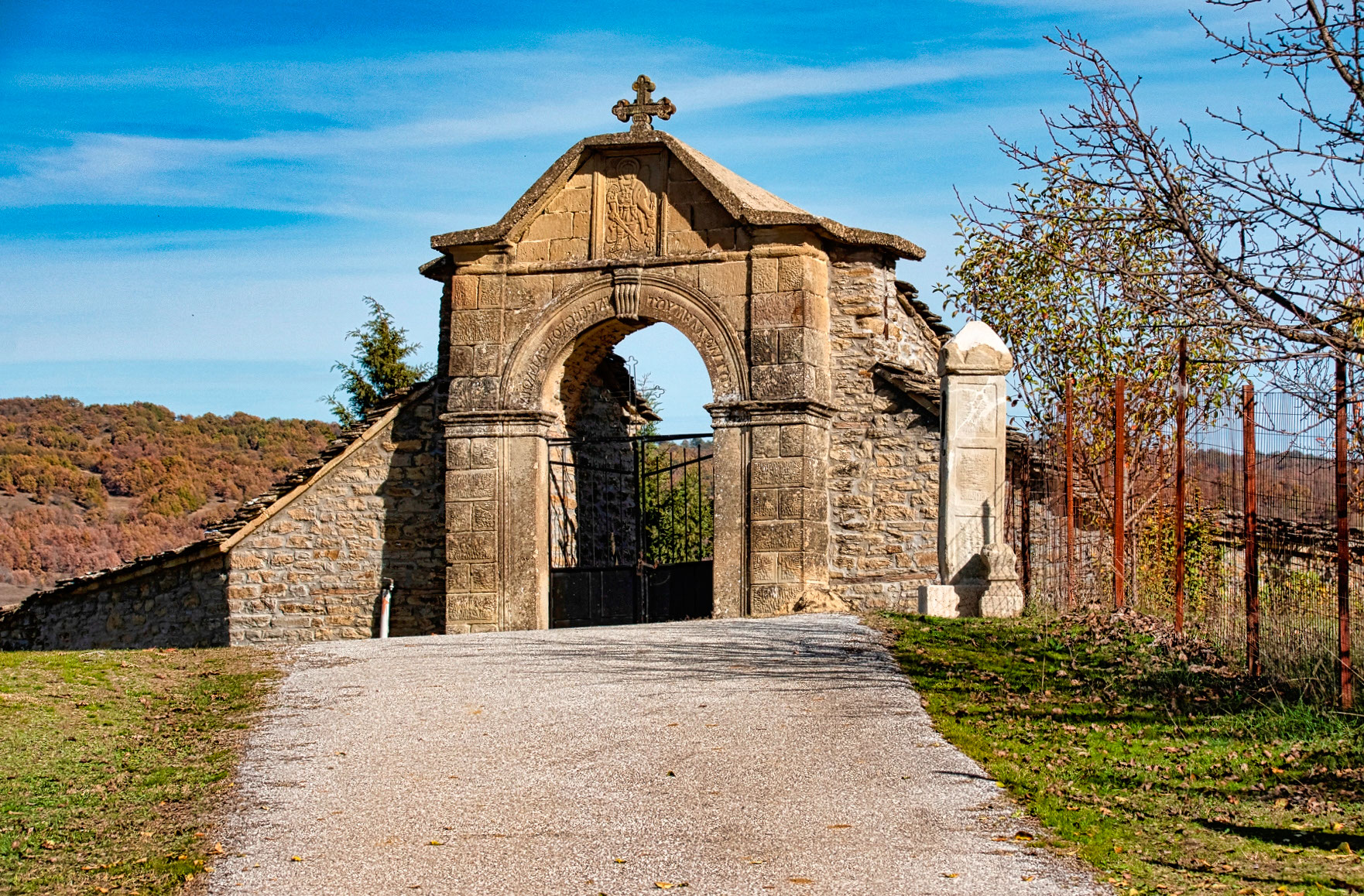
That same inheritance that we too immortalised on our short walk to the old cemetery on the ridge outside the village. It dominates the place with its stone arched entrance, bearing at the top of the arch a threatening relief figure holding a sword in one hand and a child by the hair in the other. Another relief inscription runs along the curve of the arch, with the sarcastic phrase “eternal city of the future” warning its future residents. A certain shiver ran briefly down our necks, but it was soon forgotten under the pressure of time racing on.

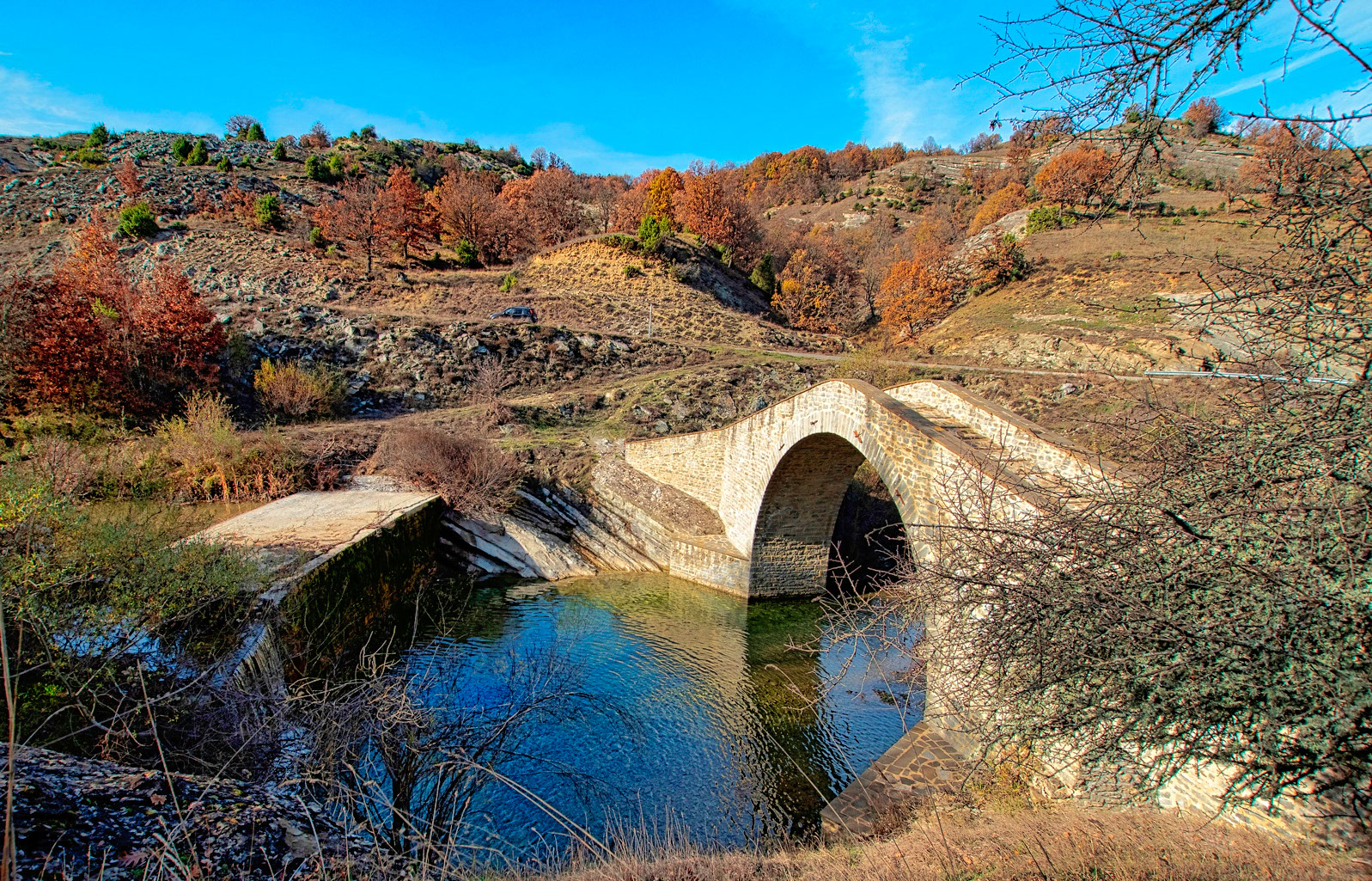
So we too raced along the dirt road, with Dimosthenis giving driving lessons on the rough terrain, until we reached Dasyllio, its bridge gleaming in the sun. Built in 1910 between the villages of Dasyllio, Kalloni, and Trikorfo, the single-arched bridge spans the waters of the Maeriotikos stream, which forms a small waterfall before reaching it. Waterfalls are irresistible to photographers , and we were no exception. Full frontal and profile, from every possible angle, until even the bridge grew tired of us, and so we decided to move on.

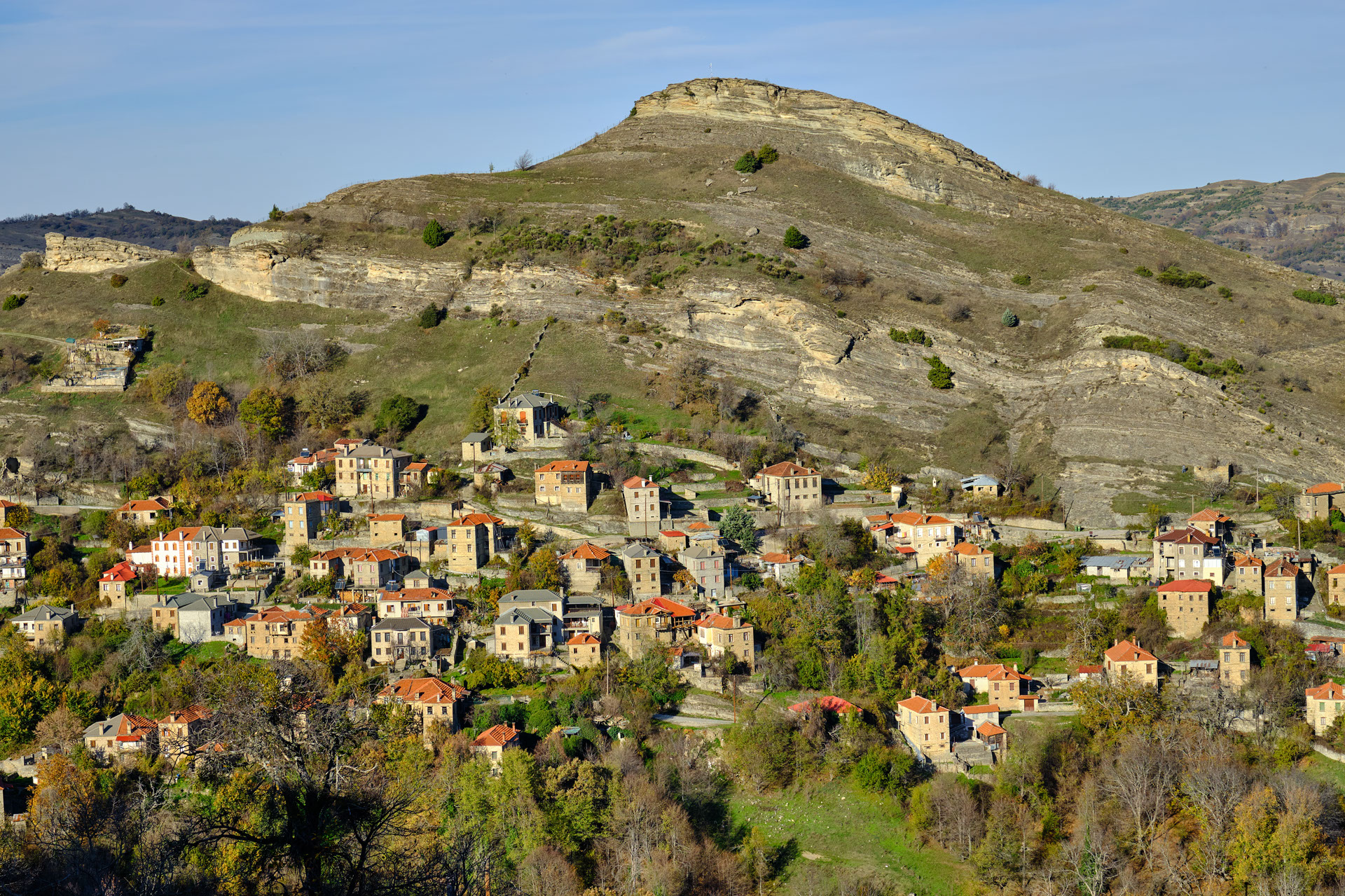
Our next stop Kalloni (it means beauty in Greek). A true beauty by name and in form was standing in front of us in the midst of a restoration building frenzy, lookikng like a film set. Built on a slope, a price we paid in full as our tongues were hanging down to the ground from walking it, and arranged amphitheatrically, it has held its position since 1690 under its old name, Loutzi.

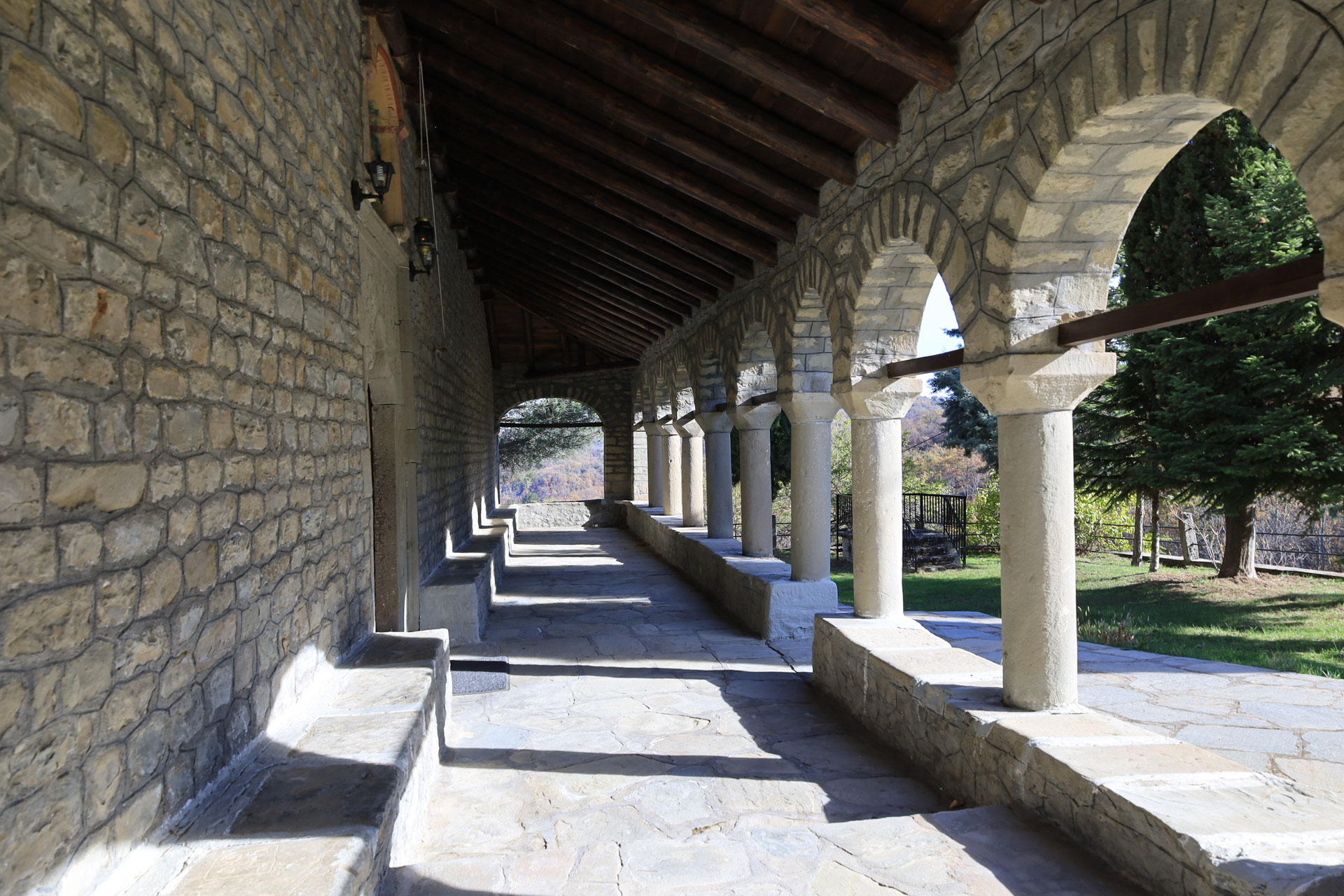
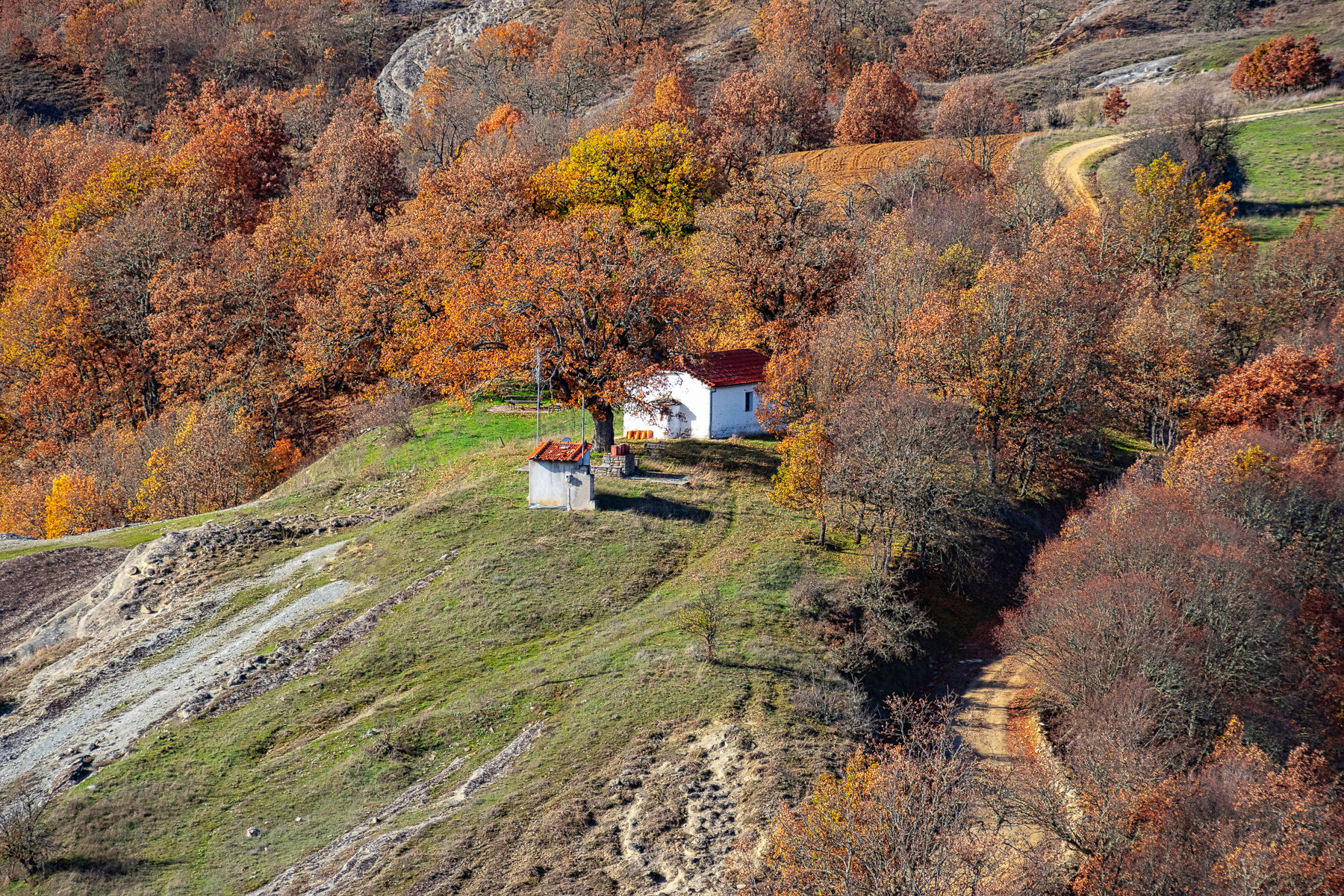
The next stop was Dilofos, an eagle’s nest with a wonderful view towards our final destination, Pentalofos. In Dilofos, the cracks in the old church broke our hearts, cracks left by the distant Kozani earthquake of 1995, which no one had taken care to repair. The heavy lock shut us out of the sacred space, and we were left outside with the same crack in our souls.

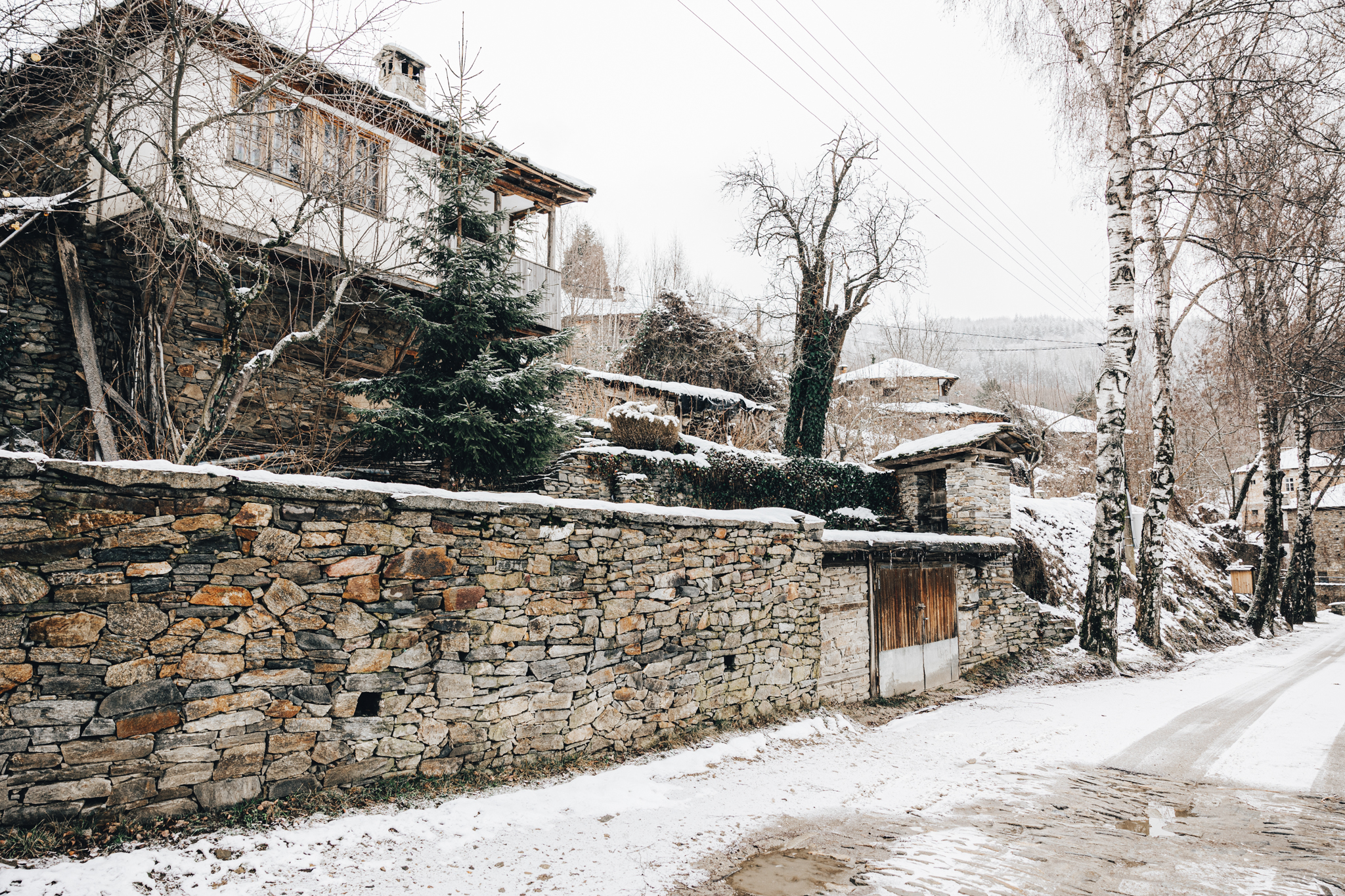
The final stop, touched by the sun’s last caress, was Pentalofos, the renowned main village of the area, which once dominated the road passage from Macedonia to Epirus. Now a preserved settlement, it gathers the life of the region’s inhabitants, providing services and a school for the children of the area. I have left the taverna for last, since tavernas always come at the end, with good wine and homemade food, lasting until dusk.
Damn. We’ll be getting home at night again.