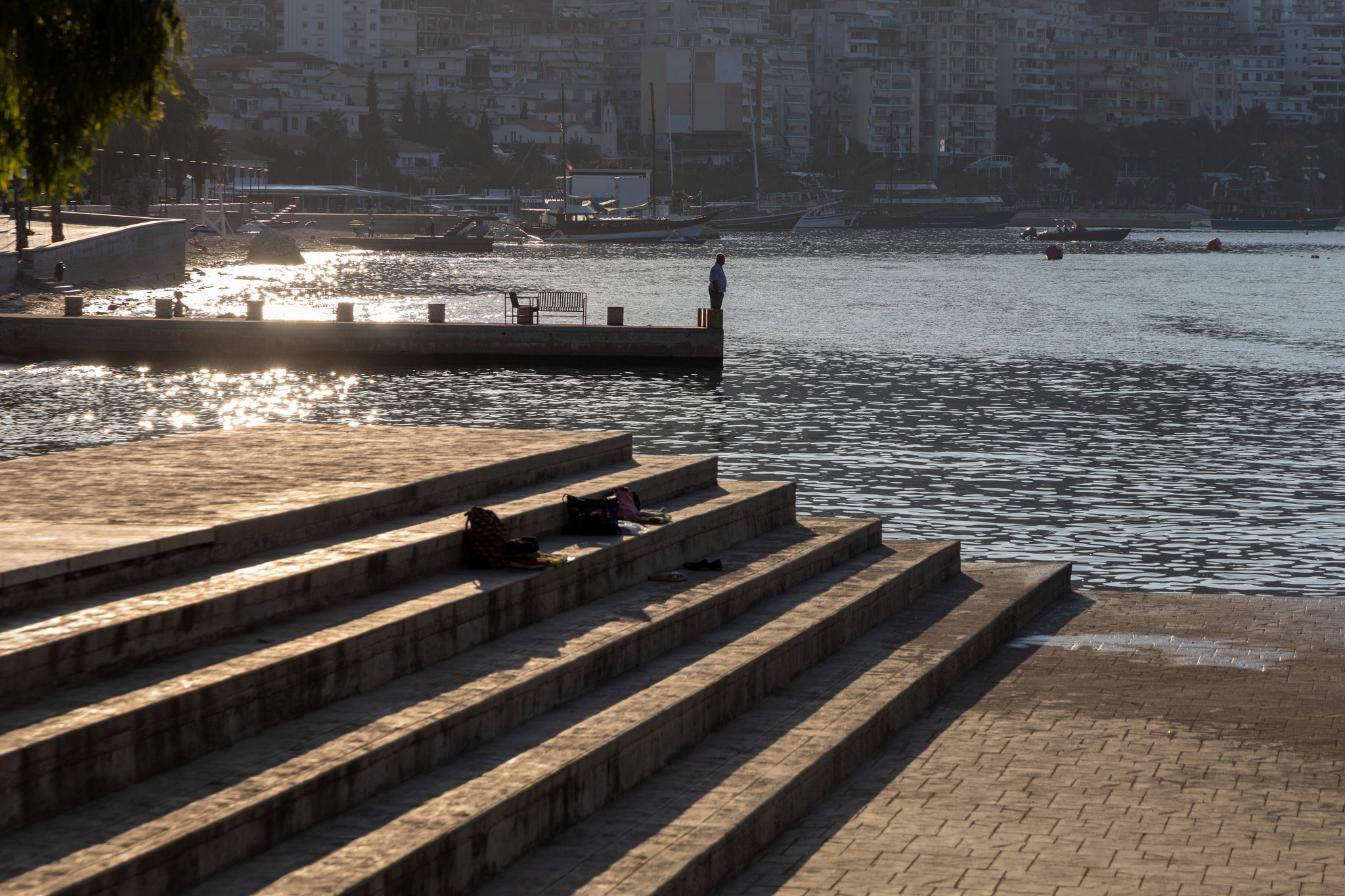
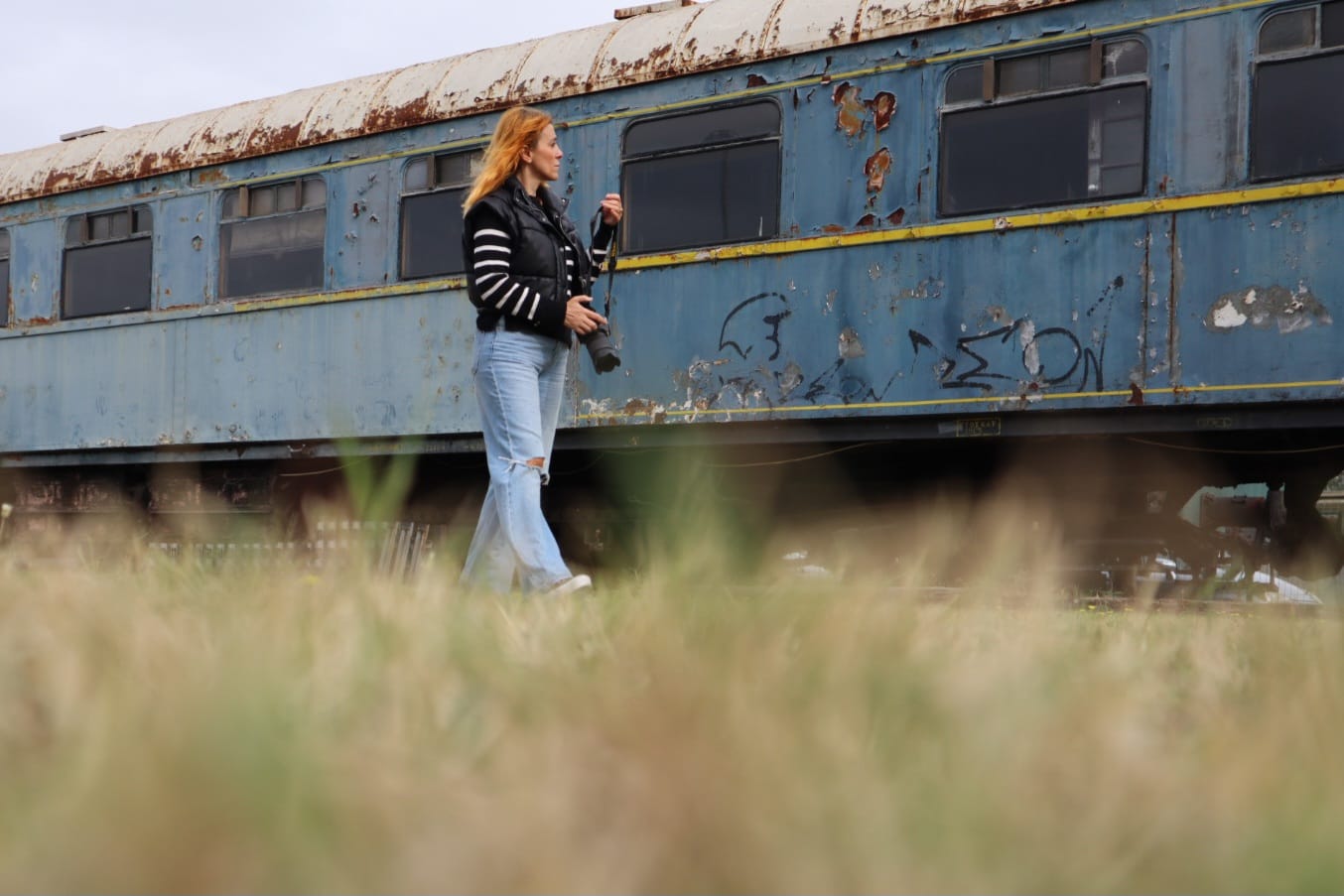
Cover photo by Lina Kontozoglou
Article by Harrys Pourouzidis
Edited by Harrys Pourouzidis
February had been full of photographic excursions, and the orchestrator’s creative fervour, showing no sign of slowing, brought a new proposal: a visit to the four lakes of the Florina regional unit. The idea was accepted with enthusiasm by the group. Some of us may have visited them before, but there was new blood among us, thirsty for photographic exploration. And so, at dawn on a Sunday, the adventure began toward the lakes of Vegoritida, Zazari, Petron, and Cheimaditida.
Lake Petron
Our first stop was Lake Petron, which appeared calm and serene, its waters reflecting the imposing Mount Voras. The overcast weather dressed the landscape in cold shadows, while the sun, like an angry little brat, hid behind thick clouds.
We spread out along the shore, reeds to our right and left, and began to capture the landscape. But the humidity in the air denied our photographs their contrast, and nature seemed sorrowful. hen, as if sent by providence, Giorgis put on wellington boots, an orange vest, and, holding a pipe in his hand, appeared before us as though he had stepped out of a poem by Kavvadias. The sound of shutters tore through the spellbound silence.
Five minutes farther on, on the western shore of the lake, the floating little harbour gave us our next set of photographs. With the birds nowhere to be seen, we continued photographing landscapes and photographers. Conversation flowed freely, allowing fertile ideas to surface. Looking at the people around me, with their smiles and their teasing, I once again felt grateful for the gift of life — the kind one truly feels and enjoys in such rare moments.
“A quick stop for coffee on the shore of Vegoritida, because the boat leaves at eleven,” ordered the driving force of the group, and we, faithful as ever, followed.
Our boatman was Angelos Naoumidis, a tall man whose eyes shone and whose smile flashed brightly. We soon understood that every second on this earth mattered to him, and that he allowed none of it to go unused. A lover of nature and of his region’s history, a local entrepreneur in agricultural-product processing, an award-winning chef, a mountain guide, a chanter, and a member of the local administrative council, Angelos could easily appear in the dictionary as a synonym for decentralisation.
If every community in this beautiful country had such passionate people, life in our small, and now increasingly abandoned, villages would be very different. Our conversation with him was enriched with fascinating information about the area and its rich cultural heritage, and his guided tour of the lake proved invaluable.
We boarded the boat, and when the engine picked up speed, the cold air stung our eyes while, at the same time, creating a feeling of renewal. To our right and left were faces wrapped in scarves and woollen hats, cameras in hand, monstrous telephoto lenses at the ready, in case a whistling duck should suddenly appear from somewhere.
In the distance, the villages around Vegoritida could be faintly seen: Arnissa, Farangi, Maniaki, Vegora, Peraia, and other settlements around the lake. They gave a point of reference to the gaze as it wandered into the beauty of the landscape, allowing the mind to reflect on their history, more than a thousand years old.
Once, the lake covered an area of 68,000 stremmata and was the deepest lake in Greece, reaching a depth of 75 metres. Over the years, however, its waters diminished, and today it spreads over 44,000 stremmata, with a maximum depth of 50 metres. Vegoritida, together with its nearby lakes, is what remains of the vast ancient Lake of Eordaia, whose surface once reached one million stremmata and whose depth reached 250 metres.
The history of the region and its archaeological finds are as rich as its fauna, which includes 162 species of birds and 20 species of fish. All this information swirled once again through my mind, and I wondered why, in the end, people leave such rich places and choose instead the poverty and misery of the great urban centres.
My thoughts were interrupted by the appearance of our protagonists, who, standing on their boats, proudly and joyfully lifted their own gold for us to admire. Pike and carp filled their nets, and the cameras started working hard.
The boat completed its circle and brought us back to the shore of Agios Panteleimon, ready to depart for our next destination: Lake Zazari.
The landscape was the same as the last time I had visited it, with calm waters and only the voices of a crowd of children breaking the silence. The grey, dark water reflected not only my face, but my mind, too which set out on its own journeys along the paths of memory.
“Oh no! My phone!” came a cry, and Maria, on her knees, watched in slow motion as her phone sank into the water to keep company with the little fish. Despite the commotion, our Maraki remained unshaken and refused to lose her smile, and with her positive attitude she redeemed the mood of the group, which continued photographing.
A quick stop for a small snack, and then up the hill we went, eager to gaze from above at the grandeur of nature. Two square kilometres of water covered the earth, and the photographs were thirsty for 360-degree clicks. Our eyes had their fill, and Cheimaditida below was calling us.
In about ten minutes, we found ourselves on its shore, since Zazari feeds into it. The shots there were Spartan and quick, not enough to stir our imagination. But the winter pastures a little farther on — from which the lake takes its name — were destined to become the attraction of the day, with our familiar protagonist at the centre.
“Nice ruins, but empty,” someone exclaimed, and that was when the shepherd of ancient times appeared before us. The authentic cape made of koza, goat’s wool, weighed heavily on the model during the short climb, but his presence stirred the ghosts of another era. In another dimension, we might have shared their joy at seeing history come alive again in their own land.
Voices and laughter rose like a hymn toward the sky and repaid the effort of Giorgis, who was sweating beneath the hood.
Epilogue
As usual, the epilogue was written over wine that warmed us from within at Naoumidis’s. There, raising our glasses instead of offering the familiar toast, we bestowed upon Lina the group’s informal blessing and welcomed her into our own little harbour of friendship, creativity, and shared passage toward what lies beyond.
Aggelos Naoumidis for his guided tour of Lake Vegoritida
and for the wealth of knowledge he shared with us.