Photos by George Tzimagiorgis Article by Britannica.com
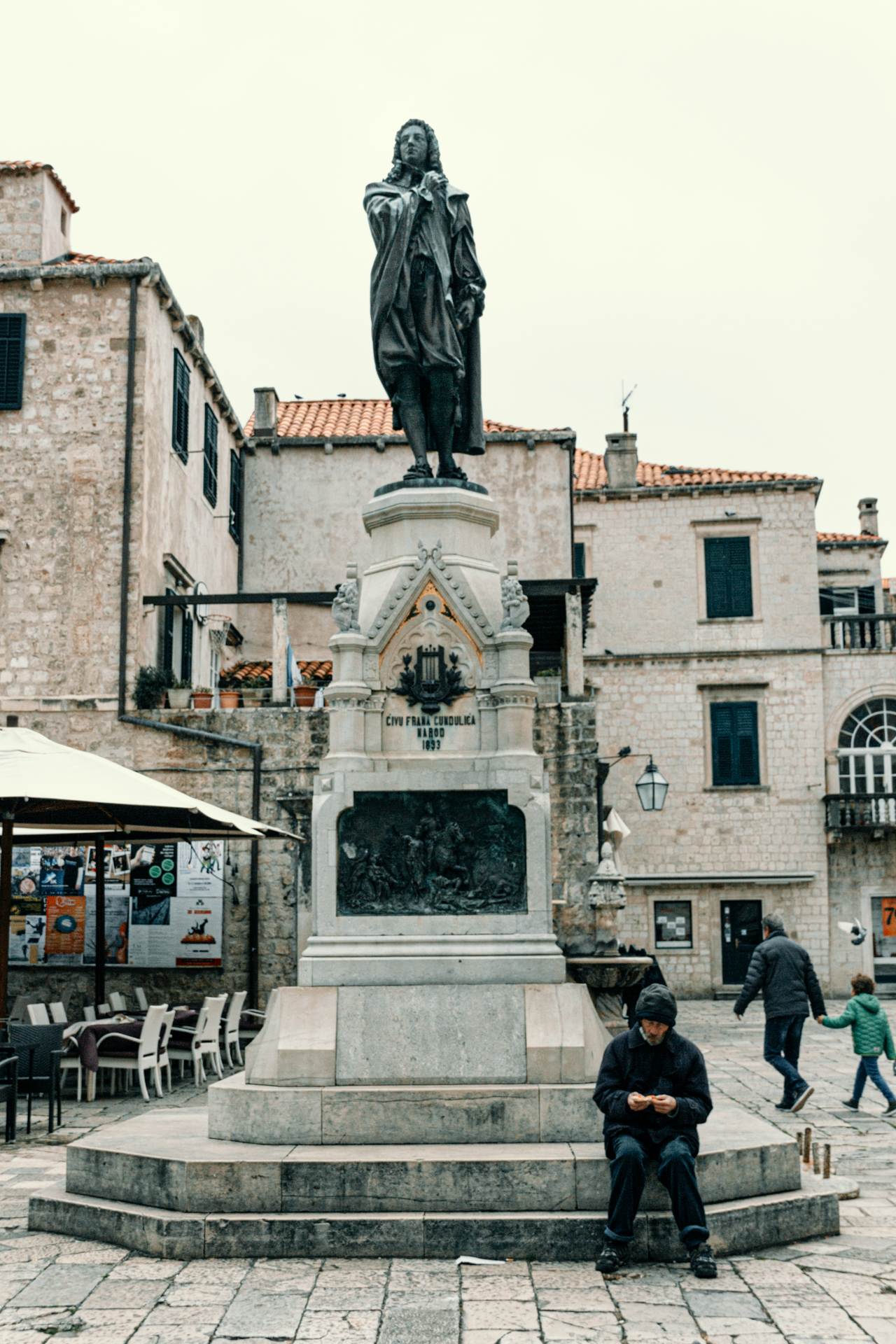
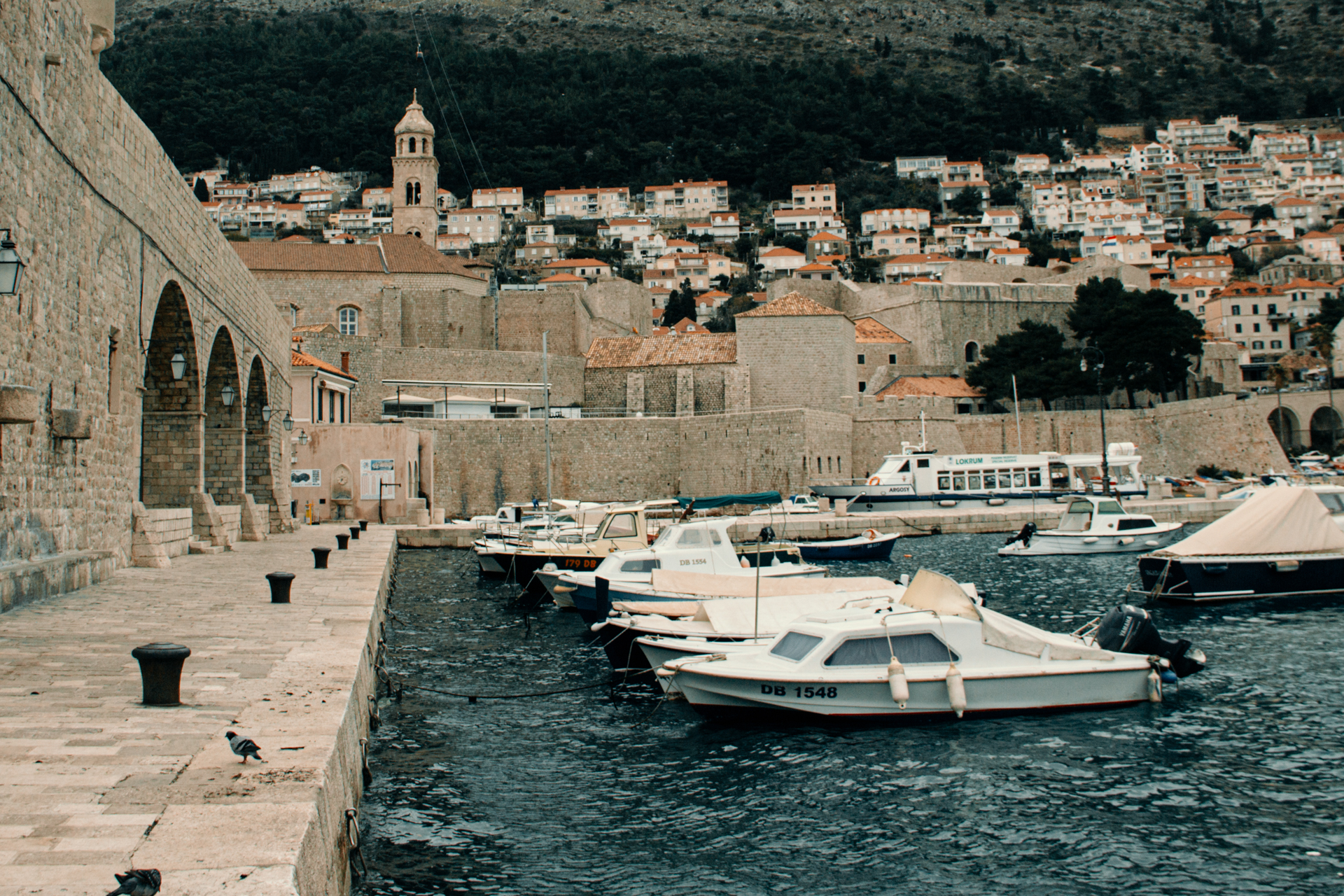
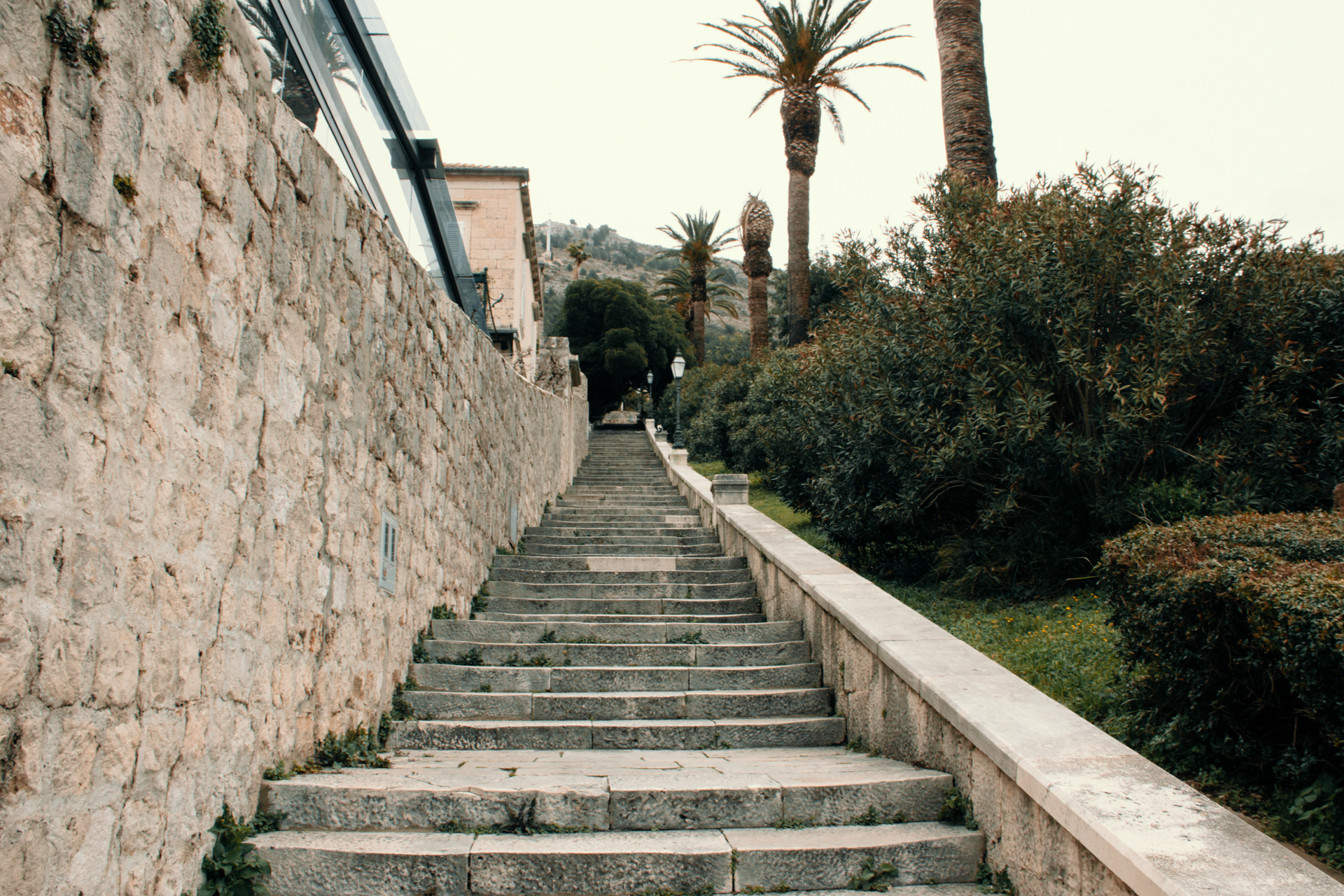
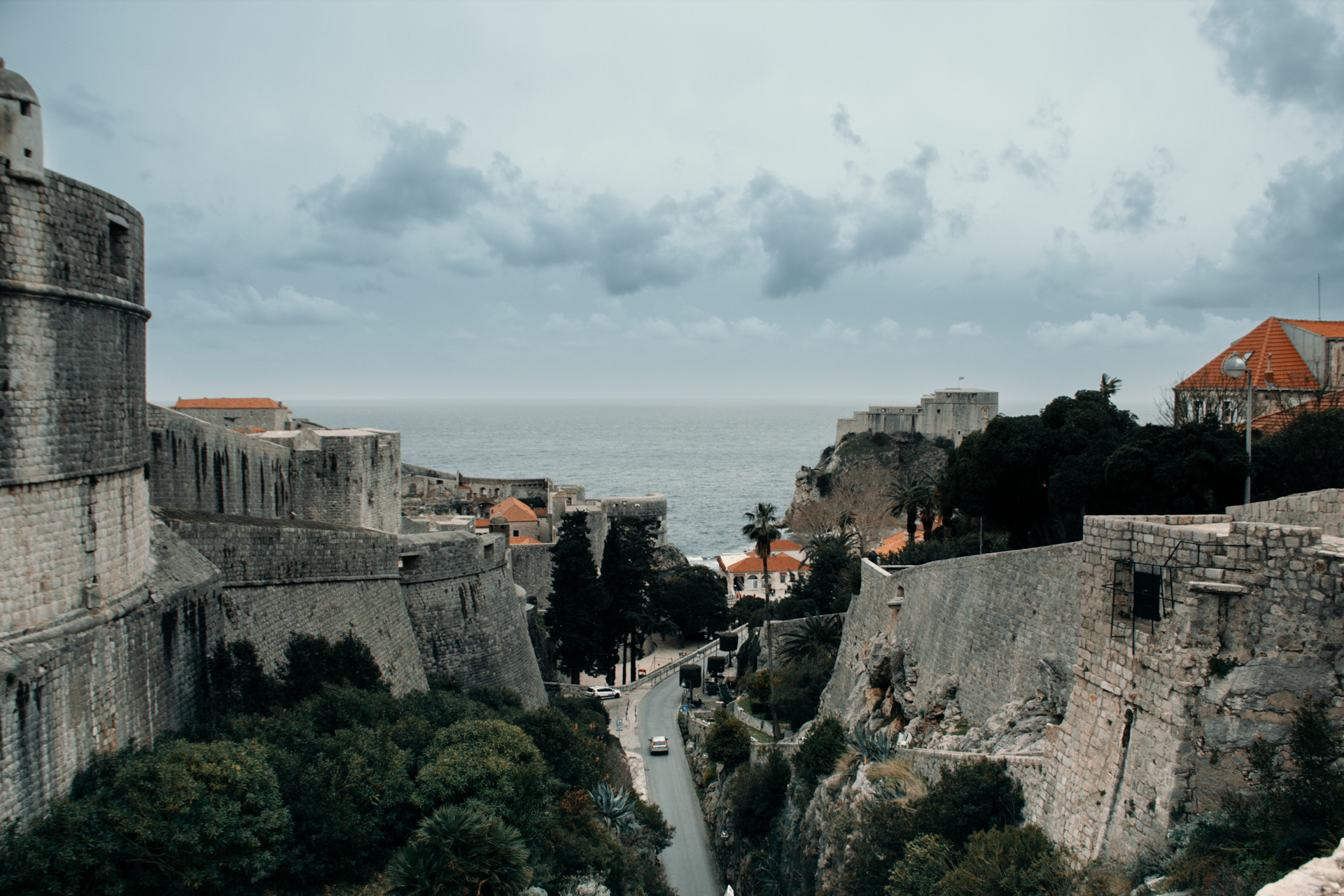
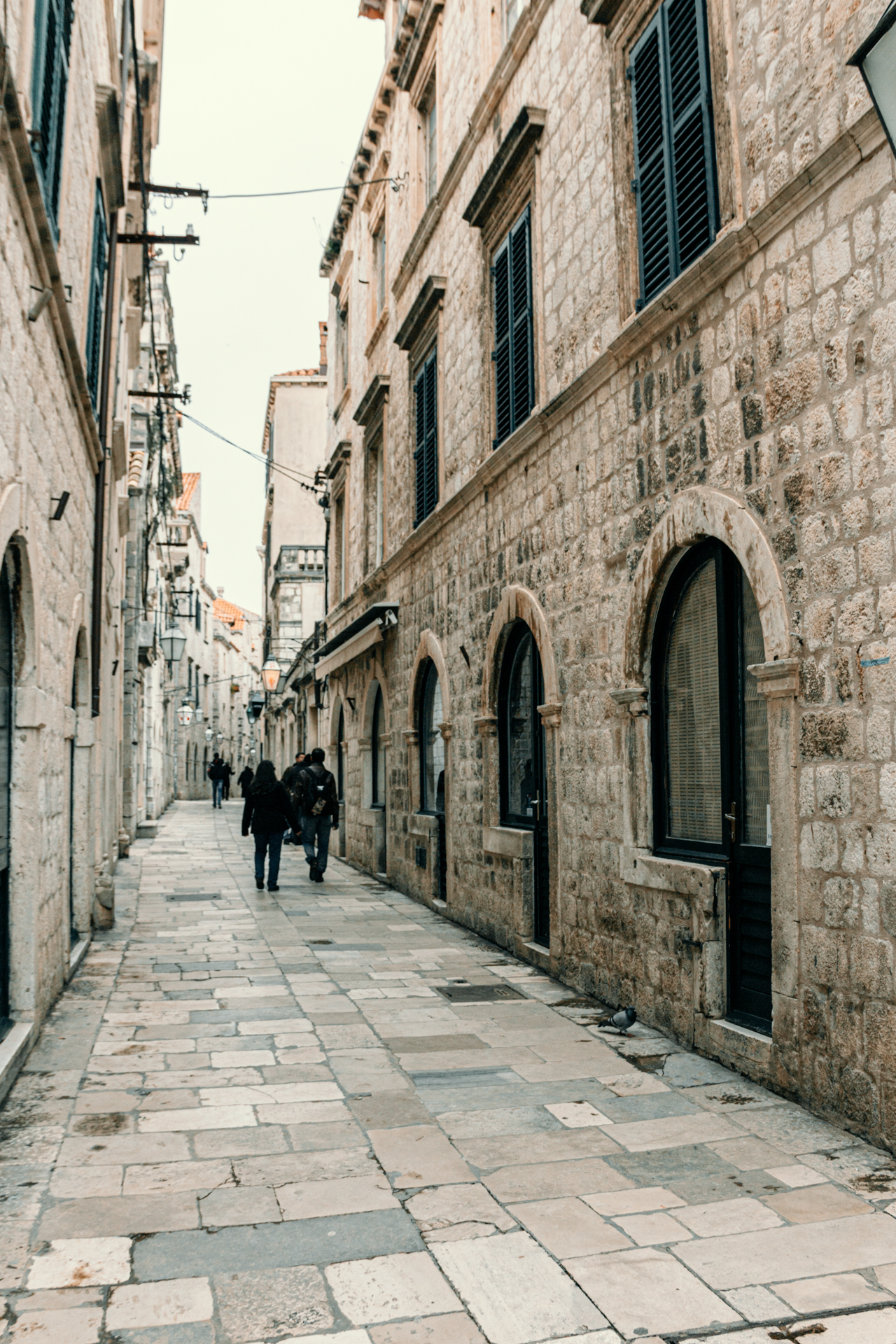
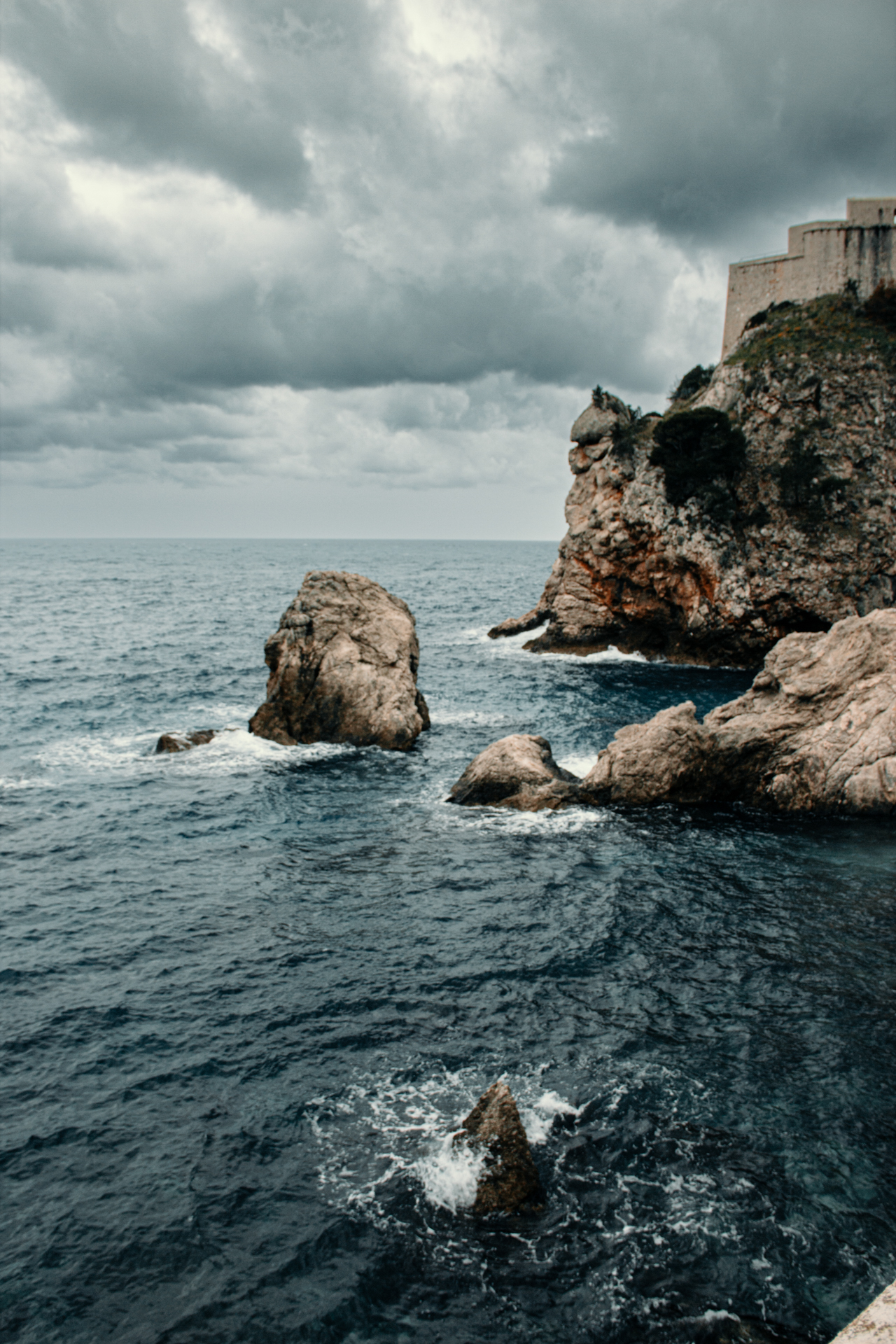
Dubrovnik
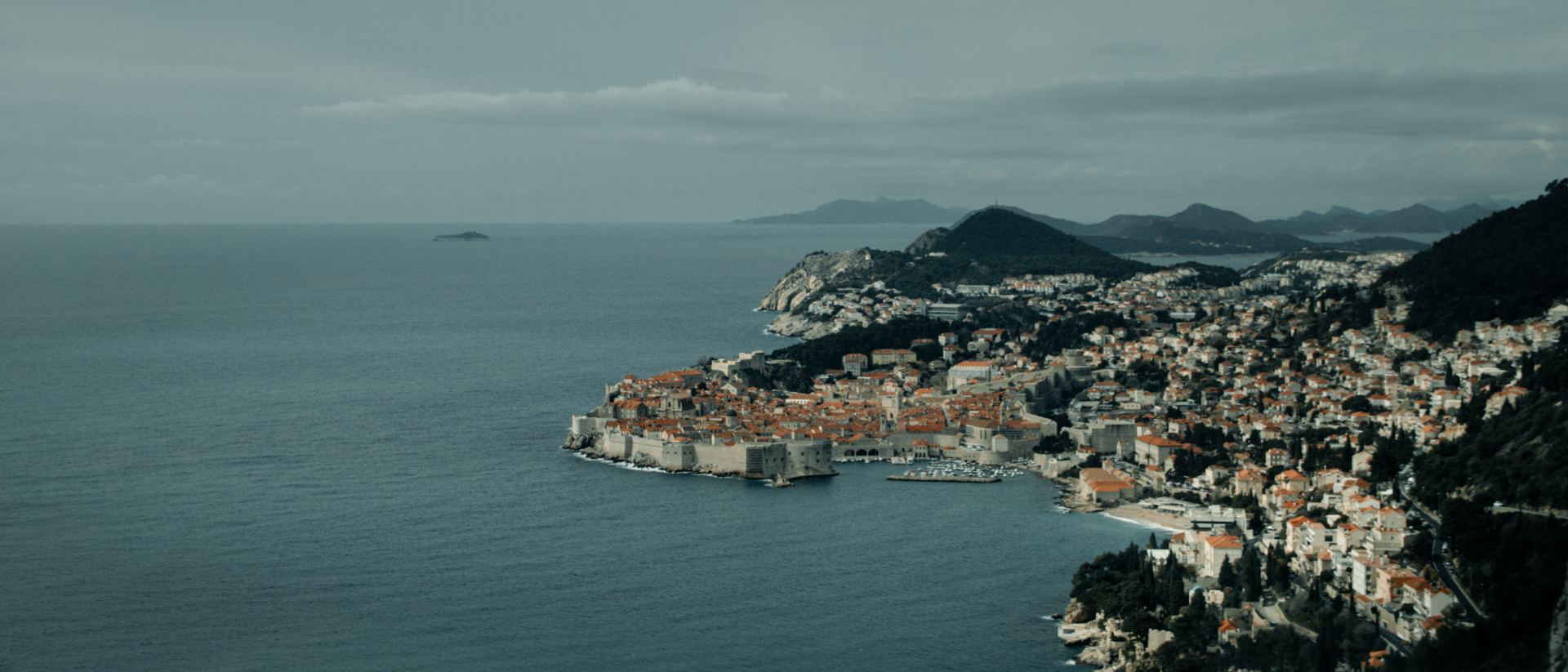
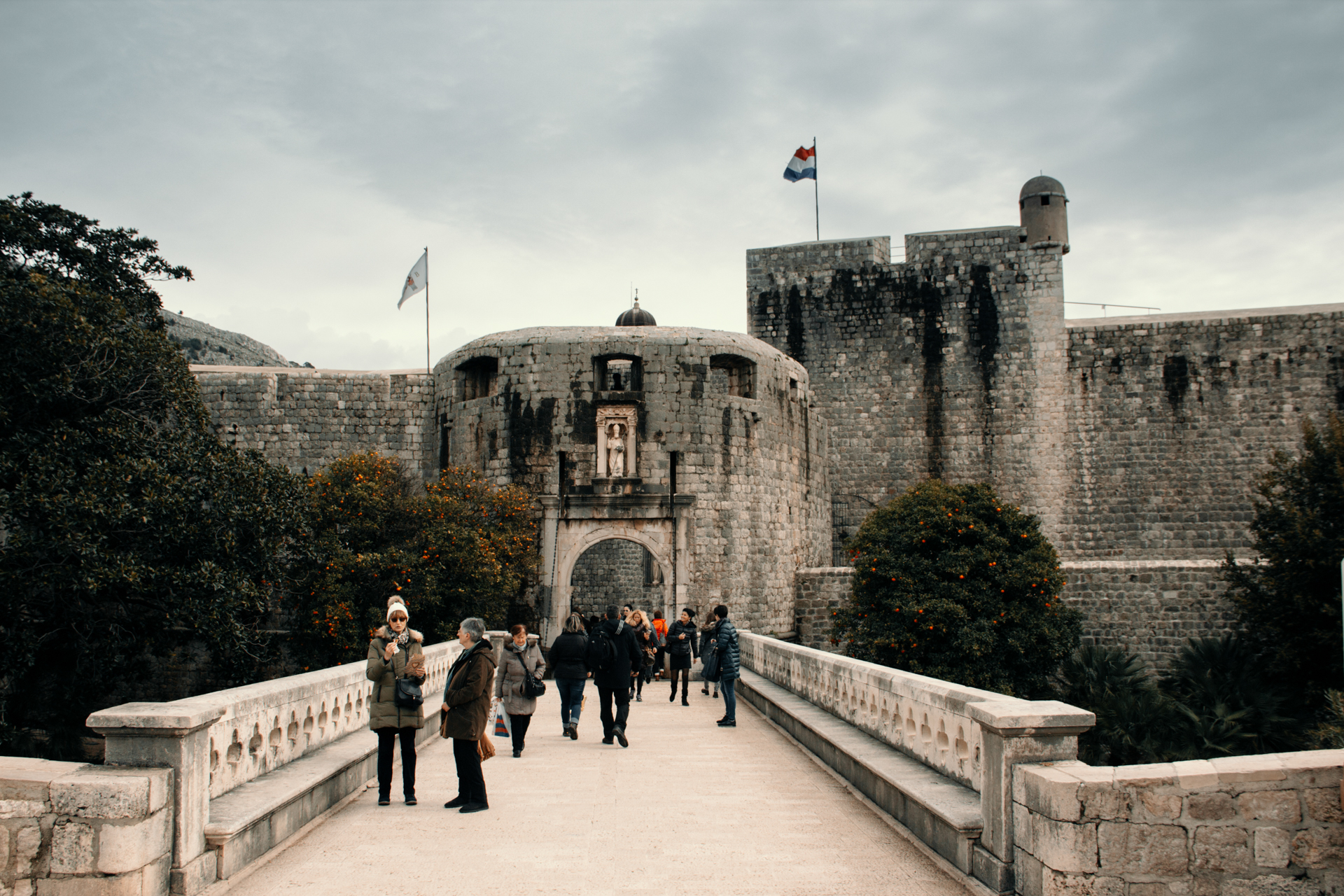
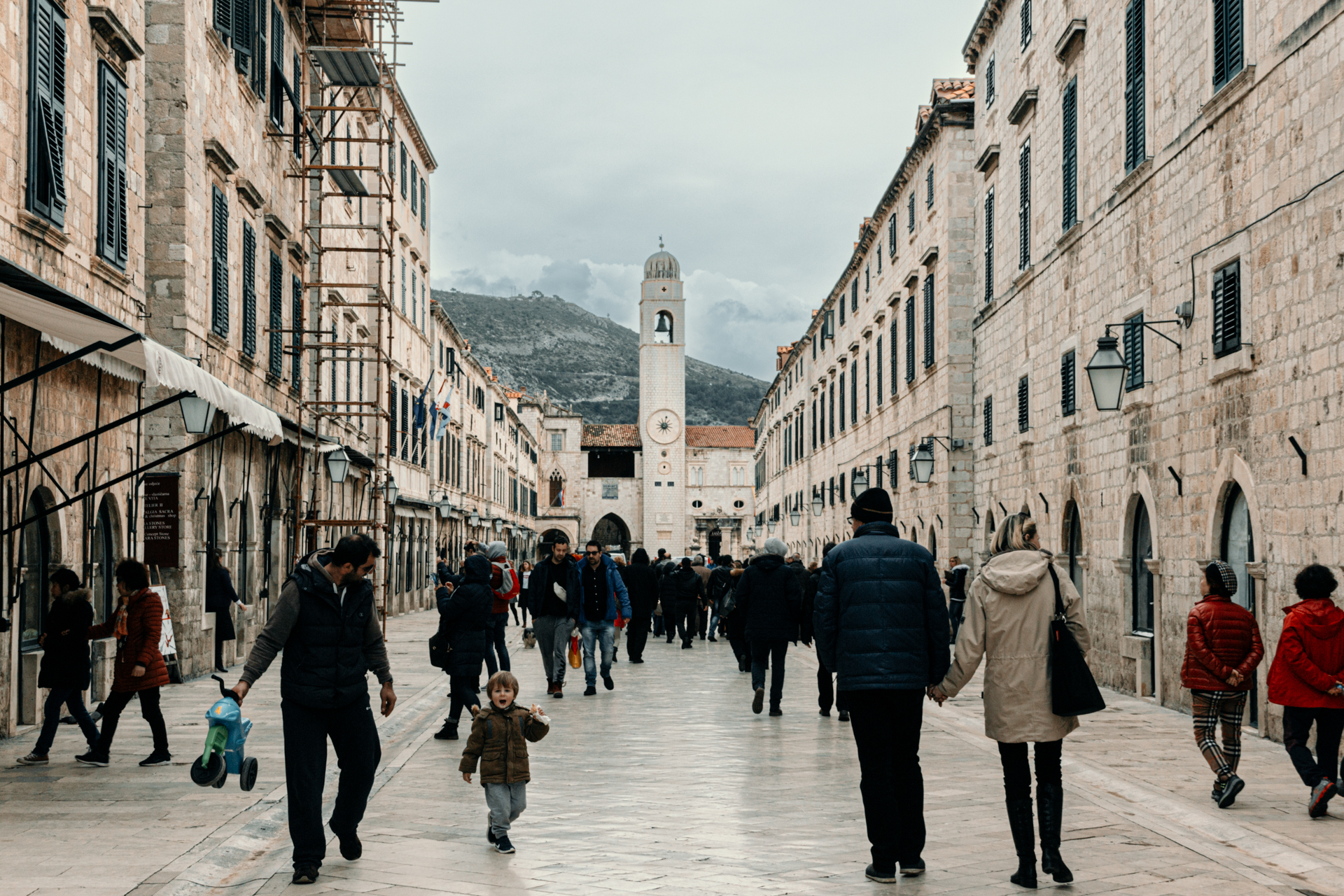
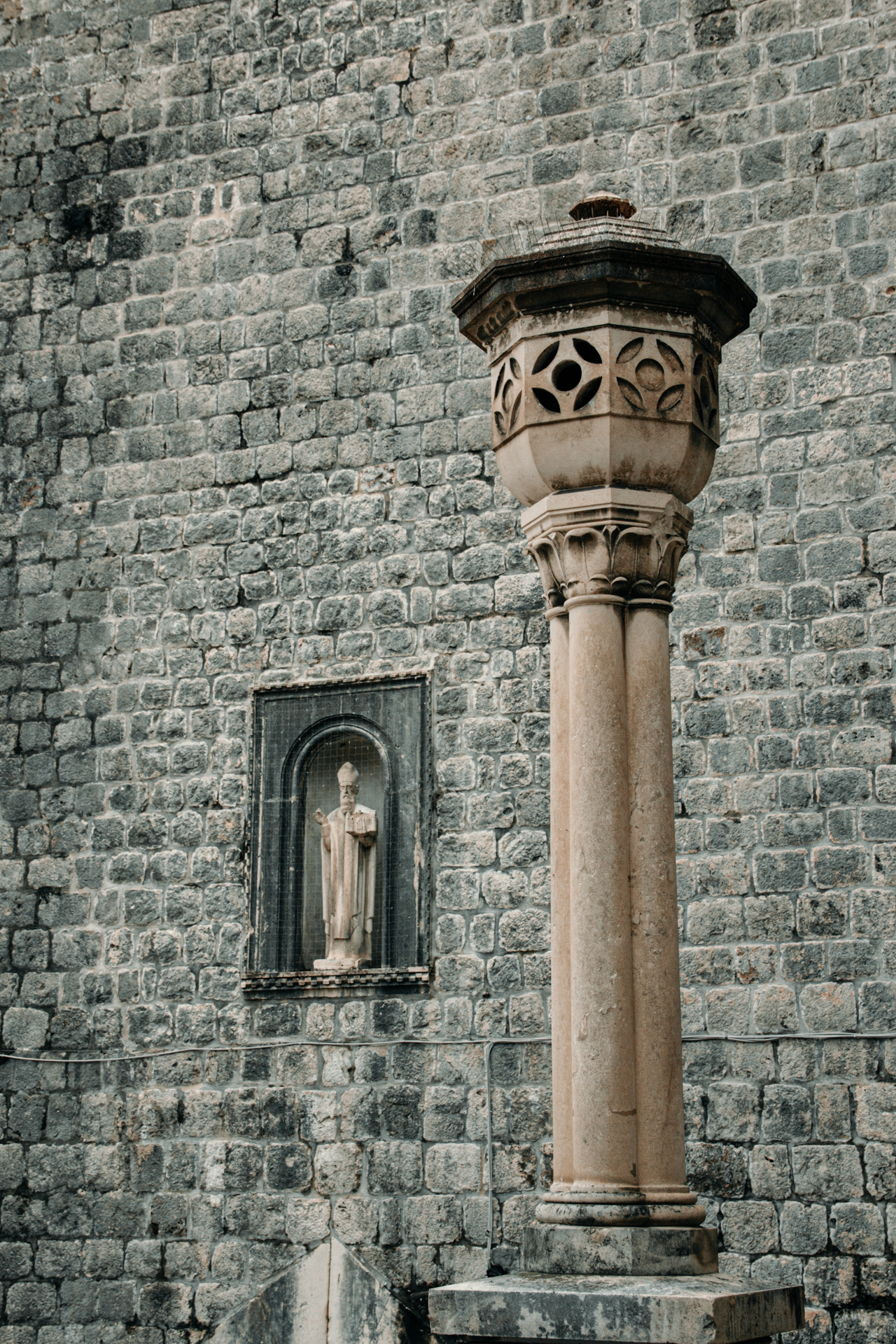
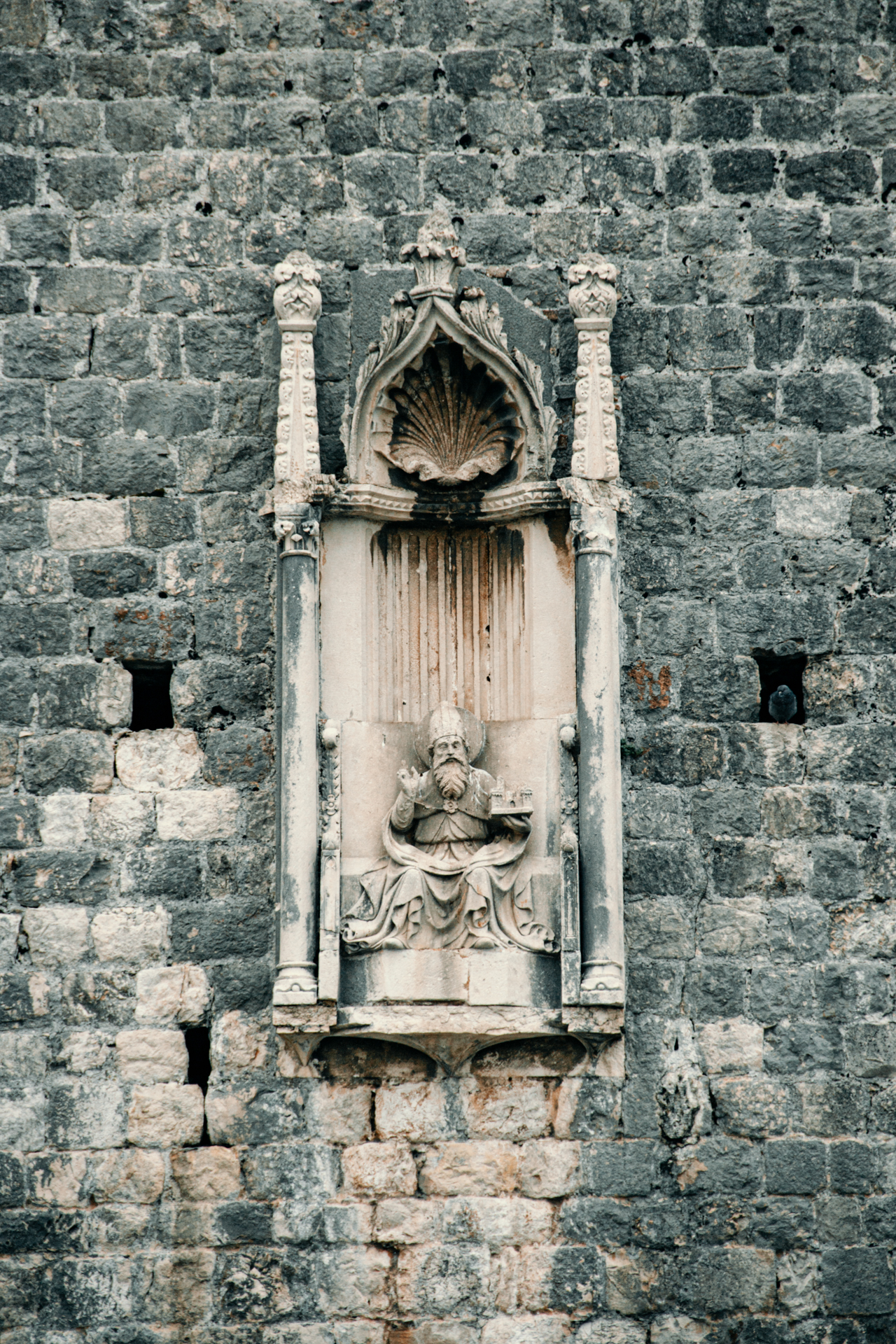
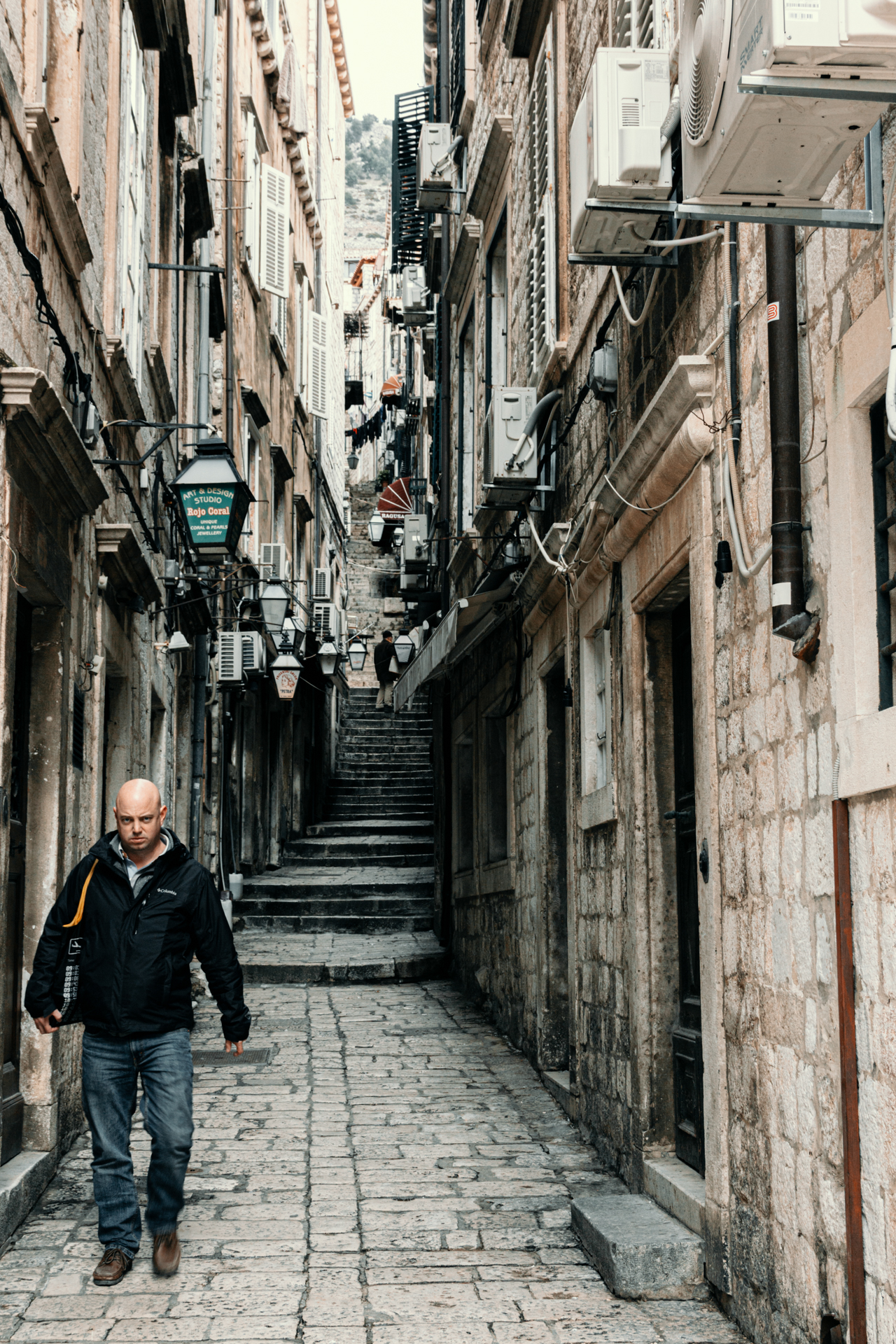
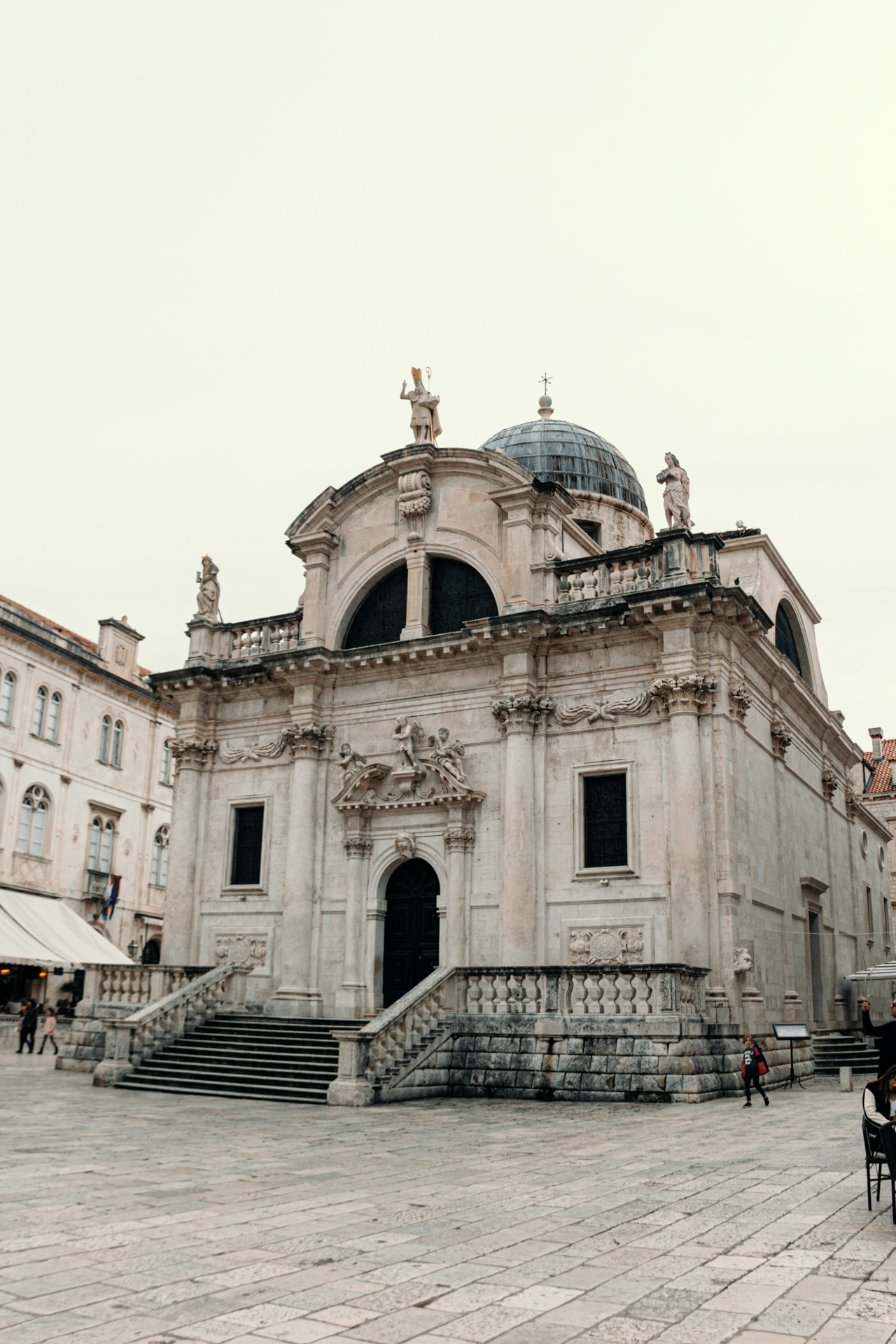
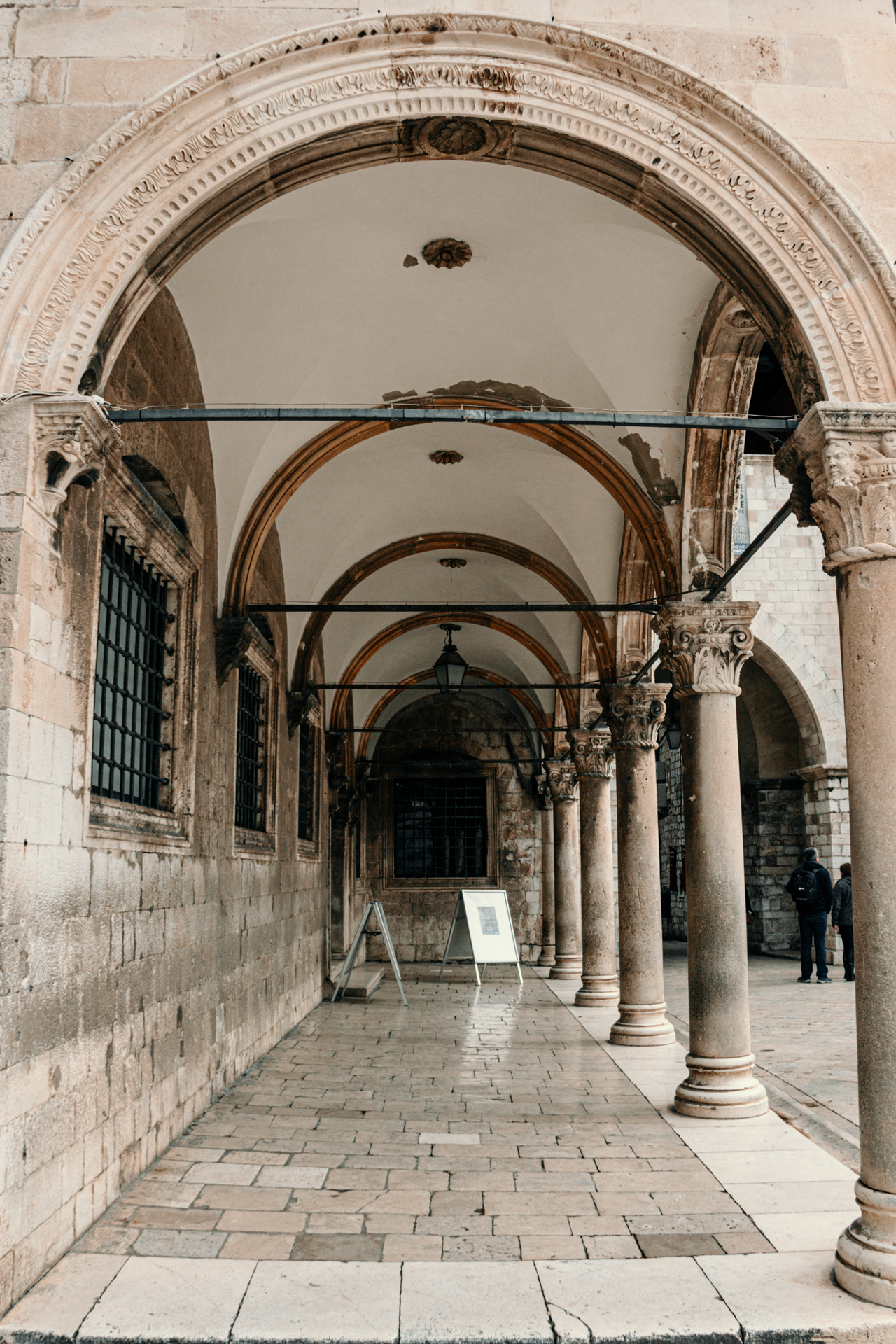
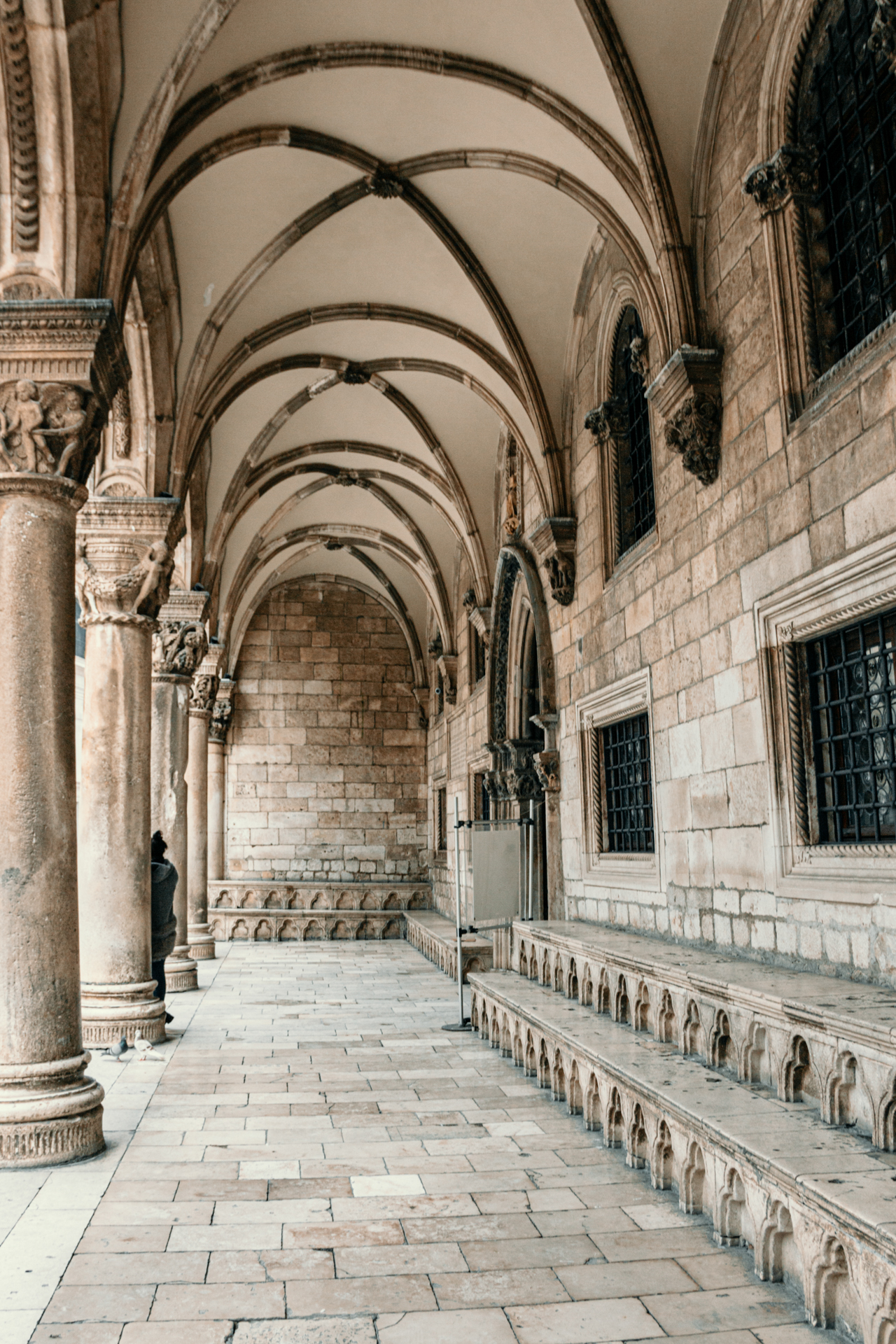
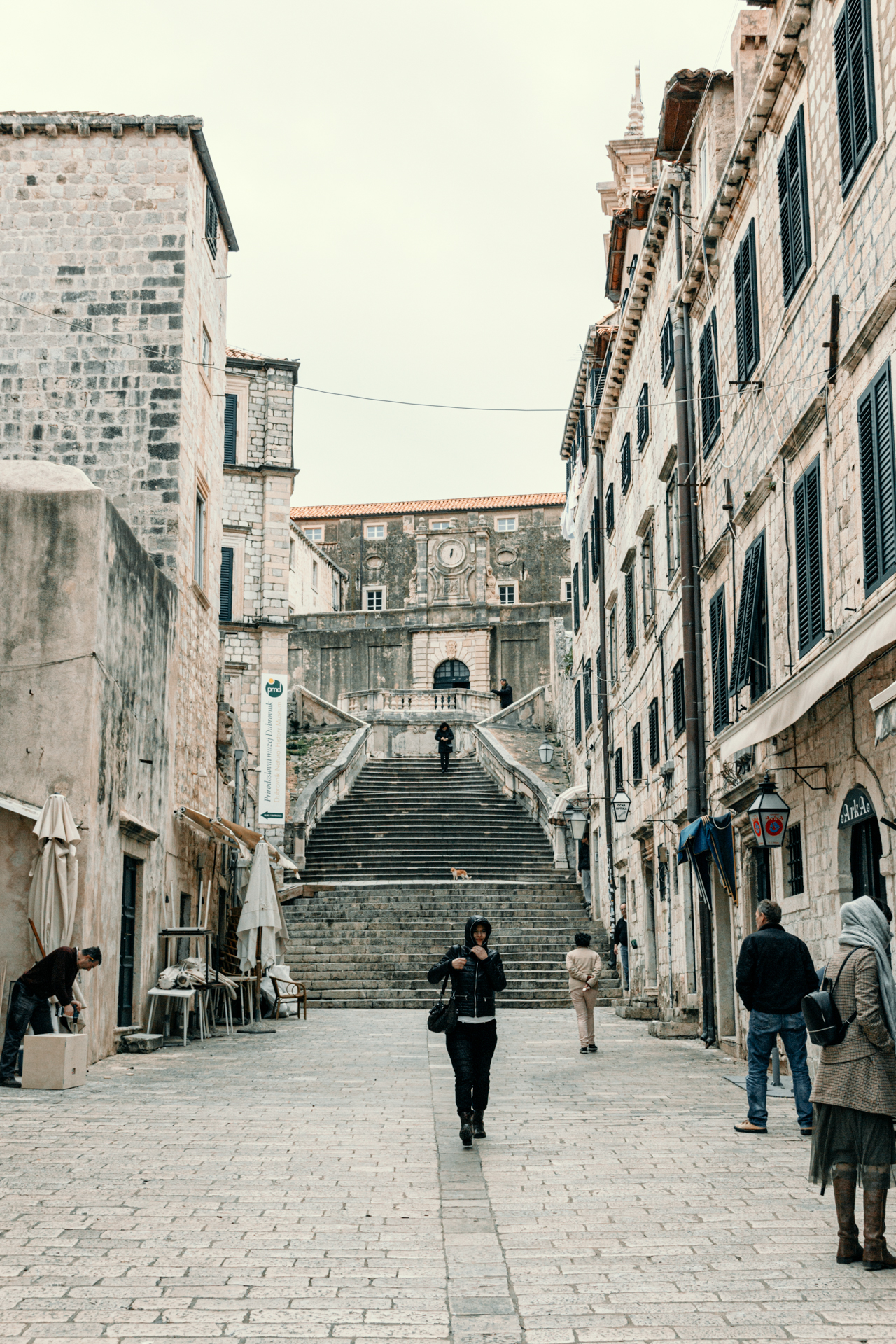
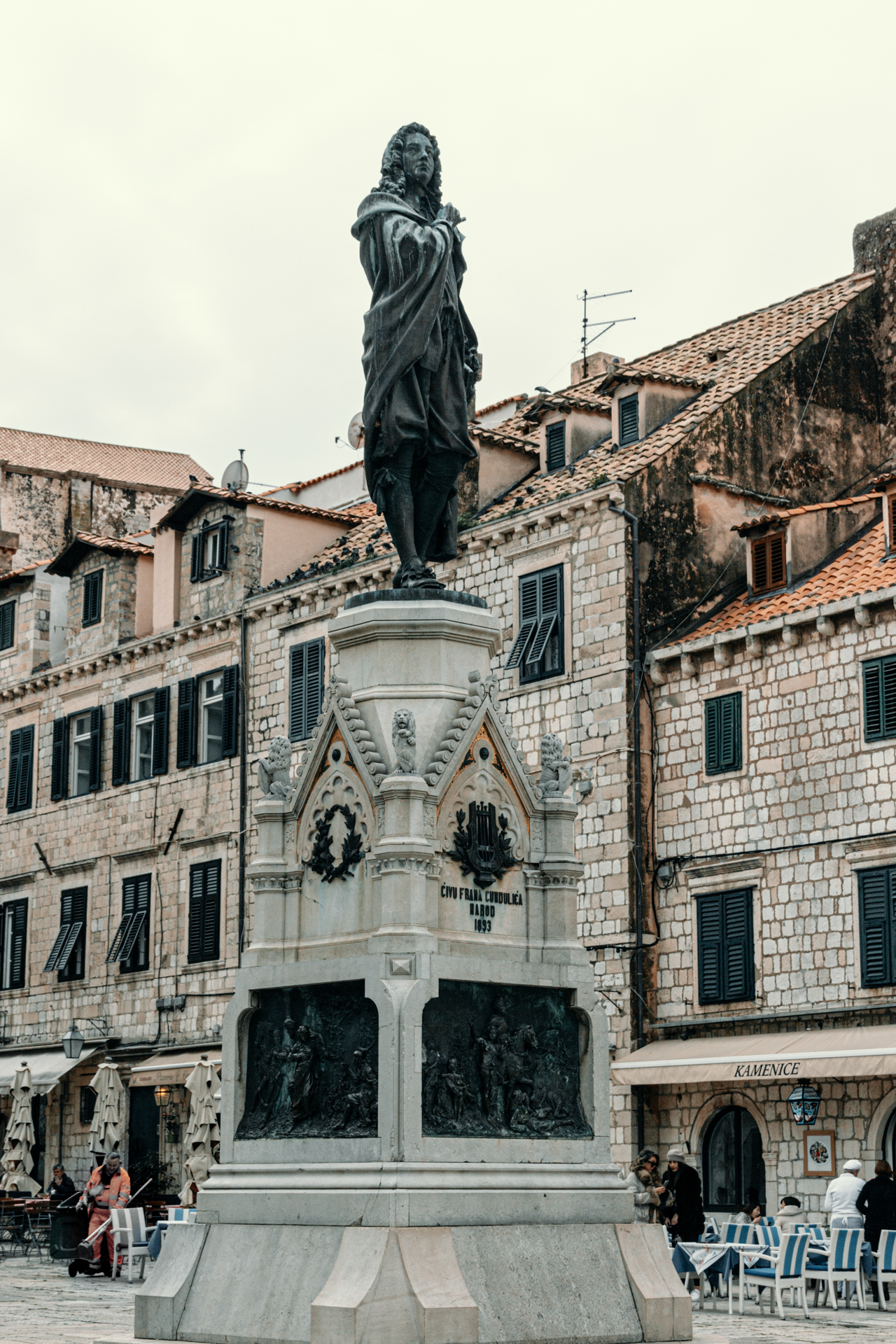
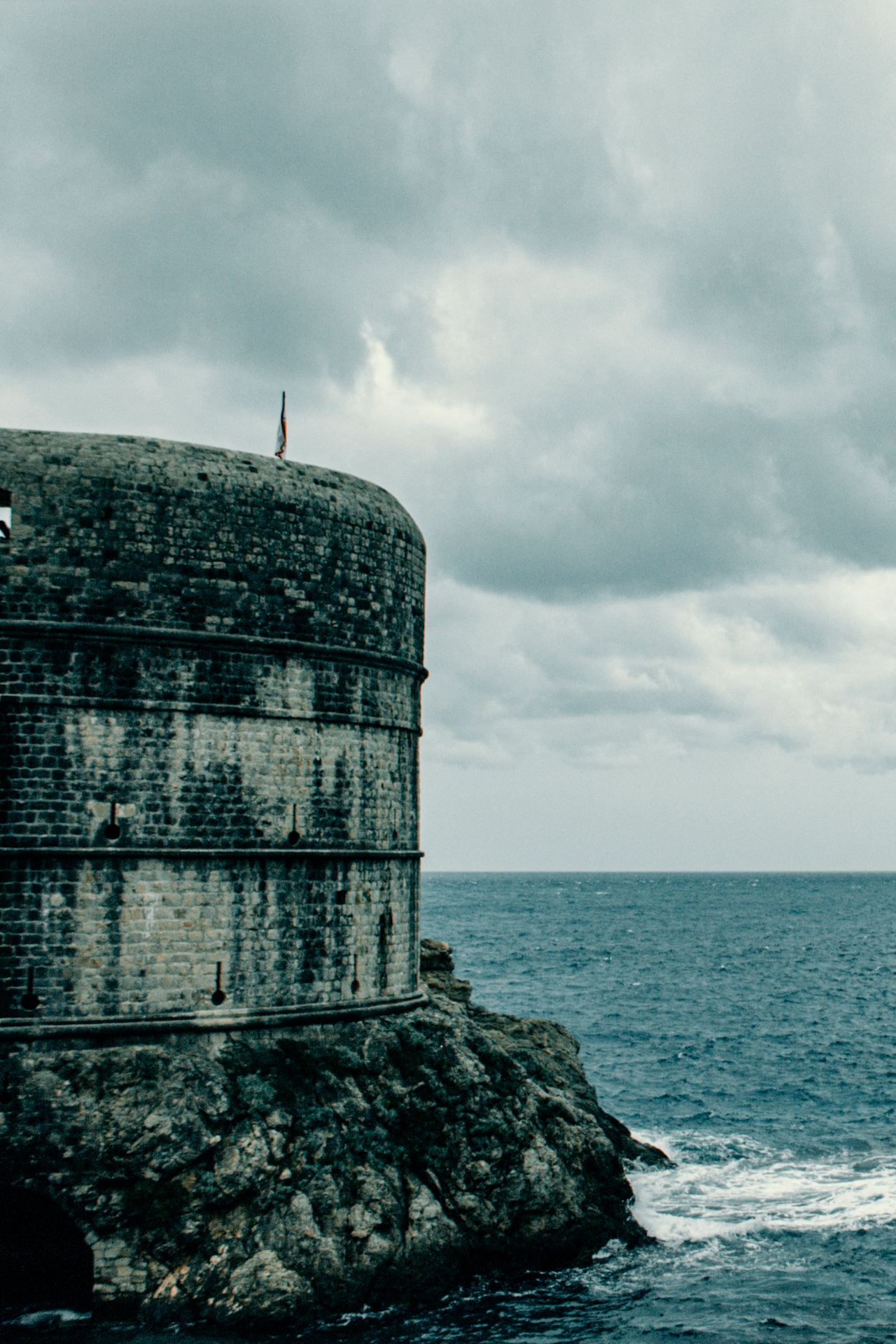
Dubrovnik, whose name comes from the Croatian word dubrava, meaning “grove,” occupies a promontory jutting into the sea beneath the bare limestone mass of Mount Srđ. The harbour’s sea fortifications rise directly from the water’s edge, while the massive round tower of Minčeta Fortress, completed in 1464, dominates the city from the landward side.
The city was founded around 614 as Rausa, or Ragusium, by Roman refugees who had escaped the Slavic and Avar sack of nearby Epidaurus, just to the southeast.
A colony of Slavs soon joined the Romans there, and from an early stage the city formed a link between two great cultures. After the fall of Rome, Dubrovnik was ruled by the Byzantine Empire.
Situated at the maritime end of overland trade routes leading to Byzantium and the Danube region, it became a major commercial power. For centuries, the people of Dubrovnik managed to preserve their neutrality through skilful manoeuvring between East and West.
The great flourishing of art and literature between the fifteenth and seventeenth centuries earned it the title “the South Slavic Athens.” For the first time in the history of the South Slavs, the language of the people entered literature. The city’s literary history, however, never rivalled its maritime and commercial achievements.
In 1667, an earthquake destroyed parts of the city, including the cathedral, many monasteries, and palaces, and killed as many as 5,000 inhabitants.
From 1800 to 1805, as the only neutral Mediterranean state, Dubrovnik secured a large share of the shipping trade. Napoleon I subjugated Dubrovnik in 1808, and the Congress of Vienna in 1815 handed the city to Austria. In 1918, it was incorporated into Yugoslavia.
Many of Dubrovnik’s historic buildings were damaged in 1991–92 during Croatia’s struggle for independence, but much of the old city has since been restored. Dubrovnik’s old town was designated a UNESCO World Heritage Site in 1979.
Kotor
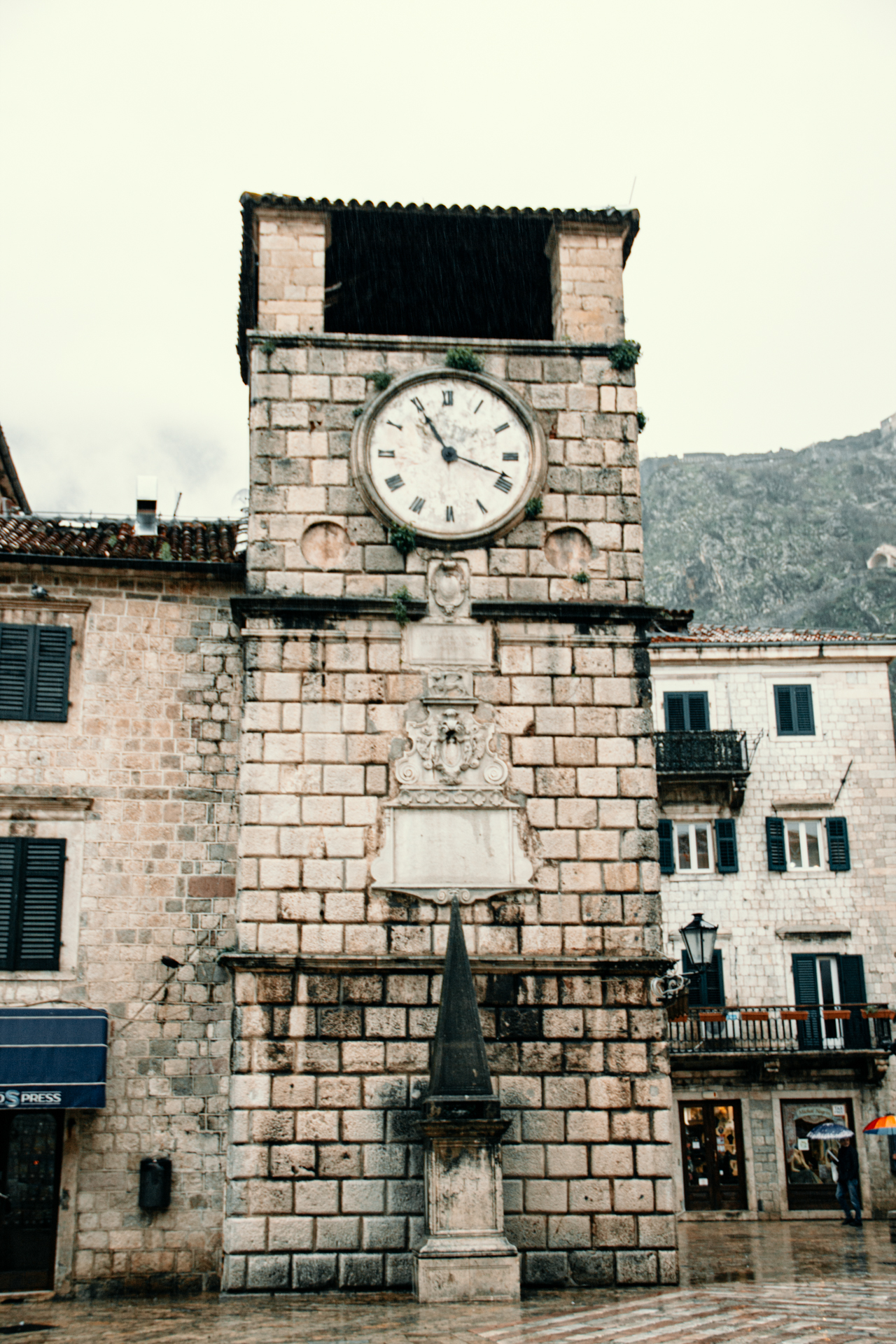
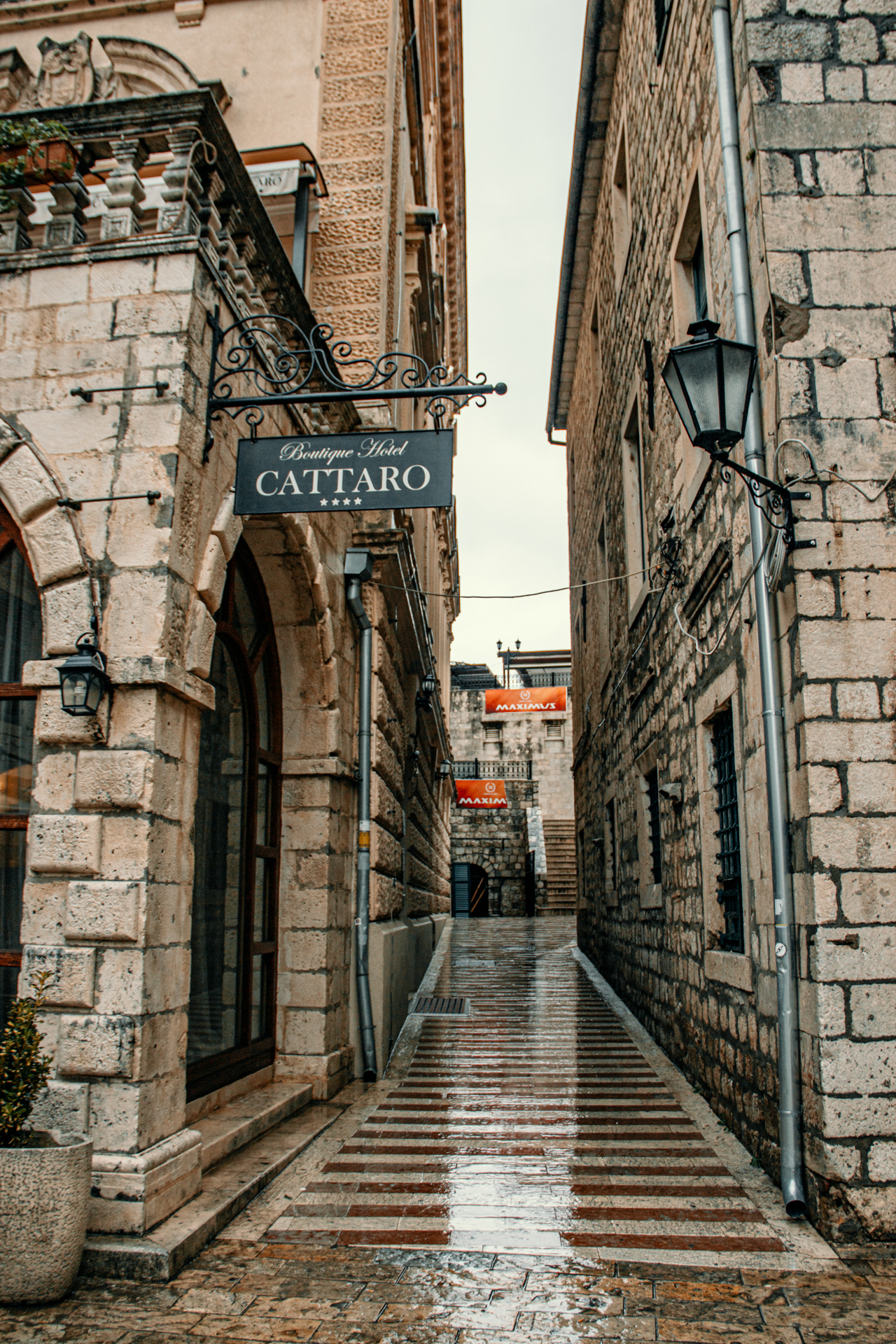
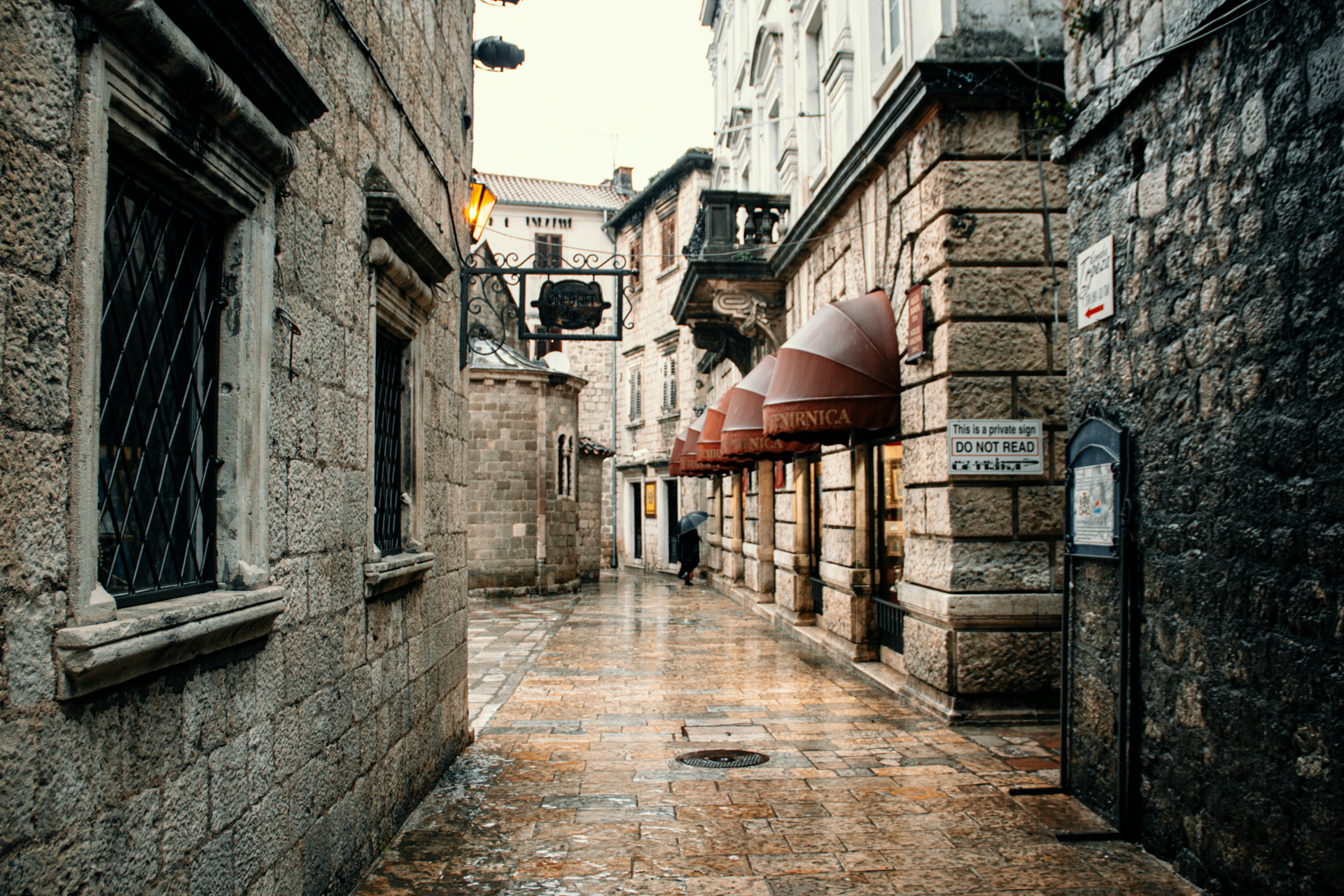
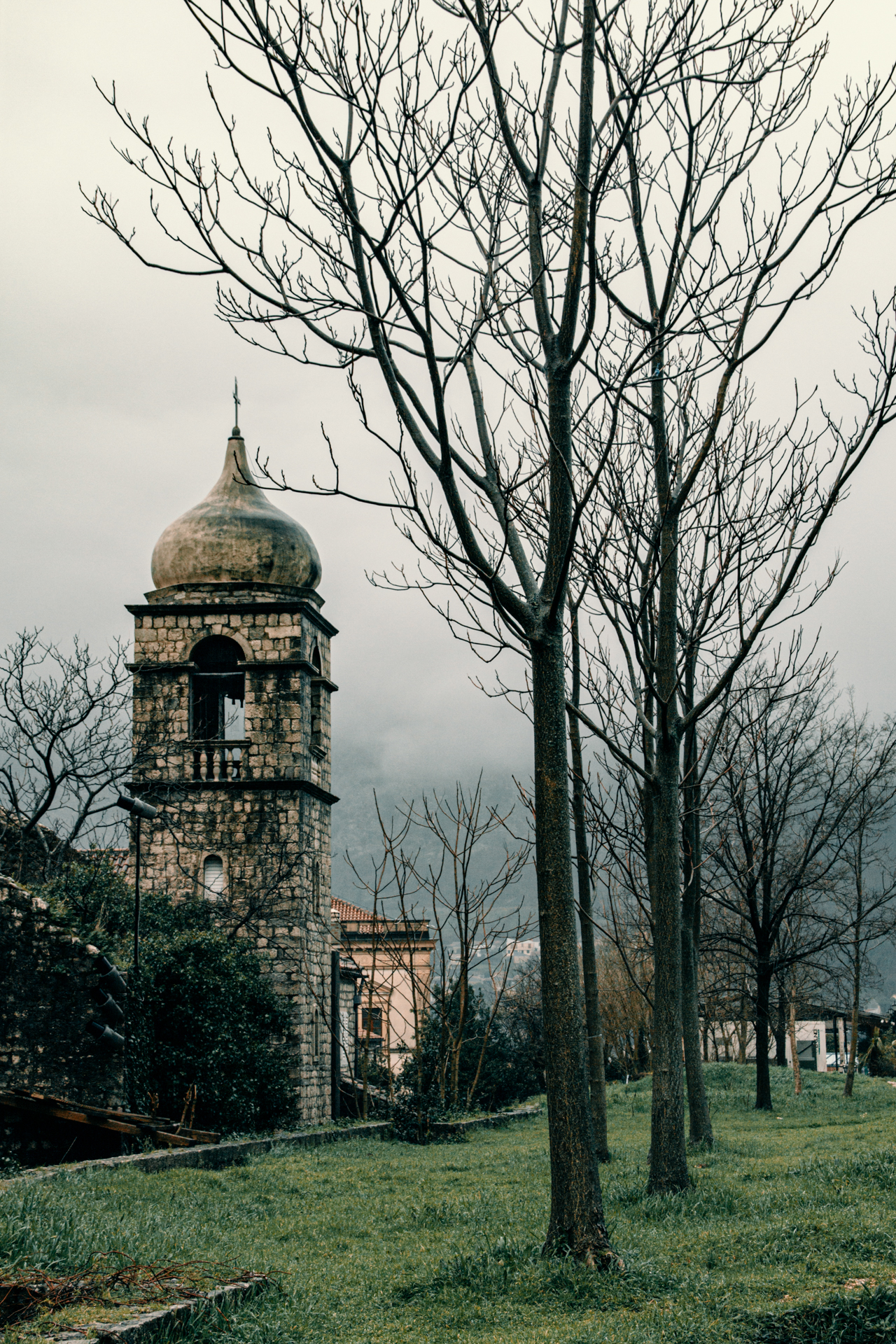
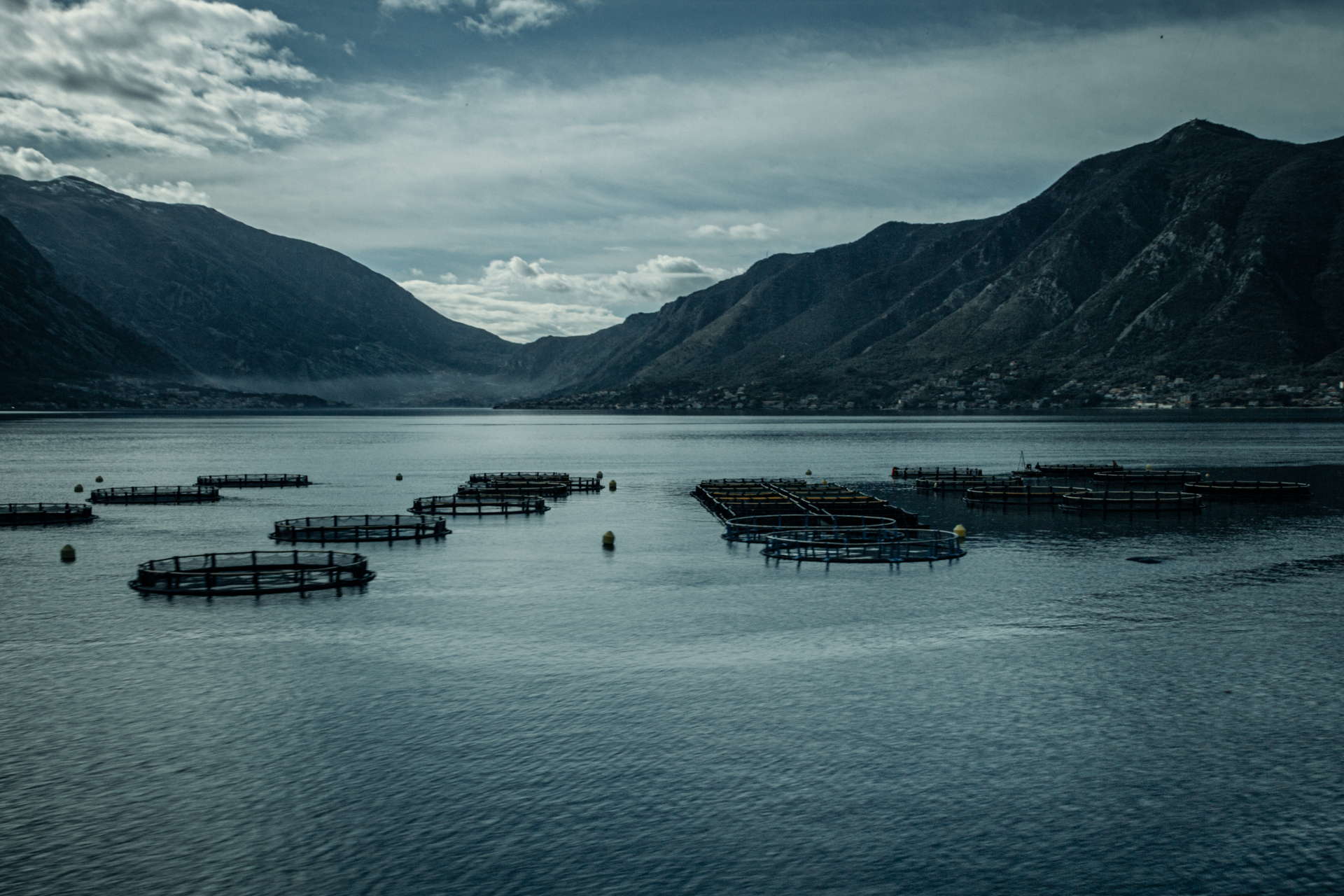
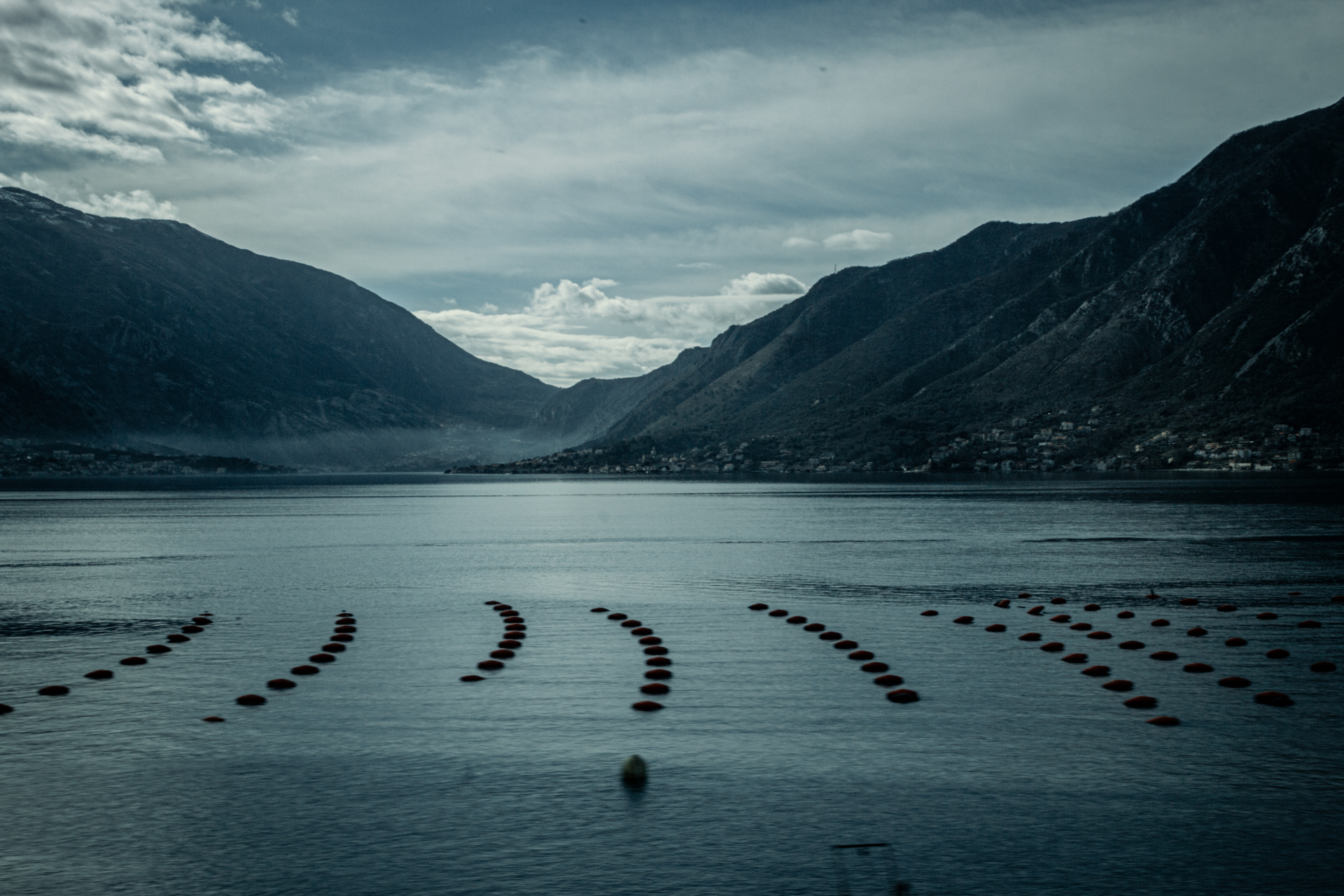
Kotor, Italian Cattaro, is a walled town, port, and resort at the southern end of one of the four bays of the Bay of Kotor, or Boka Kotorska, on the Adriatic coast of Montenegro.
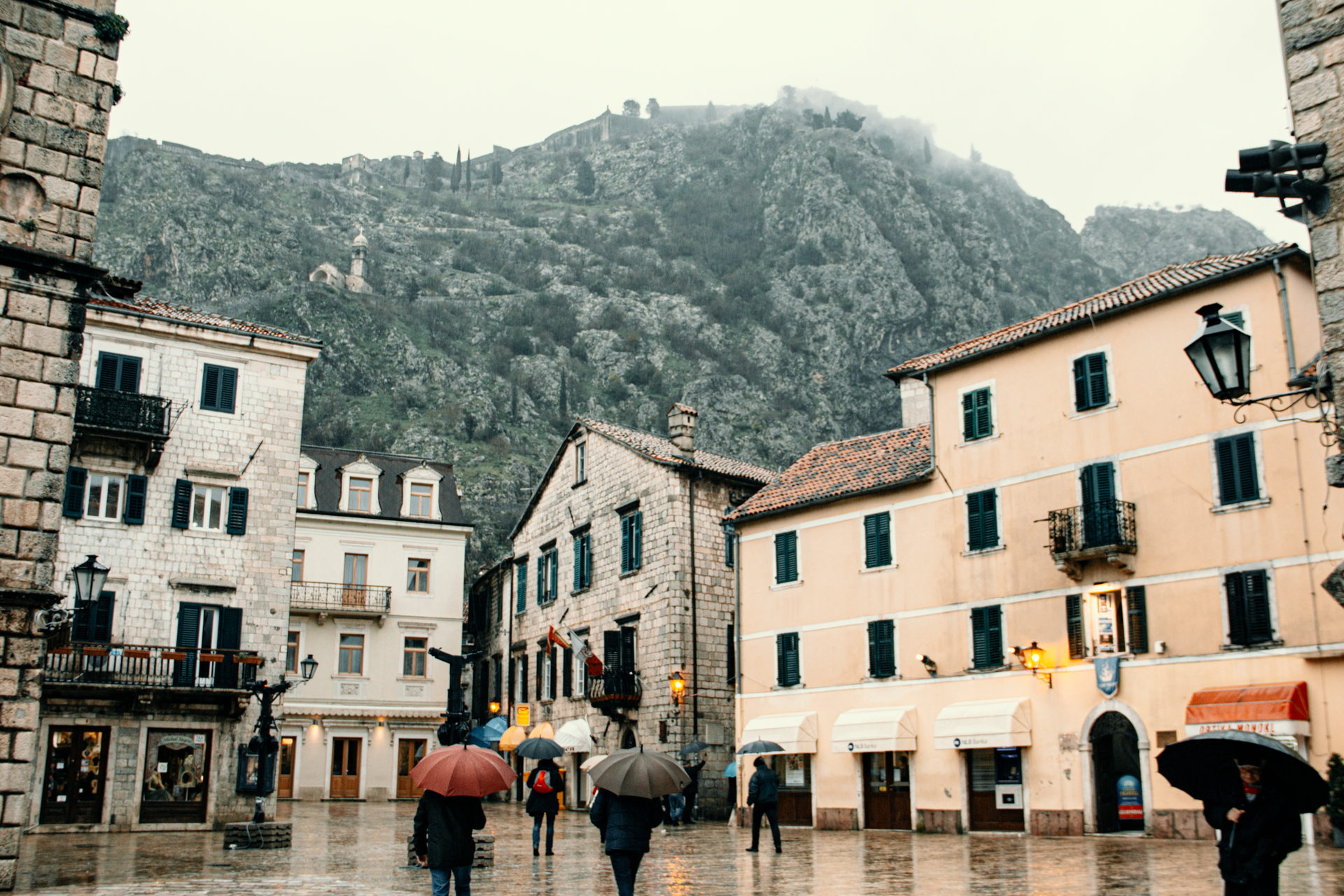
The town, located about 50 kilometres south of Nikšić, lies at the foot of the steep Lovćen massif, which rises to 1,749 metres. Kotor was founded by the ancient Romans as Acruvium. By the tenth century it was an autonomous town under Byzantine rule, and from 1186 to 1371 it was a free city of medieval Serbia.
It was under Venetian and Hungarian occupation for brief periods. From 1395 to 1420 it regained autonomy, but it was again taken by the Venetians until 1797.
The town suffered periodic damage from Turkish attacks and earthquakes. Between 1807 and 1814 it was occupied by France. The French period was followed by Austrian rule until 1918, when Slavic sailors in the Austro-Hungarian navy rebelled in Kotor and the town was incorporated into the Kingdom of Serbs, Croats, and Slovenes, later part of Yugoslavia from 1929 to 2003.
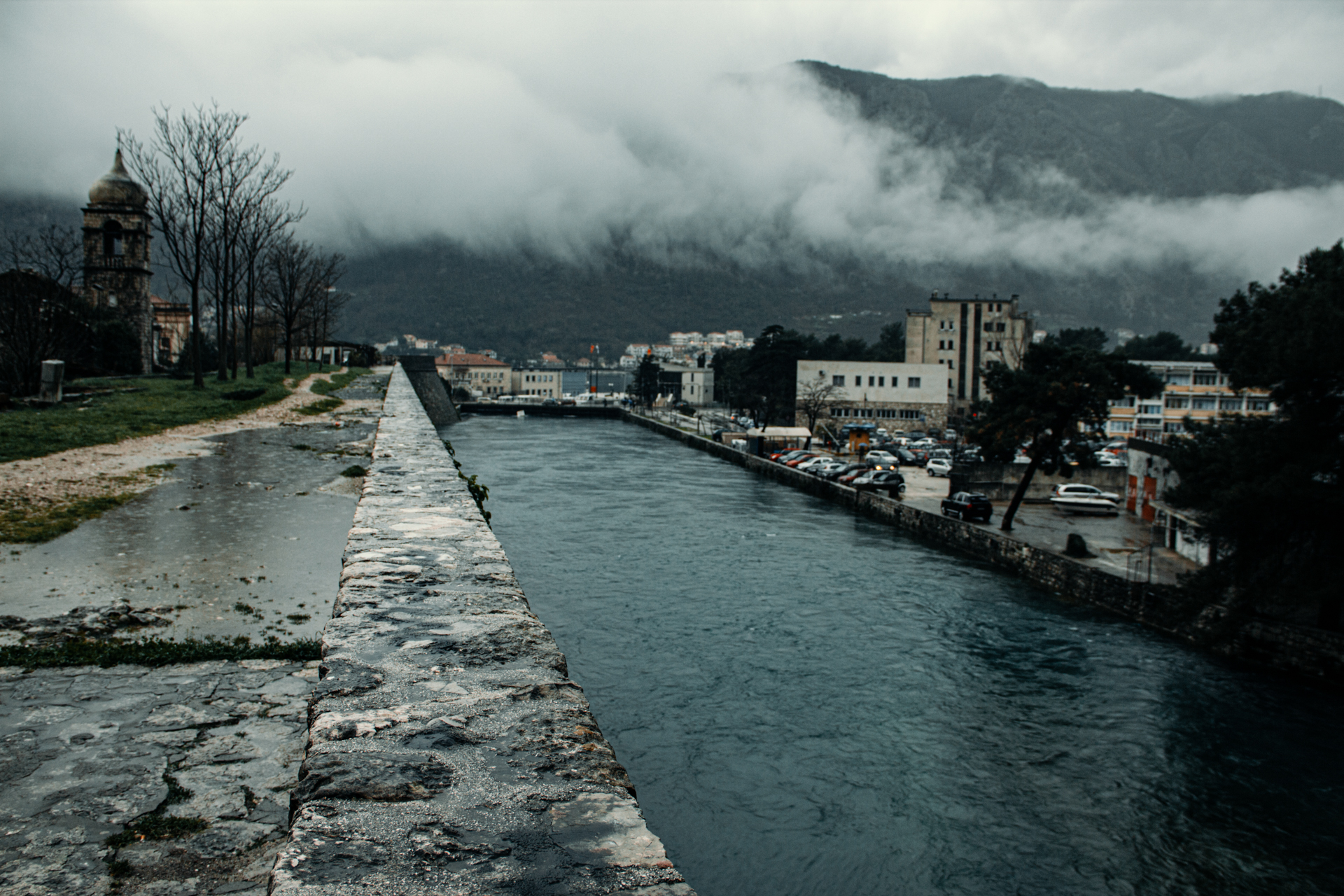
Much of Kotor’s medieval fortifications still survives today. The city walls extend for about 4.5 kilometres, range in thickness from roughly 2 to 15 metres, and reach a maximum height of about 20 metres.The main gate dates from the sixteenth century, while the southern gate, the oldest in Kotor, was built partly in the ninth century.
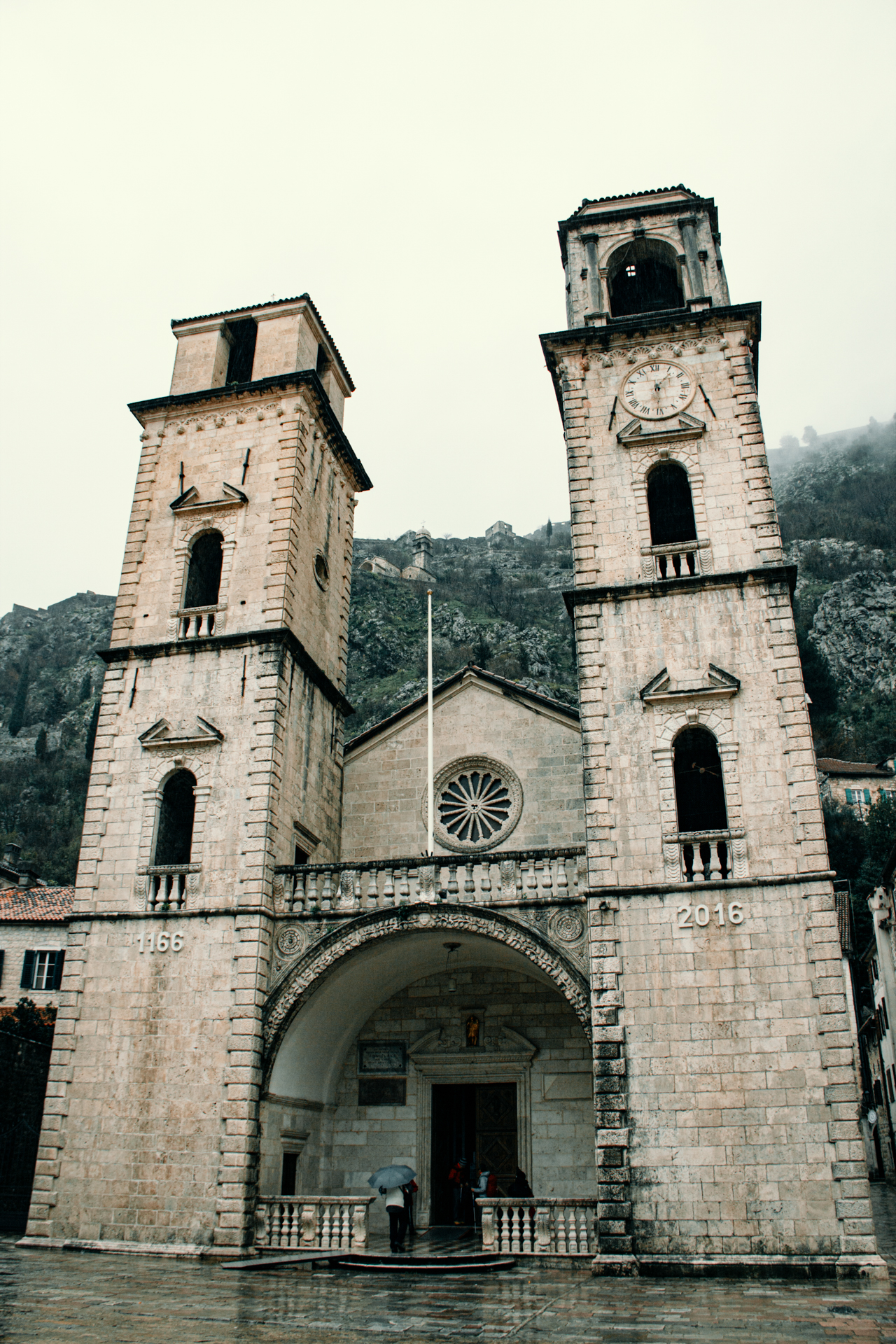
Kotor has many historic buildings, the largest and most beautiful of which is the Cathedral of Saint Tryphon, built in 1166. It contains many frescoes and a treasury of jewellery.
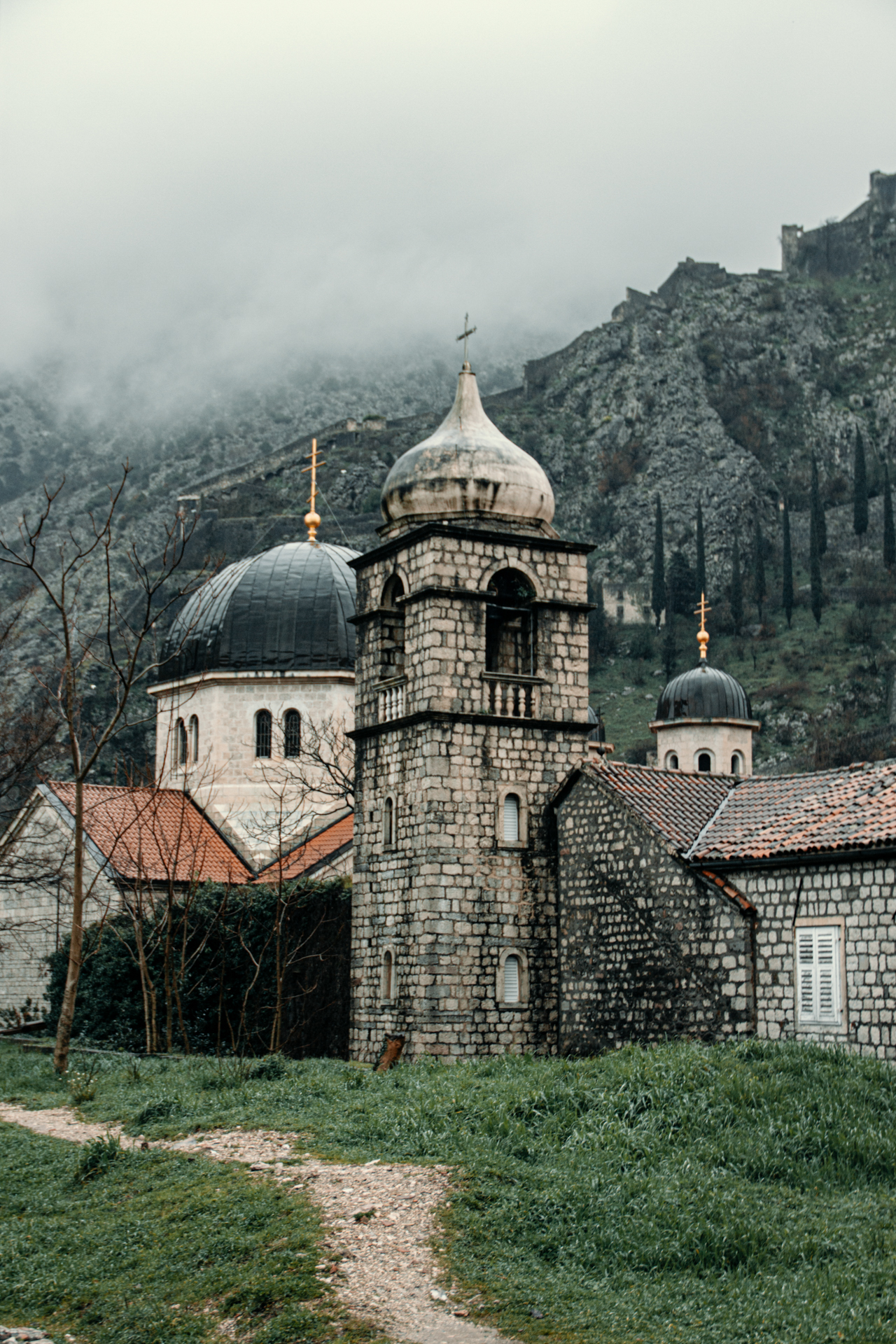
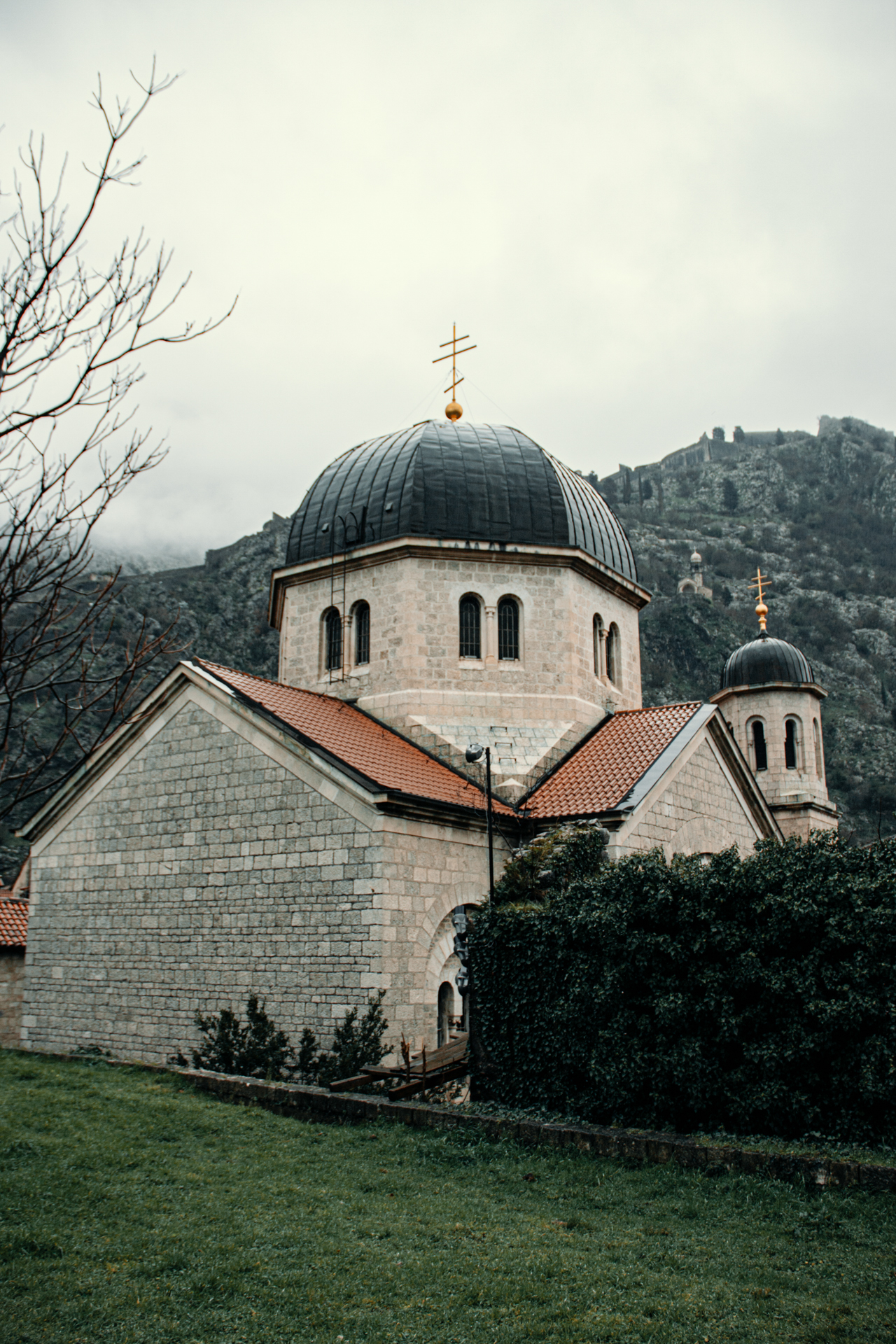
Also notable is the Church of Saint Luke, built in 1195, which was originally Roman Catholic and later became an Orthodox church from the seventeenth century onwards.
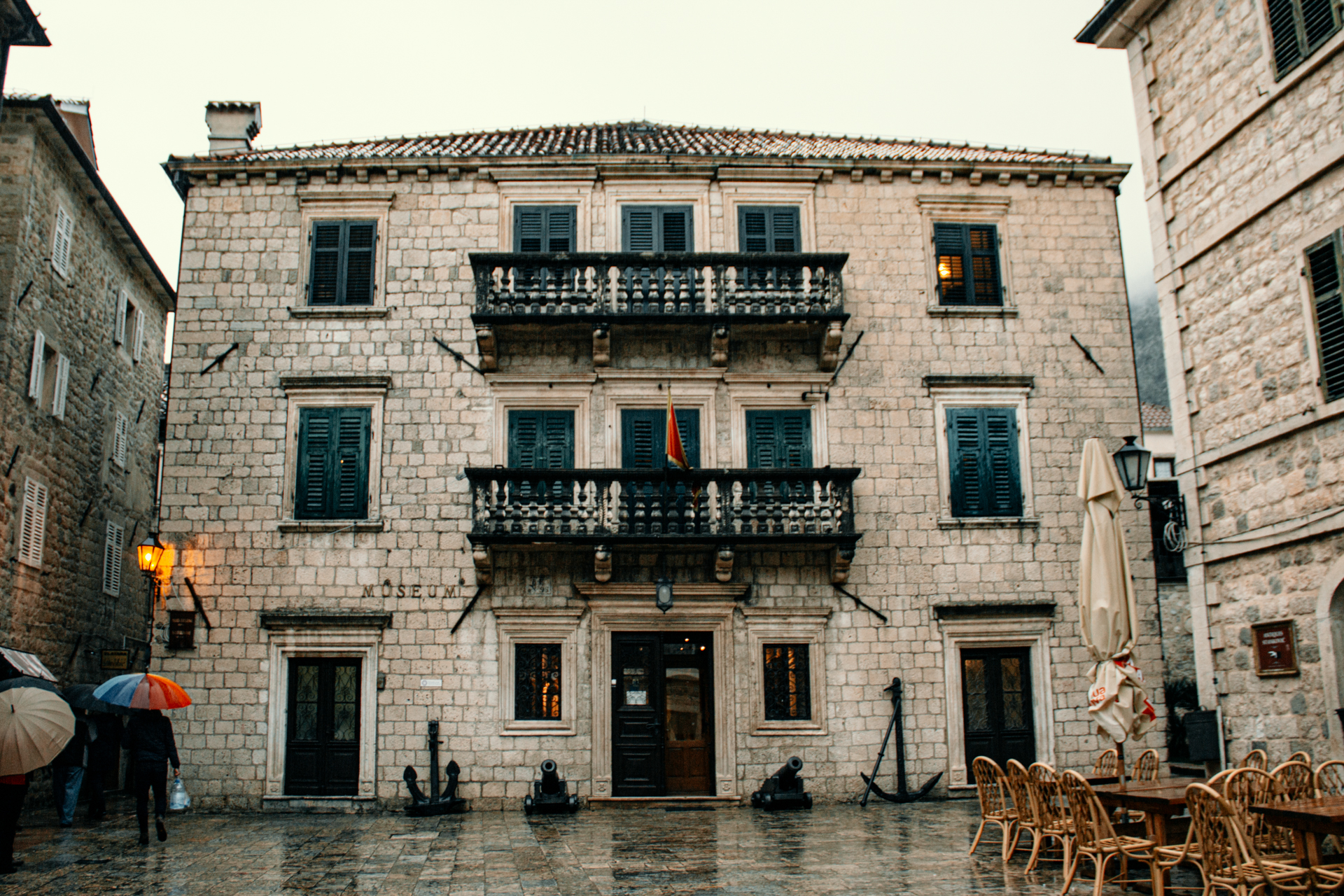
There are also several palaces belonging to prominent families, including the eighteenth-century Grgurina Palace, which now houses a maritime museum.
In 1979, a major earthquake caused severe damage to the town, but much of it has since been restored. Also in 1979, Kotor was designated a UNESCO World Heritage Site.
Pixelscape.gr uses cookies to ensure that provides you with the best possible navigation experience. By using the website you accept the usage of cookies. Press “Accept”, if you condone the usage of cookies.
This website uses cookies to improve your experience while you navigate through the website. Out of these, the cookies that are categorized as necessary are stored on your browser as they are essential for the working of basic functionalities of the website. We also use third-party cookies that help us analyze and understand how you use this website. These cookies will be stored in your browser only with your consent. You also have the option to opt-out of these cookies. But opting out of some of these cookies may affect your browsing experience.