Article by Nikos Kakagias Cover photo by Georgia Papadopoulou Edited by Harrys Pourouzidis
George Tzimagiorgis
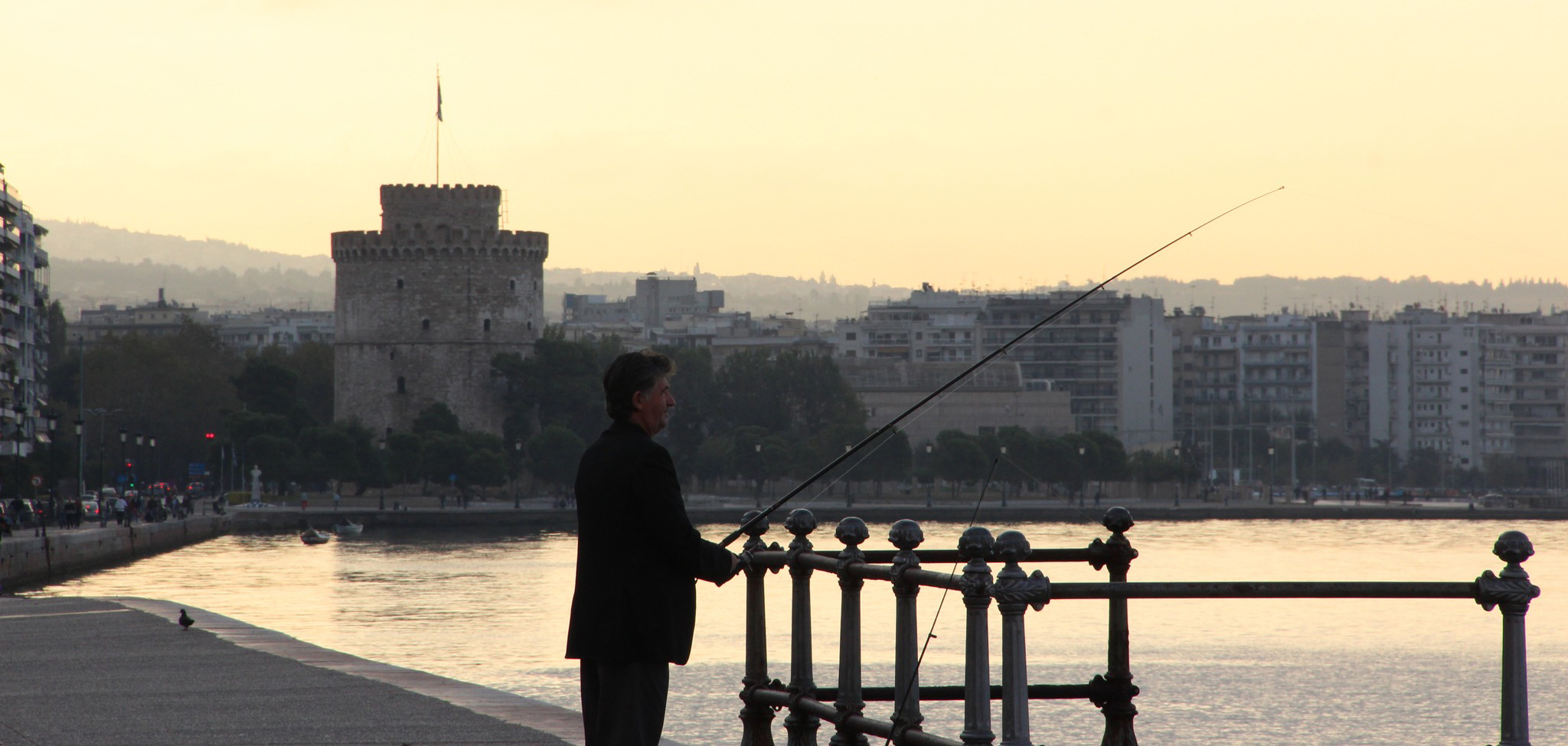
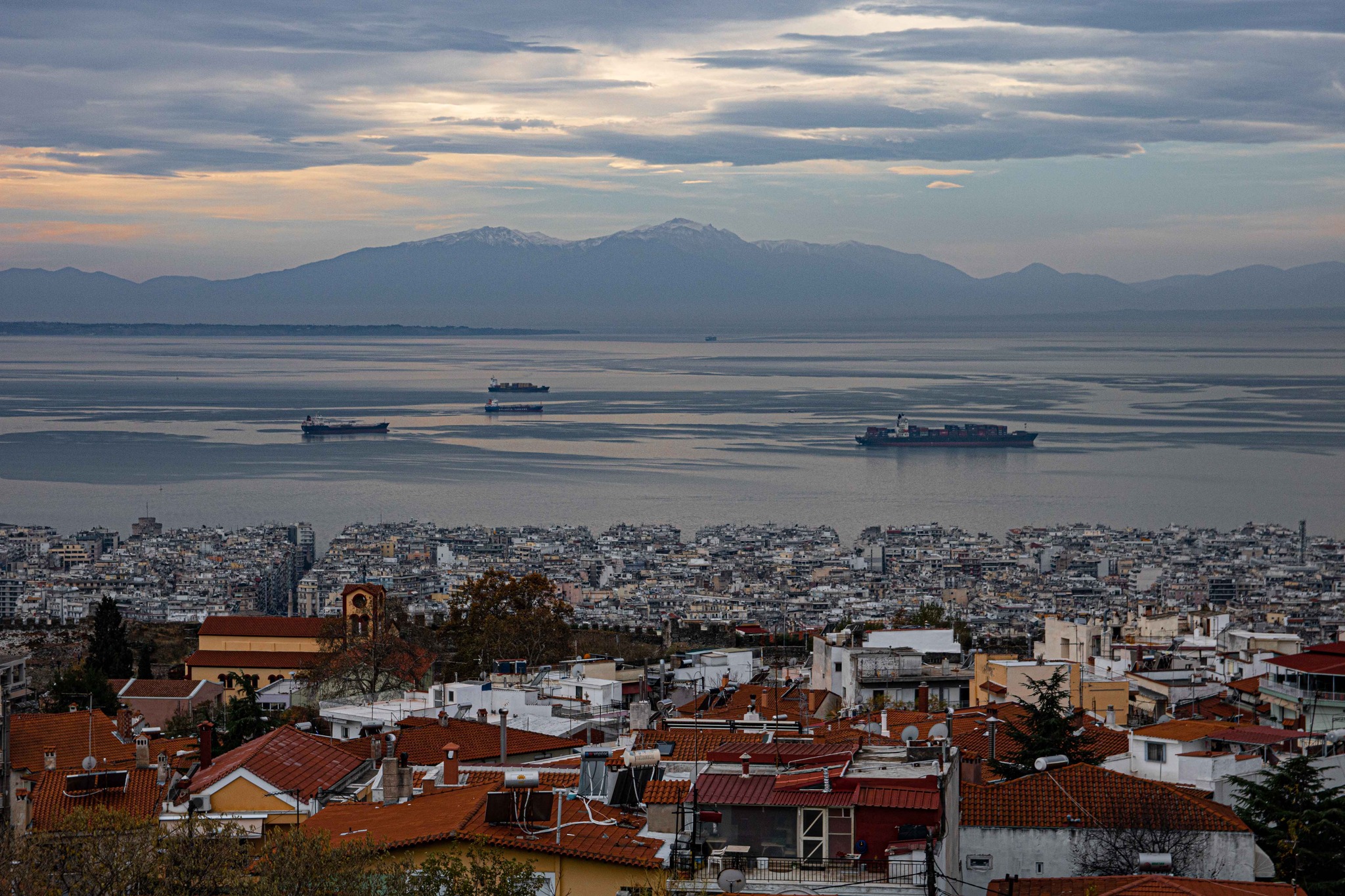
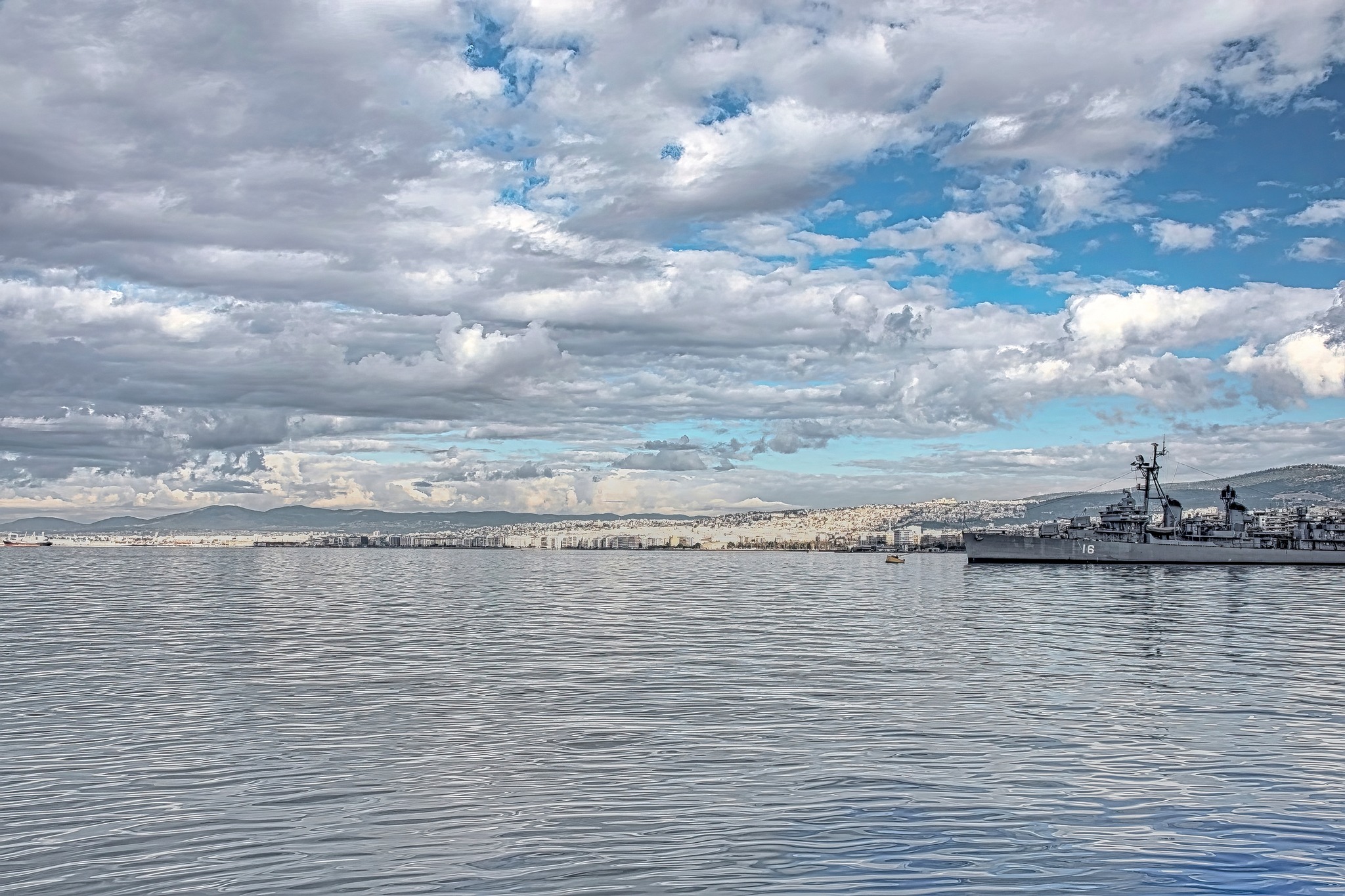
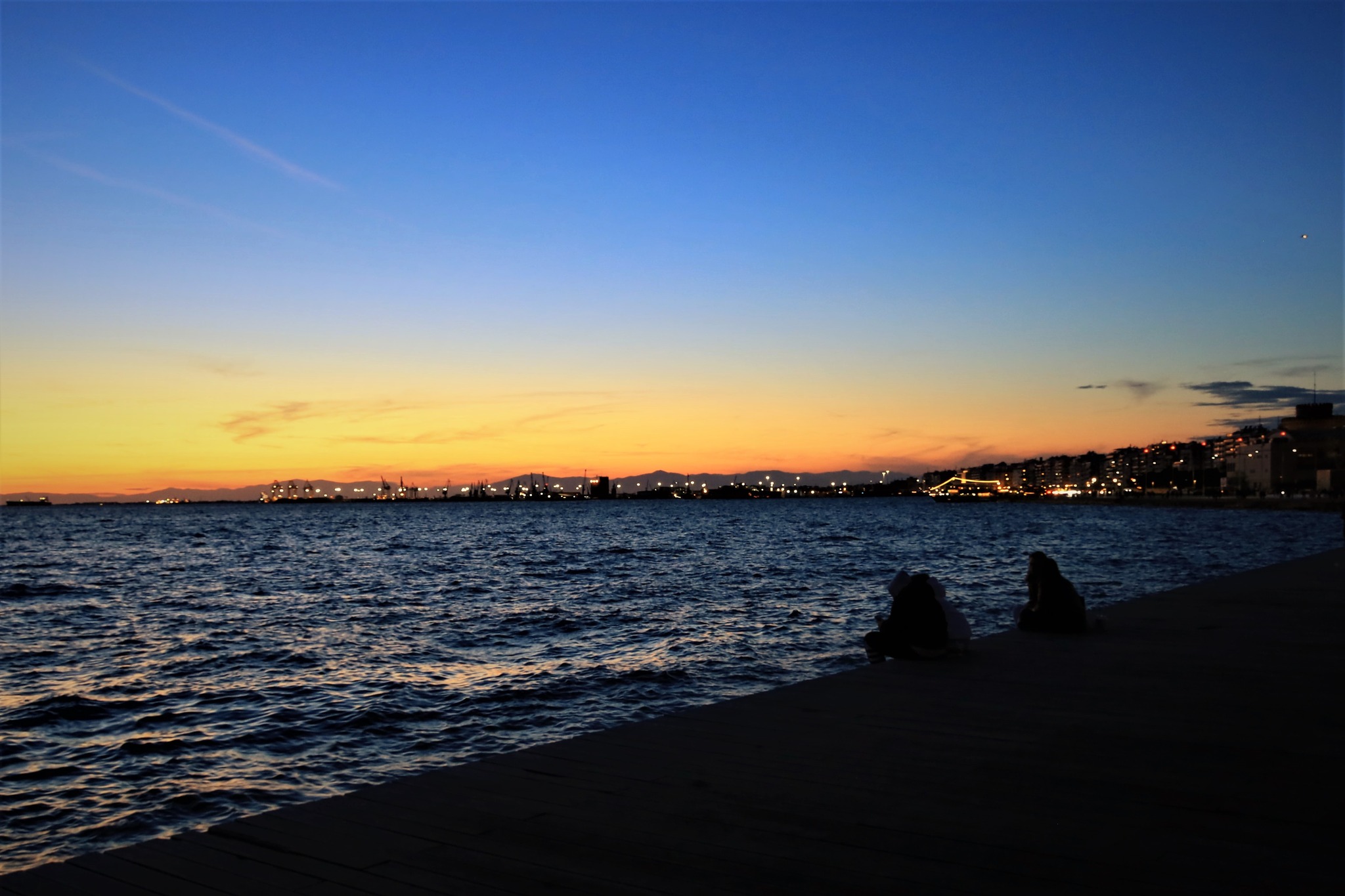
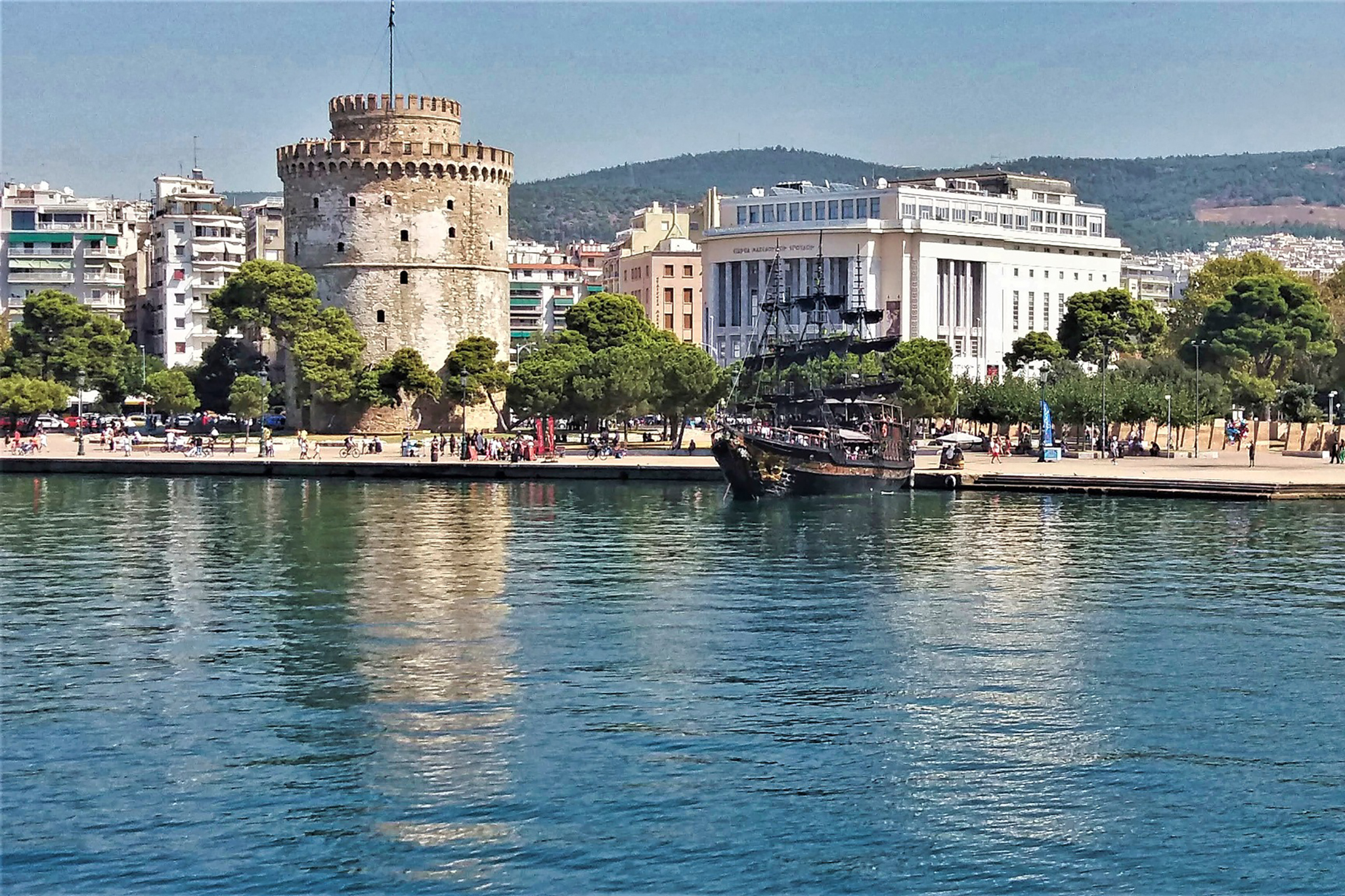
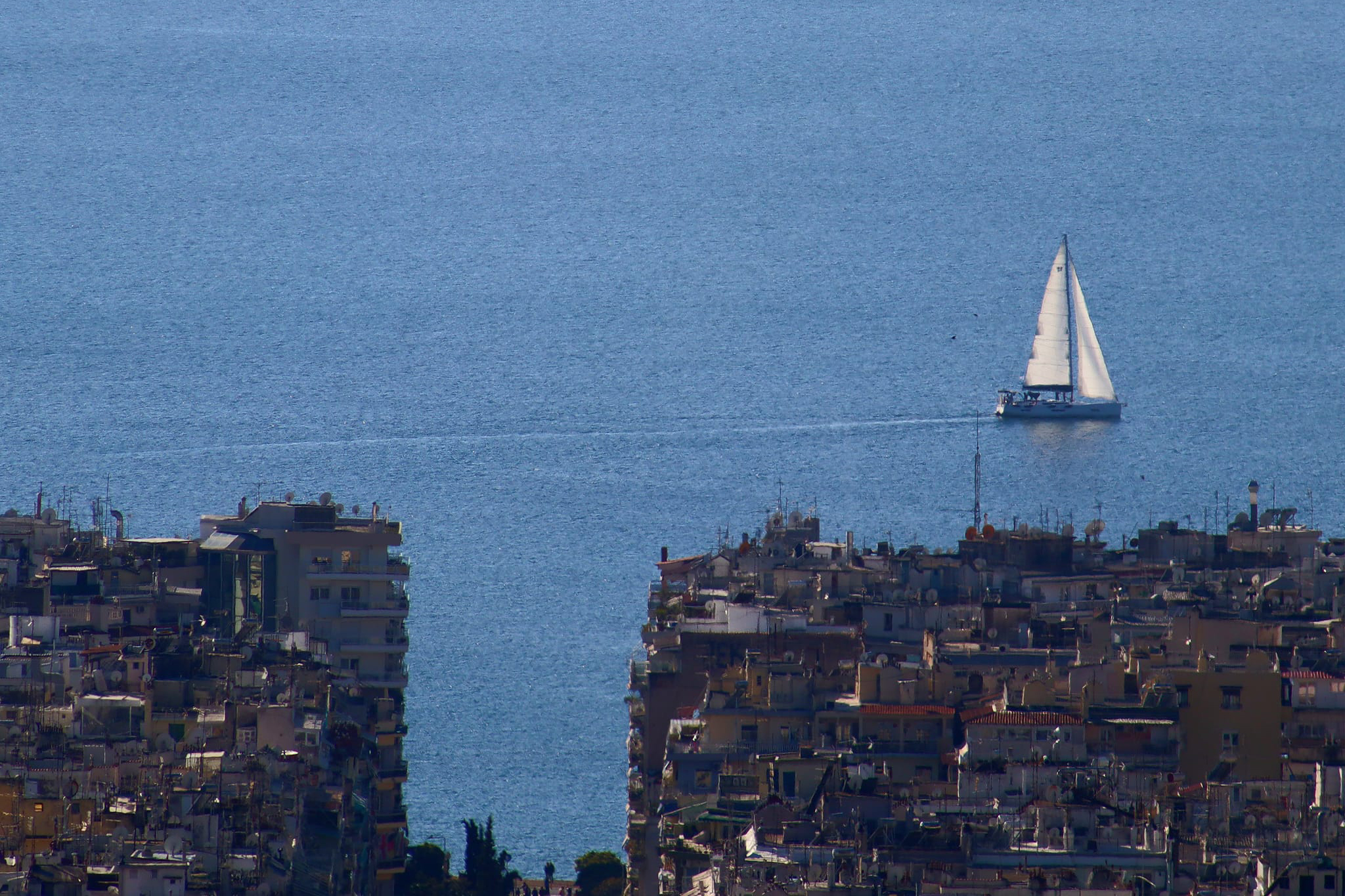
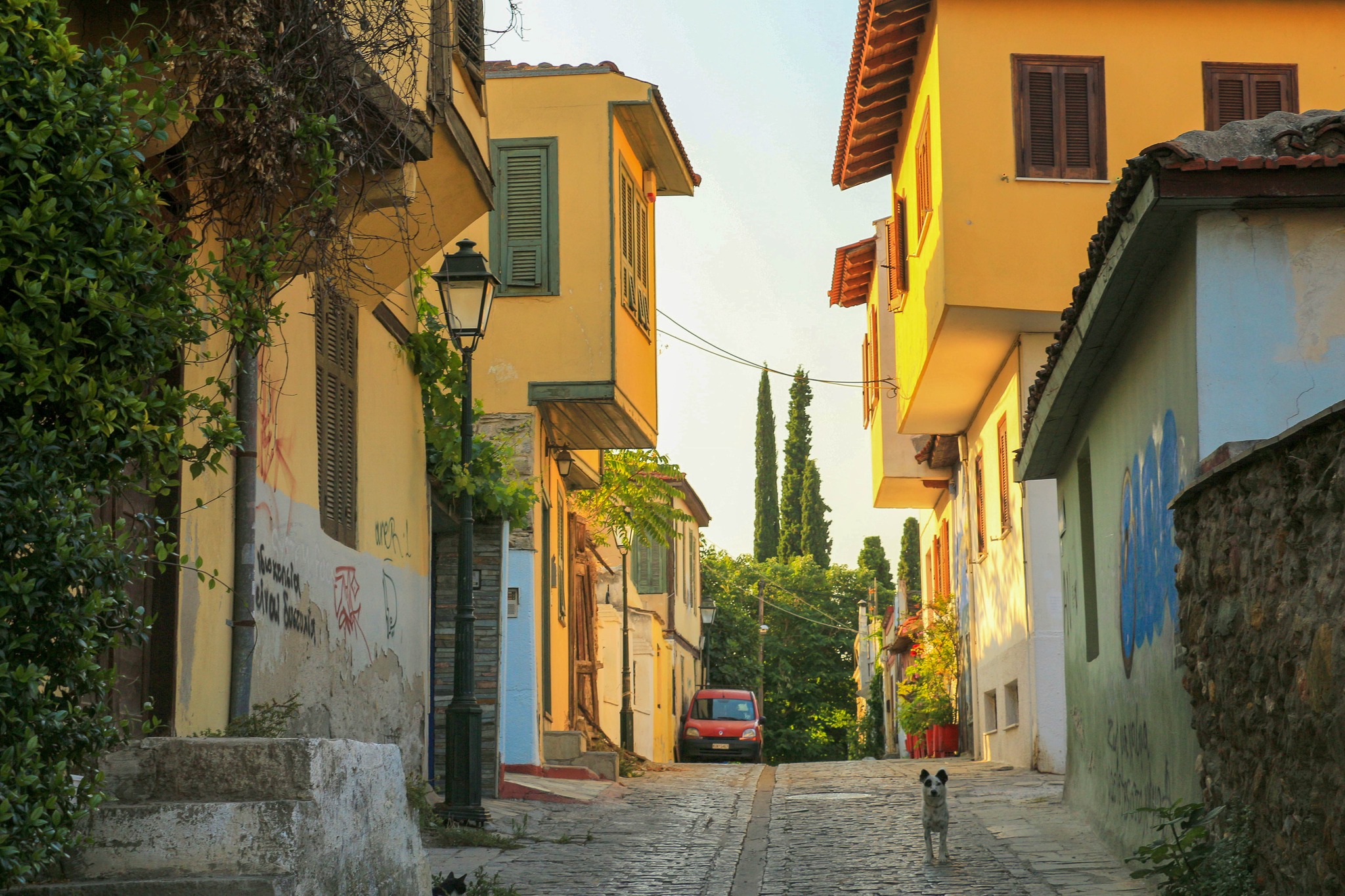
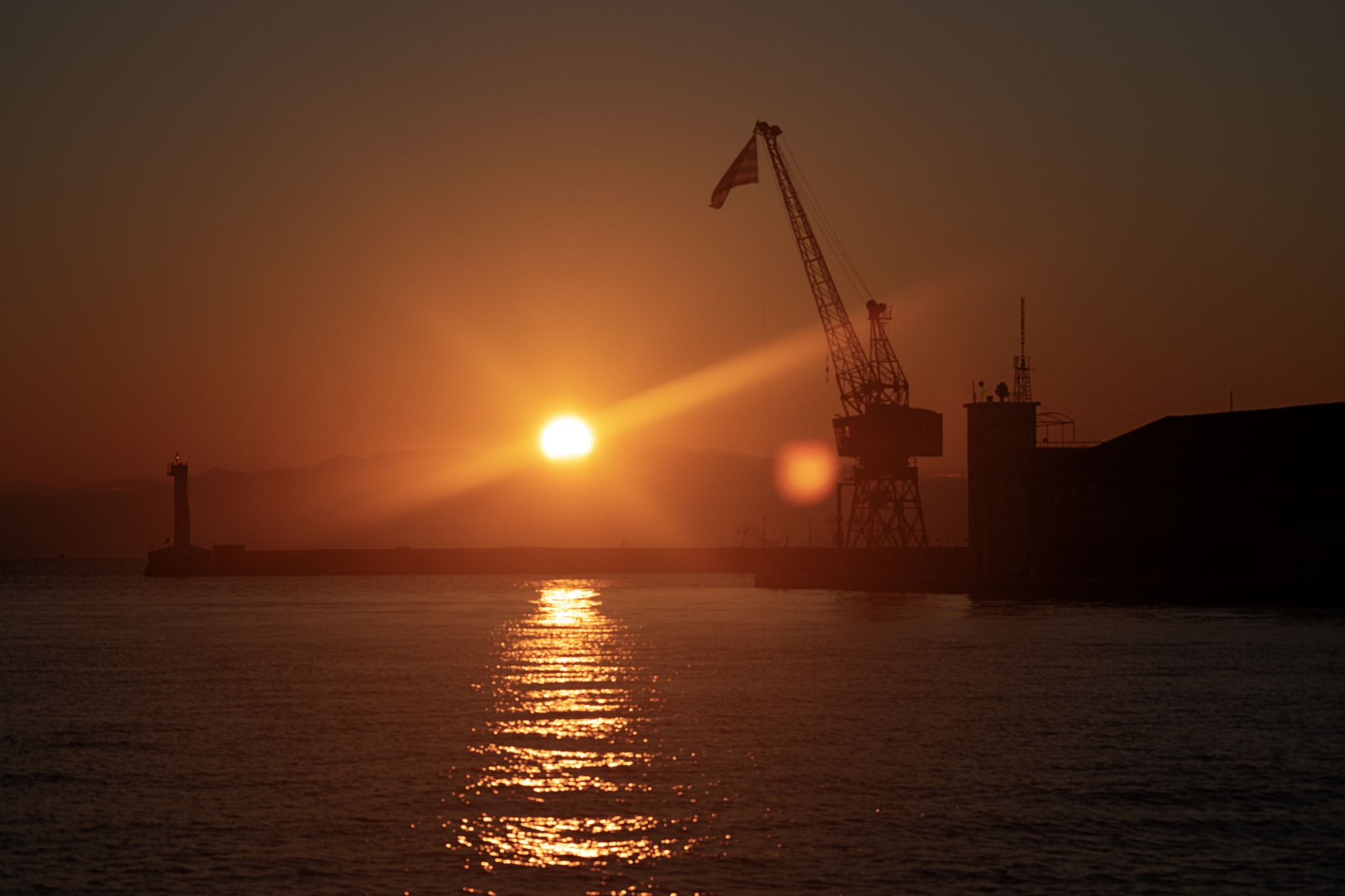
Once you go around round the cape, with the heavy shadow of Olympus on your left, you will see her. She lies on her side, basking languidly in the sun, her elbow to the west and her feet stretching eastwards, where the southerly wind streams through and reaches Little Karabournou.
There she rests, at the edge of the northern plain ruled for centuries by the Vardar wind, ever since the opportunist usurper Cassander commenced it all by flattering his wife into immortality. He called her Thessaloniki, since her mother was a princess of the Thessalians and the fifth wife of that fearless Philip, father of Alexander the Great.
Eftichios Tsaousidis
Harrys Pourouzidis
Dimosthenis Seitaridis
Nikos Kakagias
Danis Papagiannoulis
Soula Ioannidou
Maria Spyridopoulou
Georgia Papadopoulou
George Tzimagiorgis
Indifferent and certain of her beauty, an old courtesan in the marketplace of times memorial, she has accepted many masters to rule her. Yet with her sweetness she still manages to deceive even the poets, who throughout the ages praised her charm while forgetting much of what she hid inside her. As if a curse had followed her. For despite her ornaments, she never truly became a noblewoman, always glancing first towards the East and then, forever after, towards the South.
Harrys Pourouzidis
Soula Ioannidou
Danis Papagiannoulis
Nikos Kakagias
Georgia Papadopoulou
Eftichios Tsaousidis
Maria Spyridopoulou
George Tzimagiorgis
Δημοσθένης ΣεΪταρίδης
Harrys Pourouzidis
The being always second in her many titles was a knife in the back of her vanity, and perhaps the reason she nourished her own complex nature. Yet she learned to wait, spreading her wings like a brooding hen, and into their warm embrace came all the tribes of the persecuted to nest.
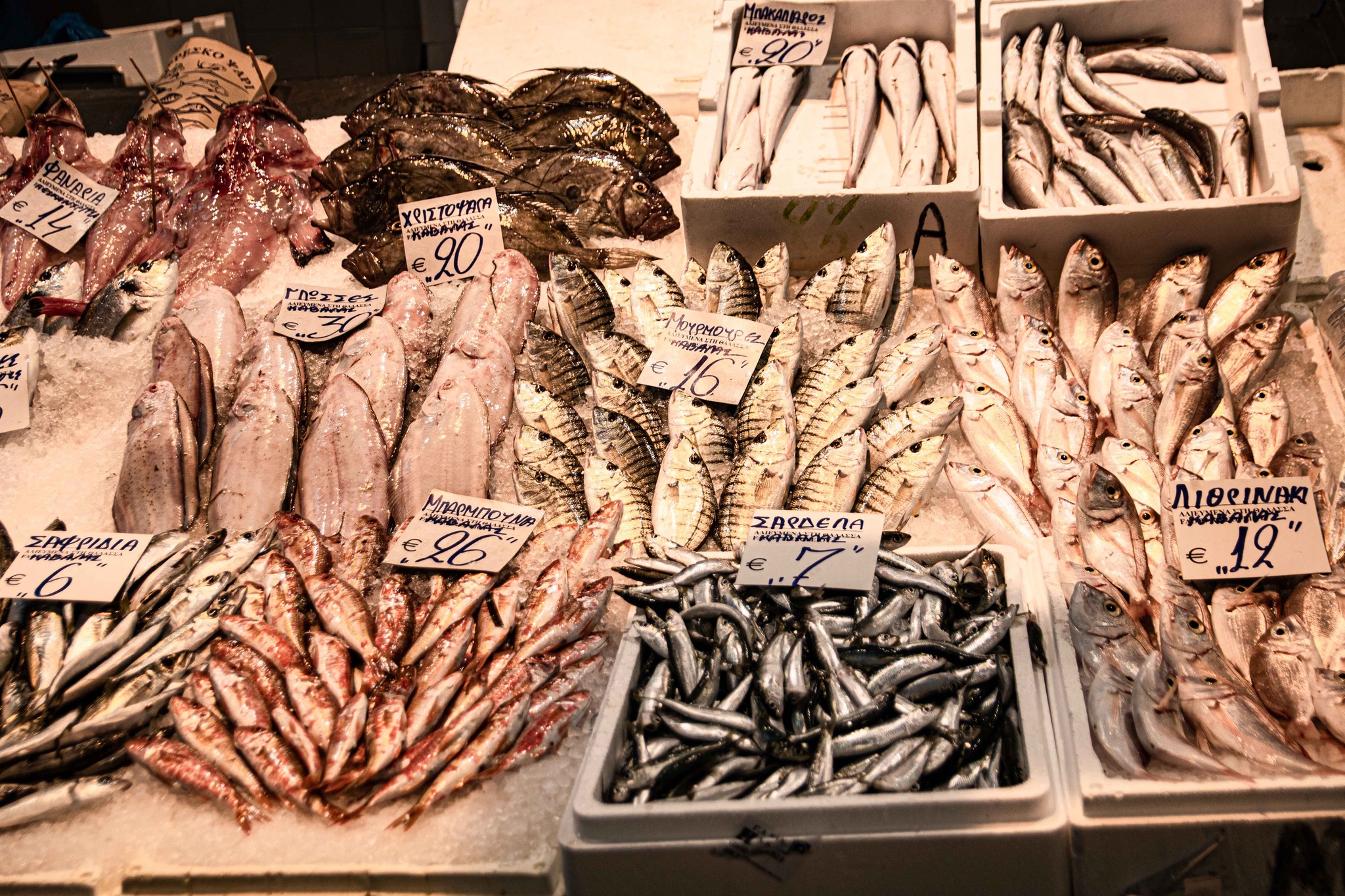
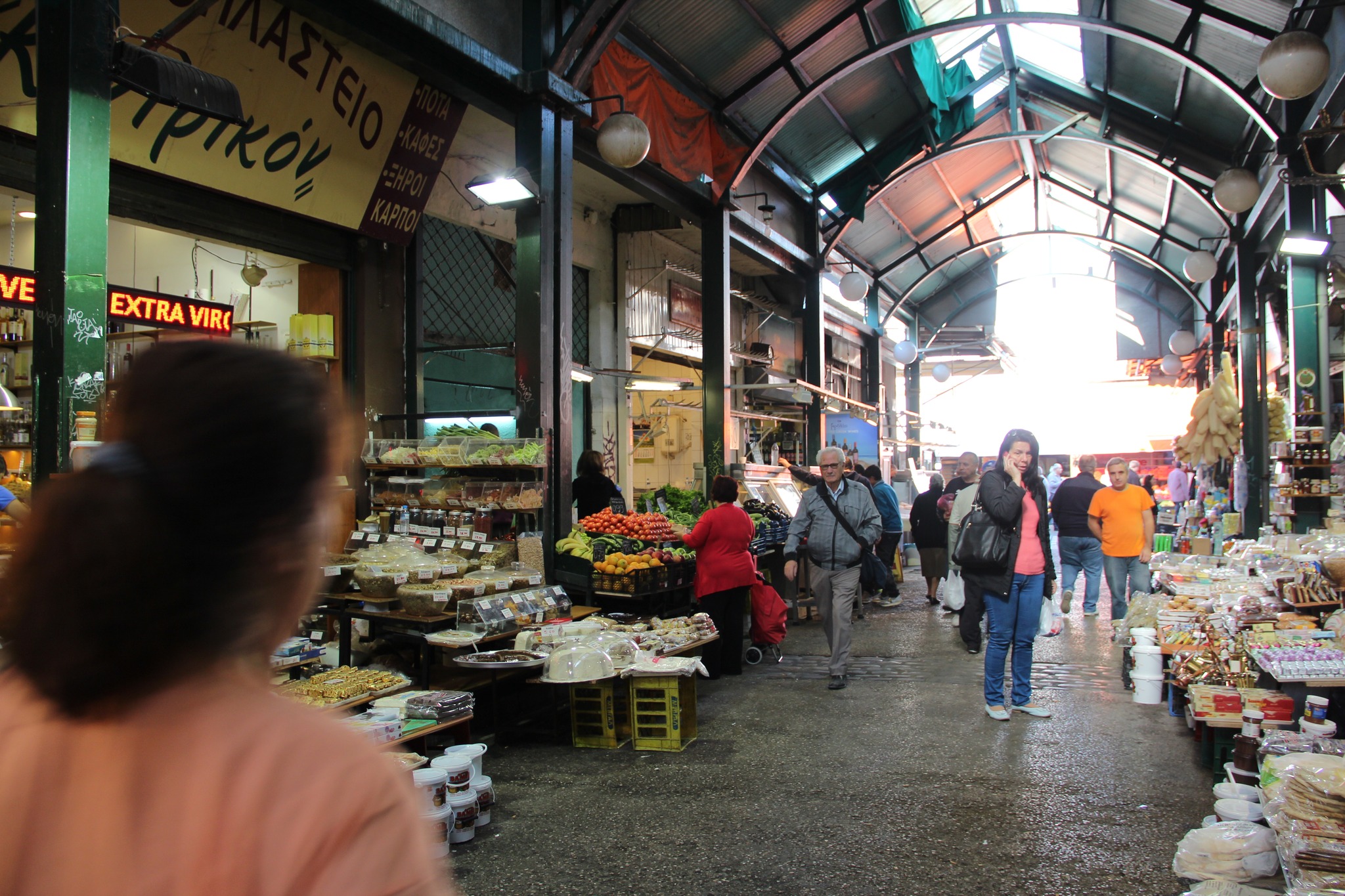
She grew rich selling her wares to the four corners of the world, and became a thorn in the eye of believers and unbelievers alike, who violated her body more than once. At times they called her Saloniki, at others Solun or Selanik, according to whichever masters held her. But she, born of ancient royal blood, kept her secret close to her breast, and in 1913 brought it proudly out into the world.
She was Thessaloniki now, and later, grafted with the uprooted people of Asia Minor, she grew and became the metropolis of the North.
George Tzimagiorgis
Danis Papagiannoulis
Maria Spyridopoulou
Harrys Pourouzidis
Georgia Papadopoulou
Soula Ioannidou
Δημοσθένης ΣεΪταρίδης
Nikos Kakagias
Eftichios Tsaousidis
Yet she grew only in numbers, through the swarms of people, because deep down she remained what she had always been; A poor child who, out of self-consoling pride, turned her misery into a banner and passed it into the collective unconscious of the Greeks, who needed a point of reference for settling the guilty debts of their state power.
She never became truly cosmopolitan. The winds of the West left the destitute indifferent who after two wars, continued to swell the ranks of the wretched, struggling always for a piece of bread.
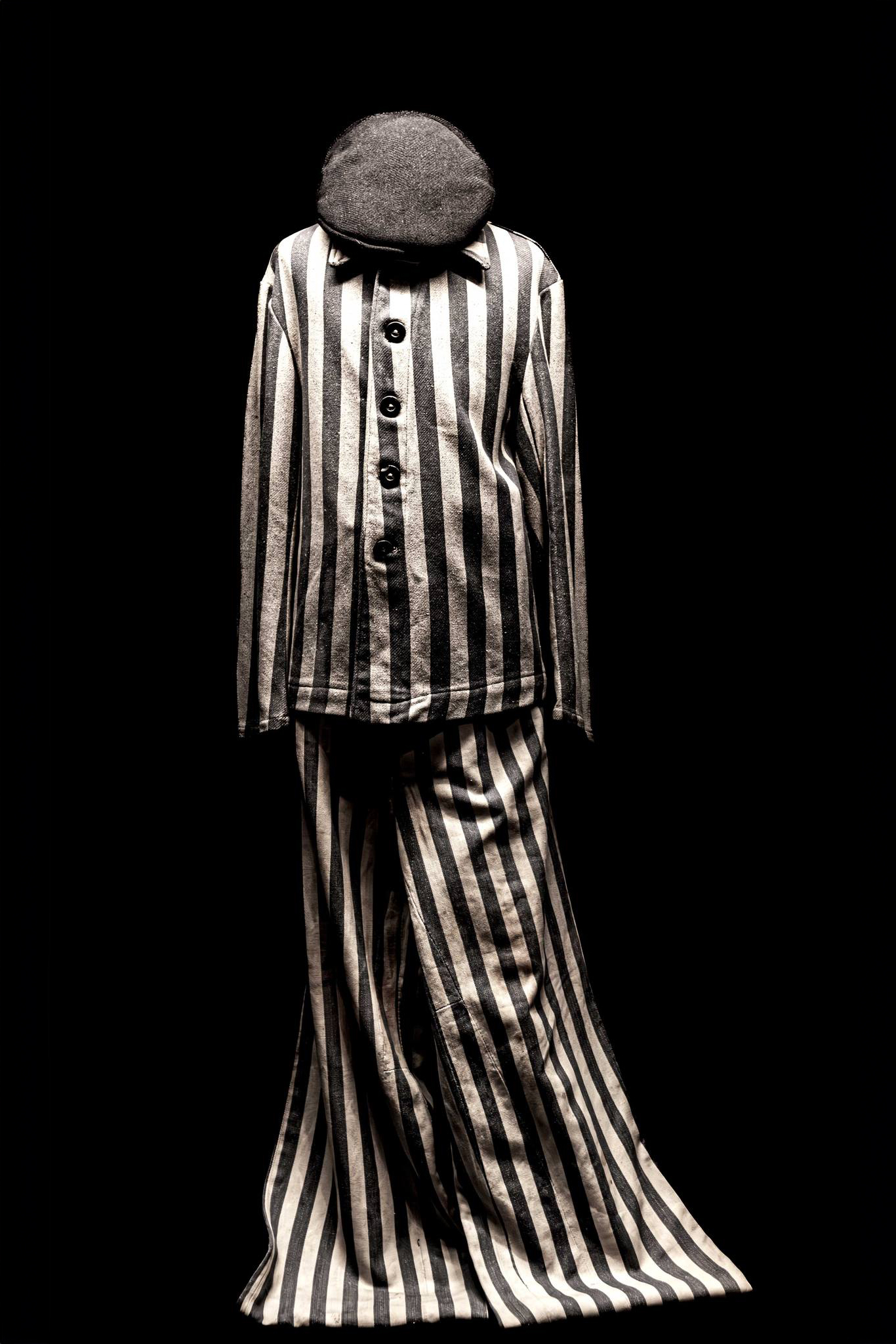
She bred monsters within her too. She lay low during the crime of the 1931 pogrom against her Jewish part. She filled the cells of Yedi Kule with Greeks. Later, during the murder of Lambrakis on Spandoni Street, she turned her back and slept peacefully from then on, indifferent to the serpent’s egg still hidden in her bedding. She, who had always stood with the persecuted.
Danis Papagiannoulis
Georgia Papadopoulou
Soula Ioannidou
Harrys Pourouzidis
George Tzimagiorgis
Dimosthenis Seitaridis
Nikos Kakagias
Maria Spyridopoulou
Eftichios Tsaousidis
Danis Papagiannoulis
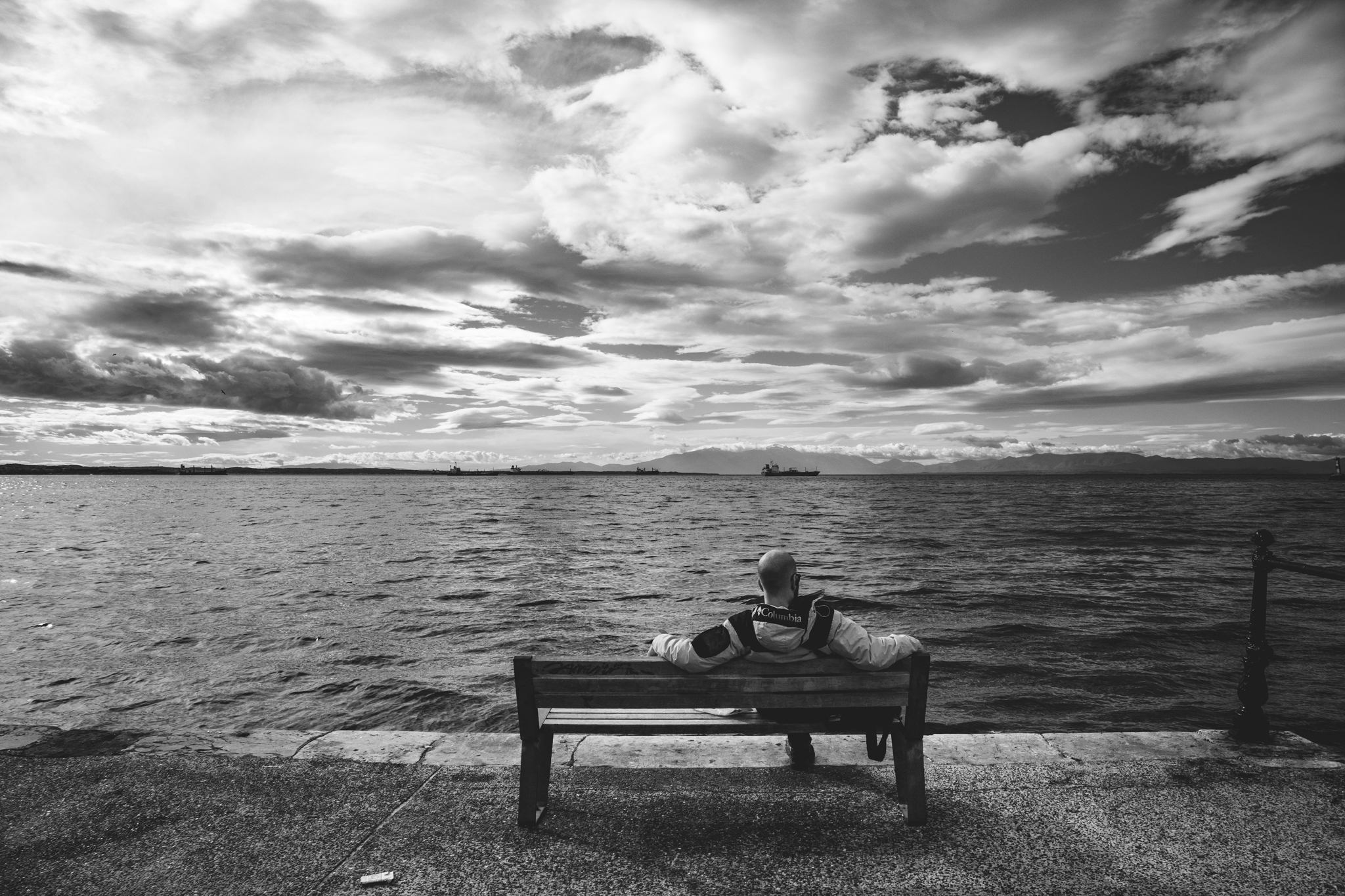
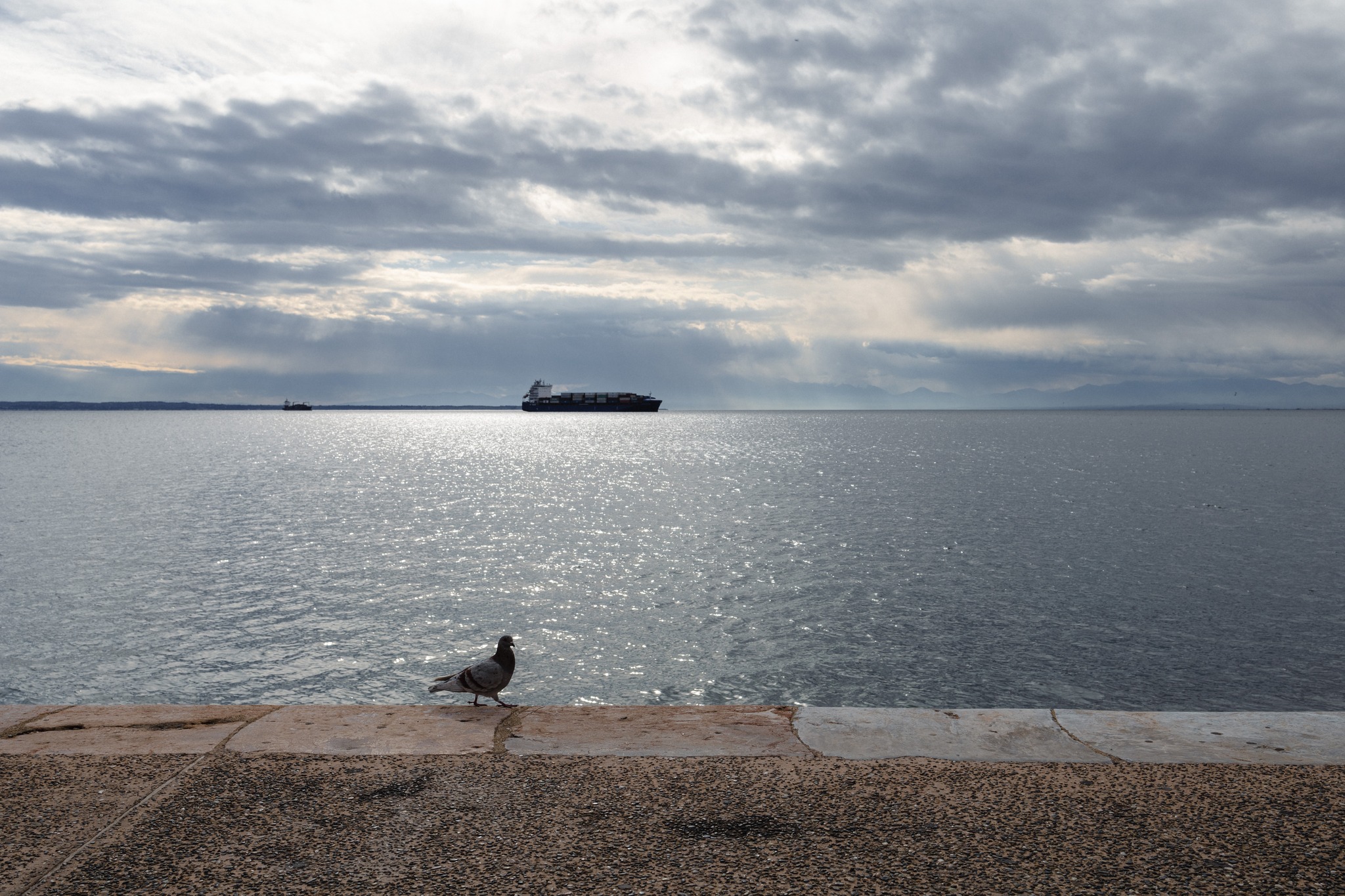
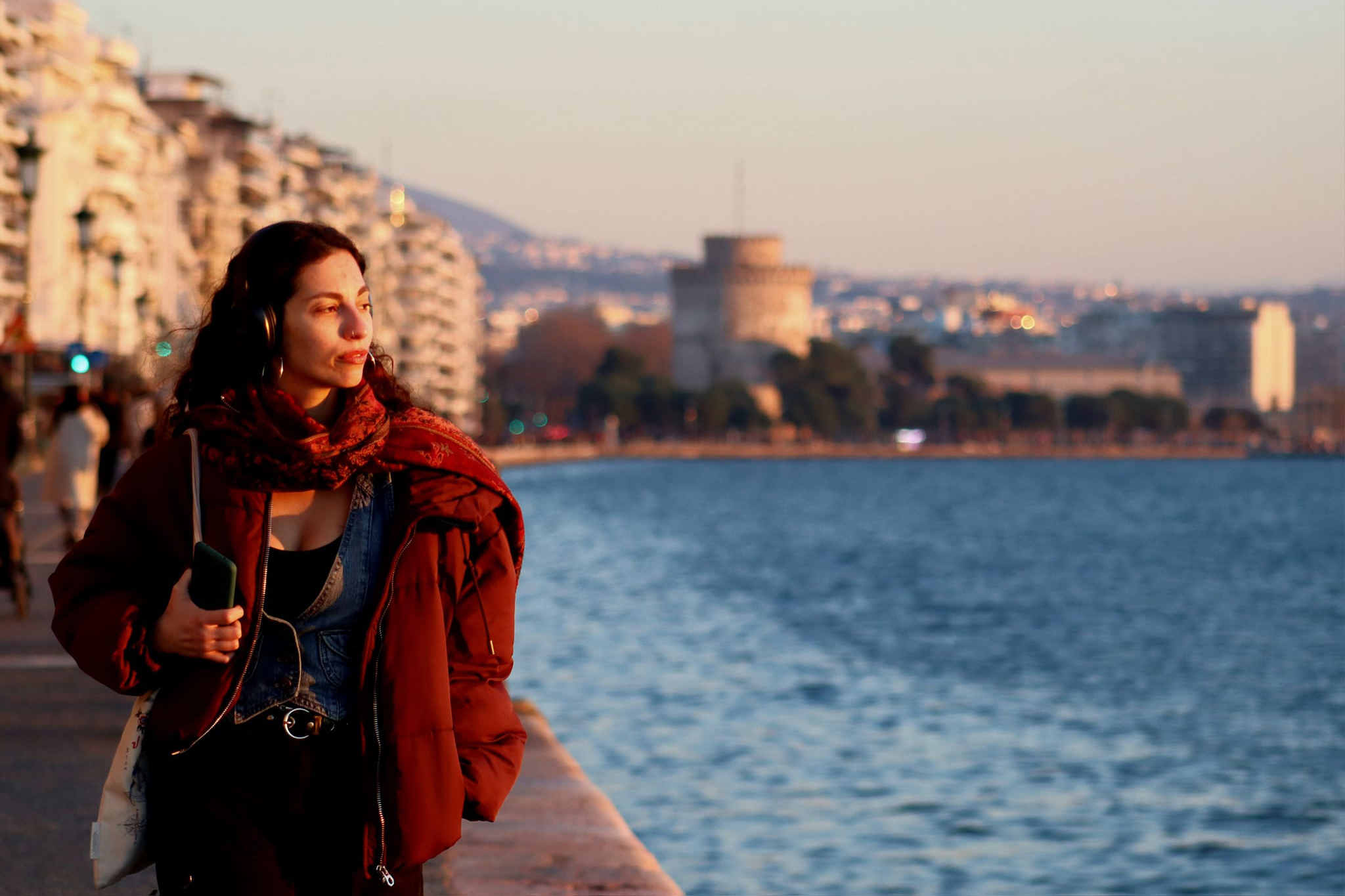
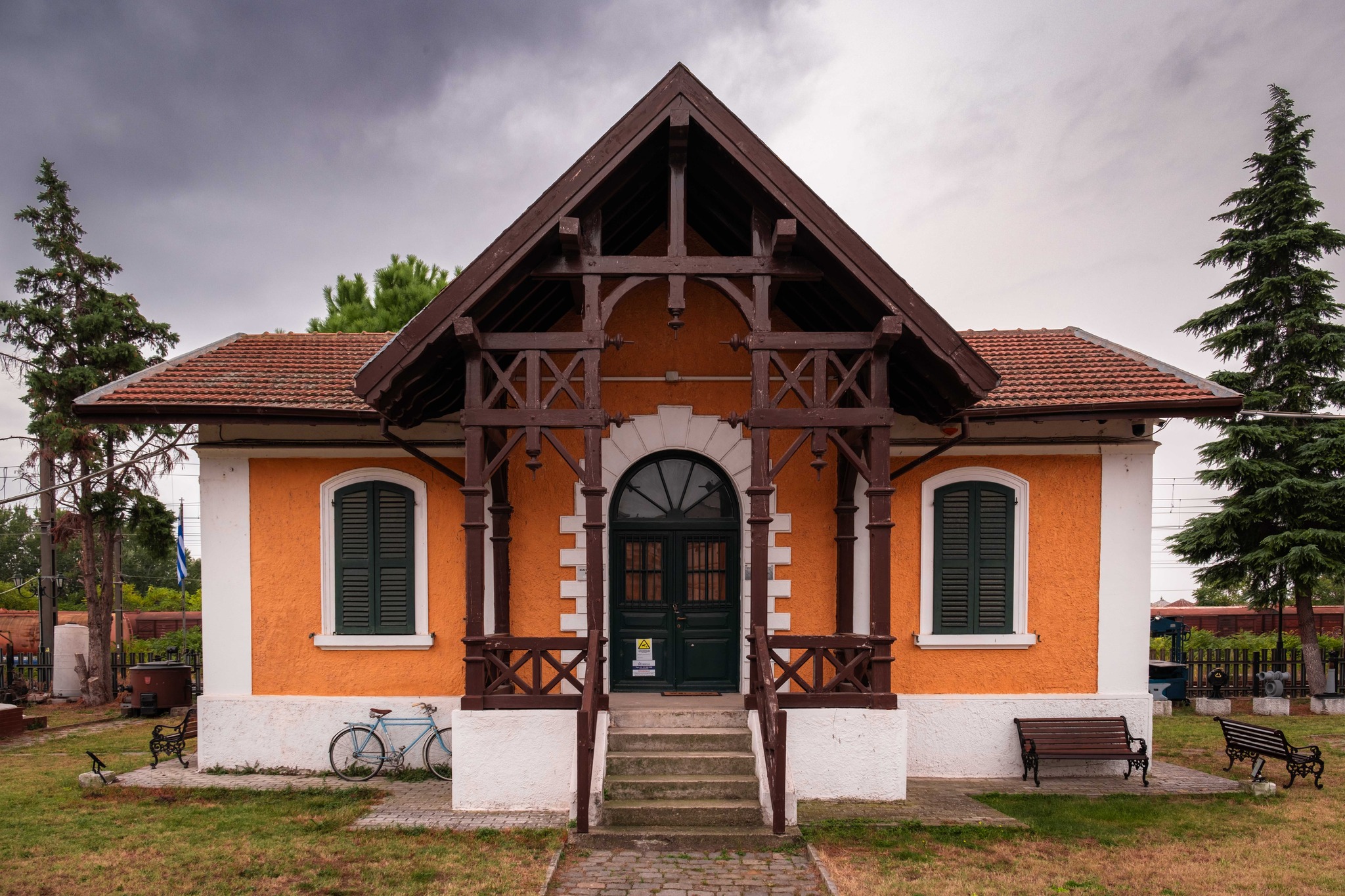
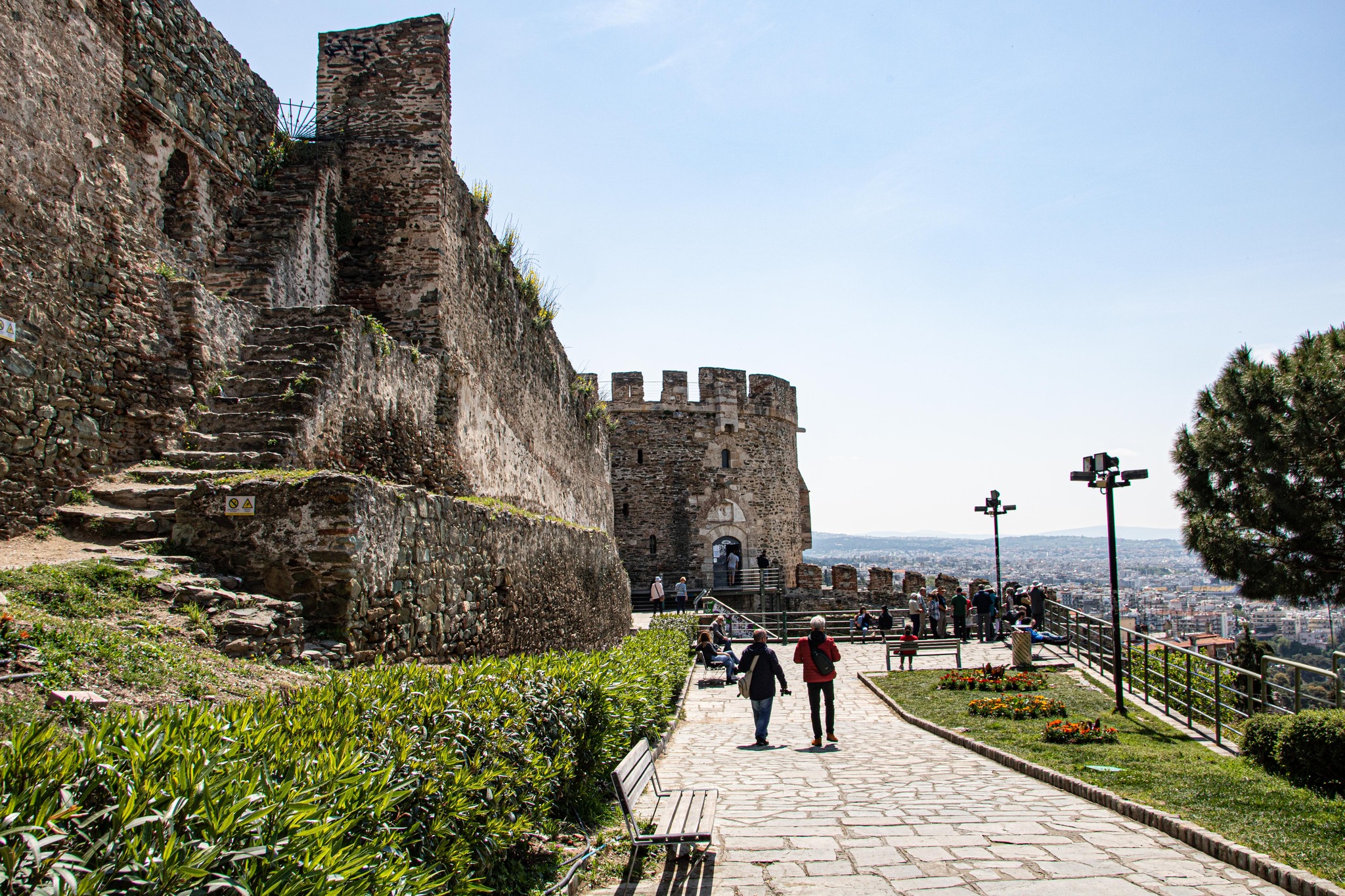
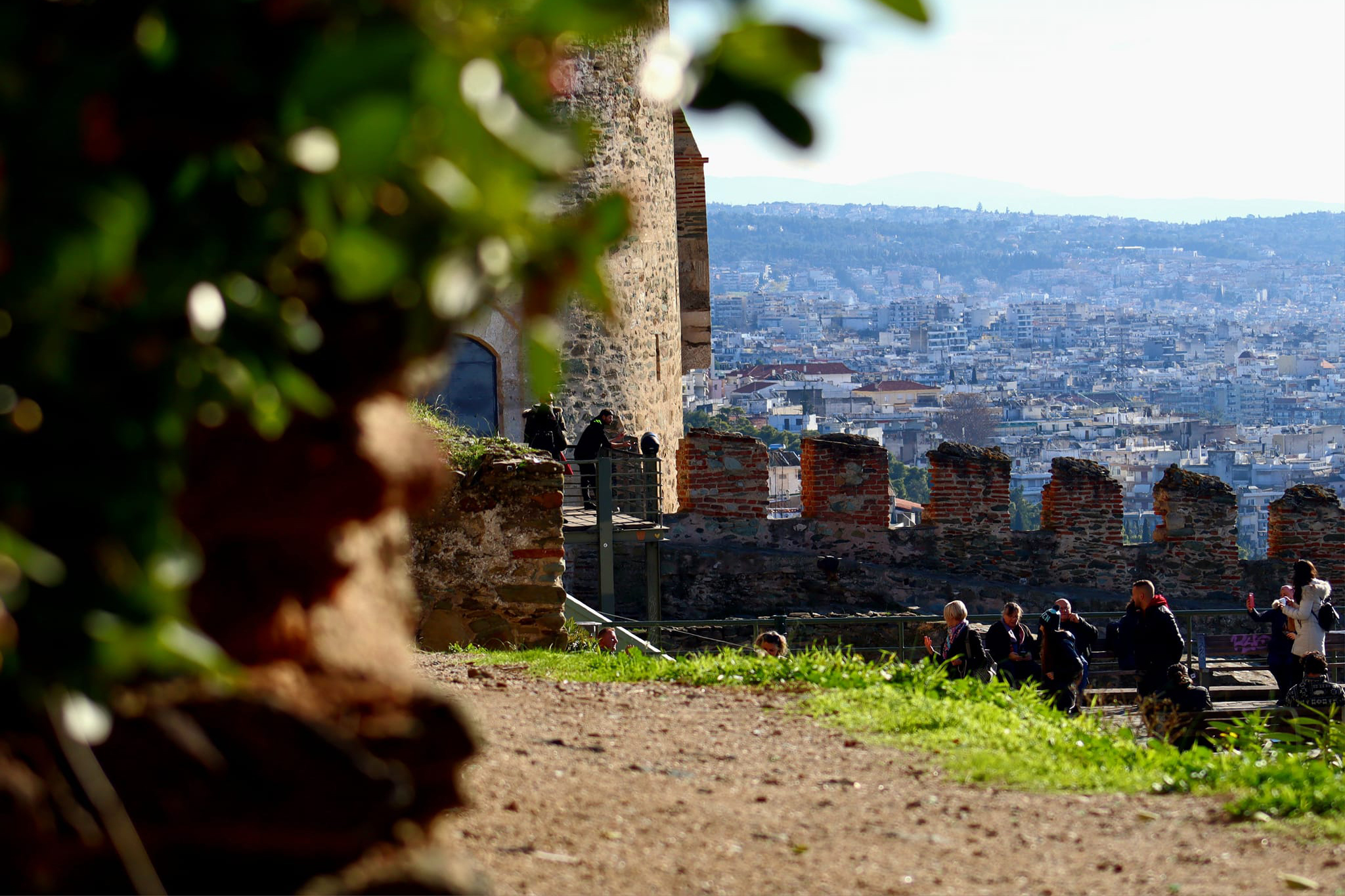
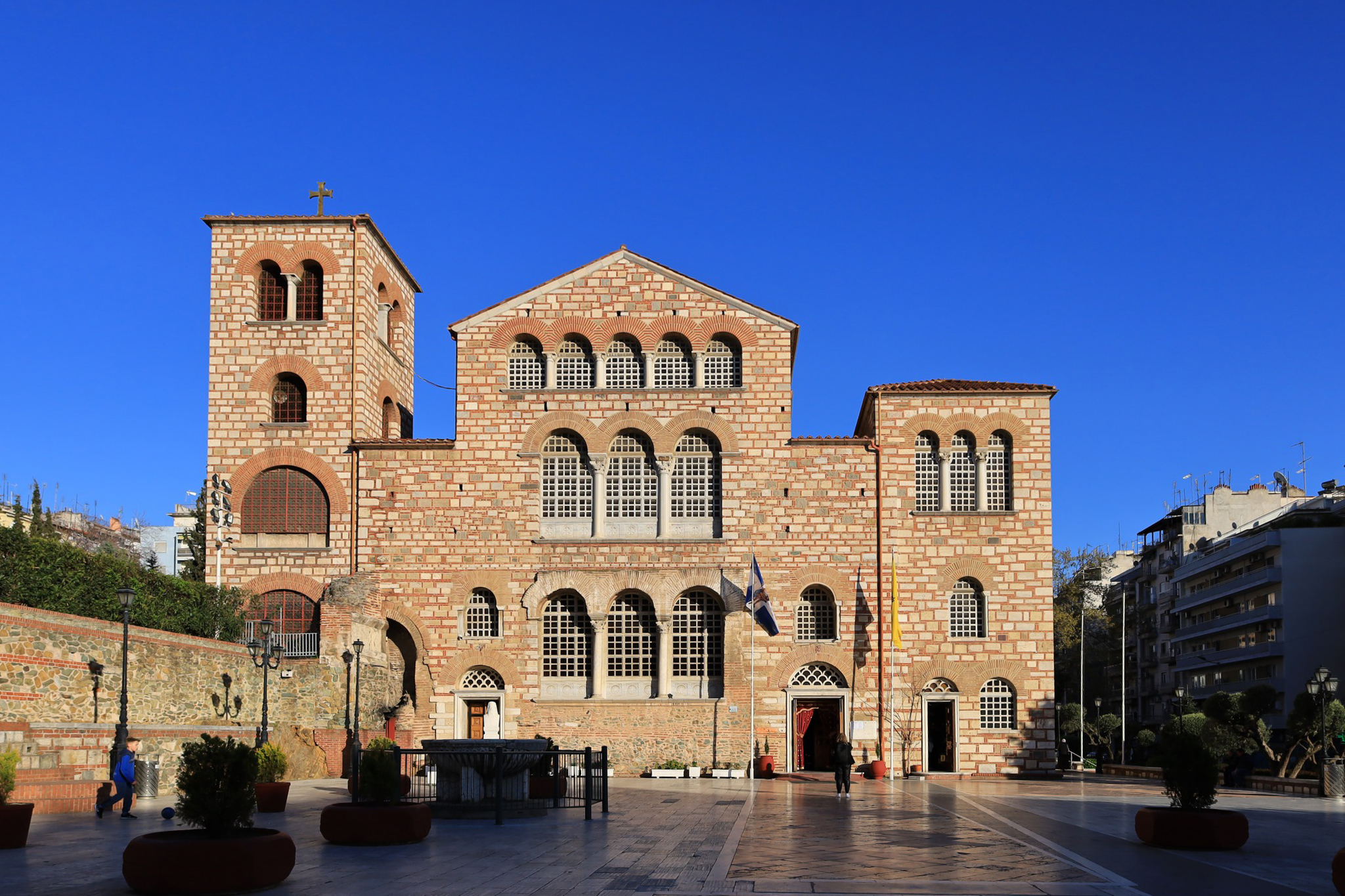
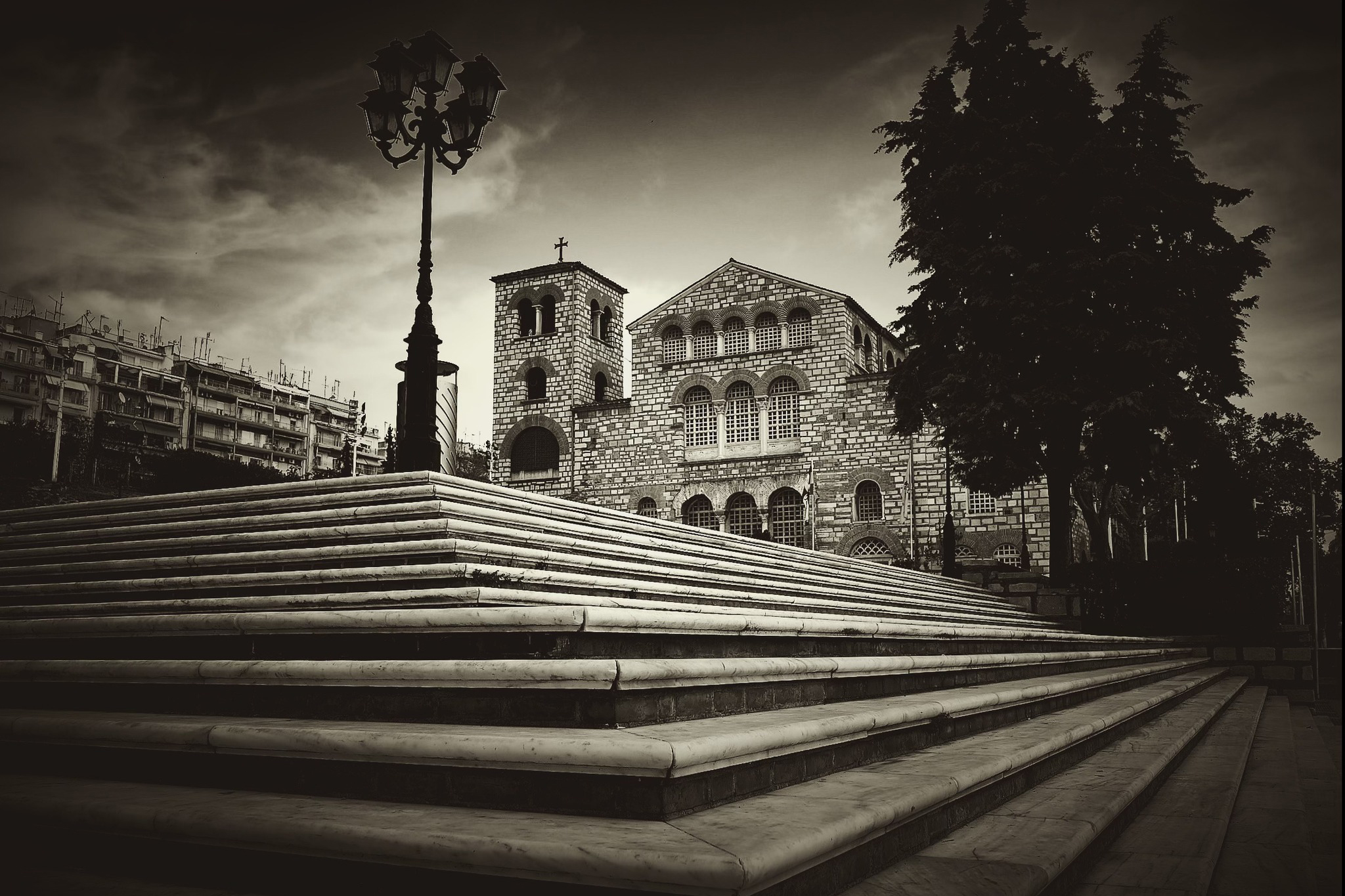
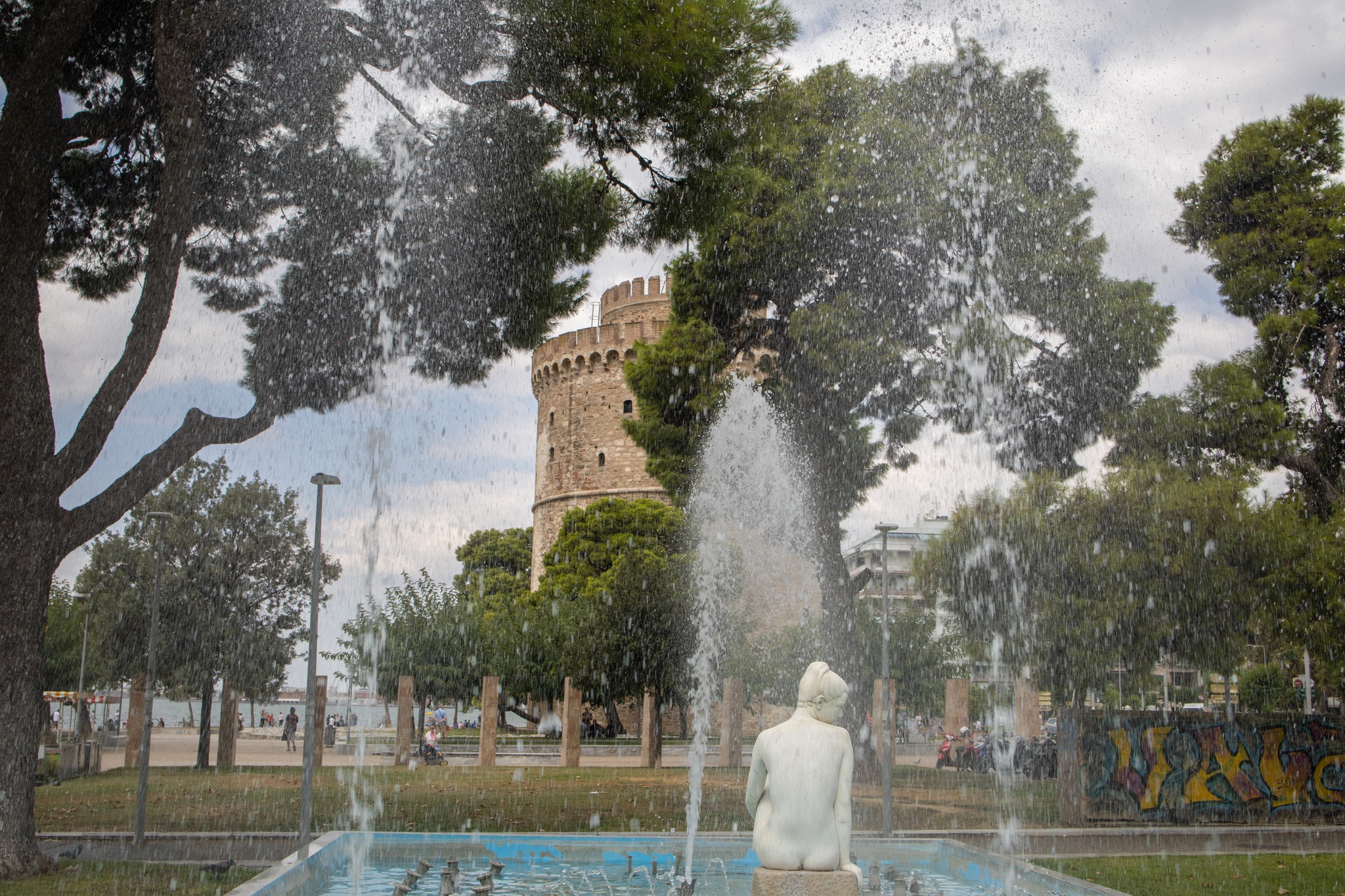
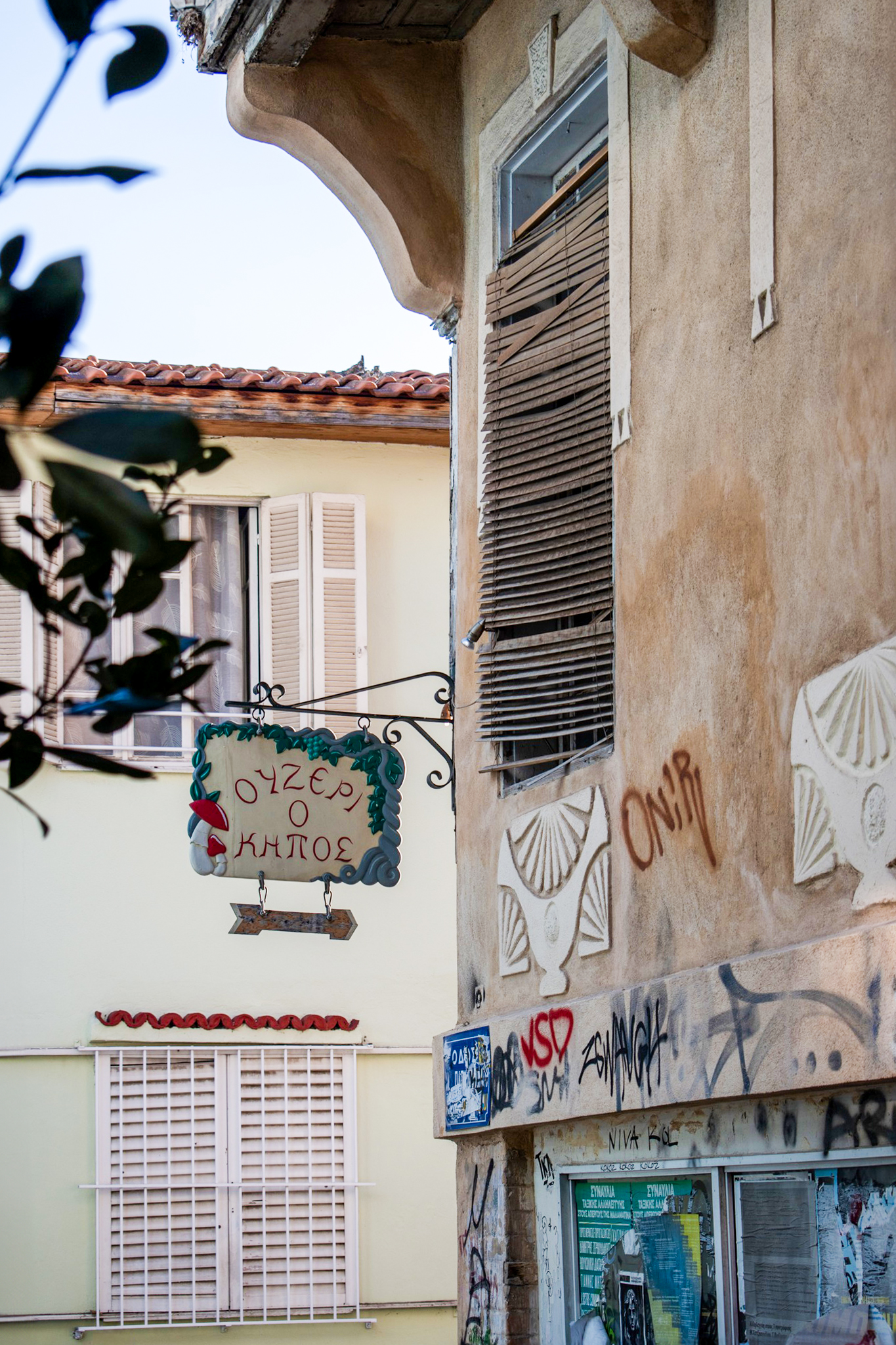
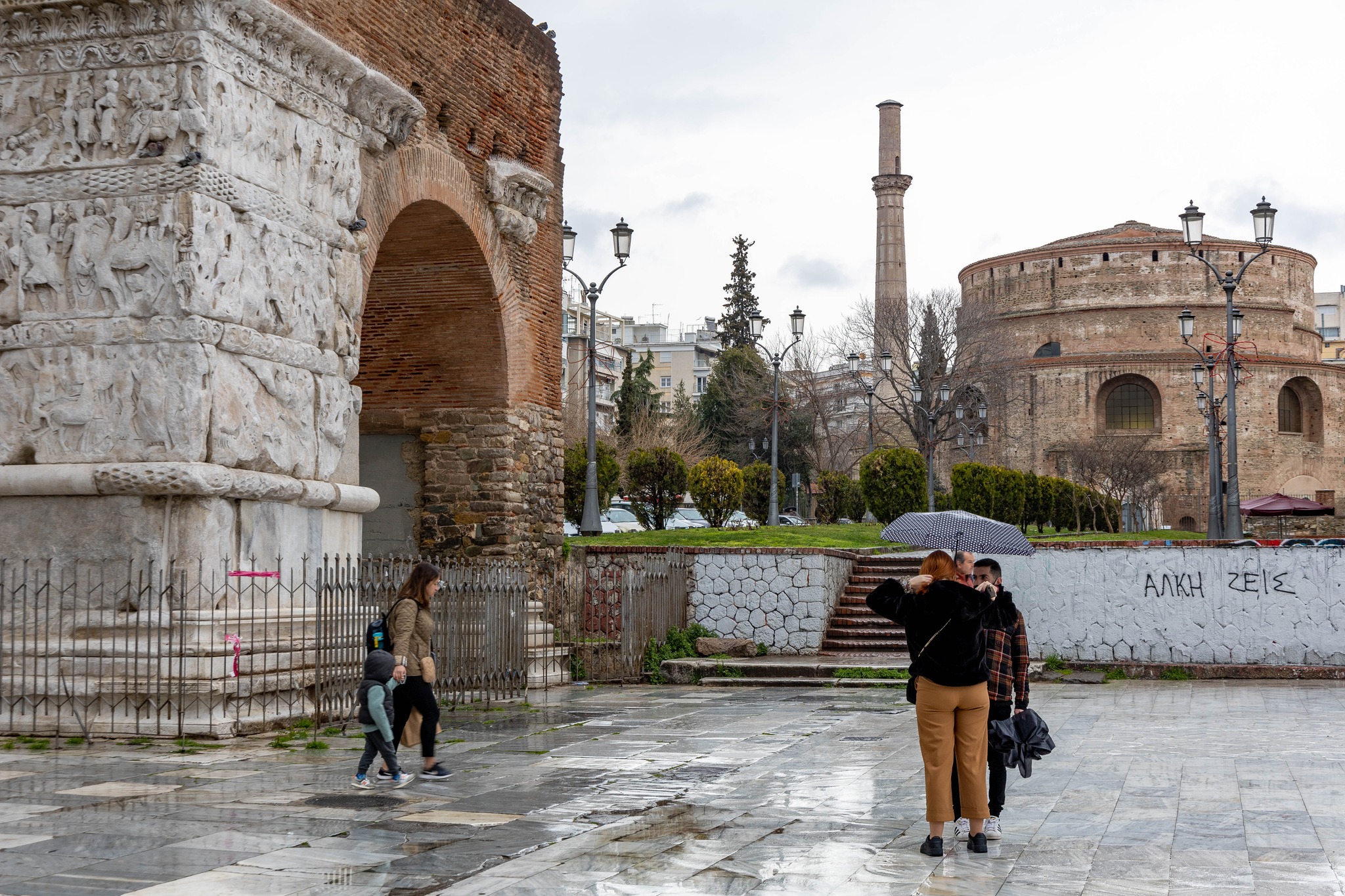
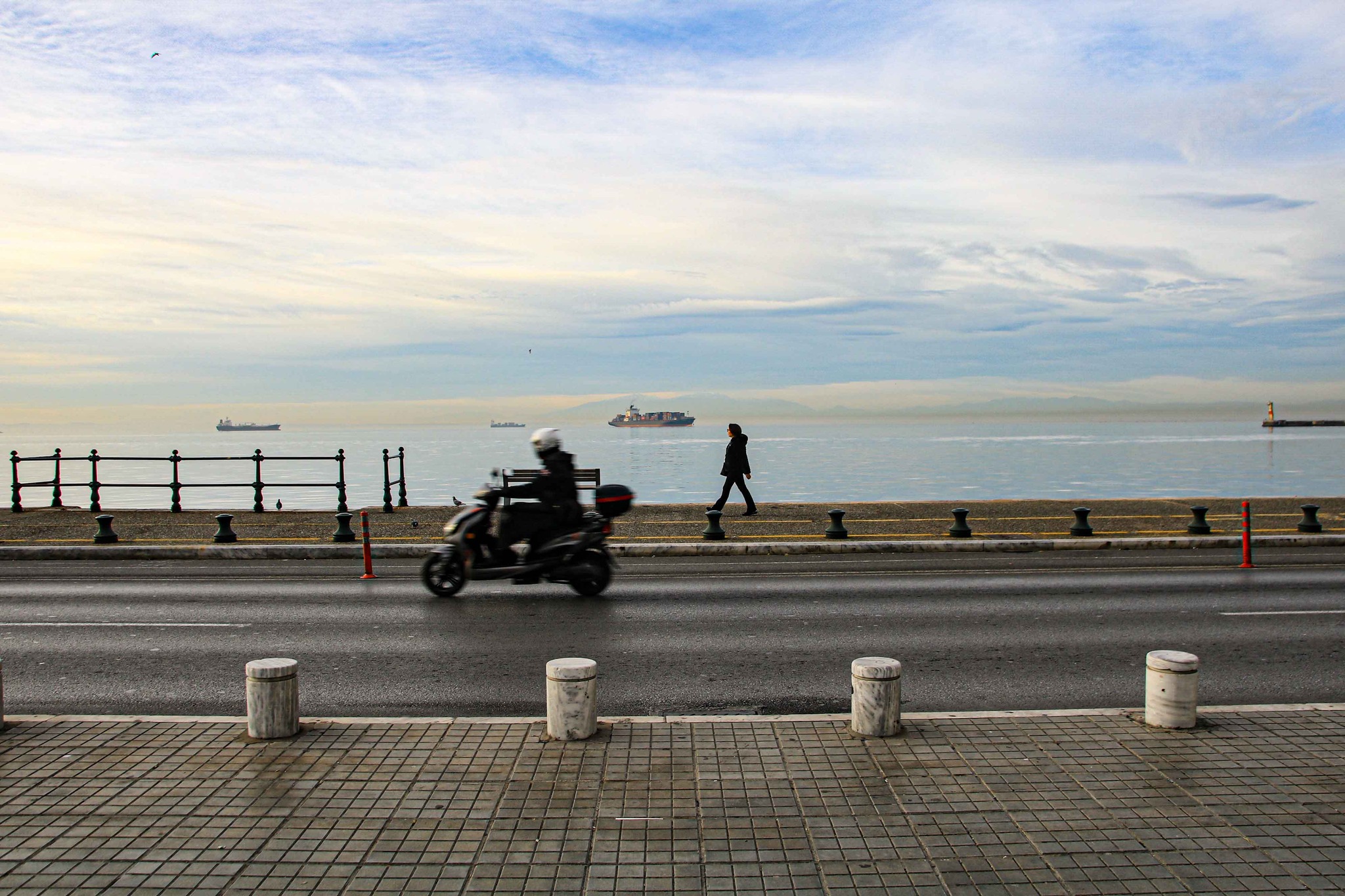
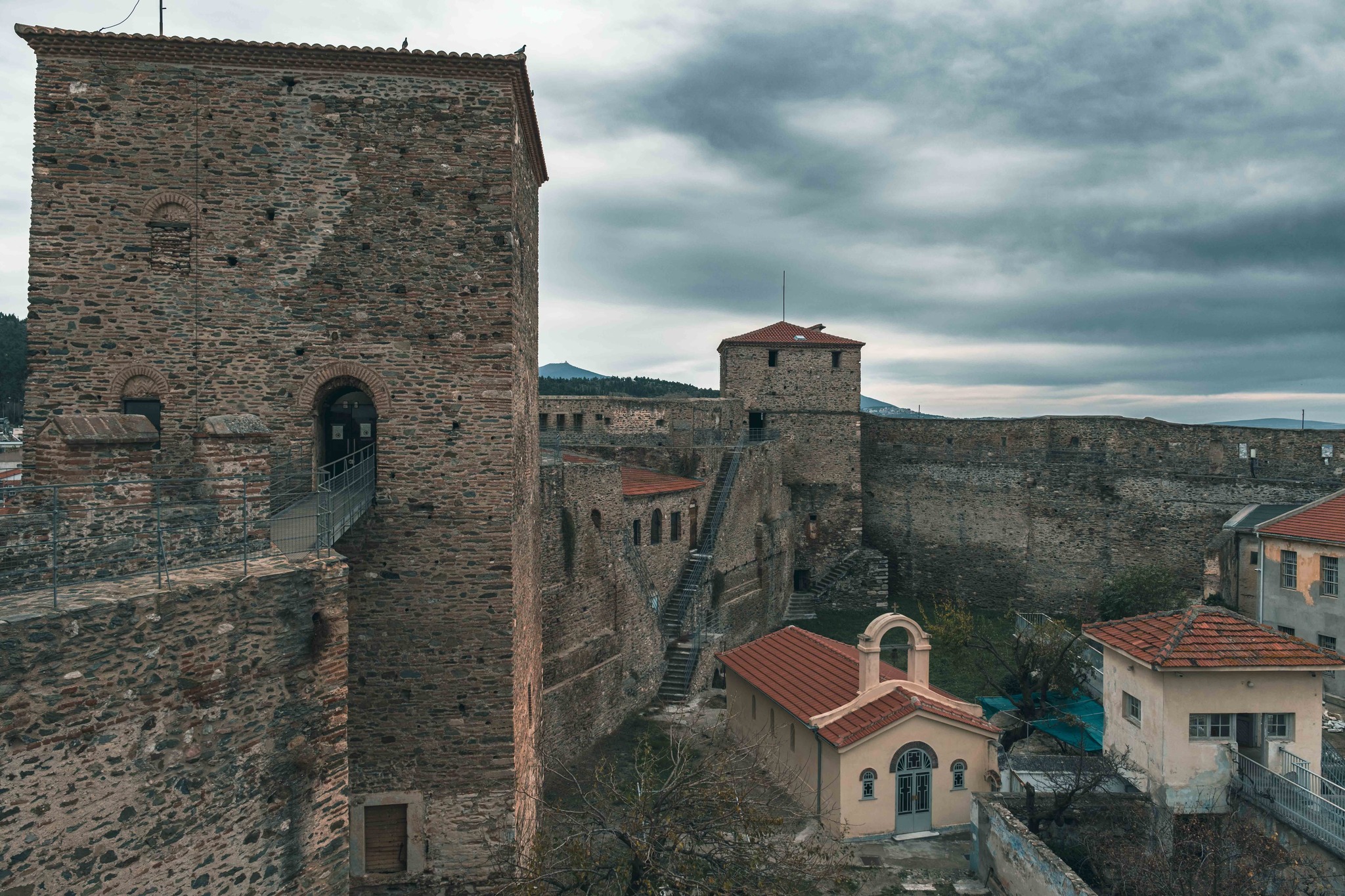
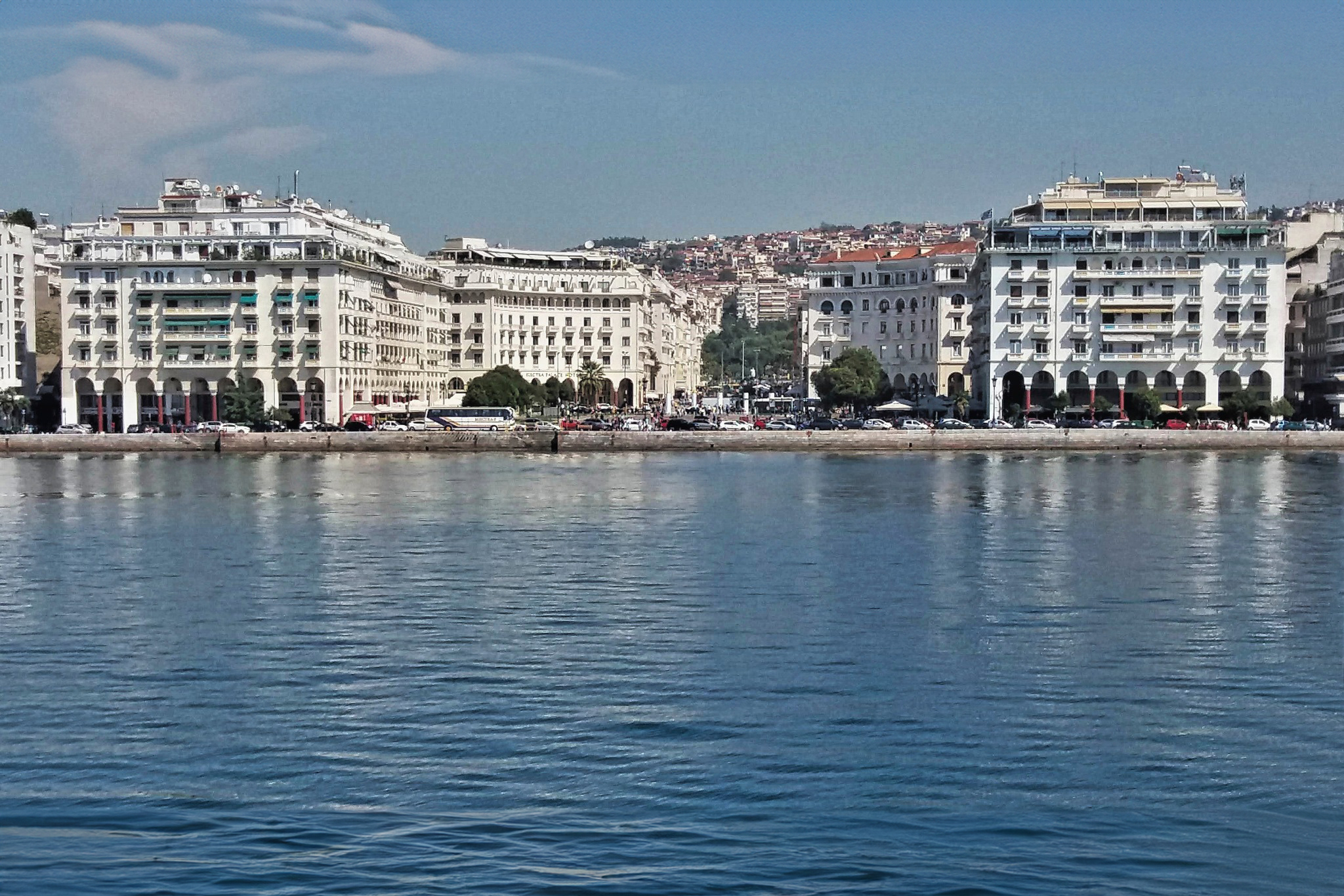
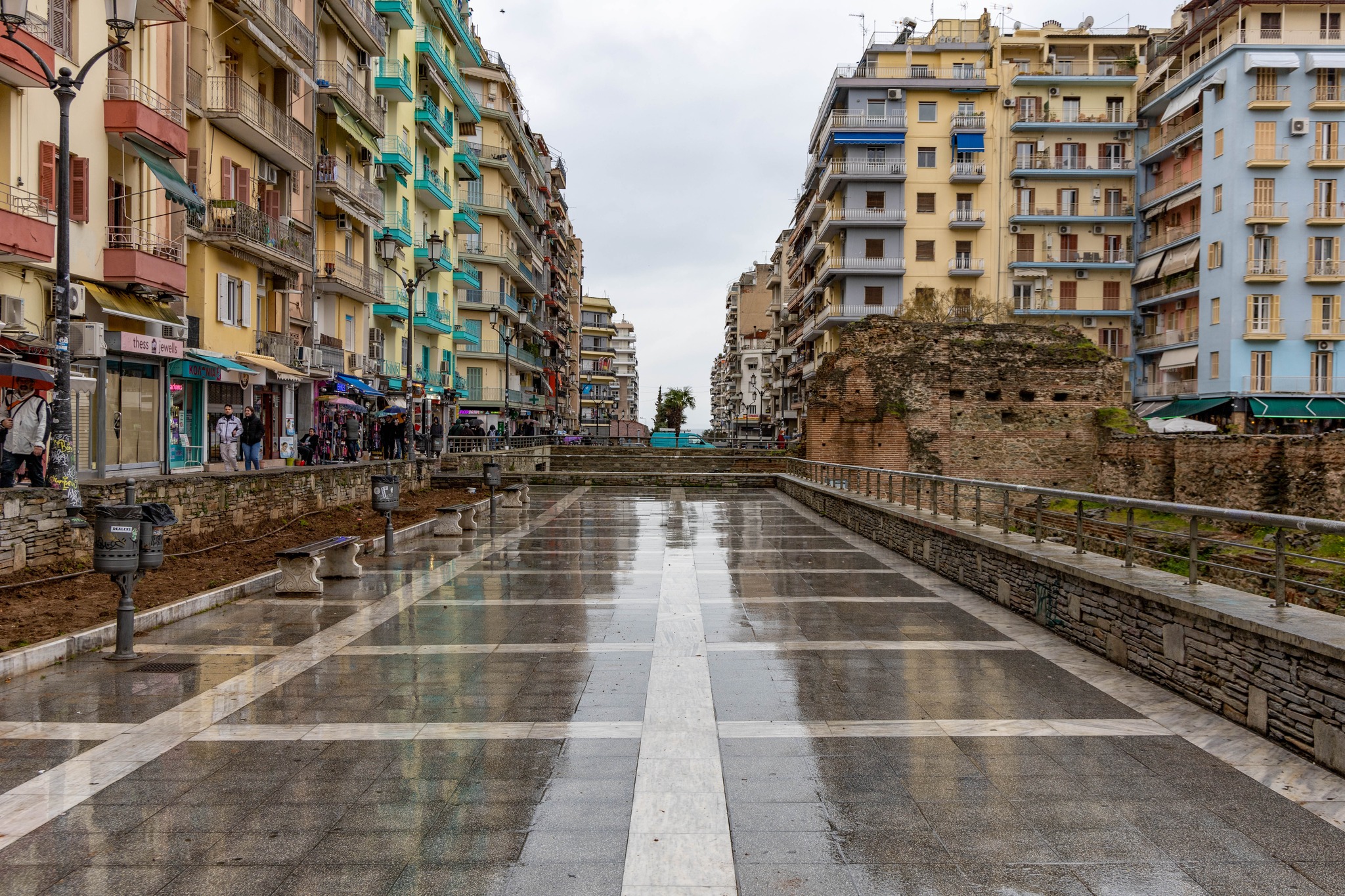
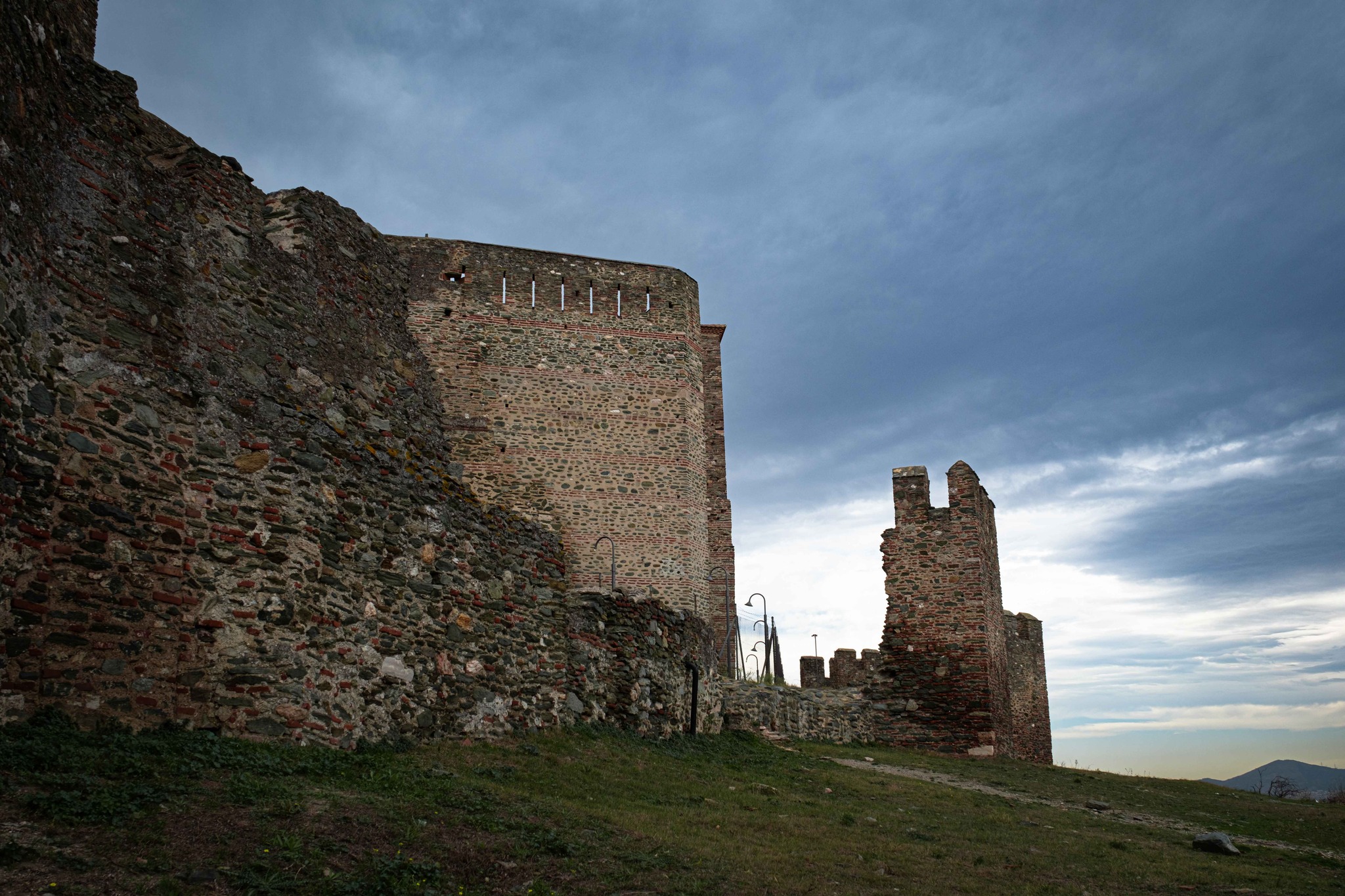
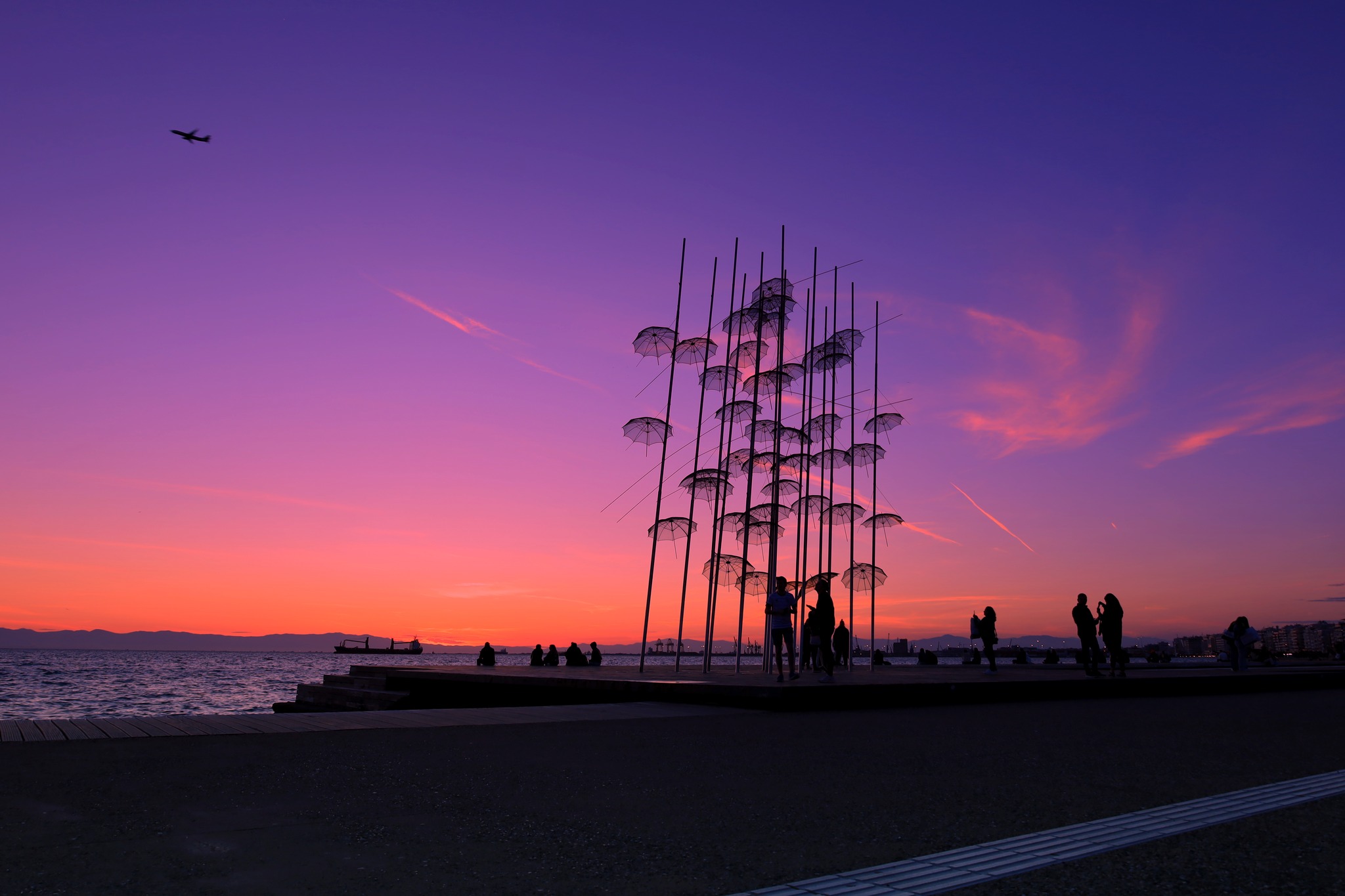
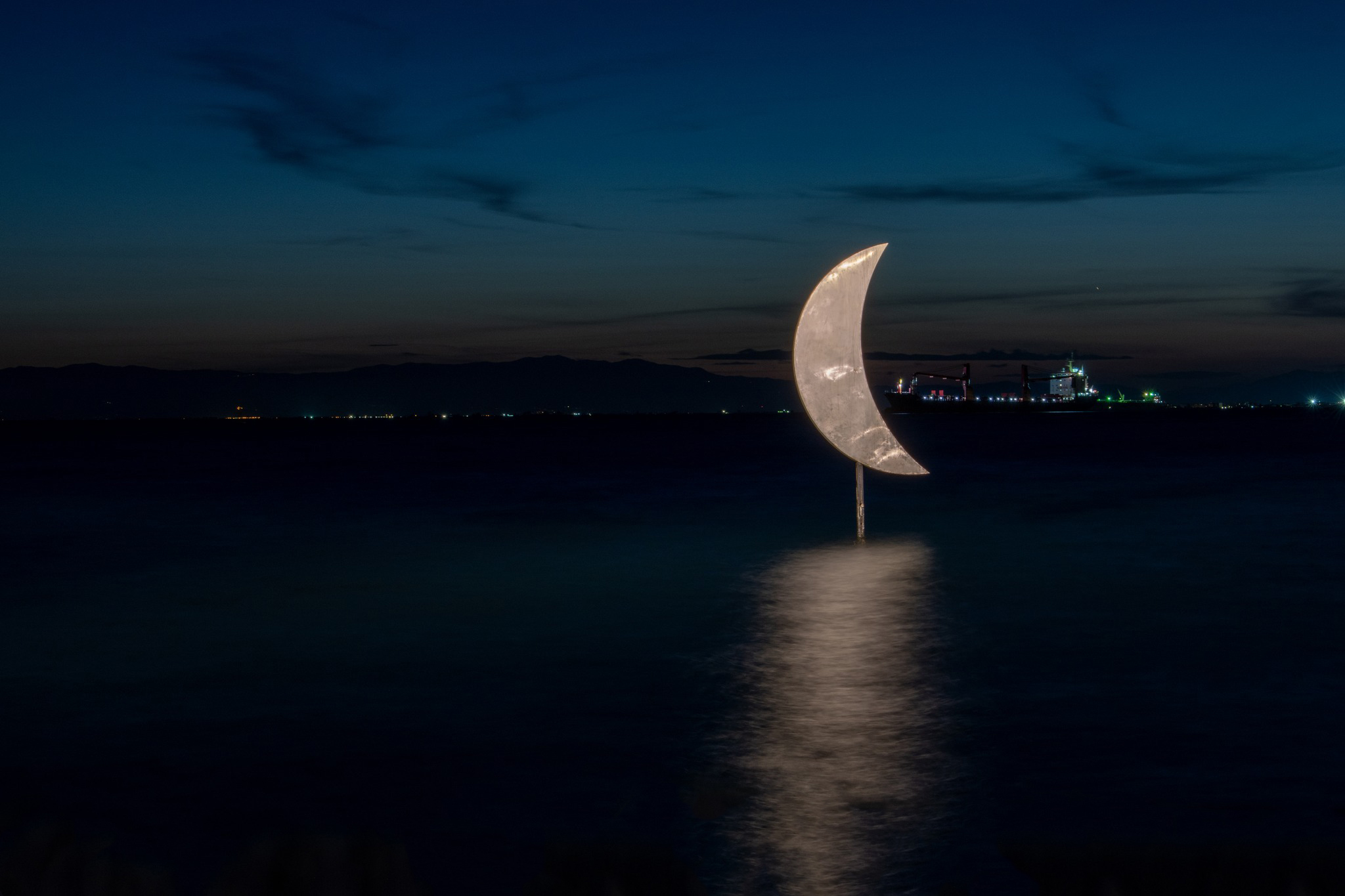
And yet she continued, through hard and wretched times, holding on to her ancient brew, and in defiance of all things reached the present day. A great city now, made up and adorned, she struts and admires her face in the waters of the Thermaic Gulf, which itself waits for the Vardar to clear its waters. She kept her landmarks standing so that she too might remember her past, while sinking almost imperceptibly into the soup of globalisation, lest anyone call her backward-looking.
Eftichios Tsaousidis
Danis Papagiannoulis
Maria Spyridopoulou
George Tzimagiorgis
Nikos Kakagias
Harrys Pourouzidis
Soula Ioannidou
Dimosthenis Seitaridis
Georgia Papadopoulou
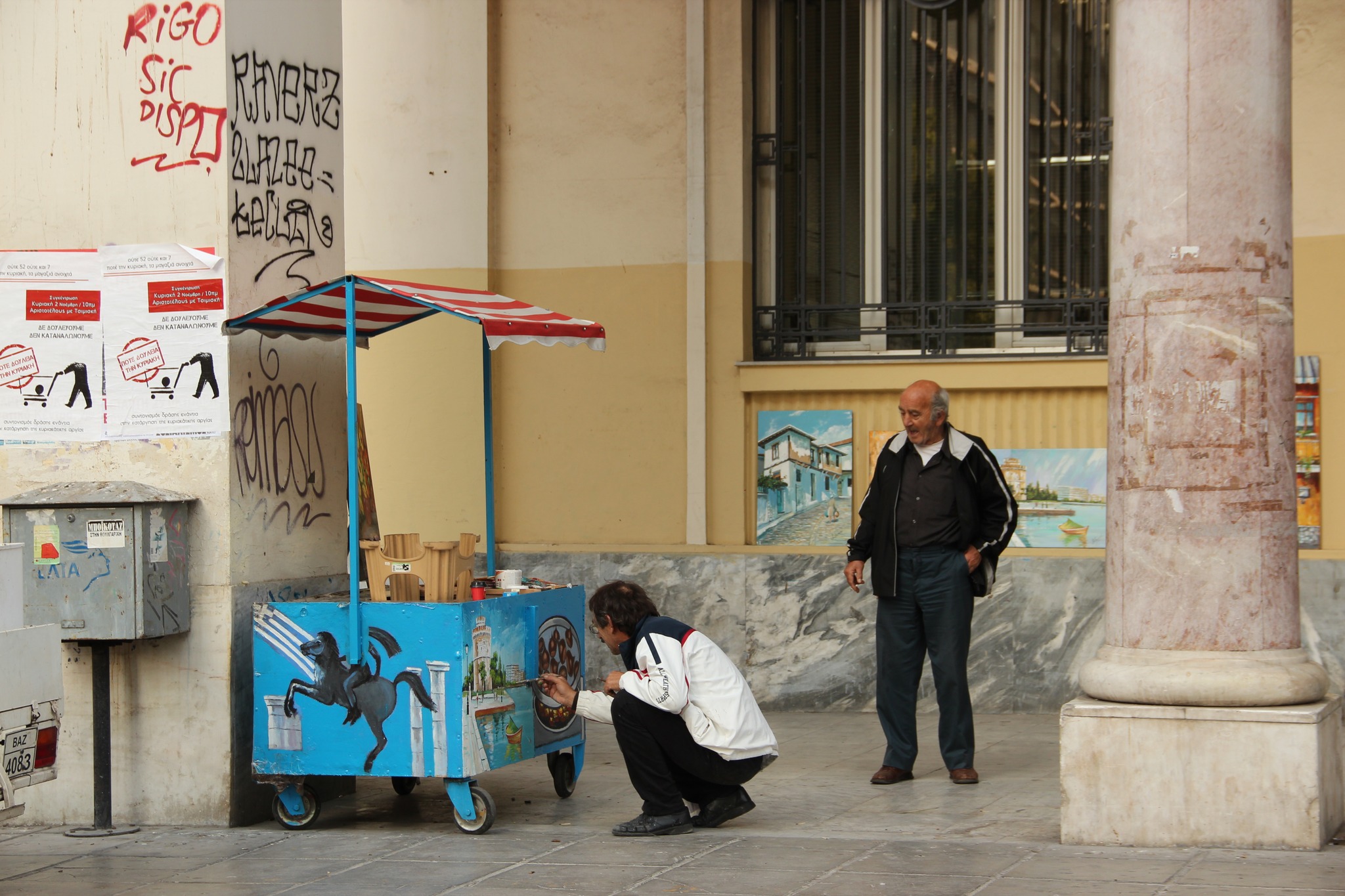
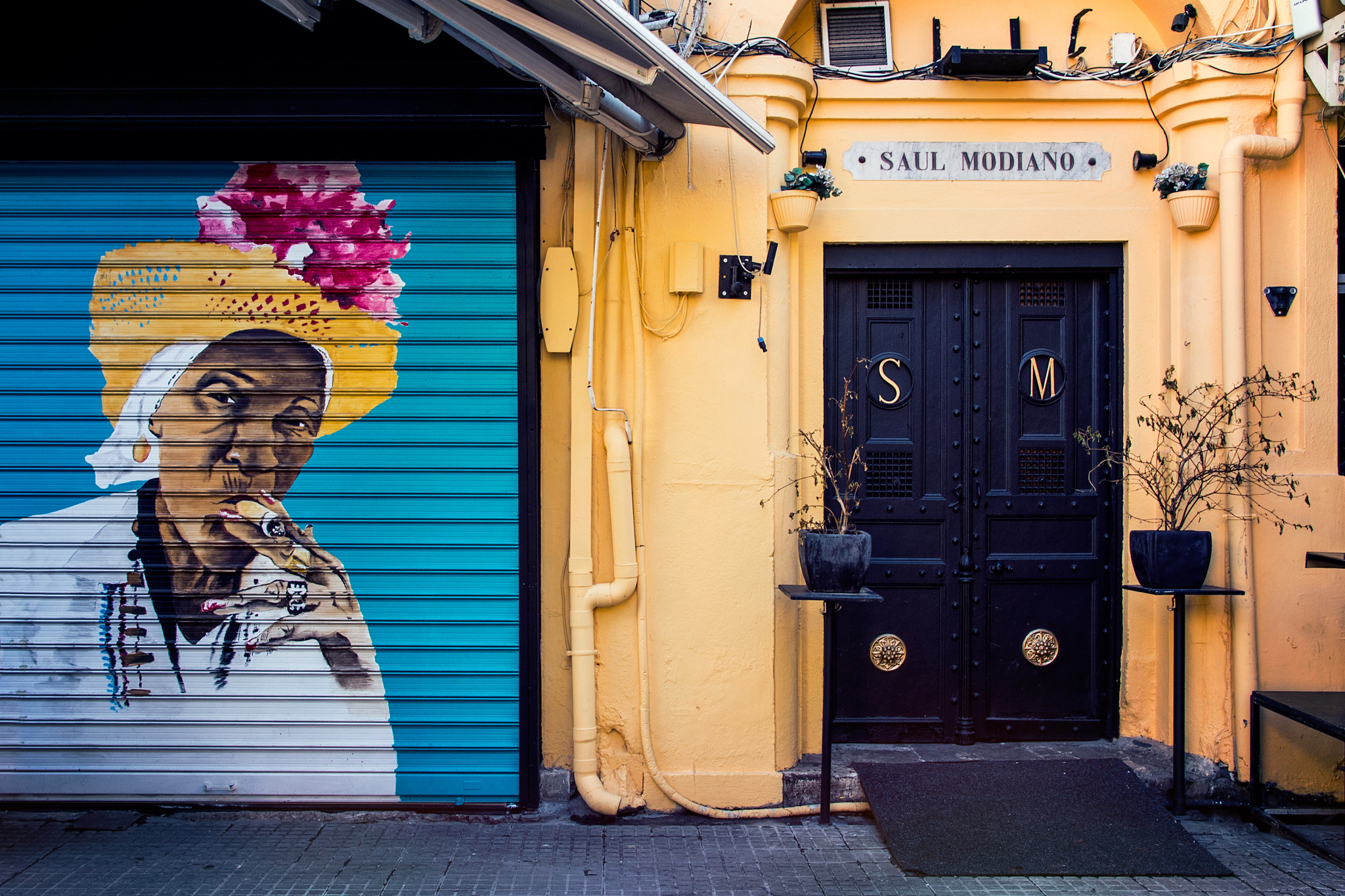
And so we too, strutting ourselves, set out to leave our own tessera in the canvas of her widely spoken image, that of a wondrous and renowned city.
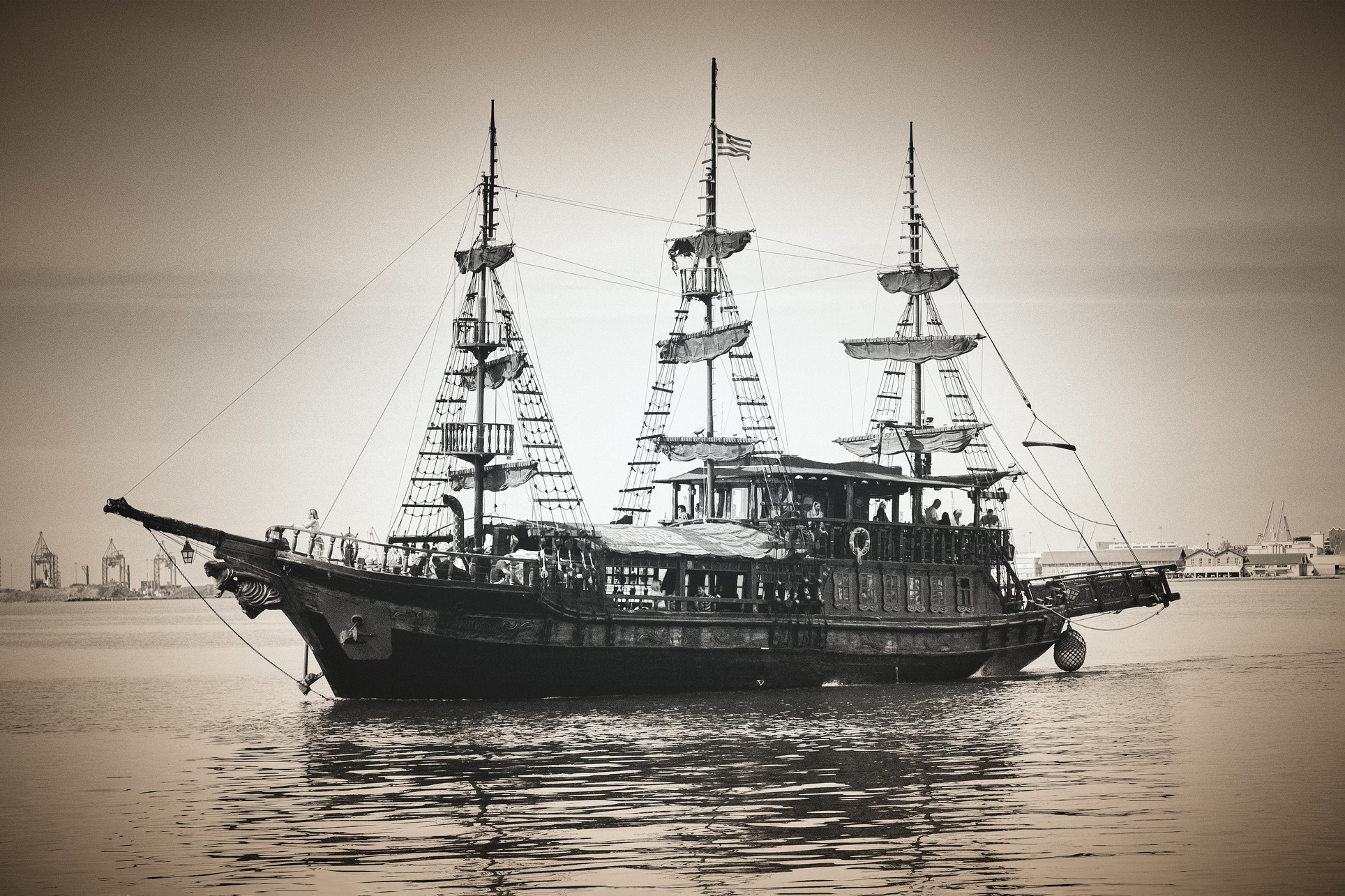
A city where, if you go around the cape of Karabournou and bend to watch the prow cut through its dark waters, you may hear the poet Kavvadias whispering in your ear:
“Beneath red lights, Saloniki sleeps. Ten years ago, drunkenly, she told me, ‘I love you.’ Tomorrow, like then, and with no gold up your sleeve, you will be looking in vain the way to Dépôt.”
Pixelscape.gr uses cookies to ensure that provides you with the best possible navigation experience. By using the website you accept the usage of cookies. Press “Accept”, if you condone the usage of cookies.
This website uses cookies to improve your experience while you navigate through the website. Out of these, the cookies that are categorized as necessary are stored on your browser as they are essential for the working of basic functionalities of the website. We also use third-party cookies that help us analyze and understand how you use this website. These cookies will be stored in your browser only with your consent. You also have the option to opt-out of these cookies. But opting out of some of these cookies may affect your browsing experience.