Cover photo by Danis Papagiannoulis Article by Nikos Kakagias Edited by Harrys Pourouzidis
Εβραϊκό μουσείο Θεσσαλονίκης
George Tzimagiorgis
It was something like a taboo, an unspoken secret that had always existed without ever being brought fully into the light, leaving questions about the city’s past hidden in the dark corners of time.
Only sporadically do fragments of memory come to light, and even that is partial and mixed with stereotypes and fixed opinions that only those willing enough to search can begin to untangle.
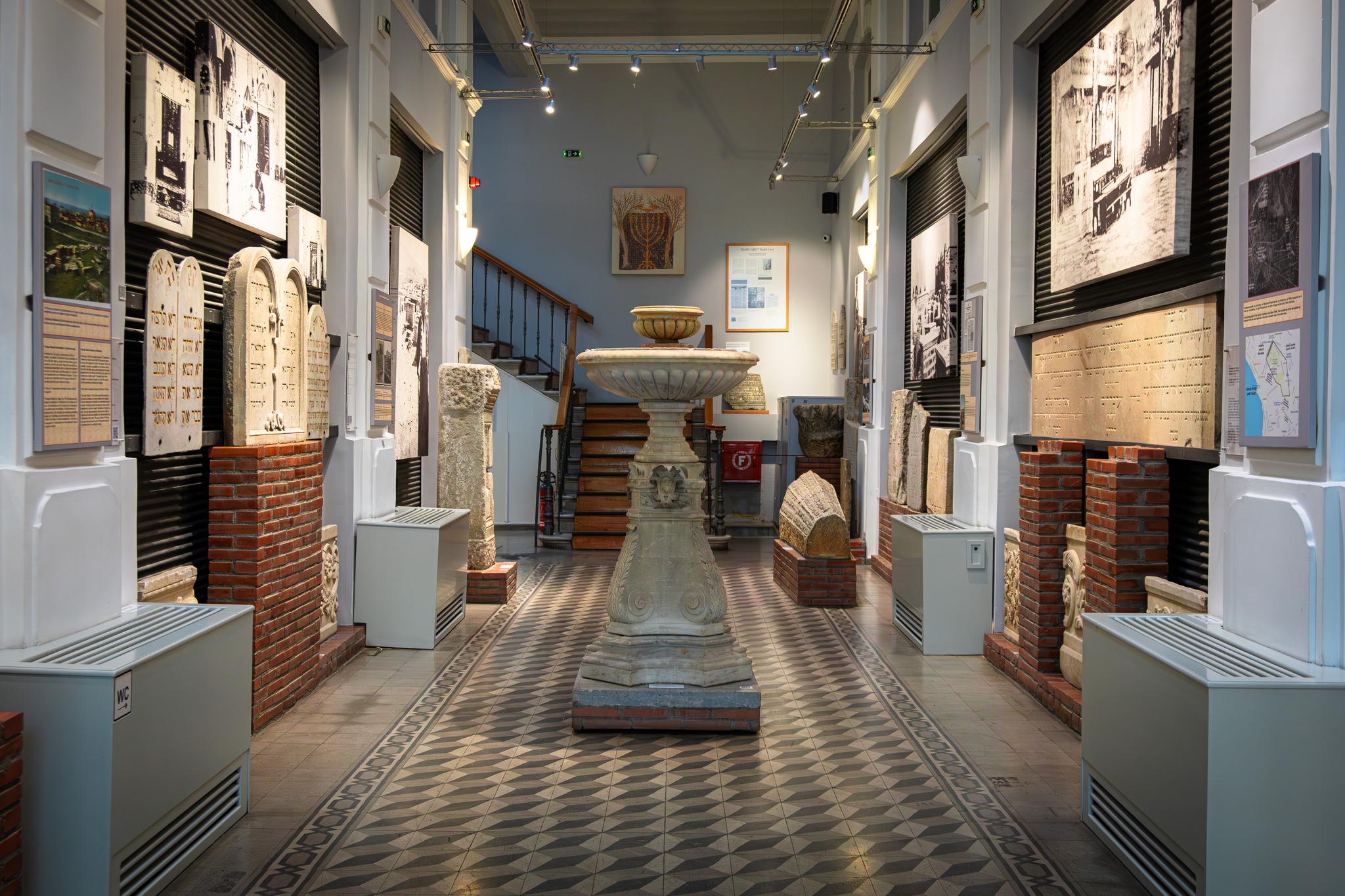
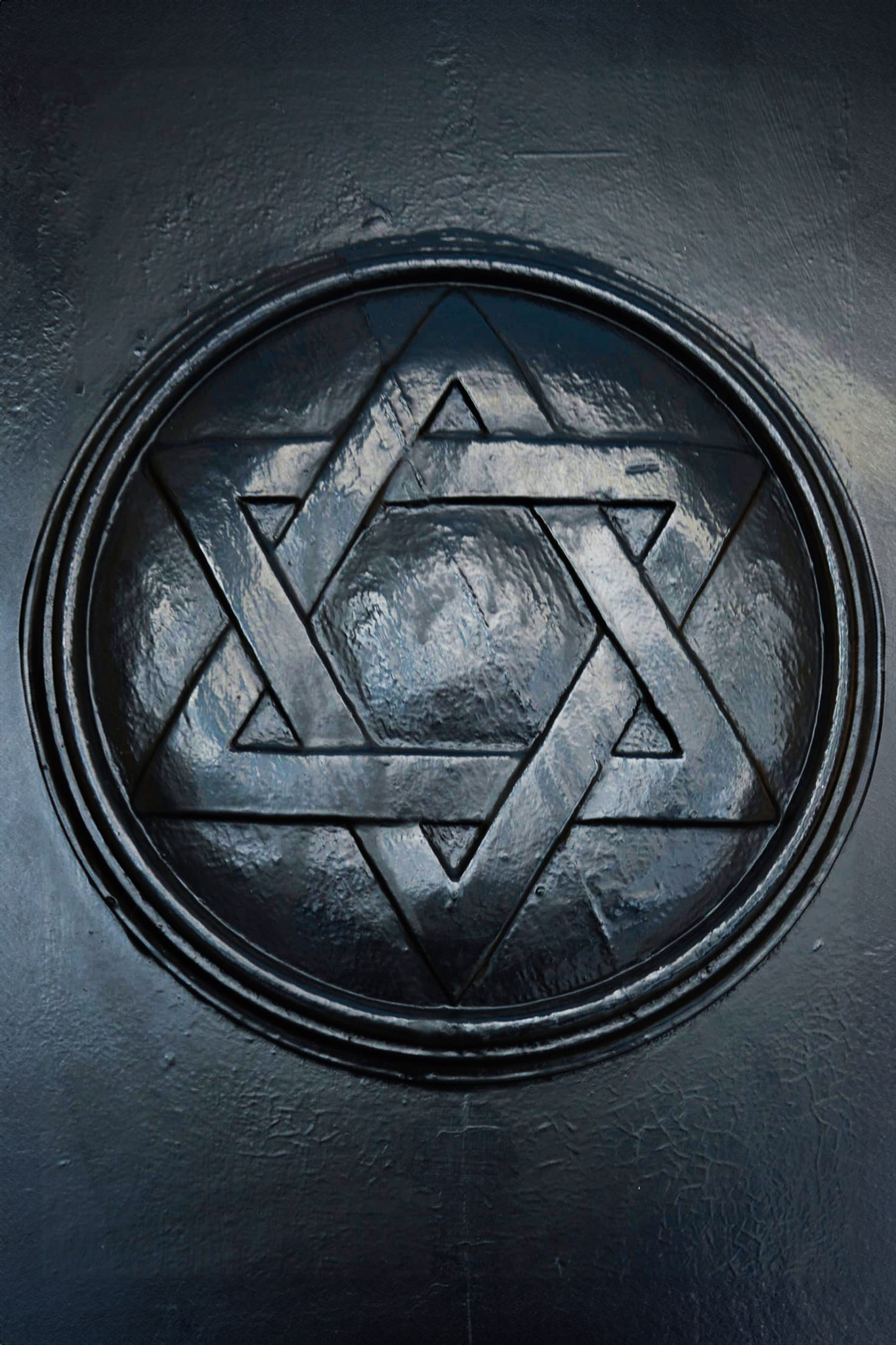
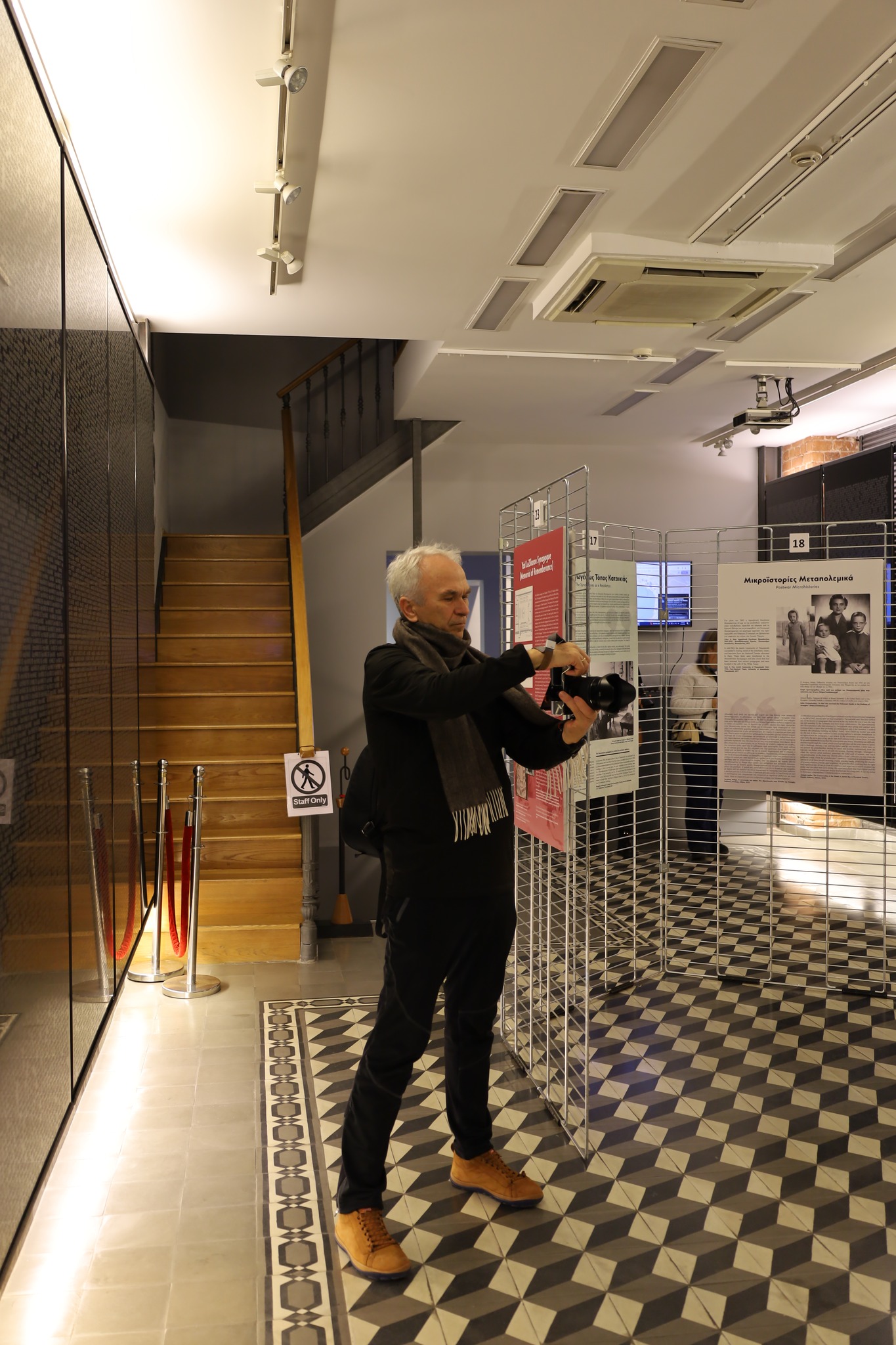
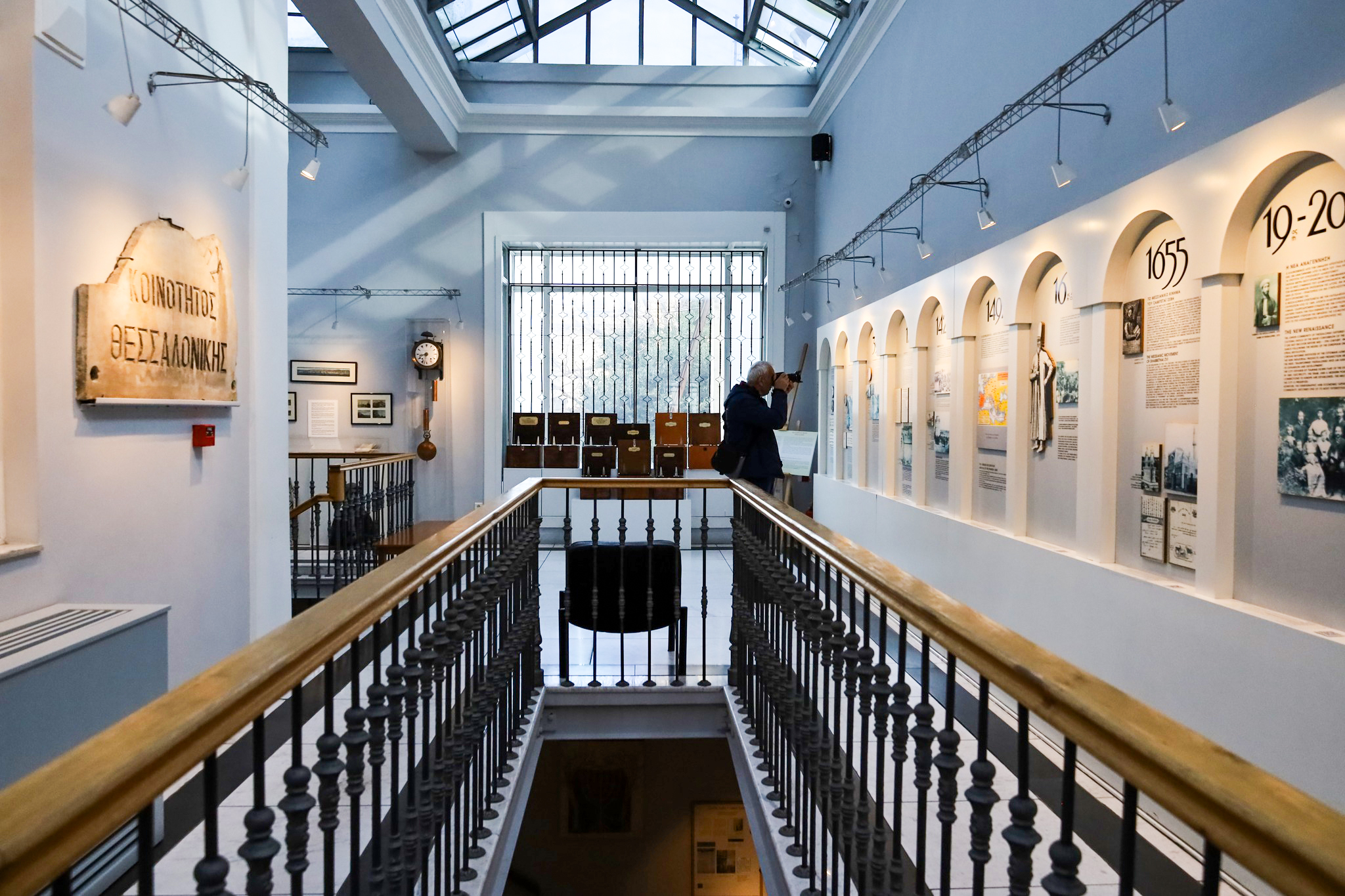
These were the thoughts in our minds when a small group of us gathered and, walking up Venizelou Street, passed through the heavy iron door with the Menorah above it, and under the watchful eyes of both local and Israeli guards. The visit had been arranged in advance, and of course each person’s details had been carefully checked, because these troubled times leave no room for carelessness.
Dimosthenis Seitaridis
Georgia Papadopoulou
Danis Papagiannoulis
Eftichios Tsaousidis
Nikos Kakagias
Maria Spyridopoulou
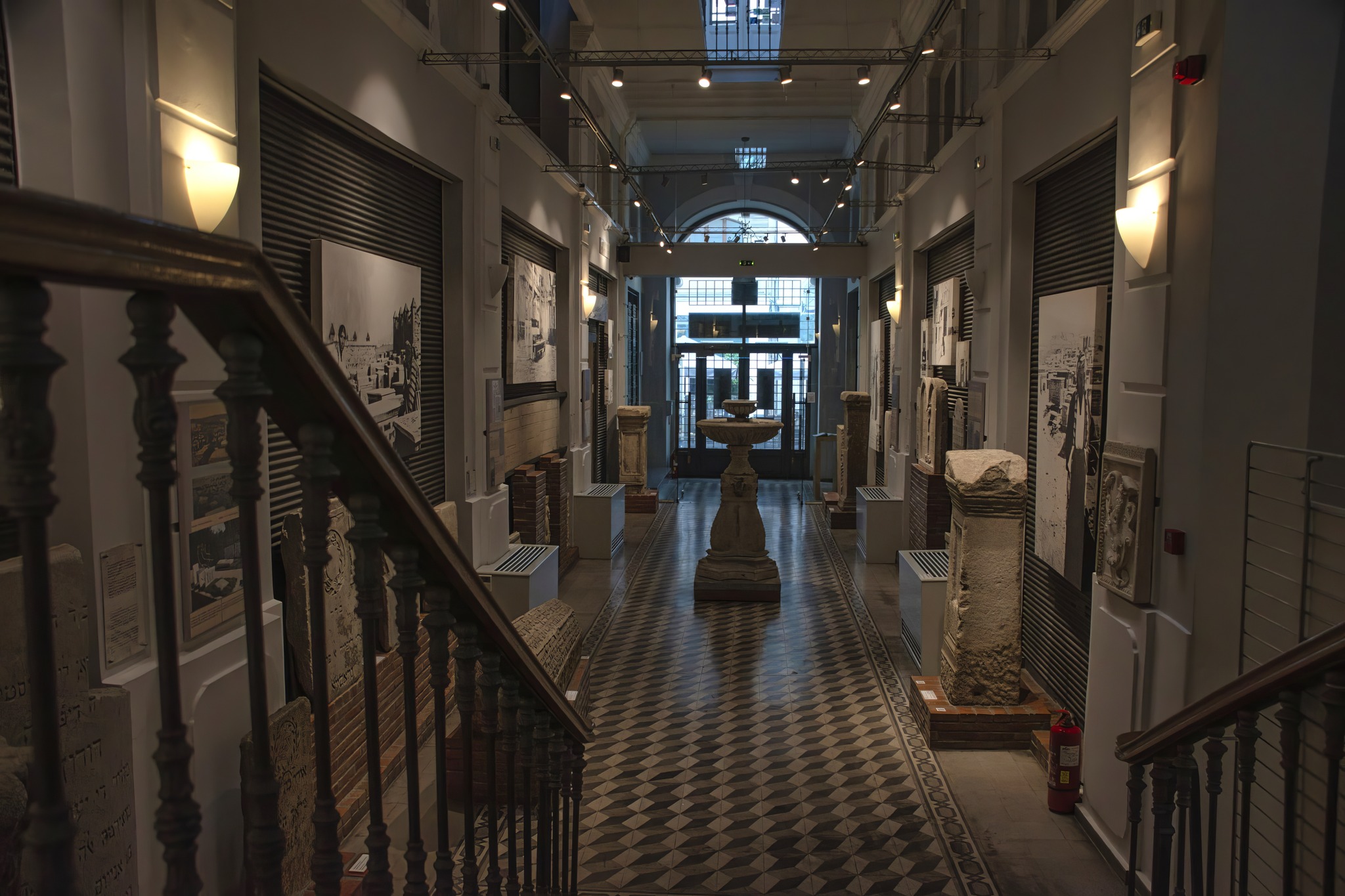
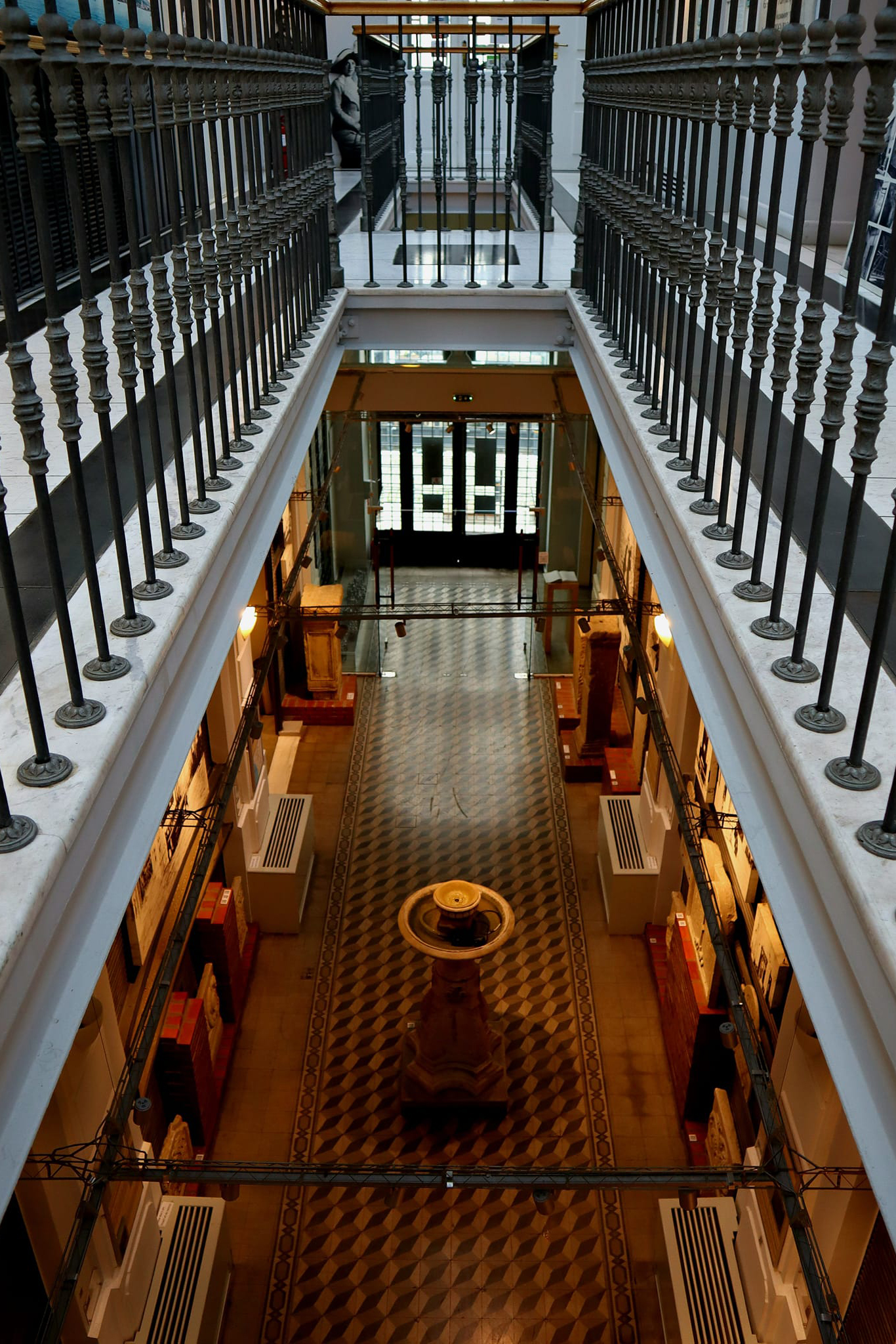
The old neoclassical building is one of the few Jewish buildings that survived the murderous fire of Thessaloniki in 1917. It stands in what was once the centre of the business activity of the Sephardic Jewish community — people persecuted by the Kingdom of Spain, who found refuge here towards the end of the fifteenth century. They mingled with others of the same faith, likewise uprooted from different places and different times, and grafted their Ladino soul onto them, absorbing them into it.
They took root in this city and developed culture and enterprise, unaware of the heavy curse that had pursued their people since the legions of Titus scattered them to the four corners of the earth in AD 70. In the end, wretched history moves in circles, only to catch the people of Israel once more in its web of darkness and write again the most shameful and blackened chapter in the course of humanity.
Soula Ioannidou
George Tzimagiorgis
Maria Spyridopoulou
Georgia Papadopoulou
Eftichios Tsaousidis
Dimosthenis Seitaridis
“These are the matters that concern our community,” our likeable young guide continued, without any of us being able to detect even the slightest trace of bitterness colouring his voice.
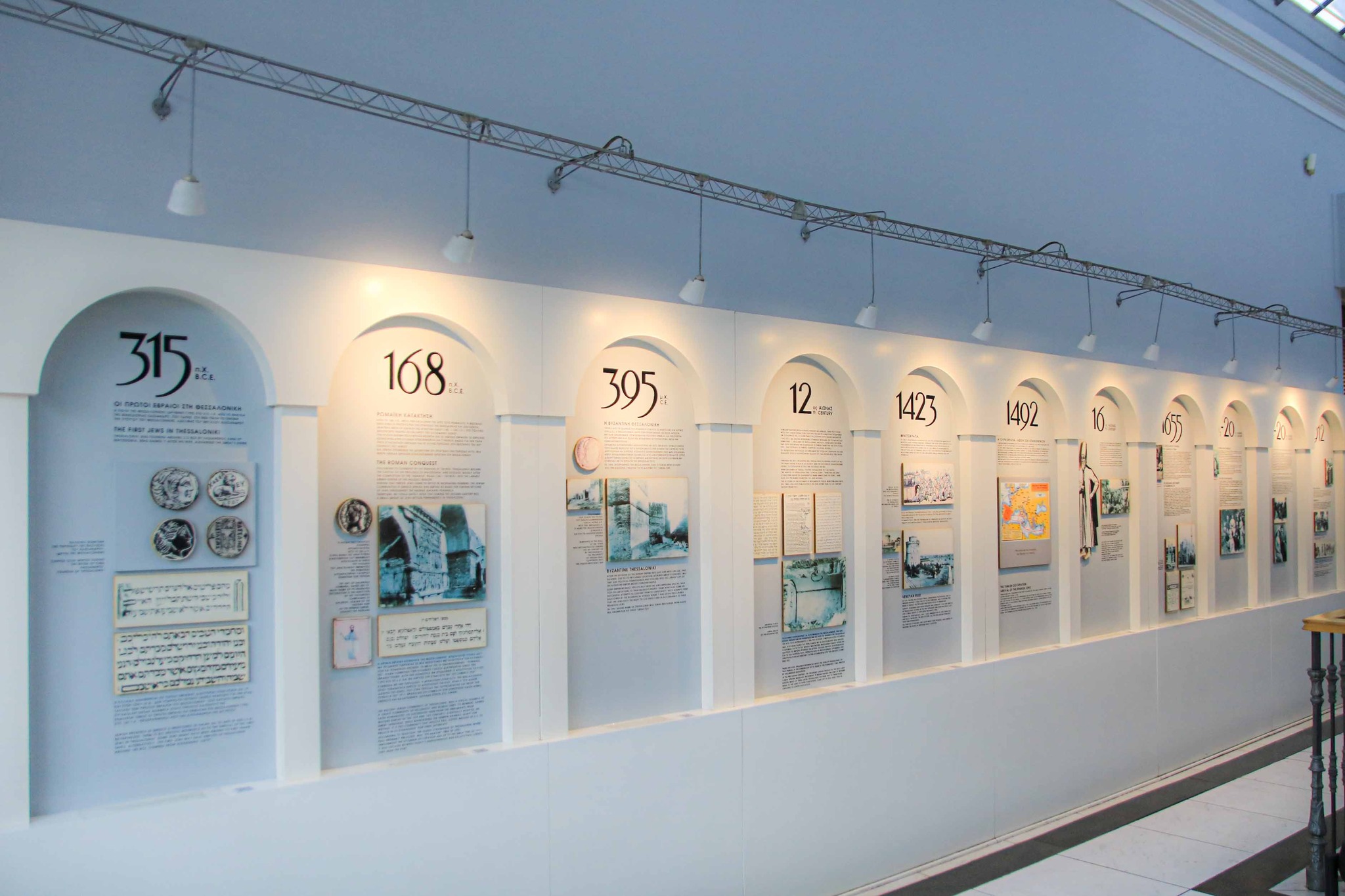
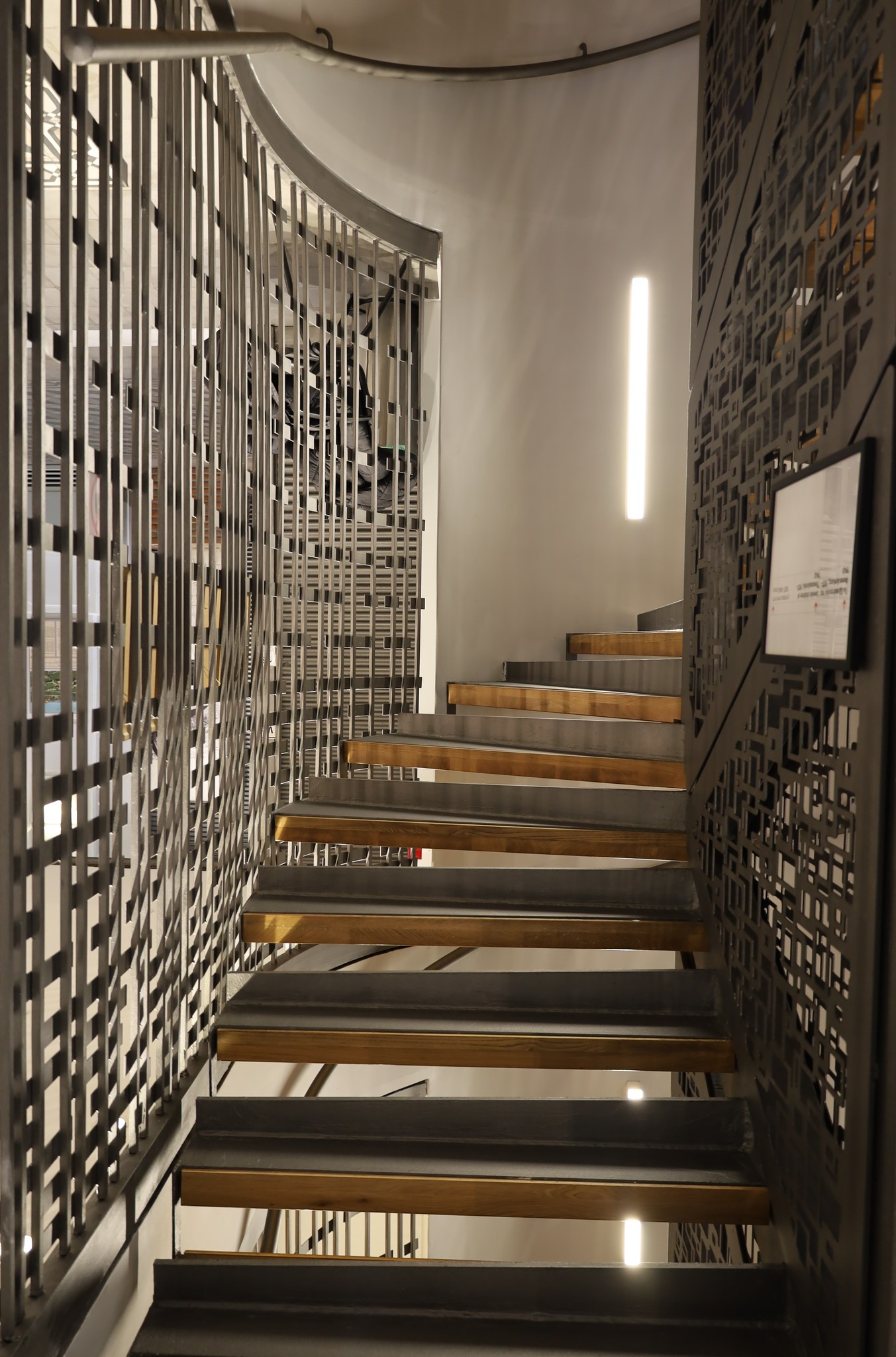
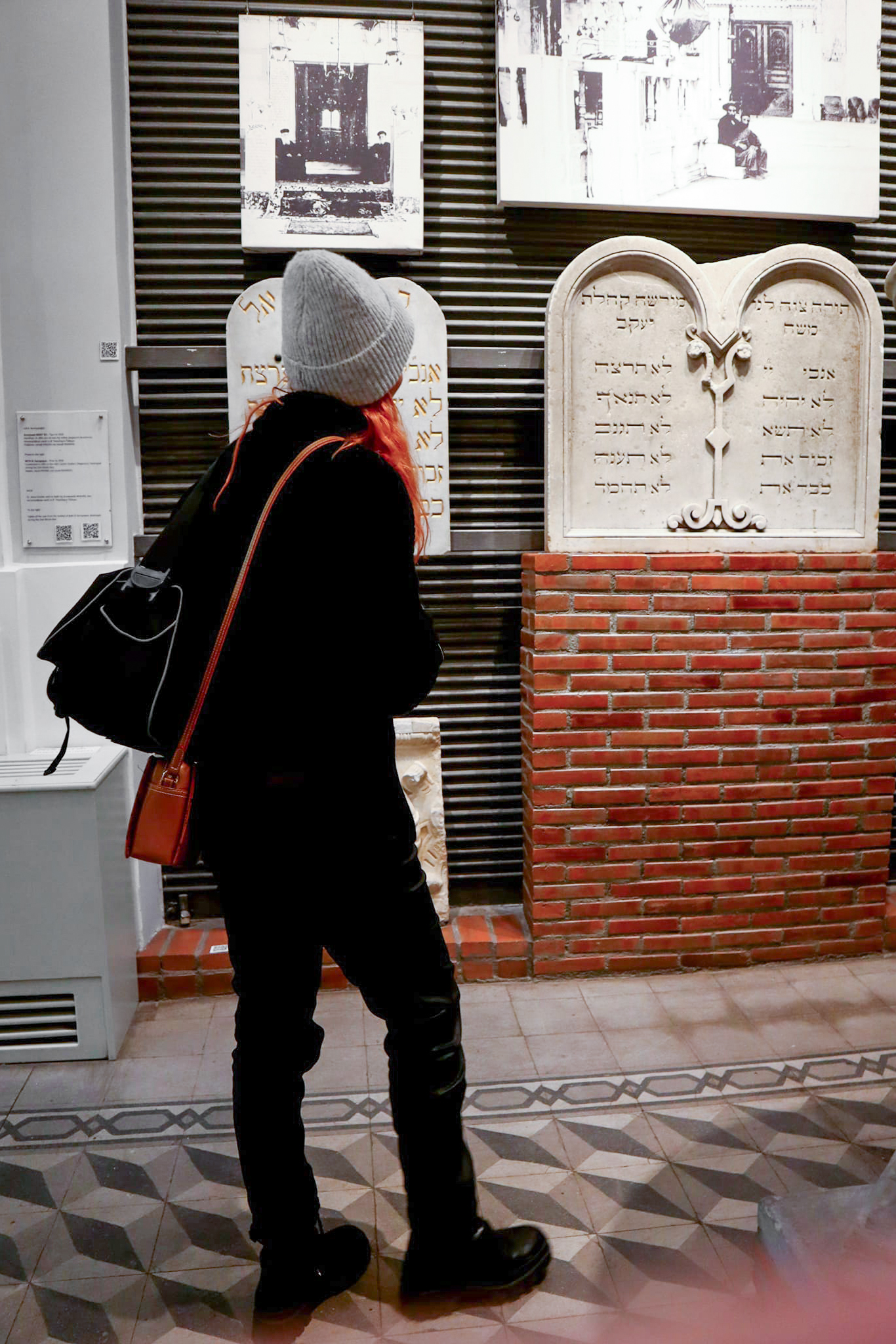
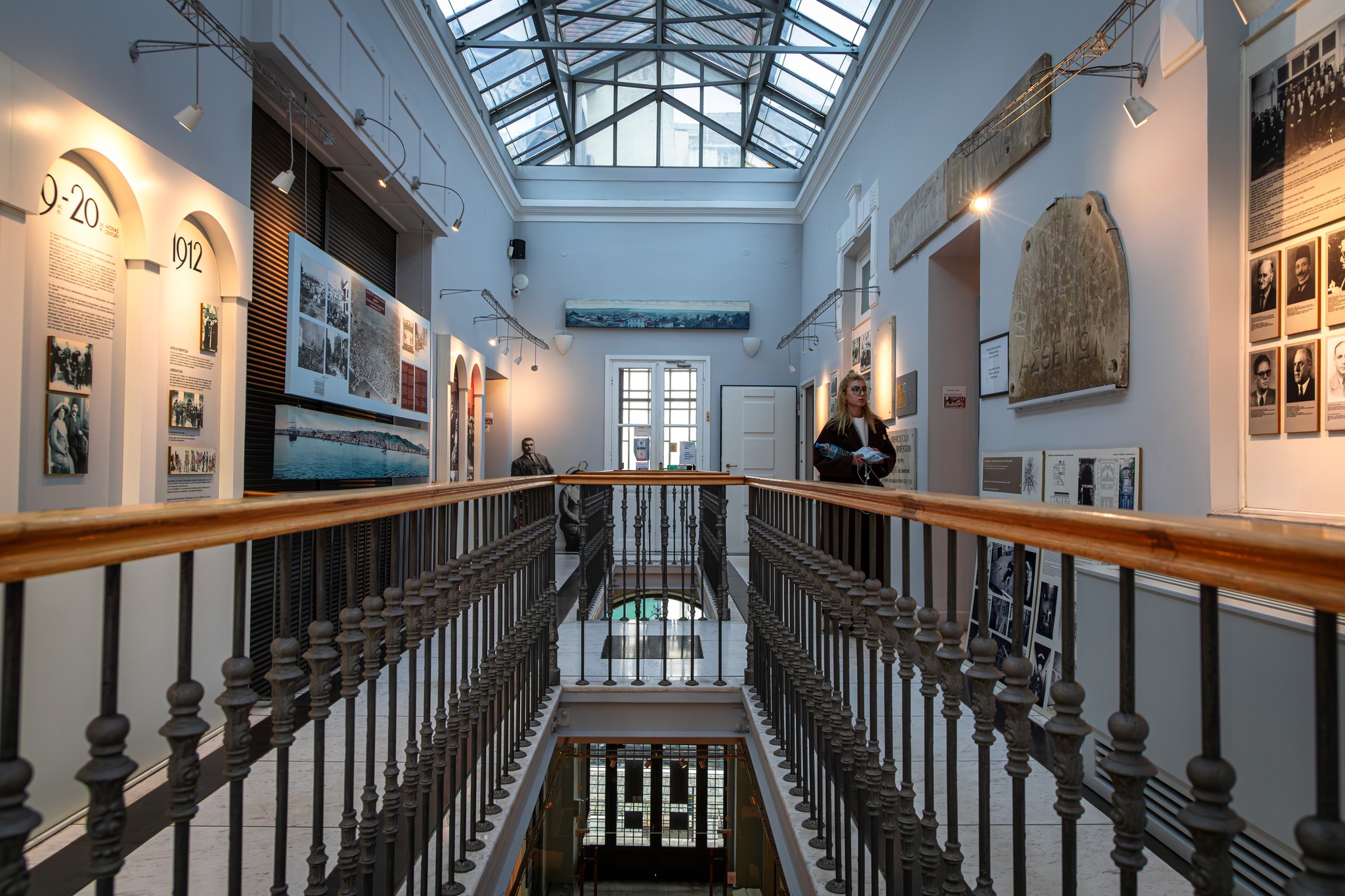
He led us upstairs, where the memories on the walls traced the journey of the nation from distant Spain under Ferdinand. The Jewish community of Thessaloniki, within the embrace of the Ottoman Empire, developed trade and, above all, textile production. Through this, it enjoyed reduced taxation, since in return it was required to provide the cloth for the uniforms of the Janissaries.
At the same time, the community was among the first to introduce cheques and bank loans, holding a significant share of capital and developing strong export trade with Italy and France.
Through all this, the Jewish community came to make up almost half the population of Thessaloniki shortly before the Balkan Wars. The Jewish element maintained a cautious stance towards the new Greek state, fearing the loss of the economic privileges it had enjoyed under Ottoman rule.
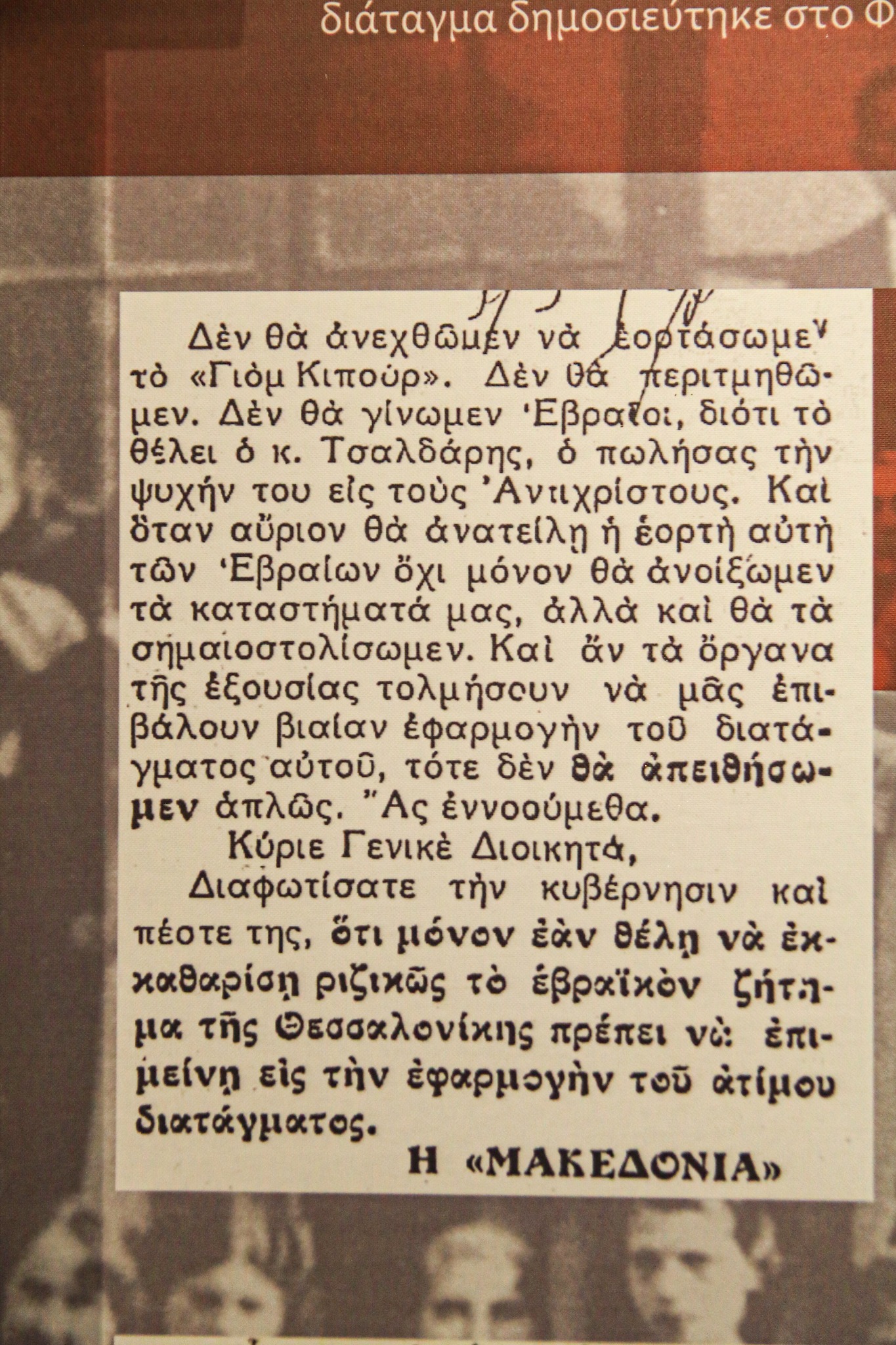
The suspicion that prevailed during the interwar period fuelled tensions, which nationalist currents on both sides exploited in order to strengthen their own narratives. The economic hardship of 1929 and the integration of the impoverished refugees of the Asia Minor Catastrophe intensified these conflicts, culminating in the 1931 pogrom in the poor Jewish neighbourhood of Campbell, instigated by the fascist organisation EEE. Two people were killed, and the property and homes of equally destitute Jews were destroyed.
George Tzimagiorgis
Soula Ioannidou
Eftichios Tsaousidis
Nikos Kakagias
Danis Papagiannoulis
Dimosthenis Seitaridis
Maria Spyridopoulou
Dimosthenis Seitaridis
George Tzimagiorgis
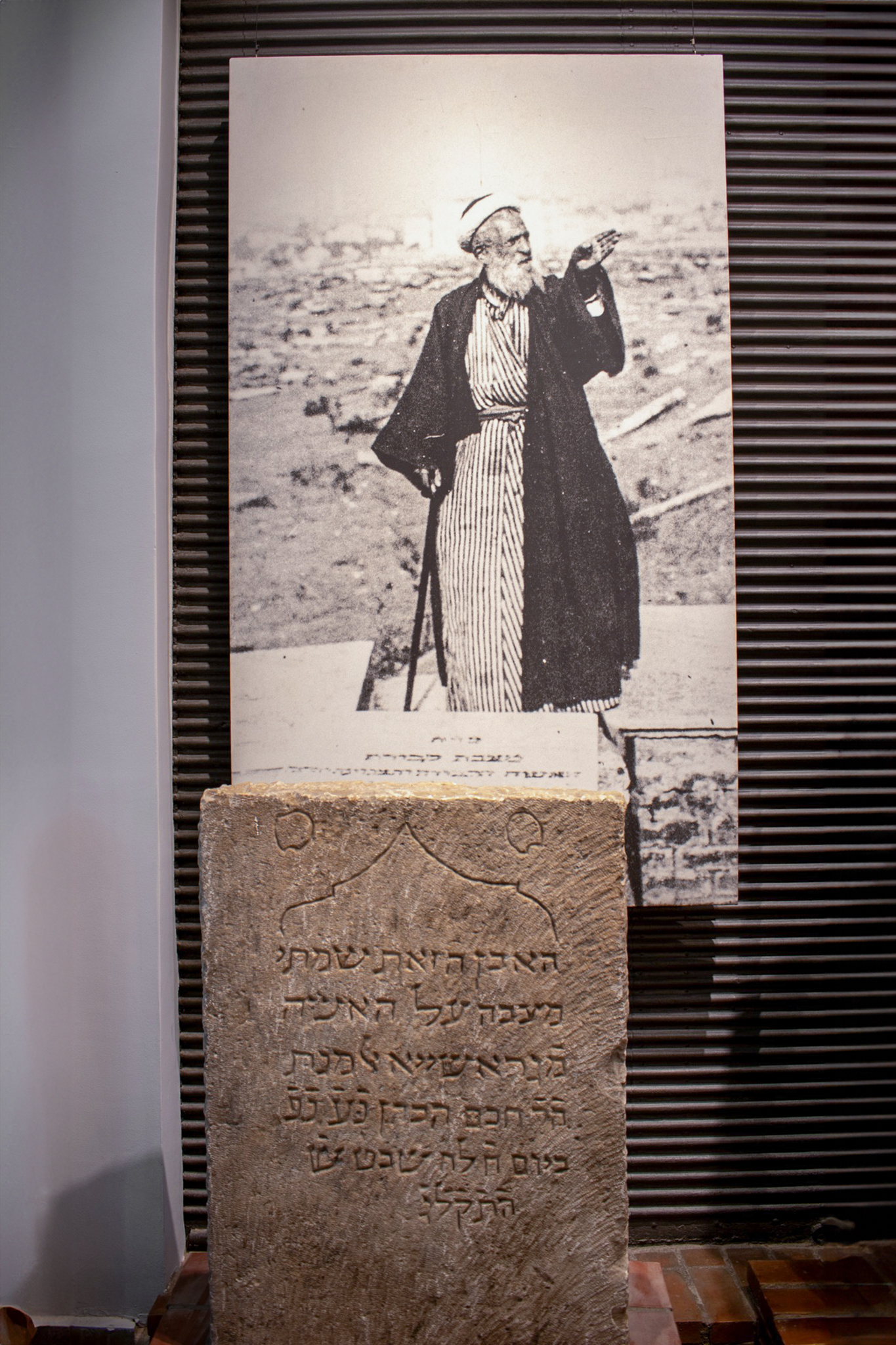
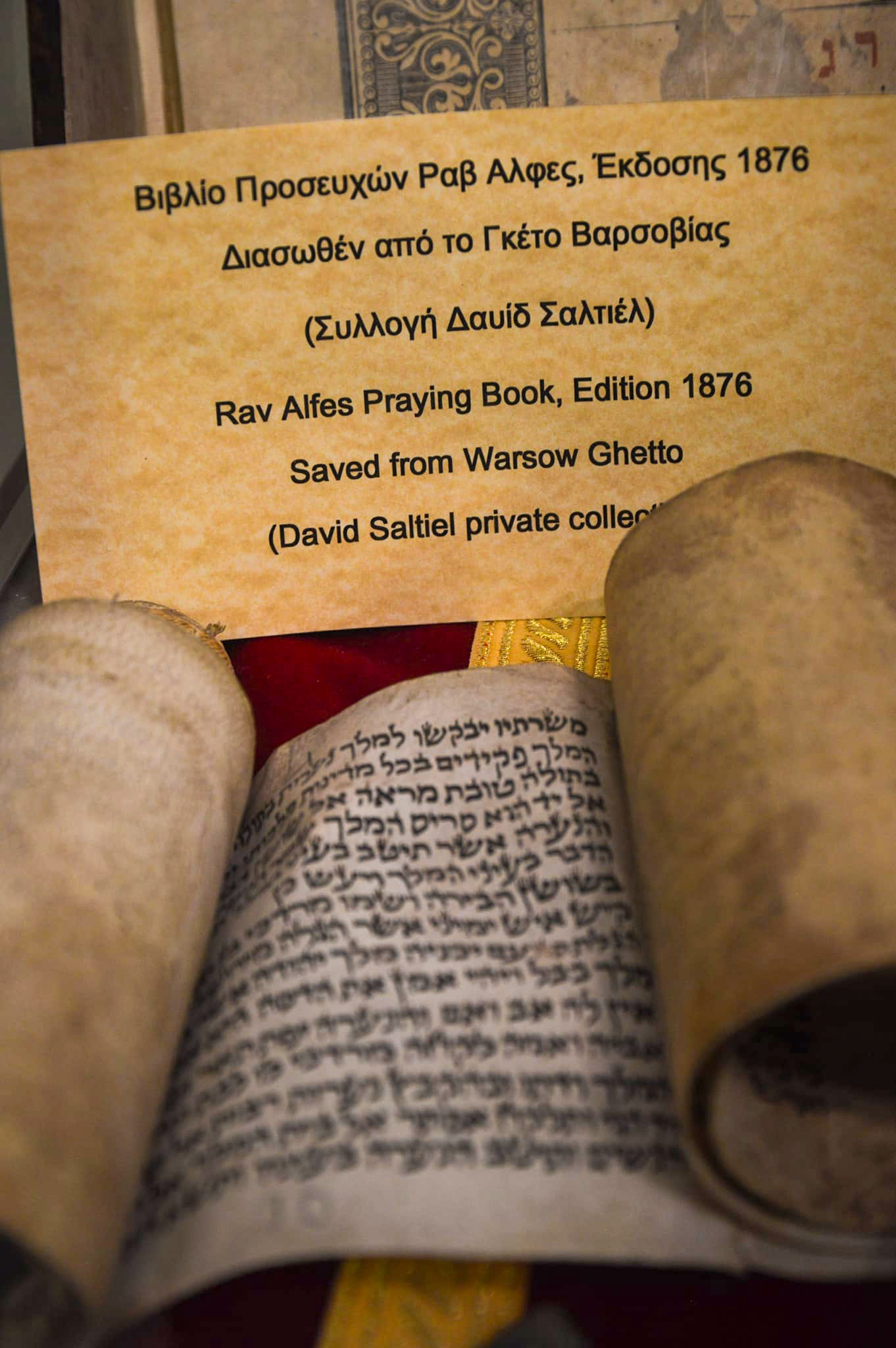
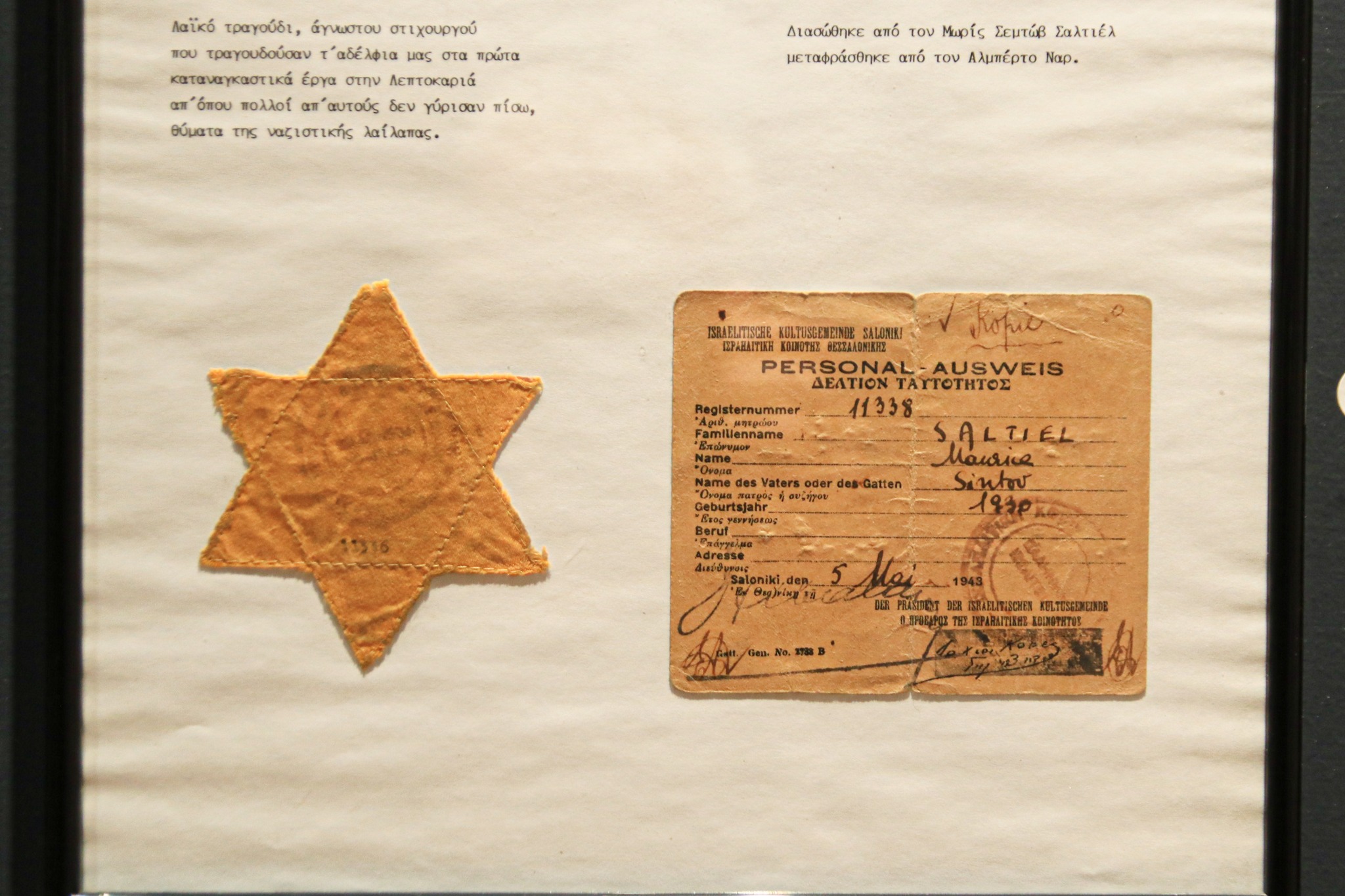
As our own narrative, unfolded in real time, we had the opportunity — through the presentation of events and the scattered keepsakes in the display cases — to underline and record, in our short time there, our basic principles: which remained the same, unchanged and unaltered, in every expression of human adventure.
We absorbed unknown pieces of the history of a world that had lived beneath the same sky as us, and photographically recorded everything history placed before us.
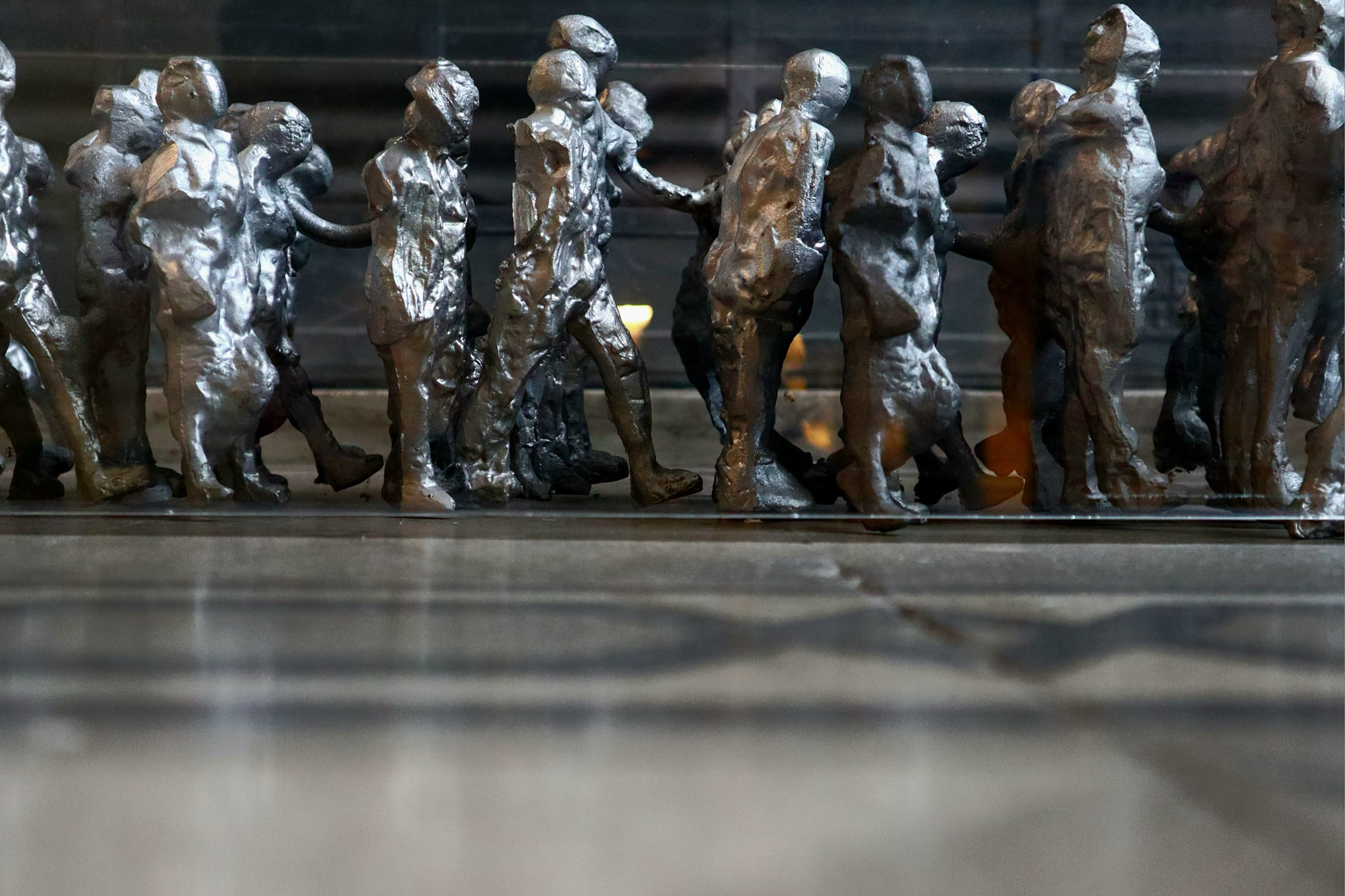
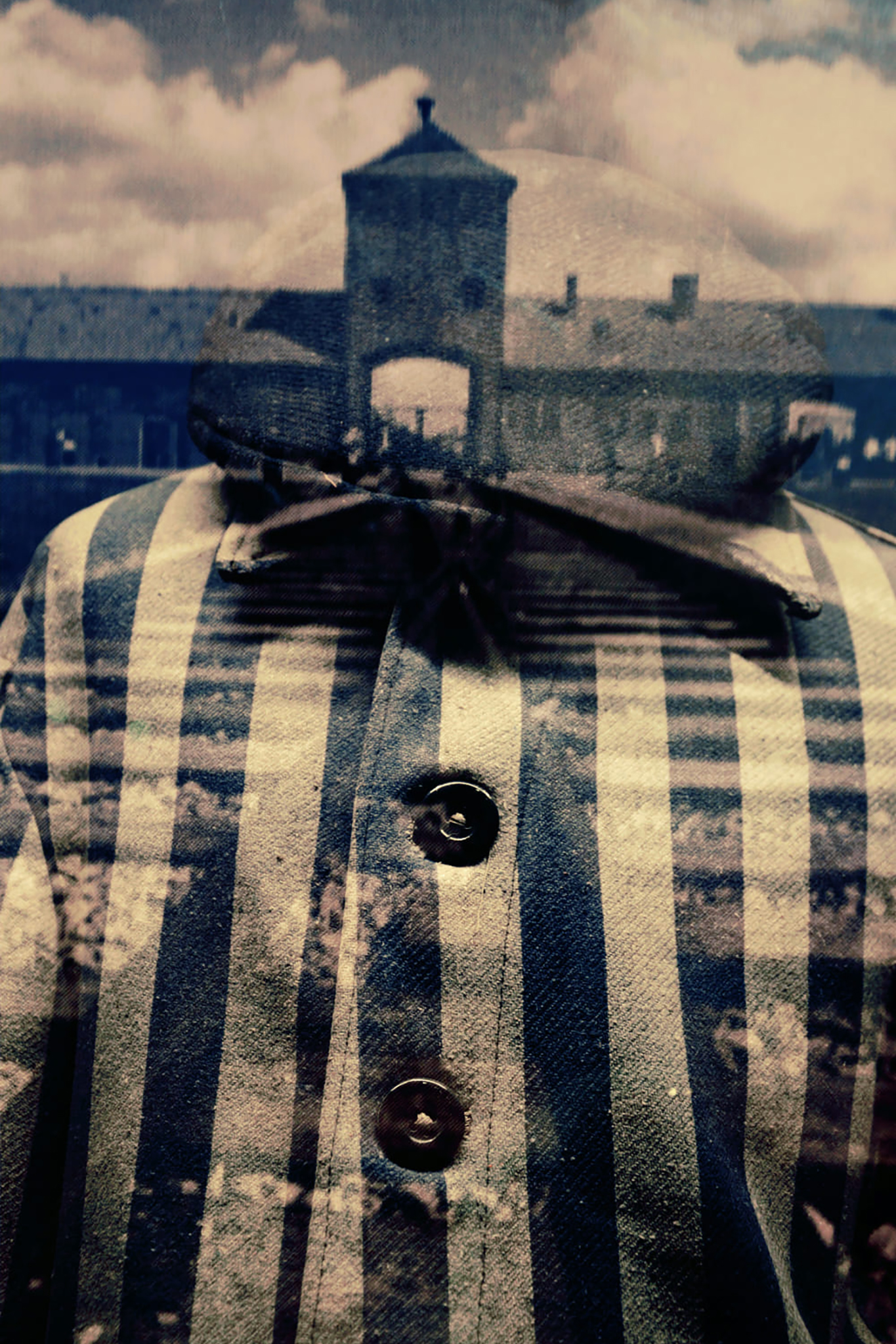
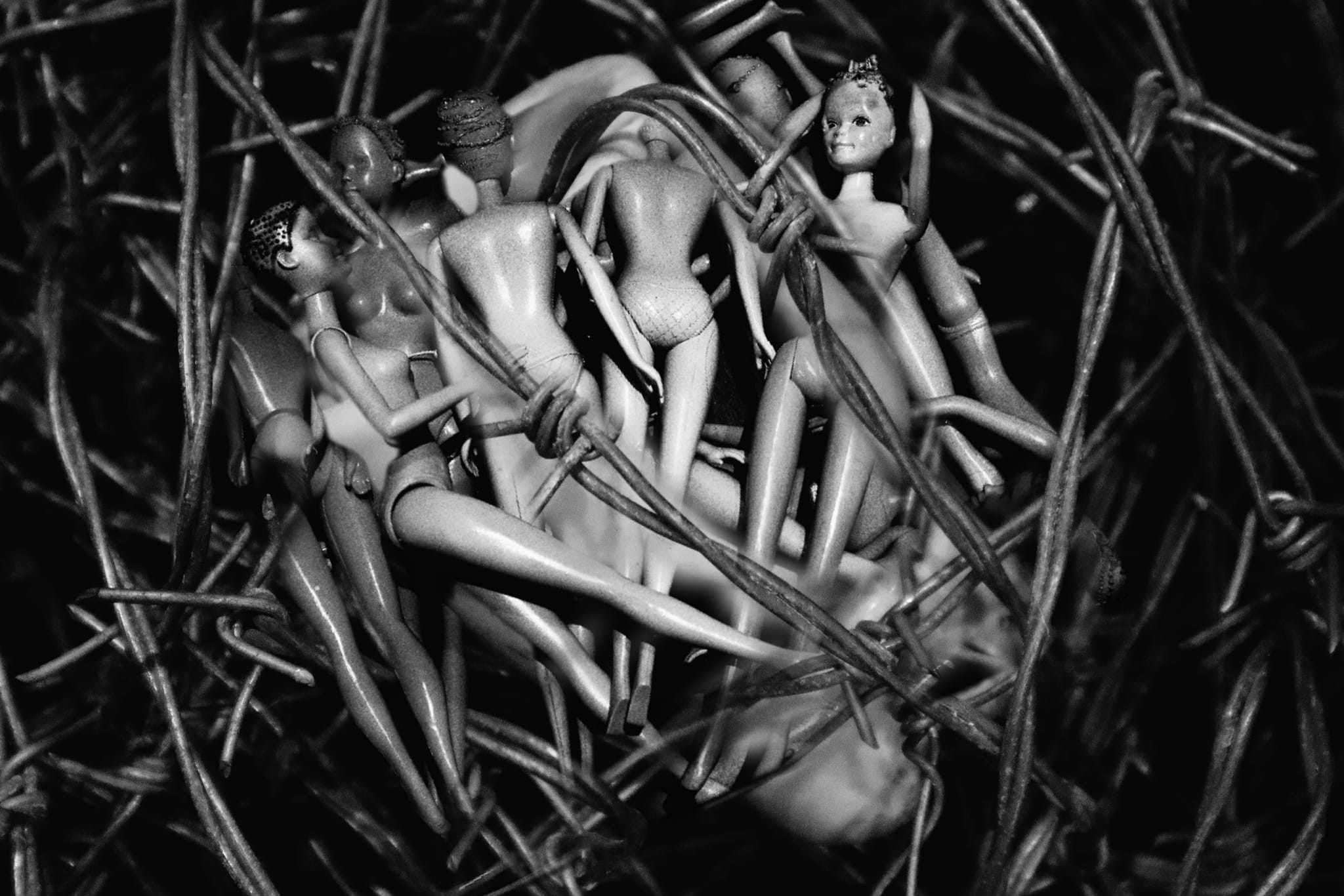
But the effort stumbled when we reached the space where history is ashamed of itself: the space bearing witness to our collective crime.
Collective, because it concerns our moral being as a whole, and our stance towards anything defined as different. The mind cannot contain the thousands of names carved into the black granite, nor the horror hidden behind them. And with it the unspeakable hypocrisy of the “respectable-looking”, those who hide behind grand declarations, and was proven that it was their action that took a tragic part in the birth of the serpent.
We learned, for instance, that the striped horror uniforms were manufactured in the factory of a major Italian textile company that still holds the sceptre of haute couture today.
Business as usual.
Dimosthenis Seitaridis
Maria Spyridopoulou
Eftichios Tsaousidis
Danis Papagiannoulis
Soula Ioannidou
Georgia Papadopoulou
Nikos Kakagias
Maria Spyridopoulou
George Tzimagiorgis
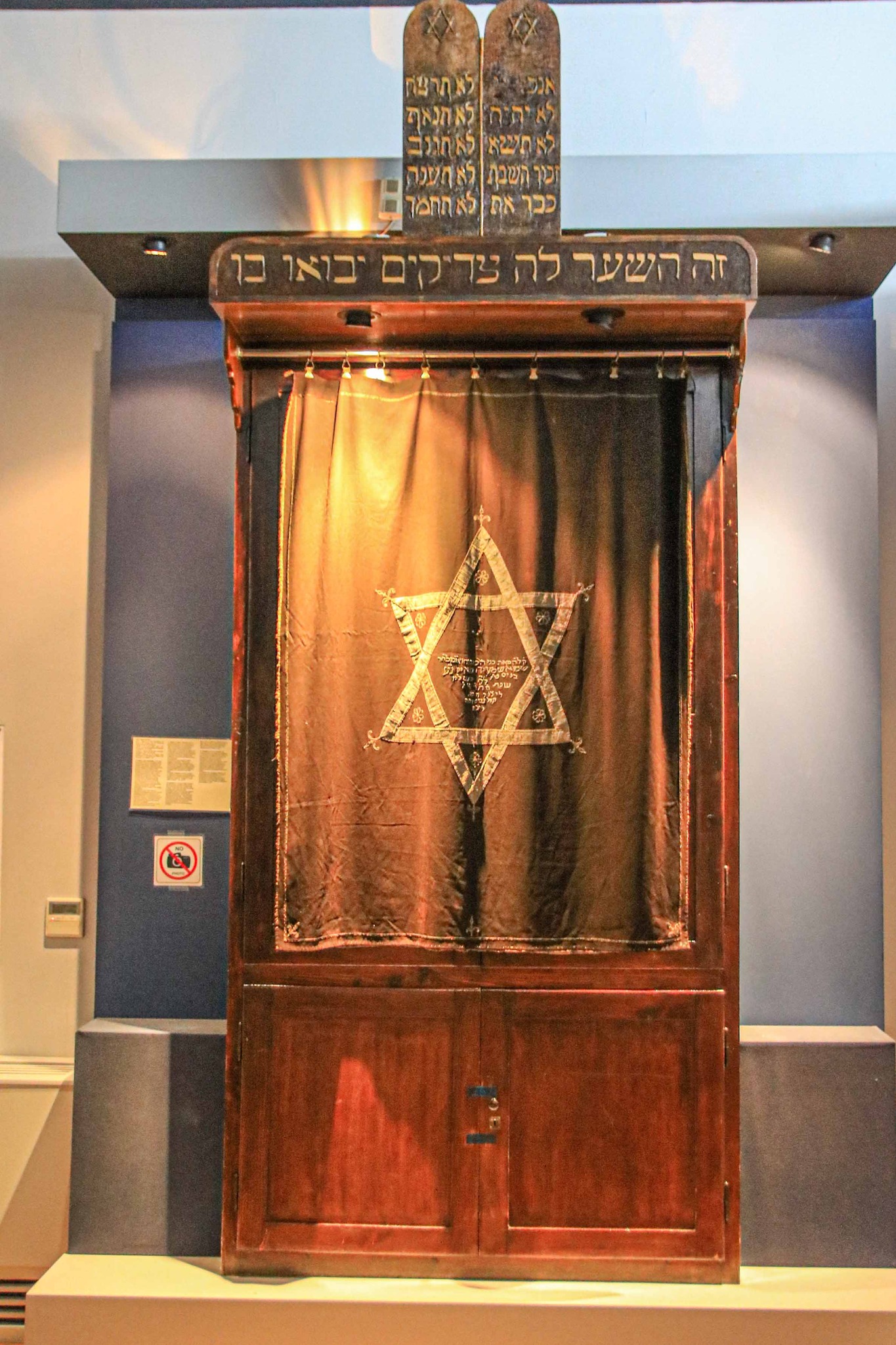
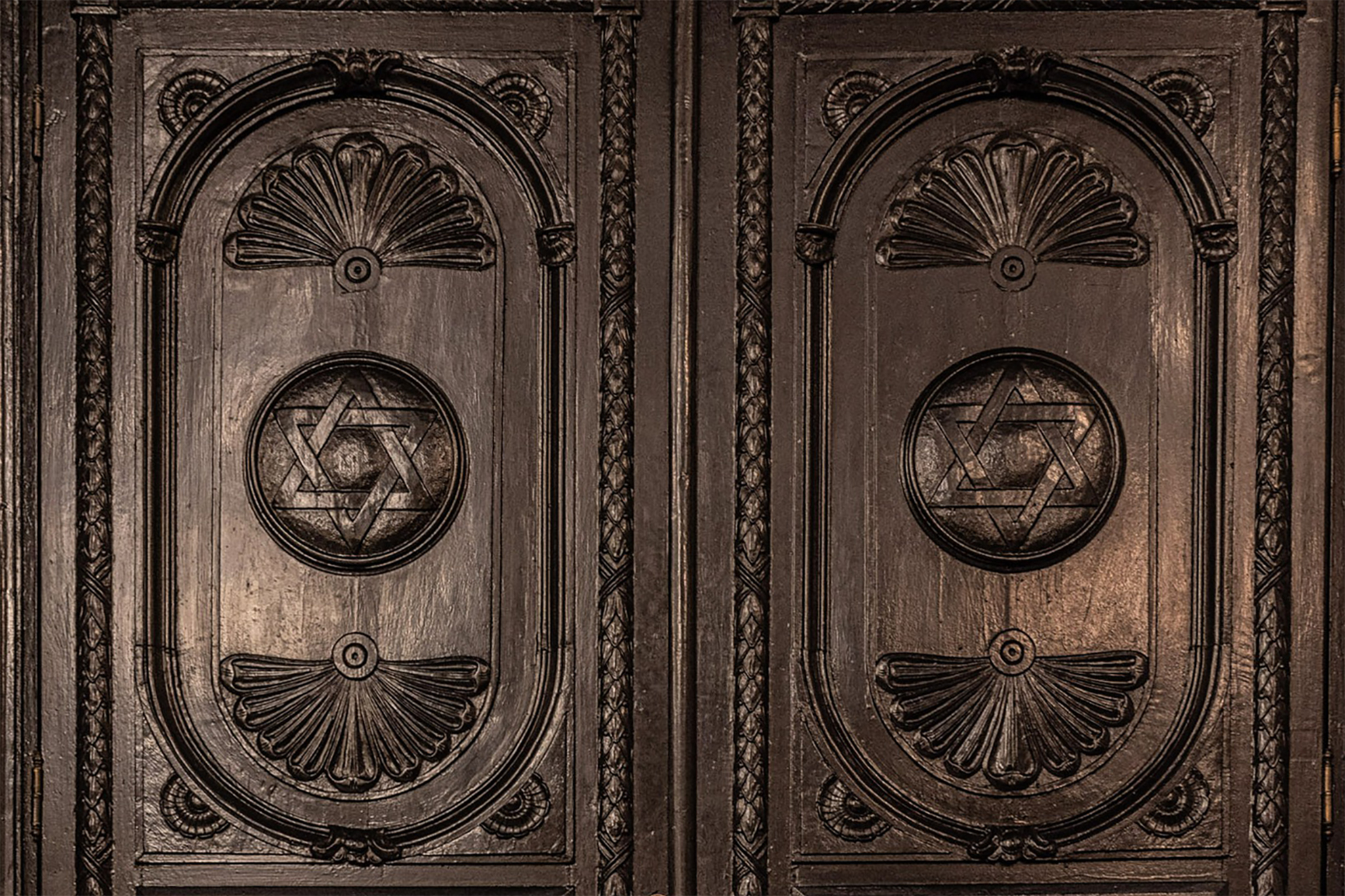
Soon afterwards, we gathered ourselves hastily, while urged by the need to visit the synagogue while it was still open. We walked uphill along Syngrou Street and, with Lily’s smile as our guide, we witnessed the sacred traces of her ancestors roots.
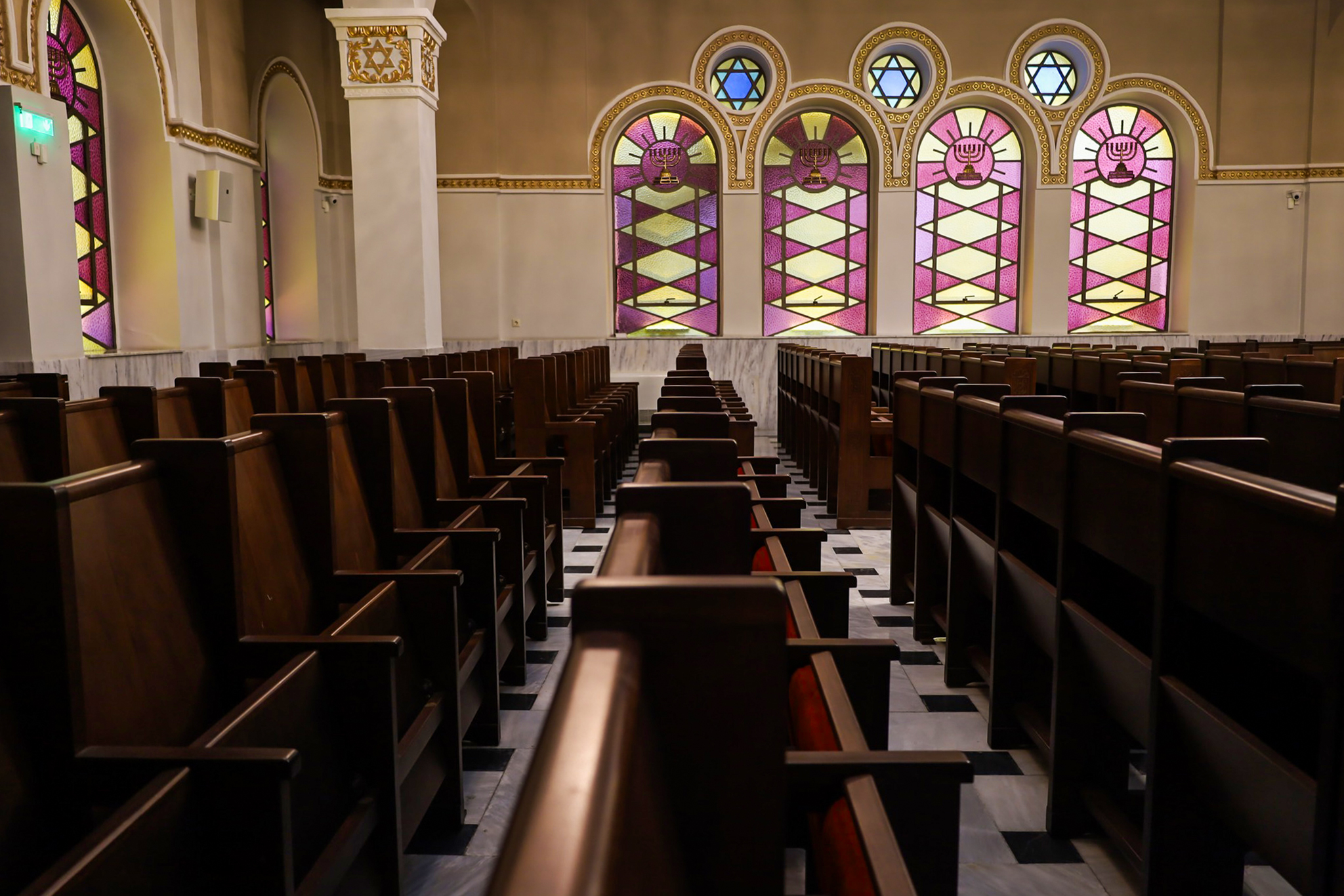
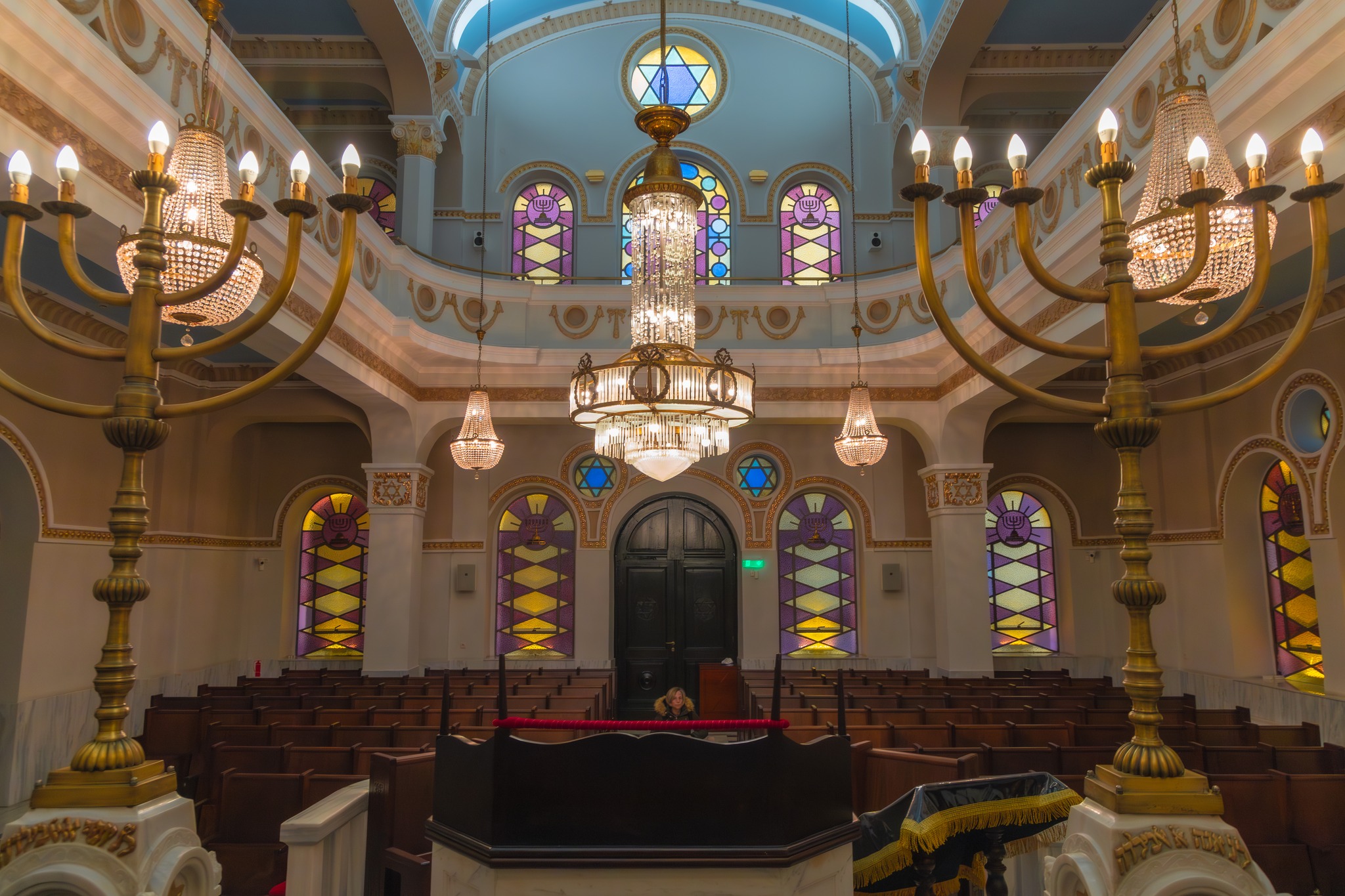
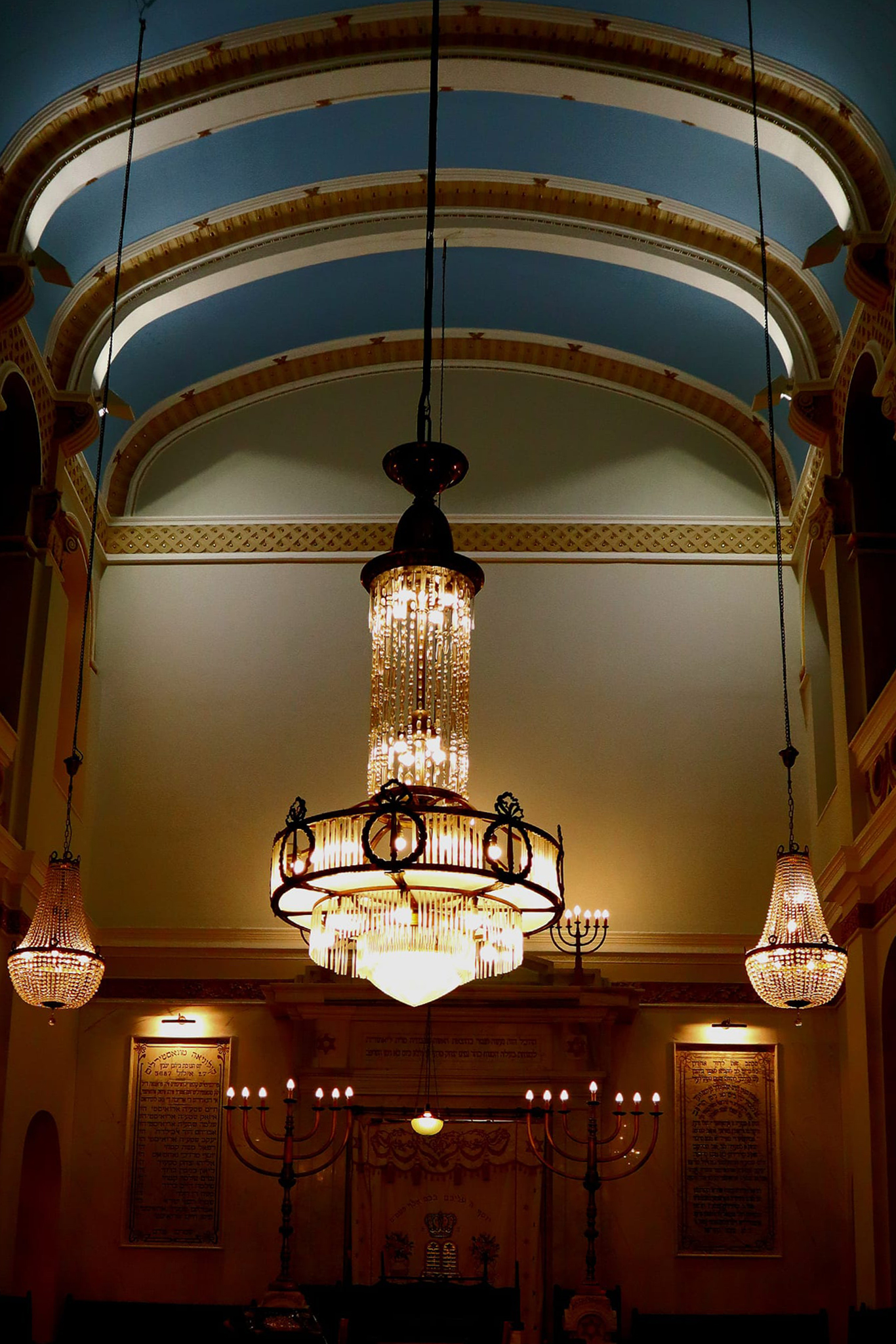
The space was simple, reminiscent of a Byzantine basilica, with stained-glass windows and an upper women’s gallery — because Judaism may be a different religion, but women still occupy the margins, a position entirely familiar with other religions — and with a screen in the corner for those who could not climb the stairs.
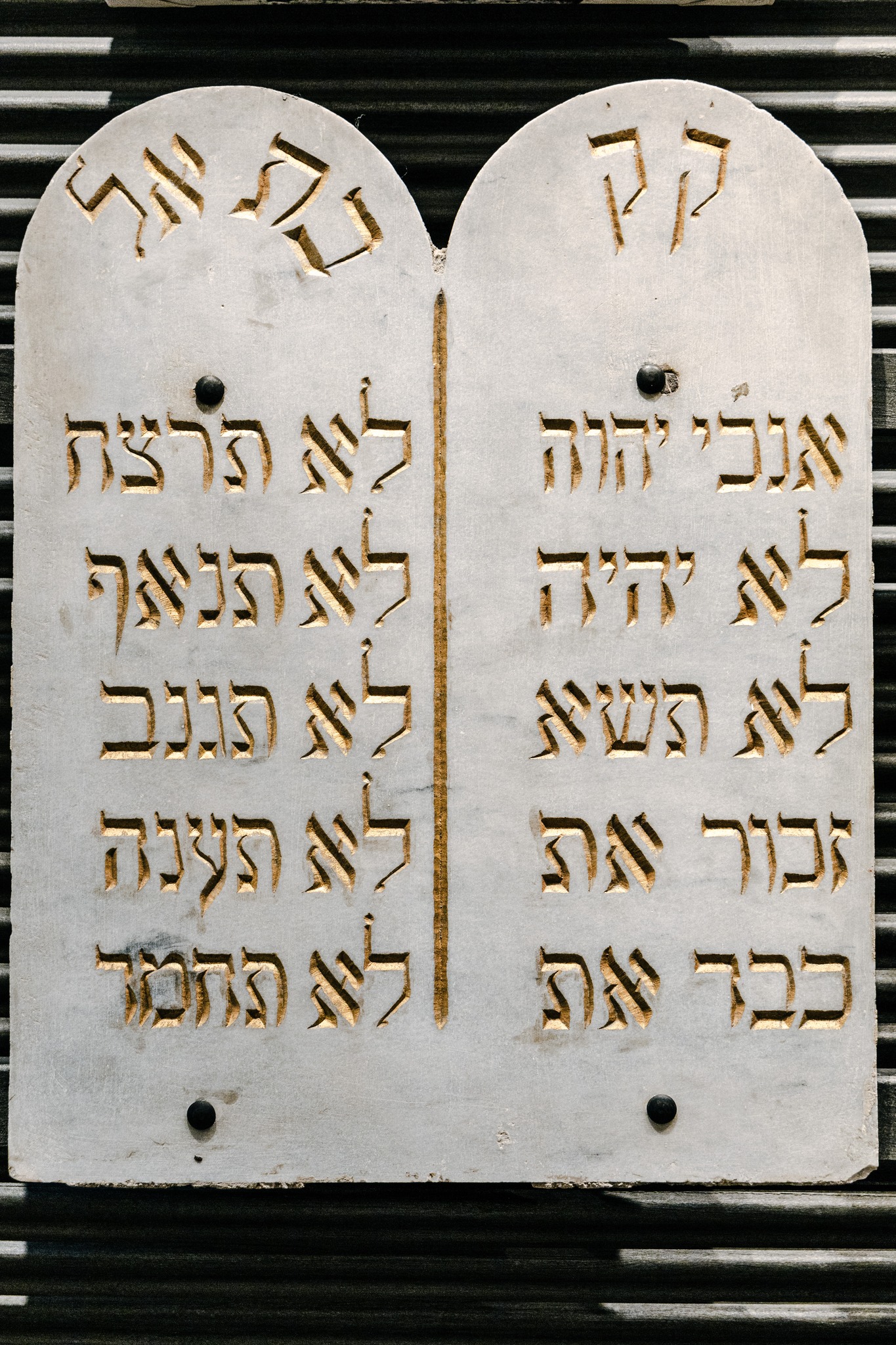
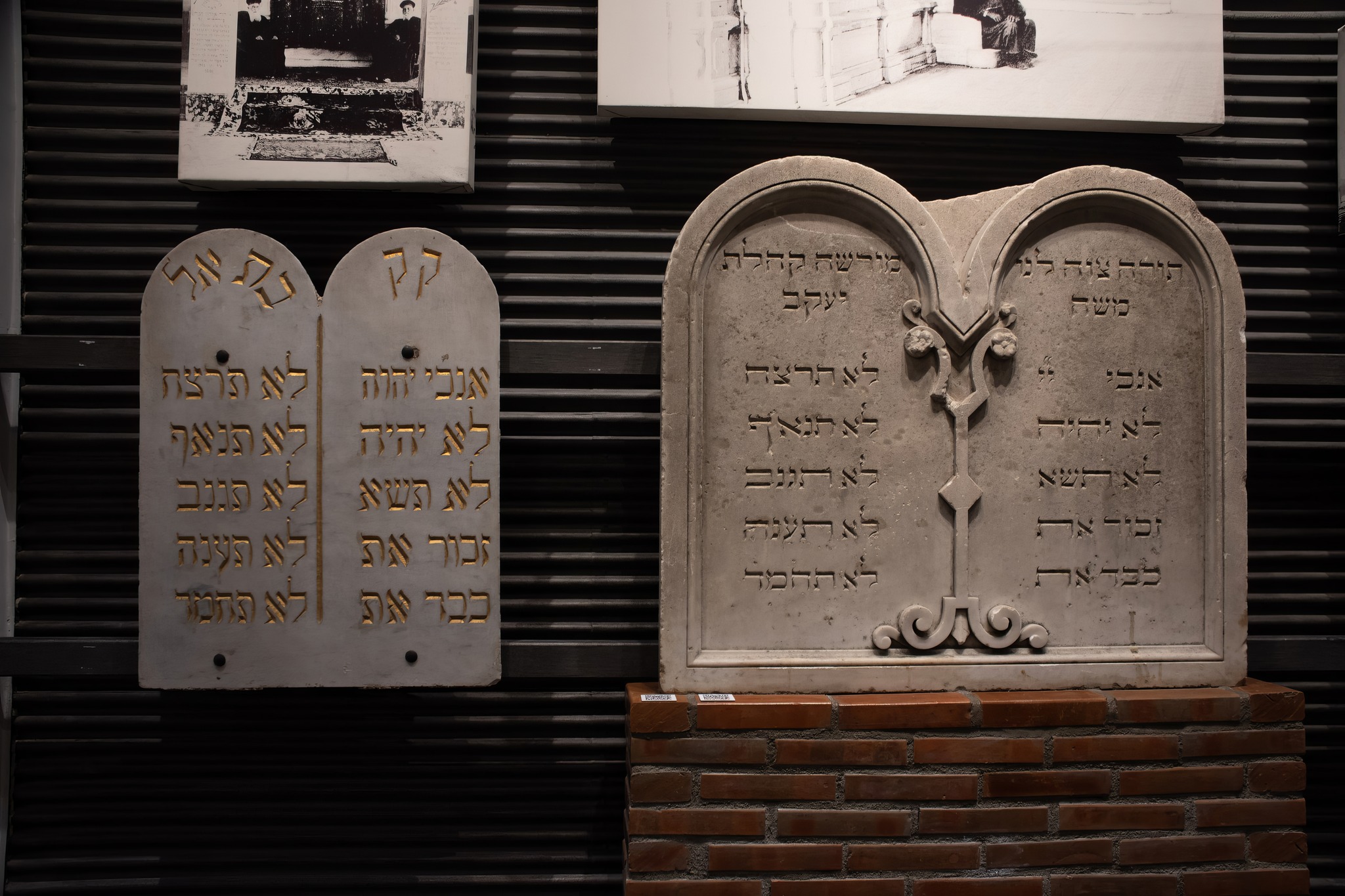
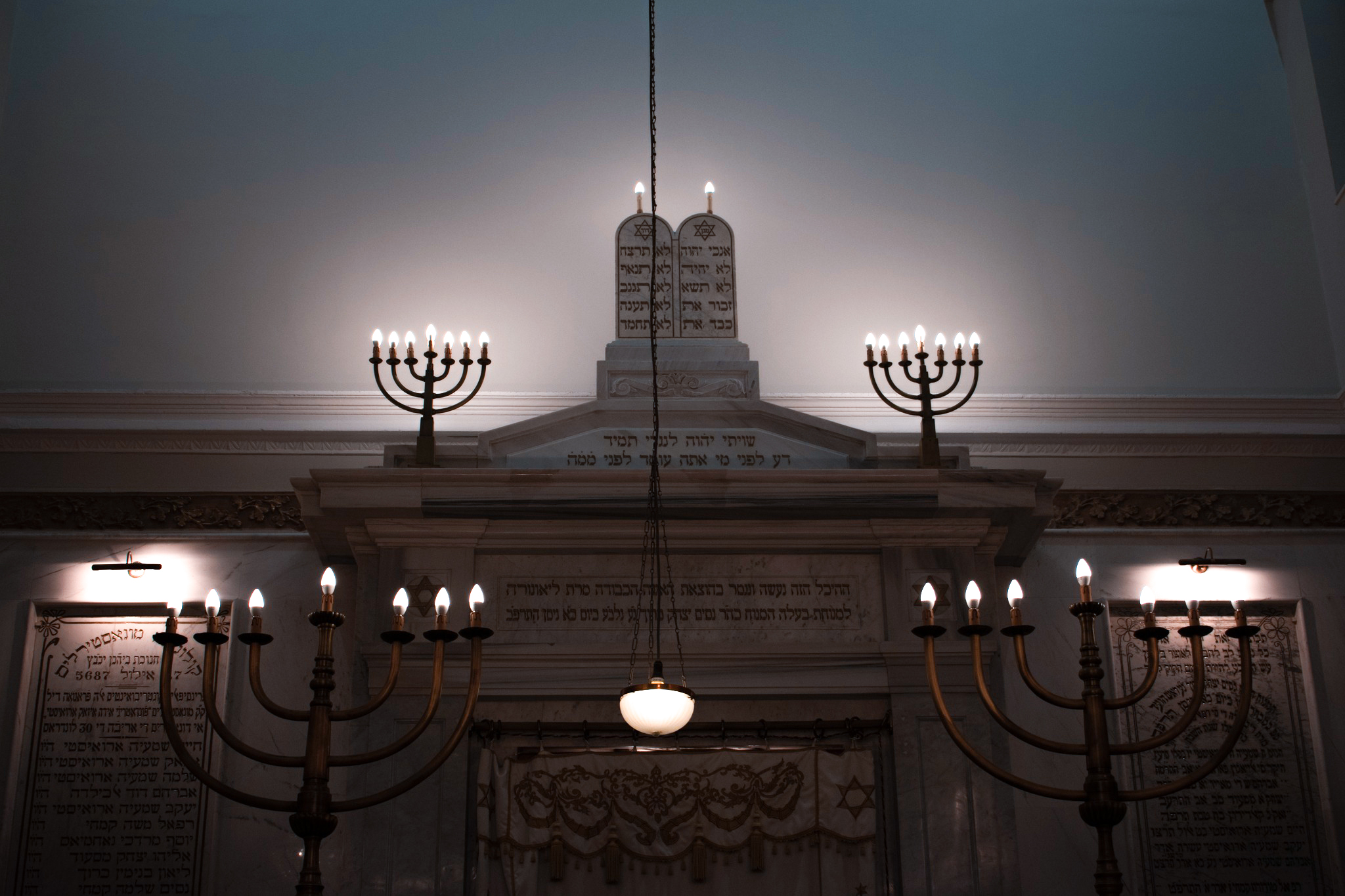
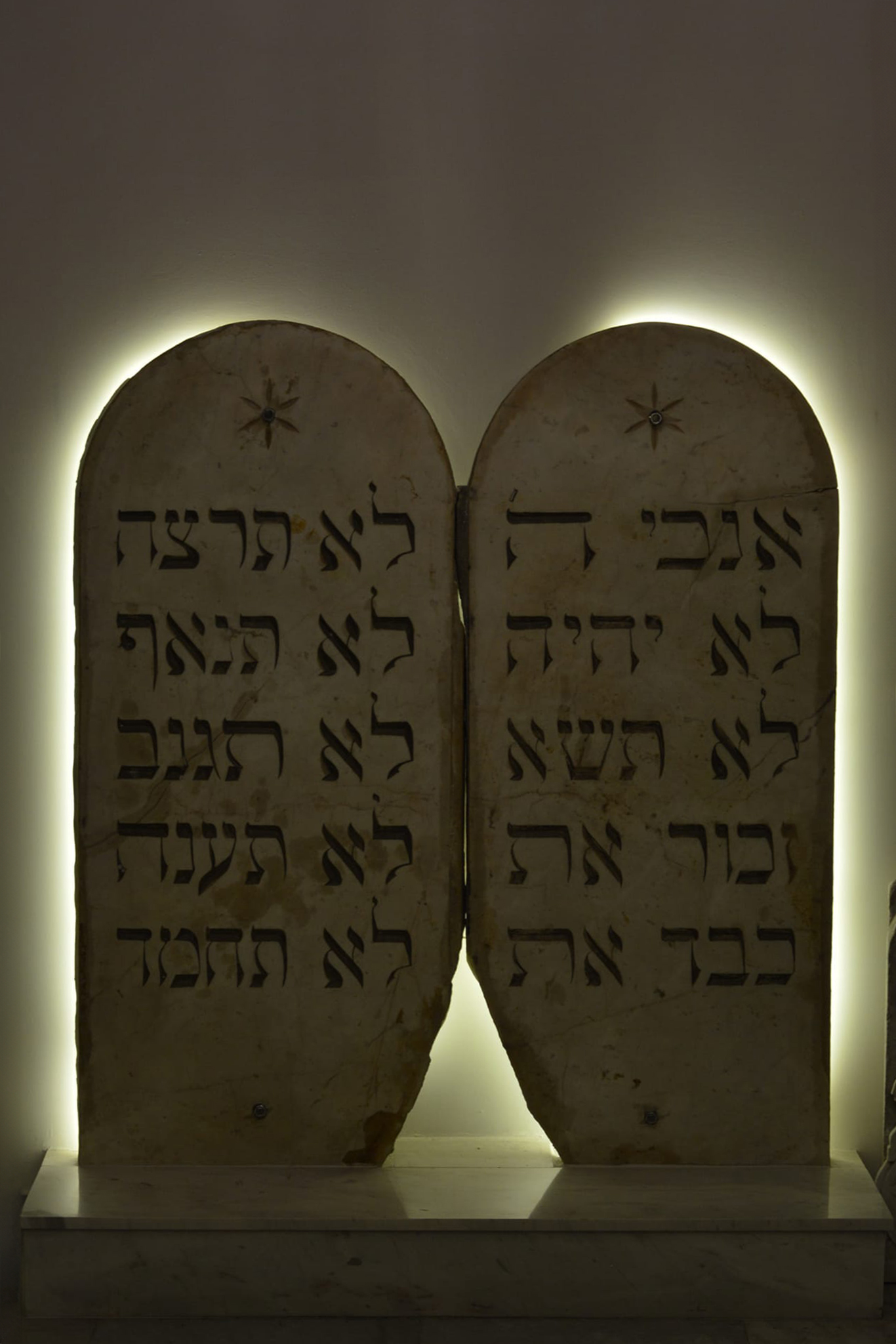
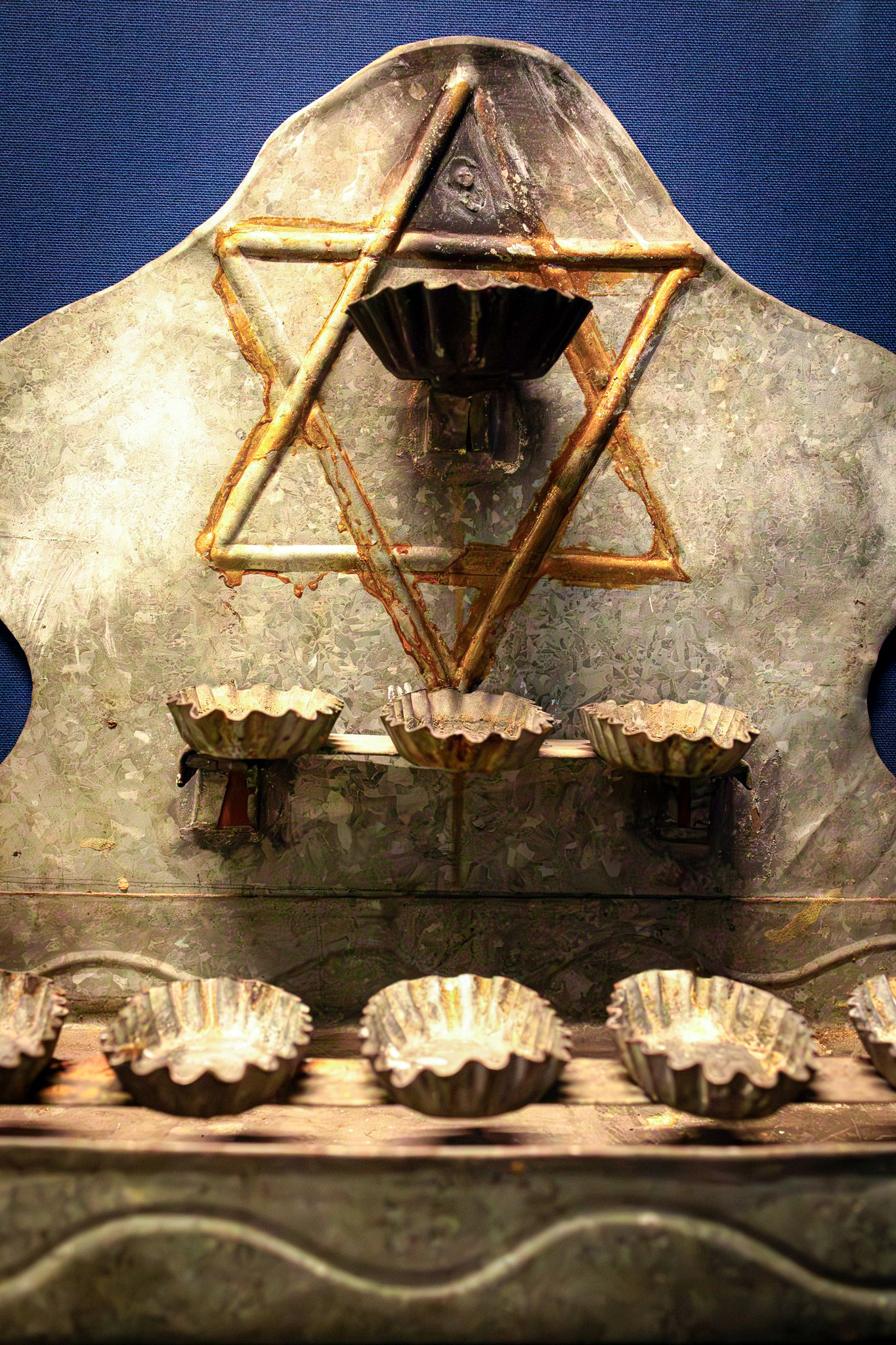
The Menorah, the seven-branched lampstand, stood in the centre, with inscriptions in Hebrew praising the same God who never seems to have time to decide which of them all possesses the absolute truth.
Until He does, He will continue to allow us to kill one another in His name.
Georgia Papadopoulou
Nikos Kakagias
George Tzimagiorgis
Danis Papagiannoulis
Eftichios Tsaousidis
Soula Ioannidou
Dimosthenis Seitaridis
Maria Spyridopoulou
Eftichios Tsaousidis
Georgia Papadopoulou
Maria Spyridopoulou
Dimosthenis Seitaridis
Emerging into the dazzling winter light, left dark corners deep within us, and an awkward smile on our lips, as we saw history smiling sardonically and beckoning to us from the opposite corner.
History, that wretched thing, does indeed move in circles and it displays a perverse sense of humour as it mocks us, reversing roles and purposes, turning former victims into ruthless perpetrators.
Powerless, we watch in silence, stunned and helpless before its tricks, remaining its victims forever.
P.S. We would like to thank the Jewish Museum of Thessaloniki and our guides, Nissim Mevorach and Lily Angel, who made our visit an even richer experience.
Pixelscape.gr uses cookies to ensure that provides you with the best possible navigation experience. By using the website you accept the usage of cookies. Press “Accept”, if you condone the usage of cookies.
This website uses cookies to improve your experience while you navigate through the website. Out of these, the cookies that are categorized as necessary are stored on your browser as they are essential for the working of basic functionalities of the website. We also use third-party cookies that help us analyze and understand how you use this website. These cookies will be stored in your browser only with your consent. You also have the option to opt-out of these cookies. But opting out of some of these cookies may affect your browsing experience.