Article by Nikos Kakagias Cover photo by George Tzimagiorgis Edited by Harrys Pourouzidis
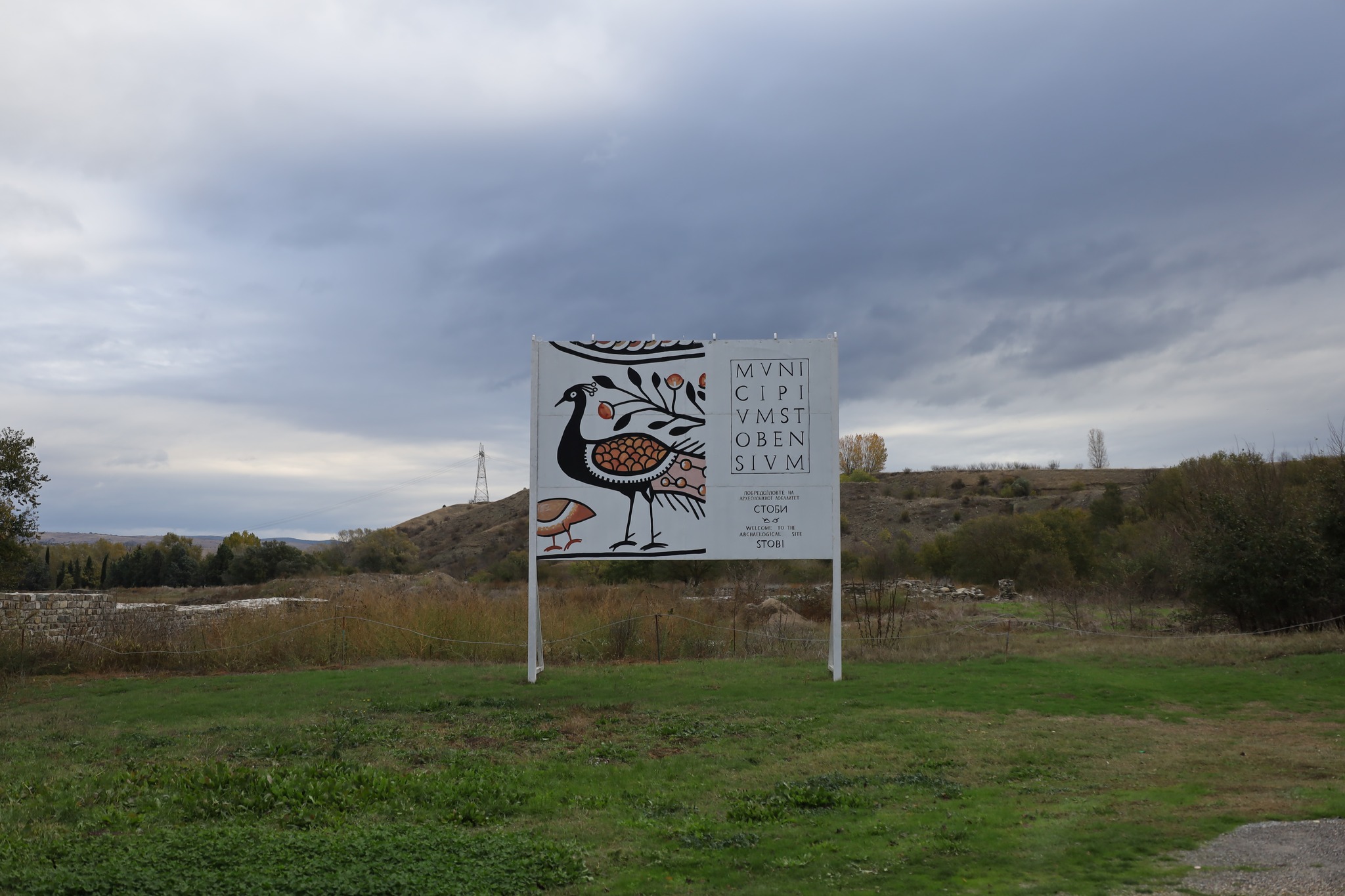
Repetition, they say, is the mother of knowledge. And we, being firm believers in that idea, set out to prove its truth by choosing a bitterly cold November morning to take the road north. The sign on the international highway ogThessaloniki–Skopje marked Stobi, and a right turn brought us to the familiar archaeological site of the ancient city. The Vardar wind had grown teeth, confirming its reputation, and the shiver it sent down our necks was made worse by the fact that the entrance to the site was barred. Clearly, not everyone shared our photographic enthusiasm.
We sought warmth and care at the nearby winery complex, which had offered us its hospitality on our previous visit as well. Hot tea and good company drove away the cold breath of the northern invader and brought the familiar lively expression back to our faces as we prepared lenses and cameras.
George Tzimagiorgis
George Tzimagiorgis
- Stobi -
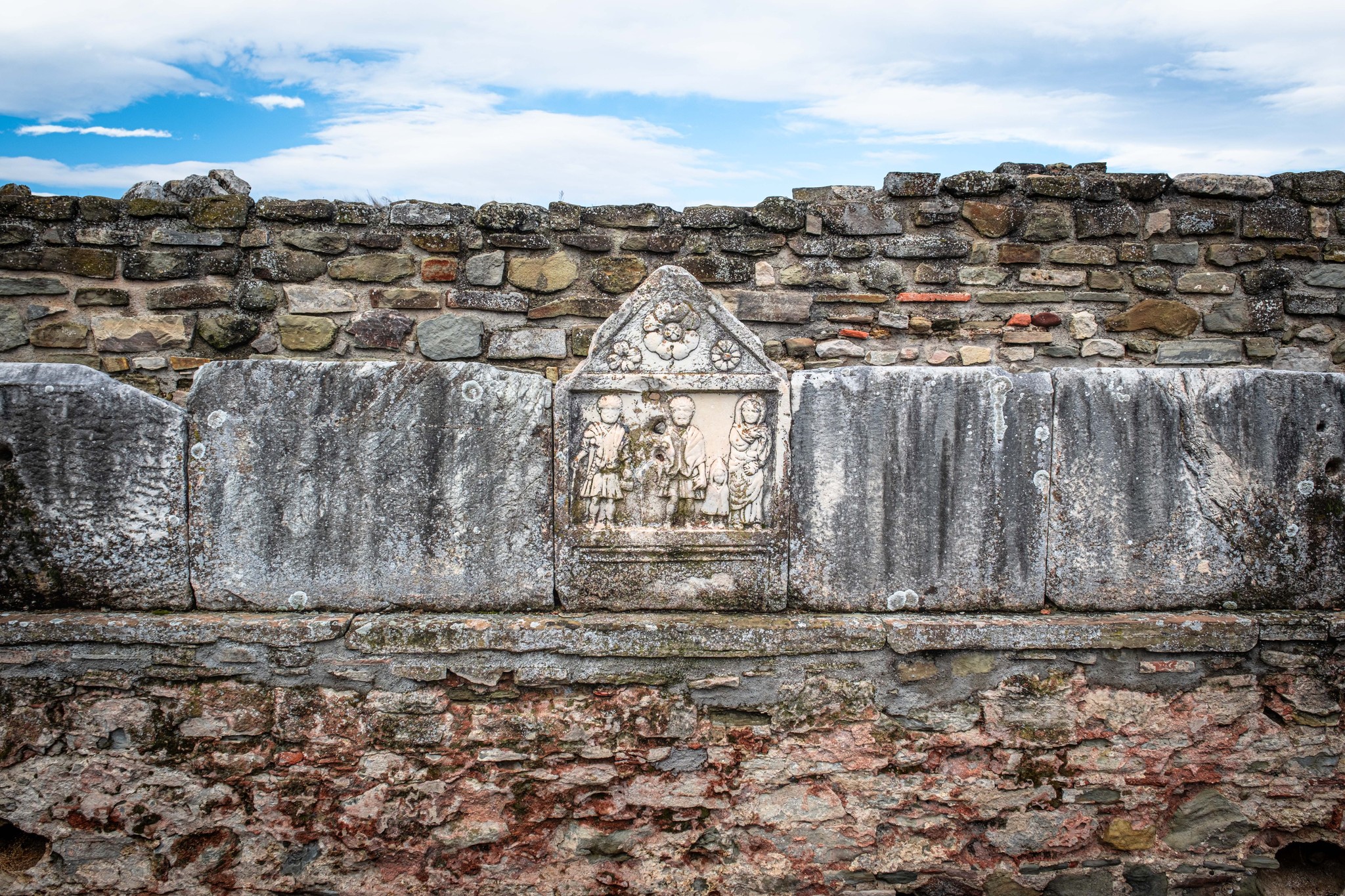
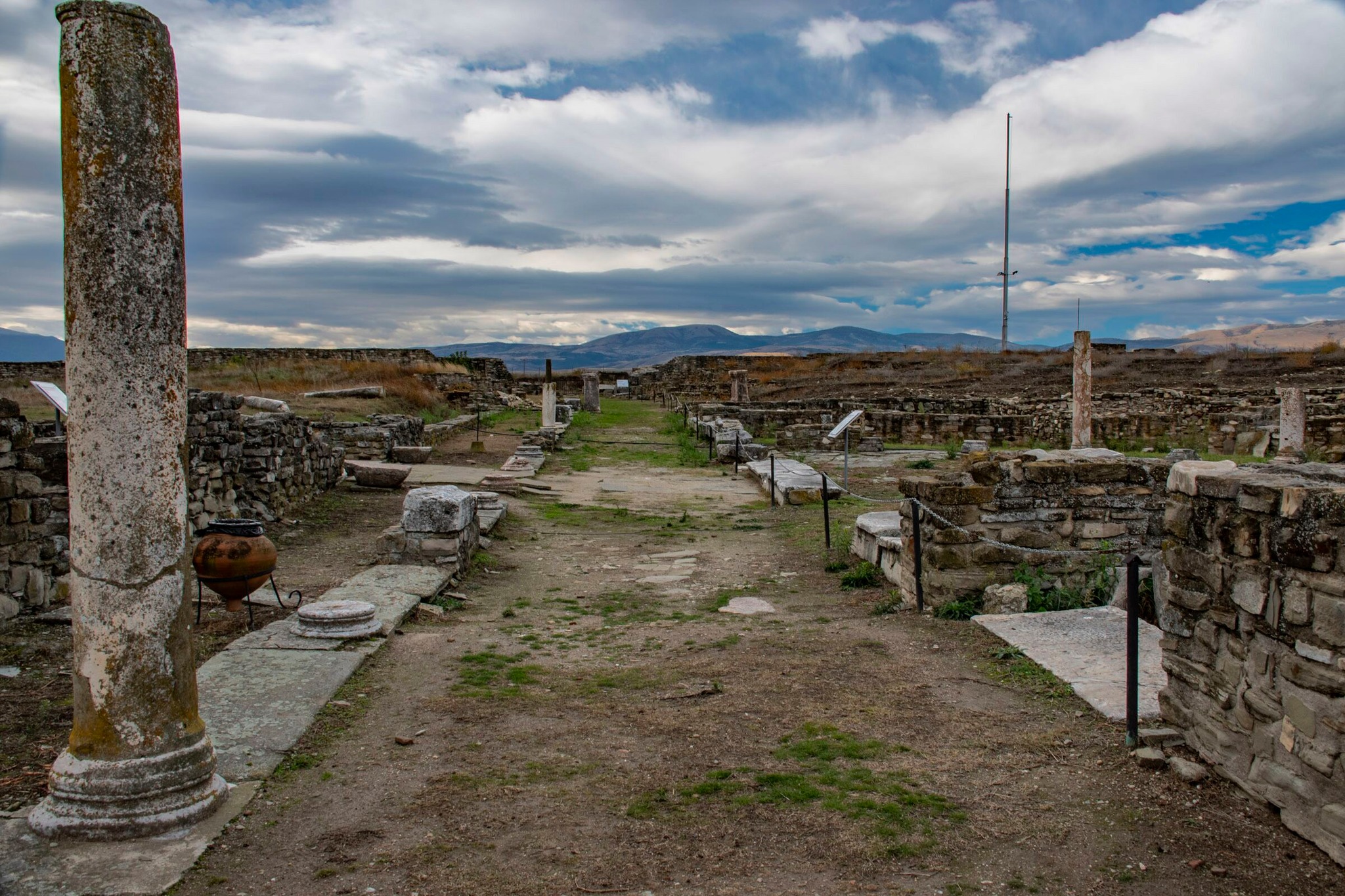
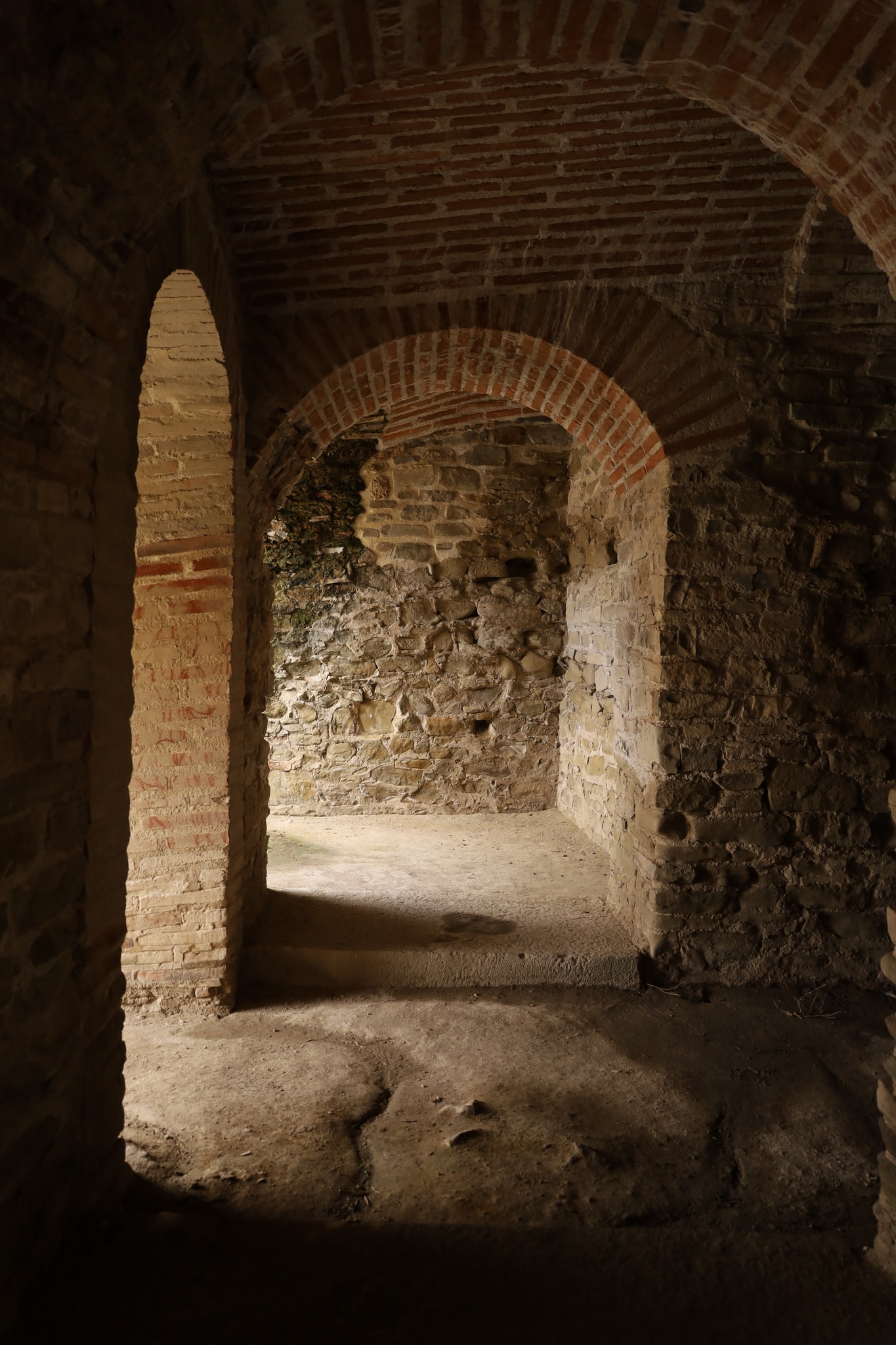
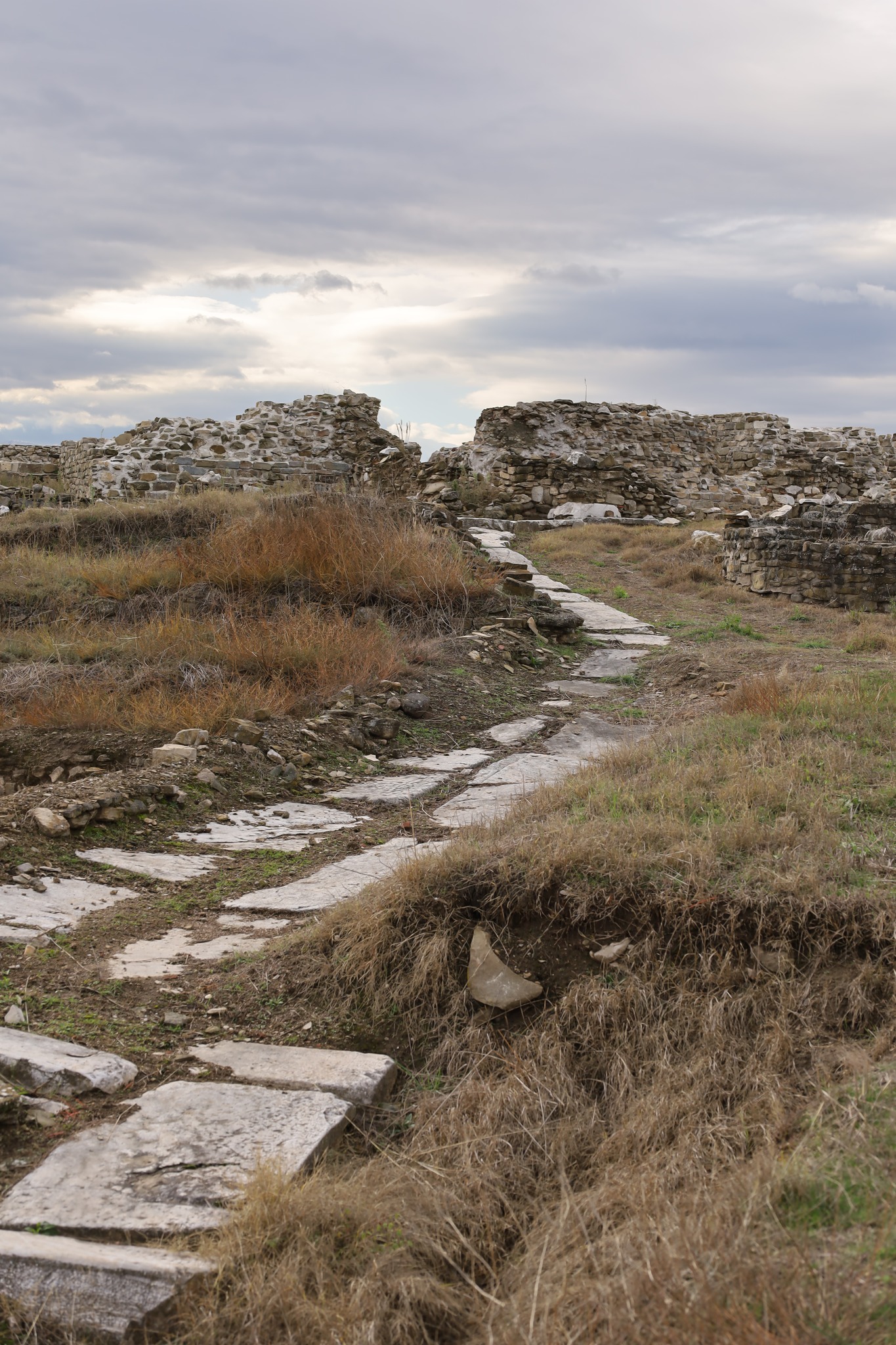
The ancient city of the Paeonians — Stobi in Paeonian means “pillar” — was built at the confluence of the Erigon and Axios rivers. It flourished for several centuries and knew many masters, passing from the Paeonians to the ancient Macedonians, who conquered it under Philip V and turned it into a commercial hub, and later to the Romans and Byzantines.
It was first destroyed by the Ostrogoths and later by a major earthquake, before sinking forever into the oblivion of that great wheel of time.
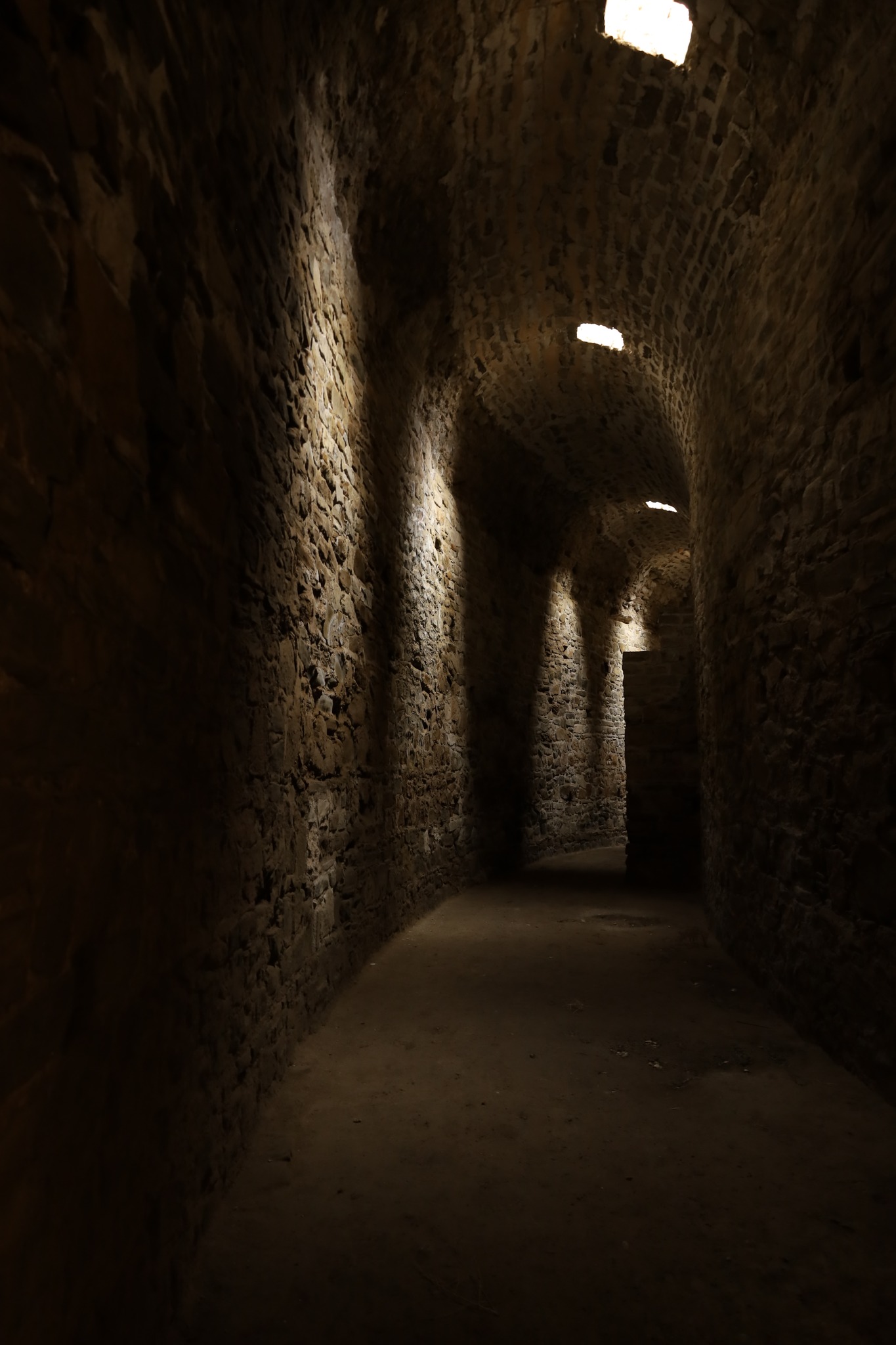
The archaeologist’s spade began its work as far back as 1924, first in the hands of Serbian archaeologists and later Yugoslav and American ones. The work continues to this day, bringing to light a thriving city with early Christian churches, synagogues, aqueducts, and palaces.
Dimosthenis Seitaridis
Dimosthenis Seitaridis
Dimosthenis Seitaridis
Danis Papagiannoulis
Danis Papagiannoulis
Danis Papagiannoulis
Nikos Kakagias
Nikos Kakagias
Nikos Kakagias
Harrys Pourouzidis
Harrys Pourouzidis
Harrys Pourouzidis
George Tzimagiorgis
George Tzimagiorgis
George Tzimagiorgis
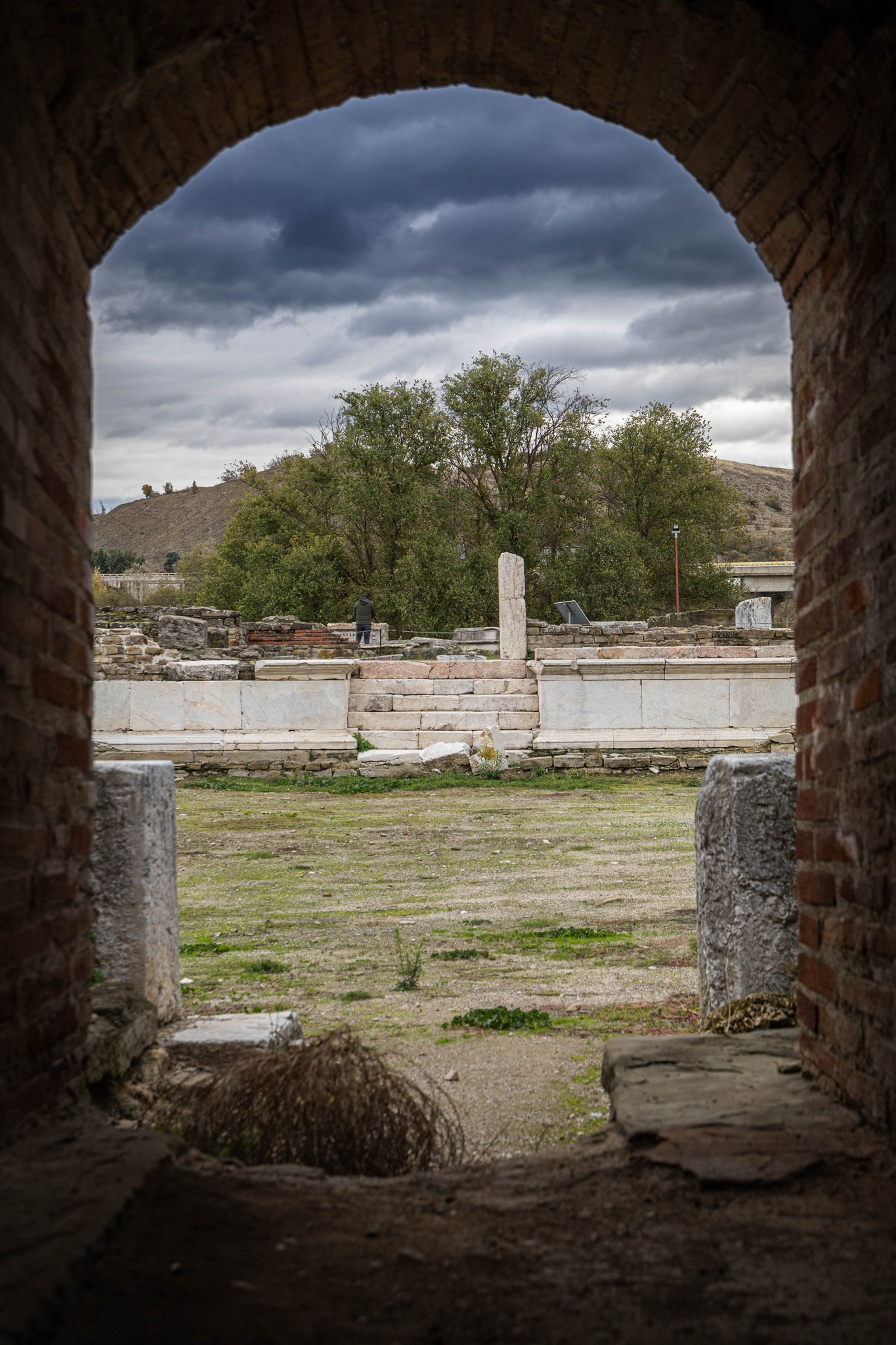
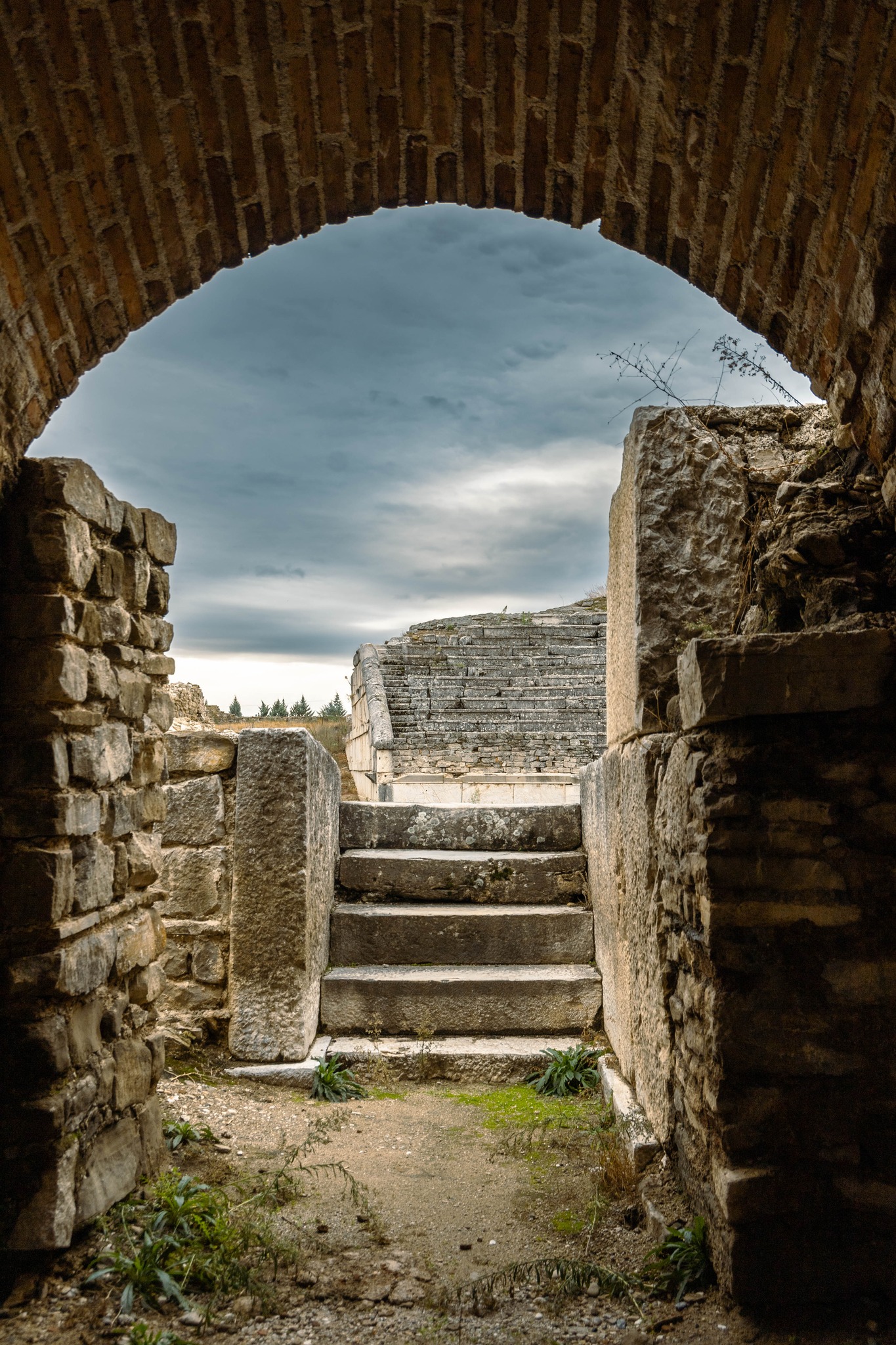
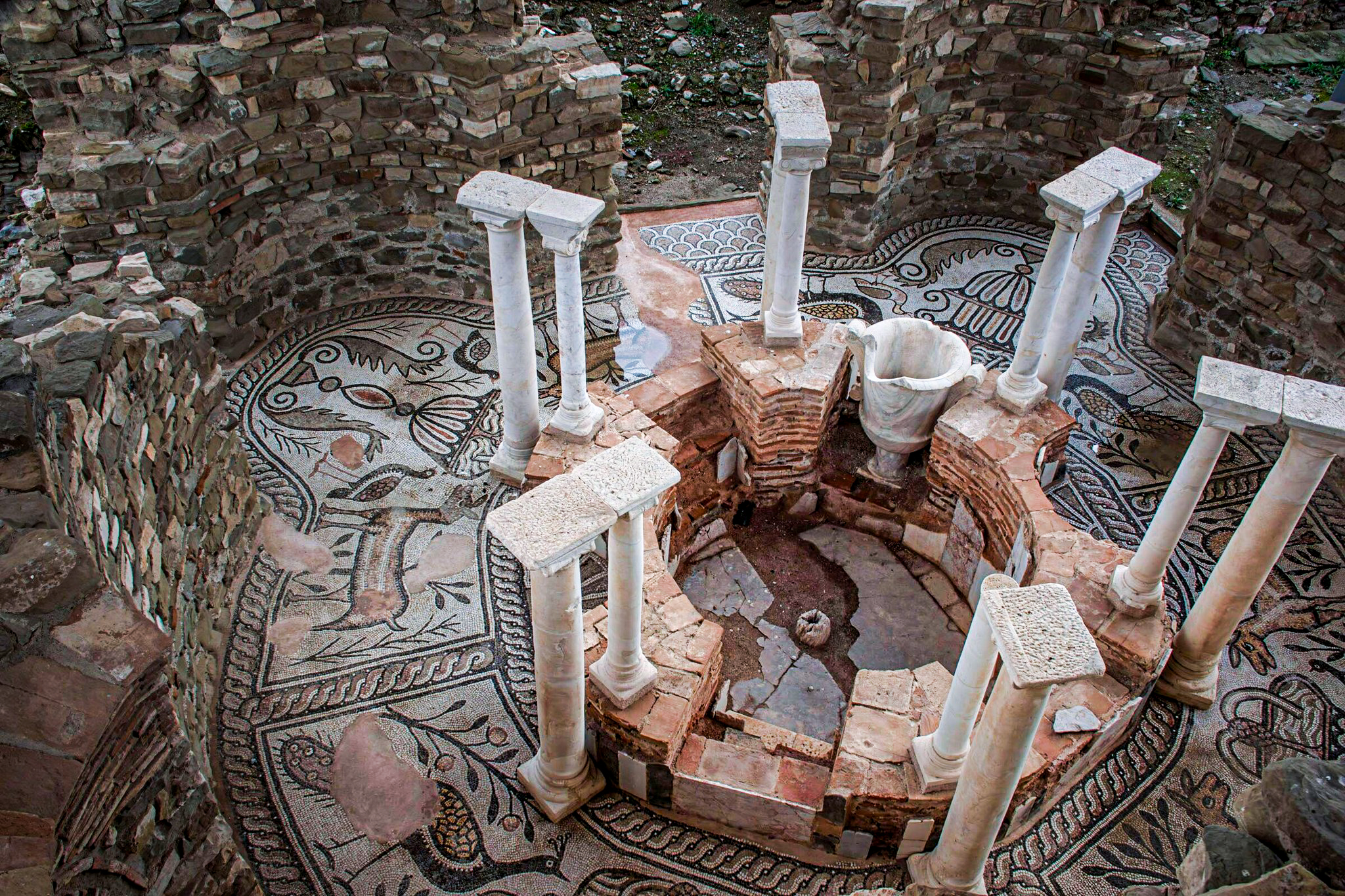
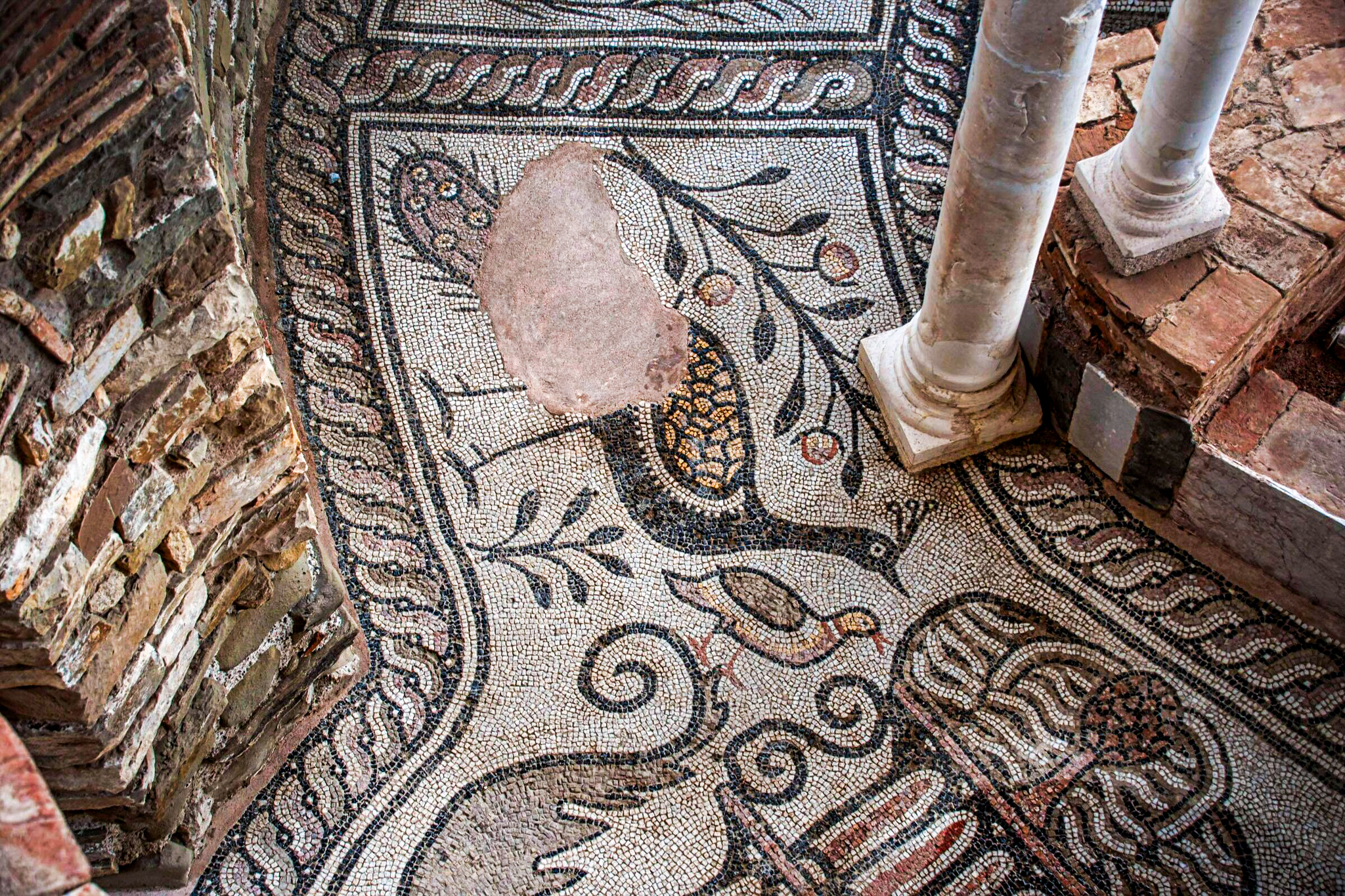
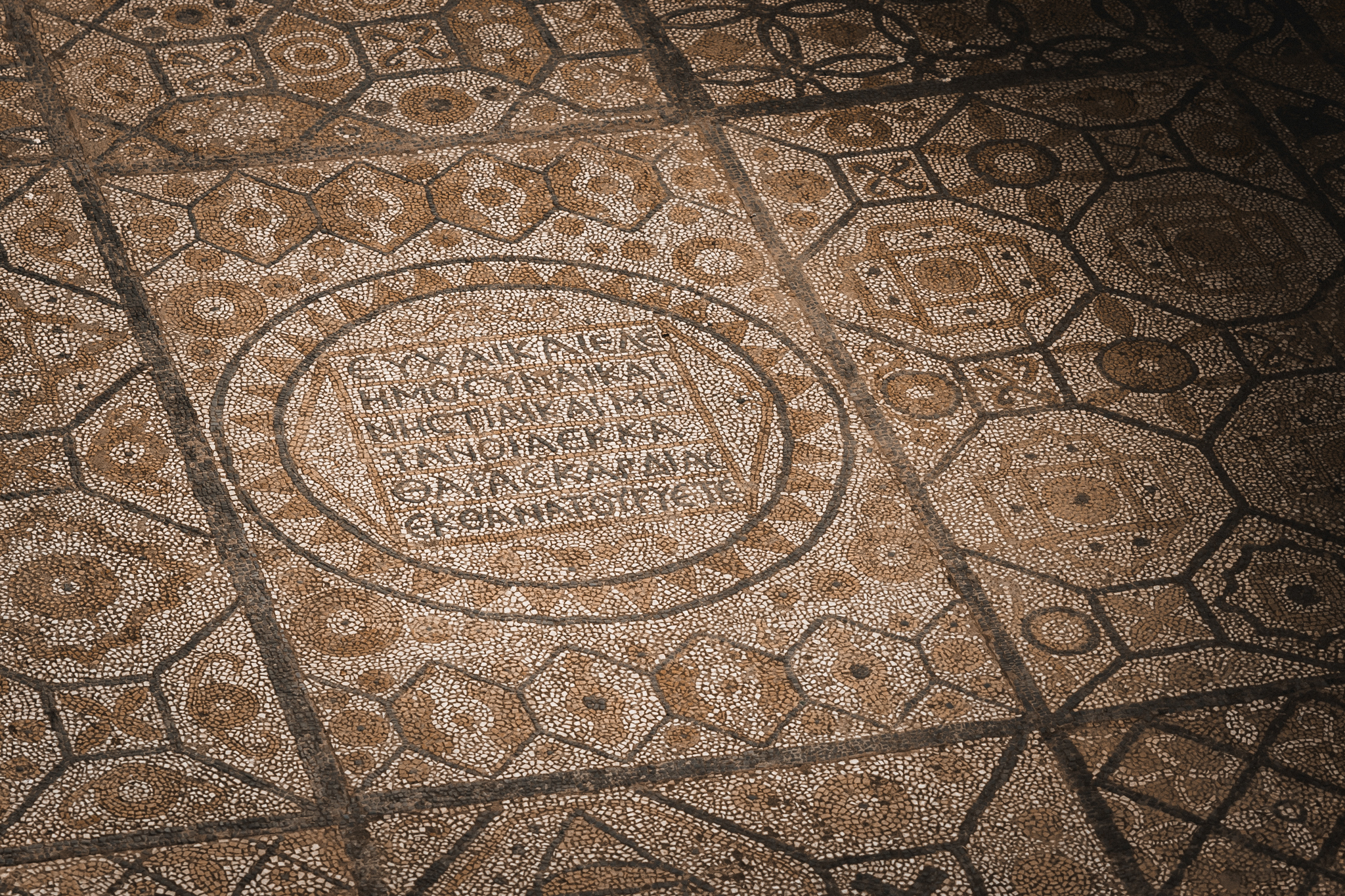
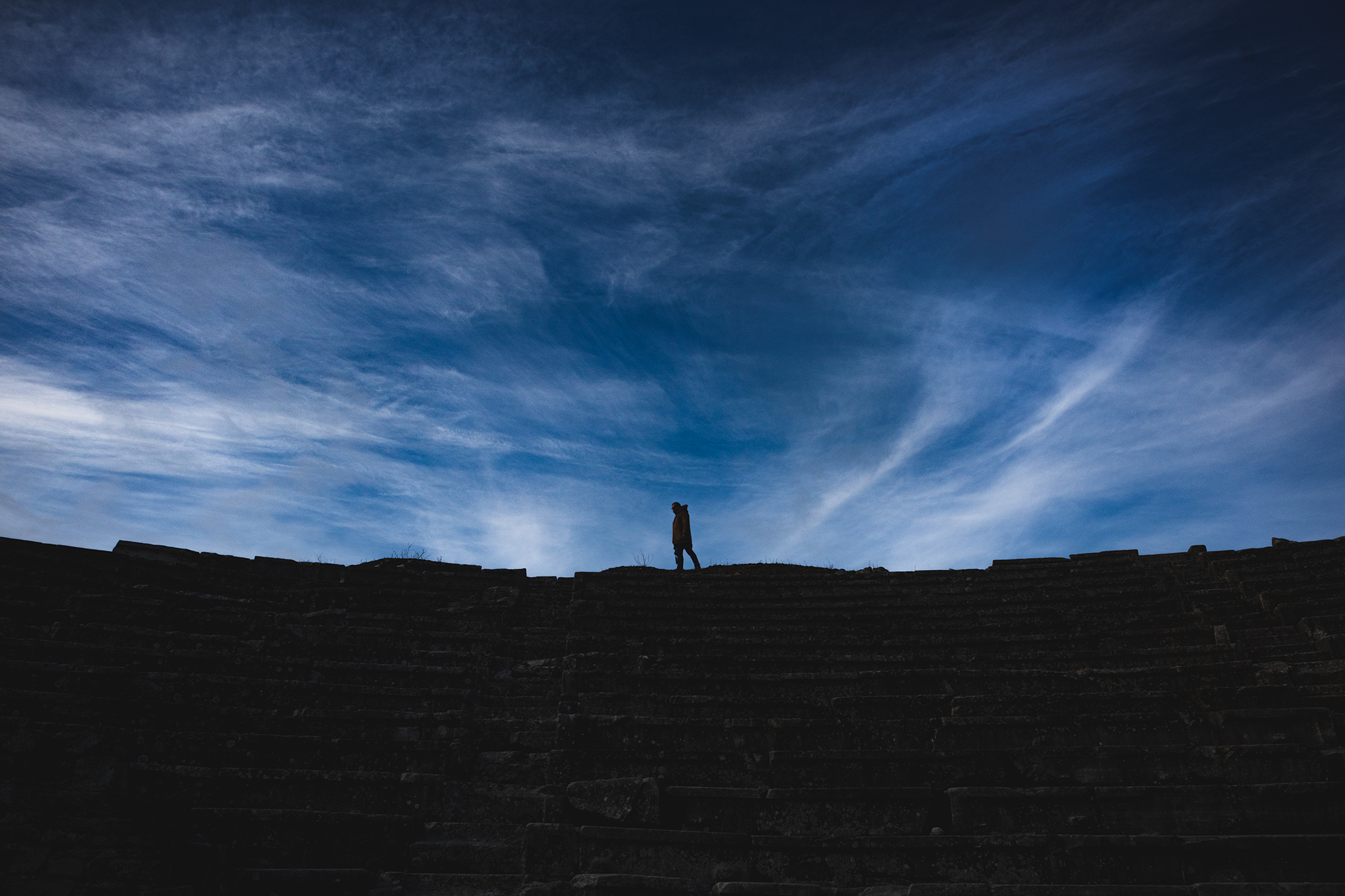
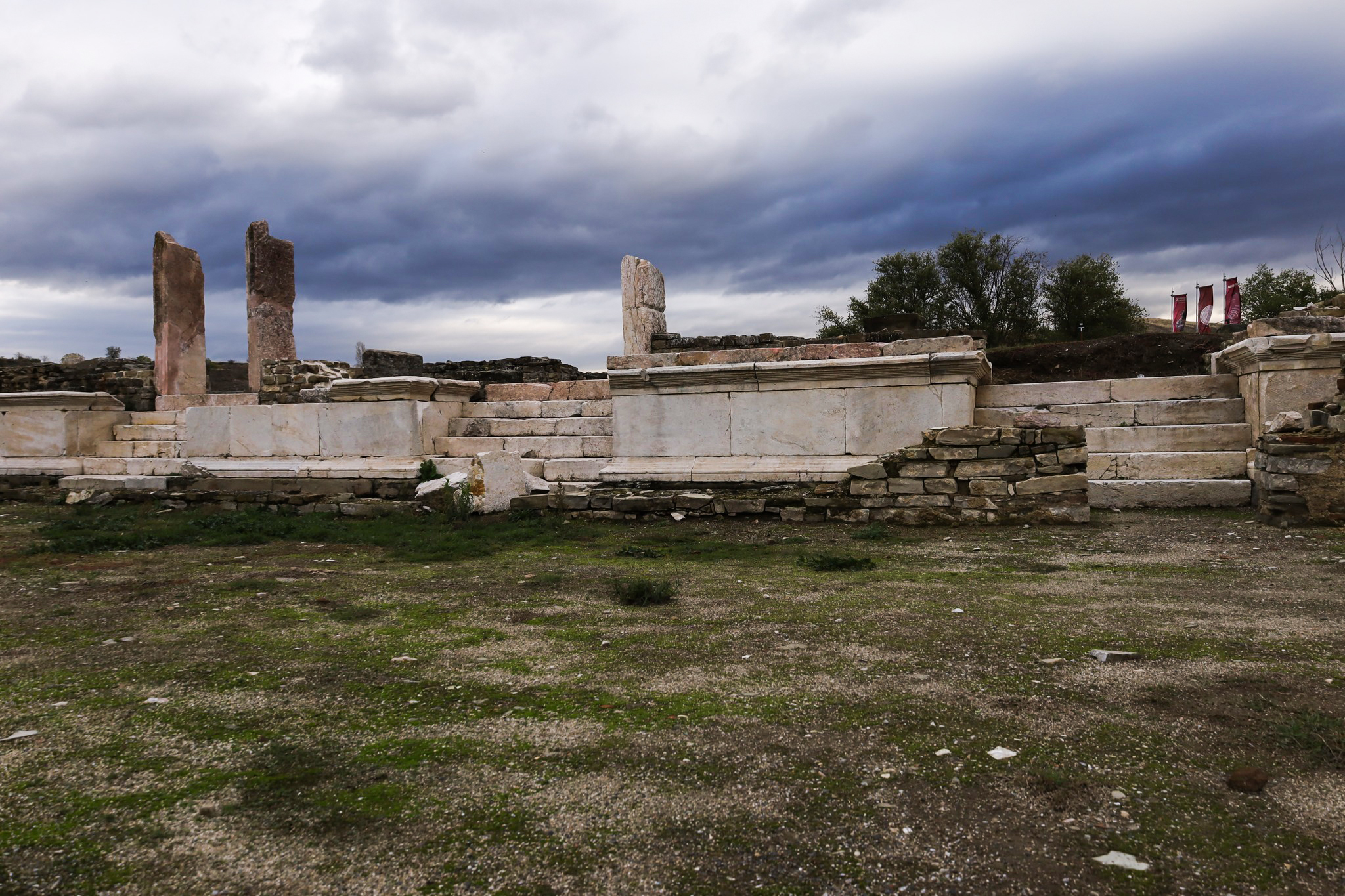
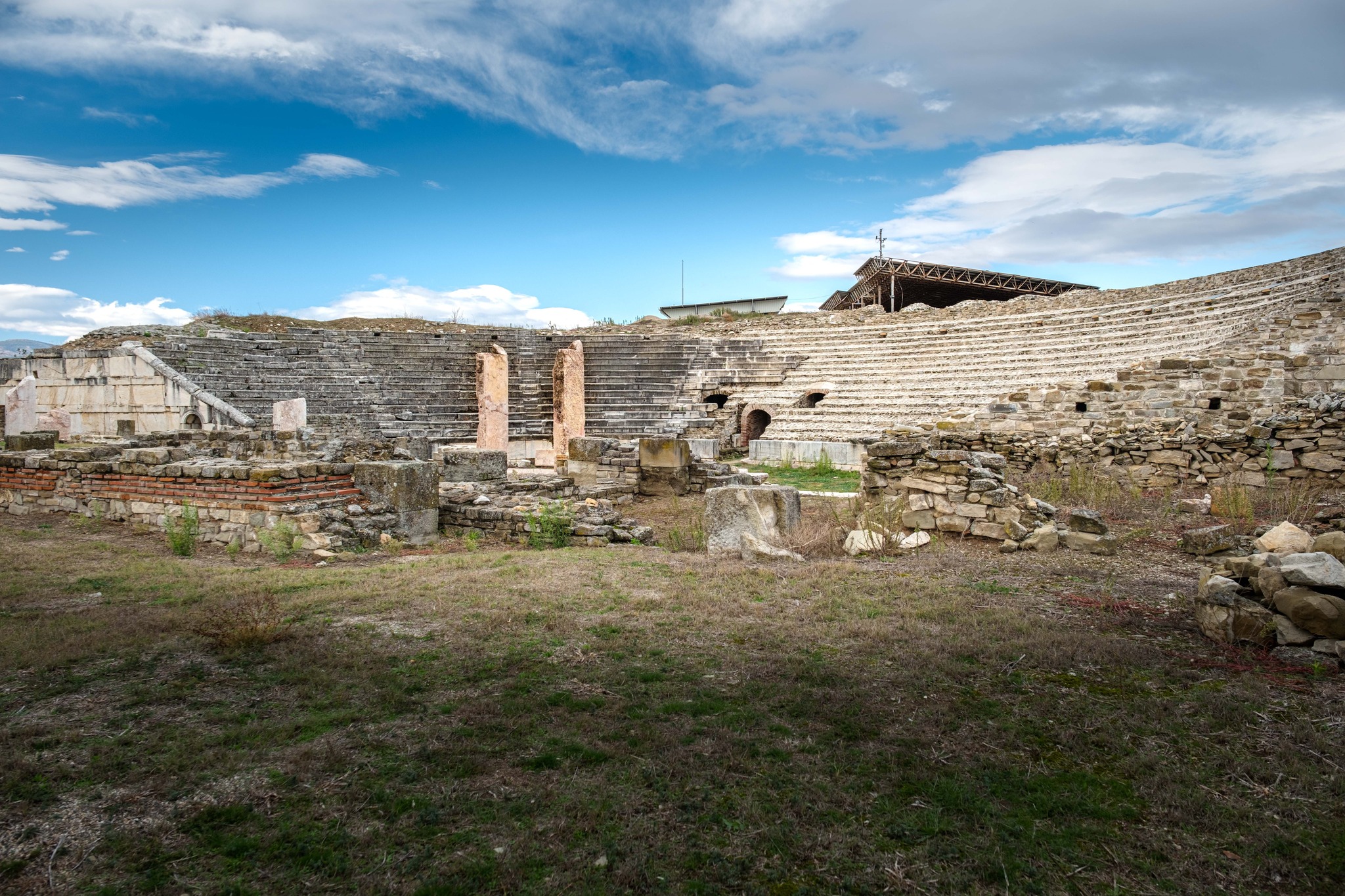
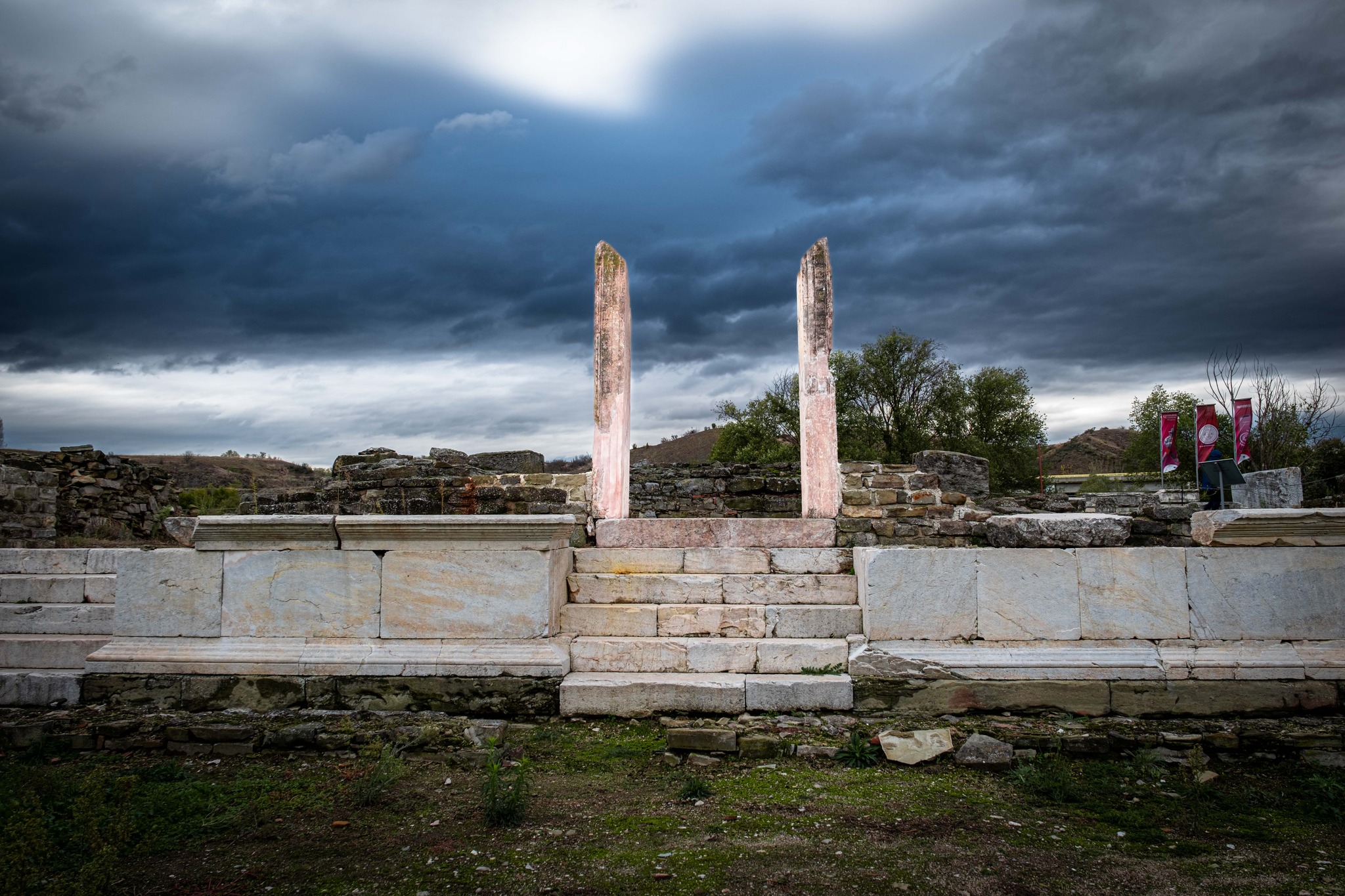
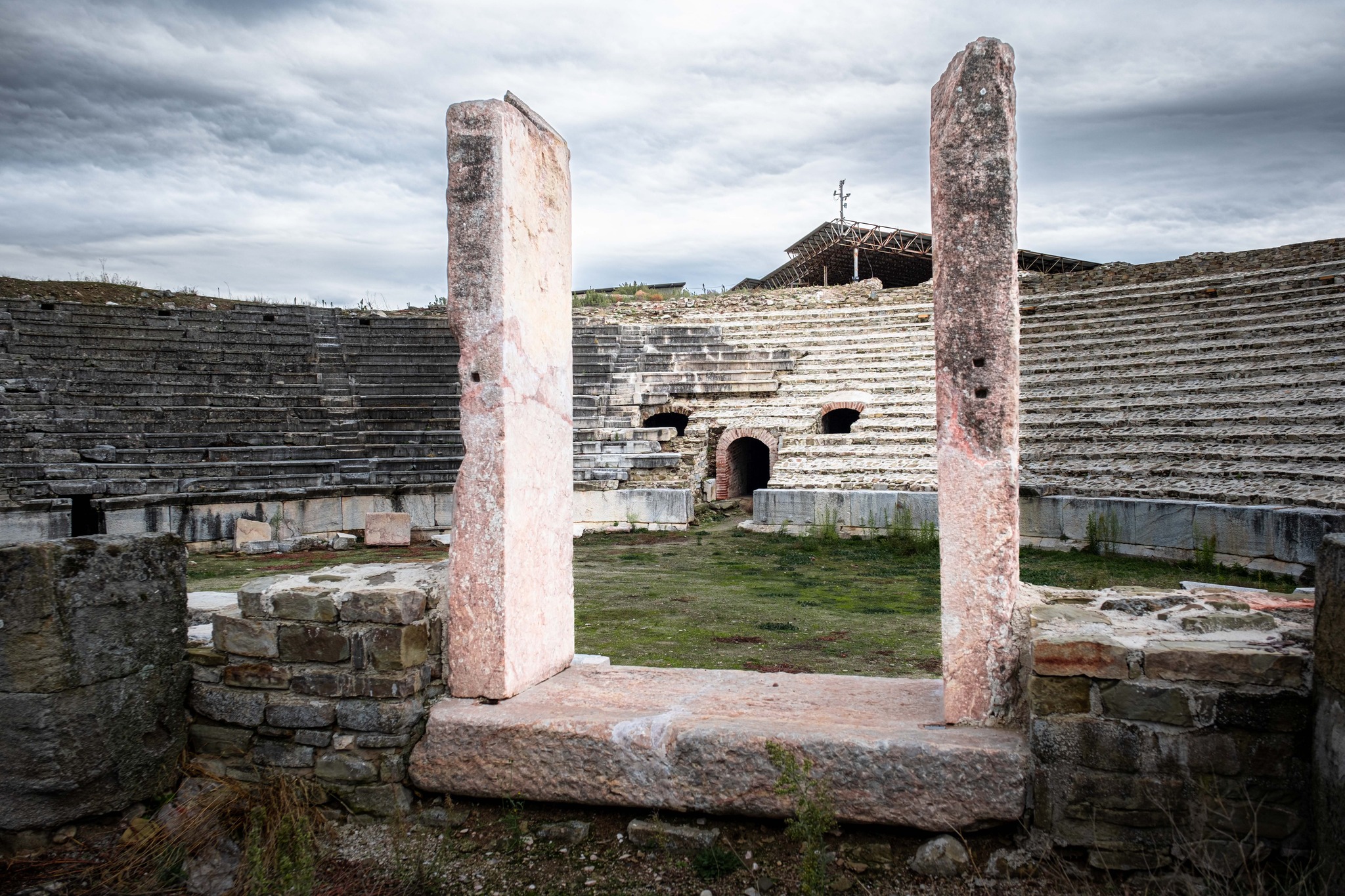
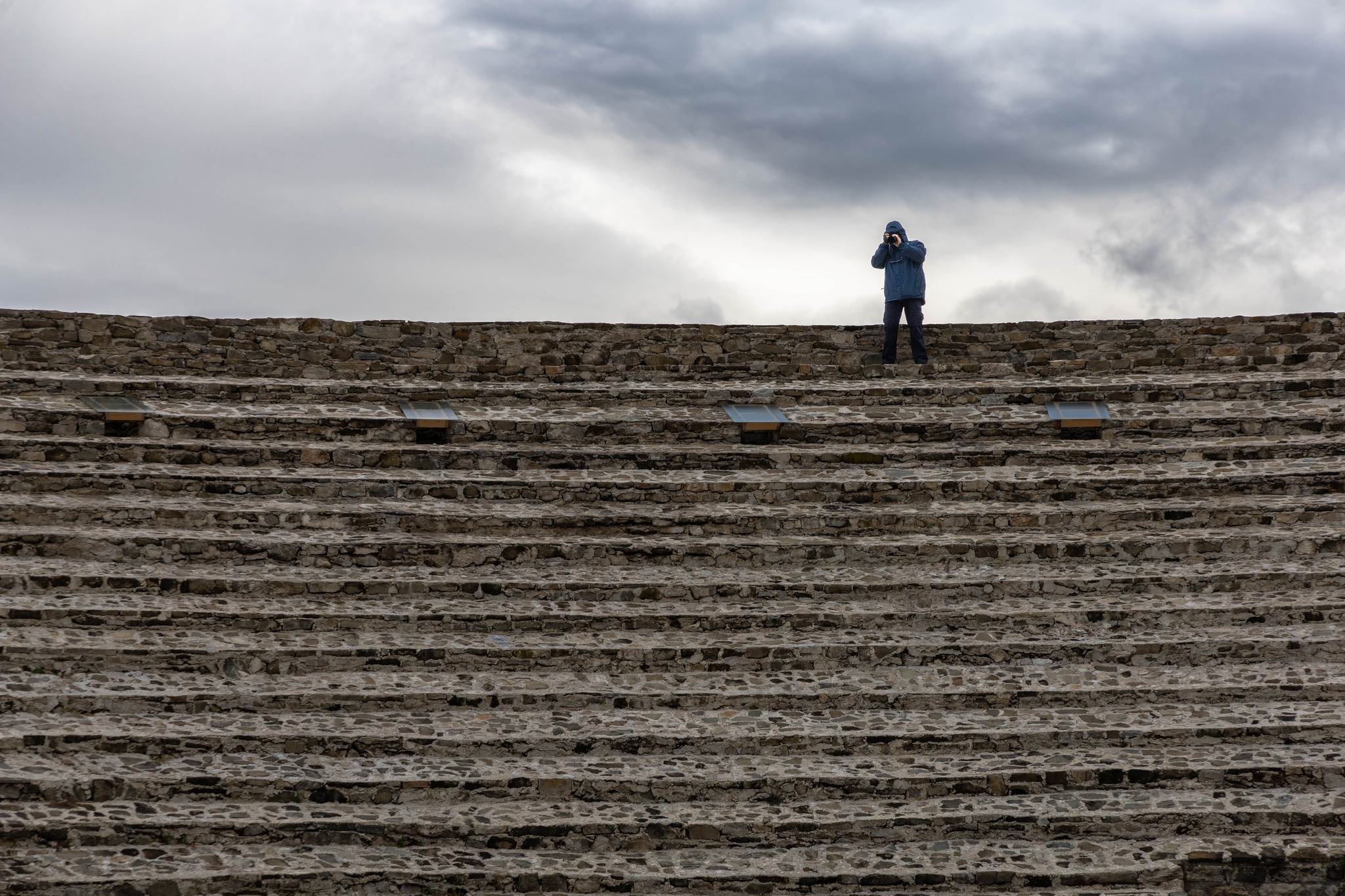
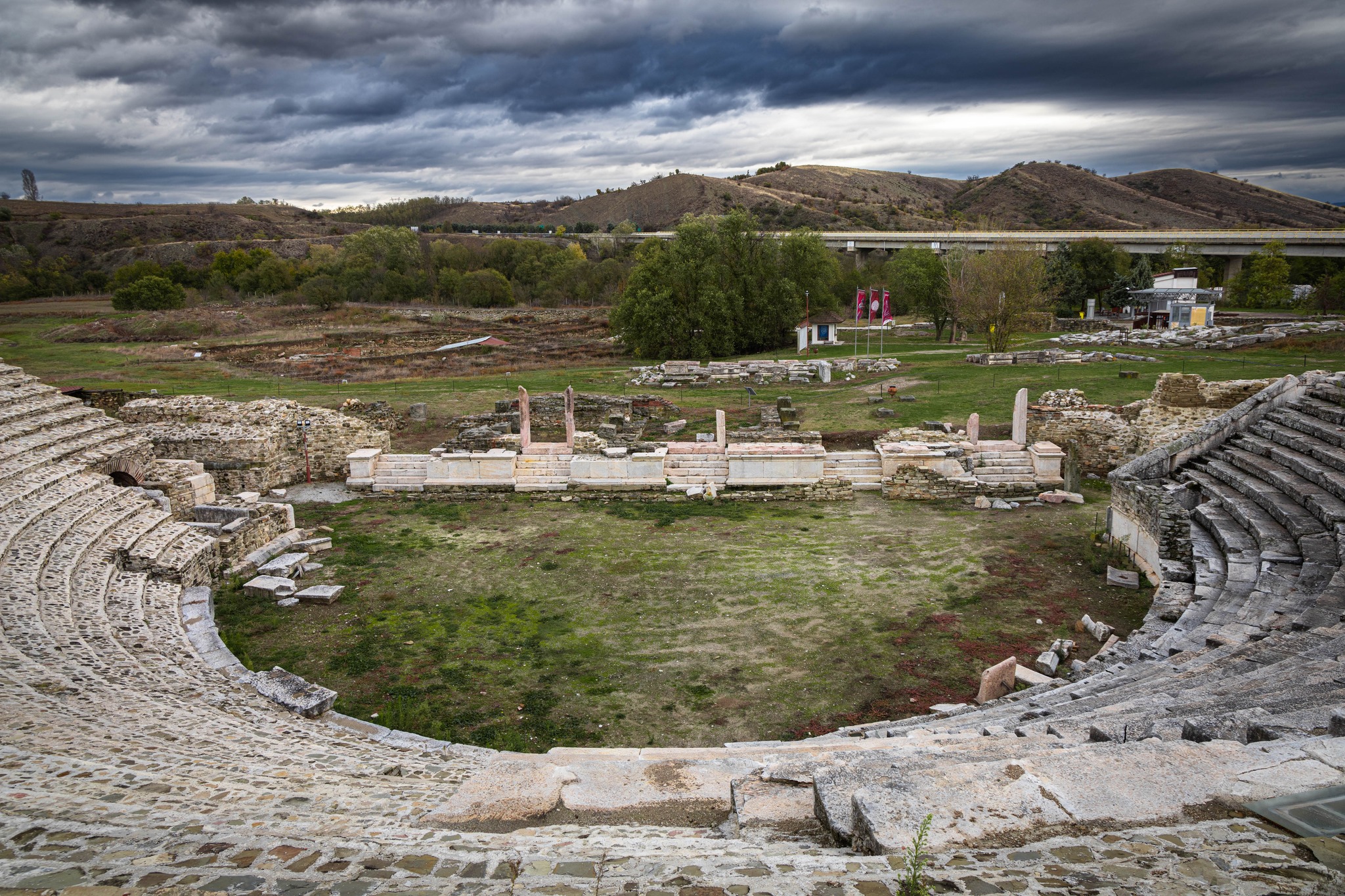
Today, the archaeological site is well signposted and orderly, bearing witness to the professionalism of the local archaeological service to a degree that comes as a pleasant surprise. We, of course familiar with the place, moved first towards the Roman theatre, which is wonderfully preserved and quite rightly monopolised our photographic interest. Next came the great basilica and the well-preserved baptism structure with its magnificent mosaics.
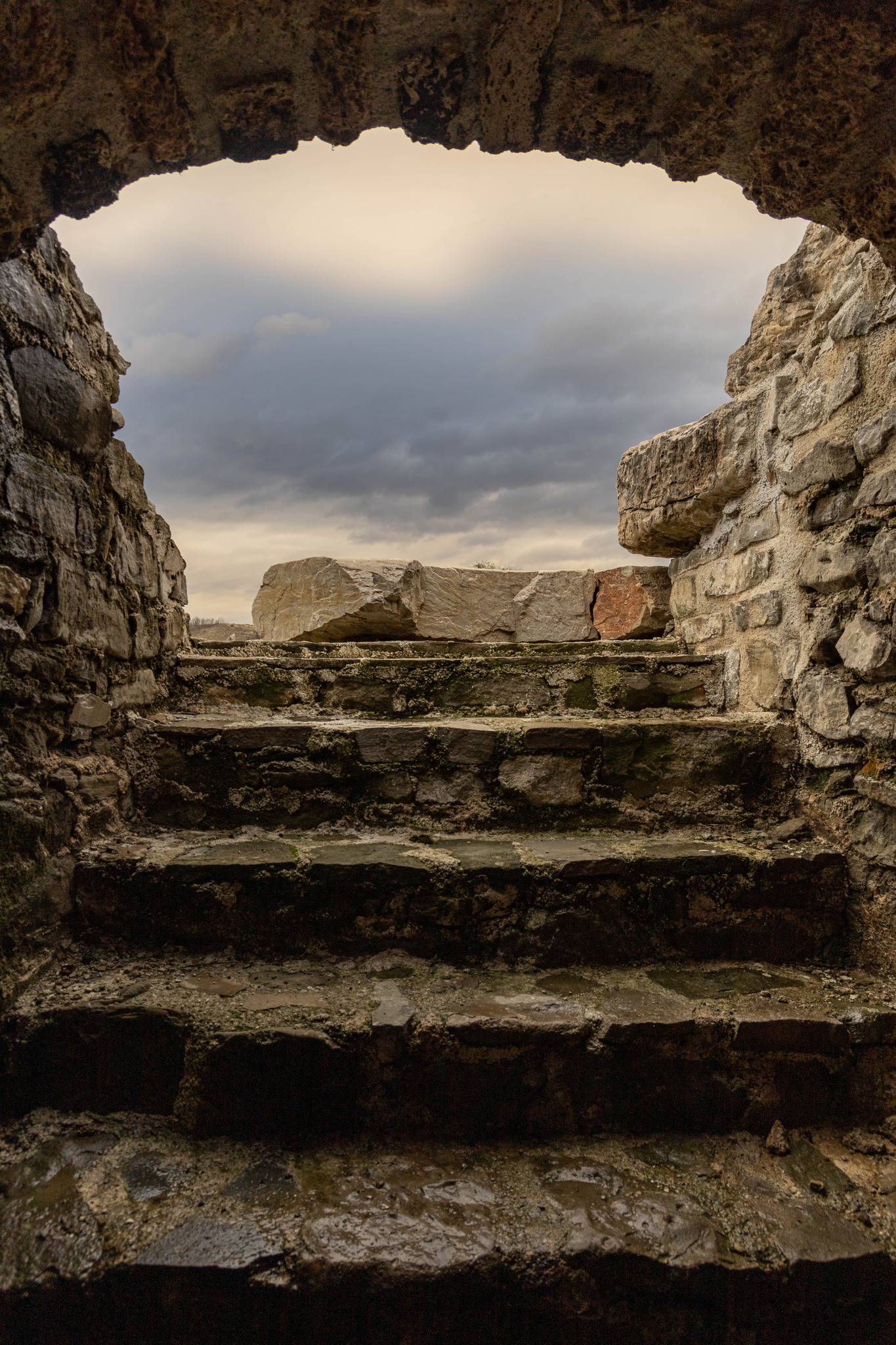
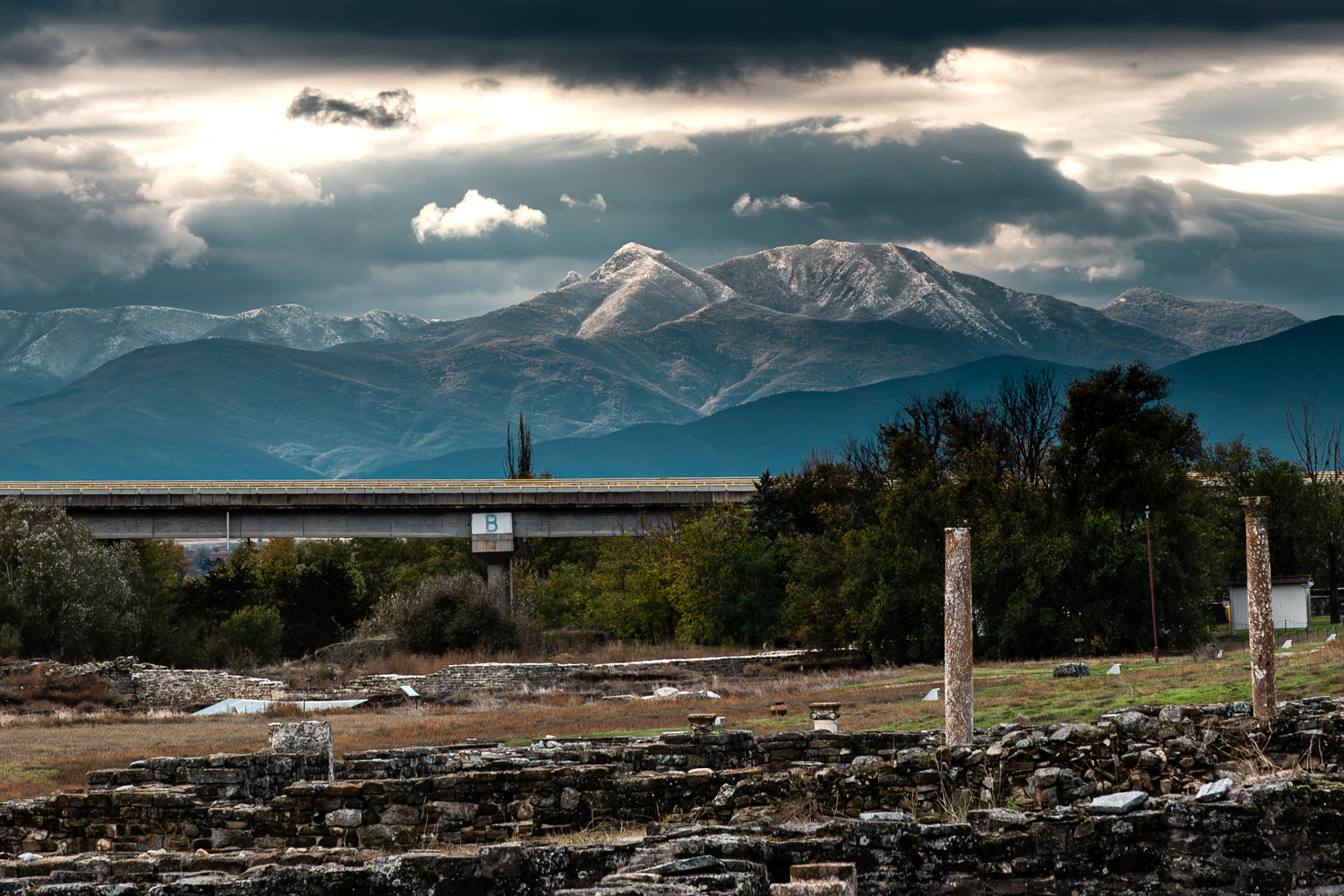
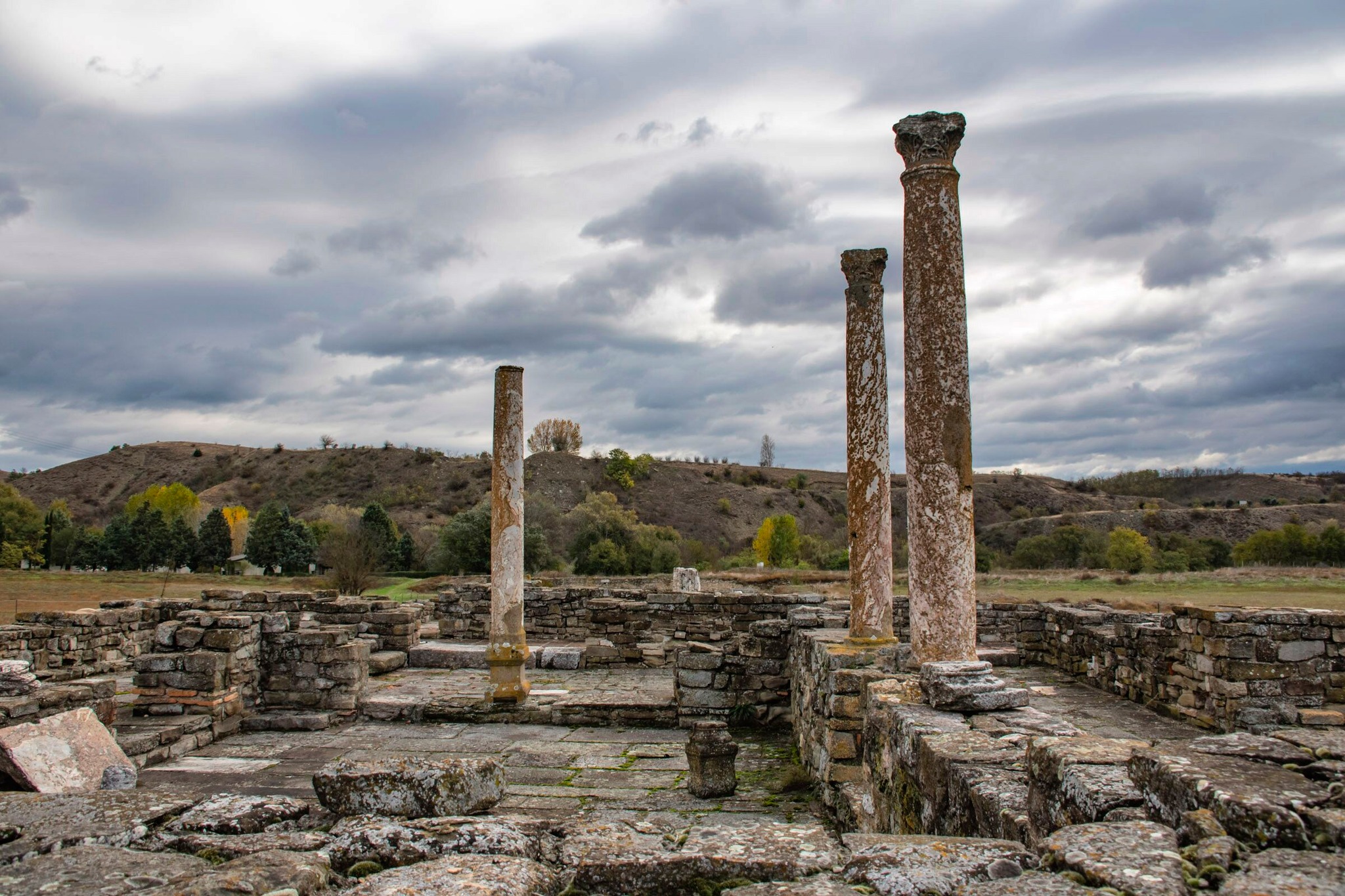
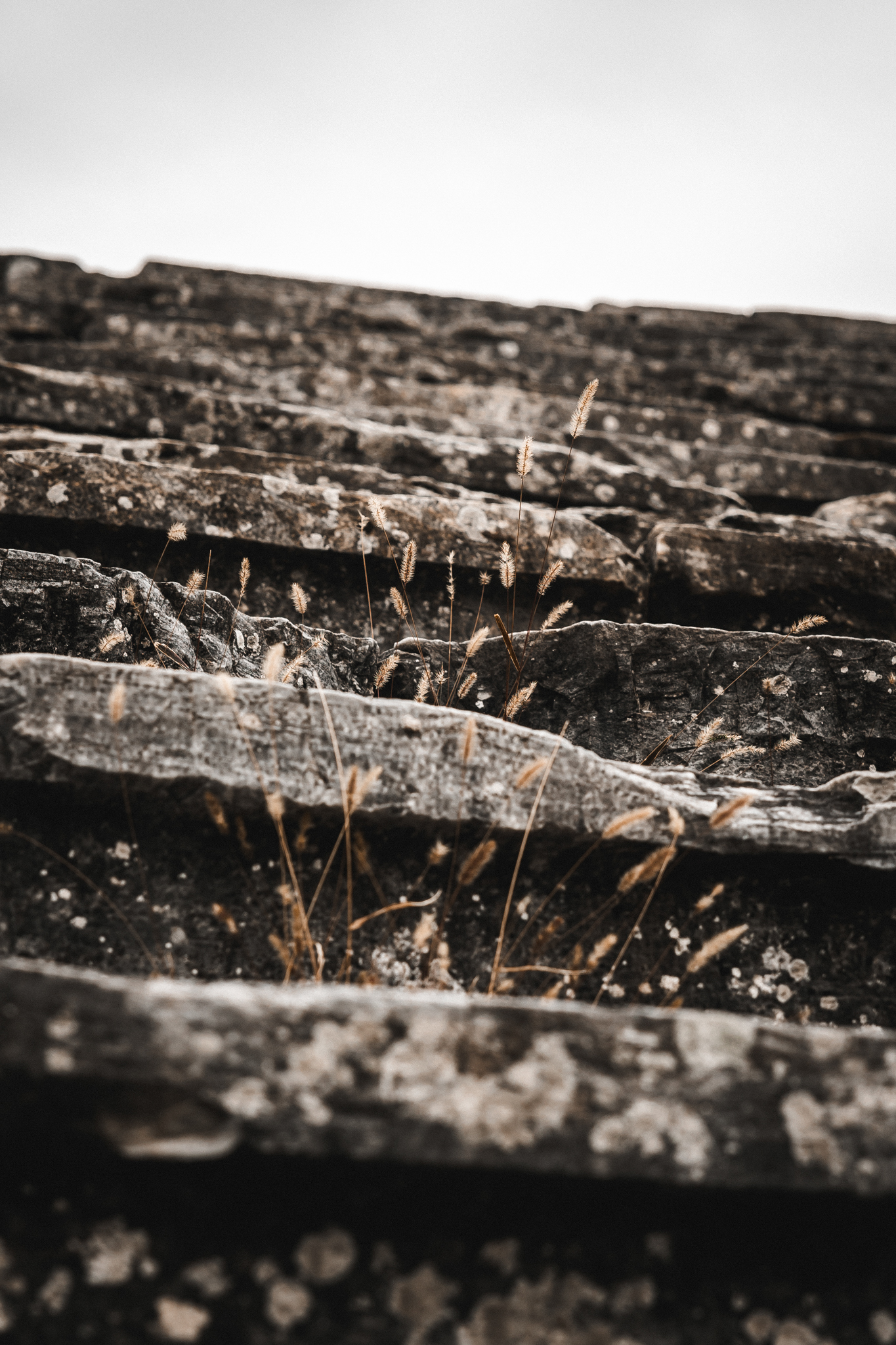
The city’s west–east layout allows the visitor to properly appreciate the architectural structure of the ancient settlement and to be carried mentally into its atmosphere, wandering through courtyards and temple atria, admiring floors and stairways, and capturing columns against a threatening backdrop of low clouds on the horizon, while the wind lashed our faces.
Truth be told, we missed having a detailed archaeological tour that would have unfolded before our eyes the entire ancient canvas on which the city’s history was embroidered. Perhaps that will happen in the future.
The sting in our eyes and our frozen fingers on the camera shutters set our limits. And so, bidding farewell to the ancient city, we moved even farther north, searching for the heart of the Vardar.
Nikos Kakagias
Nikos Kakagias
Nikos Kakagias
Danis Papagiannoulis
Danis Papagiannoulis
Danis Papagiannoulis
George Tzimagiorgis
George Tzimagiorgis
George Tzimagiorgis
Dimosthenis Seitaridis
Dimosthenis Seitaridis
Dimosthenis Seitaridis
Harrys Pourouzidis
Harrys Pourouzidis
Harrys Pourouzidis
- Skopje -
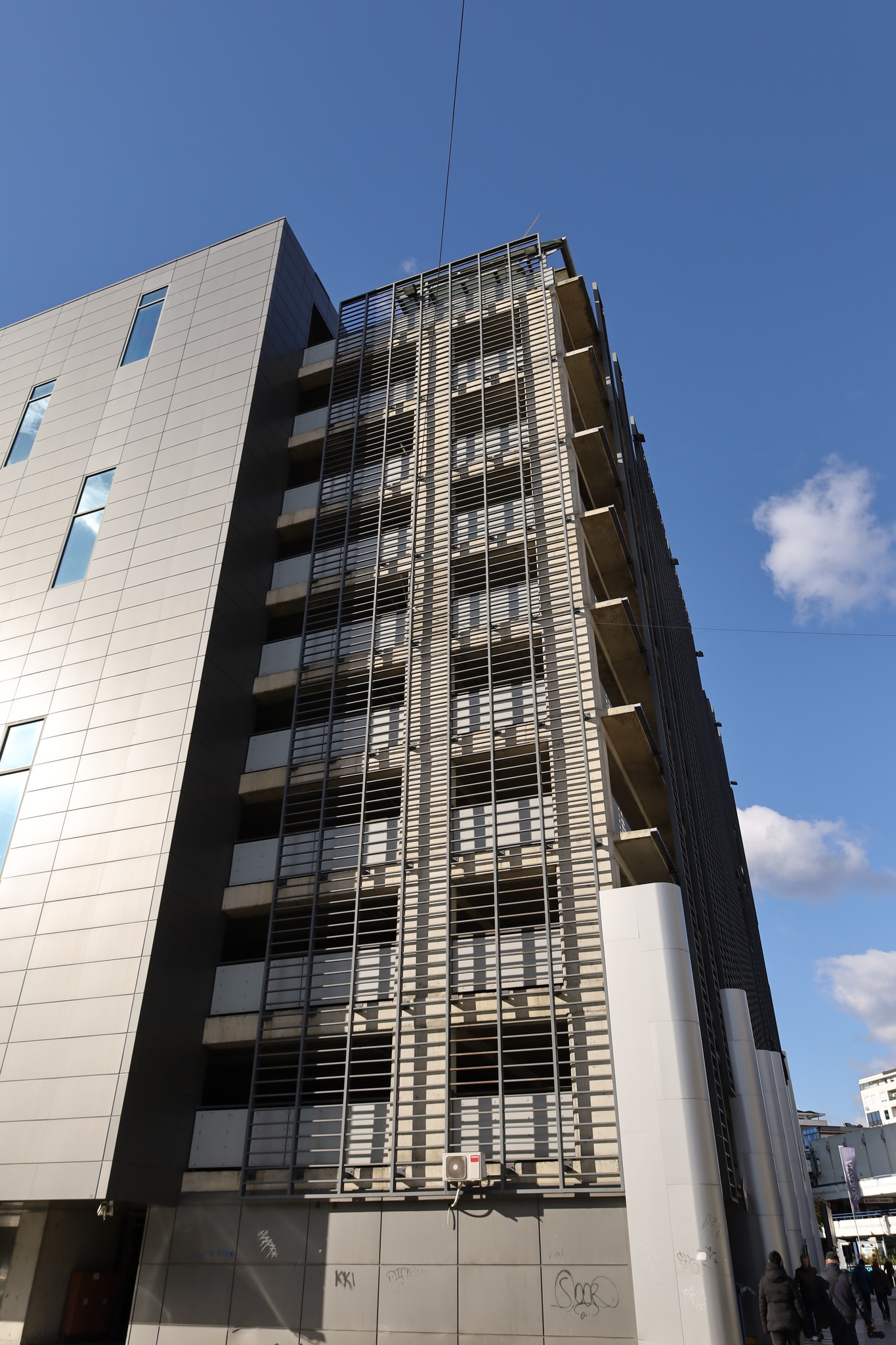
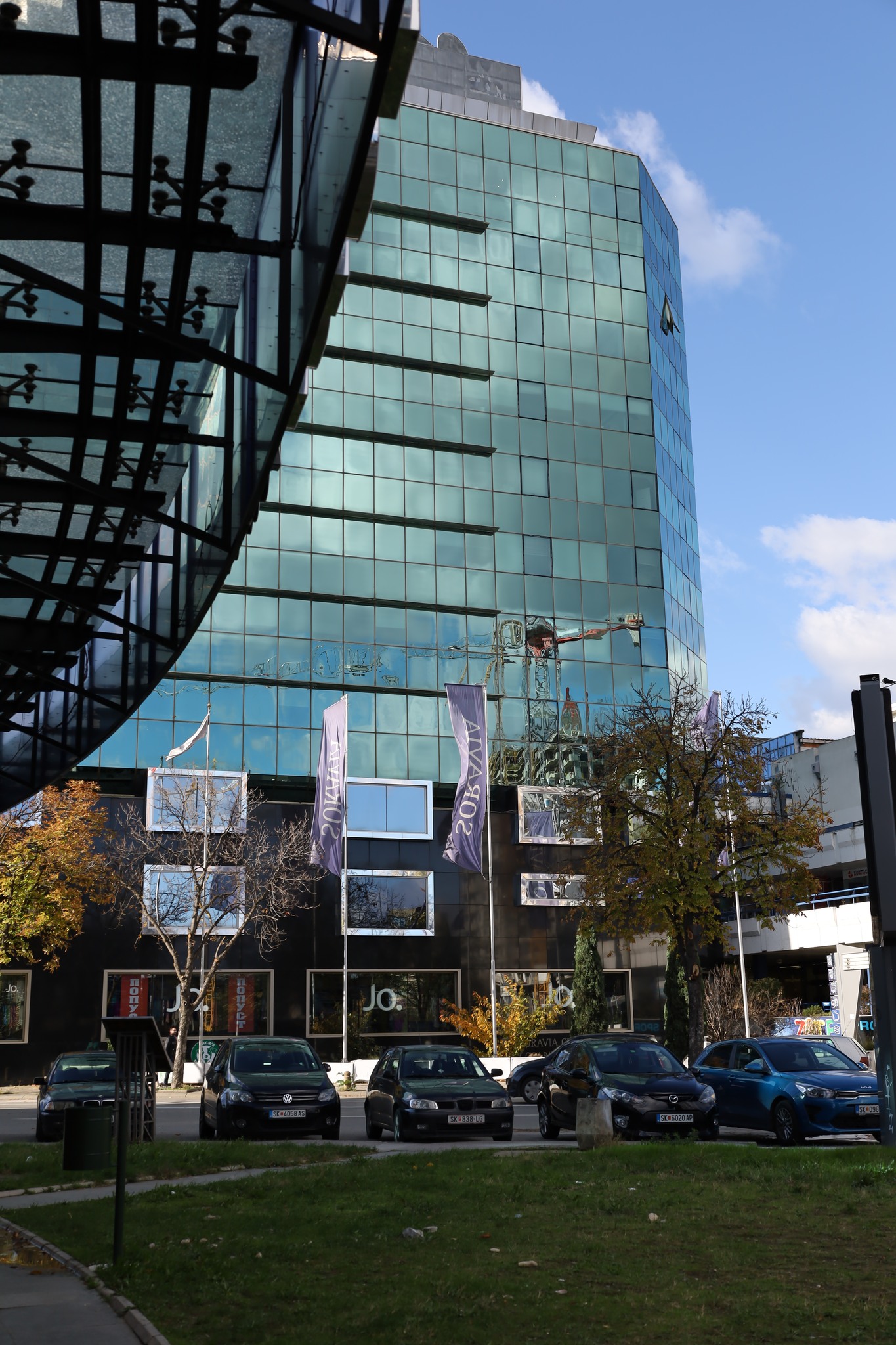
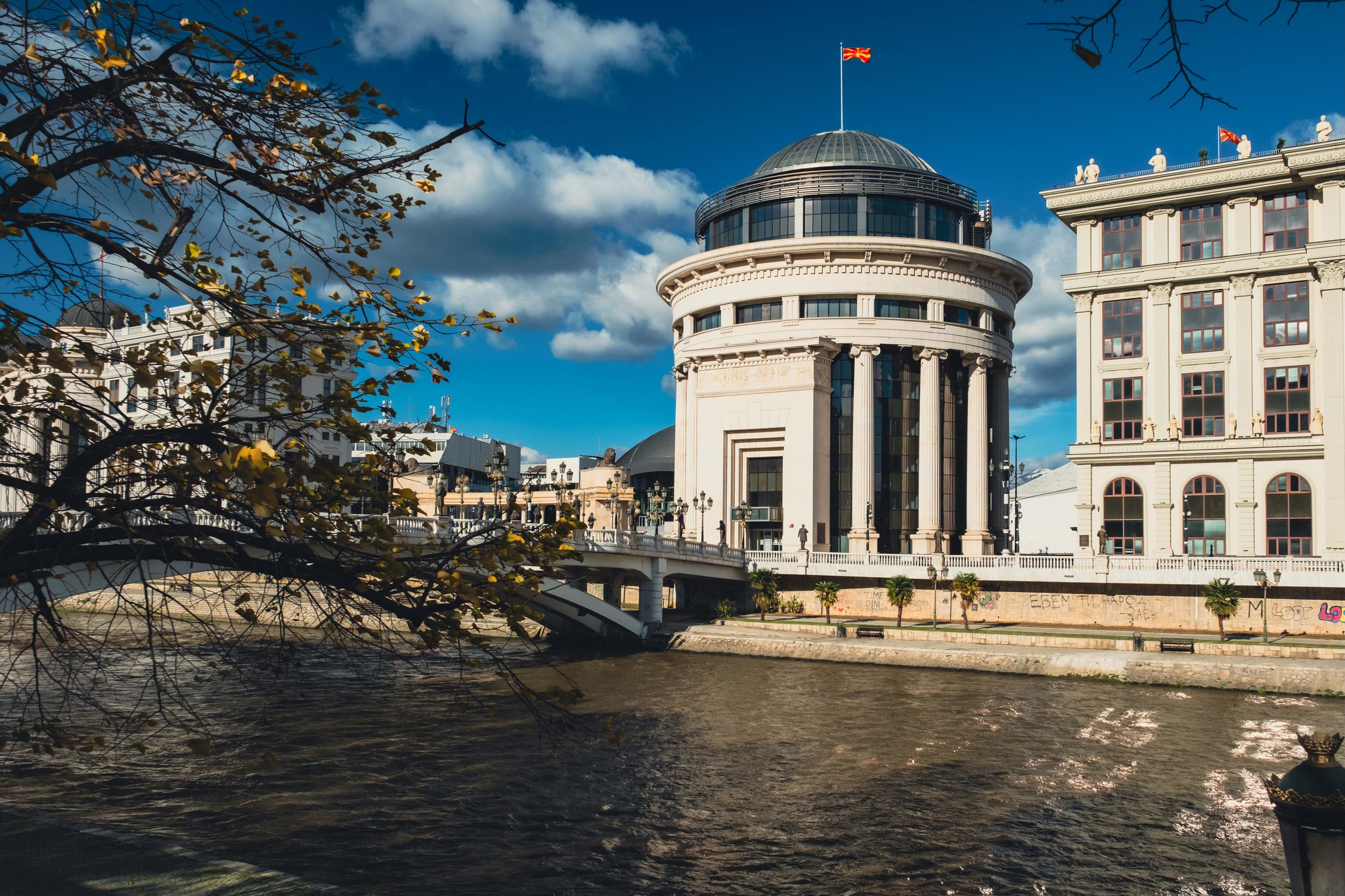
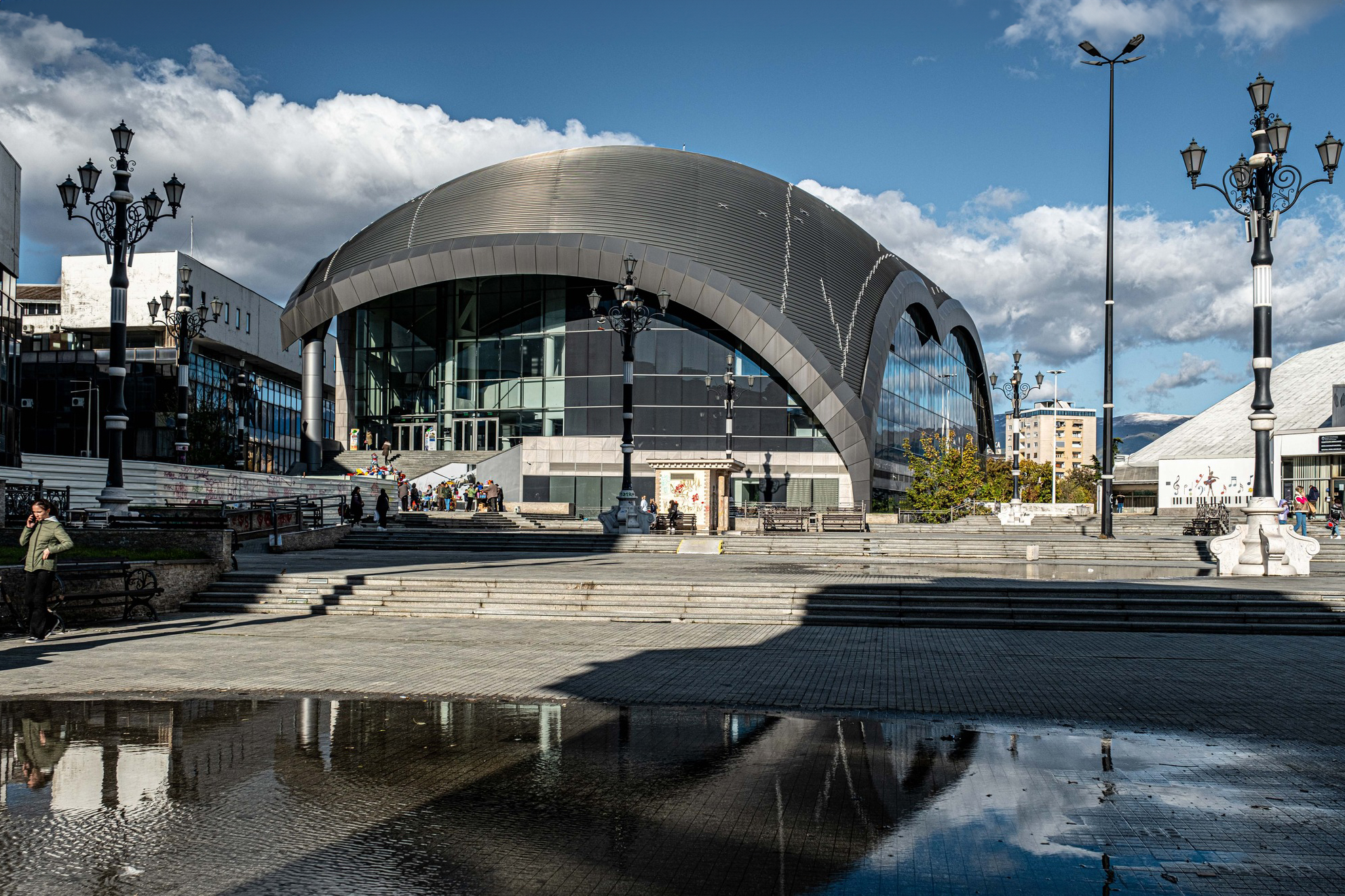
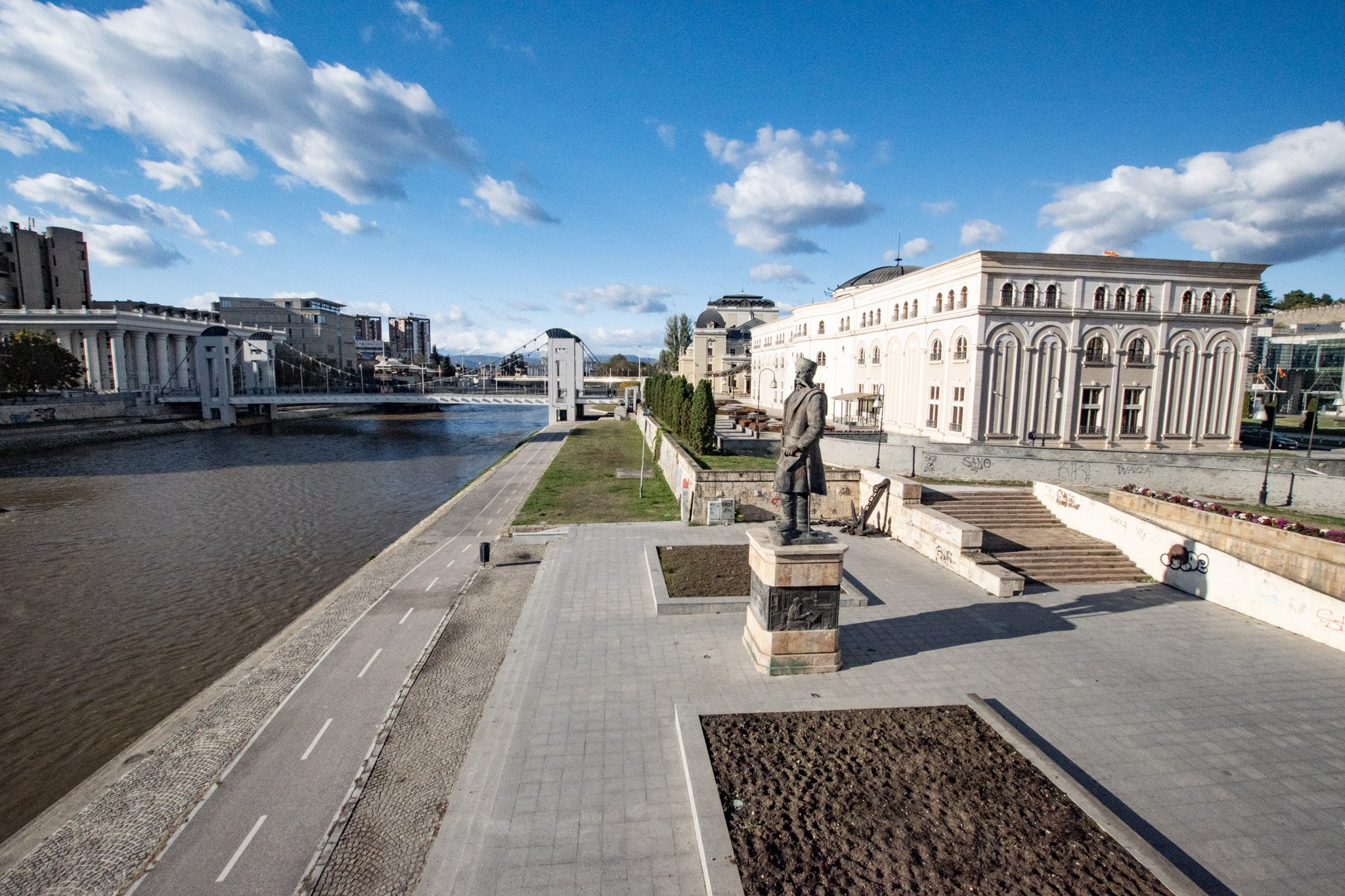
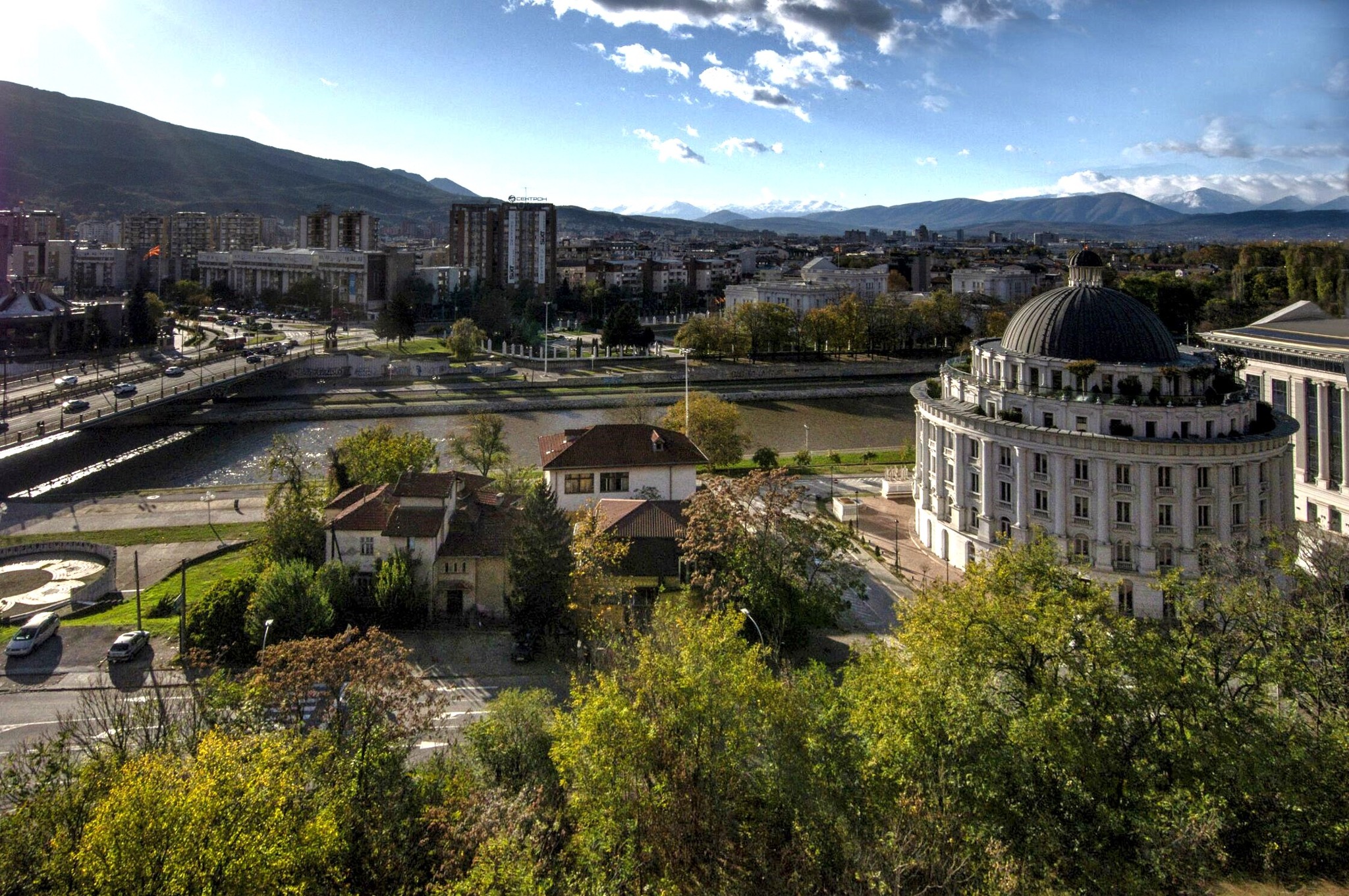
Skopje, built on both banks of the Axios in an east–west direction, numbers around 500,000 souls, of whom roughly 66 per cent are Slavic Macedonians, with the rest made up of Albanians and Roma.
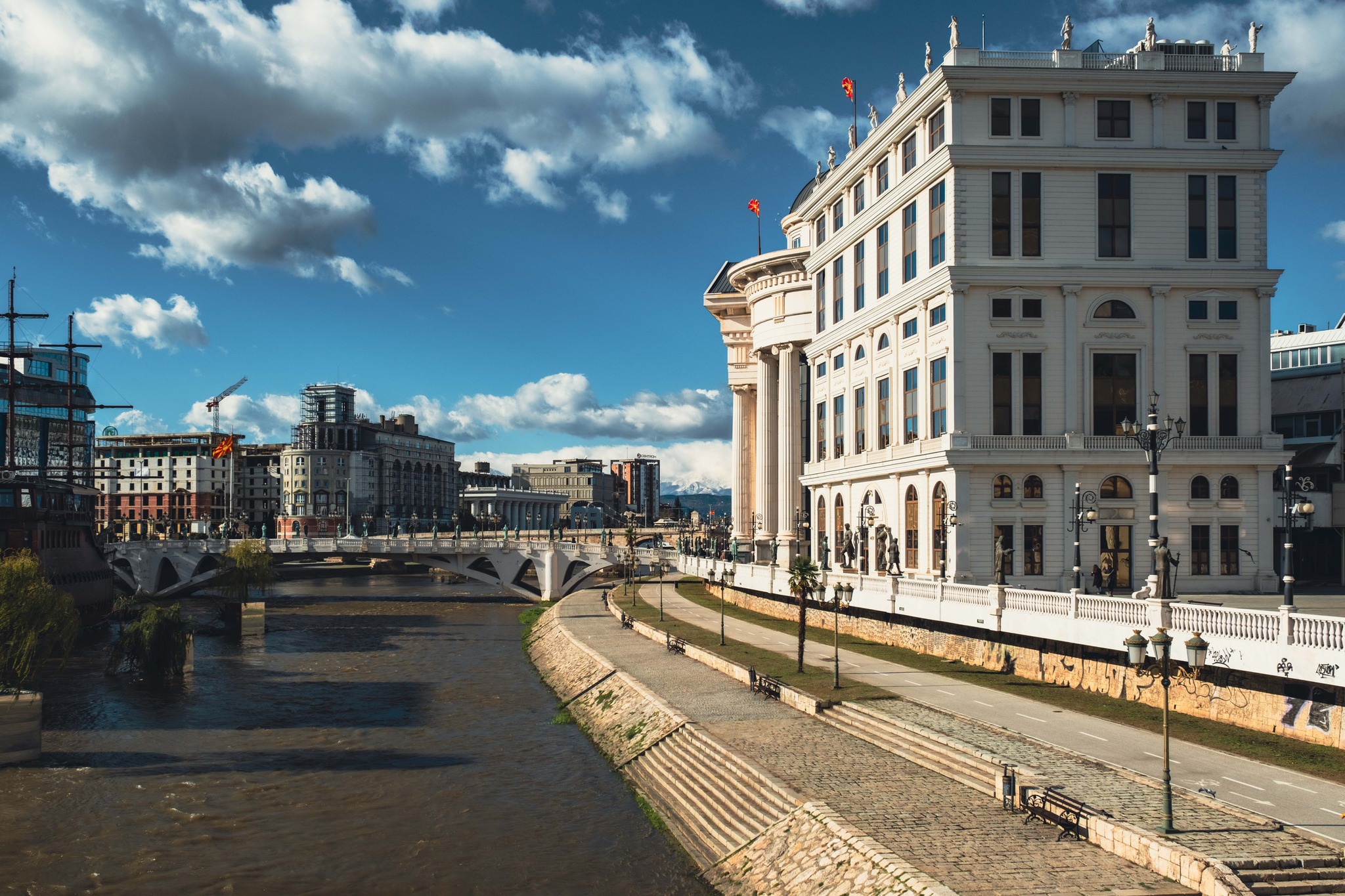
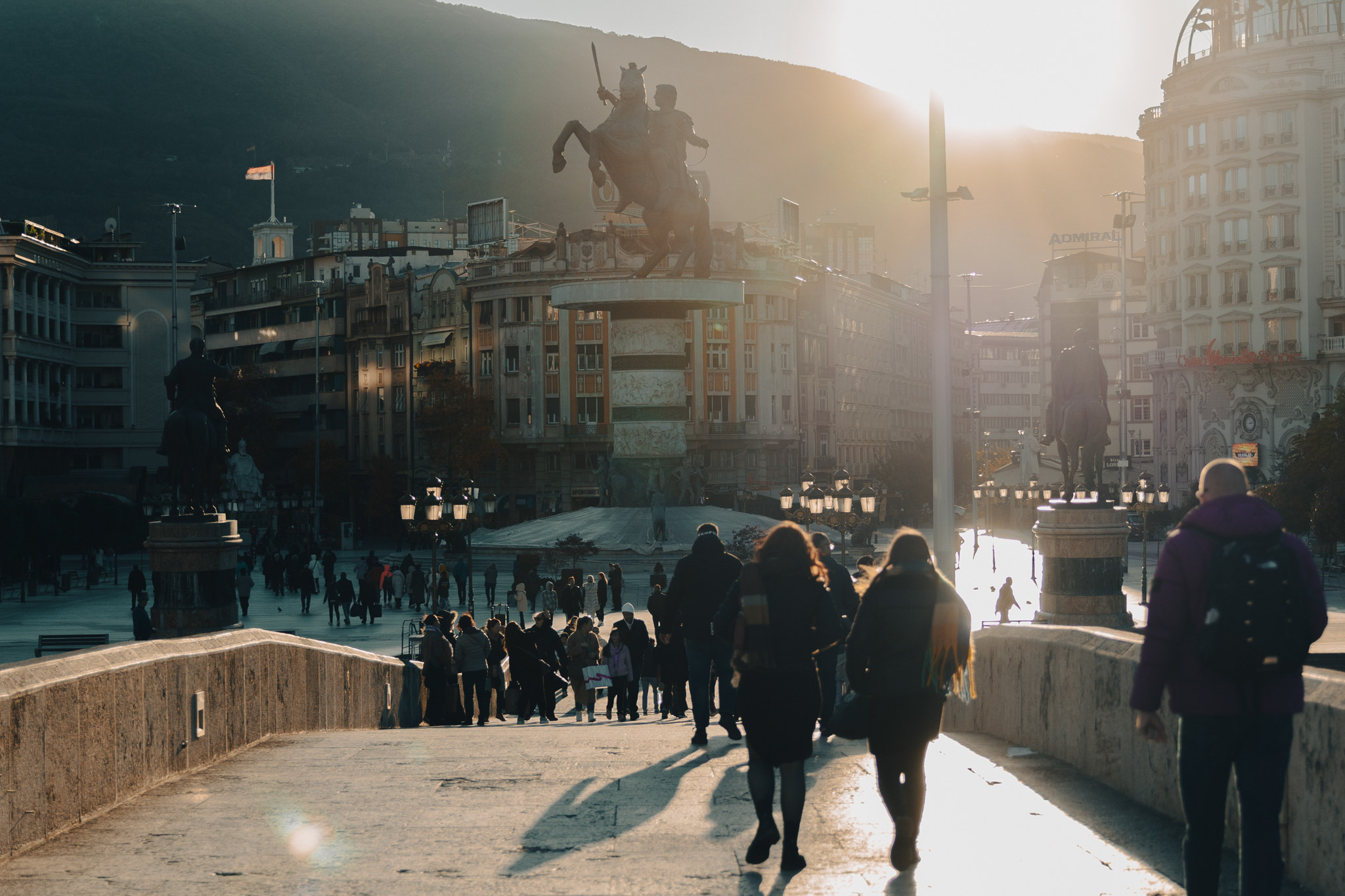
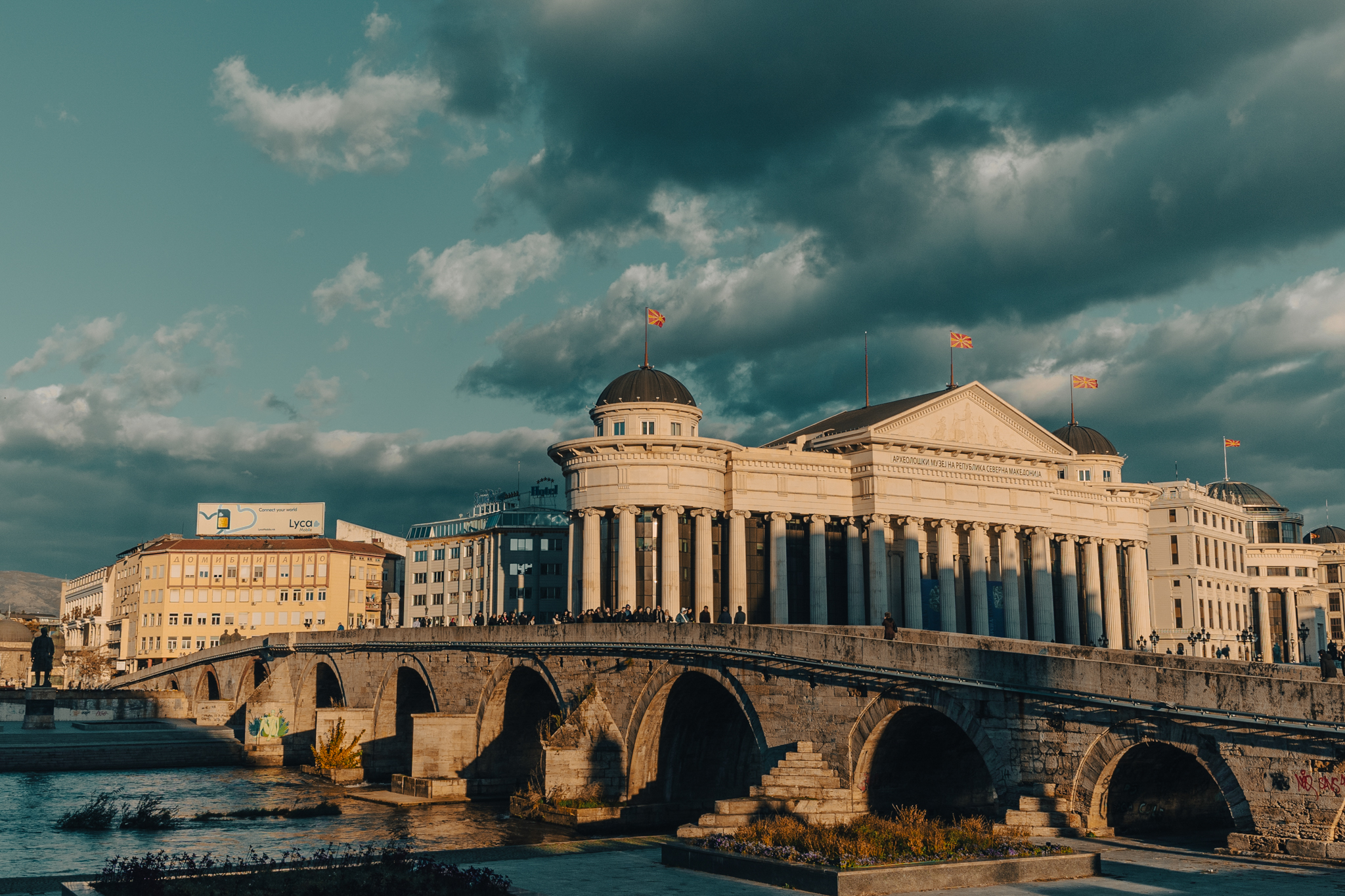
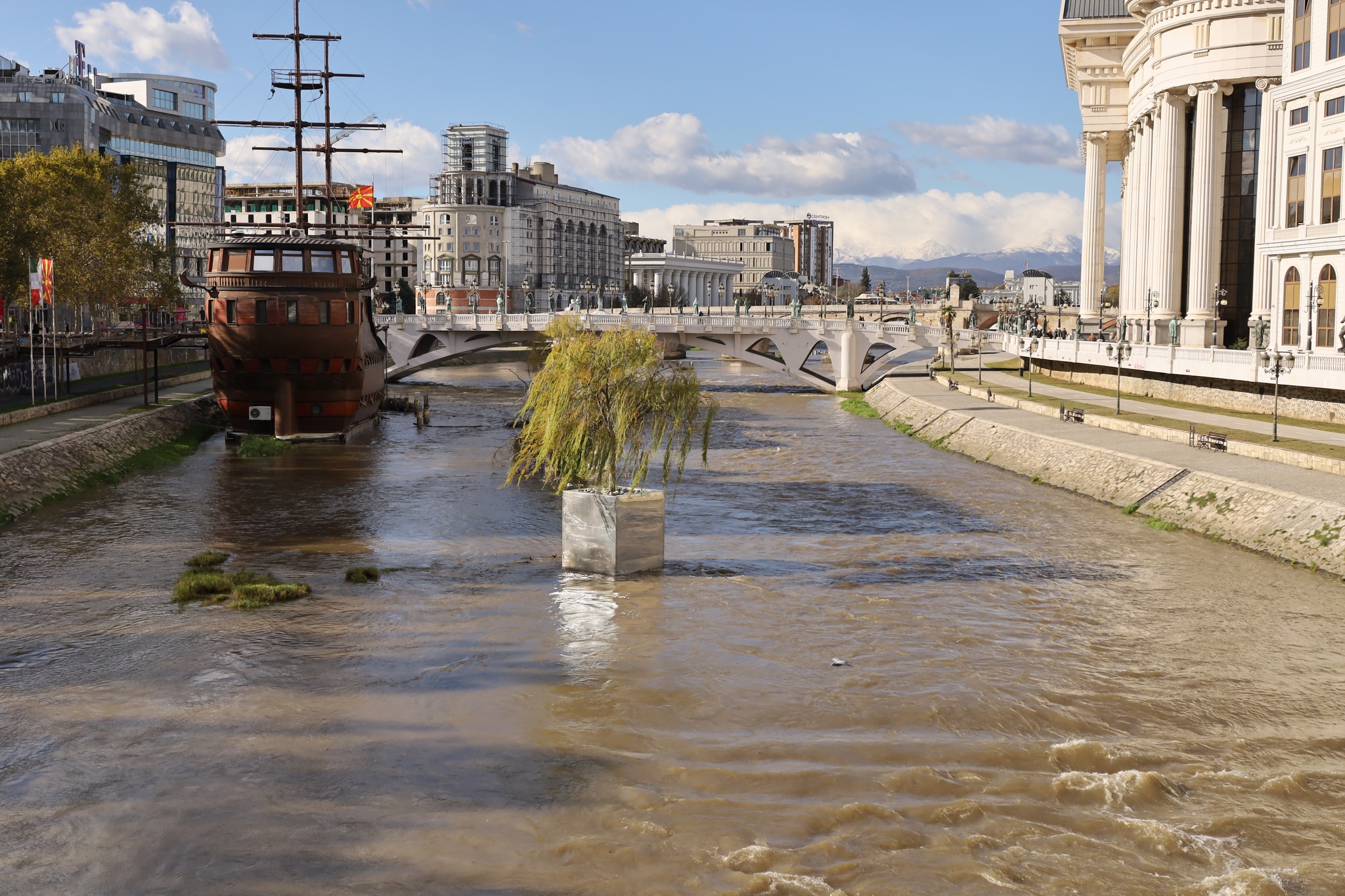
The city welcomed us with a cold embrace, and although the first cracks in the sky allowed a few rays to light the scene, a strange grey seemed to colour everything. The river, with a low level of water in it, revealed the three monstrous copies of Byzantine galleys, now rotting away, abandoned to their fate.
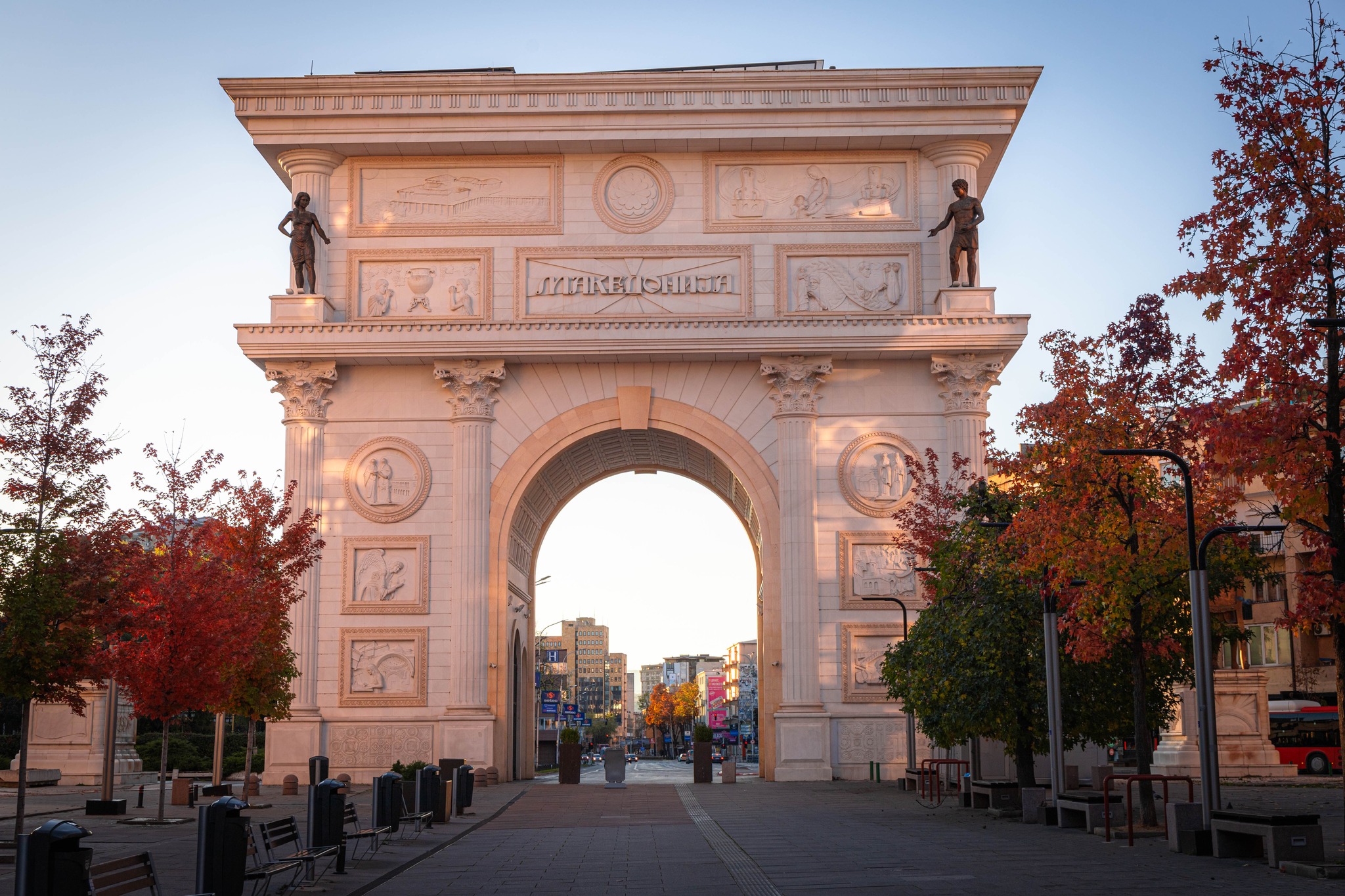
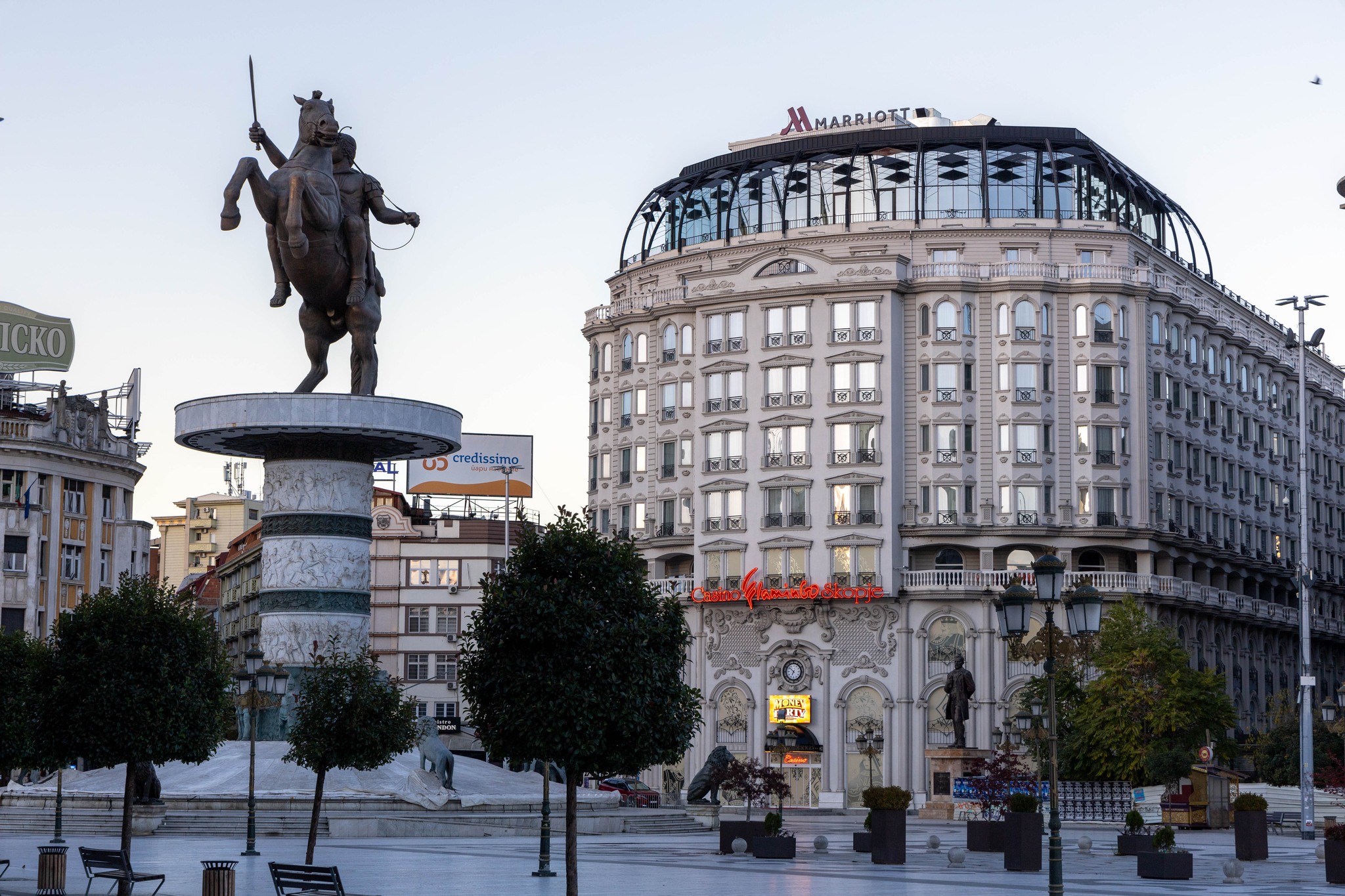
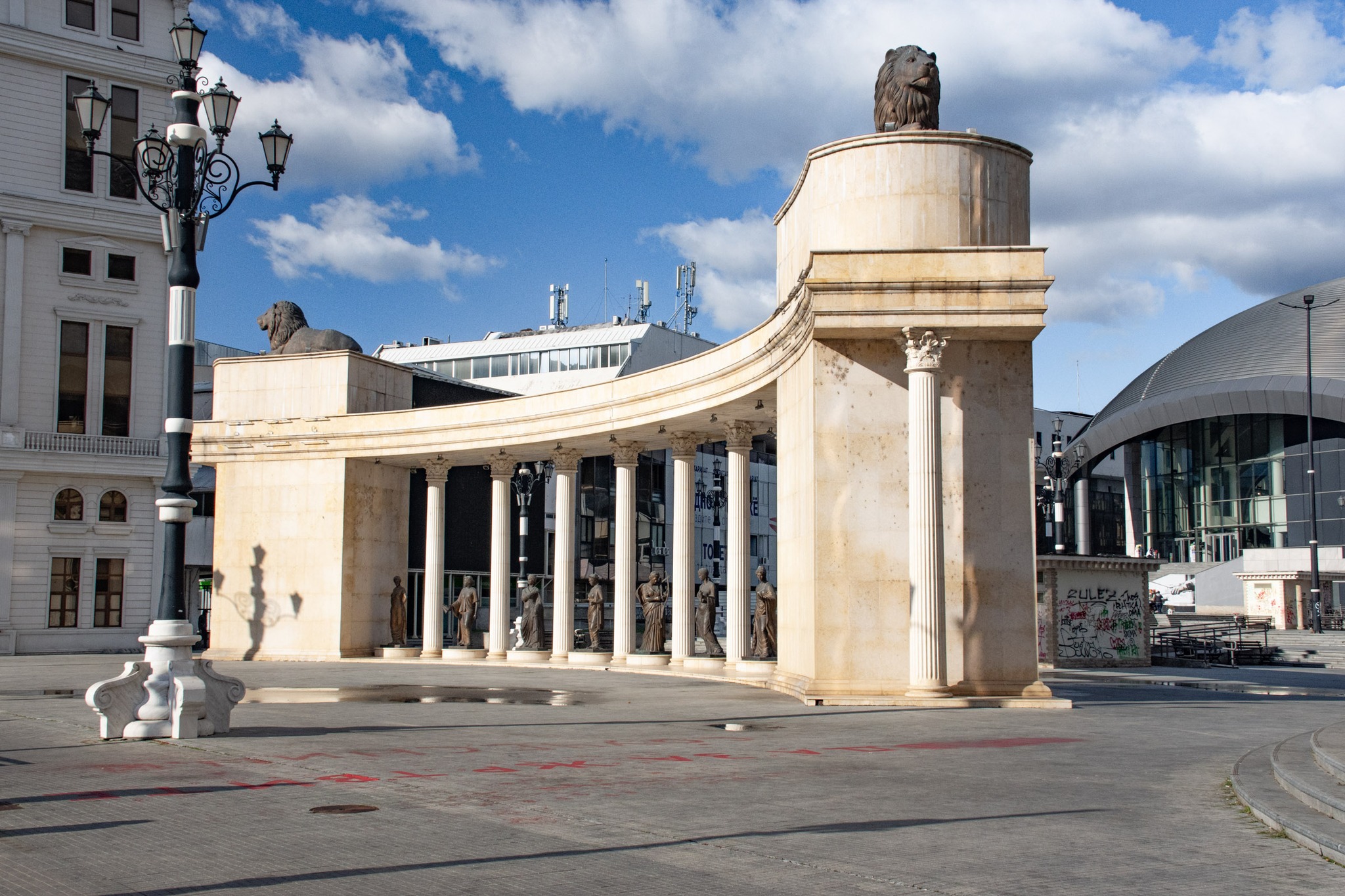
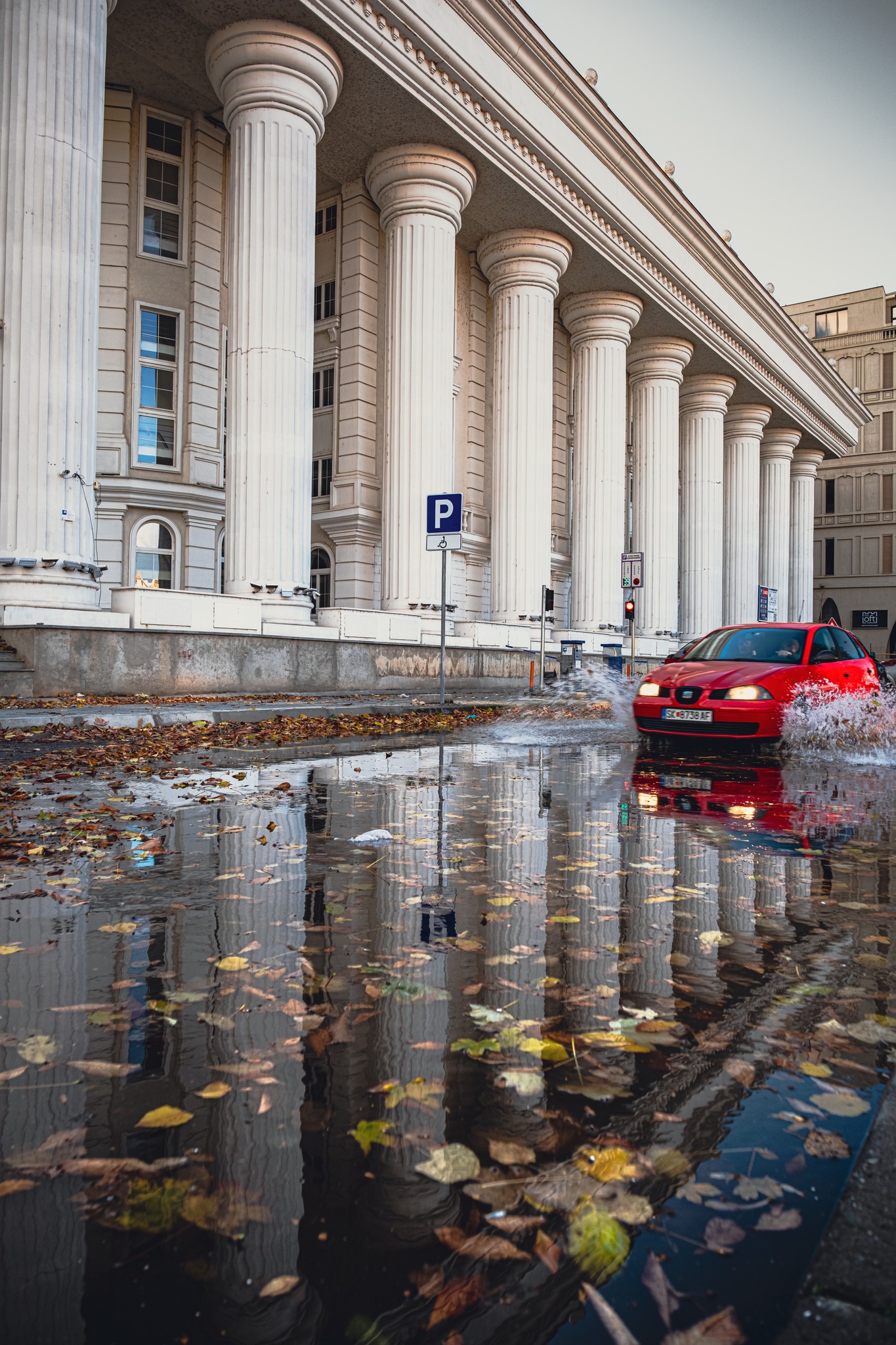
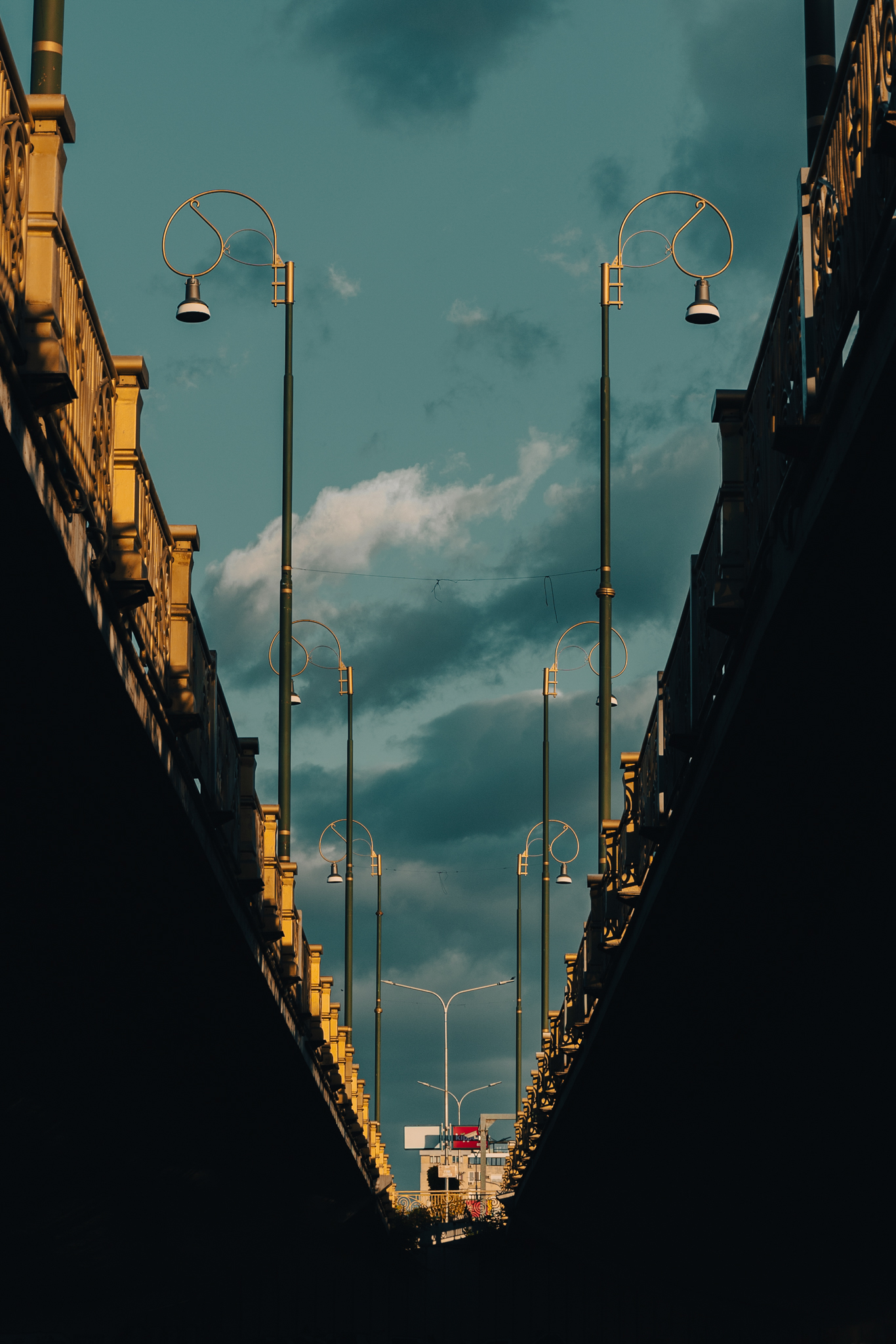
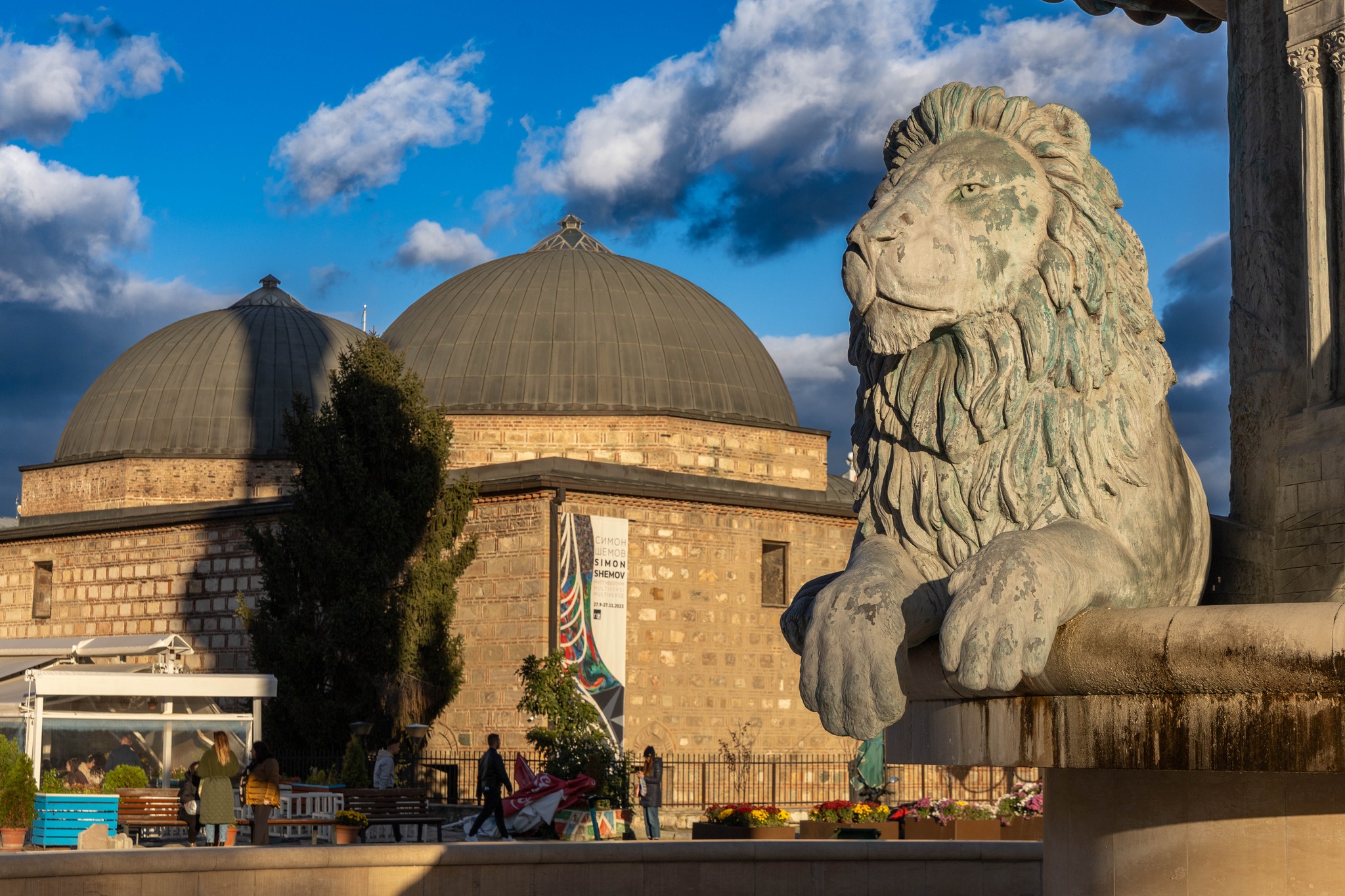
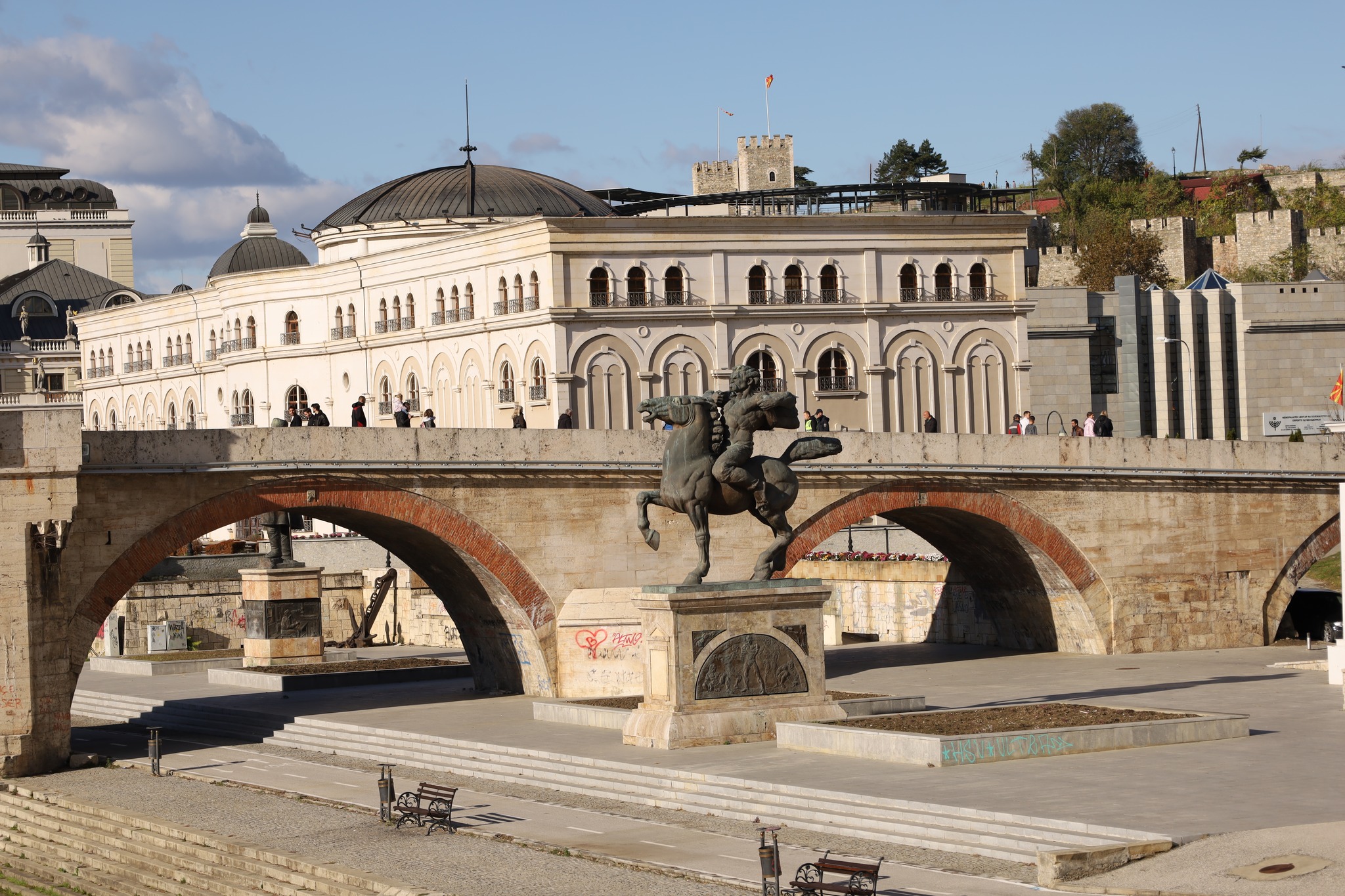
On both banks, a multitude of pseudo-ancient buildings attempted to restate the historical course of the nation. Their questionable aesthetics, together with historical elements borrowed from the history and past of neighbouring peoples, compose a shaky image that leaves any visitor with sufficient historical memory visibly uncomfortable.
George Tzimagiorgis
George Tzimagiorgis
George Tzimagiorgis
Δάνης Παπαγιαννουλής
Δάνης Παπαγιαννουλής
Δάνης Παπαγιαννουλής
Dimosthenis Seitaridis
Dimosthenis Seitaridis
Dimosthenis Seitaridis
Nikos Kakagias
Nikos Kakagias
Nikos Kakagias
Harrys Pourouzidis
Harrys Pourouzidis
Harrys Pourouzidis
Nowhere else had we encountered such a number and variety of statues, all of which, naturally, obey the same historical purpose. With a tolerant smile, we observed and photographed the renaming of the great commander, enthroned on his monstrous pedestal, from Alexander the Great to “Big Warrior.” Standing before the stripped signs of ancient figures, we wondered whether one of them was Democritus or Socrates.
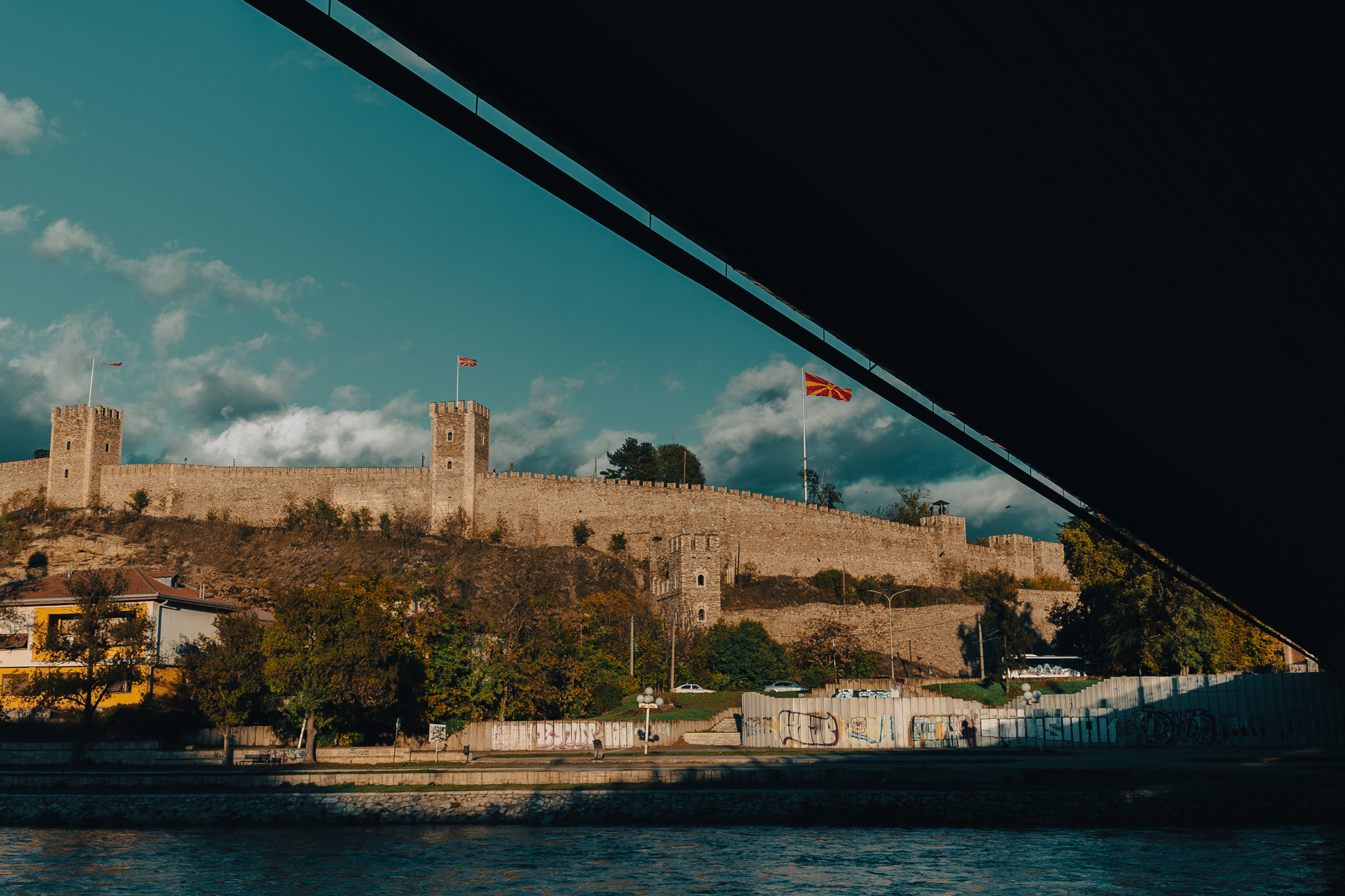
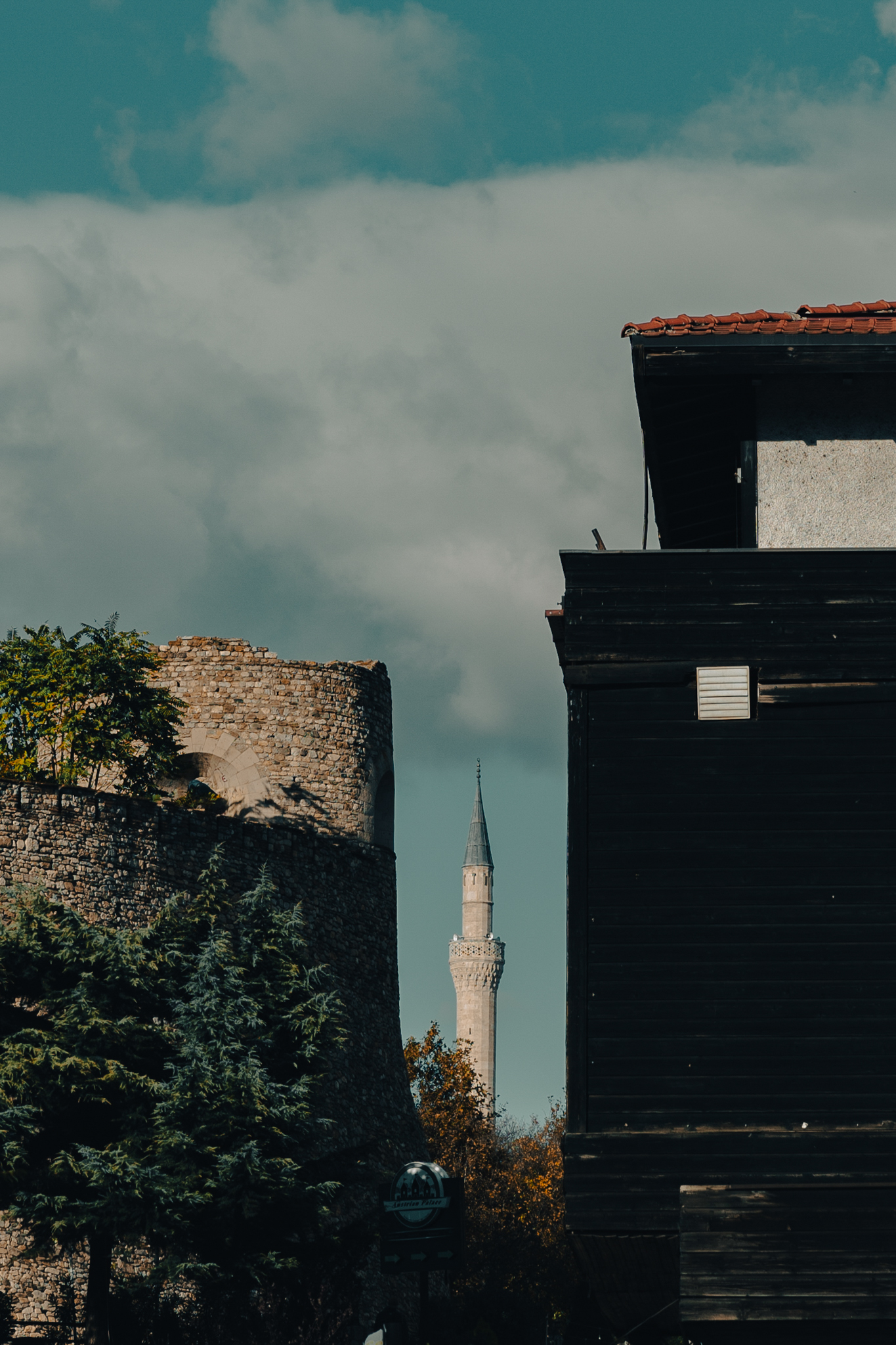
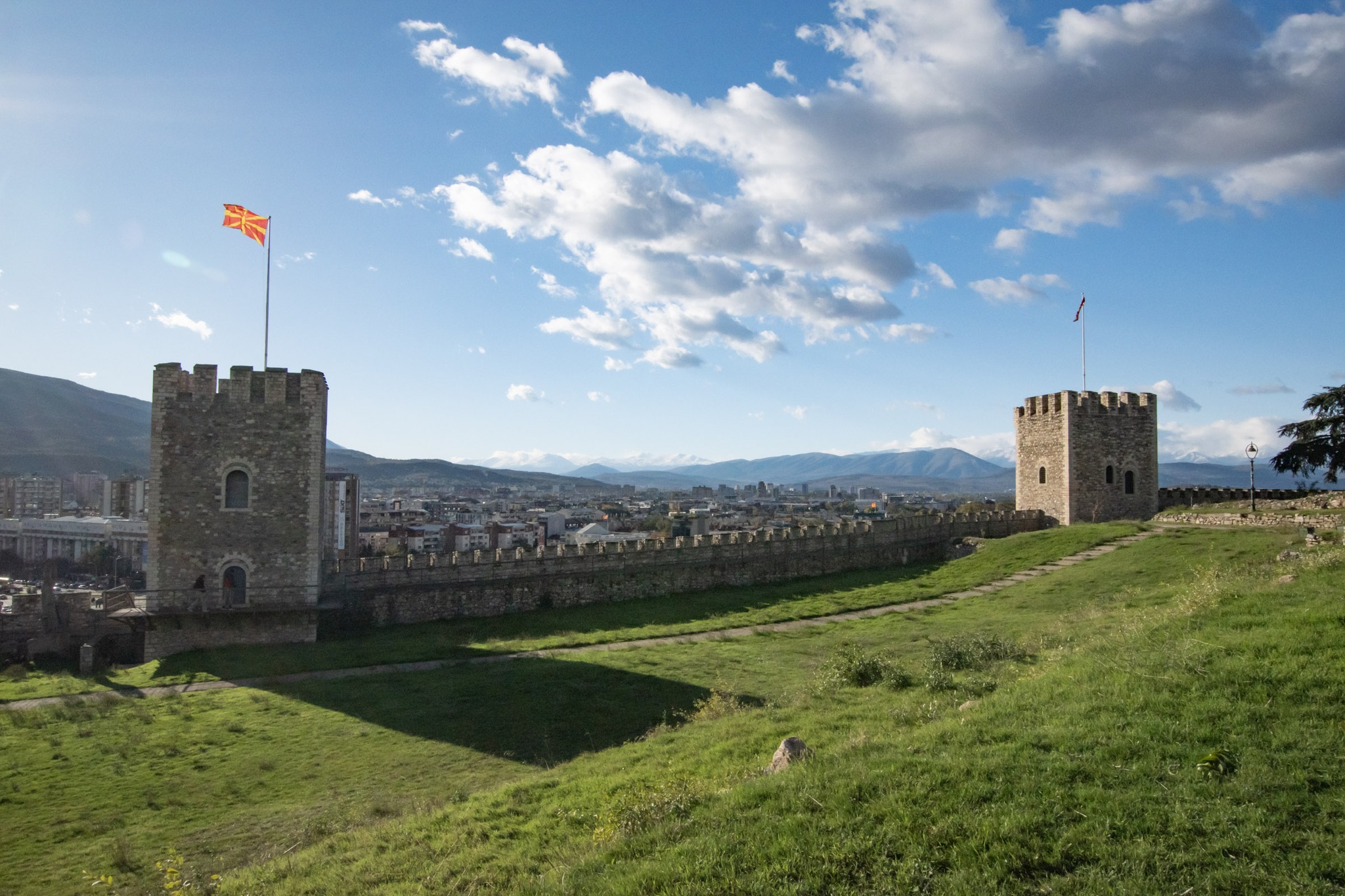
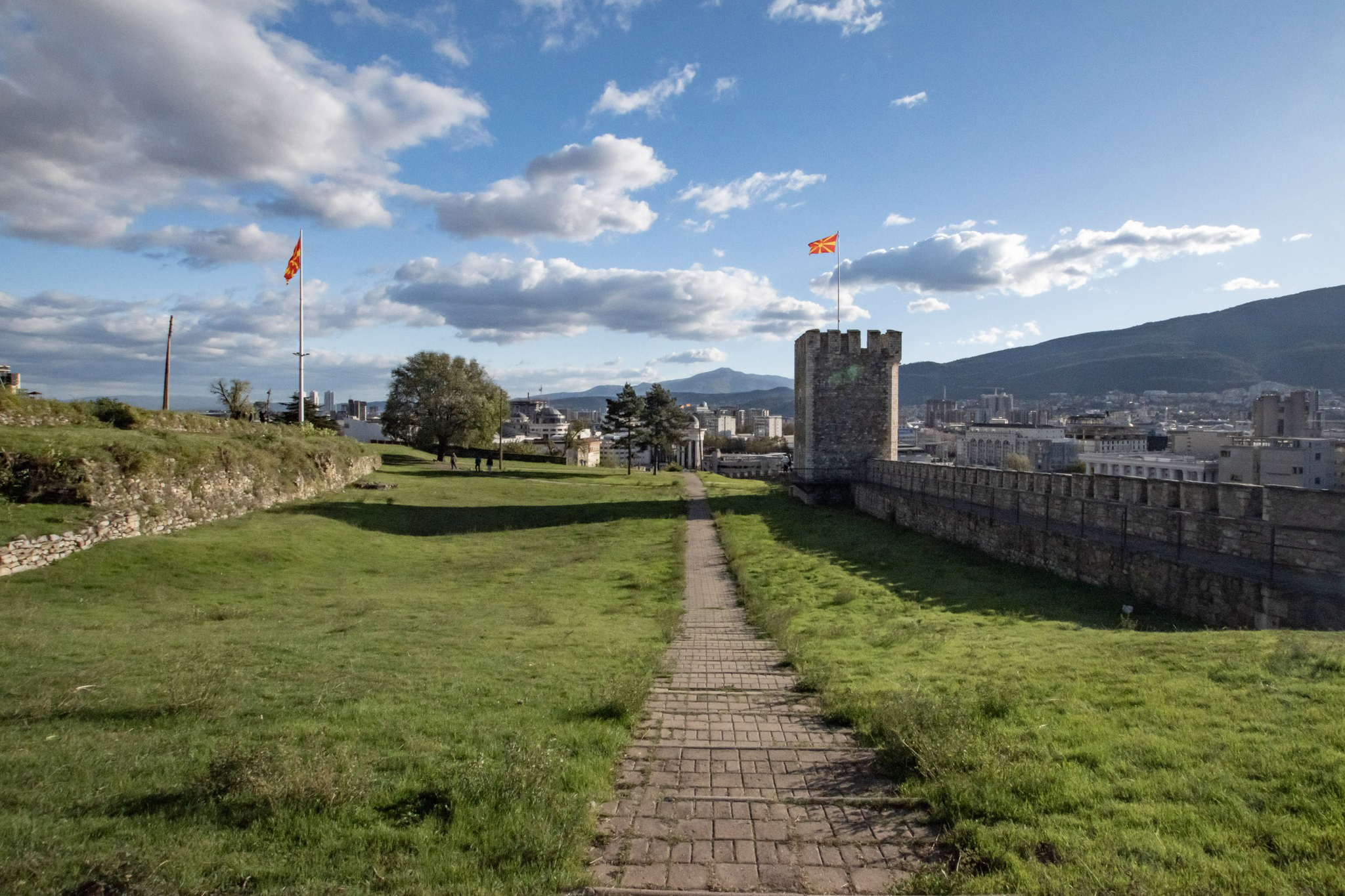
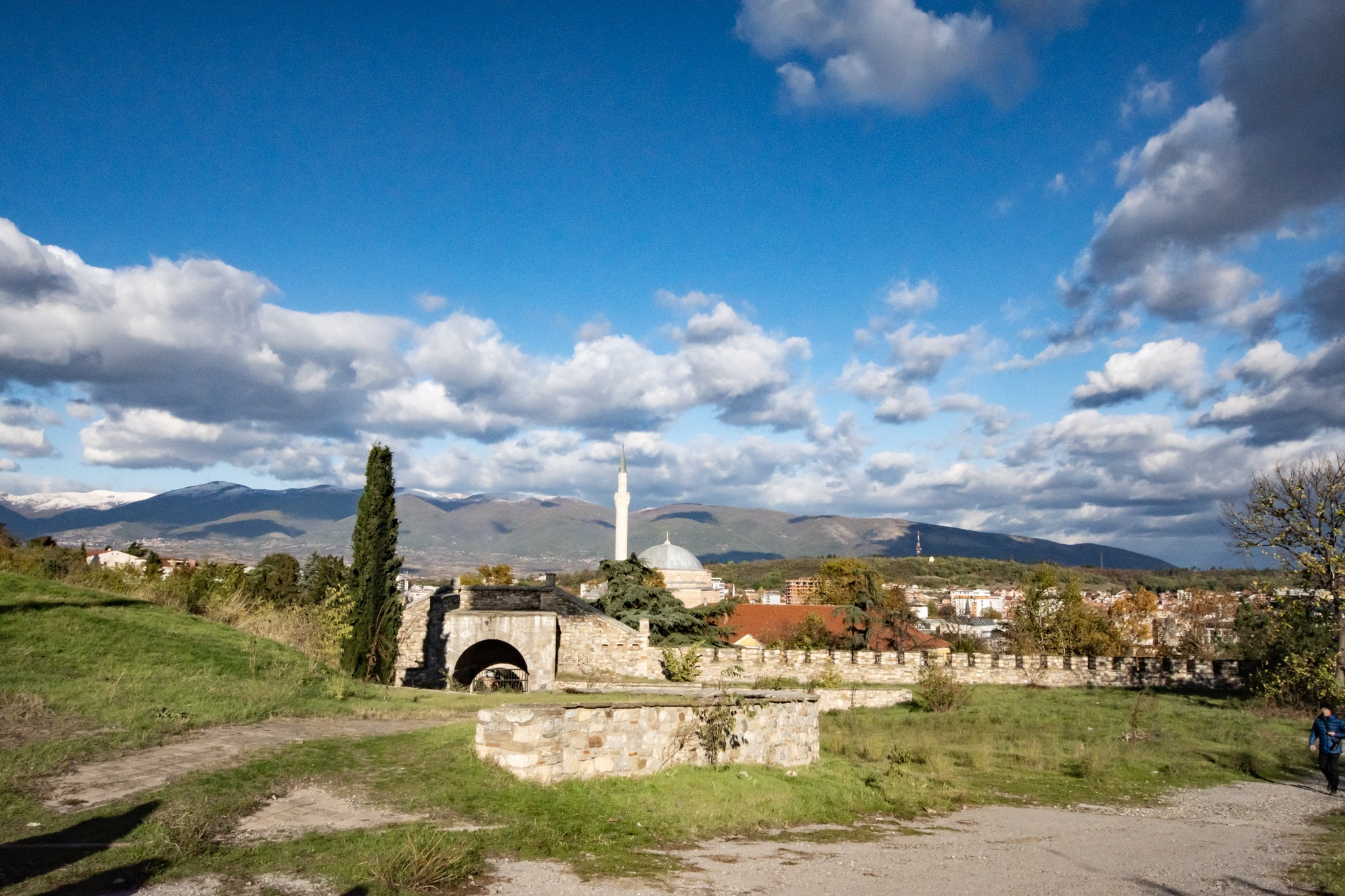
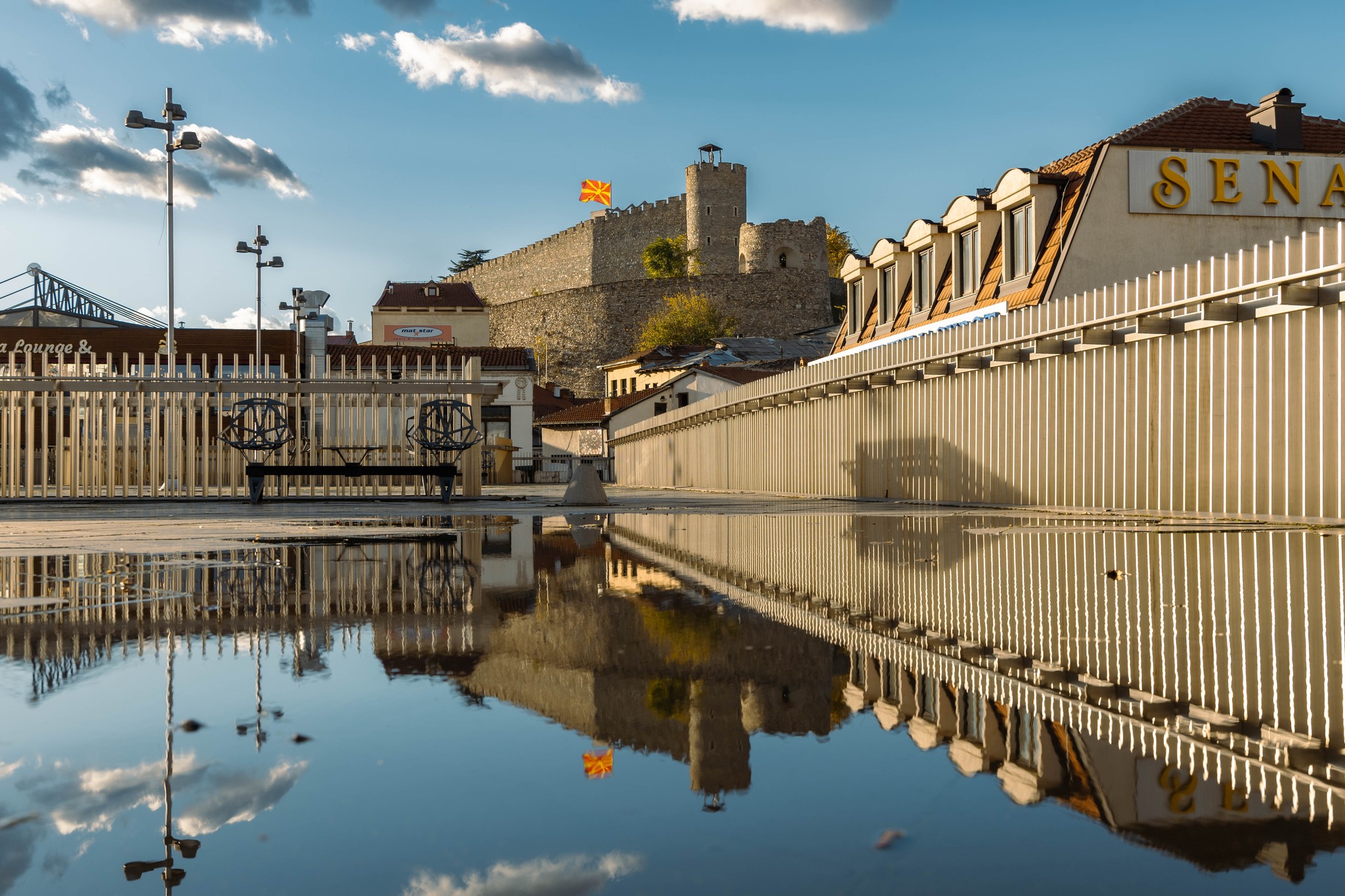
“There…” said Demosthenes, pointing to the castle, and the next visit was immediately decided. The castle looked well preserved, and indeed it was, offering us the usual shots among battlements and towers. We searched corners and recesses for dragons and princesses, without success. Instead, we discovered a particularly wide variety of rubbish of every kind, bearing emphatic witness to what we were experiencing.
In the end, we are very much alike.
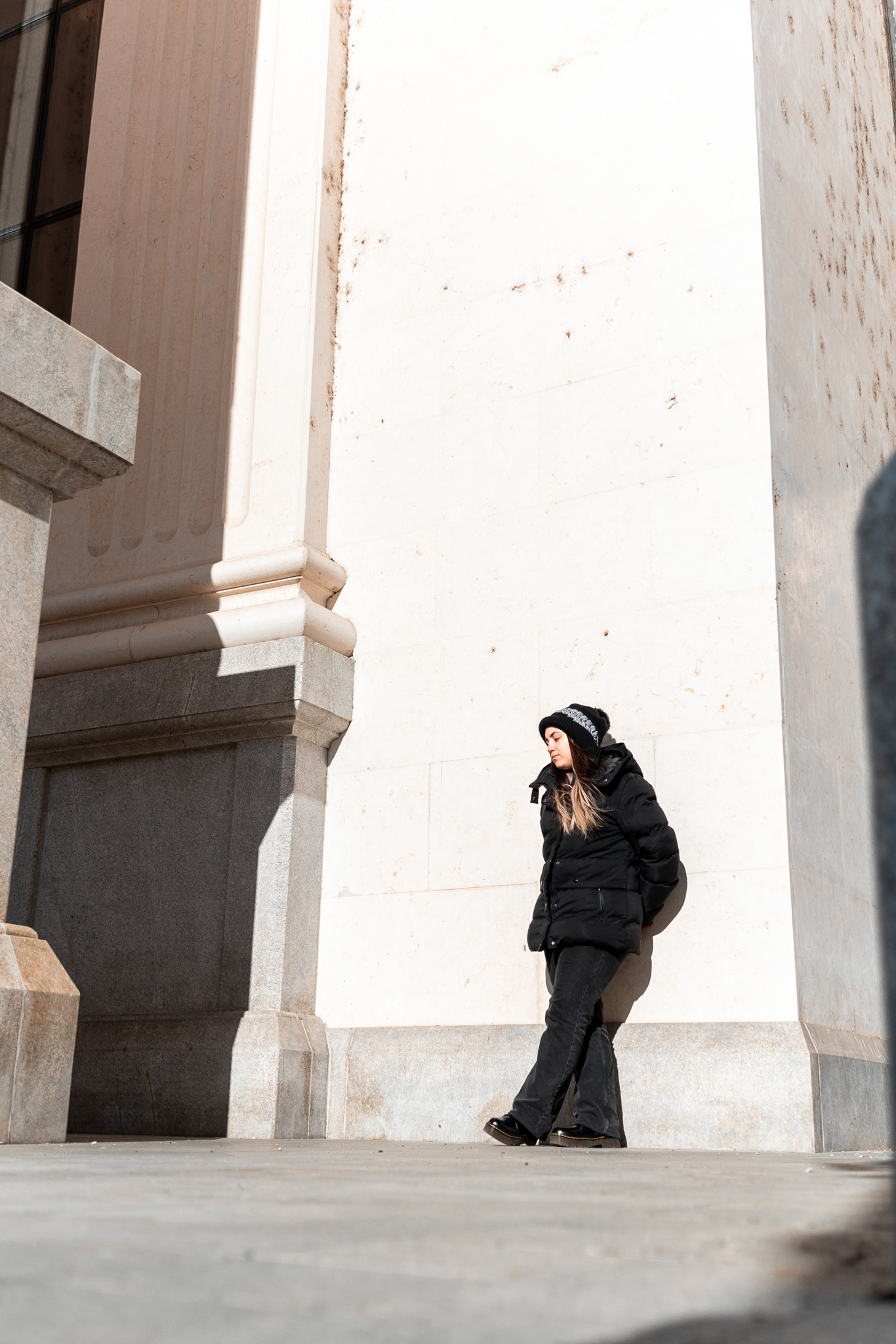
Our thorough and, in many ways, exhausting effort to cope with the long walk and the raging wind eventually brought us to the student quarter, with its lovely little restaurants and bars. In one of them, we found comfort, properly enjoying both food and hospitality.
Danis Papagiannoulis
Danis Papagiannoulis
Danis Papagiannoulis
Harrys Pourouzidis
Harrys Pourouzidis
Harrys Pourouzidis
Nikos Kakagias
Nikos Kakagias
Nikos Kakagias
Dimosthenis Seitaridis
Dimosthenis Seitaridis
Dimosthenis Seitaridis
George Tzimagiorgis
George Tzimagiorgis
George Tzimagiorgis
- Vodno -
The following day was destined to be less windy and far more devoted to nature.
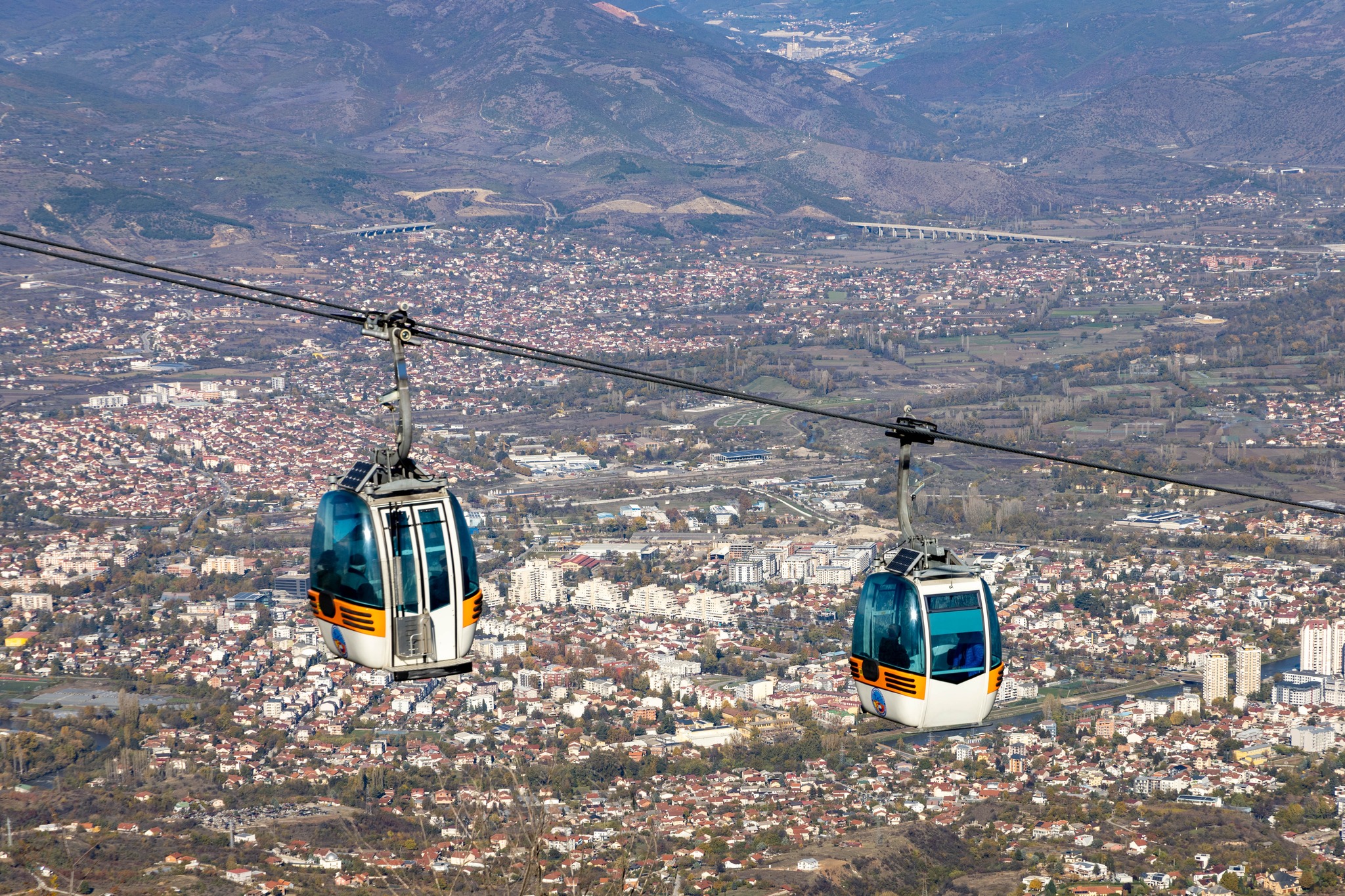
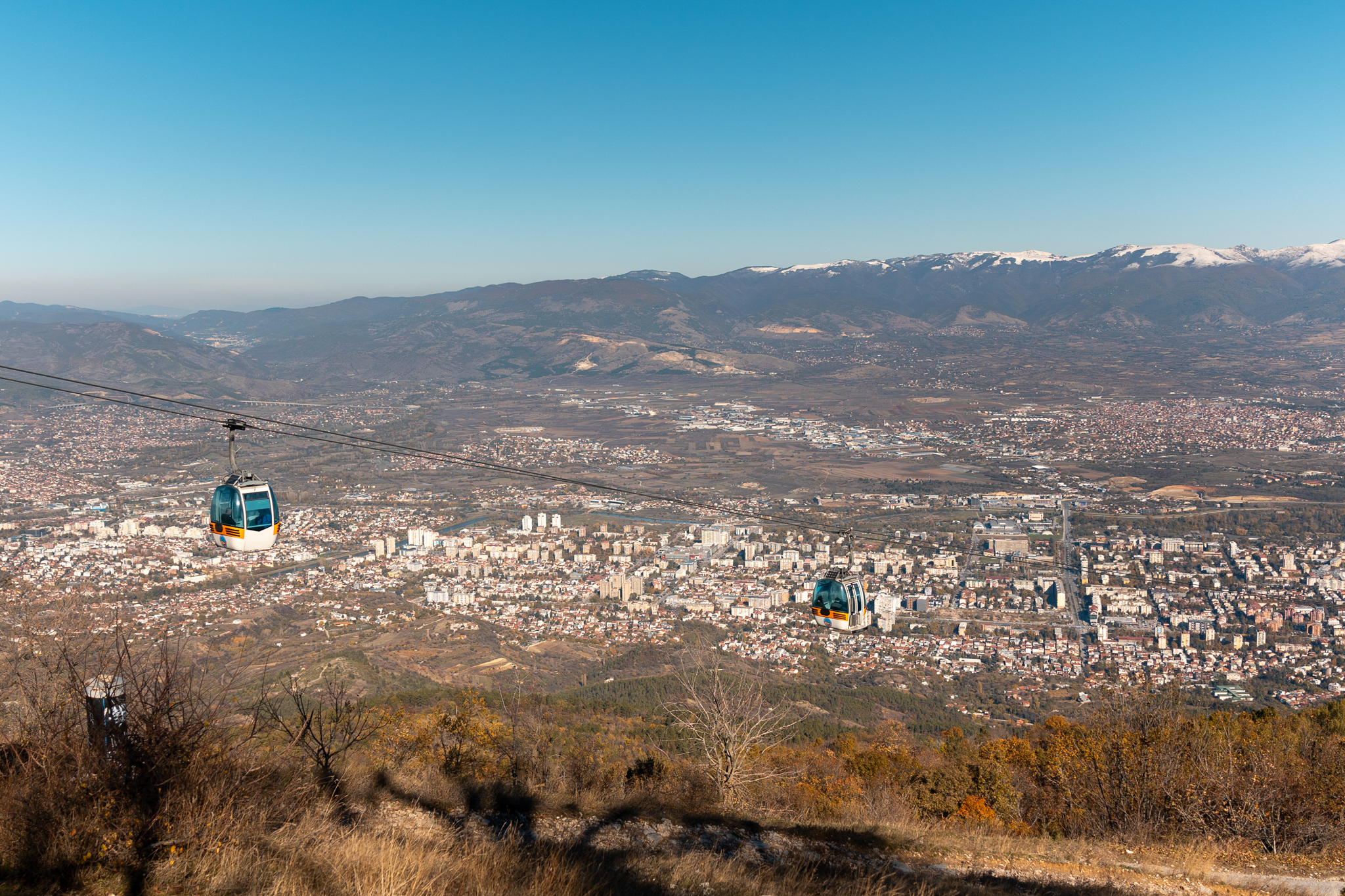
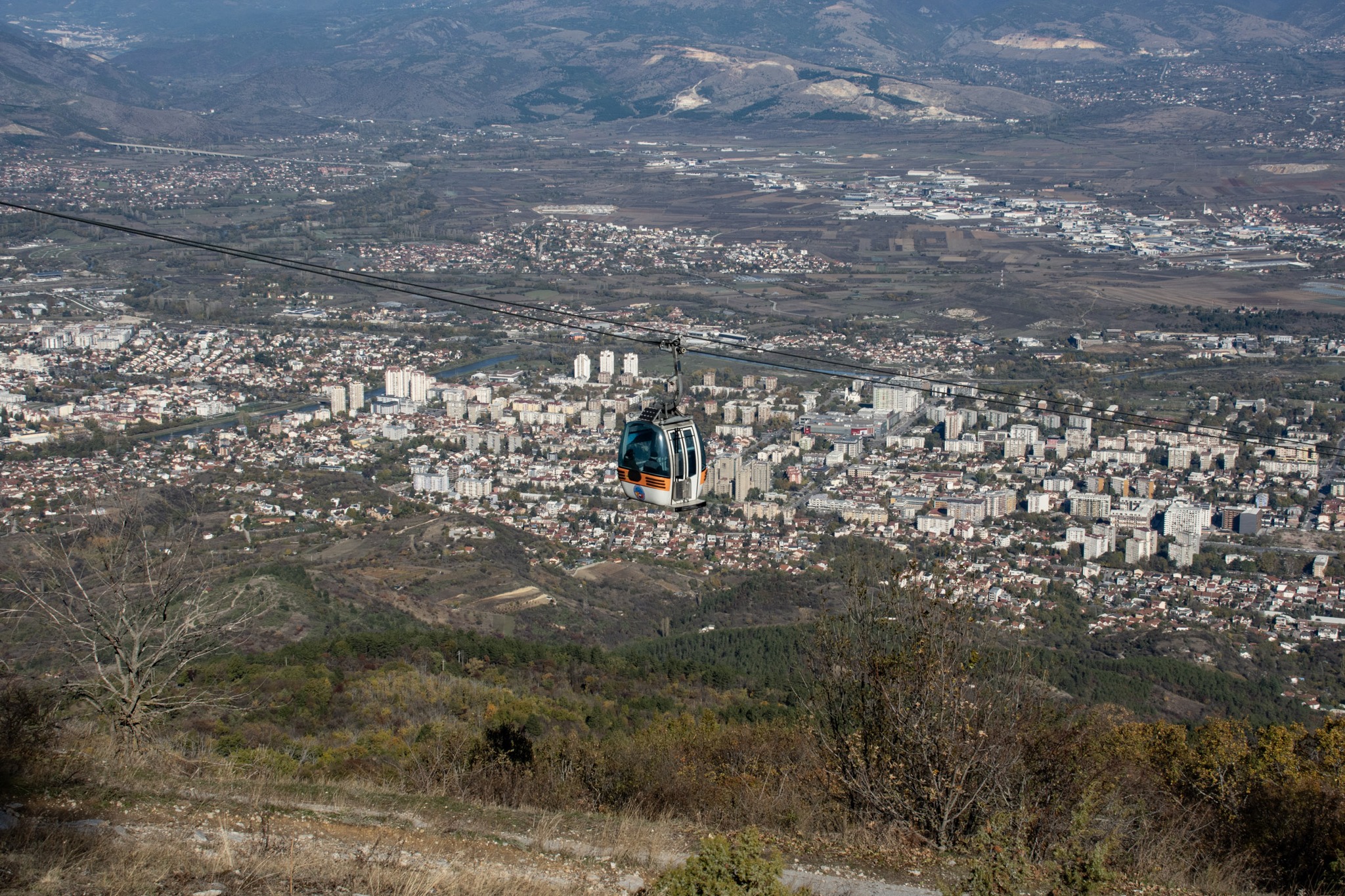
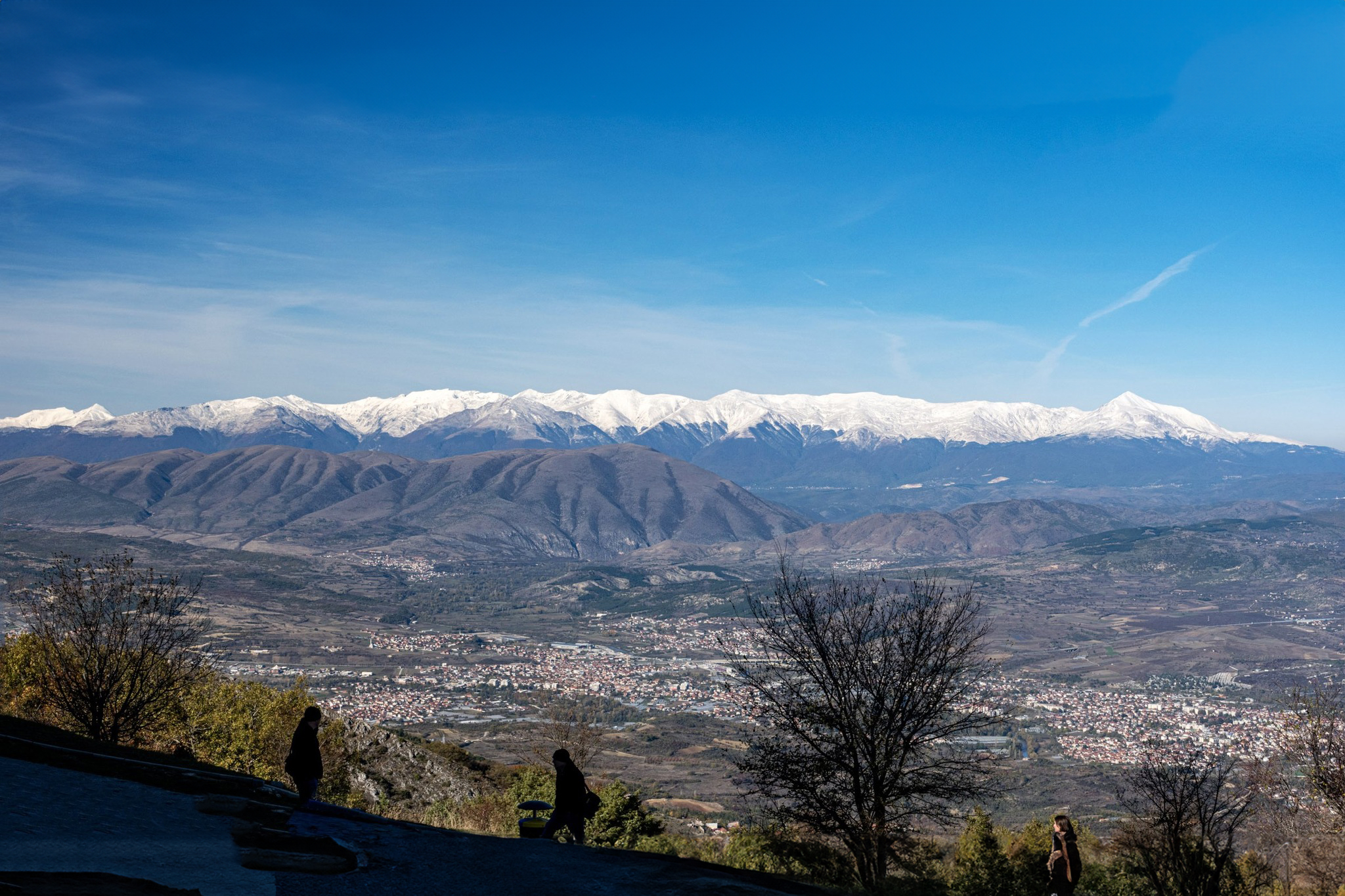
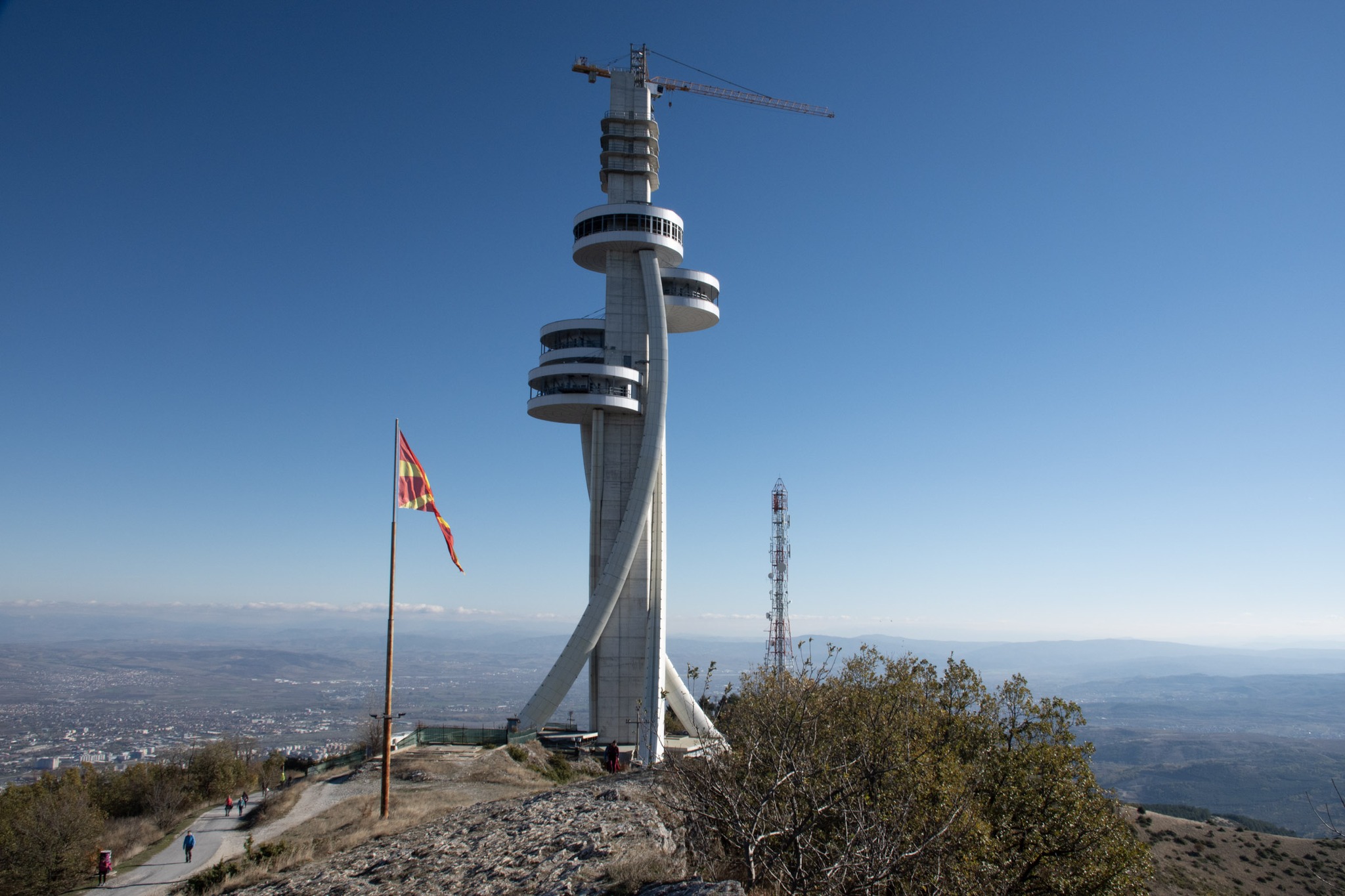
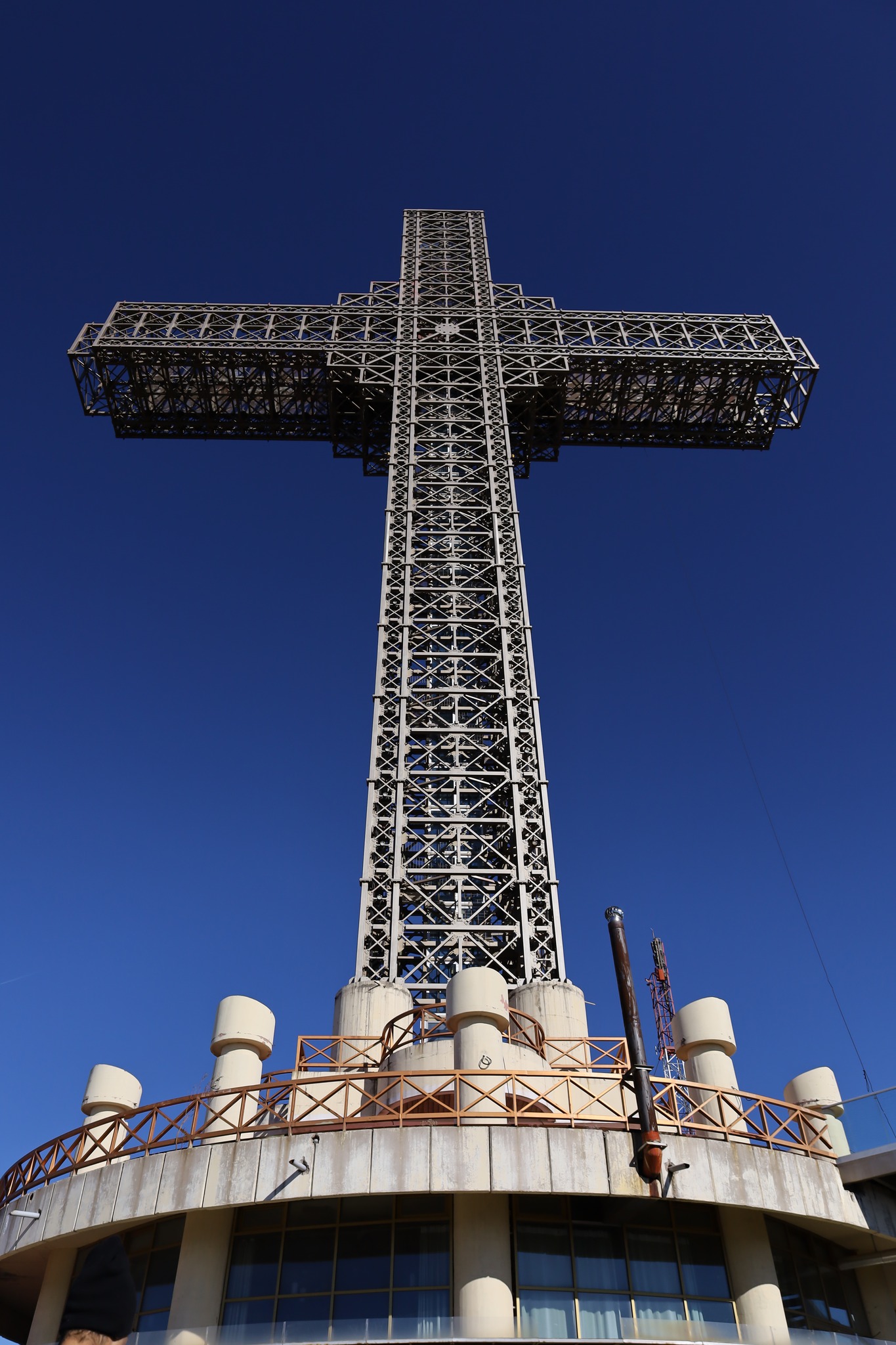
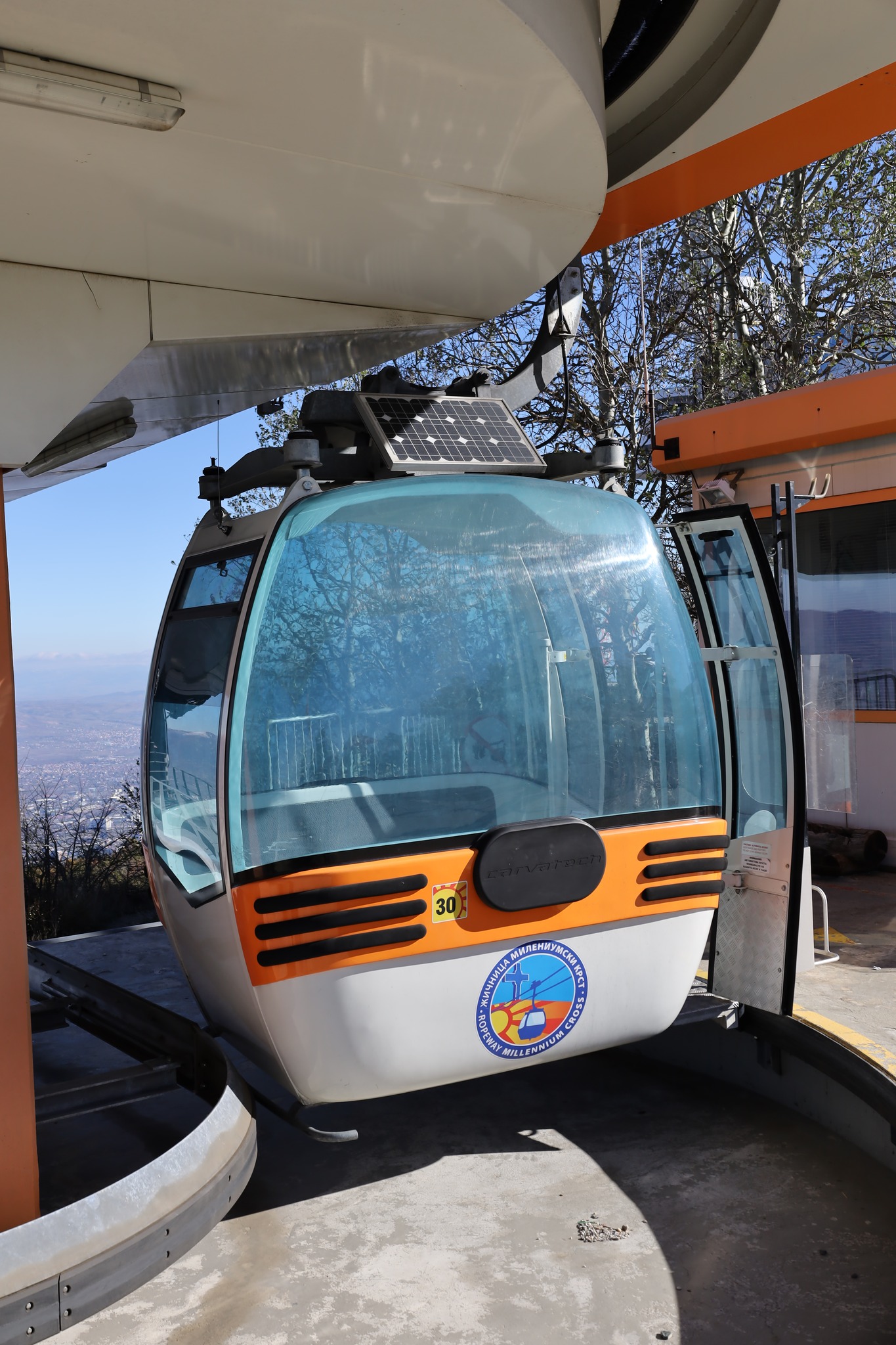
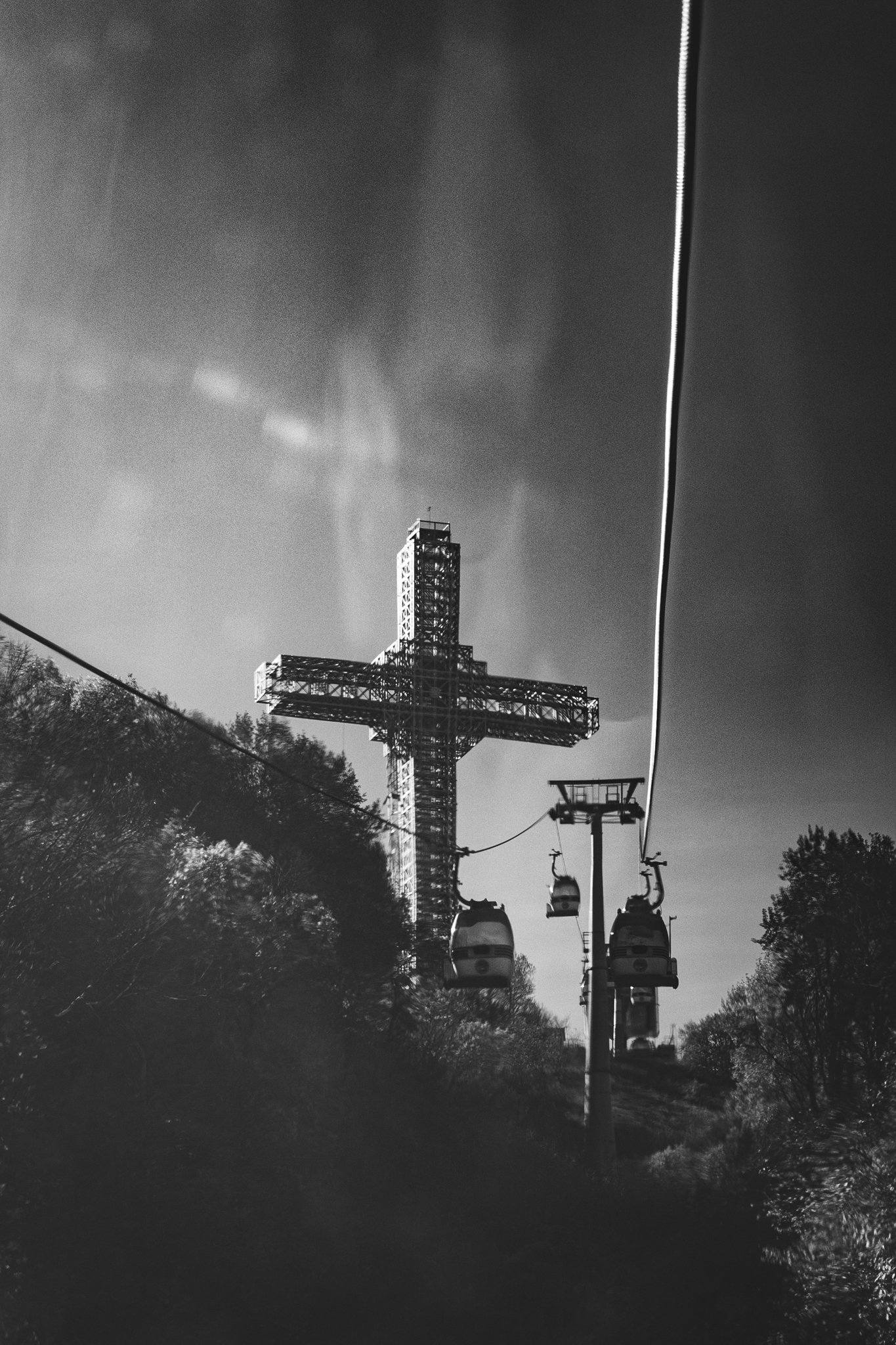
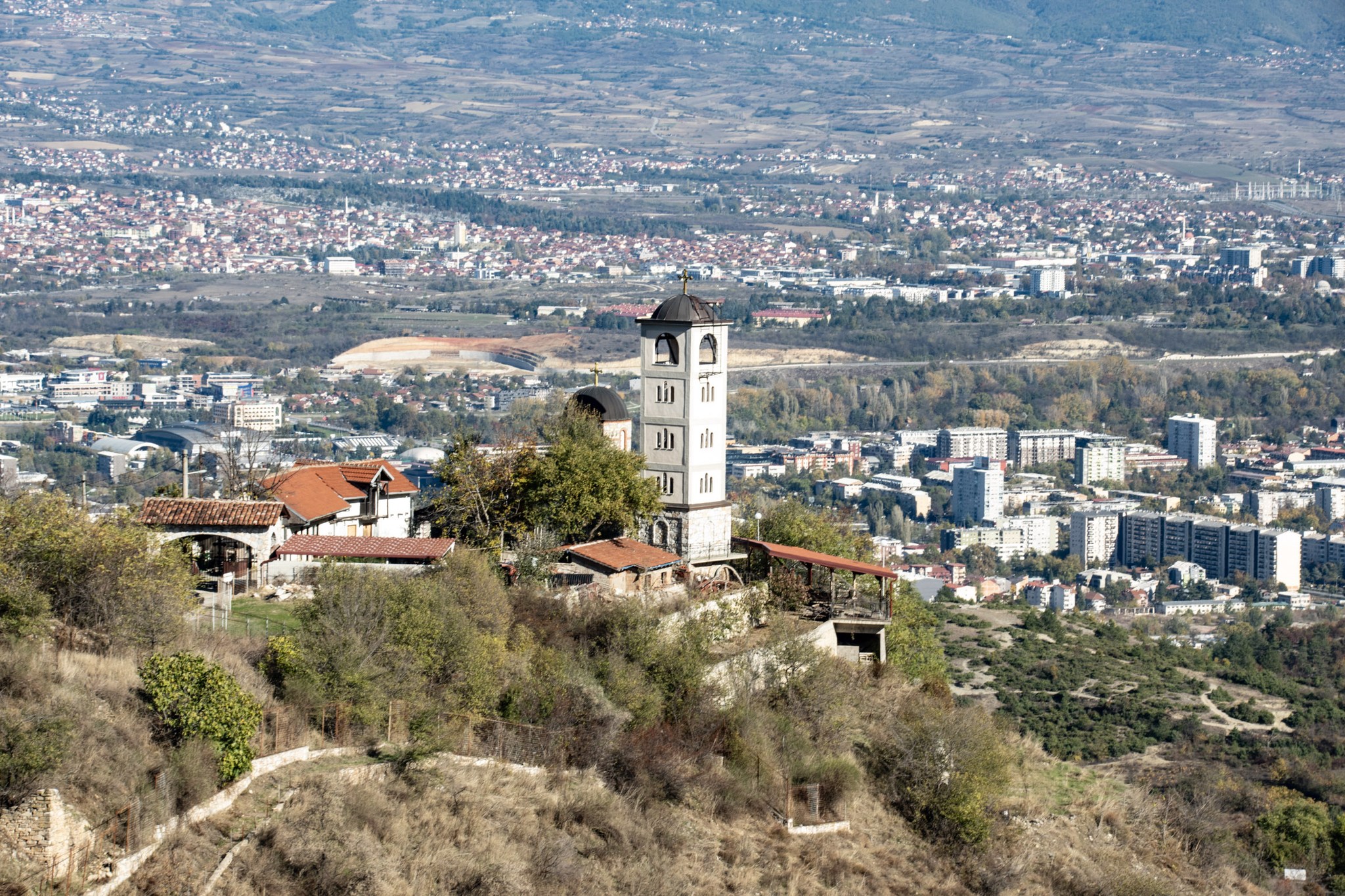
It began with a pleasant little ride on the charming cable car that took us up to the summit of nearby Mount Vodno, which in turn offered us an astonishing view of the snow-covered peaks surrounding the valley of the Vardar, in whose belly the urban fabric of Skopje lies nestled.
“Well, look at that. From up here, it’s beautiful,” someone whispered, and the group readily agreed.
The descent by cable car was just as entertaining as the ascent, offering plenty of laughter and joking among the members of the group, who teased one another in an effort to ease the fear of heights that some were feeling.
George Tzimagiorgis
Dimosthenis Seitaridis
Harrys Pourouzidis
Nikos Kakagias
Nikos Kakagias
Nikos Kakagias
George Tzimagiorgis
George Tzimagiorgis
Harrys Pourouzidis
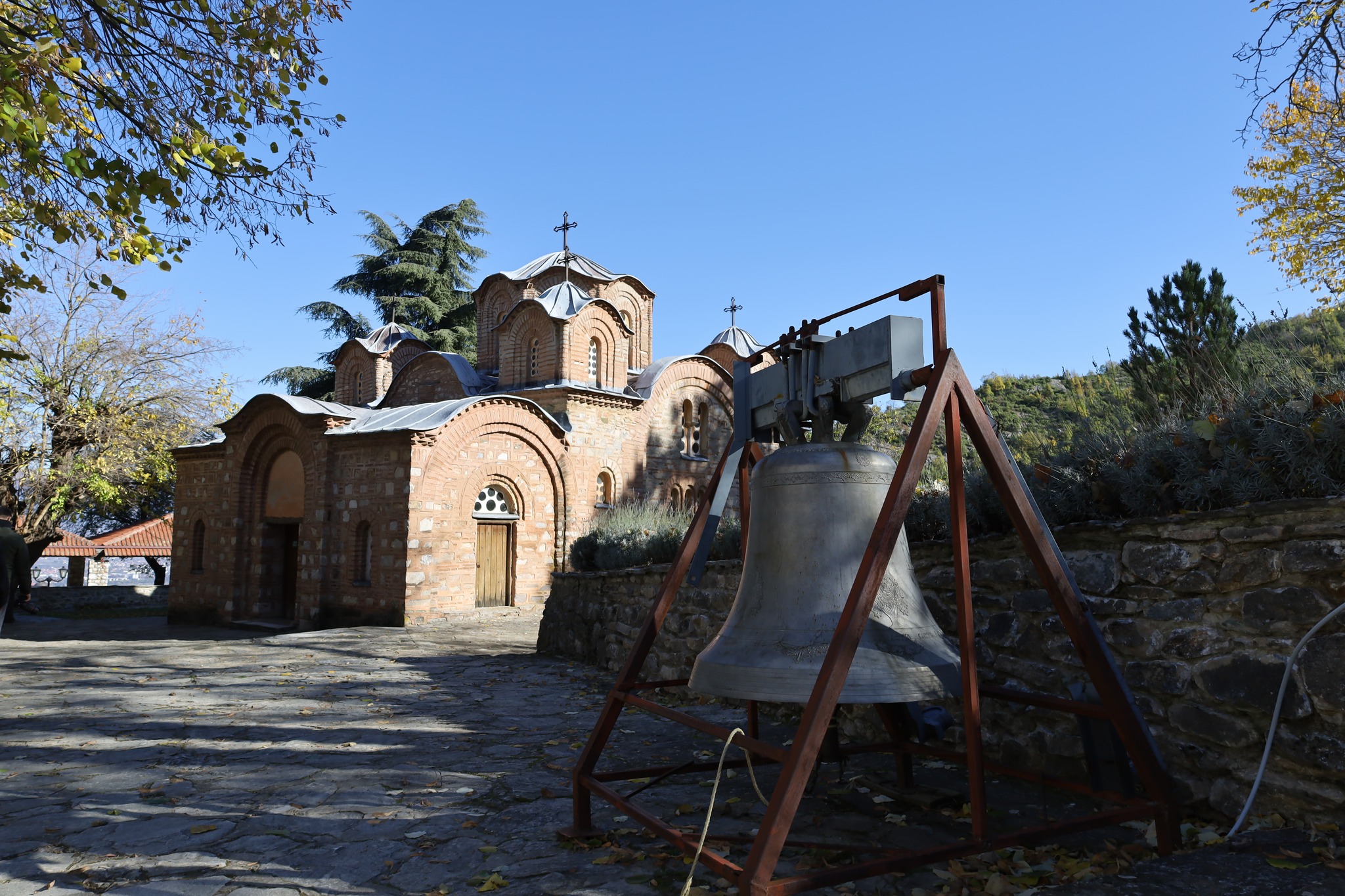
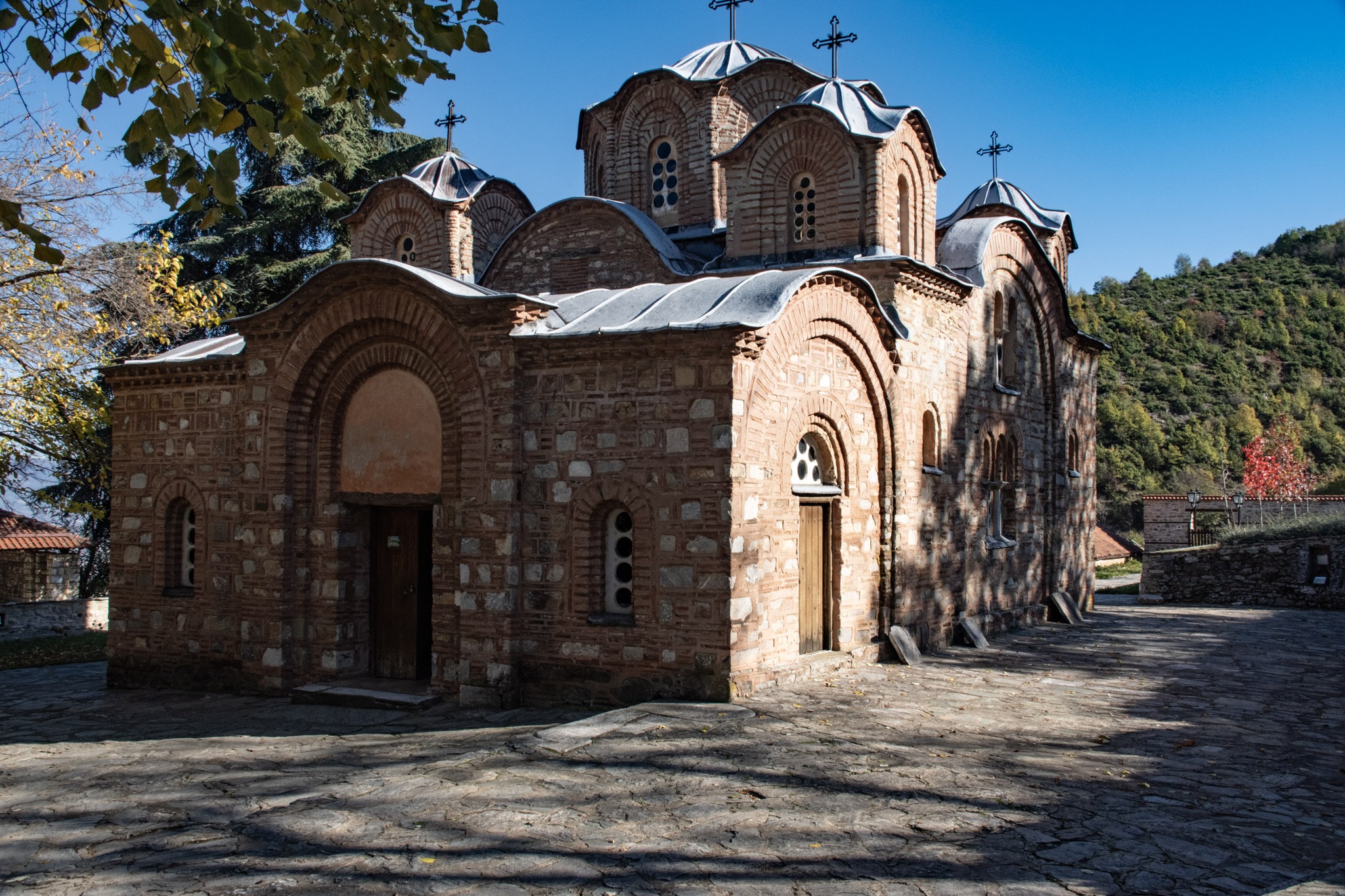
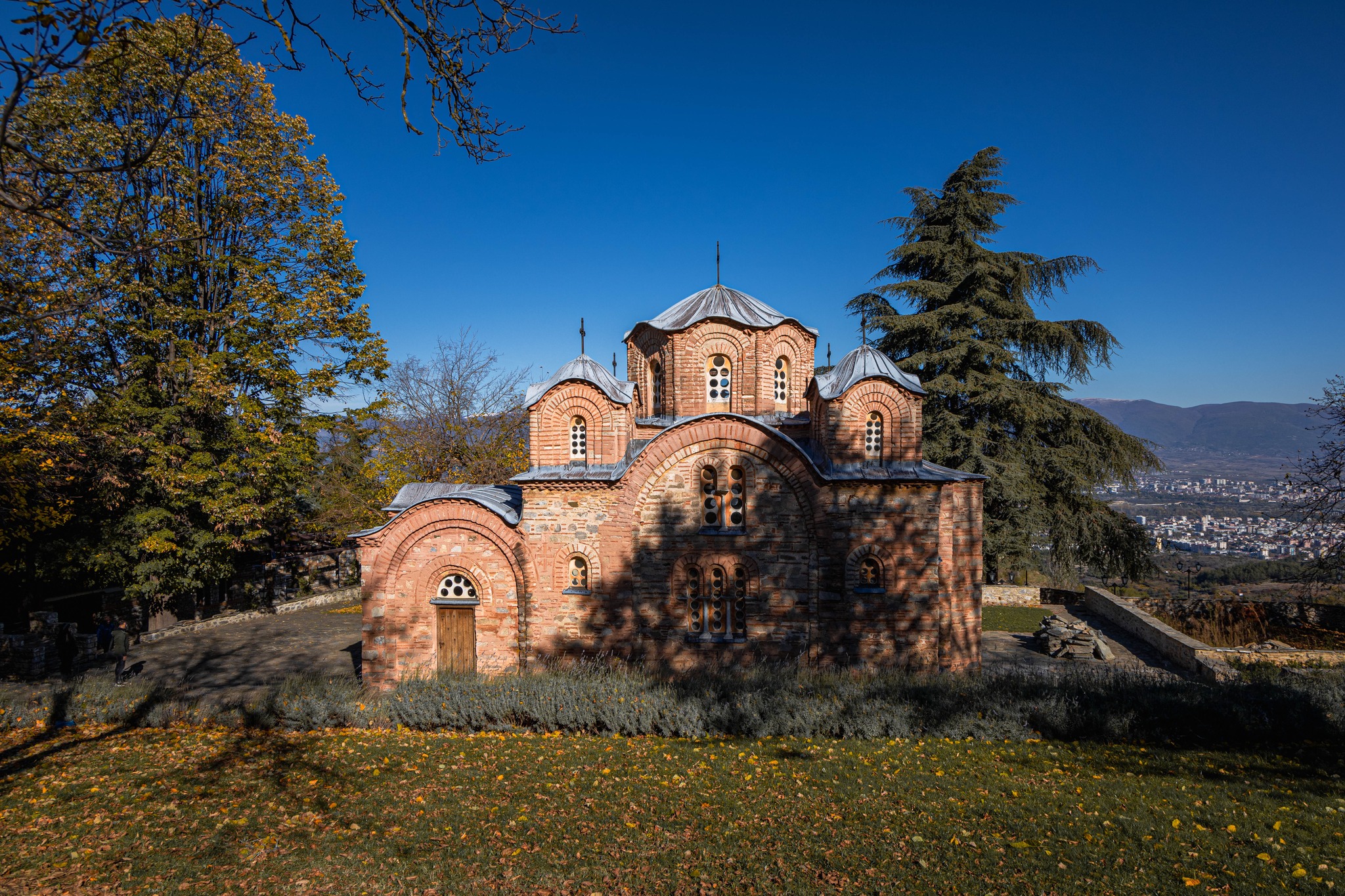
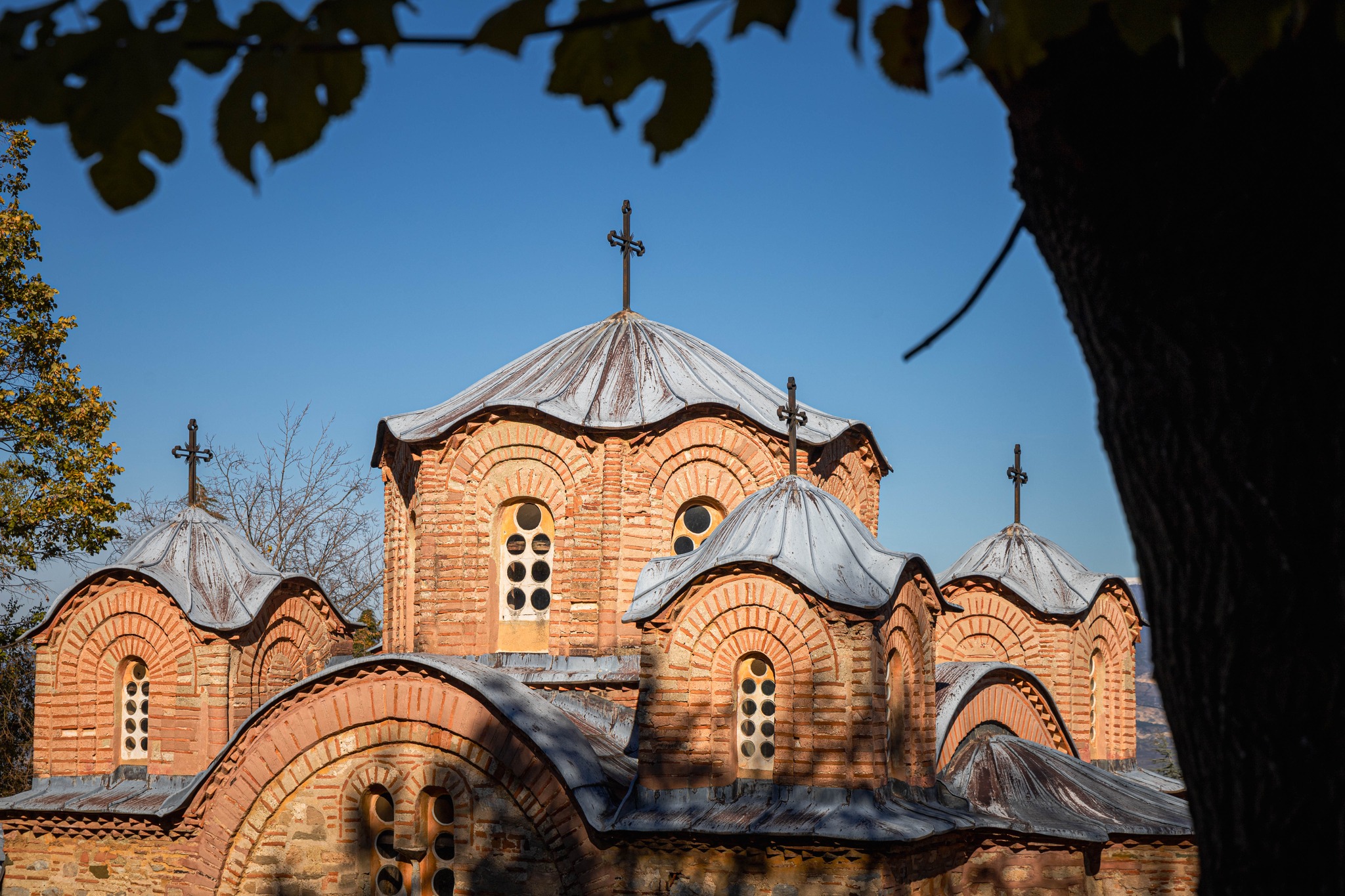
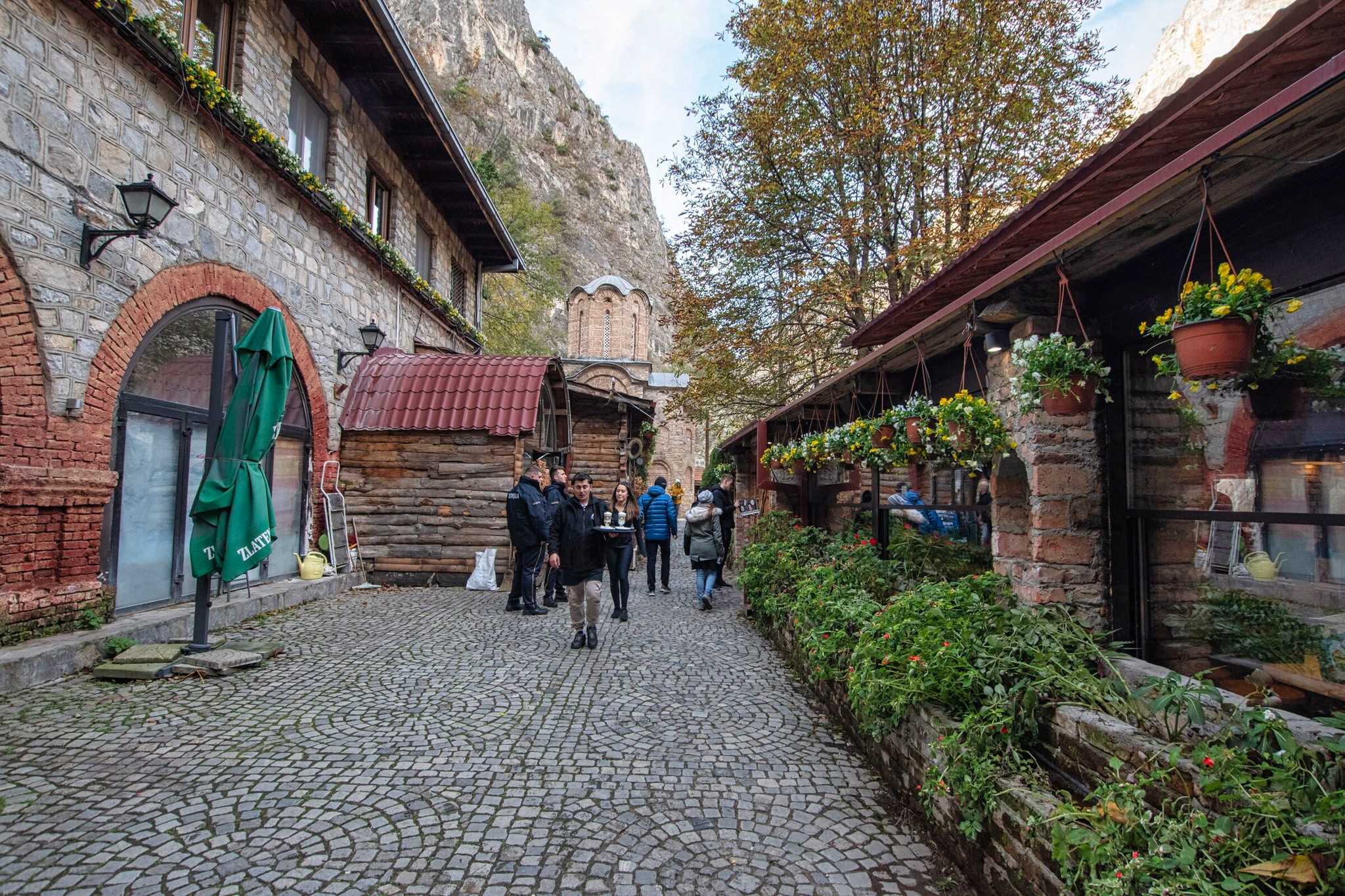
A short distance from the cable car base, we found ourselves at the Byzantine monastery of Saint Panteleimon, built in the twelfth century. We enjoyed the quiet of its courtyard and the cross-in-square church with its domes at the centre.
The photographs there were brief. With a respectful nod, we said goodbye to a monk or two, and to a few builders renovating the site, before continuing our journey towards our appointment with the beauty of Mother Nature.
George Tzimagiorgis
George Tzimagiorgis
Nikos Kakagias
Dimosthenis Seitaridis
Dimosthenis Seitaridis
Nikos Kakagias
- Matka -
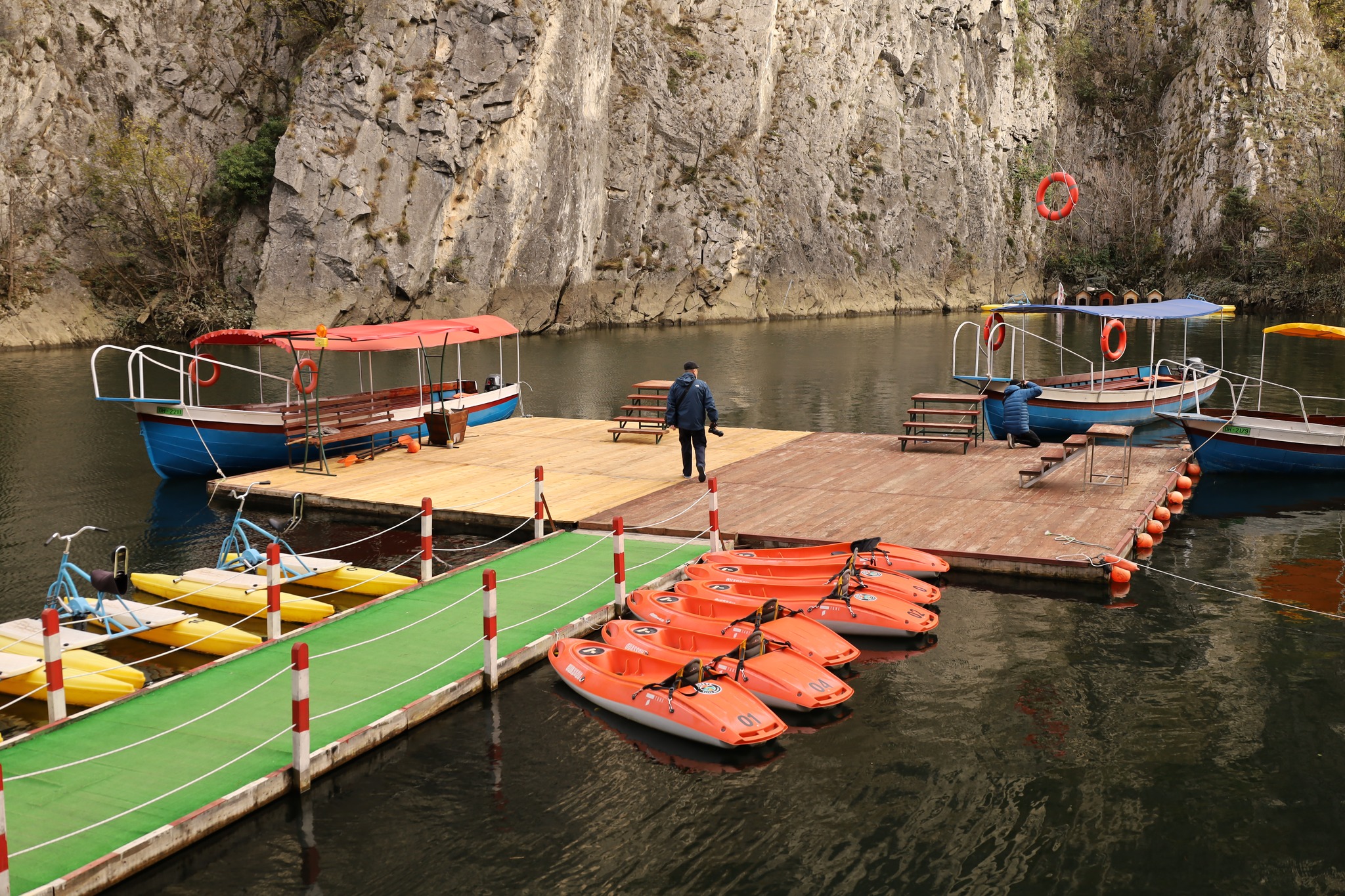
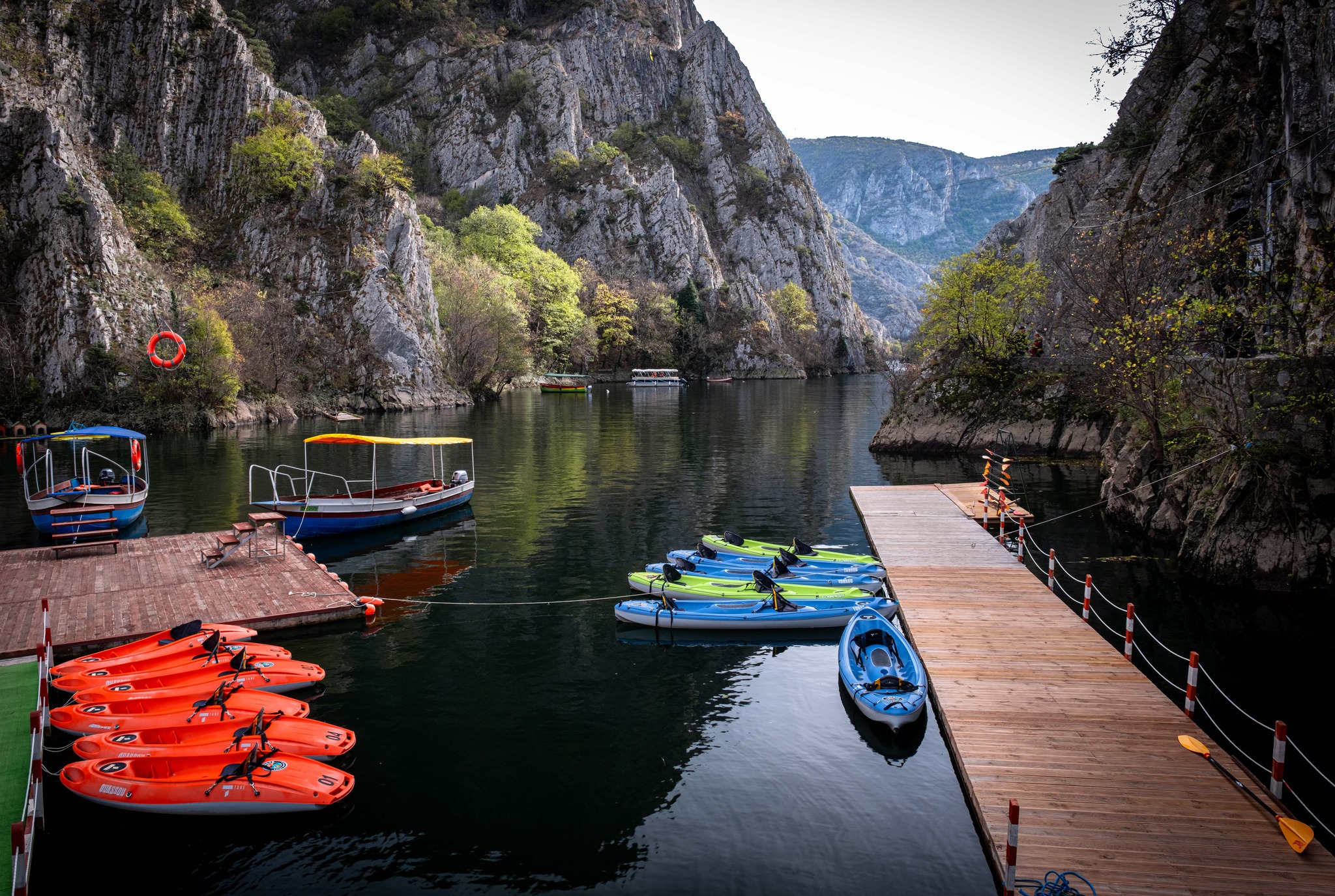
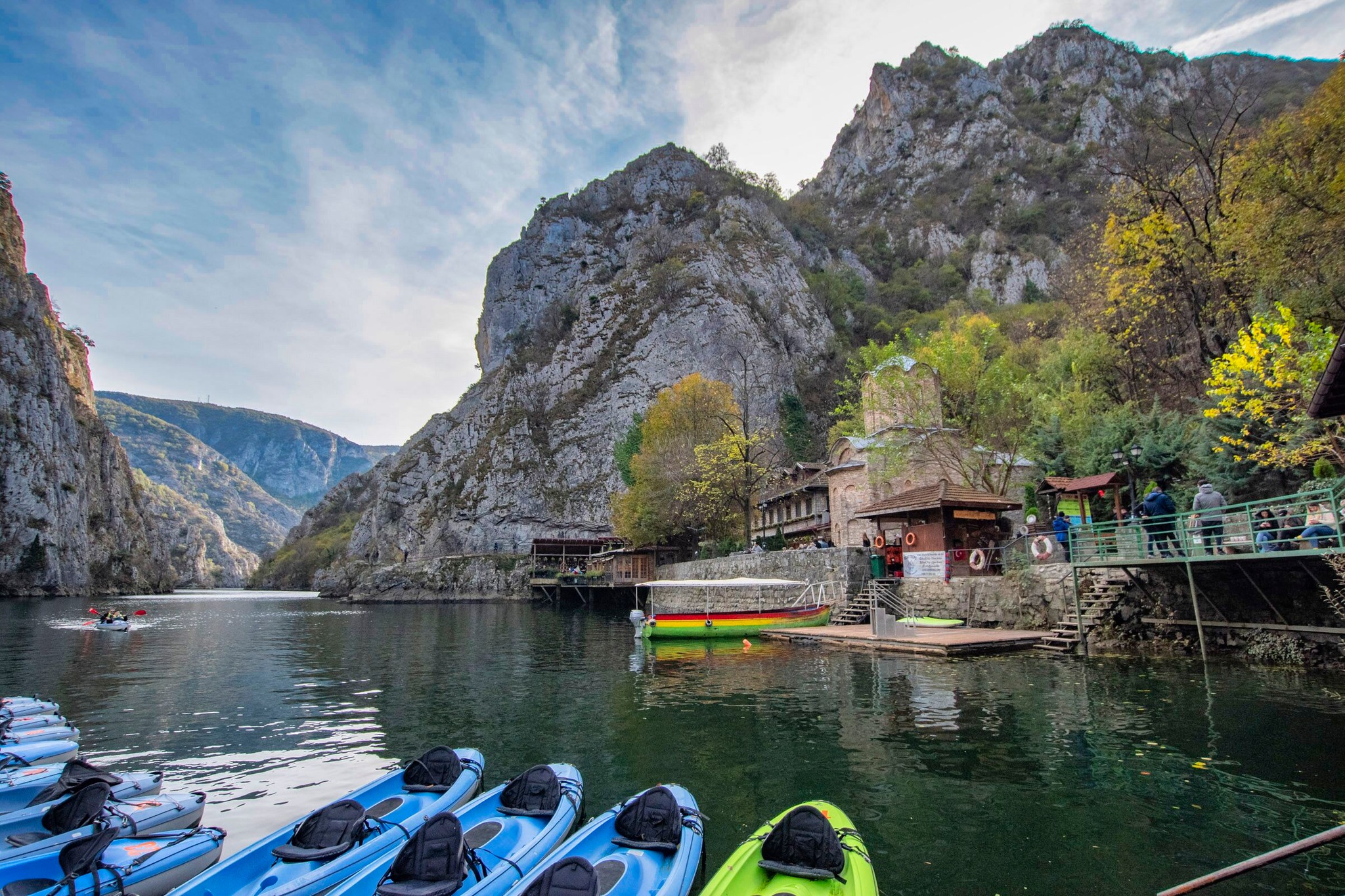
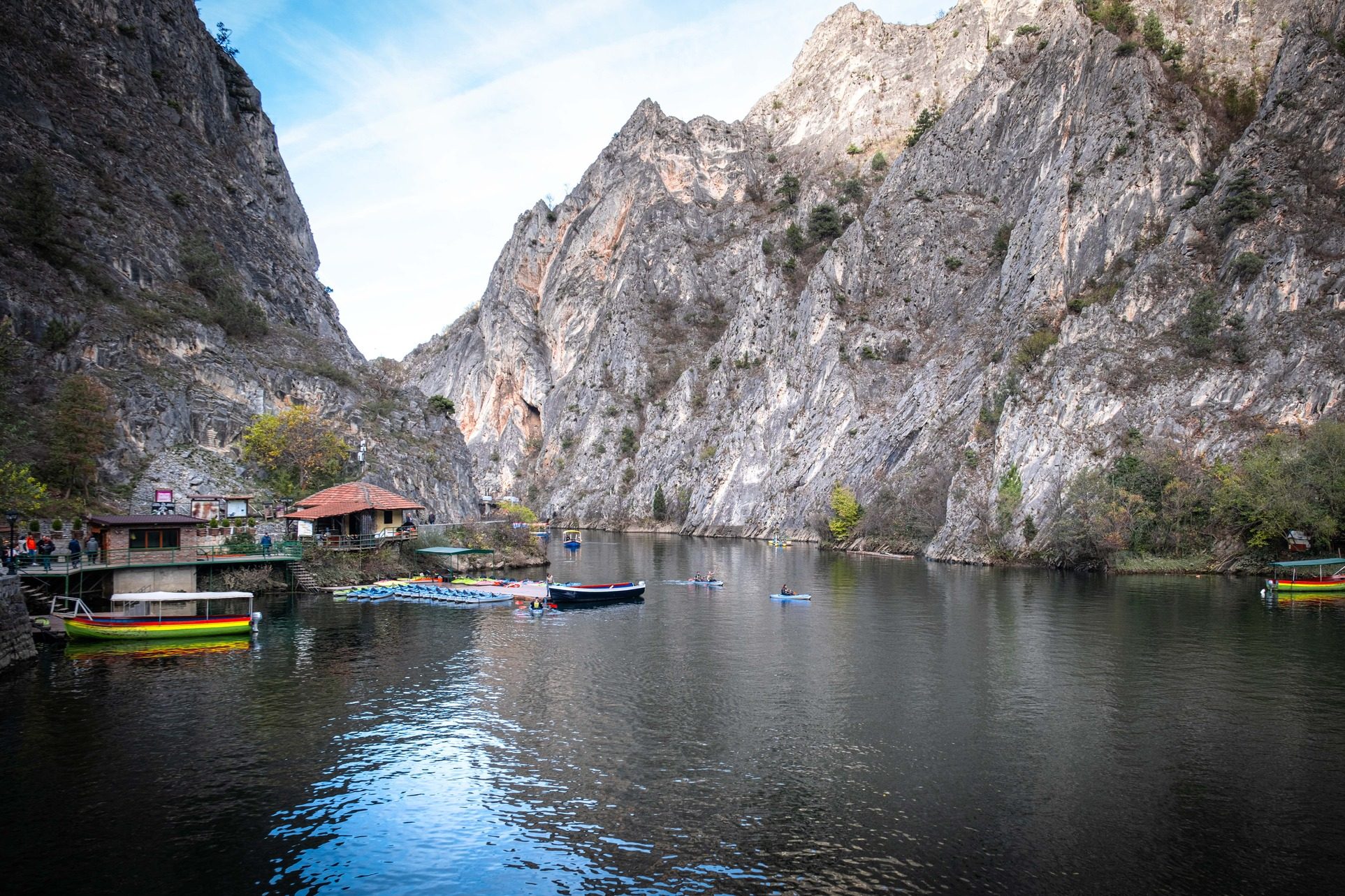
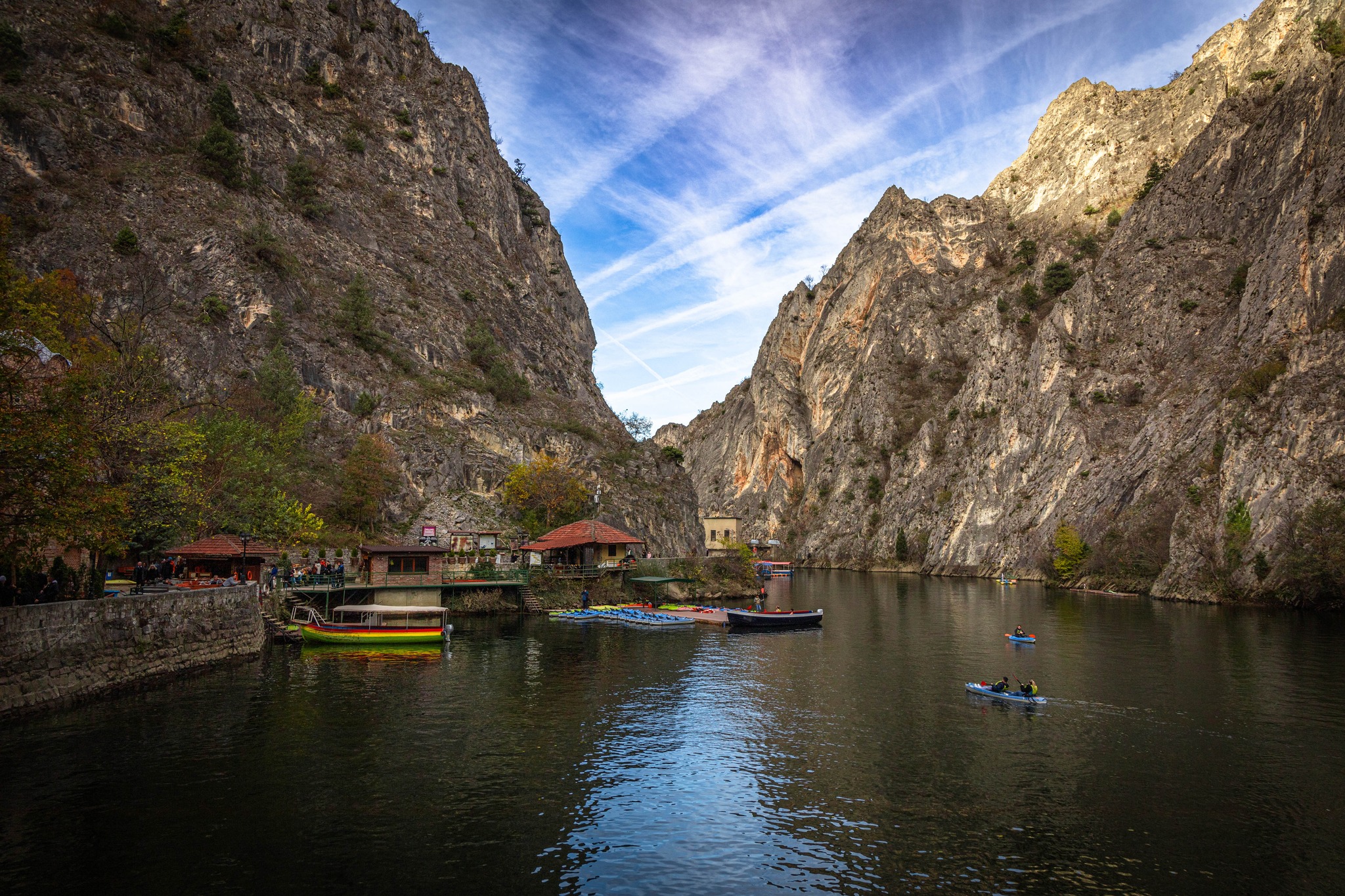
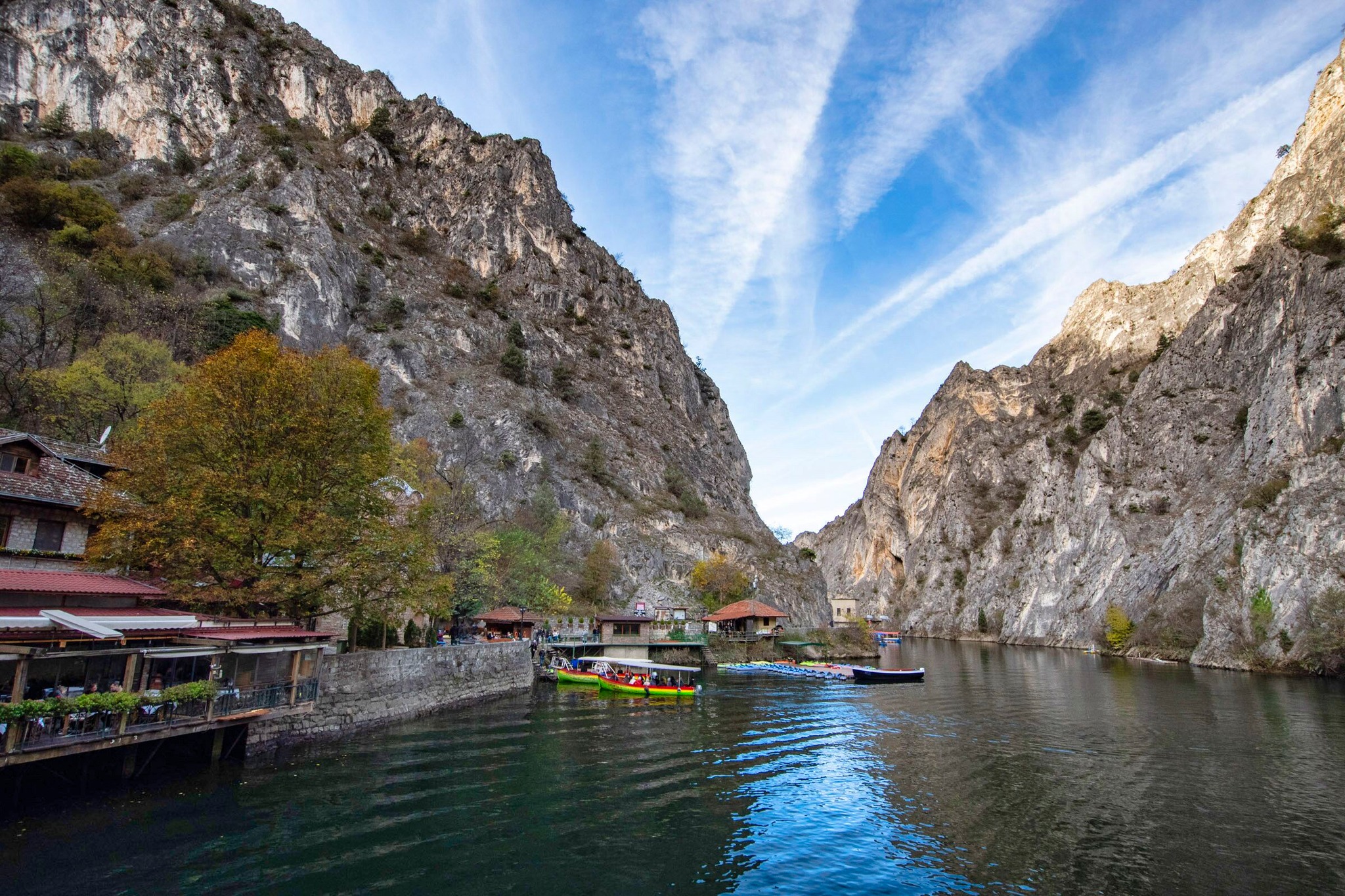
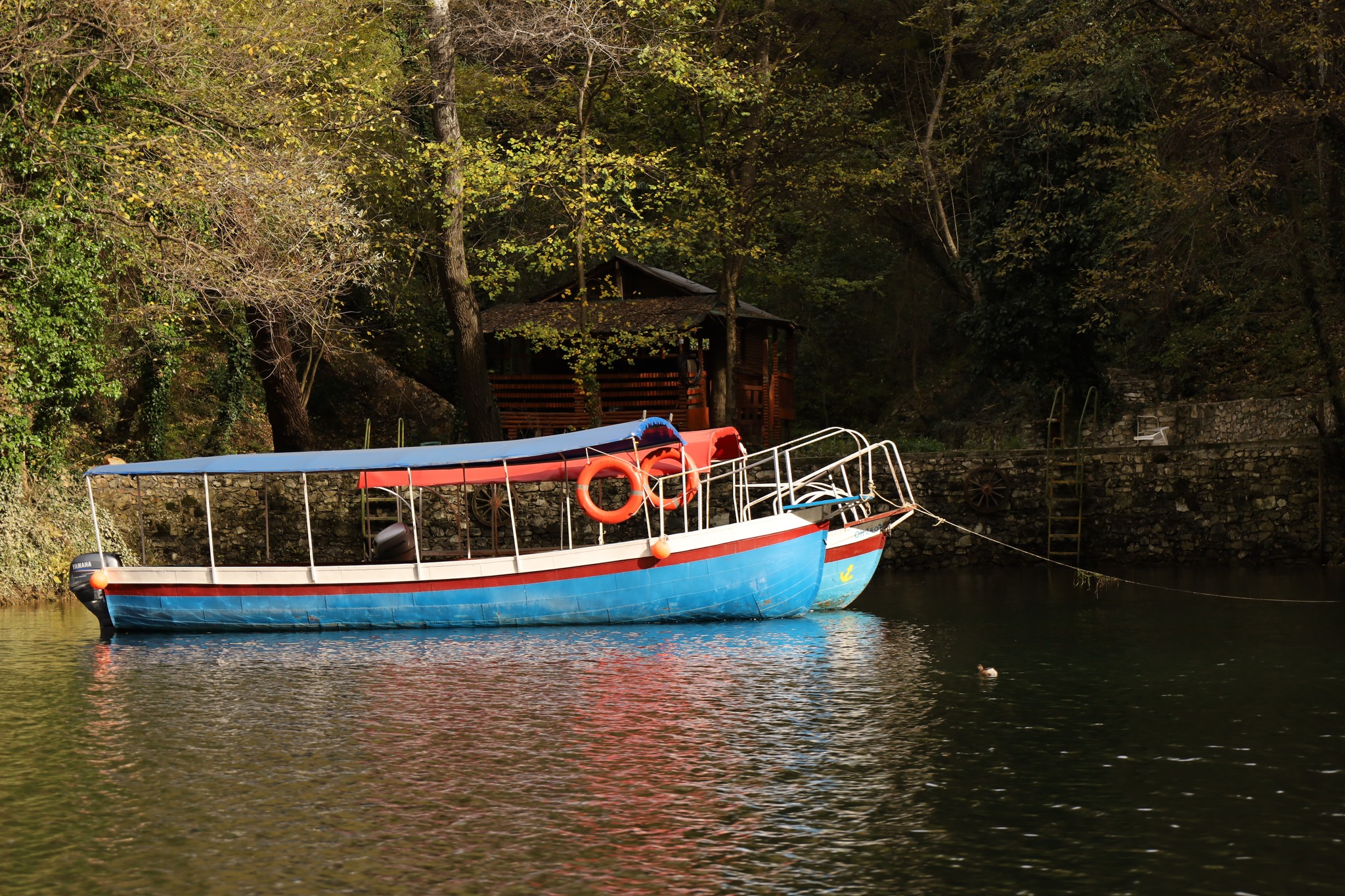
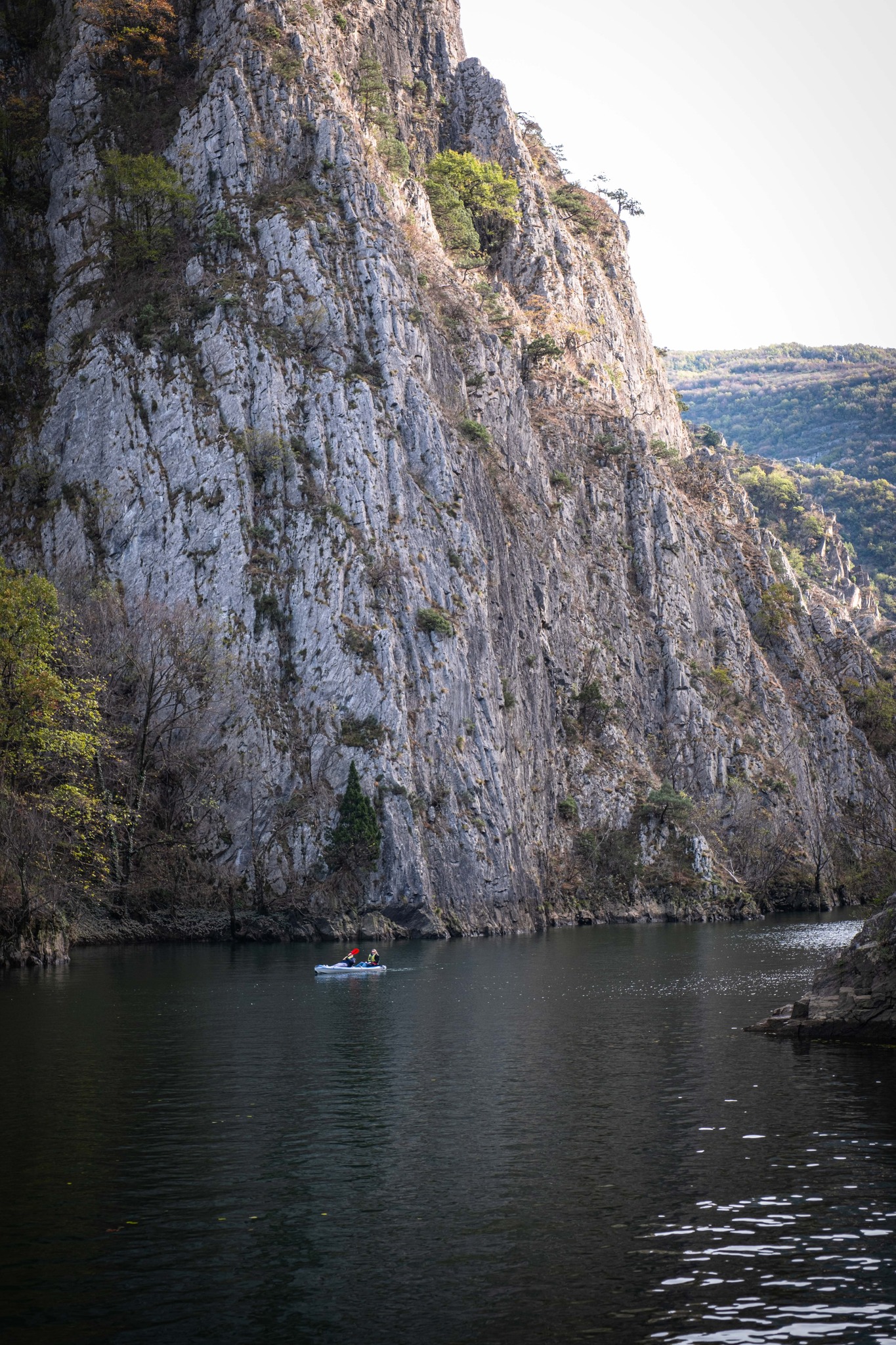
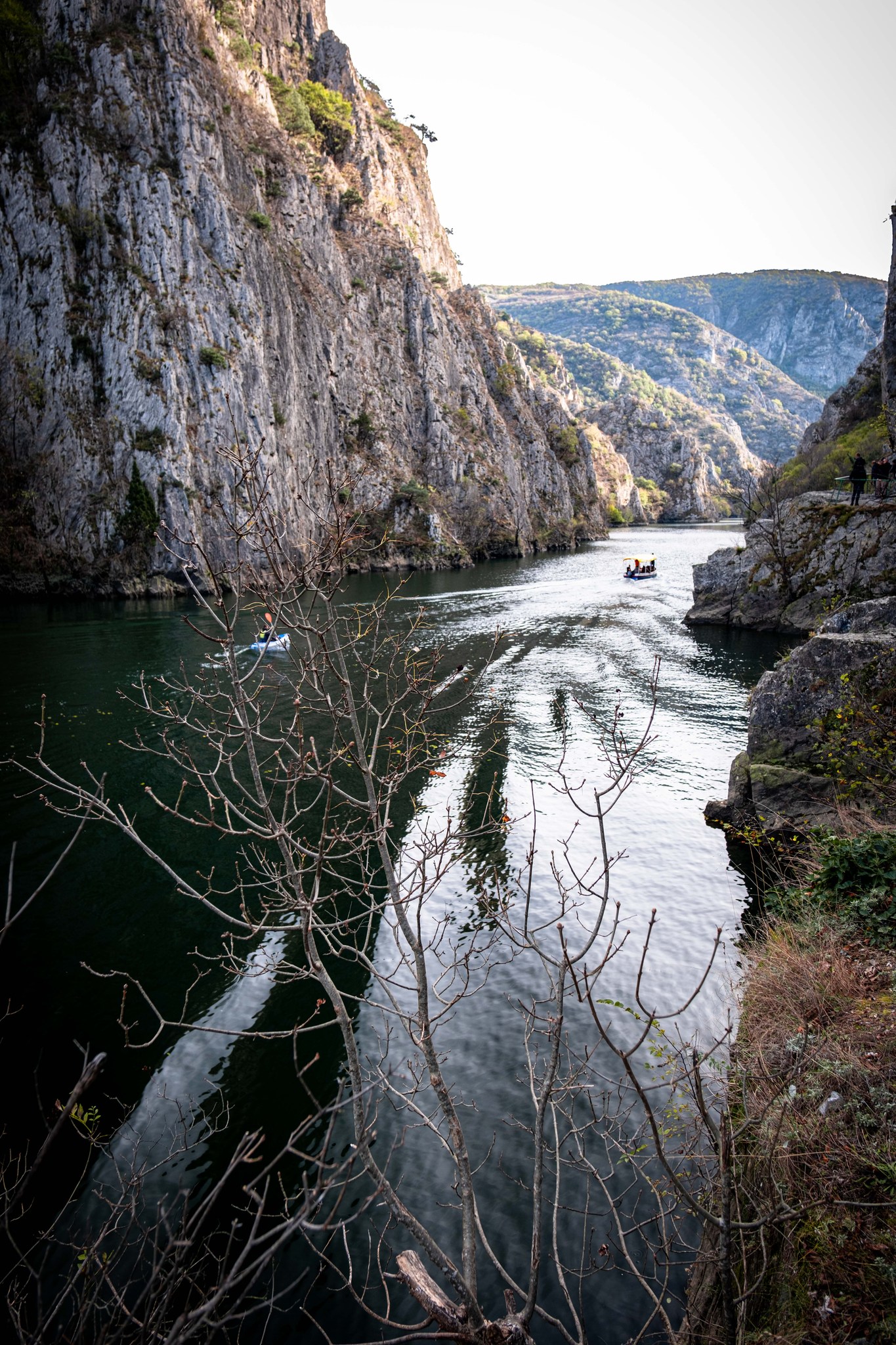
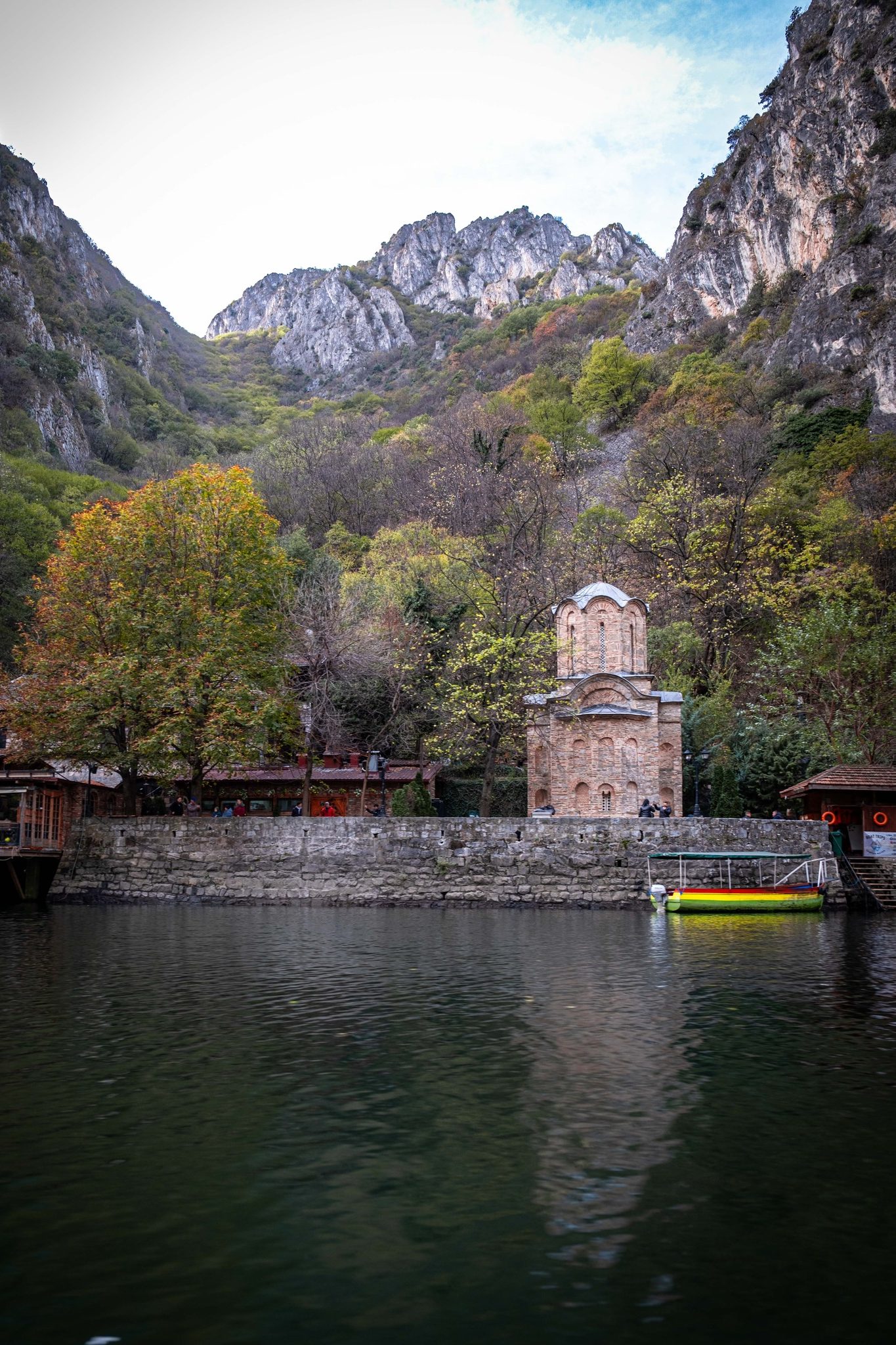
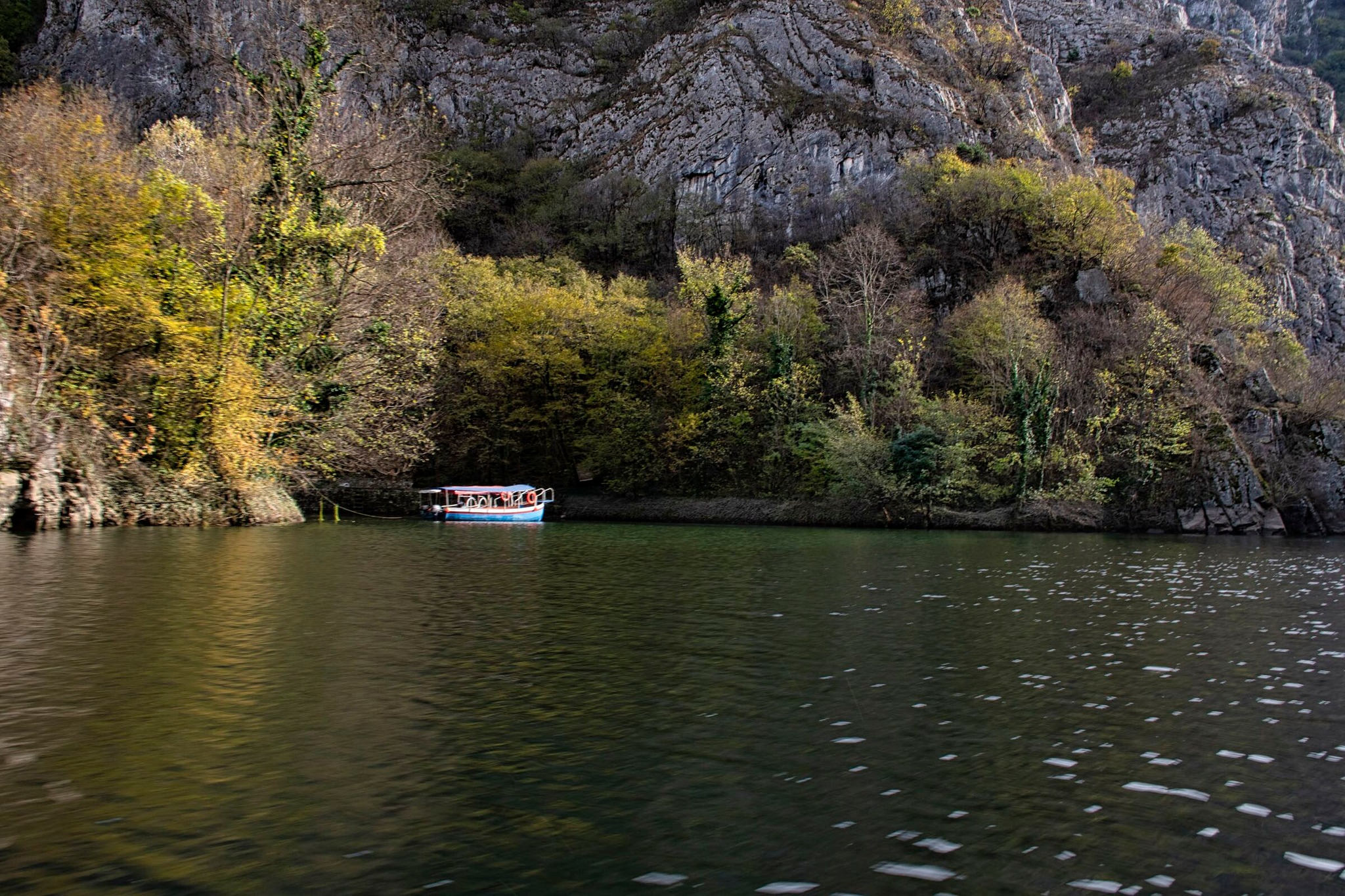
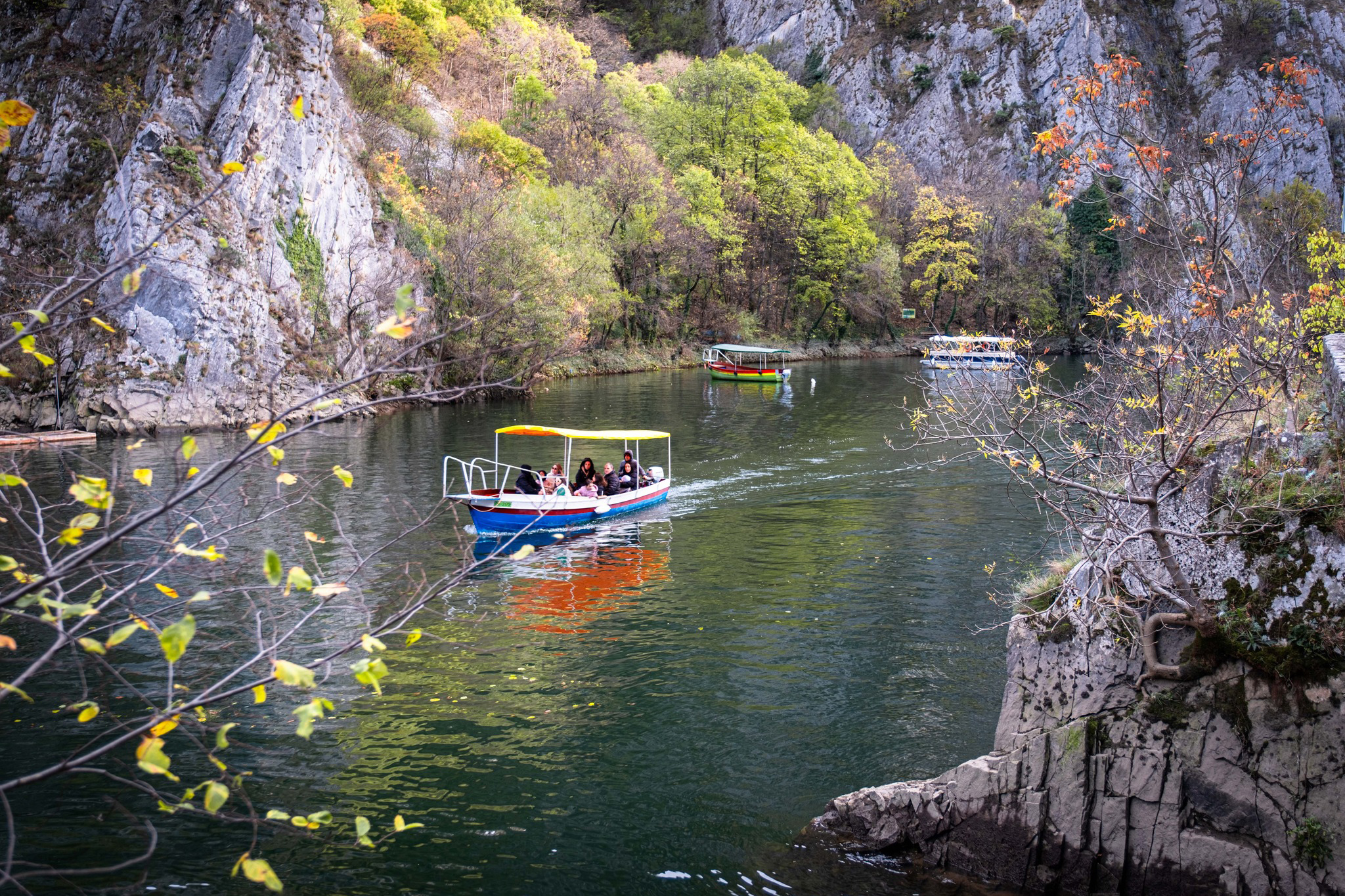
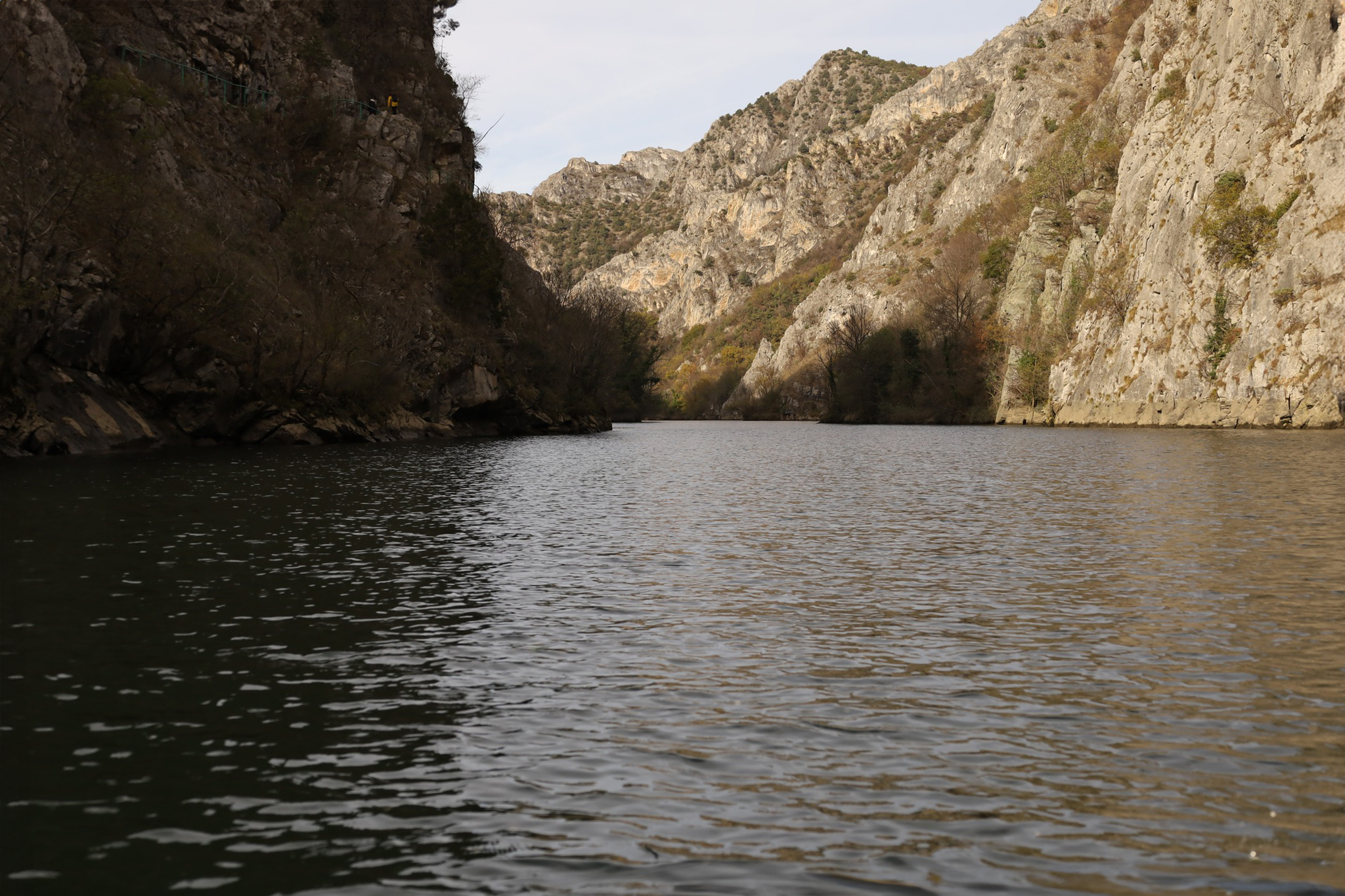
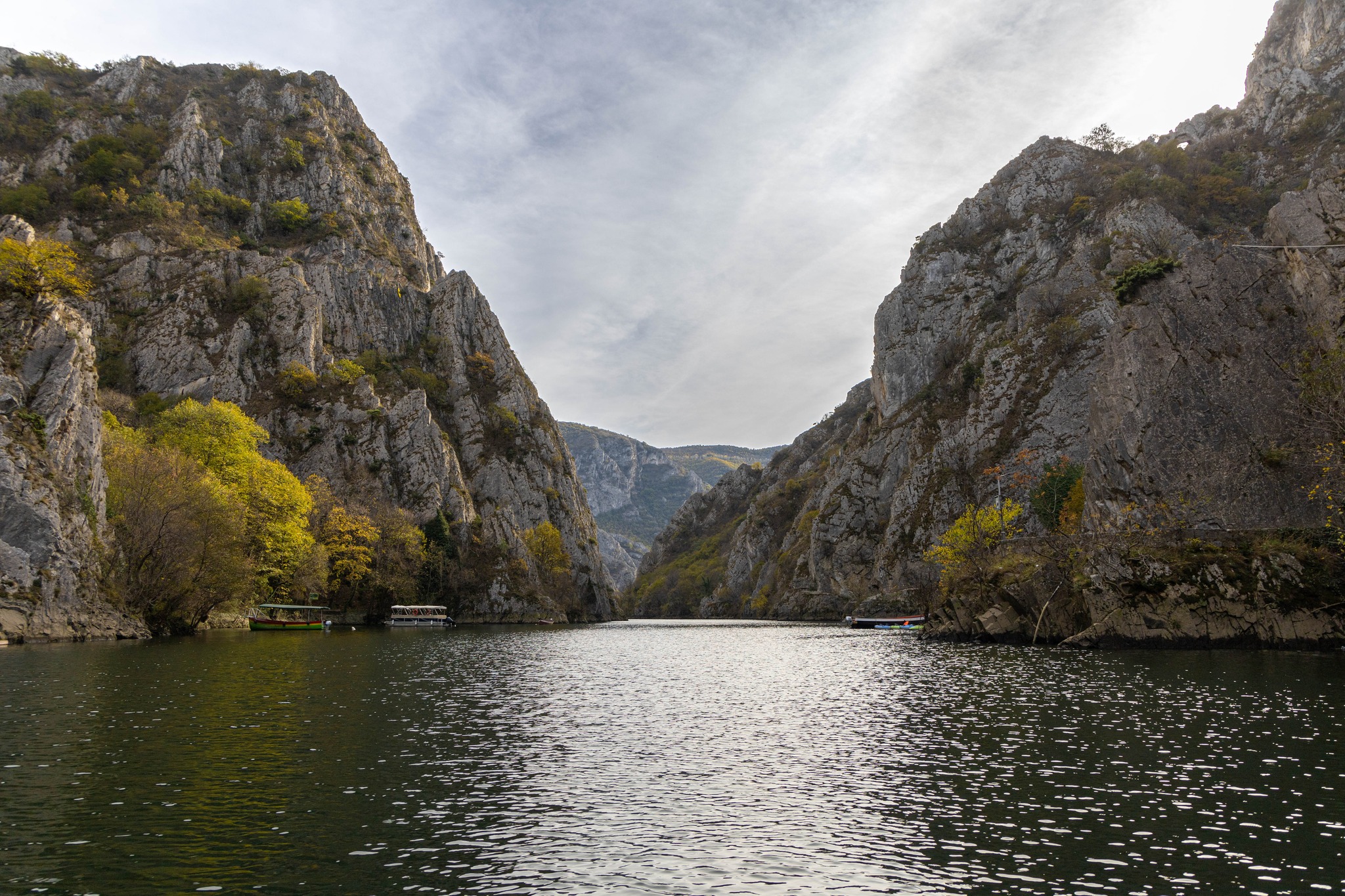
The Treska River, held back by a dam at the narrowest point of Matka Canyon, formed a beautiful lake of green-blue waters. On one bank, in the small opening left by the vertical rocks, nestled a Byzantine-style church and a lovely restaurant with flowers in the windows.
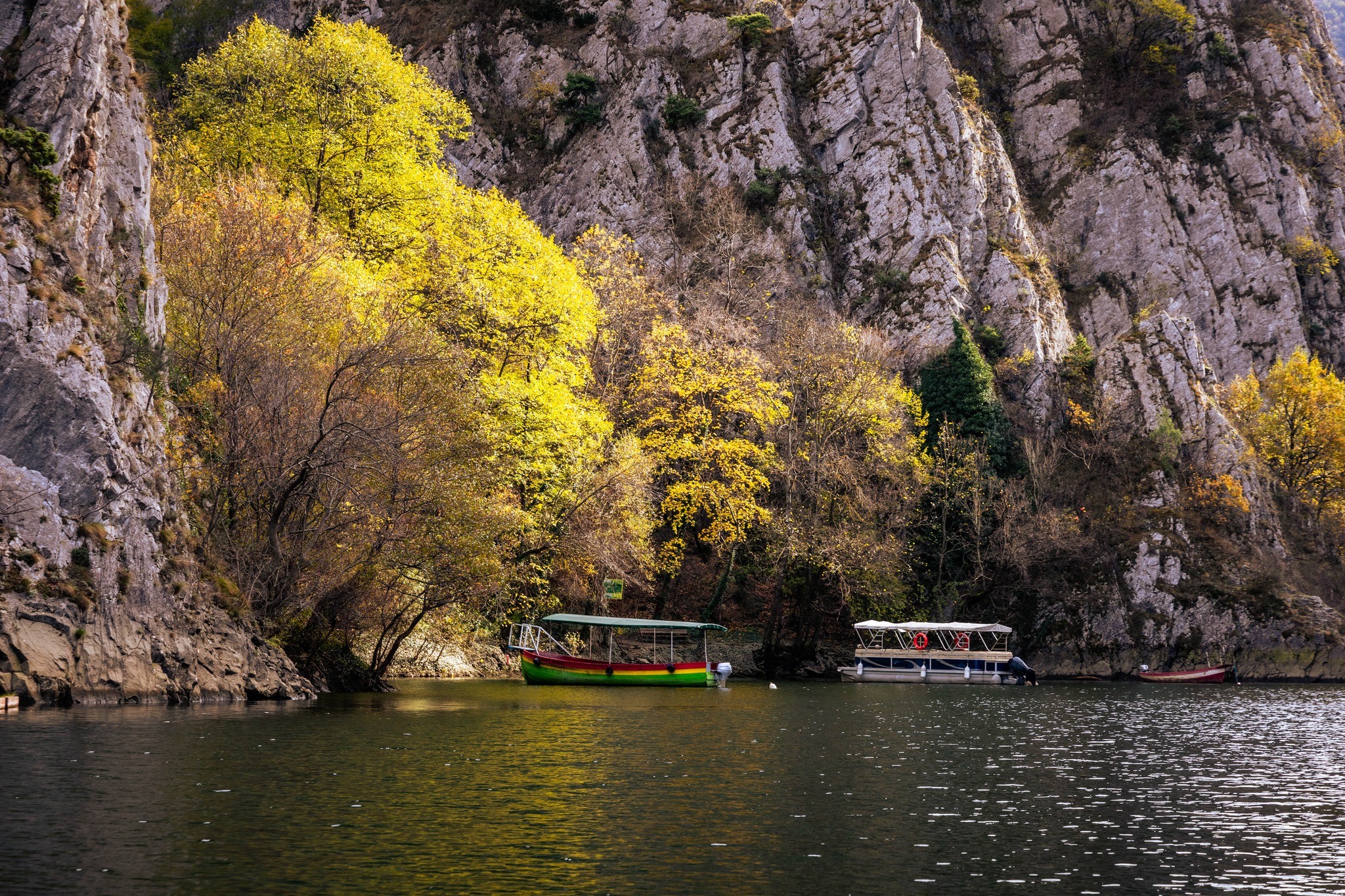
The ride on the colourful little boat, though short, was rich in images, and at last the cameras felt happy.
We felt happy too as we took the way back south, carrying with us the ambiguous images of a people so close to us in their habits and Balkan hospitality, and yet at the same time so far away.
Human lives would be simply beautiful, even with all their particularities, if only we allowed them to exist, far from agendas and glaring contradictions.
Pixelscape.gr uses cookies to ensure that provides you with the best possible navigation experience. By using the website you accept the usage of cookies. Press “Accept”, if you condone the usage of cookies.
This website uses cookies to improve your experience while you navigate through the website. Out of these, the cookies that are categorized as necessary are stored on your browser as they are essential for the working of basic functionalities of the website. We also use third-party cookies that help us analyze and understand how you use this website. These cookies will be stored in your browser only with your consent. You also have the option to opt-out of these cookies. But opting out of some of these cookies may affect your browsing experience.